Loading
by BlastRoom
Tell weight from mass and predict how an object's weight changes when the gravitational field changes.
#us_grade_8_science
20 questions
One question set, multiple game modes. Tap any game to see it in action. Not sure which to pick?
Answer to place stones and capture territory.
Outrun the snow together.
Earn blasts, then hunt the other team.
Answer to earn energy, then climb.

The class blasts through walls together.
Bid on mystery lots. Most money wins.
Sell tours. Nice, standard, or a total scam.

Answer, restock, and serve the rush.
More correct answers pulls the rope your way.
Answer, then shoot down the alien wave.
Answer, then tap to leap the frozen ridge.
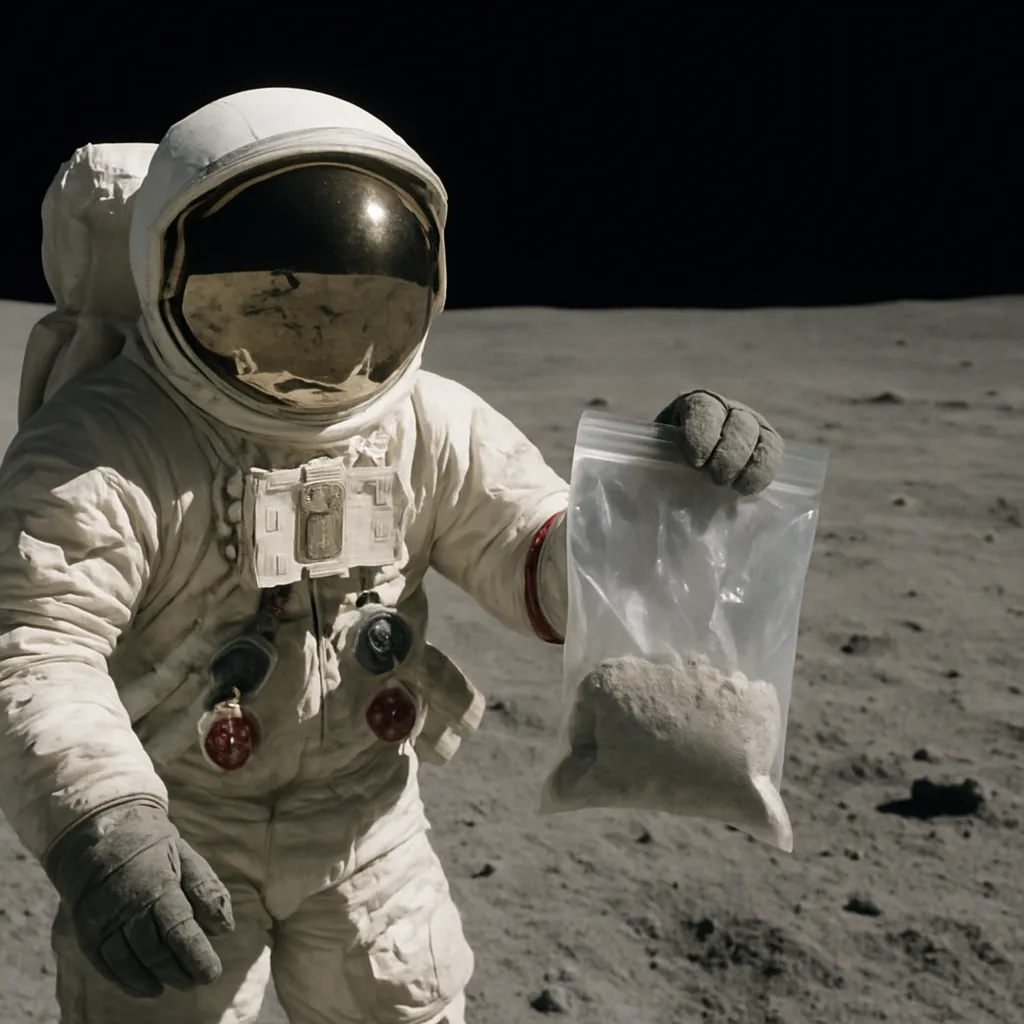
An astronaut carries a sealed bag of rocks from Earth to the Moon, where each kilogram is pulled with about 1.6 N instead of 9.8 N. How do the bag's mass and its spring scale reading change?
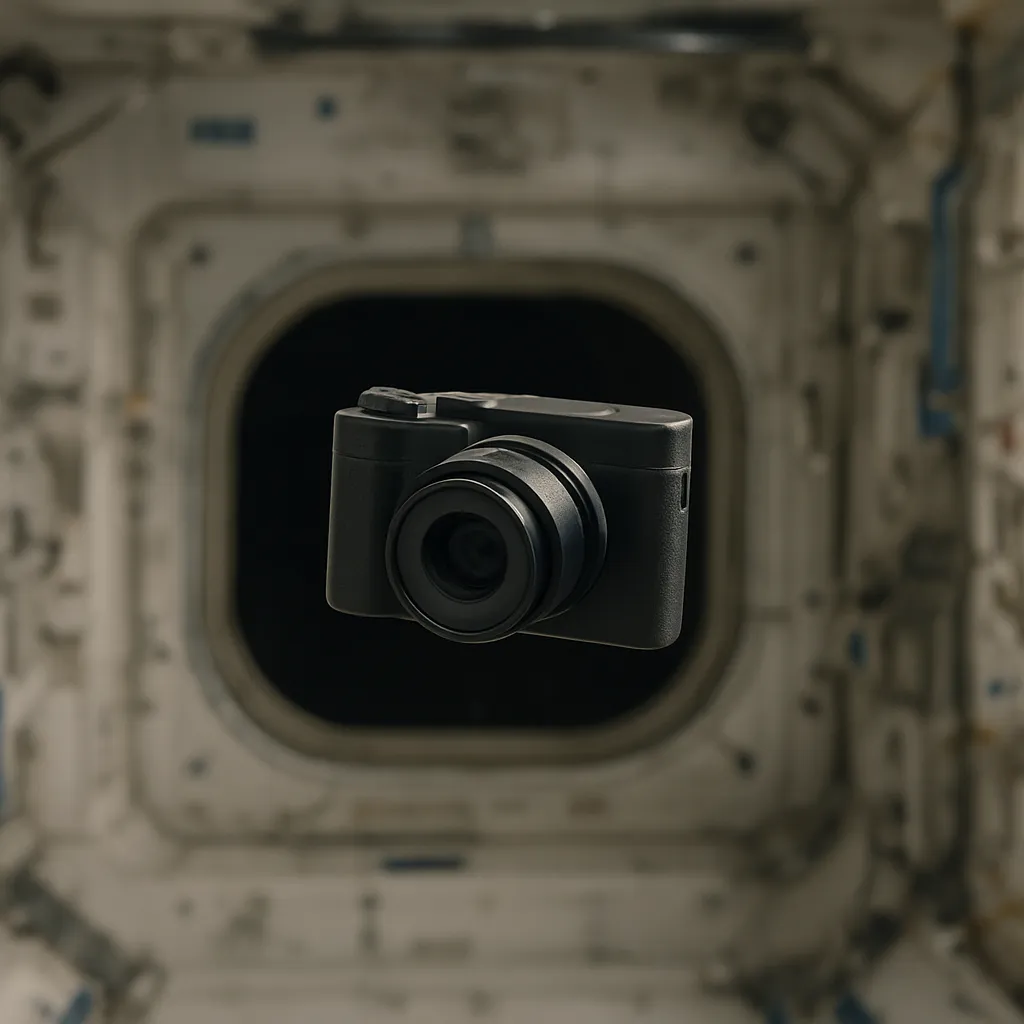
A 4 kg camera floats beside an astronaut inside a space station that is falling freely around Earth. A spring scale attached to the camera reads about zero. What does that reading show?
A student takes a pan balance and a spring scale to Mars, where the field strength is 3.7 N/kg, and measures the same brick with both. Compared with the readings taken on Earth, what happens?
A crate is moved from Earth, where the field strength is 9.8 N/kg, to a platform on Jupiter, where it is 24.8 N/kg. How do the amount of matter in the crate and its weight compare with the Earth values?
A rover has the same mass on Mars as on Earth, but weighs less on Mars because Mars pulls each kilogram with 3.7 N instead of 9.8 N.
Sealing a container of soil and carrying it to the Moon reduces the amount of matter inside the container.
On the Moon a 70 kg astronaut can jump far higher than on Earth, yet shoving a heavy crate sideways across the ground feels just as hard as it did on Earth. Which claim do both observations support?
A packed sled has a mass of 60 kg. On the Moon the gravitational field strength is 1.6 N/kg. What is the sled's weight while it sits on the Moon's surface?
A probe with a mass of 25 kg is lowered to a platform where the gravitational field strength is 24.8 N/kg, the value near Jupiter's cloud tops. What weight does the platform support?
A drill weighs down on the surface of Mars, where the gravitational field strength is 3.7 N/kg. The drill's mass is 12 kg. What is its weight there?
A spring scale on Earth, where the gravitational field strength is 9.8 N/kg, reads 490 N when a sealed canister hangs from it. What is the canister's mass?
A toolbox has a mass of 30 kg. The gravitational field strength is 1.6 N/kg on the Moon and 3.7 N/kg on Mars. Where is the toolbox heavier, and by how much?
On the Moon, where the gravitational field strength is 1.6 N/kg, a spring scale reads 8 N for a sample container. What would the same container weigh on Earth, where the field strength is 9.8 N/kg?
A spare helmet has a mass of 2 kg. Held above a platform where the gravitational field strength is 24.8 N/kg, what is the helmet's weight?
A geologist wants one number for a meteorite that would come out identical if the meteorite were carried to Mars and measured there. Which measurement should be recorded?
Engineers at a Mars base need to know the gravitational pull on a 40 kg supply crate as it sits on the ground. Which reading gives them that force directly?
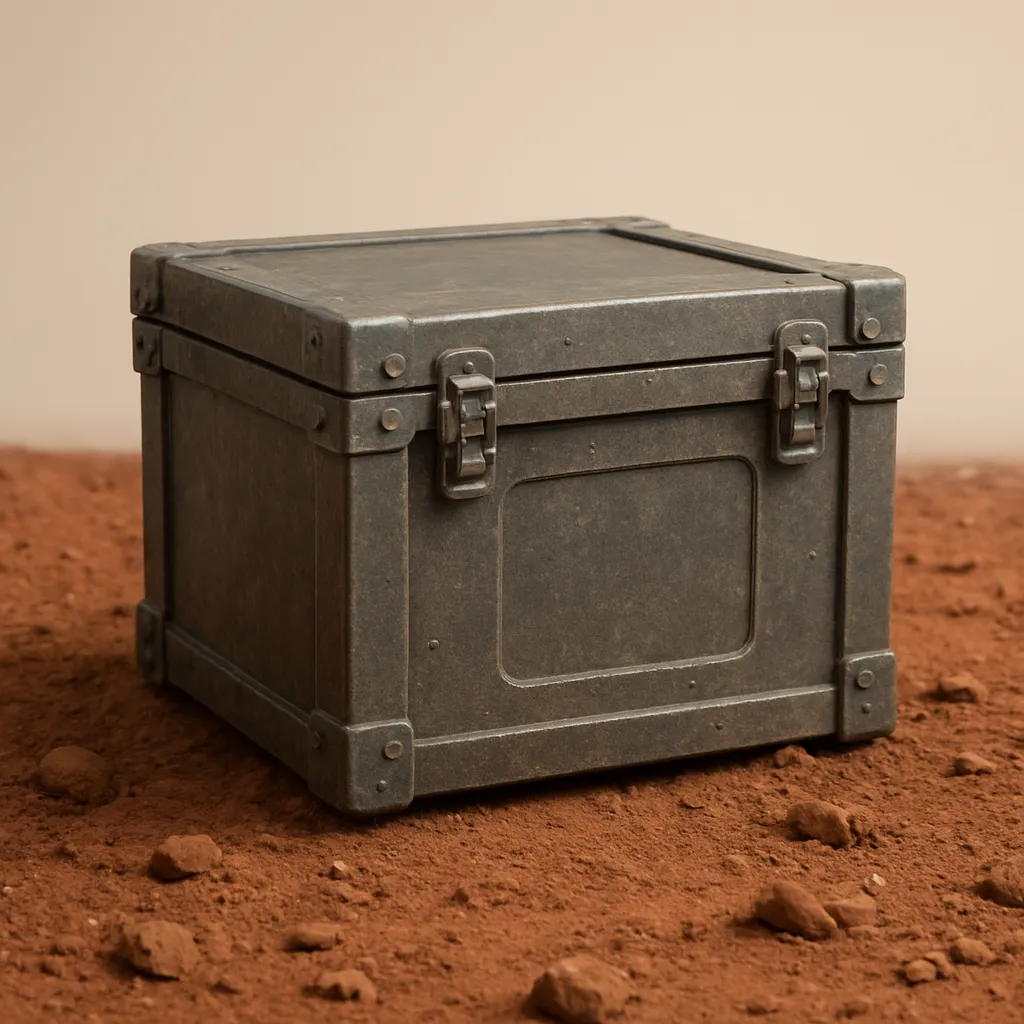
A student records two numbers for a rock resting on the Moon: its weight is 16 and its mass is 10. Which units belong with those two numbers?
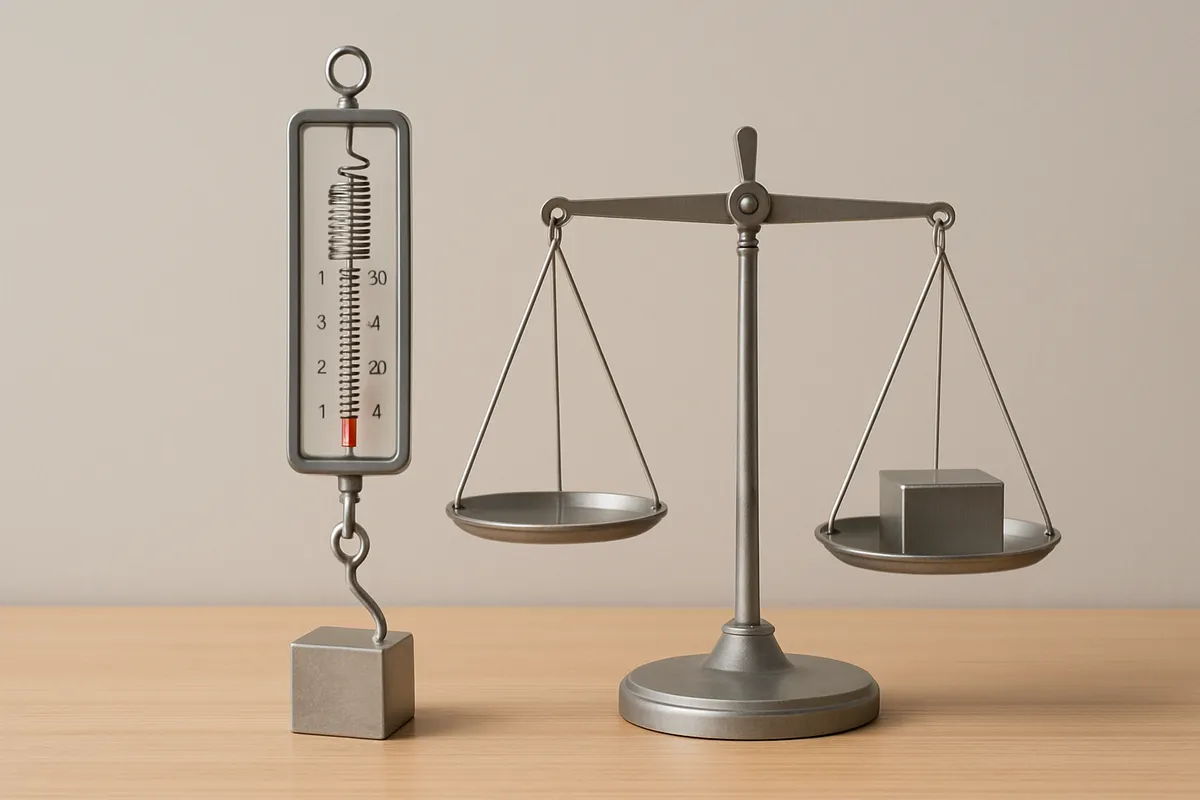
A bathroom scale works by squeezing a spring and printing a number in kilograms. The same person stands on it on Mars. What is the scale actually responding to?
A cargo manifest for a Moon flight must state how much matter each container holds, so that the same number is correct at both ends of the trip. Which quantity should the manifest list?
An engineer must know the force a 300 kg lander will press onto the Martian surface with, so the landing legs do not sink into the dust. Which quantity gives that force?
Crack the passcode before the zombies get in.
Answer, then swat bugs for bonus points.
Race through questions at your own speed.
Same question on every screen. Fastest wins.

Pick a tile, answer, hit bonuses and steals.

The Life Cycle of Stars
40 questions