Loading
by BlastRoom
Compare the historical models of the solar system and the evidence that changed them.
#us_grade_8_science
20 questions
One question set, multiple game modes. Tap any game to see it in action. Not sure which to pick?
Answer to place stones and capture territory.
Outrun the snow together.
Earn blasts, then hunt the other team.
Answer to earn energy, then climb.

The class blasts through walls together.
Bid on mystery lots. Most money wins.
Sell tours. Nice, standard, or a total scam.

Answer, restock, and serve the rush.
More correct answers pulls the rope your way.
Answer, then shoot down the alien wave.
Answer, then tap to leap the frozen ridge.
In one published model Earth sits motionless at the center, and each planet rides a small circle whose center is itself carried around Earth on a large circle. Whose model is described?
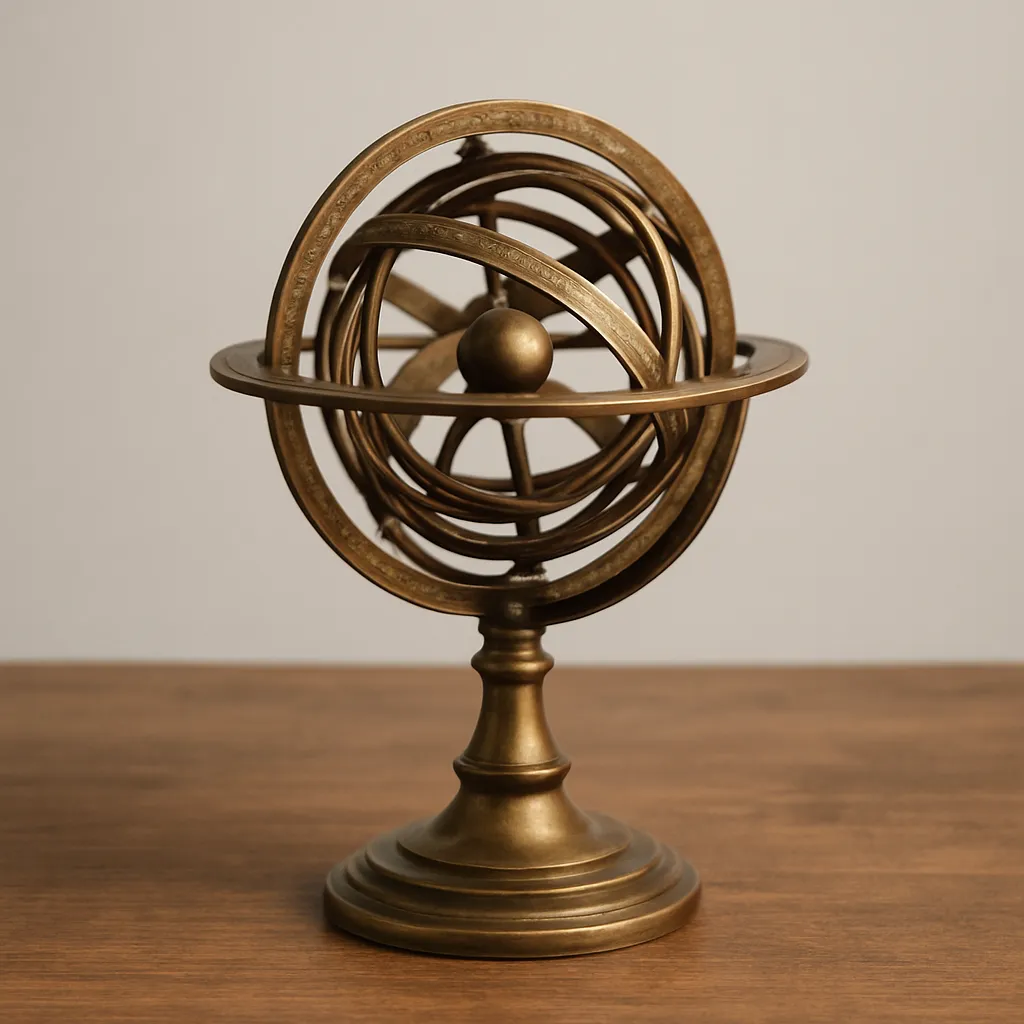
A model orders the bodies outward from a central Sun: Mercury, Venus, Earth with its Moon, Mars, Jupiter, Saturn, with the outer ones taking longer to finish one circuit. Whose model is this?
In this model each planet travels around the Sun on a stretched oval rather than a circle, with the Sun sitting at one focus of that oval instead of at its center. Whose model?
A compromise model keeps Earth still at the center with the Moon and the Sun circling it, while Mercury, Venus, Mars, Jupiter and Saturn all circle the moving Sun. Whose model is this?
In one model the fixed stars are set on an outermost sphere that carries them once around a motionless Earth every day, producing the nightly march of the constellations. Whose model is described?
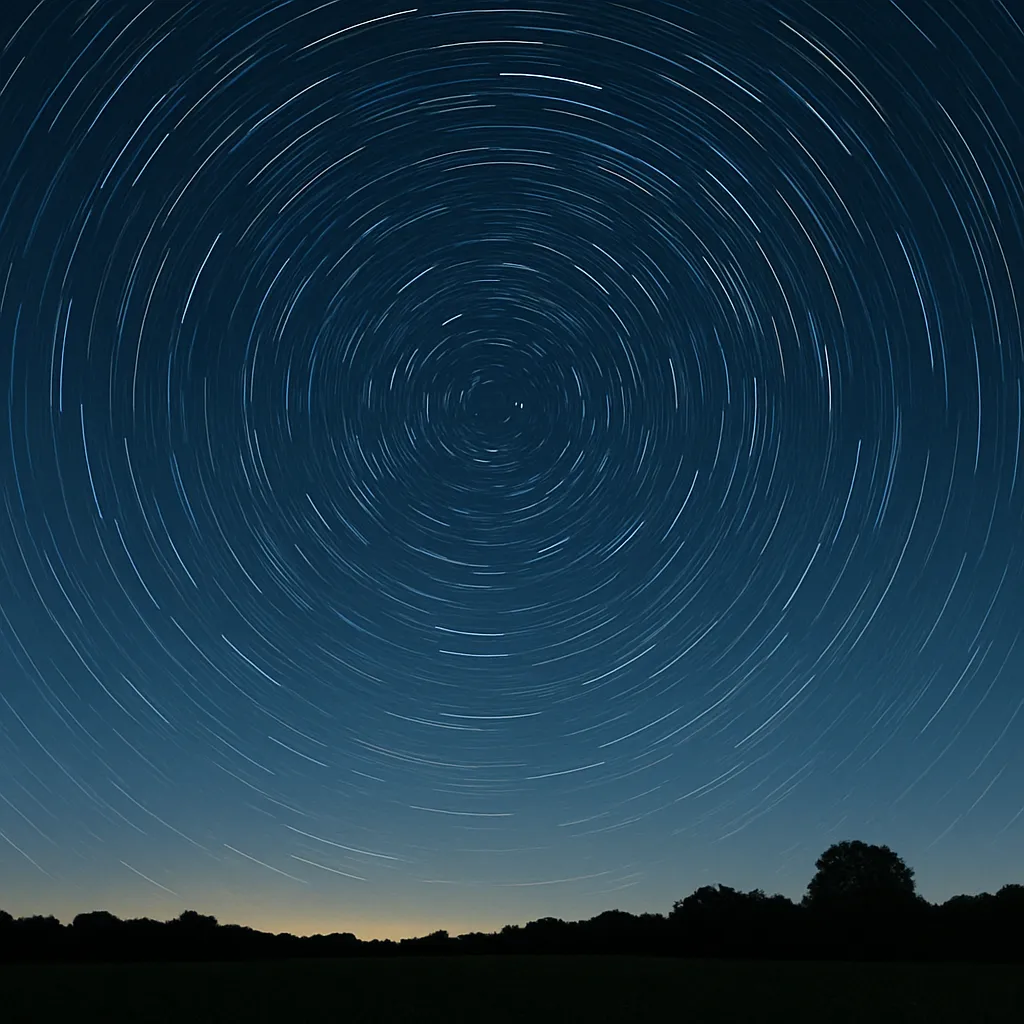
This model still uses small extra circles to fine-tune planet speeds, but Earth spins once daily and travels yearly, so the sky's daily turning belongs to Earth itself. Whose model is this?
One model states that a line drawn from the Sun to a planet sweeps out equal areas in equal times, so the planet runs fastest when it is nearest the Sun. Whose model?
Through a telescope Venus runs through a full cycle of shapes: a thin crescent when its disk looks largest, and a nearly full round disk when it looks smallest. What does this show?
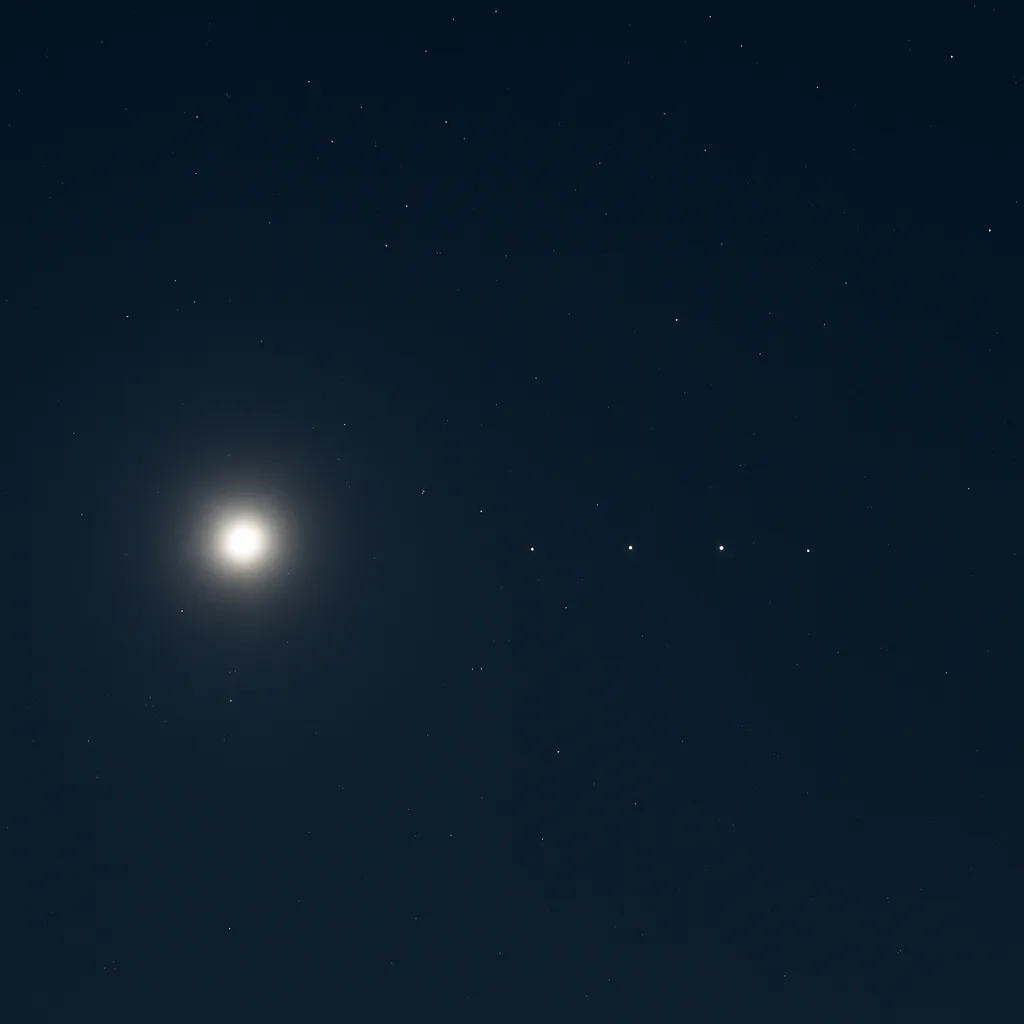
Four faint points of light sit in a line beside Jupiter. They change places night after night, and they travel with Jupiter as it moves against the stars. What does this show?
Night after night Mars creeps eastward against the stars, then for several weeks slides backward westward, then goes east again. How does the Sun-centered model explain this loop?
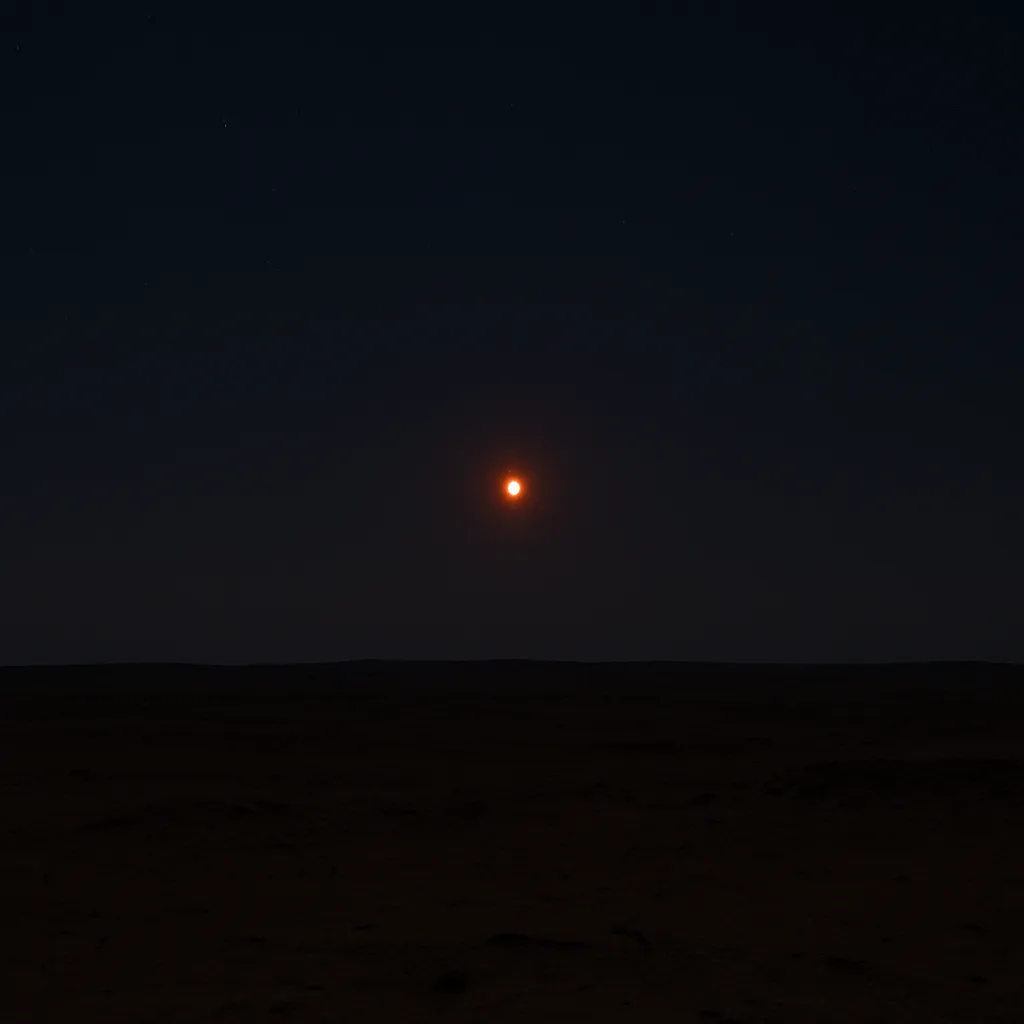
Mercury and Venus are never seen high at midnight. They appear only low in the west after sunset or low in the east before dawn, always close to the Sun. What does this show?
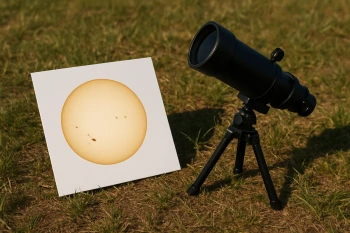
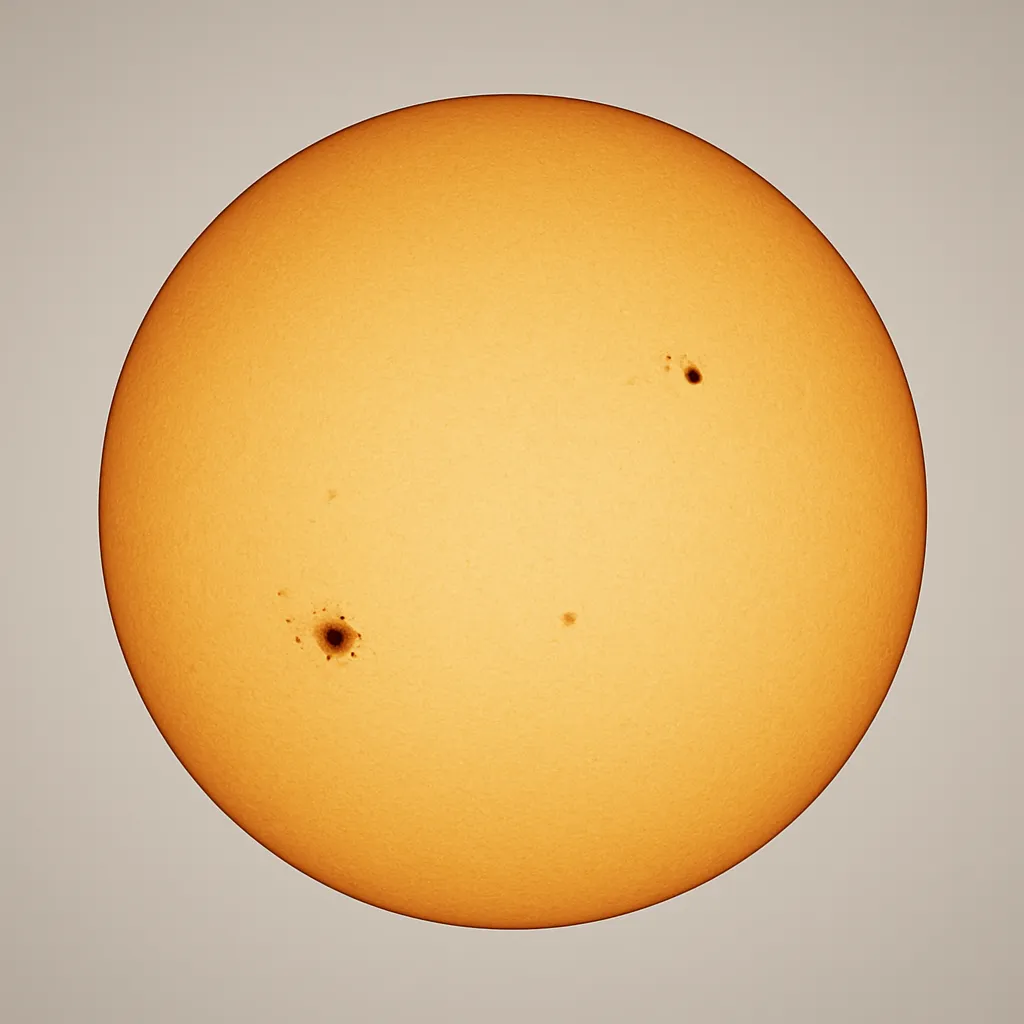
Seen through a filter, dark patches appear on the Sun's bright face, drift steadily across it over about two weeks, then fade while new patches appear elsewhere. What does this support?
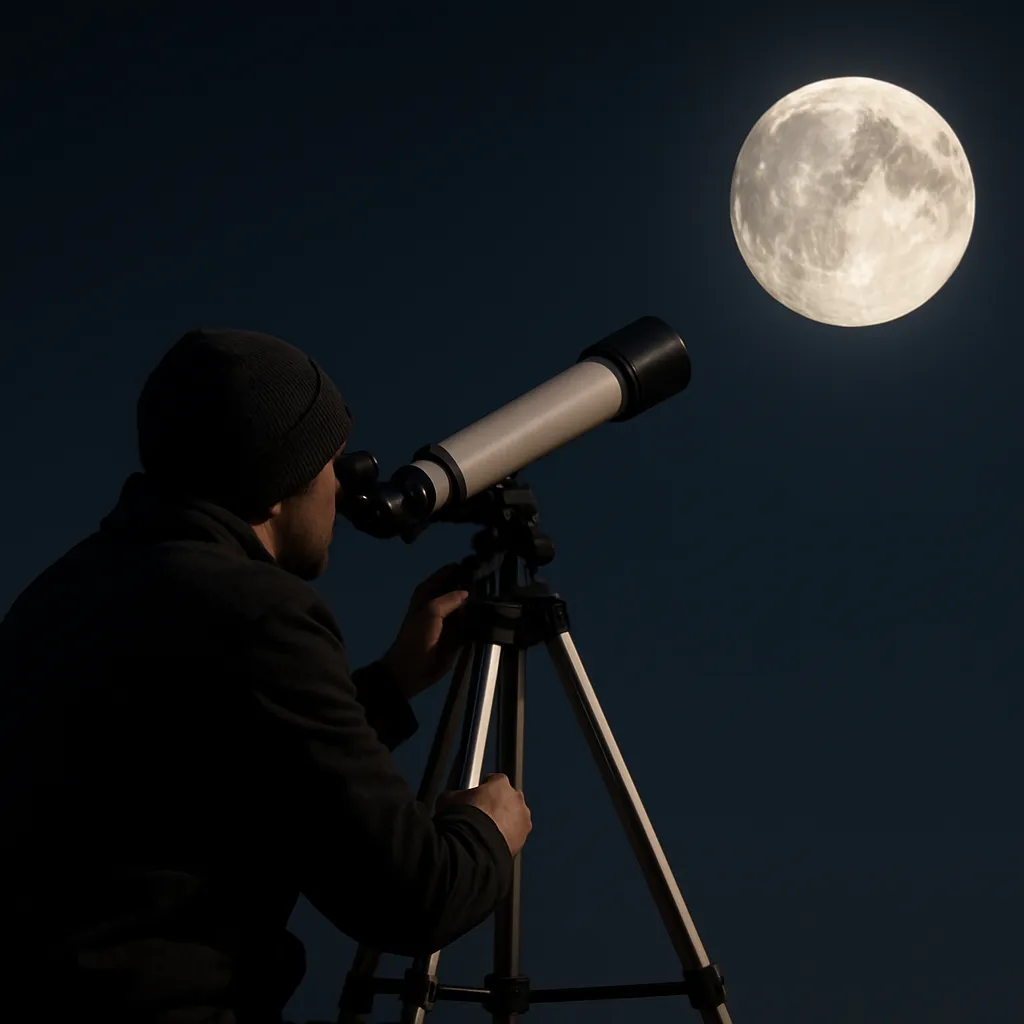
A telescope shows the Moon's line between light and dark as ragged, with bright specks glowing inside the dark side and long shadows stretching from ring-shaped hollows. What does this support?
In 1572 a brilliant new star appeared in Cassiopeia. Measurements from different places showed it did not shift against the surrounding stars the way the nearby Moon does. What did this show?
Which instrument, first turned on the night sky in 1609, revealed moons, phases and surface features nobody had ever seen and let astronomers test the competing models of the solar system?
Whose twenty years of precise naked-eye measurements of planet positions, gathered before the telescope, supplied the Mars data that Kepler later used to work out the true shape of its orbit?
Which book, printed in 1543, argued that Earth is a planet that turns once a day and travels around the Sun once a year?

The Sun-centered model described how the planets move but not what held them on their paths. Whose law of universal gravitation supplied that missing cause in 1687?
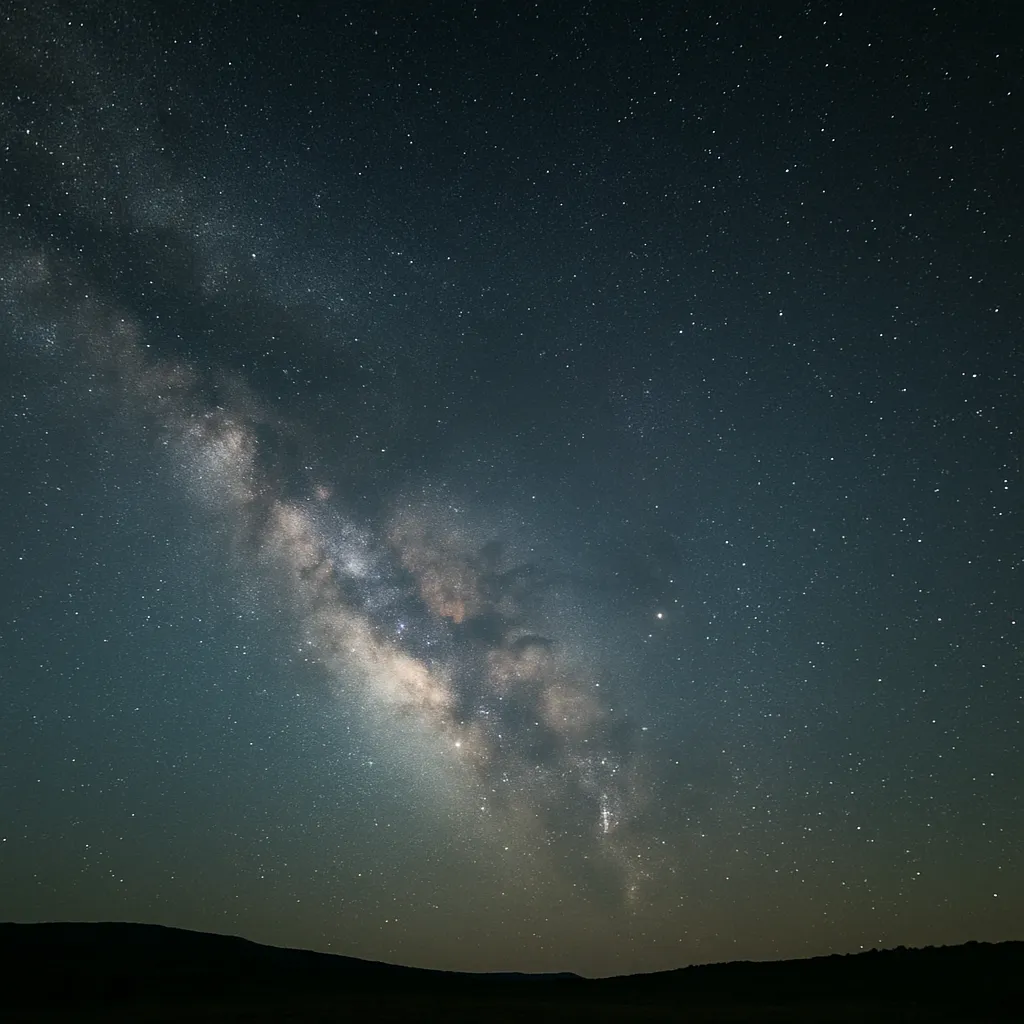
Through Galileo's telescope, the hazy band of light called the Milky Way broke up into countless separate points of light. What did this show?
Tycho's Mars positions would not fit any circular path, and a small stubborn error remained. What change did Kepler make so the Sun-centered model finally matched those measurements?
Crack the passcode before the zombies get in.
Answer, then swat bugs for bonus points.
Race through questions at your own speed.
Same question on every screen. Fastest wins.

Pick a tile, answer, hit bonuses and steals.
Star Properties: Brightness, Color and Temperature
40 questions