Loading
by BlastRoom
Identify motives, claimed regions, settlement patterns, and Columbian Exchange effects in early North America.
#us_history#us_grade_8_social_studies
40 questions
One question set, multiple game modes. Tap any game to see it in action. Not sure which to pick?
A ruler funds a voyage to find a shorter sea route to Asian spice markets. Which motive best fits this decision?
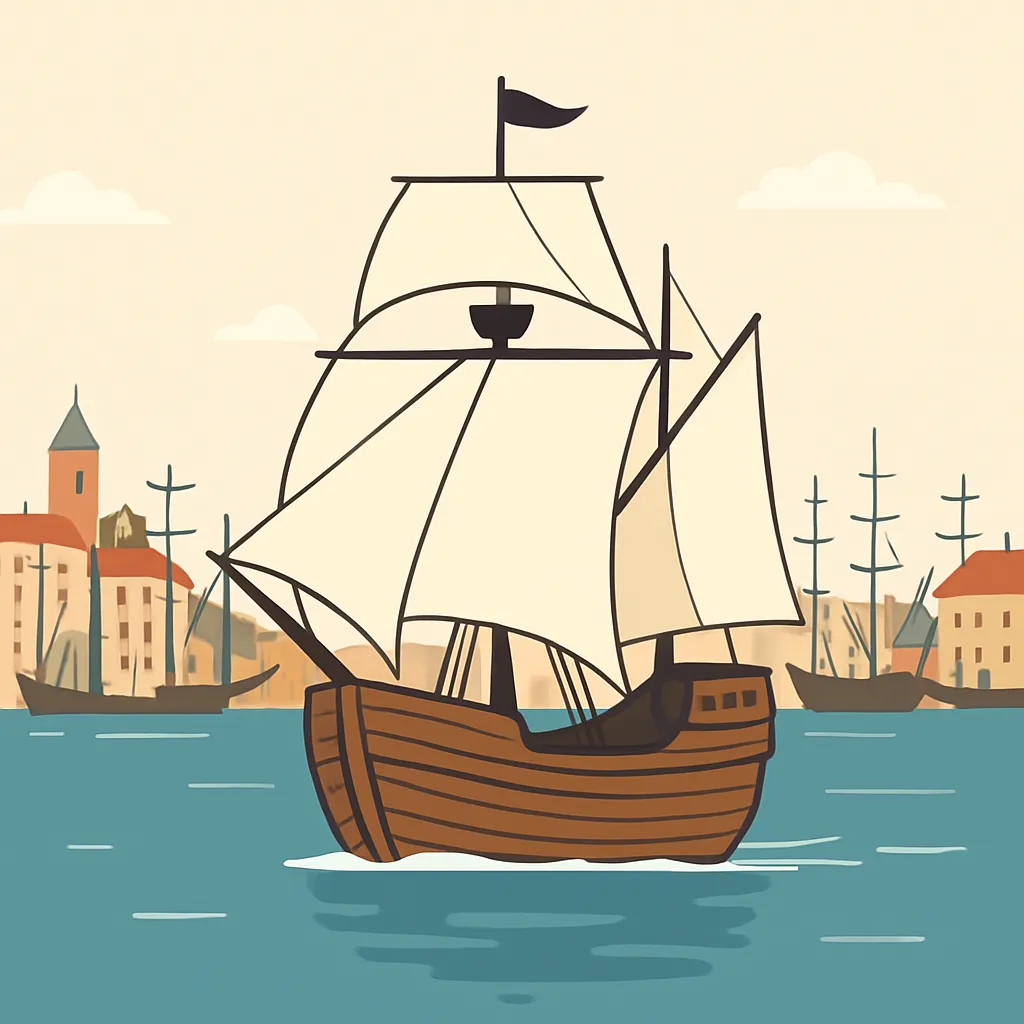
Fur-trading posts grew around Quebec and along the St. Lawrence River. Which European power claimed this region?
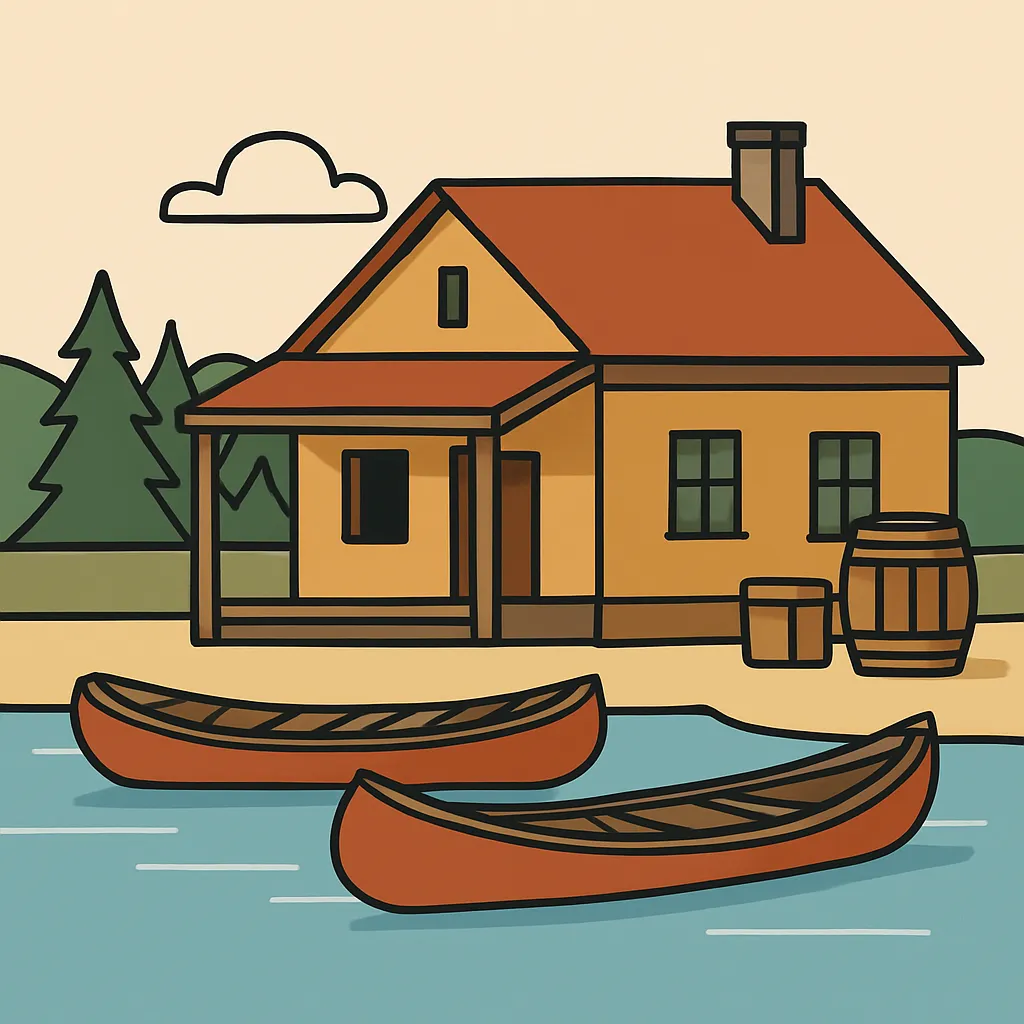
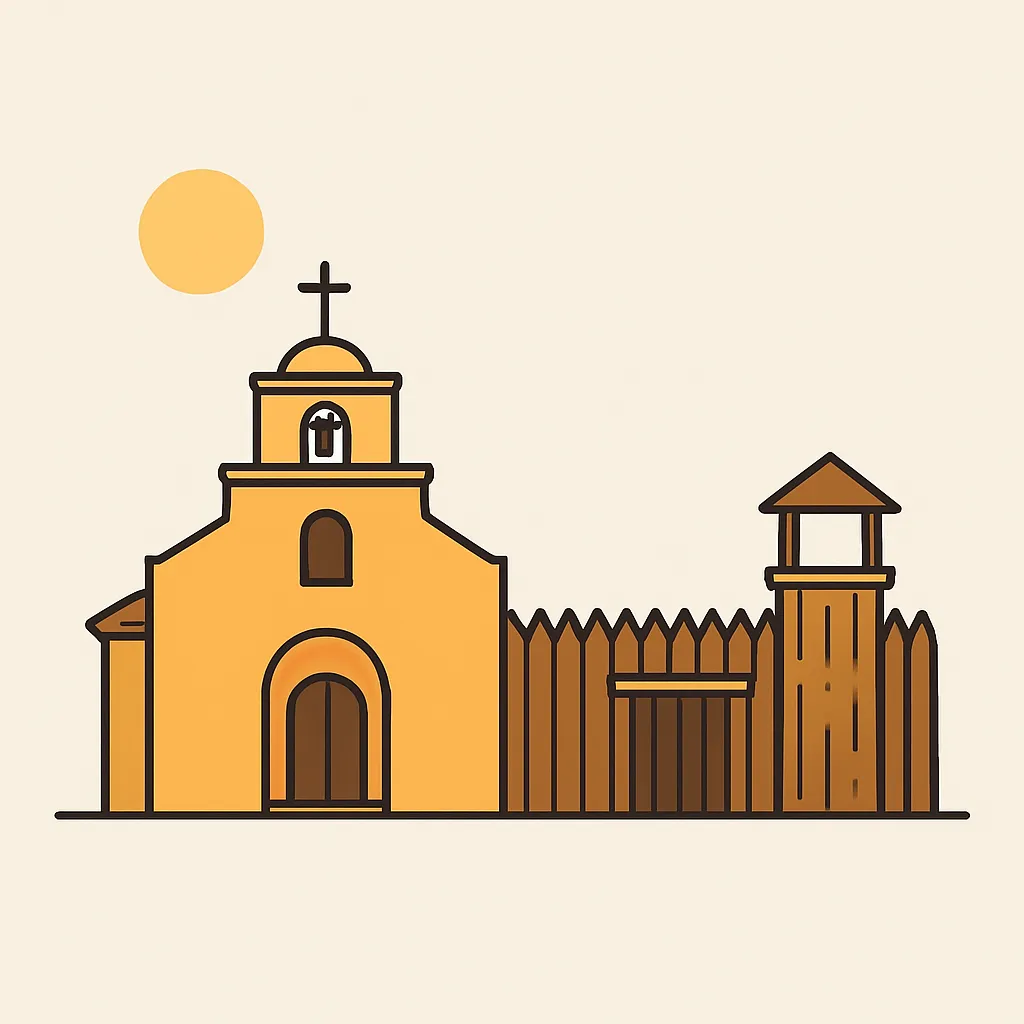
A frontier settlement includes a mission church, a nearby presidio, and fields worked around Pueblo communities. Which colonial pattern does this evidence show?
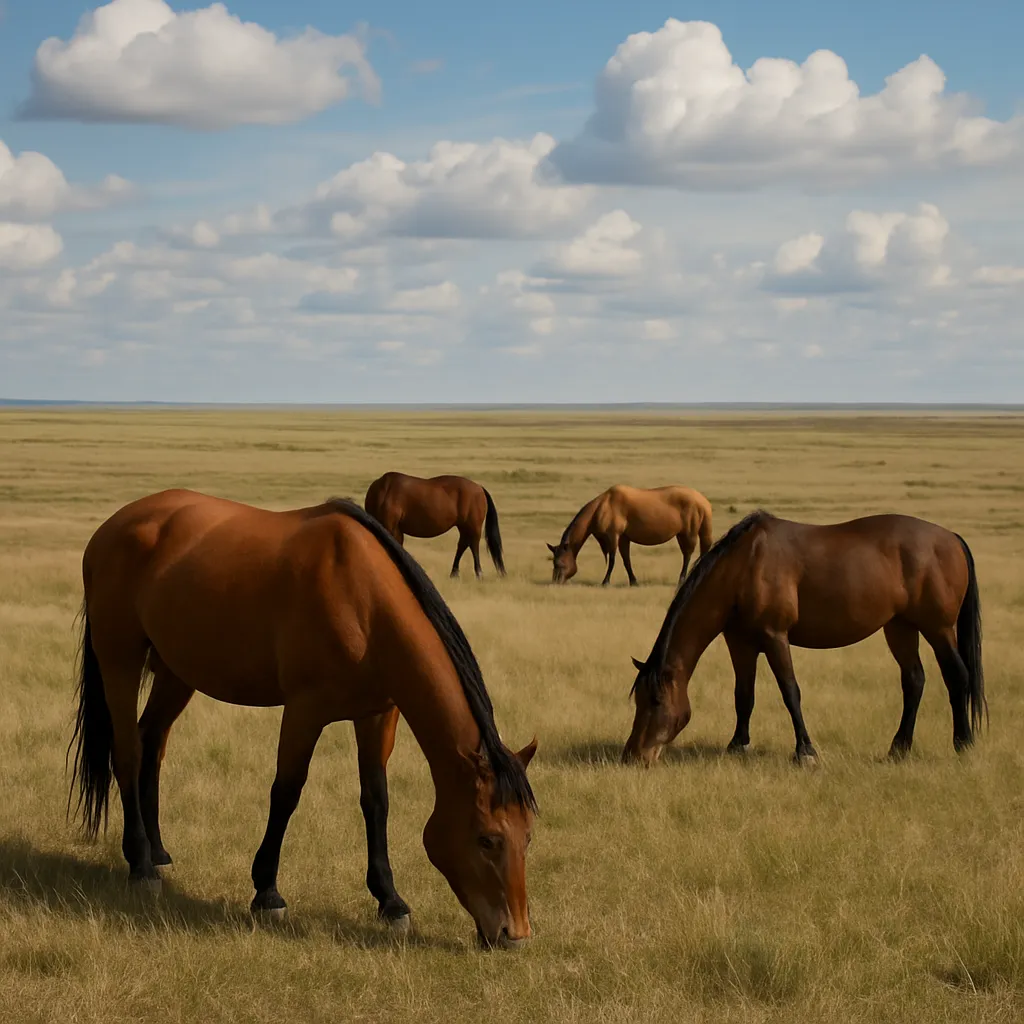
Horses brought by Spanish colonists spread onto the Great Plains during the 1600s and 1700s. Which change followed for many Plains peoples?
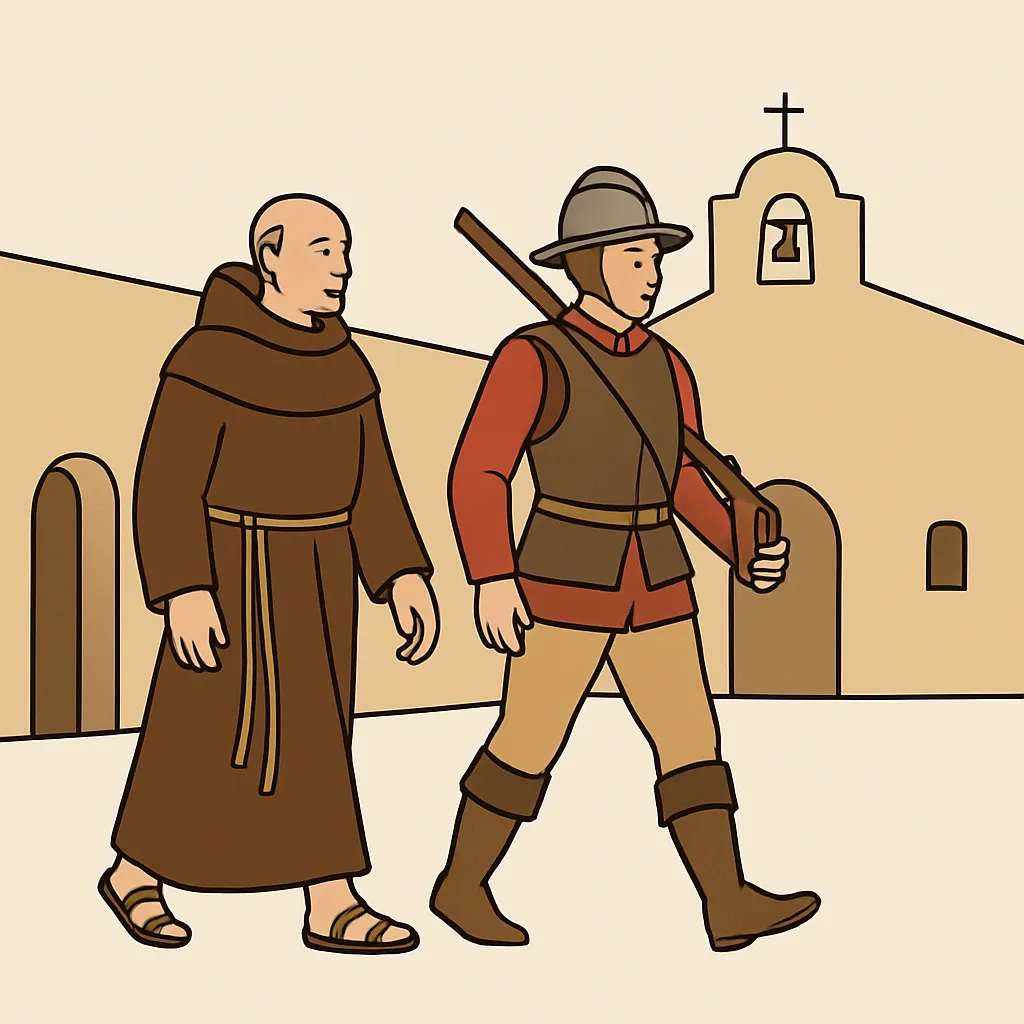
Friars traveled with soldiers to build missions and baptize Indigenous people in New Spain. Which motive does this clue show?
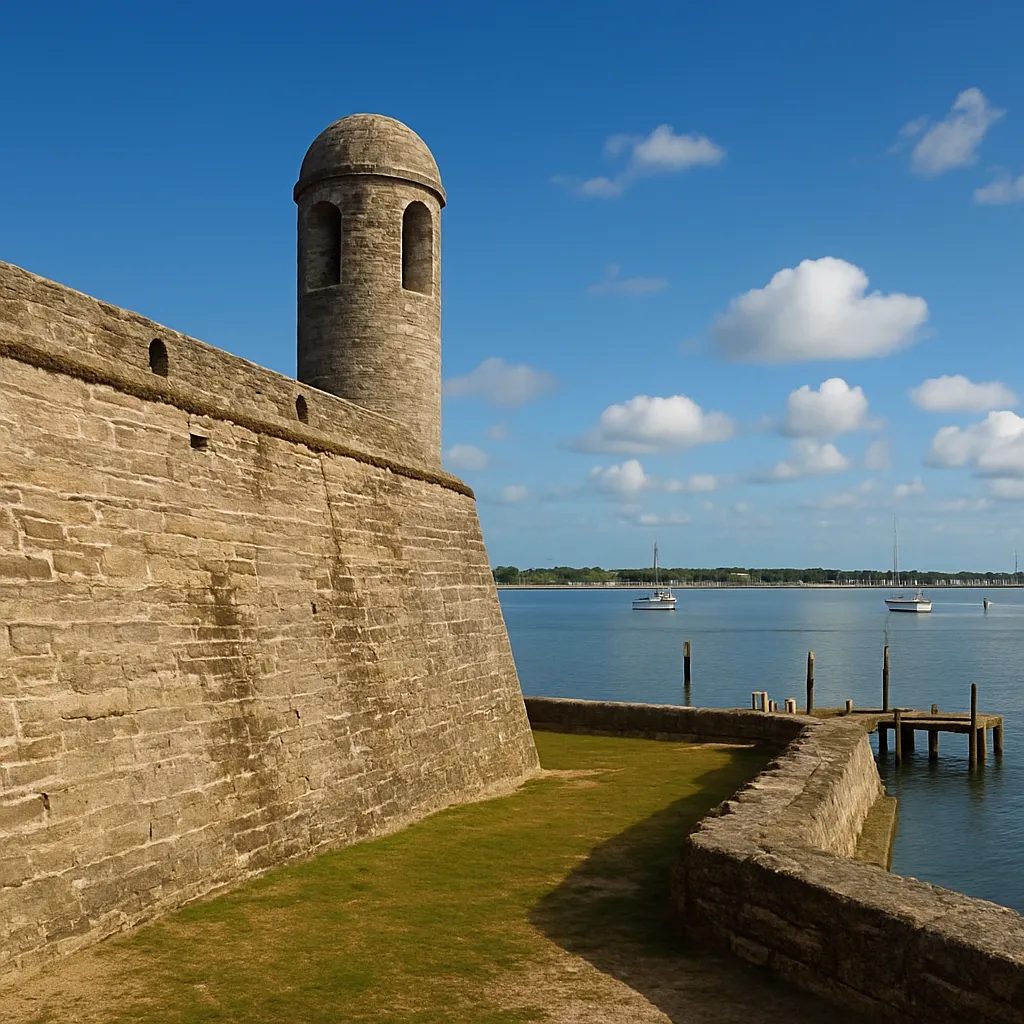
A map labels St. Augustine and much of Florida under one crown. Which European power claimed that region?
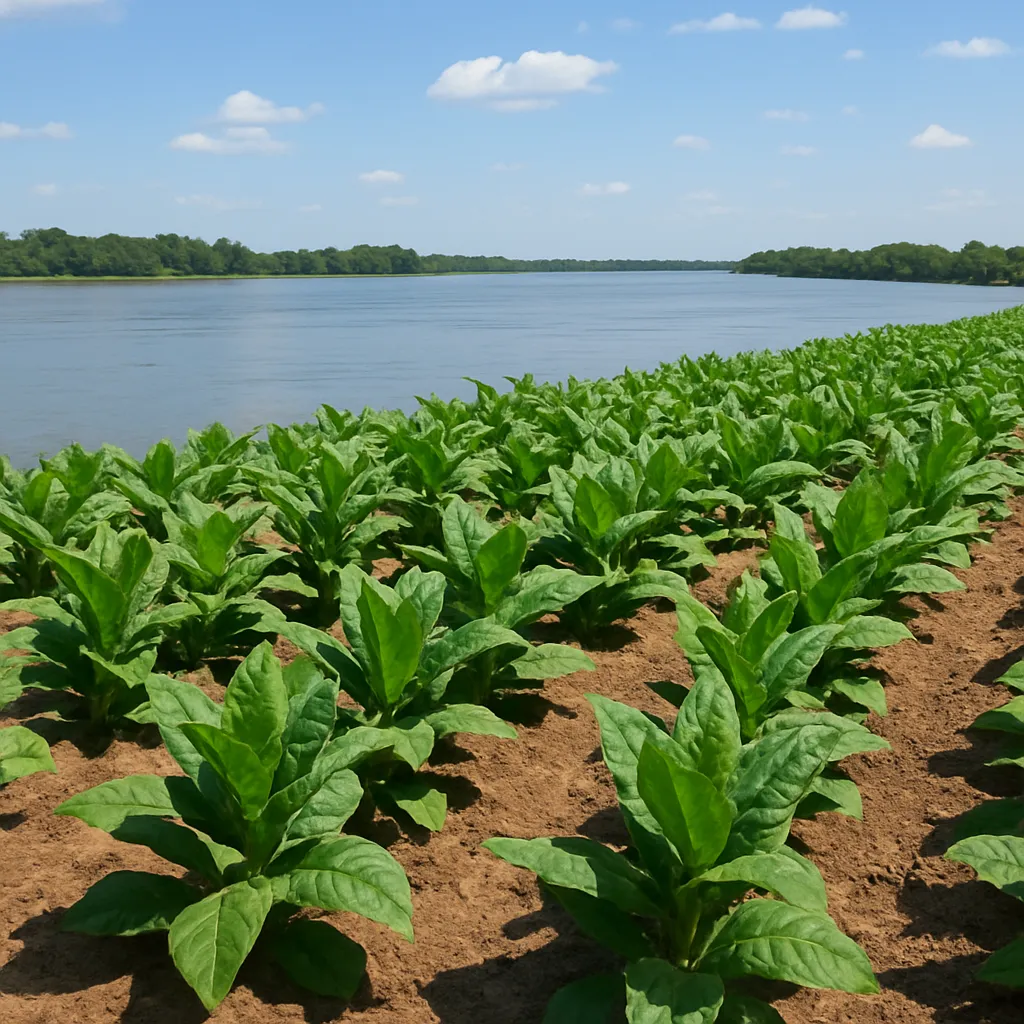
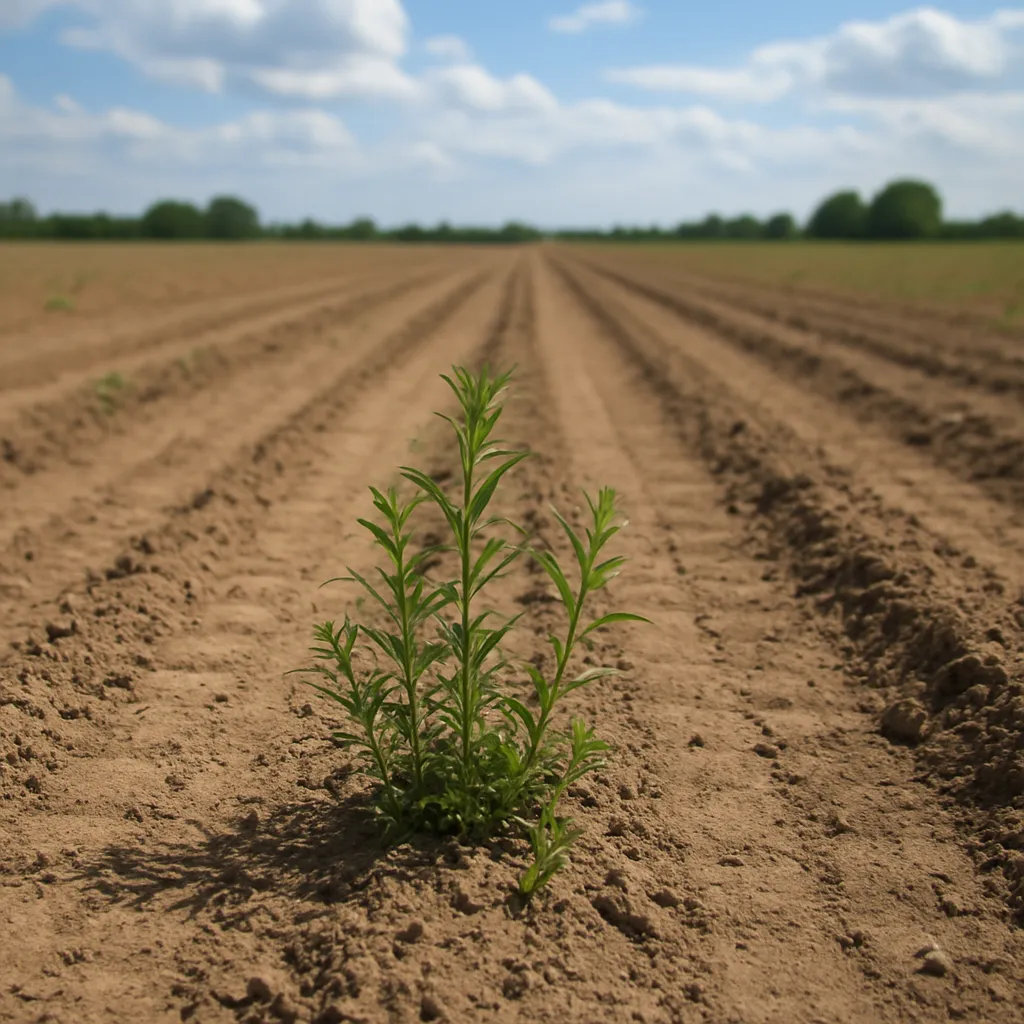
Tobacco fields spread along rivers after Jamestown survived, worked by indentured servants and later by enslaved Africans. Which colonial pattern does this evidence describe?
Smallpox and other Eurasian diseases crossed the Atlantic with Europeans. Which Columbian Exchange effect hit Indigenous communities hardest?
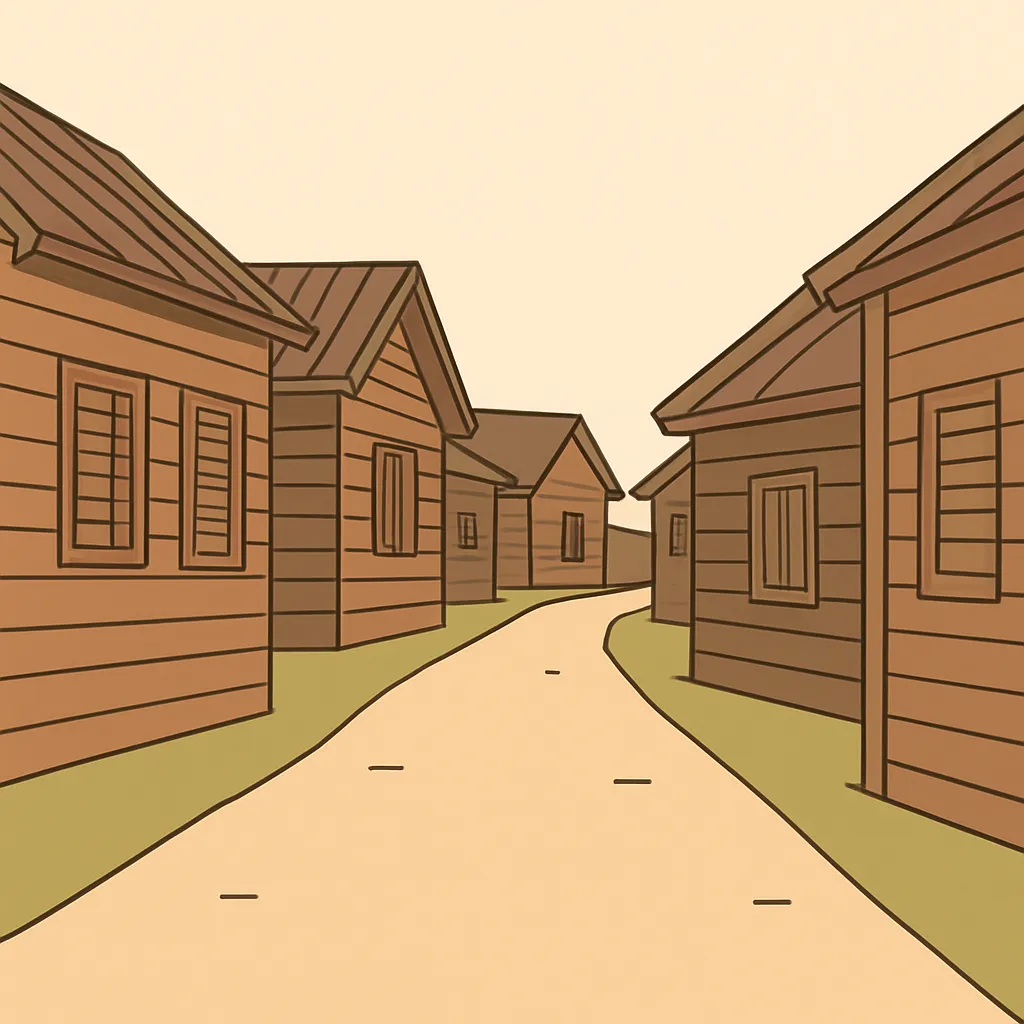
People bought shares in the Virginia Company, which paid to send colonists to Jamestown in 1607. What did these shareholders mainly want?

New Amsterdam stood at the mouth of the Hudson River, with Fort Orange upriver. Which European power claimed this colony?
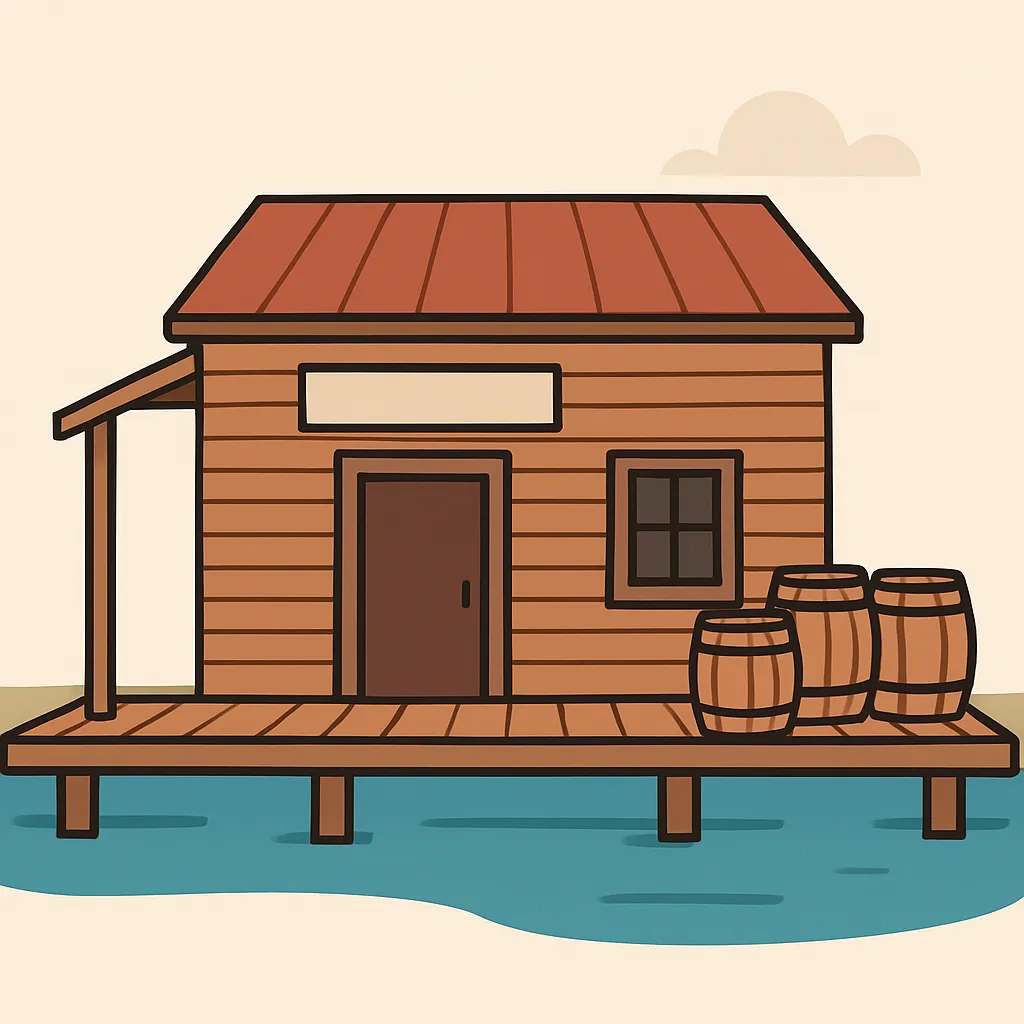
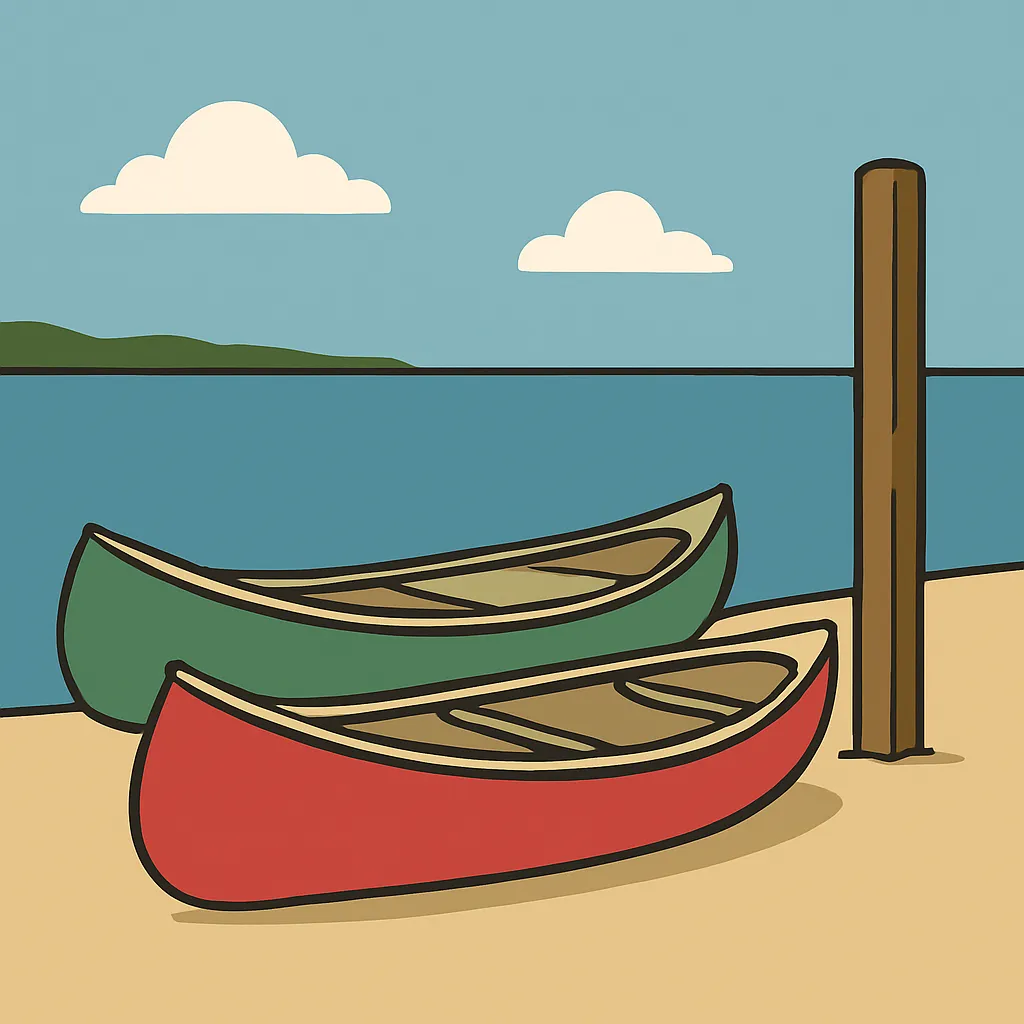
Canoes carried trade goods through the Great Lakes to exchange for beaver pelts with Native partners. Which colonial pattern appears?
Potatoes and maize from the Americas entered Europe, Africa, and Asia after 1492. Which effect followed in the Old World?
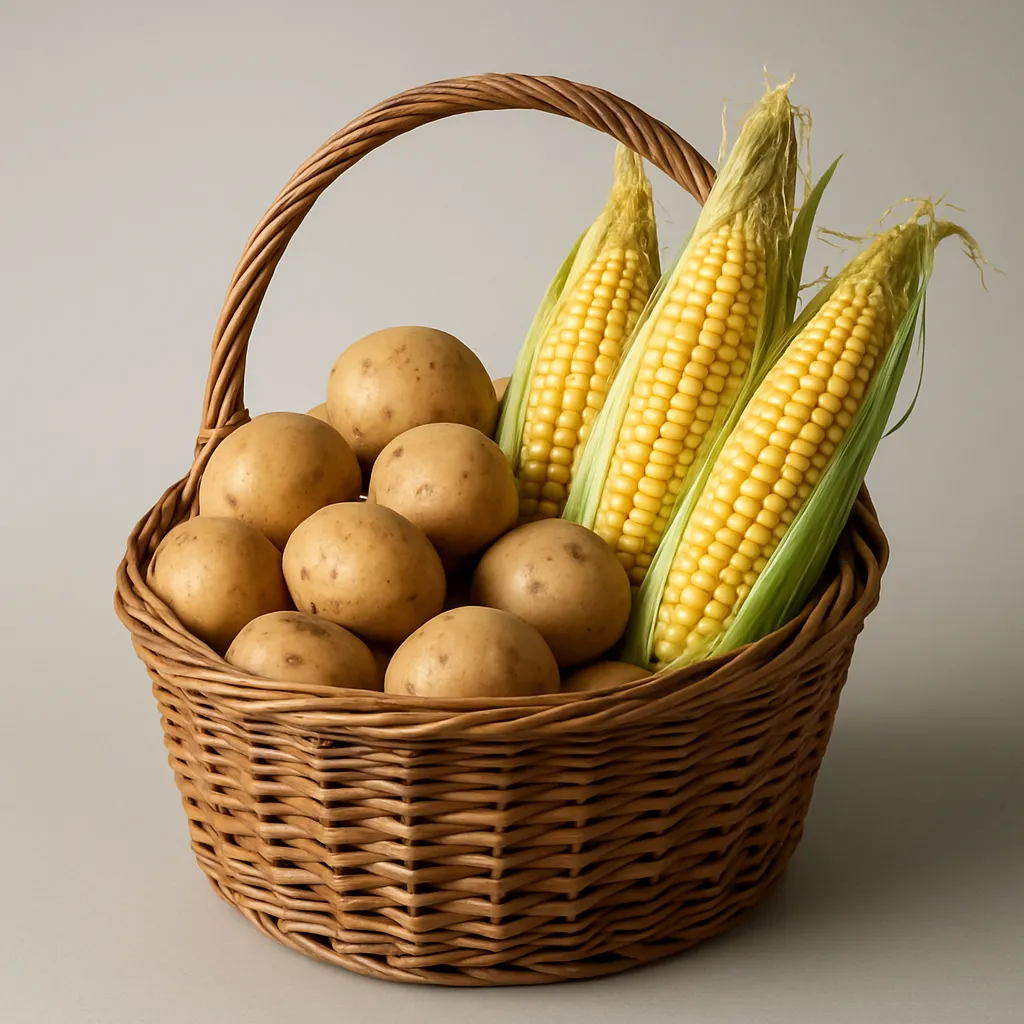
Spain founded St. Augustine in 1565 on Florida's Atlantic coast, beside the route its treasure ships sailed home. Which motive best fits that location?
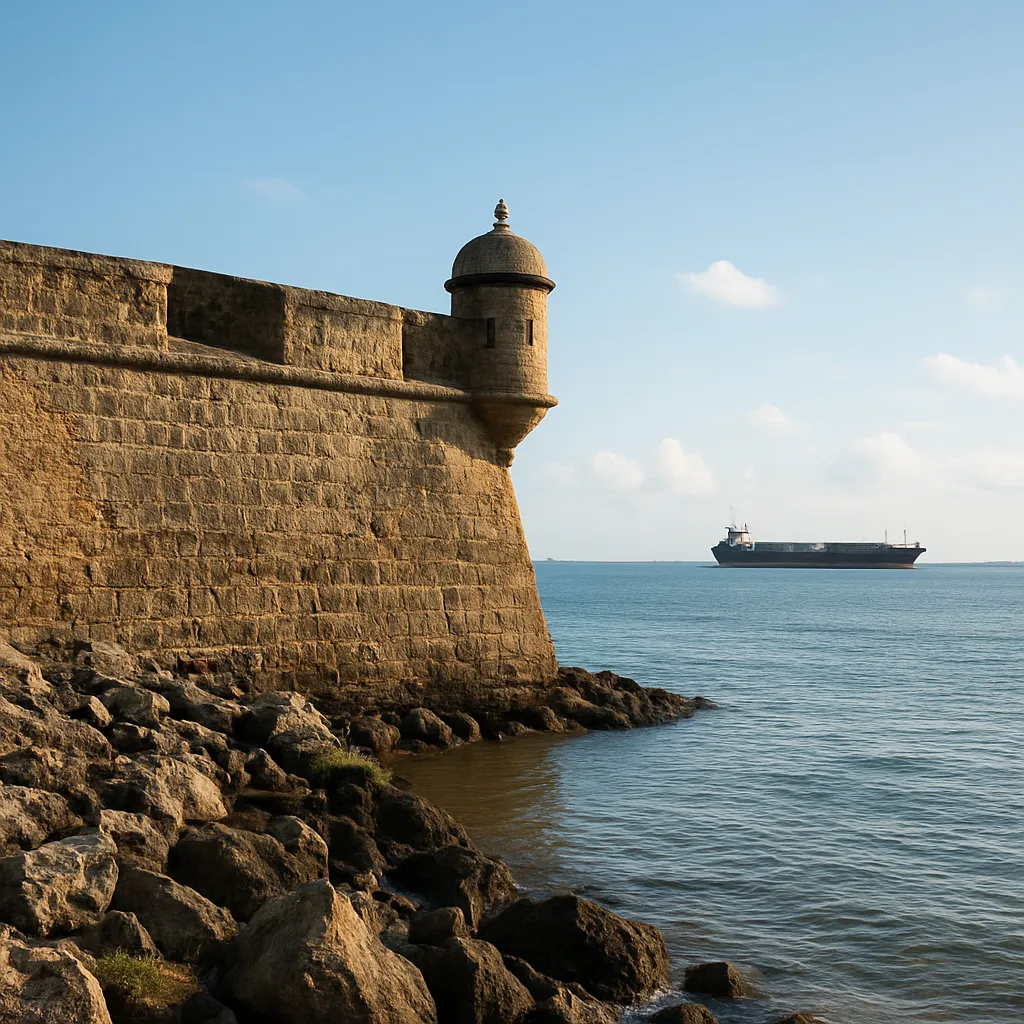
The Mississippi River valley and New Orleans were part of Louisiana before 1763. Which European power first claimed Louisiana?
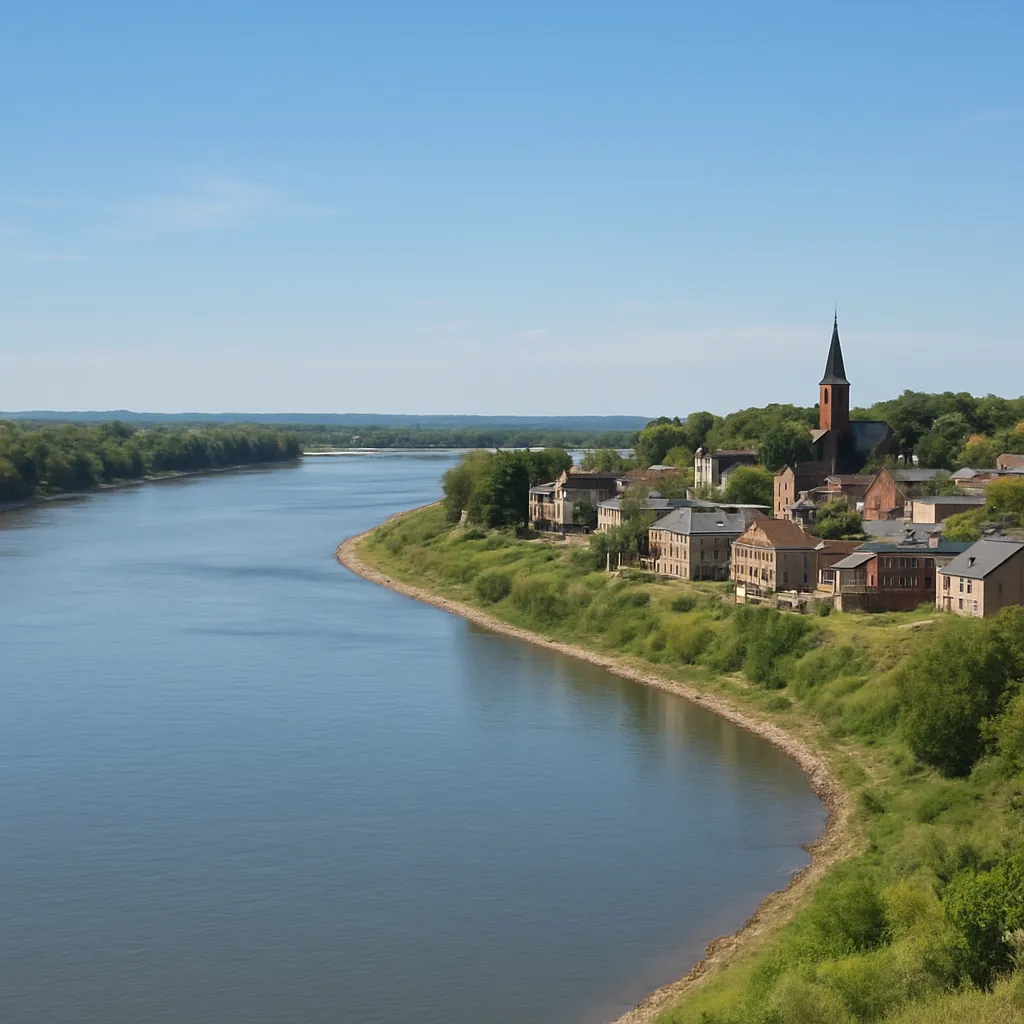
A busy port at New Amsterdam, a trading company's charter, and beaver pelts shipped down the Hudson River point to which colonial pattern?
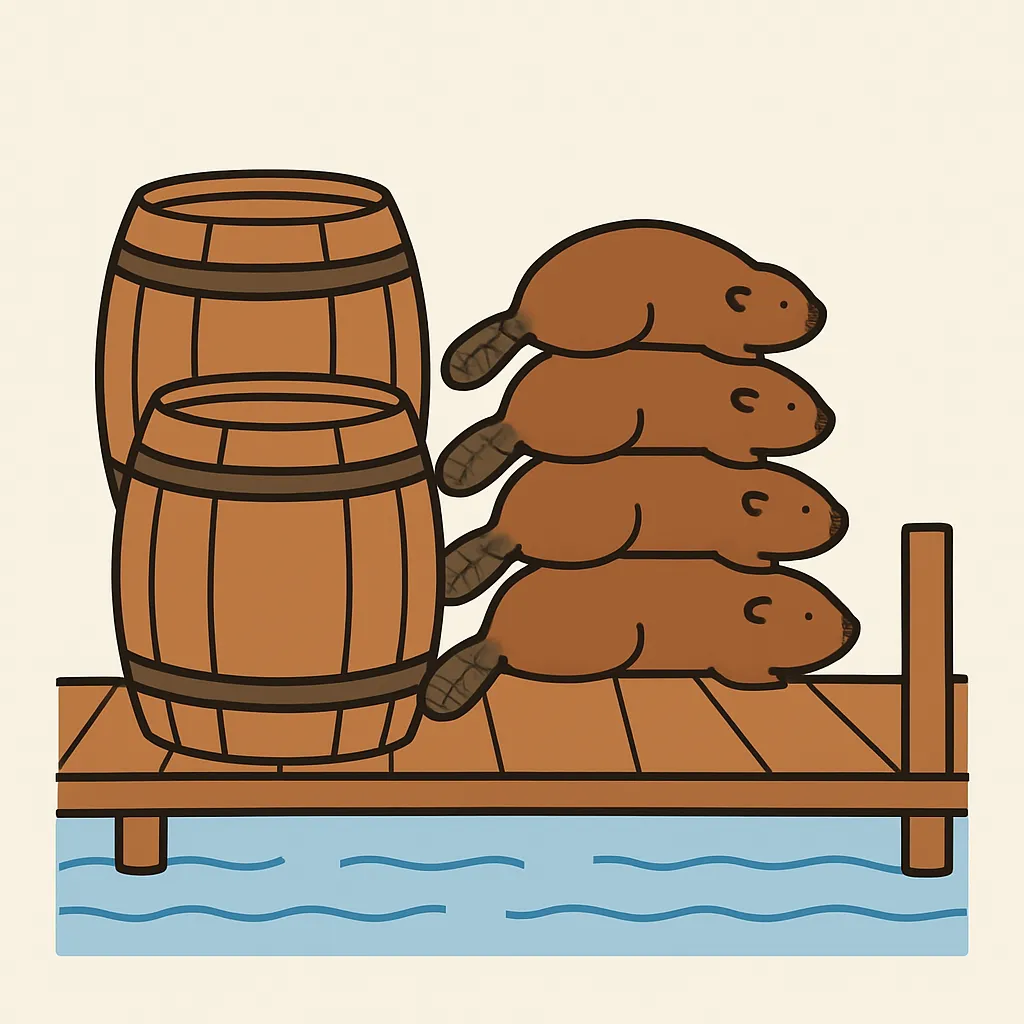
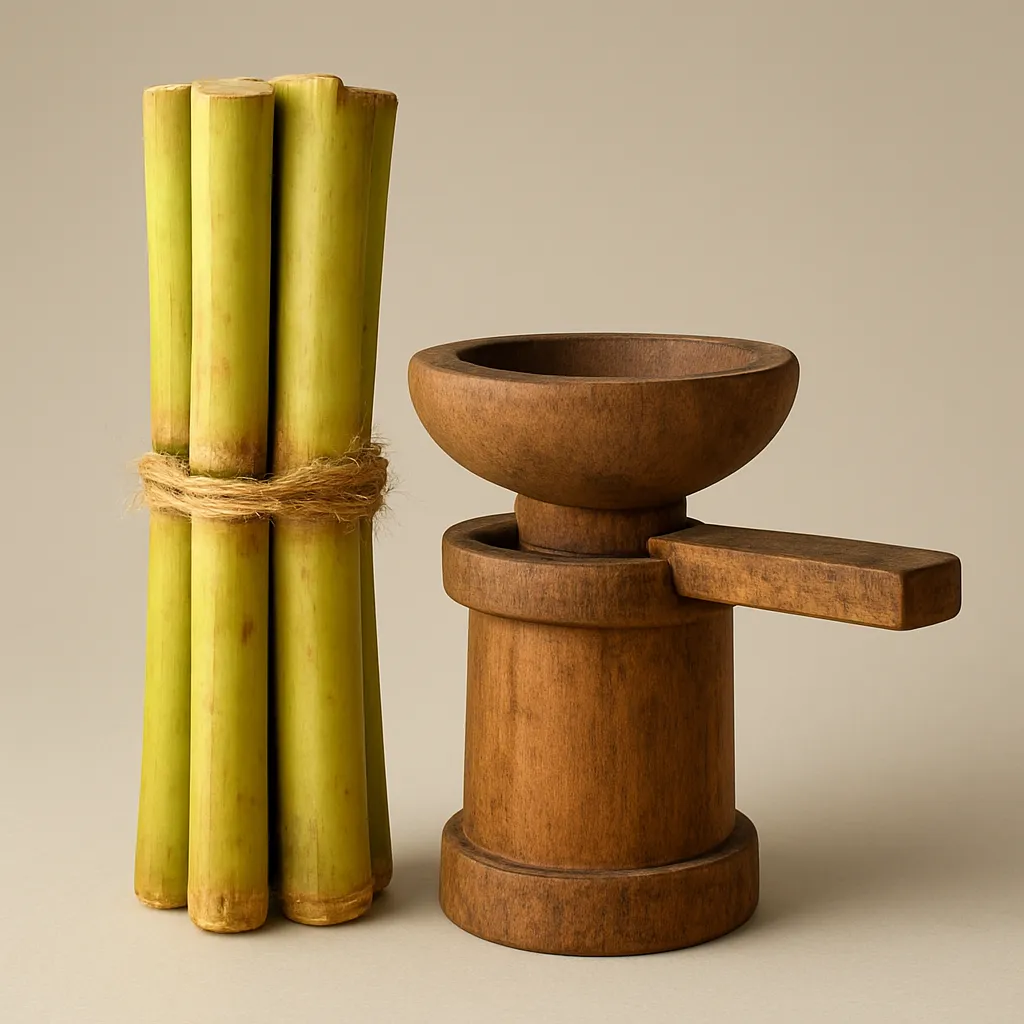
Sugarcane moved from the Old World to Caribbean colonies, where Europeans built large plantations. Which effect followed?
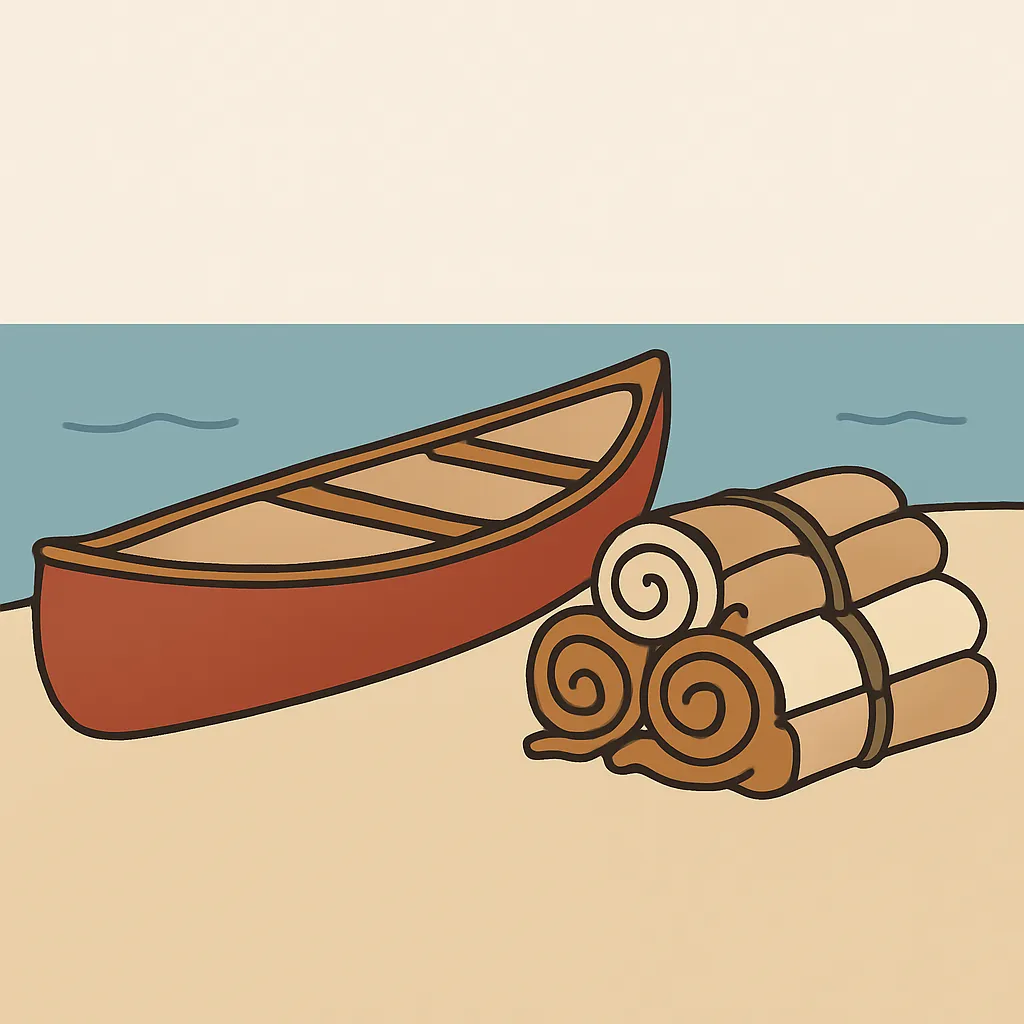
French traders traveled by canoe deep into interior waterways to meet Native trading partners. Which motive best explains those trips?
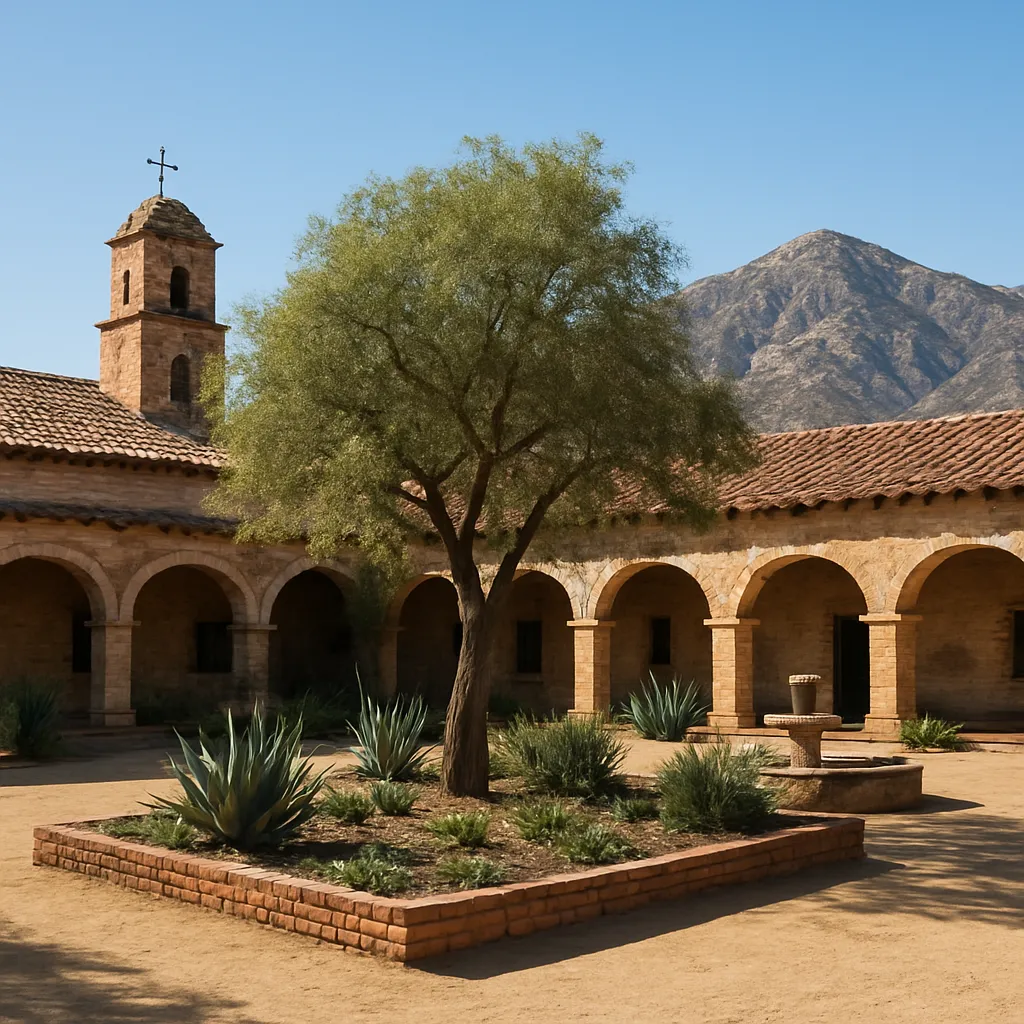
Missions and settlements stretched across New Mexico and California. Which European power claimed those lands?
Huge estates granted to wealthy investors and worked by tenant farmers along the Hudson River mark which colonial pattern?
European cattle reached Texas and northern Mexico with Spanish settlers. Which change followed in those lands?
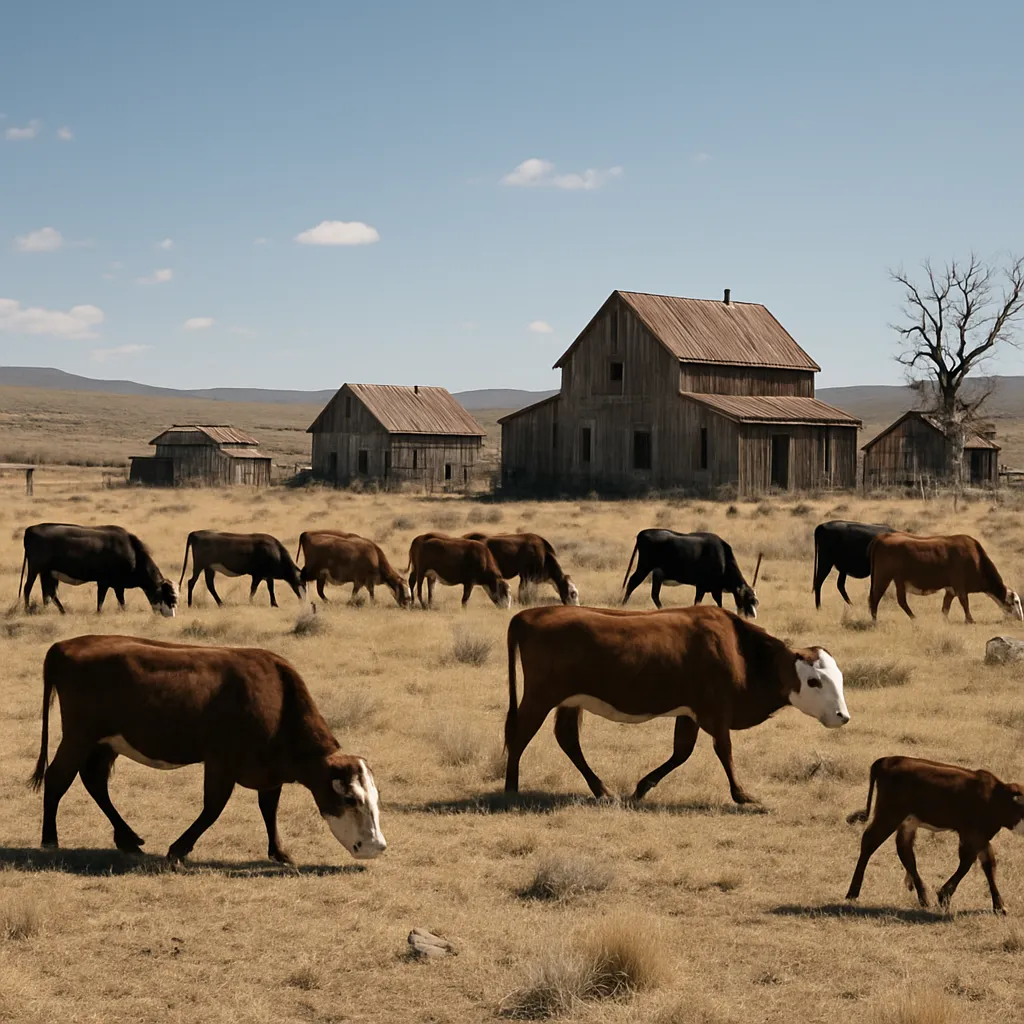
Virginia planters shipped tobacco across the Atlantic for sale in England. Which colonizing motive does this evidence show?
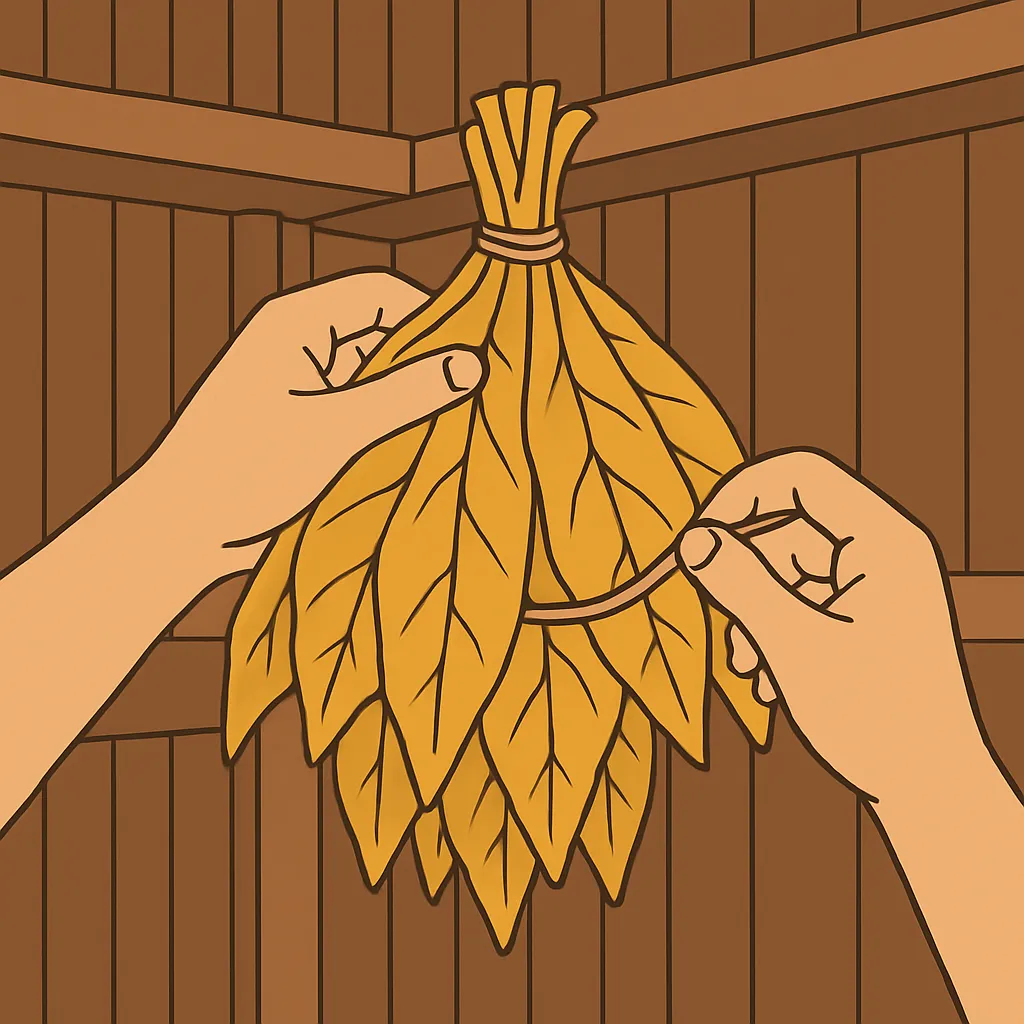
Plymouth and Massachusetts Bay colonies grew along the northeastern Atlantic coast during the 1600s. Which European power claimed those settlements?
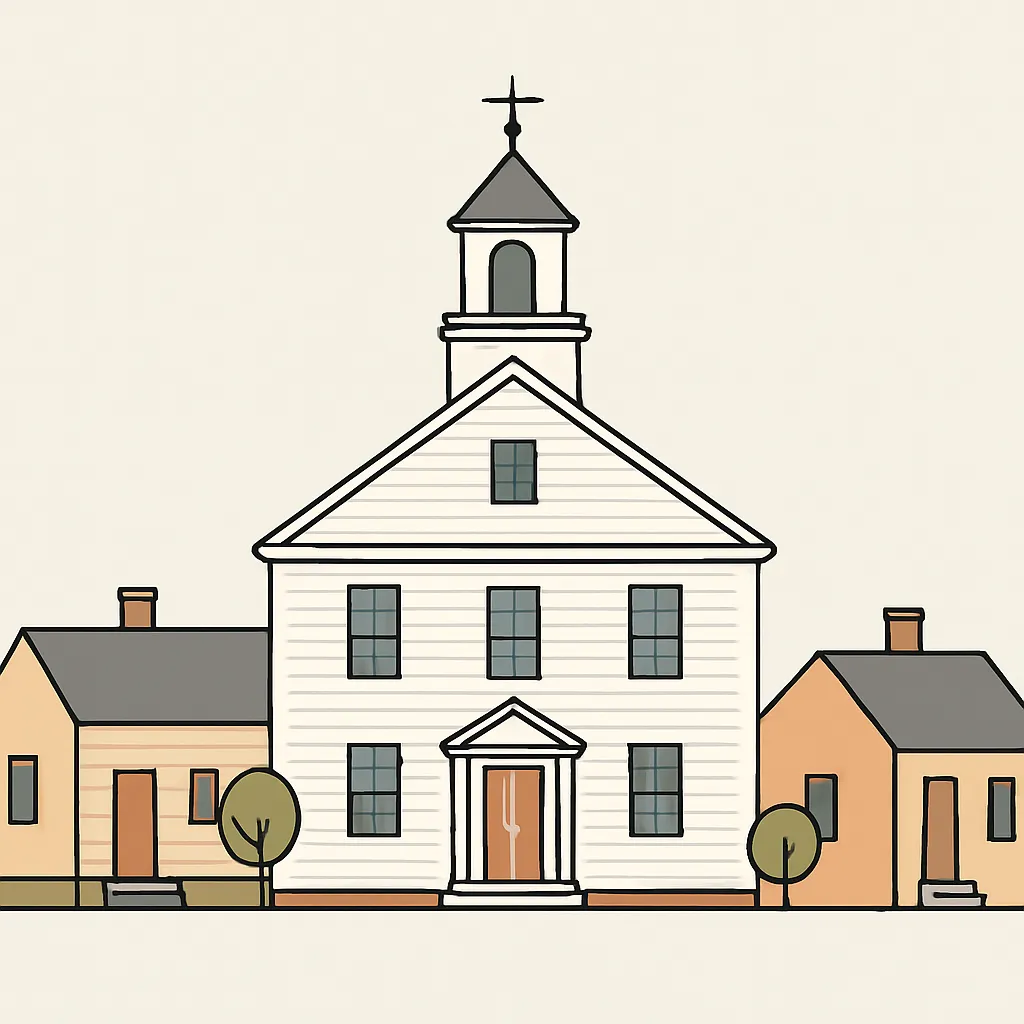
Meetinghouses, small family farms, and local self-government shaped many settlements around Massachusetts Bay. Which colonial pattern is described?
Tomatoes from the Americas crossed the Atlantic and became common in Mediterranean cooking. Which effect does this show?
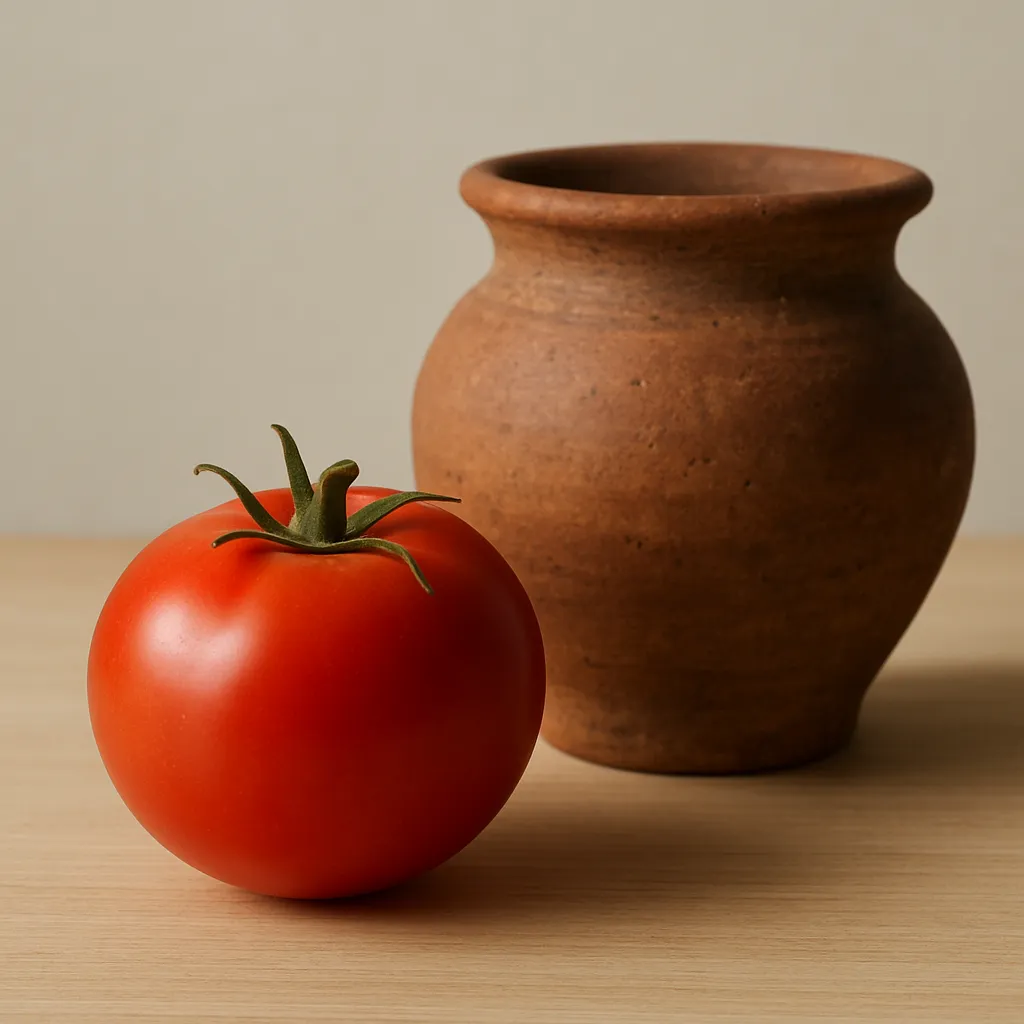
In 1609, Henry Hudson sailed for the Dutch up the river later named for him, hoping it cut through North America. Which motive did that voyage reflect?
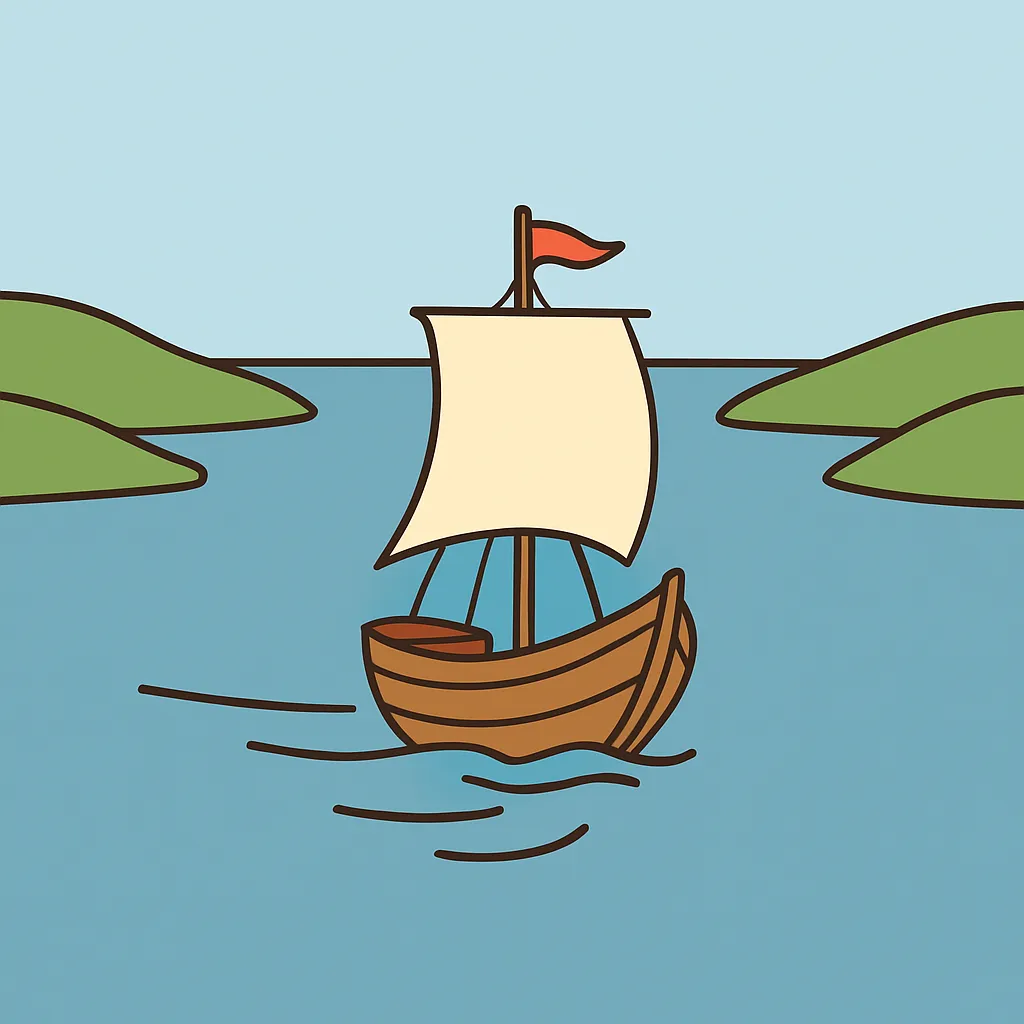
Detroit, Michilimackinac, and Montreal linked Great Lakes waterways. Which European power claimed this network?
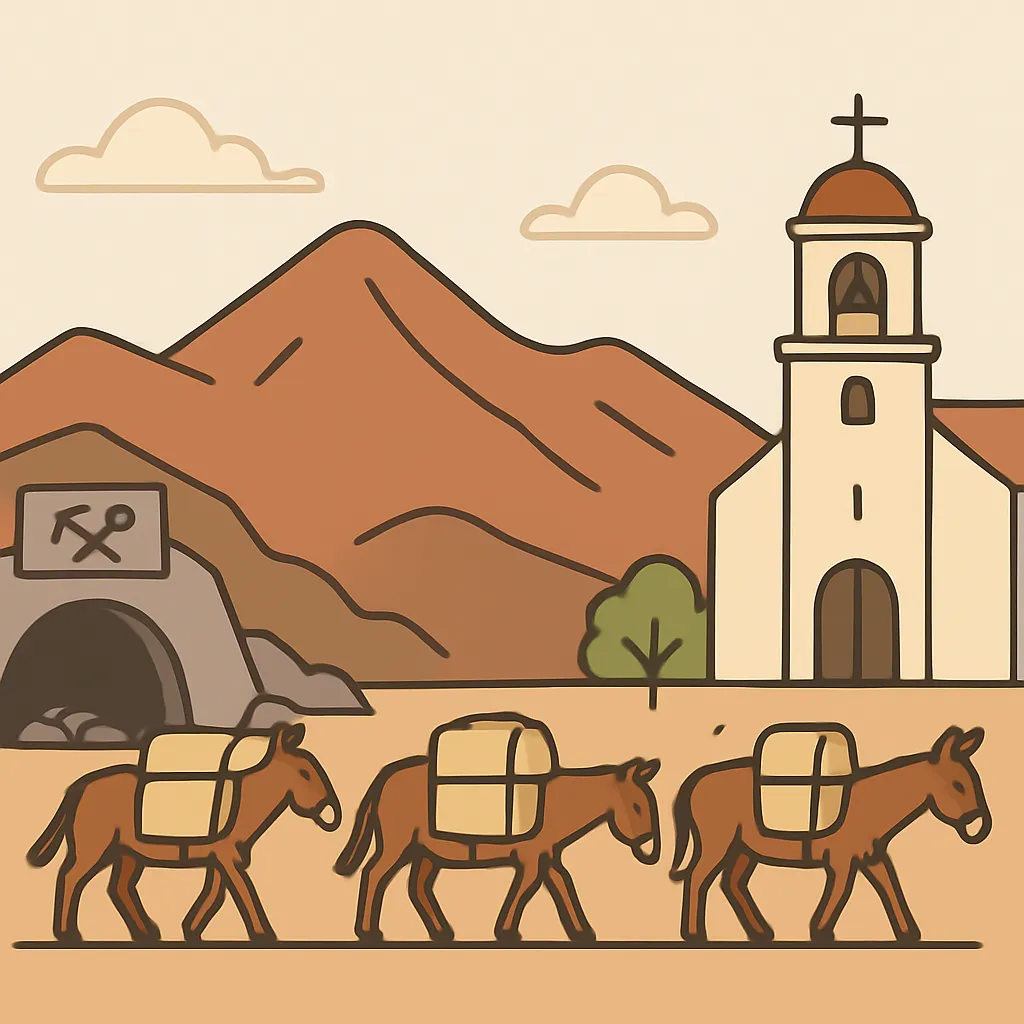
Missions, presidios, and roads linked Zacatecas and other towns in northern New Spain. What economic activity did this network mainly serve?
Cacao from the Americas reached European markets after Atlantic contact. Which Columbian Exchange effect followed?
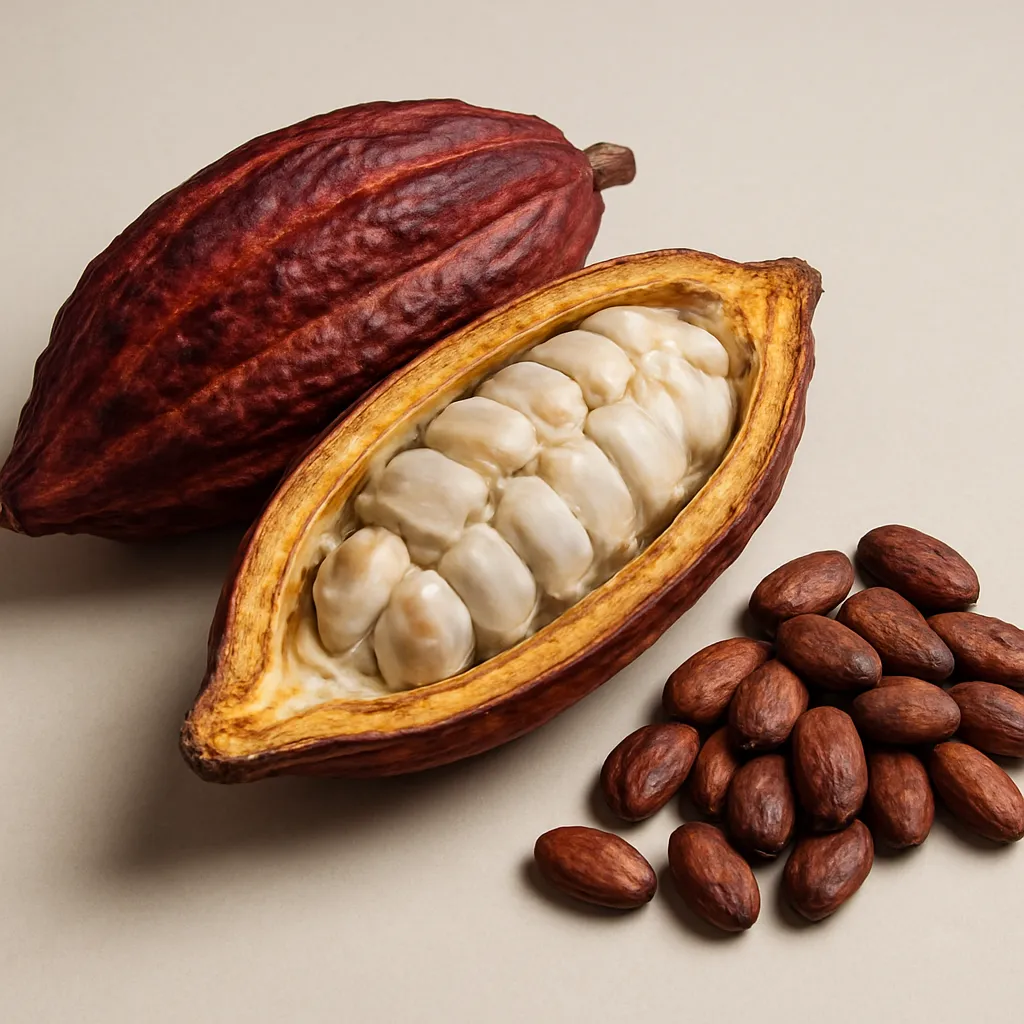
Rulers backed voyages after hearing Spain grew rich from American silver and territory. Which motive best explains their decision?
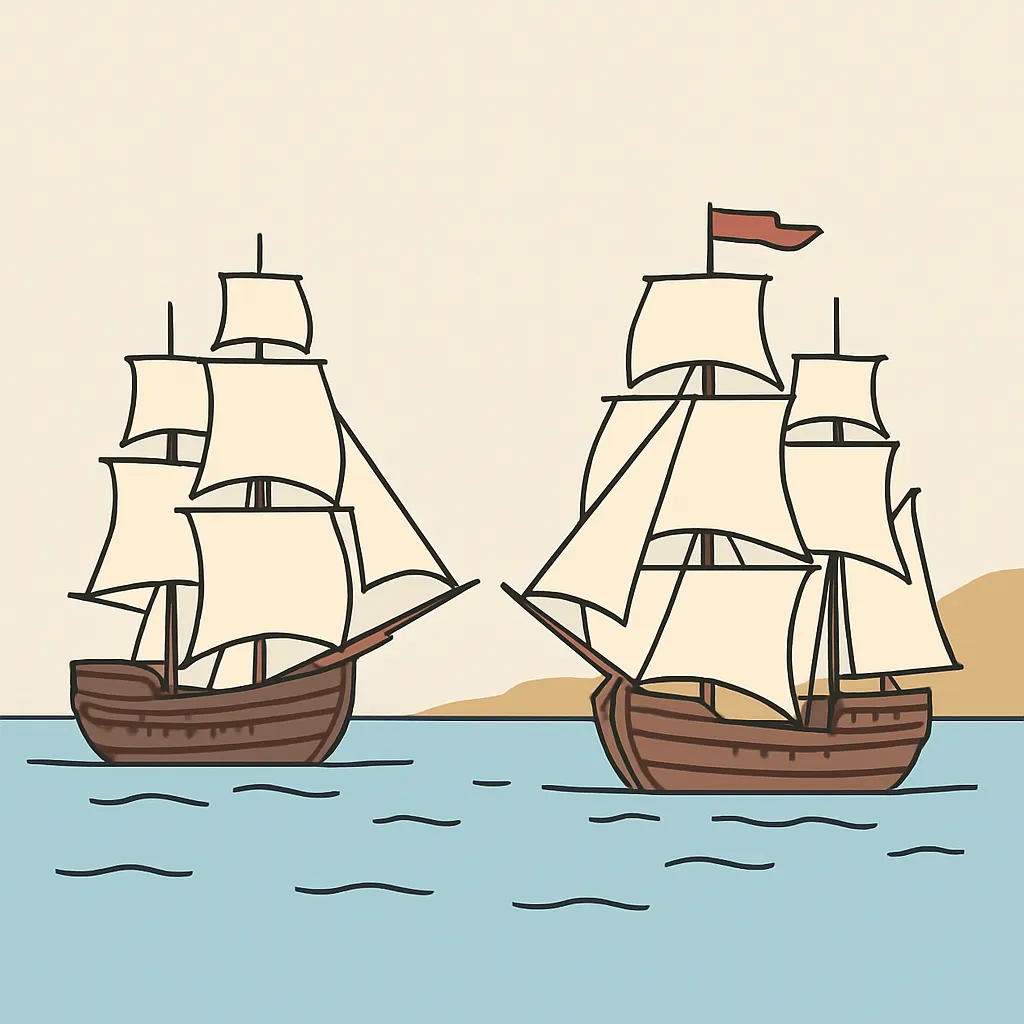
Hispaniola, Cuba, Puerto Rico, and Jamaica became early Caribbean bases for one empire. Which European power controlled them first?
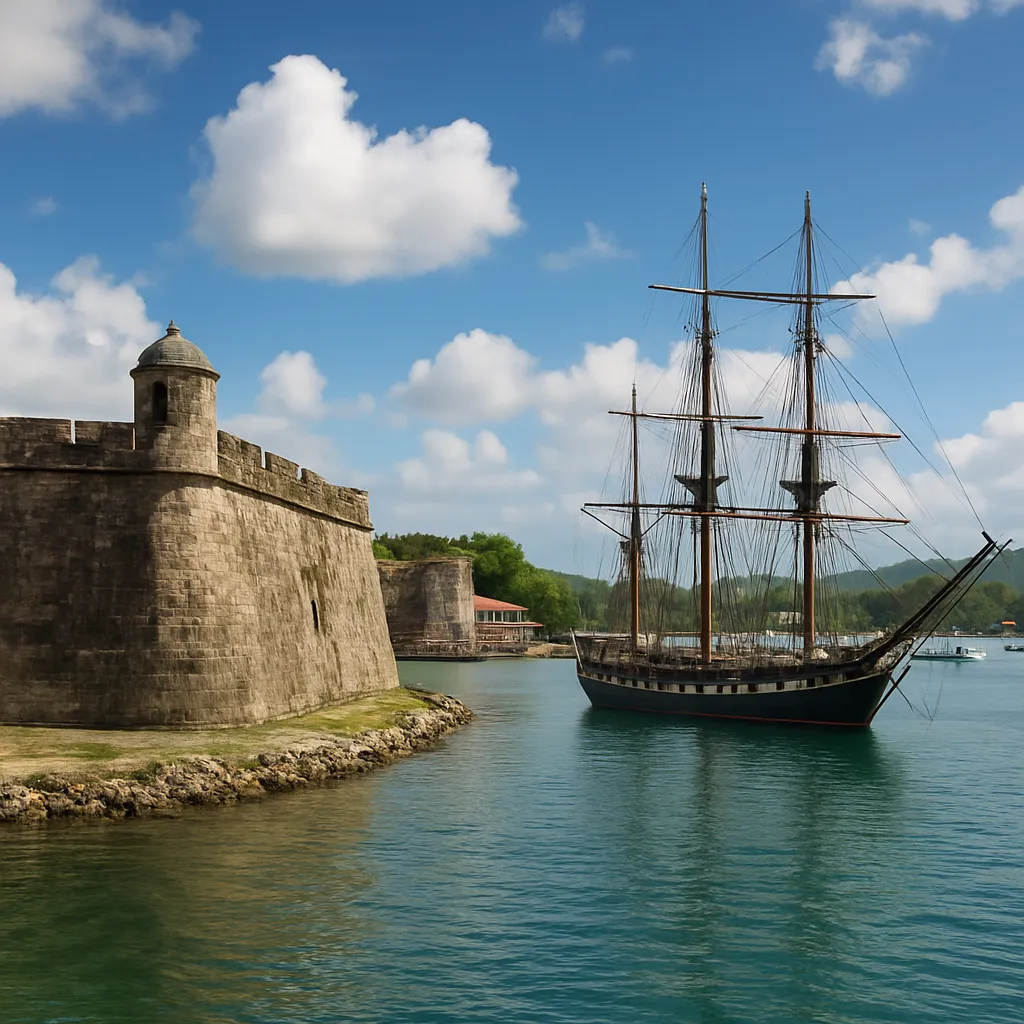
New Amsterdam's fort, church, and windmill stood at the tip of Manhattan, in a colony run by a trading company. Which company governed the colony?
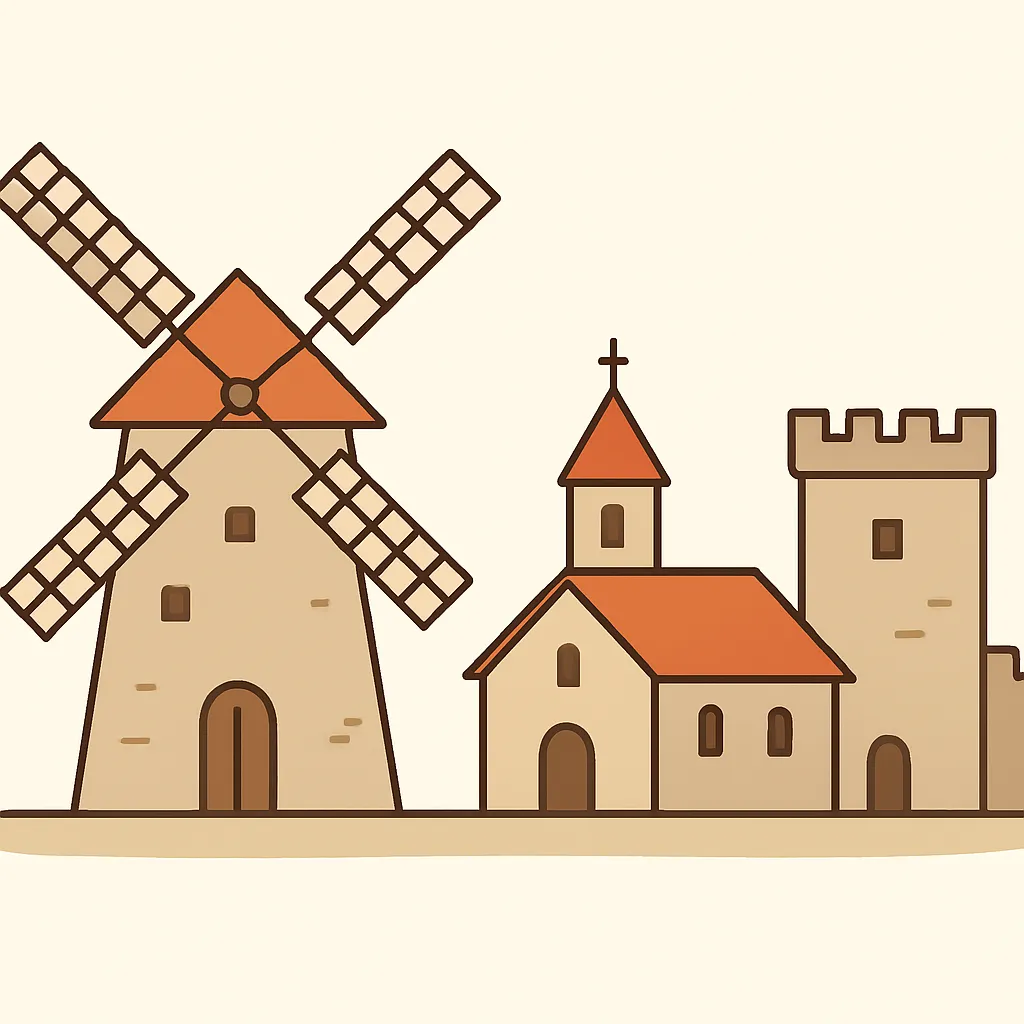
After 1492, Portuguese traders carried a crop from the Americas to West Africa, where it became a staple in places like Senegal. Which crop was it?
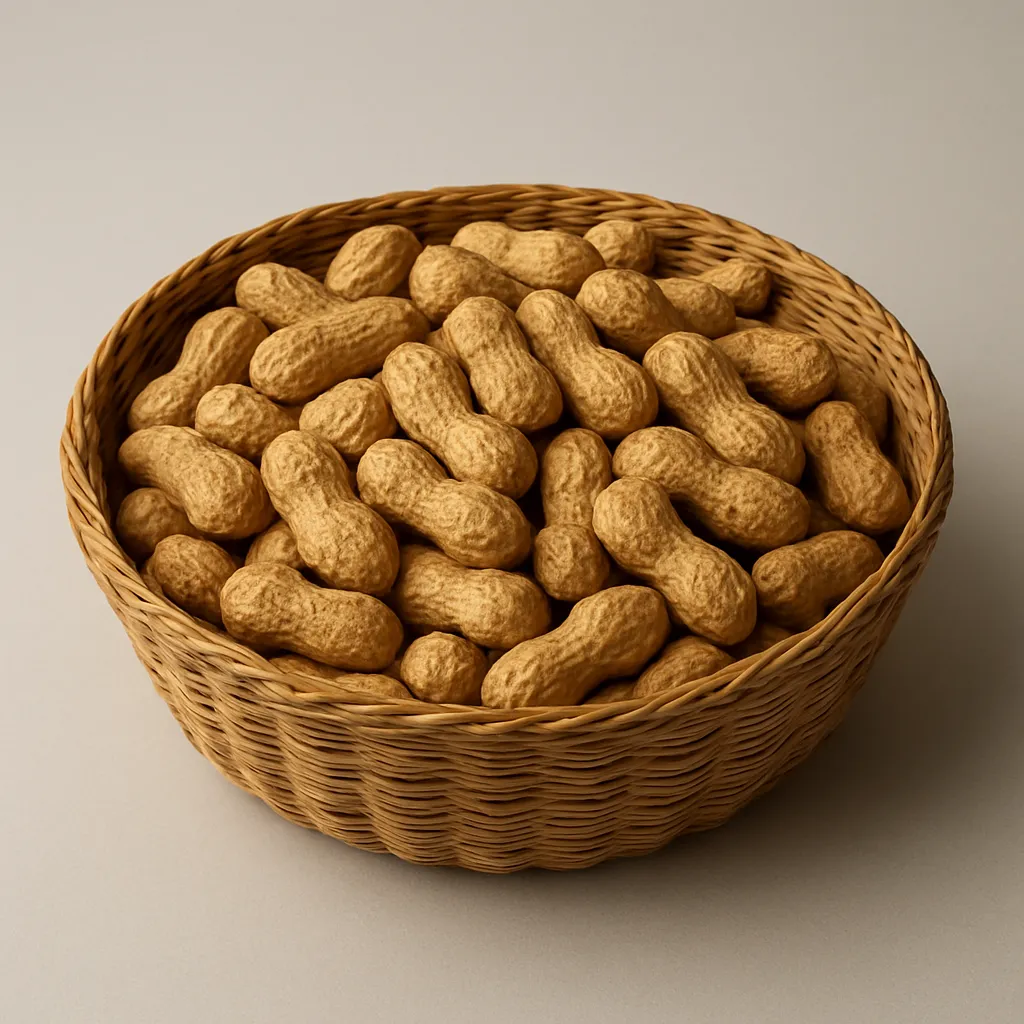
Quaker families, who faced persecution in England, moved to Pennsylvania after William Penn founded it in 1681. Which colonizing motive is shown?
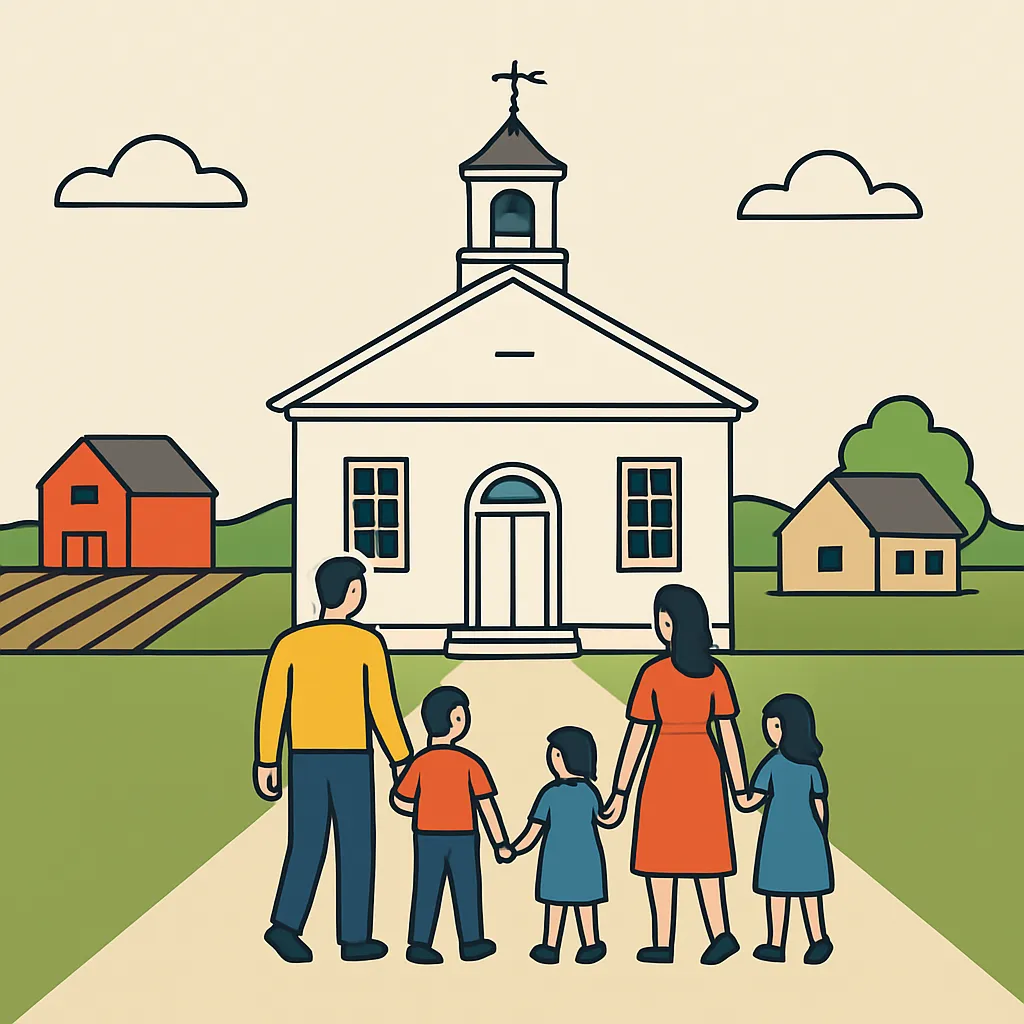
Jamestown and later tobacco plantations developed along Chesapeake rivers. Which European power claimed Virginia?
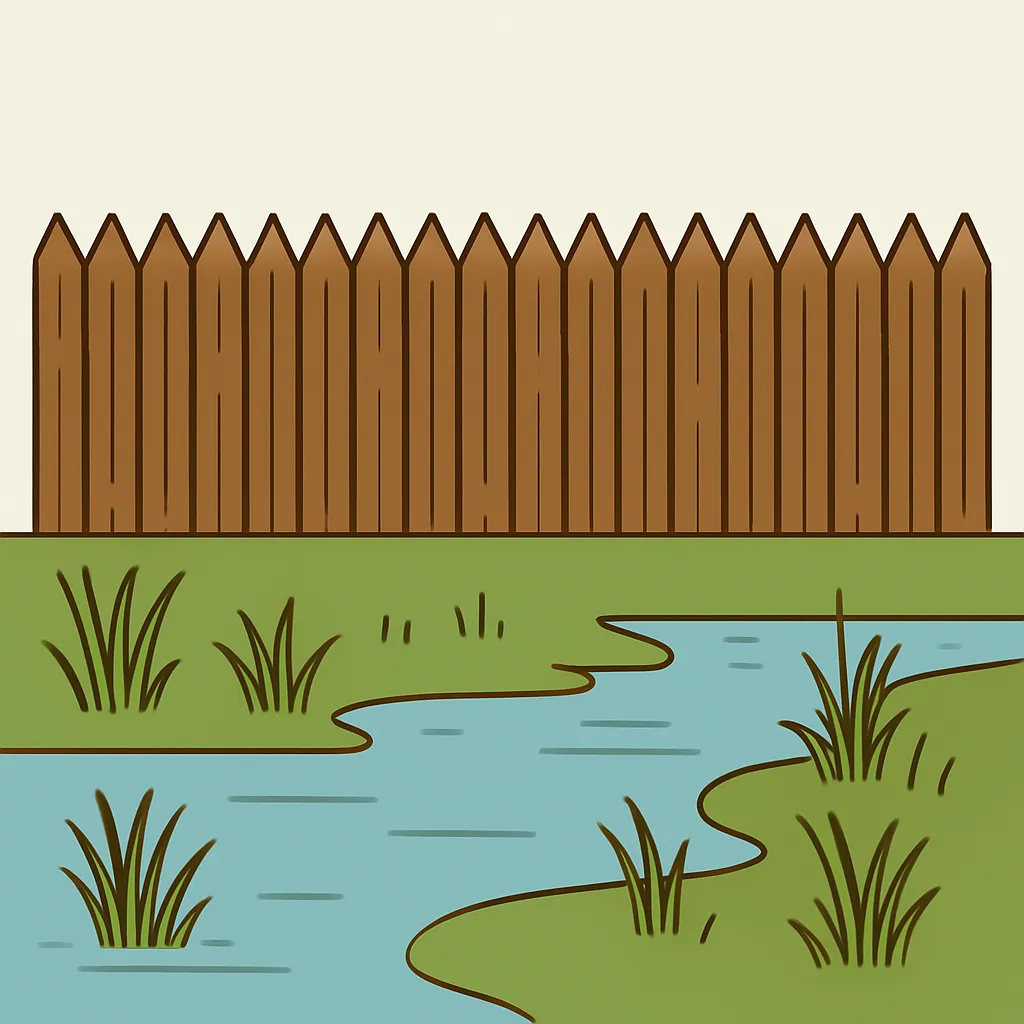
In 1682, a French explorer traveled down the Mississippi River to its mouth and claimed the whole river basin for France. Who was he?
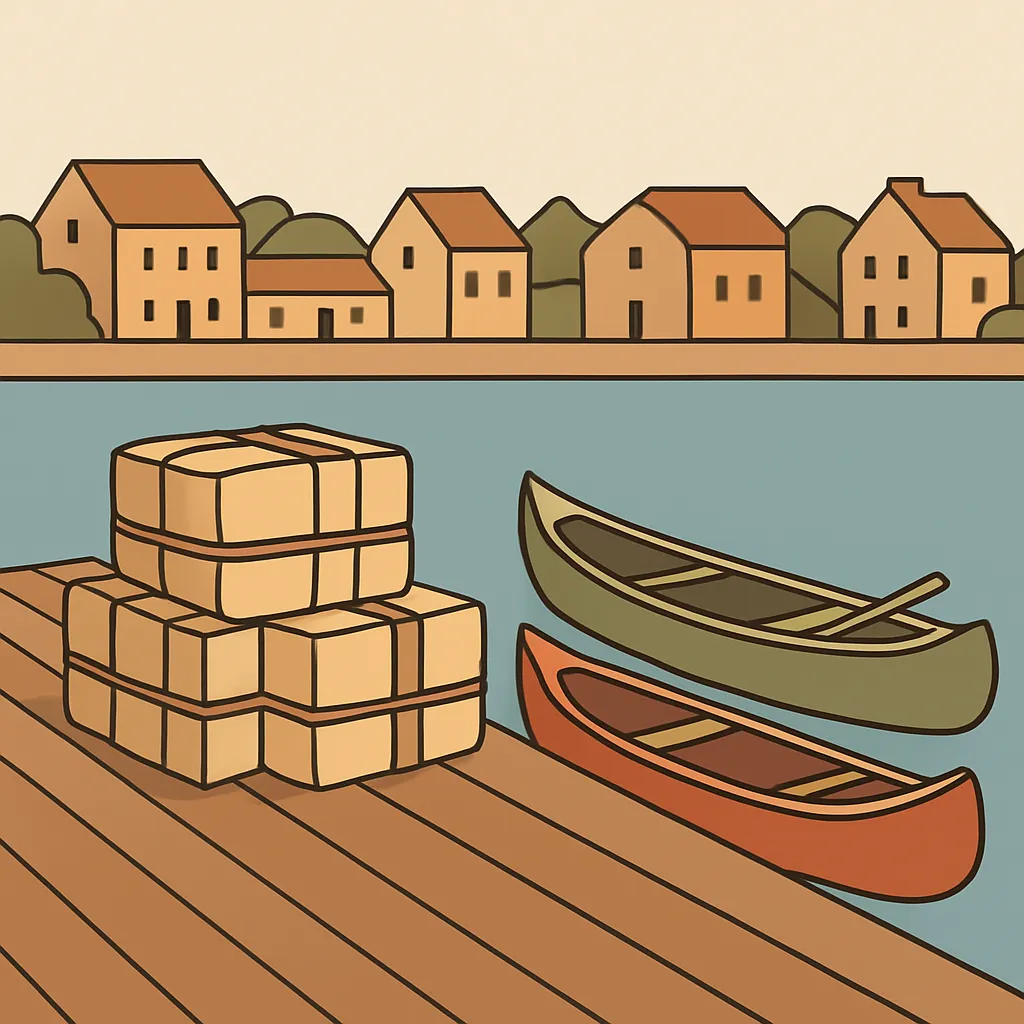
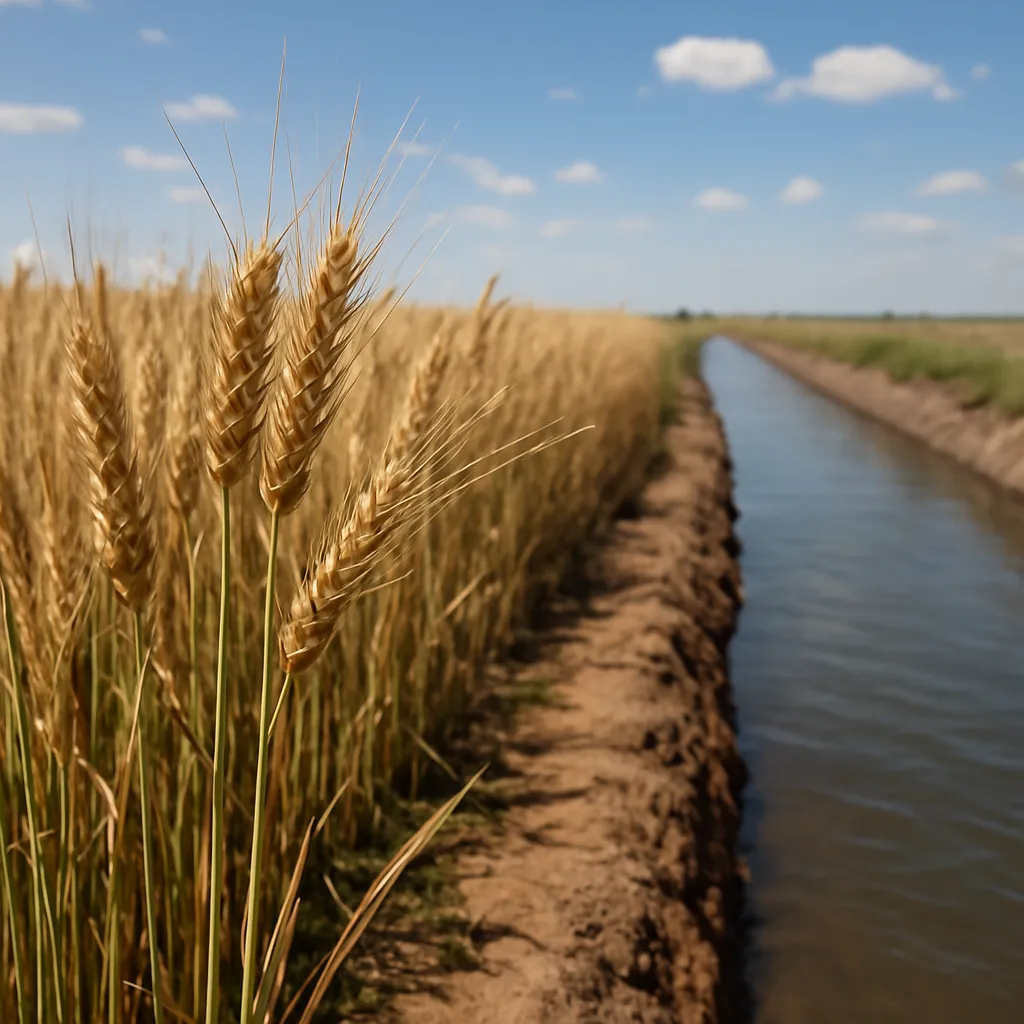
European wheat was planted in Spanish missions and borderland settlements. Which Columbian Exchange effect does this show?
European explorers often planted their ruler's flag on newly reached shores and named the land after their king or queen. What goal did these acts mainly serve?
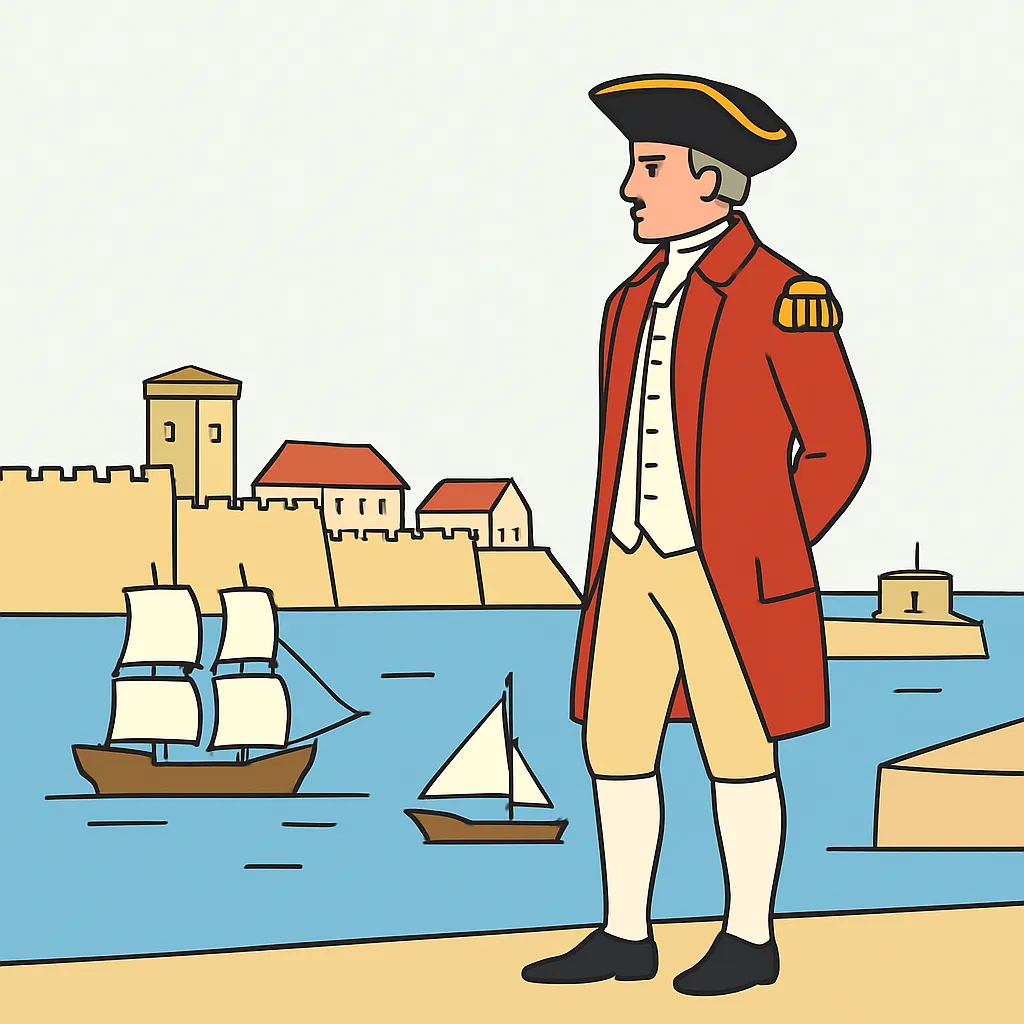
In 1664, Governor Peter Stuyvesant surrendered New Amsterdam to English warships without a battle. What new name did the English give the town?
In the 1500s, sugar plantations and cattle ranches spread on Hispaniola and Cuba after conquest. Which colonial pattern fits this evidence?
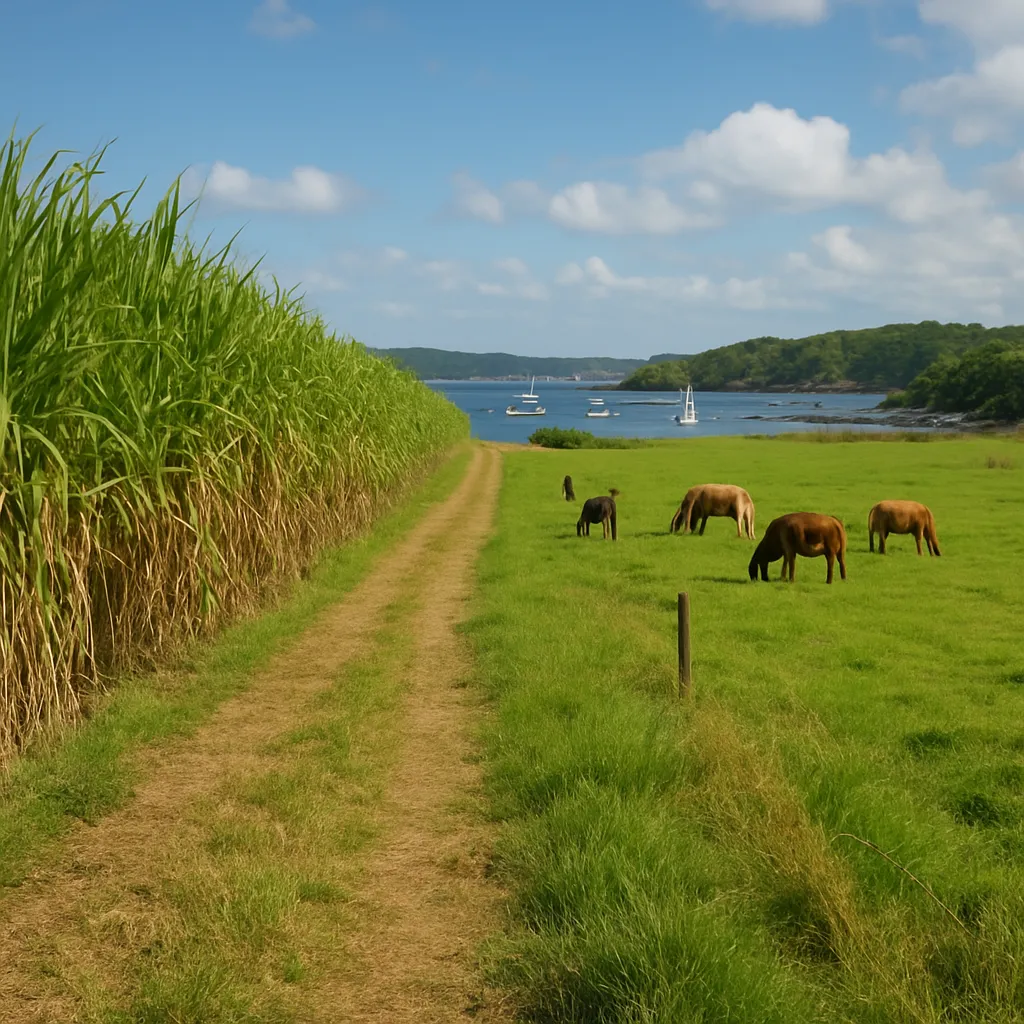
European livestock, weeds, and crop seeds crossed the Atlantic, sometimes accidentally. Which Columbian Exchange effect followed in America?
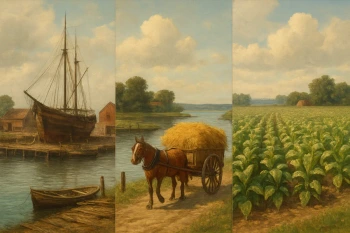
The Thirteen Colonies: Regions and Economies
40 questions
Colonial Society, Religion and Daily Life
20 questions

Slavery and the Middle Passage in Colonial America
20 questions

Roots of Self-Government: Magna Carta to the Mayflower Compact
20 questions
Colonial Assemblies and the House of Burgesses
20 questions
Crack the passcode before the zombies get in.

Pick a tile, answer, hit bonuses and steals.