Loading
by BlastRoom
Students identify English and colonial roots of limited government and consent.
#civics#us_grade_8_social_studies

20 questions
One question set, multiple game modes. Tap any game to see it in action. Not sure which to pick?
In 1215, English barons forced King John to accept that the monarch had to obey the law. What document began this tradition?
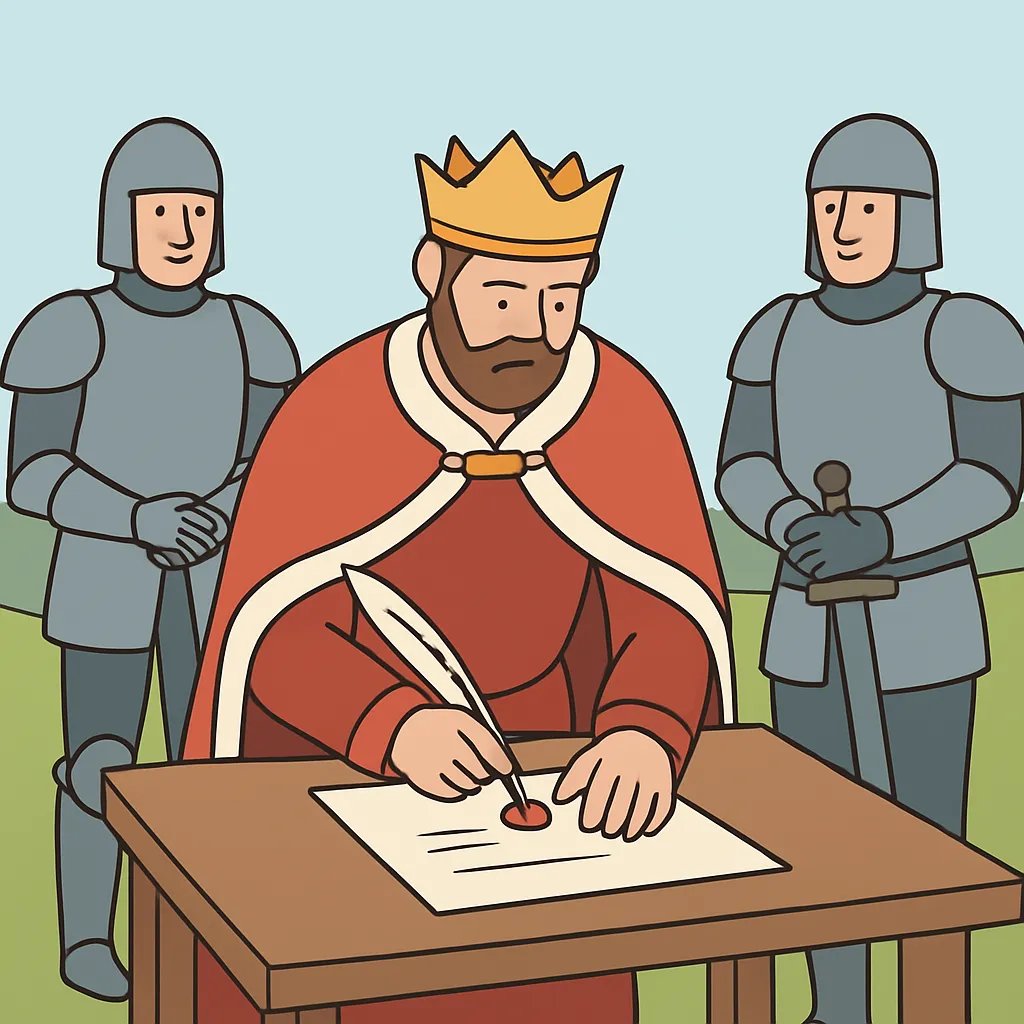
A 1689 English act said a monarch could not suspend laws without Parliament's consent. What document was it?
A medieval charter protected free men from imprisonment except by lawful judgment or the law of the land. What document is described?
After James II was removed, William and Mary accepted parliamentary limits on the crown. What document put those limits into law?
Colonial laws borrowed due process and trial-by-jury language from which older English document?

Under the English Bill of Rights, which of these could a monarch no longer do without Parliament's consent?
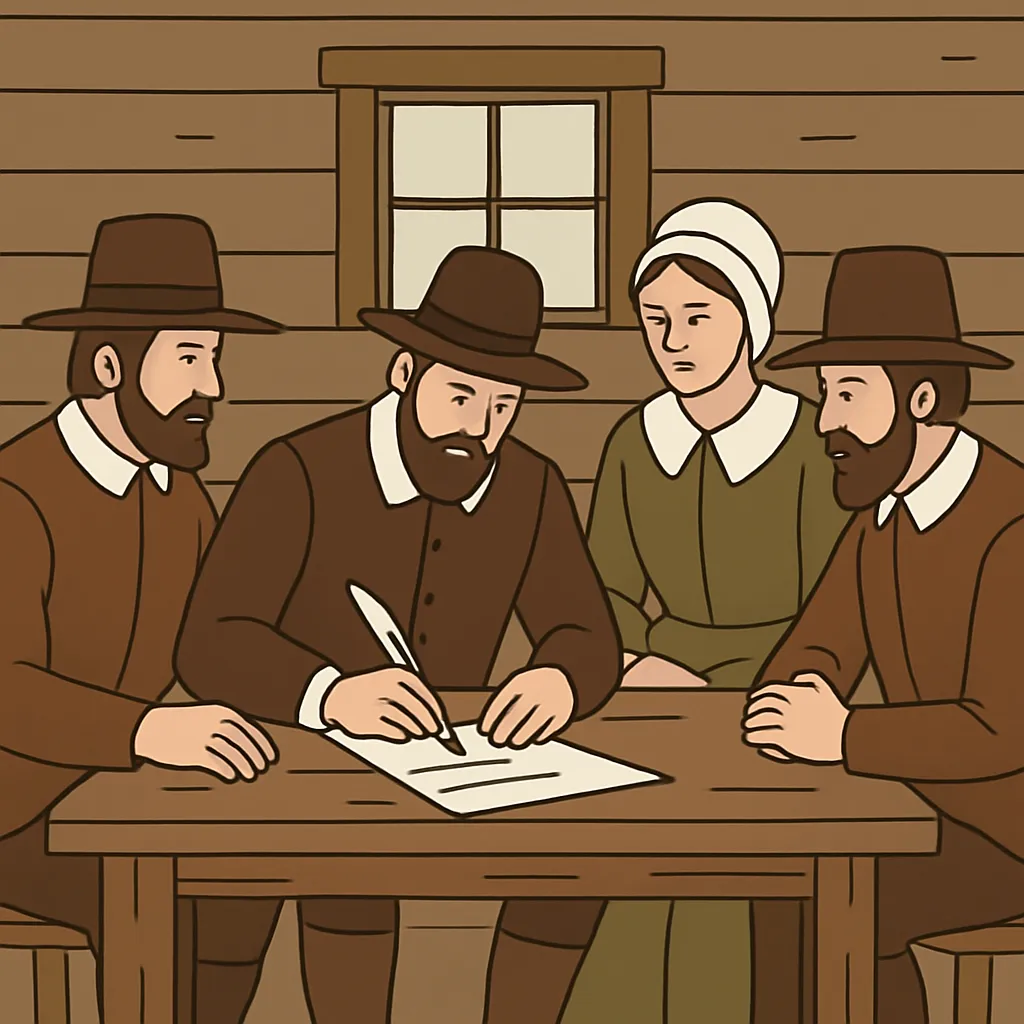
Settlers agree that leaders may govern only because the community approved the rules. What civic idea is shown?
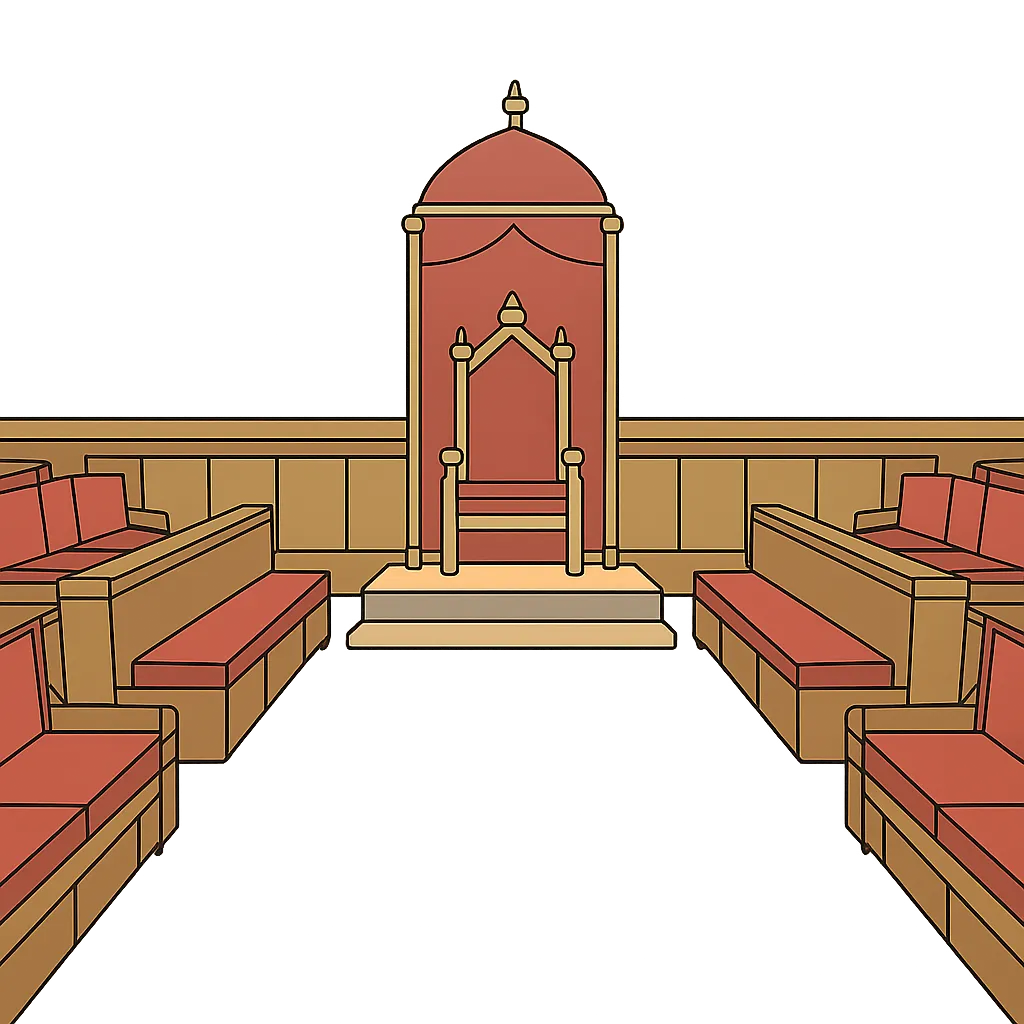
A colonial charter lets the assembly control the governor's salary and any new taxes, so he cannot raise money or act beyond the powers it grants him. What civic principle is shown?
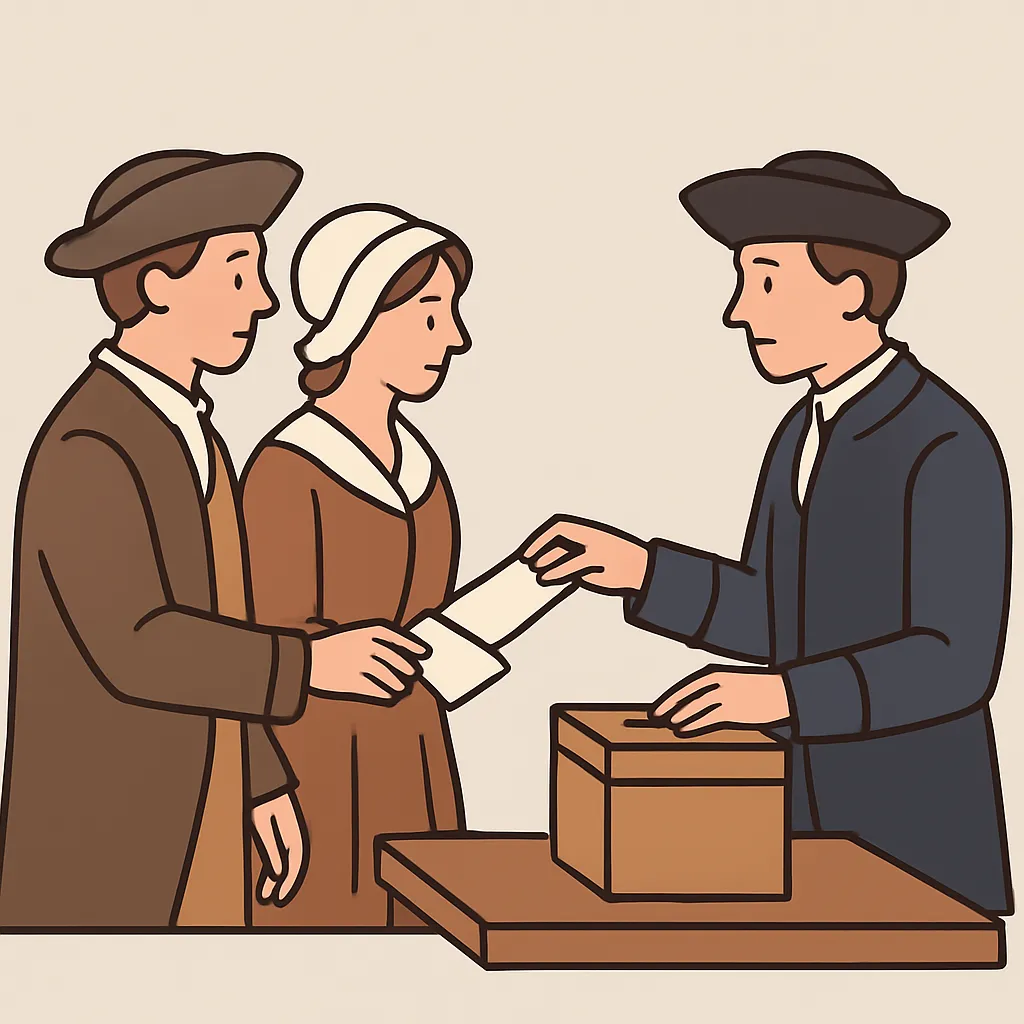
Settlers elect burgesses to make laws instead of voting on every law themselves. What civic idea is shown?
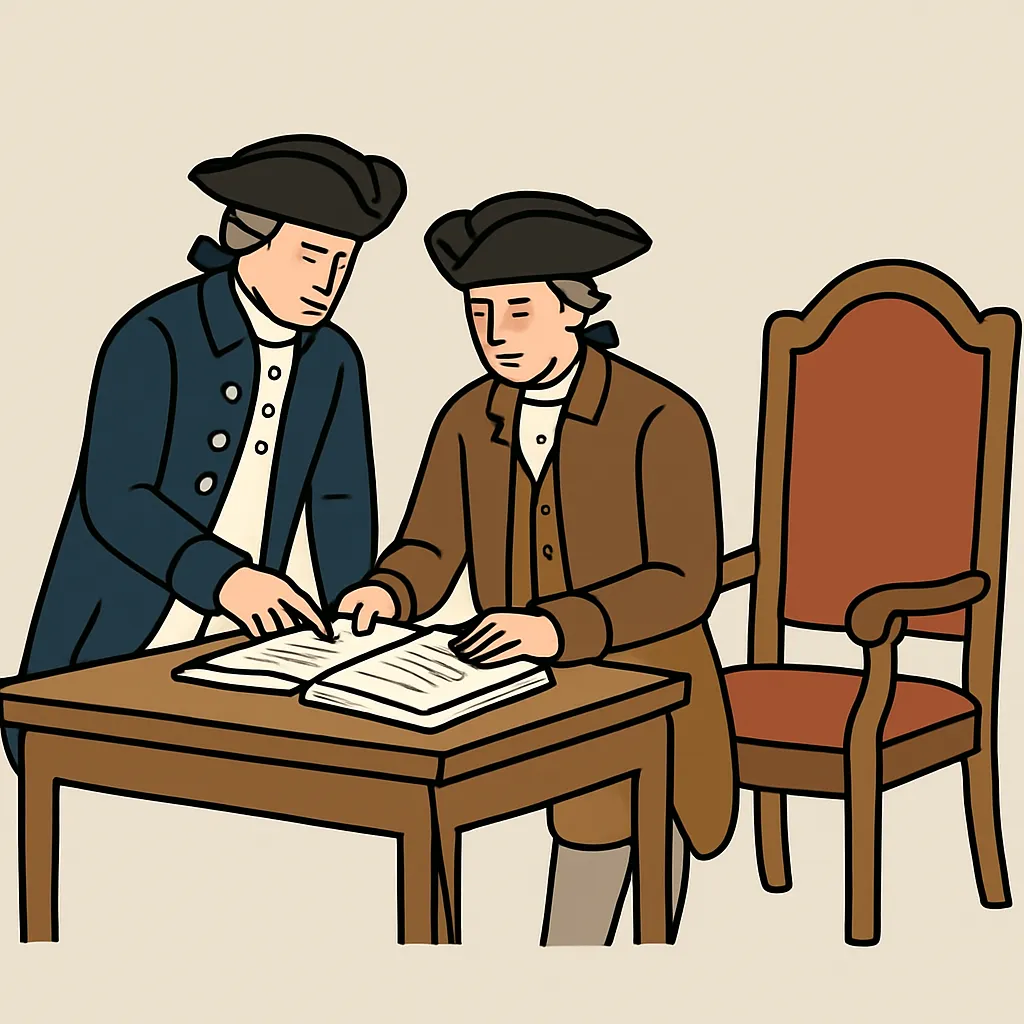
A court tells a governor that published law binds officials and citizens alike. What principle is shown?

New England residents meet in person to vote on local taxes and rules. What civic practice is shown?
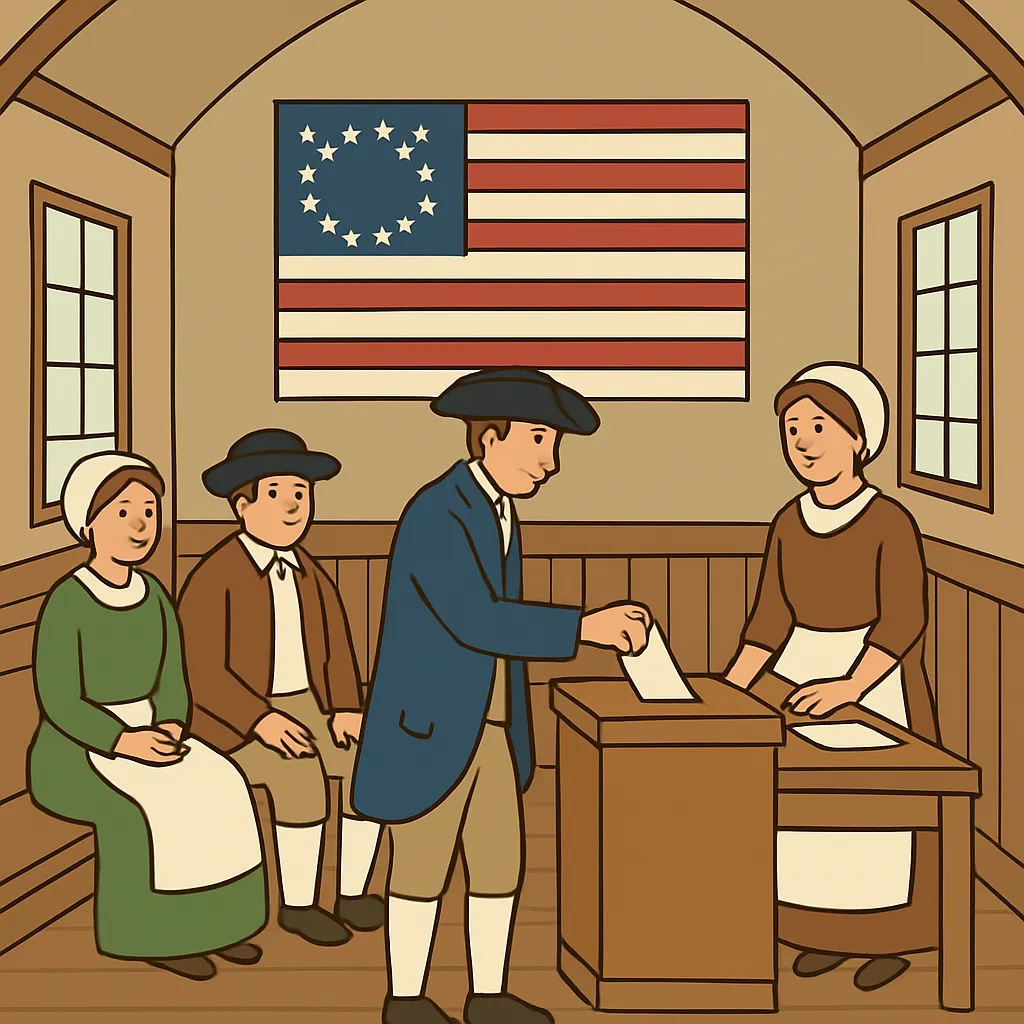
Passengers aboard a ship signed an agreement to create just and equal laws for the general good of their settlement. What was it?
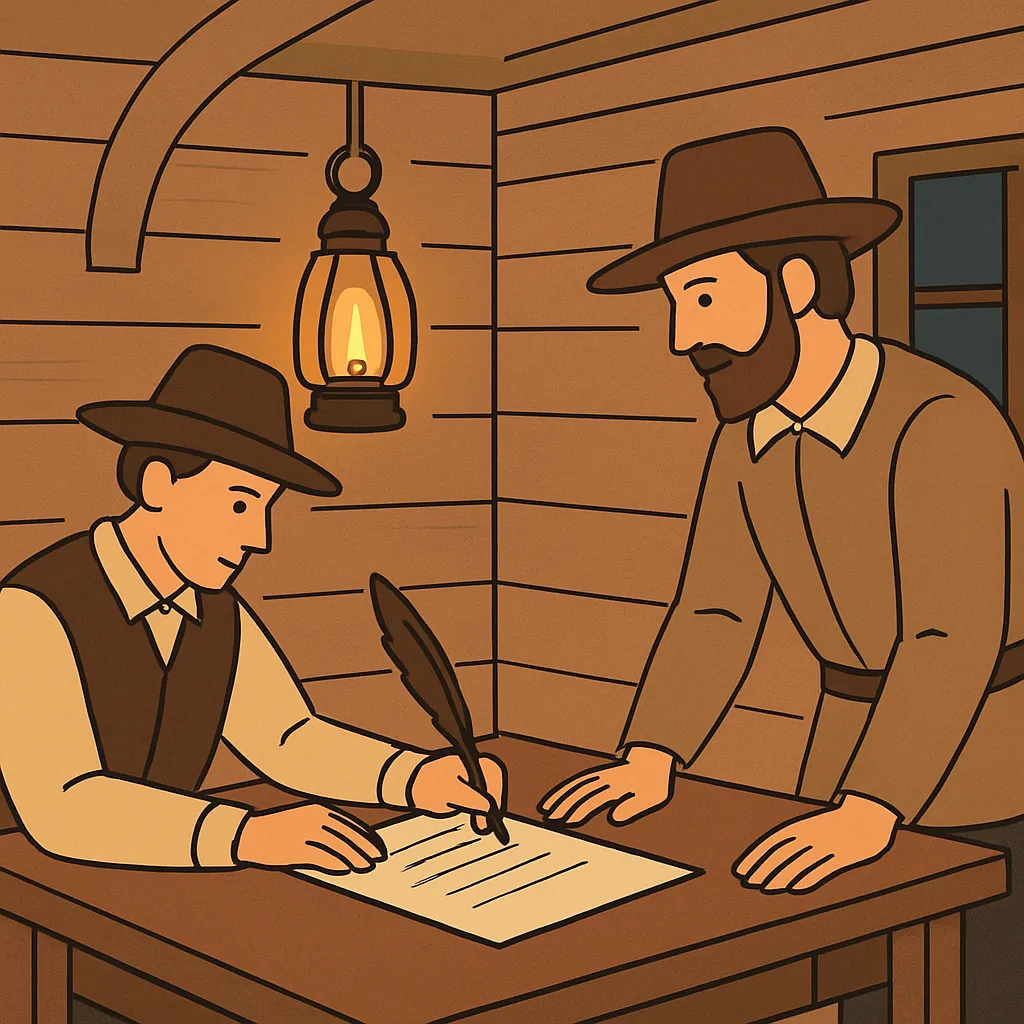
Hartford, Windsor, and Wethersfield colonists adopted a written framework for elected government in 1639. What document was it?
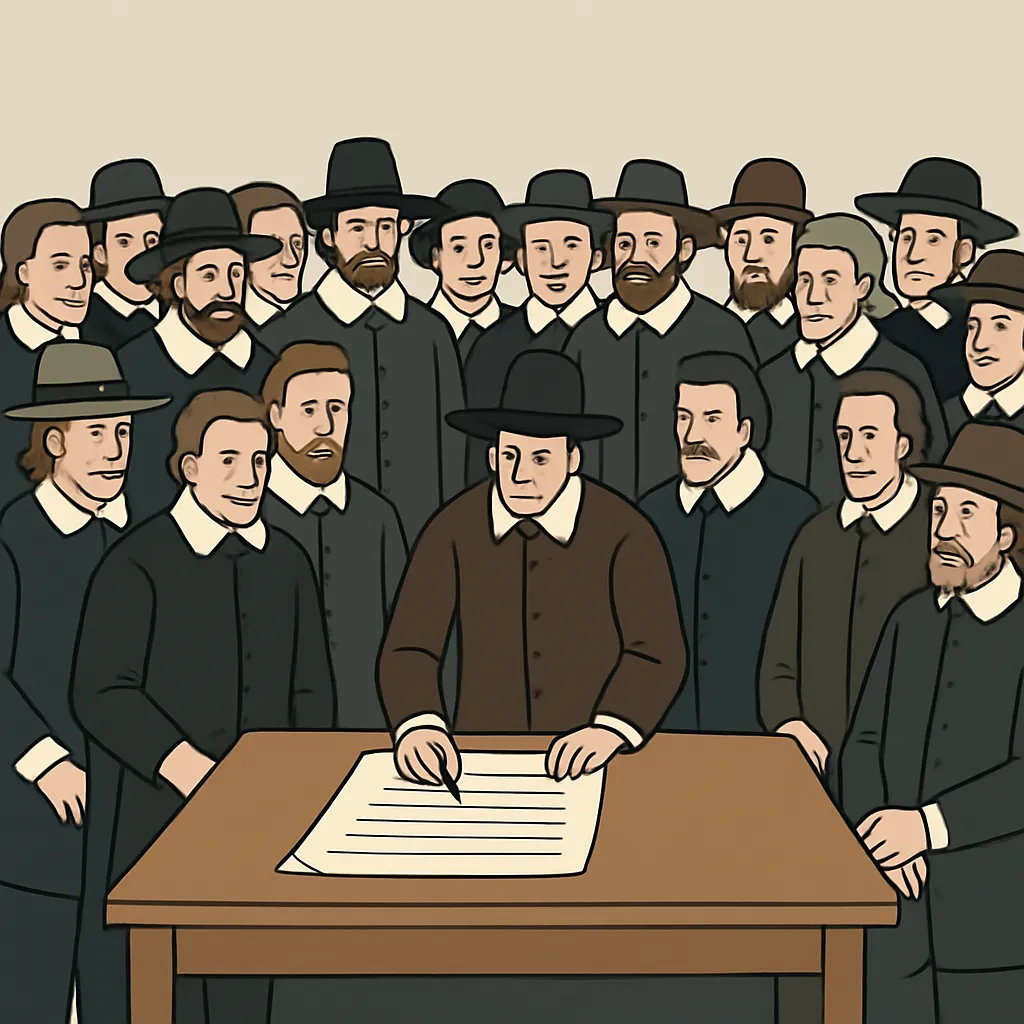
Virginia colonists used an elected lawmaking assembly at Jamestown beginning in 1619. What was it called?
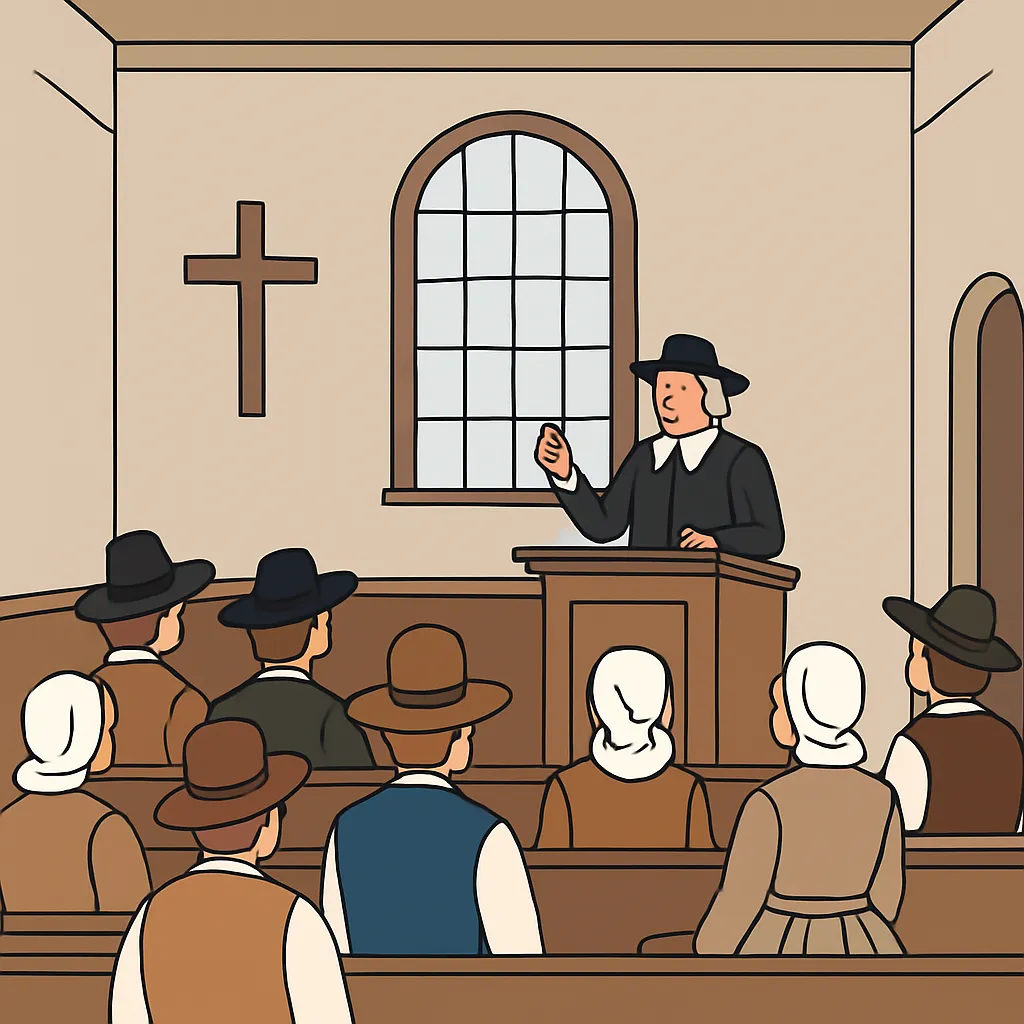
A king granted a colony legal permission to settle and promised rights to English subjects. What kind of document was that?
In most English colonies, who could usually vote for members of the colonial assembly?
The English Bill of Rights required monarchs to get Parliament's consent to tax or suspend laws. What later American idea did that strengthen?
Magna Carta's legacy said courts must use lawful procedures before taking liberty or property. What lasting idea is this?
After Virginia became a royal colony in 1624, laws passed by the House of Burgesses could still be blocked. Who could veto them?
What effect did salutary neglect have on many colonial assemblies before the 1760s?
Crack the passcode before the zombies get in.

Pick a tile, answer, hit bonuses and steals.

Causes of the American Revolution
40 questions