Loading
by BlastRoom
Questions about how colonial assemblies, town meetings, and salutary neglect built practice in self-rule.
#civics#us_grade_8_social_studies
20 questions
One question set, multiple game modes. Tap any game to see it in action. Not sure which to pick?
In 1619, elected representatives from Virginia plantations met at Jamestown to make laws. Which colonial institution was this?
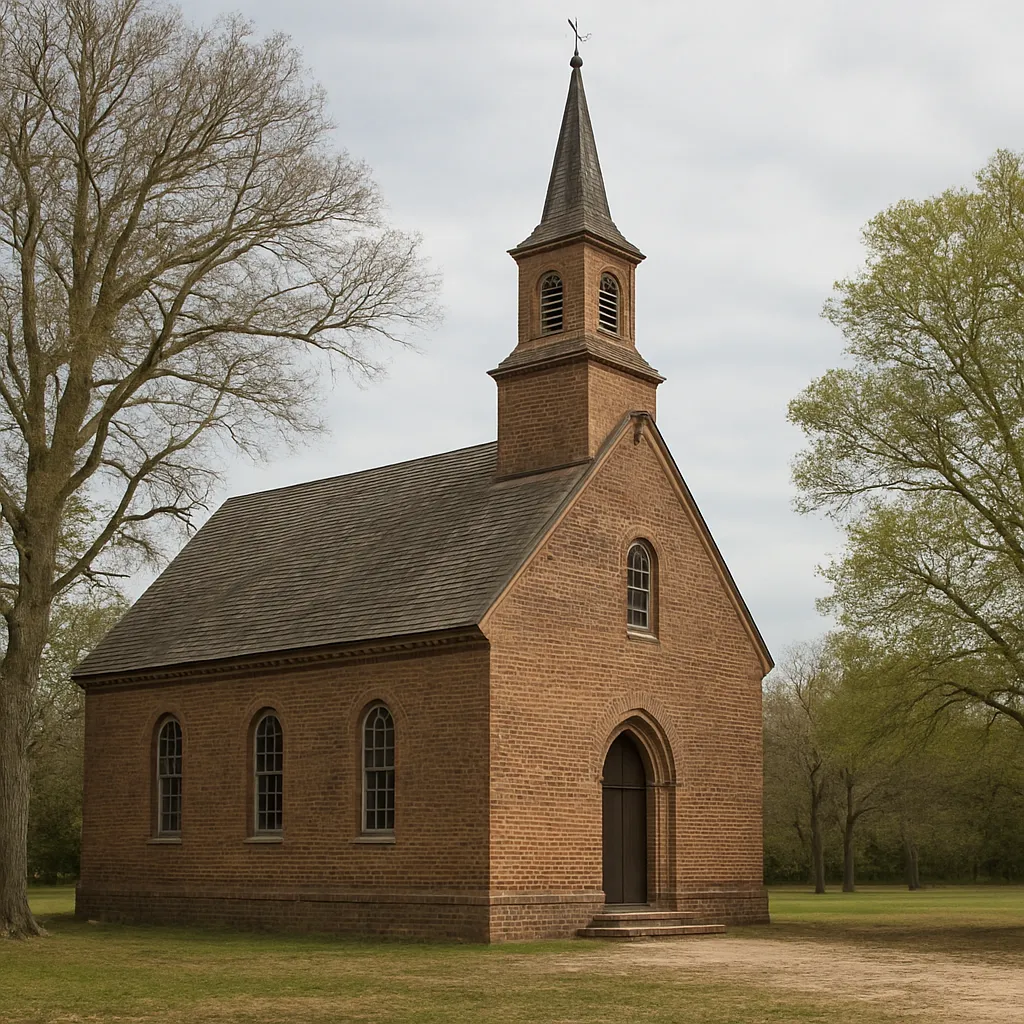
New England colonists gathered as qualified voters to debate and vote on local laws and budgets. Which institution used this direct participation?
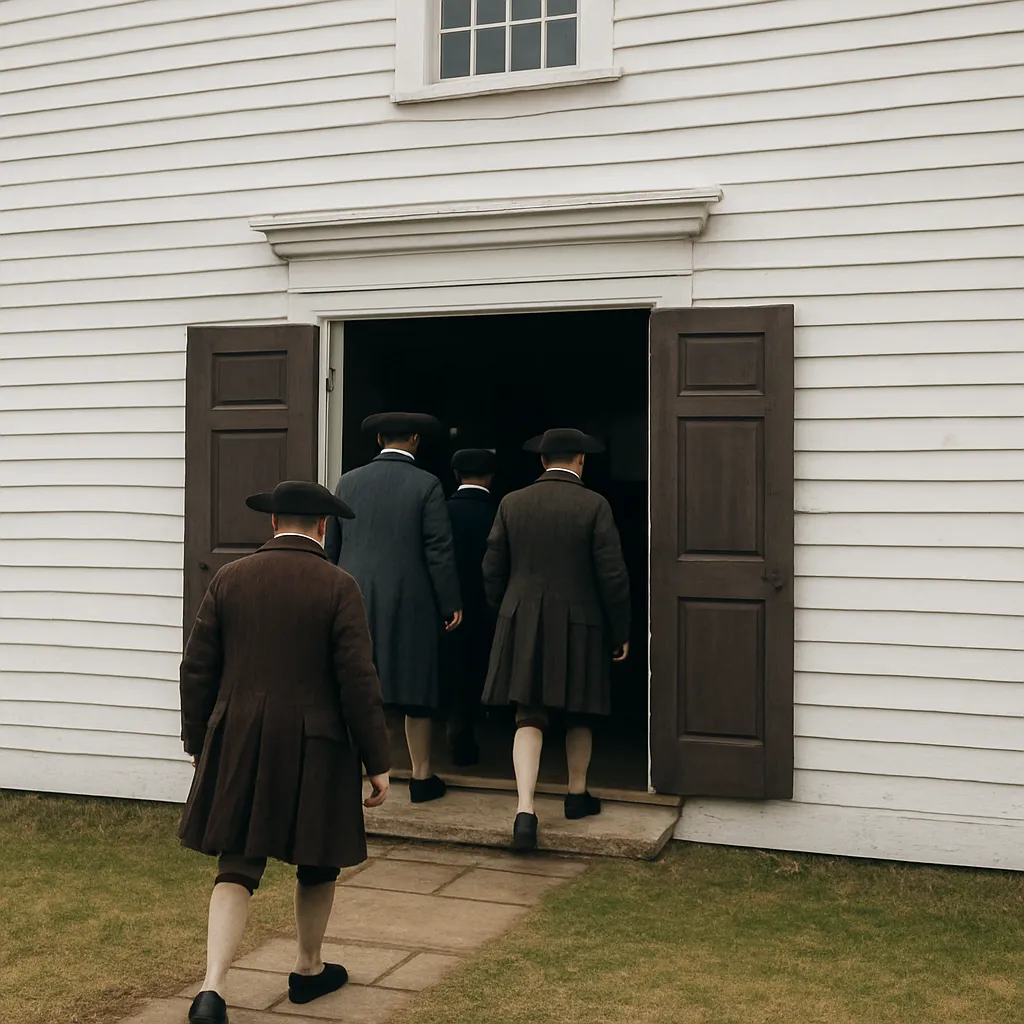
Before going ashore in 1620, Pilgrim men signed an agreement to form a government and obey its laws. Which document was it?
Hartford, Windsor, and Wethersfield adopted a 1639 frame of government that called for elections. Which document was it?

In royal Virginia, about twelve leading colonists appointed by the Crown formed the upper house of the legislature. Which institution was this?
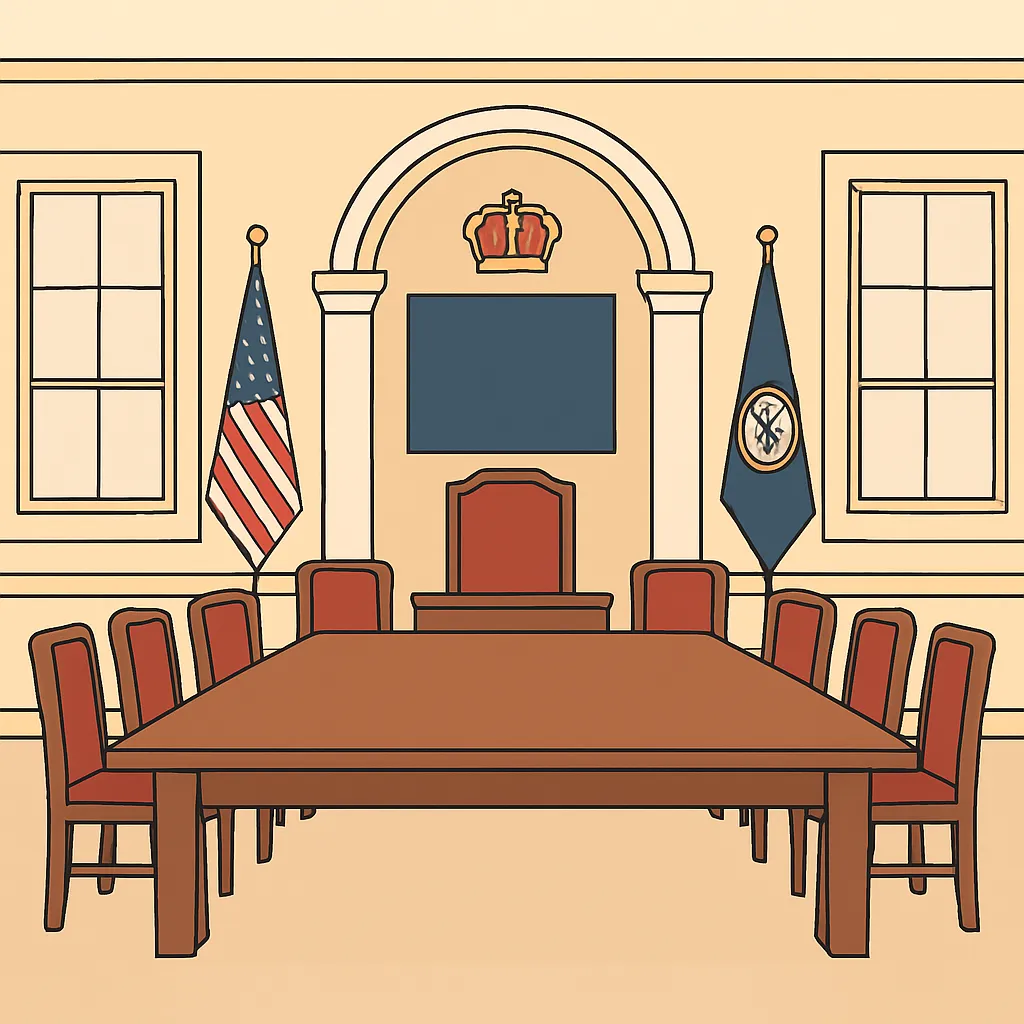
A colony’s elected lower house debated laws and taxes while a royal governor could approve or dissolve it. What institution is described?
Colonists chose delegates to debate taxes and local laws for the whole colony. Which practice were they using?
A town's eligible voters spoke on a warrant article, debated it, and cast votes themselves. Which practice was this?
Why is the 1619 assembly of elected burgesses at Jamestown important in American history?
Plymouth settlers agreed to create laws for their colony and obey them. Which principle were they practicing?
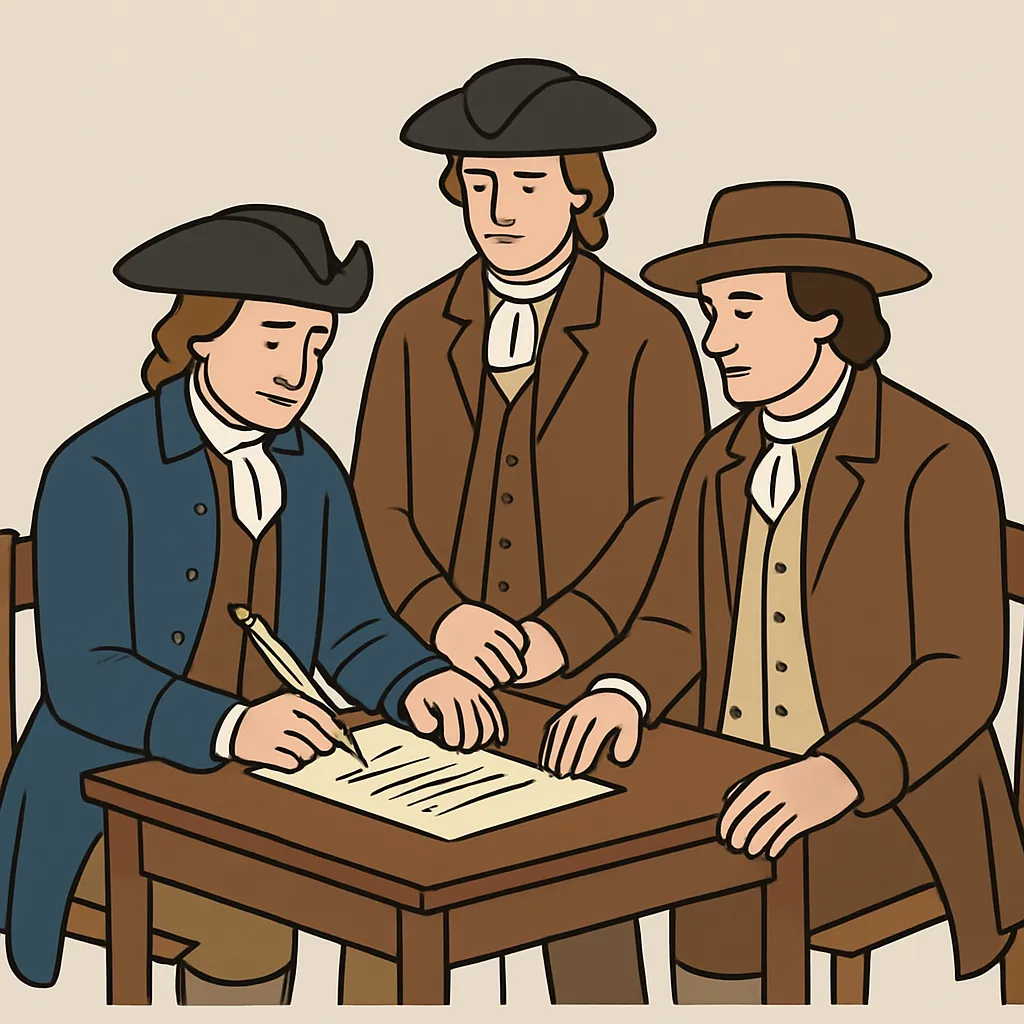
When the House of Burgesses sent an agent to London to oppose Dinwiddie’s pistole fee, what political practice was it using?
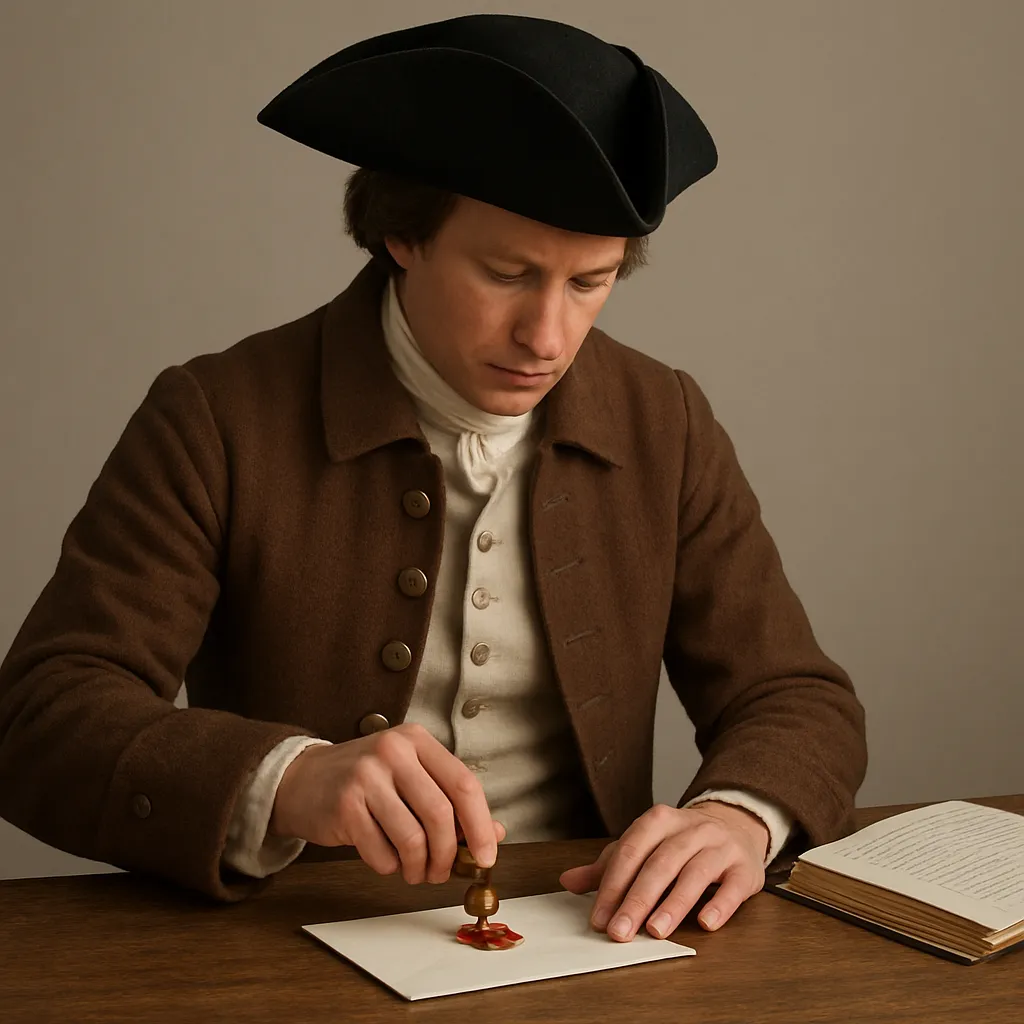
In the decades before 1763, Britain loosely enforced its trade laws and let the colonies run much of their own affairs. What was this policy later called?
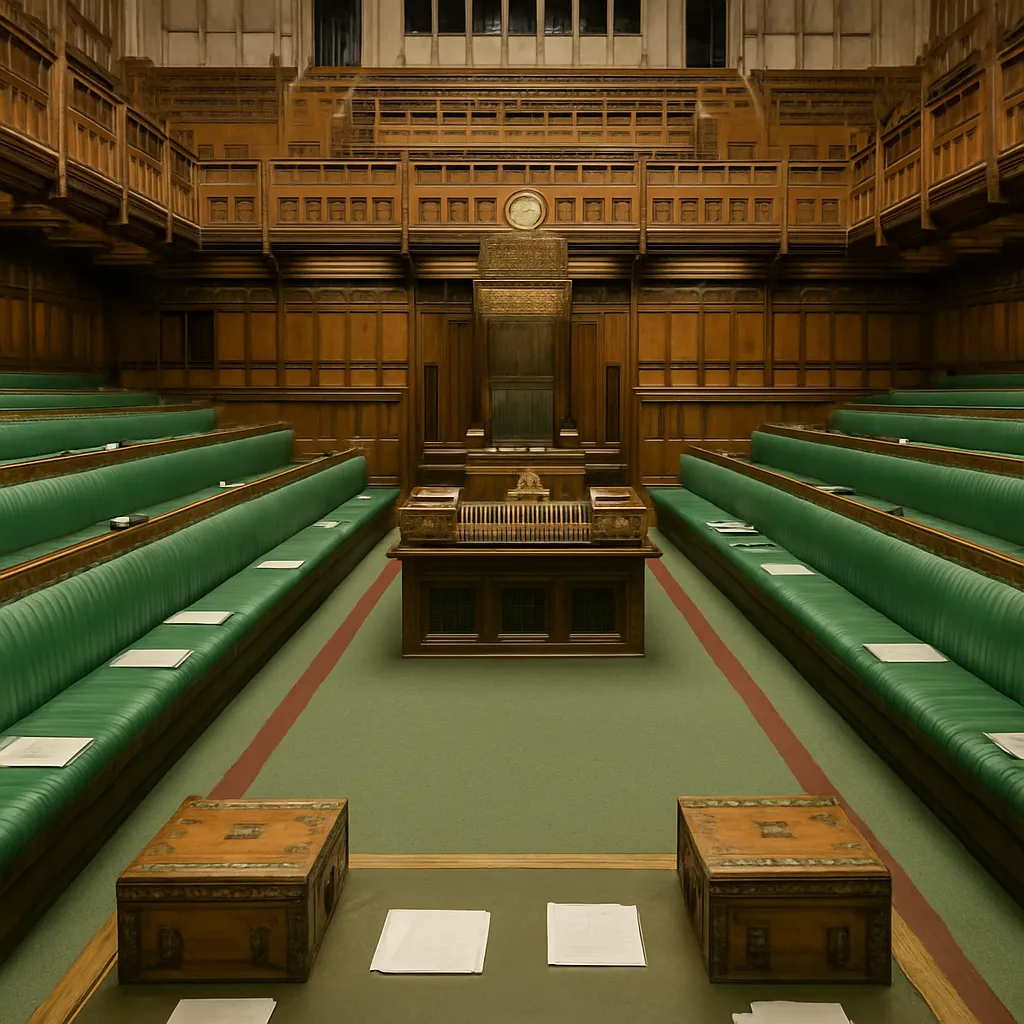
During salutary neglect, colonial assemblies routinely decided how much colonists paid to fund roads, forts, and the militia, with little interference from London. What specific power did this practice give assemblies?
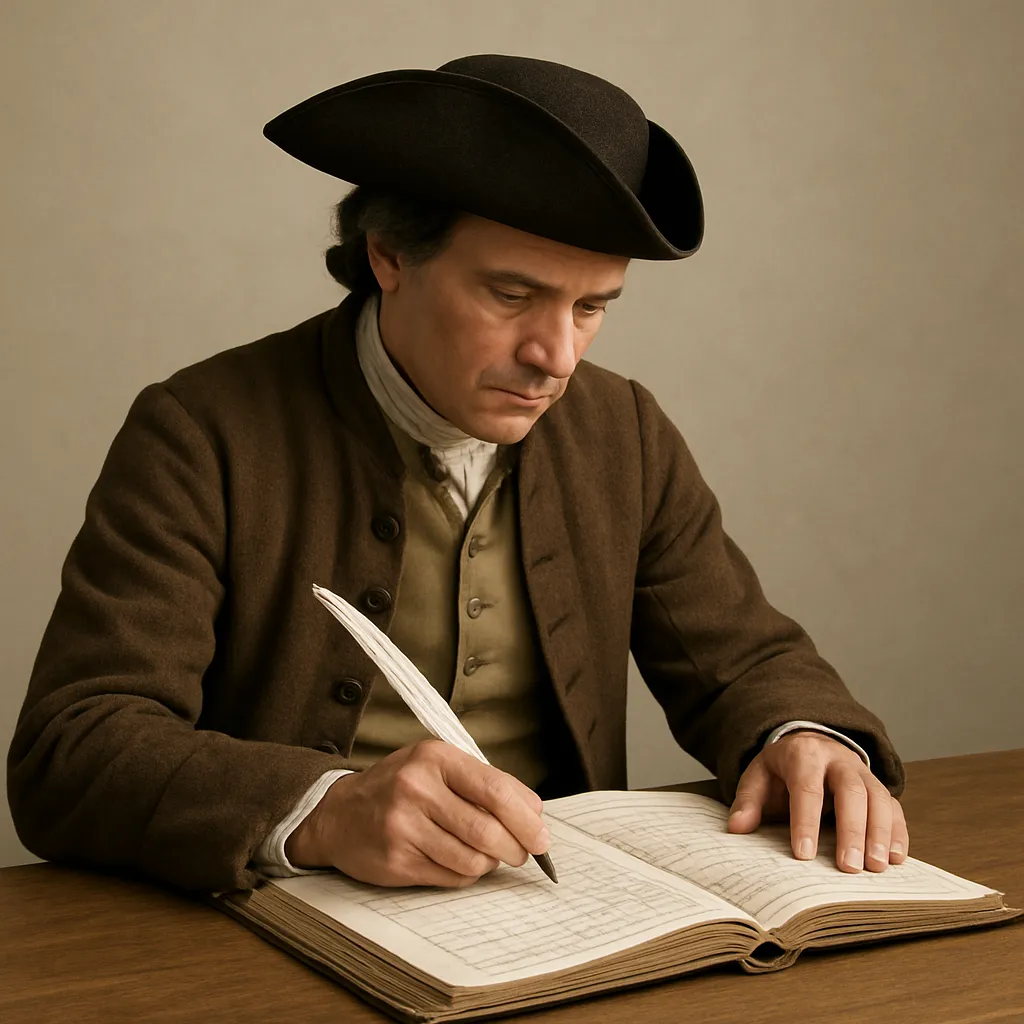
During salutary neglect, customs officers were often bribed or absent, and the 1733 Molasses Act was rarely enforced. What did this weak enforcement encourage?
Why did stricter British enforcement after the French and Indian War create tension in colonies used to salutary neglect?
Many royal governors depended on colonial assemblies for their salaries. How did assemblies use this to their advantage?
Because Britain rarely enforced trade restrictions before 1763, colonial merchants could trade with non-British ports with little risk of punishment. What did this freedom help colonial merchants achieve?
Governor Dinwiddie charged a pistole for sealing each Virginia land patent, and the burgesses objected. Which power did they say he had taken from them?
The House of Burgesses adopted resolutions and petitions against the 1765 Stamp Act. What argument were the burgesses making?
Governor Dunmore sent the House of Burgesses home in 1774 after it supported Boston. What conflict does this evidence show?
Crack the passcode before the zombies get in.

Pick a tile, answer, hit bonuses and steals.

The Declaration of Independence
20 questions