Loading
by BlastRoom
Students explain how race-based slavery grew and how the transatlantic trade and Middle Passage worked.
#us_history#us_grade_8_social_studies
20 questions
One question set, multiple game modes. Tap any game to see it in action. Not sure which to pick?
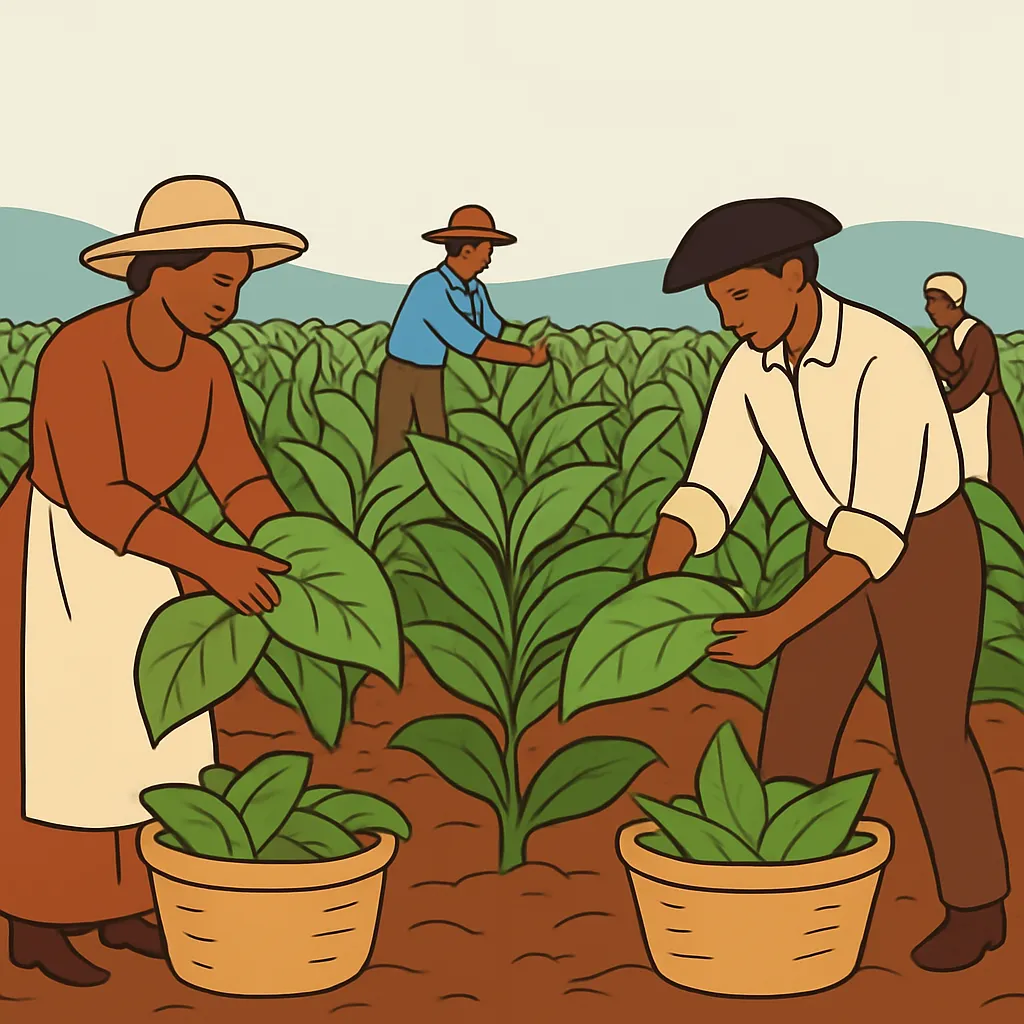
In 1600s Virginia, tobacco spread into new fields, and planters could plant only as much as workers could tend. What labor change followed?
After Bacon's Rebellion in 1676, Virginia planters feared armed, landless former servants. What development did this fear help encourage?
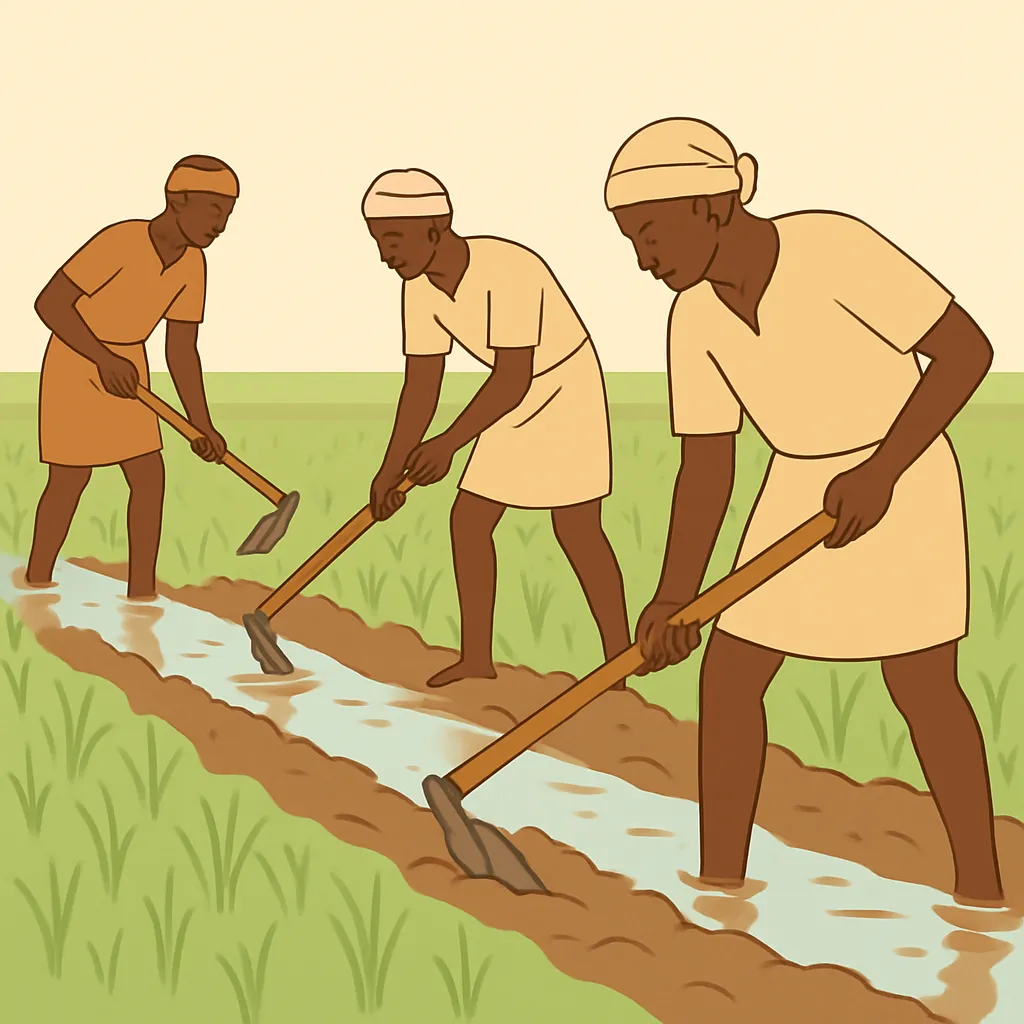
South Carolina Lowcountry rice required clearing swamps, digging canals, and skilled knowledge of rice growing. What labor system did planters rely on?
In 1698, England let any merchant join the African slave trade, and many more slave ships reached the Chesapeake. What did many Virginia planters do?
Plantation owners producing tobacco, rice, and sugar wanted labor they could control permanently. What larger Atlantic development supplied it?

Ships sailed along the route shown on the map, carrying rum and manufactured goods to exchange for captives. Which trade route leg was this?
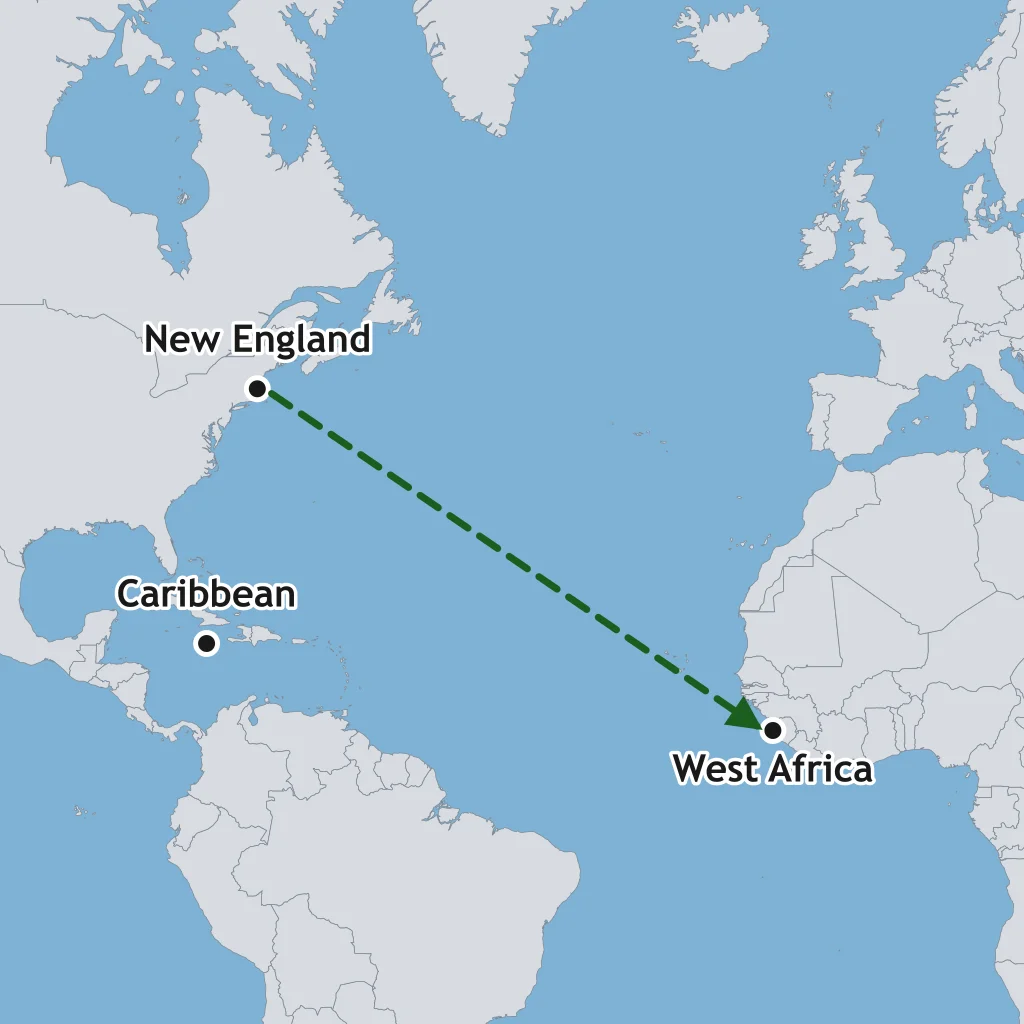
A voyage along the route shown on the map forced enslaved Africans across the Atlantic to Caribbean plantations. Which leg of the triangular trade was it?
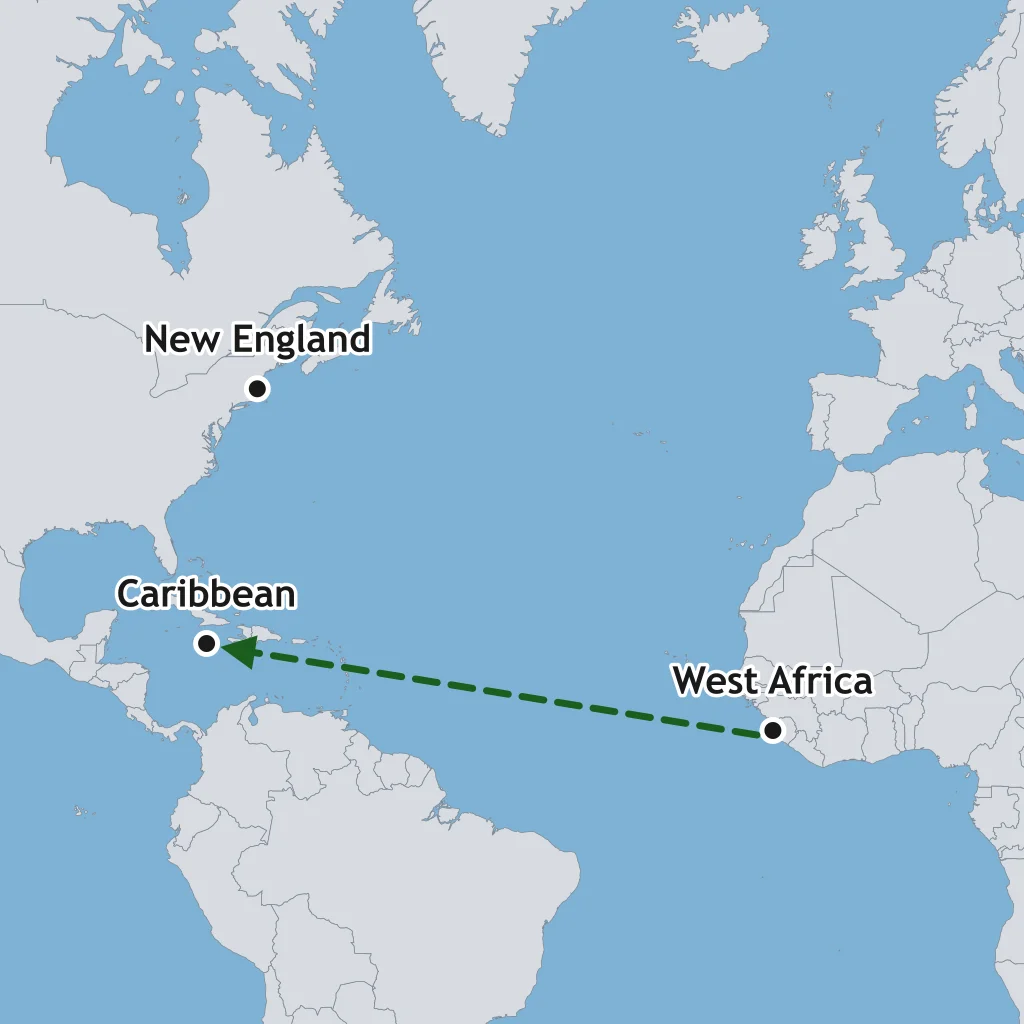
A ship sailed along the route shown on the map with molasses and sugar bound for distilleries. Which triangular trade leg does this describe?
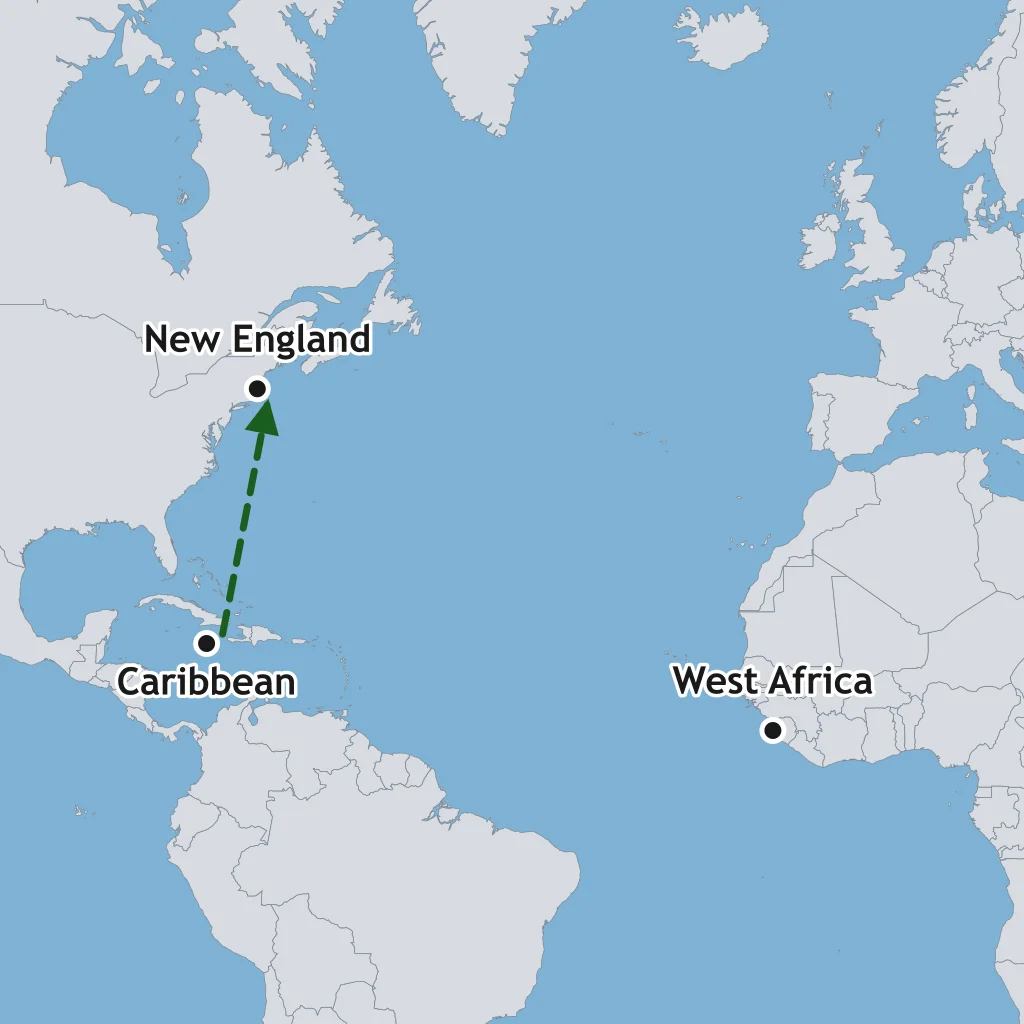
Ships loaded with guns, cloth, iron, and copper sailed out to trade those goods for captive people. Which leg of the triangular trade was this?

Ships carried sugar, tobacco, and cotton grown by enslaved workers across the Atlantic to be sold. Which leg of the triangular trade carried these cargoes?
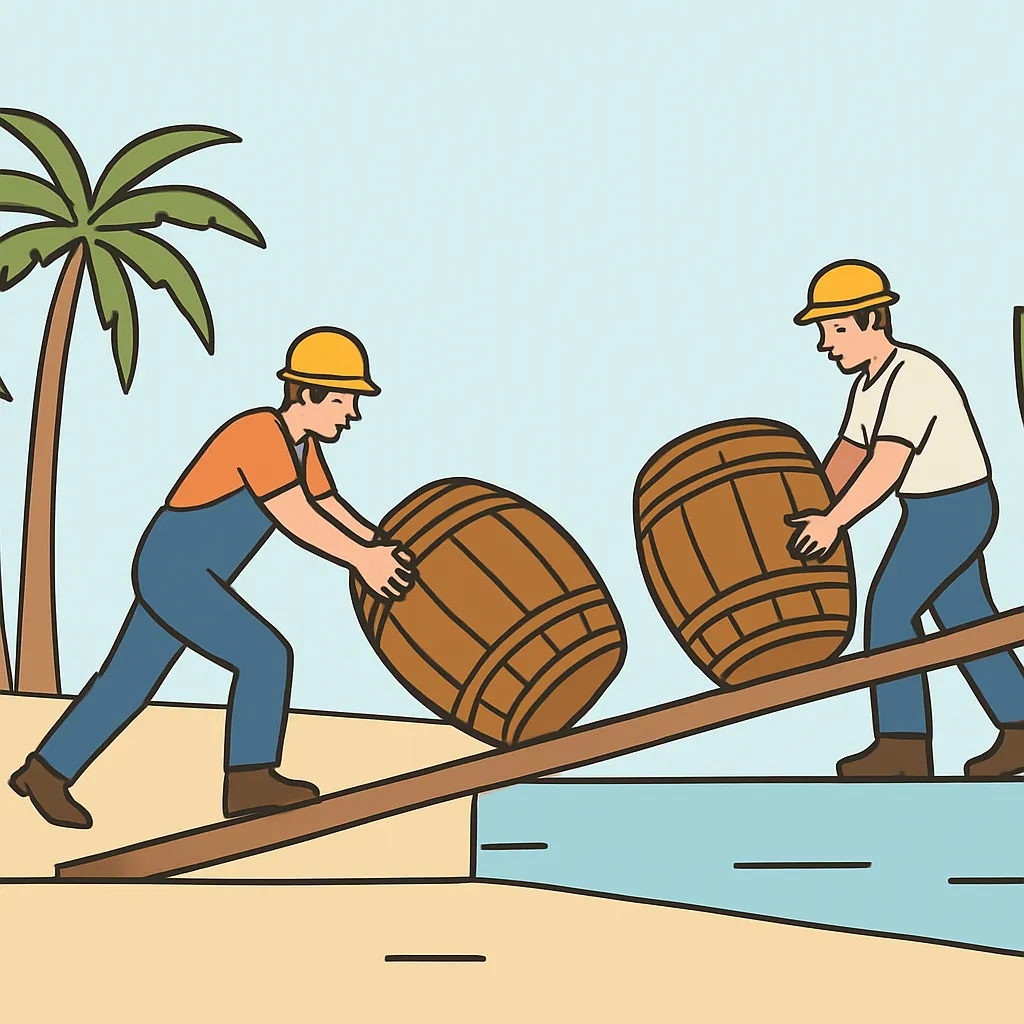
A 1662 Virginia law decided whether children born to enslaved women would be free or enslaved. What did this law establish?

Some enslaved people in early Virginia argued that becoming Christian should make them free. How did a 1667 Virginia law answer this?
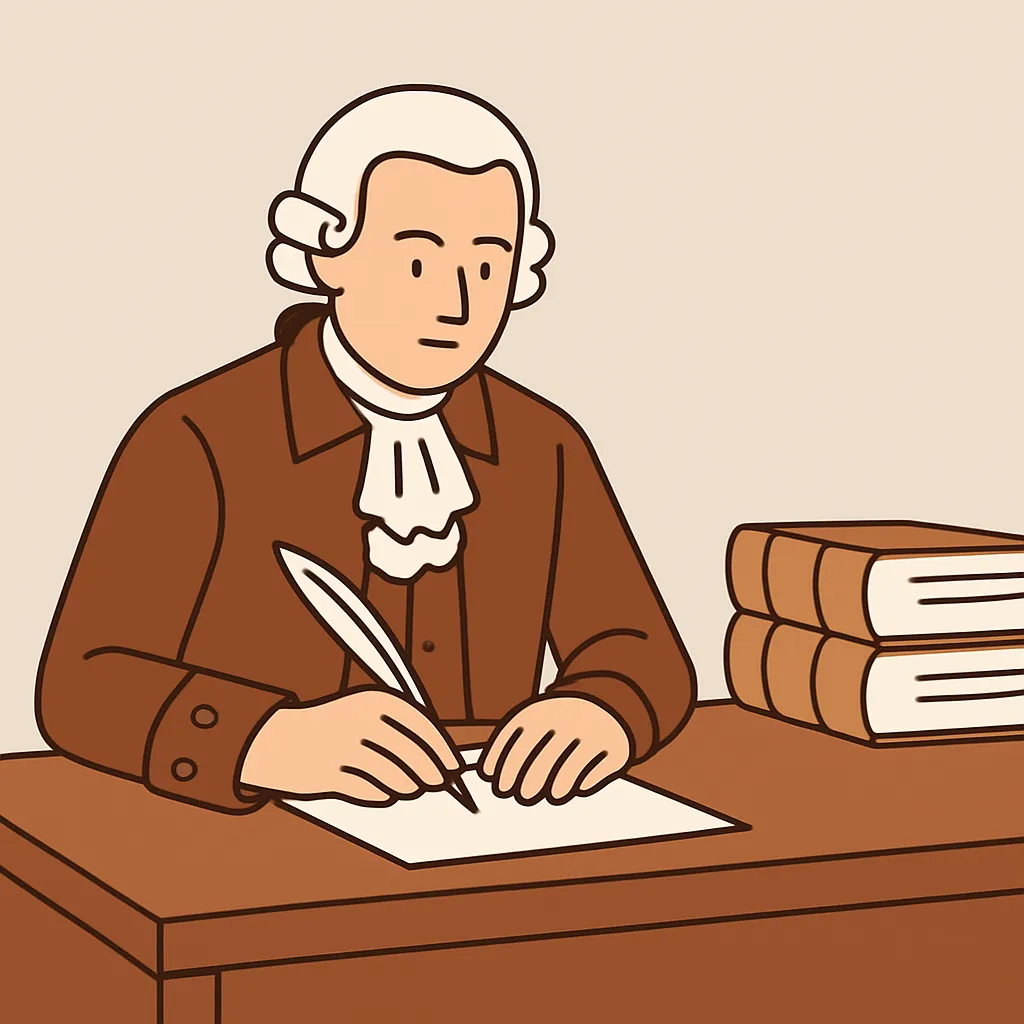
A 1705 Virginia code treated enslaved people as property that could be bought, sold, and inherited. What status did it support?
A colonial law punished enslaved people for leaving a plantation without written permission. What was the law trying to control?

Massachusetts revised its slavery law in 1670, and custom made slavery permanent and hereditary for Black people. What trend does this show?
During the Middle Passage, some captives refused food, jumped overboard, or rose up against crews. Which response does this show?
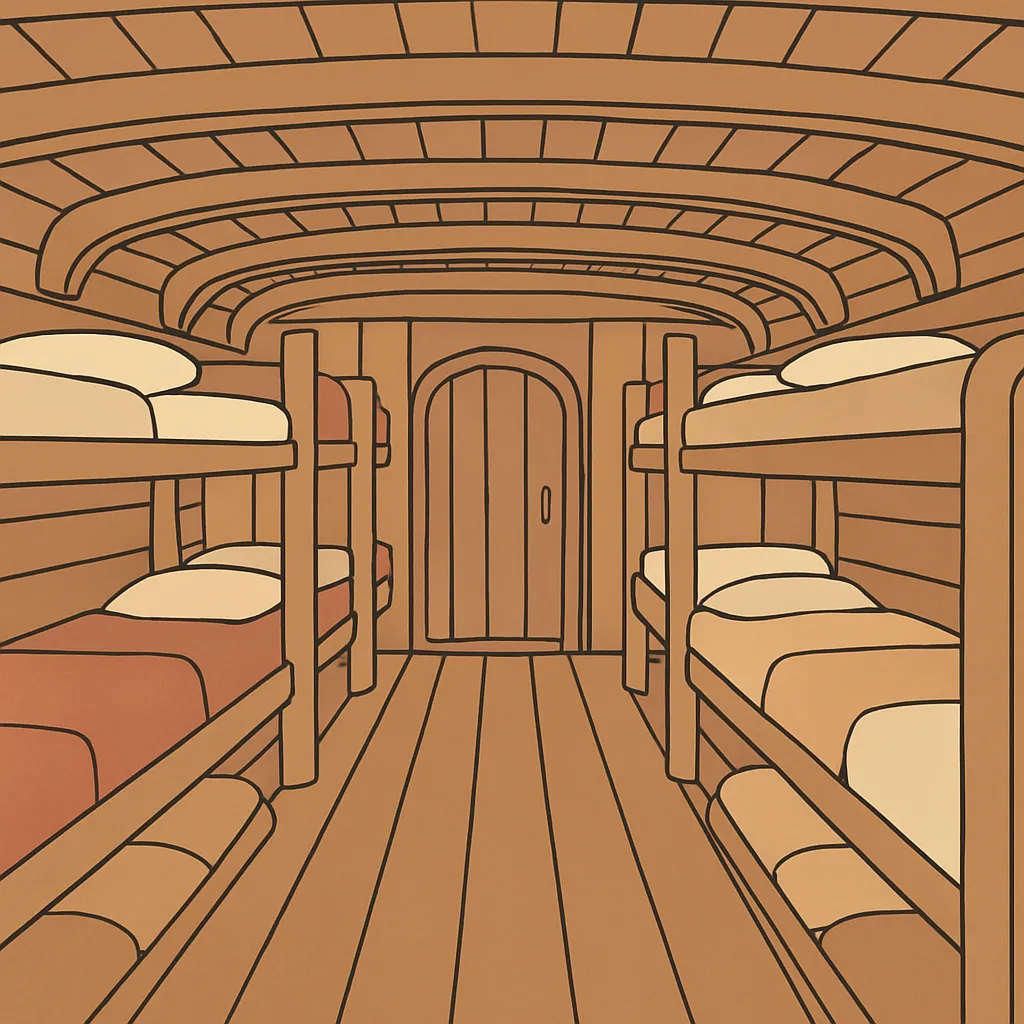
In 1773, enslaved men in Boston sent a written request to the Massachusetts legislature, using the language of liberty to ask for freedom. What form of resistance was this?
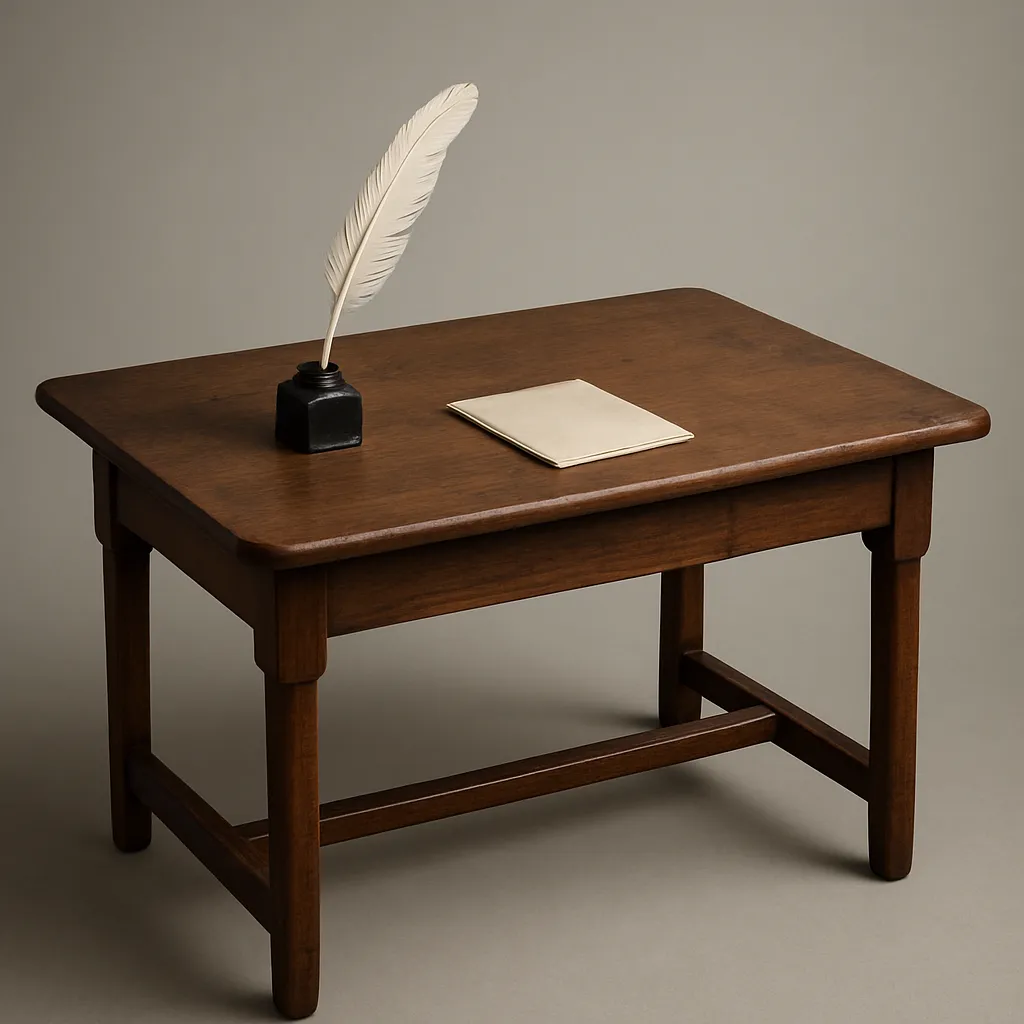
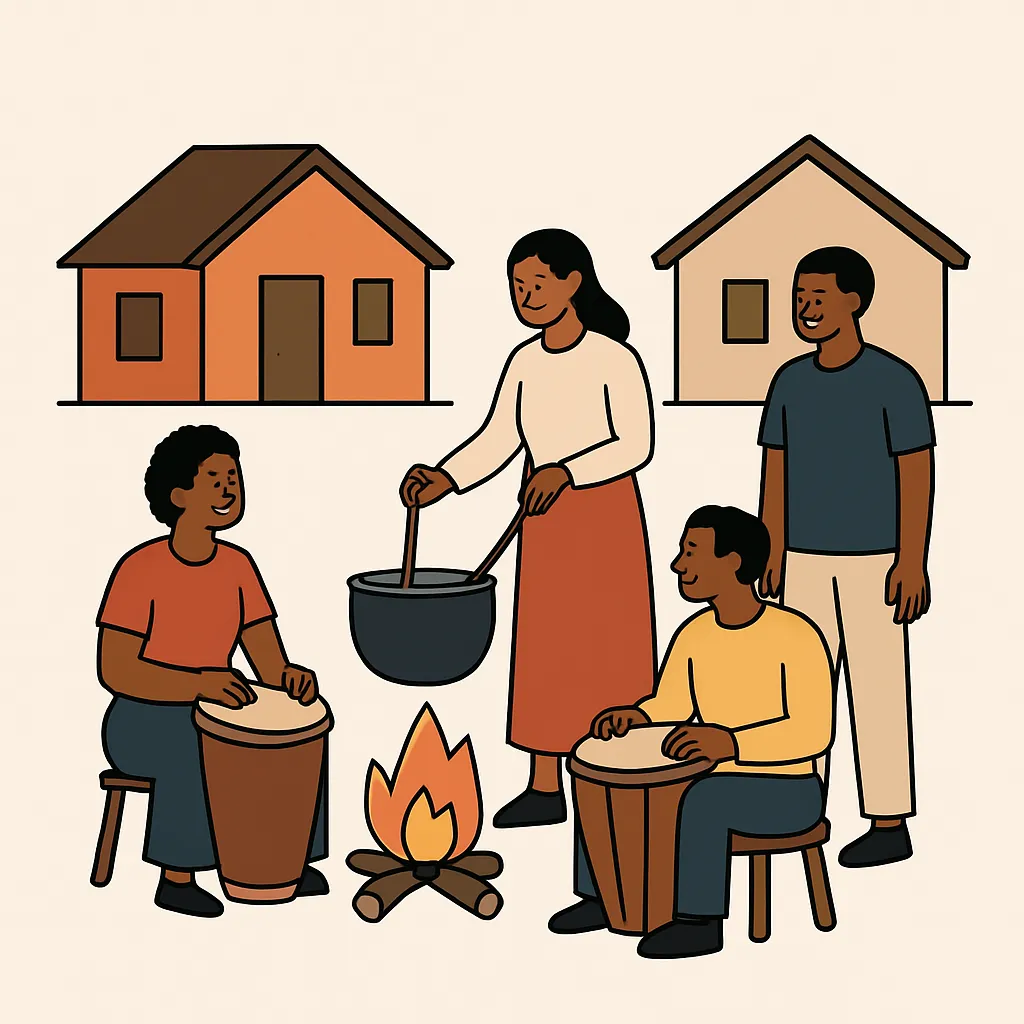
Enslaved Africans in the colonies kept foodways, music, religion, and stories alive despite forced separation. What effect or response does this show?
After arriving in the colonies, enslaved people sometimes slowed work or ran away to reclaim some measure of freedom. Which response is described?

In a 1723 letter to the Bishop of London, enslaved Virginians made a request for their children. What did they ask for?
European Exploration and Colonization of North America
40 questions
The Thirteen Colonies: Regions and Economies
40 questions
Colonial Society, Religion and Daily Life
20 questions

Roots of Self-Government: Magna Carta to the Mayflower Compact
20 questions
Colonial Assemblies and the House of Burgesses
20 questions
Crack the passcode before the zombies get in.

Pick a tile, answer, hit bonuses and steals.