Loading
by BlastRoom
Order the stages of a star's life and use mass to predict how it ends.
#us_grade_8_science
40 questions
One question set, multiple game modes. Tap any game to see it in action. Not sure which to pick?
Answer to place stones and capture territory.
Outrun the snow together.
Earn blasts, then hunt the other team.
Answer to earn energy, then climb.

The class blasts through walls together.
Bid on mystery lots. Most money wins.
Sell tours. Nice, standard, or a total scam.

Answer, restock, and serve the rush.
More correct answers pulls the rope your way.
Answer, then shoot down the alien wave.
Answer, then tap to leap the frozen ridge.
A cold cloud of hydrogen gas and dust begins to contract under its own gravity, and its center is slowly warming. What does this material become next?
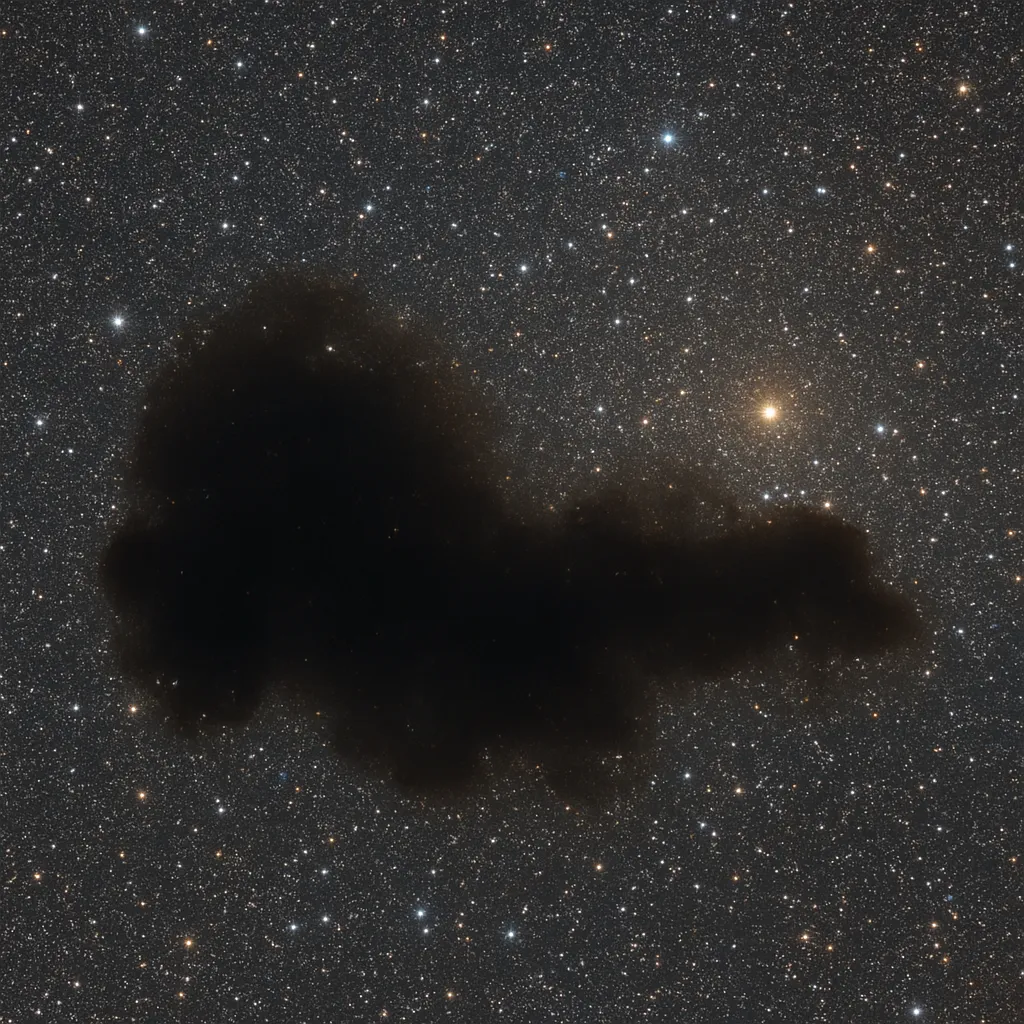
A contracting protostar's core finally reaches about 10 million degrees Celsius and hydrogen fusion switches on. What is the object called from this moment on?
A star of about one solar mass has fused the last hydrogen in its core. The core contracts while the outer layers swell and cool to a reddish glow. What stage is this?
A red giant of about one solar mass gently pushes its outer layers off into a glowing expanding shell. What is left behind at the center?
A supergiant of about 25 solar masses has built an iron core, and fusing iron releases no energy. What happens to this star next?
After a supernova, a collapsed core of roughly two solar masses is left, packed into a ball only about 20 kilometers across. What is this object?
A very massive supergiant explodes, leaving a core of about ten solar masses that gravity keeps crushing without anything able to stop it. What does that core become?
A white dwarf has no fusion taking place anywhere inside it. Over the billions of years ahead, what happens to it?
A star of about 15 solar masses has just used up the hydrogen in its core. Which stage does it enter next?
The glowing shell of gas thrown off by a dying Sun-like star keeps expanding and thinning for thousands of years. What becomes of that gas?
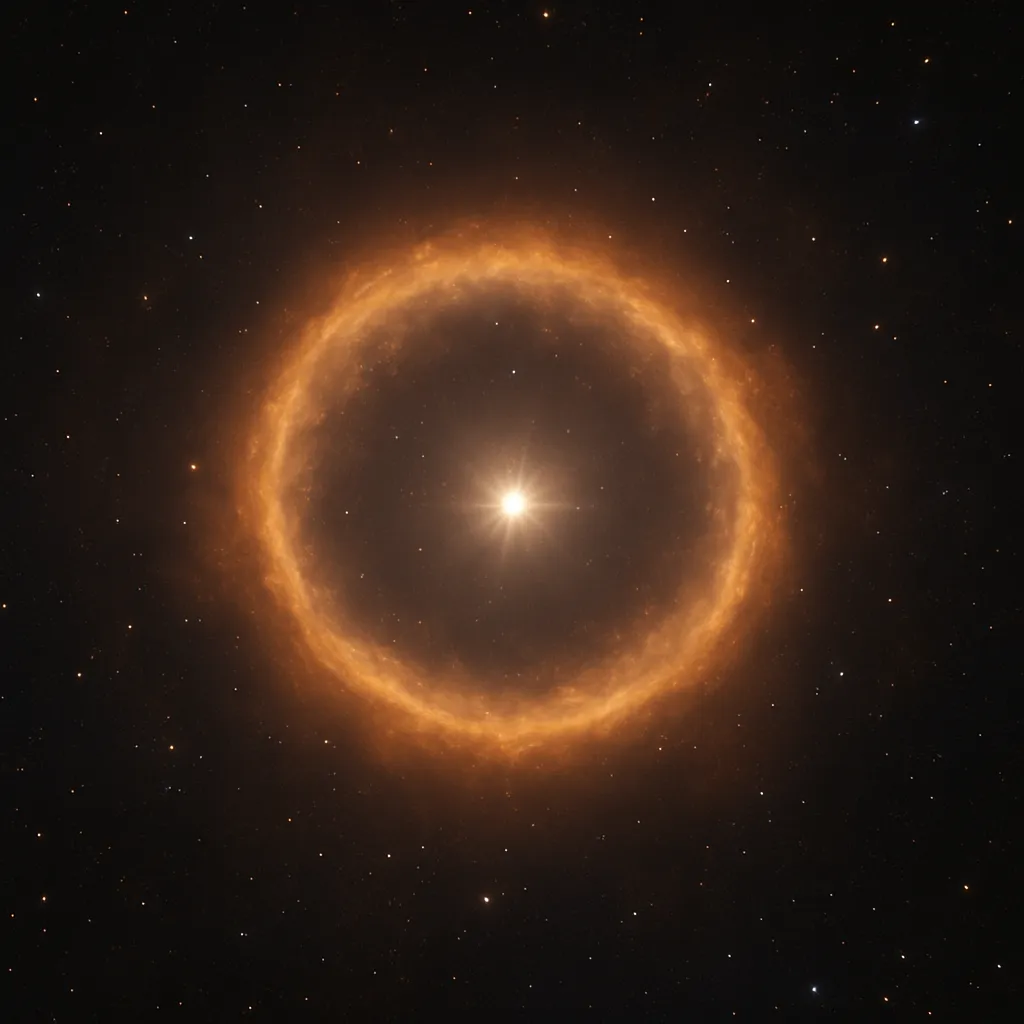
Star A has 0.5 solar masses and Star B has 10 solar masses. Which star will stay on the main sequence far longer, and why?
A red dwarf holds about 0.3 solar masses and fuses hydrogen very slowly. How will this star eventually end?
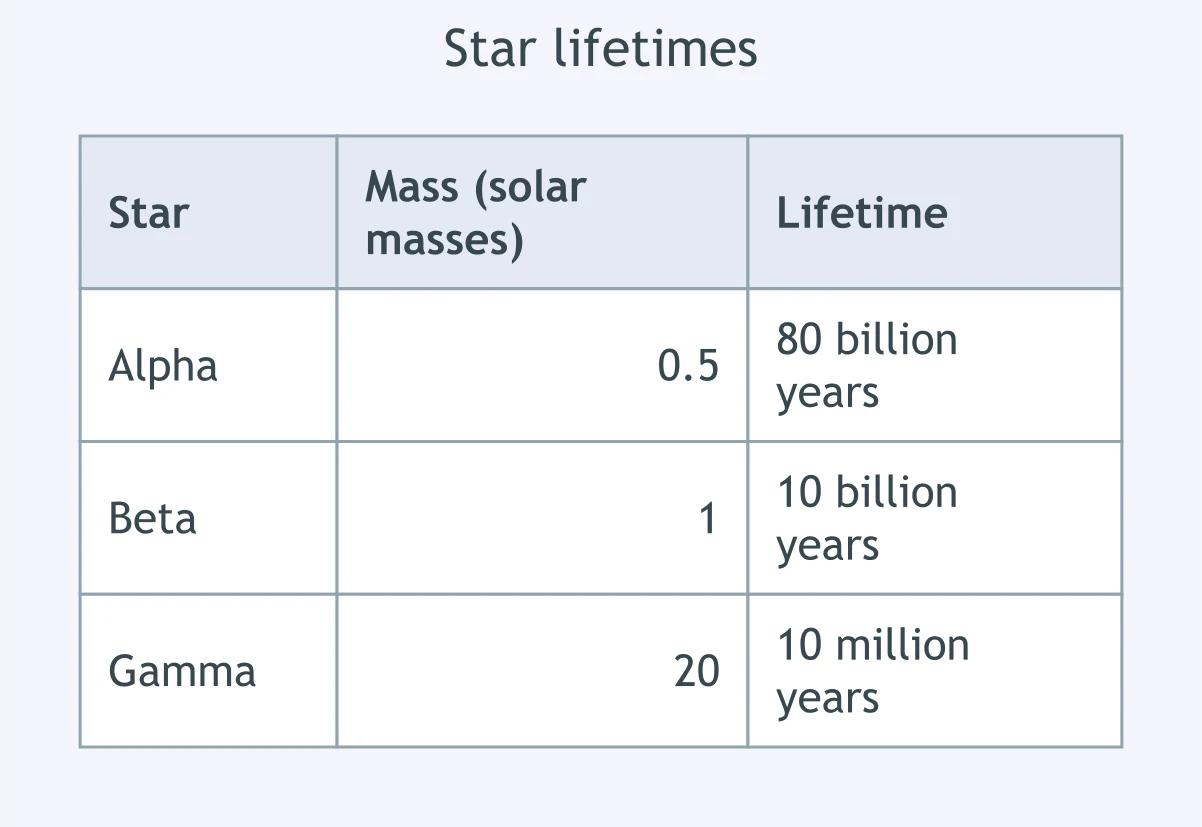
Look at the table of star masses and lifetimes. What relationship between a star's mass and its lifetime does the data show?
A star of about 20 solar masses has exhausted the fuel in its core. How will its life most likely end?
The Sun holds one solar mass and has about five billion years of core hydrogen left. Which sequence describes how it will end?
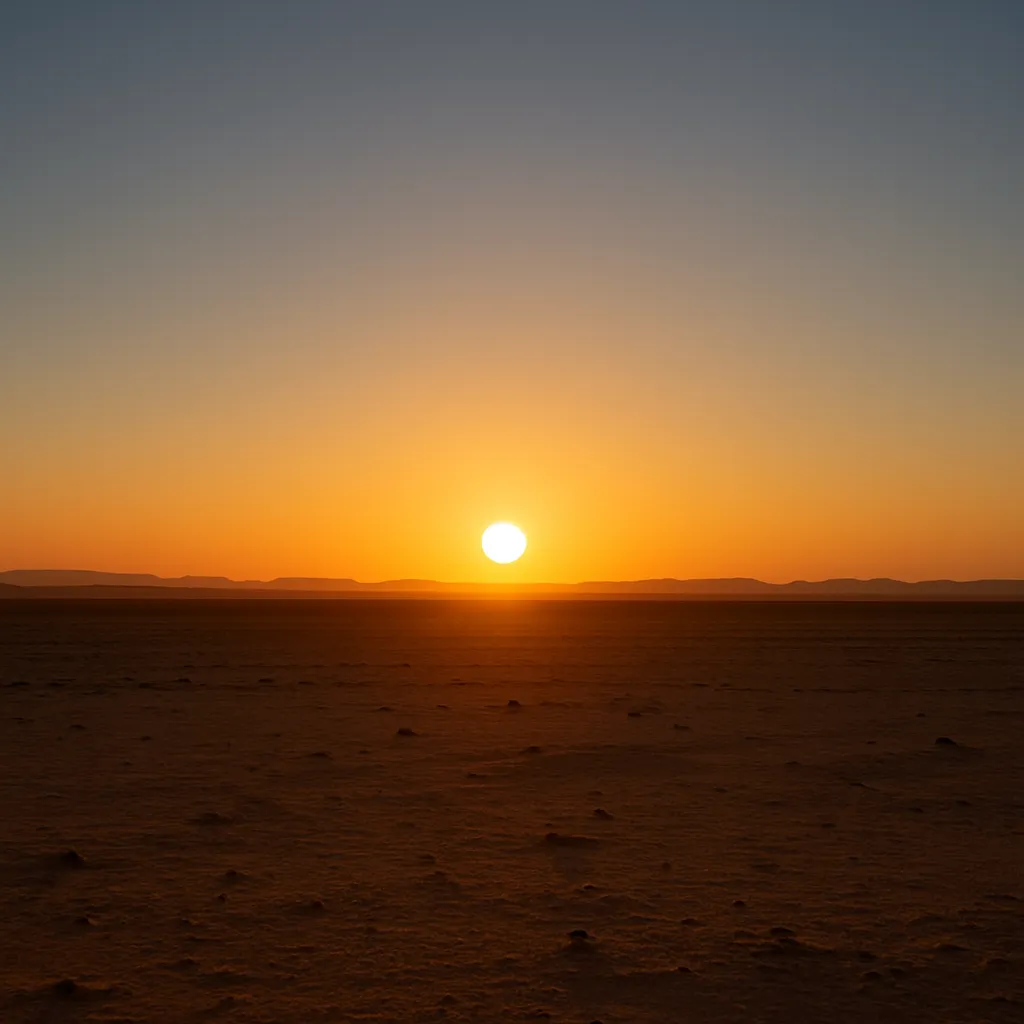
Astronomers measure a newly formed star at three solar masses. What does that measurement let them predict about its ending?
Elements such as carbon and oxygen in your body were made by fusion inside stars.
A star spends most of its life as a red giant.
Star X has 0.8 solar masses and Star Y has 12 solar masses. Both formed ten million years ago. Which is likely still fusing hydrogen five billion years from now?
In one star cluster, the most massive stars have already exploded while the low-mass stars are still fusing hydrogen. What does this pattern show?
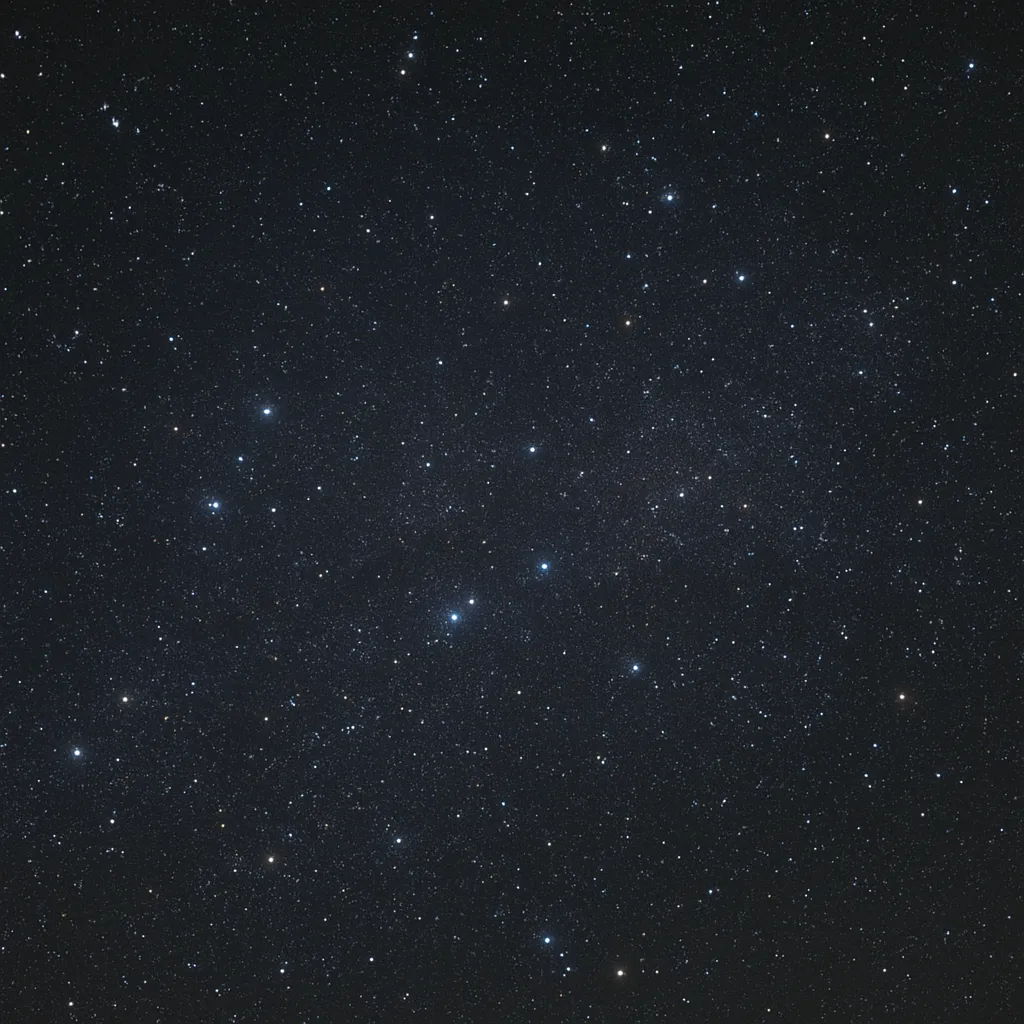
A telescope finds an object about the size of Earth that holds roughly as much matter as the Sun. Its surface is very hot, it is dimming slowly, and no fusion occurs inside. What is it?
A neutron star and a white dwarf are both leftover cores of dead stars. Which statement compares them correctly?
An enormous cold region of hydrogen gas and dust glows where nearby young stars light it up, but nothing inside it is fusing. What stage of the star cycle is this?
A star has fused hydrogen into helium in its core at a steady rate, holding the same size and brightness, for billions of years. Which stage is it in?
A Sun-like star has become a red giant. Its core grows hot enough to start fusing a new fuel. Which change happens in its core?
A protostar is surrounded by a flat, spinning disk of leftover gas and dust. What can form from that disk?
A shell of gas is drifting away from a small, extremely hot central star, spreading a few tens of kilometers each second and glowing as it goes. What is this shell called?
At one spot in the sky a telescope sees nothing at all, yet a nearby star whips around that spot and gas falling toward it glows in X-rays. What is there?
Over a few days a star flared until it shone billions of times brighter than the Sun, stayed bright for weeks, then faded, leaving an expanding cloud of hot gas rich in heavy elements. What event was this?
Three objects are studied: a cold cloud with no fusion, a warm contracting clump with no fusion, and a star steadily fusing hydrogen. What order of stages does this evidence show?
A star has held the same size for four billion years. What accounts for its size staying steady over all that time?
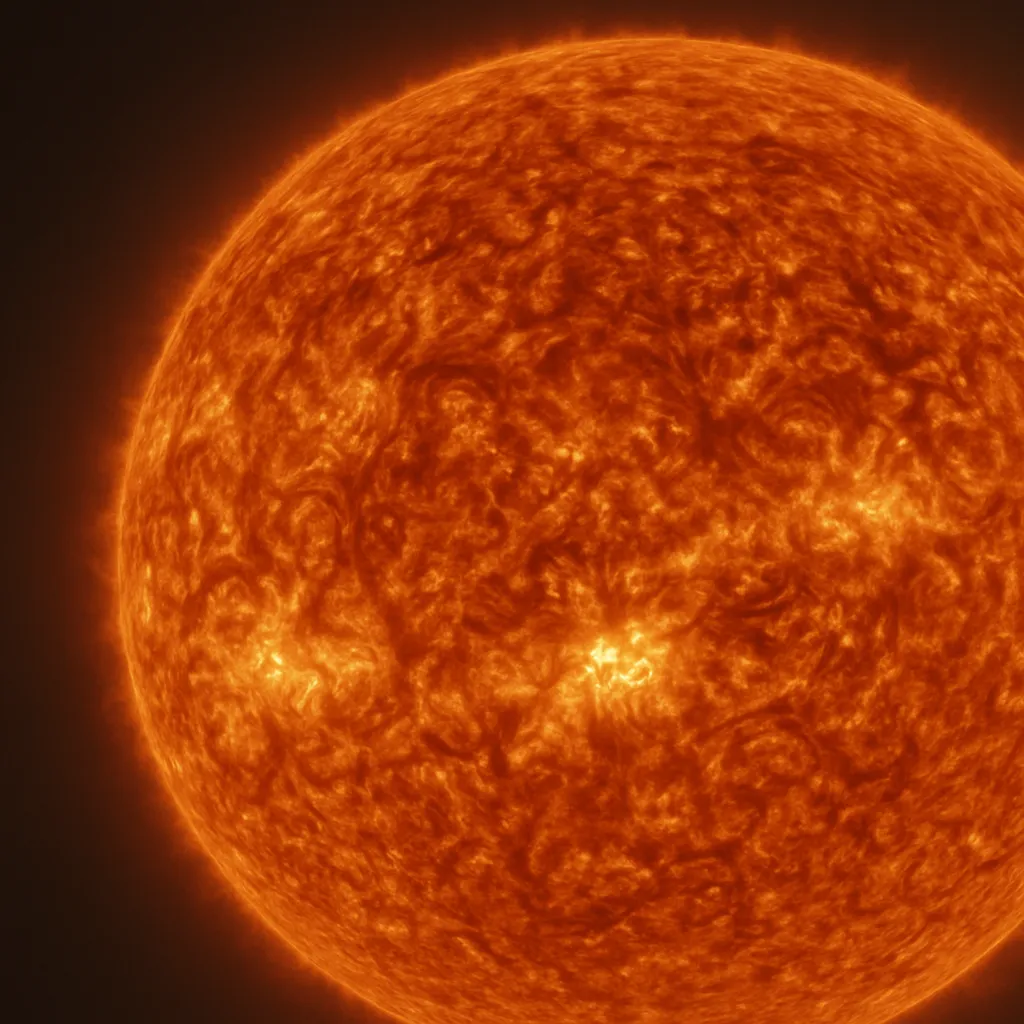
When a star's core hydrogen finally runs out, the core contracts and grows hotter. What causes that contraction?
A vast cloud of gas and dust in space starts to clump together and its center warms up. What causes this to begin?
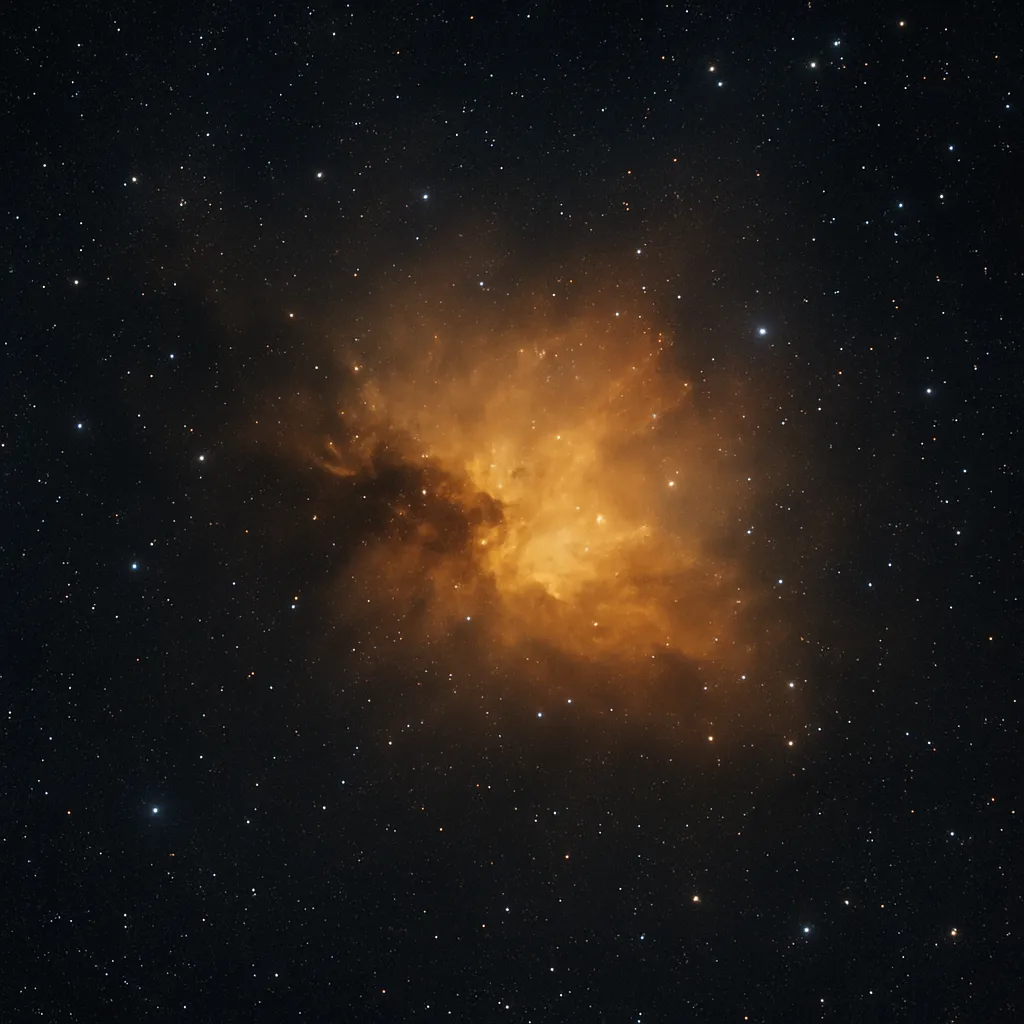
A protostar keeps contracting. What has to happen inside it before it counts as a main-sequence star?
In a red giant, the core is shrinking while the outer layers swell to many times their old size. What explains these opposite changes?
Why does the core of a massive star collapse once it has become mostly iron?
A white dwarf still shines even though no fusion happens inside it. Where does its light come from?
In a supernova, what drives the enormous outward blast that scatters the star's material into space?
A star with 20 solar masses runs through its hydrogen thousands of times faster than the Sun does. What causes that faster rate?
Two massive stars both explode. One leaves a neutron star and the other leaves a black hole. What decides which remnant forms?
Crack the passcode before the zombies get in.
Answer, then swat bugs for bonus points.
Race through questions at your own speed.
Same question on every screen. Fastest wins.

Pick a tile, answer, hit bonuses and steals.
Types of Galaxies and the Milky Way
40 questions