Loading
by BlastRoom
Weigh the observations astronomers use to test competing claims about how the universe began.
#us_grade_8_science

20 questions
One question set, multiple game modes. Tap any game to see it in action. Not sure which to pick?
Answer to place stones and capture territory.
Outrun the snow together.
Earn blasts, then hunt the other team.
Answer to earn energy, then climb.

The class blasts through walls together.
Bid on mystery lots. Most money wins.
Sell tours. Nice, standard, or a total scam.

Answer, restock, and serve the rush.
More correct answers pulls the rope your way.
Answer, then shoot down the alien wave.
Answer, then tap to leap the frozen ridge.
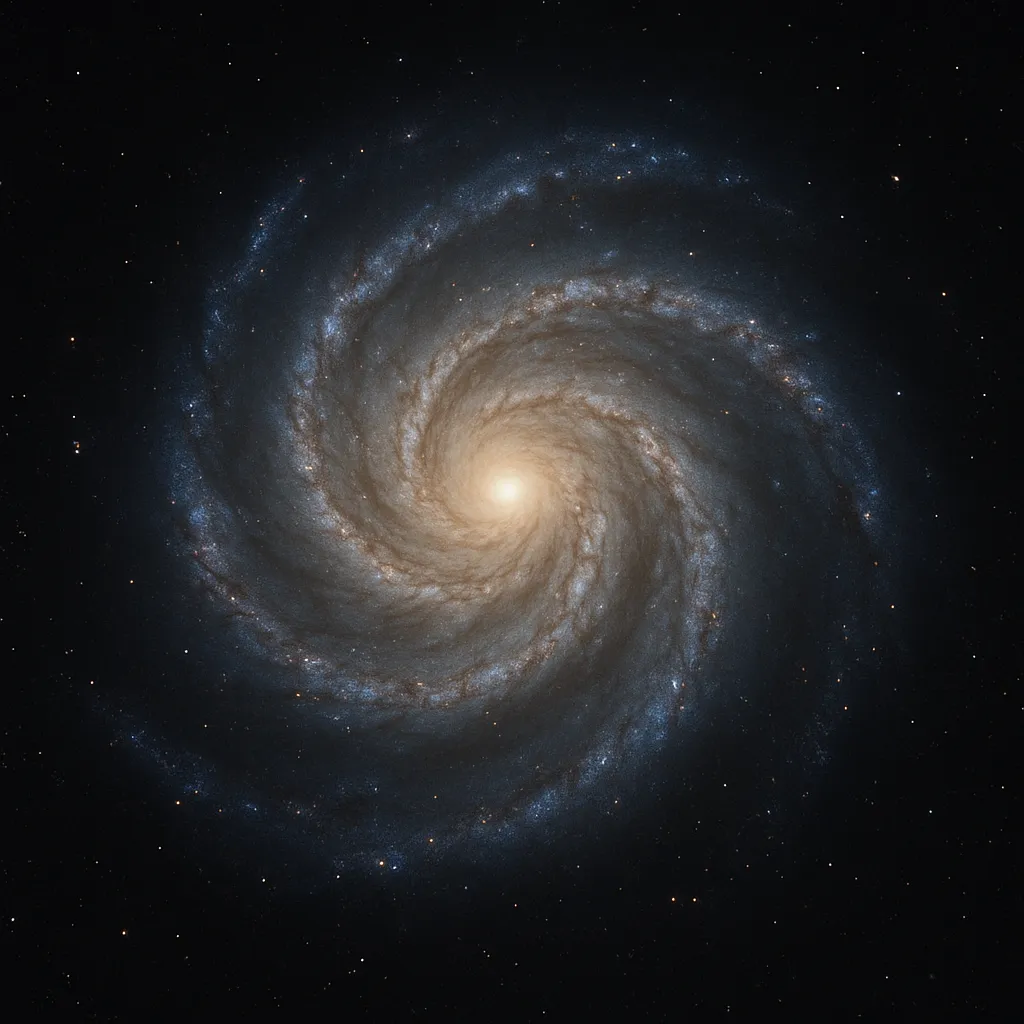
Light from nearly every distant galaxy arrives stretched toward longer, redder wavelengths, and the stretch is larger for galaxies that are farther away. Which claim does this pattern best support?
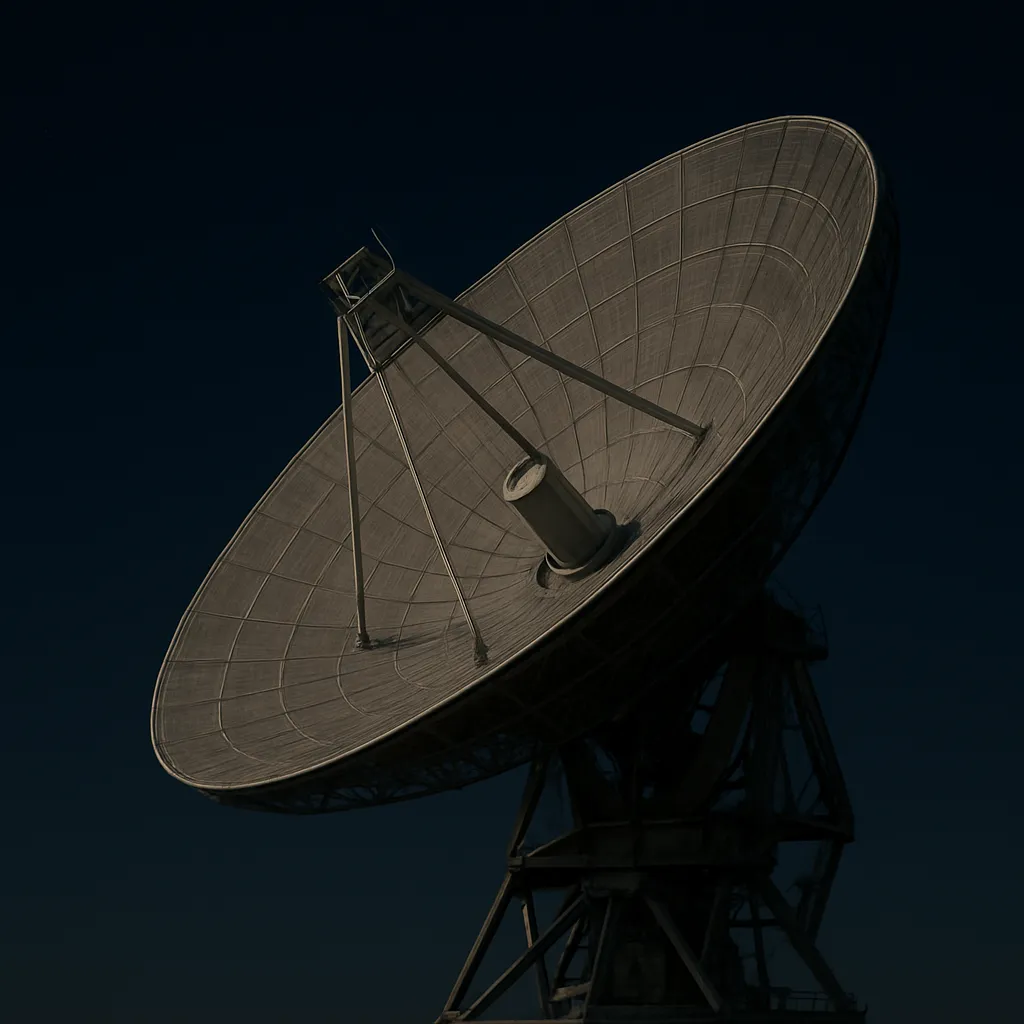
A faint microwave glow reaches Earth from every direction at almost the same intensity, matching radiation from something near 2.7 K, and it is not concentrated along the band of the Milky Way. Which claim does it best support?
The oldest stars astronomers can measure hold almost no elements heavier than helium, yet about a quarter of their mass is helium, the same proportion found across the universe. Which claim does this best support?
Detailed maps of the microwave background show its temperature varying from place to place by only about one part in 100,000, in a faint pattern of warmer and cooler patches. Which claim does this best support?
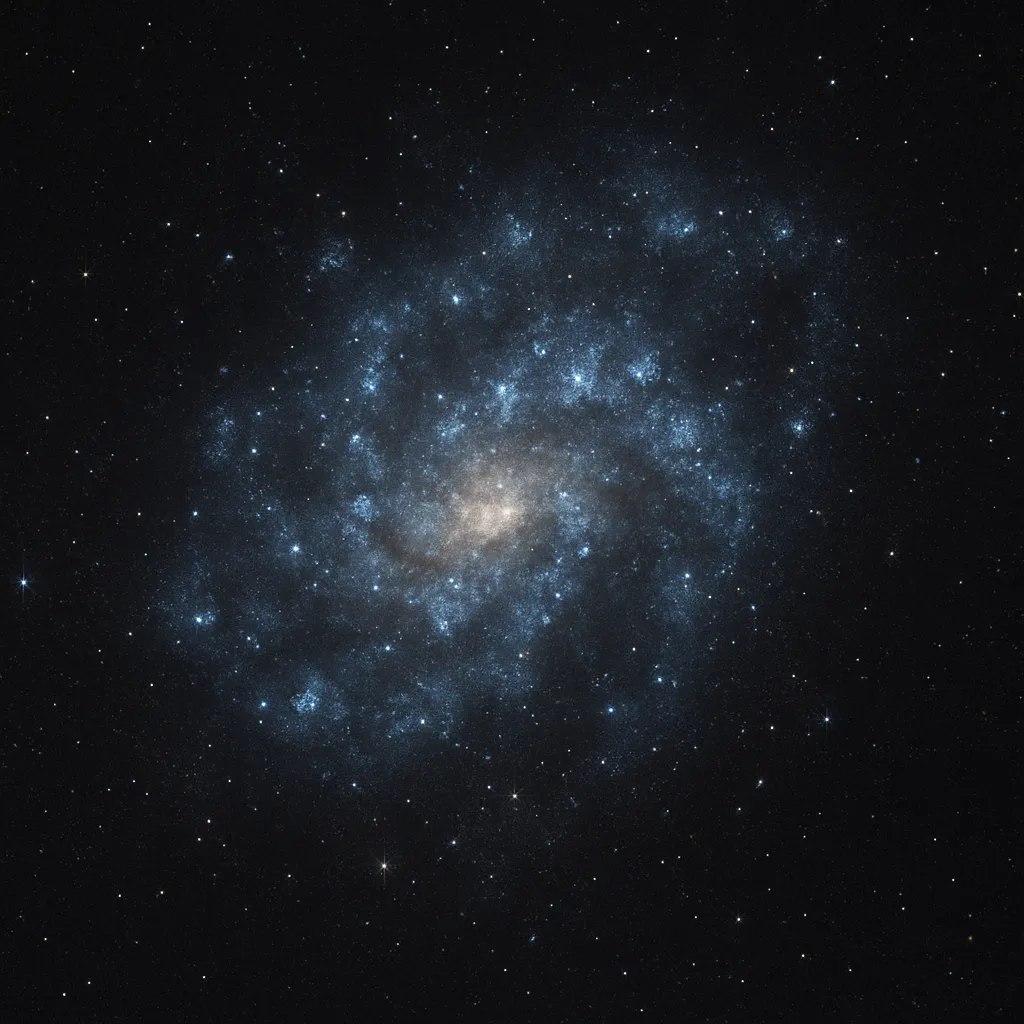
Because light takes time to travel, galaxies billions of light-years away are seen as they were long ago. Those distant galaxies are smaller, more irregular and forming stars far faster than nearby ones. Which claim does this best support?
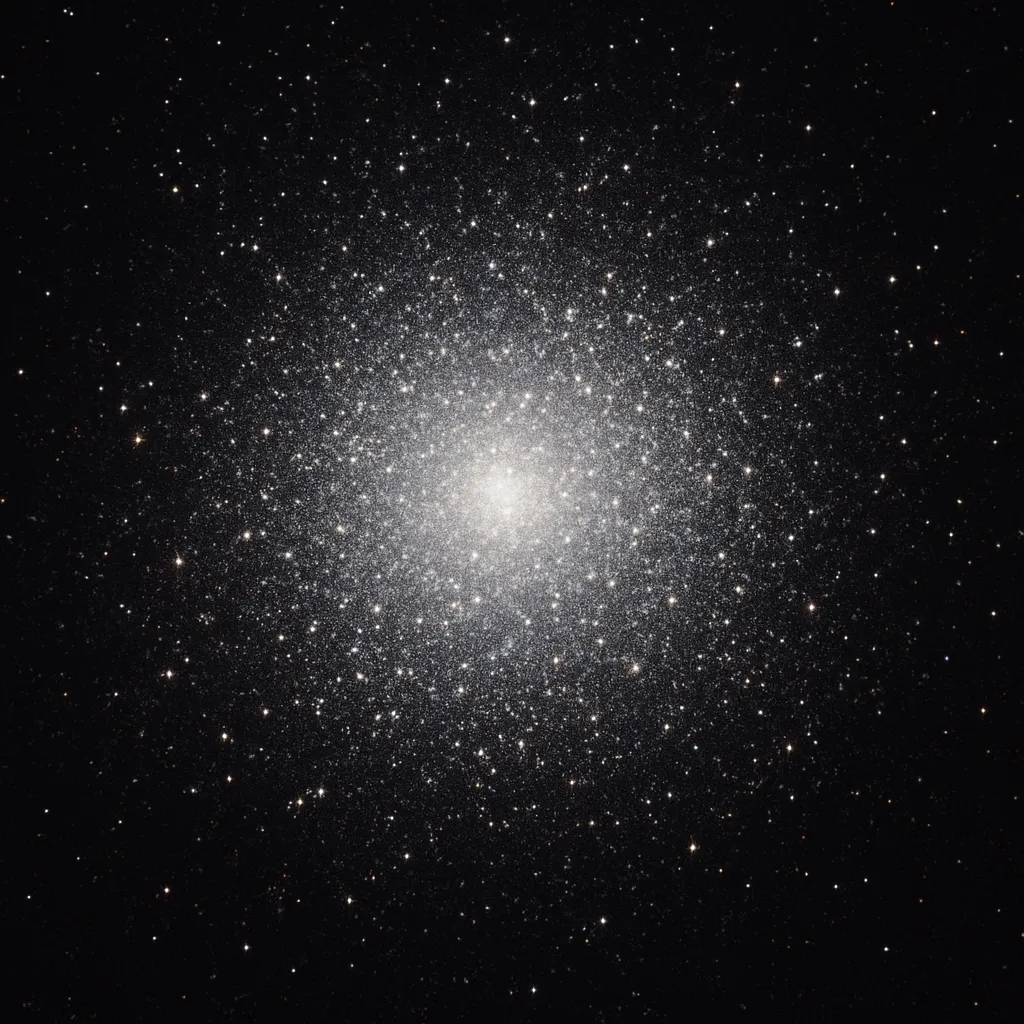
The oldest globular star clusters in the Milky Way are dated at roughly 13 billion years, and no star anywhere has been measured as older than the time since the expansion began. Which claim does this best support?
Clouds of gas that have never been inside a star carry a small, consistent trace of deuterium, a heavy form of hydrogen that stars destroy rather than create. Which claim does this best support?
Claim: the universe began in a hot, dense state and has expanded ever since. Observation: light from the Andromeda galaxy is blueshifted, showing it moving toward the Milky Way. How does this observation bear on the claim?
Claim: the universe has cooled as it expanded. Observation: gas clouds seen as they were billions of years ago show that the microwave background was warmer back then. How does this bear on the claim?
Claim: light reddens as it tires on its journey while galaxies stay put. Observation: exploding stars in distant galaxies fade more slowly than nearby ones, stretched by the same factor as their light. Does this support or weaken the claim?
Claim: the universe is expanding in every direction. Observation: a meteorite recovered in Antarctica contains the same chemical elements found in rocks on Earth. How does this observation bear on the claim?

Claim: the Milky Way sits at the center of the universe and everything flees from it. Observation: galaxies recede faster with distance in exactly the pattern an observer in any galaxy would measure. How does this bear on the claim?
Claim: the universe has always looked as it does now, with no beginning. Observation: quasars, the blazing cores of young galaxies, are found only at great distances, meaning long ago, and none exist nearby. How does this bear on the claim?
Claim: all the elements, including iron and gold, formed in the first minutes after the Big Bang. Observation: the oldest stars hold almost no elements heavier than helium, while stars born recently hold far more. How does this bear on the claim?
Claim: the universe has been expanding for billions of years. Evidence: the farther away a galaxy is, the faster it is measured to be moving away from us. Which reasoning links this evidence to that claim?
Claim: the universe was once far hotter than it is now. Evidence: a glow at about 2.7 K fills all of space, arriving from every direction. Which reasoning links this evidence to that claim?
Claim: helium was made before the first stars formed. Evidence: stars carrying almost no heavy elements are still about one quarter helium by mass. Which reasoning links this evidence to that claim?
Claim: galaxies grew from tiny lumps in the early universe. Evidence: the microwave background is slightly warmer in some directions than in others, by about one part in 100,000. Which reasoning links this evidence to that claim?
Claim: the universe is roughly 13.8 billion years old. Evidence: the measured expansion rate and the ages of the oldest star clusters point to a similar figure. Which reasoning links this evidence to that claim?
Claim: the microwave background is left over from a hot, dense early universe. Evidence: its spectrum matches a perfect radiating body more closely than anything else ever measured. Which reasoning links this evidence to that claim?
Crack the passcode before the zombies get in.
Answer, then swat bugs for bonus points.
Race through questions at your own speed.
Same question on every screen. Fastest wins.

Pick a tile, answer, hit bonuses and steals.
Stars, Galaxies and the Universe: Key Terms in Use
20 questions