Loading
by BlastRoom
Read everyday and Earth-system situations and decide whether conduction, convection or radiation is moving the thermal energy.
#us_grade_8_science
40 questions
One question set, multiple game modes. Tap any game to see it in action. Not sure which to pick?
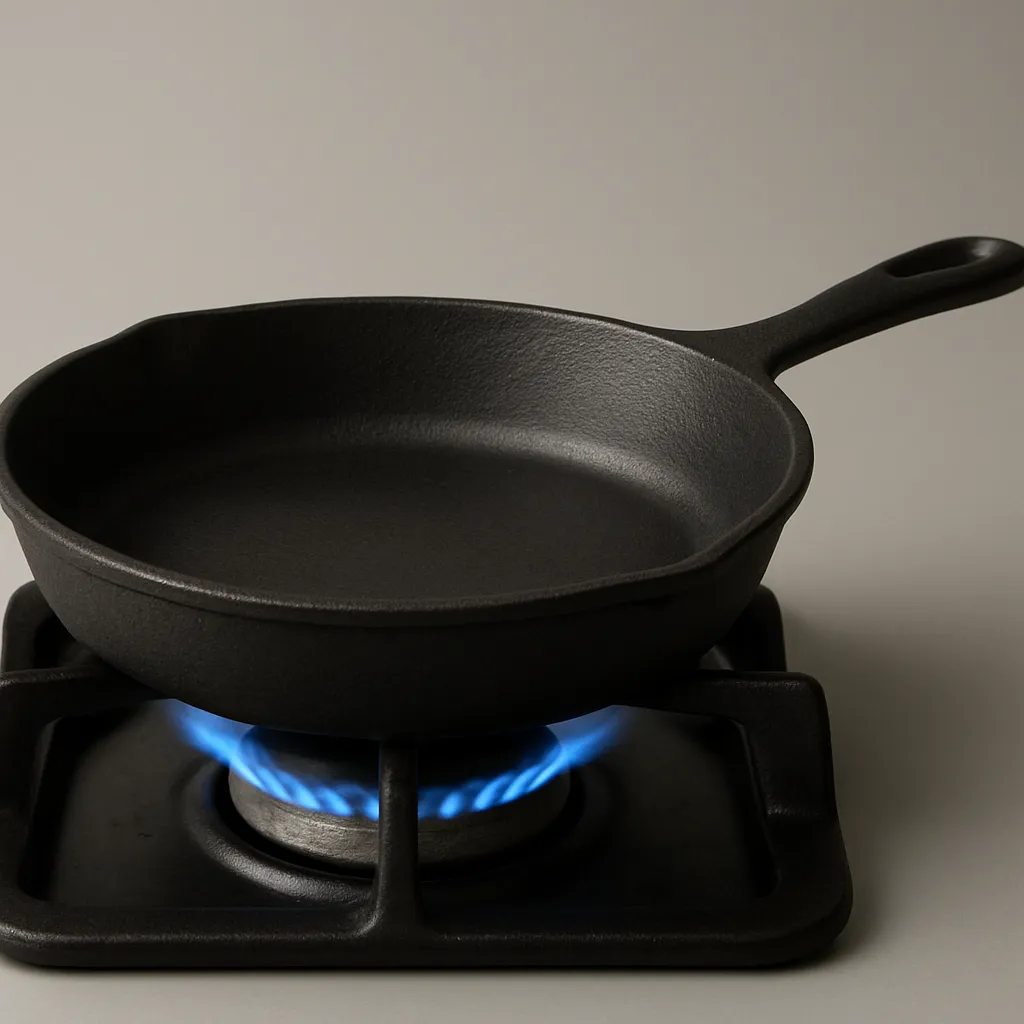
A cast-iron skillet sits on a hot burner. Ten minutes later the metal handle, which never touched the flame, is too hot to grip. Which process carried energy out to the handle?
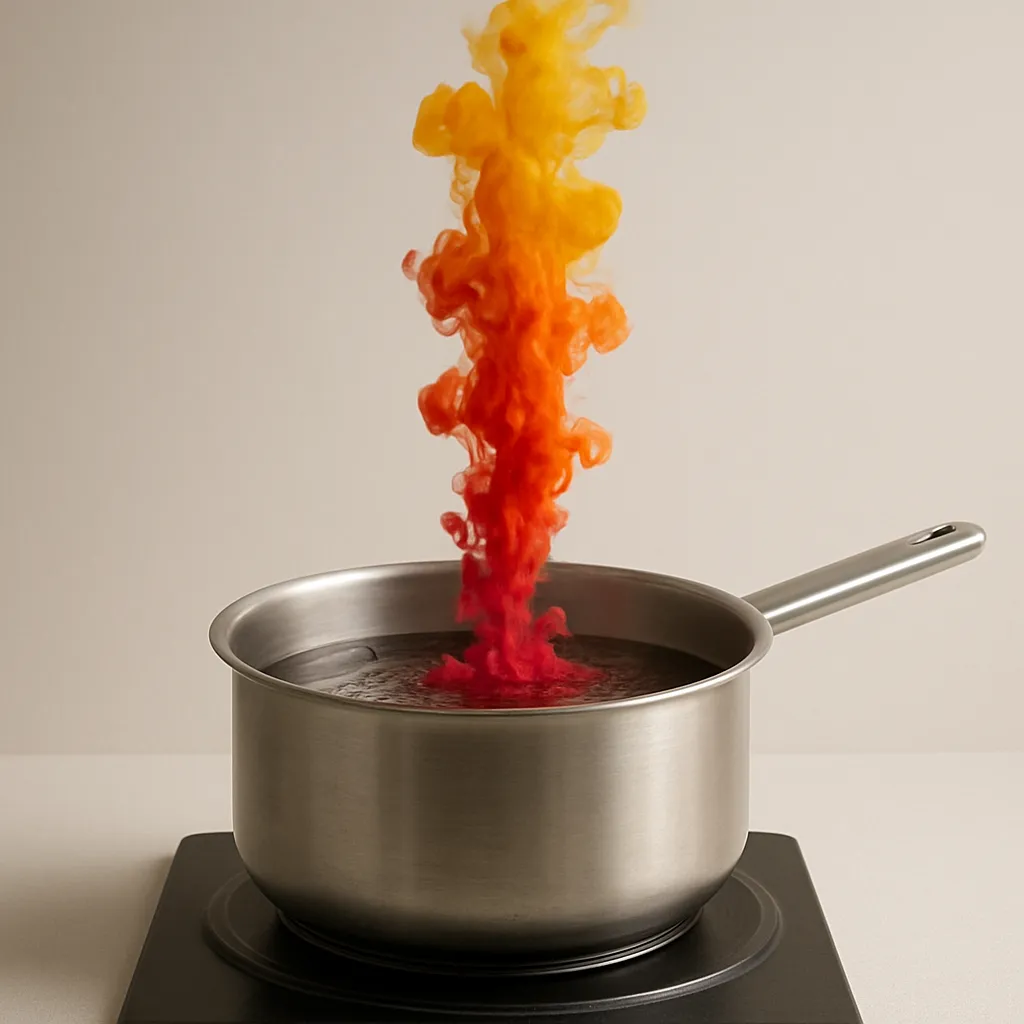
A cook drops a little food coloring into a pot of water on a hot burner. The color streams up from the bottom, spreads at the top, and sinks back down the sides. What is this showing?
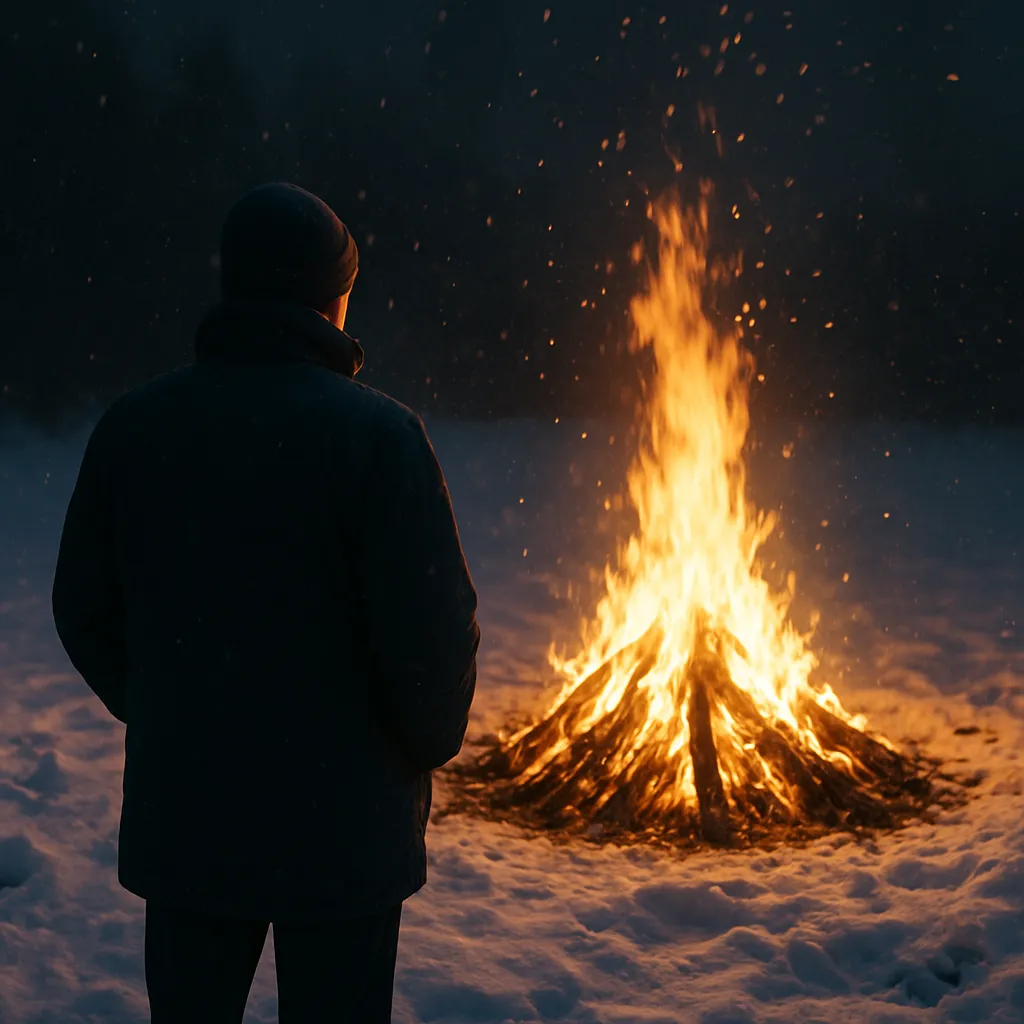
On a still, freezing night a man stands facing a bonfire. His face feels hot, the air between him and the flames stays cold, and his back stays cold. Which process is warming his face?
A girl holds an ice cube in her bare palm. The cube melts and her palm feels cold where the ice rests on it. Which process is moving thermal energy here?
One small space heater runs in the corner of a closed room. An hour later a thermometer near the ceiling on the far wall reads several degrees higher. How did energy reach there?
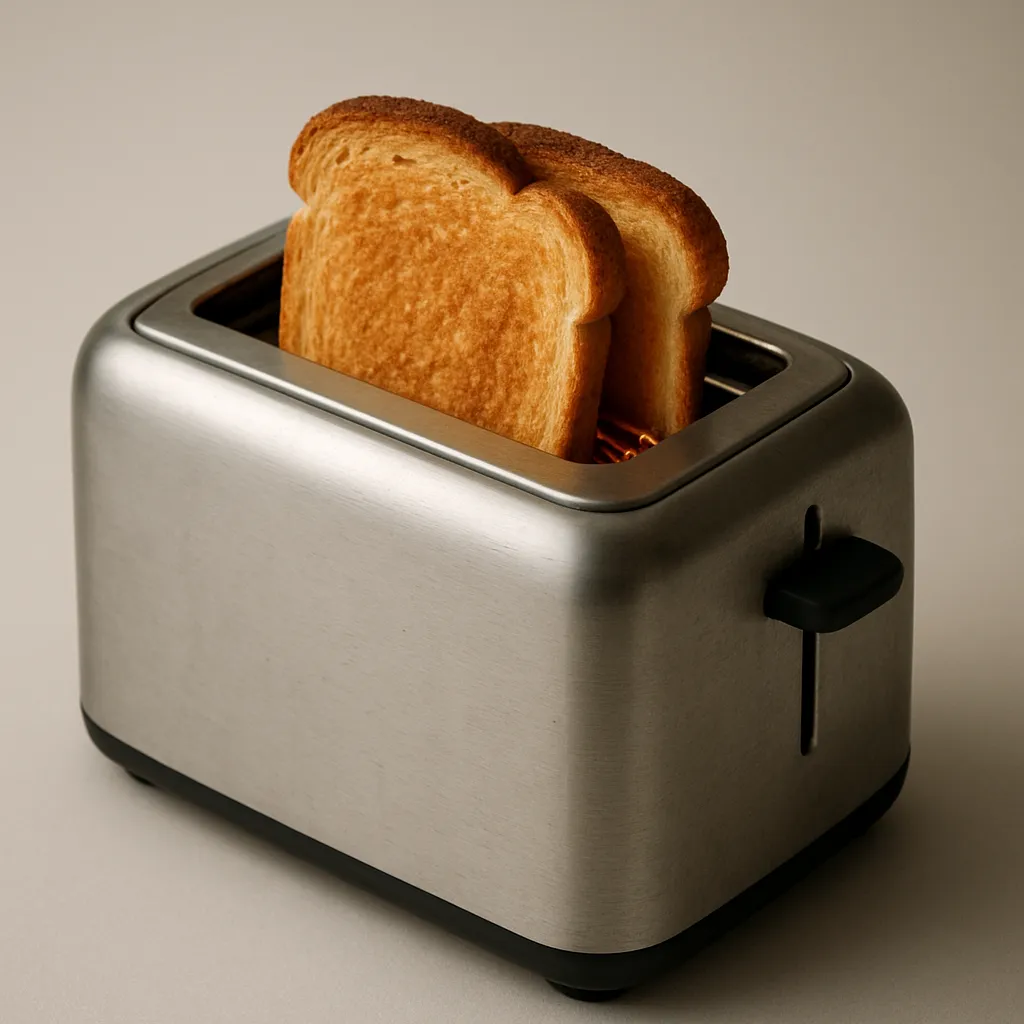
Slices of bread sit in a toaster between glowing orange wires. The bread never touches the wires, yet its surface browns in two minutes. Which process browned it?
A copper pipe carries hot water through a basement. A steel clamp bolted tightly around the dry outside of the pipe becomes hot too. Which process heated the clamp?
A hair dryer pushes warm air across a boy's wet hair. The nozzle is held several centimeters away and never touches him, yet his hair warms and dries. What carries the energy there?
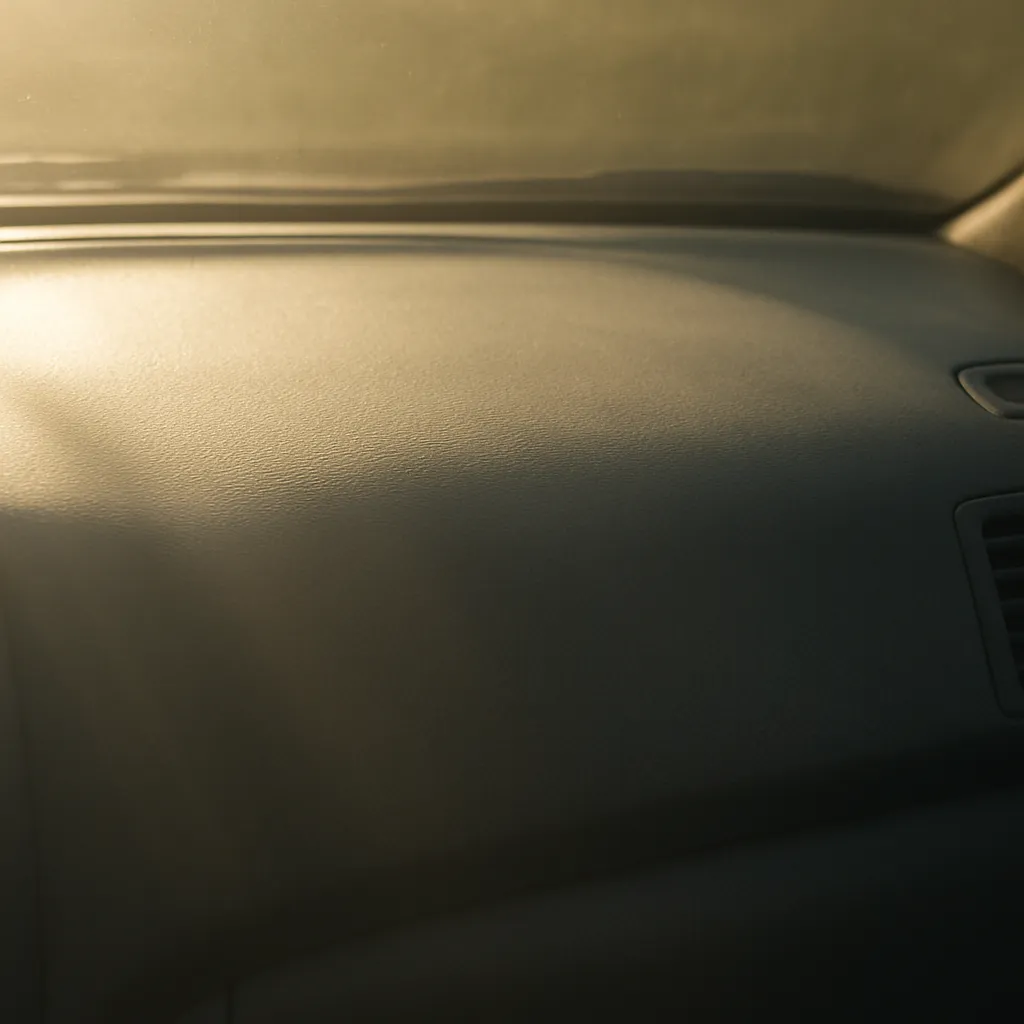
A car is parked with the windows shut on a clear day. Sunlight falls on the dashboard through the windshield, and the dashboard becomes far hotter than the outside air. How did that energy arrive?
In a chest freezer the cooling coils run near the top. A technician tracks the air inside and finds cooled air sinking to the bottom while warmer air moves up to the coils. Which process is this?
A woman presses a hot water bottle against her sore back through a thin cotton shirt. The skin under it warms within a minute, while her shoulders stay the same temperature. Which process warmed her back?
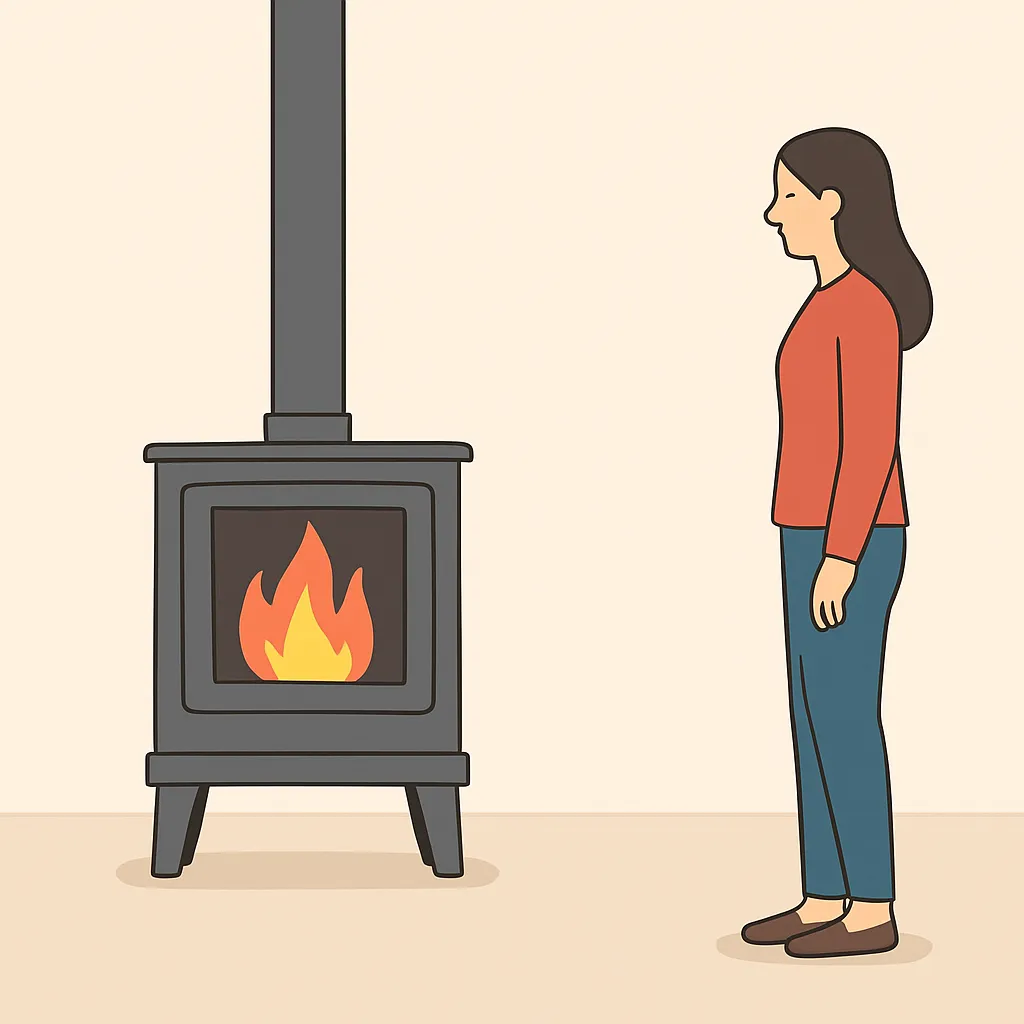
A wood stove burns in a large hall. A woman four meters away feels warmth on the side facing the stove, while a thermometer at her feet still reads cold. Which process warms that side?
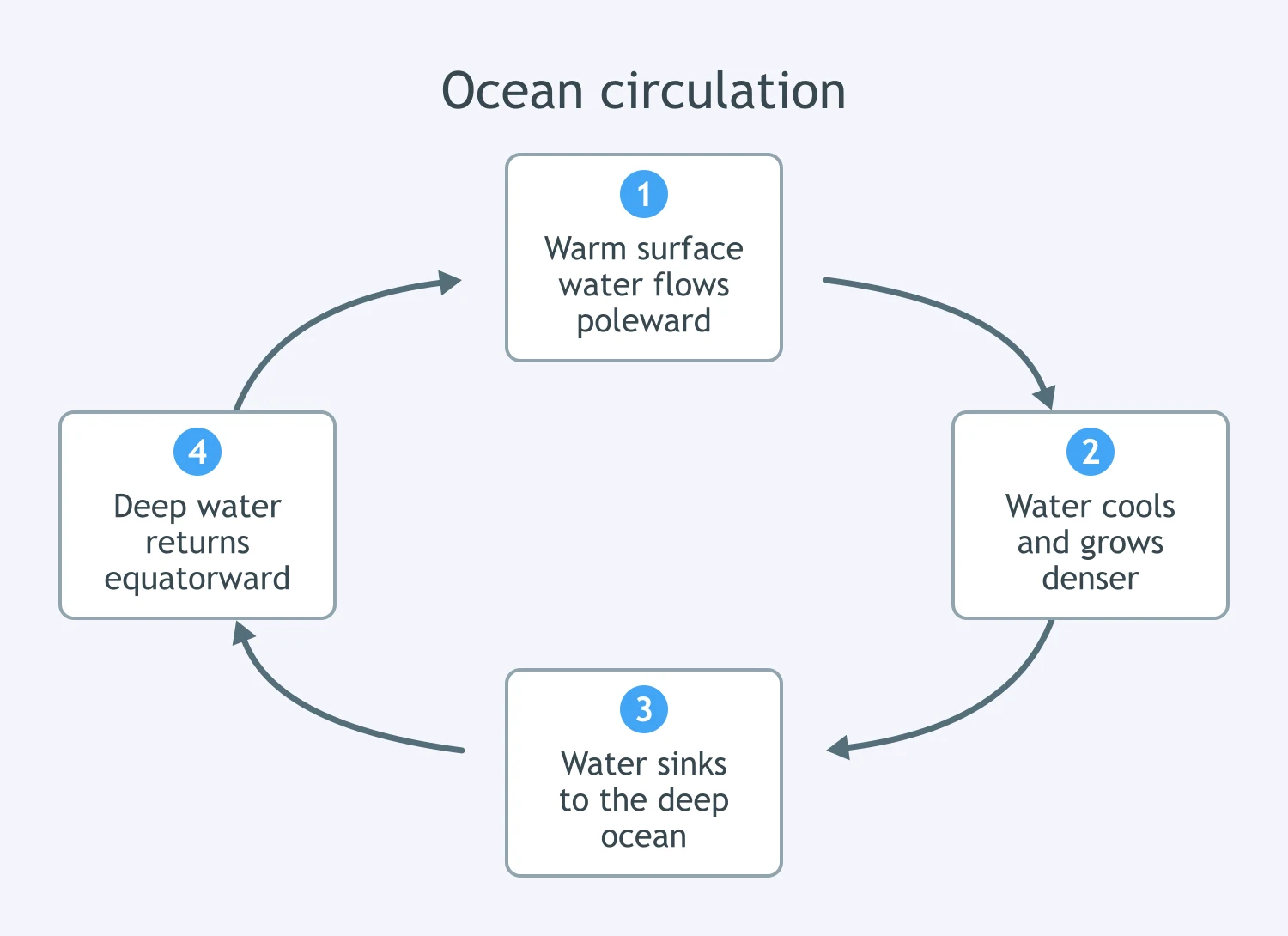
Warm surface seawater flows from the tropics toward Greenland, cools, becomes denser, sinks to the deep ocean, and returns toward the equator far below. Which process moves thermal energy around the ocean this way?
Energy from the Sun crosses about 150 million kilometers of space that holds almost no matter, and then warms the top of Earth's atmosphere. Which process carried it?
On a sunny afternoon the land beside a bay heats faster than the water. Air over the land rises and cooler air moves in from over the bay to replace it. Which process is at work?
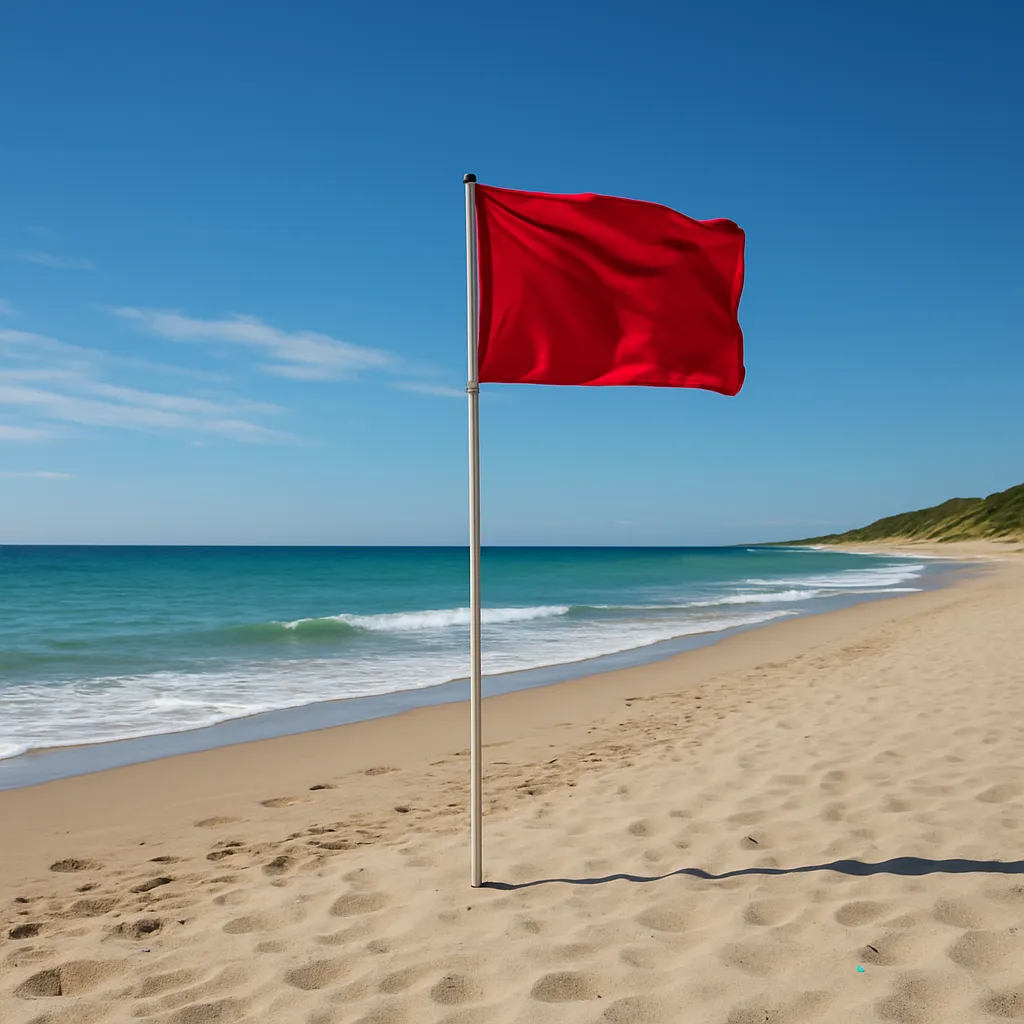
Ground that has been in sunlight all morning is warmer than the air. The very thin layer of air resting on the soil warms first, before any wind or rising motion begins. Which process warmed that layer?
Rock deep in the mantle is heated from below, expands, rises slowly toward the crust, cools, and sinks again in a loop lasting millions of years. Which process moves thermal energy through the mantle?
Miners a kilometer underground find the solid rock walls warmer than the rock nearer the surface. No fluid moves through the rock, yet energy from Earth's hot interior still reaches the surface. Which process carries it?
On a clear, calm night with no clouds, a field cools far faster than it does on a cloudy night, and frost forms by morning. The energy leaves the ground upward toward space. Which process is doing that?
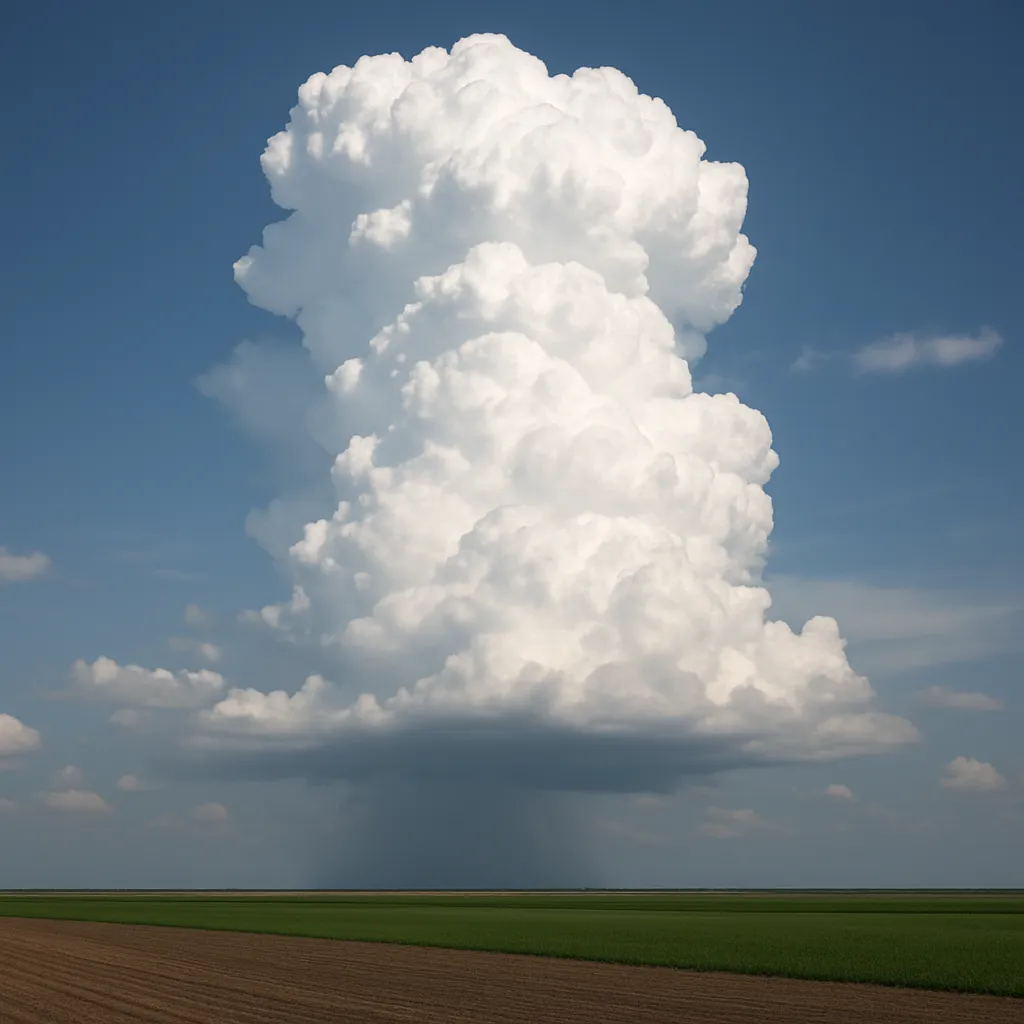
Warm, humid air near the ground rises rapidly in a tall column, cools as it climbs, and cooler air sinks around the outside of the storm. Which process is moving thermal energy upward?
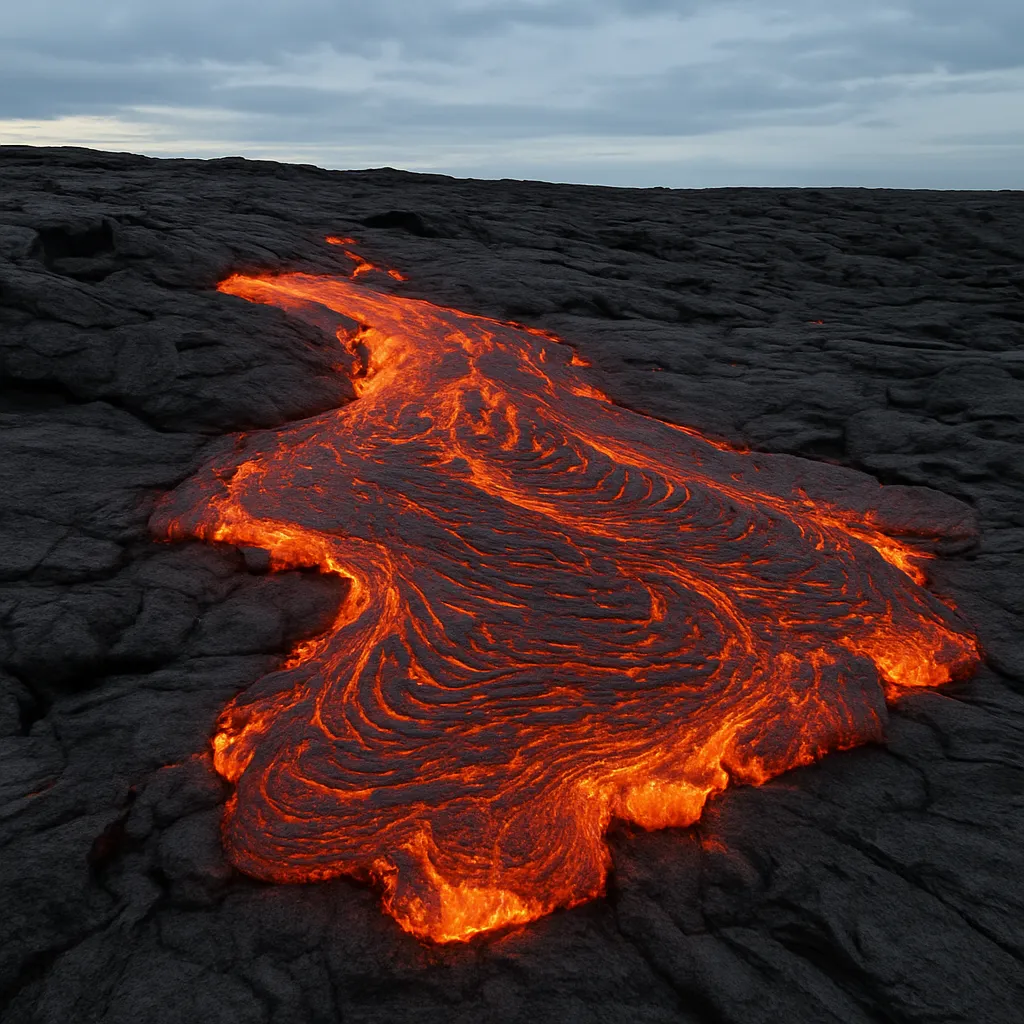
In a fresh lava flow, the lava in the middle glows bright yellow-orange, while lava near the cooling edges glows dull dark red. What does the color difference show?
In the Antarctic summer, patches of dark rock poke up through the white ice. Both get the same sunlight, yet the rock warms much more. What explains the difference?
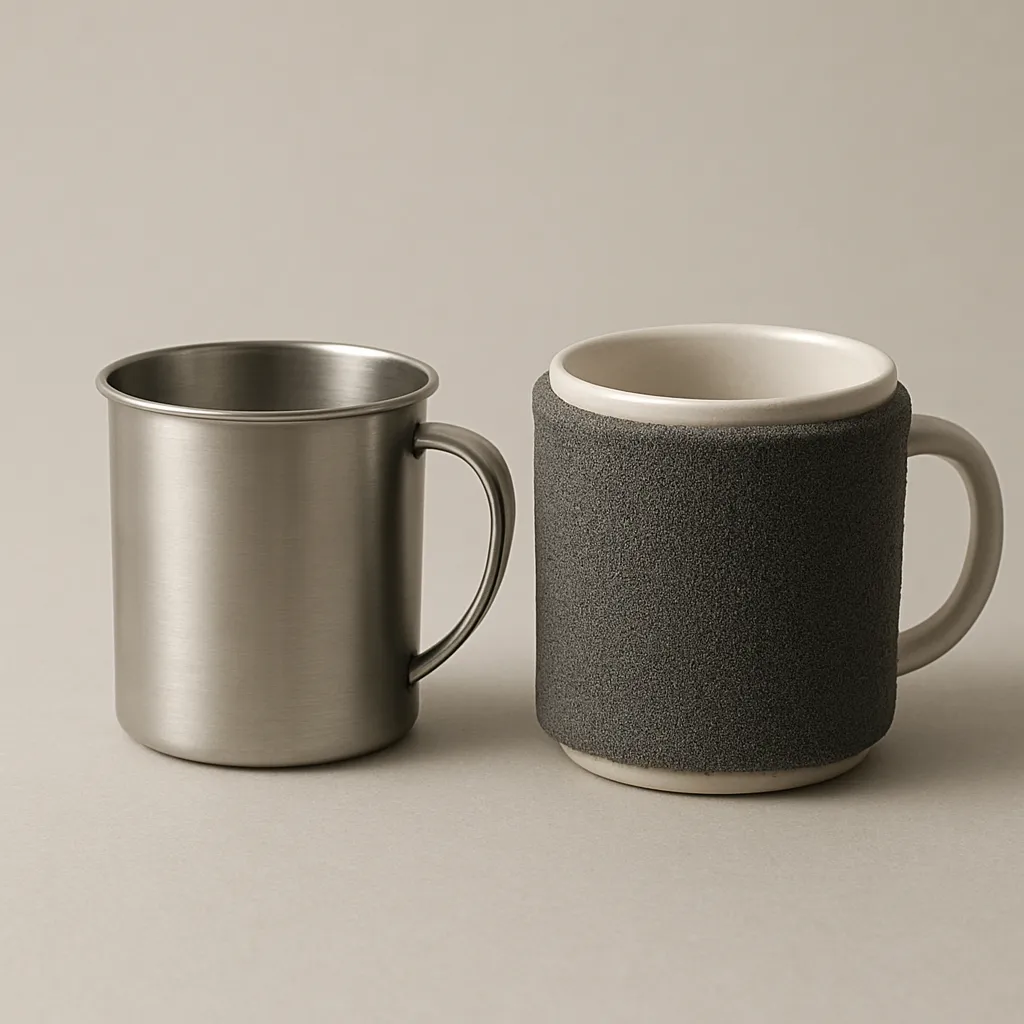
Two identical servings of hot cocoa are poured at once, one into a bare metal cup and one into a foam-sleeved mug. After fifteen minutes the metal cup's cocoa is much cooler. Why?
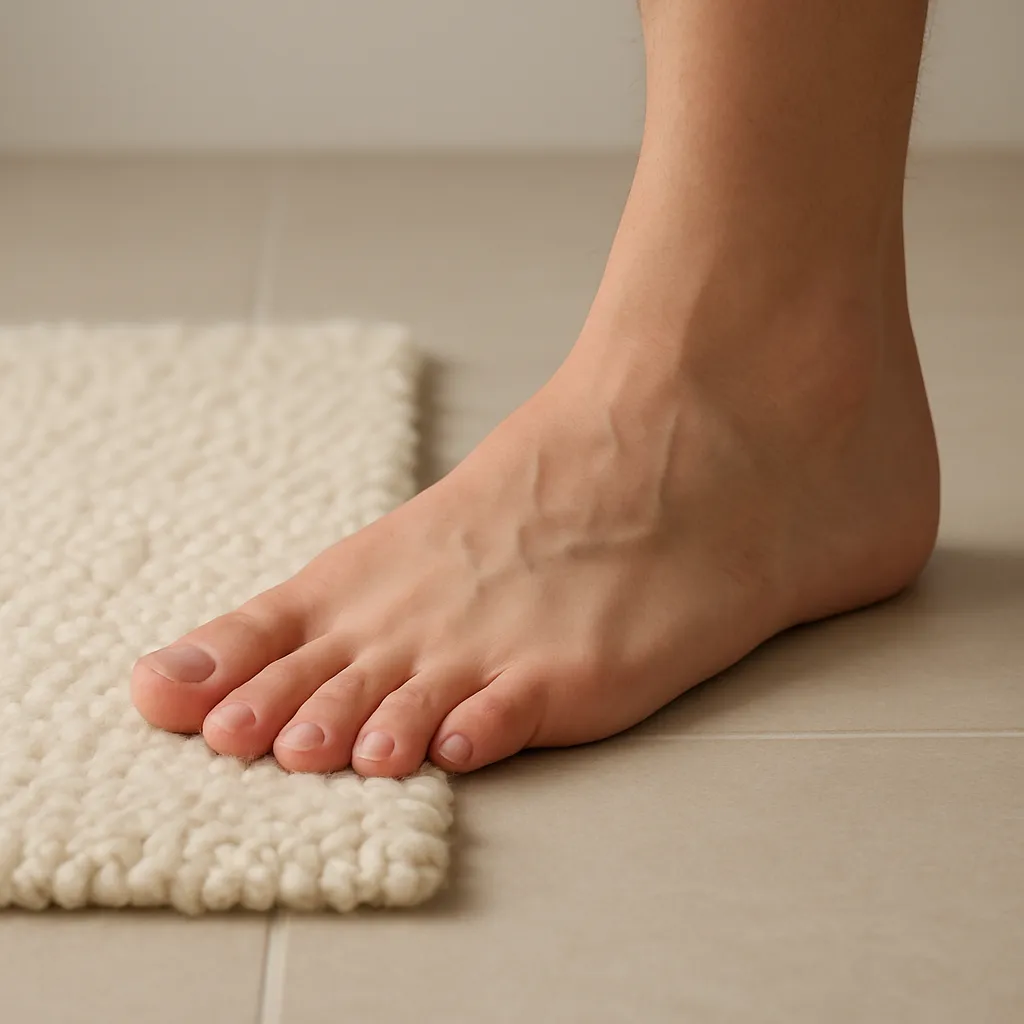
A tile floor and a wool rug in the same room have been measured at the same temperature. Standing barefoot, a boy says the tile feels much colder than the rug. What accounts for the difference?
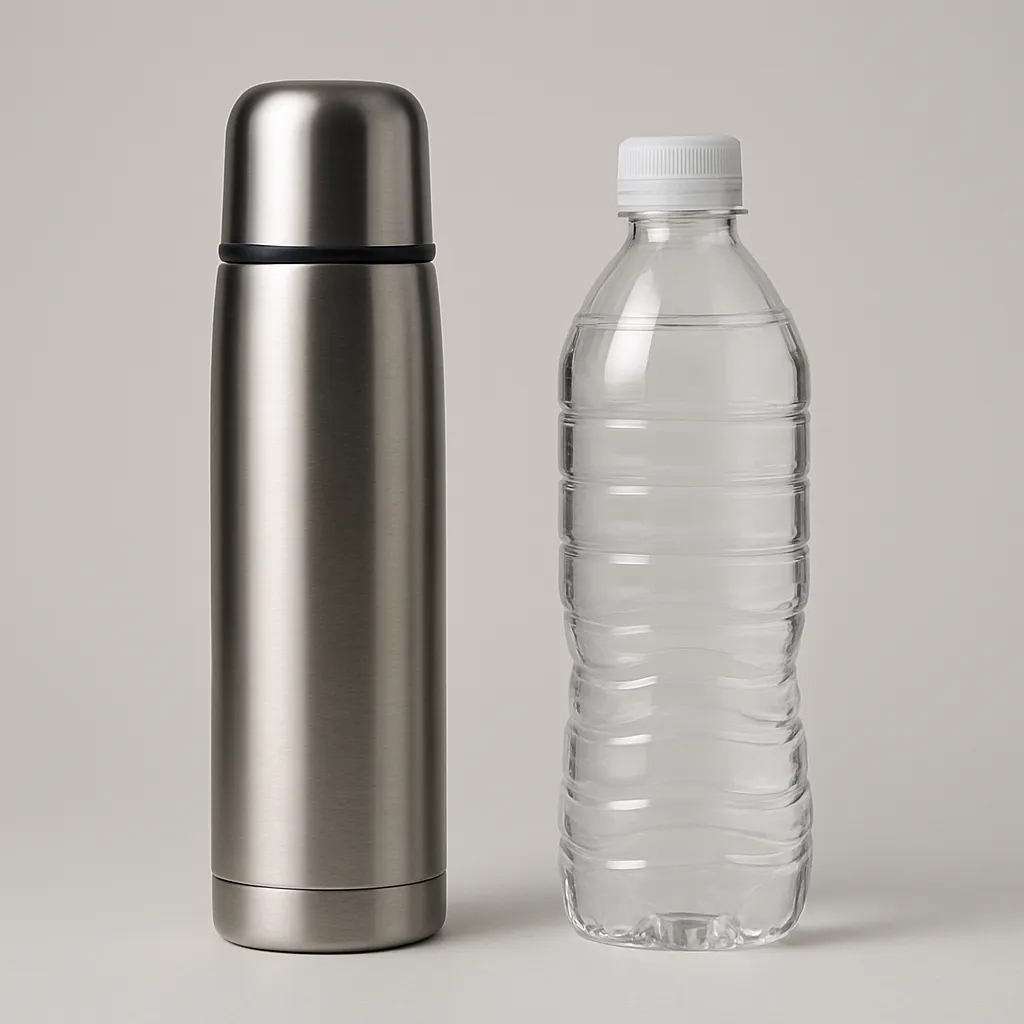
The same hot tea is poured into a sealed steel vacuum flask and into a thin plastic bottle. Two hours later the flask's tea is still hot. Its double wall holds almost no matter. Why does that help?
Two beakers of equally hot water are set down at the same moment, one on a thick aluminum tray and one on a wooden board. Which cools faster in the first few minutes, and why?
Two identical cars stand in full sunlight. One has a shiny foil shade propped inside the windshield. After an hour the car with the shade is noticeably cooler inside. What does the shade do?
One pan of cold water sits directly on a hot electric burner. An identical pan is held ten centimeters above the same burner on a stand. The pan in contact warms much faster. Why?
Two identical rooms have the same heater. In one room a ceiling fan runs on low. That room reaches an even temperature far sooner. What explains the difference?
A metal spoon and a wooden spoon stand in the same pot of simmering soup, with equal lengths above the liquid. The metal handle grows too hot to hold before the wooden one warms at all. Why?
Sunlight warms the surface of Mars even though the space it crosses on the way holds almost no matter. What does this observation show about the process that carried the energy?
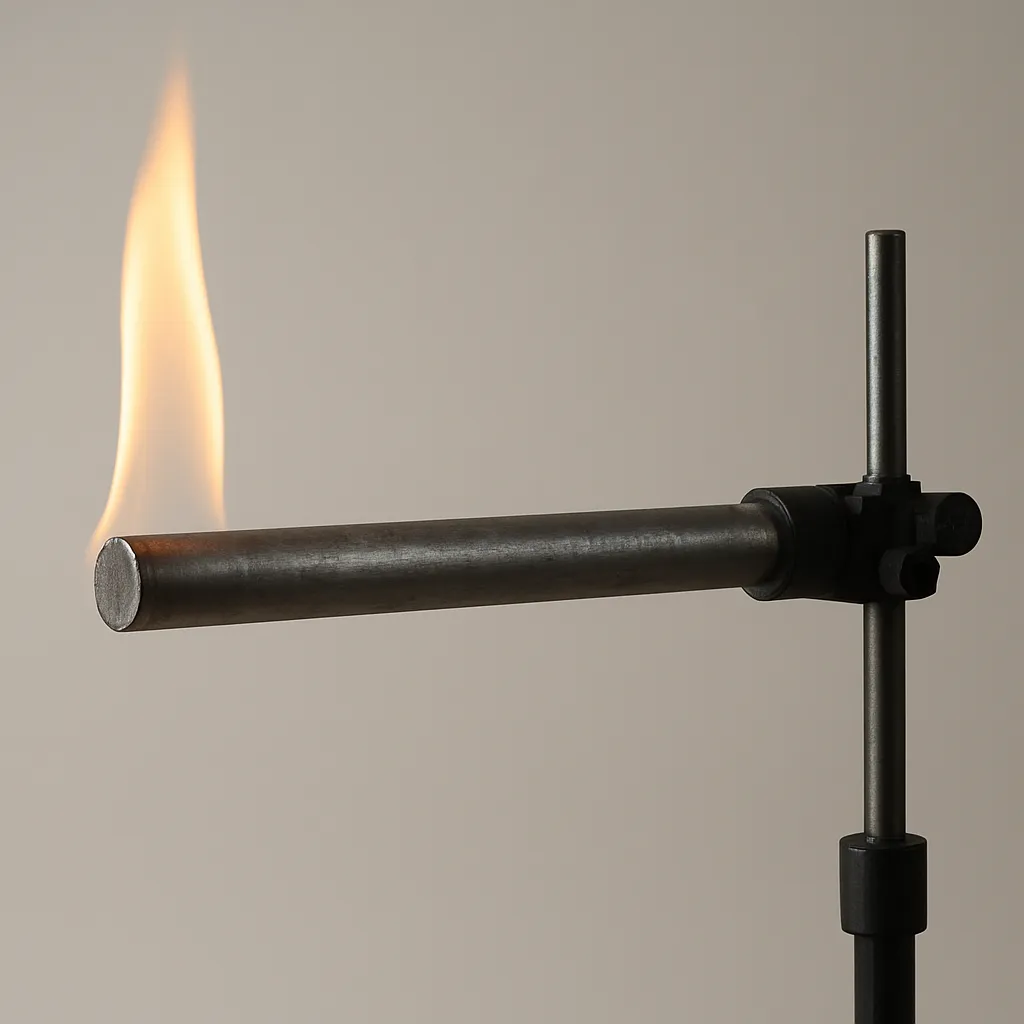
One end of a steel bar is held in a flame. The far end grows hot, yet the bar does not flow, bend or move metal from one end to the other. What does this show about conduction?
Water heated at the bottom of a tank is soon found at the top, above the cooler water. What makes the heated water rise?
A student wraps a bowl of hot soup in a wool blanket and predicts it will get hotter. What will a thermometer in the soup most likely show over the next hour?
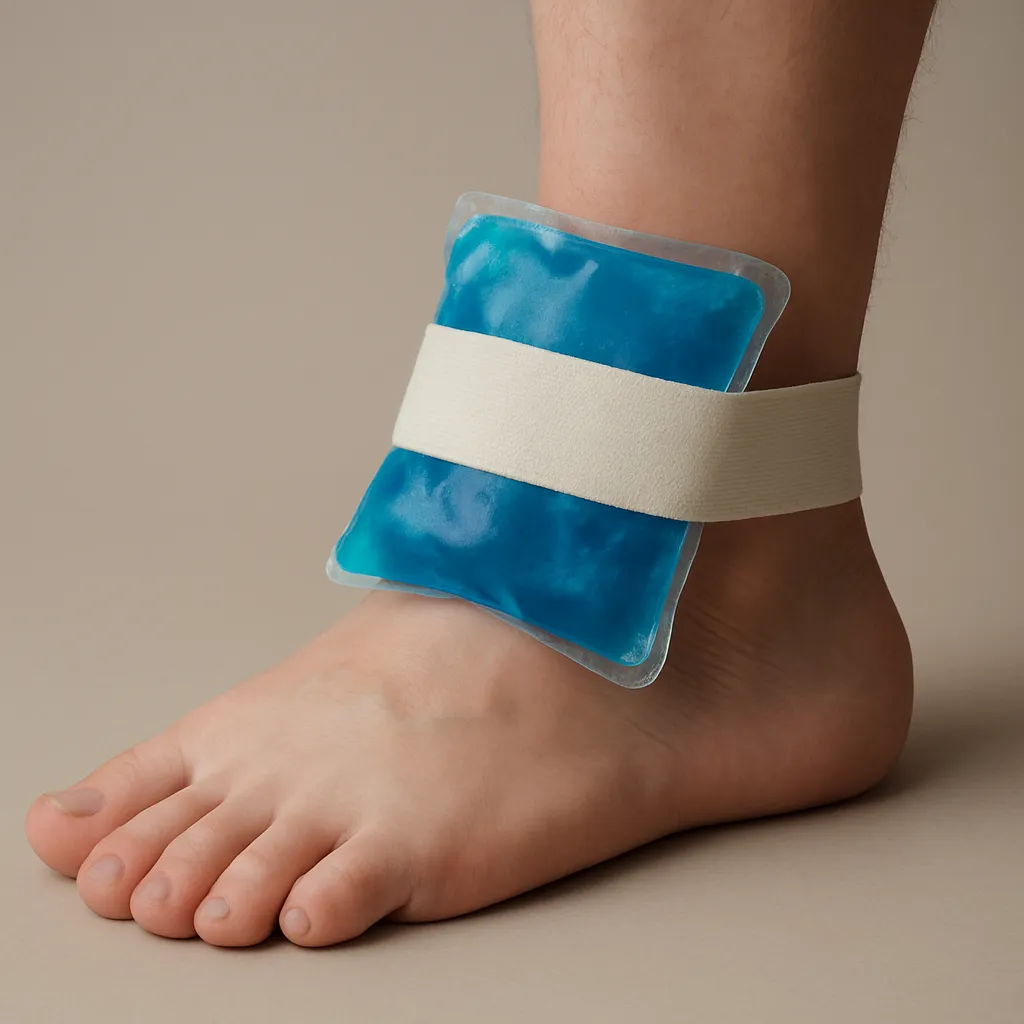
A gel pack from the freezer is strapped to a girl's swollen ankle. Over twenty minutes the pack softens and warms while her skin cools. In which direction did thermal energy move?
The space station cannot vent warm air to shed extra energy, so engineers give it large radiator panels instead. Why can convection not carry the excess energy away into space?
A solid clay brick is heated on one face in a kiln. The far face gets hot, but no part of the brick ever circulates in a loop the way heated water in a pot does. Why not?
A can of warm soda at 30 degrees Celsius is set in a bucket of water at 8 degrees Celsius and left for an hour. What will the thermometers read at the end?
The inside walls of a vacuum flask are silvered like a mirror. Air has already been pumped from the gap between the walls. Which transfer is the silvering there to reduce?
A ceramic mug is filled with boiling water. The sides are too hot to touch, but the attached ceramic handle stays cool enough to hold for several minutes. What does this show about the ceramic?
Crack the passcode before the zombies get in.

Pick a tile, answer, hit bonuses and steals.
Global Atmospheric Circulation
20 questions