Loading
by BlastRoom
Work out how global wind belts form from uneven heating and rotation, and how they shape the weather a place gets.
#us_grade_8_science
20 questions
One question set, multiple game modes. Tap any game to see it in action. Not sure which to pick?
Answer to place stones and capture territory.
Outrun the snow together.
Earn blasts, then hunt the other team.
Answer to earn energy, then climb.

The class blasts through walls together.
Bid on mystery lots. Most money wins.
Sell tours. Nice, standard, or a total scam.

Answer, restock, and serve the rush.
More correct answers pulls the rope your way.
Answer, then shoot down the alien wave.
Answer, then tap to leap the frozen ridge.
Along the equator, air heated strongly by the Sun rises and cools as it climbs. What surface conditions does this rising air produce in that belt?
A weather station near 30 degrees south records very low humidity and months without rain. Which part of the global circulation is it under?
Near 60 degrees north, mild air moving poleward meets cold polar air and is forced upward along the boundary between them. What weather does that produce at the surface?
Air over the poles is chilled from below by ice, grows denser, and settles toward the surface. What conditions does this sinking polar air produce?
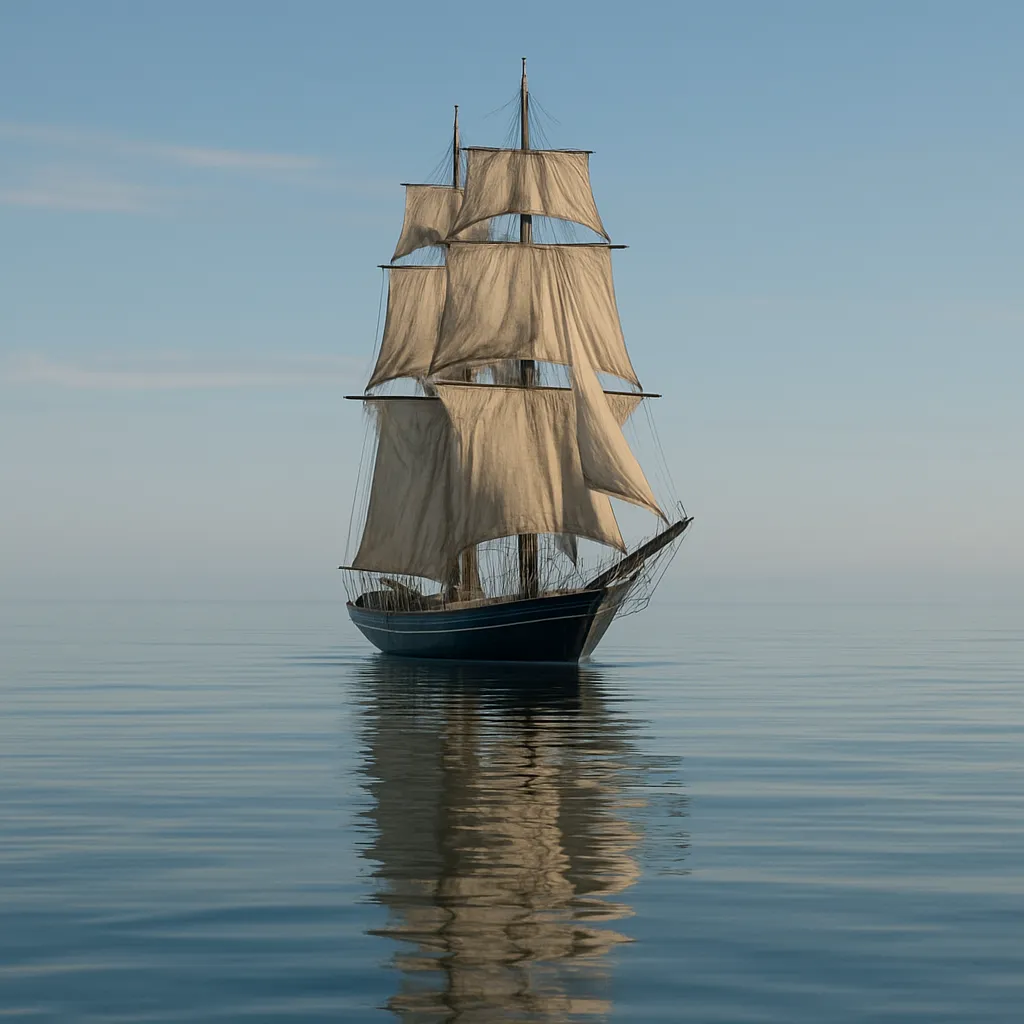
Sailing ships crossing the equator were often becalmed for days in the region sailors called the doldrums. Which feature of the air there explains the missing wind?
A ship sailing near 15 degrees north finds a steady wind blowing toward the southwest month after month. Which belt of surface winds is it crossing?
Two stations, one on the equator and one near 30 degrees north, record average air pressure for a year. How do the readings compare, and why?
Sunlight strikes the equator almost straight on, while the same beam spreads across a much wider area near the poles. What does this uneven heating set in motion?
Air leaving 30 degrees north toward the equator does not travel straight south. It curves to the right and reaches the tropics blowing from the northeast. What causes the curve?
A student says Earth's rotation by itself creates the global wind belts. What is missing from that explanation?
Air over a warm surface expands, becomes less dense and rises, while air over a cold surface contracts and sinks, creating a large looping flow between the two. What is that flow called?
If Earth did not rotate, heated air might travel in one enormous loop from the equator to each pole. What does rotation do to that single loop?
A coastal city in India gets a rainy onshore wind through the summer, then a dry offshore wind through the winter. What atmospheric process reverses the wind direction with the seasons there?
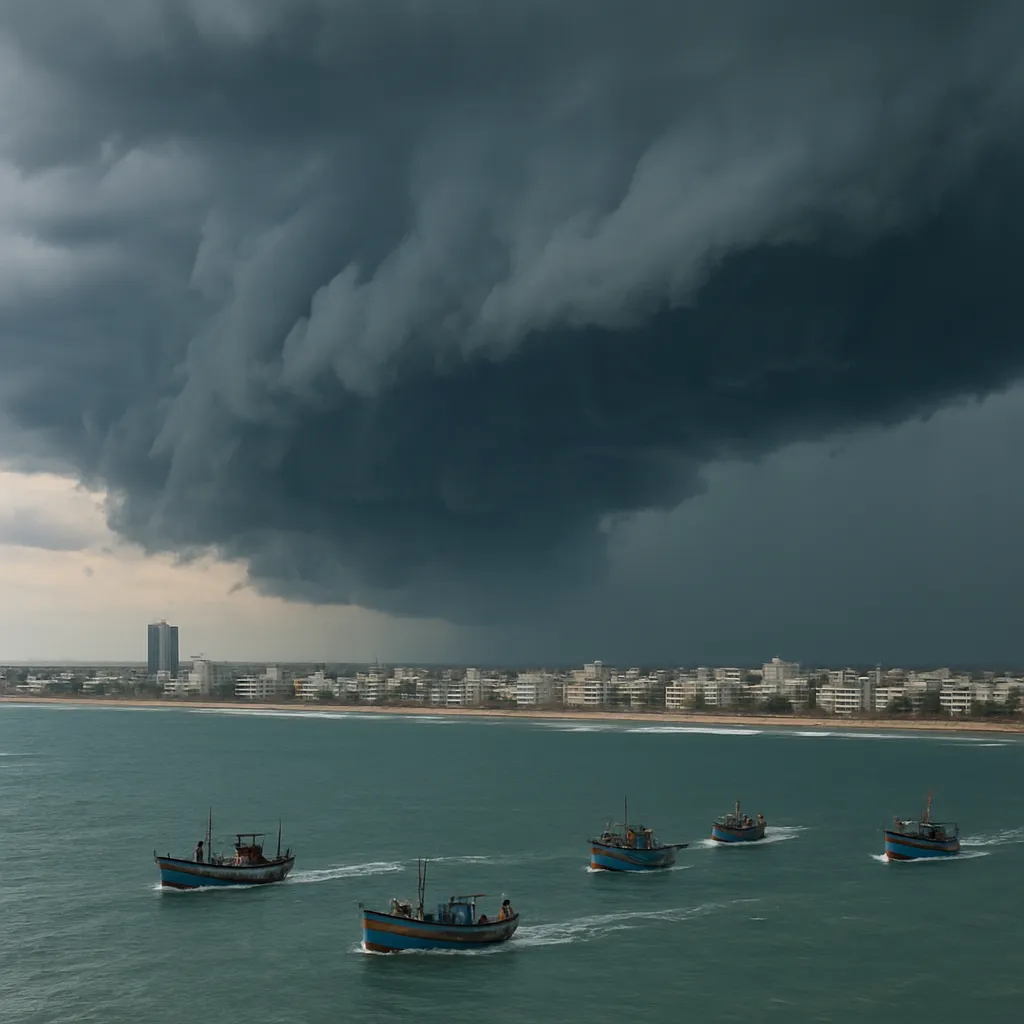
Forecasters in Chicago, near 42 degrees north, look at storms over Iowa to the west to predict tomorrow's weather. Which global wind belt makes that a reliable method?
Storms that form off West Africa near 15 degrees north usually track westward across the Atlantic toward the Caribbean before curving north. Which wind belt steers that early westward path?
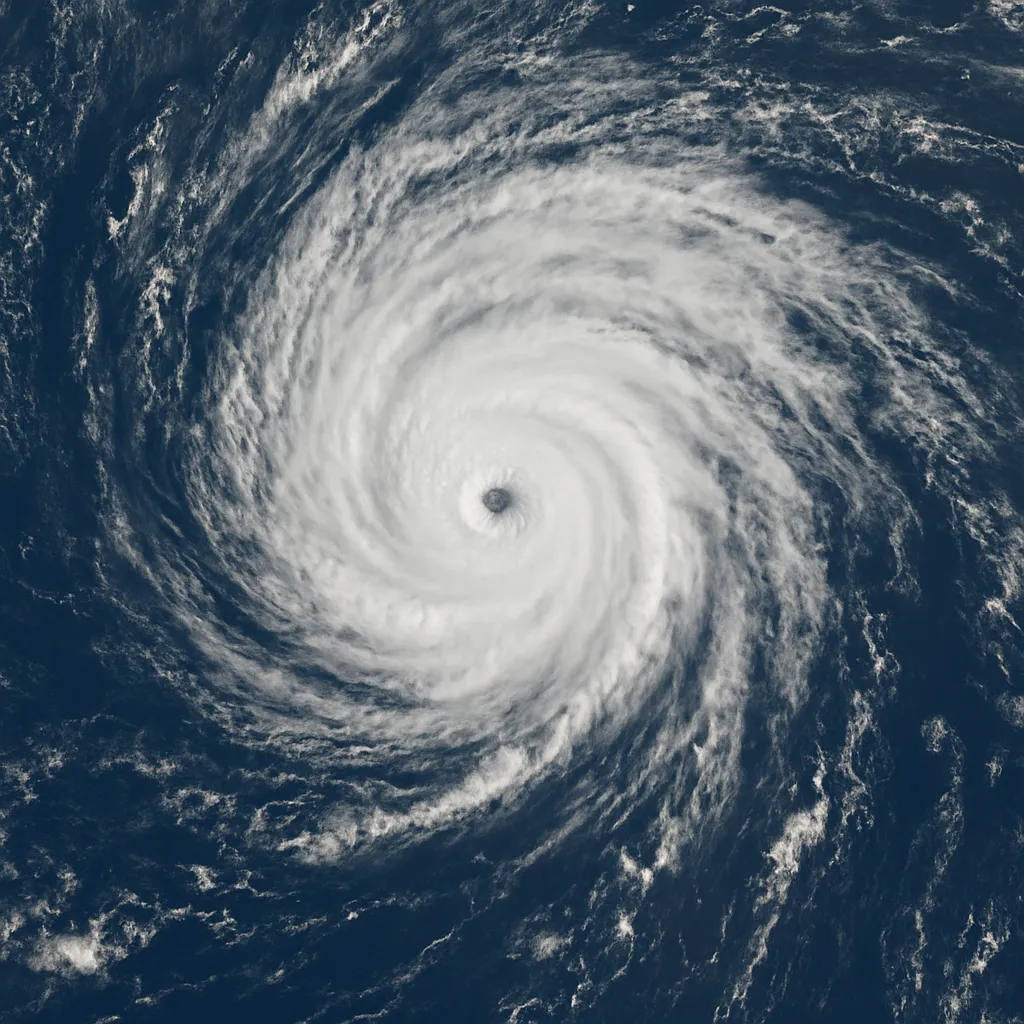
A city near 40 degrees north has a mild week, and then the polar jet stream dips far south of its usual position and passes over the city. What change should residents expect?
A town just north of the equator gets its rainy season when a belt of rising air and daily afternoon thunderstorms shifts over it. What is that belt called?
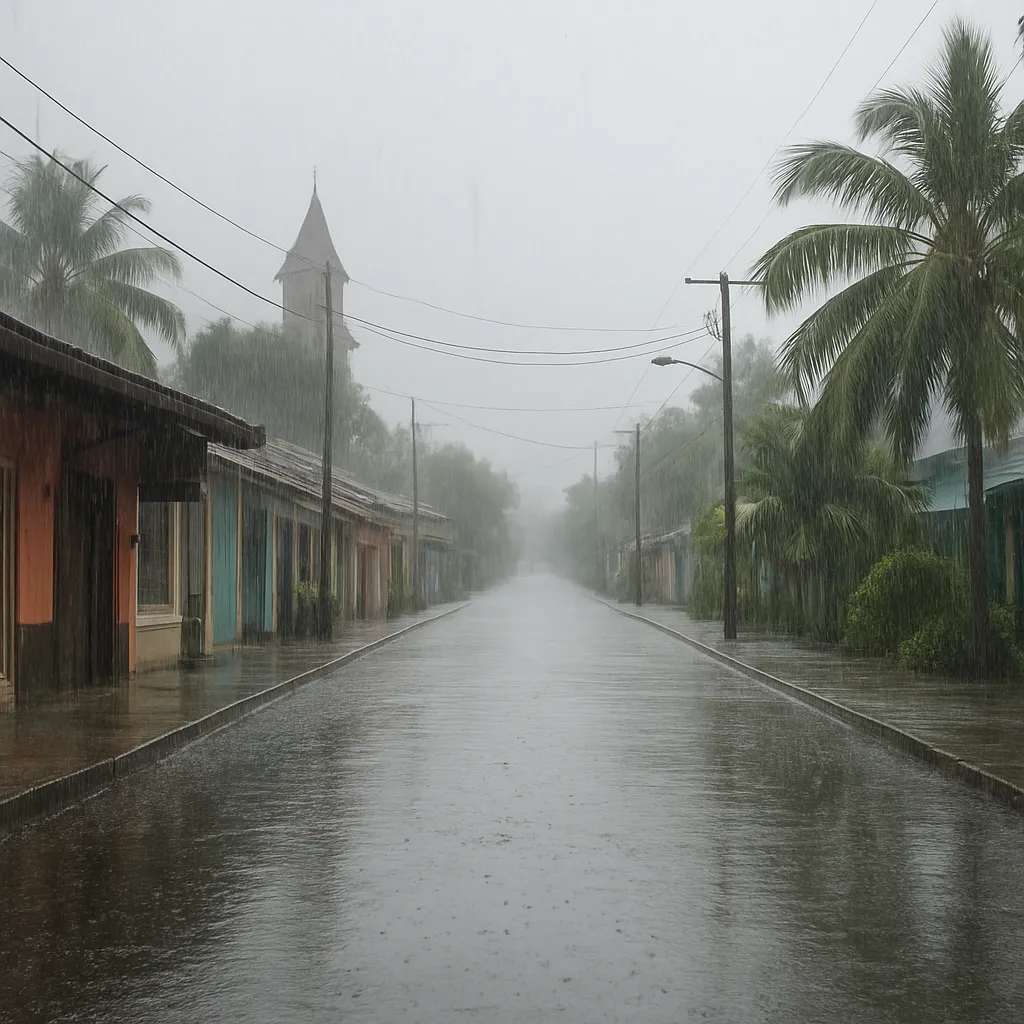
The Atacama Desert lies near 23 degrees south on the coast of Chile and goes years without measurable rain. Which feature of global circulation keeps it that dry?
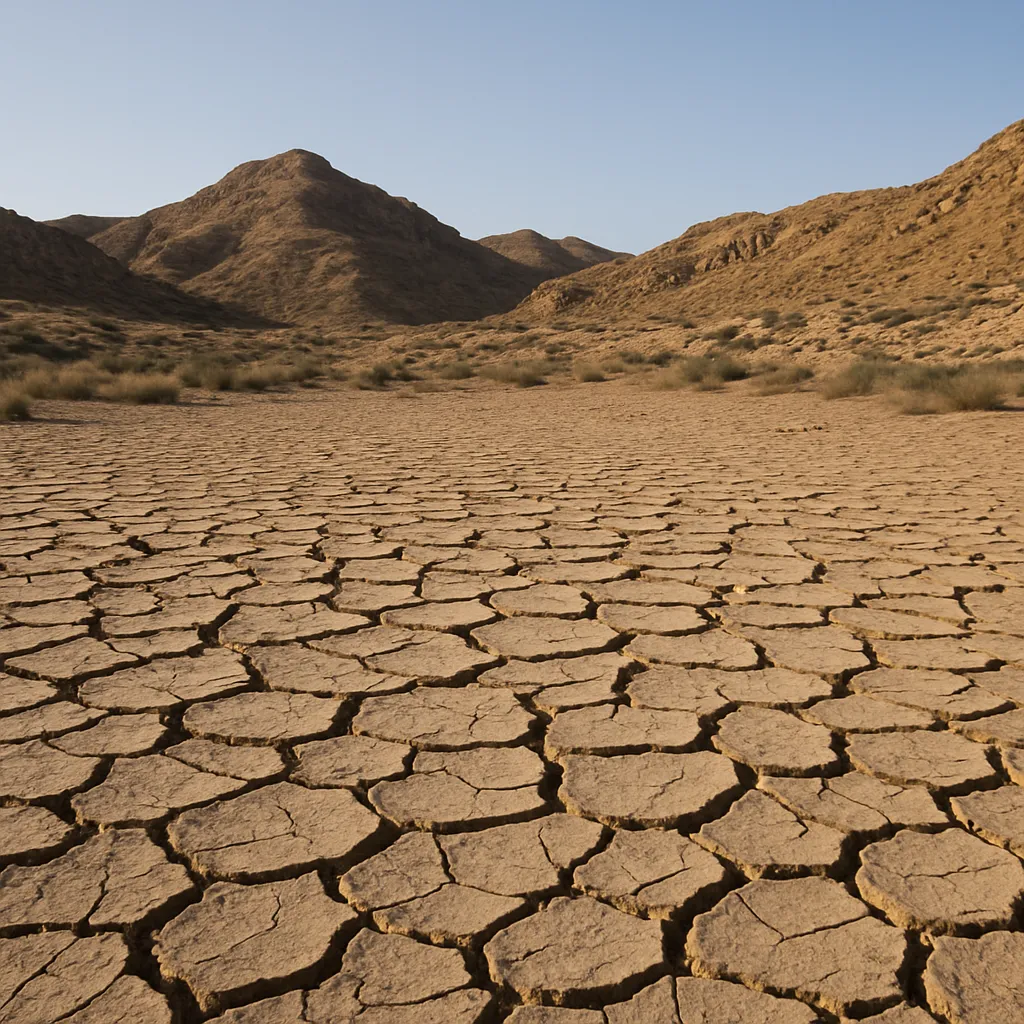
The trade winds and the prevailing westerlies both flow out of the belt of sinking air near 30 degrees latitude.
At a research station near 75 degrees north, cold surface air flows outward from the pole toward 60 degrees. From which direction does this wind usually arrive at the station?
Crack the passcode before the zombies get in.
Answer, then swat bugs for bonus points.
Race through questions at your own speed.
Same question on every screen. Fastest wins.

Pick a tile, answer, hit bonuses and steals.
Hurricanes and Tropical Cyclones
40 questions