Loading
by BlastRoom
Tell weather from climate and explain how energy from the Sun drives both.
#us_grade_8_science
20 questions
One question set, multiple game modes. Tap any game to see it in action. Not sure which to pick?
Answer to place stones and capture territory.
Outrun the snow together.
Earn blasts, then hunt the other team.
Answer to earn energy, then climb.

The class blasts through walls together.
Bid on mystery lots. Most money wins.
Sell tours. Nice, standard, or a total scam.

Answer, restock, and serve the rush.
More correct answers pulls the rope your way.
Answer, then shoot down the alien wave.
Answer, then tap to leap the frozen ridge.
A farmer writes: "It is 4 degrees Celsius here this morning, and frost covers the whole field." What does this statement describe?

Records for a city show its average July high temperature has been about 31 degrees Celsius across the past 30 years. What does this describe?
Climate is described by averaging weather conditions such as temperature and precipitation over many years.
A news app shows: "Tomorrow: cloudy, high 18 degrees Celsius, 70 percent chance of rain." What does this statement describe?
A scientist reports that a desert averages 90 mm of precipitation a year. A visitor there says, "It rained hard today." Who described the climate, and why?
Scientists report that Earth's average global surface temperature has risen roughly 1 degree Celsius over the past century. What does this statement describe?
A student records that a cold front passed through town and the temperature fell 8 degrees Celsius in one hour. What would be needed to describe the town's climate instead?
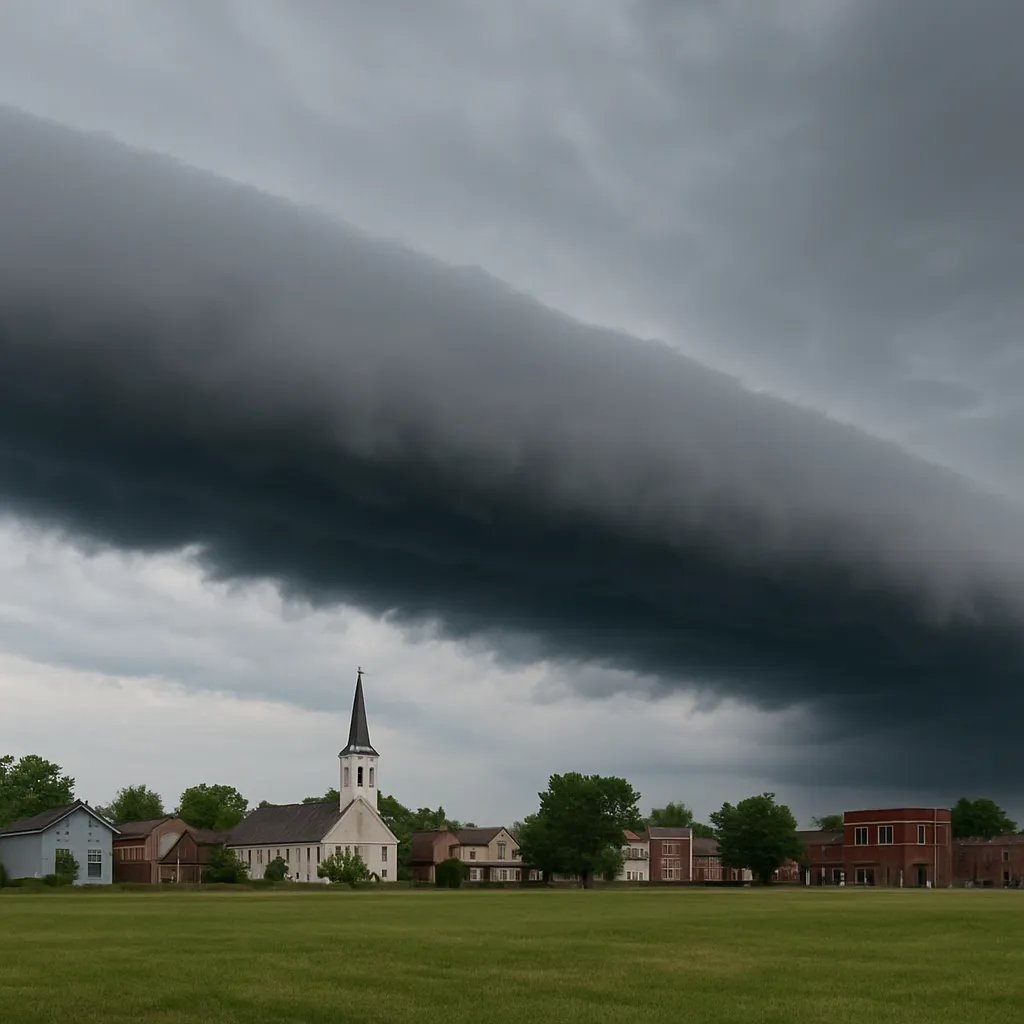
A guidebook says: "Summers here are hot and dry, and nearly all the rain falls in winter." Which timescale does this statement summarize?
A town wants to know whether its summers have grown hotter over the long term. Which data set answers the question?
A pilot must decide whether thunderstorms will strike the airport during this afternoon's landing. Which data set answers that question?
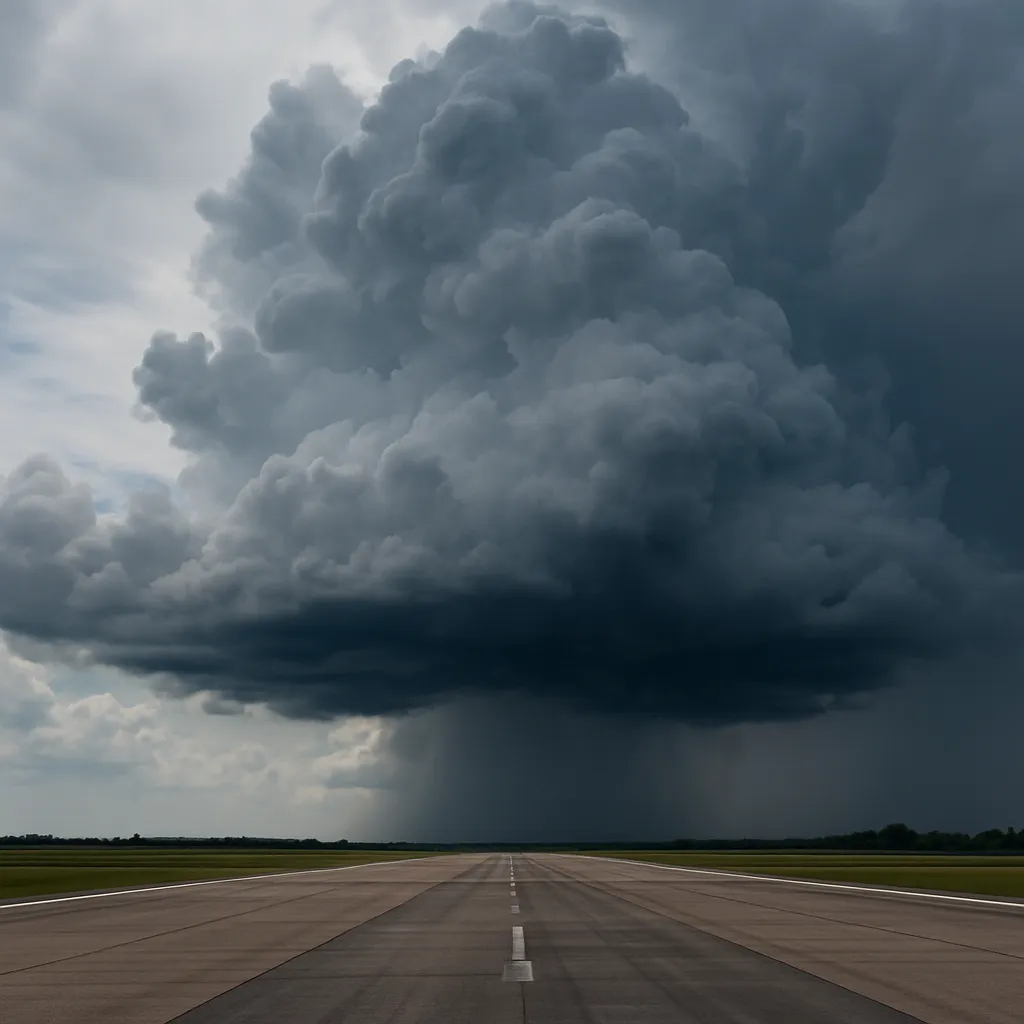
An engineer sizing storm drains for a new neighborhood must design for the amount of rain the area typically receives in a year. Which data set is needed?
Two students disagree about whether a lakeside town is windier than a mountain town. Which data would settle the argument?
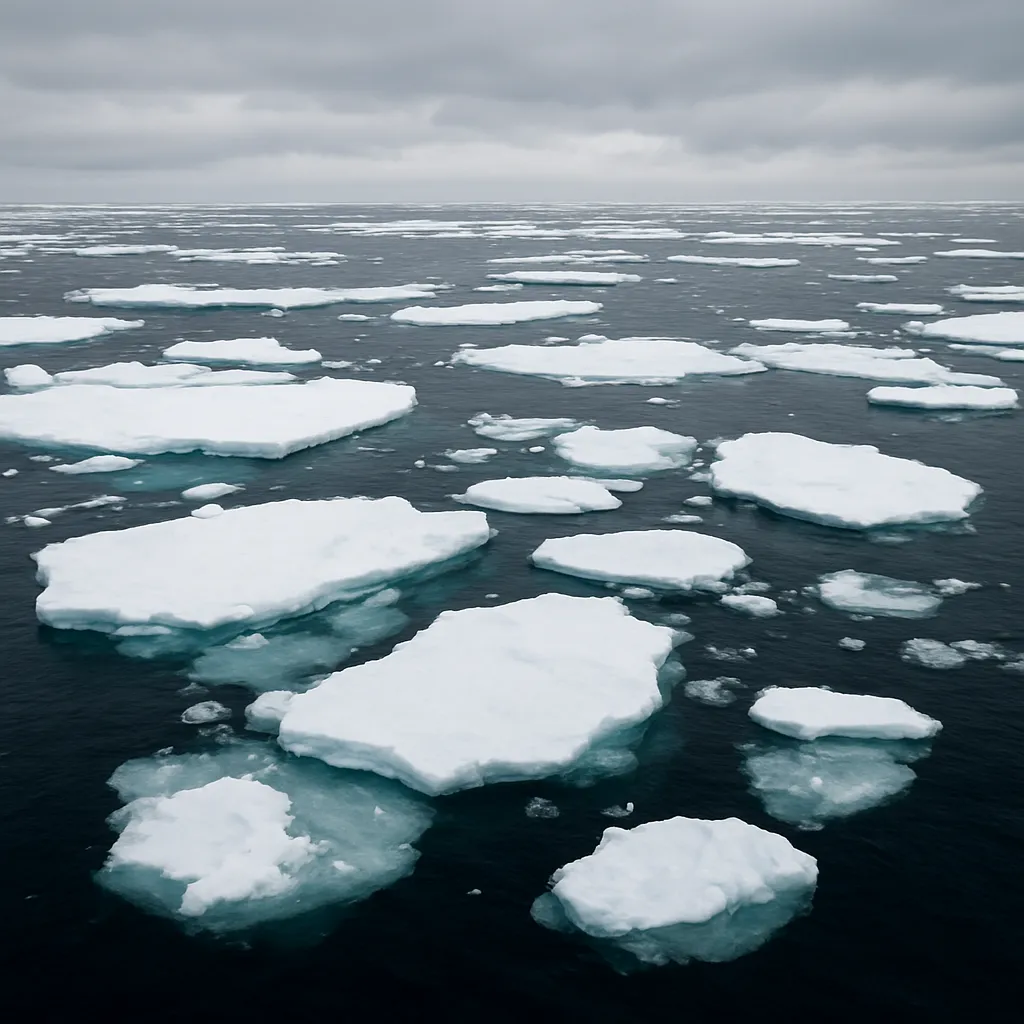
A scientist claims that Arctic sea ice has been shrinking. Which evidence best supports that claim?
Averaged over a year, each square meter near the equator absorbs far more solar energy than each square meter near the poles. What causes this difference?
Weather and climate on Earth are driven mainly by thermal energy escaping from Earth's hot core.
Over a warm tropical ocean, air rises and cooler air flows in beneath it, creating wind. What is the original source of the energy driving this motion?

On a sunny afternoon, land beside the sea warms faster than the water, and a breeze blows from the sea toward the shore. What explains the breeze?

Enormous amounts of water evaporate from the ocean surface each day and later fall as precipitation. What supplies the energy for that evaporation?

Energy from the Sun crosses about 150 million kilometers of nearly empty space before reaching Earth's atmosphere. By which process does it travel?
A coastal city and an inland city both sit at 55 degrees north, yet the coastal city's winters are far milder. What best explains the difference?
Crack the passcode before the zombies get in.
Answer, then swat bugs for bonus points.
Race through questions at your own speed.
Same question on every screen. Fastest wins.

Pick a tile, answer, hit bonuses and steals.

The Carbon Cycle
40 questions