Loading
by BlastRoom
Trace a carbon atom as it moves between living things, the air, the ocean and rock.
#us_grade_8_science
40 questions
One question set, multiple game modes. Tap any game to see it in action. Not sure which to pick?
Answer to place stones and capture territory.
Outrun the snow together.
Earn blasts, then hunt the other team.
Answer to earn energy, then climb.

The class blasts through walls together.
Bid on mystery lots. Most money wins.
Sell tours. Nice, standard, or a total scam.

Answer, restock, and serve the rush.
More correct answers pulls the rope your way.
Answer, then shoot down the alien wave.
Answer, then tap to leap the frozen ridge.
A carbon atom in atmospheric carbon dioxide ends up in a starch molecule inside a corn plant's leaf. Which process moved it there?
A cow grazes on grass. Carbon atoms that were in the grass's sugars leave the cow in the carbon dioxide she breathes out. Which process released them?
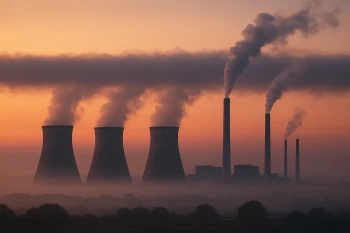
Coal mined from underground is burned in a power plant, and carbon that sat in the coal for millions of years enters the air as carbon dioxide. Which process moved it?
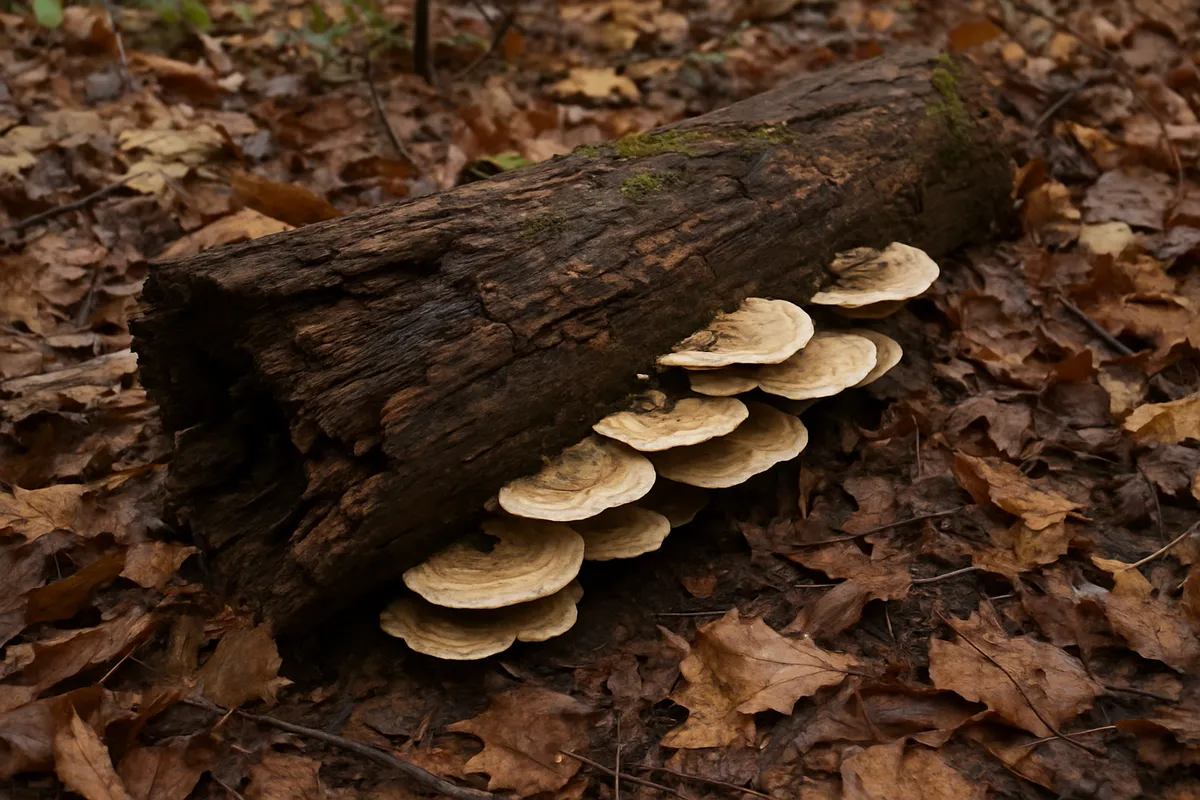
Fallen leaves lie on a forest floor. Fungi and bacteria break them apart, and the carbon in them enters the air as carbon dioxide. Which process moved that carbon?
Carbon dioxide molecules in the air move into the cold surface seawater of the North Atlantic and remain in the water. Which process moved that carbon?
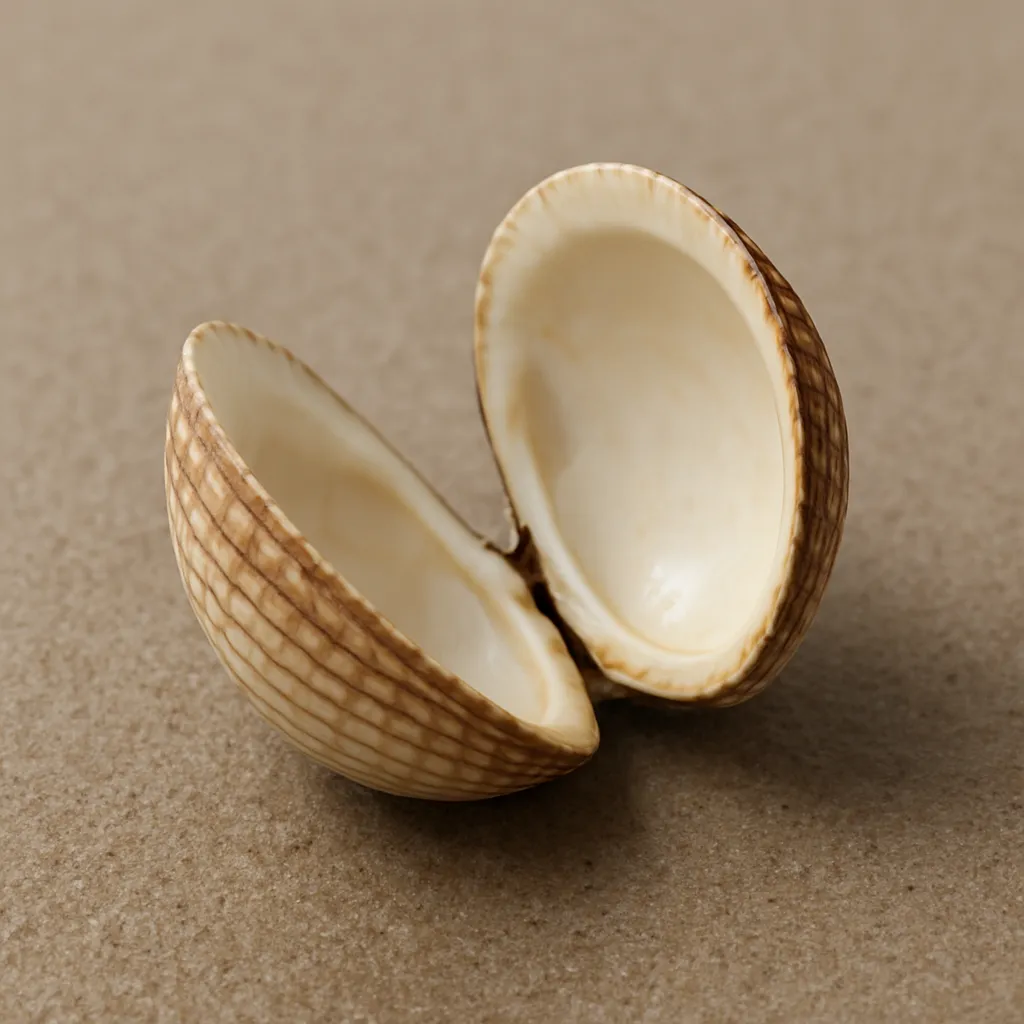
A clam in shallow seawater takes carbon that was dissolved in the water around it and locks it into solid calcium carbonate. Which process moved that carbon?
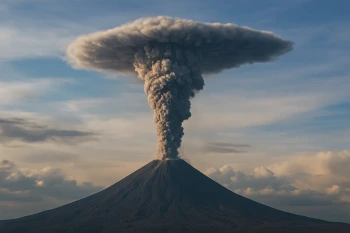
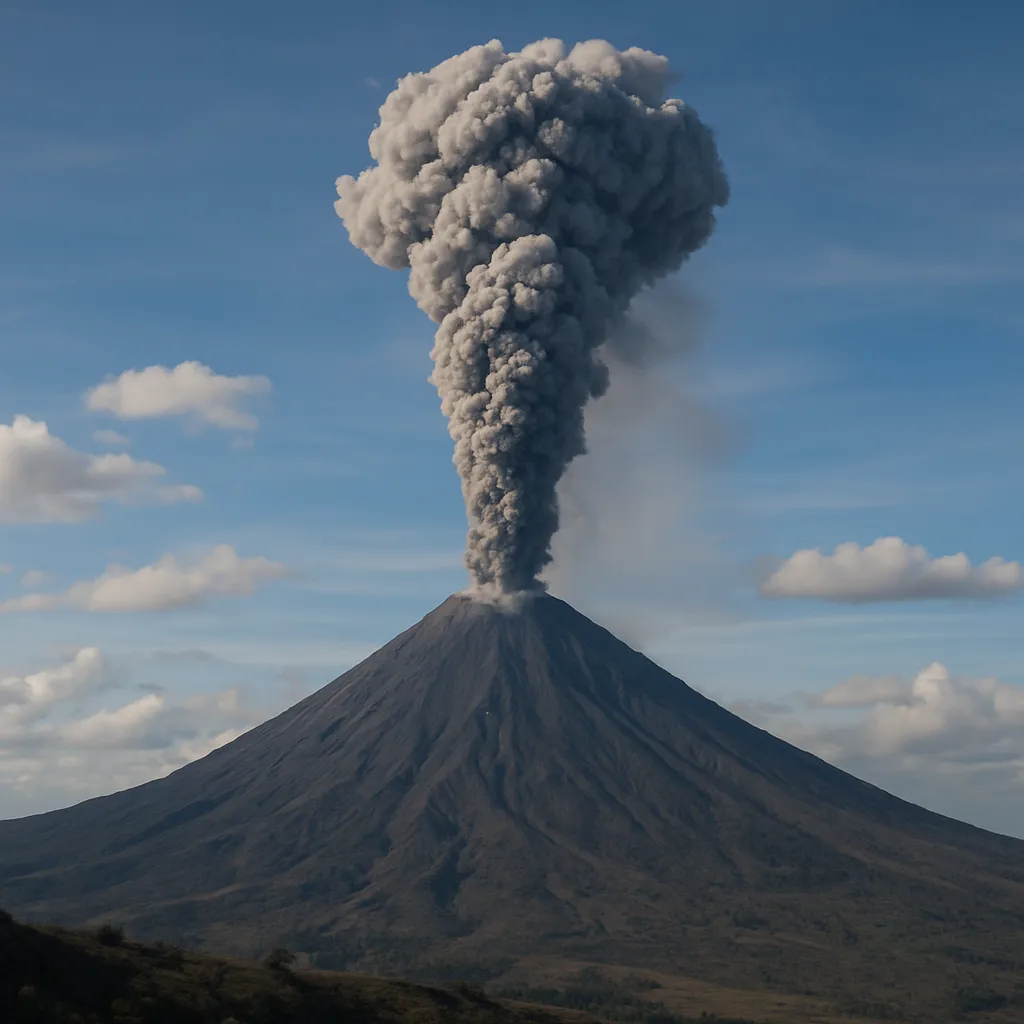
Gas escaping from magma as it reaches Earth's surface carries carbon that had been locked in rock deep underground into the atmosphere. Which process moved that carbon?
Slightly acidic rain soaks a limestone hillside and slowly dissolves it, carrying its carbon away in stream water. Which process moved that carbon?
Shells and dead cells of tiny ocean organisms drift down and pile up under layers of mud, taking their carbon with them. Which process moved that carbon?
A caterpillar chews an oak leaf, and carbon atoms from the leaf's sugars become part of proteins in the caterpillar's body. Which process moved that carbon?
Plant material that fell into a swamp 300 million years ago is now part of a coal seam deep underground. Which process placed that carbon in the coal?
Carbon dioxide dissolved in warm surface seawater can move back out into the atmosphere.
A carbon atom starts in a carbon dioxide molecule in the air, is later part of a sugar in grass, and later still leaves a grazing cow in her breath. Which sequence did it follow?
Ocean algae took in a carbon atom 200 million years ago. The atom was buried in seafloor mud, and today it leaves a car's exhaust pipe. Which sequence did it pass through?
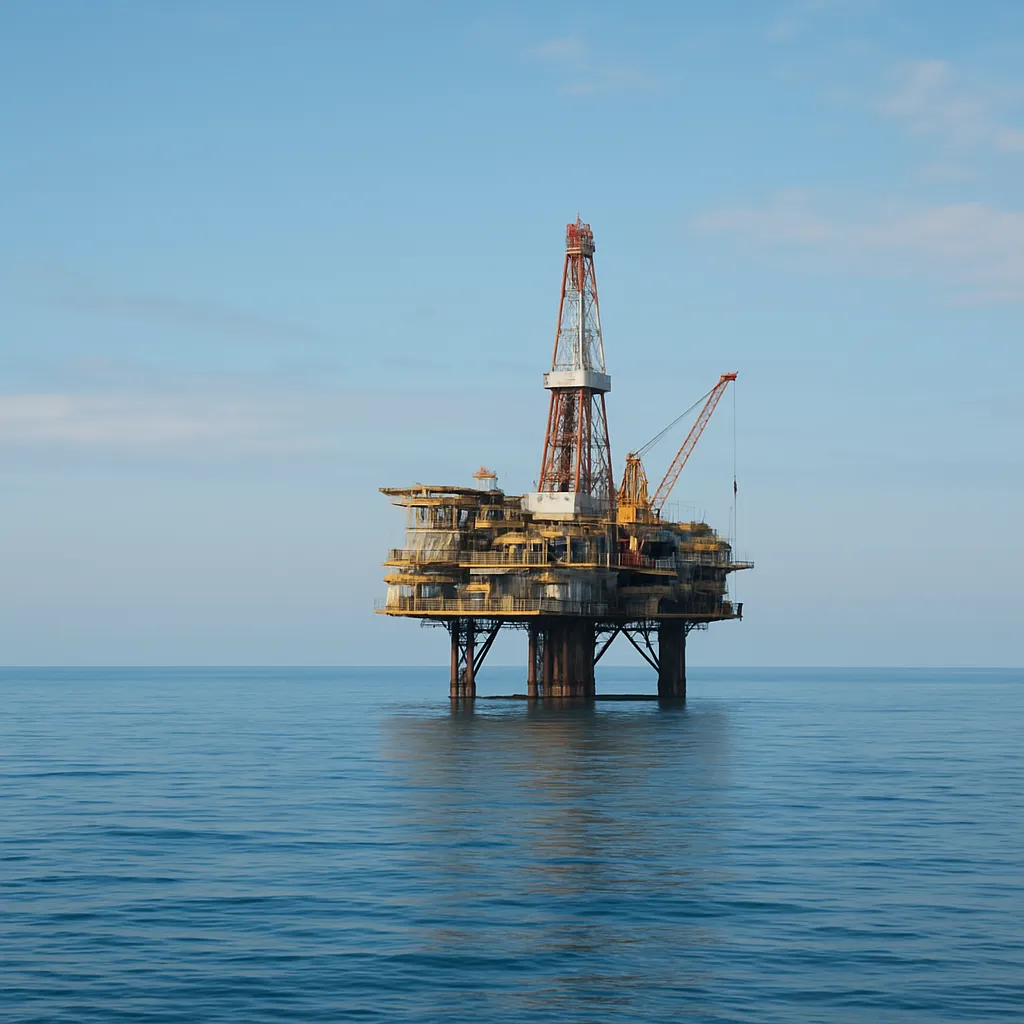
A carbon atom sits in dark soil humus. Soil microbes release it to the air, it later enters ocean water, and then it is inside a phytoplankton cell. Which sequence did it follow?
A carbon atom in a limestone cliff is freed as acidic rain eats at the rock, travels down a river to the sea, and ends up in a mussel's shell. Which sequence did it follow?
A carbon atom moves from the air into surface seawater, becomes part of a phytoplankton cell, and finally rests in mud on the deep seafloor. Which sequence did it follow?
A carbon atom in an oak leaf's sugar passes into a caterpillar, then into a bird that eats the caterpillar. The bird dies and soil microbes break its body down. Which sequence is this?
Carbon locked in rock deep below a volcano escapes during an eruption, and a few months later the same atom is inside a sugar molecule in a fern. Which sequence did the atom pass through?
Carbon from burned gasoline enters the air, later moves into surface seawater, and years afterward is part of a coral's hard skeleton. Which sequence did the atom pass through?
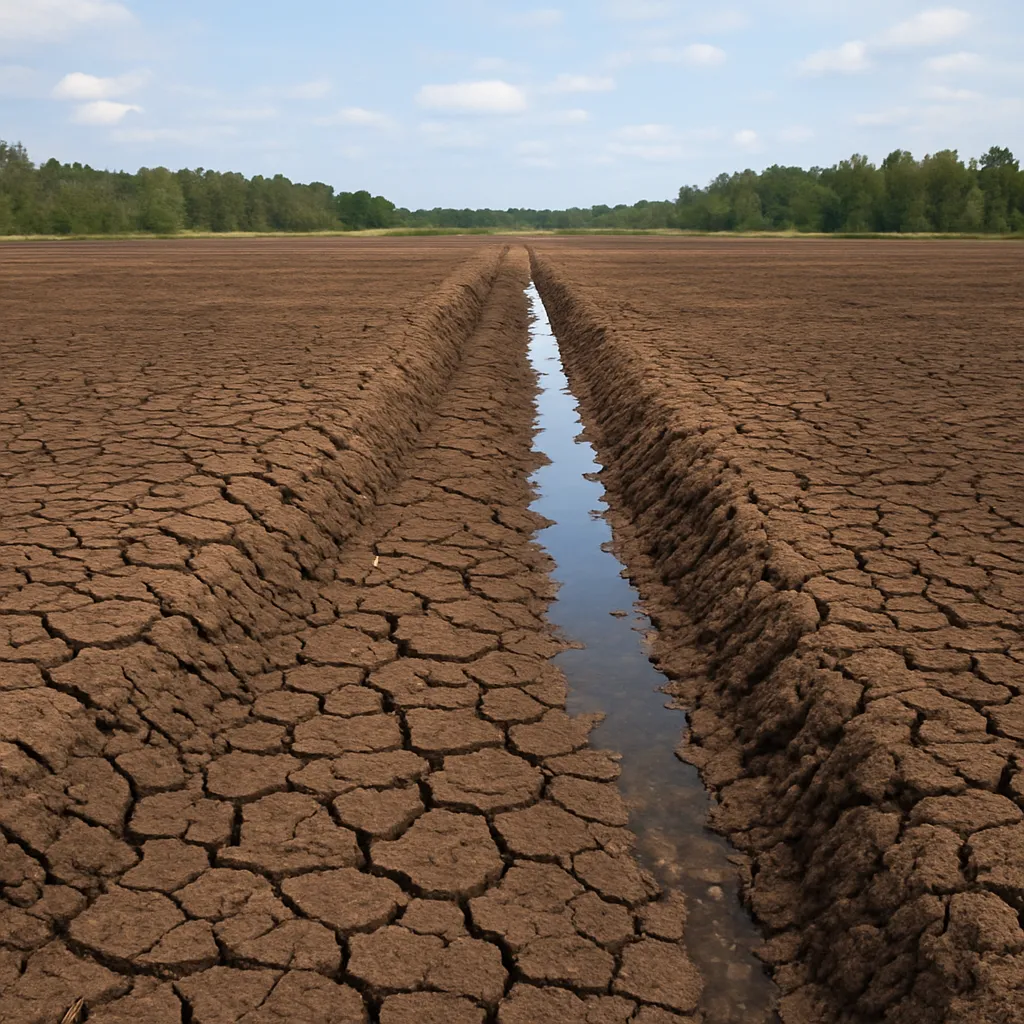
A drained peat bog dries out, and the thick layer of dead plant material that was waterlogged for centuries is now exposed to air and microbes. What happens to the carbon there?
Warming ocean water holds less dissolved gas. If a region's surface seawater warms over several decades, what happens to carbon moving between that water and the air above it?
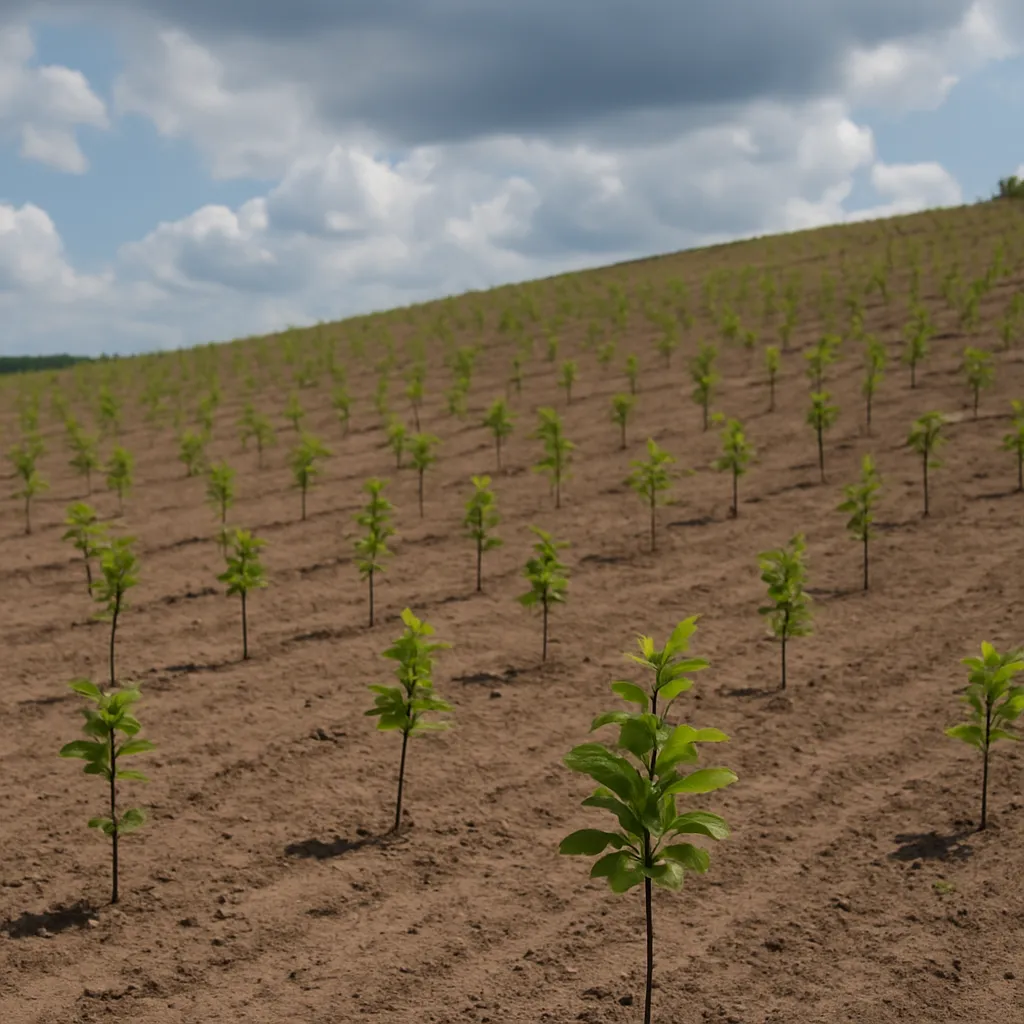
Volunteers plant millions of tree seedlings on bare hillsides, and the trees grow for forty years. What pair of changes does this cause in that region's carbon cycle?
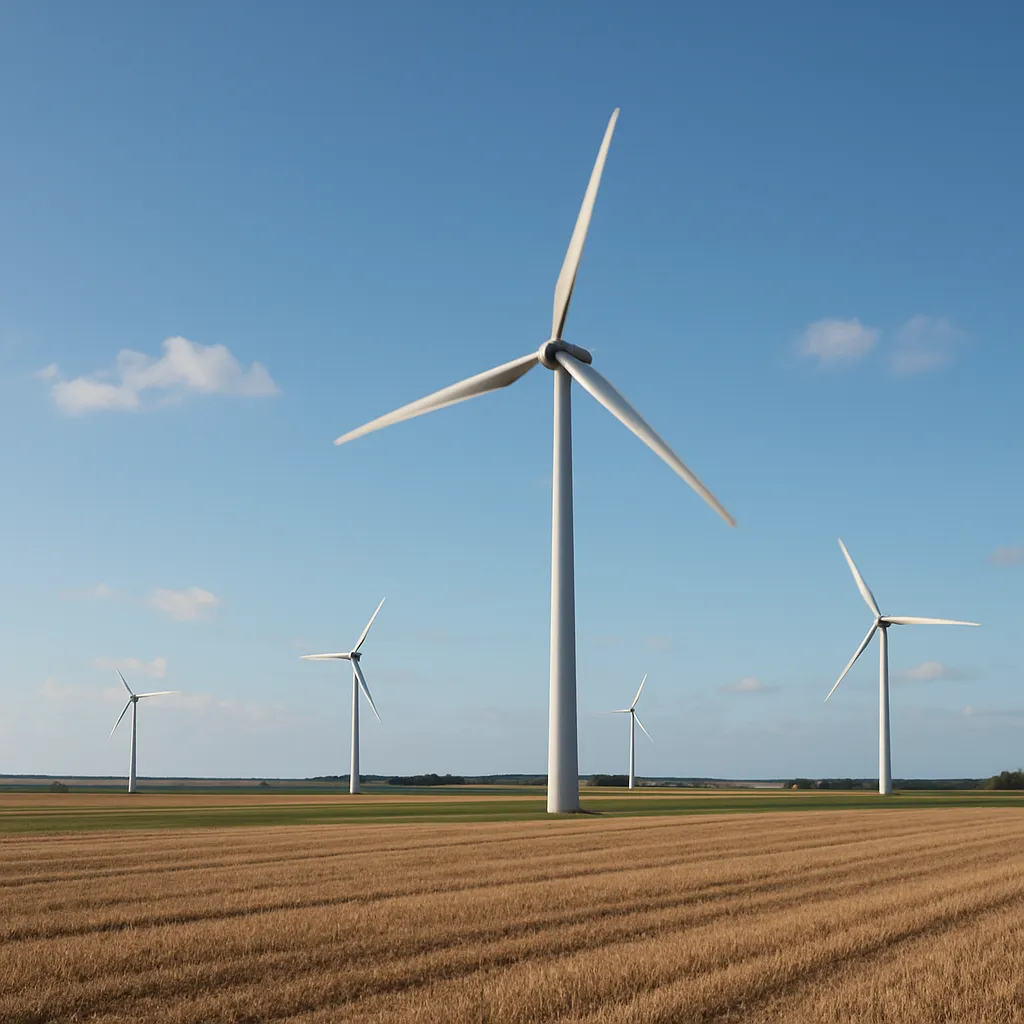
A country closes its coal-burning power plants and replaces them with wind turbines. What change does this make to the carbon cycle?
Frozen Arctic soil that has held dead plant material for thousands of years thaws, and microbes begin breaking that material down. What happens to the carbon cycle in the Arctic?
Pollution kills most of the phytoplankton in a large area of ocean surface for several years. What happens to carbon in that part of the ocean?
Farmers stop plowing their fields and leave crop stalks on the ground each year instead of burning them. What happens to carbon in those fields?
A rainforest is cleared and the felled trees are left on the ground to rot rather than being burned. Compared with burning them, what is different about the carbon?
A city paves over grassland and wetland to build roads and parking lots. What happens to the movement of carbon in that area?
Ships add iron to a patch of ocean, causing a huge phytoplankton bloom whose dead cells sink to the deep seafloor. What is the effect on carbon in that patch?
Which carbon reservoir holds the most of Earth's carbon?
A carbon atom is built into the trunk wood of a young oak. The oak grows into an old giant before it dies and rots. About how long does the tree hold that atom out of the atmosphere?
A carbon atom sinks into deep ocean water that will not touch the surface again until the water circulates back up. About how long is the carbon held down there?
Carbon in a coal seam came from swamp plants that were buried long before the dinosaurs. The coal was burned last year. About how long did the coal keep that carbon out of the air?
Which of these returns its carbon to the atmosphere fastest: a limestone cliff, a coal seam, deep ocean water, or a pile of fresh leaf litter?
The ocean holds more carbon than the atmosphere does.
Over many years in a meadow ecosystem, how do carbon atoms and energy differ in the way they move?
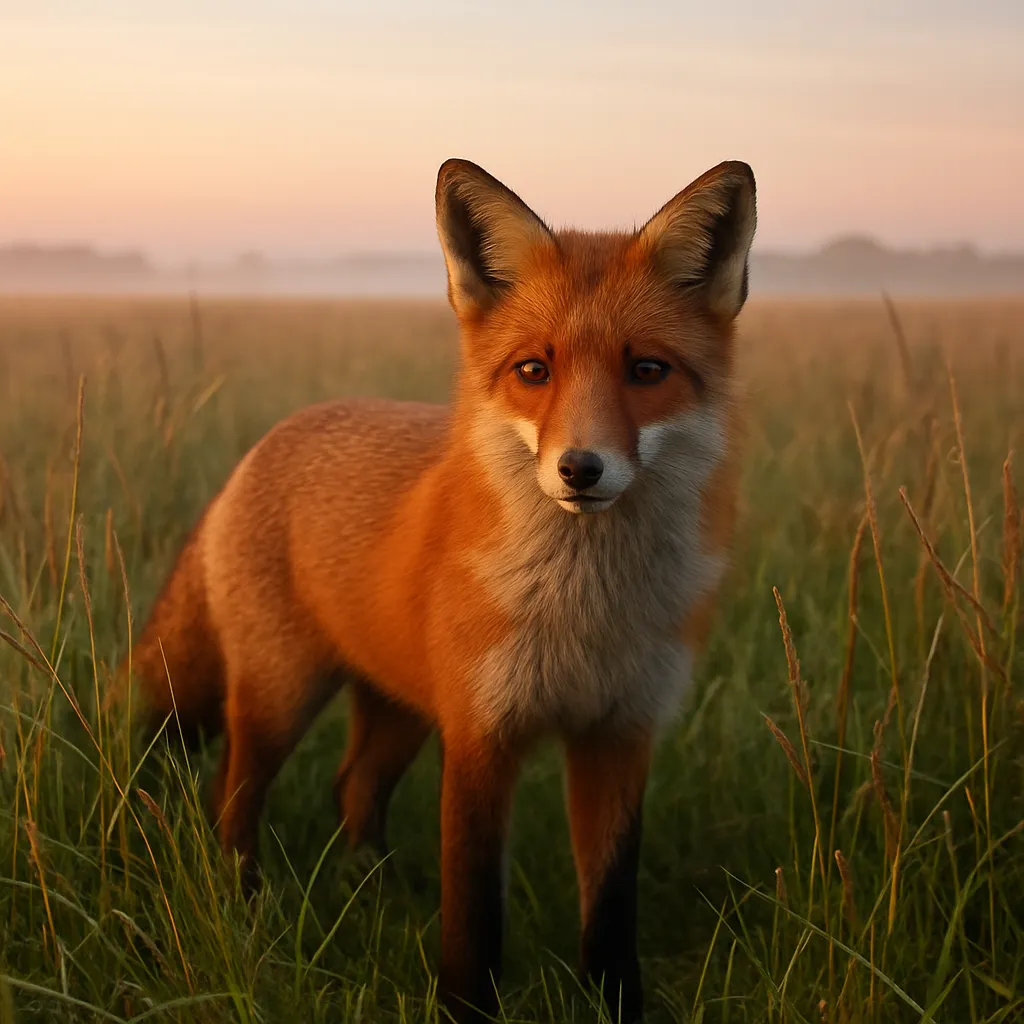
A fox eats a rabbit. What happens to the matter and the energy that were in the rabbit's body?
Burning coal destroys the carbon atoms that were stored in it.
A carbon atom that was once part of a dinosaur can never be part of a living thing again.
Crack the passcode before the zombies get in.
Answer, then swat bugs for bonus points.
Race through questions at your own speed.
Same question on every screen. Fastest wins.

Pick a tile, answer, hit bonuses and steals.
Renewable and Nonrenewable Energy Resources
40 questions