Loading
by BlastRoom
Identify the Sun's layers and its surface activity from what is observed and what it does to Earth.
#us_grade_8_science
20 questions
One question set, multiple game modes. Tap any game to see it in action. Not sure which to pick?
Answer to place stones and capture territory.
Outrun the snow together.
Earn blasts, then hunt the other team.
Answer to earn energy, then climb.

The class blasts through walls together.
Bid on mystery lots. Most money wins.
Sell tours. Nice, standard, or a total scam.

Answer, restock, and serve the rush.
More correct answers pulls the rope your way.
Answer, then shoot down the alien wave.
Answer, then tap to leap the frozen ridge.
In one region of the Sun, gas is squeezed to about 15 million degrees Celsius under enormous pressure, and this is the only place where the Sun's energy is actually produced. Which region is described?
Outside the Sun's energy-producing center lies a zone of extremely dense gas where energy creeps outward as light that is absorbed and re-emitted over and over, with no rising or sinking gas. Which zone is this?
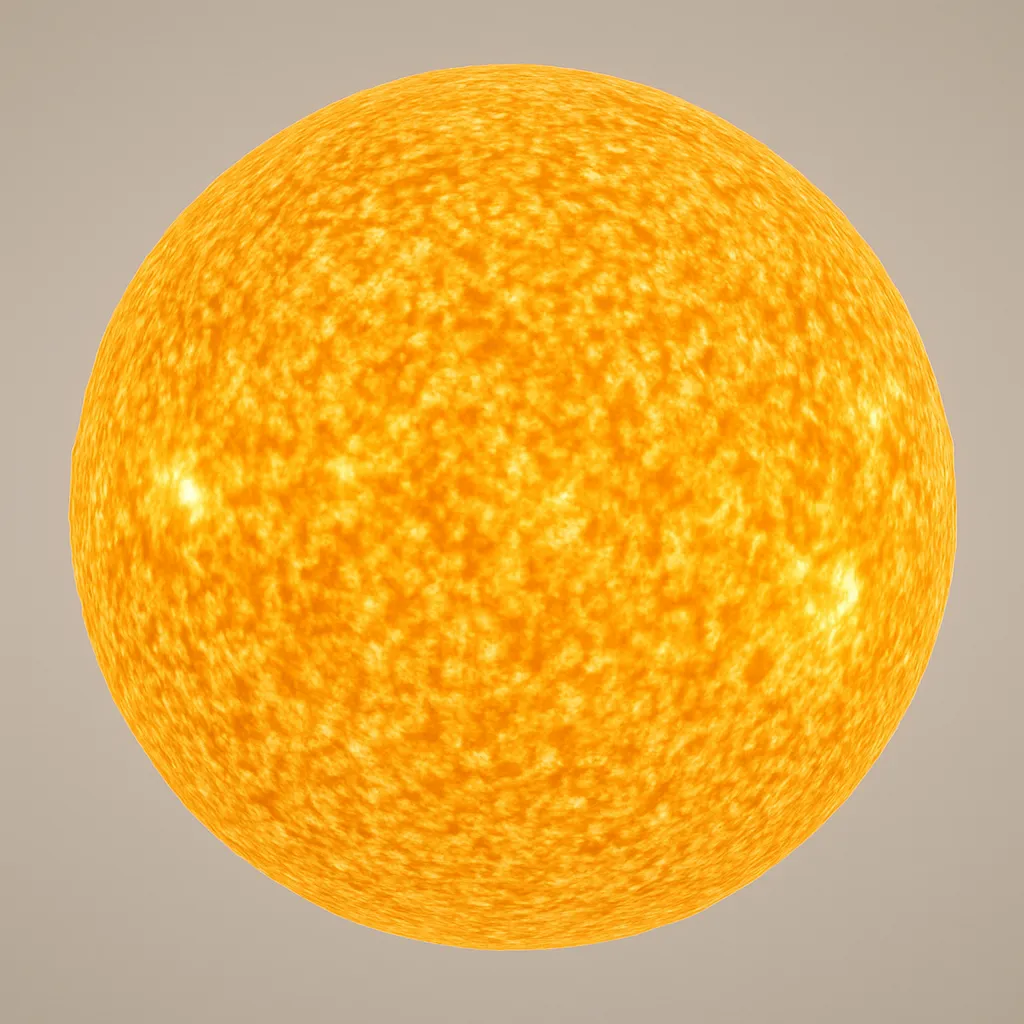
Close-up images show the Sun's bright surface covered in shifting cells: hot gas rises in the middle of each cell, cools, and sinks along the darker lanes at its edges. Which region produces this pattern?
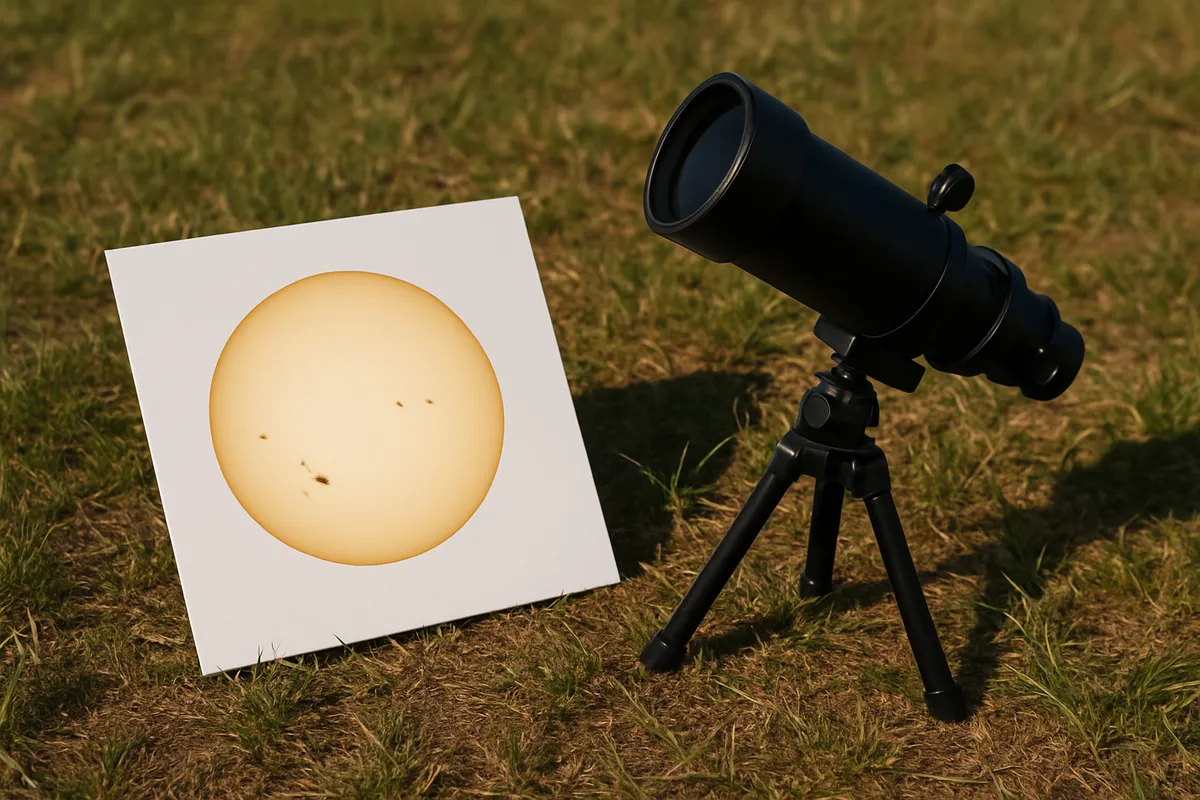
A telescope projects an image of the Sun onto a card. Almost all the light on that card comes from a thin layer about 5,500 degrees Celsius, the deepest layer we can see. Which layer is it?
Through a filter that passes only red hydrogen light, astronomers see a thin layer sitting directly above the Sun's visible surface, crowded with short-lived jets of gas and hotter than the surface below it. Which layer is this?
When the Moon completely covers the Sun's bright disk, a faint pearly halo streams outward for millions of kilometers, thin enough for stars to shine through it and hotter than a million degrees Celsius. Which layer is this?
Beneath its atmosphere the Sun has a solid rocky surface that a heat-shielded spacecraft could land on.
A small area above a group of sunspots suddenly blazes far brighter than its surroundings in X-ray images, peaks within minutes, and fades away within an hour, throwing out no lasting cloud of gas. What is this event?
An instrument that blocks the Sun's bright disk records a huge bubble of gas, billions of tons of it, swelling outward from the Sun's atmosphere and escaping into space at hundreds of kilometers per second. What is this event?
In red hydrogen light, a long dark thread lies across the Sun's disk for two weeks. As the Sun rotates and the thread reaches the edge, it appears as a glowing loop of gas arching above the surface. What is this feature?
A spacecraft cruising between the planets detects charged particles from the Sun every single day for years, whether or not any eruption has been seen. What is it detecting?
Look at the graph. It shows how many dark patches were counted on the Sun's visible surface in each of these years. What are the patches being counted?
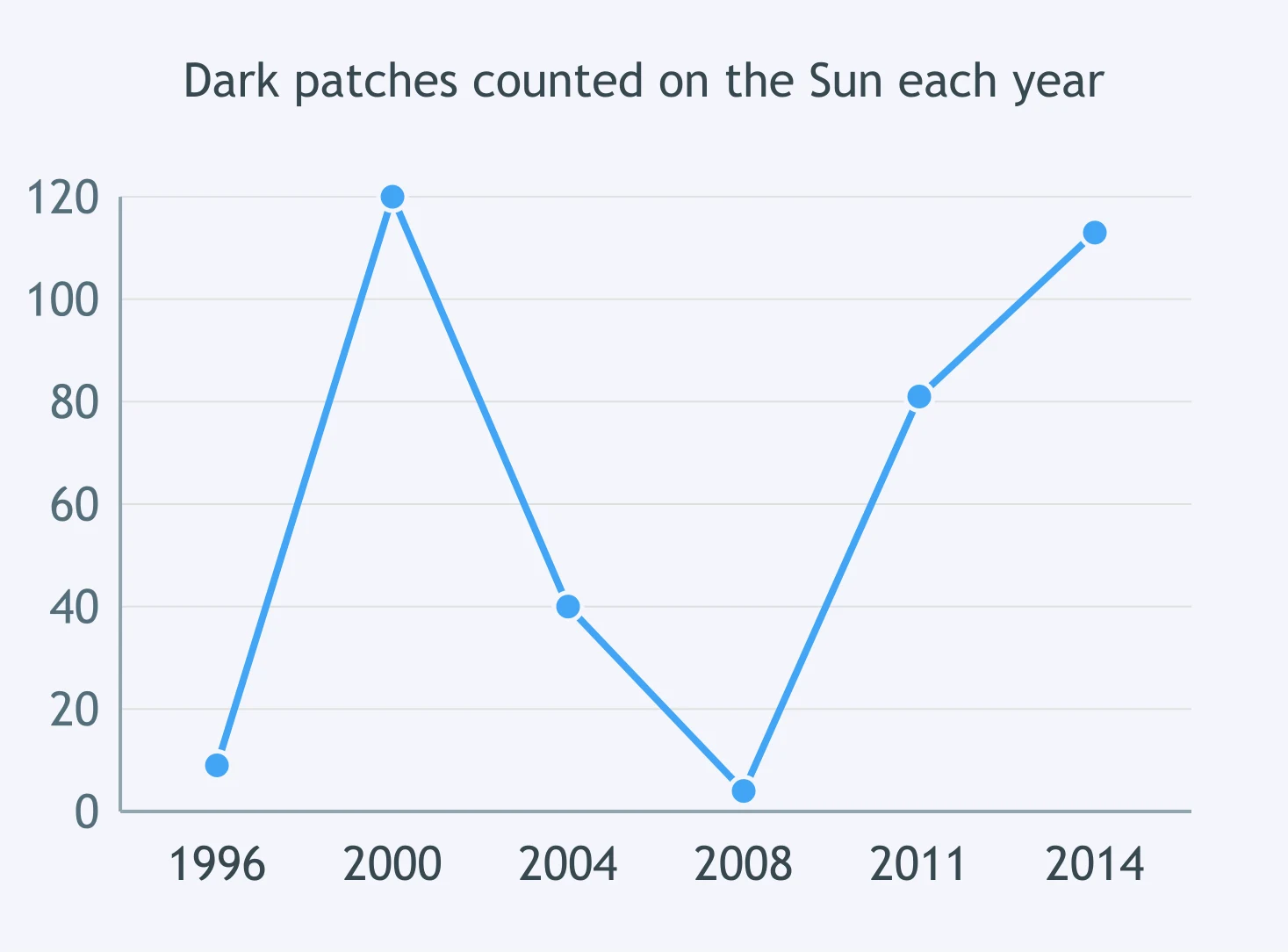
Sunspots look darker than the surrounding surface because they are cooler than the gas around them.
The Sun produced two events in one day: a flash of energy over in ten minutes that threw out almost no matter, and a push of billions of tons of gas lasting days. Name the second event.
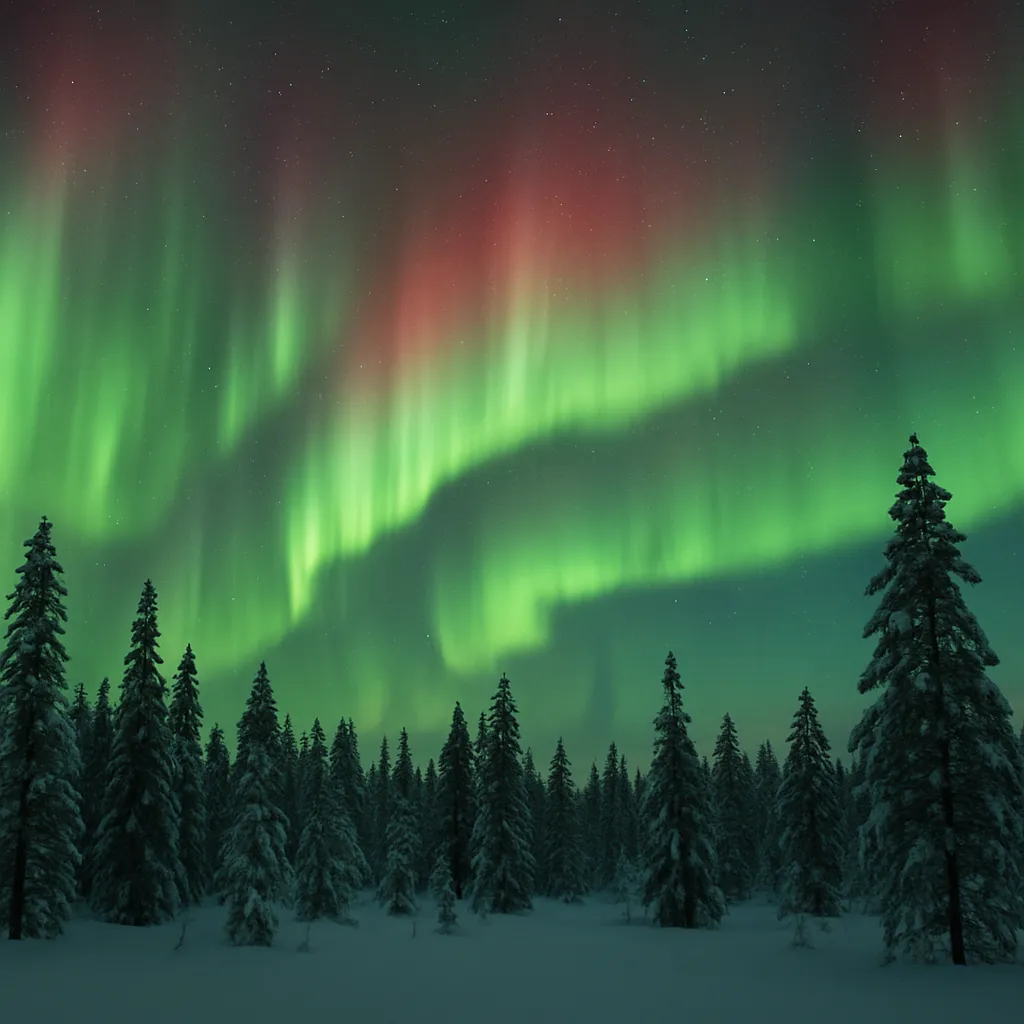
Two nights after a large eruption on the Sun, shimmering green and red curtains of light appear in the sky above northern Canada. Which explanation fits what people are seeing?
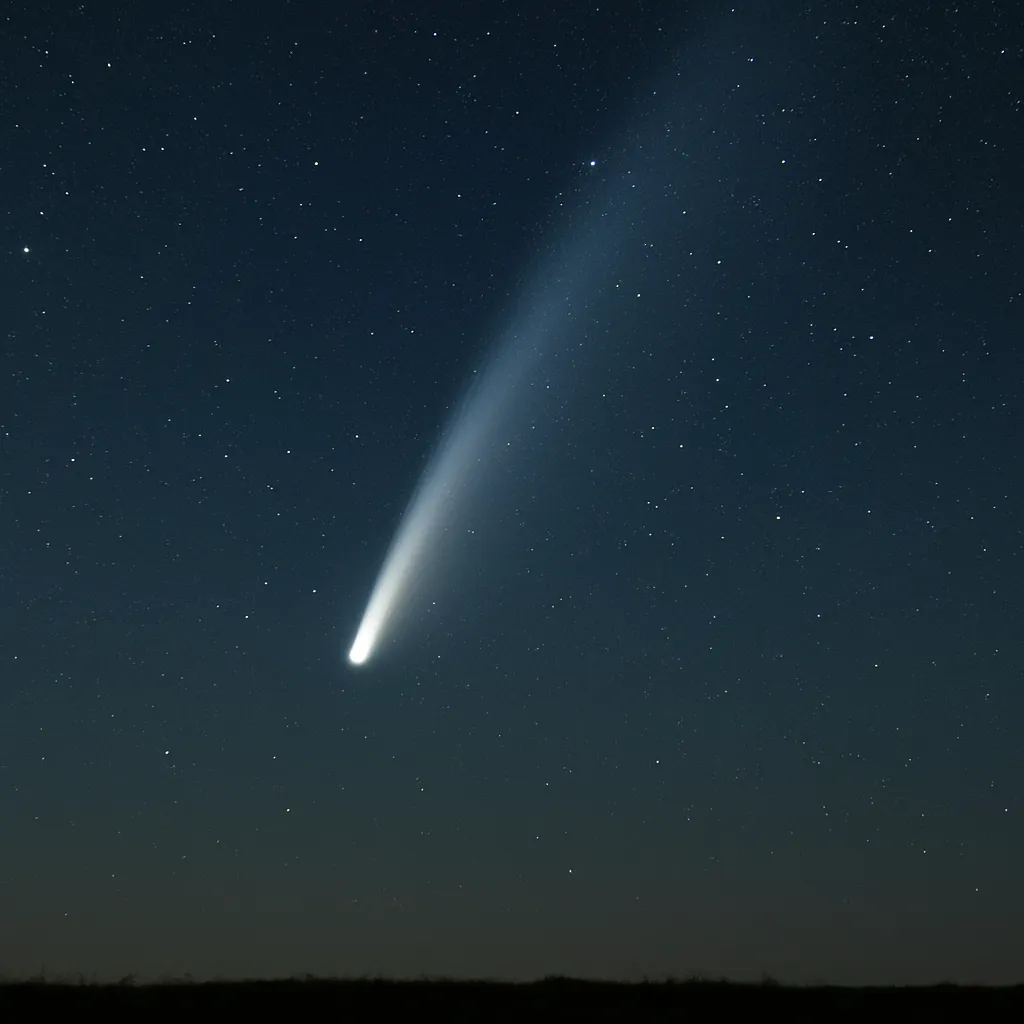
A comet is photographed on many nights. Its long tail always points away from the Sun, even when the comet is traveling outward and the tail runs ahead of it. Why does the tail behave this way?
Within minutes of a bright flash seen on the Sun, pilots on the daylit side of Earth lose shortwave radio contact for an hour. Which explanation fits this timing?
The Sun has shone at close to its present brightness for about 4.6 billion years. Any ordinary chemical fuel of that mass would have burned out long ago. What keeps the Sun shining?
Charged particles from the Sun stream past Earth all the time, yet almost none of them reach the ground. What best accounts for this?
In years near the peak of the Sun's activity cycle, satellite operators report more electronics failures and airlines report more radio blackouts than in quiet years. Which explanation fits this pattern?
Crack the passcode before the zombies get in.
Answer, then swat bugs for bonus points.
Race through questions at your own speed.
Same question on every screen. Fastest wins.

Pick a tile, answer, hit bonuses and steals.
Weight and Mass
20 questions