Loading
by BlastRoom
Read population data across generations and explain how a selective pressure makes a trait more or less common.
#us_grade_8_science

20 questions
One question set, multiple game modes. Tap any game to see it in action. Not sure which to pick?
Answer to place stones and capture territory.
Outrun the snow together.
Earn blasts, then hunt the other team.
Answer to earn energy, then climb.

The class blasts through walls together.
Bid on mystery lots. Most money wins.
Sell tours. Nice, standard, or a total scam.

Answer, restock, and serve the rush.
More correct answers pulls the rope your way.
Answer, then shoot down the alien wave.
Answer, then tap to leap the frozen ridge.
In a hospital, the share of infections resistant to one antibiotic was 4% in 2000, 19% in 2008, 43% in 2016 and 61% in 2024, with the drug used throughout. What do the data show?

Guppies were moved to a stream with few predators. Over 15 generations the share of males with large bright spots went from 12% to 38% to 66%. What do the figures show?
Threespine sticklebacks became trapped in a new freshwater lake holding no fish-eating predators. The share with full bony armor plates fell from 88% to 52% to 17% across generations. What trend do the numbers show?
Trophy hunters on one mountain took the rams with the largest horns for 30 years. The share of rams with very large horns was 58%, then 40%, then 22%. What do these data show?

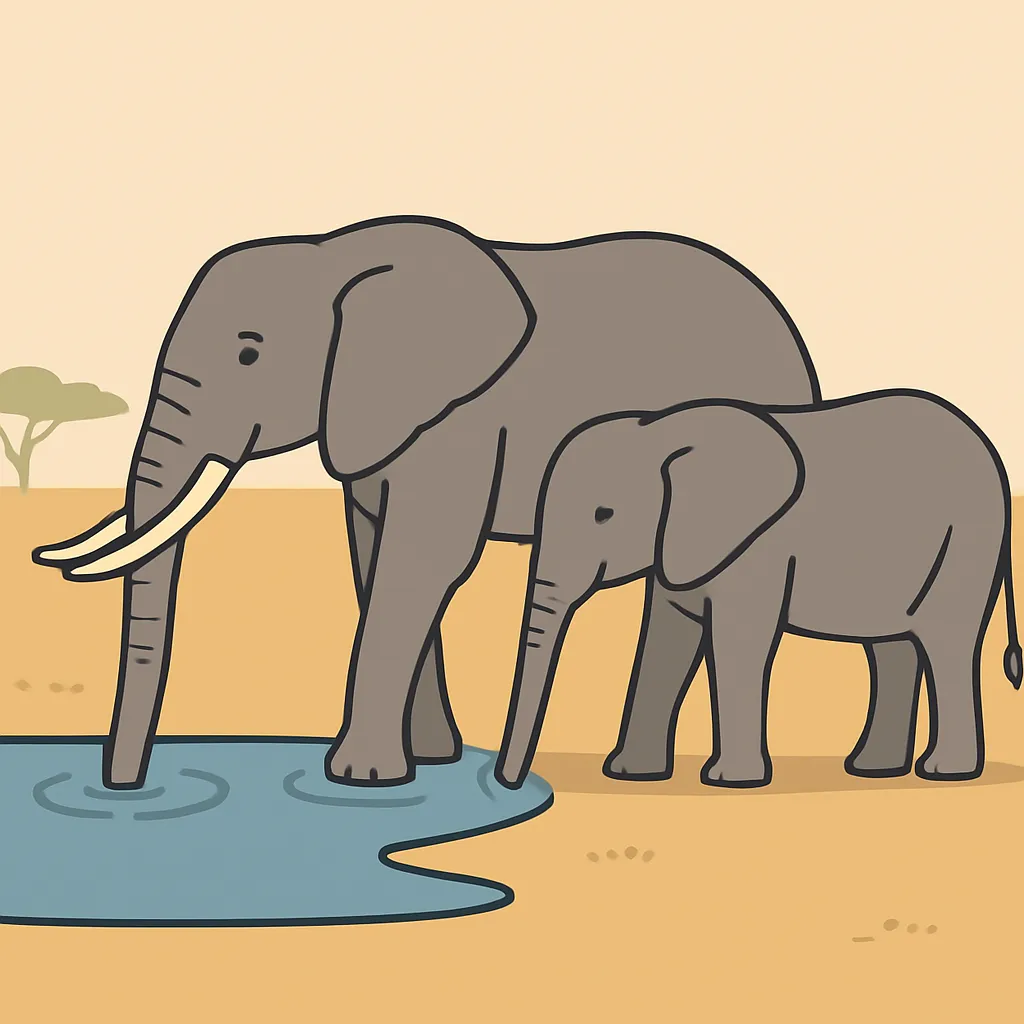
In a park where elephants were poached for ivory, the share of tuskless females was 6% in 1970, 21% in 1990 and 33% in 2010. What do the figures show?
Beside a busy highway, the share of cliff swallows with short wings was 11%, then 27%, then 46% over 30 years, while vehicles killed many birds. What do the data show?
A cabbage field was sprayed with the same insecticide each season. Of the beetles present, 8% survived in season 1, 22% in season 2 and 51% in season 3. What do the survival figures show?
A marsh is fogged with the same insecticide every year, and fogging will continue. Mosquito survival was 30%, then 47%, then 62%. What is the most likely survival next year?

Barns are baited with the same rat poison year after year. Rat survival is 25%, then 40%, then 55%. If baiting continues, what will the share of rats carrying the resistance allele most likely do?
A fishery's nets keep every large fish and let small ones slip through. The share of cod maturing at a small size rose 18%, 31%, 45% over three decades. With the nets unchanged, predict the next decade.
On a dry island, two years of drought left only large hard seeds. The share of ground finches with deep, strong beaks rose from 20% to 38%. The drought continues. What happens next generation?

In fields planted with the same insect-resistant corn each year, larvae surviving on the crop went from 2% to 7% to 15%. The same corn is planted again. What is the most likely next figure?
Grass fires sweep one prairie every year. The share of plants with thick fire-resistant stem bases was 9%, then 22%, then 38% over three decades of burning. Burning continues. What is most likely?
Predatory snakes hunt on the ground of one island. The share of lizards with long hind legs, which give faster sprints, was 20%, then 34%, then 48%. Snakes remain. Predict the trend.
In a British wood, the share of dark peppered moths reached 90% while soot blackened the bark. Clean-air laws then cut the soot and pale lichens regrew. What is most likely over the next 40 generations?
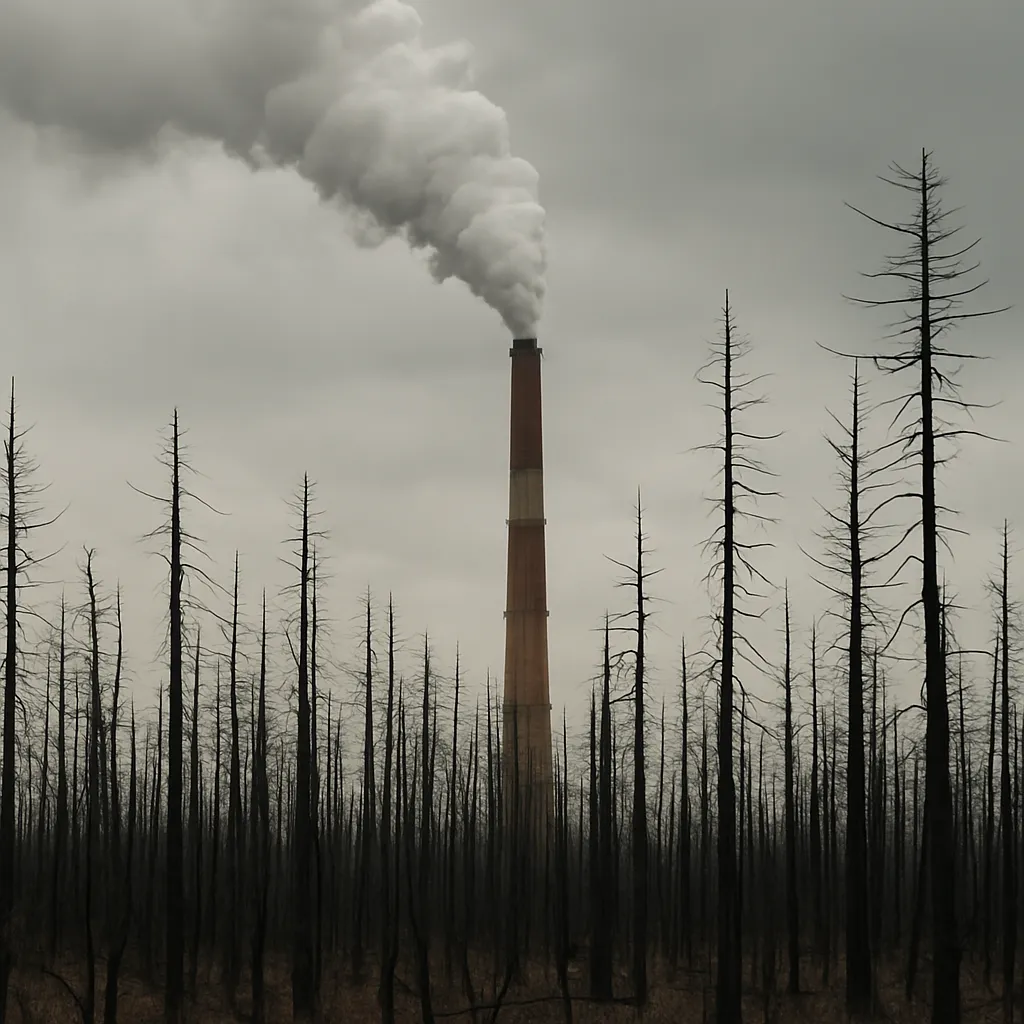
A farm had added one antibiotic to every animal's feed, and 70% of the gut bacteria sampled were resistant. The farm stops using it. Resistance costs the bacteria energy. Predict the next few hundred generations.
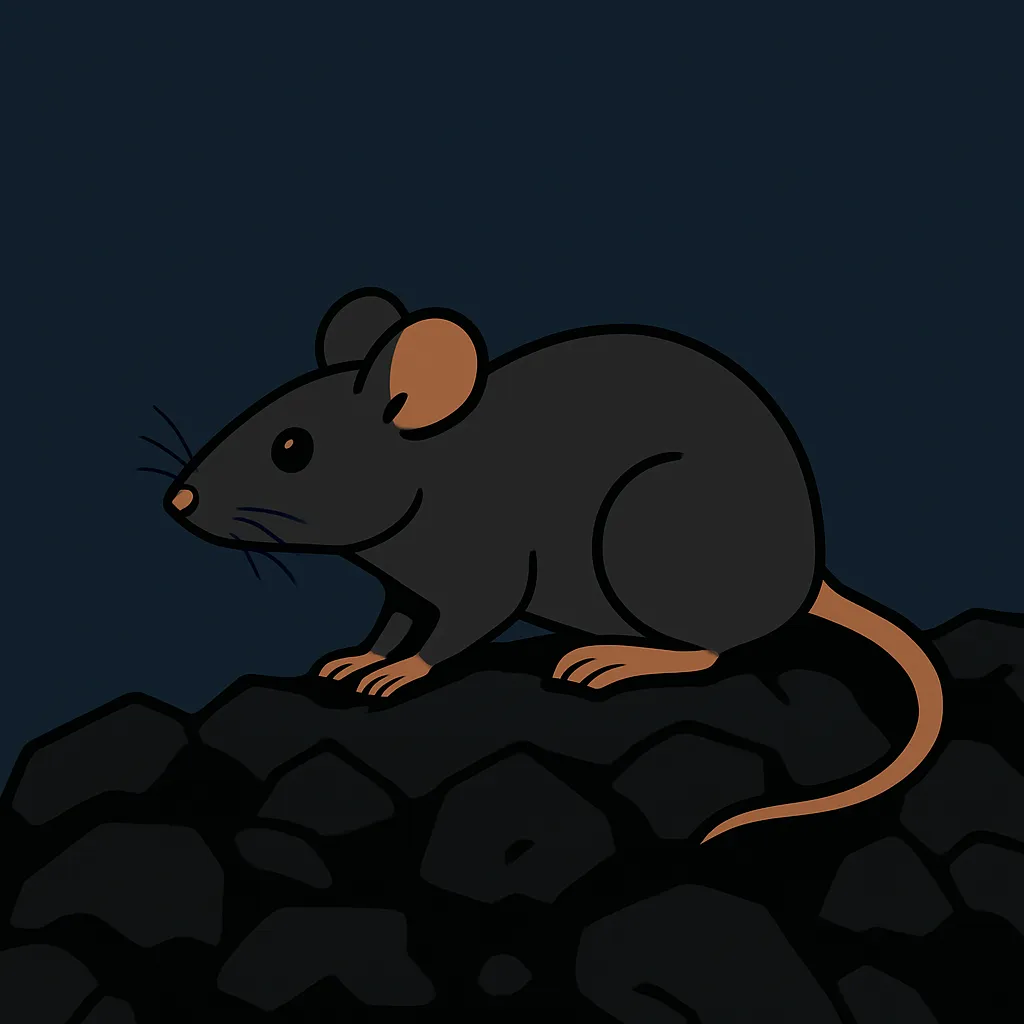
On a dark lava flow, the share of pocket mice with dark fur rose from 15% to 80% over many generations. Blown pale sand then buries the lava. What is most likely next, and why?
A breeder bred only long-tailed pigeons until 85% of the flock had long tails. The birds escape and live wild where hawks hunt, and long tails slow escape flights. Predict the flock over many generations.
Weekly mowing of a lawn raised the share of low-growing dandelions from 20% to 80% over many generations. The lawn is left unmowed for years, and tall plants shade the ground. What is most likely?
In a cold mountain valley, dark beetles that warm quickly in sunlight rose from 30% to 76% of the population. The valley's climate then warms sharply and overheating kills beetles. What is most likely?
Crack the passcode before the zombies get in.
Answer, then swat bugs for bonus points.
Race through questions at your own speed.
Same question on every screen. Fastest wins.

Pick a tile, answer, hit bonuses and steals.

Extinction and Changing Environments
20 questions