Loading
by BlastRoom
How people have changed the inherited traits of plants and animals by choosing which individuals reproduce.
#us_grade_8_science
40 questions
One question set, multiple game modes. Tap any game to see it in action. Not sure which to pick?
Answer to place stones and capture territory.
Outrun the snow together.
Earn blasts, then hunt the other team.
Answer to earn energy, then climb.

The class blasts through walls together.
Bid on mystery lots. Most money wins.
Sell tours. Nice, standard, or a total scam.

Answer, restock, and serve the rush.
More correct answers pulls the rope your way.
Answer, then shoot down the alien wave.
Answer, then tap to leap the frozen ridge.
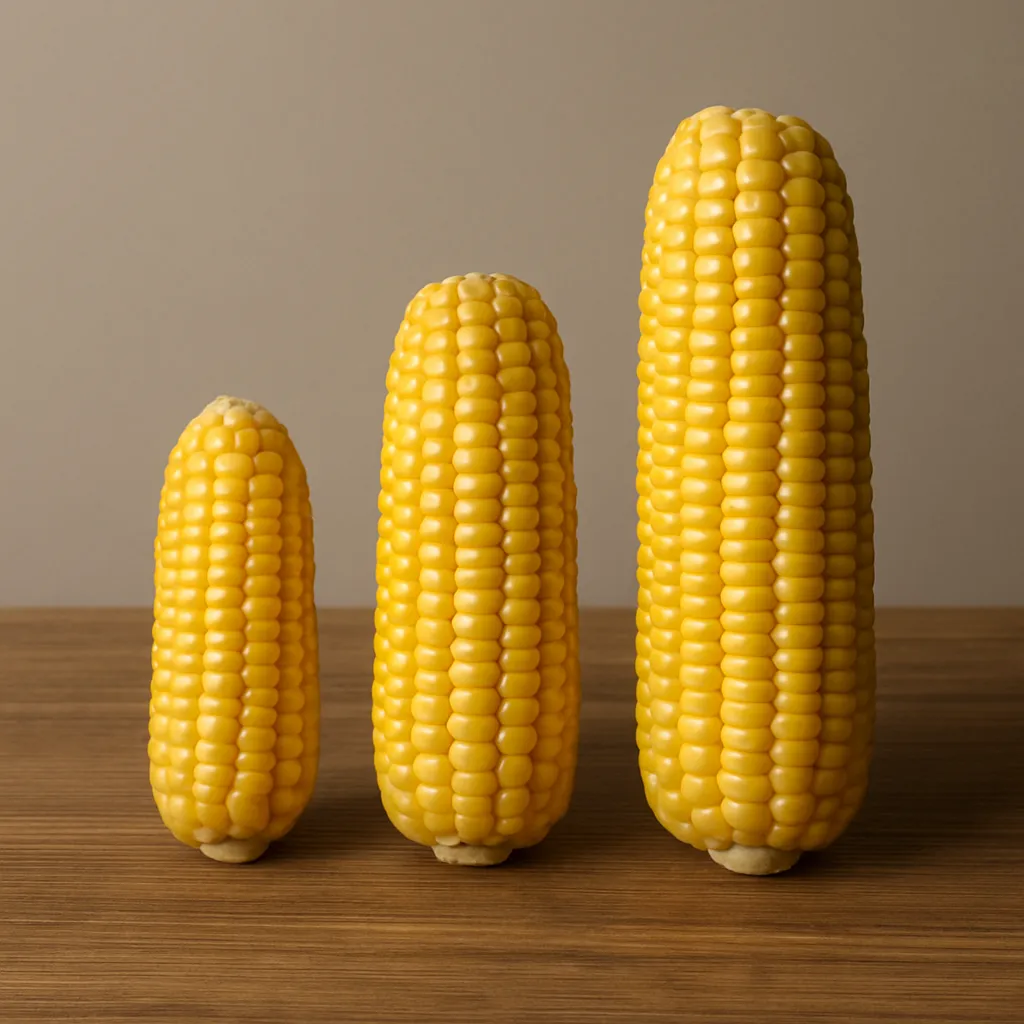
A farmer plants seed only from the corn ears with the most kernels, every year for 30 generations. Average kernel number rises sharply. What did the farmer actually control?
A poultry keeper weighs every egg, hatches chicks only from the hens laying the heaviest eggs, and sells the other hens. Which step is artificial selection?
By breeding only from its fastest horses, a stable changes which alleles are passed to the next generation of foals.
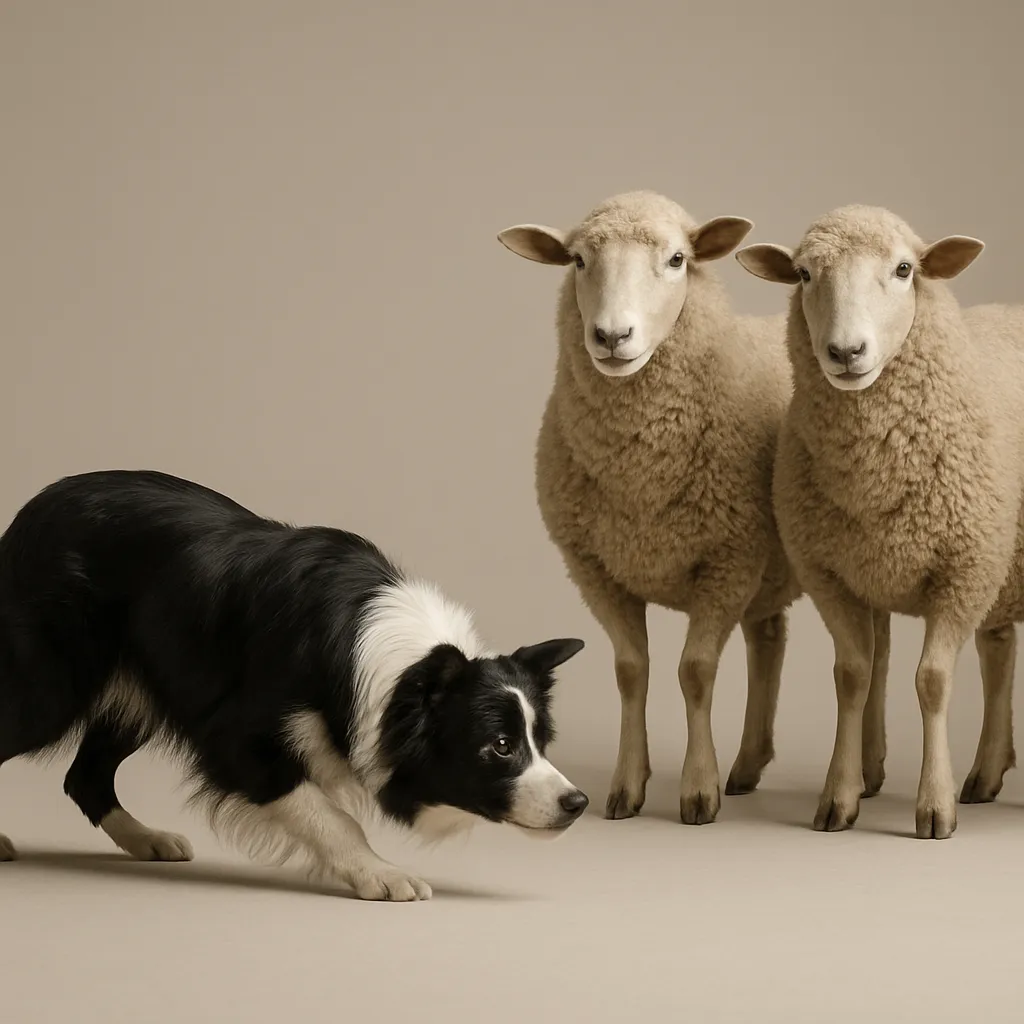
Over 40 years, a shepherd bred pups only from the dogs that gathered sheep best. A student says training alone made the breed into herders. What is wrong with that?
A grower measures the sugar in every tomato plant's fruit, saves seed from the sweetest plants, and pulls out the rest. What does this grower have no control over?
Farmer A waters and fertilizes her wheat heavily. Farmer B saves seed only from his tallest wheat plants. Whose crop will have taller plants because of inheritance after many generations?
A breeder weighs the fleece of every ram and uses only the heaviest-fleeced ram on the whole flock. What changes in the flock as a result?
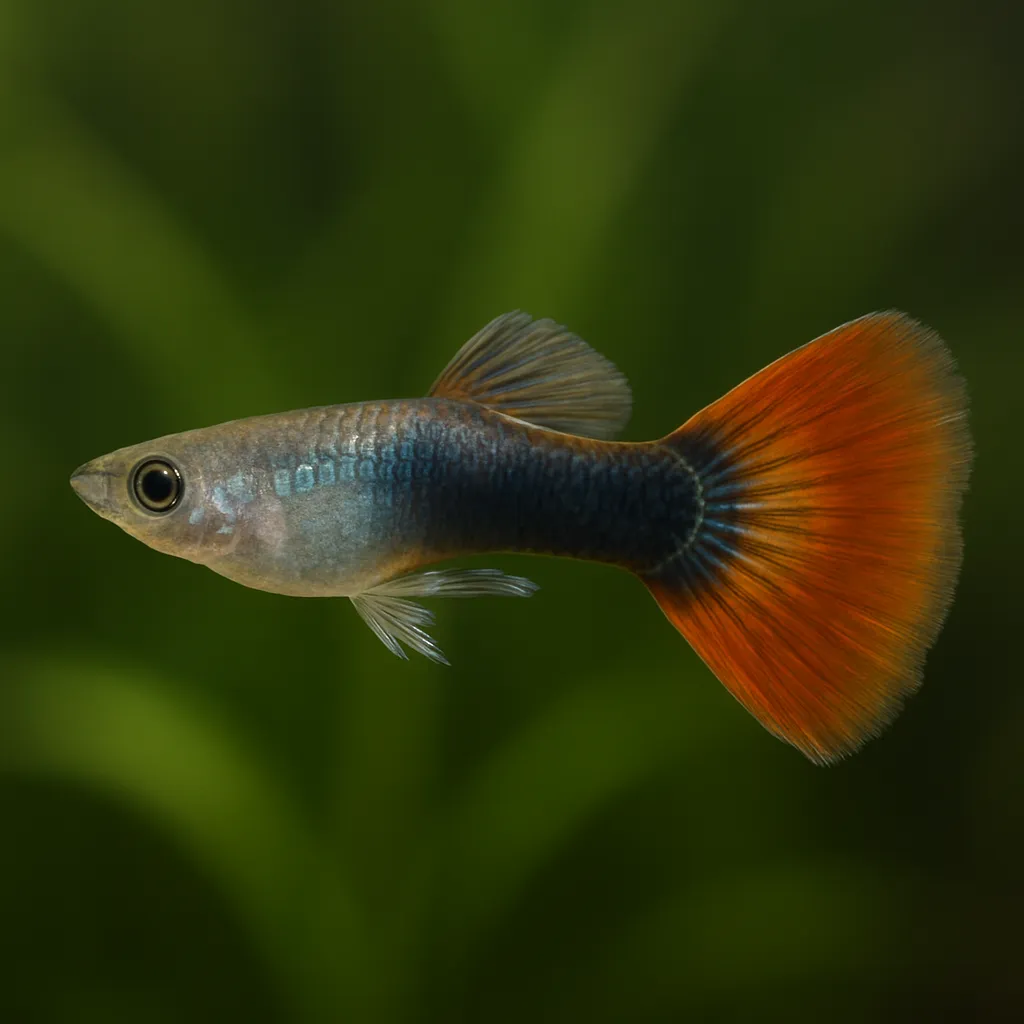
For 15 generations, an aquarist breeds guppies using only the most brightly colored males. In this process, what role is the aquarist playing?
A strawberry grower tests how firm each plant's berries are after seven days in storage, then crosses only the firmest plants. Why does she test the berries after storage instead of on the day they are picked?
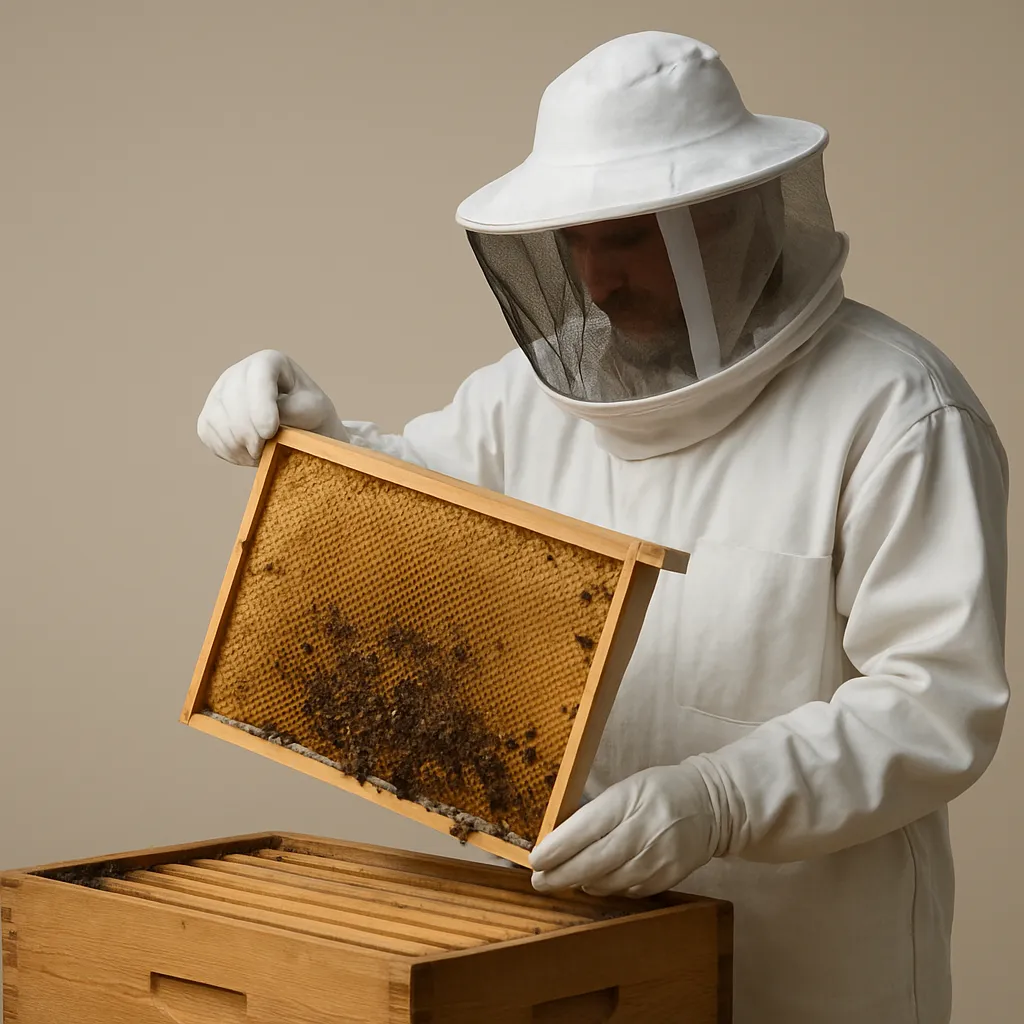
A beekeeper rears new queens only from the colonies that stayed calmest during inspections. Several generations later the apiary is much calmer. What did the beekeeper control?
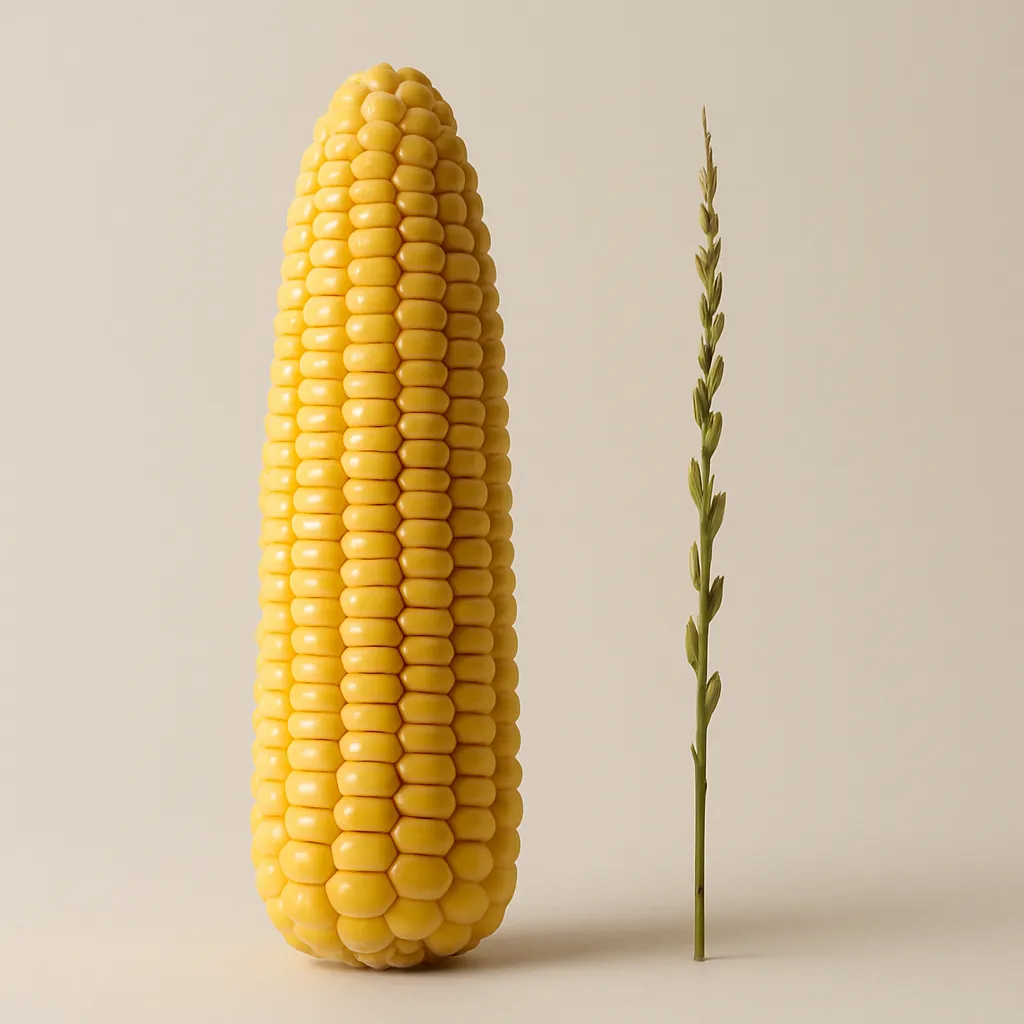
Teosinte became modern corn because farmers saved seed from plants with the largest cobs. In a dry meadow, wild grasses with the deepest roots left the most seed. What is the key difference?
In natural selection the environment decides which individuals survive and reproduce, while in artificial selection people make that decision.
In a hospital, bacteria that survive an antibiotic multiply. In a loft, a breeder keeps only the longest-tailed pigeons as parents. Which change is natural selection, and why?
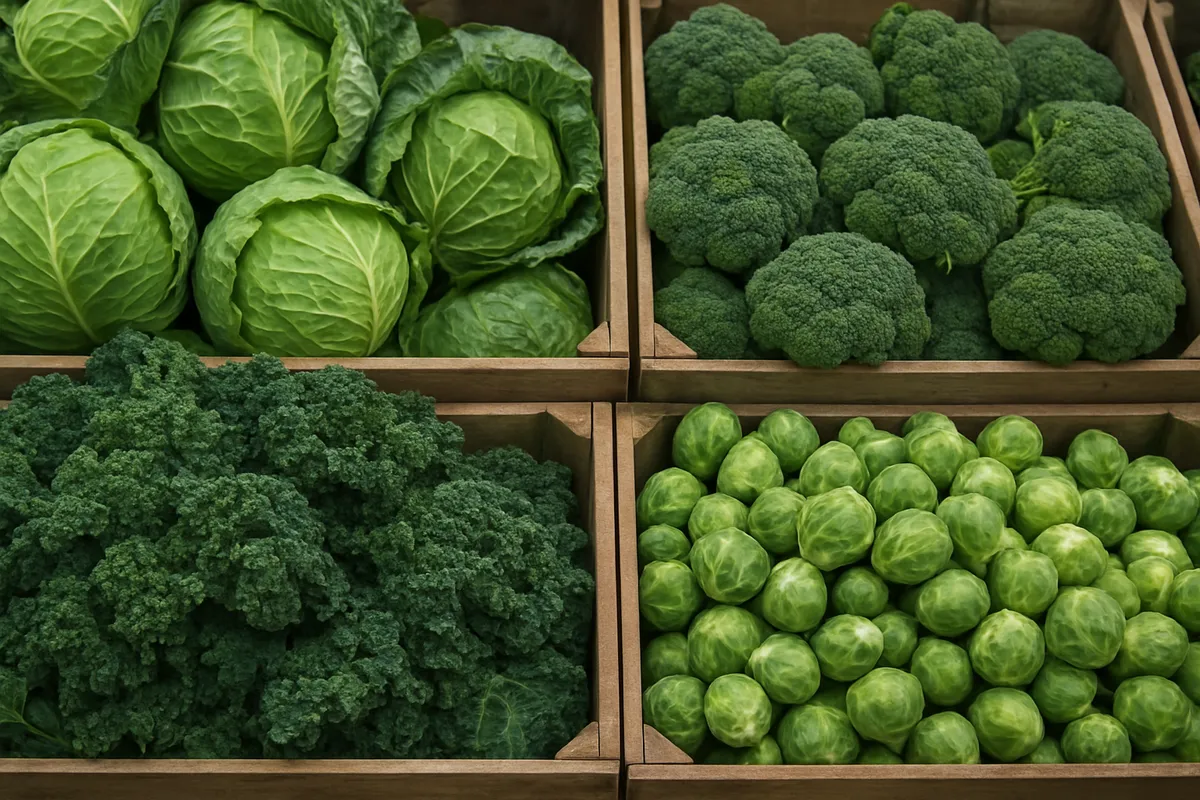
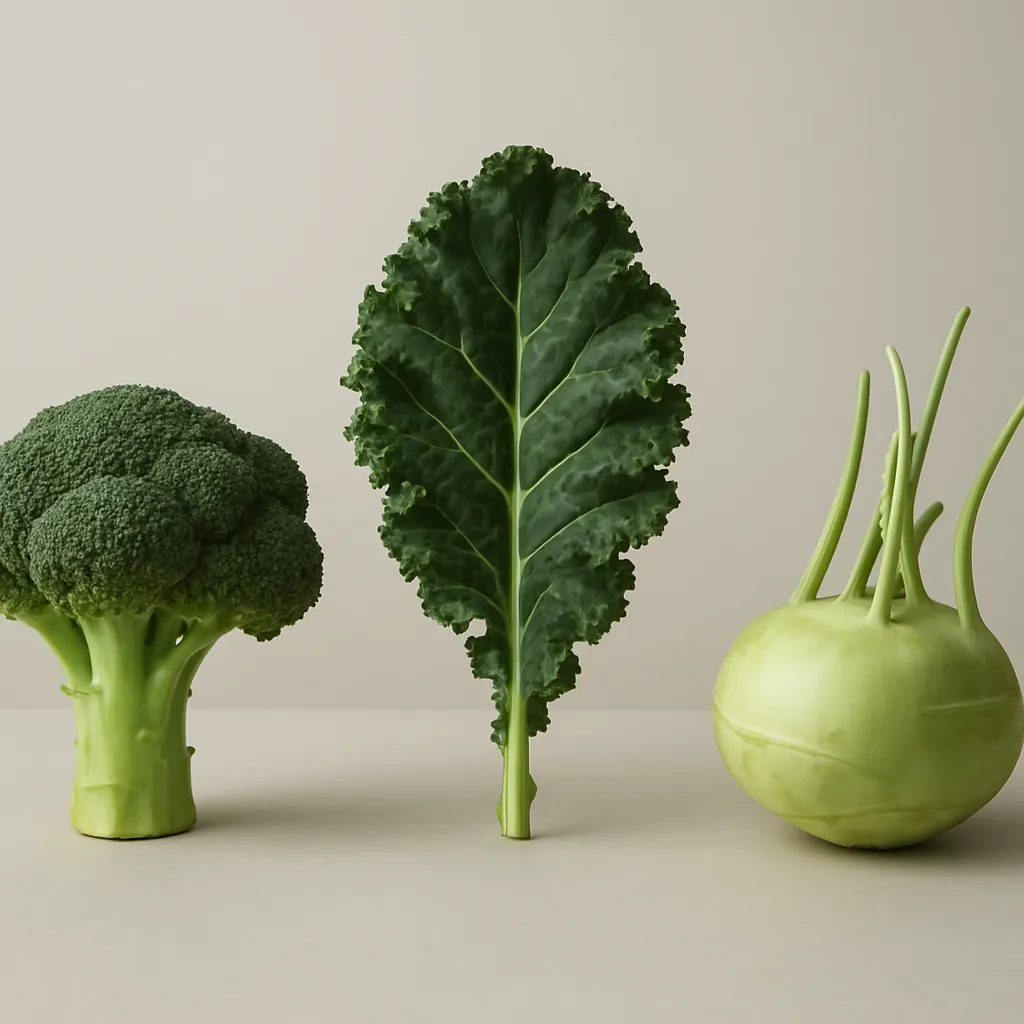
Over a few thousand years, farmers turned one wild cabbage species into broccoli, kale and kohlrabi. Wild plants rarely change that much in so short a time. Why can artificial selection change a population so fast?
A breeder keeps only the hens that lay the most eggs. On an island, finches with deeper beaks survive a drought and breed. What do these two processes share?
A rancher sells off cows that raise weak calves. In a wild bison herd nearby, calves of poorly nourished mothers die more often. What takes the rancher's role among the bison?
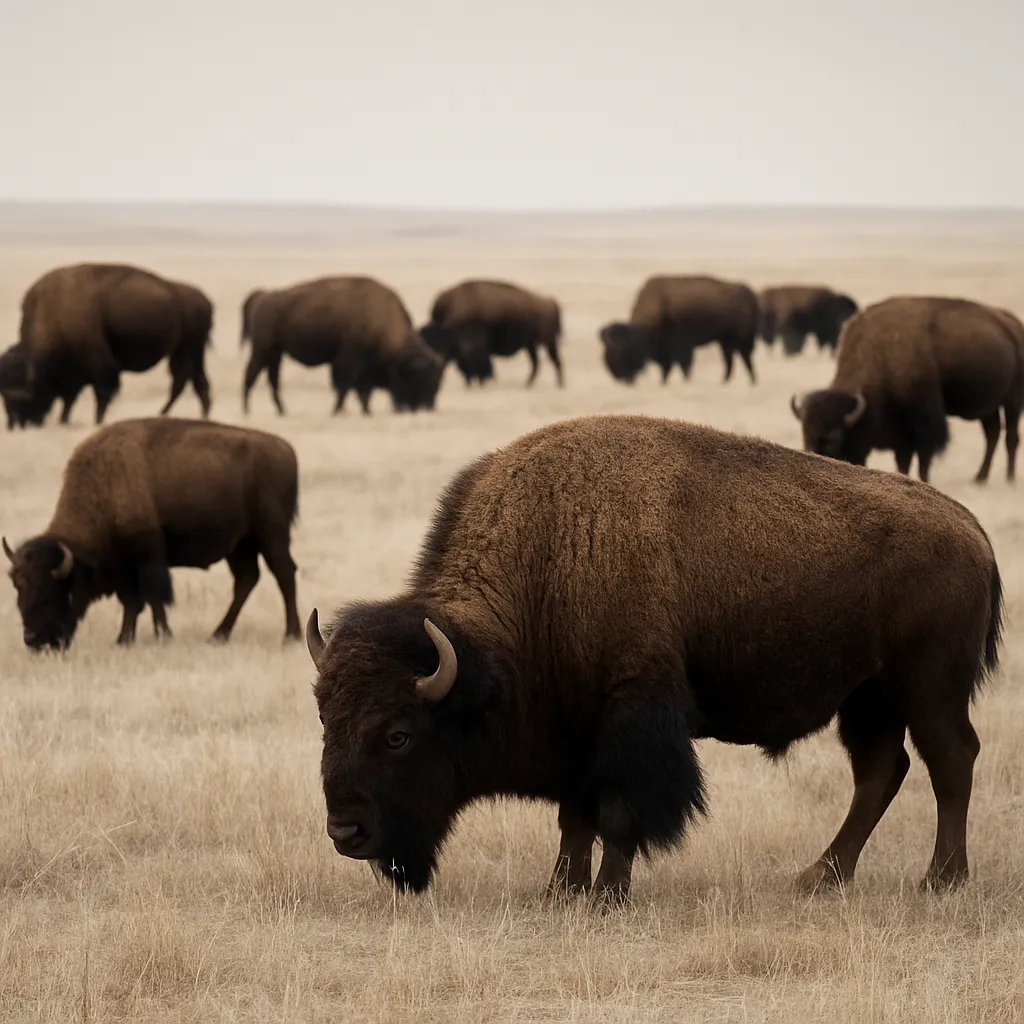
A farmer breeds only the sheep with the finest wool. High in the mountains, cold winters kill wild sheep with thin fleeces. What is the selective pressure in each case?
A breeder wants sheepdogs with better hearing and starts a selection program. Where do the traits a breeder selects come from in the first place?
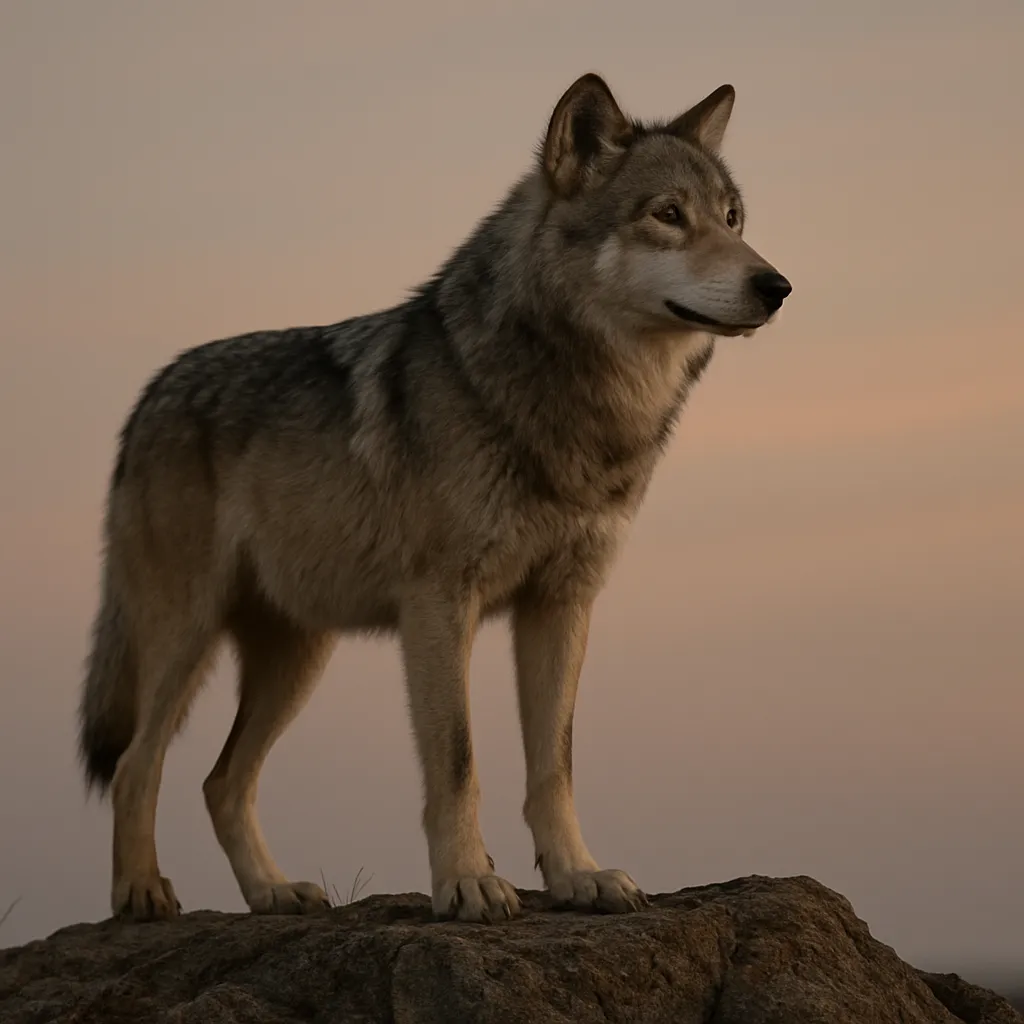
Every dog breed descends from wolves, because over thousands of years people bred the tamest and most useful animals. How does this differ from wolves changing in the wild?
A gardener feeds her roses a rich fertilizer and they produce unusually large flowers that summer. Seedlings grown from their seed have ordinary flowers. What does this show?
An egg producer breeds each year only from the 10 percent of hens with the highest annual egg count, and does this for 20 generations. Predict the flock's average egg count.
A researcher breeds laboratory mice, each generation keeping as parents only the mice that took the longest to solve a maze. Predict the colony's average solving time over many generations.
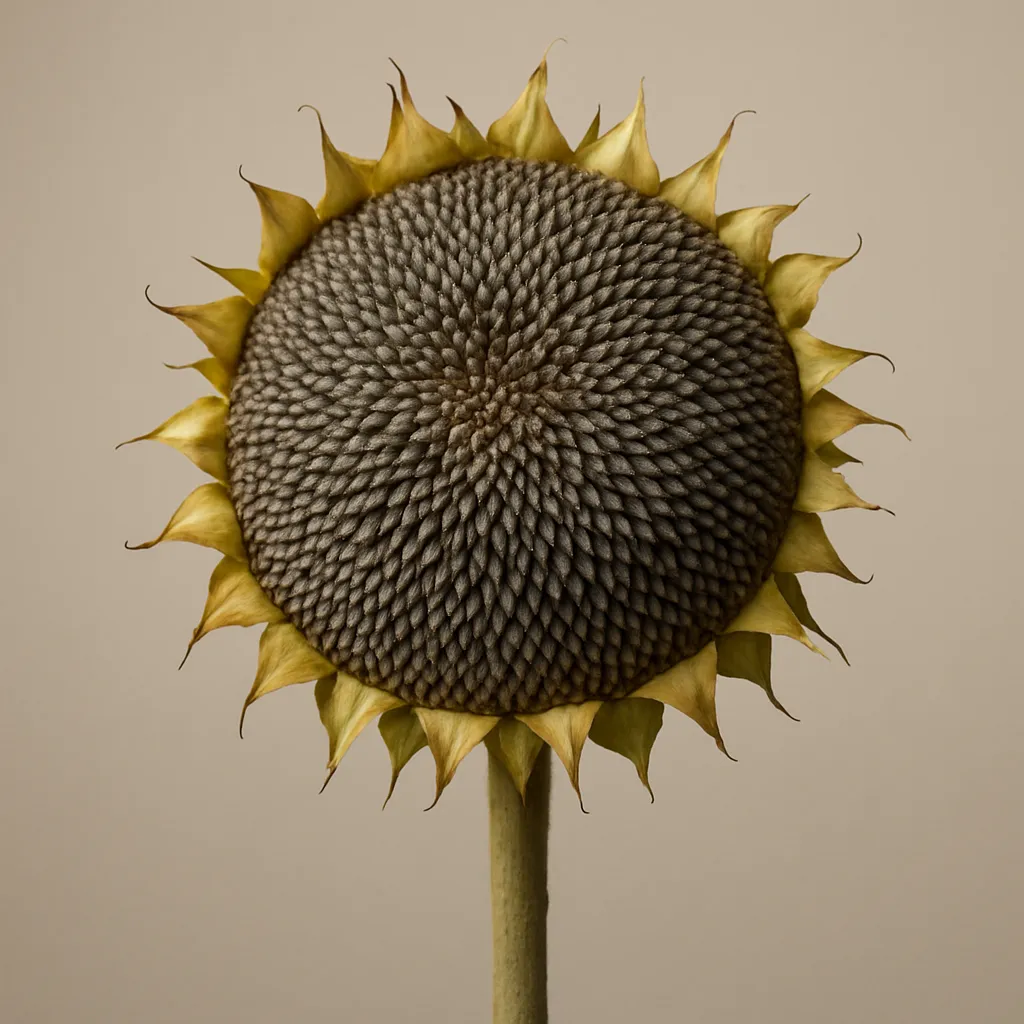
After 30 generations of saving only the largest sunflower seeds, a grower stops selecting. Now plants with many small seeds leave more seedlings than plants with a few large ones. What most likely happens to average seed size?
In a flock where every bird already has an identical comb shape, a breeder selects for comb shape for ten generations. Predict the result of the program.
A stable breeds only from the racehorses that logged the most training hours, ignoring their finishing times. Predict what happens to the average race time of the foals over generations.
Two dairy herds start alike. One breeds from the top 1 percent of cows for milk yield, the other from the top 50 percent. Which herd's average yield rises faster?
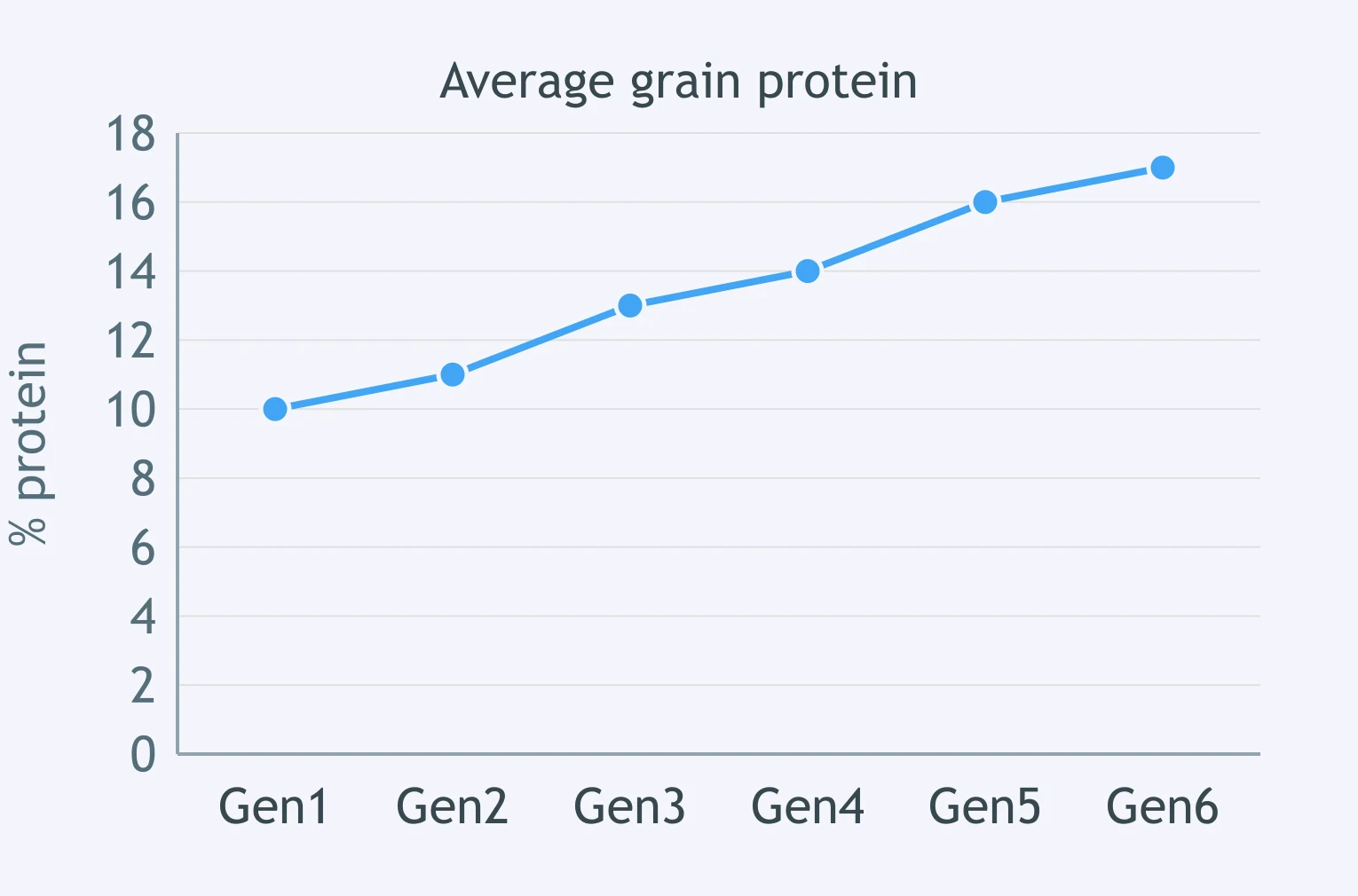
The graph shows a wheat variety's average grain protein across six generations of breeding only from the highest-protein plants. What is the most likely result in generation seven?
A farmer grows hybrid tomatoes that are all alike, made by crossing two different pure lines. She saves seed from them and plants it next year, but the new plants vary a lot. Why?
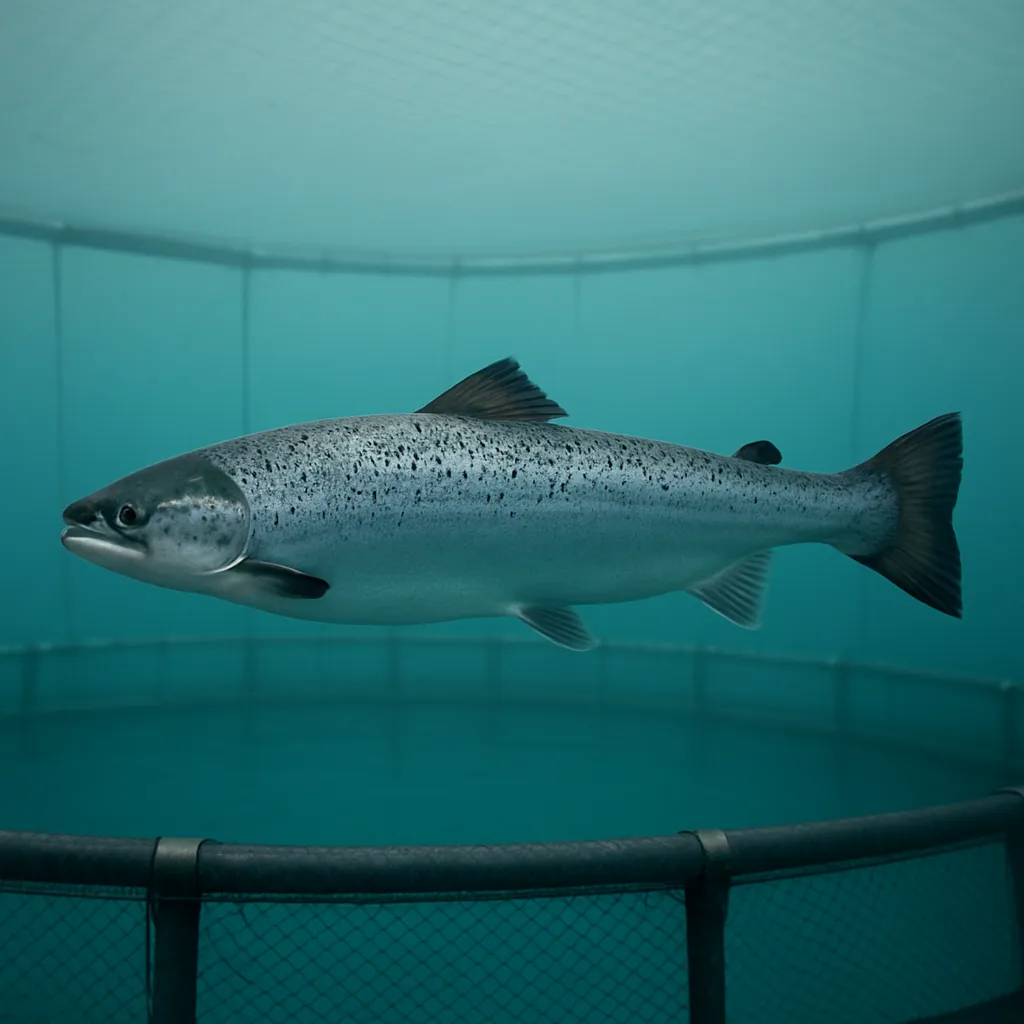
A fish farm breeds from the fastest-growing 10 percent of salmon for eight generations, and average weight at two years rises from 3 kg to 5 kg. What comes next?
Selective breeding can only make a trait larger or stronger; a breeder cannot use it to make a trait smaller.
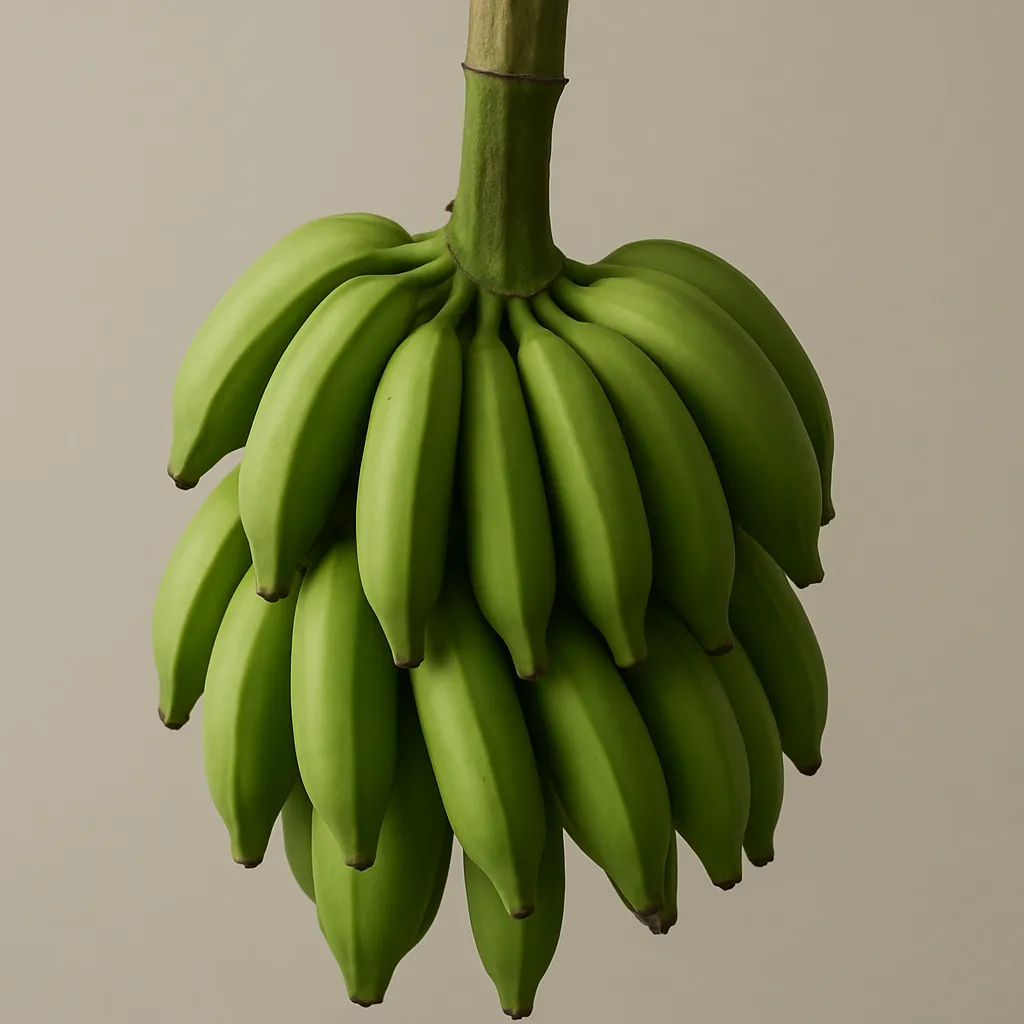
Nearly all bananas sold for export are Cavendish plants grown from cuttings, so they are genetically almost identical. Why does one new fungal disease threaten the whole crop?
German shepherds were bred hard for a particular body shape and sloping back. Hip joint problems are now common in the breed. What does this show about artificial selection?
Broiler chickens have been bred for decades for very fast breast-muscle growth. Many now suffer leg weakness and heart strain. What does this pattern show?
A farming region plants one high-yield wheat variety in every field, so the crop is genetically almost uniform. What is the main risk of doing this?
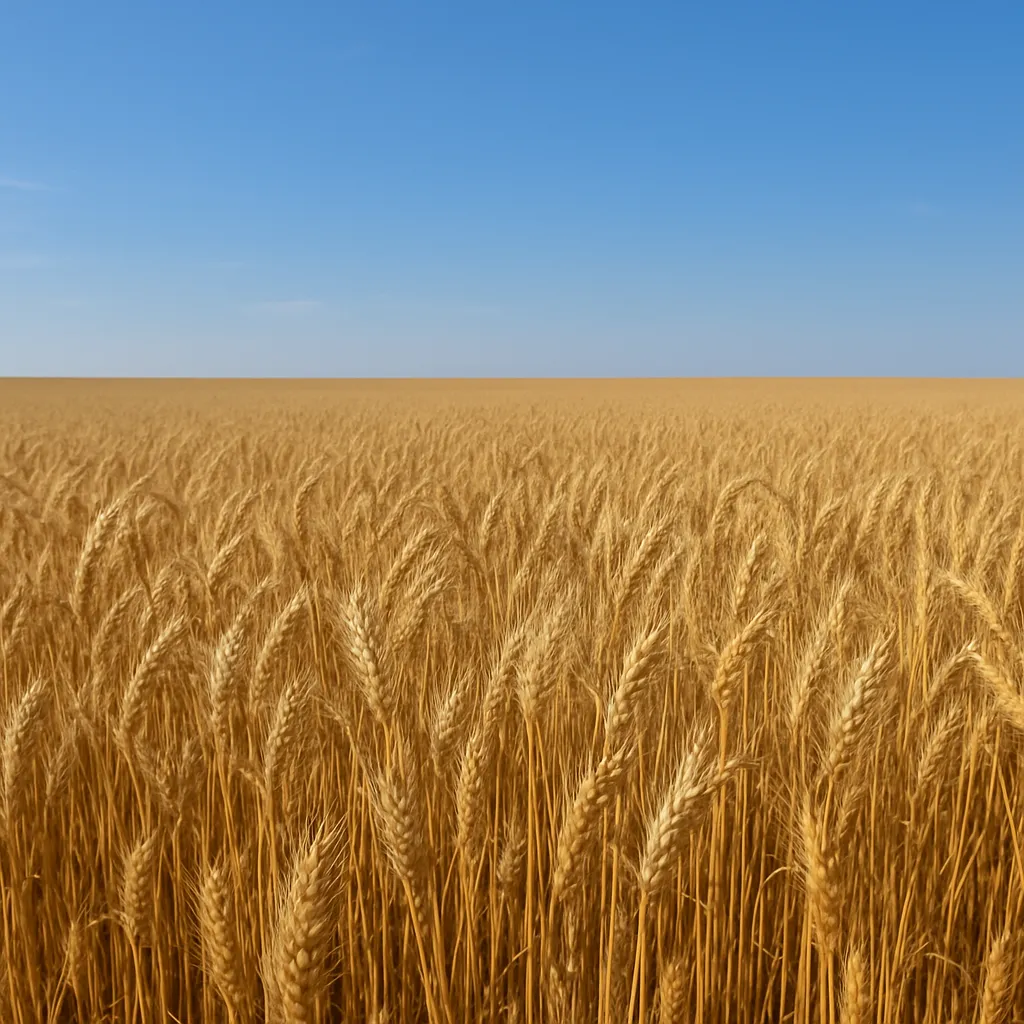
Plant breeders collect and store seed of the wild relatives of crops such as wheat, rice and potato. Why is this worth doing?
In a pedigree dog breed, animals have been mated only within a small related group for many generations. Puppies with inherited disorders have become more common. Why?
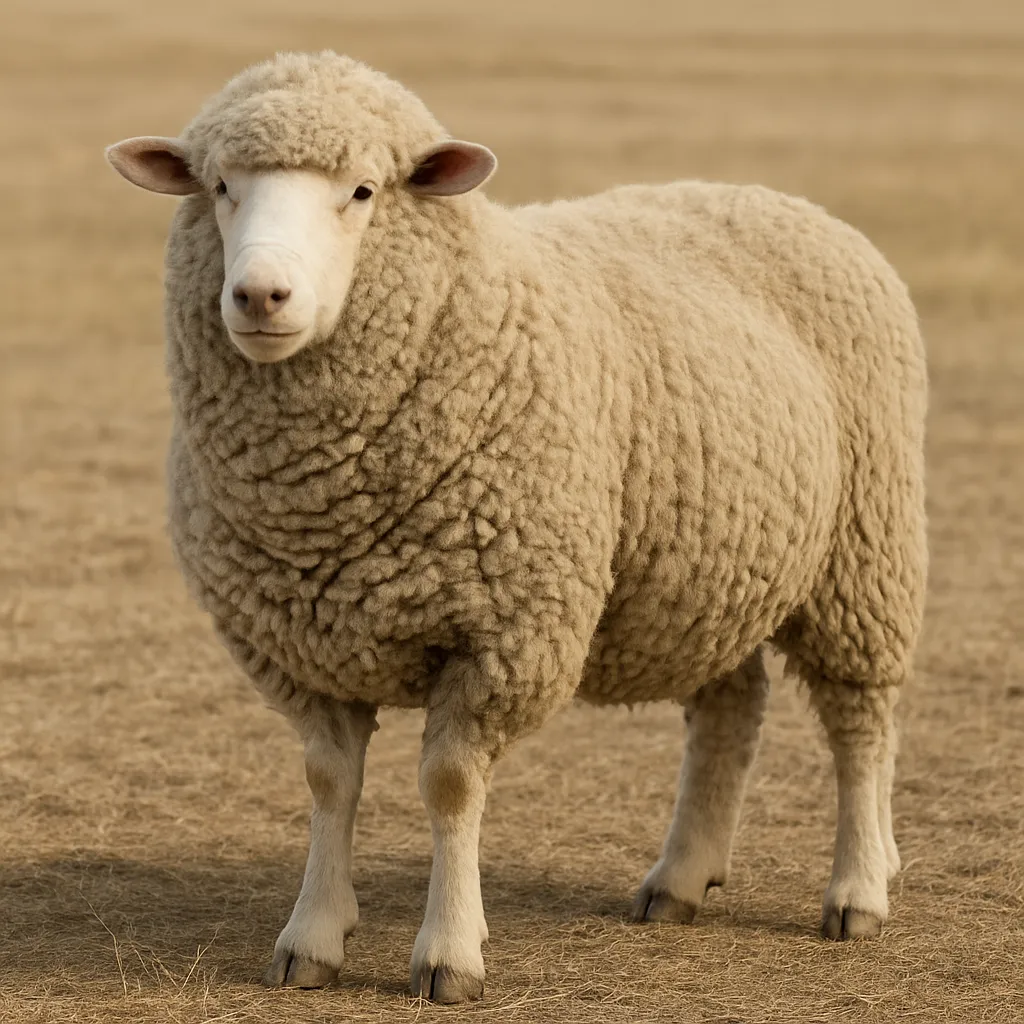
Merino sheep have been bred for wool that keeps growing instead of shedding. A merino that is not shorn each year can overheat and become unable to move well. What does this show?
Broad-breasted white turkeys have been bred for very large breast muscles. Most cannot mate without human help, so farms use artificial insemination. What does this show?
Supermarket tomatoes bred for firmness and long shelf life are often reported to taste blander than older varieties. What does this suggest about breeding for one trait?
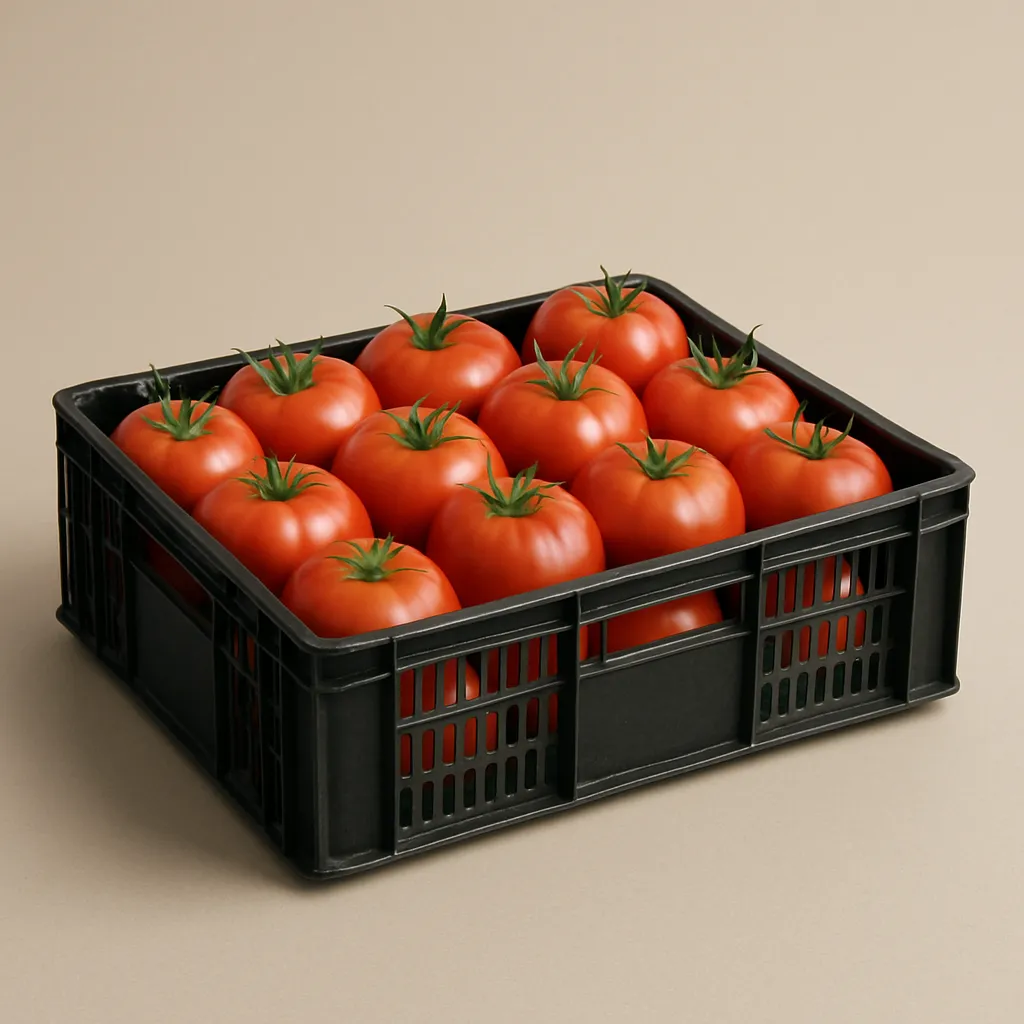
A cattle breeder finds that after 20 years of selecting only for milk yield, the herd's fertility has fallen and the animals are closely related. What is the best response?
Crack the passcode before the zombies get in.
Answer, then swat bugs for bonus points.
Race through questions at your own speed.
Same question on every screen. Fastest wins.

Pick a tile, answer, hit bonuses and steals.
Natural Selection and Evolution: Key Terms in Use
20 questions