Loading
by BlastRoom
Predict how removing, adding or altering one population travels through the food web of an ecosystem.
#us_grade_8_science
40 questions
One question set, multiple game modes. Tap any game to see it in action. Not sure which to pick?
Answer to place stones and capture territory.
Outrun the snow together.
Earn blasts, then hunt the other team.
Answer to earn energy, then climb.

The class blasts through walls together.
Bid on mystery lots. Most money wins.
Sell tours. Nice, standard, or a total scam.

Answer, restock, and serve the rush.
More correct answers pulls the rope your way.
Answer, then shoot down the alien wave.
Answer, then tap to leap the frozen ridge.
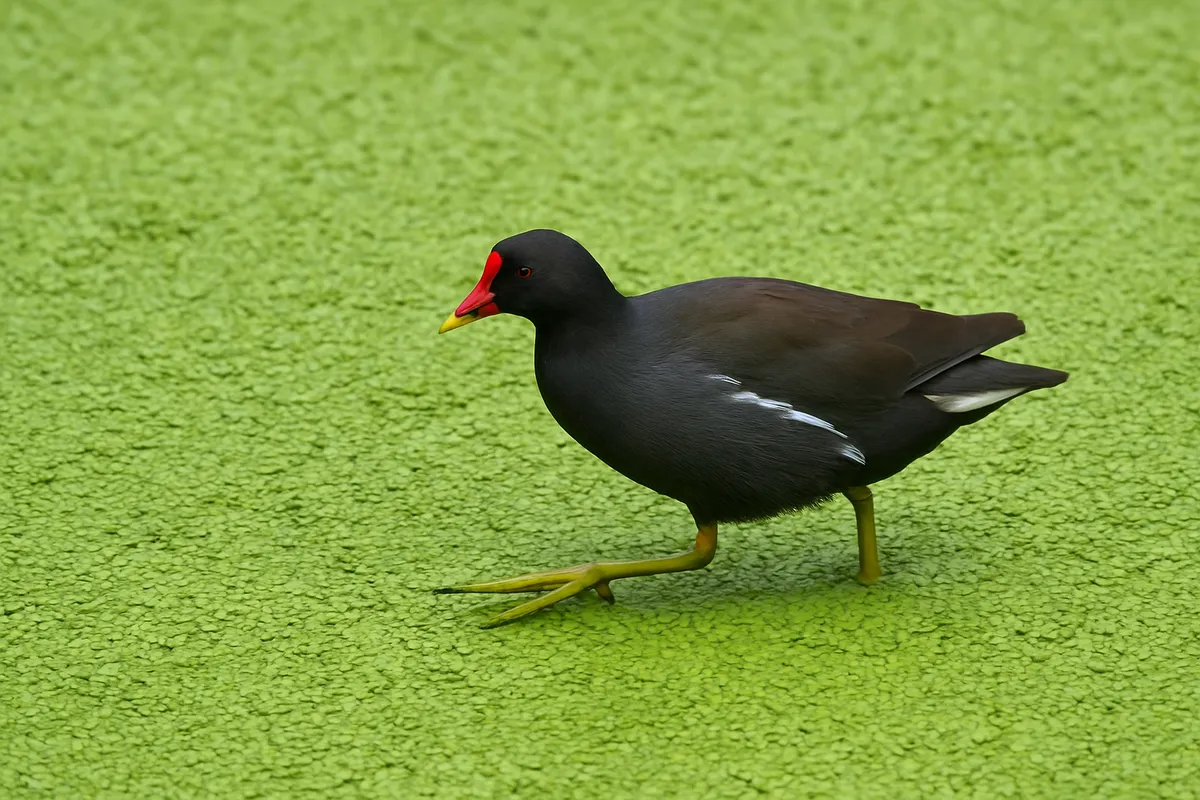
On a prairie, hawks feed on mice, and mice feed on grass seeds. Ranchers shoot nearly all the hawks. What happens to the mouse population over the next year?
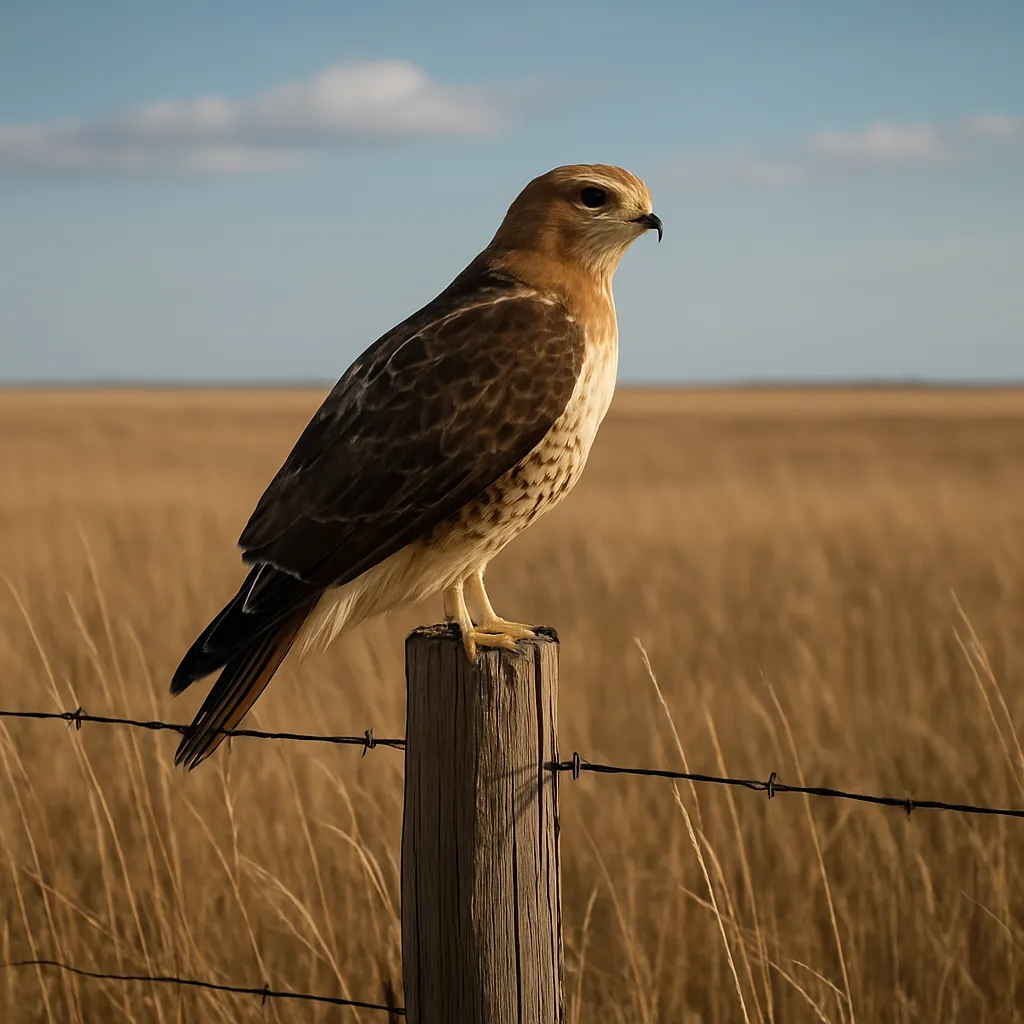
Wolves are returned to a valley where they hunt elk, and elk browse young willow shoots. What is the most likely change in the elk population over the following years?
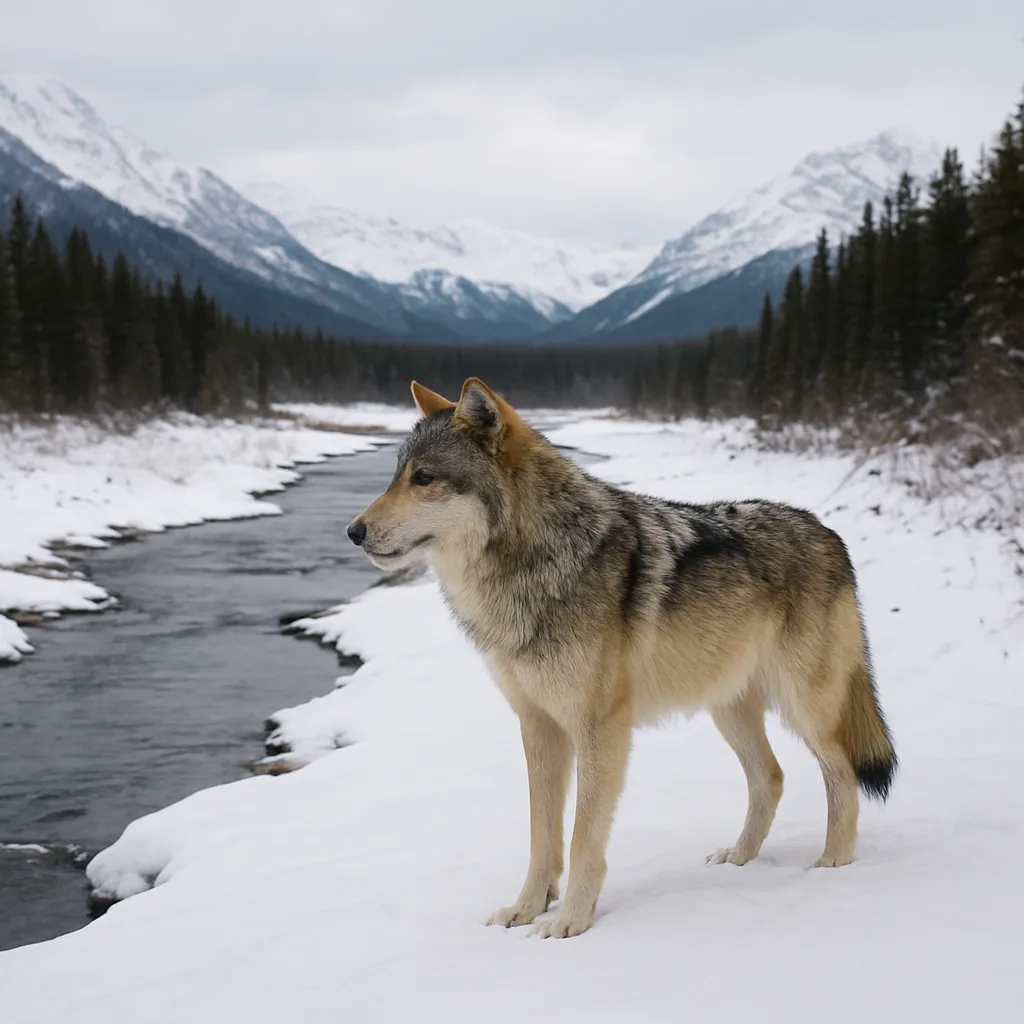
A long drought kills most of the grass on a savanna. Zebras graze that grass. What happens to the zebra population during the dry months that follow?
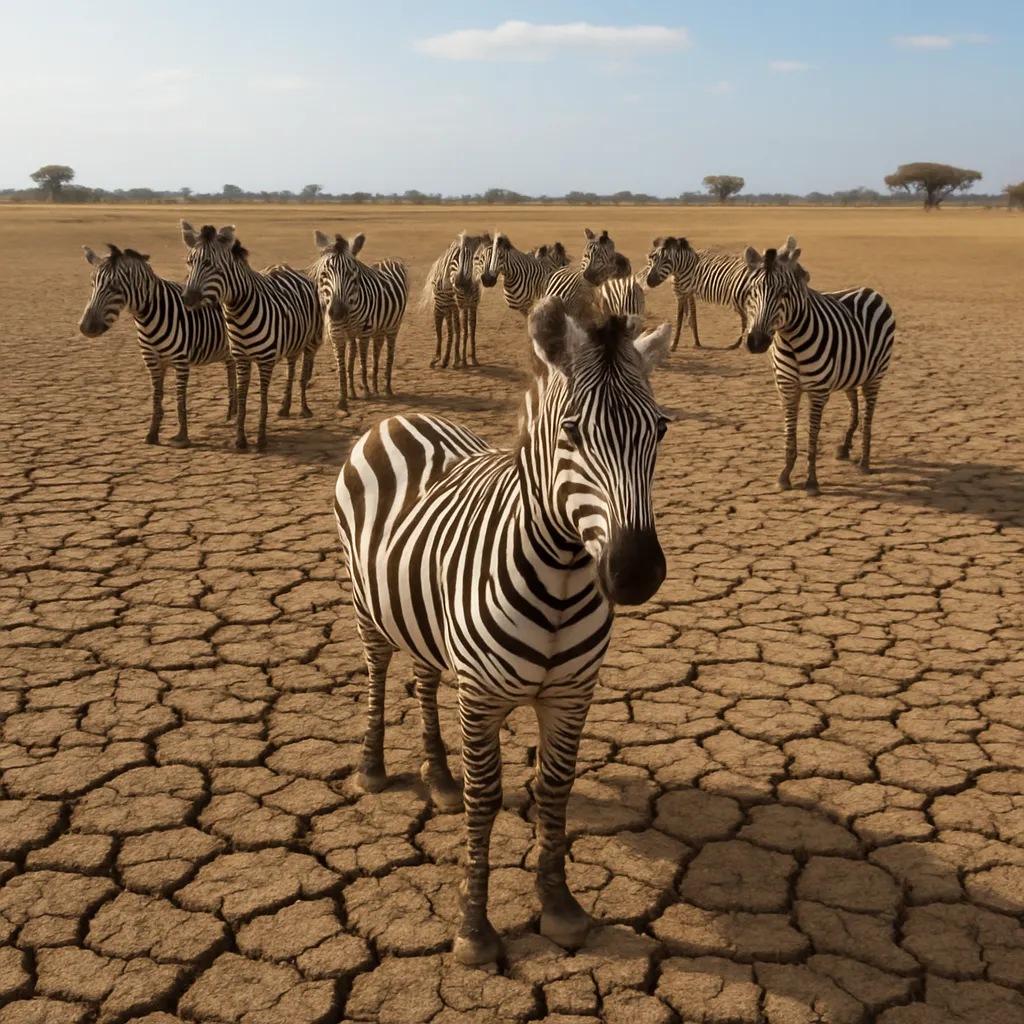
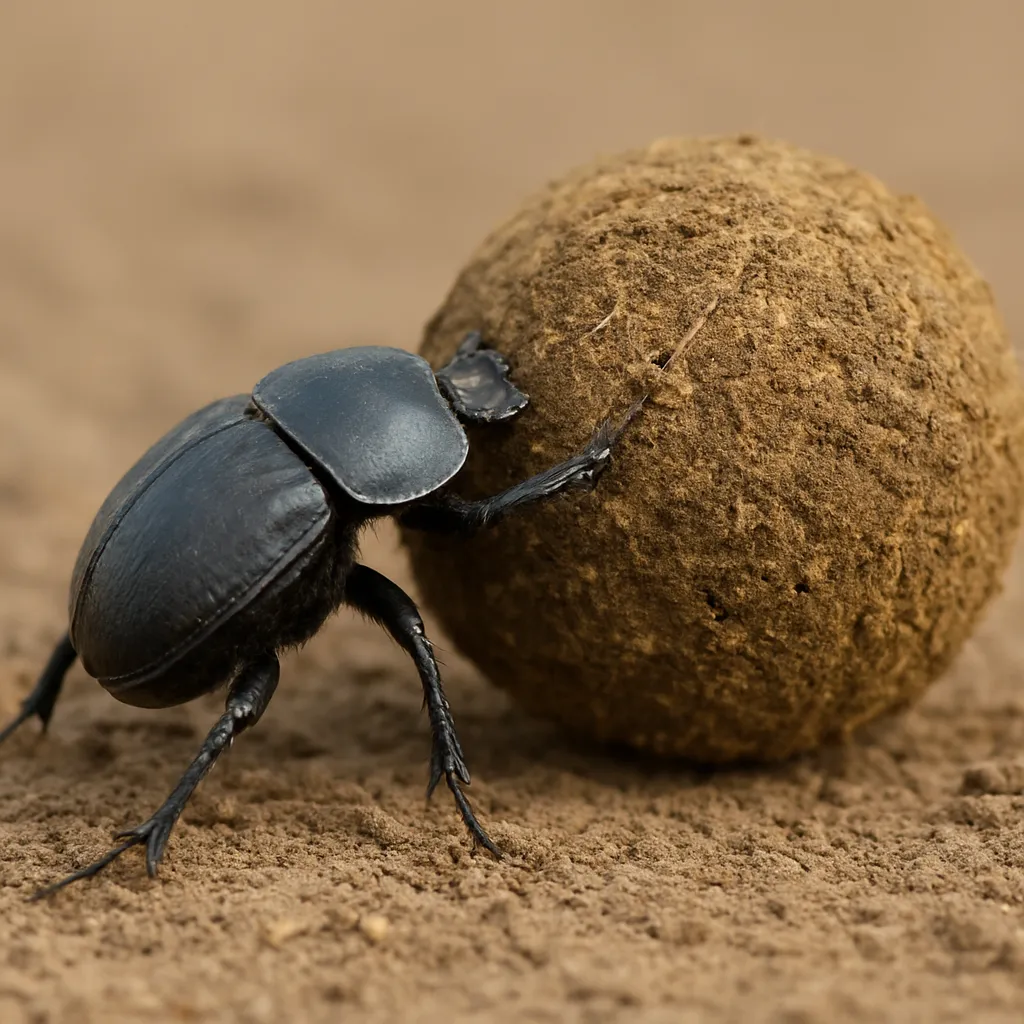
In a cattle pasture, dung beetles bury and break down manure. A pesticide wipes out the beetles. What happens to the manure lying on the pasture surface?
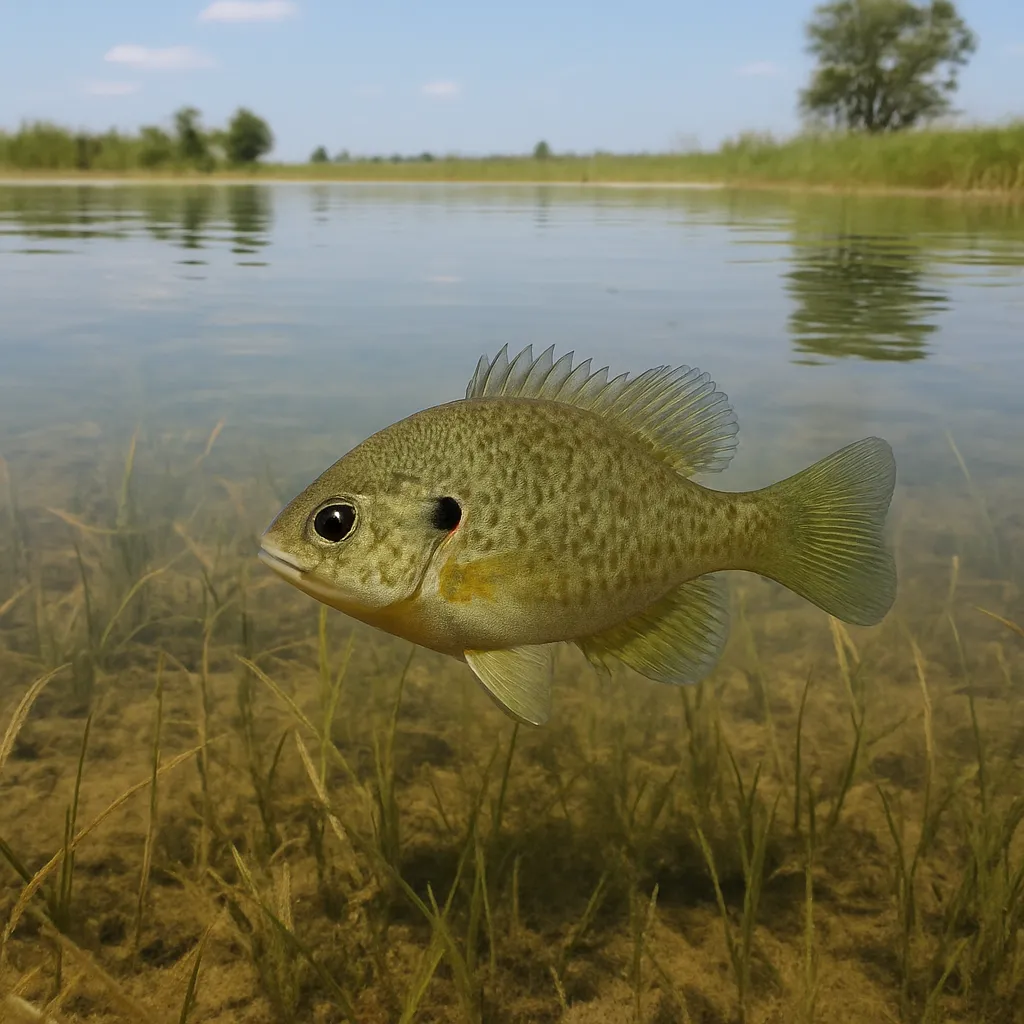
In a farm pond, largemouth bass feed on sunfish, and sunfish feed on insect larvae. Anglers catch out almost every bass. Predict the sunfish population next summer.
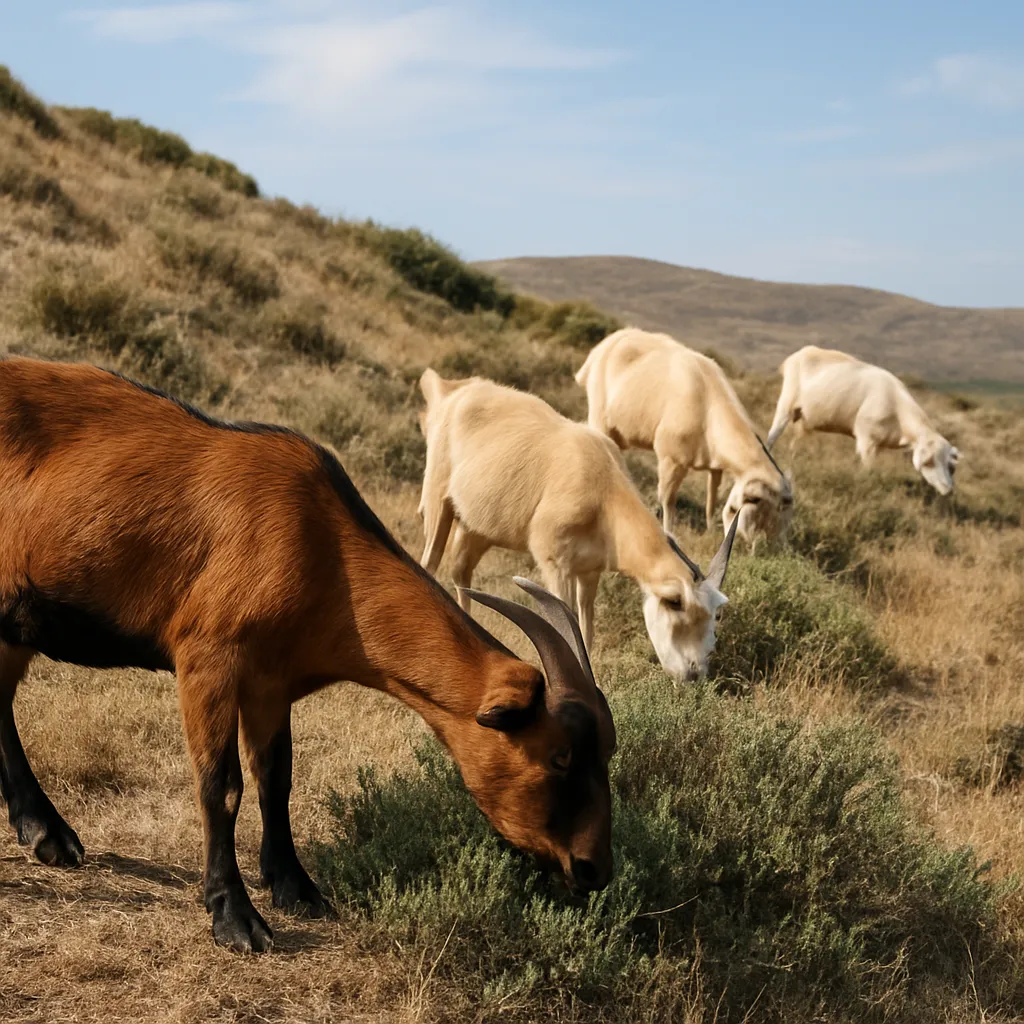
A farmer moves a large herd of goats onto a hillside where shrubs are the only plants goats eat. What happens to the shrub cover on that hillside?
Fungi on a forest floor break down fallen leaves. A soil treatment kills most of the fungi in one plot. What happens to the leaf litter in that plot?
Warblers in an orchard feed on caterpillars, and the caterpillars feed on apple leaves. A storm destroys the trees the warblers nest in and they leave. Predict the caterpillar numbers.
Along a rocky shore, ochre sea stars prey on mussels, and mussels filter plankton. A wasting disease kills almost every sea star. What happens to the mussel beds?
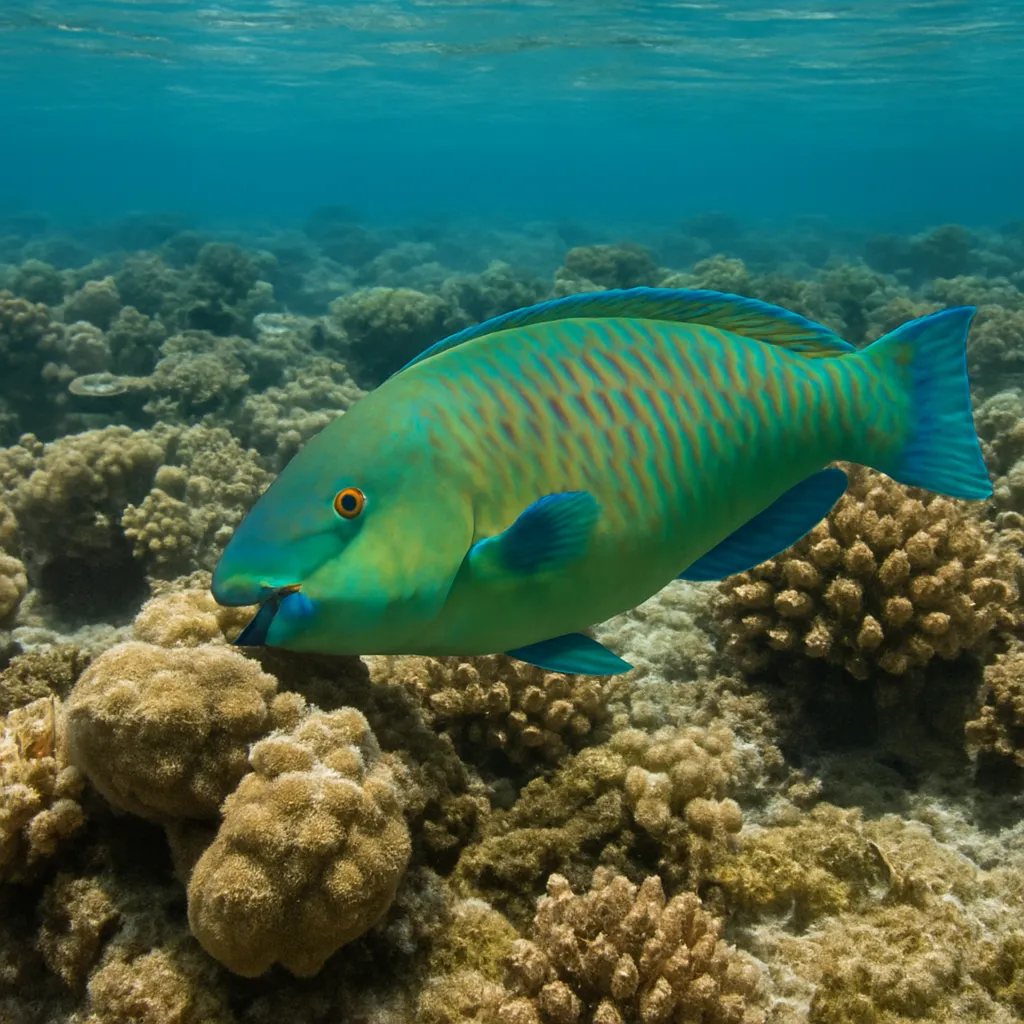
Parrotfish on a reef scrape algae off coral. Heavy fishing removes most of the parrotfish from one reef. Predict the amount of algae growing on that reef.
In a meadow, rabbits graze the grasses heavily. A disease sweeps through and kills most of the rabbits in one season. What happens to the meadow grasses?
A pond is stocked with many extra native catfish, which feed on pond snails. The snails graze algae from the rocks. Predict the snail population over the next months.
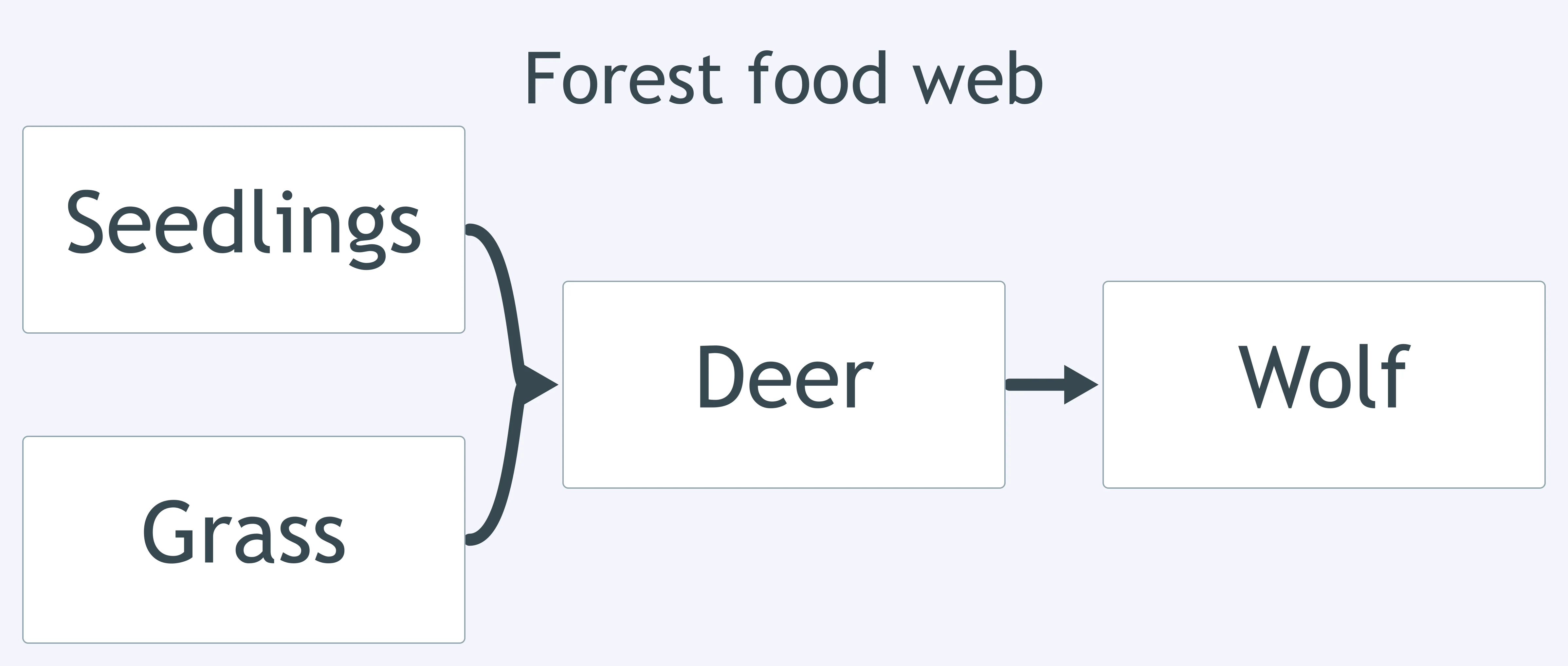
In a forest, wolves hunt deer, and deer browse young tree seedlings. Hunters remove the wolves from the forest. What is the most likely change to the seedlings over several years?
In a grassland, owls eat mice, and mice eat wildflower seeds. A disease kills most of the owls. What is the most likely change to the wildflowers over the next few years?
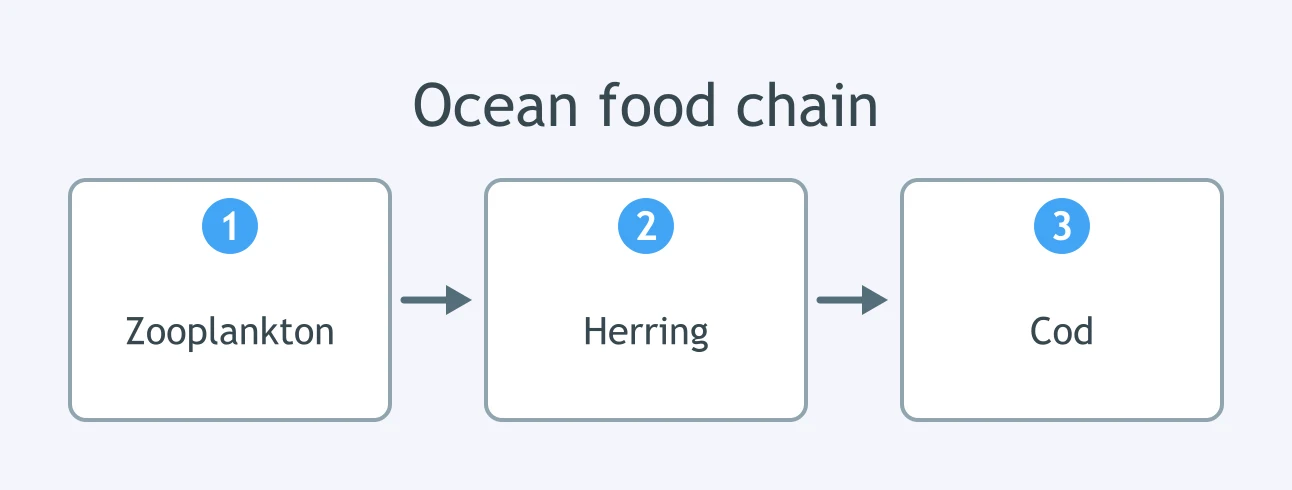
In a coastal sea, cod eat herring, and herring eat zooplankton. Fishing fleets take most of the cod from one fishing ground. Predict the zooplankton there over the next few years.
On an island, snakes eat rats, and rats raid the eggs in songbird nests. A hurricane wipes out nearly all the snakes. What happens to the songbird population afterward?
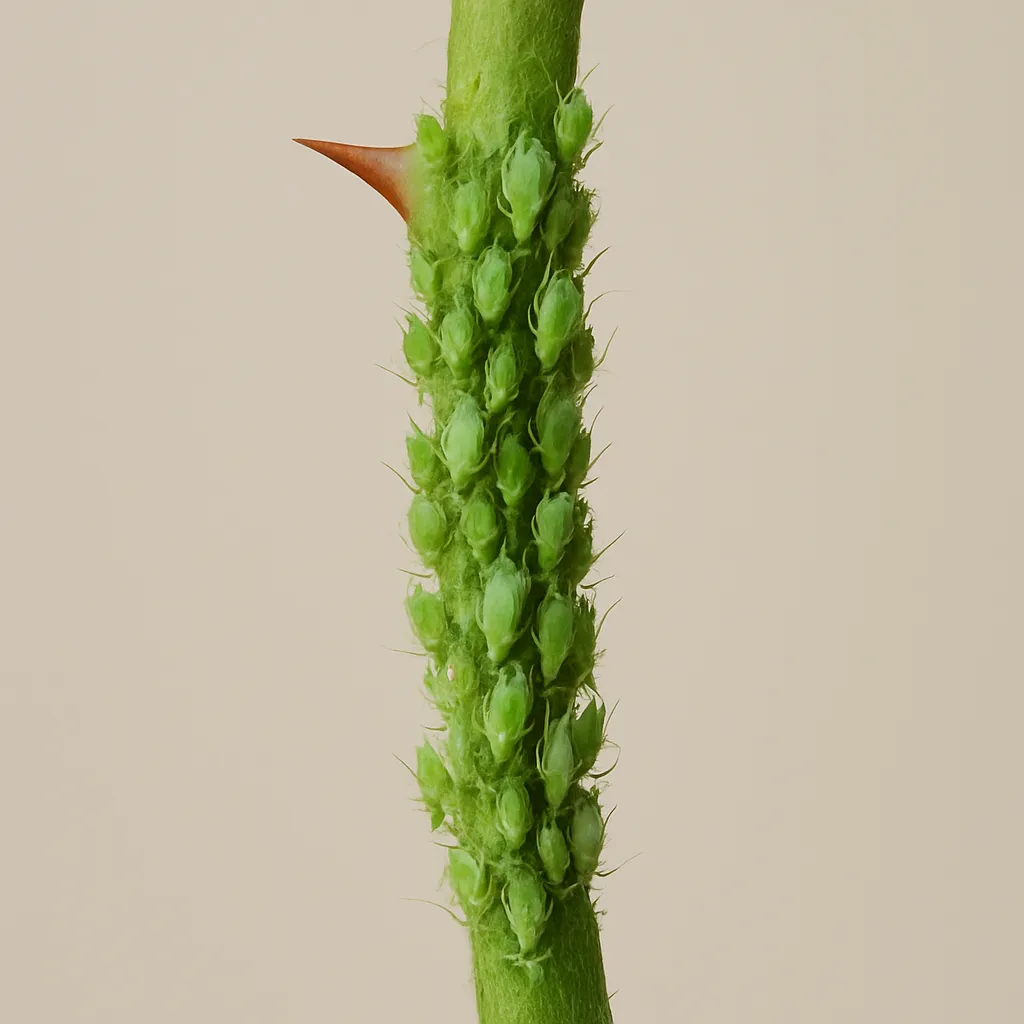
In a garden, ladybugs eat aphids, and aphids feed on the sap of rose bushes. A spray kills most of the ladybugs. Predict the condition of the rose bushes.
Bats roosting in a cave hunt moths at night, and moth caterpillars feed on oak leaves. The colony abandons the cave after it is disturbed. Predict the leaf damage on nearby oaks.
In a marsh, frogs eat mosquito larvae, and mosquito larvae feed on floating algae. A drought kills most of the frogs. What is the likely change to the floating algae?
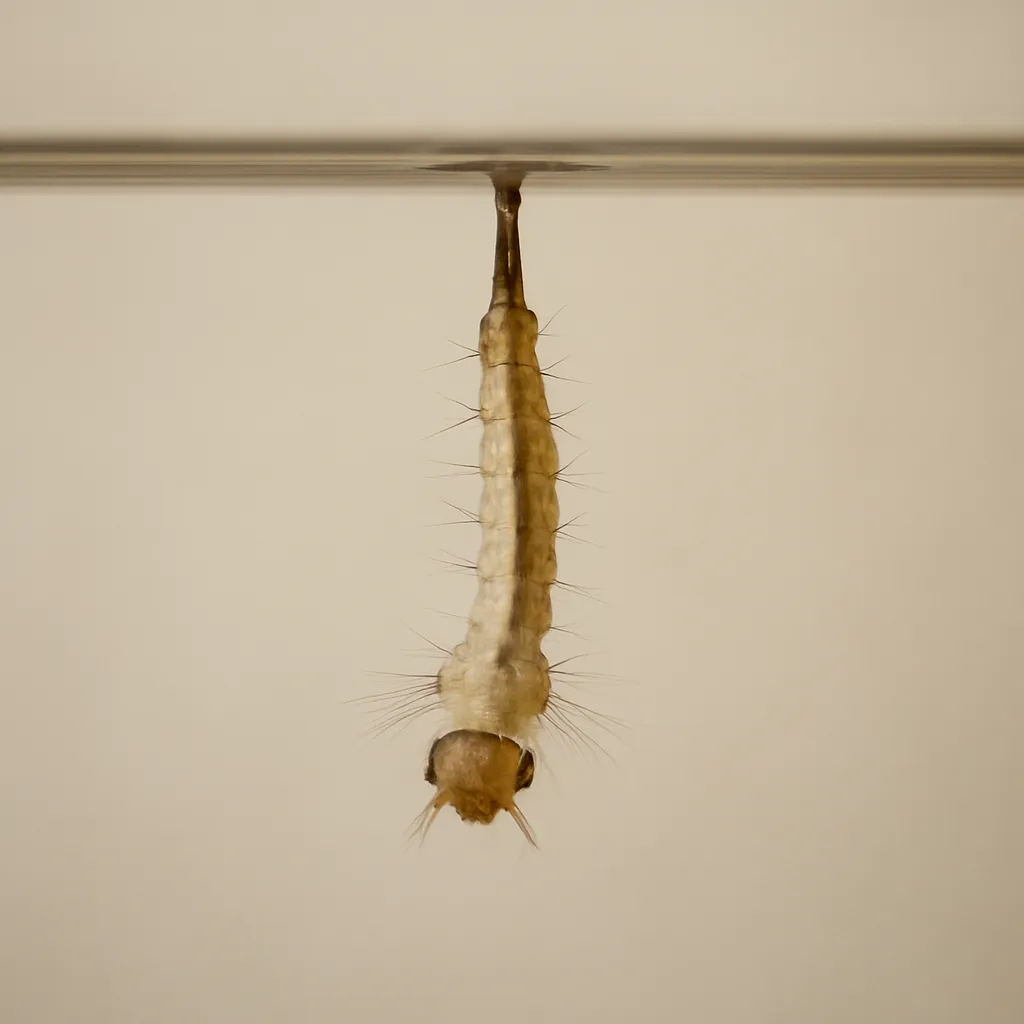
Wolves reach an island where moose browse balsam fir saplings. Within ten years the moose herd has shrunk by half. What is the likely change to the fir saplings?
In a meadow, bees pollinate wildflowers, and mice feed on the seeds those flowers produce. A pesticide kills most of the bees. Predict the mouse population two years later.
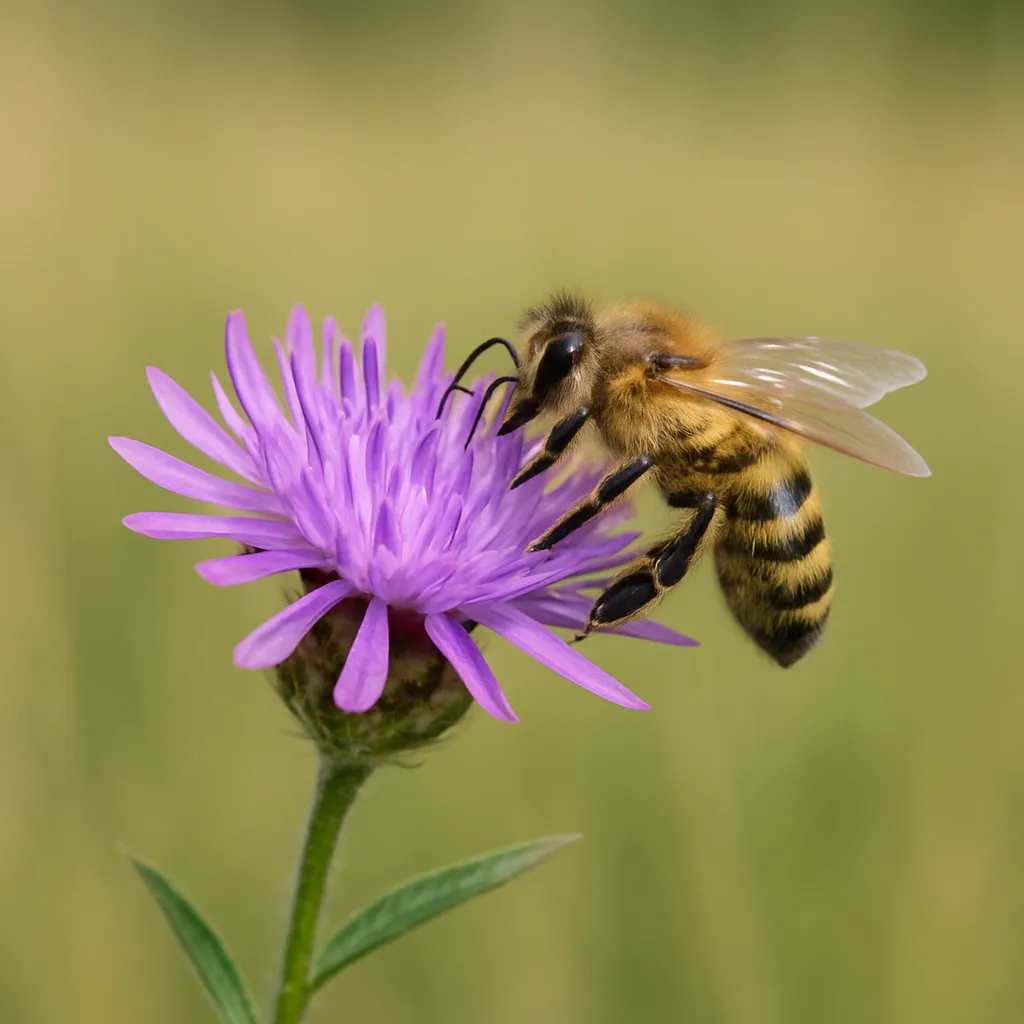
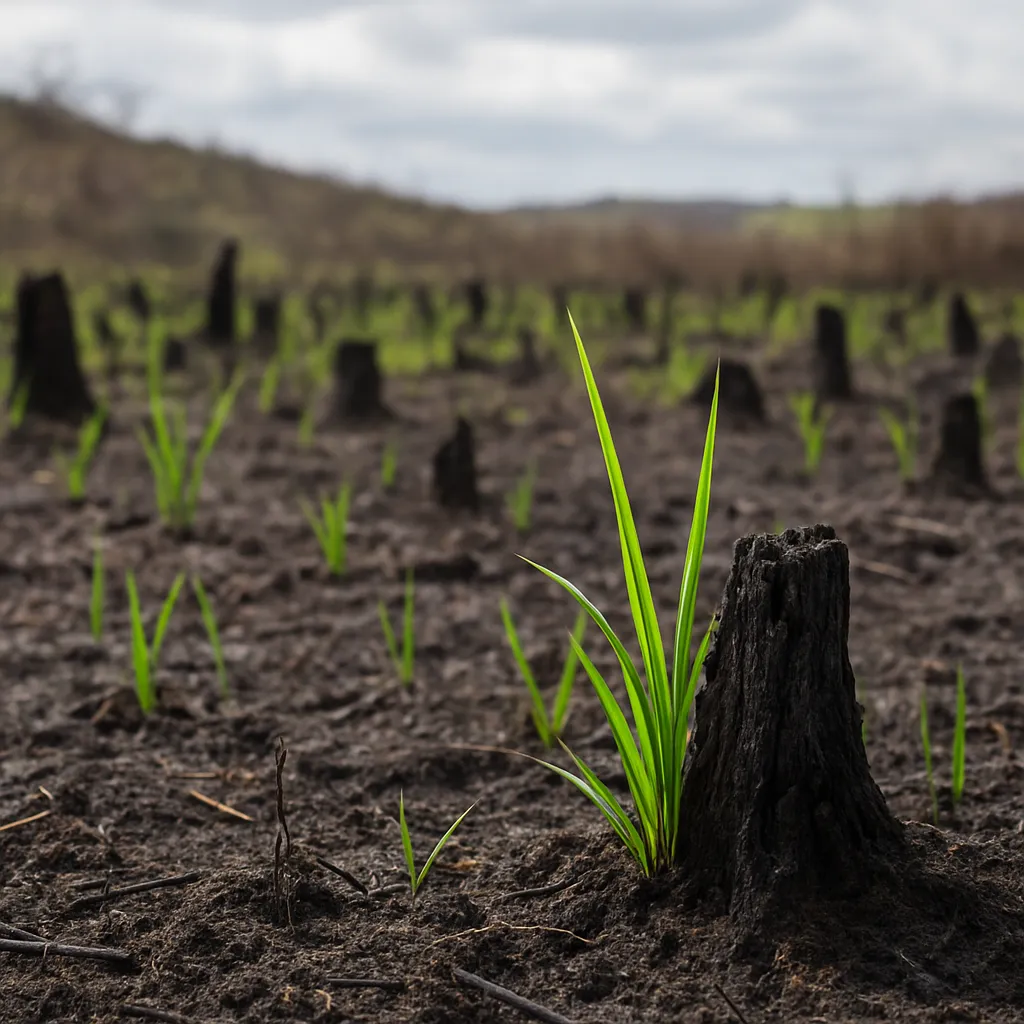
A fire clears a shaded forest patch. Sun-loving grasses spread across the burned ground, and grasshoppers feed on those grasses. Predict the grasshopper numbers in the patch next summer.
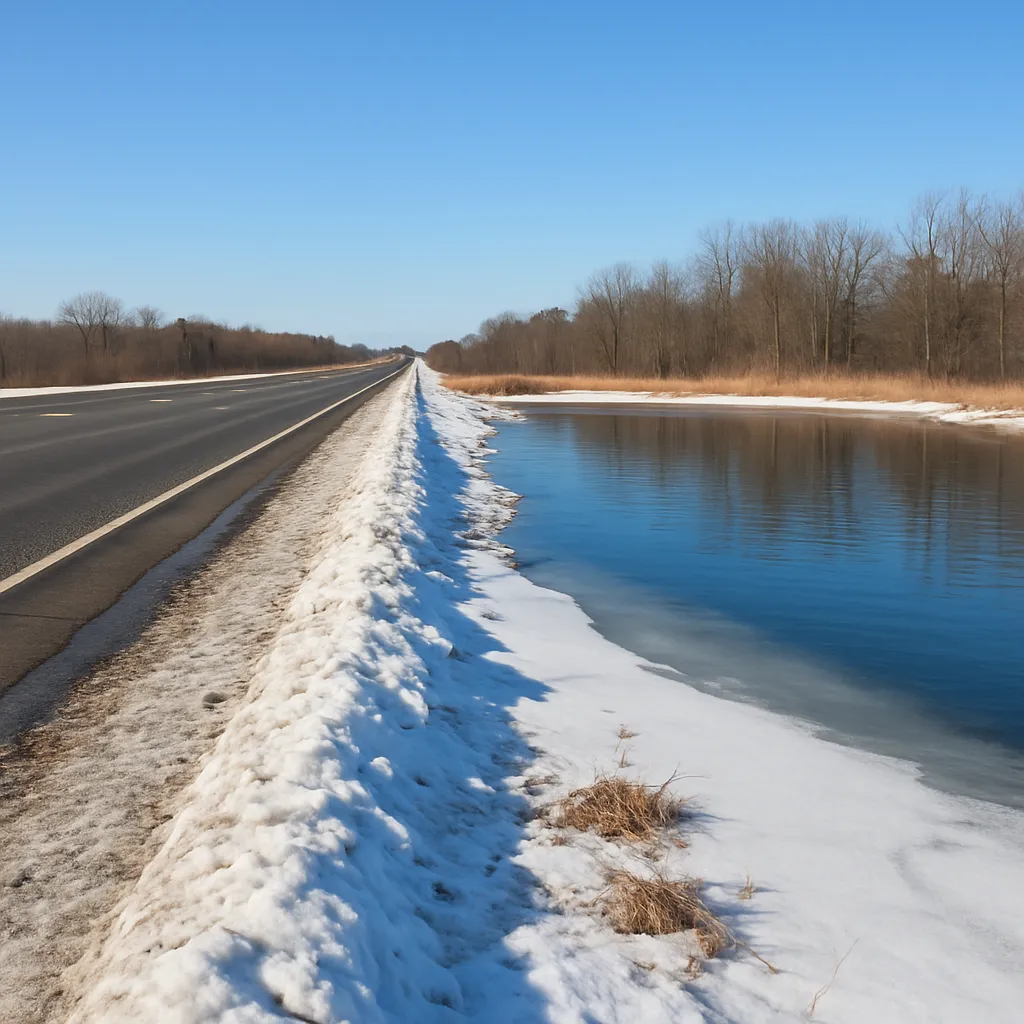
Road salt spread on a highway each winter washes into a roadside pond. The pond's salinity rises, and by summer few young frogs are found. Which step caused the loss most directly?
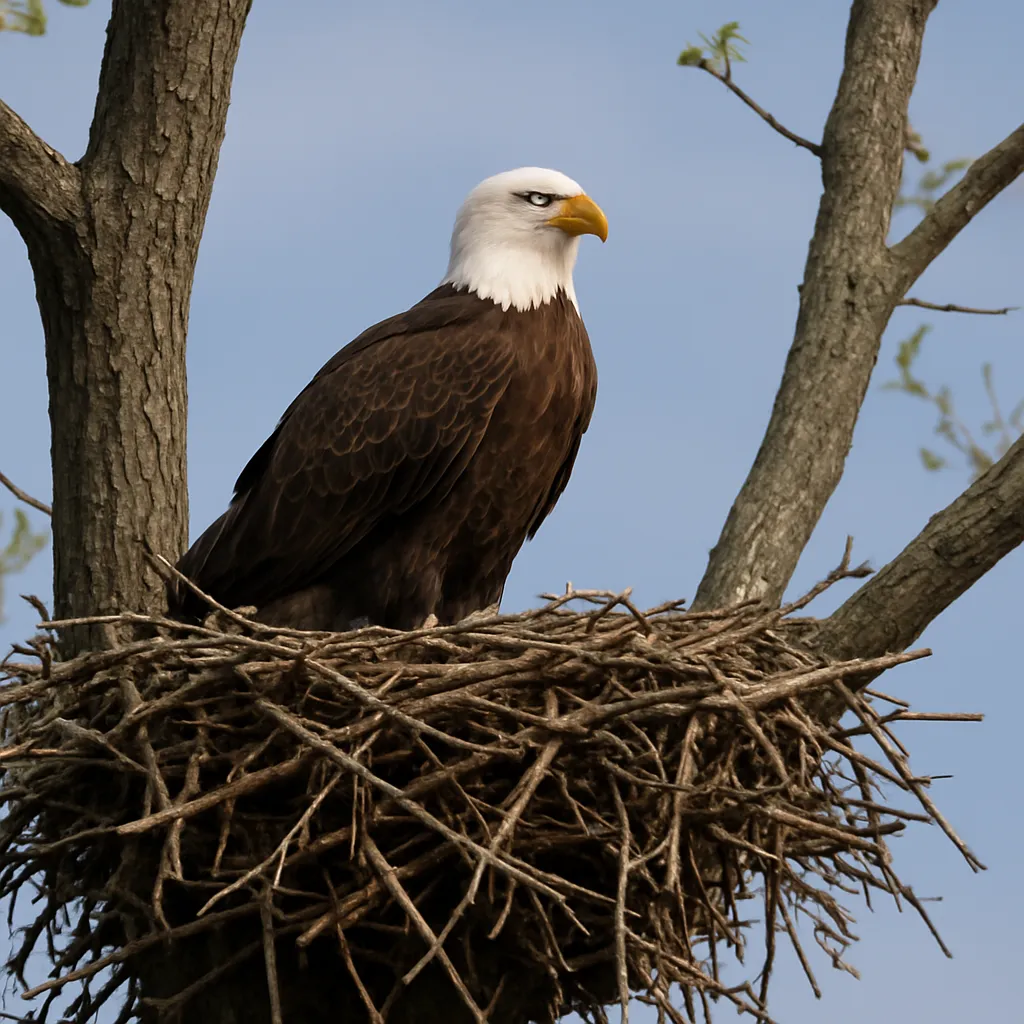
The pesticide DDT was sprayed on marshes for years and washed into the water. Eagles ate fish from those marshes. Most adult eagles stayed alive, yet eagle numbers fell. What explains the decline?
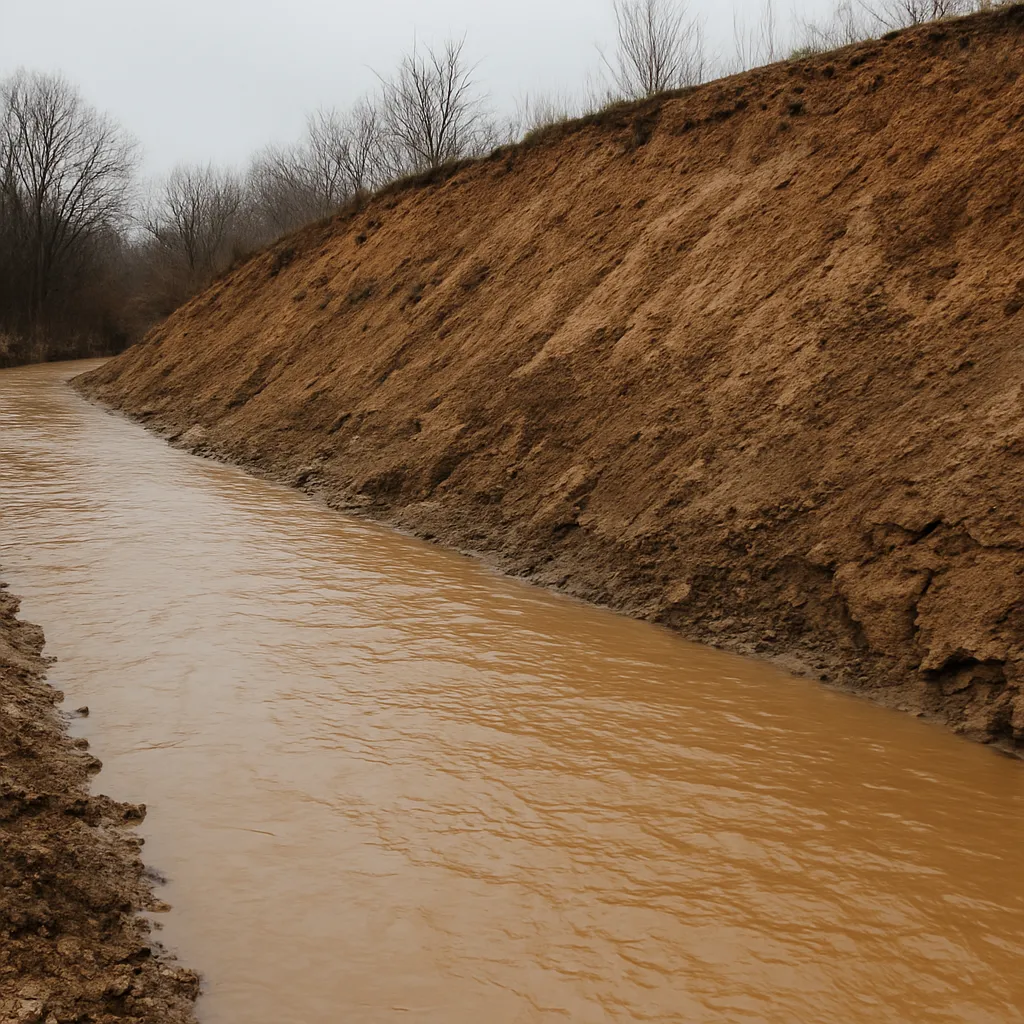
Bare soil from a construction site washes into a stream after rain. The water stays cloudy for weeks, and the insects that shelter among rooted stream plants disappear. Which step caused the insect loss?
Sulfur emissions from power plants fall as acid rain on a lake. The lake water grows more acidic, the snails die off, and snail-eating ducks leave. Which step best explains the snail loss?
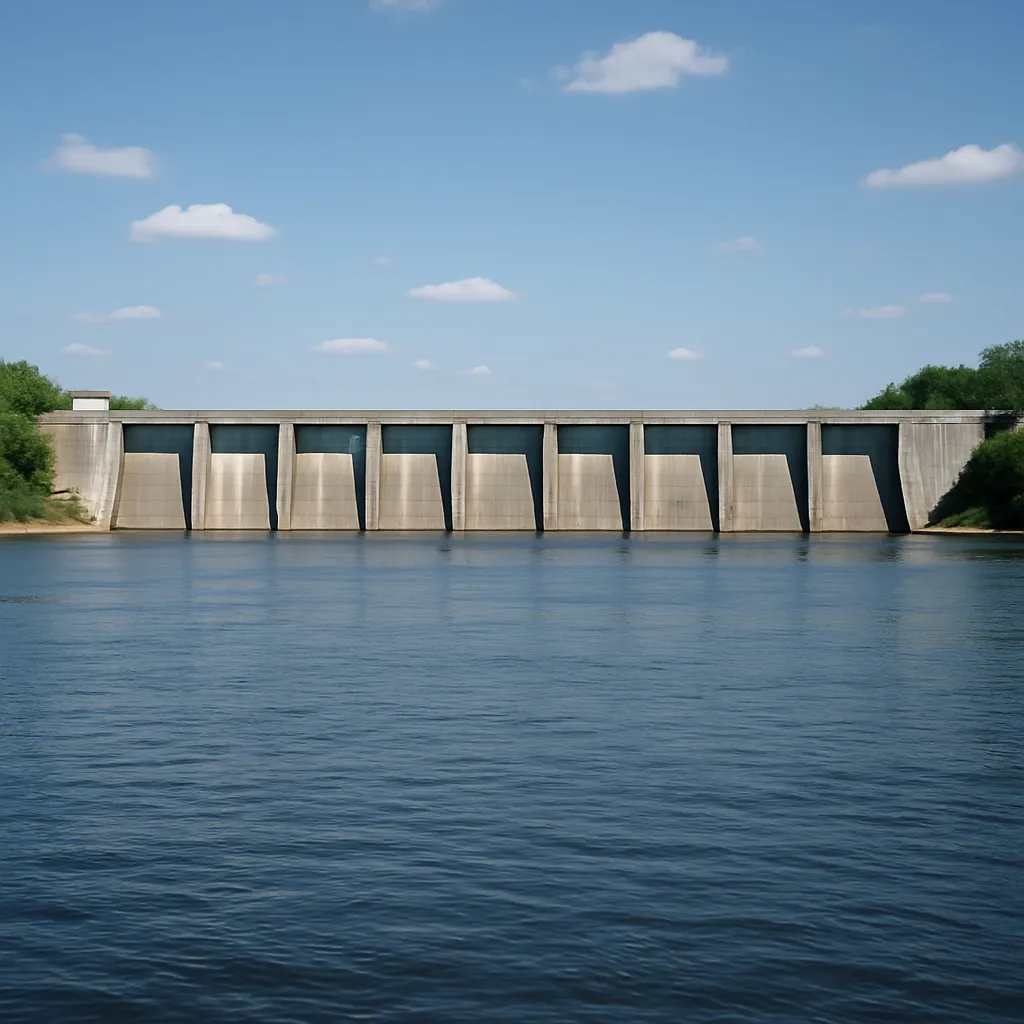
A dam is built across a river. Salmon hatch in gravel beds upstream, swim to the sea, and later return to breed. Within years almost no young salmon appear upstream of the dam. Which step explains that loss?
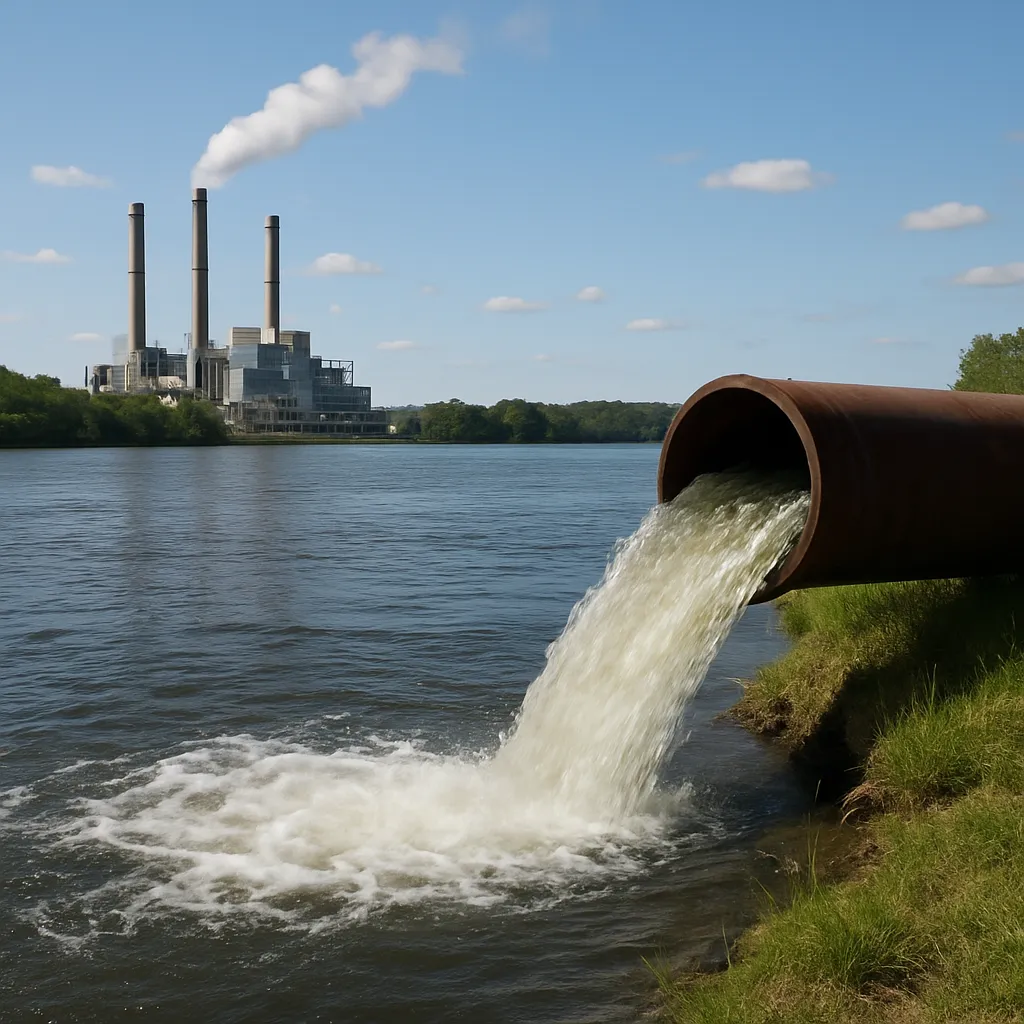
A power plant releases warm water into a river. Downstream the water reaches 32 degrees Celsius, and trout are found dead. Which step caused the fish deaths most directly?
Menhaden, fish that filter algae from a bay, are harvested heavily. Algae thicken in the water, and the seagrass beds on the bay floor die back. Which step caused the seagrass loss?
An insecticide is sprayed over a blooming apple orchard. The trees stay healthy and green, but the fall harvest is far smaller. Which step explains the small harvest?
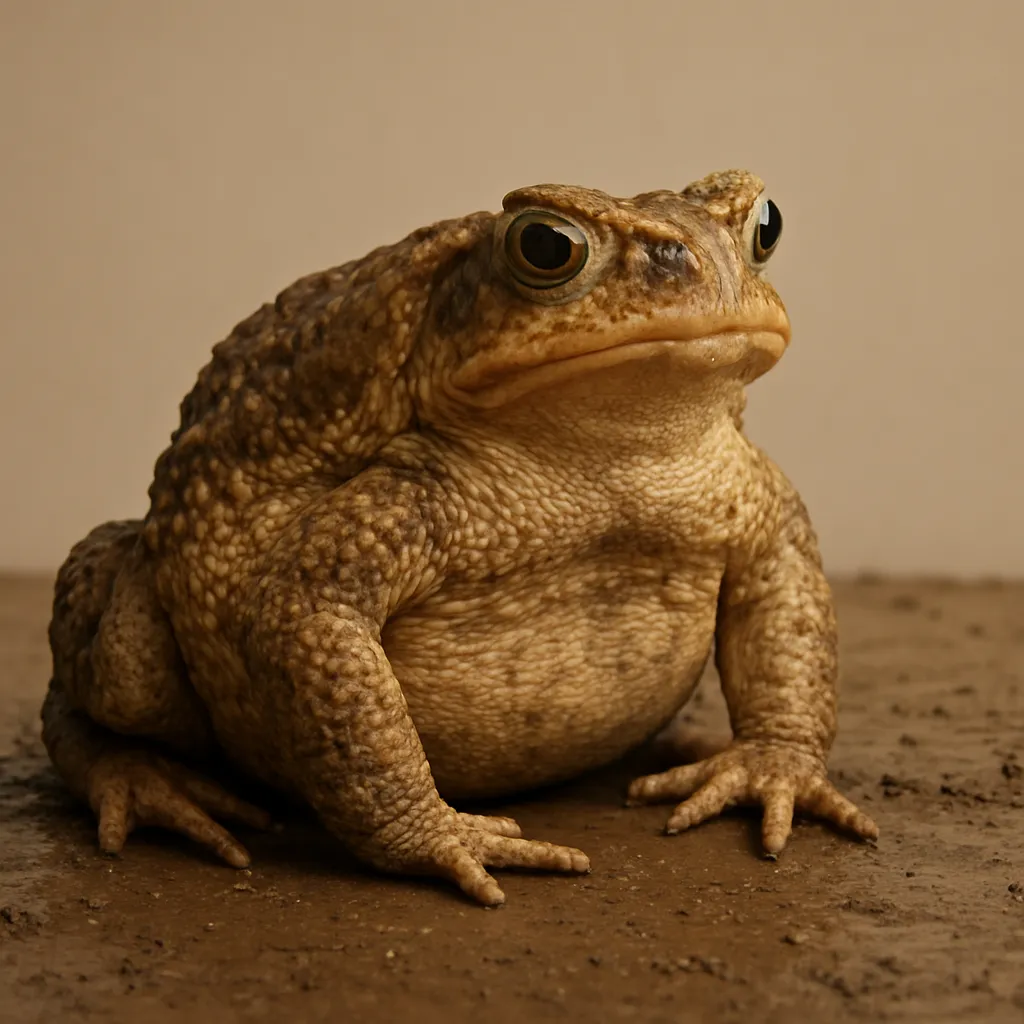
Cane toads were released in Australia to eat beetles. As the toads spread, native quolls that hunt frogs and other small animals declined wherever the toads arrived. What best explains the decline?
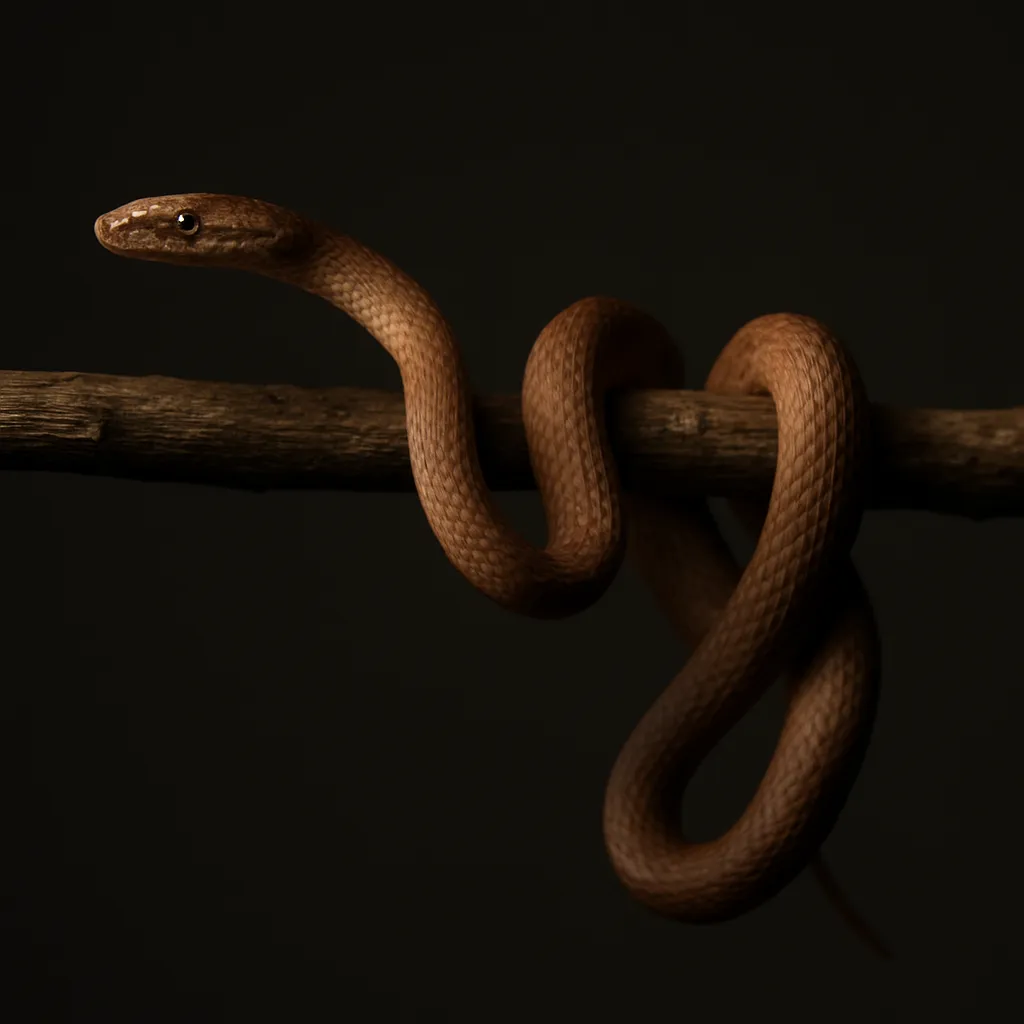
Brown tree snakes arrived on Guam in cargo and spread through the island's forests. Within decades most native forest birds were gone. What best explains their loss?
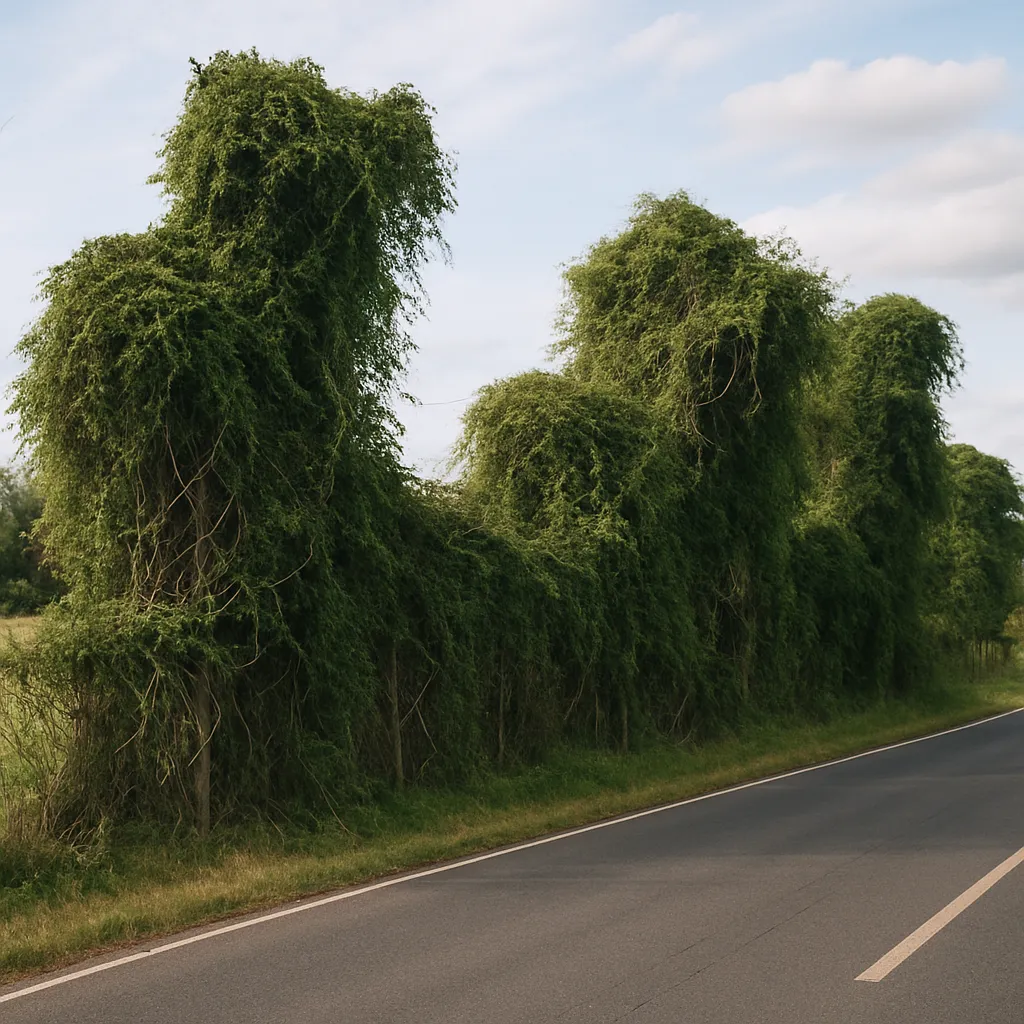
Kudzu, a fast-growing vine, was planted in the southeastern United States. It now climbs over native shrubs and trees in thick mats. Those native plants weaken and die. Why?
European starlings were released in New York and spread across North America. In many areas where starlings became common, bluebirds became far less common. Why?
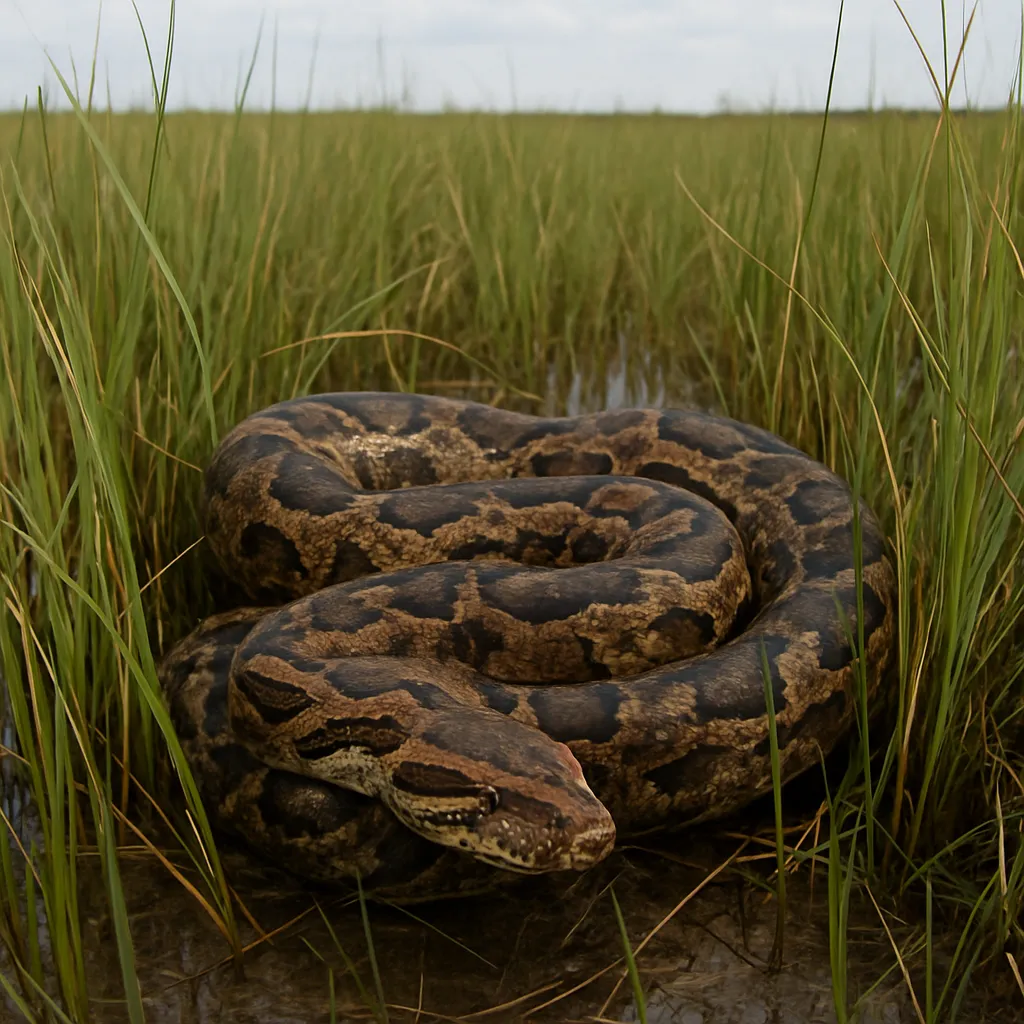
Burmese pythons released into the Everglades grow over 4 meters long. Surveys along park roads now find far fewer raccoons, opossums and marsh rabbits than before the pythons spread. What best explains this?
Rainbow trout stocked into a mountain stream feed on the same drifting insects as the native cutthroat trout. Cutthroat numbers in that stream fall each year. Which interaction best explains the fall?
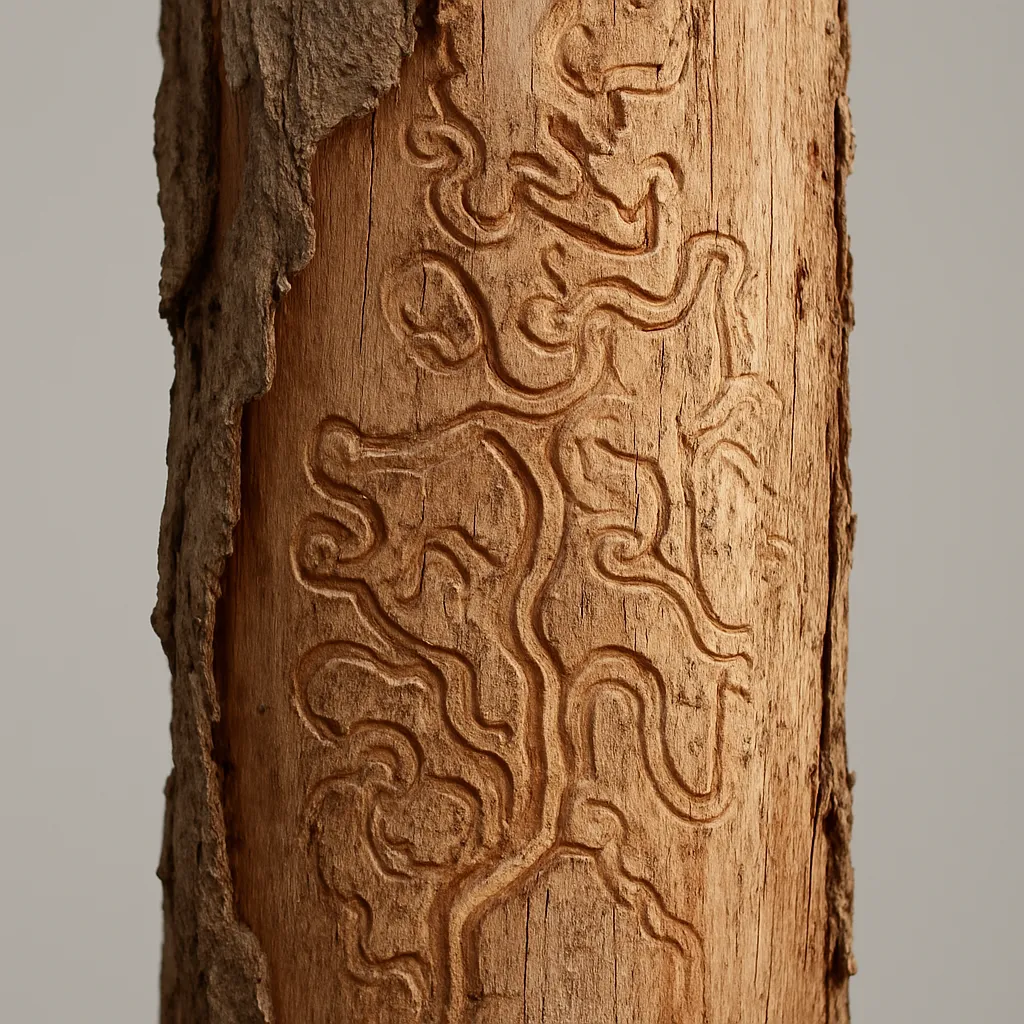
Emerald ash borers arrived in wooden shipping material. Their larvae tunnel under ash bark, and whole stands of ash trees die. Some native beetles the borers never attack also vanish. What explains that second loss?
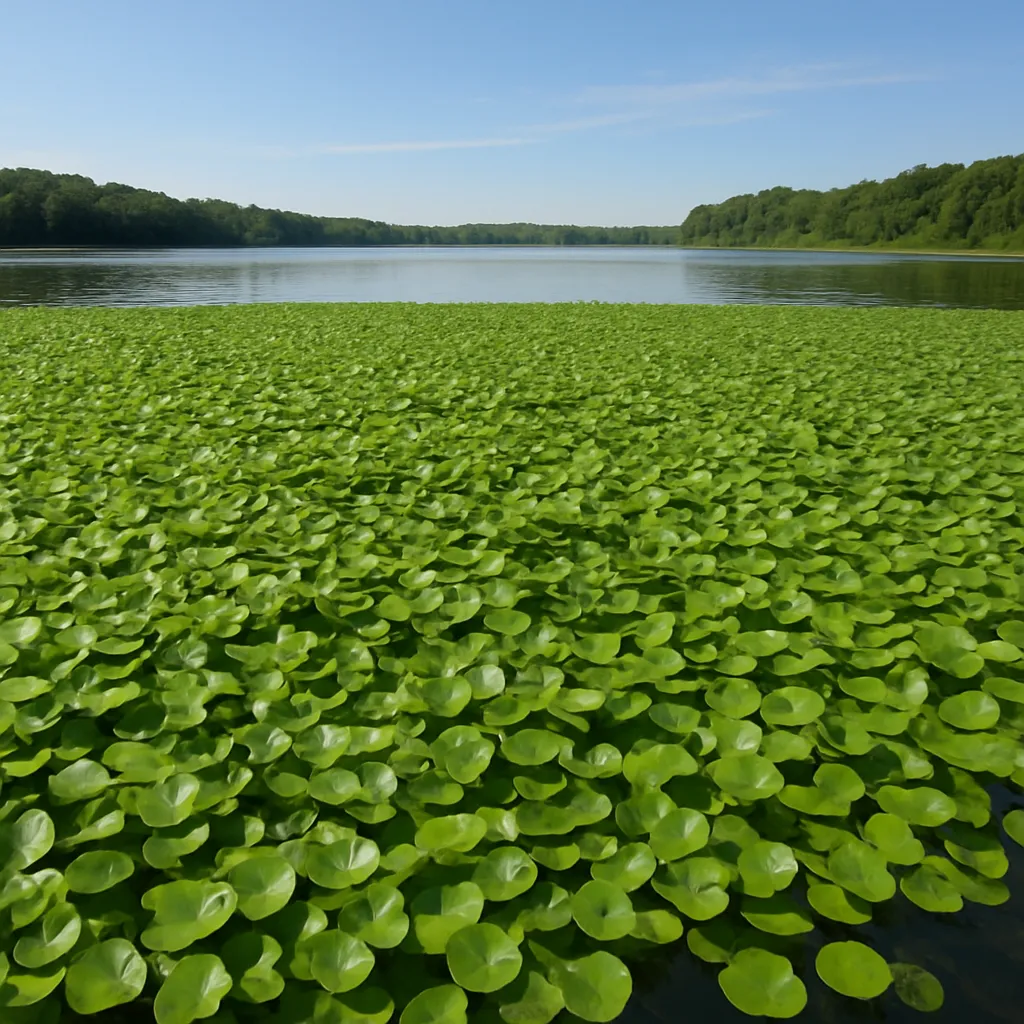
Water hyacinth from South America now covers whole sections of an African lake in floating mats. Below the mats, submerged plants die and fish become scarce. What best explains this?
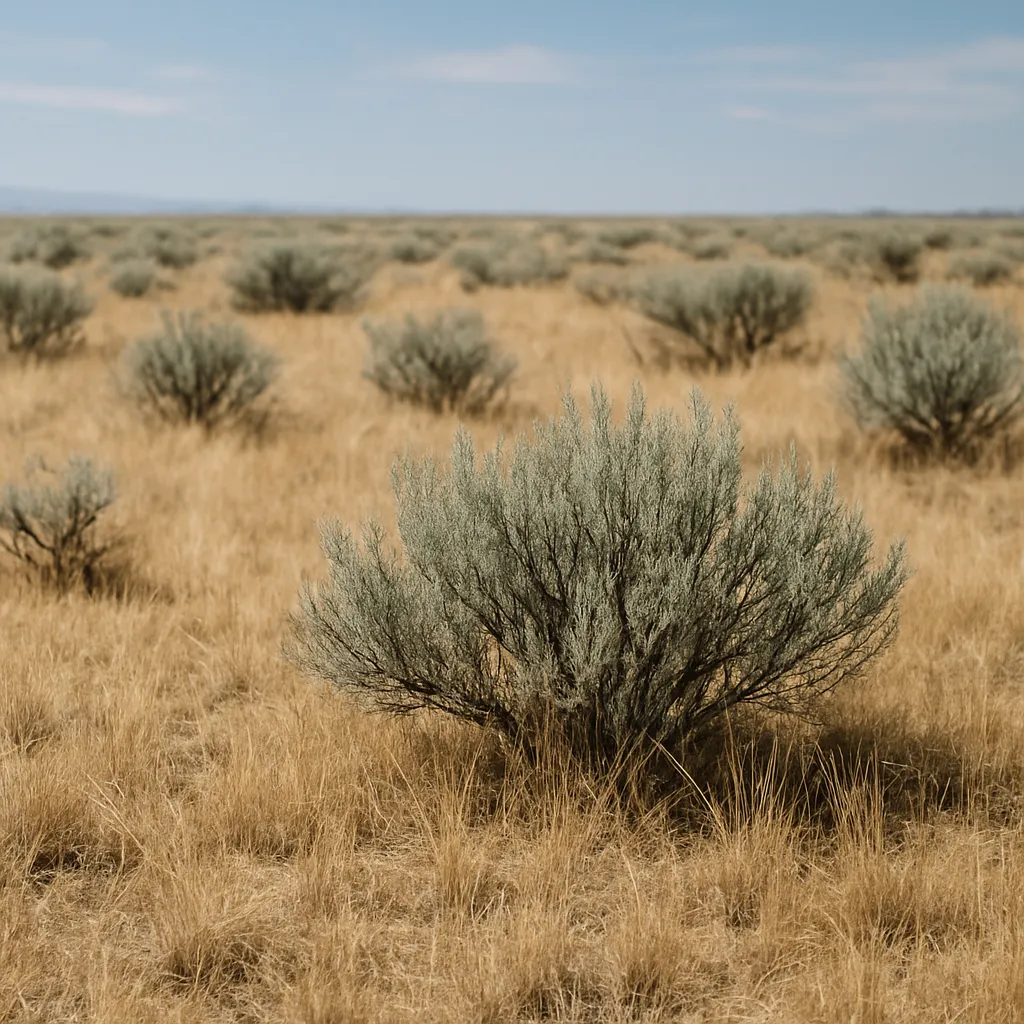
Cheatgrass has spread through western sagebrush country. It dries early and burns easily, so fires now sweep through every few years instead of every few decades. Sagebrush is disappearing. Why?
Nile perch were put into Lake Victoria to start a fishing industry. Many kinds of small native cichlid fish that had lived there for a long time became rare or vanished. What best explains this?
Crack the passcode before the zombies get in.
Answer, then swat bugs for bonus points.
Race through questions at your own speed.
Same question on every screen. Fastest wins.

Pick a tile, answer, hit bonuses and steals.
Biodiversity and Ecosystem Stability
40 questions