Loading
by BlastRoom
Classify disturbed sites, order the stages that follow, and track how populations and diversity change as a community matures.
#us_grade_8_science
40 questions
One question set, multiple game modes. Tap any game to see it in action. Not sure which to pick?
Answer to place stones and capture territory.
Outrun the snow together.
Earn blasts, then hunt the other team.
Answer to earn energy, then climb.

The class blasts through walls together.
Bid on mystery lots. Most money wins.
Sell tours. Nice, standard, or a total scam.

Answer, restock, and serve the rush.
More correct answers pulls the rope your way.
Answer, then shoot down the alien wave.
Answer, then tap to leap the frozen ridge.
A wildfire burns through a forest. Weeks later the ashy ground still holds tree roots and buried seeds, and grass shoots are pushing up. Which process is under way?
A lava flow cools into hard bare rock with no soil on it. Lichens are the first living things to appear there. Which process is beginning on the rock?
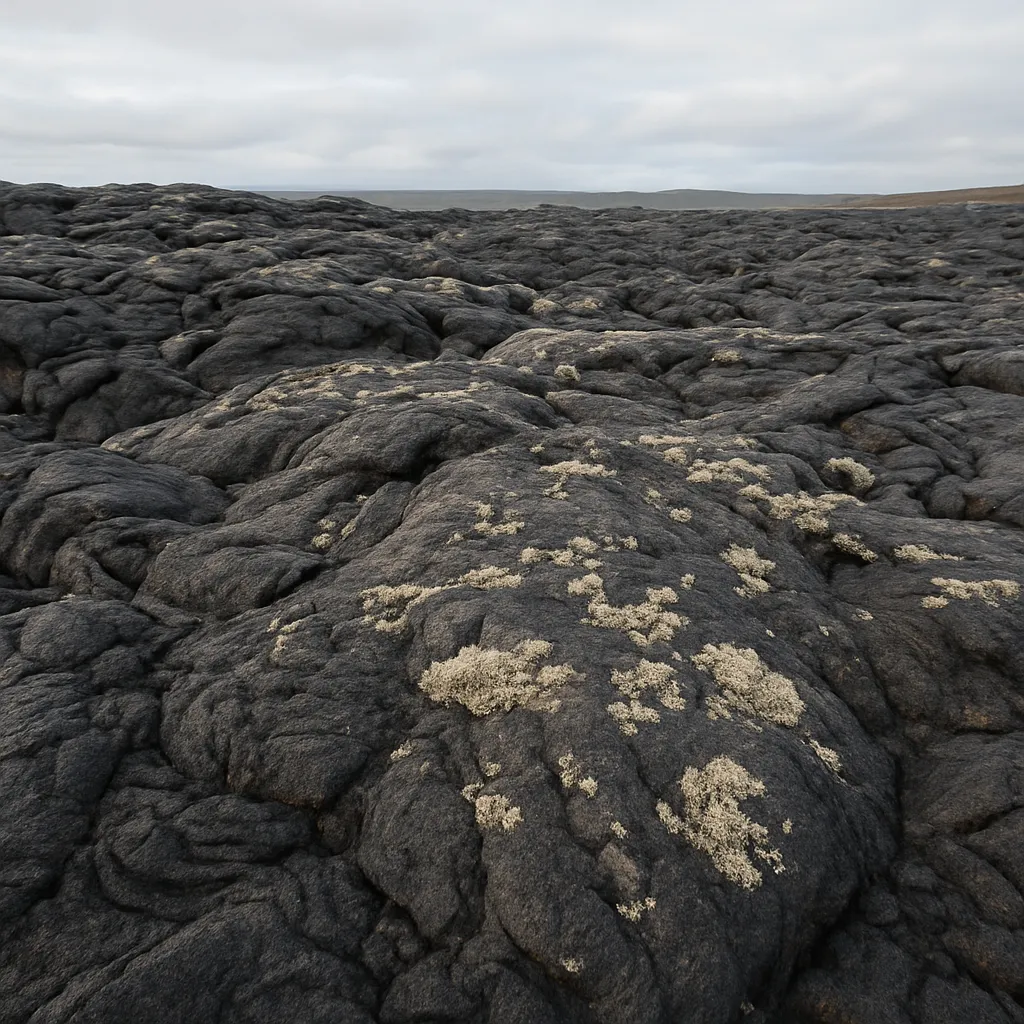
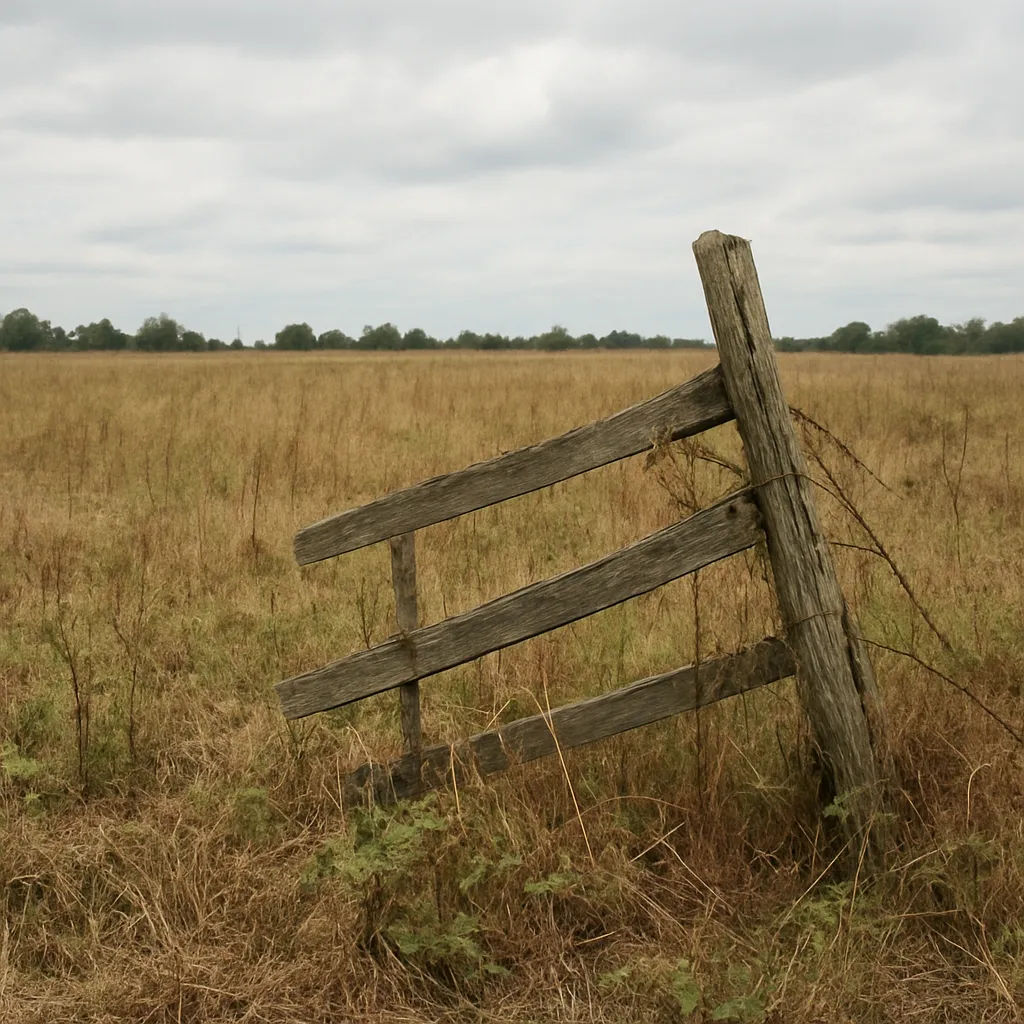
Farming stops on a field. The plowed soil is left in place, full of living roots and weed seeds. Why is the regrowth here secondary succession rather than primary?
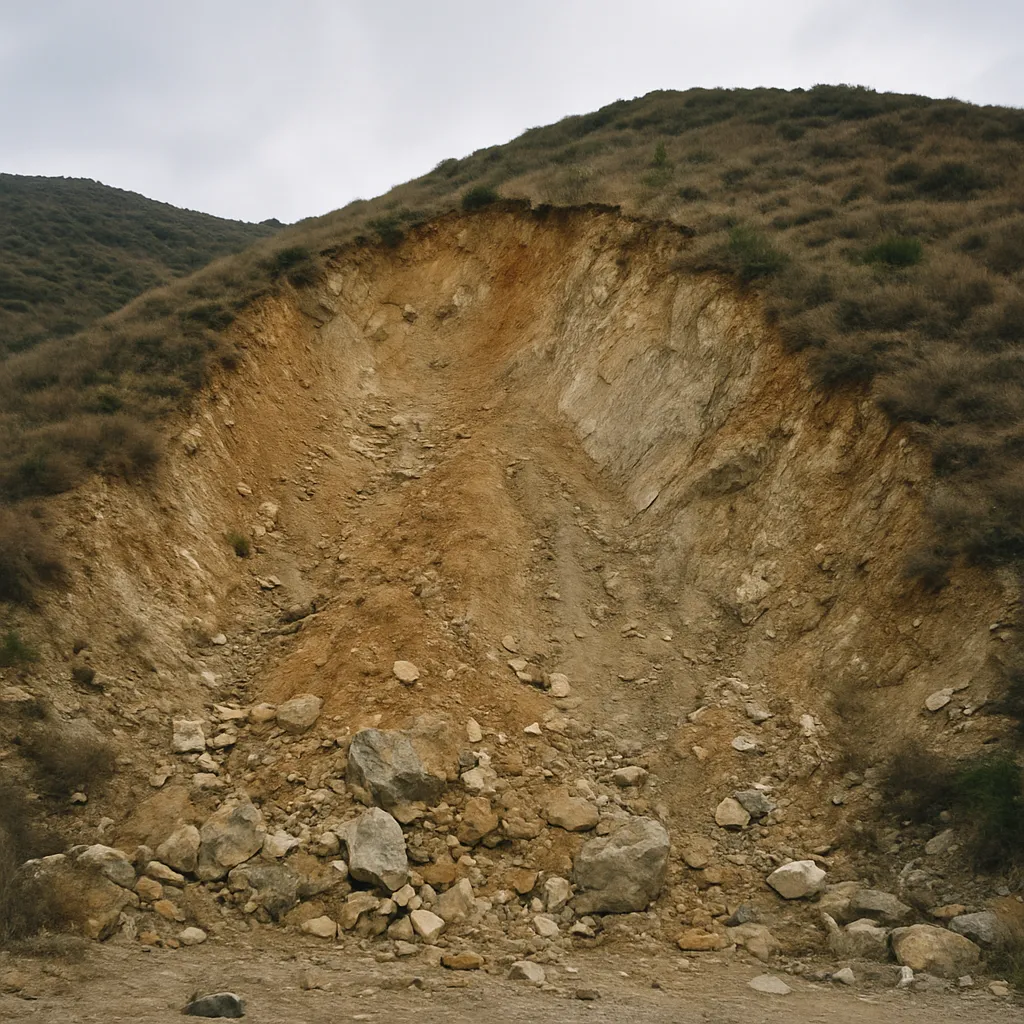
A volcano builds a new island of bare rock in the ocean. No soil has formed on it yet. What kind of succession starts once the first spores drift onto the island?
A landslide strips a hillside down to bare bedrock and carries all of the soil into the valley below. Which process will begin on the scraped hillside?
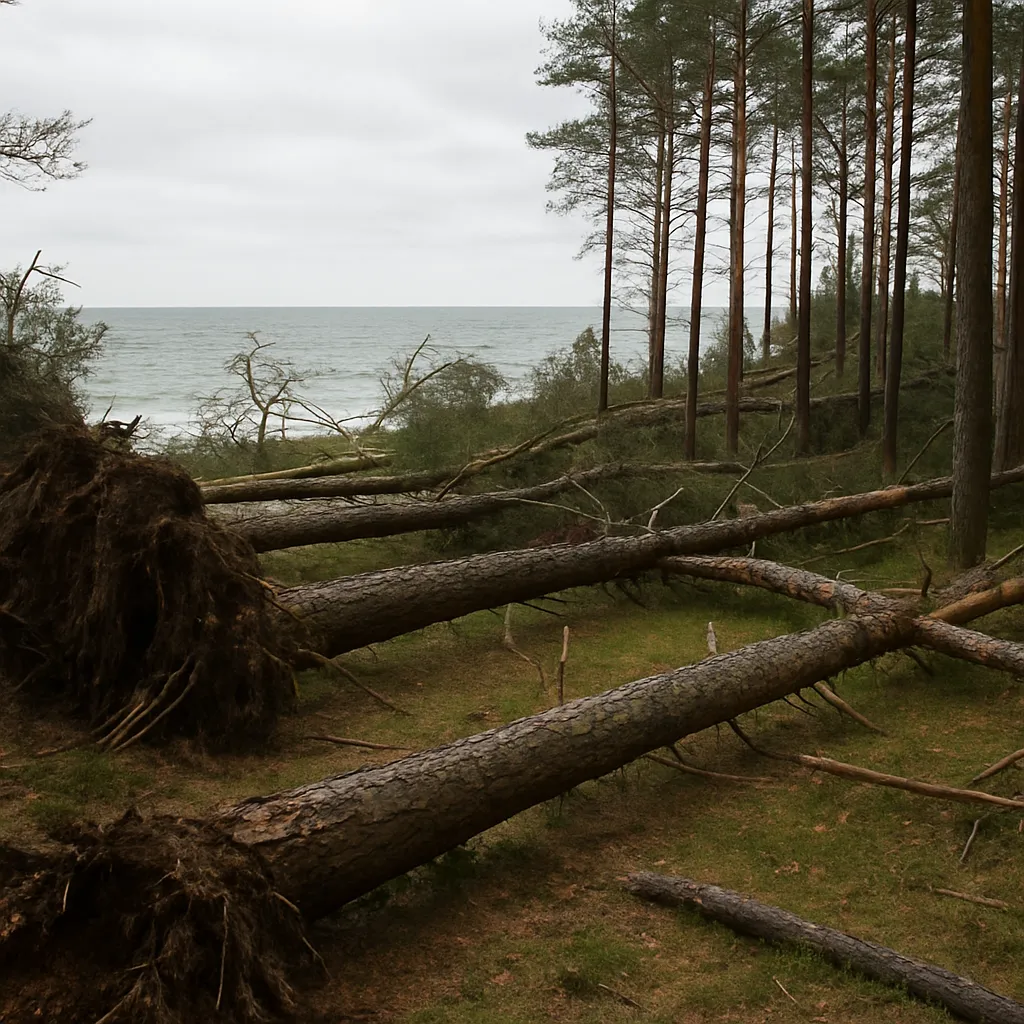
A logging crew cuts every tree from a hillside but leaves the soil, the stumps and the root systems in place. Which process will regrow the hillside?
A glacier leaves one valley as bare rock. In the next valley a windstorm flattens the trees but leaves the soil untouched. Which site begins primary succession, and why?
Rock exposed by a retreating glacier stays bare for years before lichens appear on it. What makes the succession on this rock primary?
A disturbance such as a fire or flood can set a climax community back to an earlier stage of succession.
A hurricane snaps and topples most trees in a coastal forest. The soil beneath them is still there, holding roots and buried seeds. Which process follows the storm?
A rock quarry closes. Its floor is exposed bedrock, and every bit of soil was hauled away years ago. Which process begins on the quarry floor?
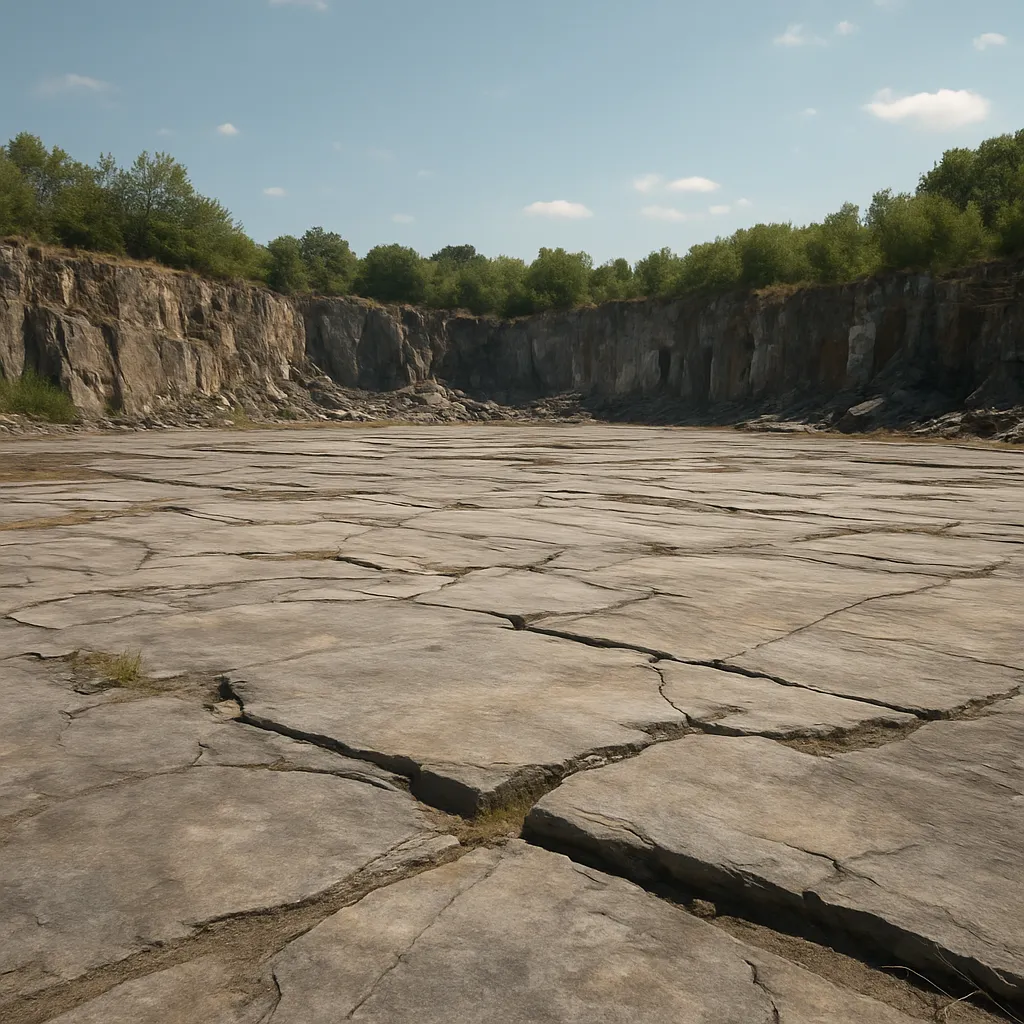
Two disturbed sites are being classified. Which feature of a site decides whether the succession there is primary or secondary?
Lichens have covered a cooled lava flow for decades, and a thin layer of soil now lies in the cracks. What is most likely to grow on the flow next?
Thirty years after a fire, grasses and shrubs cover the ground and young pines rise above them. If nothing disturbs the site, what happens over the following decades?
Two years after farming stopped, a field is covered with fast-growing annual weeds. If the field is left alone, what usually appears next?
A student orders the stages of succession on bare rock left behind by a glacier. Which order is correct?
An abandoned pasture has passed through weeds and grasses and is now a thicket of shrubs and young pines. Which stage comes next if the land stays undisturbed?
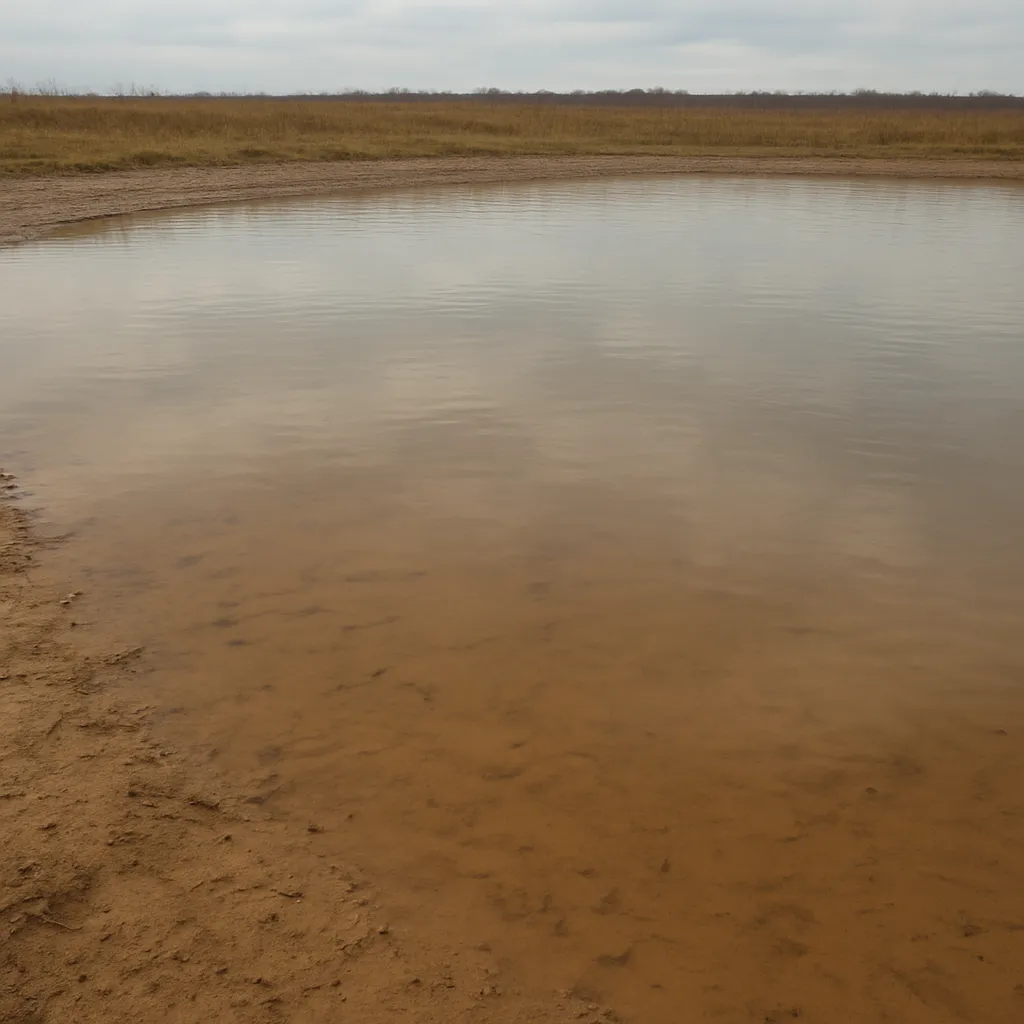
Sediment and dead plants slowly fill a shallow pond until the water is only a few centimeters deep. What community most likely replaces the open water?
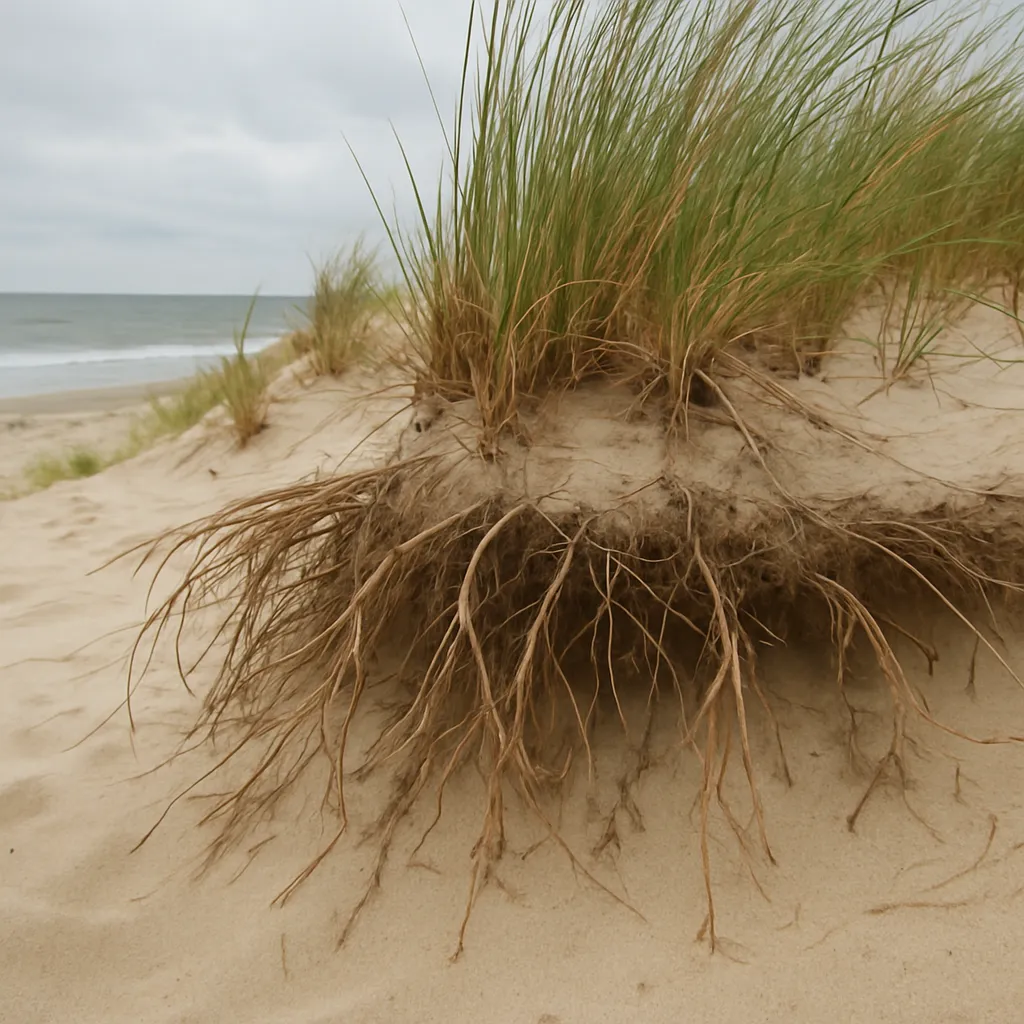
Beach grass has taken hold on a new sand dune, and its roots are holding the loose sand in place. What is most likely to grow on the dune next?
Which sequence shows the usual order of secondary succession on an abandoned farm field?
A century after a landslide exposed bedrock, mosses and grasses grow in a thin layer of soil. What must build up before shrubs and trees can take root there?
Secondary succession happens only after natural disturbances such as fires, never after human ones such as logging.
An oak and hickory forest has stood undisturbed for 150 years. What is most likely to happen to its mix of tree species over the next fifty years?
A fire sweeps a grassland, leaving the soil and the deep grass roots unharmed. One year later, what most likely covers the site?
Lichens and mosses are the first organisms on a cooled lava flow, and larger plants appear only many years later. What do the pioneers provide that later plants need?
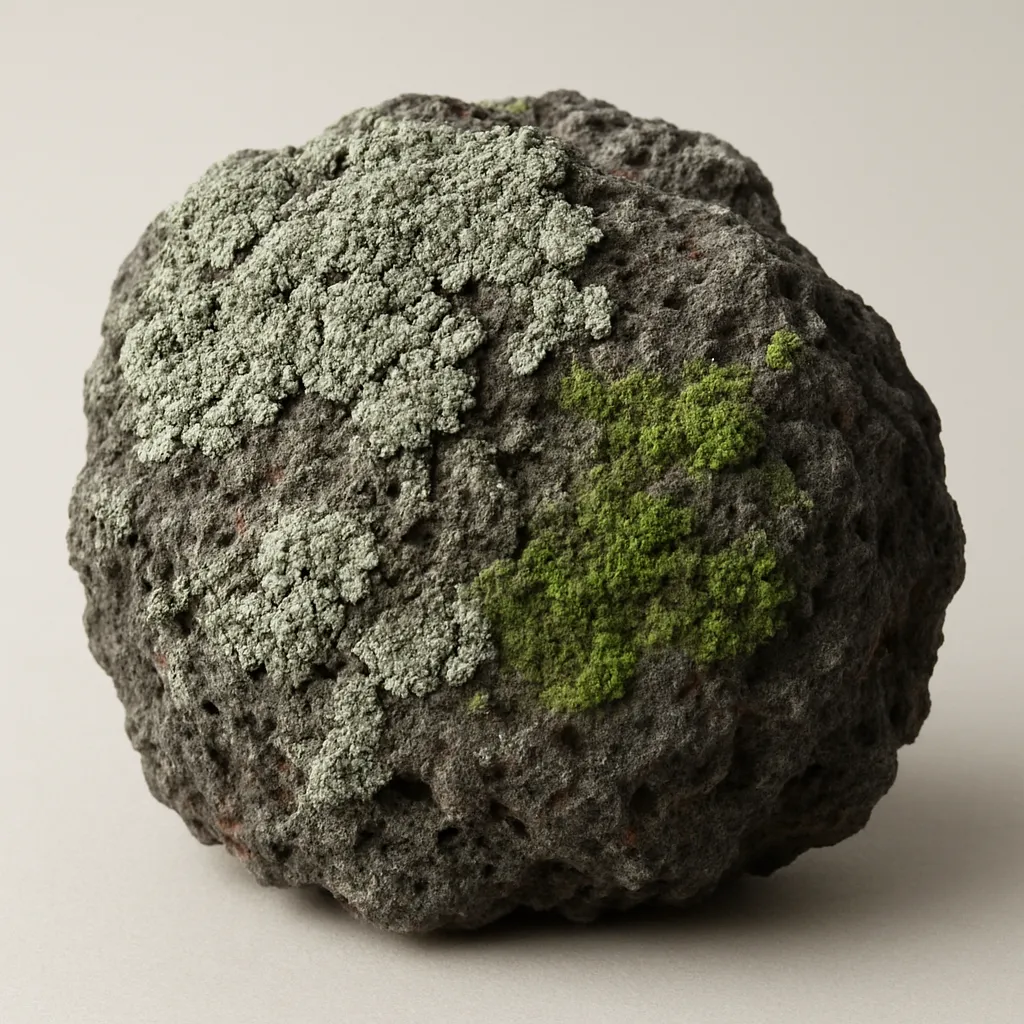
Lichens release weak acids onto the bare rock they grow on. How does this move succession forward on the site?
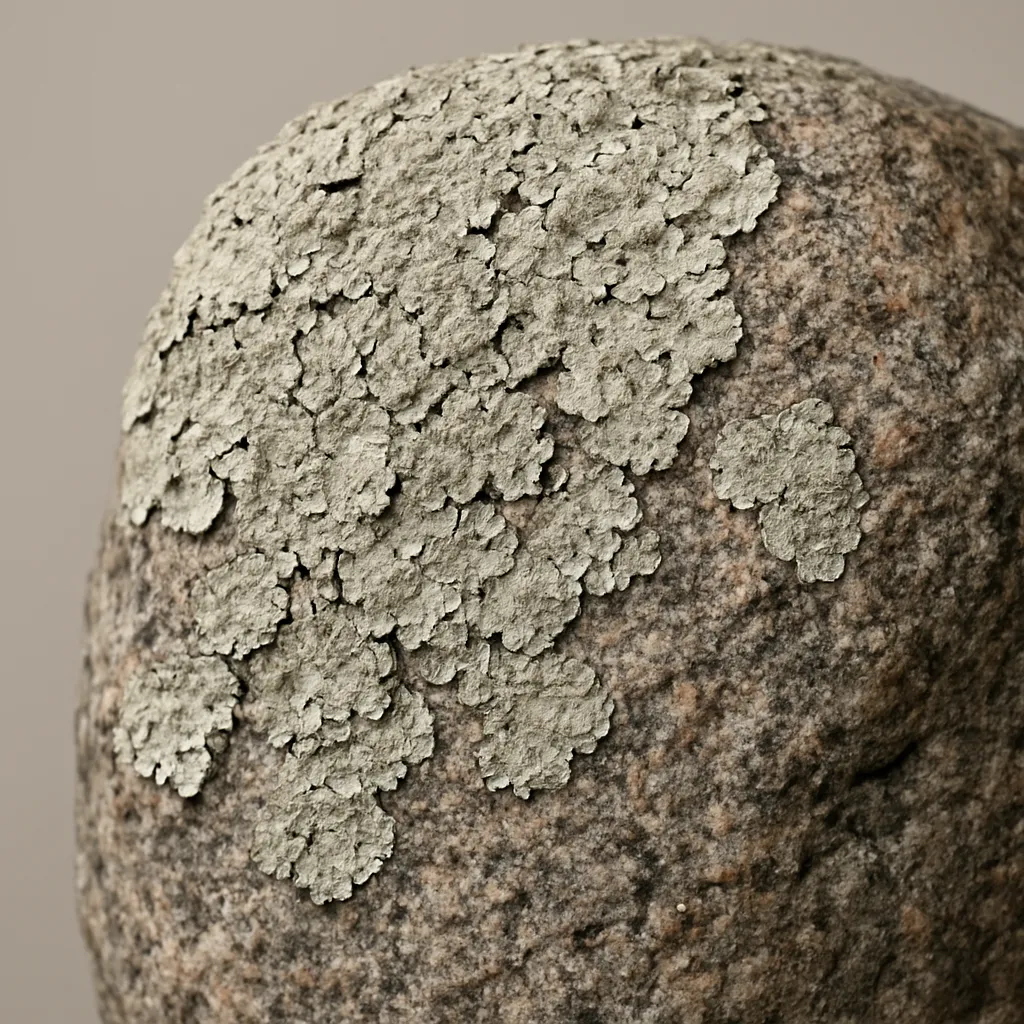
Generations of moss grow and die on a rocky slope. What does the dead moss add to the site?
Why can an oak seedling not be the first thing to grow on newly exposed bare rock?
Which trait best suits a pioneer species to a newly exposed, bare rock surface?
Lupines on bare glacial gravel host bacteria in their roots that take nitrogen from the air. How does this help the plants that come later?
A lichen is a fungus and an alga or cyanobacterium living together as partners.
Mosses form a spongy mat over the thin new soil on a rock ledge. Besides adding organic matter, what does the mat do for the site?
Over 200 years, bare rock left by a glacier becomes a forest. What happens to the number of species living on the site during that time?
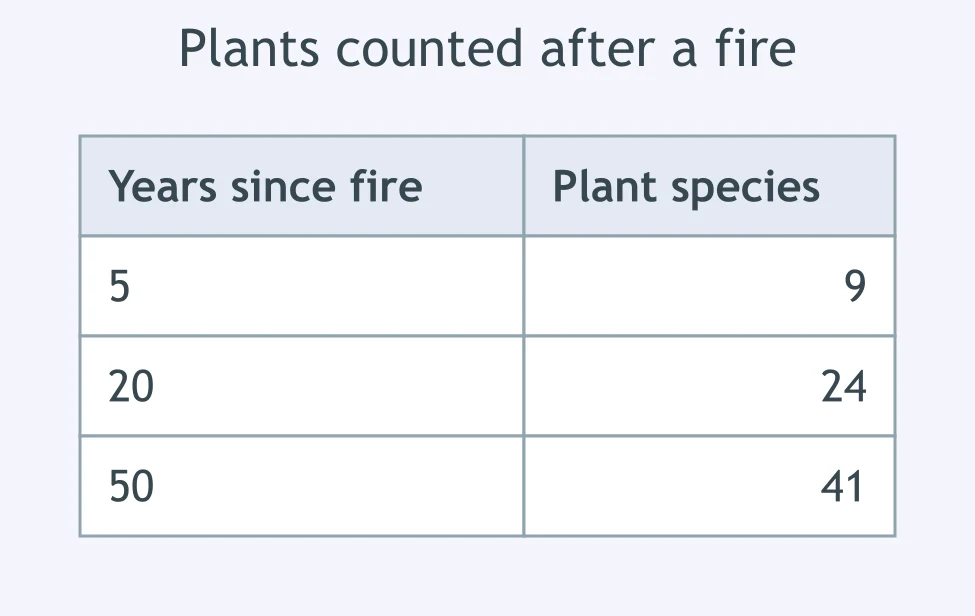
Look at the table of plant species counted at one burned site. Which statement about the data is accurate?
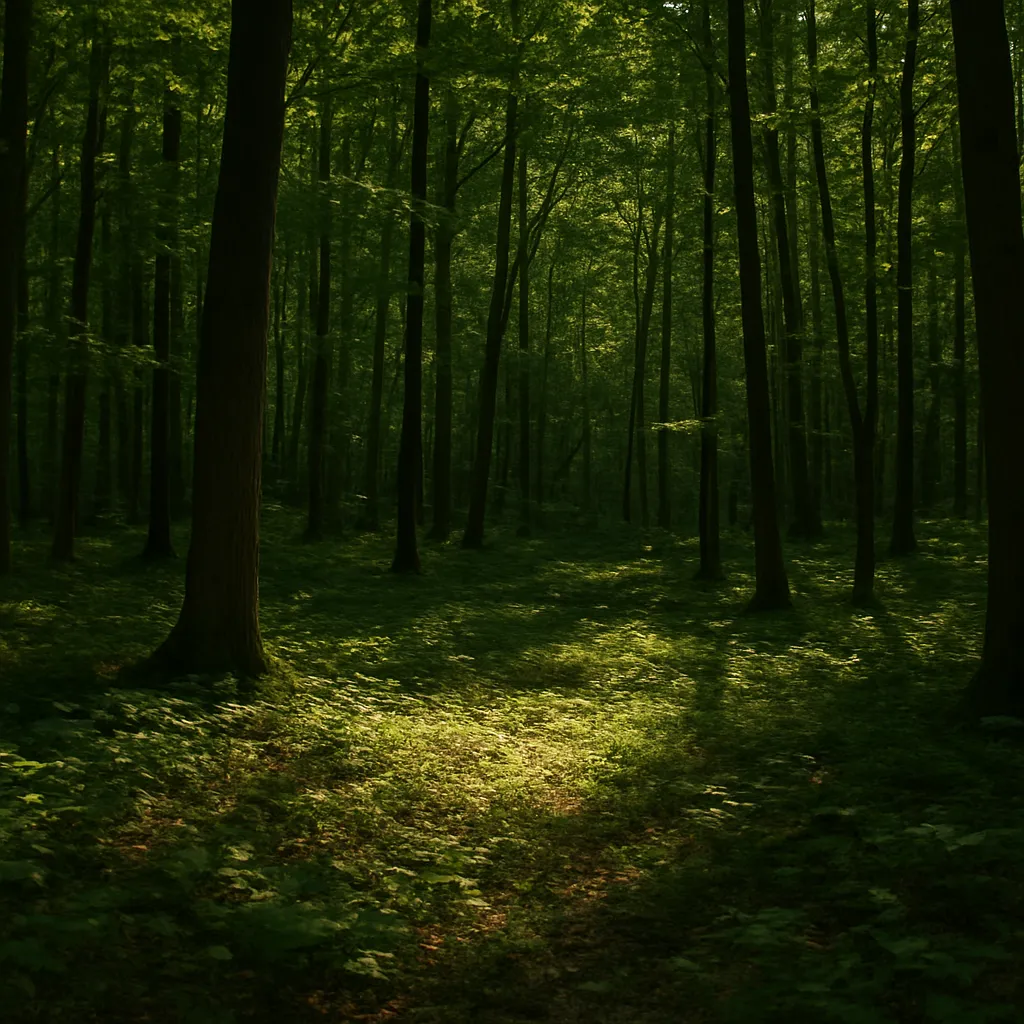
As a young forest's canopy closes, the sun-loving grasses that once covered the ground almost disappear. What best explains their decline?
An old field is recovering after farming stopped. A fast-growing invasive vine spreads over it and shades out the young trees. How does this most likely affect succession on the field?
Fifty years after a fire, a forest has returned. Fifty years after a glacier left bare rock, only mosses and grasses grow. Why is the burned site further along?
A shrubby field grows into a closed forest over forty years. What most likely happens to the bird species that nest only in open shrubs?
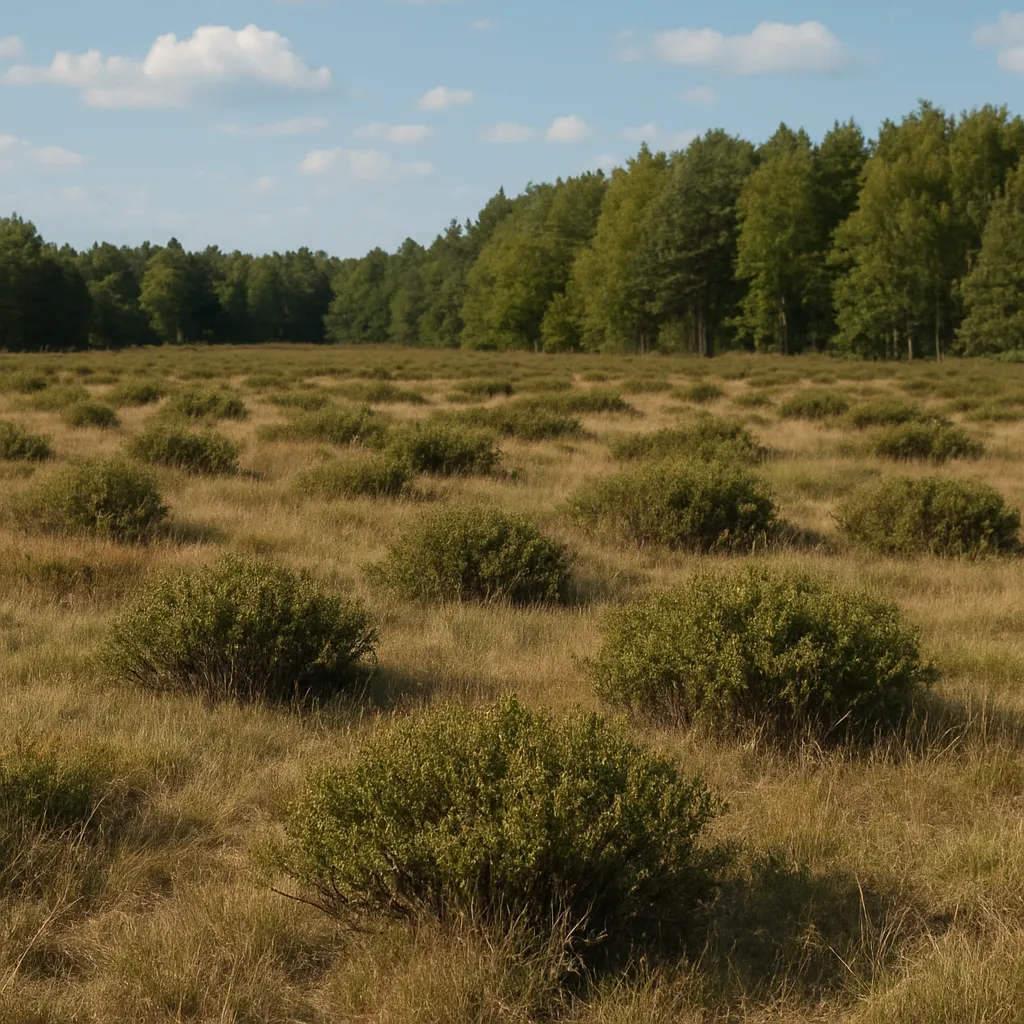
A city mows one vacant lot every week for years. What does the repeated mowing do to the community growing on the lot?
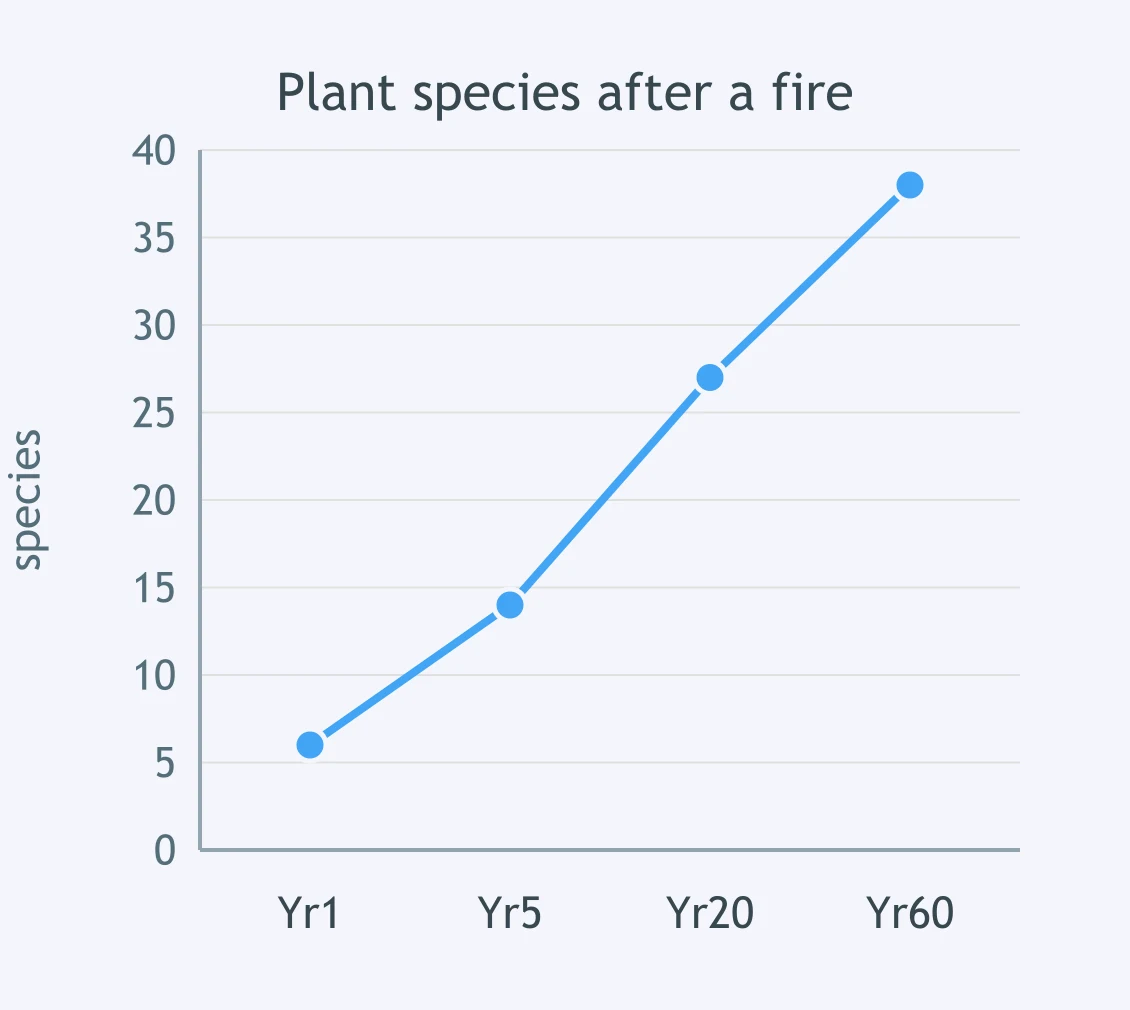
Look at the graph of plant species counted at one site in the years after a fire. What trend does the graph show?
Crack the passcode before the zombies get in.
Answer, then swat bugs for bonus points.
Race through questions at your own speed.
Same question on every screen. Fastest wins.

Pick a tile, answer, hit bonuses and steals.
Populations and Limiting Factors
40 questions