Loading
by BlastRoom
Predict, explain and compare how a changing environment drives a species to extinction.
#us_grade_8_science
20 questions
One question set, multiple game modes. Tap any game to see it in action. Not sure which to pick?
Answer to place stones and capture territory.
Outrun the snow together.
Earn blasts, then hunt the other team.
Answer to earn energy, then climb.

The class blasts through walls together.
Bid on mystery lots. Most money wins.
Sell tours. Nice, standard, or a total scam.

Answer, restock, and serve the rush.
More correct answers pulls the rope your way.
Answer, then shoot down the alien wave.
Answer, then tap to leap the frozen ridge.
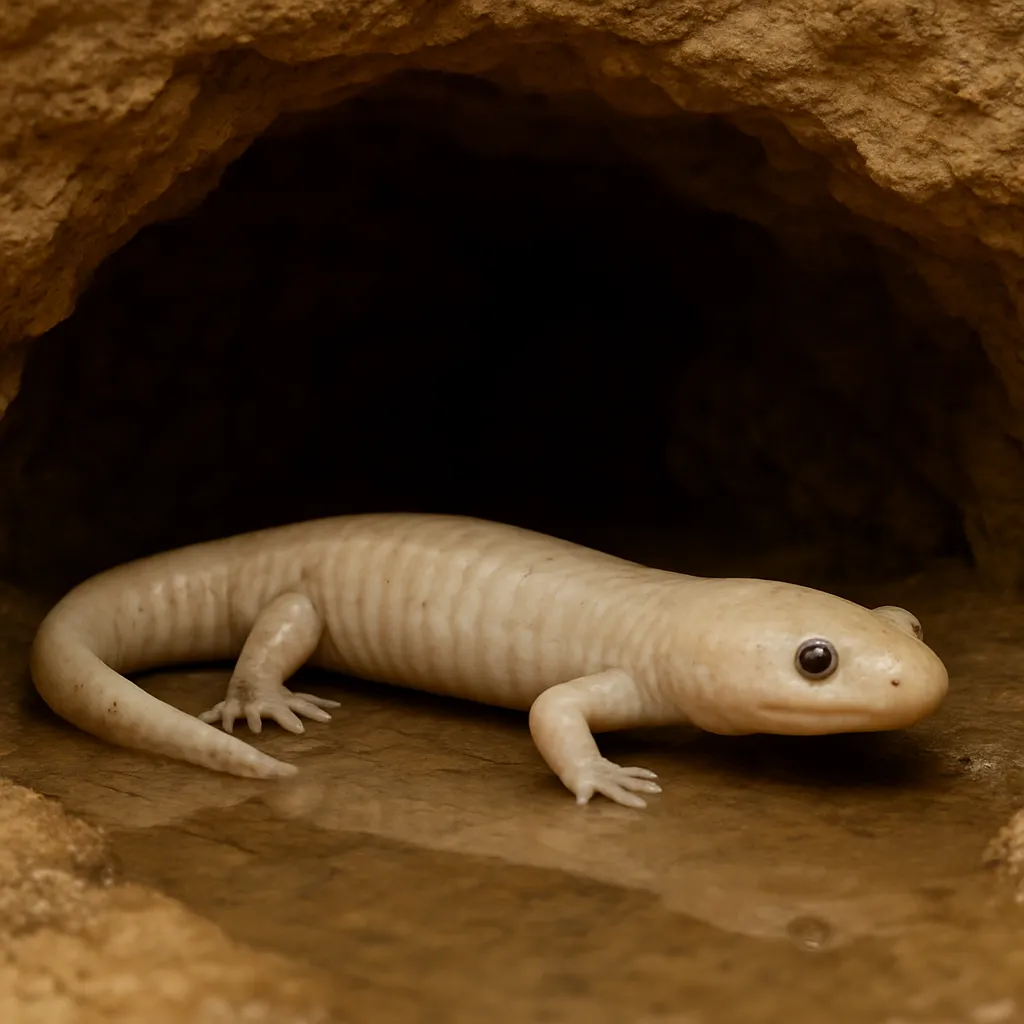
A salamander lives only in one cave pool and dies above 15 degrees Celsius. Warm outflow raises the pool to 19 degrees, and no other cave is reachable. What is the most likely outcome?
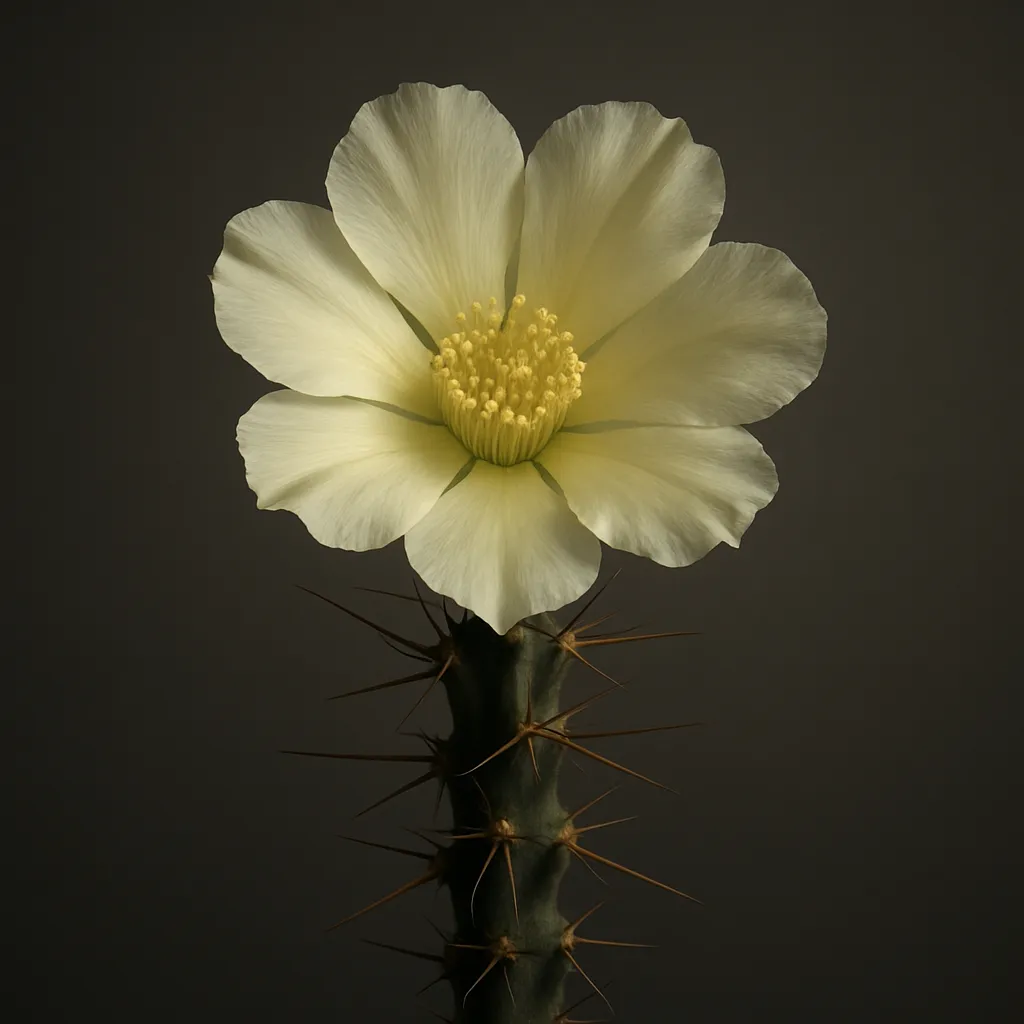
A desert plant is pollinated by one moth species only. A pesticide removes every moth from the region, and no other insect visits the flowers. What is the most likely outcome for the plant?
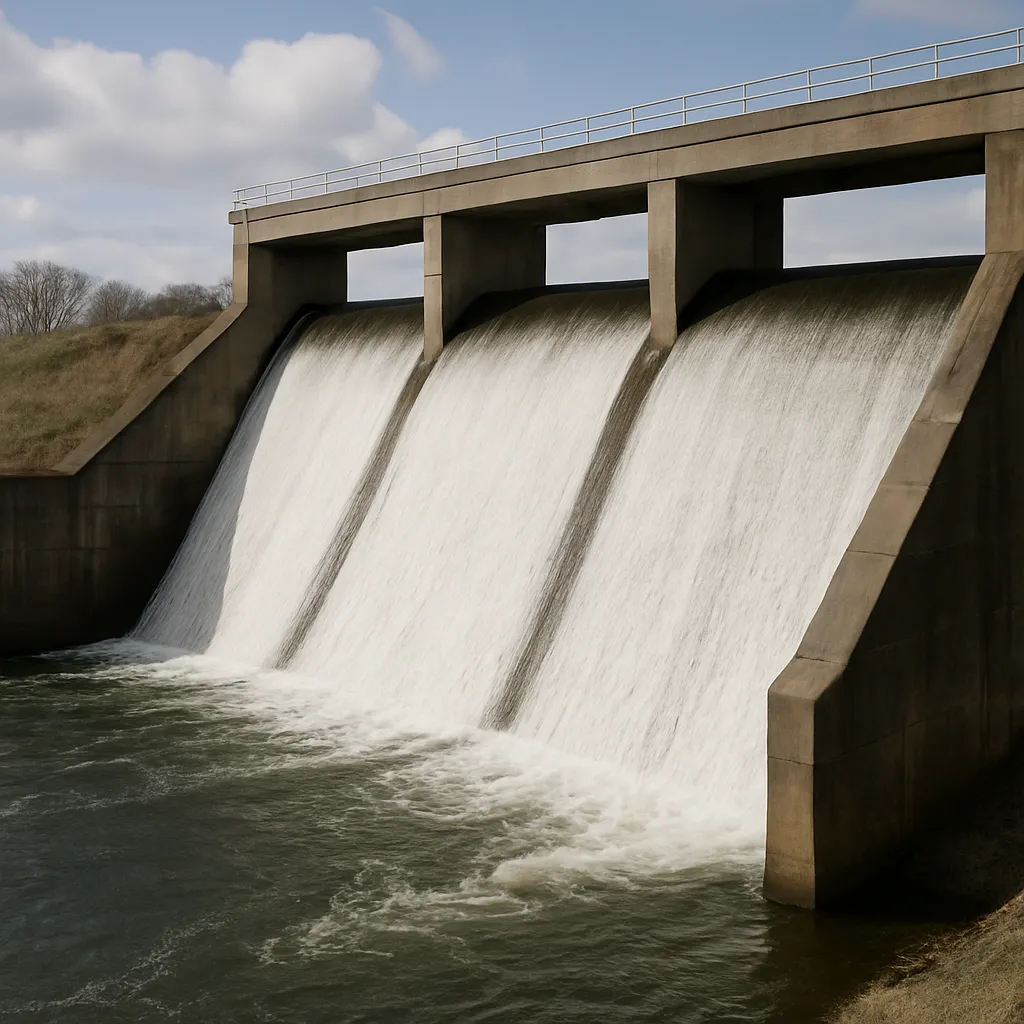
A salmon population spawns only on gravel beds far upstream. A new dam with no fish passage blocks the river, and no gravel beds lie below it. What is the most likely outcome?
Winters in a valley grow colder over 60 years. A beetle population there varies widely in cold tolerance, and some individuals already survive the new low temperatures. What is the most likely outcome?
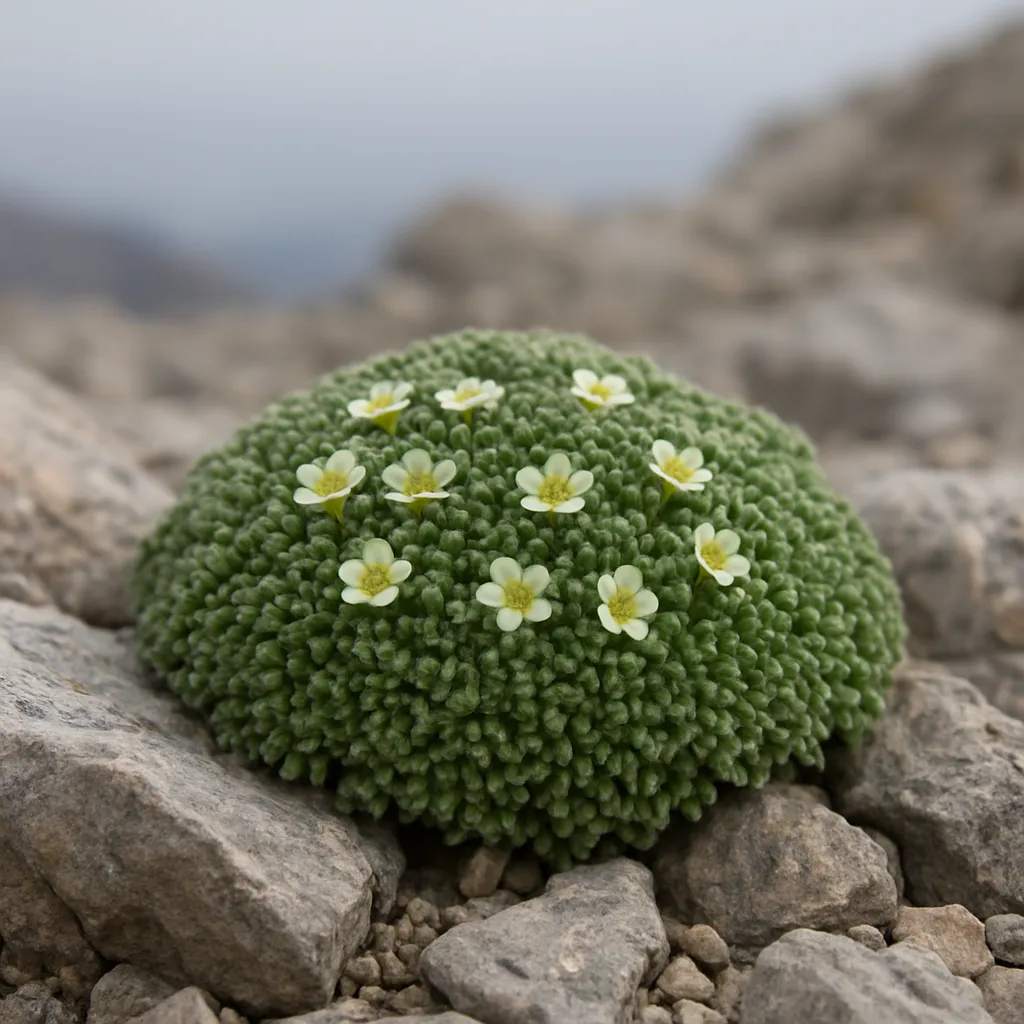
A cushion plant grows only on the coldest ground near a mountain's summit. The climate warms and its zone shrinks to nothing, and no higher ground exists. What is the most likely outcome?
Migrating sandpipers stop at one marsh to feed. That marsh is drained, but a second marsh with the same food lies 30 kilometers along their route. What is the most likely outcome?
A quarry removes most of a hillside where a snail lives, but a protected patch of the same damp limestone remains. What is the most likely outcome for the snail population?
A small flightless wren lived only on one New Zealand island that had no mammal predators. Cats were brought to the island in 1894, and within about a year the wren was gone. Which kind of threat best describes this extinction?
The golden toad bred only in pools of one protected Costa Rican cloud forest. In 1987 a drought crowded the last toads into a few shrinking pools, and a deadly skin infection swept through them. Which kind of threat best describes this extinction?
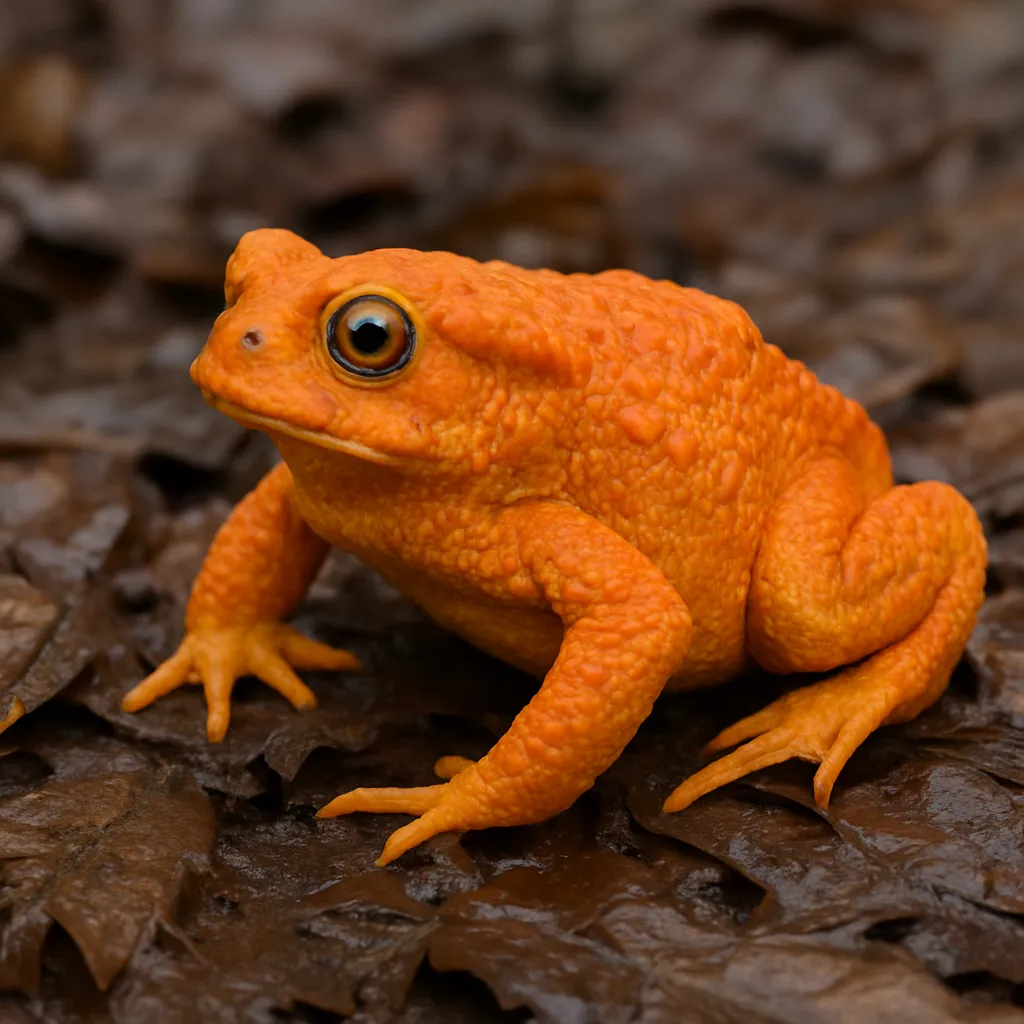
Passenger pigeons nested in huge flocks in North American forests. In the 1800s, railroads let market hunters follow the flocks, and farms replaced much of the eastern forest. The last bird died in 1914. Which kind of threat best describes this extinction?
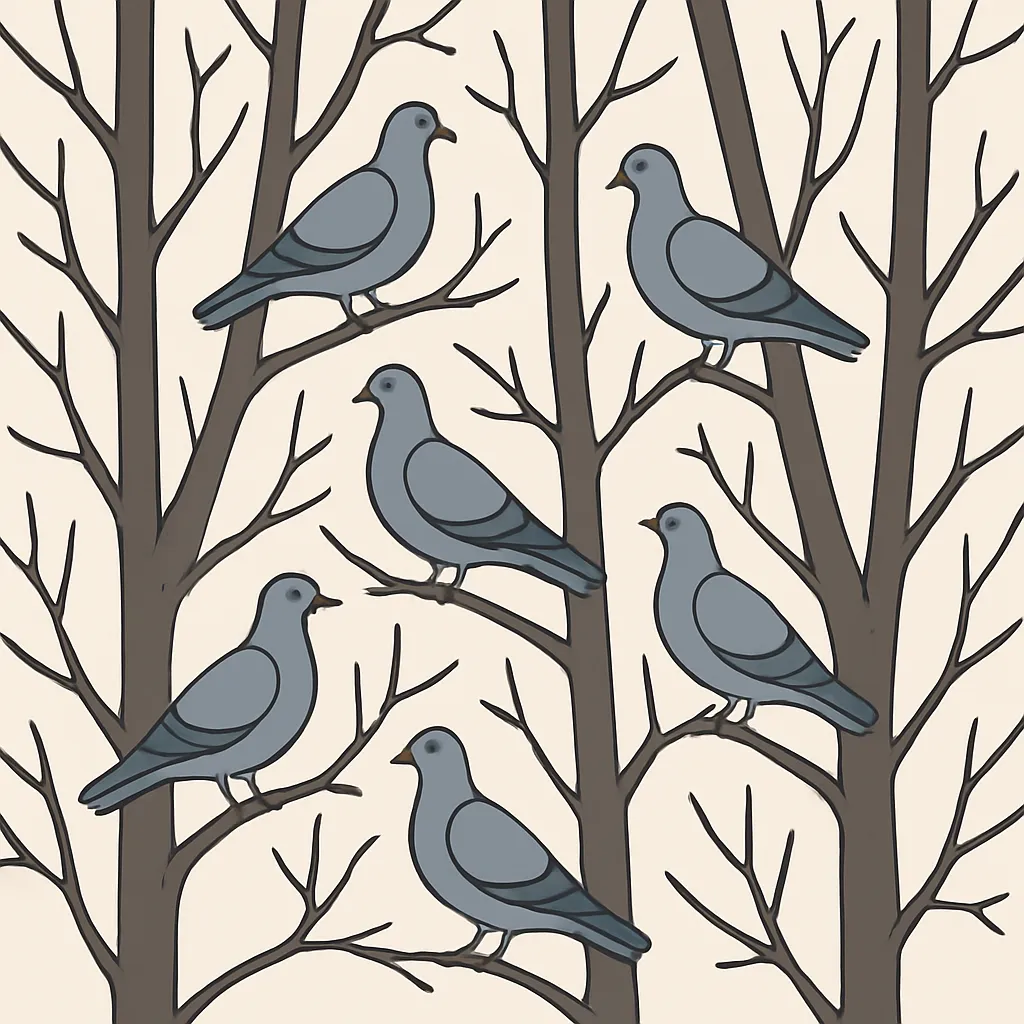
The Xerces blue butterfly lived only on San Francisco's coastal sand dunes, where its caterpillars fed. As the city grew, houses spread over the dunes, and the butterfly vanished by the 1940s. Which kind of threat best describes this extinction?
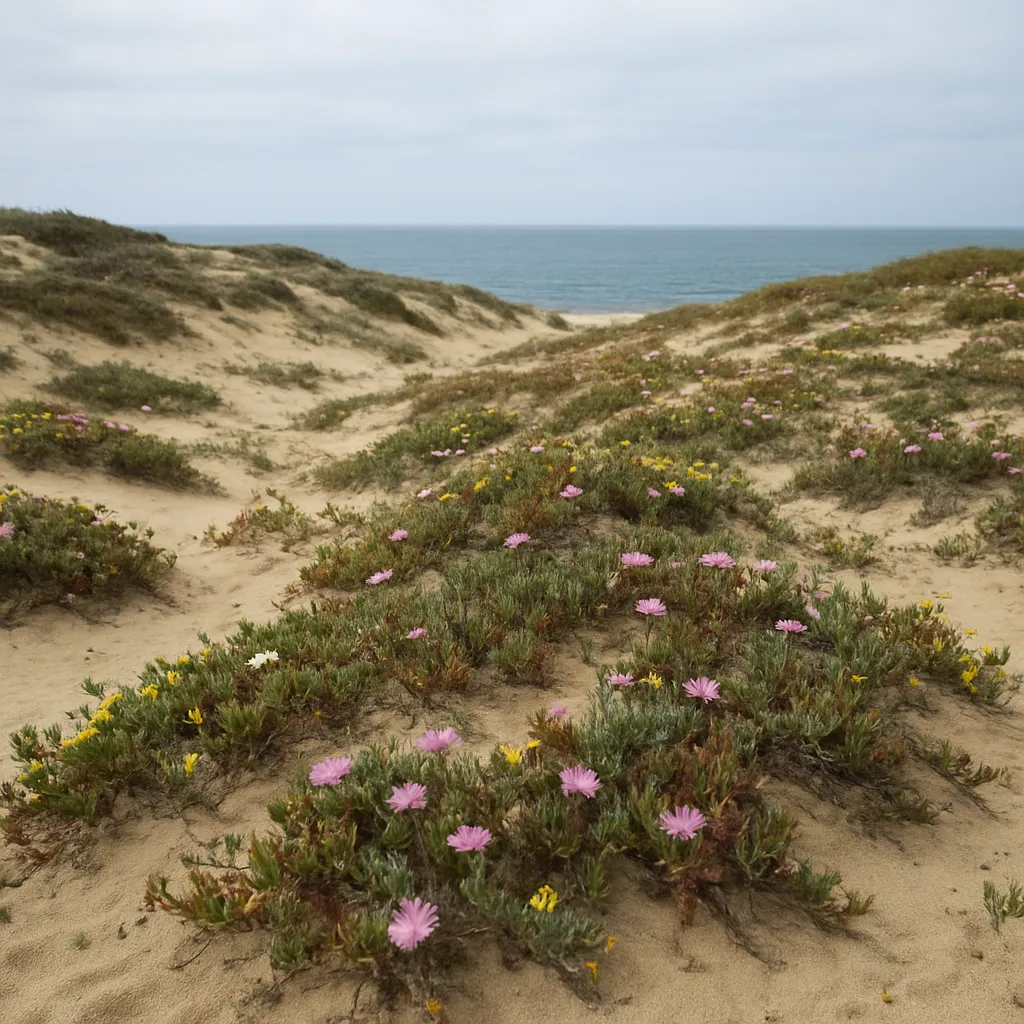
The Bramble Cay melomys, a rodent, lived only on one low sandy island in the Torres Strait. As sea levels rose, storm tides washed over it more and more often, and its plant cover shrank by about 97%. Which kind of threat best describes this extinction?
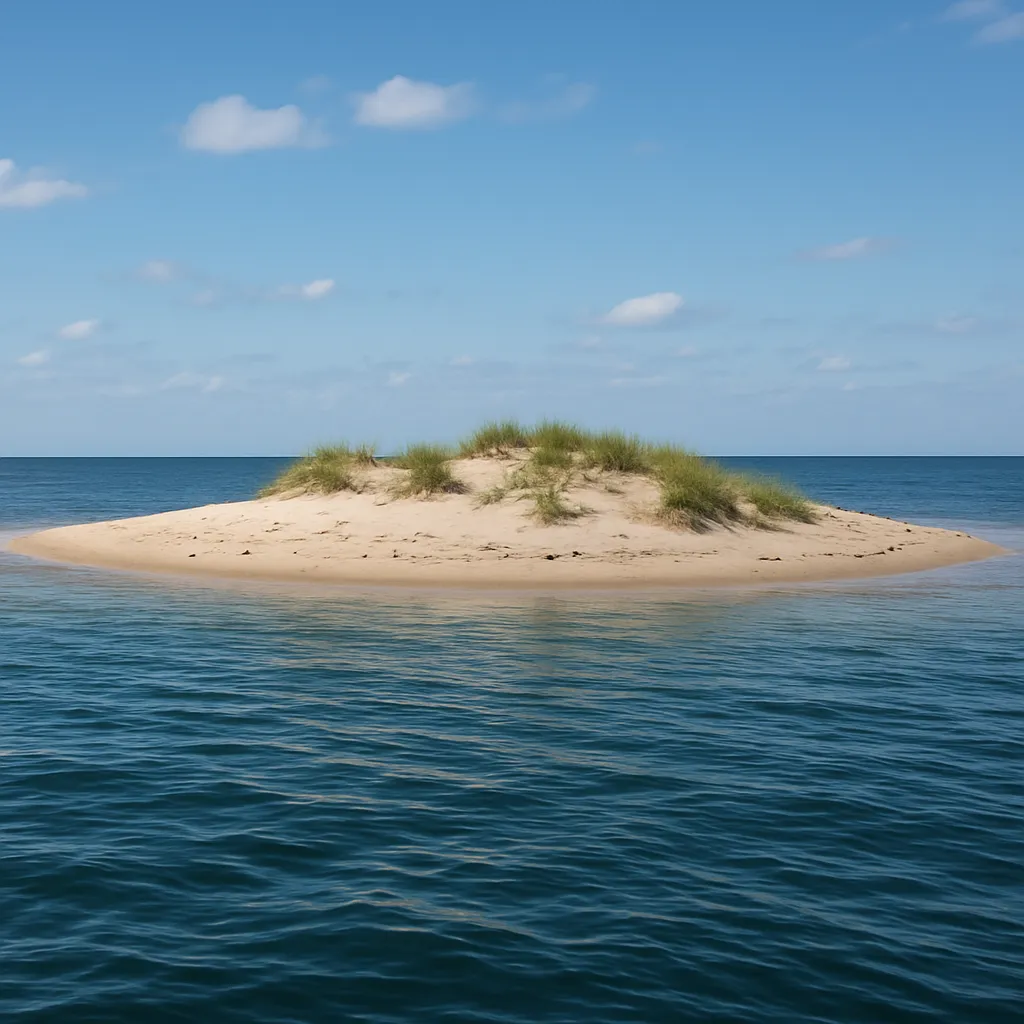
Steller's sea cow was a huge, slow mammal that grazed in shallow Bering Sea waters. Explorers first found it in 1741, and by about 1768 it was gone. Which change most likely caused this extinction?
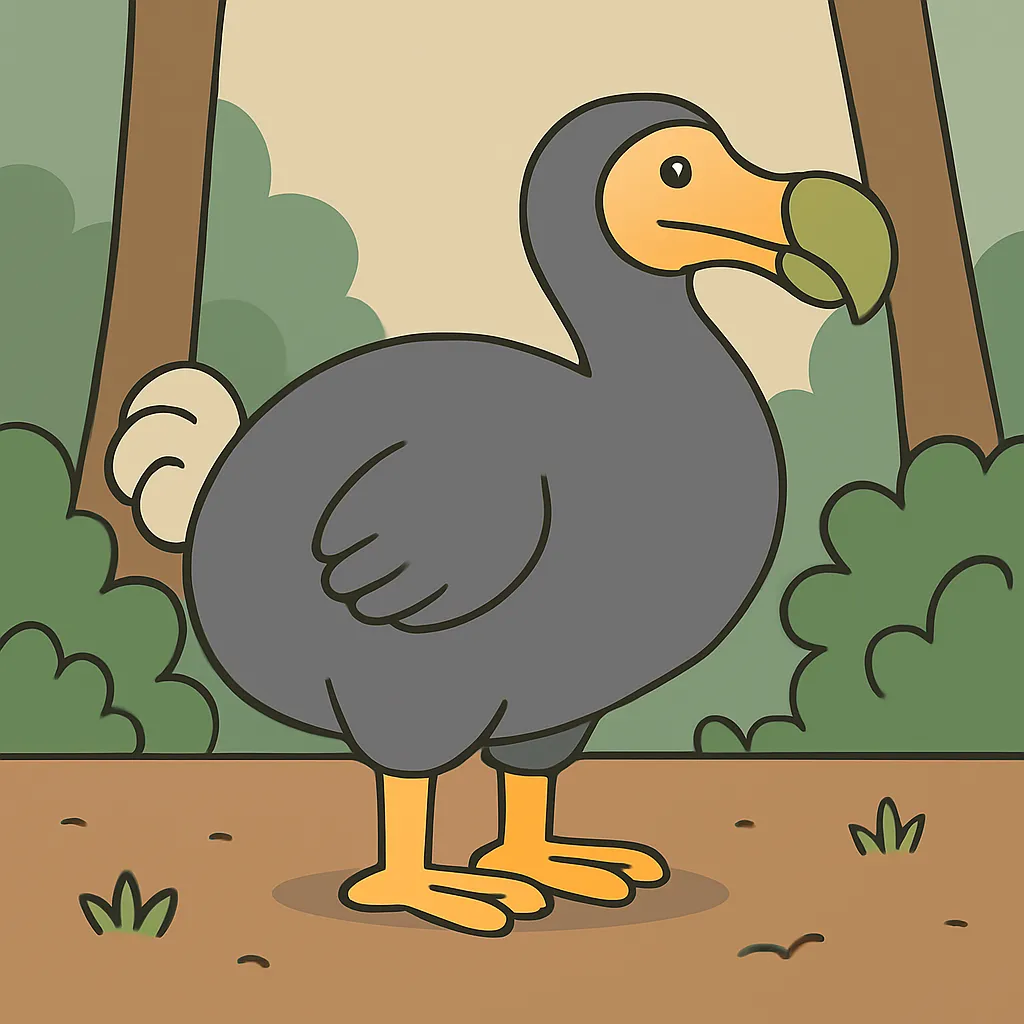
The dodo was a flightless bird of Mauritius that nested on the ground and had never faced predators. Dutch sailors began stopping there in 1598, and the dodo was gone before 1700. Which change caused this extinction?
Two forest birds feed on fruit. Bird R eats fruit from many tree species. Bird S eats only figs from one tree species. Every tree of that fig species is cleared from the forest. Which bird is at greater risk?
Two lizard species live in one region. Species F is found only on one island of 3 square kilometers; species G lives across 400 kilometers of mainland. An eruption buries that island. Which species is at greater risk?
Two moth populations meet the same new pesticide. Population J varies widely in how well individuals tolerate the chemical; in population K almost every individual is identical. Which population is more likely to be wiped out?
A river at 12 degrees Celsius warms by 4 degrees. Fish species M survives only between 10 and 14 degrees Celsius. Species N survives between 5 and 30 degrees Celsius. Which species is at greater risk, and why?
Hunting removes the same fraction of two mammal populations each year. Species T has one young every three years; species V has six young a year and breeds at age one. Which species is at greater risk?
A pond dries out one summer. Frog species W can travel overland to three nearby ponds; species X lives only in that pond, and no waterway connects it to another. Which species is at greater risk?
Crack the passcode before the zombies get in.
Answer, then swat bugs for bonus points.
Race through questions at your own speed.
Same question on every screen. Fastest wins.

Pick a tile, answer, hit bonuses and steals.
Energy Flow in Food Webs
40 questions