Loading
by BlastRoom
Work out how variation in a trait changes which individuals survive, reproduce and pass that trait on.
#us_grade_8_science
40 questions
One question set, multiple game modes. Tap any game to see it in action. Not sure which to pick?
Answer to place stones and capture territory.
Outrun the snow together.
Earn blasts, then hunt the other team.
Answer to earn energy, then climb.

The class blasts through walls together.
Bid on mystery lots. Most money wins.
Sell tours. Nice, standard, or a total scam.

Answer, restock, and serve the rush.
More correct answers pulls the rope your way.
Answer, then shoot down the alien wave.
Answer, then tap to leap the frozen ridge.
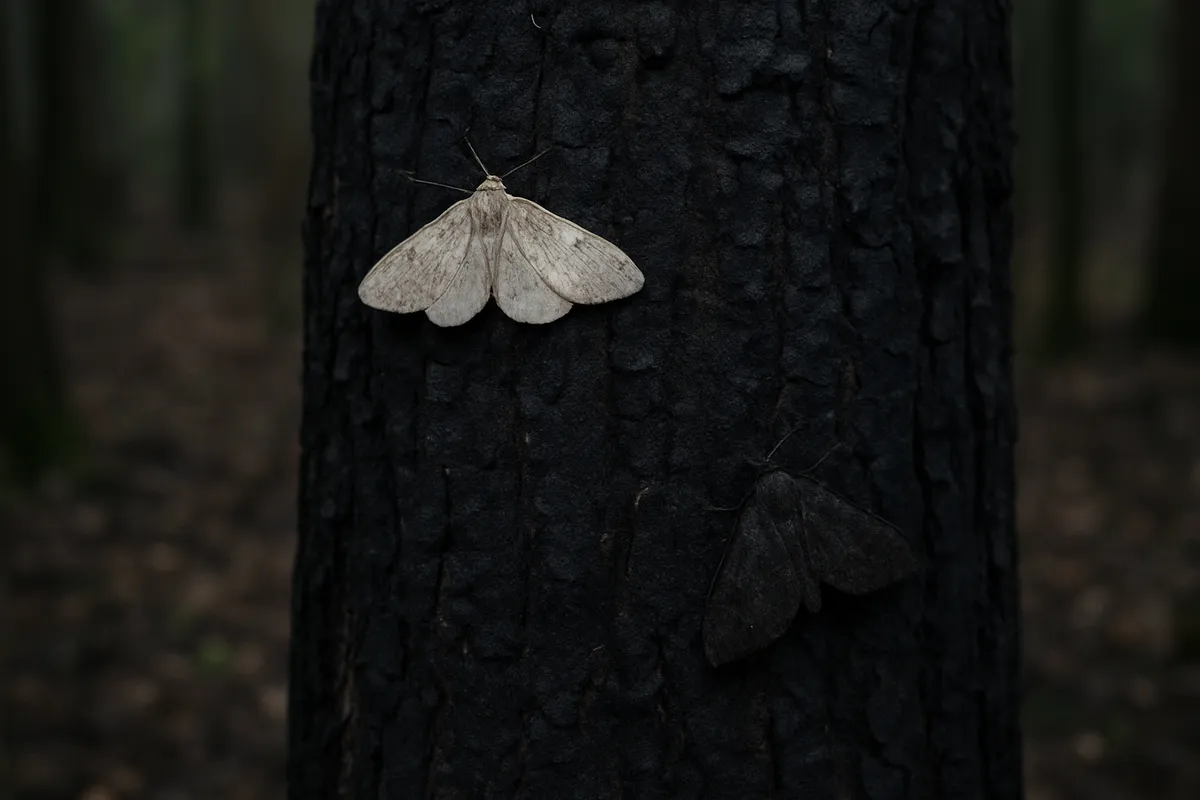
Peppered moths rest on soot-blackened trunks near a factory. The moths range from pale speckled to nearly black. Birds pick moths off the trunks by sight. Which moths survive long enough to breed?
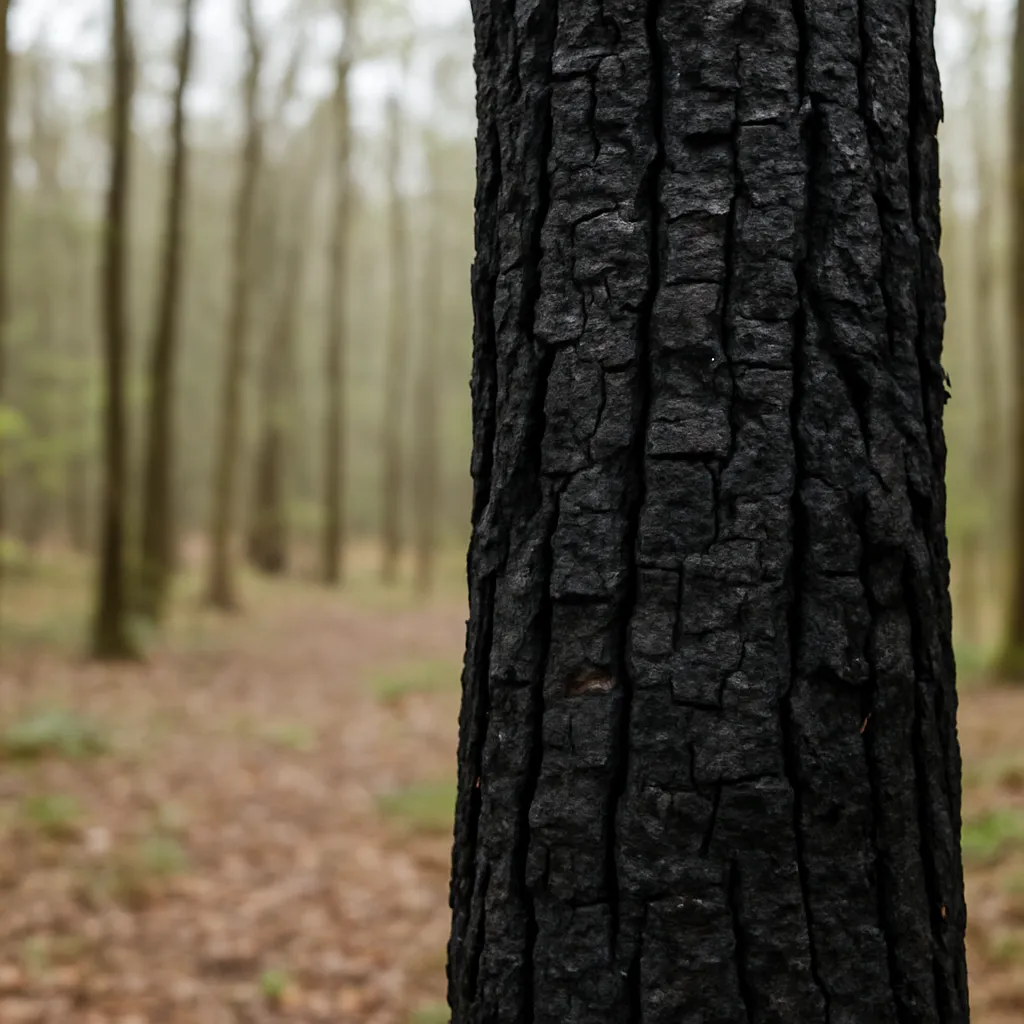
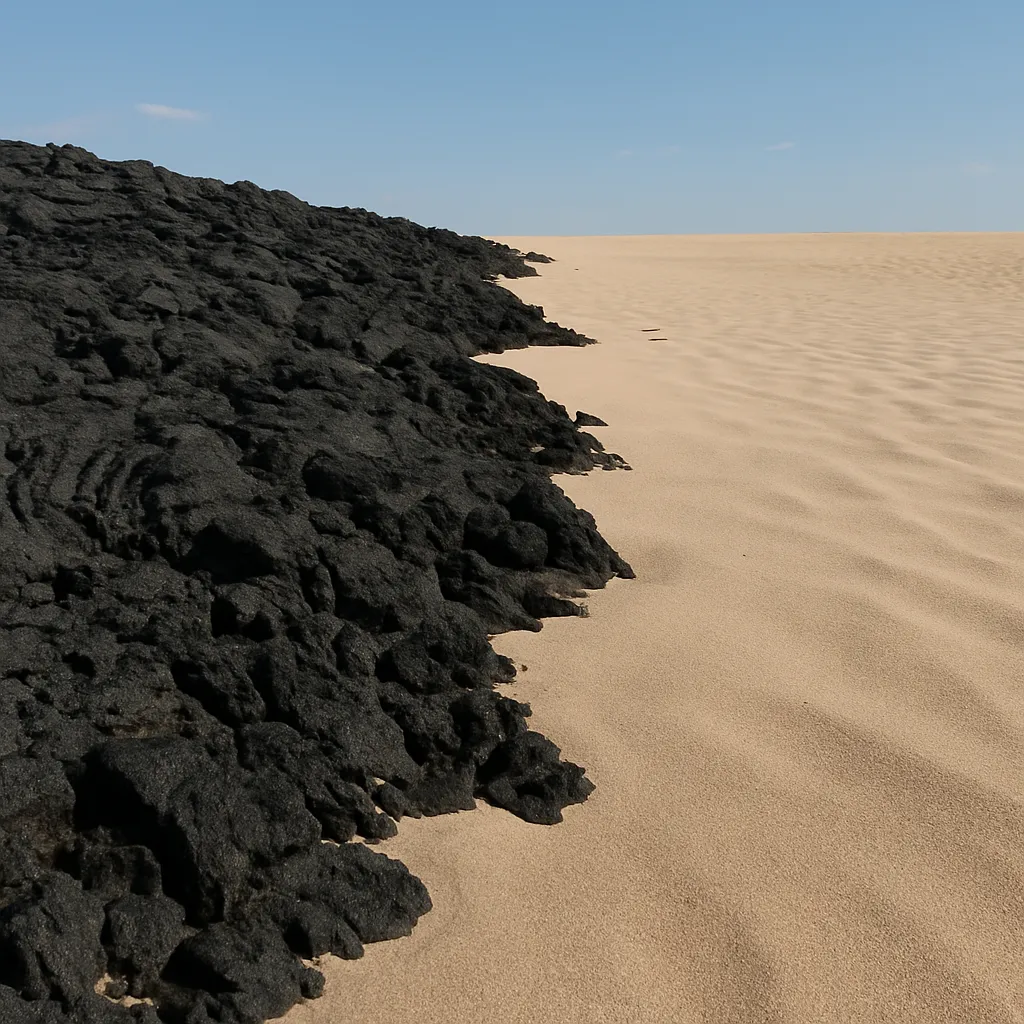
A population of rock pocket mice living on a dark lava flow varies from sandy tan to dark gray. Owls hunt them at night by sight. Which mice are most likely to leave offspring?
In one stream, pike cichlids eat guppies and hunt by sight. Male guppies in that stream range from dull brown to brightly spotted. Which males are most likely to father the next generation?
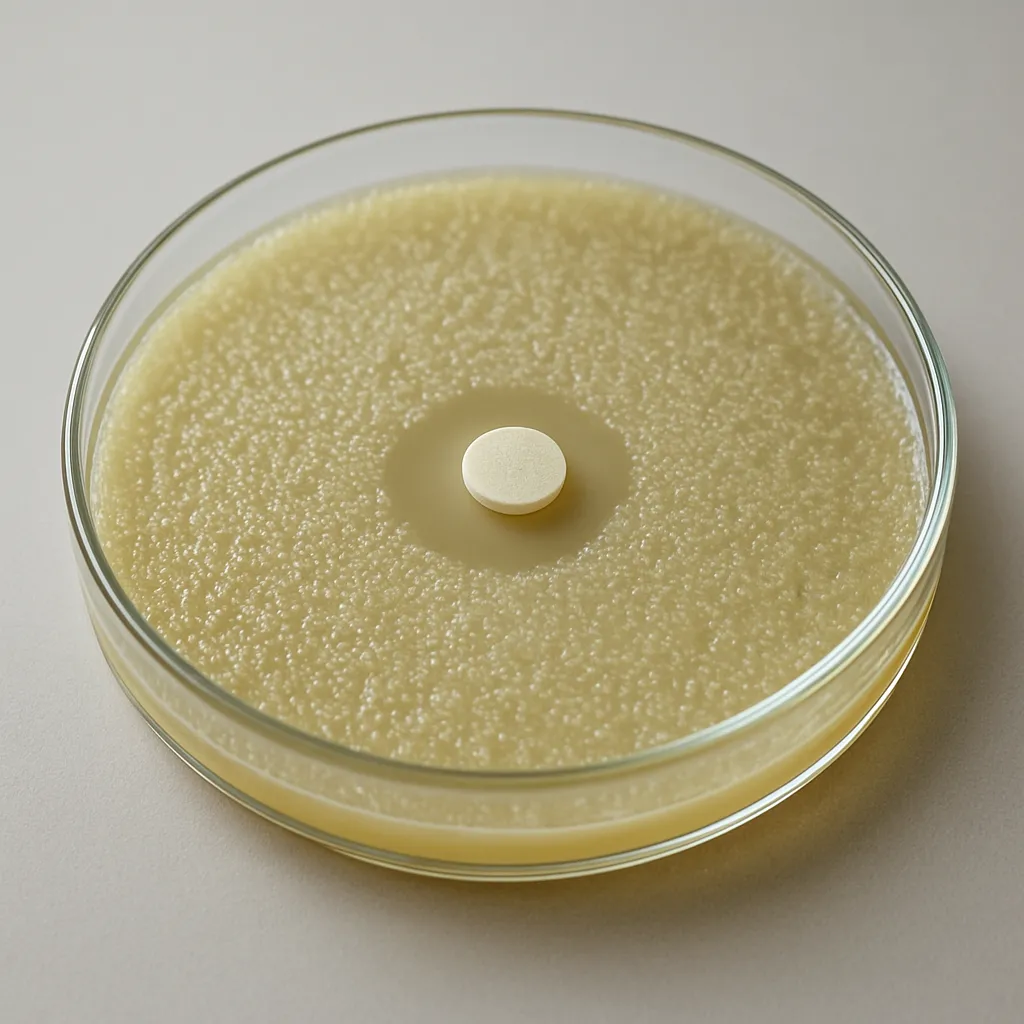
A dish is covered with bacteria, and a paper disc soaked in an antibiotic clears a ring around itself. Days later, a few small colonies grow inside the clear ring. Which bacteria started those colonies?
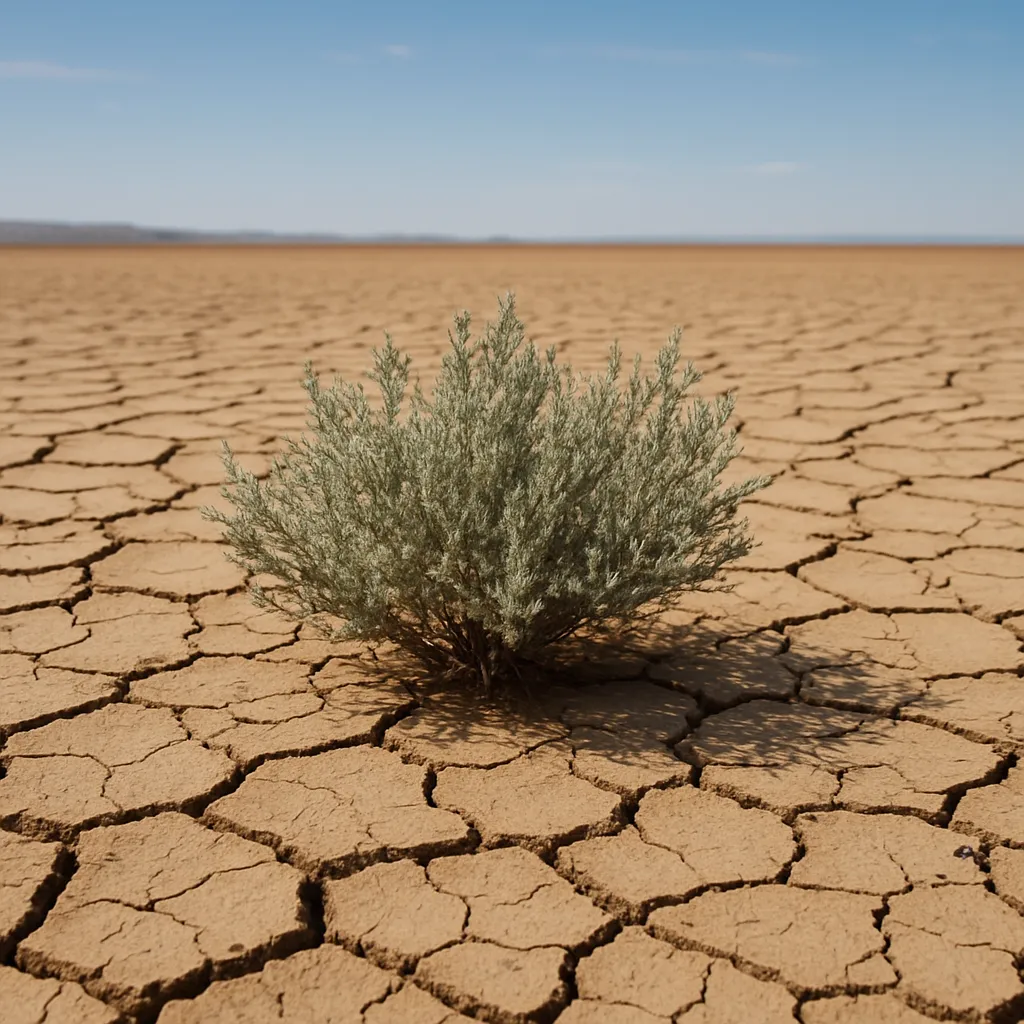
A desert shrub population varies in how deep its roots grow. Two years of drought dry out the upper soil, leaving water only far below the surface. Which shrubs are most likely to set seed?
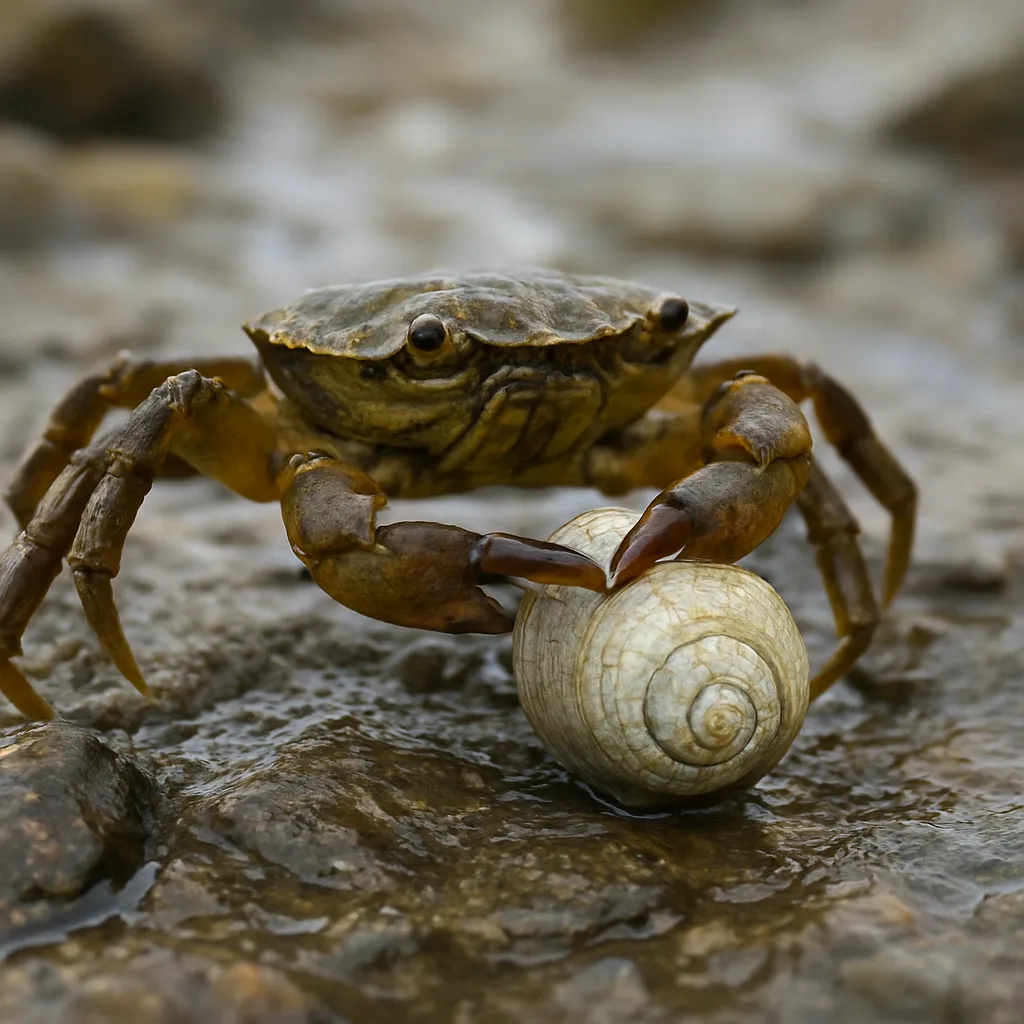
On a rocky shore, periwinkle snails differ in shell thickness. A crab species that crushes shells with its claws moves onto the shore. Which snails are most likely to survive to lay eggs?
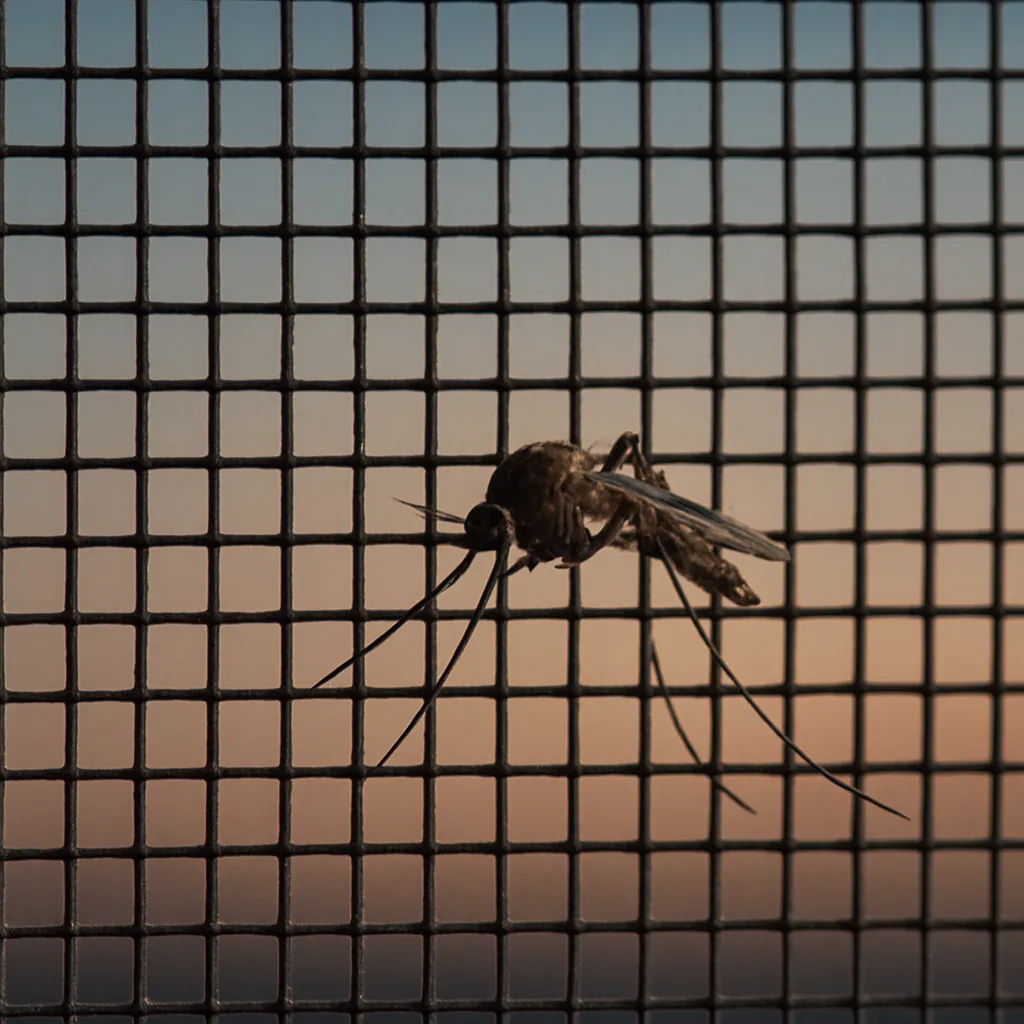
Mosquitoes in a village vary, and a small number carry an enzyme version that breaks down a common insecticide. Health workers spray the whole village. Which mosquitoes make up most of the next generation?
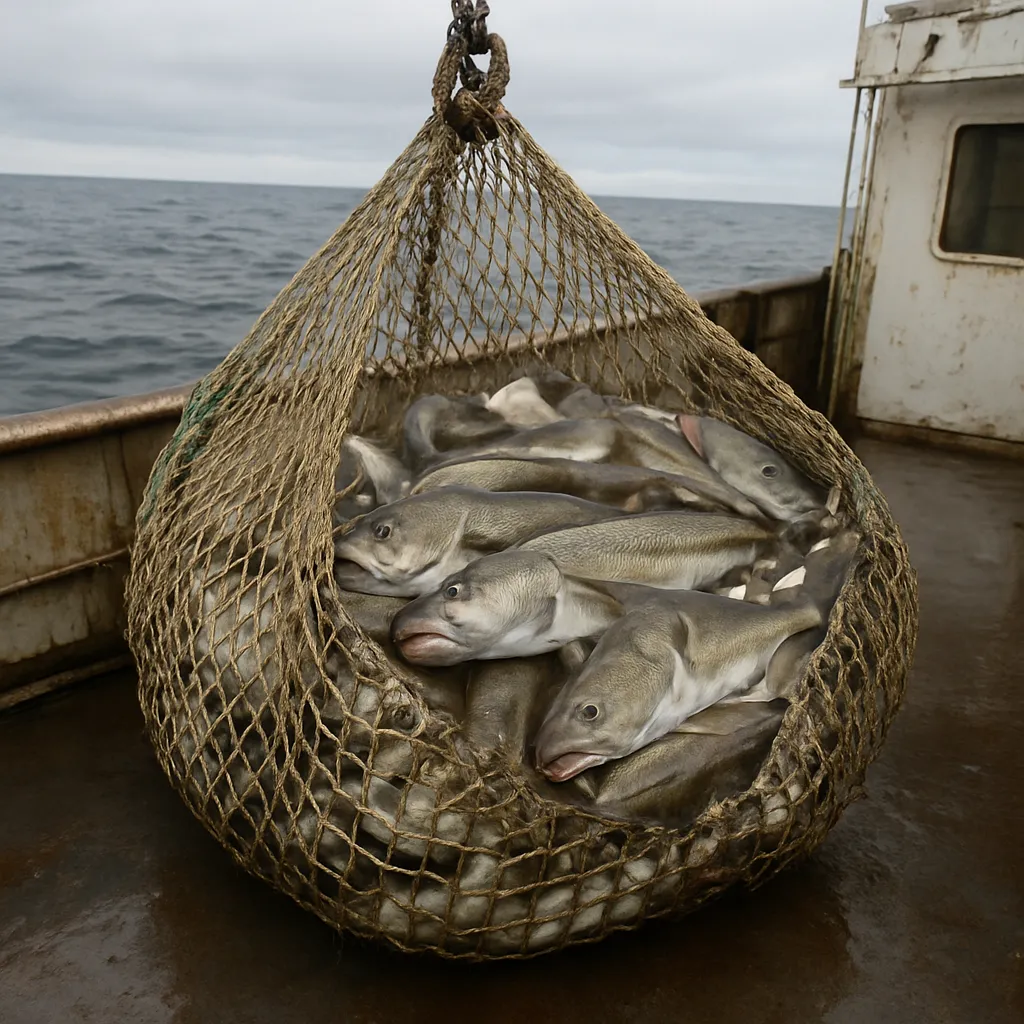
A cod population varies in the size fish reach before they breed. Boats use nets that catch only the largest fish, year after year. Which fish are most likely to breed?
In a park where poachers take elephants for ivory, a few female elephants are born with no tusks at all. Poaching goes on for decades. Which females are most likely to survive and calve?
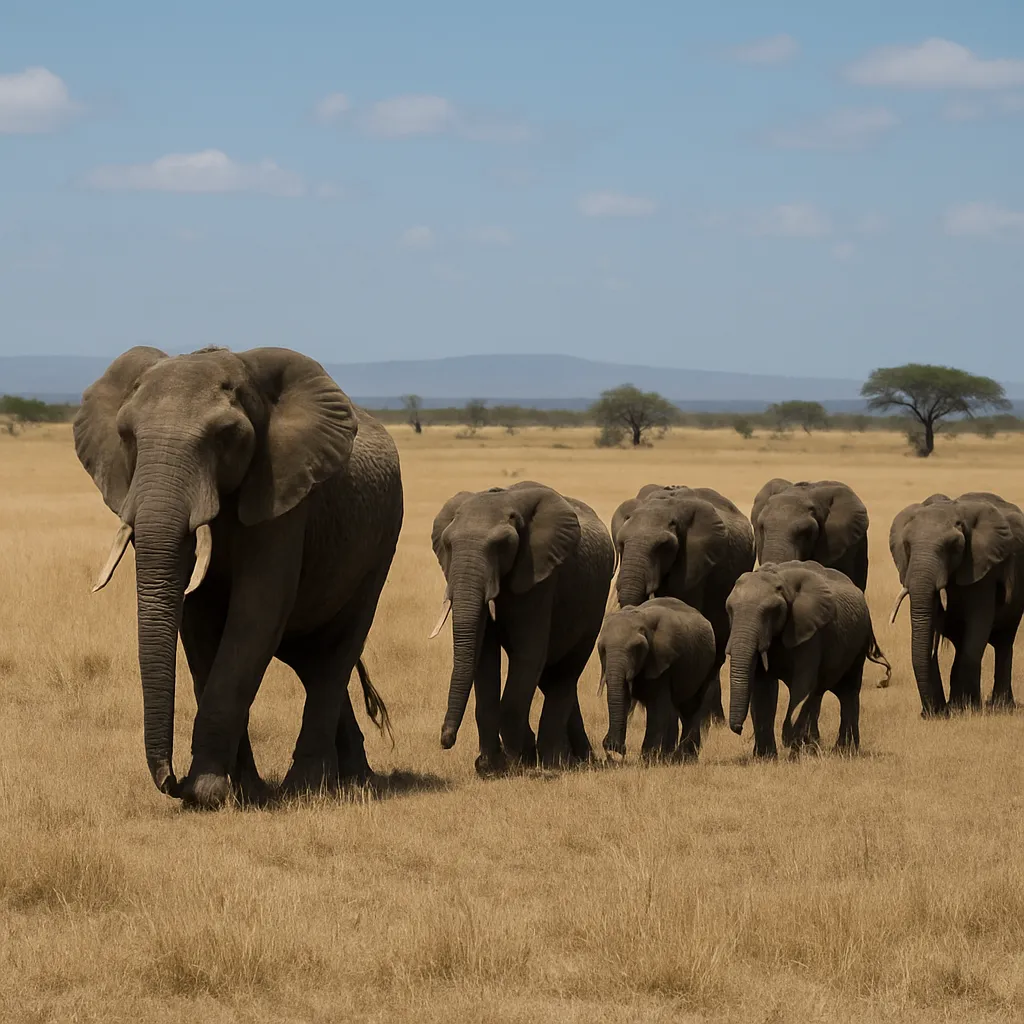
A rabbit population varies in coat thickness. Winters in the region grow much colder over several decades, and many rabbits die of cold each winter. Which rabbits leave more offspring?
A field is sprayed with the same herbicide for ten years. At the start almost every weed died; now most weeds survive the spray. Which explanation fits the evidence?
After clean-air laws, soot faded from the trunks and pale lichens grew back. Within decades the pale form of the peppered moth was again the most common. How did that happen?
For thirty years, hunters in one valley took the bighorn rams with the largest horns. Average horn size in the population fell. What accounts for the drop?
Pest controllers baited buildings with glucose-sweetened cockroach bait for years. In treated buildings, most German cockroaches now refuse the sweet bait. What explains the shift?
Marine sticklebacks carry heavy bony side plates. In new freshwater lakes with few armor-crushing predators, lightly plated fish became common within a few decades. Which account fits the evidence?
Cliff swallows have nested under a highway bridge for thirty years. Average wing length has fallen, and swallows killed by traffic have longer wings than the survivors. What explains the change?
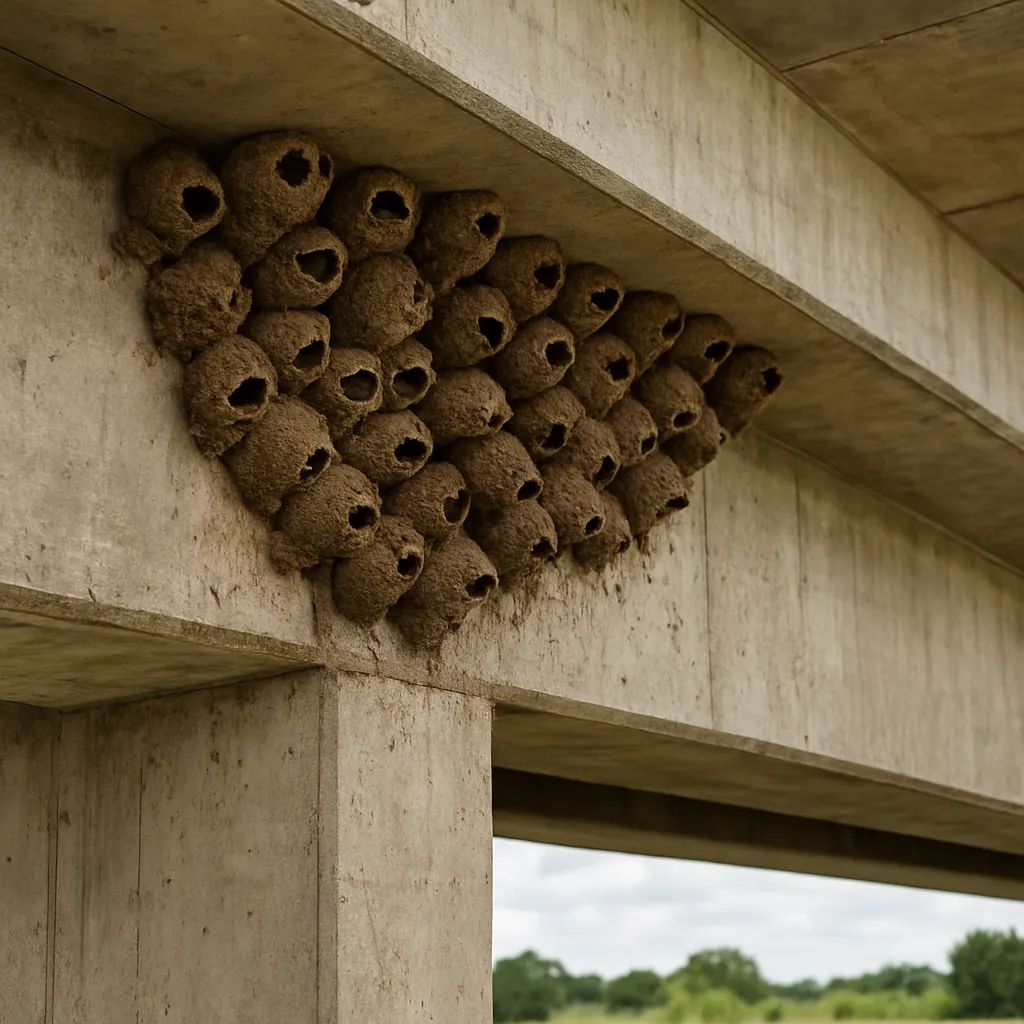
A pasture is grazed short by sheep year after year. Wildflowers that open their flowers close to the ground are now the majority. Which explanation is supported?
A city put out warfarin rat poison for many years. Most of the city's rats now survive a dose that once killed them. Which explanation fits how populations change?
In one area snow now arrives weeks later in fall than it used to. Snowshoe hares that turn white late in the season are far more common than they were. How did the population change?
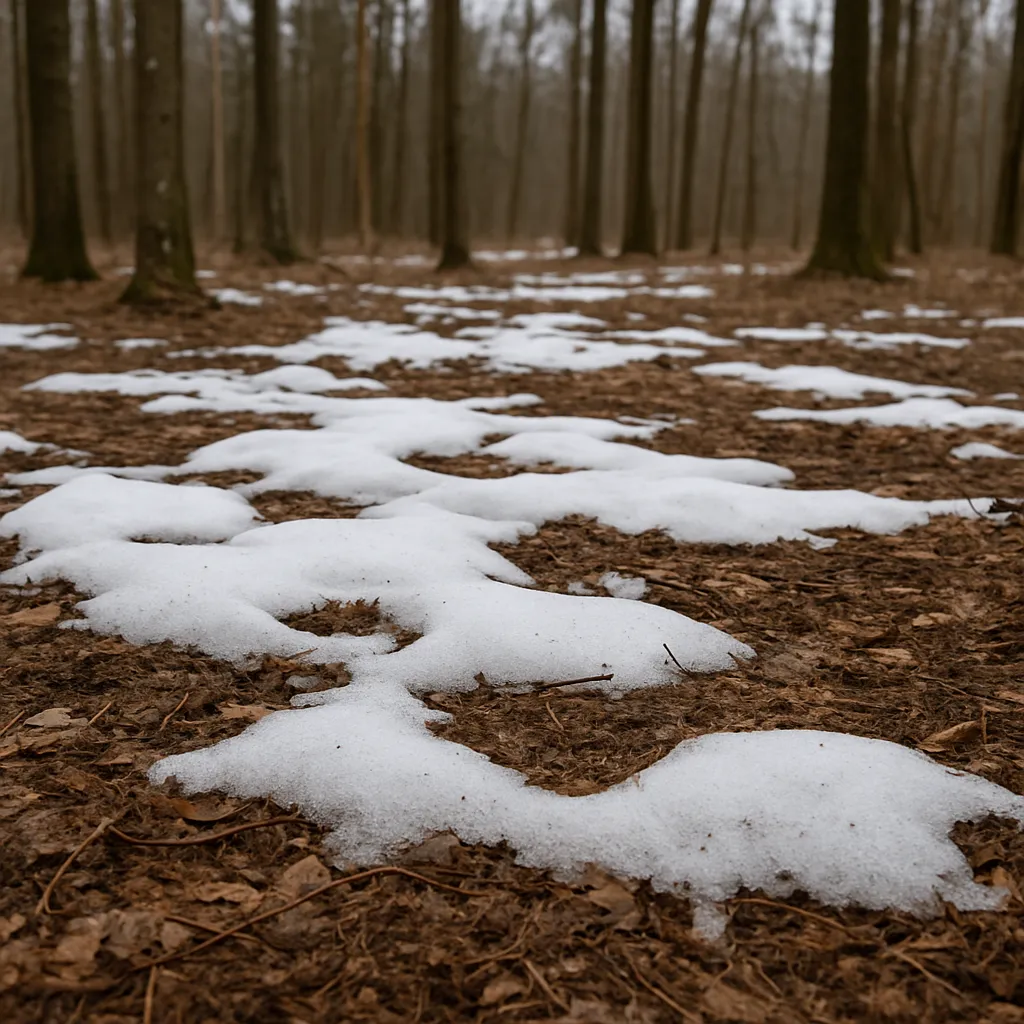
Fruit flies are kept in a lab at 30 degrees Celsius for fifty generations. The flies at the end survive heat far better than the flies at the start. Which explanation is supported?
Spores of a crop fungus frozen in 1970, years before a fungicide was invented, include a few carrying the gene version that fungicide cannot act on. Where did that version come from?
Two puppies from the same litter differ in coat length, ear shape and adult size, even though they have the same mother and father. What is the main source of those differences?
A mouse's skin cell gains a mutation from sunlight. Another mutation appears in a cell that makes its eggs. Which mutation can enter the next generation and add to the population's variation?
A dark fur allele turns up in a mouse population living on pale sand, where hawks quickly eat any dark mouse. How did that allele first appear in the population?
Beetle specimens collected and pinned in museum drawers long before a new insecticide was sold already include individuals with the gene version that survives it. What does that show about the variation?
Bacteria reproduce asexually, so a colony begins as near-identical copies of one cell. Even so, the colony ends up with genetic differences between cells. Where do those differences come from?
Genetic studies show that the mutation behind the dark peppered moth arose around 1819, decades before dark moths became common near English factories. What does that tell us about the dark form?
A greenhouse crop is grown from cuttings, so every plant is genetically identical. A new mold sweeps through and kills them all. Why was this crop at greater risk than a seed-grown field?

A change in a single DNA base gives some plants a slightly thicker waxy layer on their leaves. In a dry year those plants lose less water. What does this show about mutations?
In a population that reproduces sexually, each generation shuffles alleles into new combinations. Where did the allele versions being shuffled originally come from?
A student writes: 'Cheetahs chased gazelles until their legs got faster, and their cubs were born faster.' Which correction fits how a population changes?
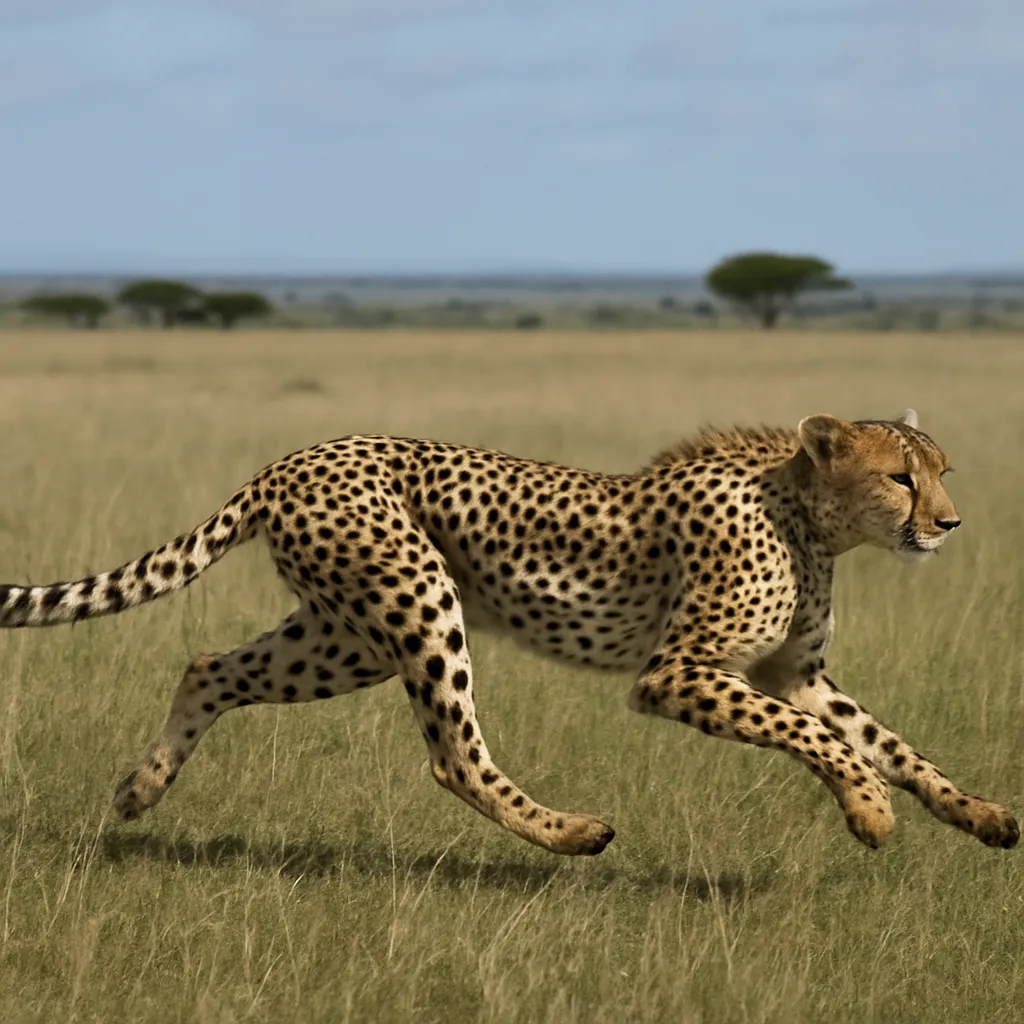
A student writes: 'Cave fish stopped using their eyes in the dark, so their young were born blind.' Which correction fits the evidence?
A student writes: 'A weightlifter builds huge arm muscles, so her children will be born with big muscles.' What is wrong with the claim?
A student writes: 'Polar bears turned white because they needed to hide in the snow.' Which correction describes how the white coat became common?
A student writes: 'Head lice got used to the treatment shampoo, so now it does not work on them.' Which correction fits the evidence?
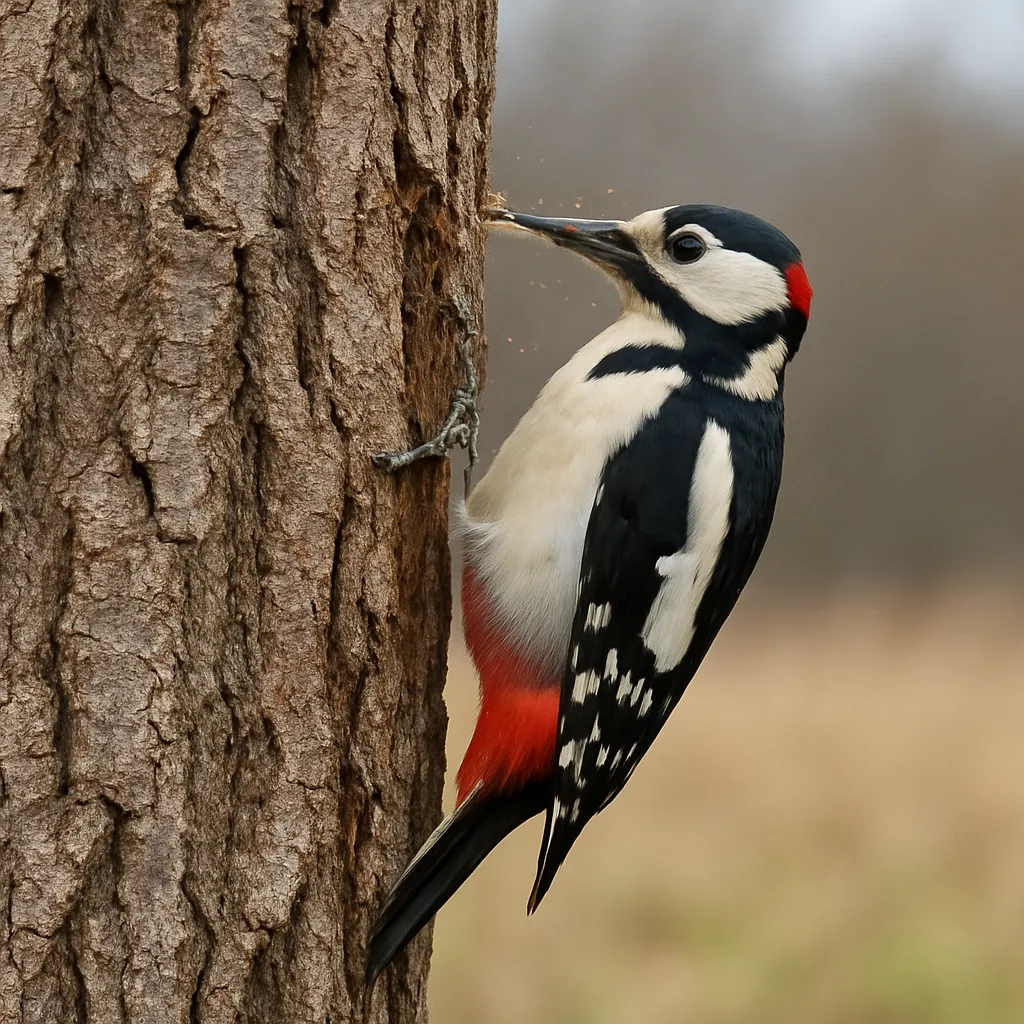
A student writes: 'Woodpeckers hammered bark until their beaks grew stronger, and their chicks hatched with strong beaks.' Which correction fits how a population changes?
A student writes: 'These seedlings leaned toward the window, so their seeds will grow into plants that lean.' What is the problem with that claim?
A student writes: 'Desert plants noticed they were losing water, so they made their leaves smaller for the next generation.' Which correction fits the evidence?
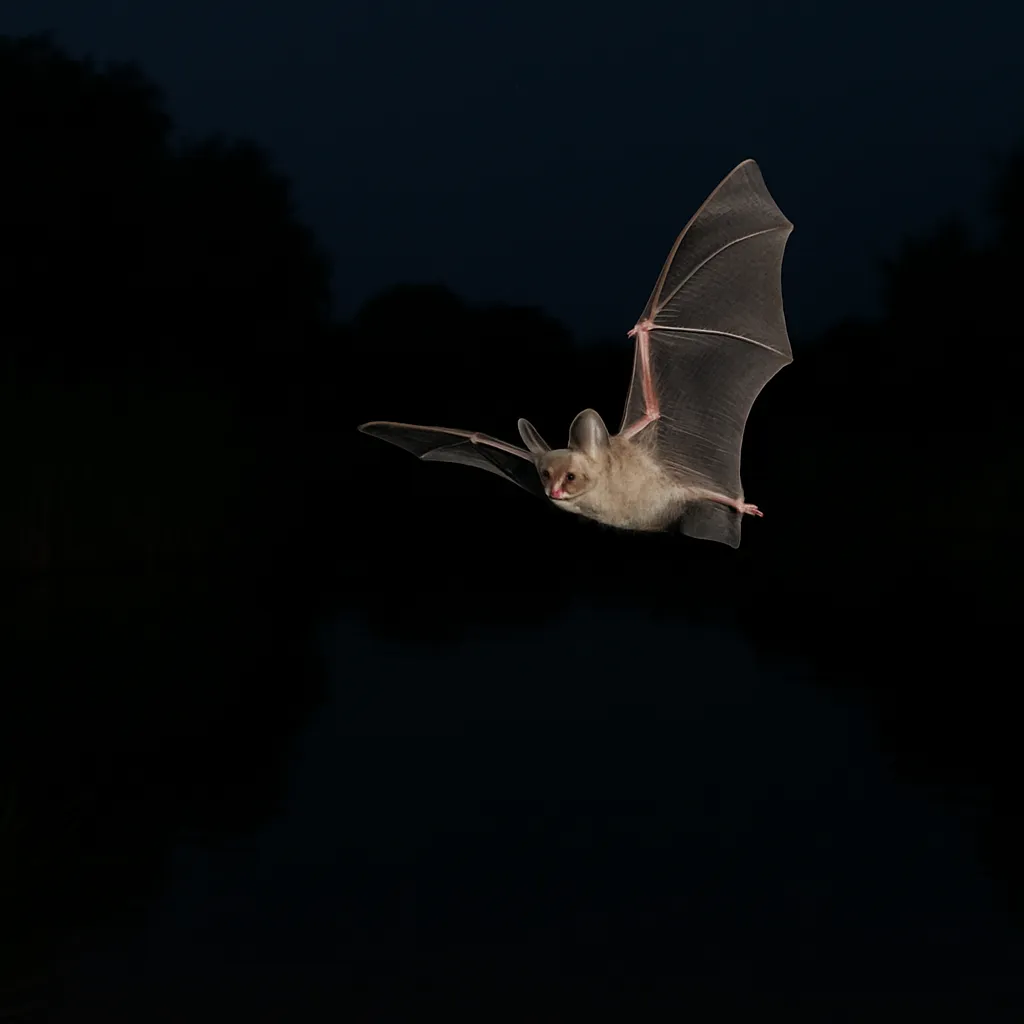
A student writes: 'Bats developed the ability to hunt by echoes because they wanted to feed at night.' Which correction fits how the ability spread?
A student writes: 'Natural selection always gives a species the traits it needs to survive a change.' Which observation shows the student is wrong?
Crack the passcode before the zombies get in.
Answer, then swat bugs for bonus points.
Race through questions at your own speed.
Same question on every screen. Fastest wins.

Pick a tile, answer, hit bonuses and steals.
Artificial Selection and Selective Breeding
40 questions