Loading
by BlastRoom
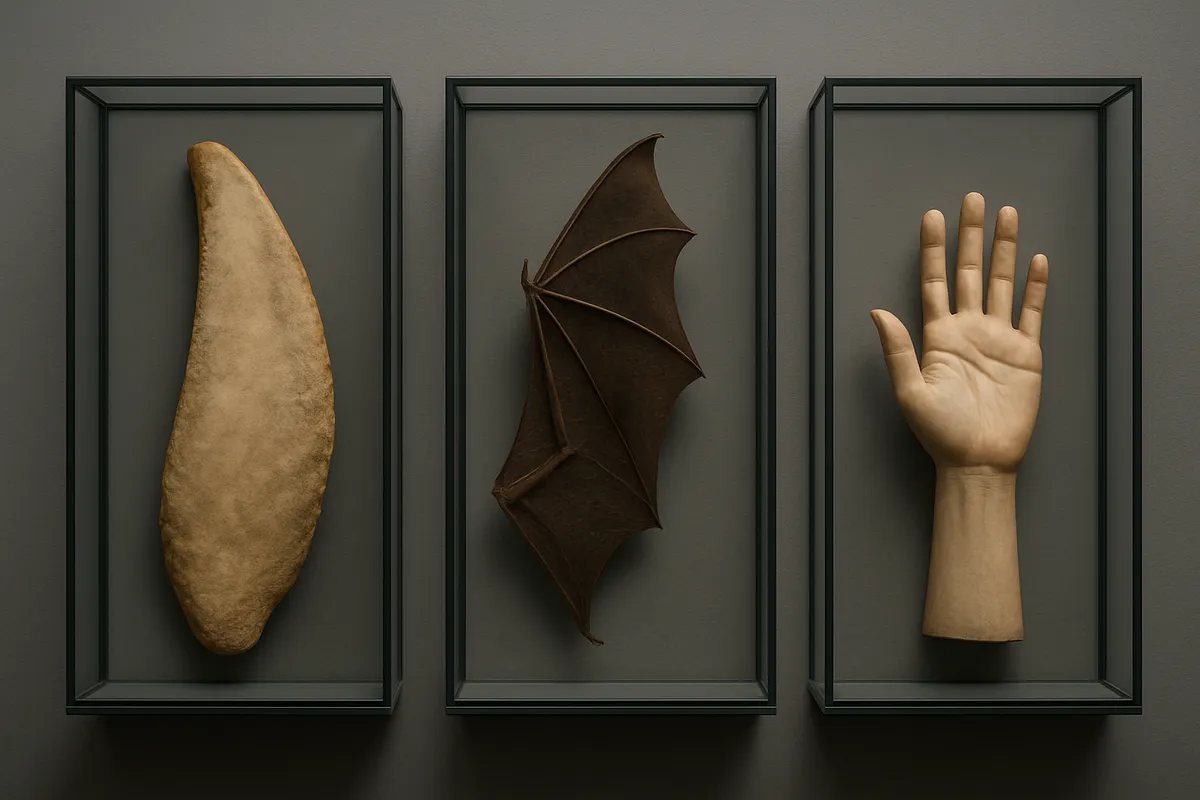
Compare the bones and body plans of different species to work out how closely they are related.
#us_grade_8_science
40 questions
One question set, multiple game modes. Tap any game to see it in action. Not sure which to pick?
Answer to place stones and capture territory.
Outrun the snow together.
Earn blasts, then hunt the other team.
Answer to earn energy, then climb.

The class blasts through walls together.
Bid on mystery lots. Most money wins.
Sell tours. Nice, standard, or a total scam.

Answer, restock, and serve the rush.
More correct answers pulls the rope your way.
Answer, then shoot down the alien wave.
Answer, then tap to leap the frozen ridge.
A cat's foreleg and a seal's flipper each hold one upper arm bone, two lower arm bones, a block of wrist bones and five digits. One walks, one swims. What does this best show?
A mole's digging forelimb and a horse's running foreleg both contain a humerus, then a radius and ulna, then wrist bones. Only the digits differ in number and shape. What is the best interpretation?
A pigeon's wing and an alligator's front leg both begin with one upper bone, then two side-by-side bones, then wrist bones and digits. One flies, one walks. Which claim does this evidence support?
A frog's front limb and a human arm both have an upper arm bone, a forearm, wrist bones and digits, though the frog's limb absorbs the shock of a landing. What does the match suggest?
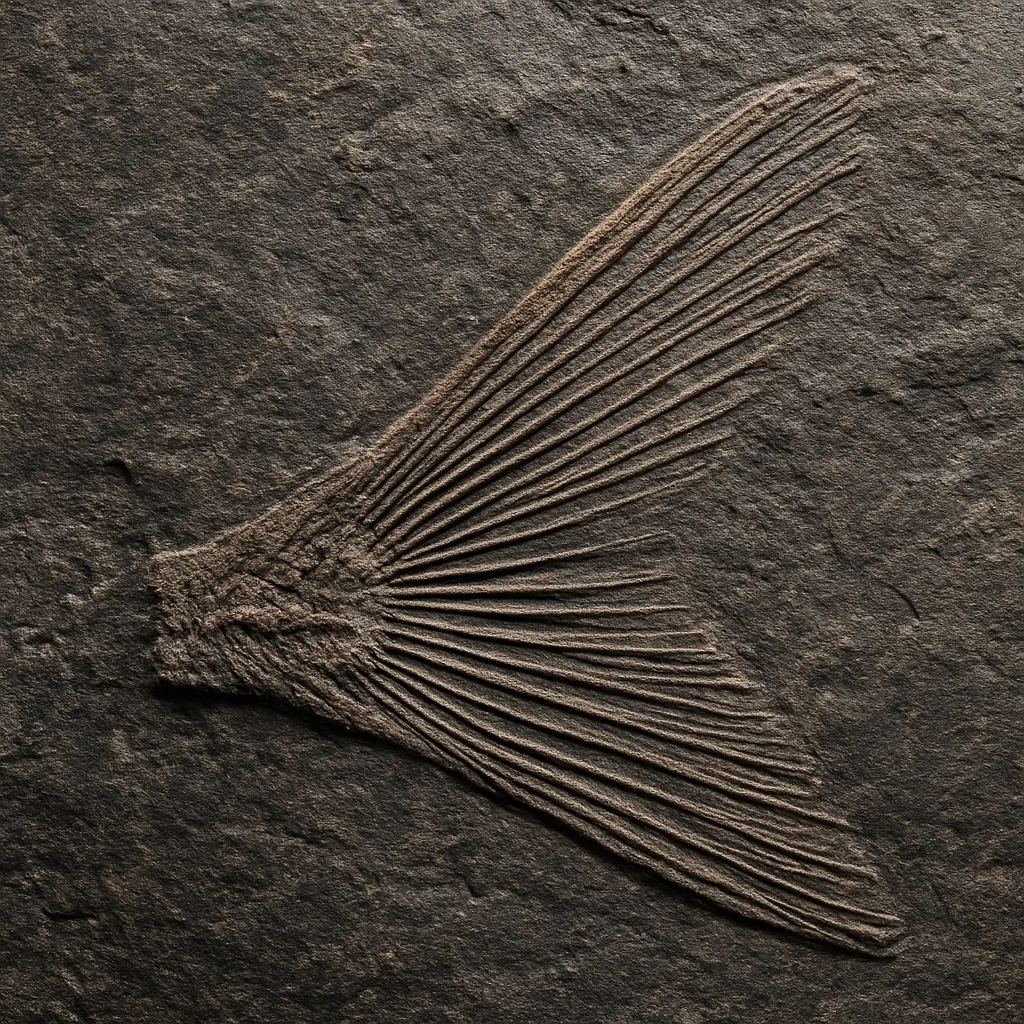
A 375-million-year-old fossil fish has a fin containing one upper bone, then two bones side by side, then smaller bones, like the front limb of a land animal. What does the fin best support?
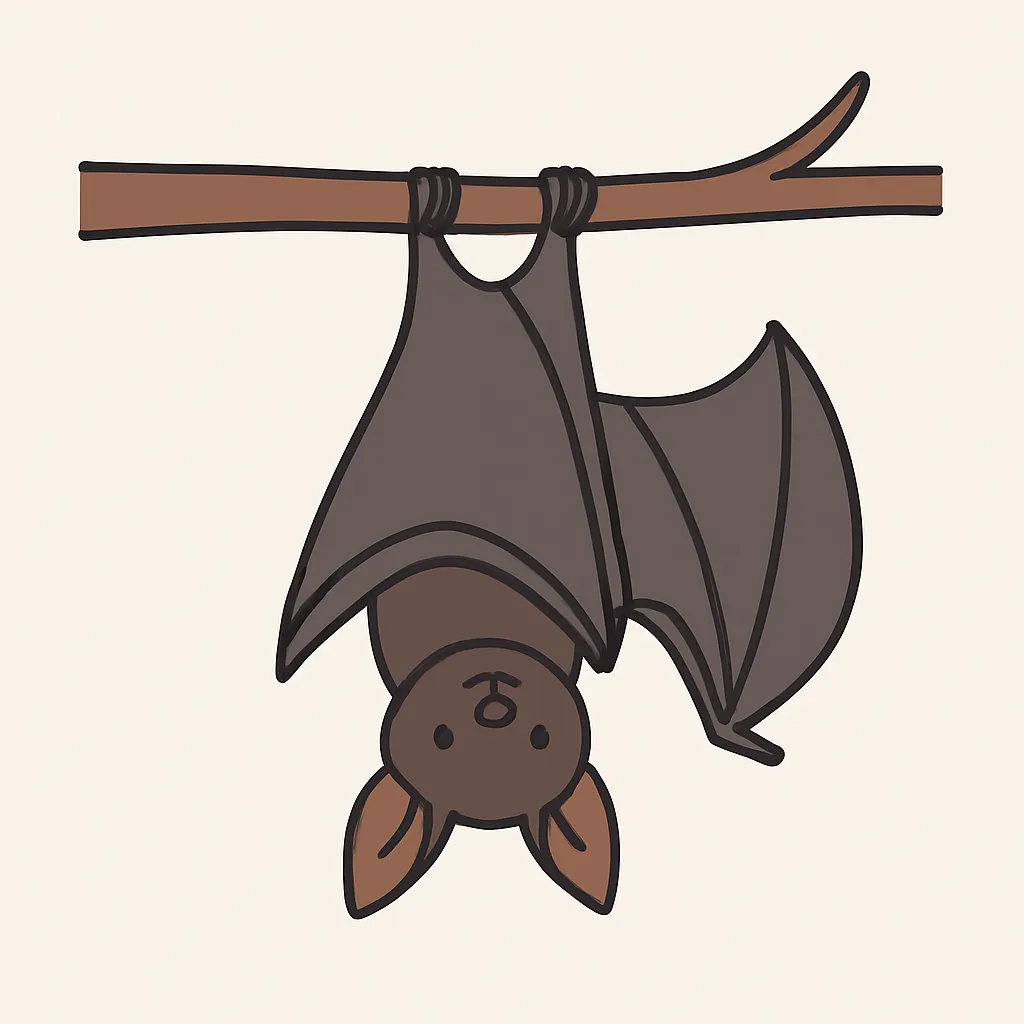
A bat's wing and a dolphin's flipper contain matching arm, wrist and finger bones, but one is used for flying and the other for swimming. What term names structures related in this way?
A giraffe's neck and a human neck each contain seven vertebrae; the giraffe's are simply much longer. What does the matching number of bones best suggest?
A dissected whale flipper reveals five sets of finger bones inside a smooth paddle. A bear's paw has five sets of finger bones too. What does the hidden finger pattern in the flipper indicate?
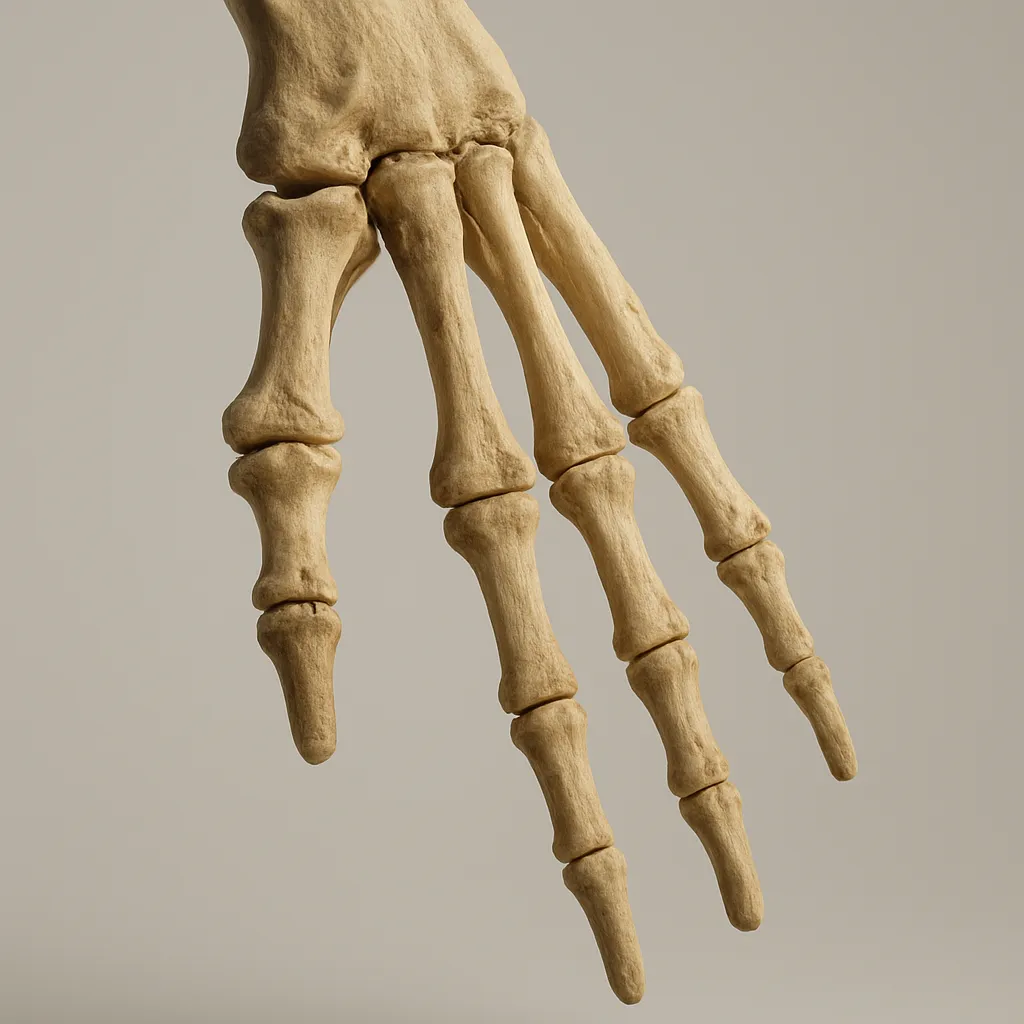
A lizard, a cat and a human each have a forelimb with one upper bone, two lower bones and five digits. The limbs are used to scurry, to climb and to handle objects. What does this support?
A whale's flipper and a human arm contain the same arm, wrist and finger bones in the same order.
A shark's pectoral fin is stiffened by rods of cartilage and holds no arm or finger bones. A dolphin's flipper holds arm, wrist and finger bones. Both steer the animal through water. What follows?
A honey bee's wing is a thin membrane braced by hollow veins, with no bones. A sparrow's wing holds arm, wrist and finger bones. Both power flight. What is the best conclusion?
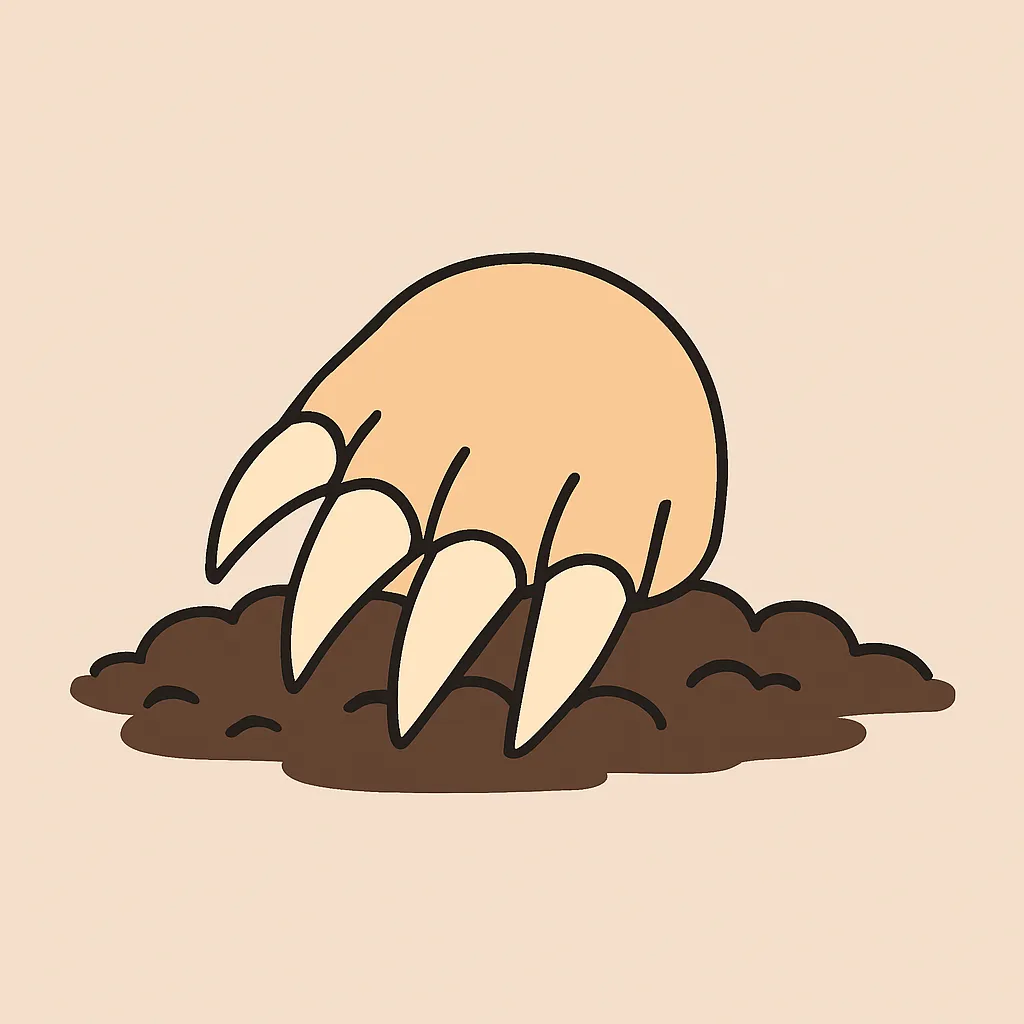
A mole's front leg is a broad clawed limb built from arm bones. A mole cricket's front leg is a broad clawed limb built from hardened outer skeleton. Both shovel soil. What does the pair show?
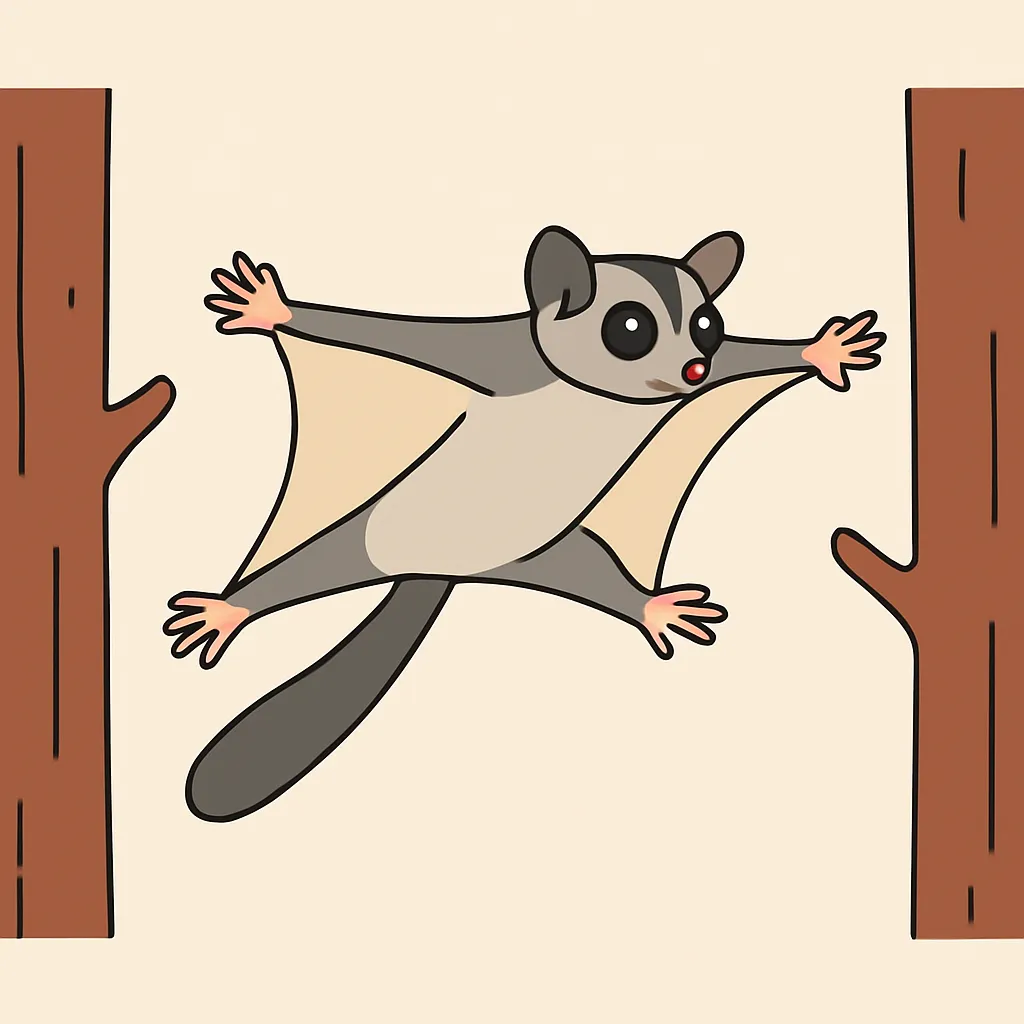
A sugar glider and a flying squirrel each glide on a flap of skin stretched between the front and back legs, yet they differ in nearly every other feature, including how their young develop. What does this suggest?
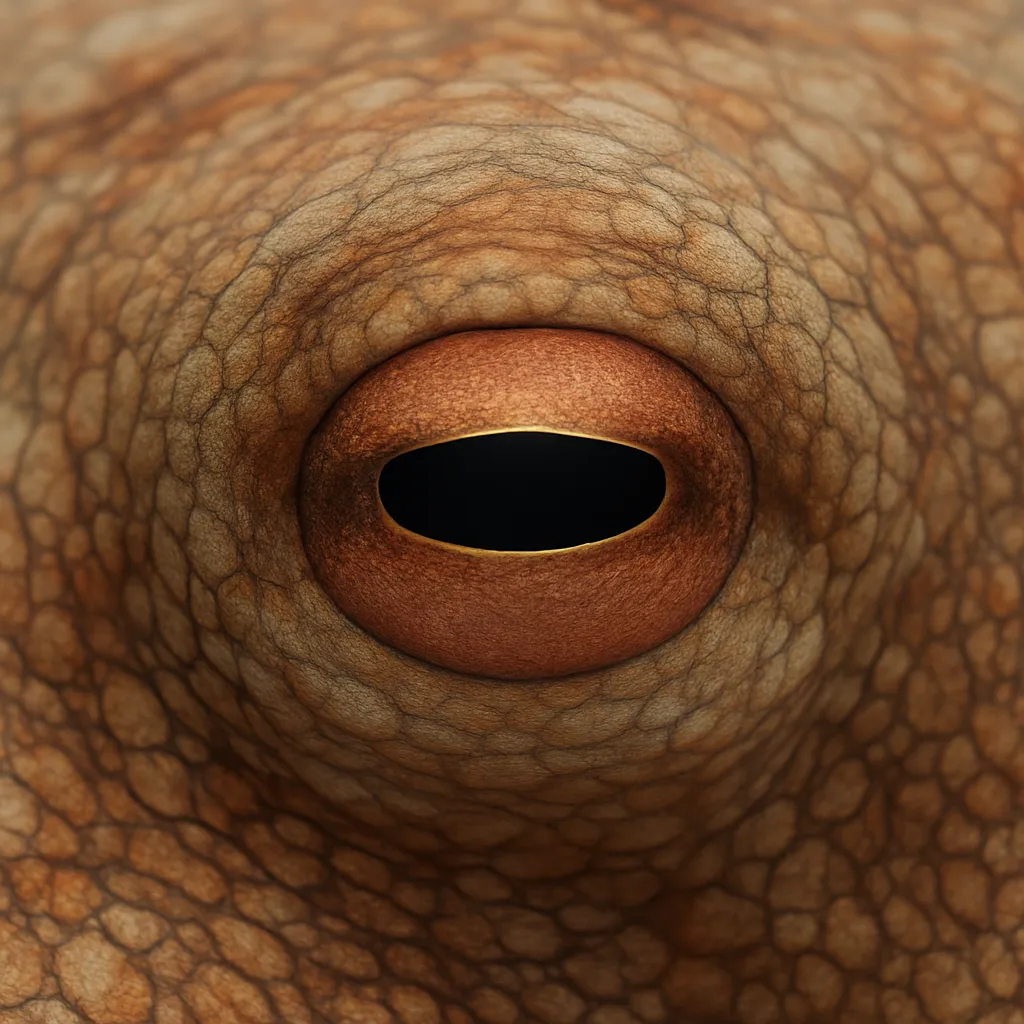
An octopus eye and a human eye both focus light onto a light-sensing layer, but the octopus's nerve fibers run behind that layer while a human's run in front of it. What does this show?
A tuna's tail is a vertical fin stiffened by rays and beats side to side. A whale's tail is a horizontal fluke moved by a mammal backbone and beats up and down. Both drive swimming. What follows?
A shark, a penguin and a dolphin all have smooth torpedo-shaped bodies, yet one has a cartilage skeleton, one has bird bones and feathers, and one has mammal bones and lungs. What does the shared shape show?

A cactus spine is a modified leaf growing on a plant stem. A porcupine quill is a modified hair growing from a mammal's skin. Both stab an animal that comes too close. What is the best conclusion?
A bat's wing is skin stretched across four very long fingers. A pterosaur fossil wing is skin supported mainly by one enormously long fourth finger. Both were flight surfaces. What does the difference in build show?
An insect's wing and a bird's wing are built from the same bones.
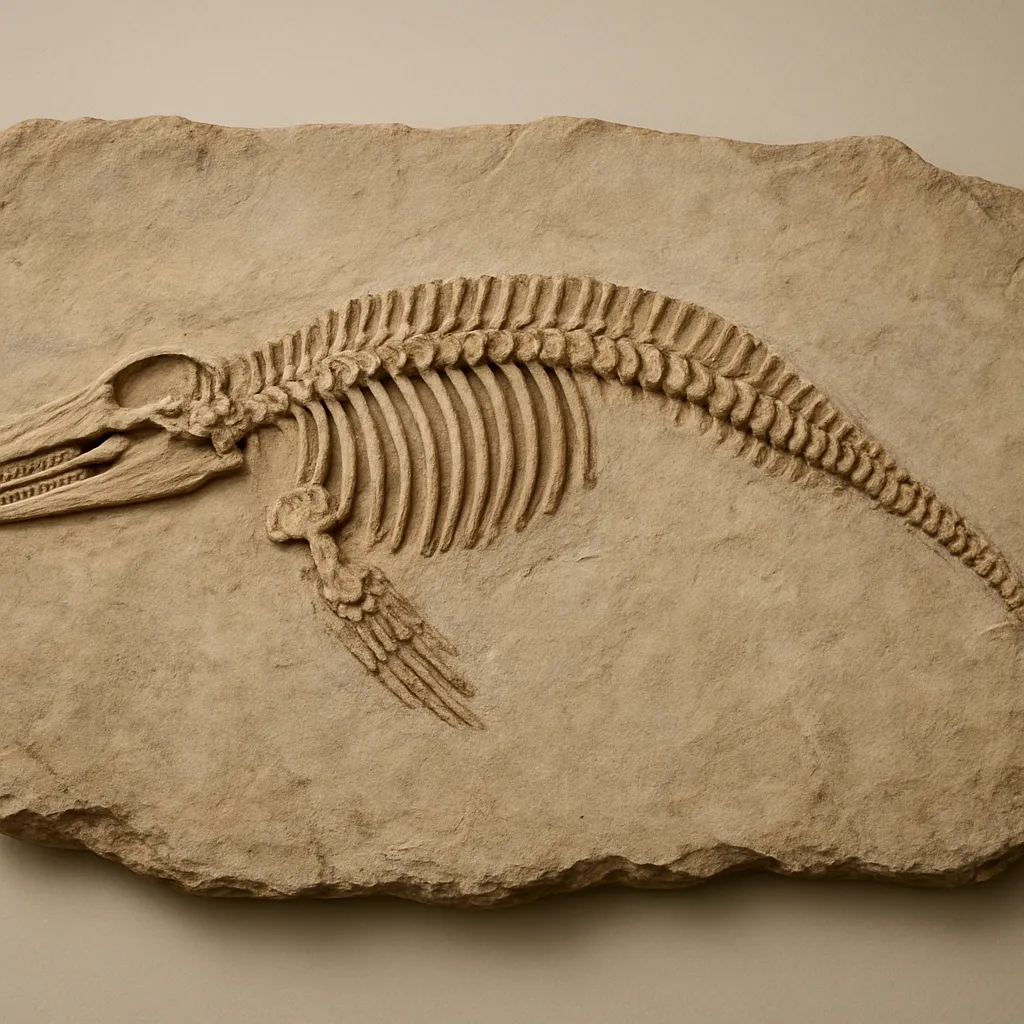
A 40-million-year-old fossil whale has small but complete hind legs, with knee and toe bones far too small to carry its body. What does this fossil best show?
At the base of the human spine sits the coccyx, three to five small fused vertebrae that support no tail. What does this structure best suggest about human ancestry?
A cave-dwelling fish has eye sockets covered by skin, holding eye tissue that never forms a working lens. Its river-dwelling relatives see well. What does the reduced eye imply?

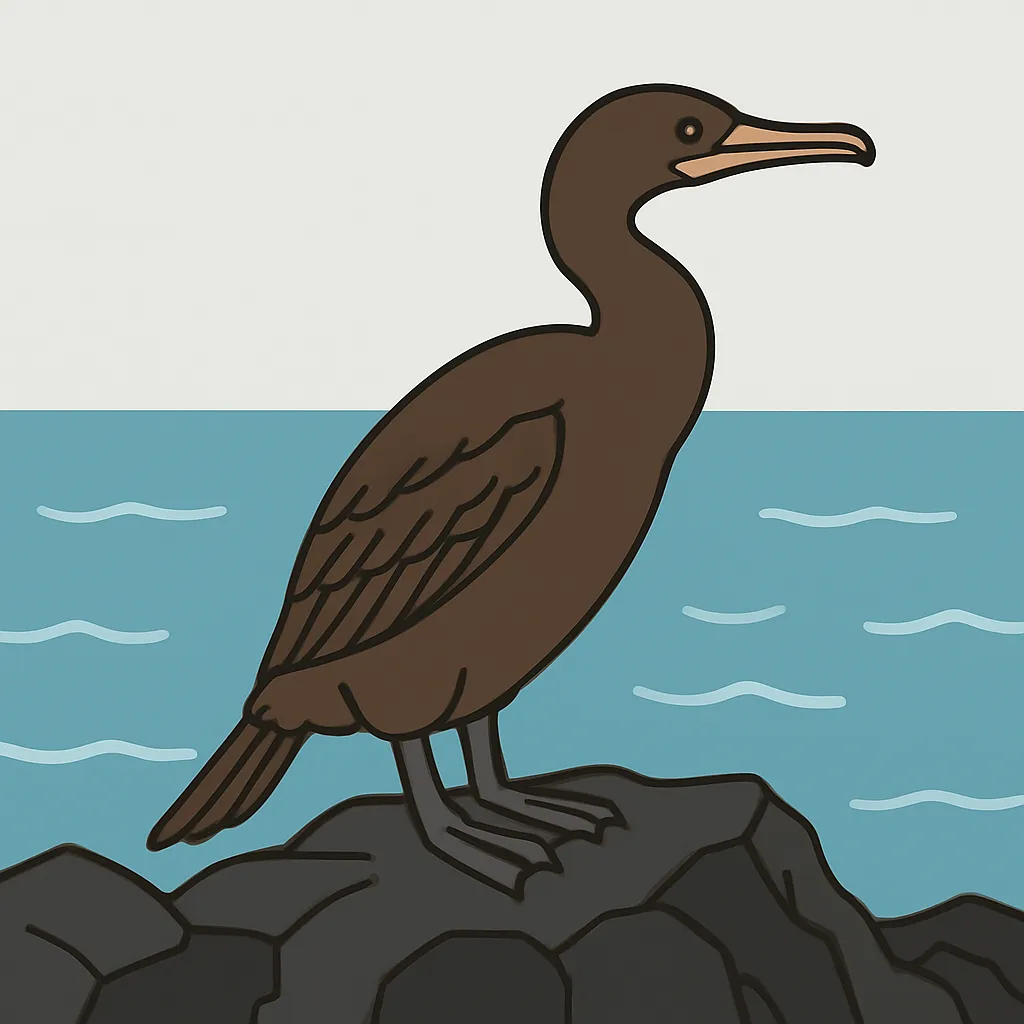
The flightless cormorant of the Galapagos has stubby wings whose flight feathers are far too small to lift it. Its close relatives fly well. What do the small wings best indicate?
Pythons have small hip bones and claw-like spurs near the tail that play no part in slithering.
Humans have three small muscles around each ear that can move it only slightly, if at all. In cats those same muscles swivel the ear toward a sound. What does the human version best show?
A baleen whale filters its food through plates of baleen and has no teeth as an adult, yet the embryo develops tooth buds that are absorbed before birth. What does this best suggest?
A beetle species on a windy island has wing covers fused shut over shriveled flight wings underneath. Related mainland beetles fly. What do the shriveled wings imply?
A blind mole rat spends its life underground and has tiny eyes buried beneath skin and fur. They sense light and dark but form no image. What does this structure best show?
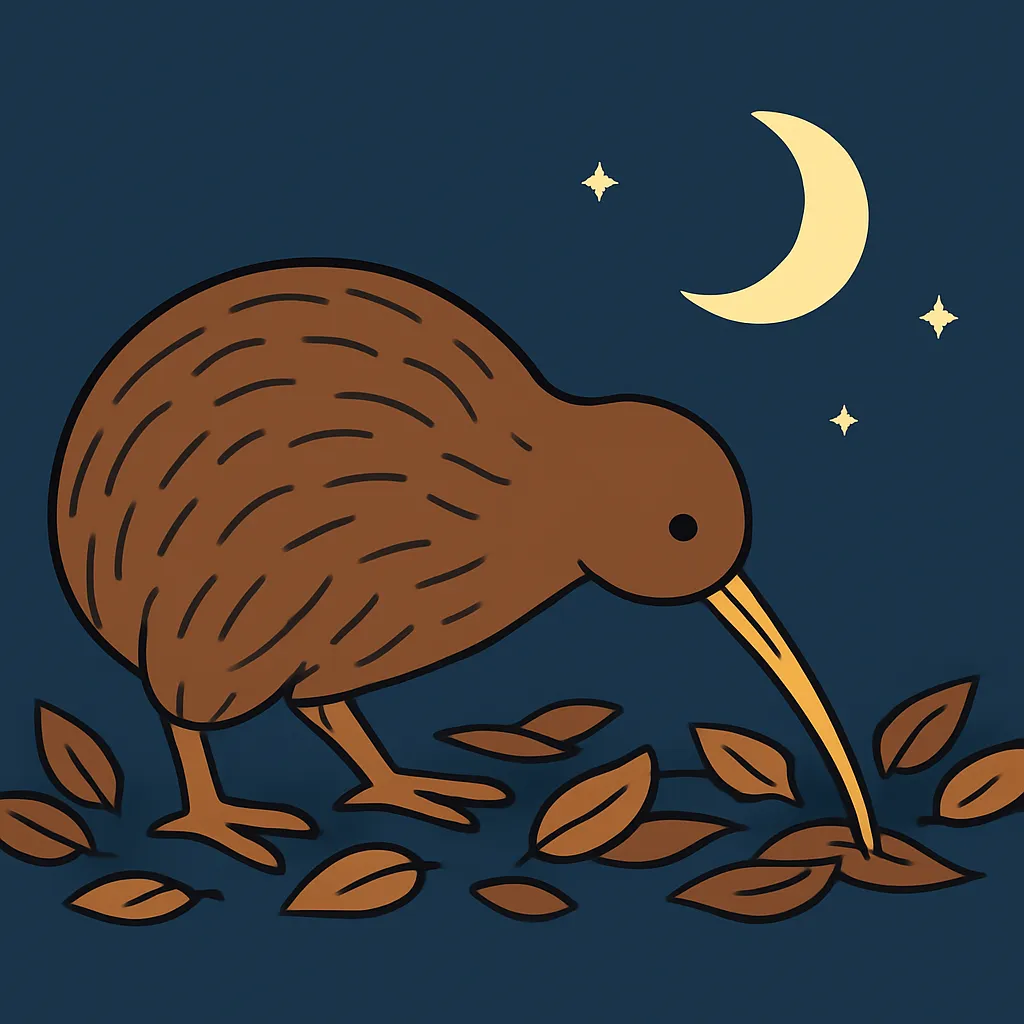
A kiwi has wings about three centimeters long hidden under shaggy feathers, and no keeled breastbone to anchor flight muscles. What is the best interpretation of these wings?
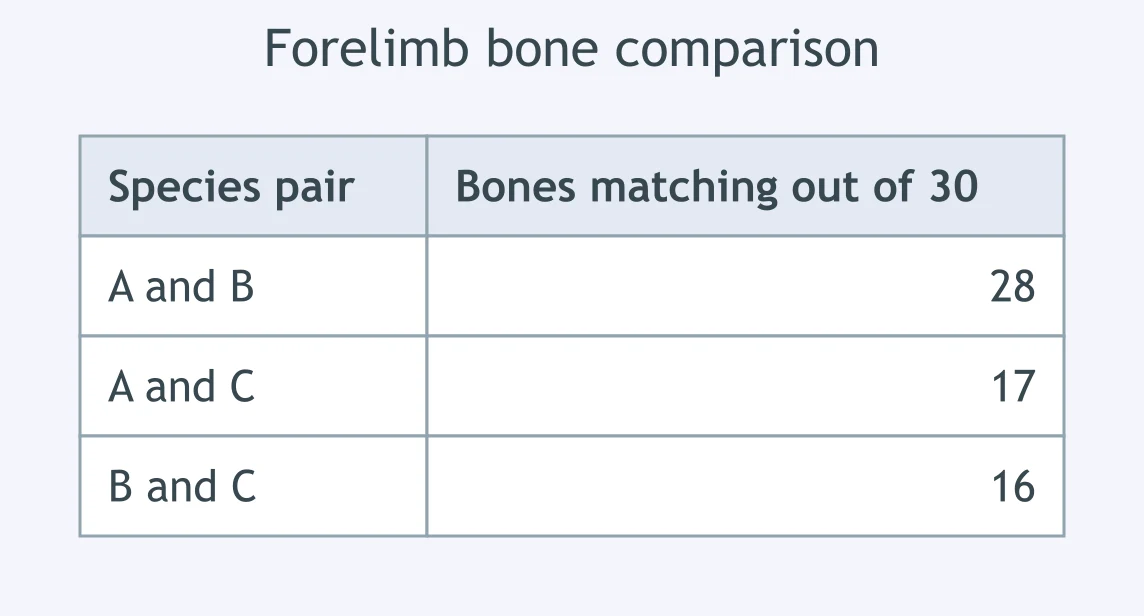
Use the table of forelimb bone matches for three species. Which pair shared a common ancestor most recently?
Species W and X share 24 of 26 skull bones in the same arrangement. W and Y share 15 of 26. W and Z share 6 of 26. Which conclusion do the data support?
Two lizards living in the same desert share 12 of 30 limb bones in common arrangement. One of them shares 27 of 30 limb bones with a forest lizard. What does the anatomy indicate?
A student builds a branching diagram from skeletons. Species P and Q match in 29 of 32 bones, and each matches species R in 18 of 32. Where does the branch separating P from Q belong?
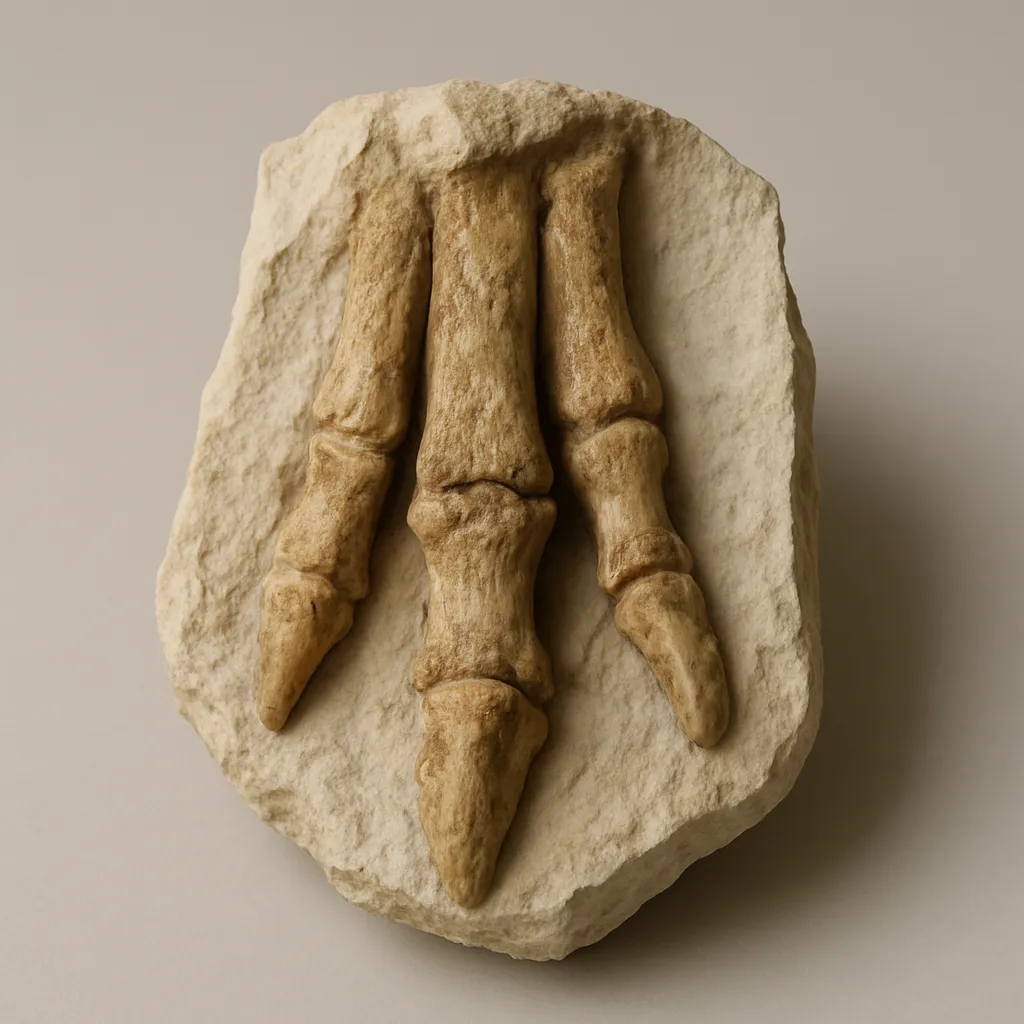
A fossil horse-like animal has three toes on each foot. A modern horse has one large toe with two thin splint bones alongside it. What does this comparison best support?
Two species whose skeletons match in more bones are generally more closely related than two whose skeletons match in fewer.
Two species that live in the same habitat must be more closely related than species living in different habitats.
A bat and a mouse match in 90 percent of their limb bones, a bat and a pigeon in 55 percent, and a bat and a dragonfly in none. What do the data support?
Two beetle species have outer shells of the same shape and color. To judge how closely related they are, which comparison gives the strongest anatomical evidence?
A biologist counts matching neck, back and limb bones across four birds. Species 1 matches species 2 in 96 percent of bones, species 3 in 71 percent, and species 4 in 44 percent. Which bird branched off earliest?
Crack the passcode before the zombies get in.
Answer, then swat bugs for bonus points.
Race through questions at your own speed.
Same question on every screen. Fastest wins.

Pick a tile, answer, hit bonuses and steals.
Variation, Survival and Natural Selection
40 questions