Loading
by BlastRoom
Use population data to work out which biotic or abiotic factor is limiting a population.
#us_grade_8_science
40 questions
One question set, multiple game modes. Tap any game to see it in action. Not sure which to pick?
Answer to place stones and capture territory.
Outrun the snow together.
Earn blasts, then hunt the other team.
Answer to earn energy, then climb.

The class blasts through walls together.
Bid on mystery lots. Most money wins.
Sell tours. Nice, standard, or a total scam.

Answer, restock, and serve the rush.
More correct answers pulls the rope your way.
Answer, then shoot down the alien wave.
Answer, then tap to leap the frozen ridge.
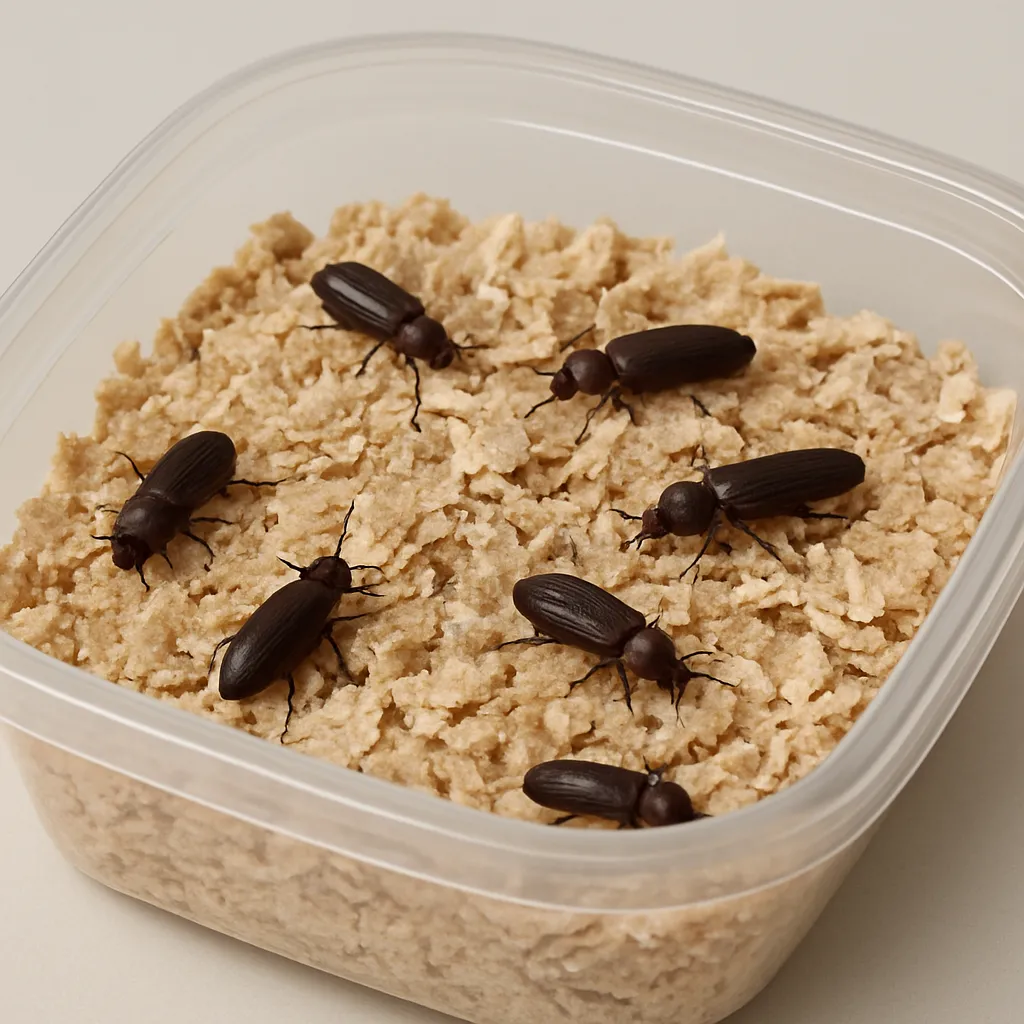
Four identical trays of flour beetles receive 5 g, 10 g, 20 g and 40 g of bran weekly. After ten weeks they hold 30, 62, 120 and 124 beetles. What limited the two smallest populations?
Five clover plots share soil, light and seeding rate but get 2, 4, 6, 8 and 10 L of water weekly. Surviving plants number 8, 17, 26, 34 and 35. What limited the 2 L plot?
A researcher adds 5, 10, 20 and 40 nest boxes to four similar woodlots with plenty of insects. Breeding bluebird pairs settle at 5, 10, 19 and 22. What limited the woodlot with 5 boxes?
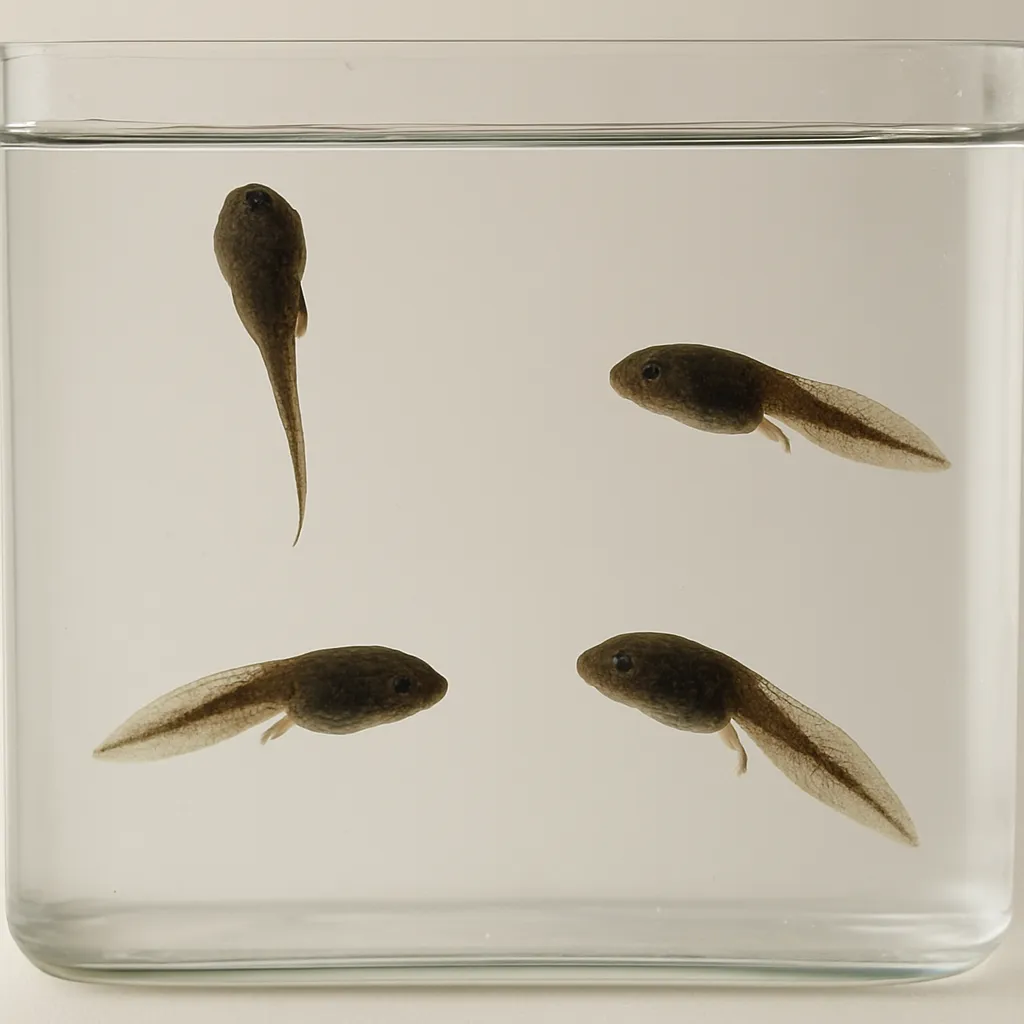
Sixty tadpoles start in each of four tanks holding 5 L, 10 L, 20 L and 40 L, with food in excess. Survivors after a month: 14, 27, 50 and 55. What limited the 5 L tank?
Four ponds of equal depth and nutrients receive 2, 4, 8 and 12 hours of daily sunlight. Algae counts per milliliter reach 300, 900, 2,600 and 2,800. What limited the 2-hour pond?
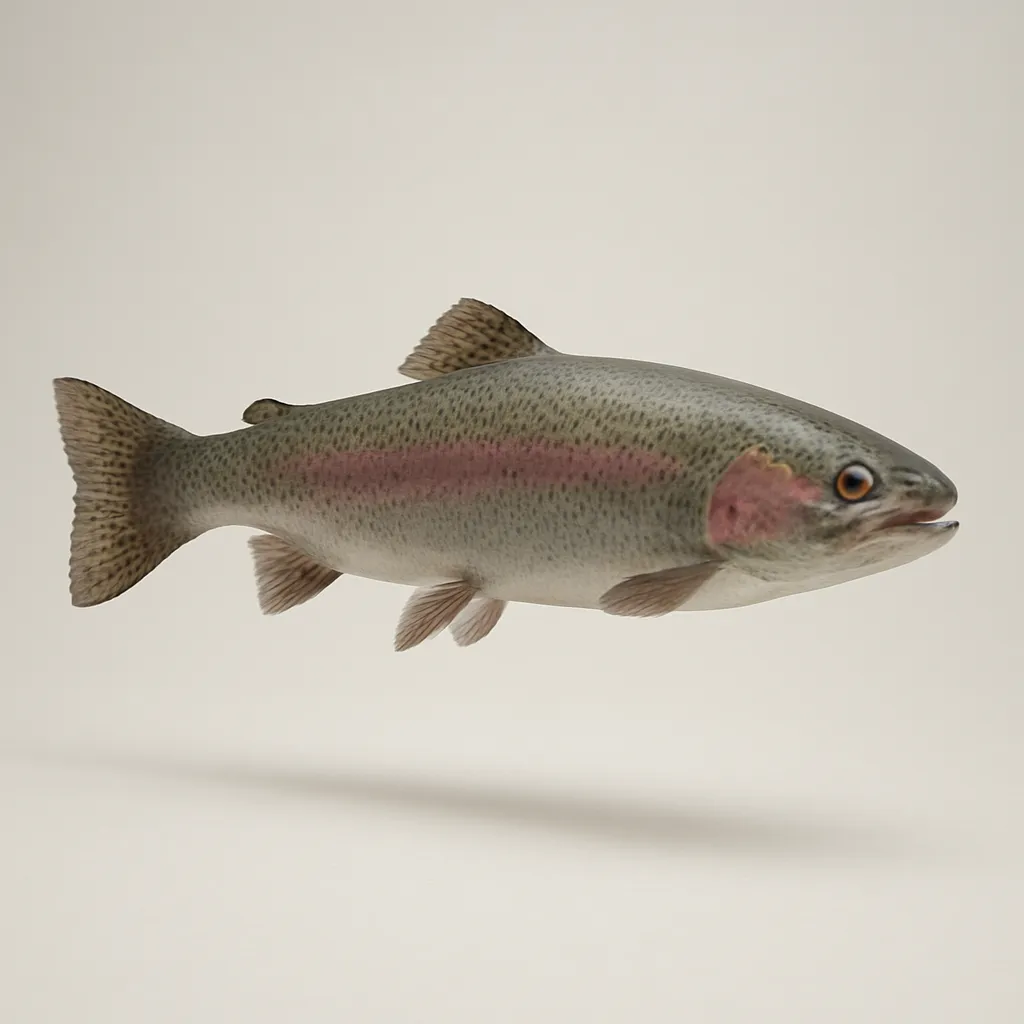
Trout are held in four tanks with dissolved oxygen at 3, 5, 7 and 9 mg/L and identical food, temperature and volume. Surviving trout number 4, 11, 26 and 27. What limited the 3 mg/L tank?
Duckweed grows in four beakers given 1, 2, 4 and 8 mg of nitrogen fertilizer, with the same light and water. After three weeks the plants number 15, 31, 60 and 62. What limited the 1 mg beaker?
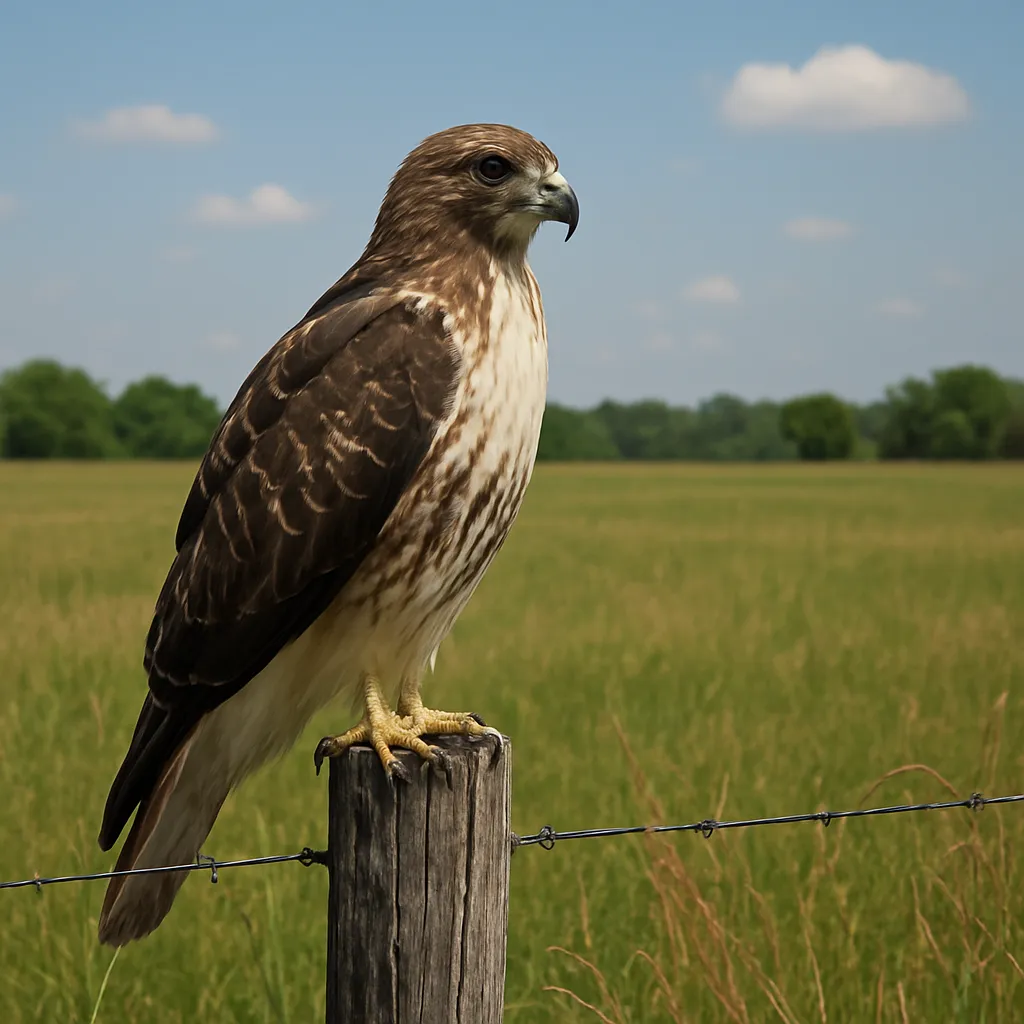
Two fields of mice have equal food, cover and area. The field with eight resident hawks holds about 40 mice. The field with no hawks holds about 150. What limited the mouse population in the first field?
Four rabbit enclosures share food, water and space. A gut disease infects 0, 20, 50 and 80 percent of the rabbits. After a year the enclosures hold 96, 78, 44 and 19 rabbits. What limited the last enclosure?
Mealworm cultures are kept at 10, 18, 25 and 30 degrees Celsius with identical food, moisture and containers. They reach 20, 65, 130 and 128 beetles. Which factor limited the 10-degree culture?
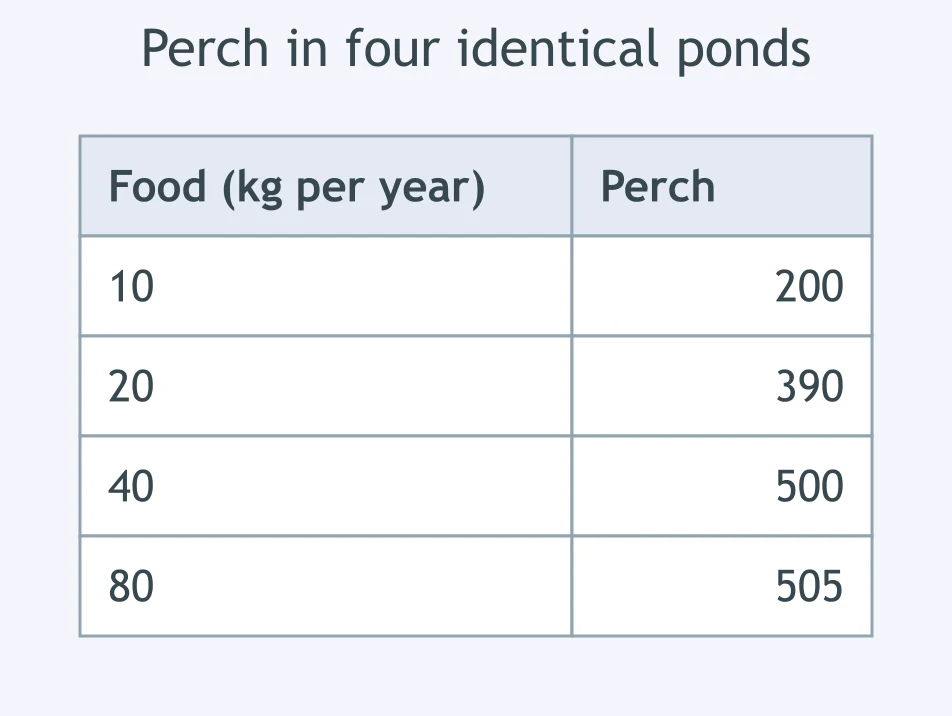
The table shows perch populations in four identical ponds given different yearly amounts of fish food. What most likely limits the populations in the two best-fed ponds?
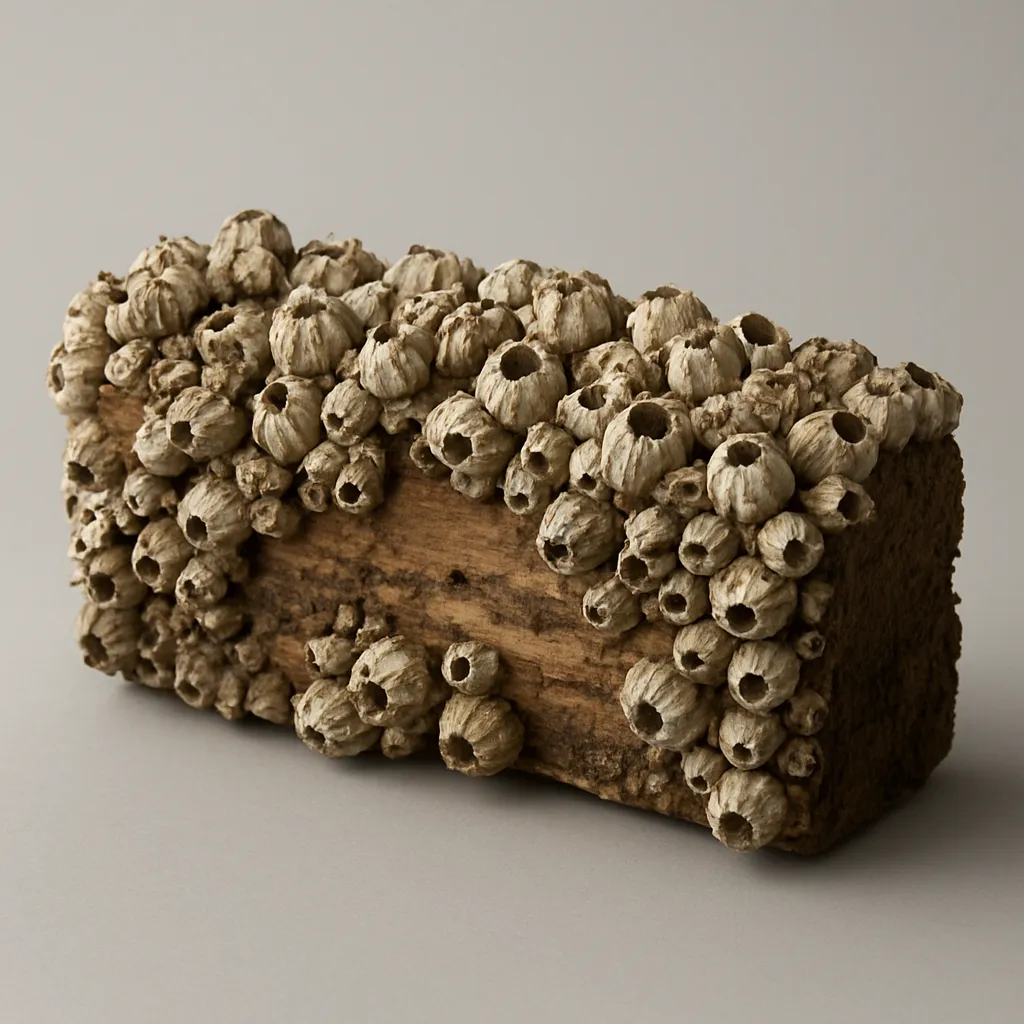
Four rafts in the same bay offer 1, 2, 4 and 8 square meters of surface for barnacles to settle on. Barnacle counts reach 300, 620, 1,250 and 2,480. What sets each population's size?
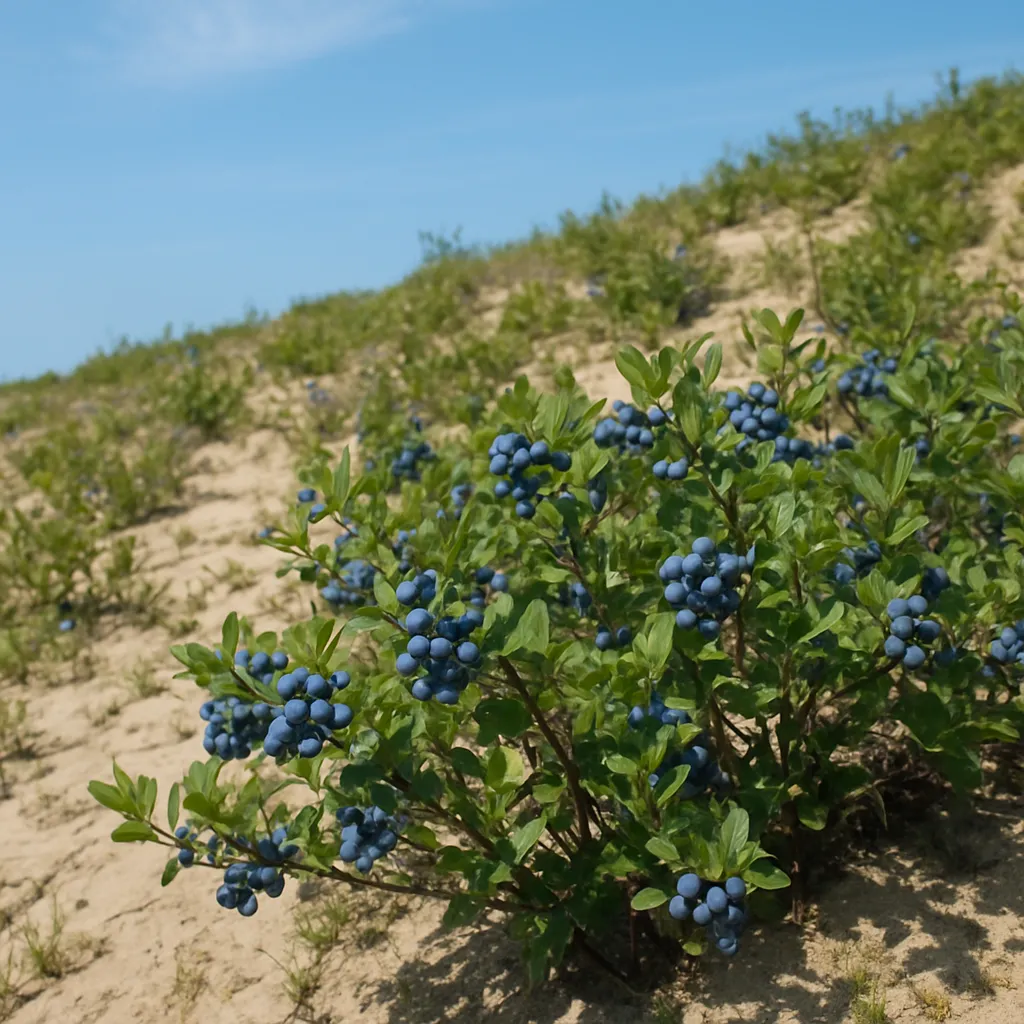
Soil pH helps set how many blueberry bushes a hillside can support. Is soil pH a biotic or an abiotic factor for that bush population, and why?
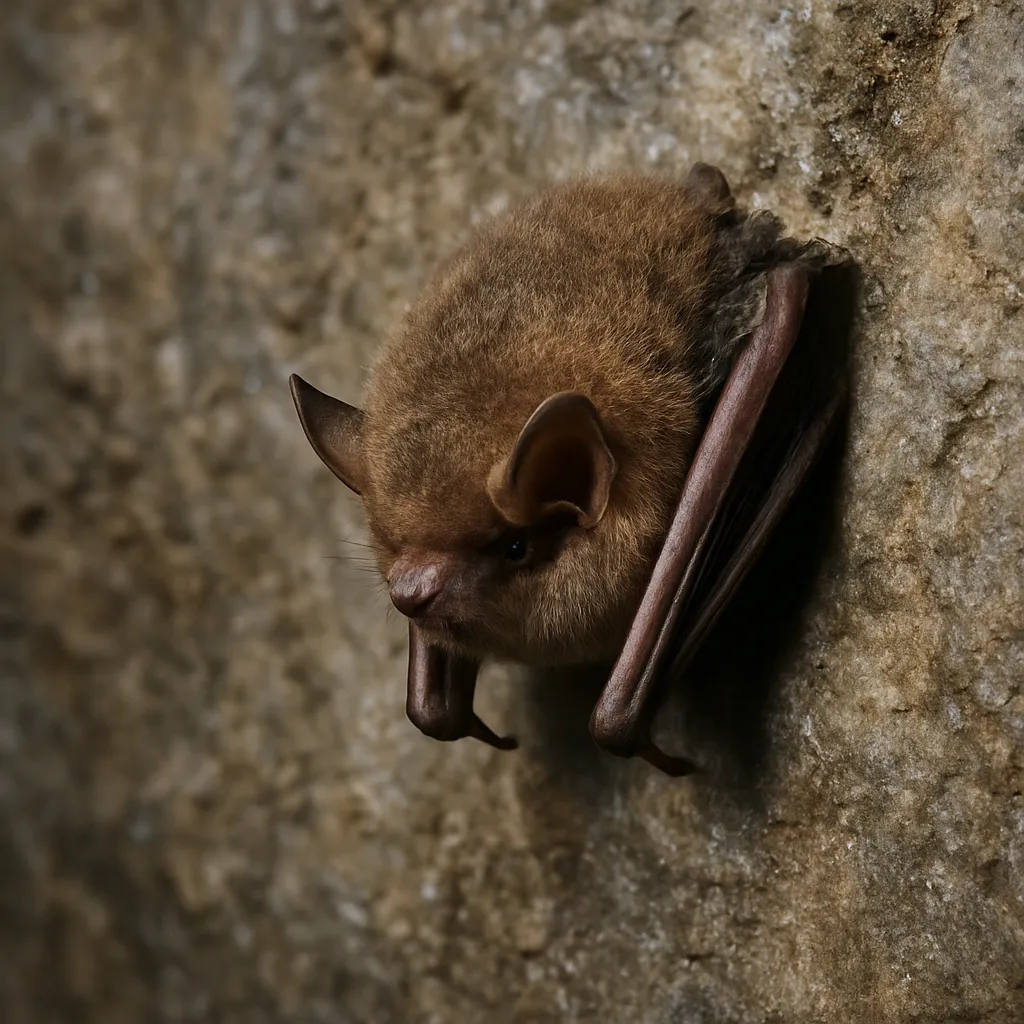
A fungus growing on cave walls infects hibernating bats and kills many each winter. Is the fungus a biotic or an abiotic factor for the bat population, and why?
Deep winter snow makes it hard for deer to reach food, holding the herd's size down. Is snow depth a biotic or an abiotic factor for the deer population, and why?
Wolves hunting elk keep the elk herd from growing past a certain size in a park. Is wolf predation a biotic or an abiotic factor for the elk population, and why?
Salinity, the amount of salt dissolved in estuary water, sets how many oysters a bed can support. Is salinity a biotic or an abiotic factor for the oysters, and why?
An invasive grass spreads through a meadow and crowds out native wildflowers, so fewer wildflowers grow. Is the invasive grass a biotic or an abiotic factor for the wildflowers, and why?
Yearly rainfall sets how many desert wildflowers bloom on a slope each spring. Is rainfall a biotic or an abiotic factor for that wildflower population, and why?
The number of acorns oak trees drop each fall sets how many squirrels survive the winter. Is the acorn supply a biotic or an abiotic factor for the squirrels, and why?
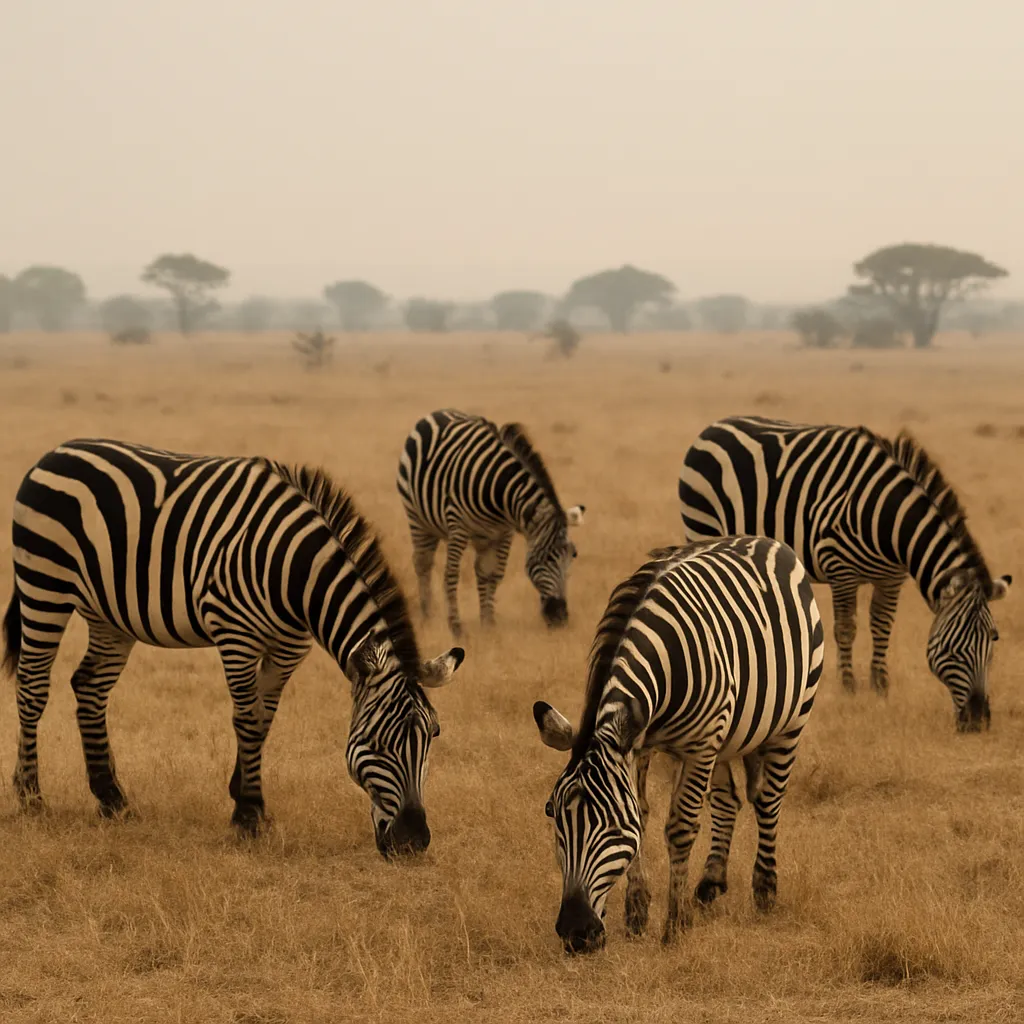
Zebras on a reserve have held steady near 400 for six years with no hunting. A drought then cuts the grass to one third of normal for a year. What most likely happens to the zebras?
Ground-nesting birds on an island had no predators and numbered about 2,000. Sailors accidentally release rats, which eat eggs. What most likely happens to the bird population over the next several years?
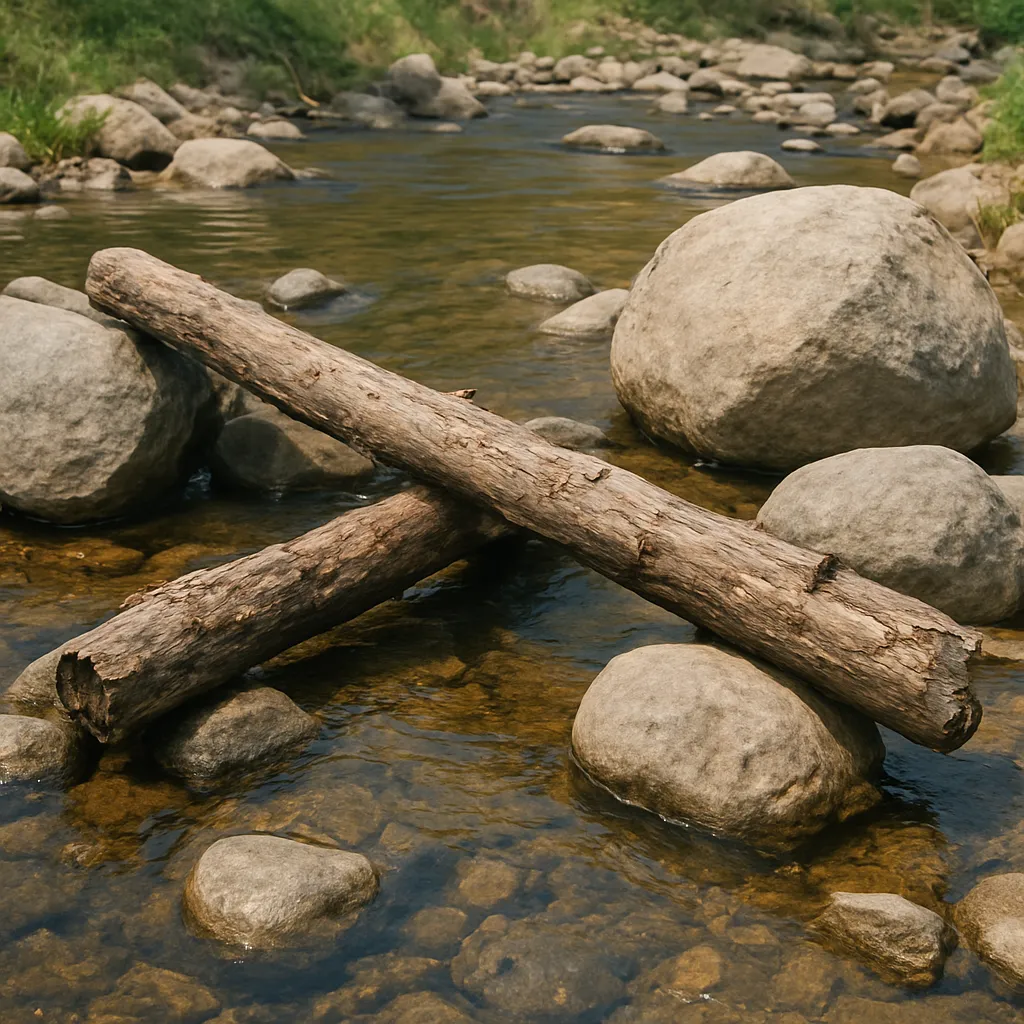
A stream restoration adds logs and boulders that give young salmon places to hide from predators. Insect food in the stream was already plentiful. What most likely happens to the young salmon population?
Half of a marsh is drained for building. The water quality and plant types in the remaining marsh stay the same. What most likely happens to the frog population that lived there?
A disease kills most of the rabbits in a valley over one summer. The foxes there eat almost nothing but rabbits. What most likely happens to the fox population during the next year?
A cod fishery is closed for ten years while ocean temperature, food and habitat stay about the same. What most likely happens to the cod population during those ten years?
A fire clears the shrubs that hid rabbits from hawks in a grassland. Grass regrows quickly, so rabbit food stays plentiful. What most likely happens to the rabbit population that season?
A power plant warms a river, lowering its dissolved oxygen from 9 to 4 milligrams per liter. The trout's insect food stays plentiful. What most likely happens to the river's trout population?
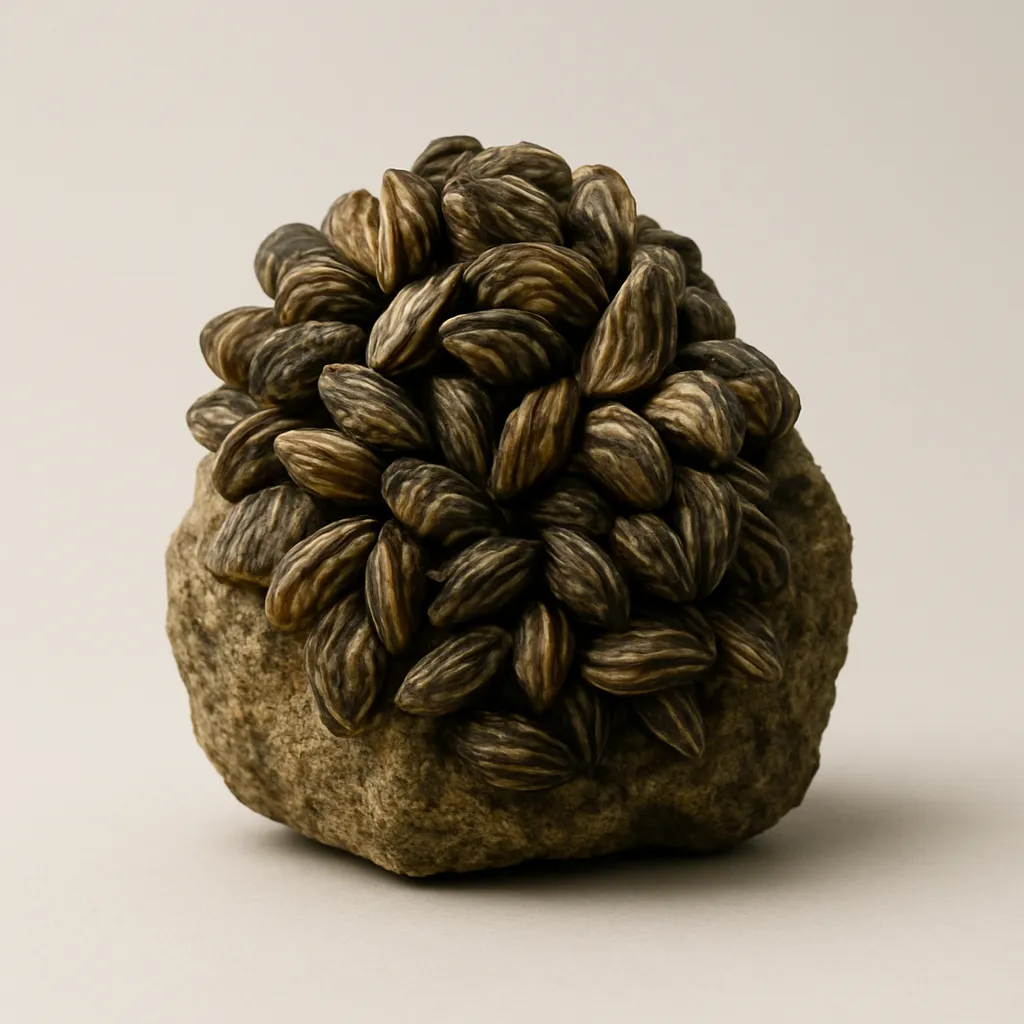
Invasive zebra mussels filter most of the plankton out of a lake. Several native fish species there feed on that plankton. What most likely happens to those native fish over the next few years?
Fertilizer runoff adds a large amount of nitrogen to a shallow lake one spring. Sunlight and water temperature stay normal. What most likely happens to the lake's algae population that spring?
Deer released on an island grew quickly for eight years, then stayed near 800 for the next ten years while the herd remained healthy. What does the level part of the curve show?
A graph plots pond turtles from 1990 to 2020. The curve climbs from 20 in 1990 to about 350 by 2005, then stays near 350. What is the pond's carrying capacity for turtles?
A rabbit population climbs to 1,200, drops to 900, then rises and falls between about 950 and 1,050 for years afterward. What is the best estimate of the carrying capacity?
A moose herd grows past the number that its winter food supply can support. Nothing else about the habitat changes. What happens to the herd over the following winters?
Yeast in a sealed flask multiply quickly for ten hours, then hold near 400 million cells per milliliter. No fresh food is added. Why does the count stop rising?
A biologist claims that a lizard population that leveled off at about 60 has reached the island's carrying capacity. Which evidence best supports that claim?
A bird population had leveled off near 300 for years. A berry-producing shrub then spreads through the valley and adds a new food source. What most likely happens to the growth curve?
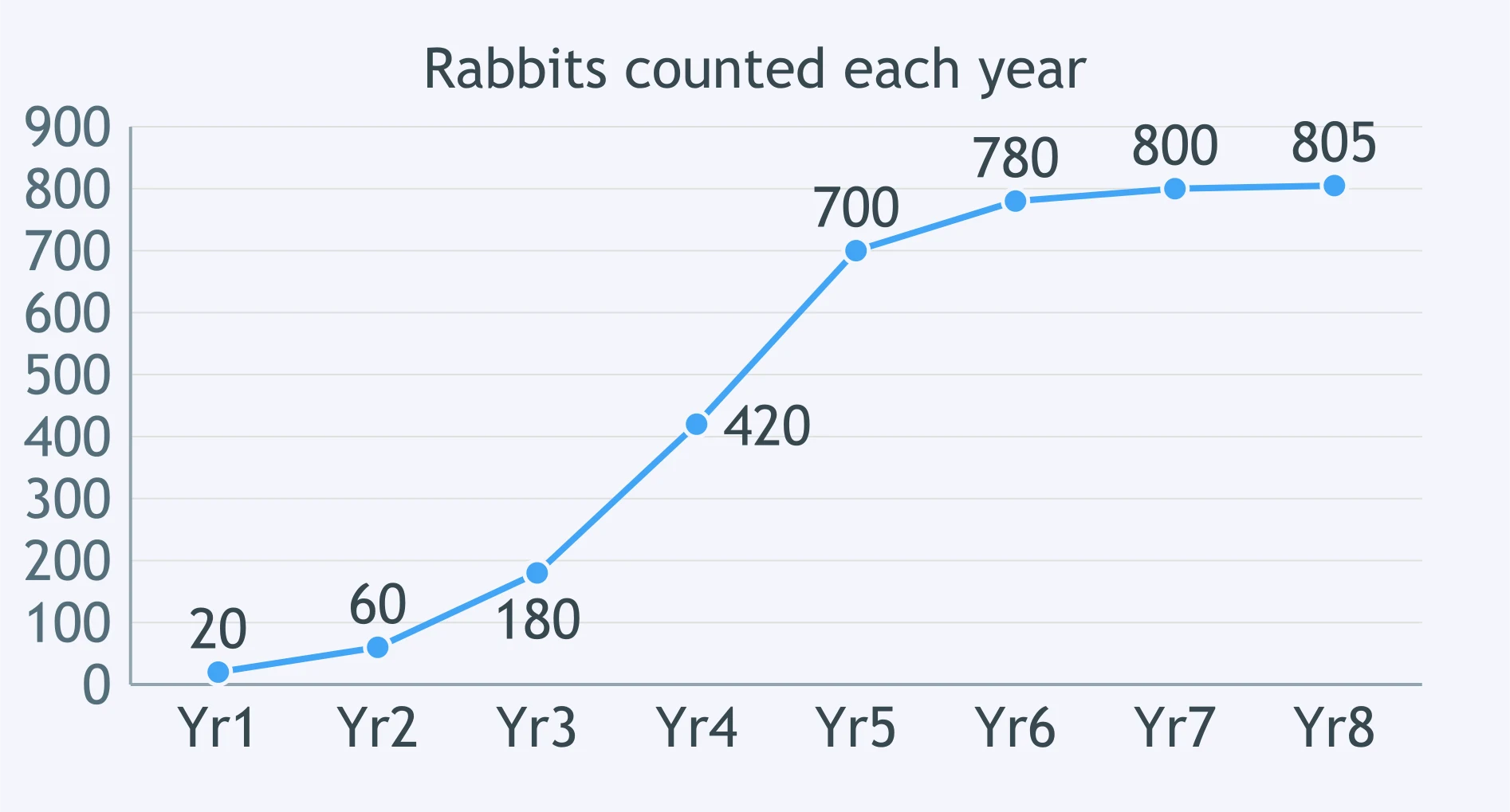
The graph shows a rabbit population counted once each year for eight years. Between which years did the population grow fastest?
A pond has leveled off at about 500 sunfish for several years. A fishing club then releases 200 more sunfish into the same pond. What happens to the pond's carrying capacity?
A graph of a beetle population in a woodlot rises steeply for several months, then flattens and stays flat for a year. Which claim does this pattern support?
Crack the passcode before the zombies get in.
Answer, then swat bugs for bonus points.
Race through questions at your own speed.
Same question on every screen. Fastest wins.

Pick a tile, answer, hit bonuses and steals.
Viruses, Bacteria, Fungi and Parasites
40 questions