Loading
by BlastRoom
Tell a hypothesis, a theory and a law apart, and explain why theories are modified as new evidence arrives.
#us_grade_8_science
40 questions
One question set, multiple game modes. Tap any game to see it in action. Not sure which to pick?
Answer to place stones and capture territory.
Outrun the snow together.
Earn blasts, then hunt the other team.
Answer to earn energy, then climb.

The class blasts through walls together.
Bid on mystery lots. Most money wins.
Sell tours. Nice, standard, or a total scam.

Answer, restock, and serve the rush.
More correct answers pulls the rope your way.
Answer, then shoot down the alien wave.
Answer, then tap to leap the frozen ridge.
A group writes: 'Seeds watered with warm water will sprout sooner than seeds watered with cold water, because warmth speeds up chemical activity inside a seed.' They plant both trays tomorrow. What is this statement?
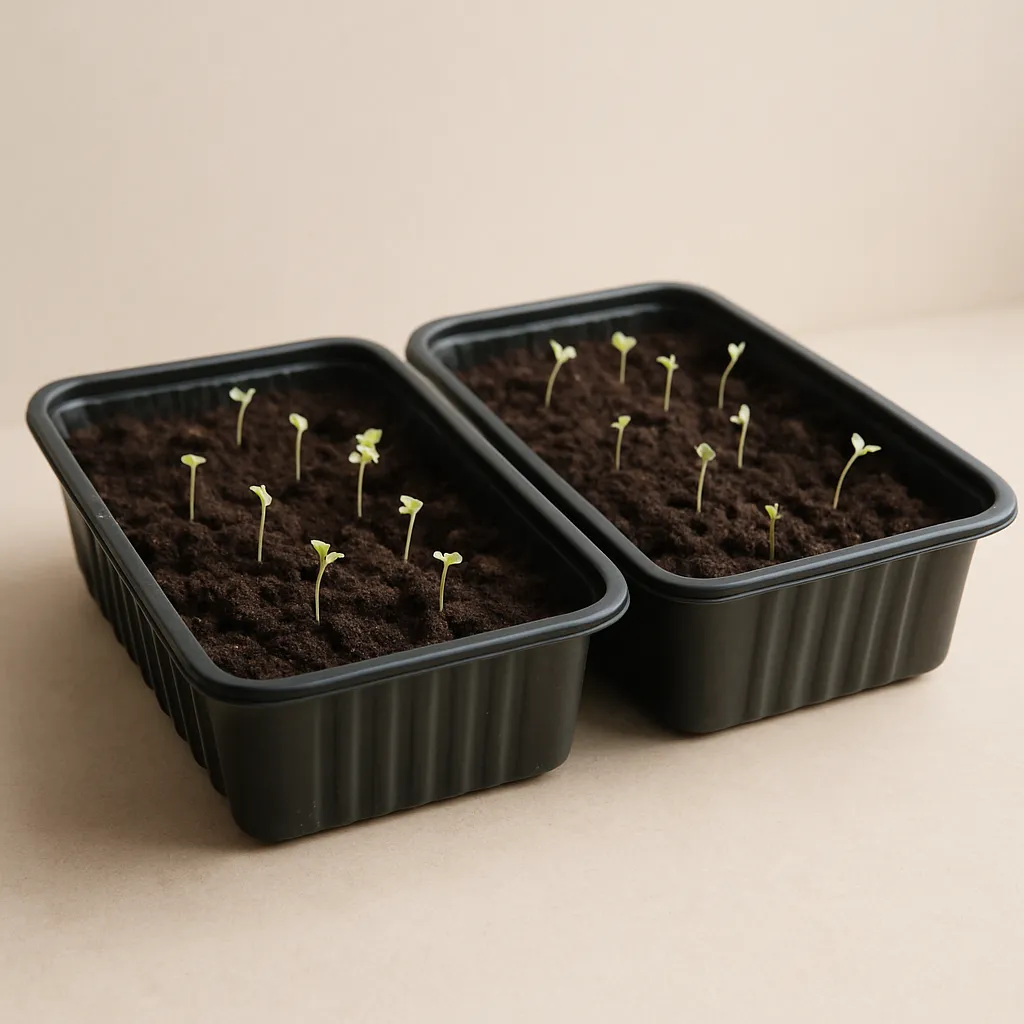
During a heating investigation, a student writes in her notebook: 'After four minutes the thermometer in the beaker read 62 degrees Celsius.' What role does this statement play in the investigation?
A class measured plant height for six weeks, then wrote: 'The fertilized plants grew 6 centimeters taller on average, so the fertilizer increased growth in this trial.' What is this final statement?
A physics text states that the attraction between two objects weakens as the square of the distance between them, a relationship that has held in every measurement made. Which term names this statement?
Evidence from fossils, DNA comparisons, anatomy and observed changes in living populations all supports the same explanation of how species change over time. What is that well-supported explanation called in science?
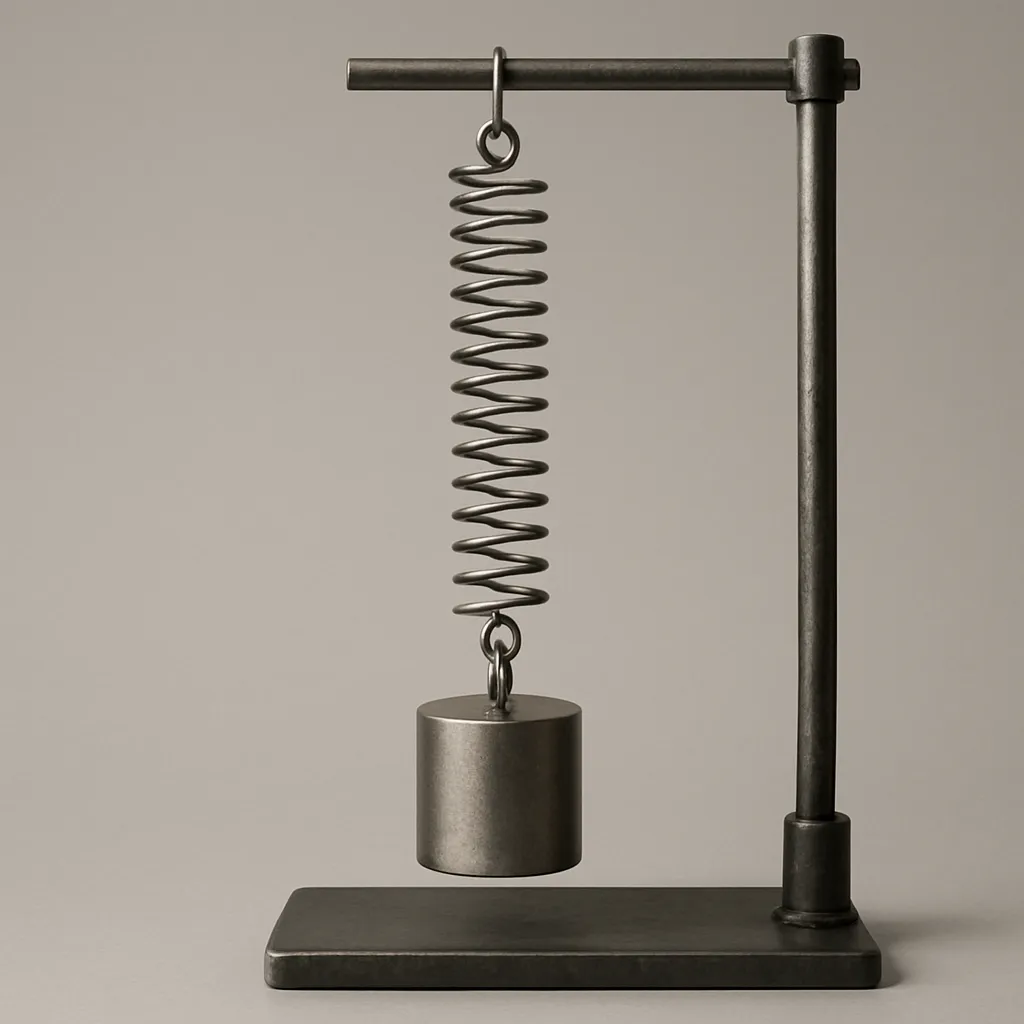
Before testing, a student states: 'If I hang more mass on the spring it will stretch further, because a larger force pulls harder on it.' The class has taken no measurements yet. How is this statement classified?
A chemistry class finds that in every reaction they weigh in sealed containers, the total mass before equals the total mass after. Textbooks state this as a general rule. Which term fits that rule?
Many separate results, including a dye spreading through still water, gas pressure and the jiggling of pollen grains, are all accounted for by matter being tiny particles in constant motion. What is that in science?

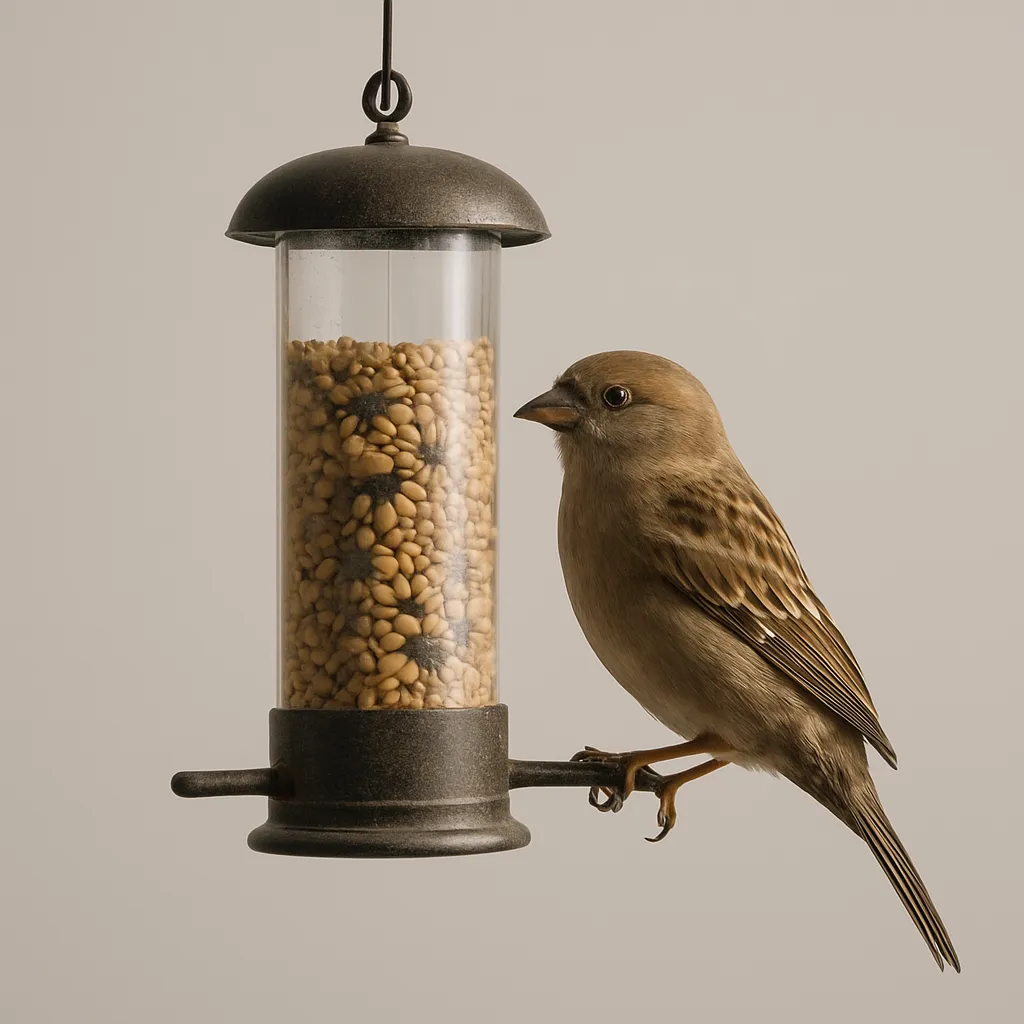
A student watching a bird feeder notes down: 'Between 8:00 and 8:30 this morning, eleven sparrows and two finches visited the feeder.' What has the student written down?
After twenty trials on three ramp surfaces, a group writes: 'The cart traveled farthest on the smooth board, so friction slowed the cart most on the rough carpet.' What kind of statement is this?
Two students disagree about why the back window of the classroom fogs on cold mornings. One writes an explanation she can check by measuring humidity near both windows. What is her written explanation called?

In a field study, a group records the depth of snow at the same fence post every morning for two weeks and writes each depth in a table. What are those recorded depths?

A class compares four insulating materials, graphs the cooling curves, then writes: 'Wool kept the water warmest, so wool was the best insulator of the four tested.' What is that final sentence?
Students find that the current through a metal wire at constant temperature is always directly proportional to the voltage across it, for every wire they test. Which term names this stated relationship?

Two statements about falling objects appear in a textbook. Statement 1: near Earth's surface objects accelerate downward at about 9.8 meters per second squared. Statement 2: mass curves space, and falling objects follow that curve. Which labels fit?
A page about magnets gives two sentences. One says the pull between two magnets weakens as they are moved apart. The other says magnetism comes from aligned electron motion inside the metal. Which sentence explains?
The law of universal gravitation lets scientists calculate the pull between Earth and the Moon very accurately. What does a scientific theory of gravity provide that this calculation on its own does not?

A student says that a well-tested scientific theory eventually turns into a scientific law. Why is that description wrong?
Two sentences are about heredity. One states that offspring inherit one copy of each gene from each parent in predictable ratios. The other explains this by chromosomes separating during cell division. Which sentence states a pattern?
A scientific law describes a pattern that nature is observed to follow, while a scientific theory explains why that pattern occurs.
Evolution by natural selection has been supported for over a century. Researchers then find a group of organisms whose inheritance the current version does not account for. What is the scientific community's most likely response?
Two teams working separately measure the same surprising result that an accepted model of the atom cannot explain. Why does it matter that two separate teams got the same result?
An established explanation in geology accounts for dozens of separate observations. One new observation does not fit it. Why do scientists usually modify the explanation instead of throwing it out?
Scientists once described the atom as a uniform ball of positive matter with electrons stuck through it. Then a few alpha particles fired at thin gold foil bounced back. What did scientists do with that model?
A long-standing theory predicts a particular result. A new instrument measures that result ten times more precisely, and the measurement matches the prediction closely. How does this affect the theory?
Cell theory first stated that all living things are made of cells. Later work showed that every cell arises from an existing cell. What happened to cell theory when that evidence appeared?
If an experiment's results do not support the hypothesis, the experiment has failed.
One researcher's unpublished result conflicts with a well-supported theory, and no other team has yet reproduced it. What should happen to the theory for now?
In everyday speech, having 'a theory' about who left the door open means having a hunch. What does the word tell you when scientists apply it to an explanation?
A traffic law can be broken, changed by a vote, or repealed altogether. How does a scientific law differ from that everyday sense of the word?
A student calls his hypothesis 'just a guess.' What makes a hypothesis in science more than a guess?
After many successful tests, a headline says an explanation has been 'proved forever.' Why do scientists avoid saying that an explanation is proved?
In everyday life a model is a small copy of something, like a model airplane on a shelf. What is a model in science?

In everyday speech an argument is a quarrel. When a science class is asked to make an argument about the data it collected, what is being asked for?
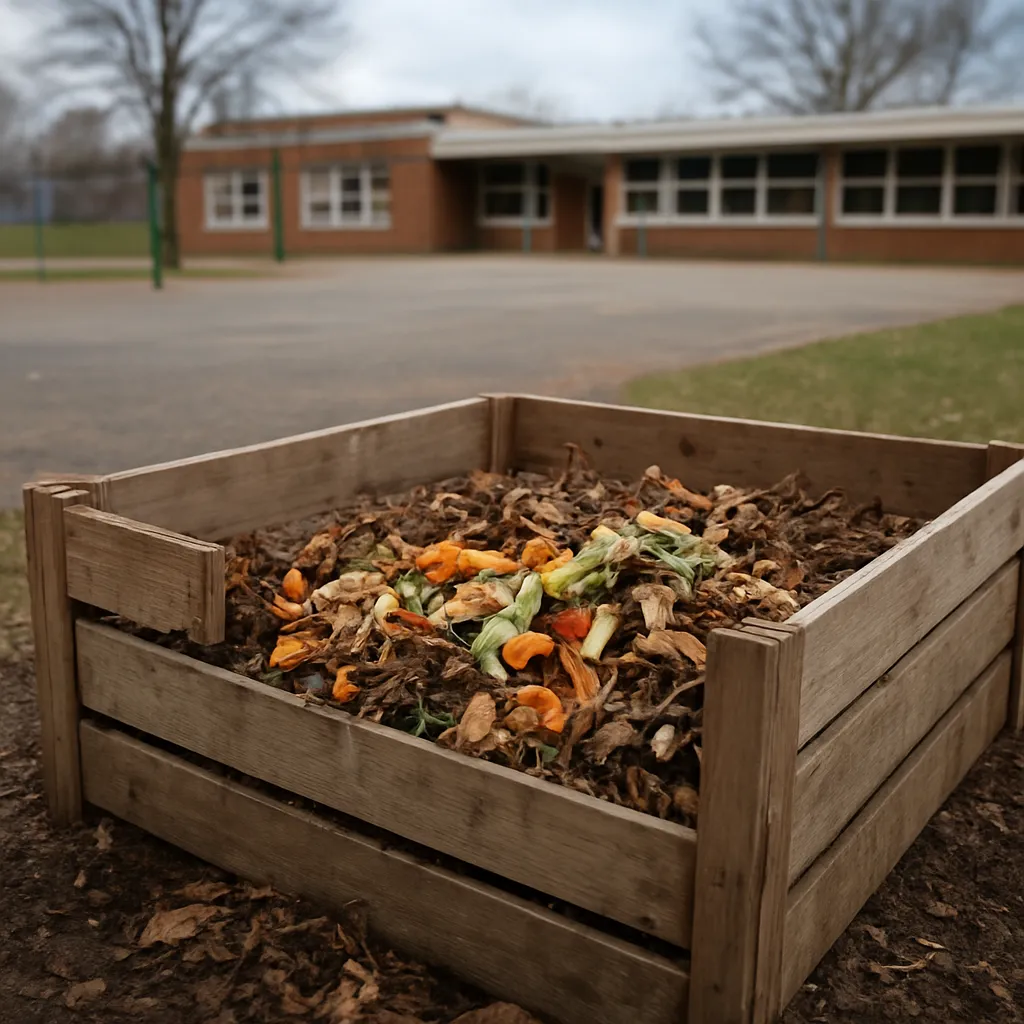
A class wants to study the school's compost bin. Which statement could the class test with measurements this month?
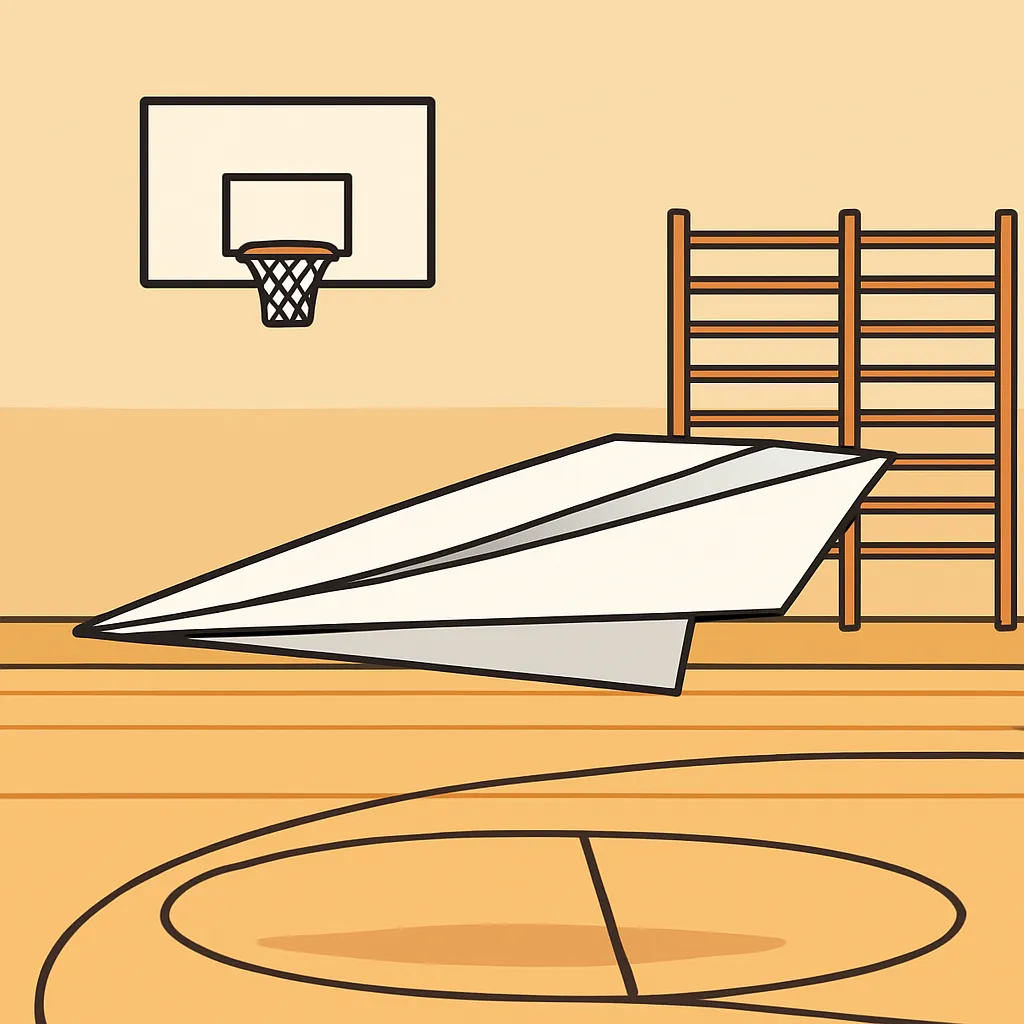
A group is curious about paper airplanes. Which statement can the group settle by collecting measurements in the school gym?
Four statements about a town stream are written on the board. Which one could not be investigated scientifically?

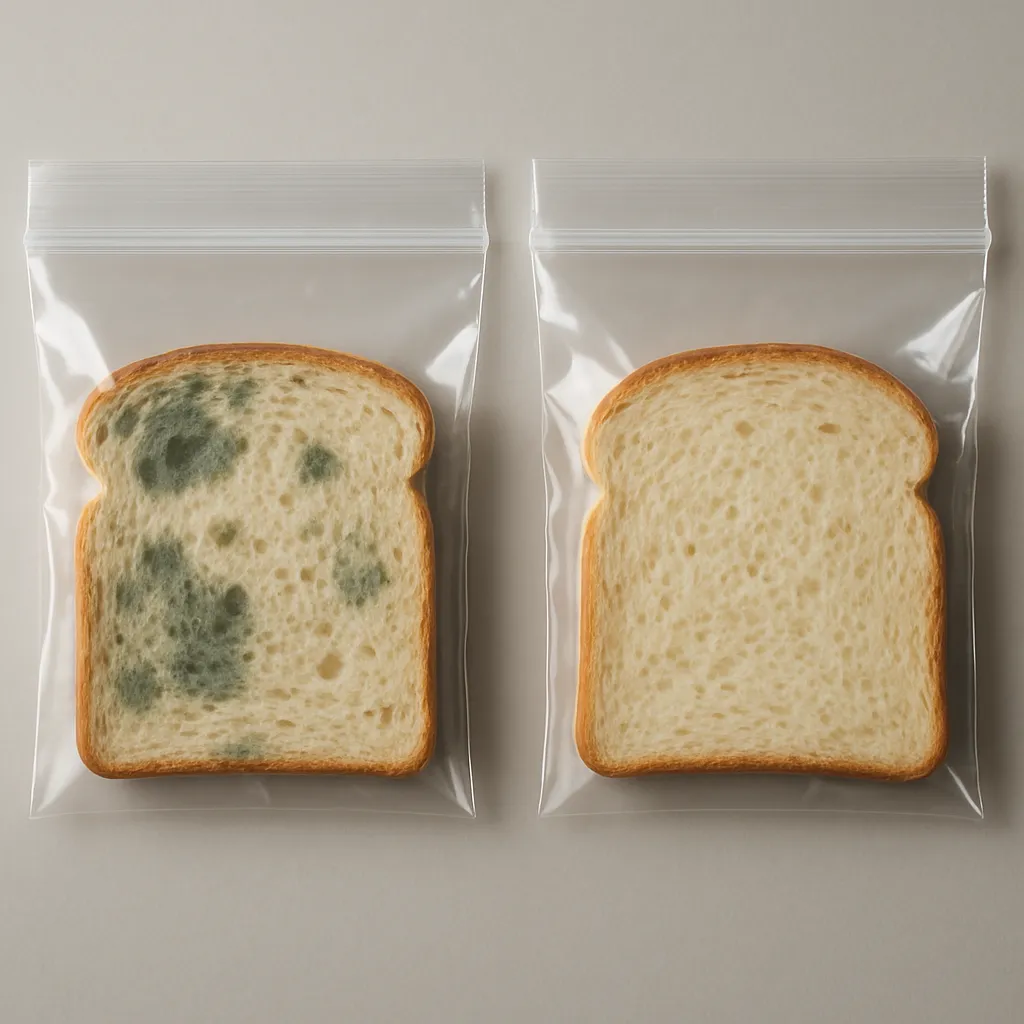
A student wants to investigate mold on bread. Which question can she answer by setting up an experiment in the classroom?
A question that can be answered only by personal opinion cannot be investigated scientifically.
A group writes: 'Loud music is bad for plants.' Their teacher says this cannot be tested as written. Which rewrite could the group actually investigate?
Crack the passcode before the zombies get in.
Answer, then swat bugs for bonus points.
Race through questions at your own speed.
Same question on every screen. Fastest wins.

Pick a tile, answer, hit bonuses and steals.

Reading Data Tables and Graphs
40 questions