Loading
by BlastRoom
Reason from ecosystem evidence about how a greater variety of species keeps an ecosystem working through disturbance.
#us_grade_8_science
40 questions
One question set, multiple game modes. Tap any game to see it in action. Not sure which to pick?
Answer to place stones and capture territory.
Outrun the snow together.
Earn blasts, then hunt the other team.
Answer to earn energy, then climb.

The class blasts through walls together.
Bid on mystery lots. Most money wins.
Sell tours. Nice, standard, or a total scam.

Answer, restock, and serve the rush.
More correct answers pulls the rope your way.
Answer, then shoot down the alien wave.
Answer, then tap to leap the frozen ridge.
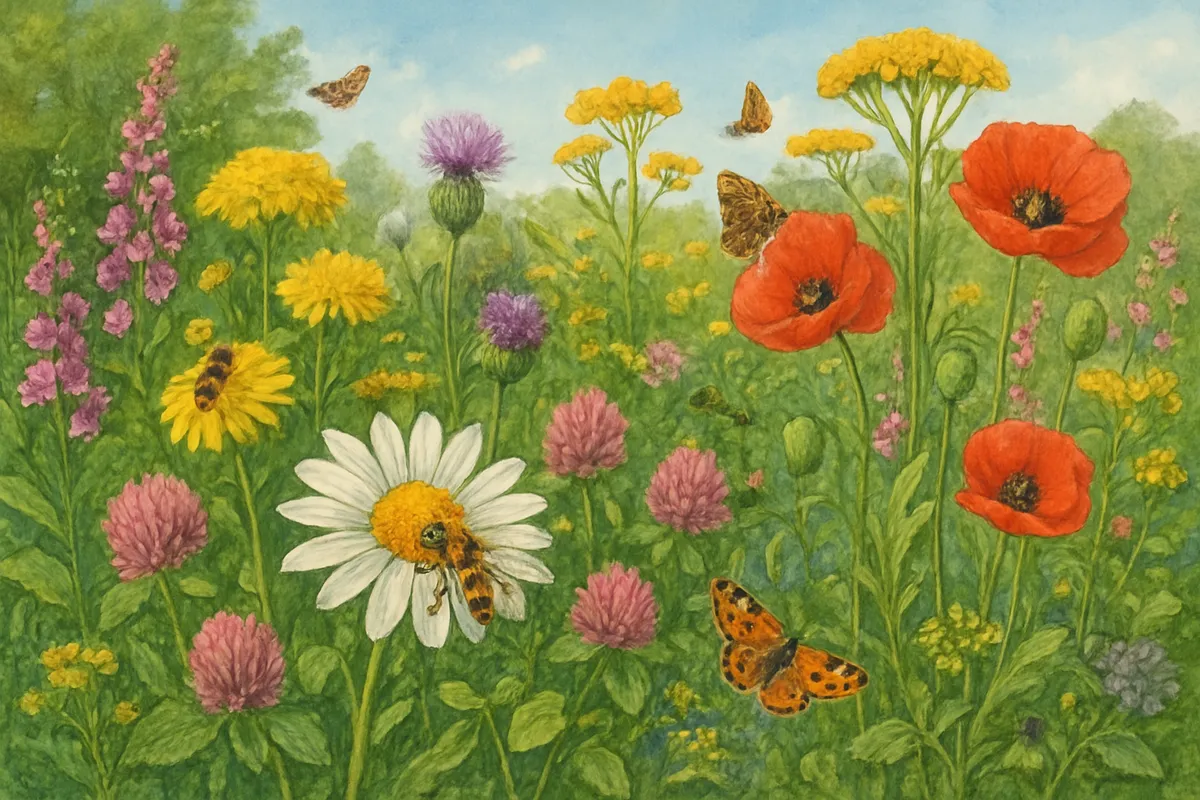
A drought hits two grasslands. Grassland A has 4 grass species, all shallow-rooted. Grassland B has 12 grass species, several deep-rooted. Which keeps more ground covered through the drought, and why?
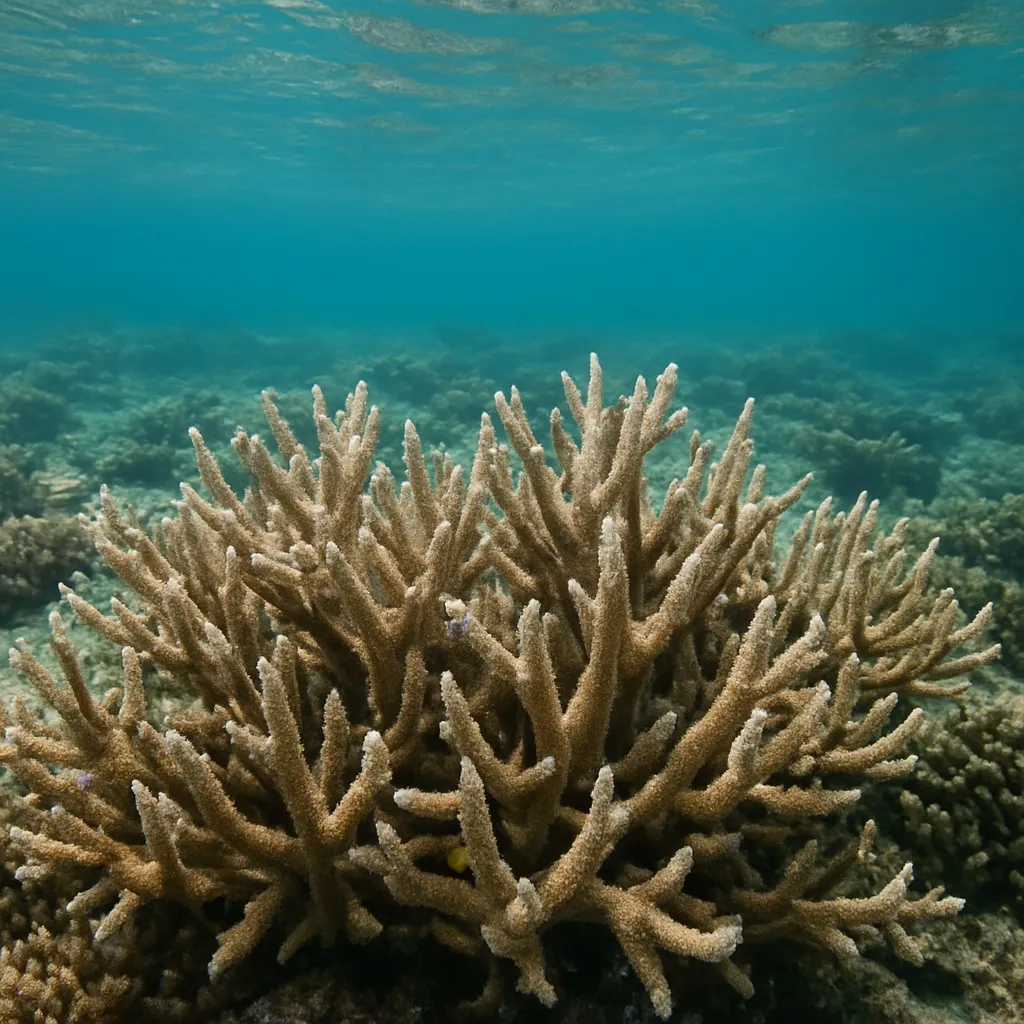
The same heat wave reaches two reefs. Reef A has 3 coral species. Reef B has 20, and a few of them tolerate warm water. Which reef is more likely to keep living coral afterward, and why?
A caterpillar outbreak strips oak leaves in two forests. Forest A is nine-tenths oak. Forest B is one-fifth oak, with many other tree species. Which forest loses less total leaf area, and why?
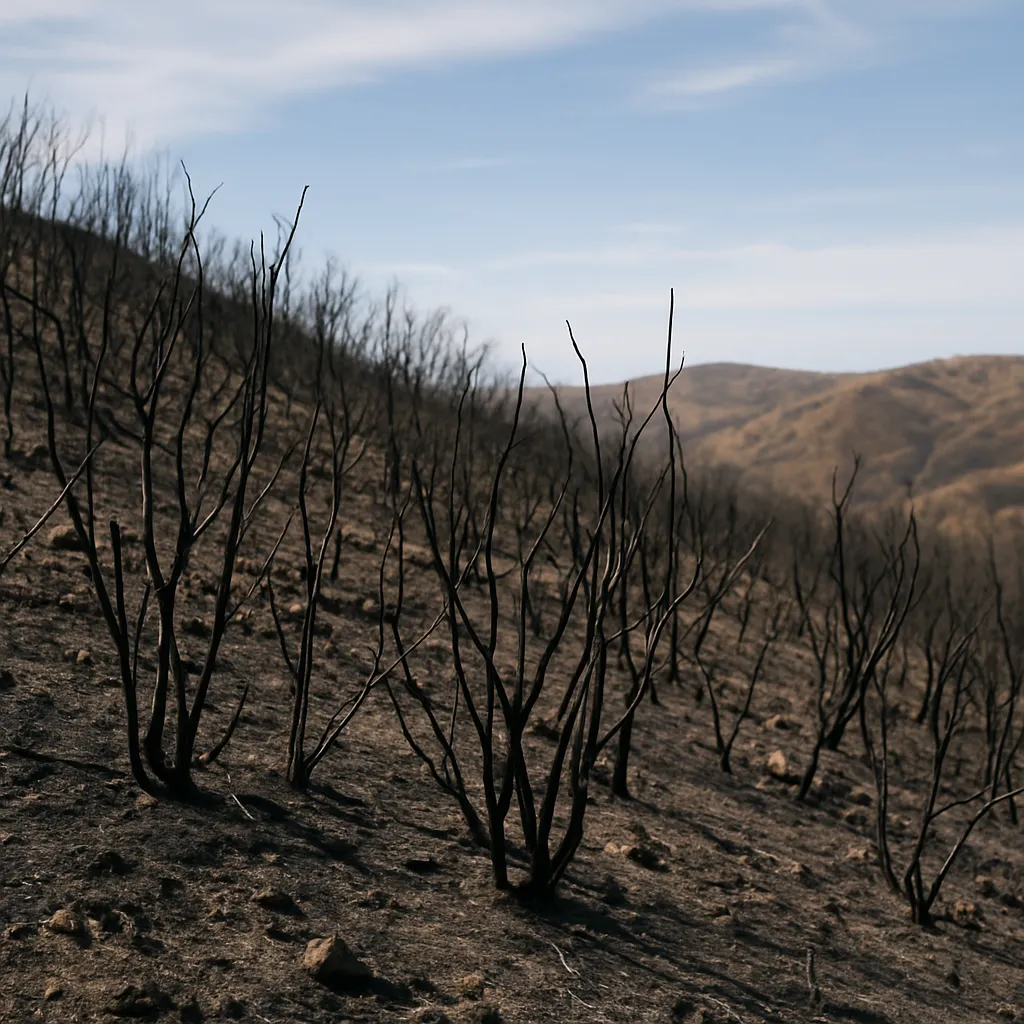
A wildfire burns two shrublands. Shrubland A has 5 plant species. Shrubland B has 25, including several whose seeds sprout only after fire. Which regains plant cover faster, and why?
An invasive crayfish arrives in two lakes. Lake A holds 2 fish species. Lake B holds 15, several of which eat crayfish. Where is the crayfish population more likely to stay small, and why?
Researchers spread the same fungus over two wheat plots. Plot A is planted with one wheat variety. Plot B is planted with a mixture of eight varieties. What will the yield data most likely show?
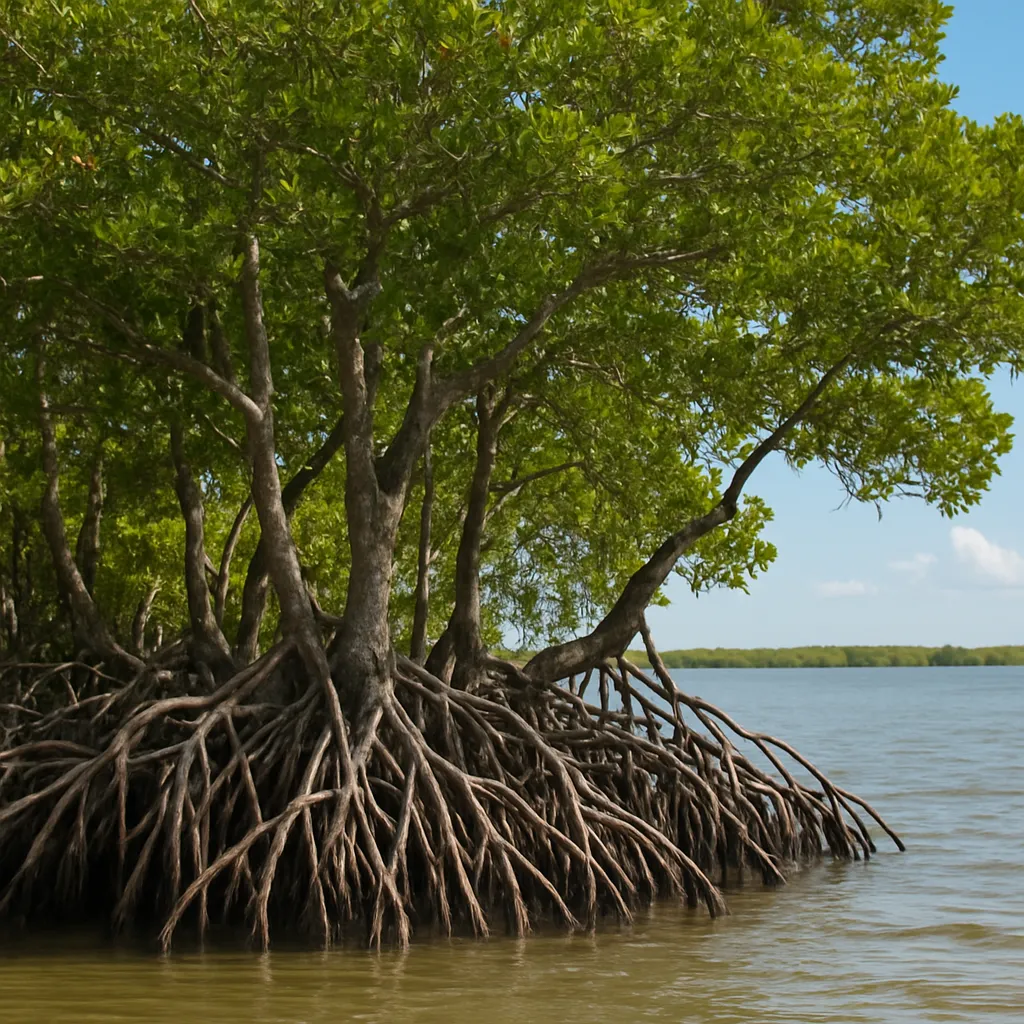
After one hurricane, a mangrove stand holding a single tree species lost 80 percent of its cover, while a nearby stand of six species lost 25 percent. Which claim does this evidence support?
A cold snap kills the earthworms in two woodlots. Woodlot A also holds many millipedes, springtails and fungi. Woodlot B holds few of these. Where will fallen leaves keep breaking down, and why?
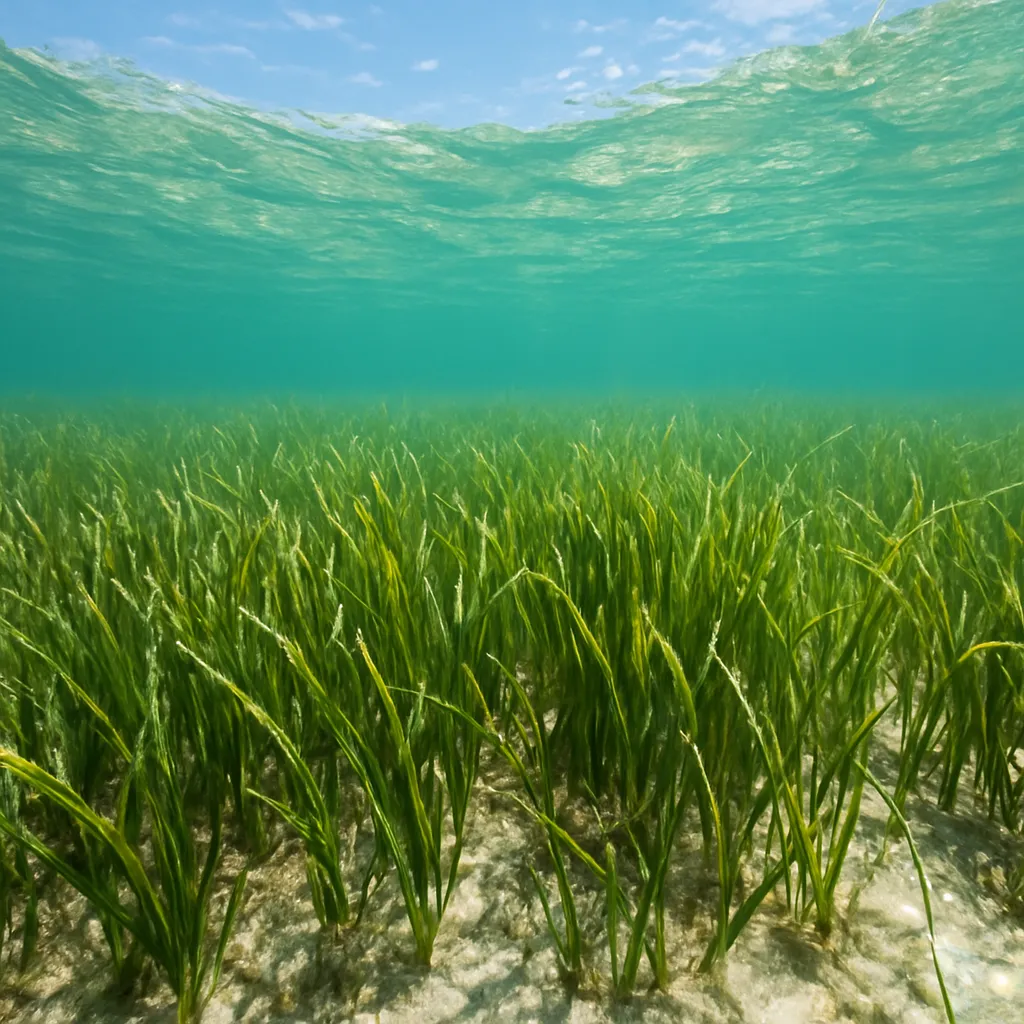
A wasting disease kills eelgrass in two bays. Bay A holds eelgrass alone. Bay B holds eelgrass and four other seagrass species. Which bay is more likely to keep sheltering young fish, and why?
Two prairie plots get the same water and sunlight. Plot A holds 2 plant species. Plot B holds 16 species whose roots reach different soil depths. In a normal year, which plot most likely grows more in total, and why?
Rats reach two islands. Island A has 3 nesting seabird species and Island B has 14. On which island is some seabird still likely to be nesting ten years later, and why?
A fuel spill kills the mayflies in two streams. Stream A holds 5 insect species and Stream B holds 22. Which stream is more likely to keep feeding its trout, and why?
Pesticide drift kills the honey bees on two farms. Farm A's crop is visited by honey bees alone. Farm B's is visited by honey bees, bumblebees and hoverflies. Whose fruit crop falls less, and why?
A hillside is grazed by rabbits, deer and geese. A second hillside is grazed by rabbits alone. Disease removes the rabbits from both. What happens to shrub cover on each hillside?
In Forest A, five bird species swallow and spread fig seeds. In Forest B, only one bird species does. That one species disappears from both forests. Whose figs keep spreading to new ground, and why?
A dead log is broken down by beetles, fungi and bacteria in Woodland A, and by fungi alone in Woodland B. A fungicide kills the fungi in both. Where does the wood keep rotting, and why?
A town drains a large marsh beside its river to build houses. Which change is the town most likely to notice afterward?
Estuary A's water is filtered by oysters, mussels and clams. Its clarity barely changed after a parasite killed the oysters. Which conclusion does this evidence support?
Aphids on Farm A are eaten by ladybugs, lacewings and wasps. On Farm B only ladybugs eat them. A cold spell removes the ladybugs from both farms. Which farm avoids an aphid outbreak, and why?
Three fish species on a reef all scrape algae off the coral. What does having three algae-scraping species there, rather than one, do for the reef?
Dune A is held by three rooted plant species. Dune B is held by marram grass alone. Salt spray kills the marram grass on both dunes. Which measurement result should you predict?
In one park, vultures, crows, foxes and beetles all feed on dead deer. In a second park, only vultures do. Why does this difference matter if a disease kills the vultures?
Elk browsed young willows along a valley stream to nothing after wolves were removed, and the bare banks then washed away. What had the wolves been doing for that community?
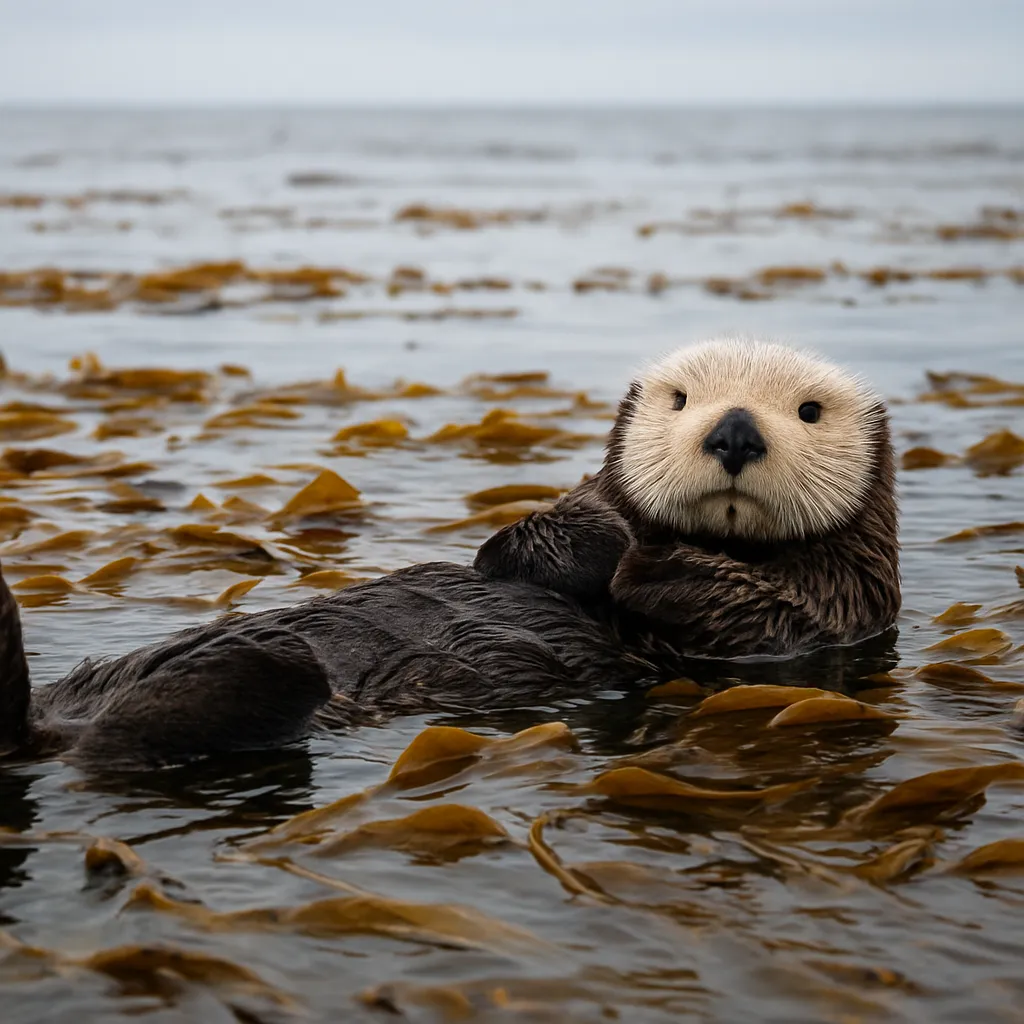
After sea otters disappeared from a coast, sea urchin numbers rose sharply and the kelp forest was grazed away. What had the otters been doing for that community?
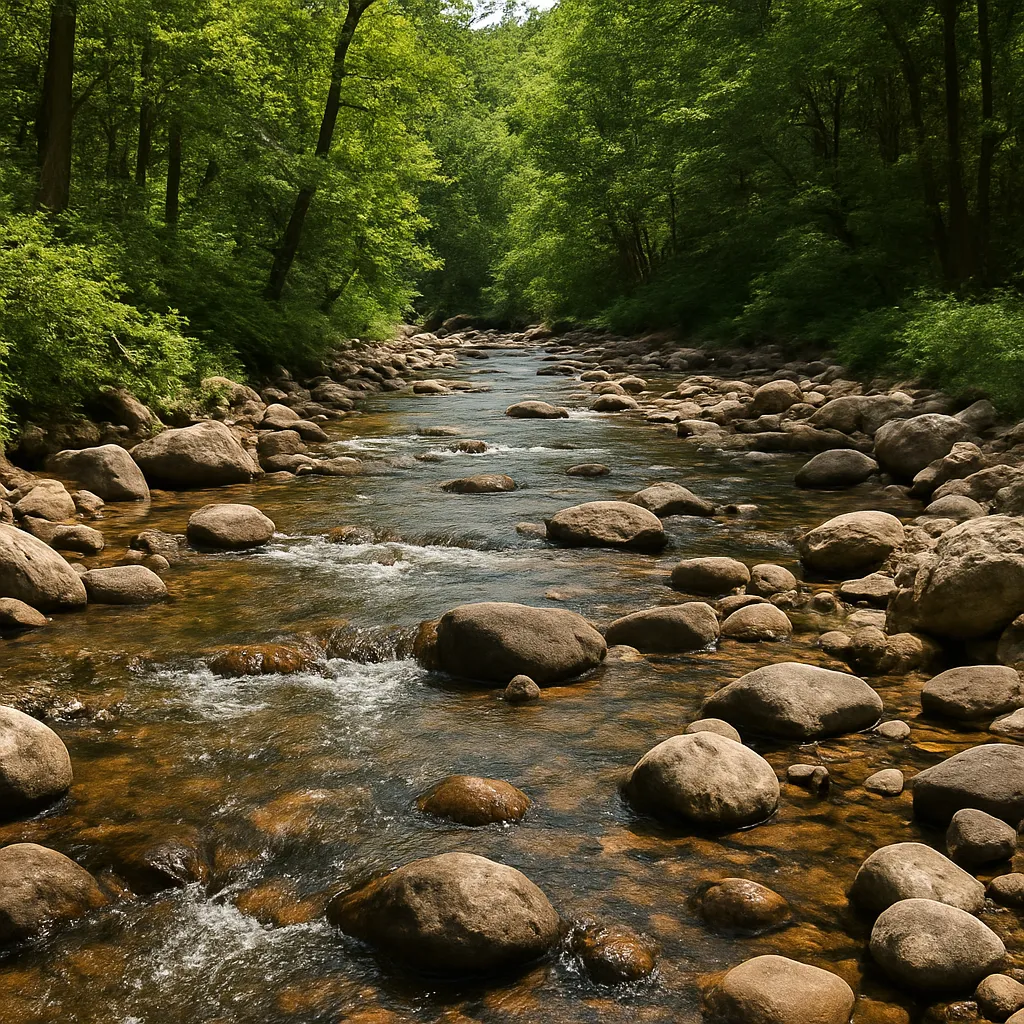
After trappers removed the beavers from a valley stream, the ponds drained and the frogs, dragonflies and marsh plants disappeared. What had the beavers been doing for that community?
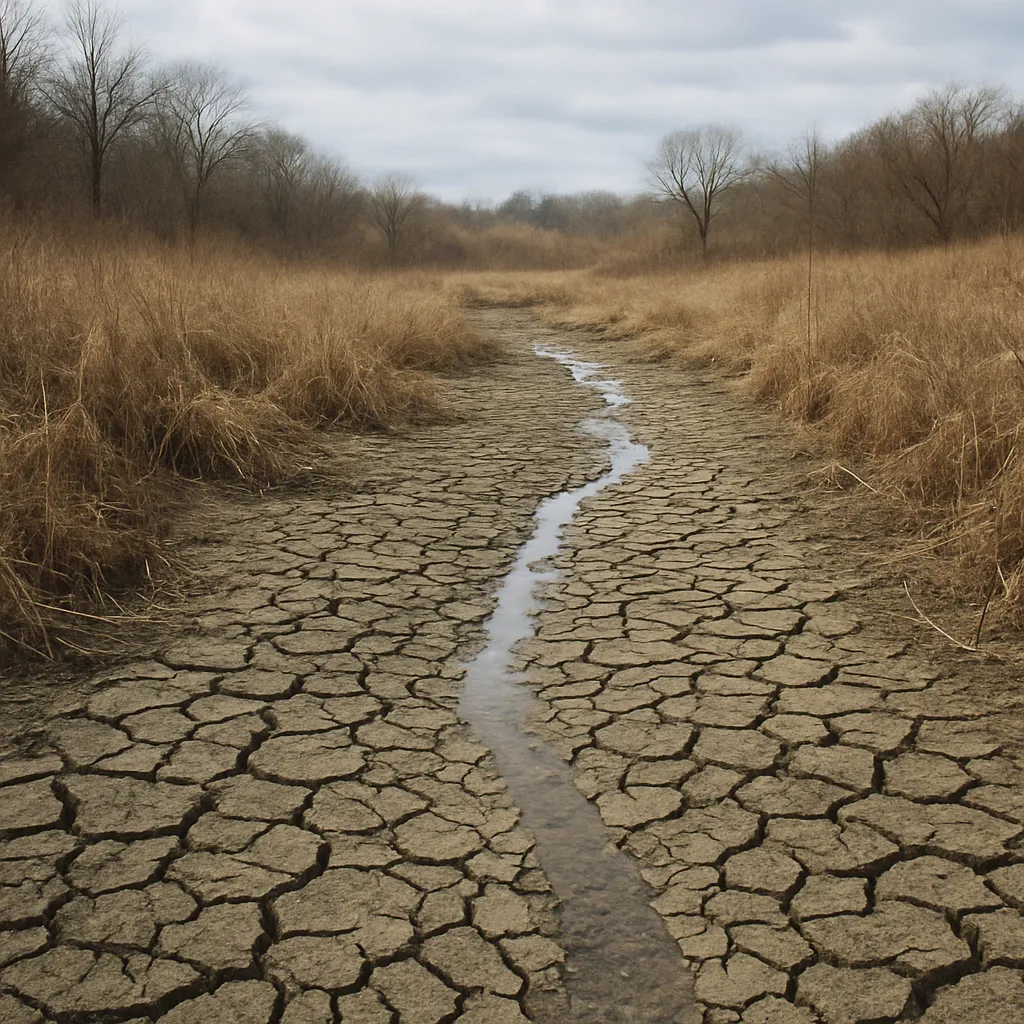
Where prairie dogs were poisoned out, burrowing owls and black-footed ferrets vanished from the same grassland. What had the prairie dogs been doing for those animals?
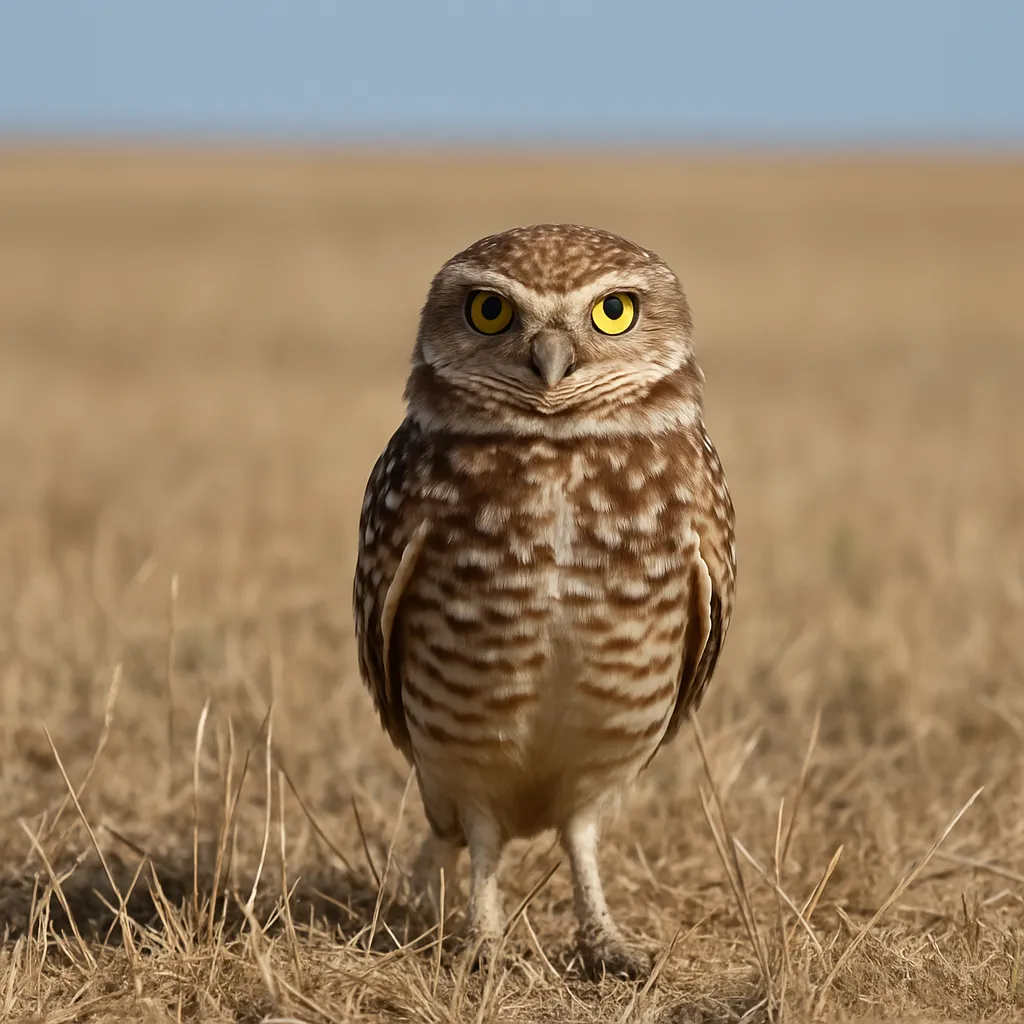
When the fig trees of a rainforest were cut, monkeys and fruit-eating birds grew scarce during the dry months, though other trees still stood. What had the fig trees been doing for those animals?
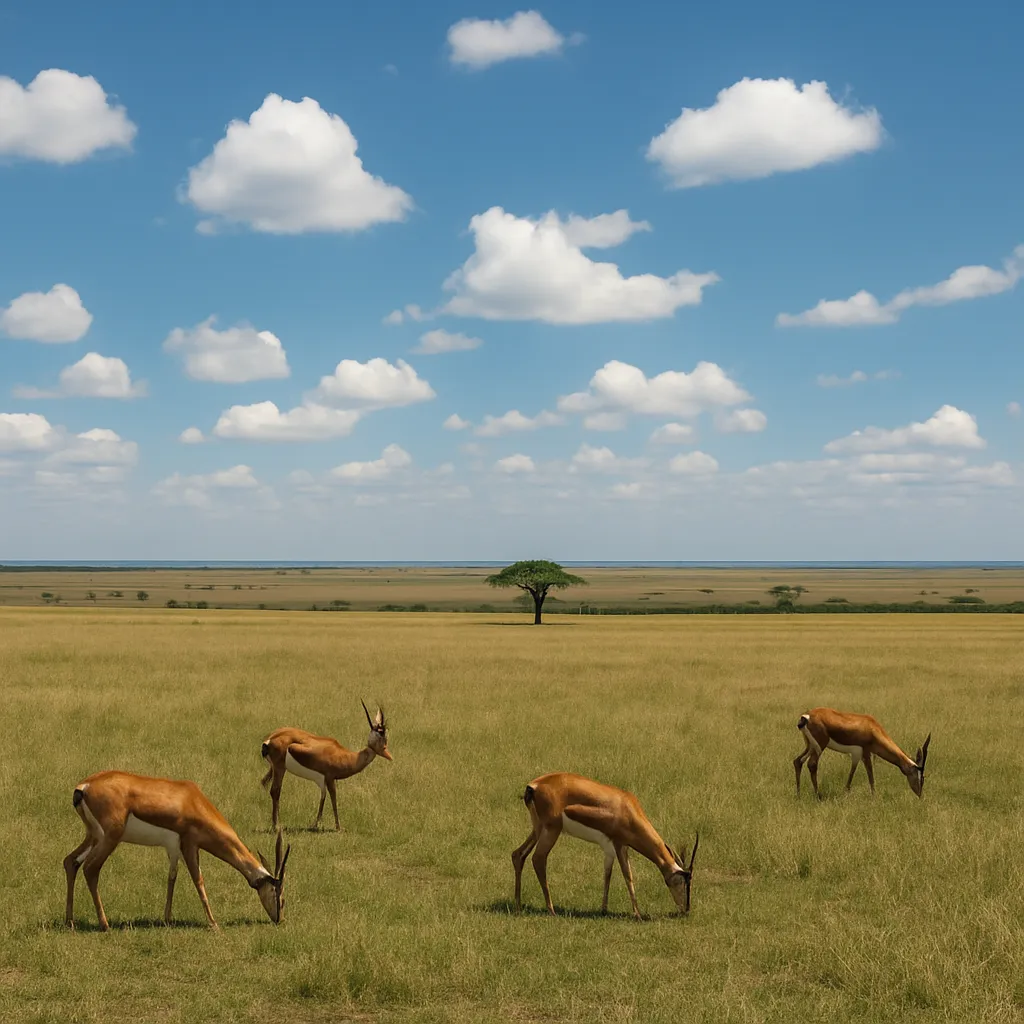
Where elephants were lost from a savanna, woody shrubs spread across the open grassland and the grazing antelope declined. What had the elephants been doing for that community?
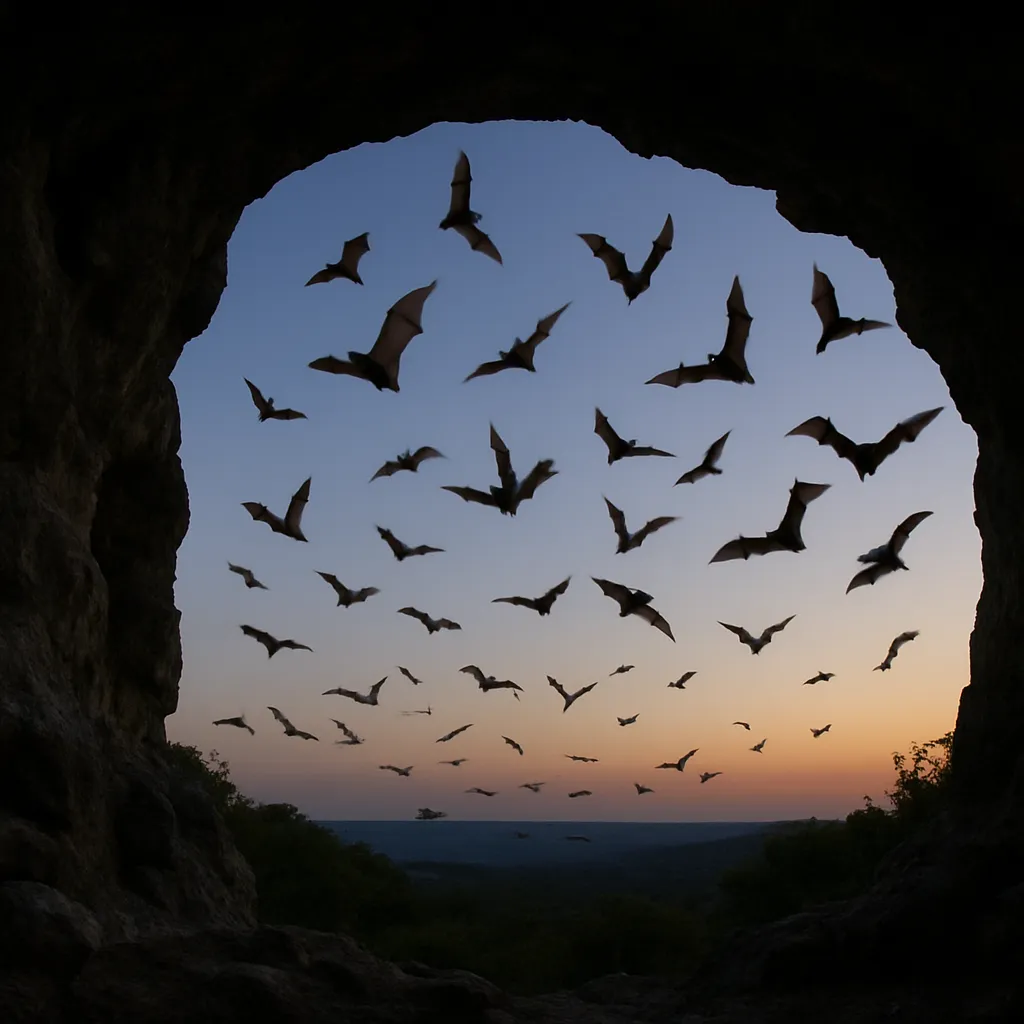
After a disease emptied the bat caves of a farming region, farmers reported far more night-flying insect pests on their crops. What had the bats been doing for those farms?
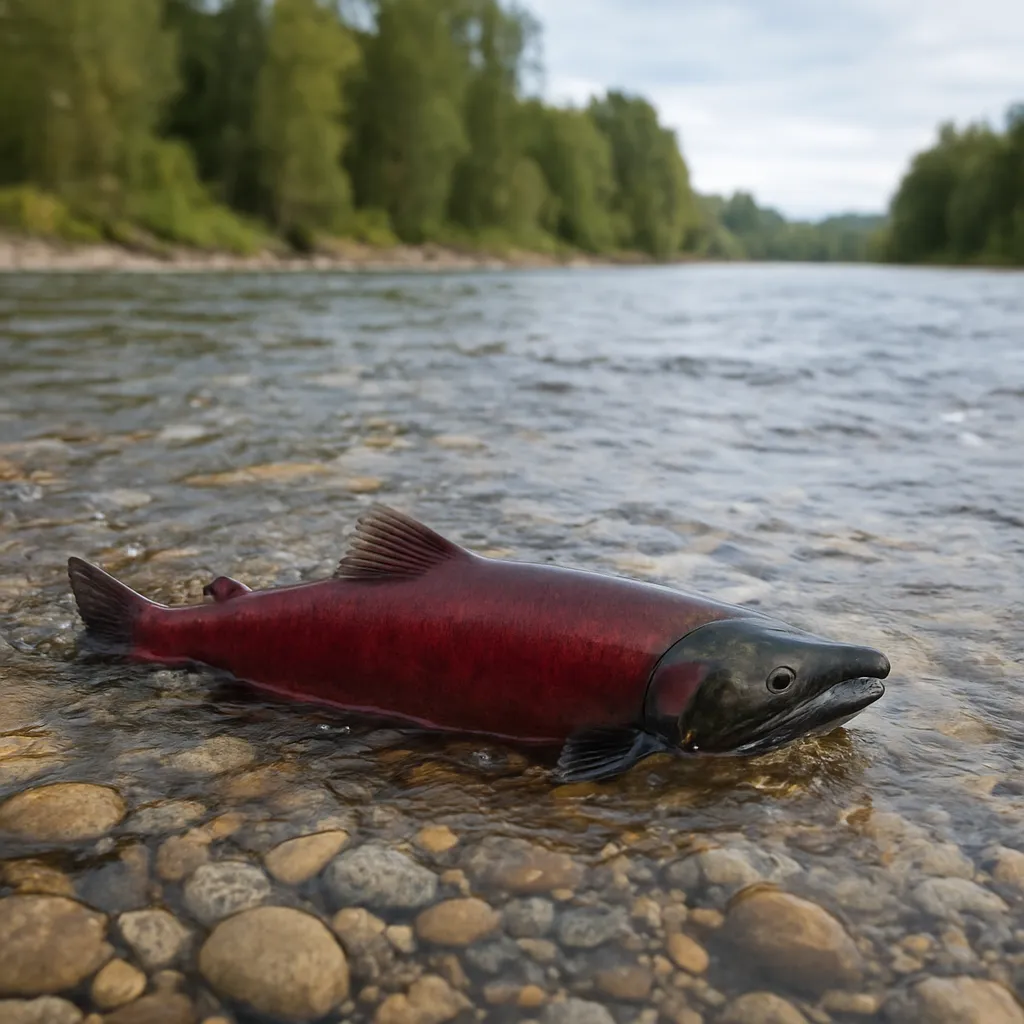
After a dam blocked salmon from a river, the streamside trees grew more slowly and bears and eagles left the valley. What had the salmon been doing for that community?
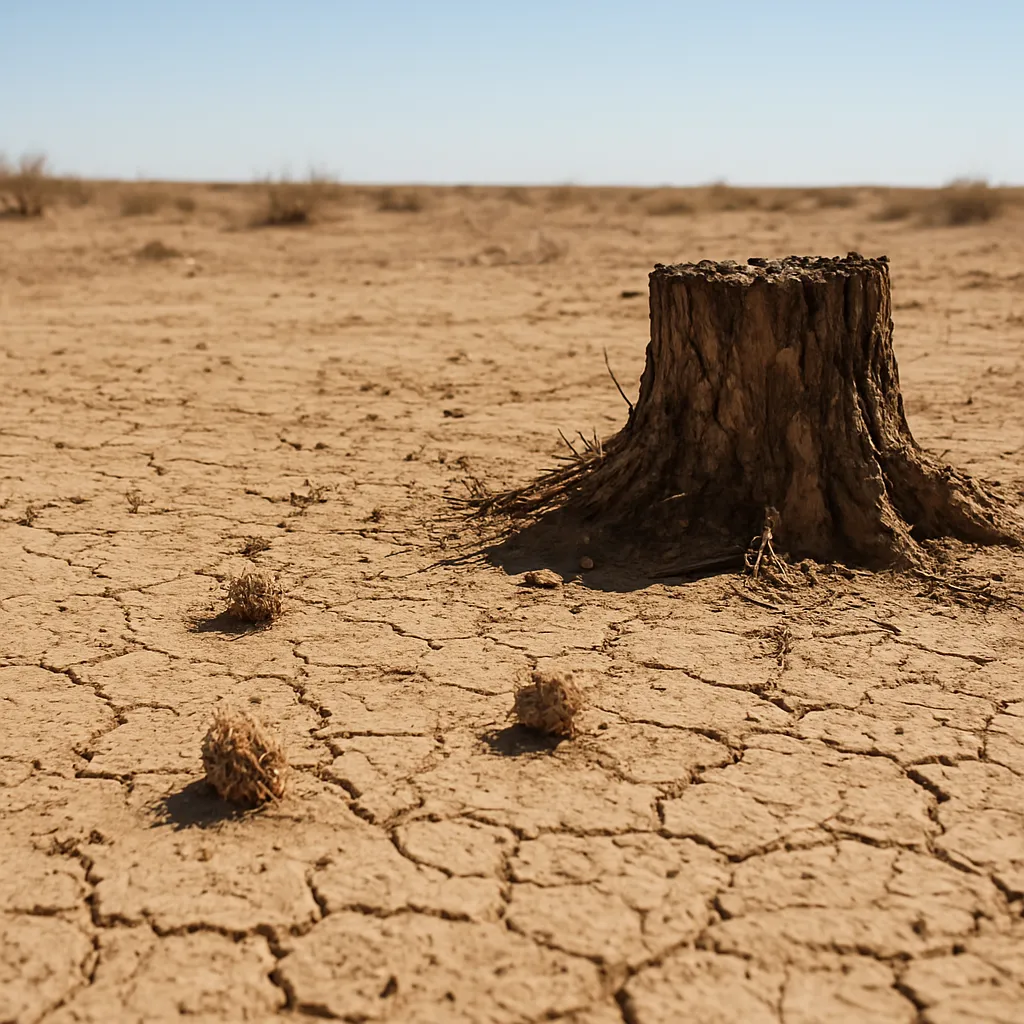
Where a desert shrub was cleared, cactus seeds still landed on the ground but the young seedlings dried out and died. What had the shrub been doing for the cactus?
When vultures nearly disappeared from one region, dead livestock lay in the open for weeks and feral dog numbers rose. What had the vultures been doing for that community?
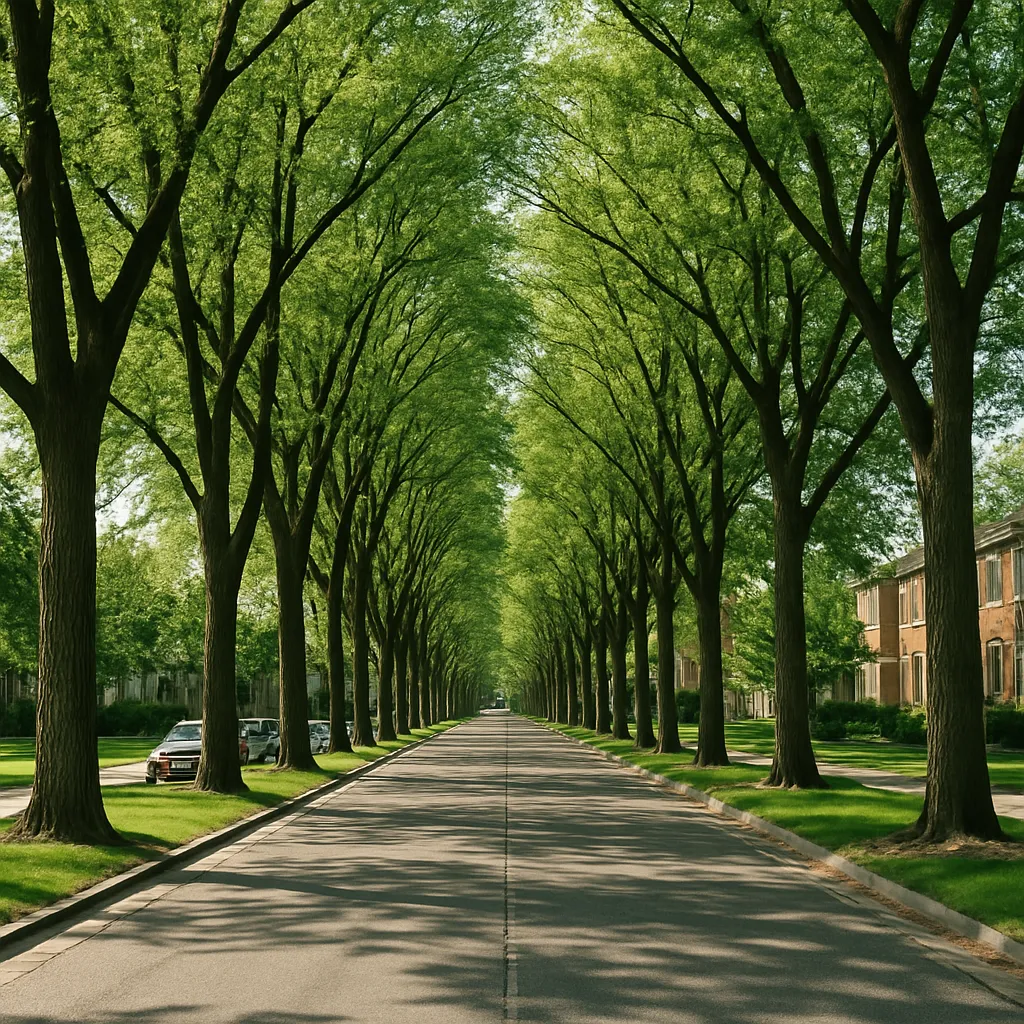
A city plants the same elm species along every street. A fungus spread by beetles that attacks that elm reaches the city. Which risk does the planting choice create?
A fish farm raises one salmon strain in crowded pens. Which risk does raising a single strain create?
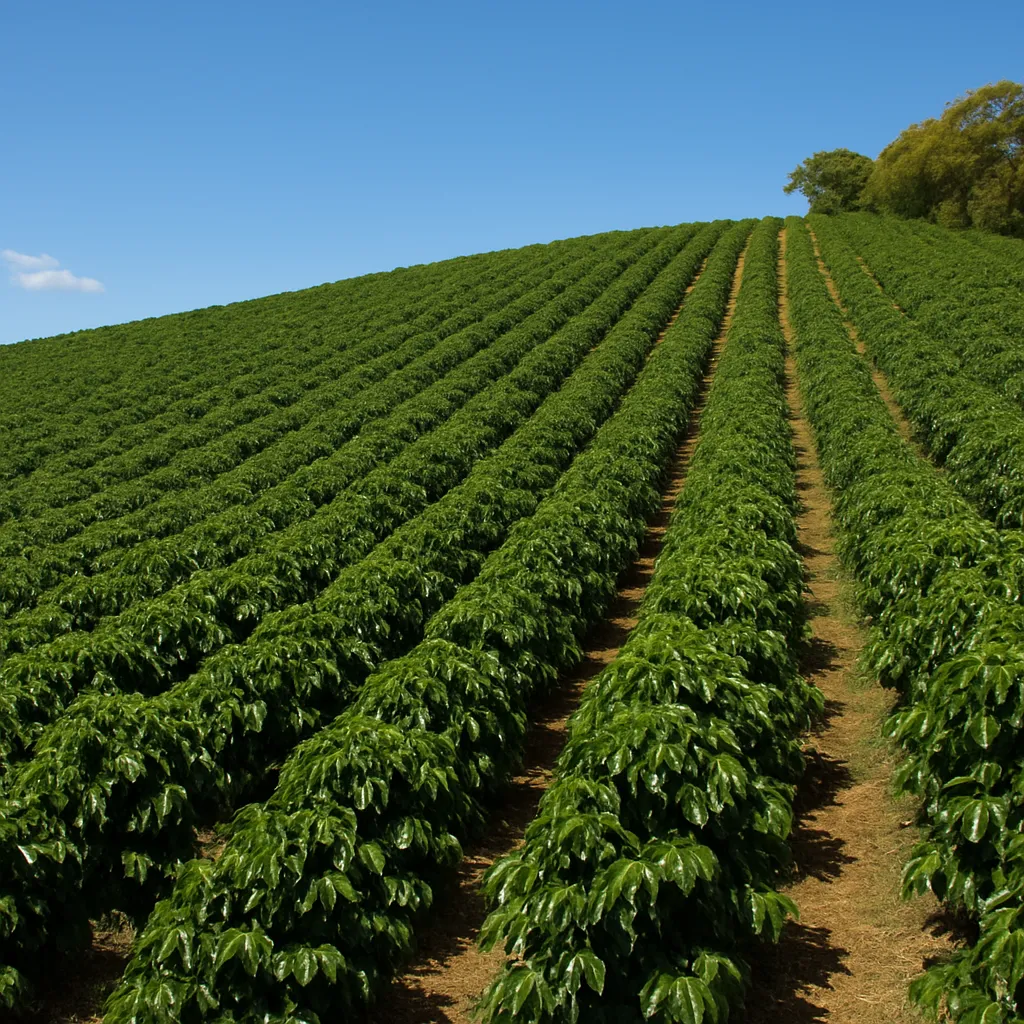
A coffee grower plants one variety across a whole valley. A leaf rust fungus that infects that variety arrives. What outcome is most likely?
Two plans are offered for replanting a bare roadside. Plan 1 uses one fast-growing grass. Plan 2 uses eight native grasses and wildflowers. Which plan better protects the soil over many years, and why?
An apple grower relies only on rented honey bee hives to pollinate the orchard and clears the wild flowering plants around it. Which risk does this create?
In the 1840s, most of Ireland's potato crop was a single variety. A water mold that infects that variety arrived. Why did the crop fail across the whole country?
A company may replant a burned hillside as a single pine plantation or as a mixed native woodland. Which risk does the plantation carry that the mixed woodland does not?
A breeder builds a herd in which every animal descends from one bull. Which risk does this practice create for the herd?
Crack the passcode before the zombies get in.
Answer, then swat bugs for bonus points.
Race through questions at your own speed.
Same question on every screen. Fastest wins.

Pick a tile, answer, hit bonuses and steals.
Ecosystem Stability and Biodiversity: Key Terms in Use
20 questions