Loading
by BlastRoom
Covers ocean resource types, exploration technology, echo-sounding depth calculations, and interpreting stock data trends.
#earth_space_science
20 questions
One question set, multiple game modes. Tap any game to see it in action. Not sure which to pick?
Answer to place stones and capture territory.
Outrun the snow together.
Earn blasts, then hunt the other team.
Answer to earn energy, then climb.

The class blasts through walls together.
Bid on mystery lots. Most money wins.
Sell tours. Nice, standard, or a total scam.

Answer, restock, and serve the rush.
More correct answers pulls the rope your way.
Answer, then shoot down the alien wave.
Answer, then tap to leap the frozen ridge.
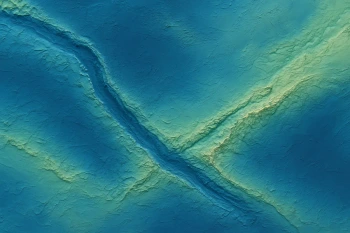
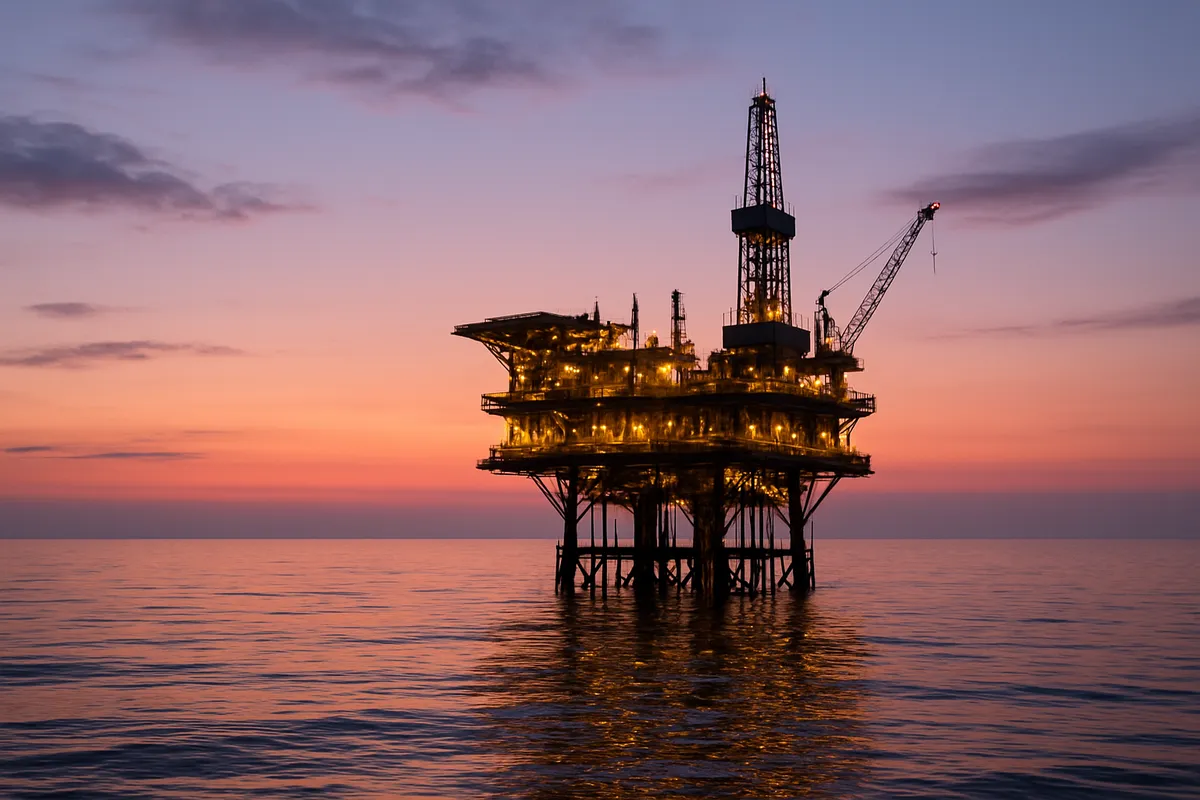
Deep-sea survey photos from the Pacific abyssal plain show potato-sized nodules coating the sea floor, rich in manganese, nickel, copper, and cobalt. Why do mining companies want them?
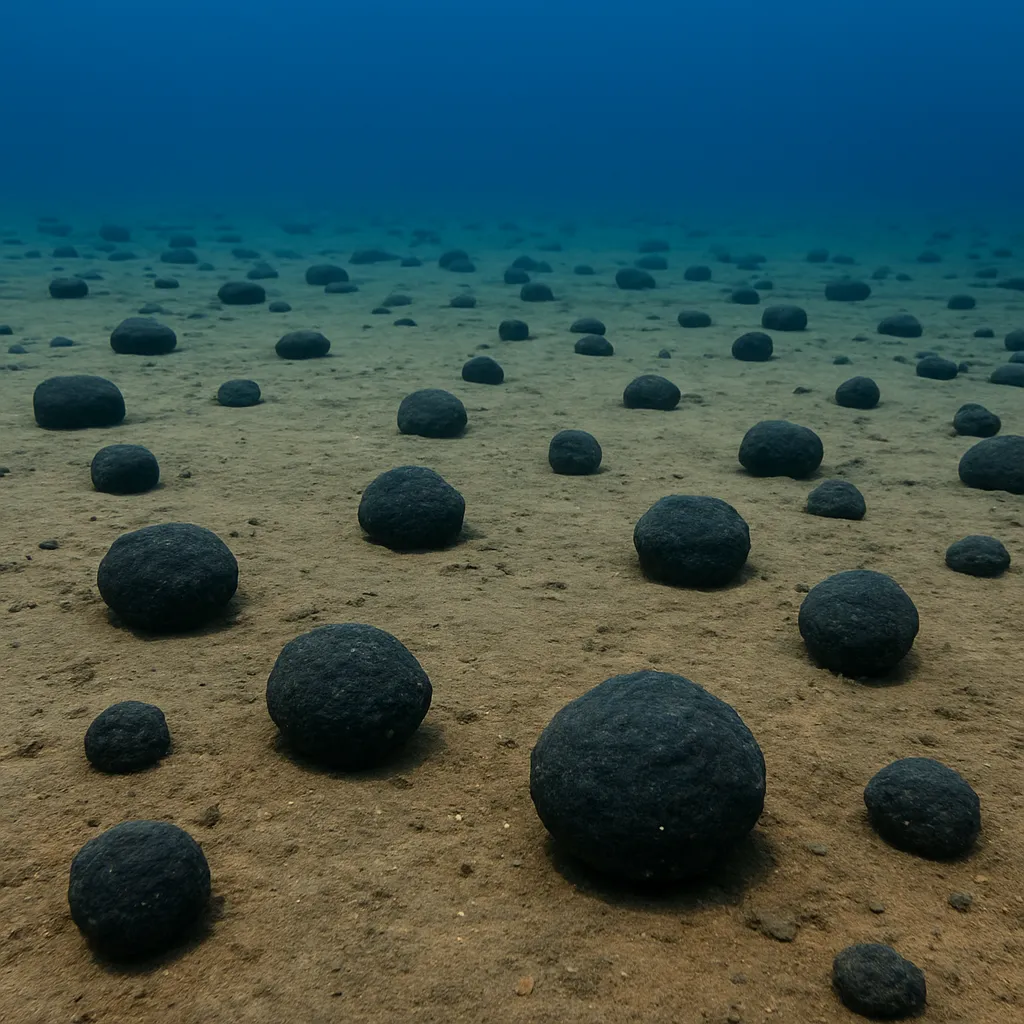
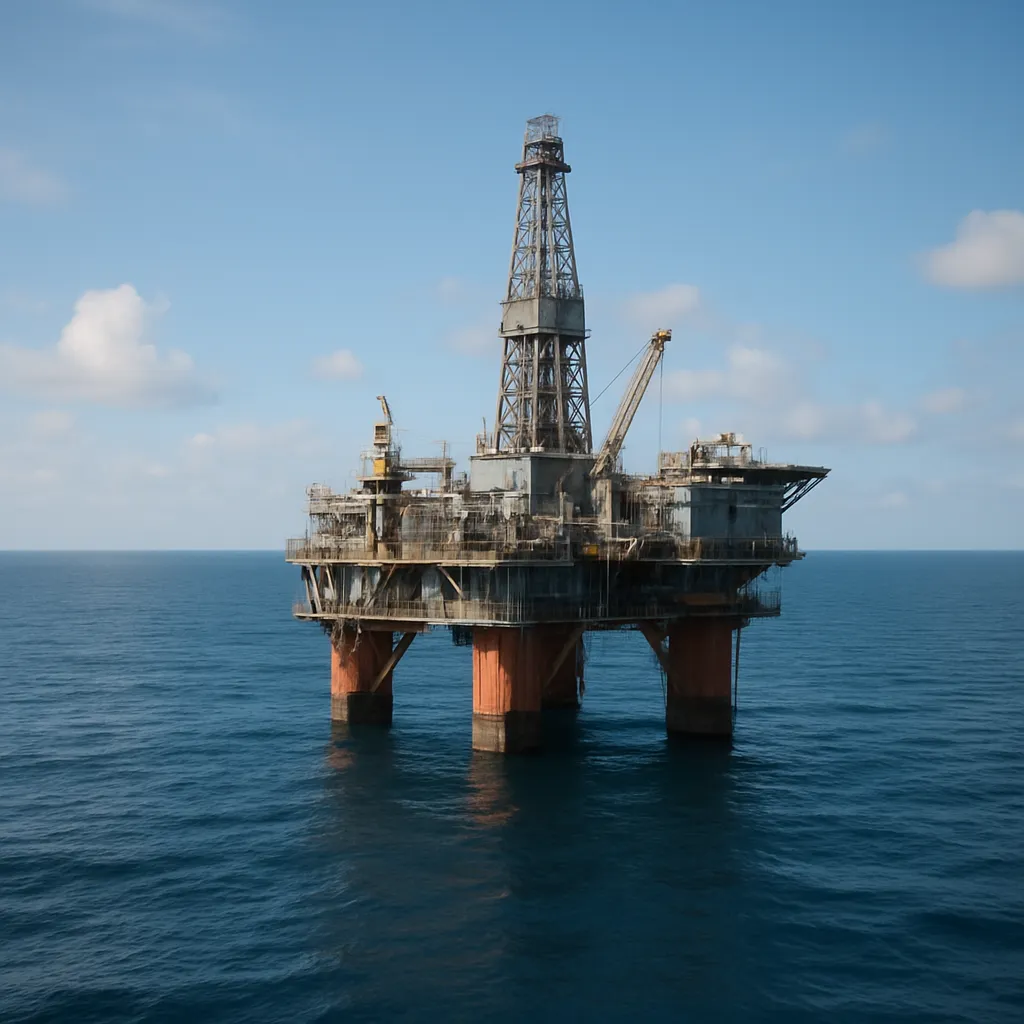
Platforms anchored to the continental shelf drill through layers of sediment to reach pockets of a fossil resource trapped below the seafloor. What is that resource mainly used for?
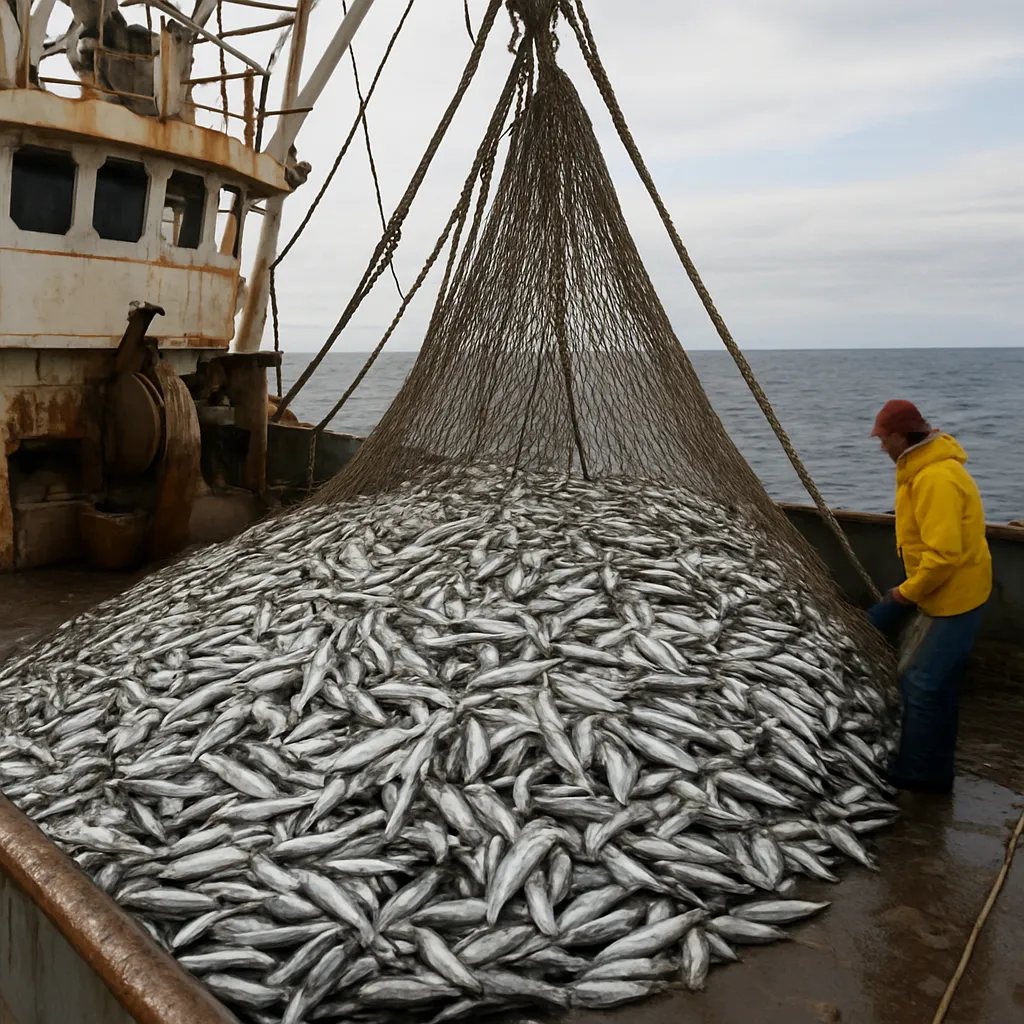
Trawlers haul in large schools of mackerel and anchovy from the open ocean each fishing season. What is the main reason this catch is valuable?
A coastal city gets drinking water from a desalination plant. Why does this water usually cost more than water pumped from a lake or aquifer?
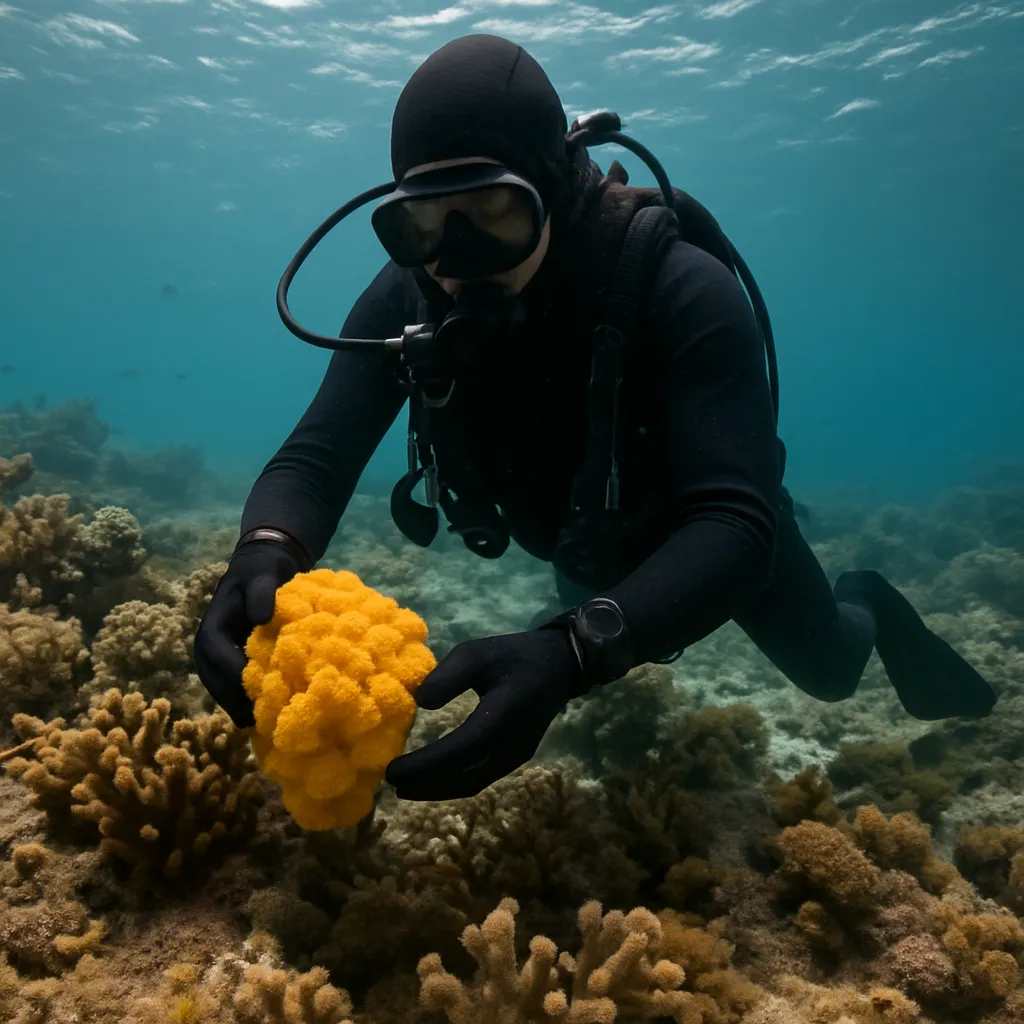
Chemists extract a compound from a species of sea sponge and test whether it slows the growth of tumor cells. Which ocean resource category does this compound belong to?
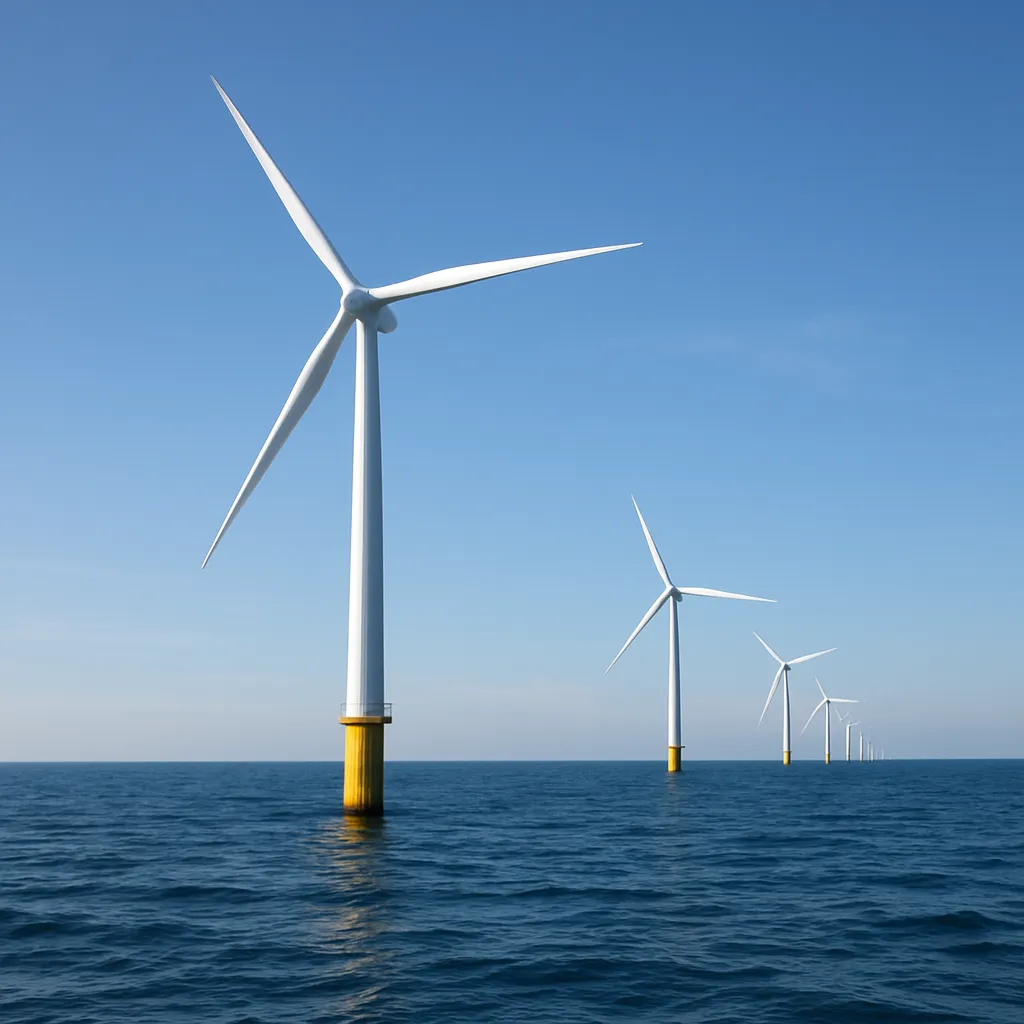
Rows of turbines stand on towers fixed to the seafloor several kilometers from shore, their blades turning in the steady ocean wind. What do they produce?
A survey ship sends a sound pulse straight down and its echo returns from the sea floor 6 seconds later. Sound travels about 1,500 meters per second in seawater. How deep is the water?
A survey ship sends a sound pulse straight down and its echo returns from the sea floor 2 seconds later. Sound travels about 1,500 meters per second in seawater. How deep is the water?
A survey ship sends a sound pulse straight down and its echo returns from the sea floor 8 seconds later. Sound travels about 1,500 meters per second in seawater. How deep is the water?
A survey ship sends a sound pulse straight down and its echo returns from the sea floor 3 seconds later. Sound travels about 1,500 meters per second in seawater. How deep is the water?
Marie Tharp calculated ocean-floor depths from echo-sounding records to map the mid-ocean ridge. One sounding over a ridge crest had a 5-second return echo, with sound at 1,500 meters per second. What depth did it show?
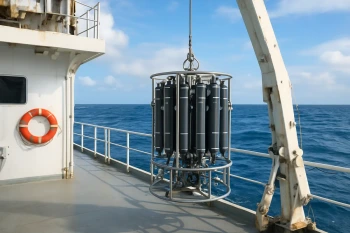
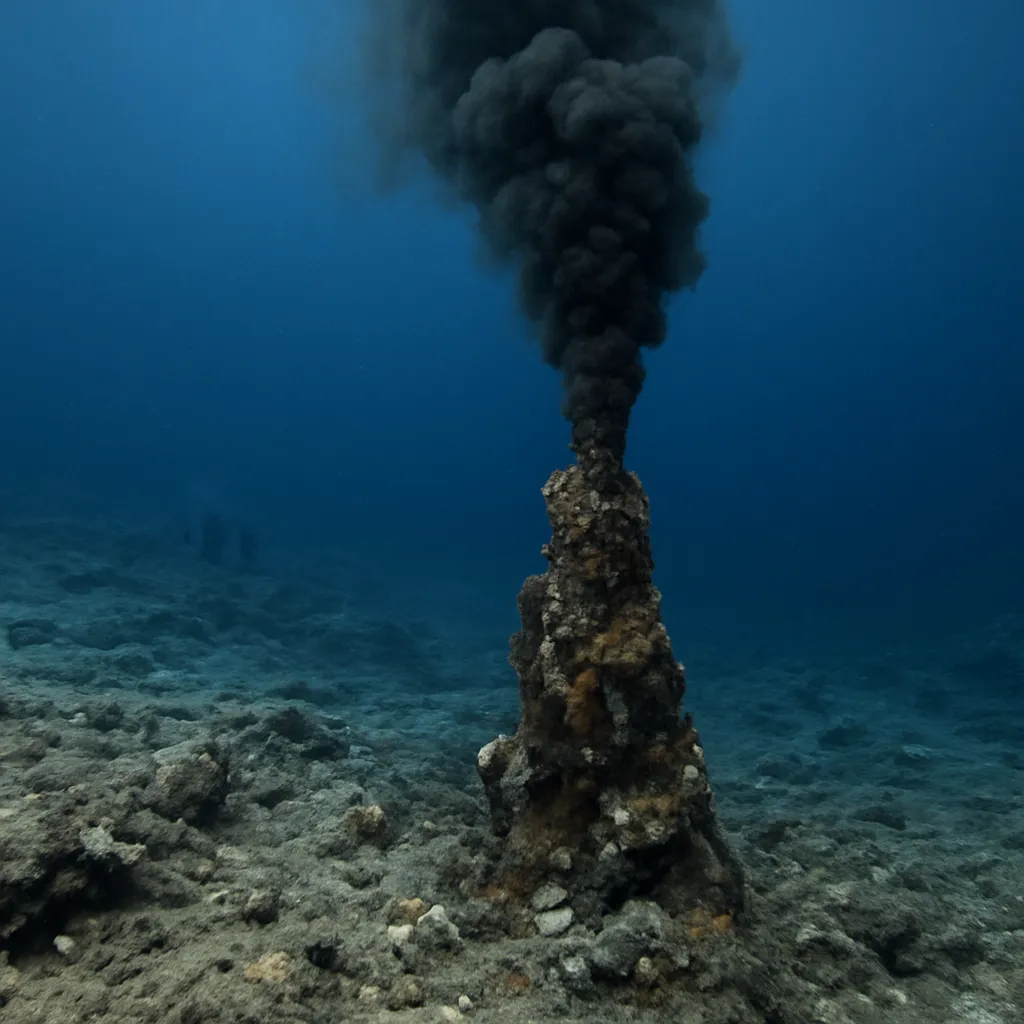
A three-person vehicle descends 2,600 meters to a hydrothermal vent field, using mechanical arms to collect tube worms while the crew watches through a thick viewport. Which platform is this?
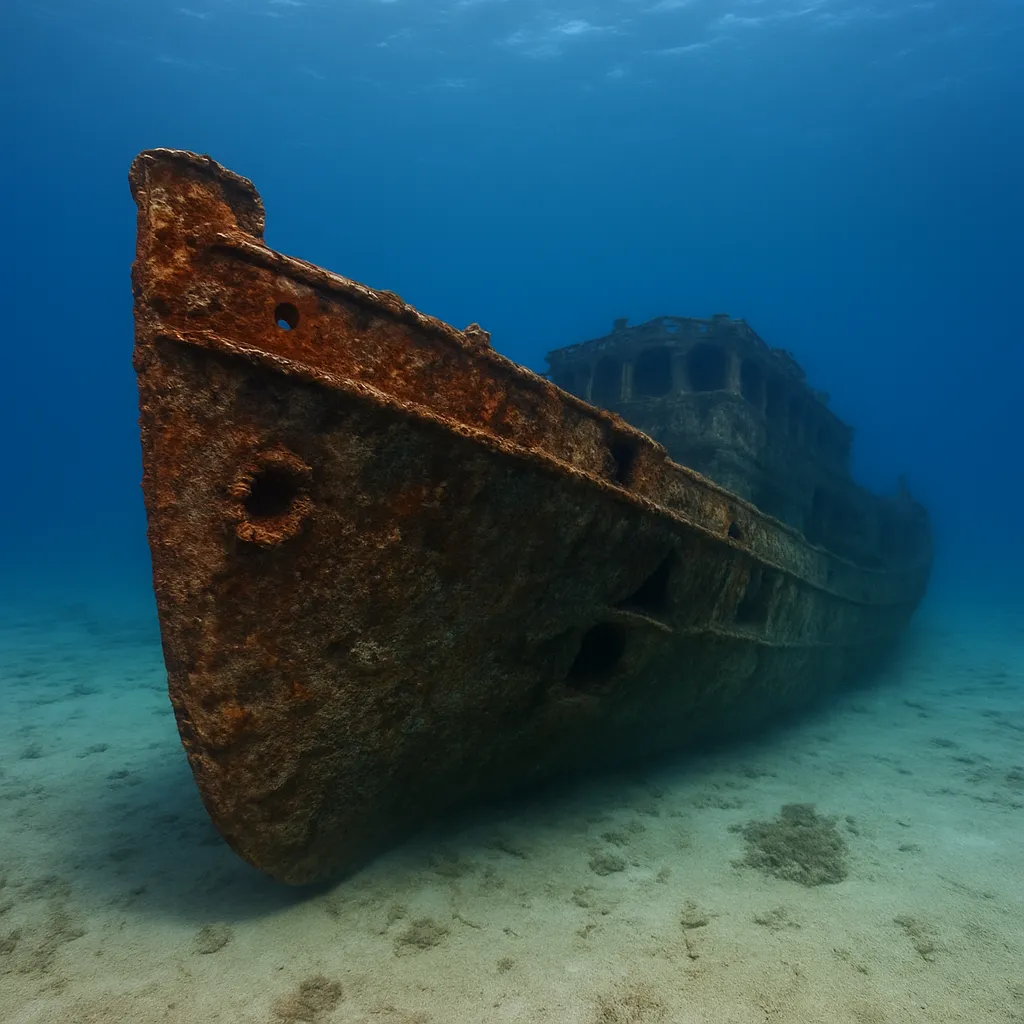
A tethered, uncrewed vehicle with cameras and a robotic arm is lowered 3,800 meters to examine a sunken shipwreck while a pilot on the surface ship steers it by cable. What is this vehicle called?
An uncrewed, torpedo-shaped vehicle follows a preprogrammed path across the seafloor for days, mapping terrain with no cable connecting it to any ship. What kind of platform is this?
A ship tows a torpedo-shaped instrument just above the seafloor on a long cable, sending sound waves out to each side to build an image of the bottom's texture over a wide swath. What is this instrument doing?
An anchored instrument platform floats at the surface for months, continuously recording temperature, salinity, and currents at a fixed ocean location and radioing the data to shore. What is this platform?
A fishery's landings climb steadily for ten years, then catches drop sharply and the fish being landed are smaller and younger than before. What does this pattern indicate?
A fishery's annual catch, fleet size, and average fish size all stay roughly the same for twenty straight years. What does this steady record suggest about the stock?
After strict catch quotas are imposed, a fishery's annual landings rise for several years and the fish caught grow larger on average than before the quotas began. What does this trend show?
Seafloor surveys a decade apart find that a Pacific test strip mined of manganese nodules has grown no new nodules. What does this show about nodules as a resource?
Crack the passcode before the zombies get in.
Answer, then swat bugs for bonus points.
Race through questions at your own speed.
Same question on every screen. Fastest wins.

Pick a tile, answer, hit bonuses and steals.
40 questions