Loading
by BlastRoom
Explain what controls air temperature and how it varies with the time of day, the season and the place.
#earth_space_science
30 questions
One question set, multiple game modes. Tap any game to see it in action. Not sure which to pick?
Answer to place stones and capture territory.
Outrun the snow together.
Earn blasts, then hunt the other team.
Answer to earn energy, then climb.

The class blasts through walls together.
Bid on mystery lots. Most money wins.
Sell tours. Nice, standard, or a total scam.

Answer, restock, and serve the rush.
More correct answers pulls the rope your way.
Answer, then shoot down the alien wave.
Answer, then tap to leap the frozen ridge.
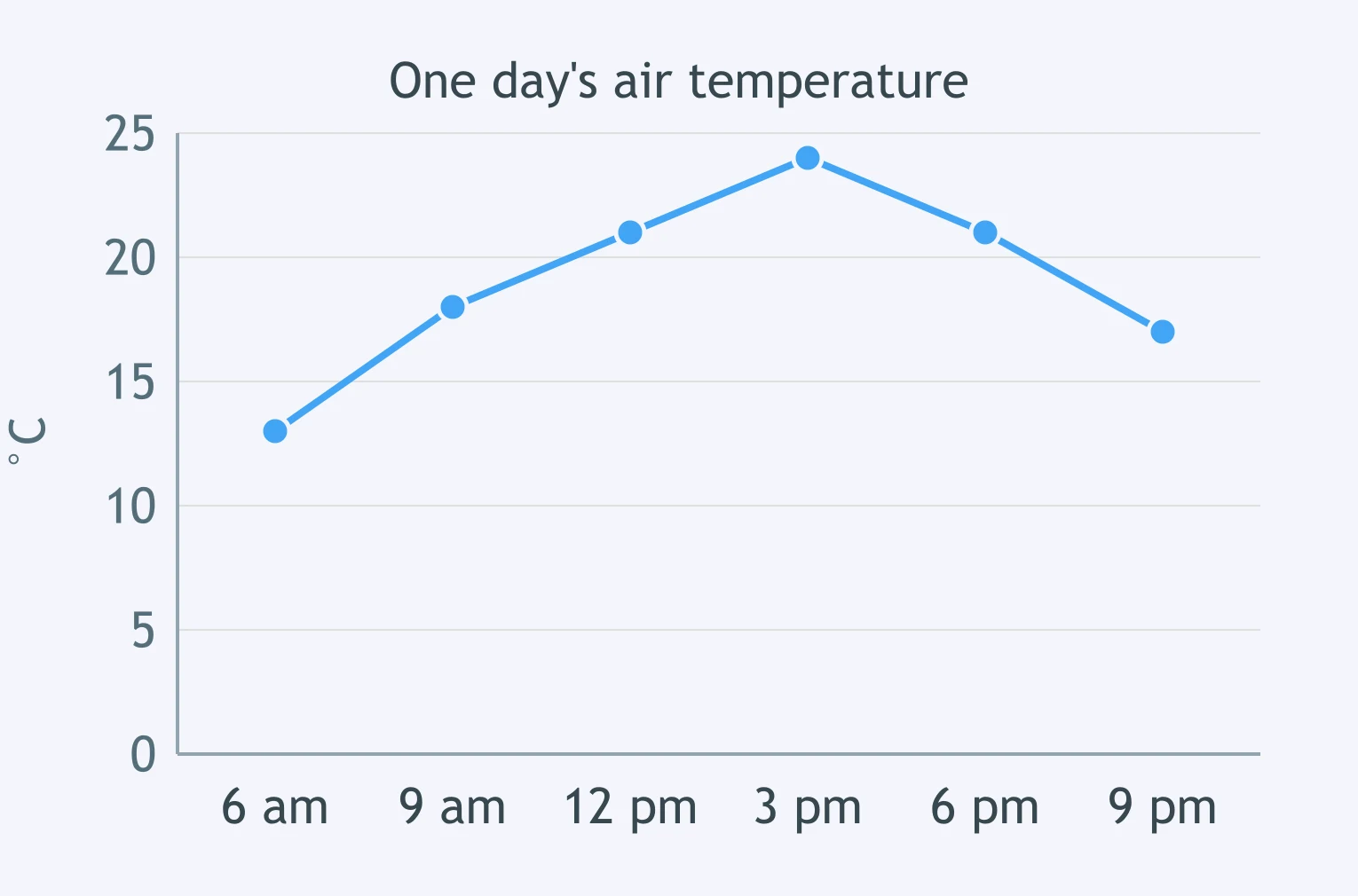
A graph plots air temperature at one weather station through a single clear day. The curve peaks at about 3 p.m., several hours after the Sun reaches its highest point in the sky at noon. Why does the peak come so late?
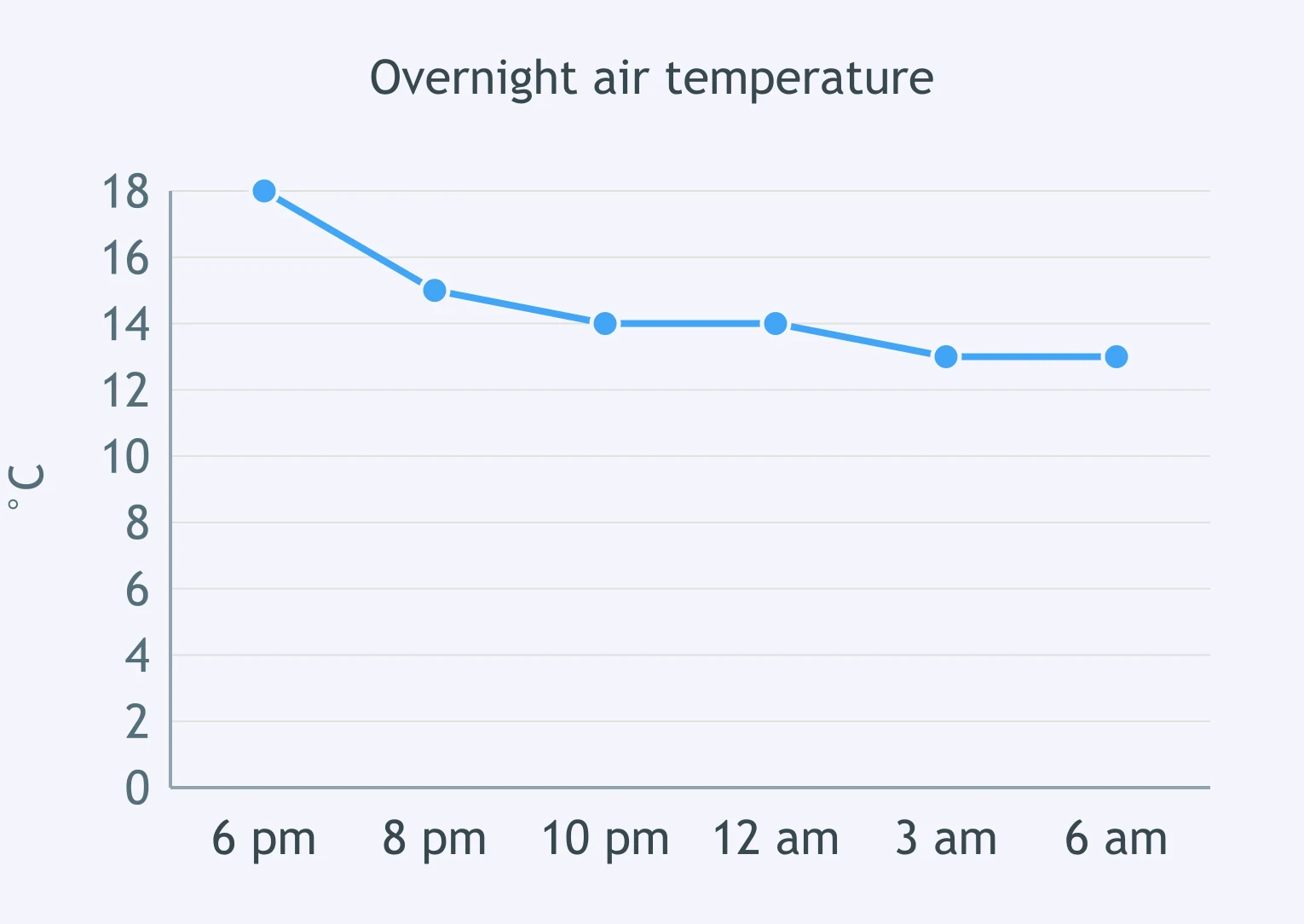
A graph plots overnight air temperature at one station. The lowest reading of the whole 24 hours occurs just before sunrise, not at midnight. What explains this timing?
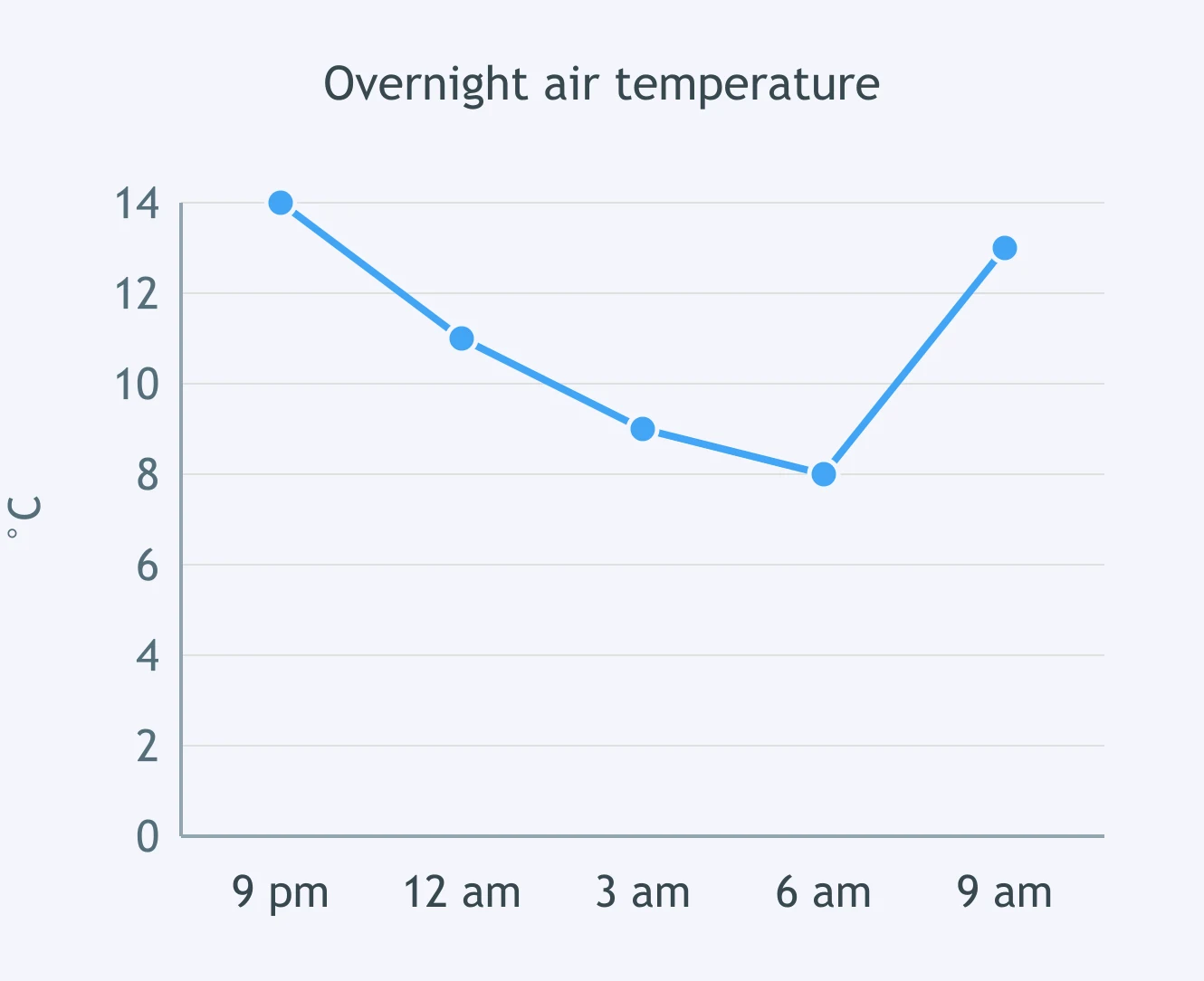
A graph plots air temperature at one station on a day when thick cloud cover moves in at 10 a.m. and stays through the afternoon. Instead of a normal midday peak, the curve flattens out after 10 a.m. What explains the flat curve?
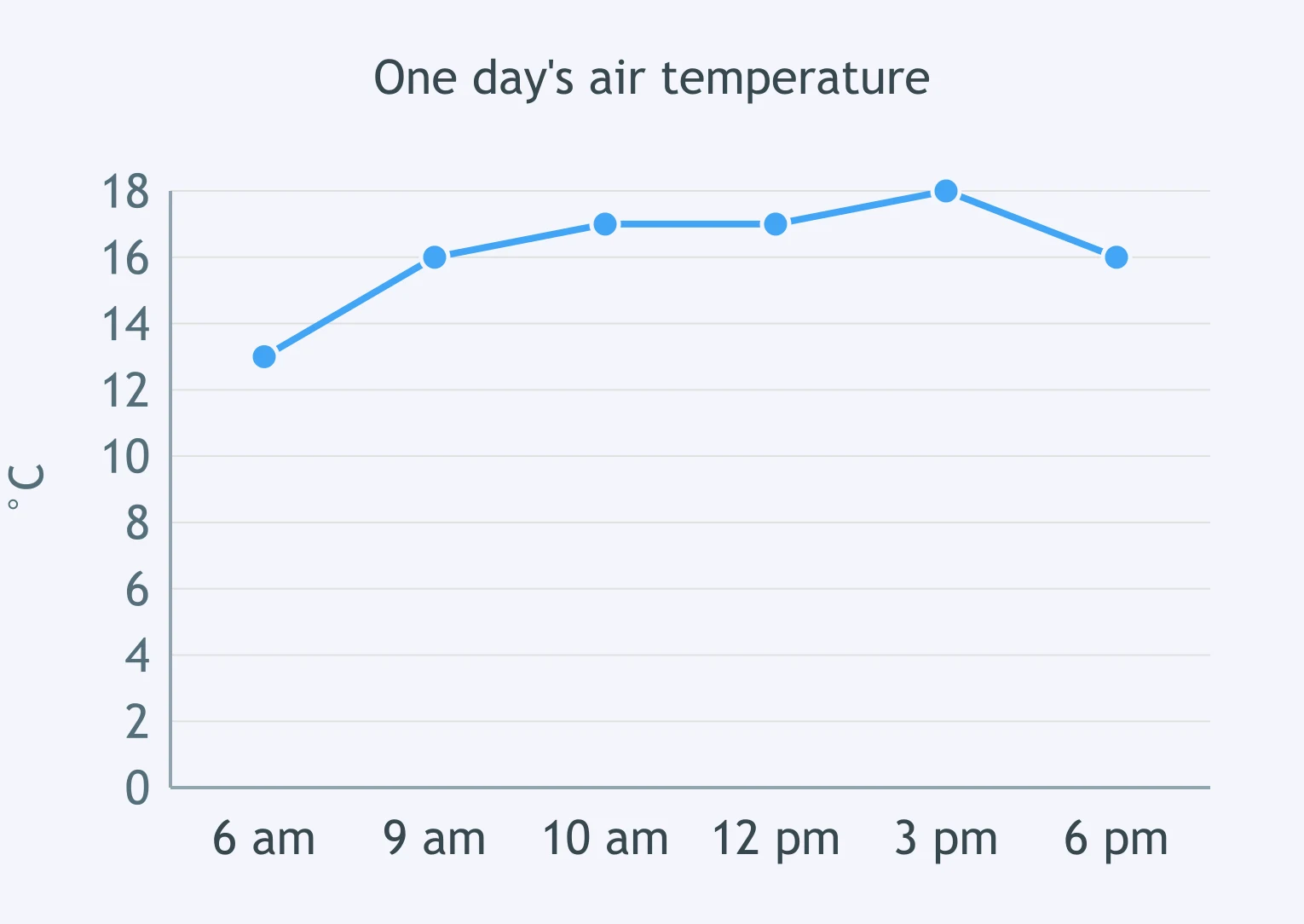
According to the graph, at approximately what time does air temperature reach its highest point during the day?
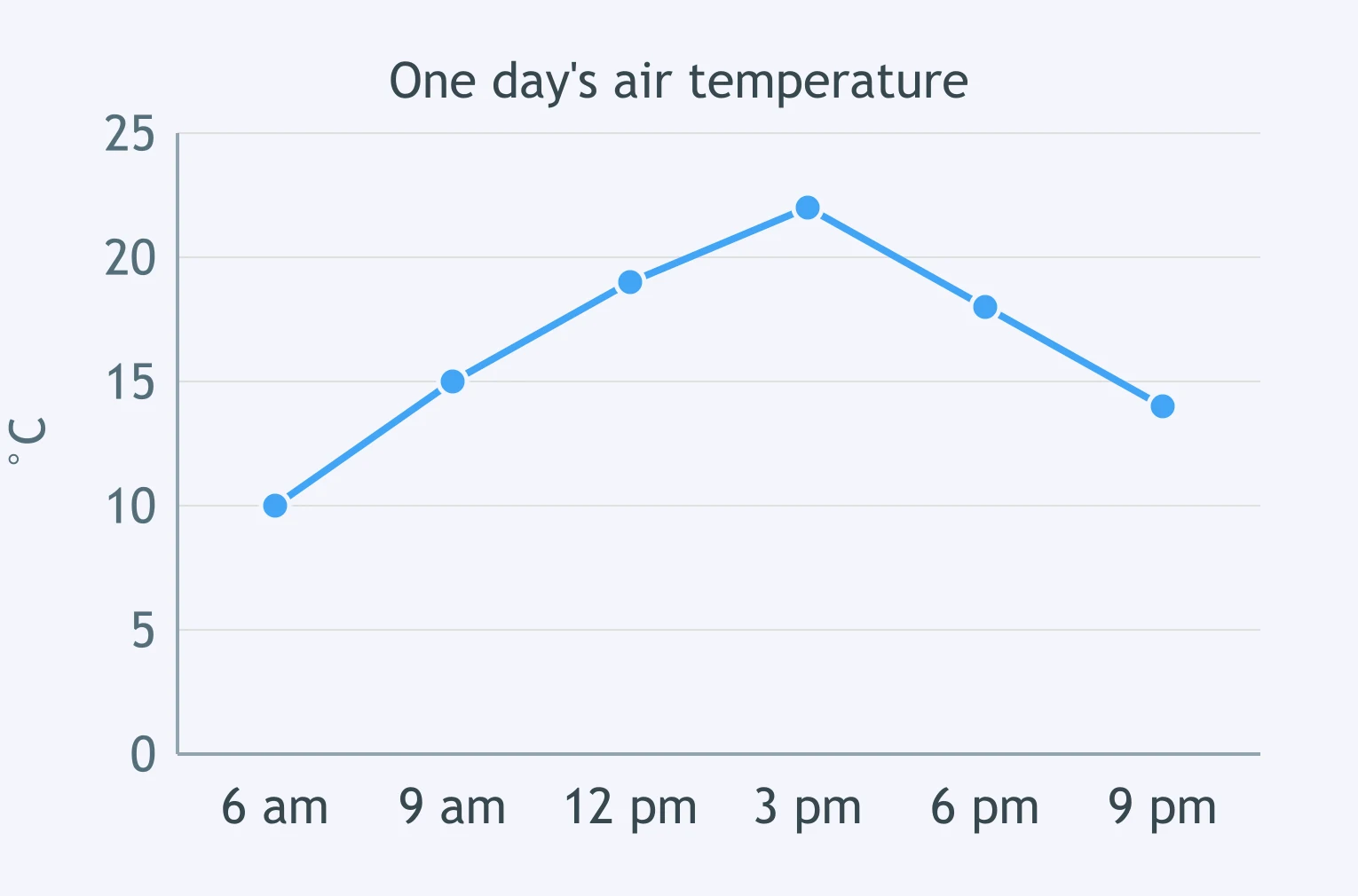
Look at the graph of one day's air temperature readings. Between which two times does the temperature rise the most?
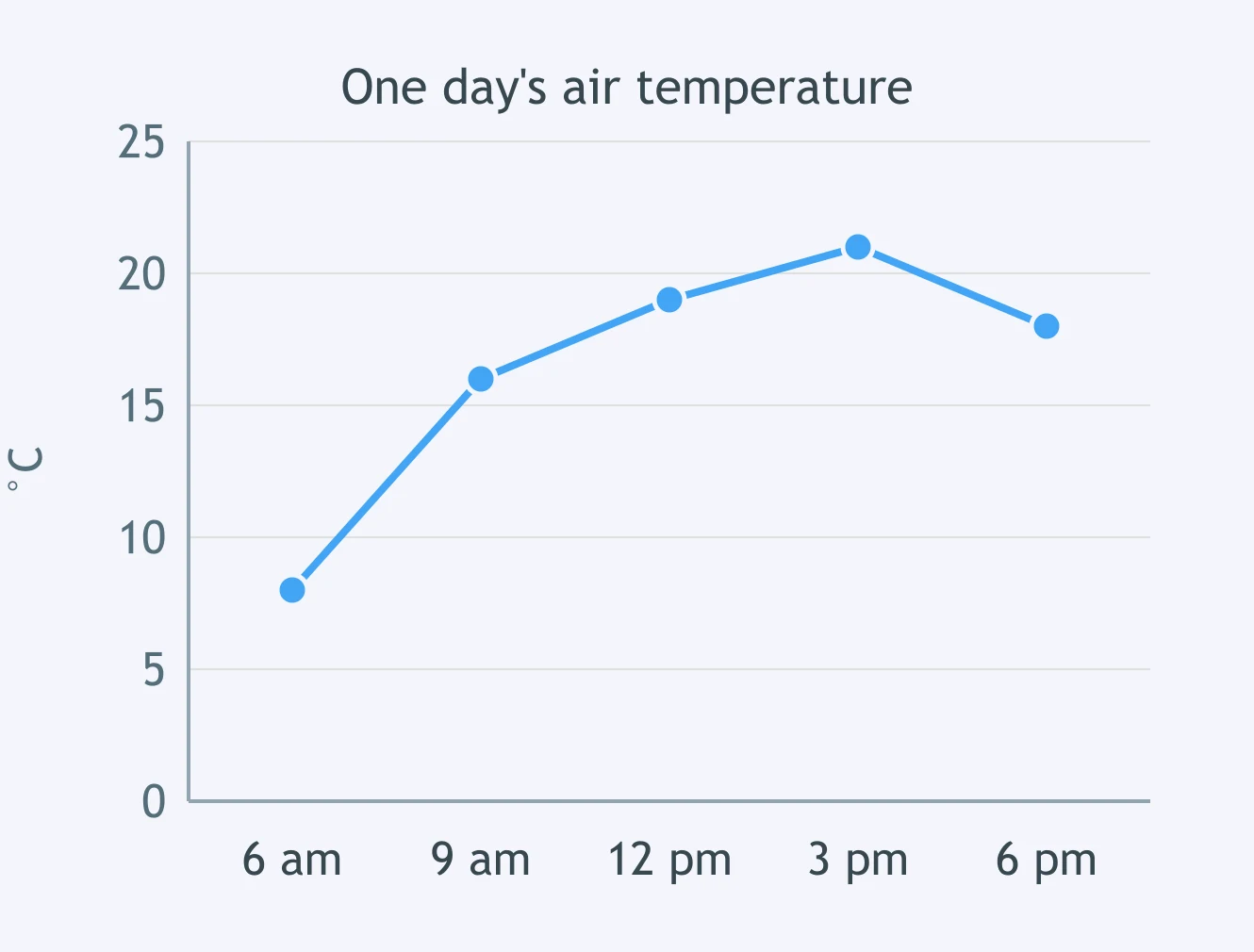
A graph plots air temperature from sunset to sunrise on a clear, calm night. Temperature drops steadily through the entire night. What process causes this continuous drop?
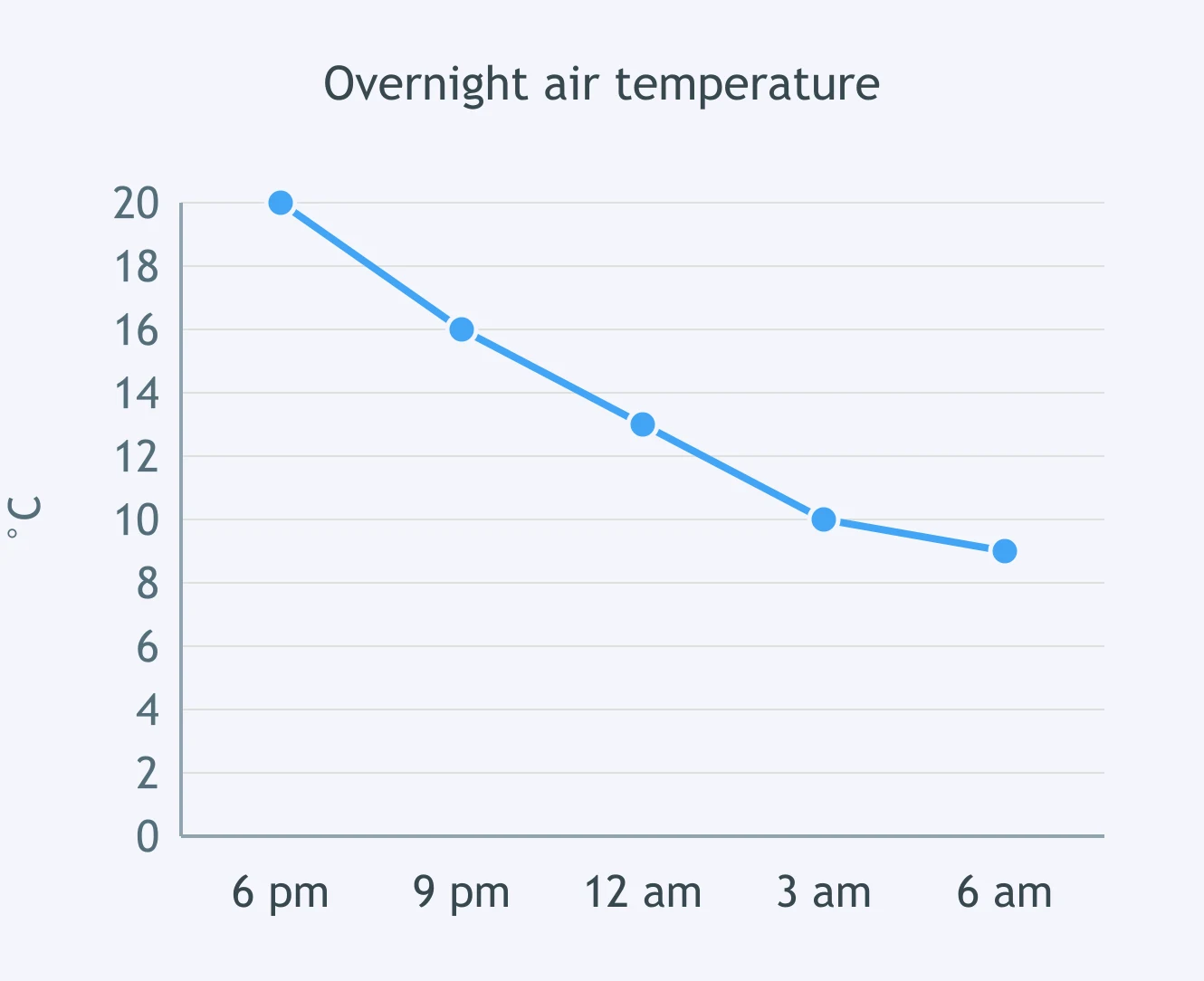
A graph plots overnight air temperature at a station under a thick cloud deck. After sunset the temperature falls for two hours, then levels off and barely changes for the rest of the night. What explains the leveling off?
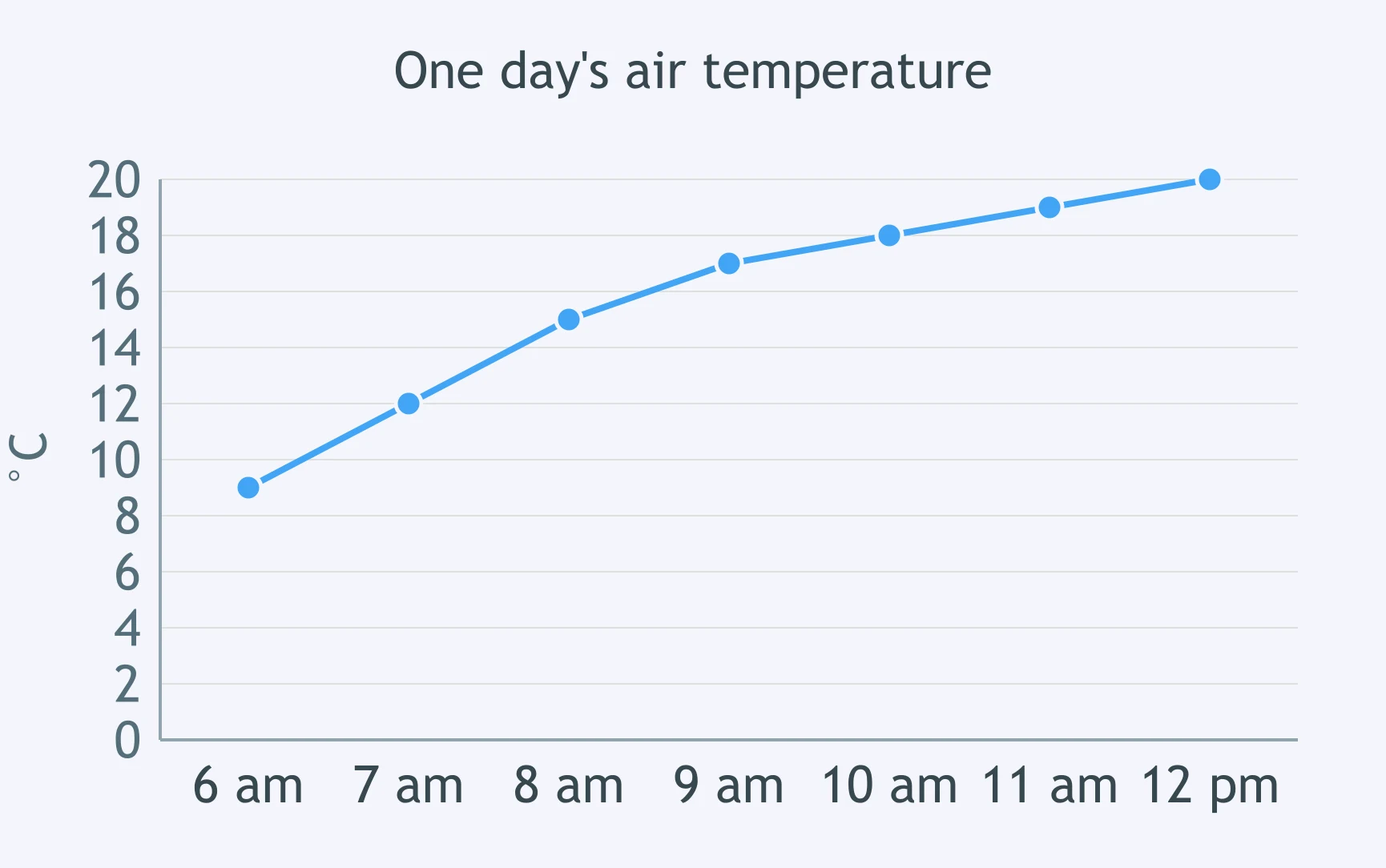
Look at the graph. The temperature rises fastest during the two hours right after sunrise. What is the best explanation?
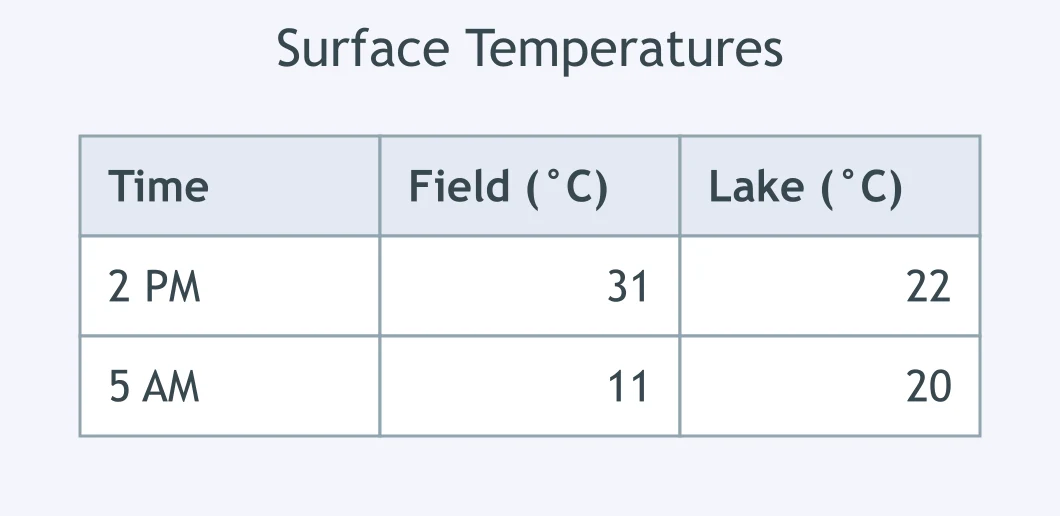
The table gives surface temperatures for a lake and the bare field beside it, in the afternoon and before dawn. What explains the difference between the two surfaces?
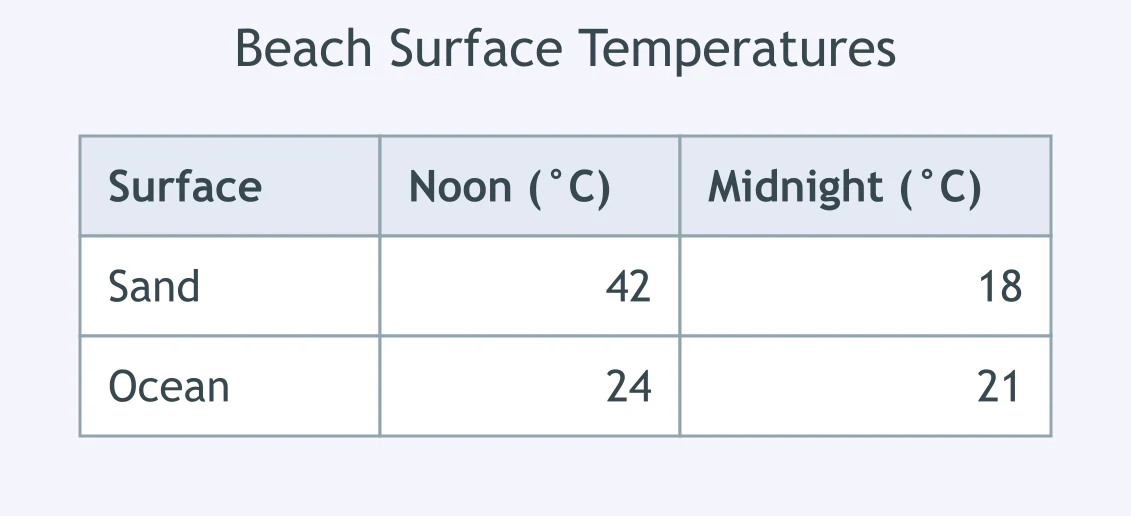
A table records beach surface temperatures at noon and midnight for dry sand and ocean water. Which surface has the greater daily temperature swing?
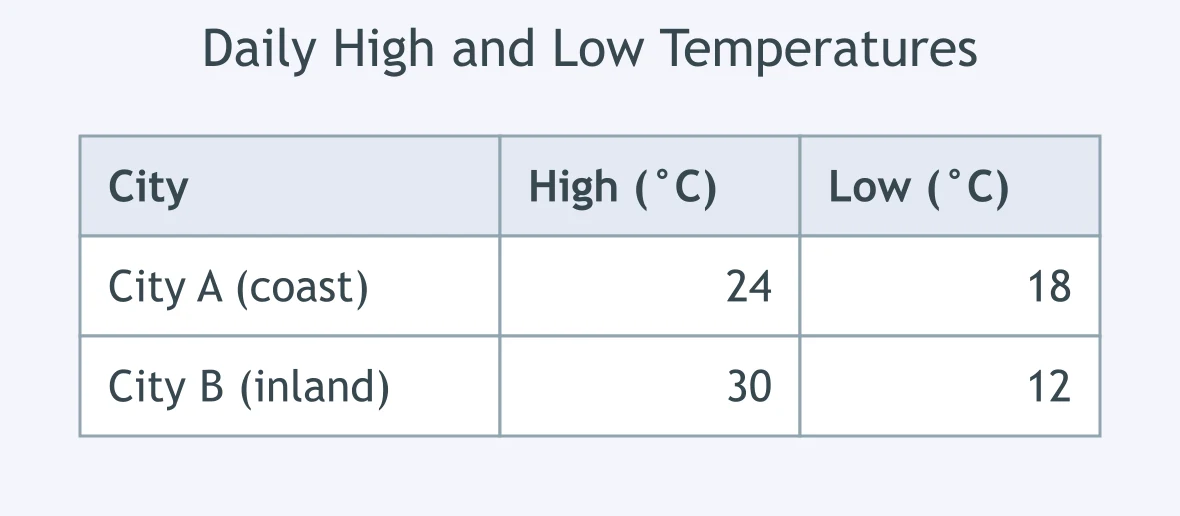
The table compares one day's high and low air temperature for two same-latitude cities, one on the coast and one inland. What best explains City B's larger daily range?
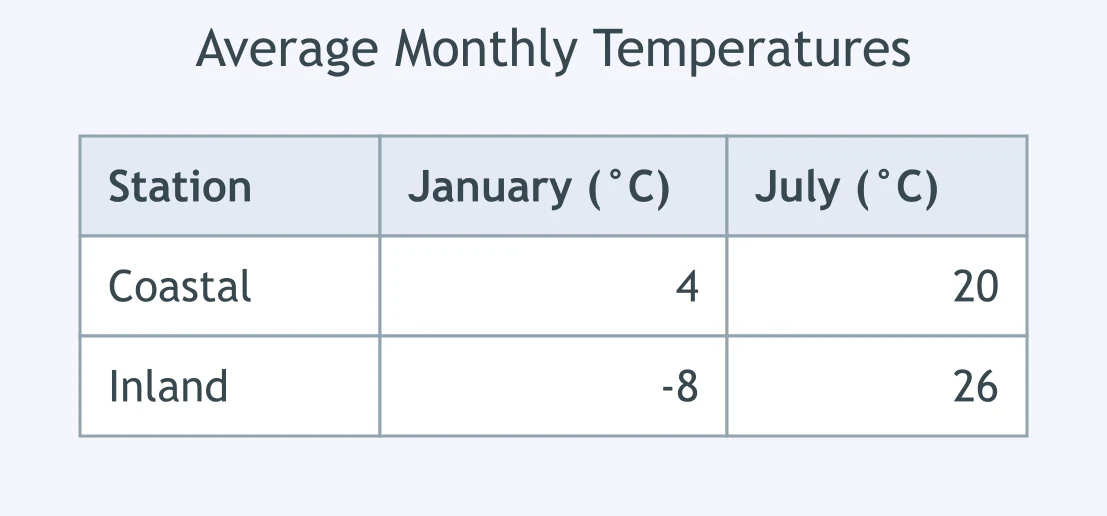
A table gives average January and July temperatures for two same-latitude stations, one coastal and one inland. Why does the inland station have the larger annual range?
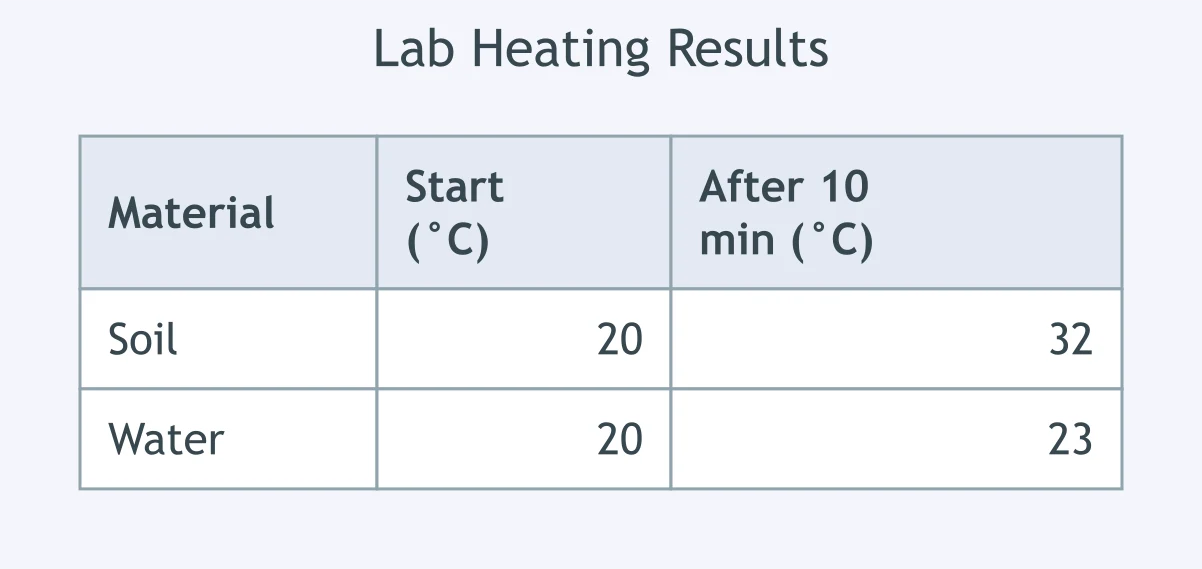
In a lab, a student shines an identical lamp on a container of dry soil and a container of water for the same amount of time. The table gives the starting and final temperatures. What does this experiment demonstrate?
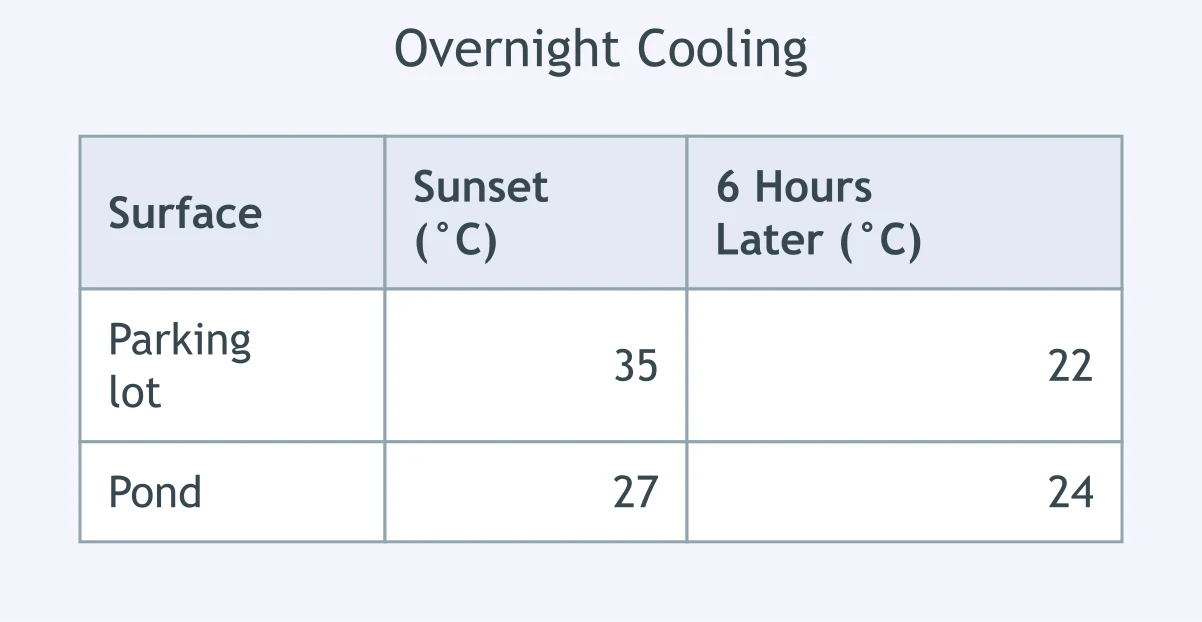
After sunset, the table shows how a paved parking lot and a nearby pond cool over the same time period. What does this comparison show?
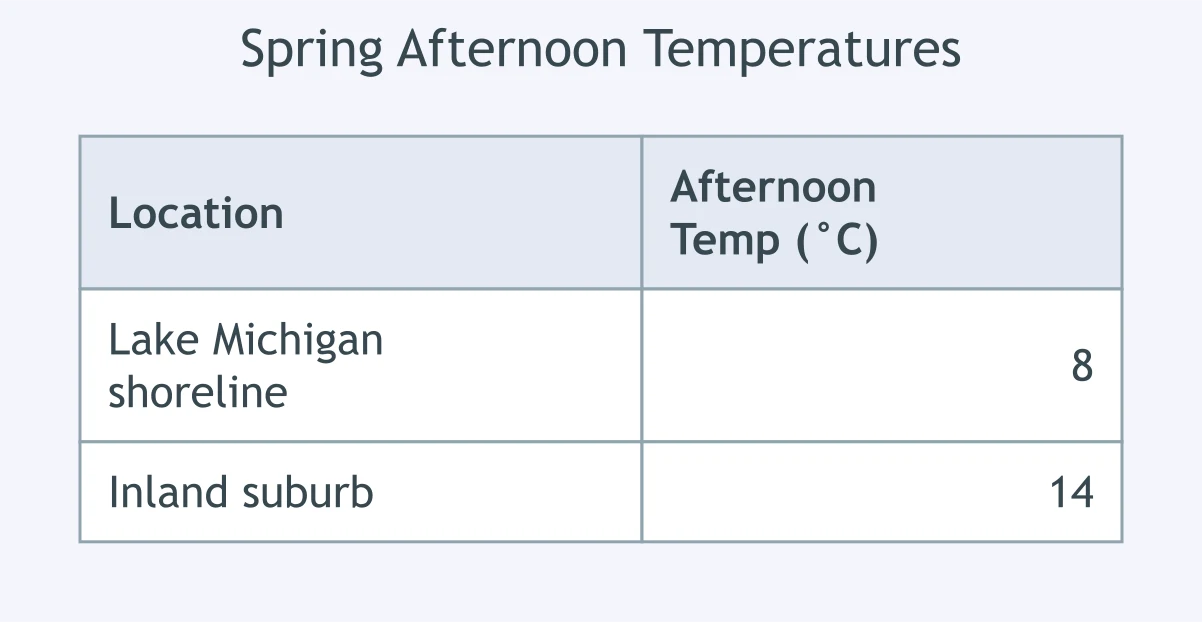
In early spring, a table shows the temperature at Chicago's Lake Michigan shoreline reading 8 degrees C while a suburb 40 kilometers inland reads 14 degrees C on the same clear afternoon. What explains the cooler shoreline reading?
Quito sits almost on the equator at 2,850 meters and averages about 14 degrees C all year, while Guayaquil, 270 kilometers away at sea level, averages about 26 degrees C. What accounts for the difference?
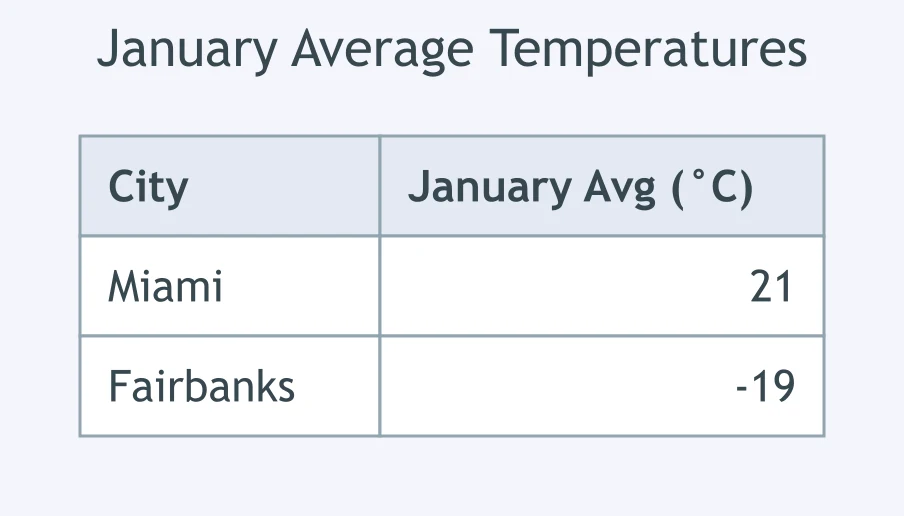
In January, Miami averages about 21 degrees C while Fairbanks, Alaska averages about -19 degrees C. Both cities are near sea level. What accounts for most of this difference?
Two cities share a latitude and elevation. The desert city has clear skies daily and a range of about 20 Celsius degrees. The humid coastal city is often cloudy with a range of about 8 Celsius degrees. What explains the desert's larger range?
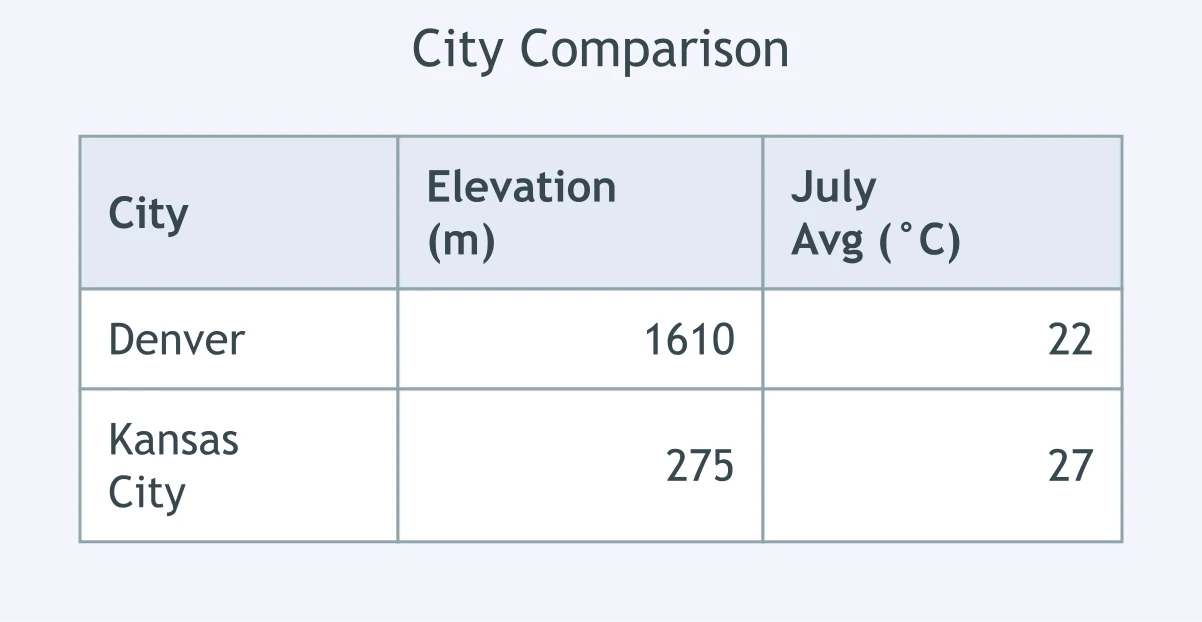
A table compares Denver and Kansas City, two cities at nearly the same latitude, by elevation and average July temperature. What accounts for most of the difference?
Two calm nights at one weather station follow days with the same high temperature. One night is clear and the other has thick, low clouds. Which night will most likely reach the lower minimum temperature?
Reykjavik, Iceland lies at 64 degrees north latitude yet averages about 0 degrees C in January, far milder than interior places at that latitude such as Fairbanks, Alaska. What accounts for this mild winter temperature?
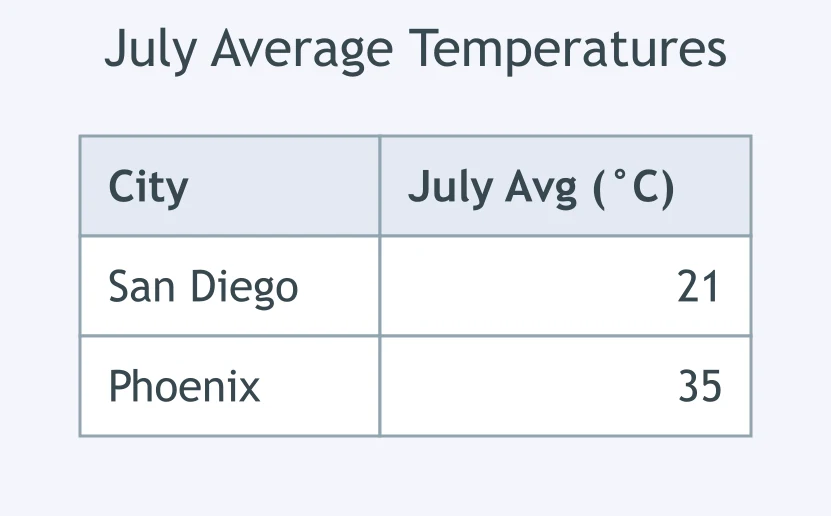
San Diego, California and Phoenix, Arizona sit at nearly the same latitude. San Diego averages about 21 degrees C in July; Phoenix, well inland, averages about 35 degrees C. What best explains Phoenix's much higher July average?
On one day a weather station records a highest air temperature of 24 degrees C and a lowest air temperature of 9 degrees C. What is the daily temperature range at this station?
One winter day a weather station records a highest air temperature of 6 degrees C and a lowest air temperature of -8 degrees C. What is the daily temperature range?
A station's warmest month averages 28 degrees C and its coldest month averages 3 degrees C. What is the station's annual temperature range?
One day a station records temperatures of 14 degrees C at 6 a.m., 27 degrees C at 2 p.m., and 19 degrees C at 8 p.m. What is the day's temperature range?
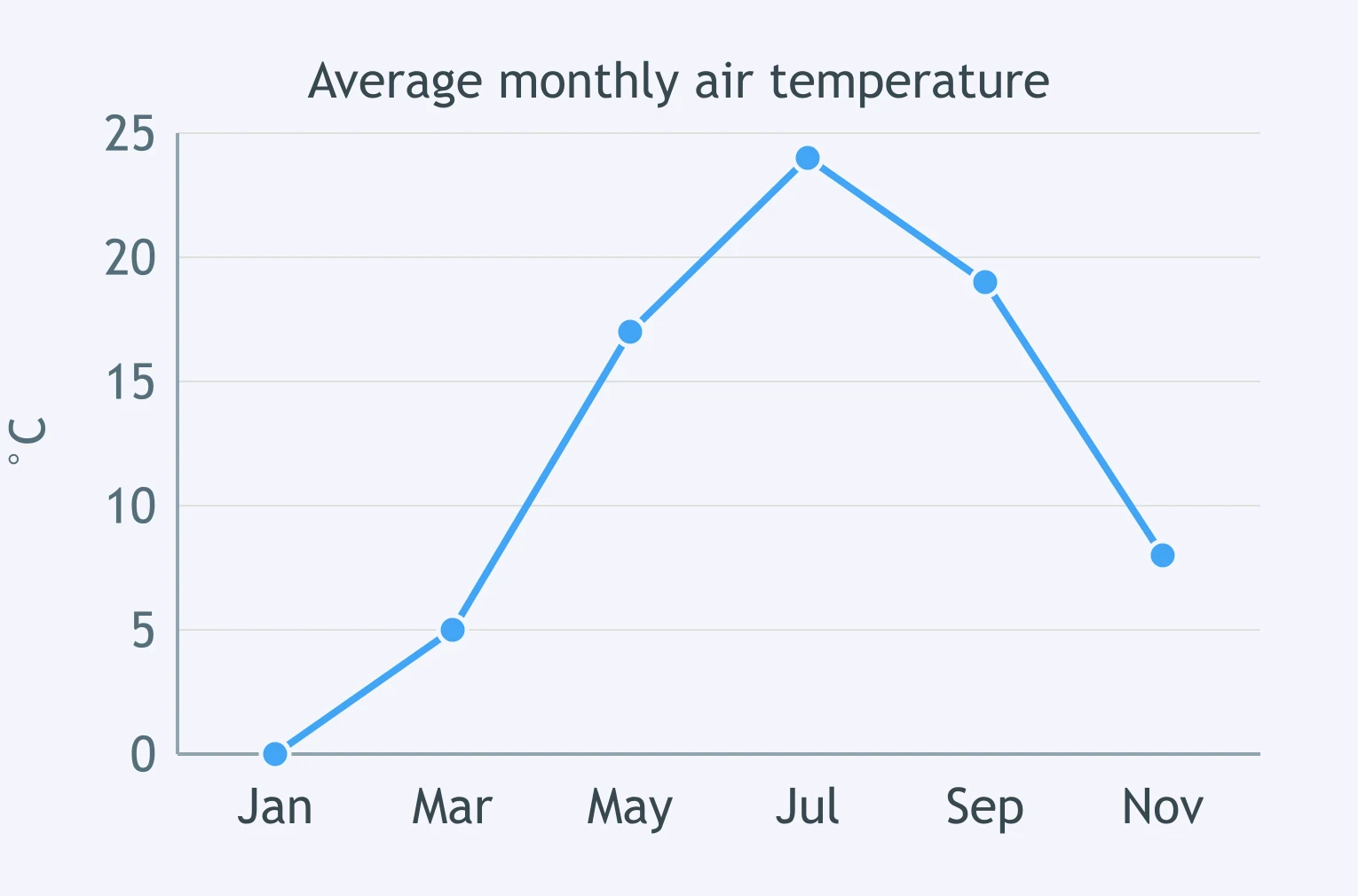
In New York State the Sun's noon altitude is greatest on about June 21, yet the warmest month of the year is July. Why does the warmest month arrive after the date of greatest insolation?
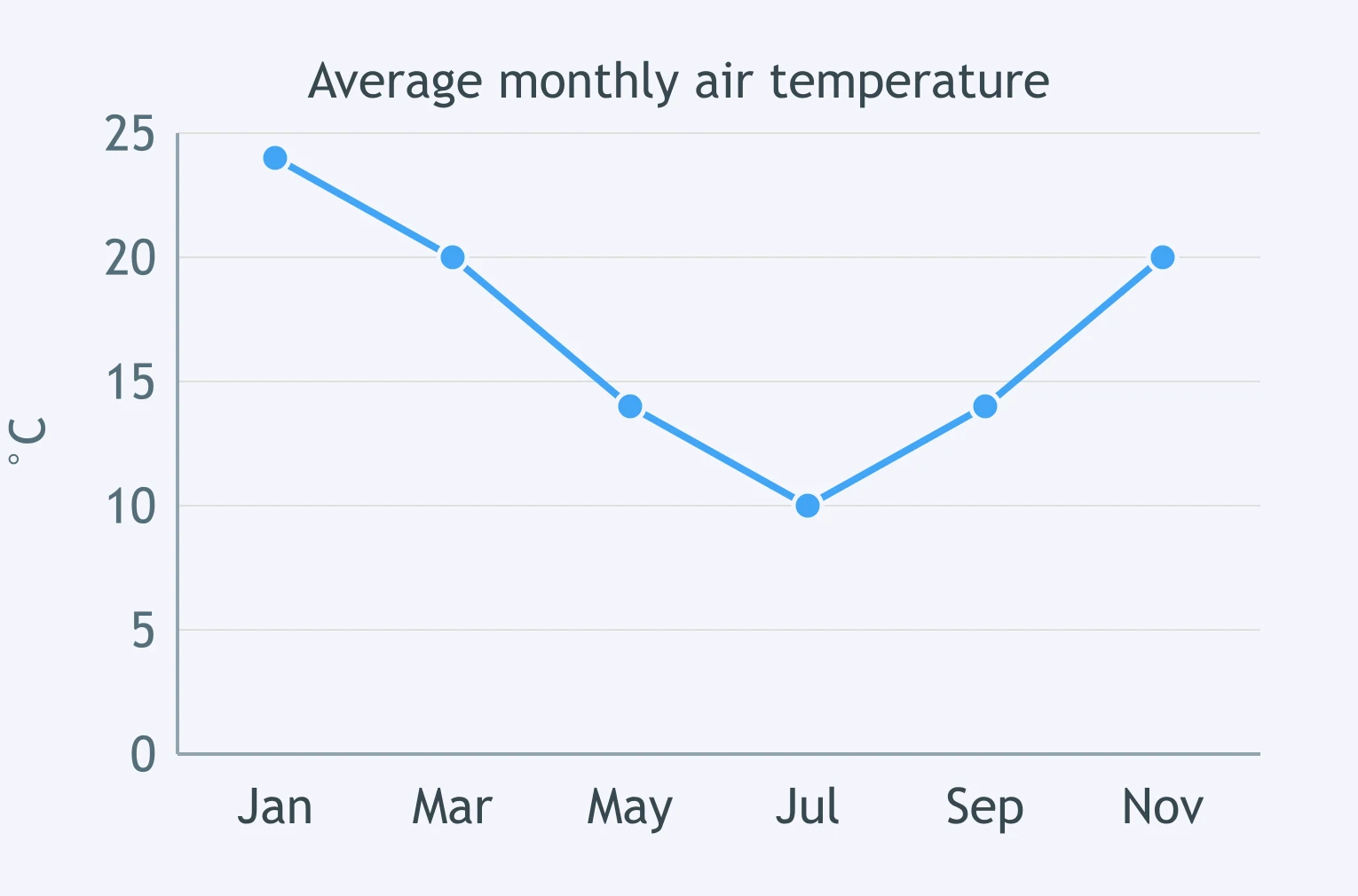
In the Southern Hemisphere, the Sun's noon altitude is lowest on about June 21, yet the coldest month of the year is July. Why does the coldest month arrive after the date of least insolation?
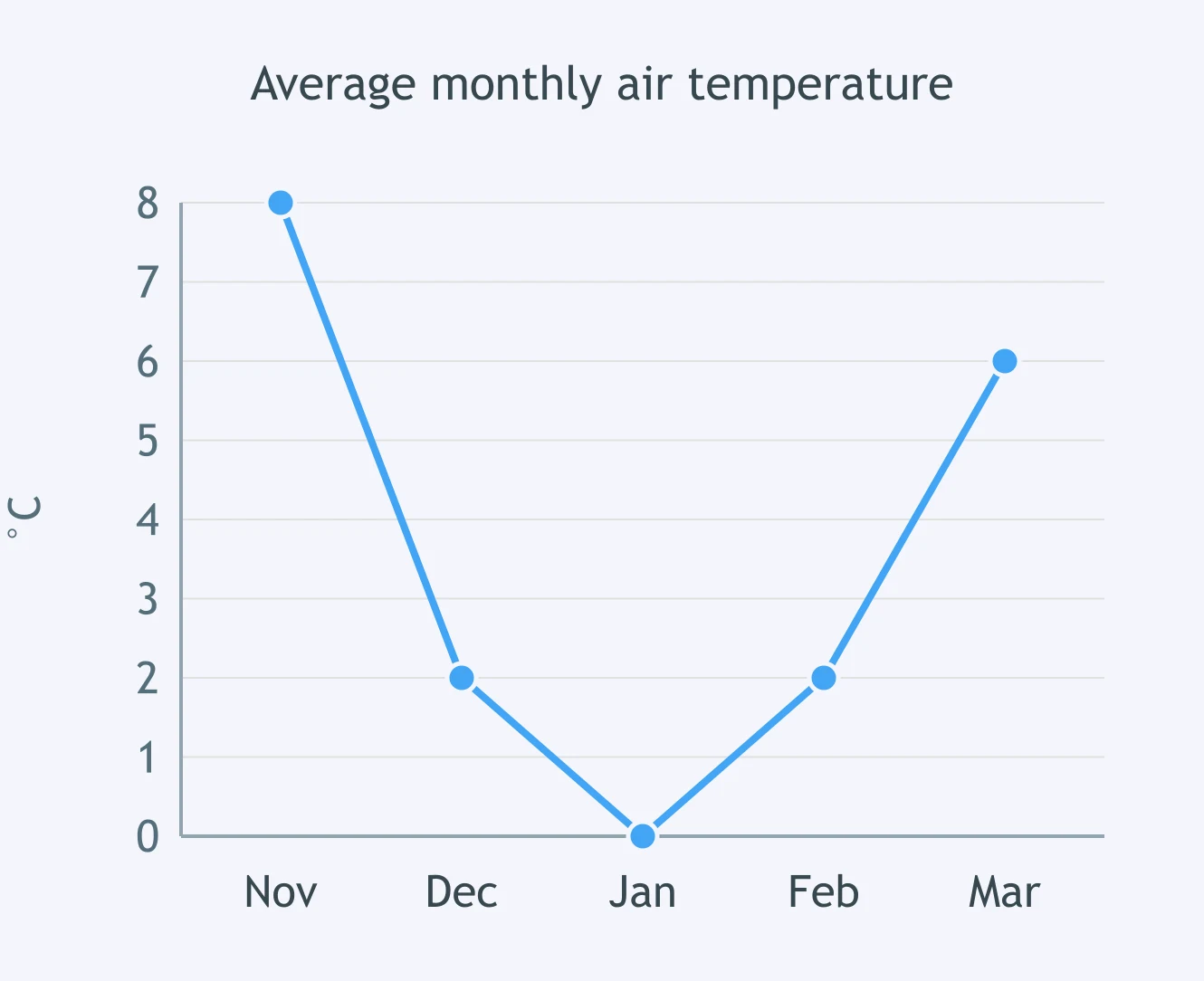
A graph plots average monthly air temperature for a mid-latitude Northern Hemisphere station. The curve peaks in late July, about a month after the summer solstice on June 21. What causes this one-month lag?
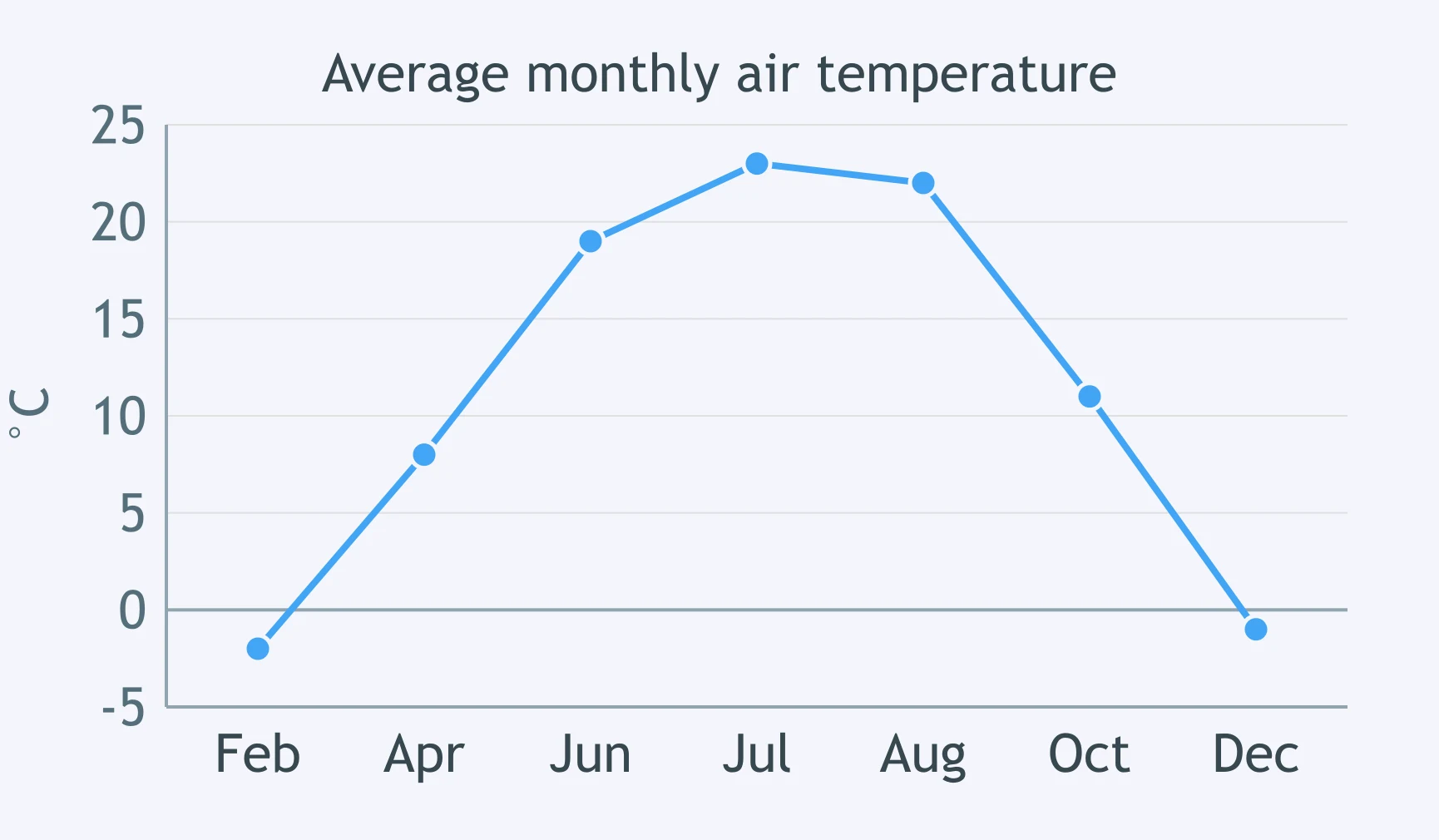
In the Northern Hemisphere, the Sun's noon altitude is lowest on about December 21, yet January is typically the coldest month at most stations. Why does the coldest month follow the shortest-day date?
Crack the passcode before the zombies get in.
Answer, then swat bugs for bonus points.
Race through questions at your own speed.
Same question on every screen. Fastest wins.

Pick a tile, answer, hit bonuses and steals.
The Atmosphere Review
40 questions