Loading
by BlastRoom
A review of atmospheric layers, energy transfer, temperature controls, pressure, and wind belts.
#earth_space_science
40 questions
One question set, multiple game modes. Tap any game to see it in action. Not sure which to pick?
Answer to place stones and capture territory.
Outrun the snow together.
Earn blasts, then hunt the other team.
Answer to earn energy, then climb.

The class blasts through walls together.
Bid on mystery lots. Most money wins.
Sell tours. Nice, standard, or a total scam.

Answer, restock, and serve the rush.
More correct answers pulls the rope your way.
Answer, then shoot down the alien wave.
Answer, then tap to leap the frozen ridge.
Use the temperature-altitude graph. Which boundary is where temperature stops decreasing in the troposphere and begins increasing in the stratosphere?
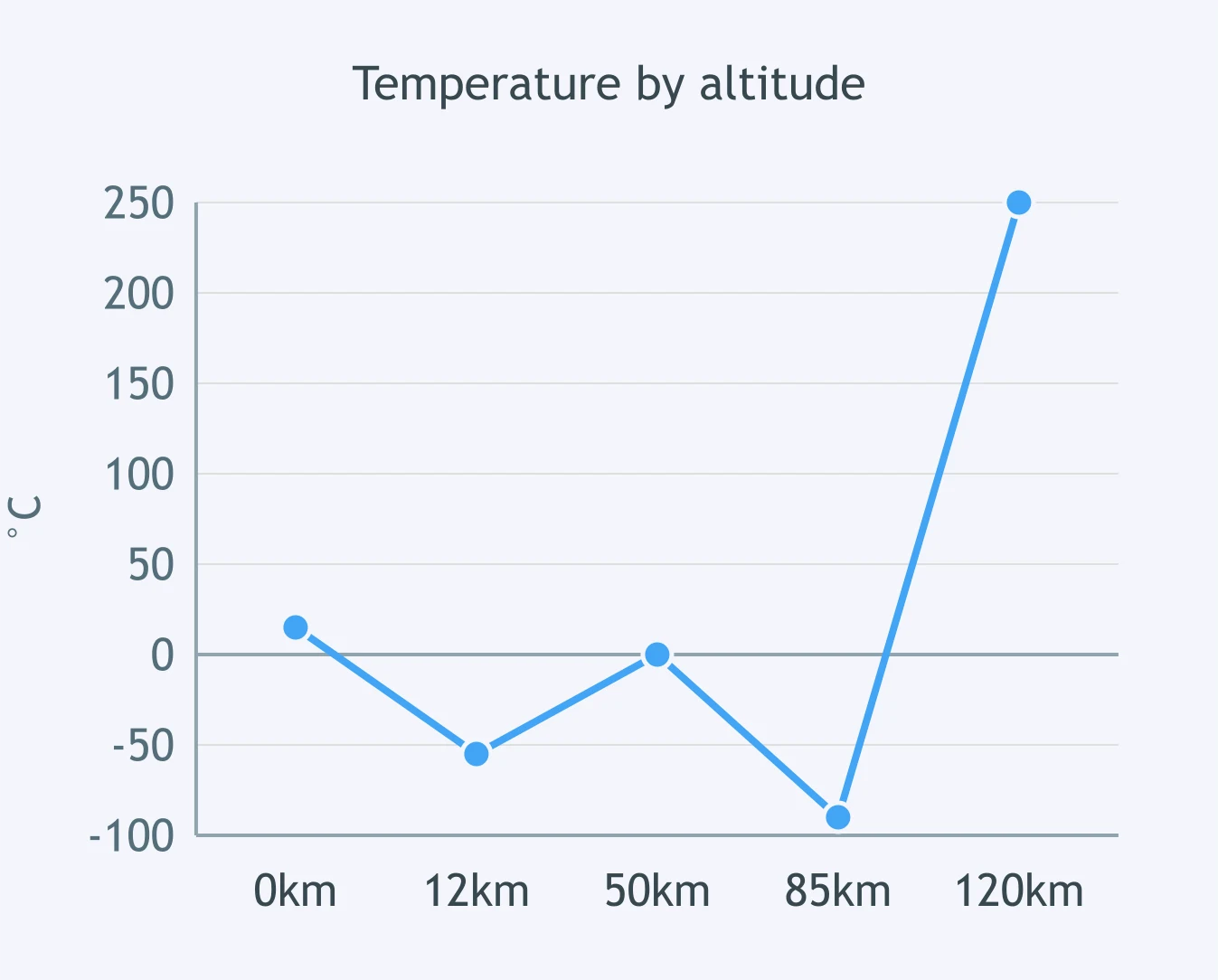
The graph shows temperature rising through one layer and then starting to fall above about 50 km. Which atmospheric boundary is at that high-temperature turning point?
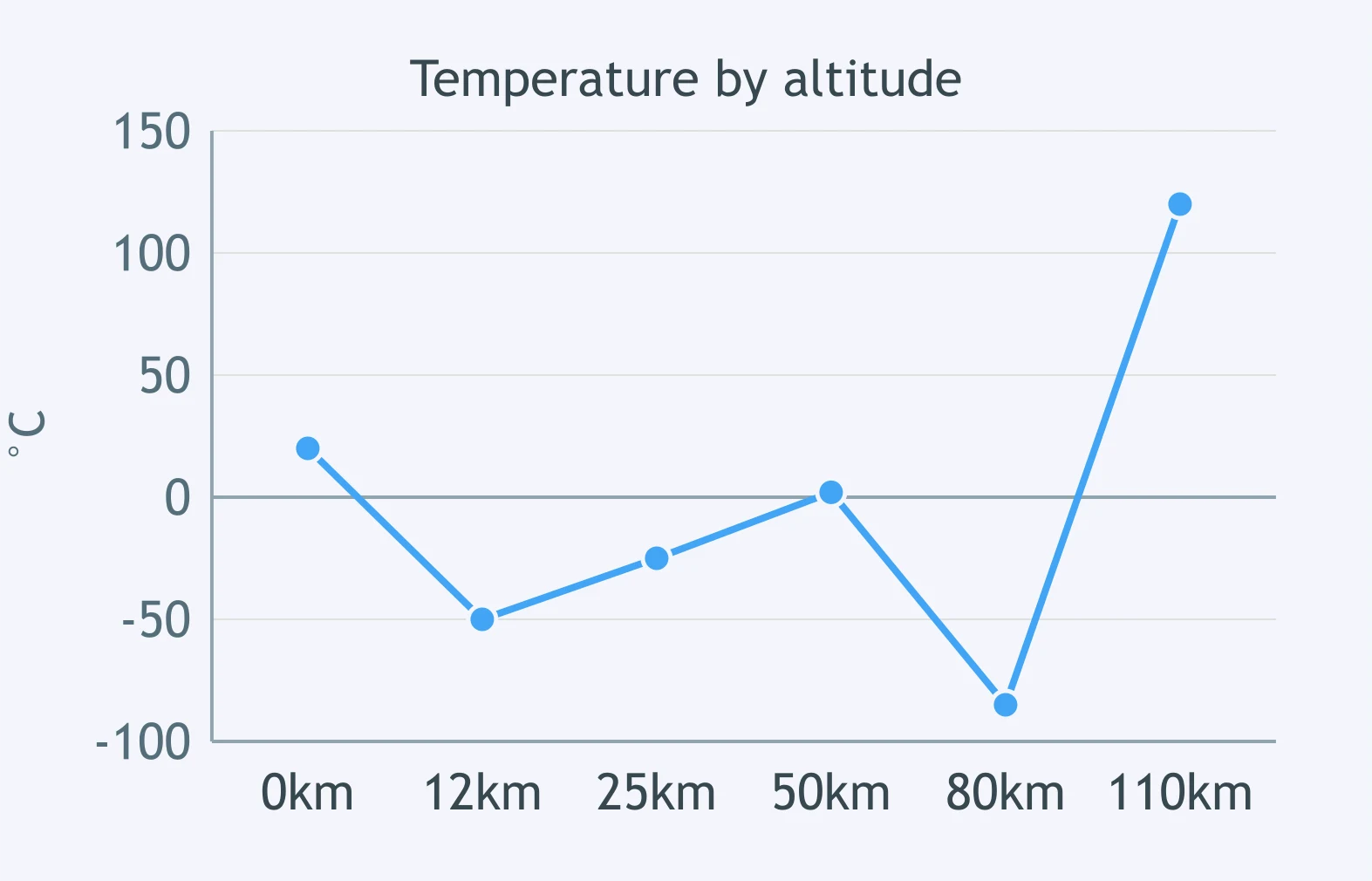
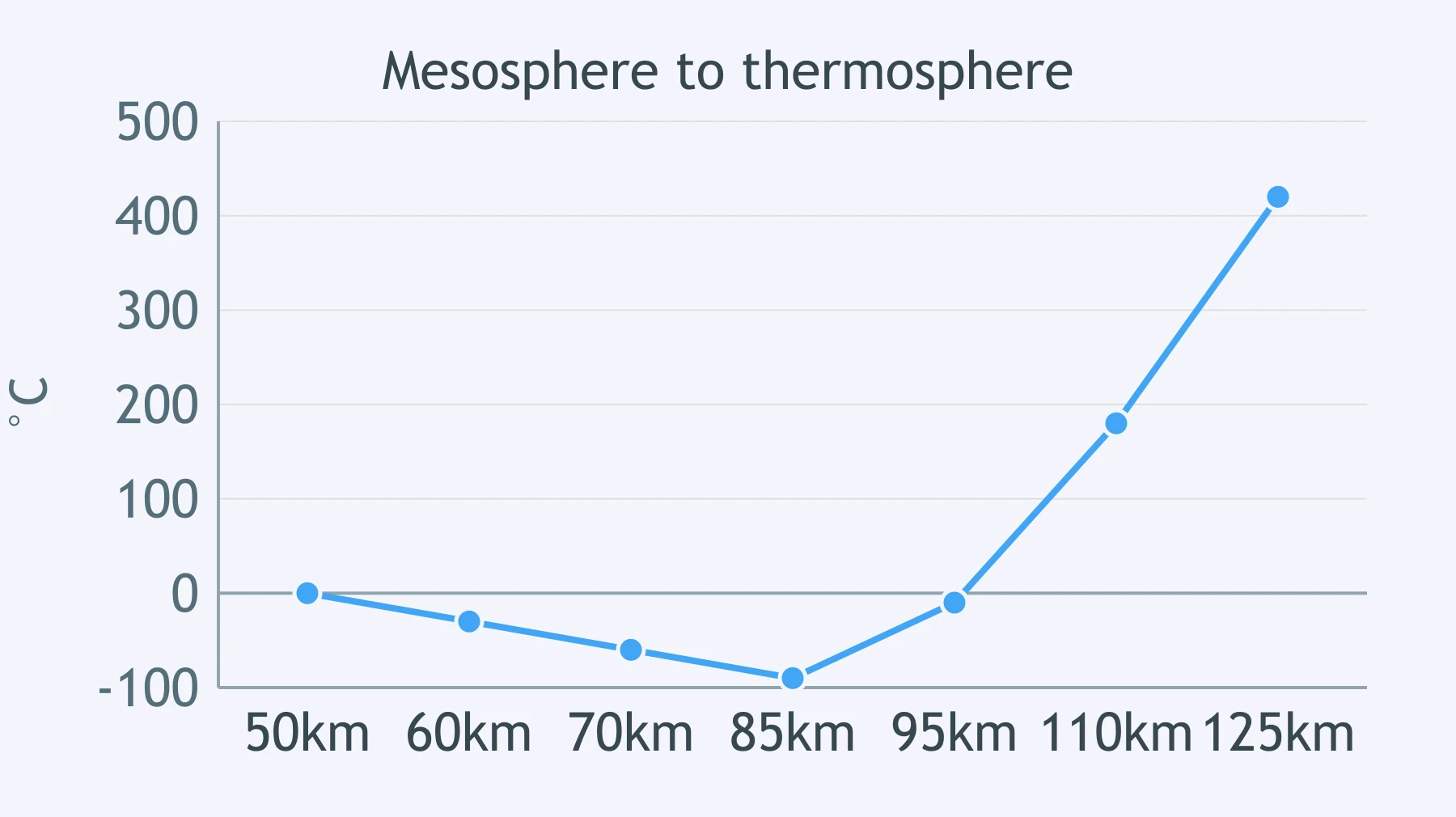
On the graph, the coldest point is near 85 km and the temperature rises sharply above it. Which boundary sits at that coldest point?
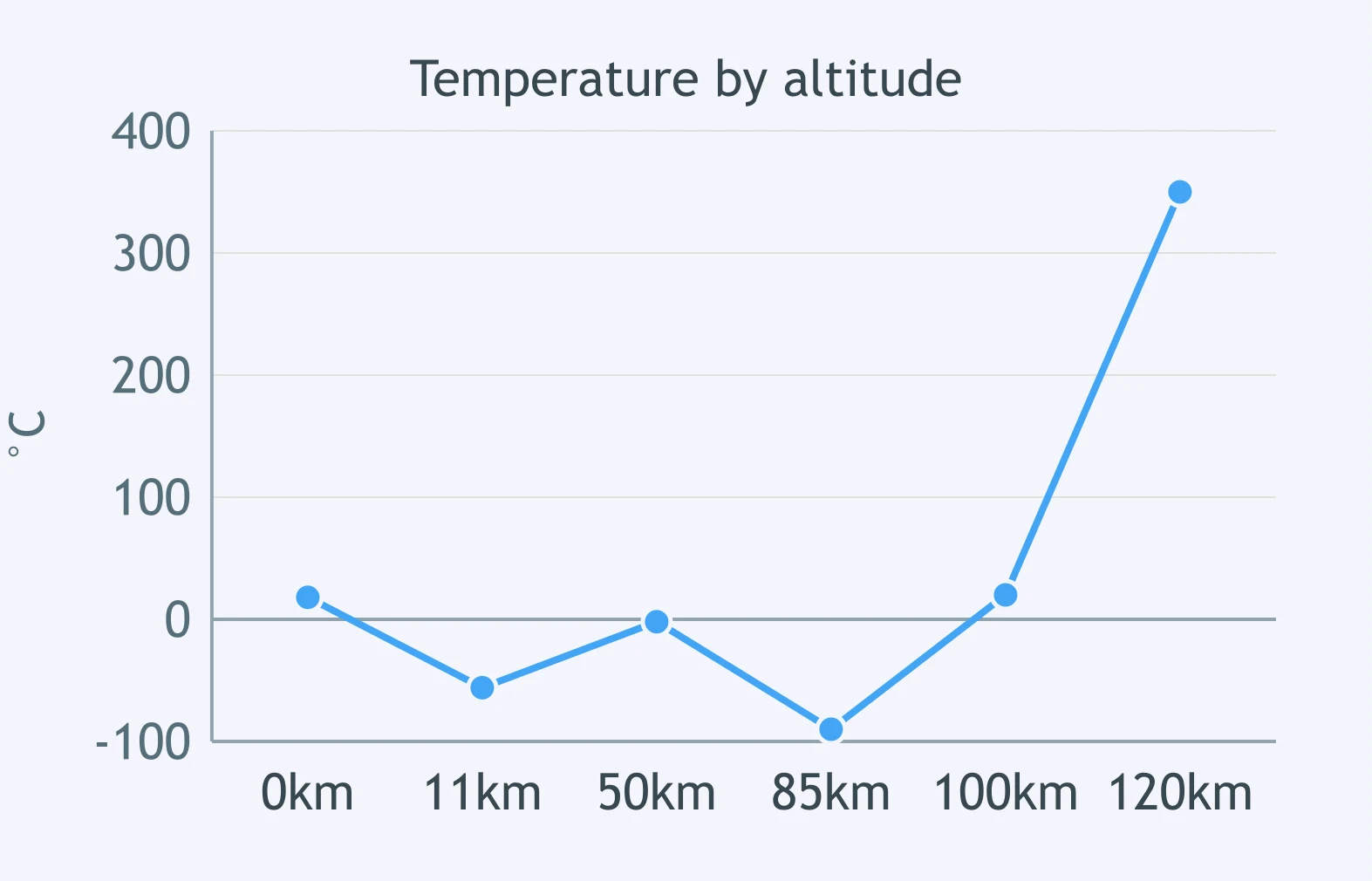
A plotted temperature profile drops from the surface to about 10 km, then levels and begins to warm. Which boundary is shown at that change in trend?
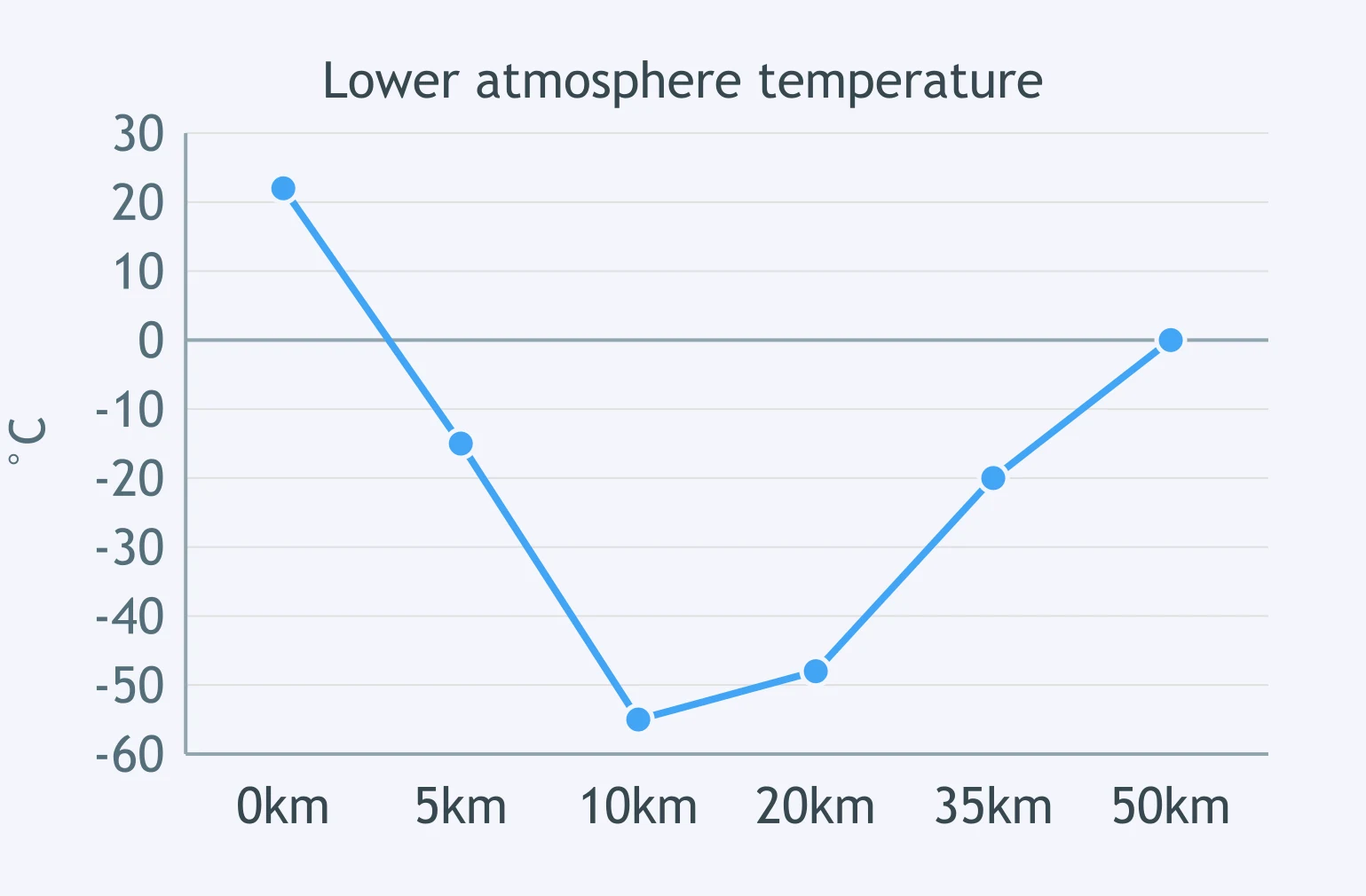
In the figure, temperature increases from 20 km to 50 km and decreases again above 50 km. Which boundary is located at the peak near 50 km?
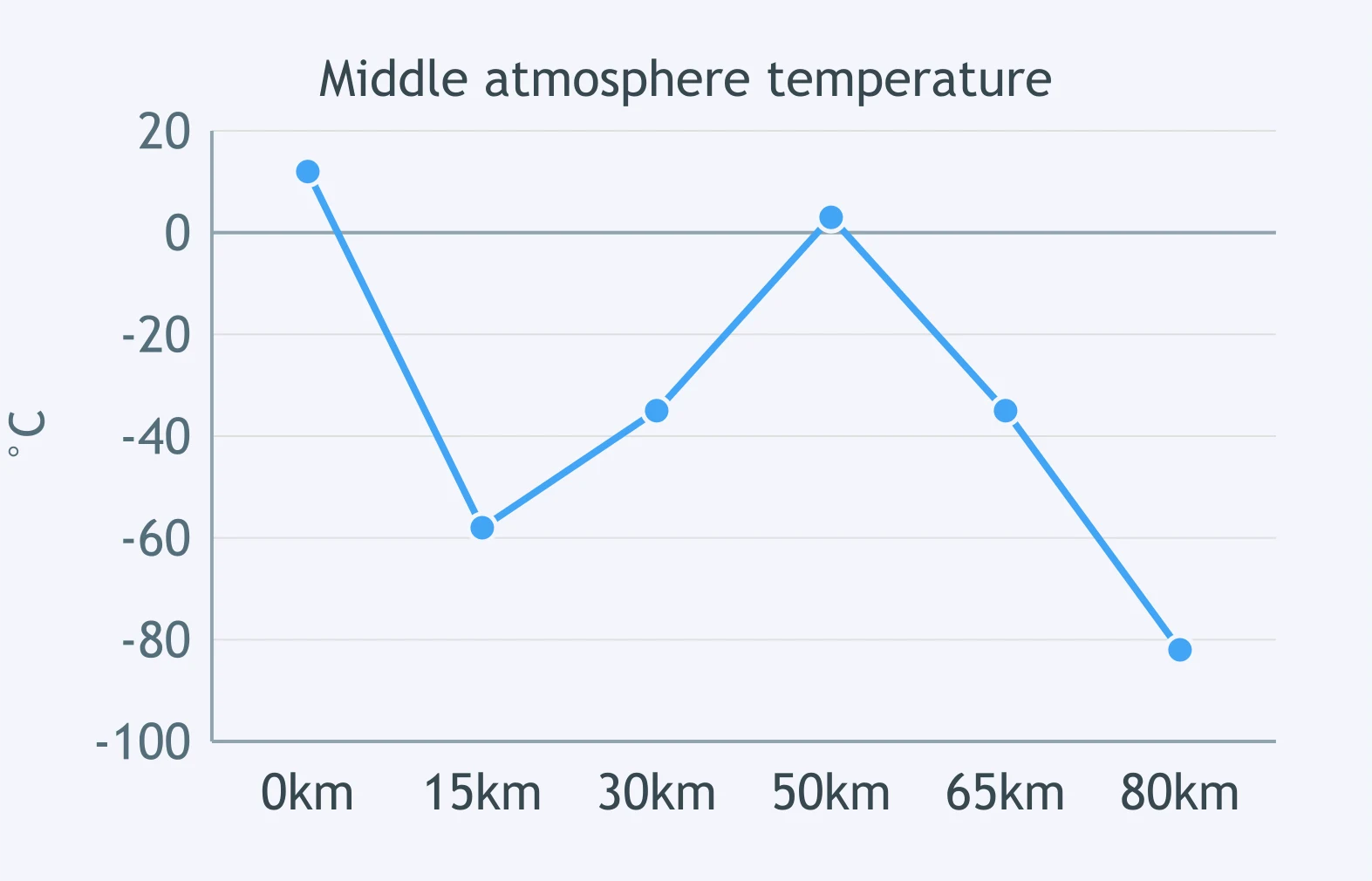
The graph shows the mesosphere cooling upward to about 80 km before the thermosphere warms above it. What boundary is at that change?
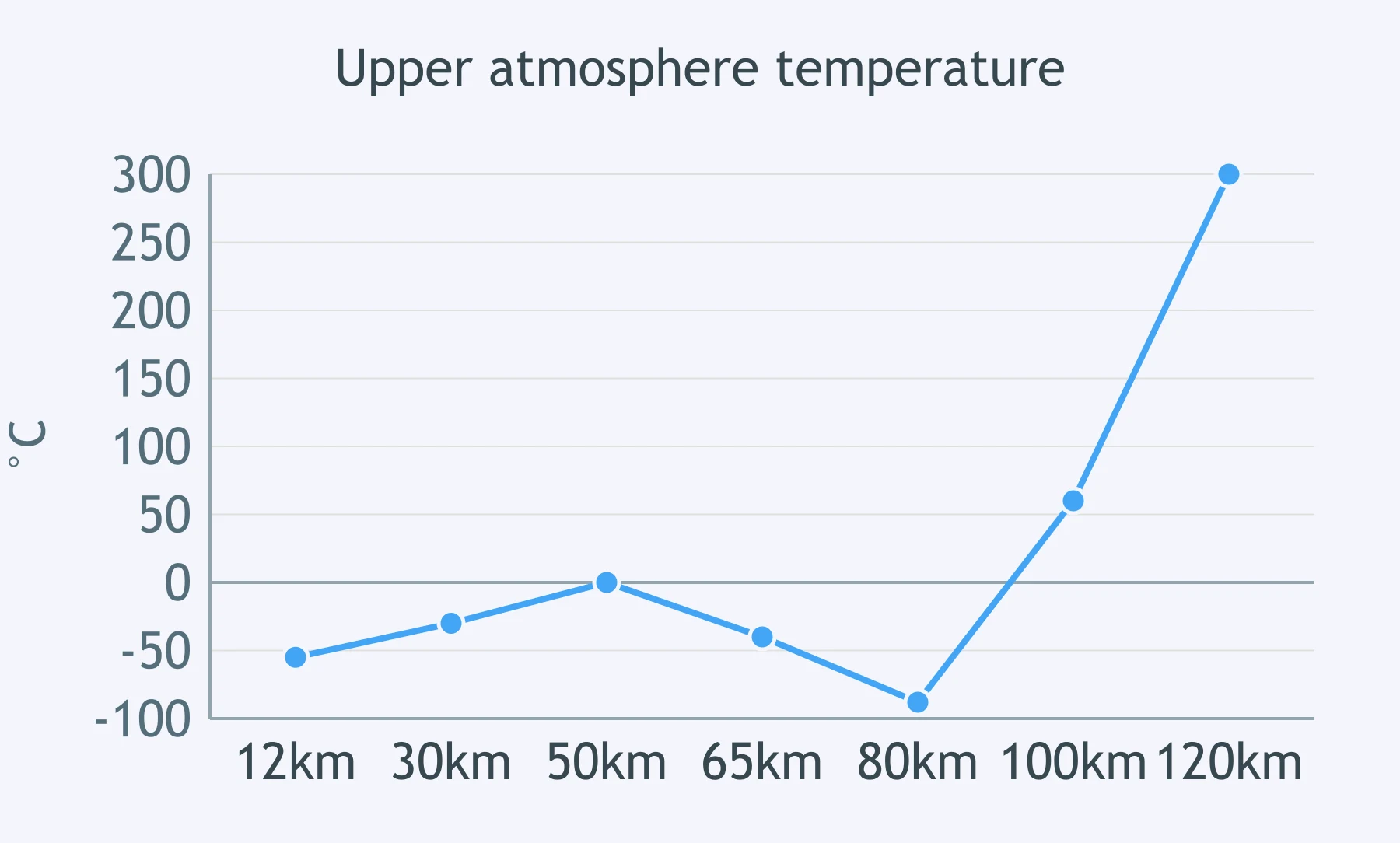
A temperature-altitude curve reaches a low point just above the weather layer, then warms through the ozone-rich layer. Which boundary is this low point?
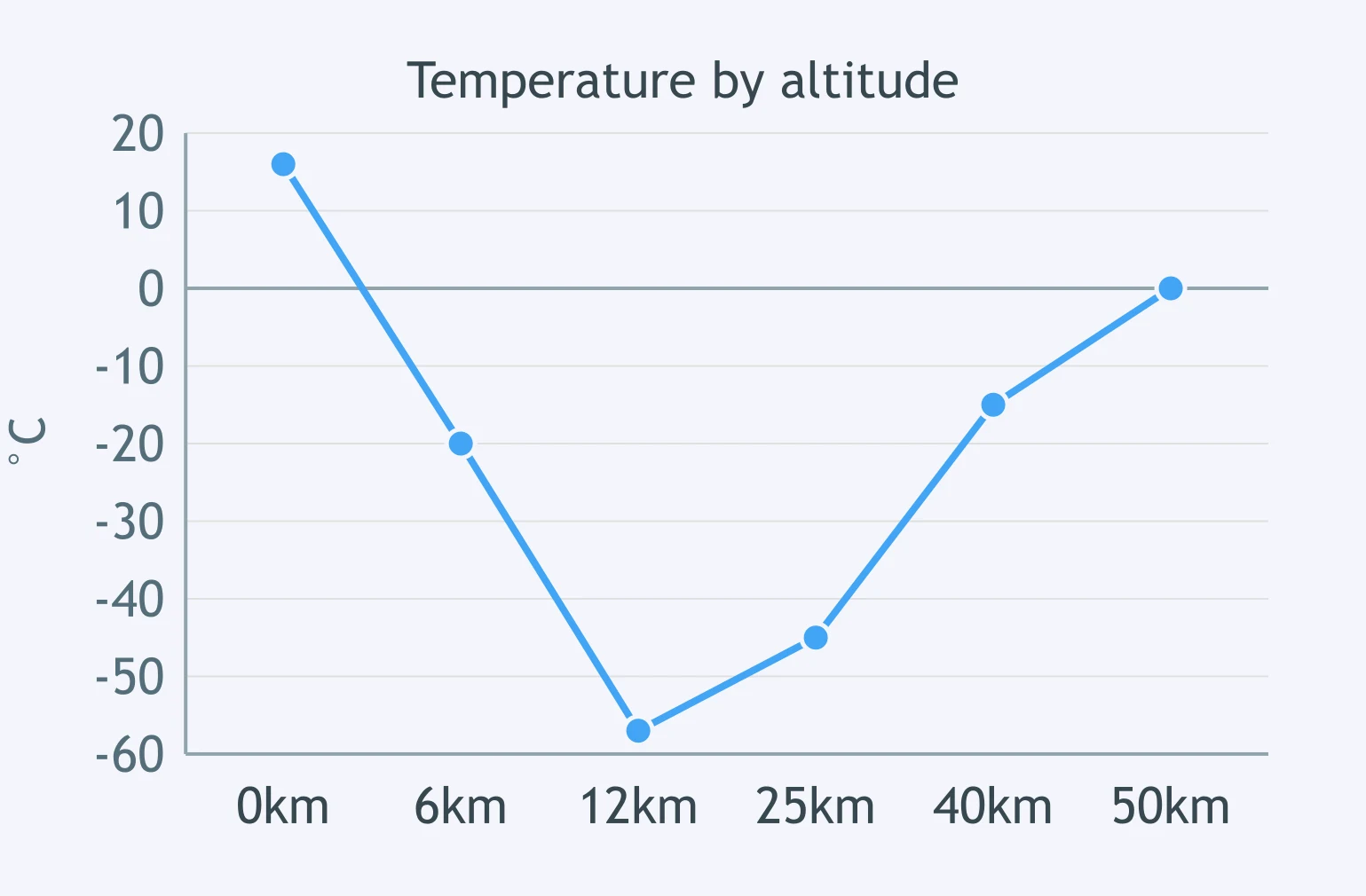
In the plotted profile, the stratosphere's warming trend ends where the mesosphere's cooling trend begins. Which named boundary is there?
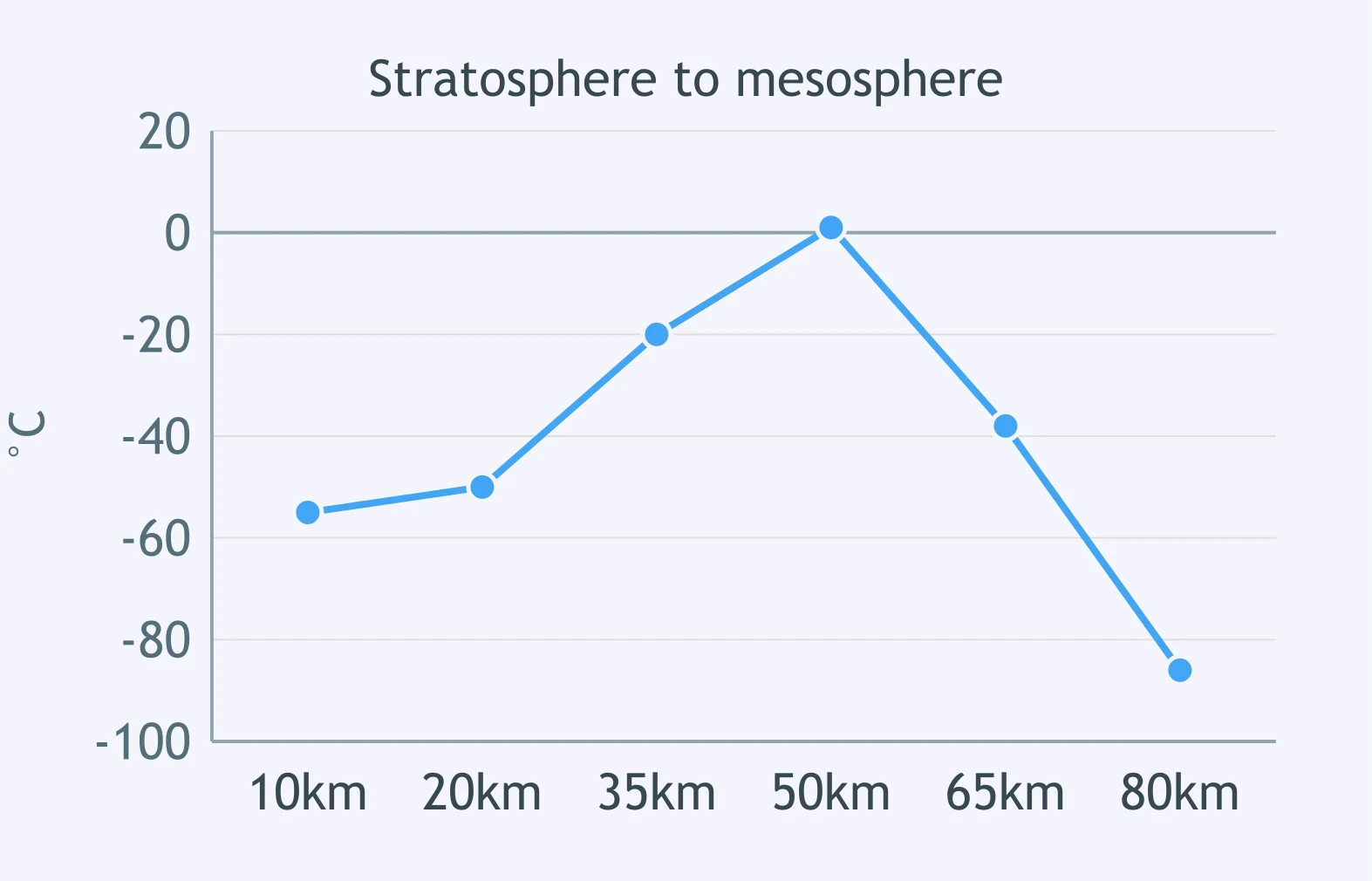
A profile shows temperature decreasing through the mesosphere and then increasing through the thermosphere. Which boundary lies at the bottom of the warming section?
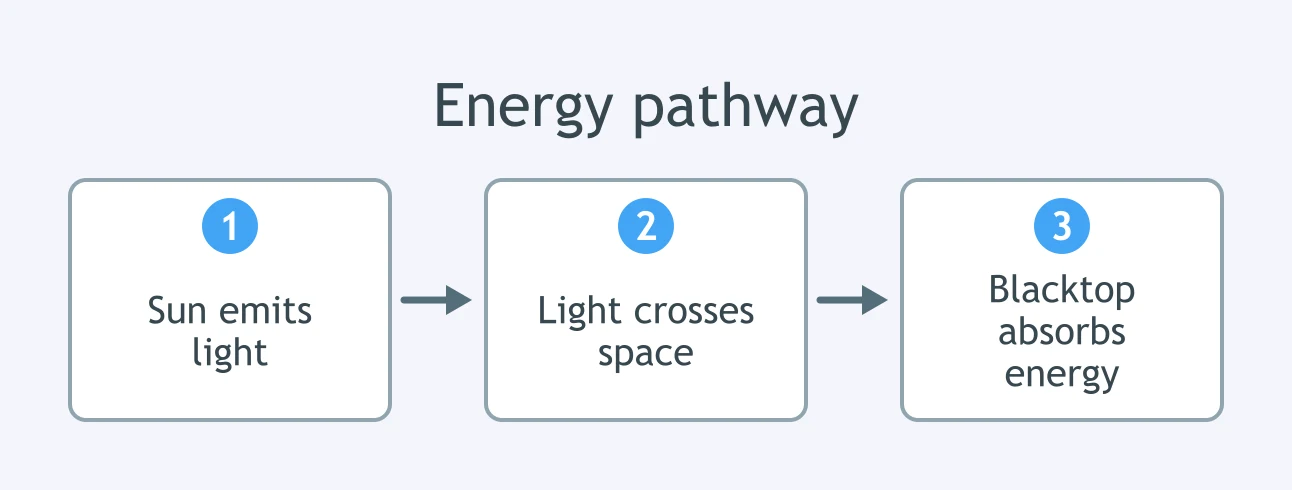
Sunlight warms blacktop across empty space, with no material touching the Sun and Earth. Which heat-transfer mode carries that energy?
Air molecules touching sun-warmed asphalt gain energy by collisions with the hot surface. Which heat-transfer mode is this?
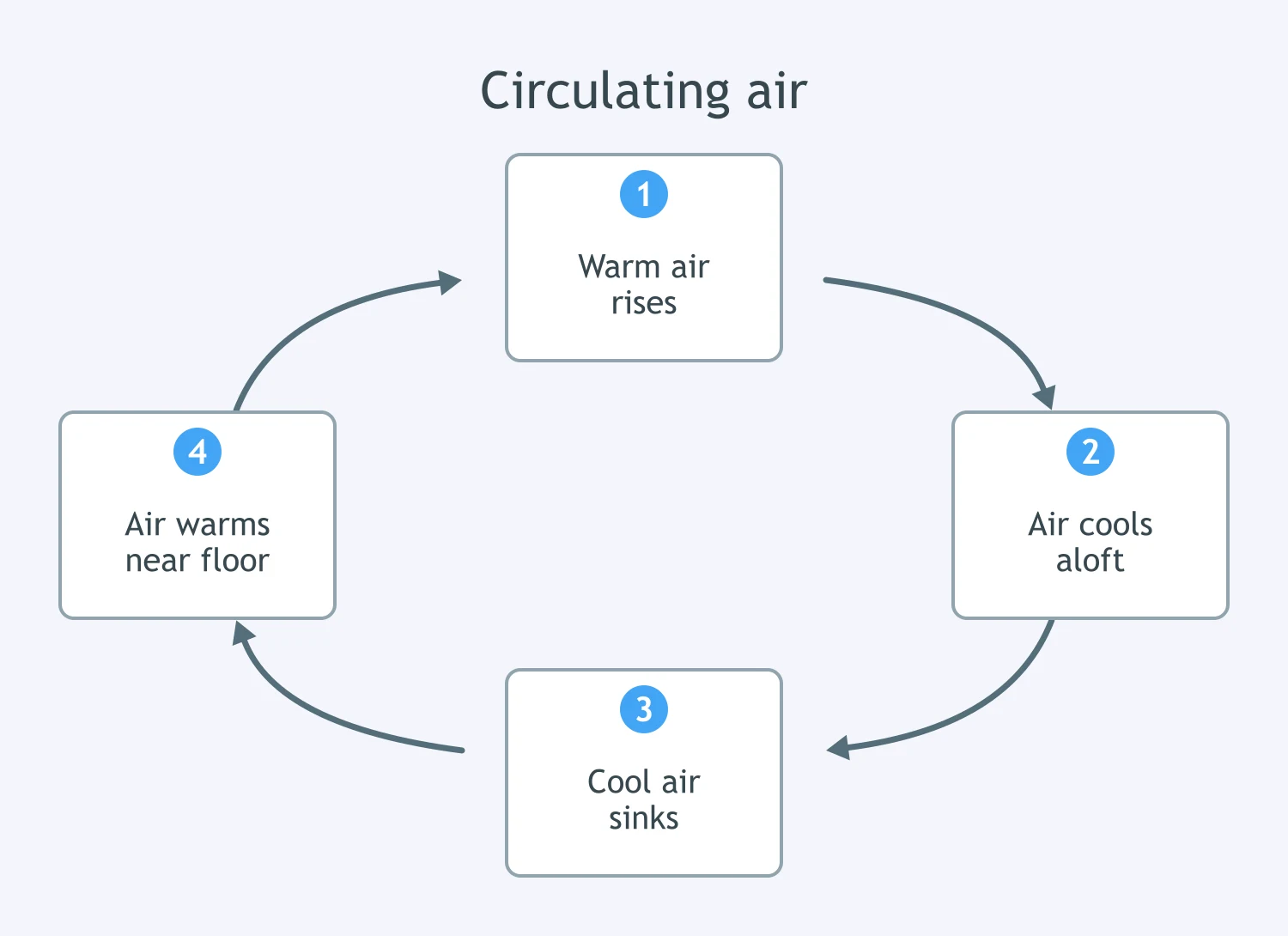
In a classroom, warm air above a heater rises and cooler air sinks to replace it. Which heat-transfer mode forms this circulation?
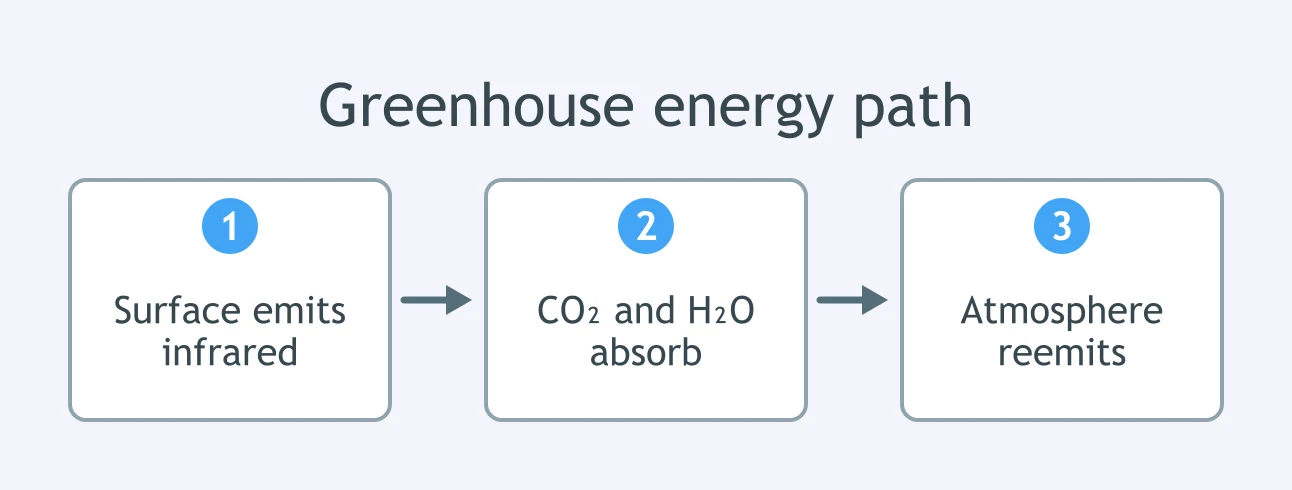
A diagram shows Earth's surface emitting infrared energy that CO₂ and water vapor absorb and reemit. Which heat-transfer mode is involved?
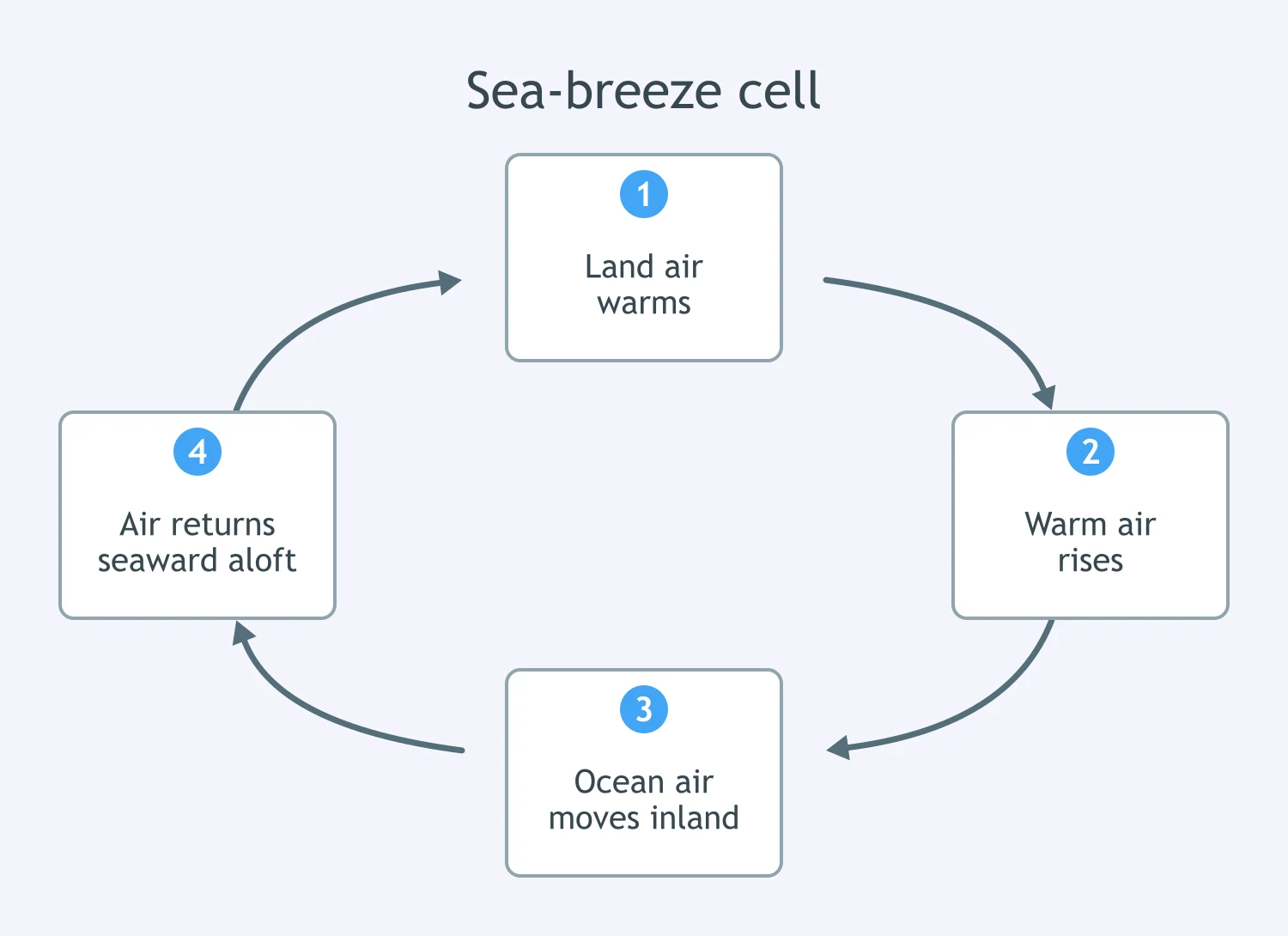
At the coast on a sunny afternoon, land air warms, rises, and cooler ocean air moves inland near the surface. Which transfer mode drives the cell?
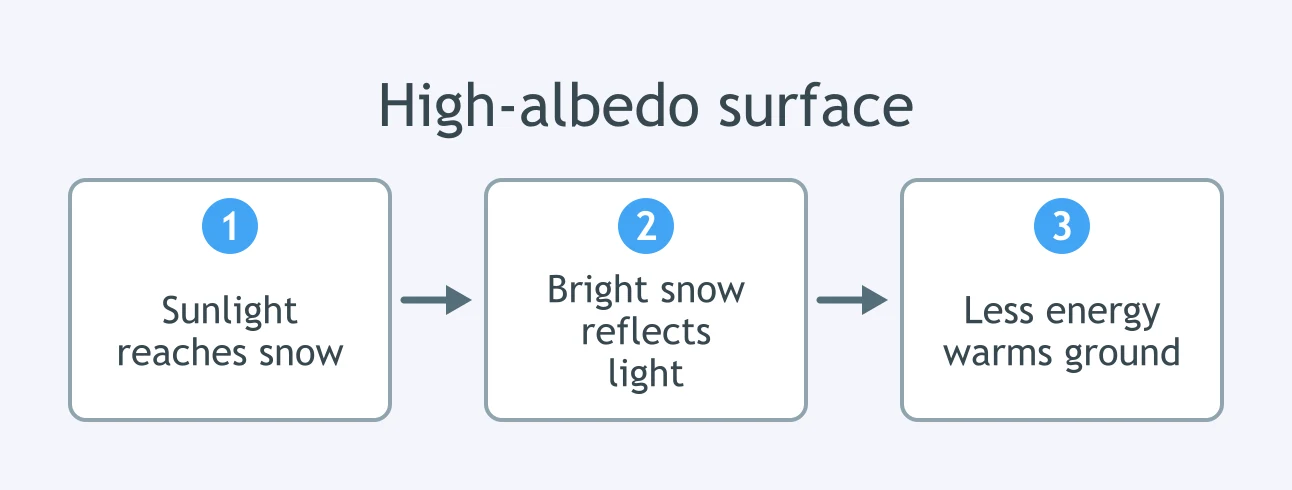
Fresh snow sends much incoming sunlight back toward space instead of absorbing it. Which energy-transfer process is being reflected?
A student's palm loses heat to a cold metal railing while the hand is touching it. Which transfer mode moves the energy into the railing?
Water in a beaker heated from below circulates as warmer water rises and cooler water sinks. Which atmosphere process works the same way?
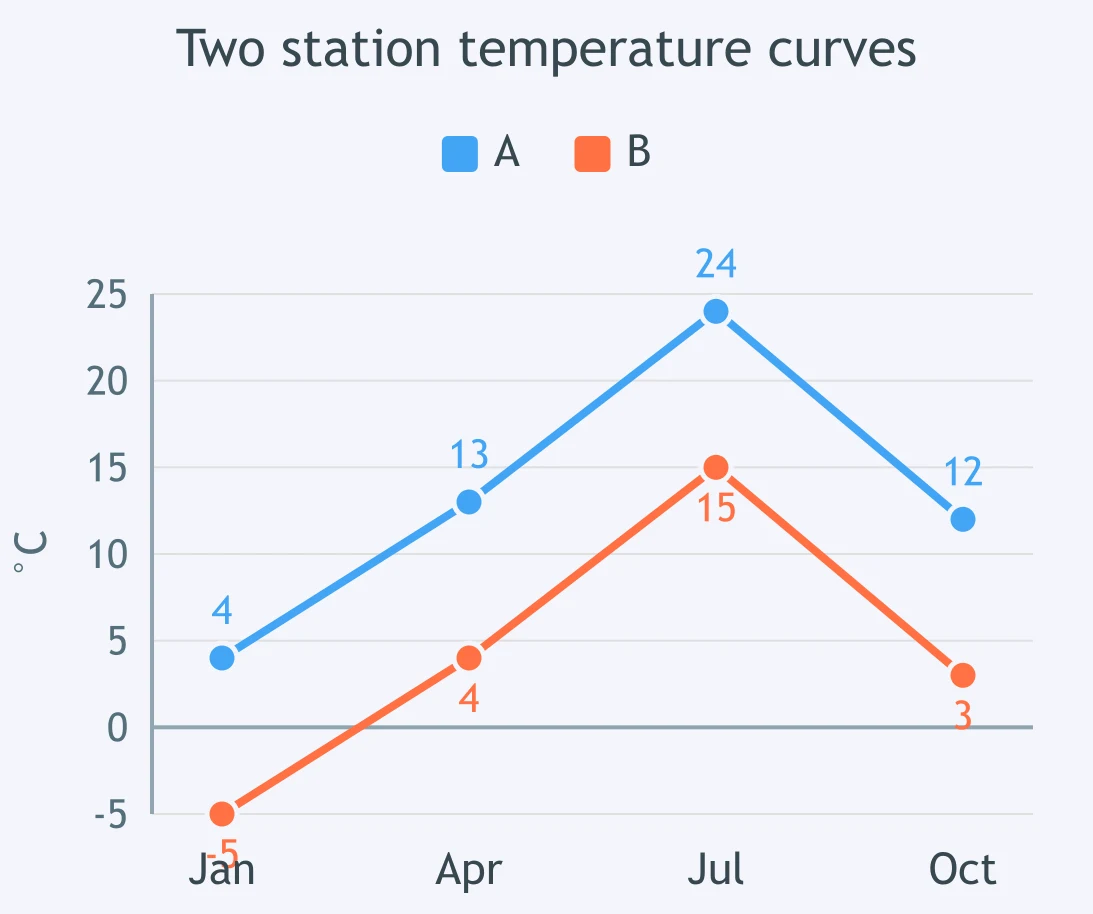
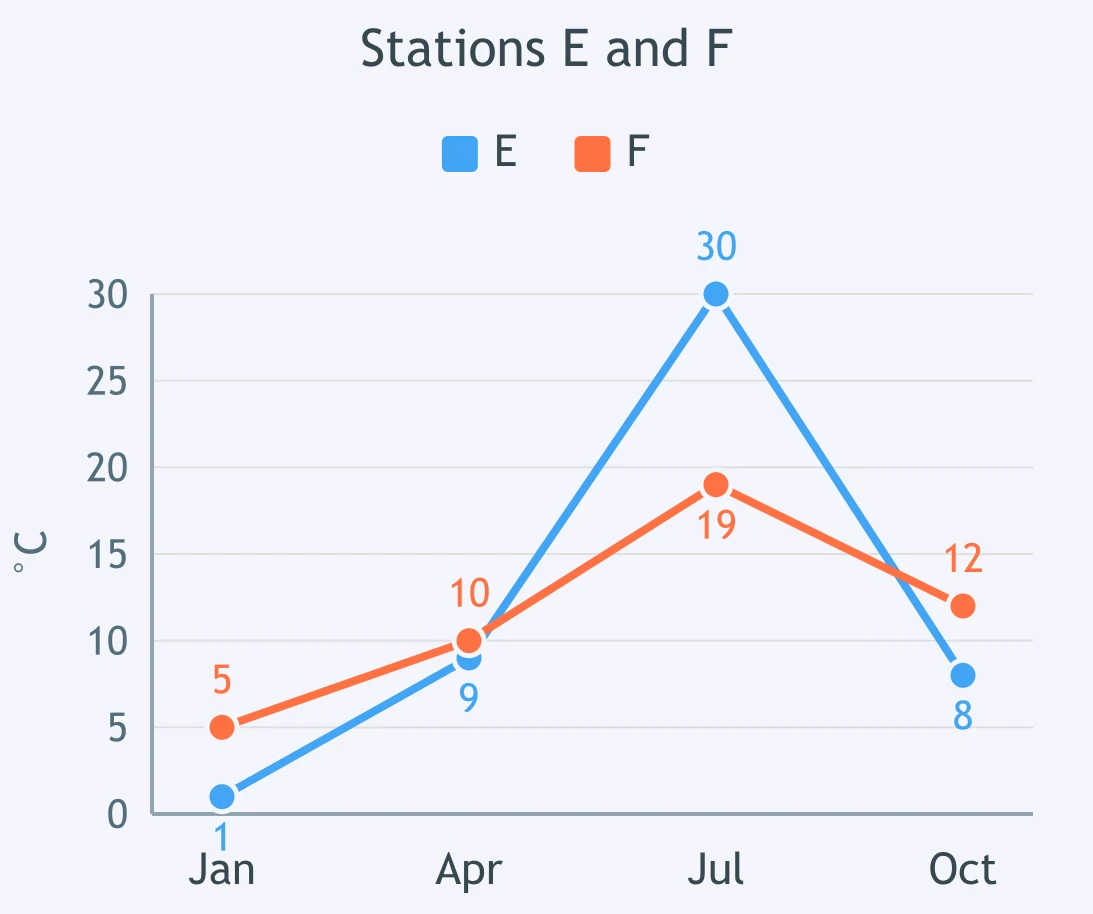
Use the annual temperature curves for two stations at similar latitude. What best explains Station A's smaller annual temperature range?
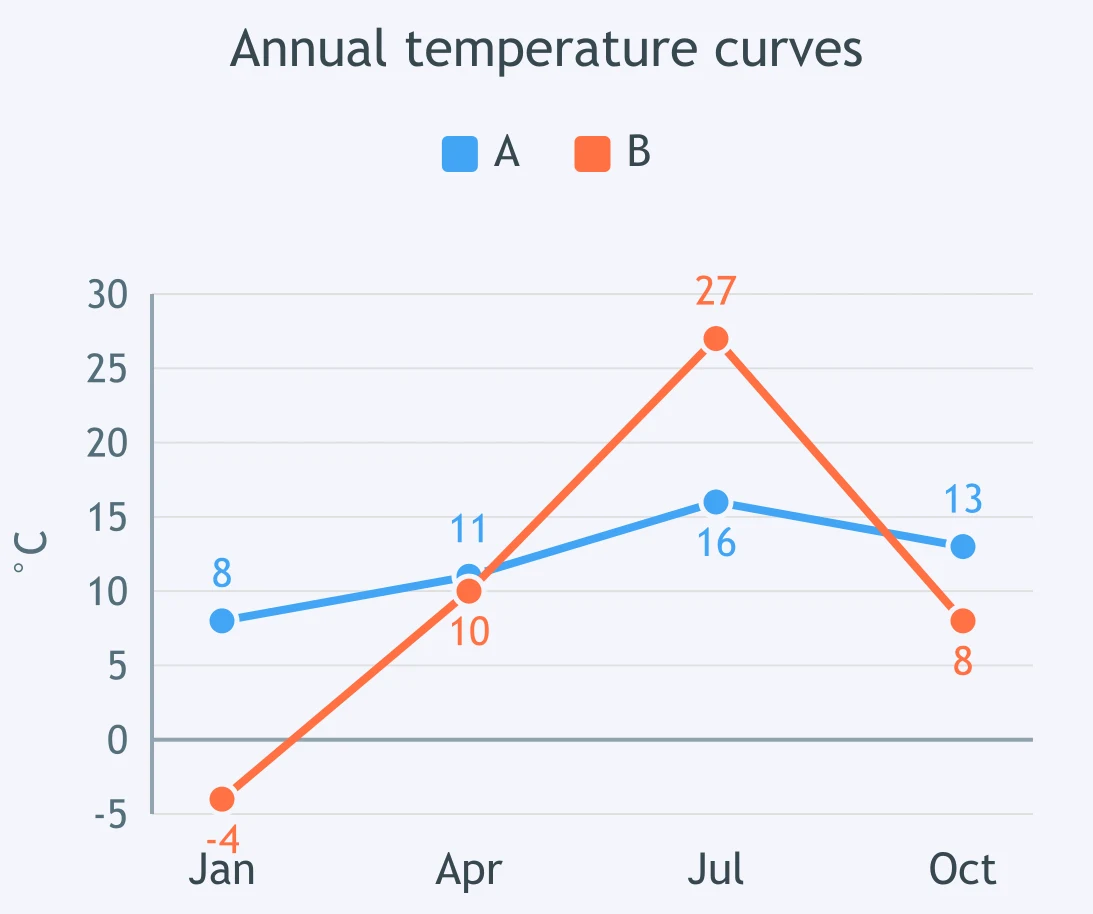
Two stations have similar seasonal timing, but Station B is cooler in every season. What factor most likely explains the lower curve?
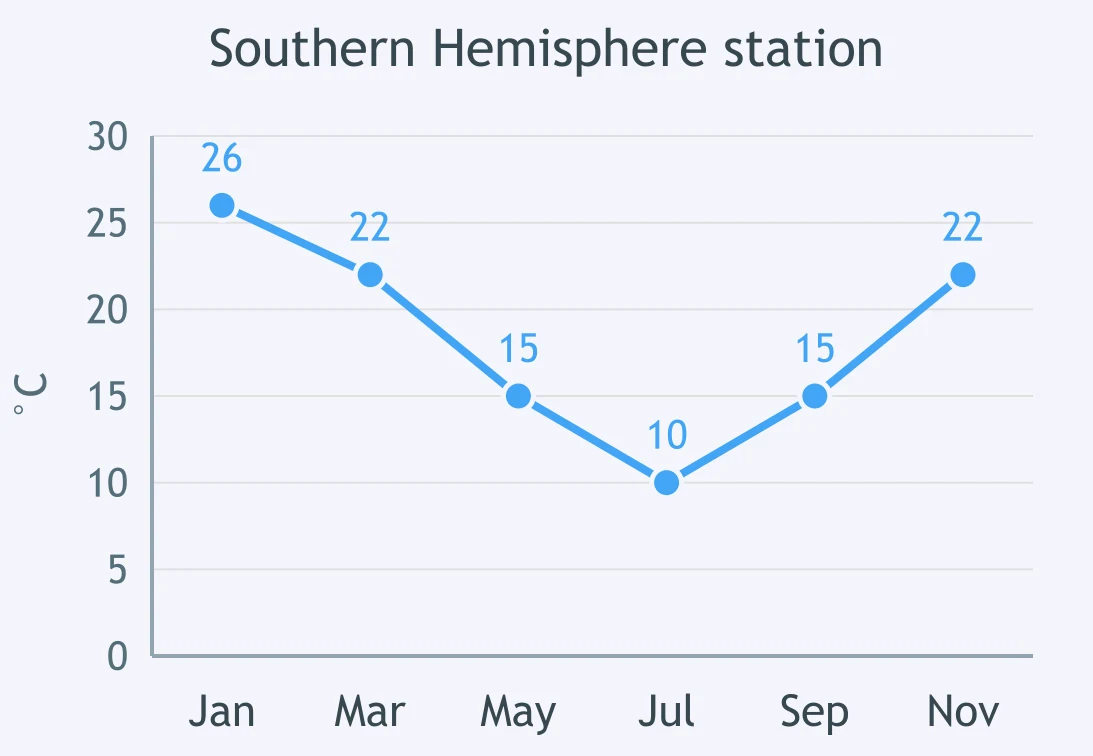
The curve is warmest in January and coolest in July. What explains this pattern for a station in the Southern Hemisphere?
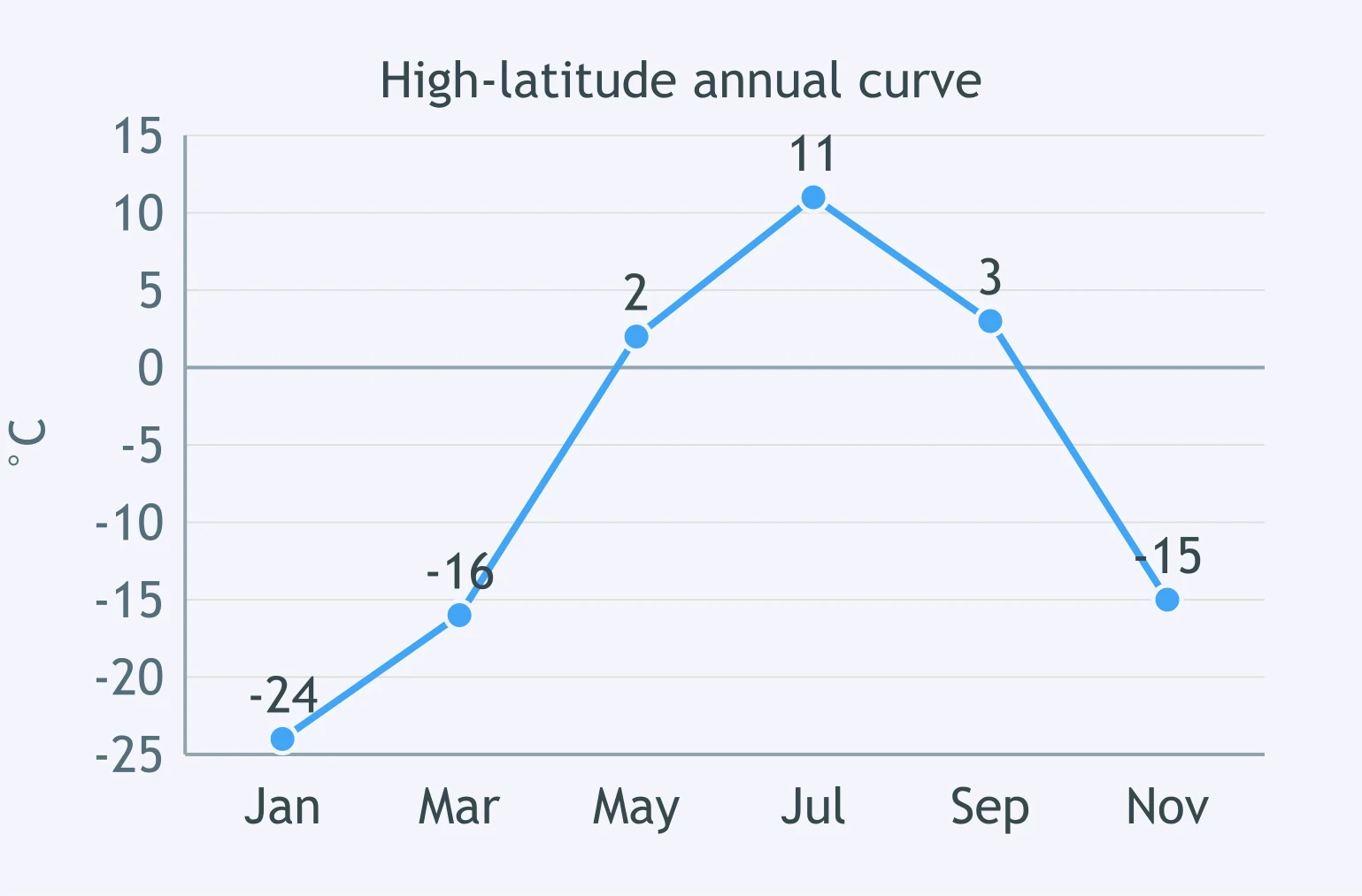
Station D has a very cold winter and a mild summer at high latitude. What causes the winter part of the curve to drop so low?
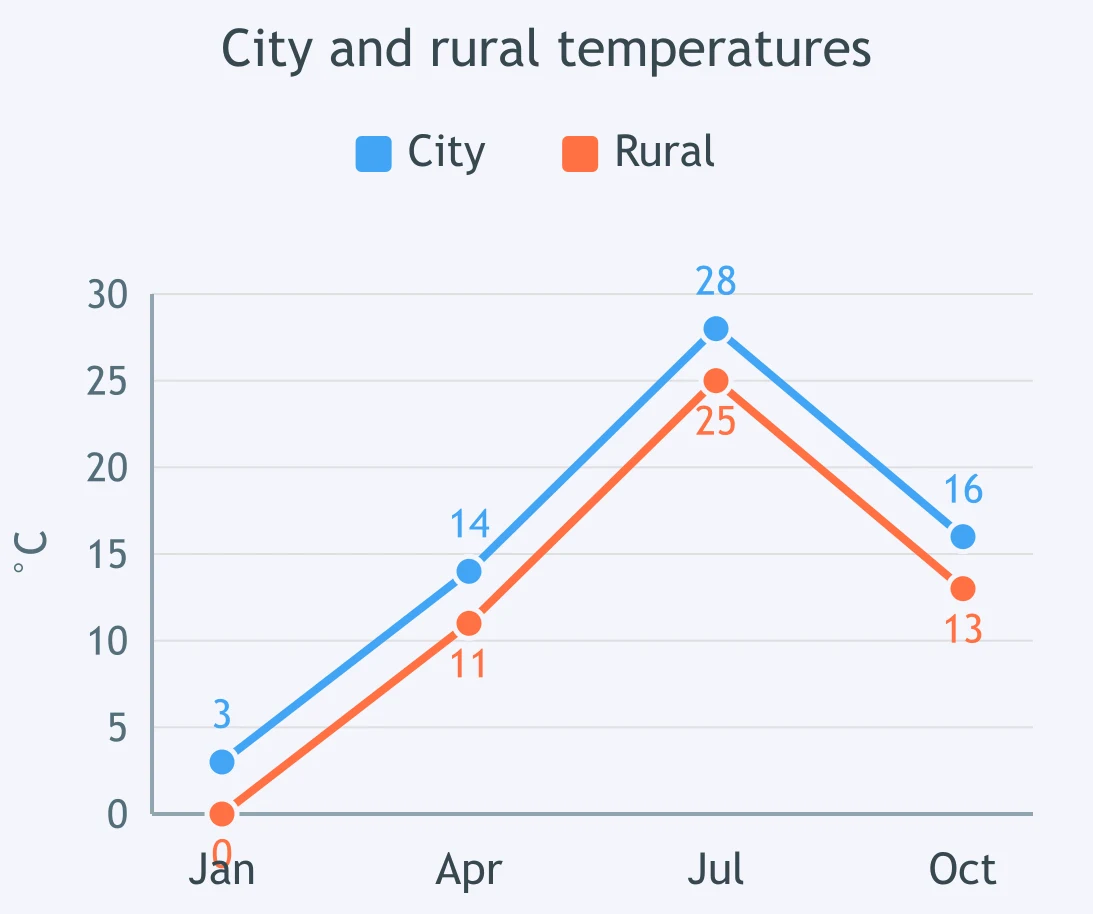
The city curve stays a few degrees warmer than the nearby rural curve in every month. Which surface condition best explains the difference?
Two inland stations are at the same latitude, but Station E has hotter summers and colder winters. What control is most likely shown?
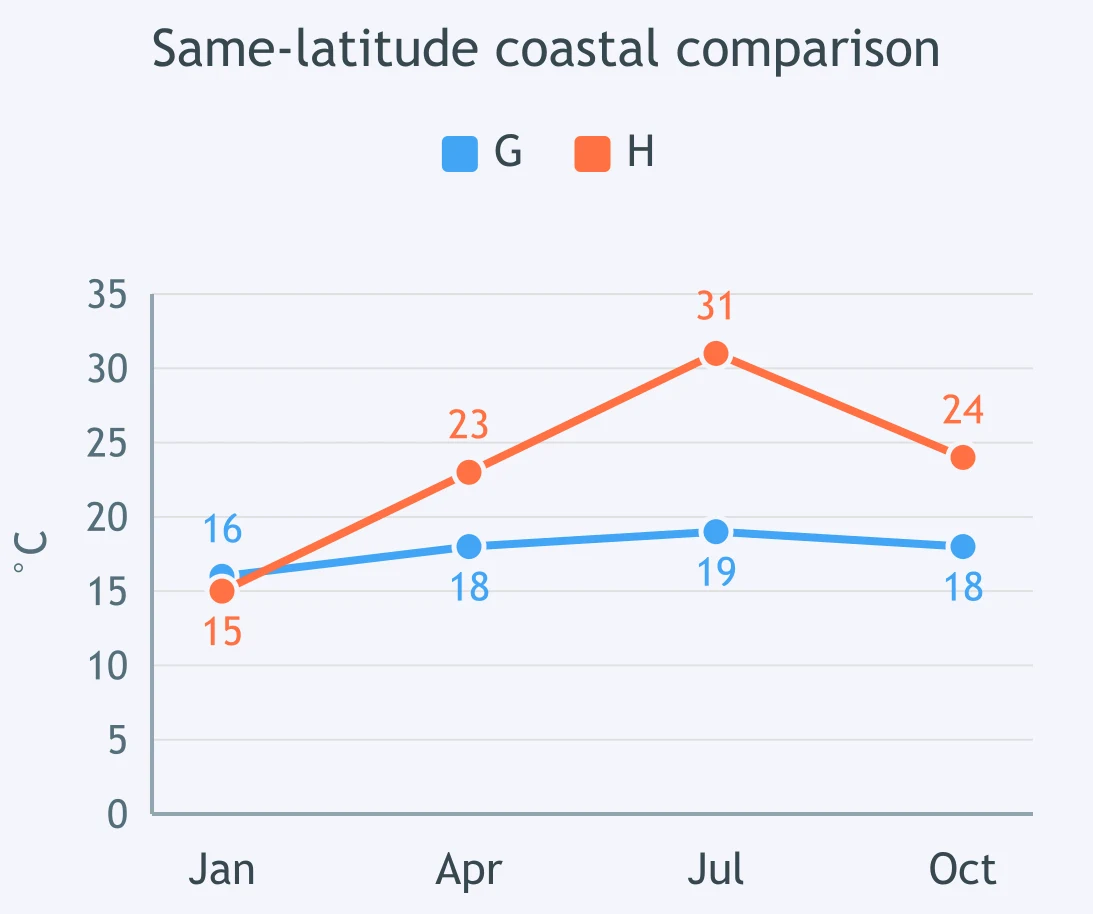
Station G stays unusually cool in summer despite being near 30° latitude. What nearby feature could keep the curve lower?
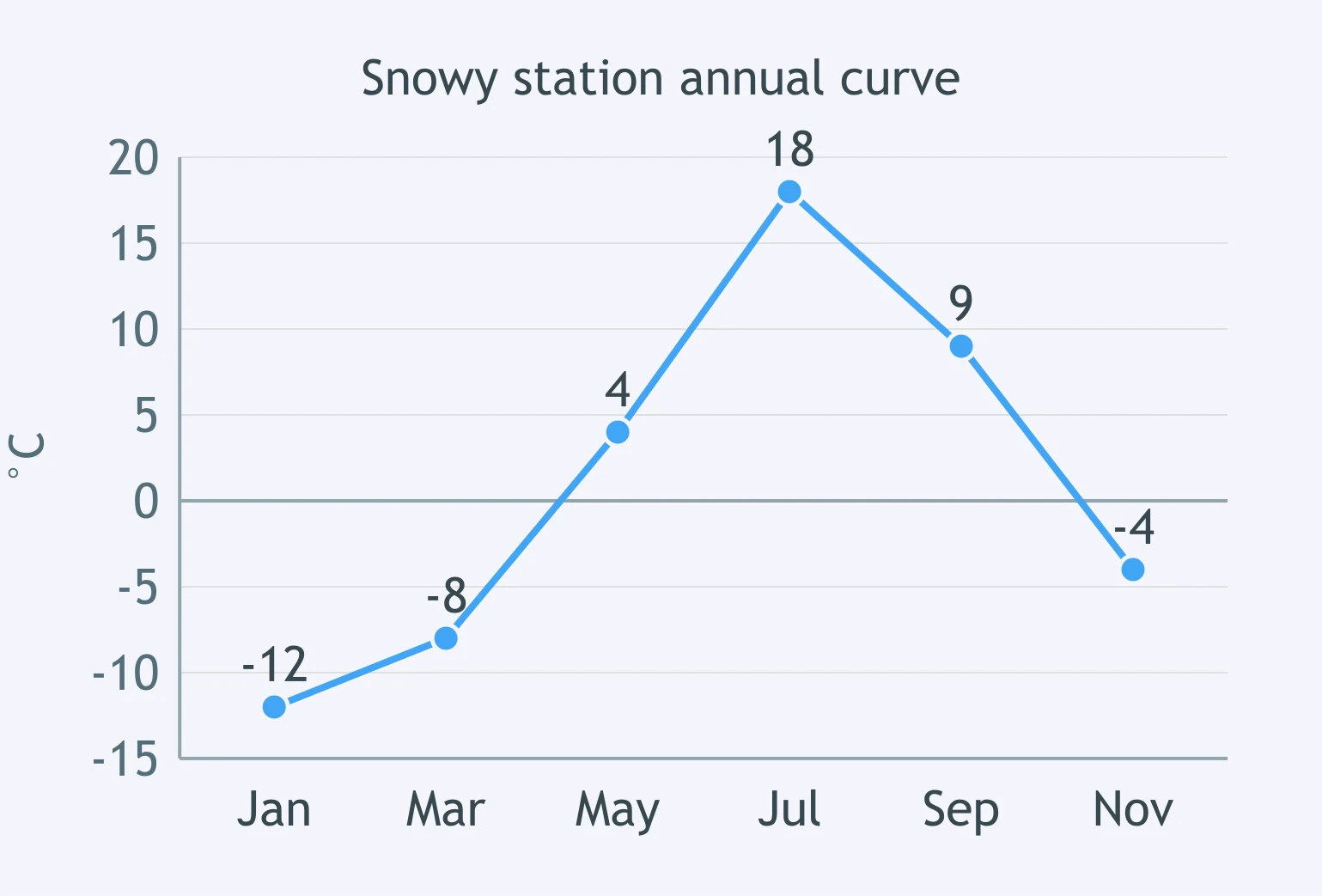
Station I warms slowly from winter into spring while snow cover remains. Which property of snow helps explain the delayed warming?
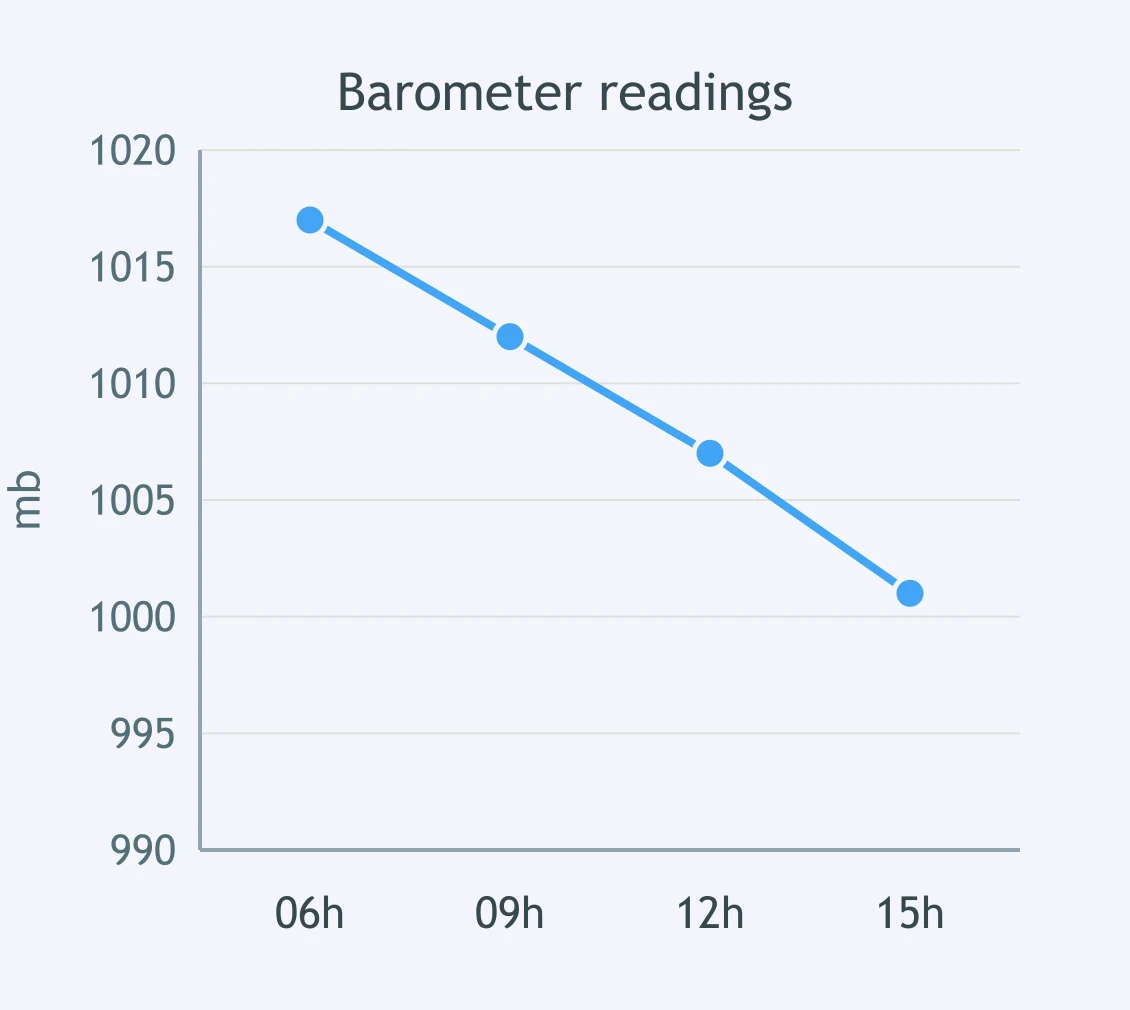
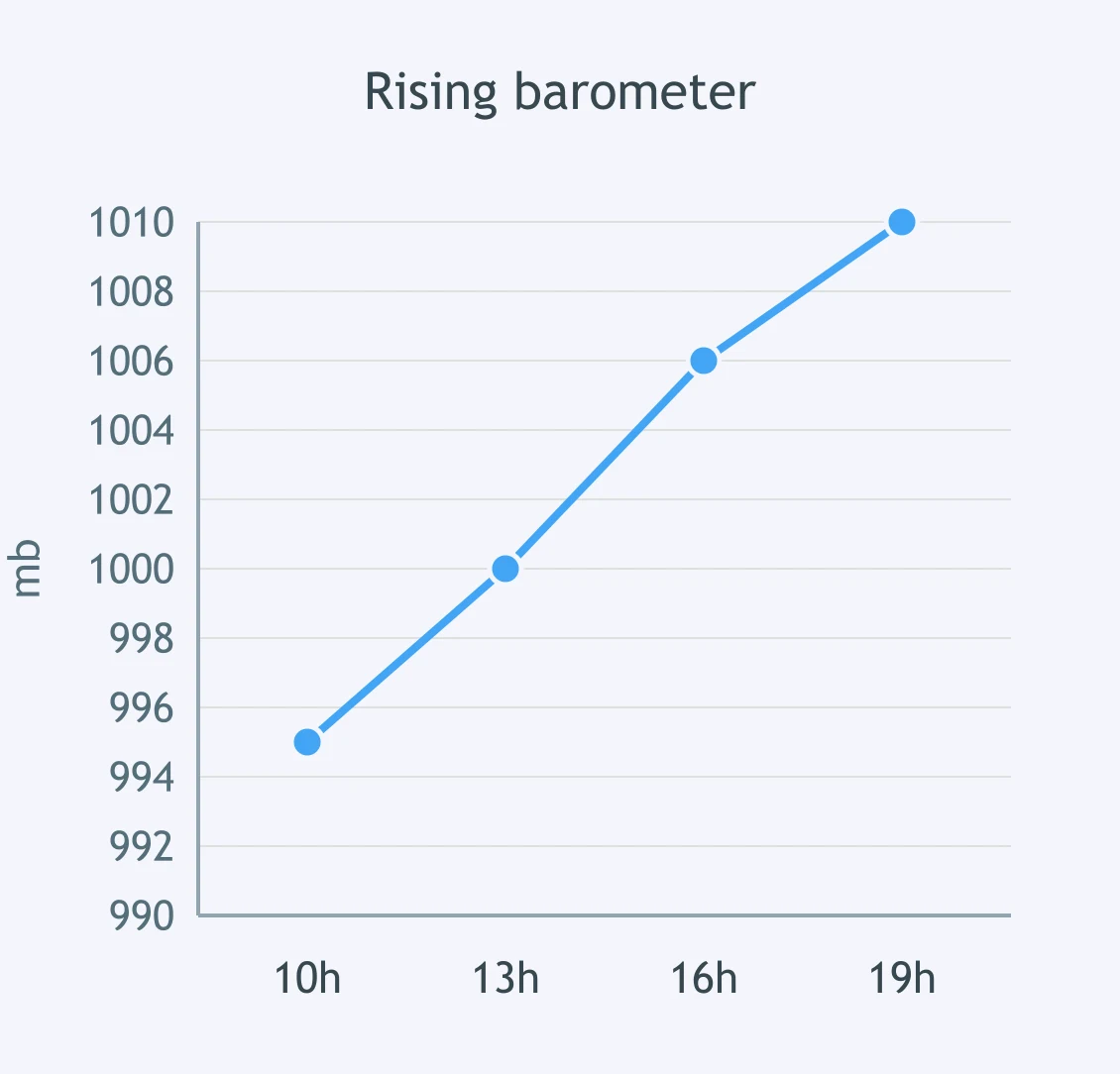
Use the barometer graph. What does the pressure trend most likely indicate as clouds thicken?
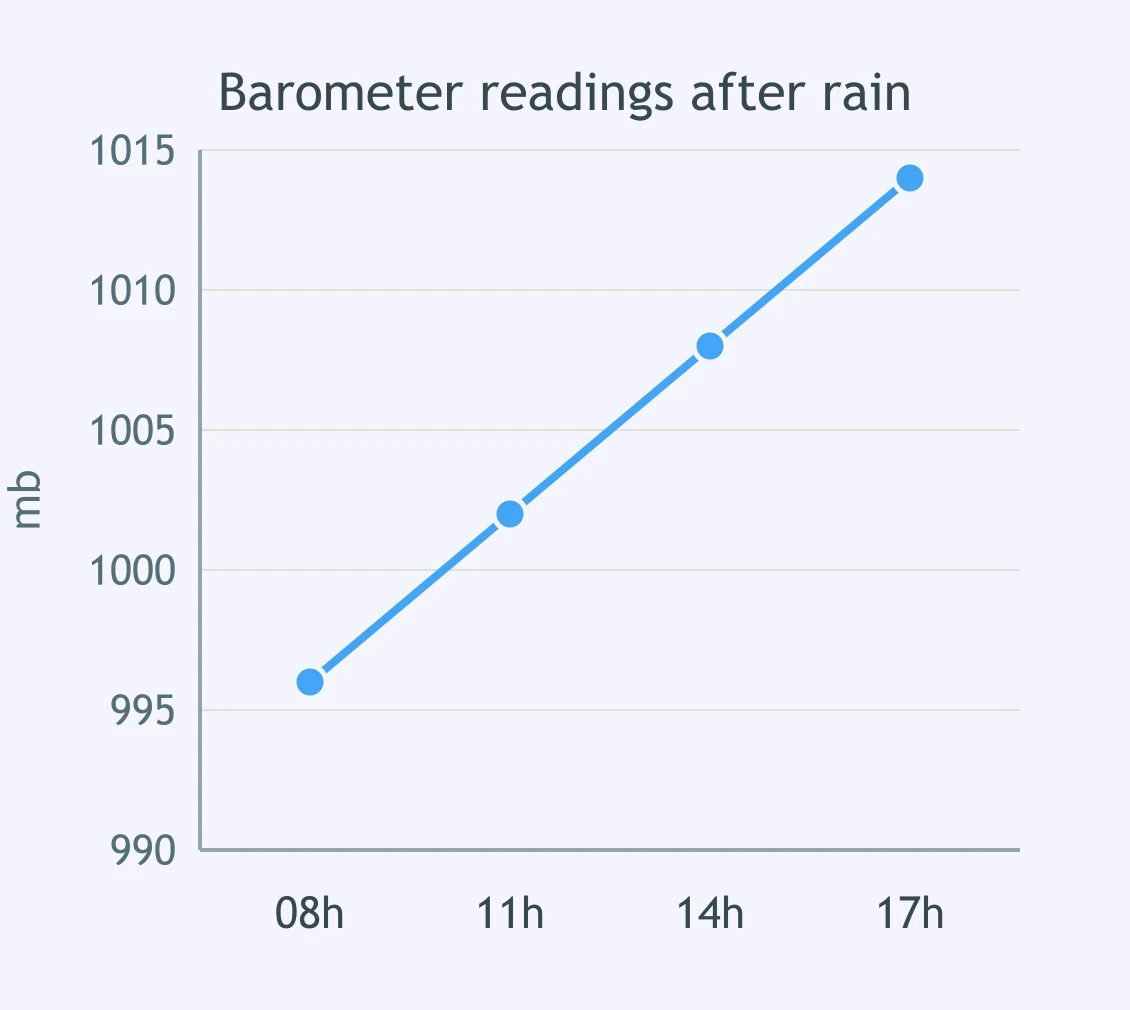
A barometer rises after a rainy morning. What does the new trend most likely show?
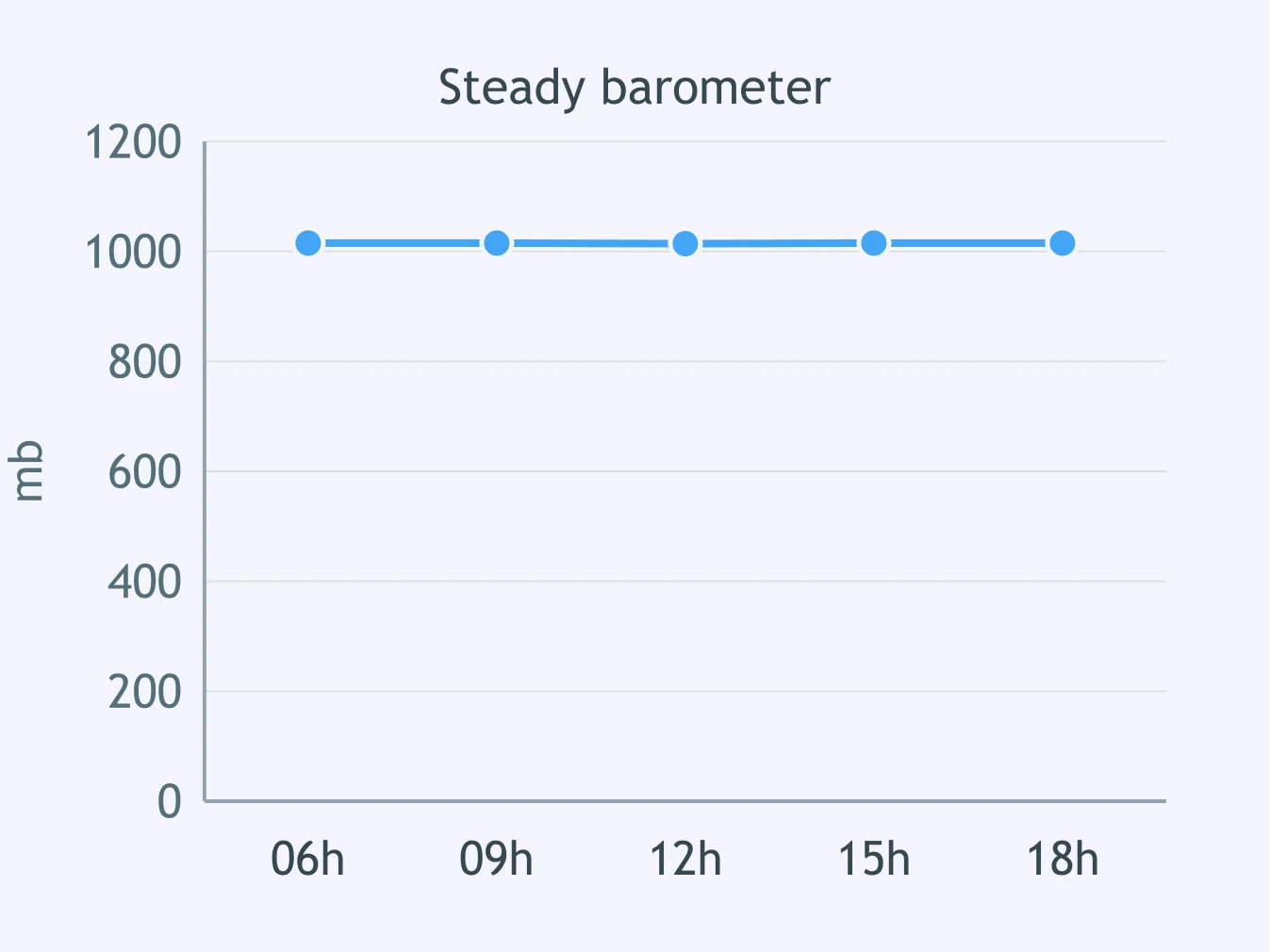
The barometer stays near the same value from morning through evening. What is the best interpretation of the pressure pattern?
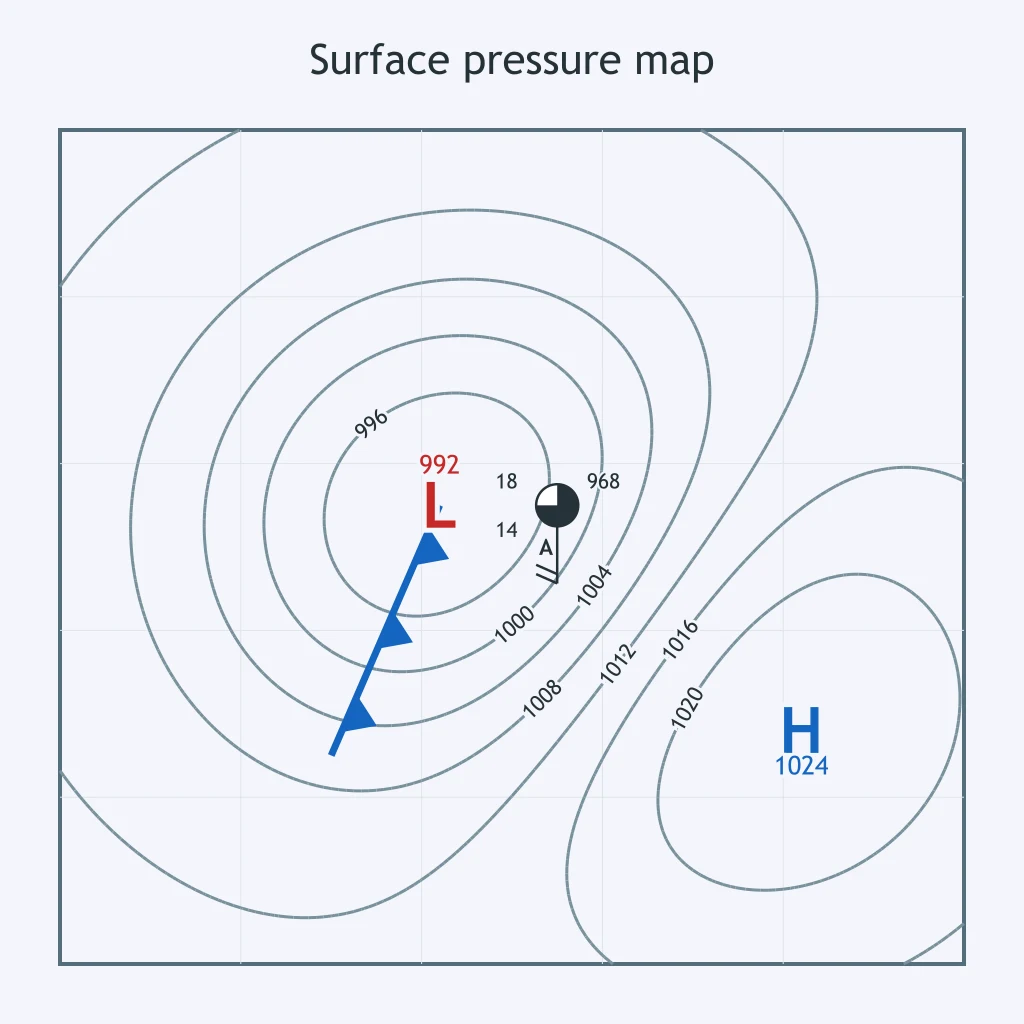
The barometer at Station A on the weather map falls for six hours. What is the change most likely showing?
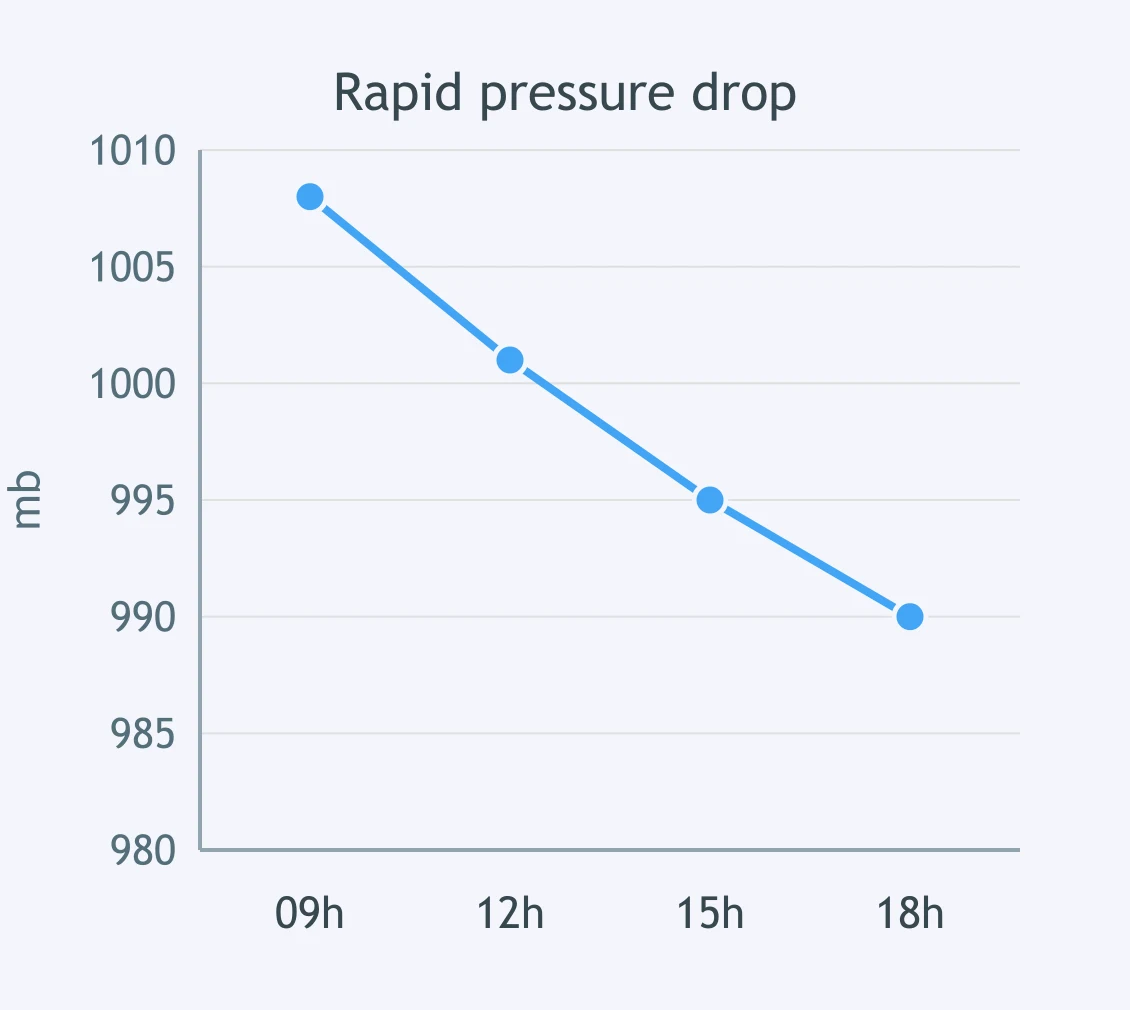
A barometer drops from 1008 mb to 990 mb while isobars crowd around a nearby low. What weather change is most likely?
After a cold front passes, a barometer climbs from 995 mb to 1010 mb. What does the trend most likely mean?
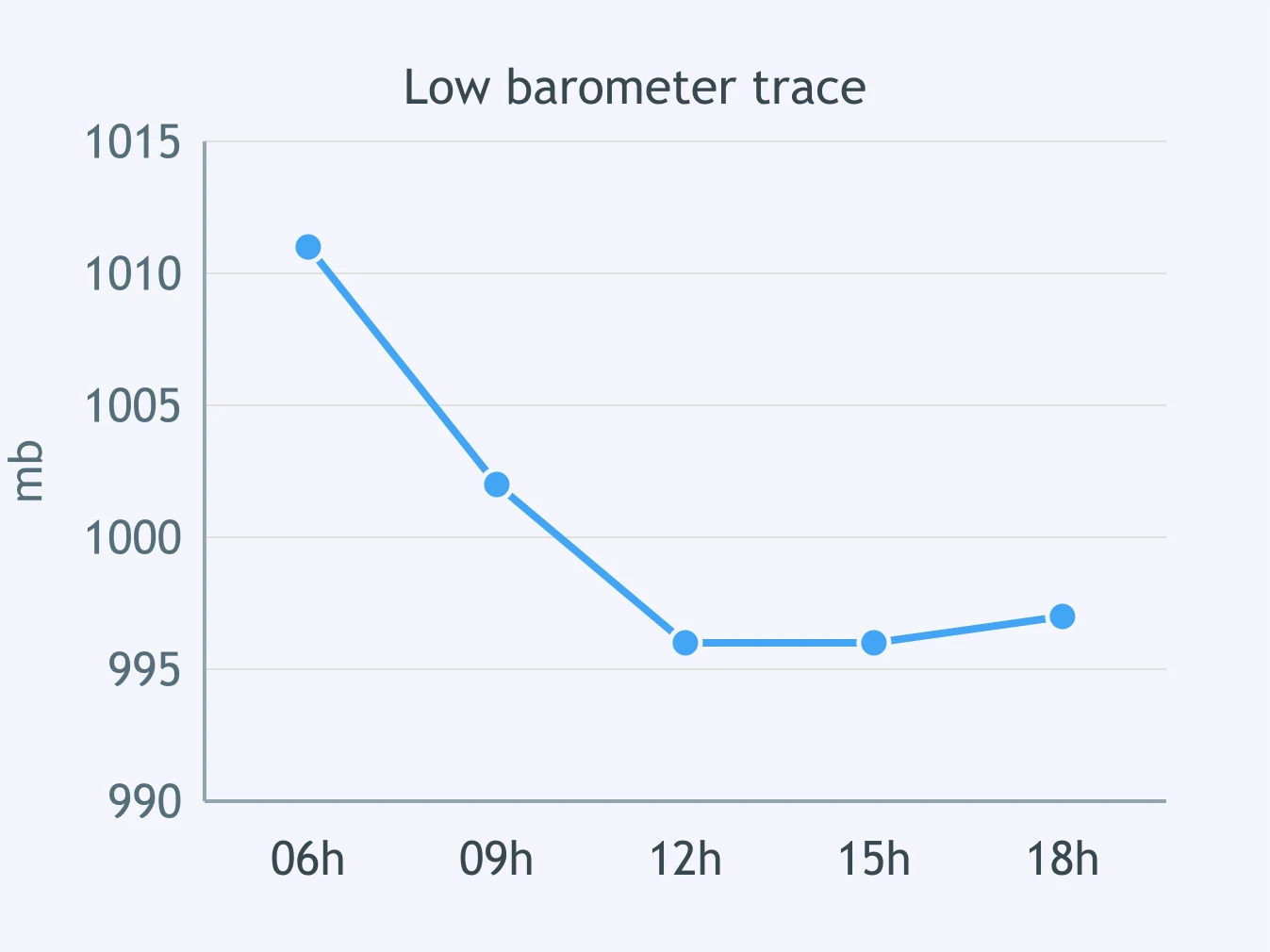
The barometer falls, then remains low through the afternoon. What forecast best matches the pressure trace?
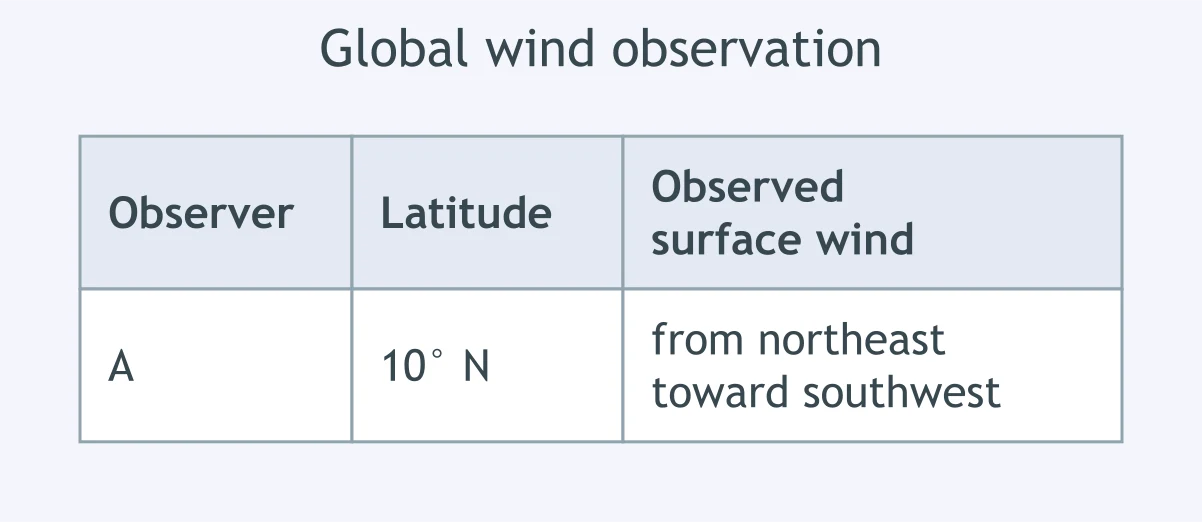
Use the observation table. Which global wind belt is Observer A in?
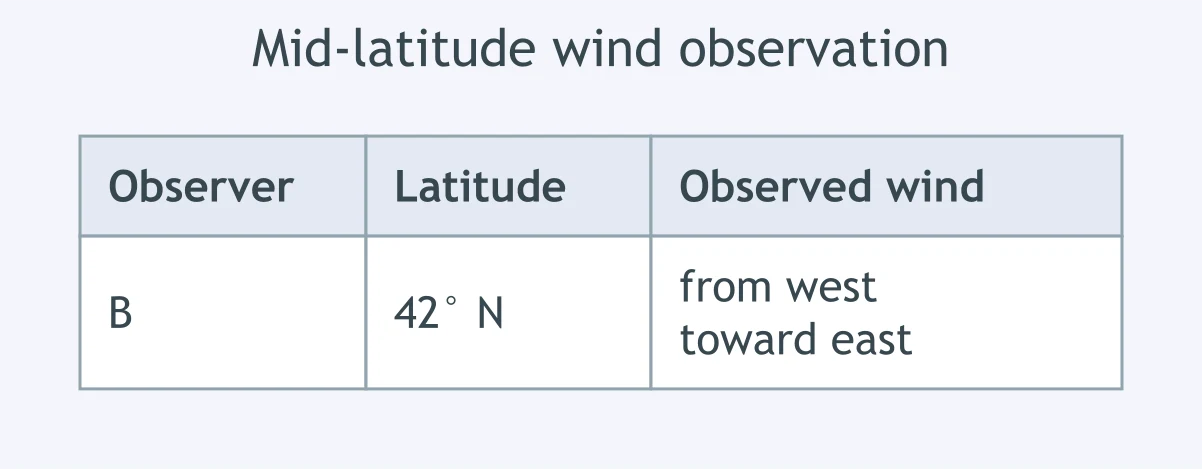
A balloon at 42° N reports winds generally moving from west to east. Which global wind belt is it in?
Use the table for Observer C near Antarctica. Which wind belt matches the cold, dry wind blowing from the southeast?
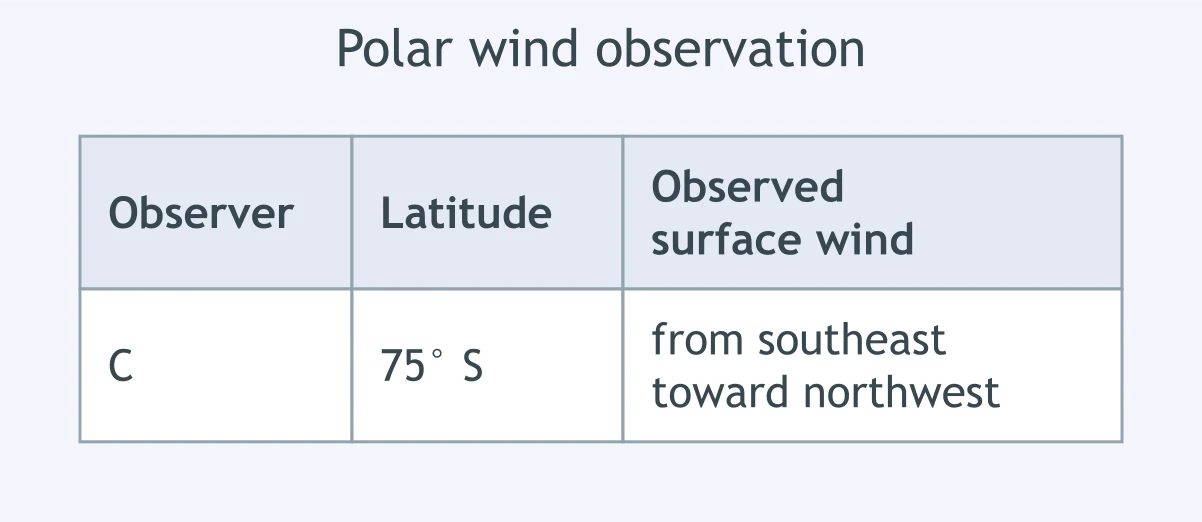
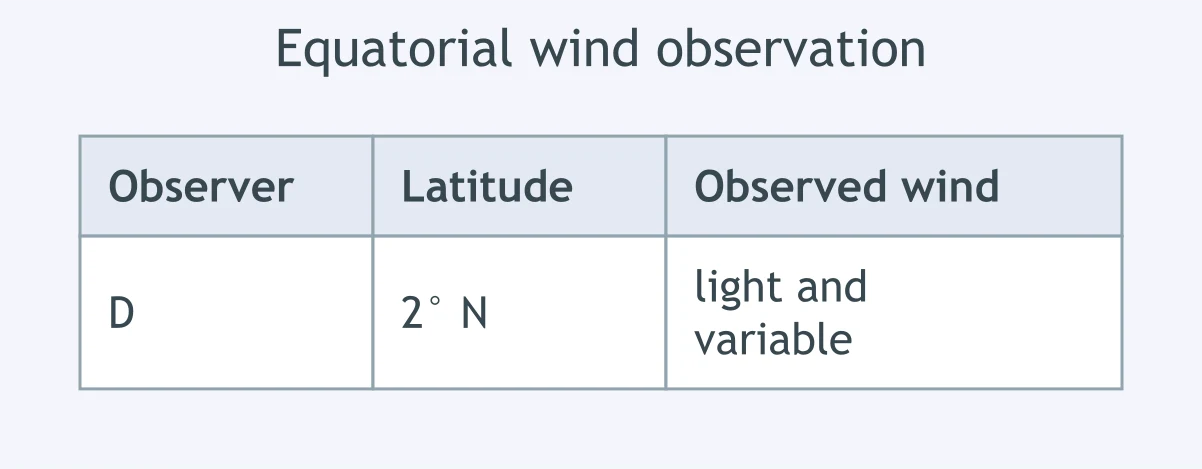
An observer at 2° N reports weak, shifting winds with humid rising air and frequent thunderstorms. Which belt is this?
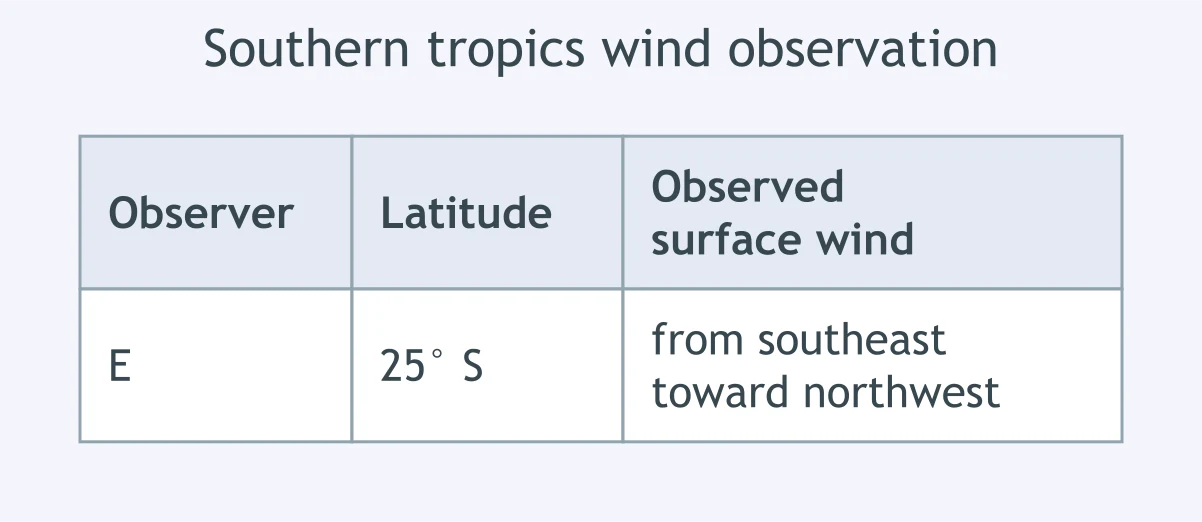
Observer E at 25° S feels a steady wind from the southeast toward the equator. Which wind belt is Observer E crossing?
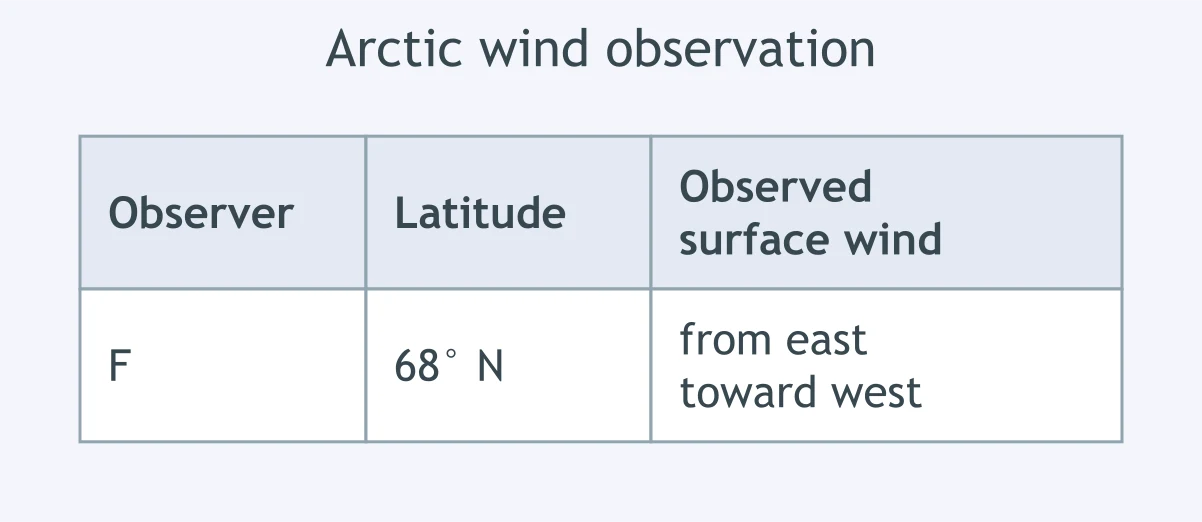
A research station at 68° N records many surface winds from the east, flowing outward from polar high pressure. Which belt is this?
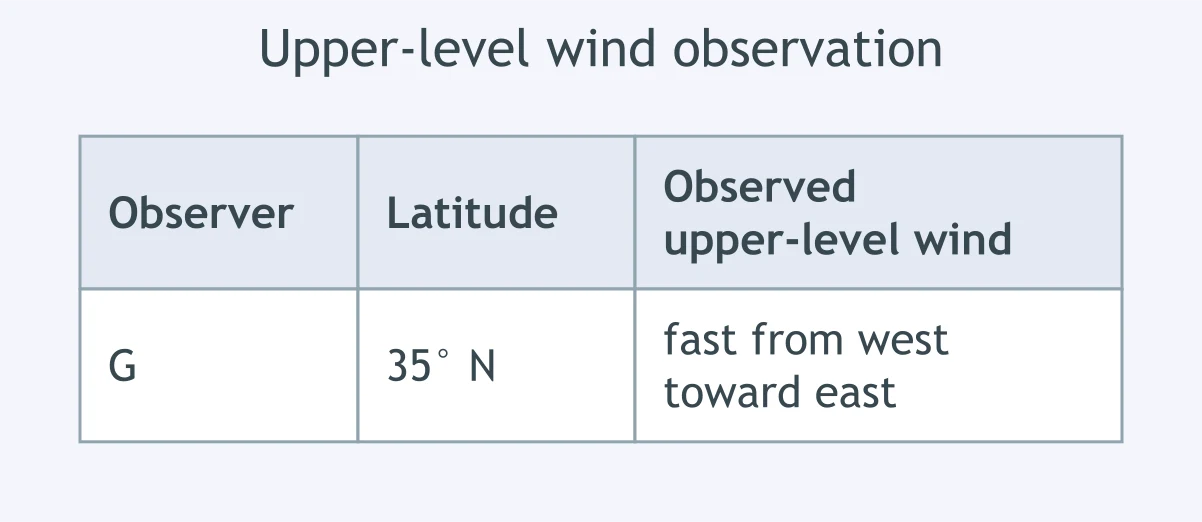
Aircraft G reports the wind observation shown in the table. Which wind system is it flying in?
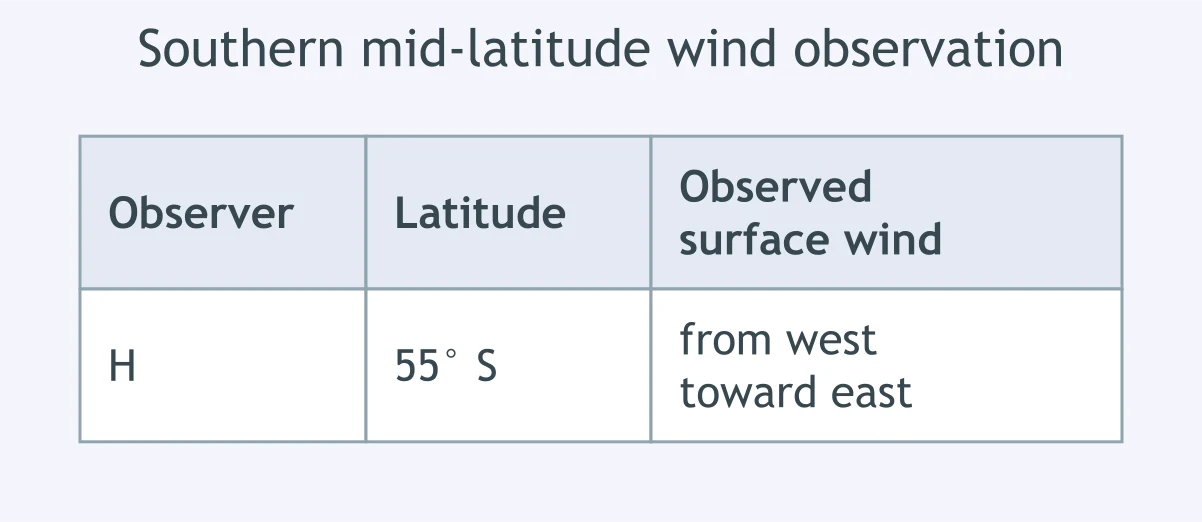
A ship near 55° S is pushed eastward by persistent winds from the west. Which global wind belt is the ship in?
Crack the passcode before the zombies get in.
Answer, then swat bugs for bonus points.
Race through questions at your own speed.
Same question on every screen. Fastest wins.

Pick a tile, answer, hit bonuses and steals.
Clouds
40 questions