Loading
by BlastRoom
Students identify the ten basic cloud types from photographic skies and explain how orographic lifting, adiabatic cooling and condensation nuclei form them.
#earth_space_science
40 questions
One question set, multiple game modes. Tap any game to see it in action. Not sure which to pick?
Answer to place stones and capture territory.
Outrun the snow together.
Earn blasts, then hunt the other team.
Answer to earn energy, then climb.

The class blasts through walls together.
Bid on mystery lots. Most money wins.
Sell tours. Nice, standard, or a total scam.

Answer, restock, and serve the rush.
More correct answers pulls the rope your way.
Answer, then shoot down the alien wave.
Answer, then tap to leap the frozen ridge.
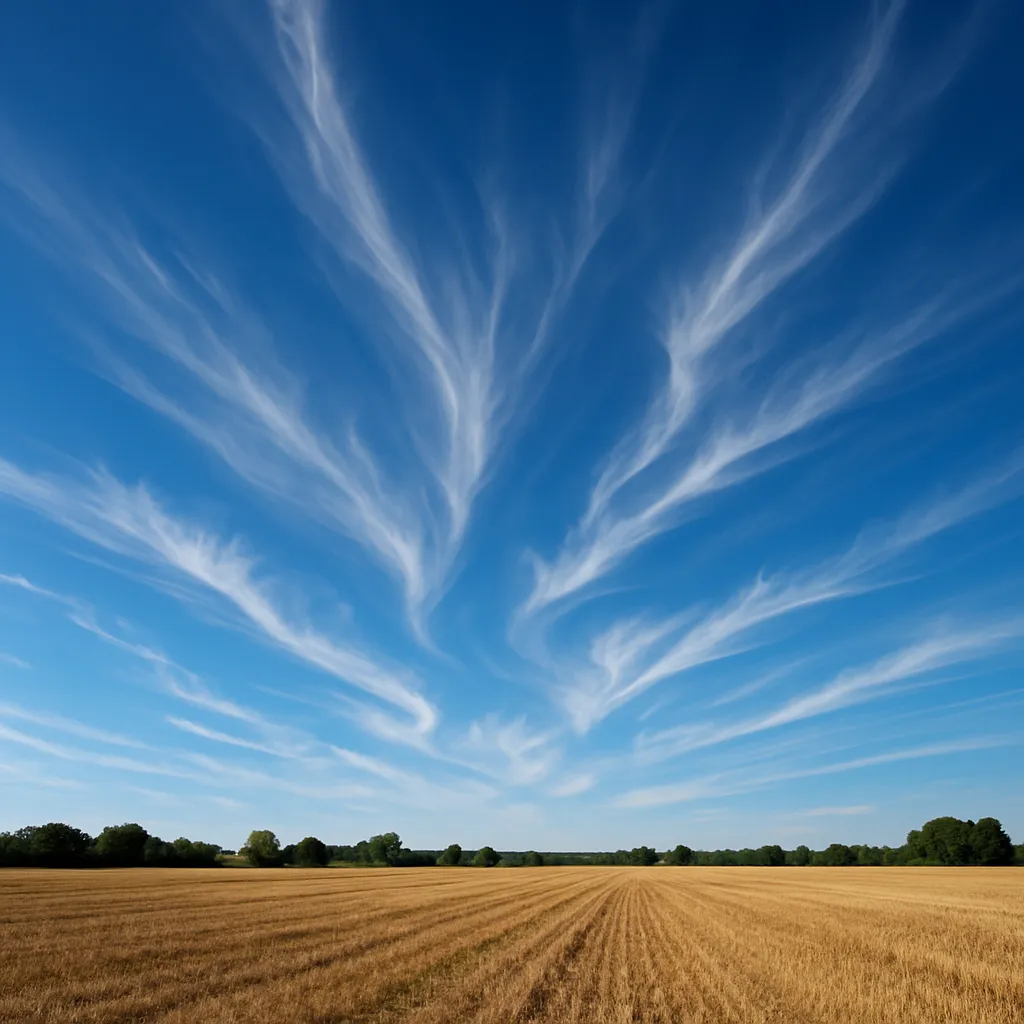
The photograph shows the whole sky above a farm field at midday. Which cloud type is shown?
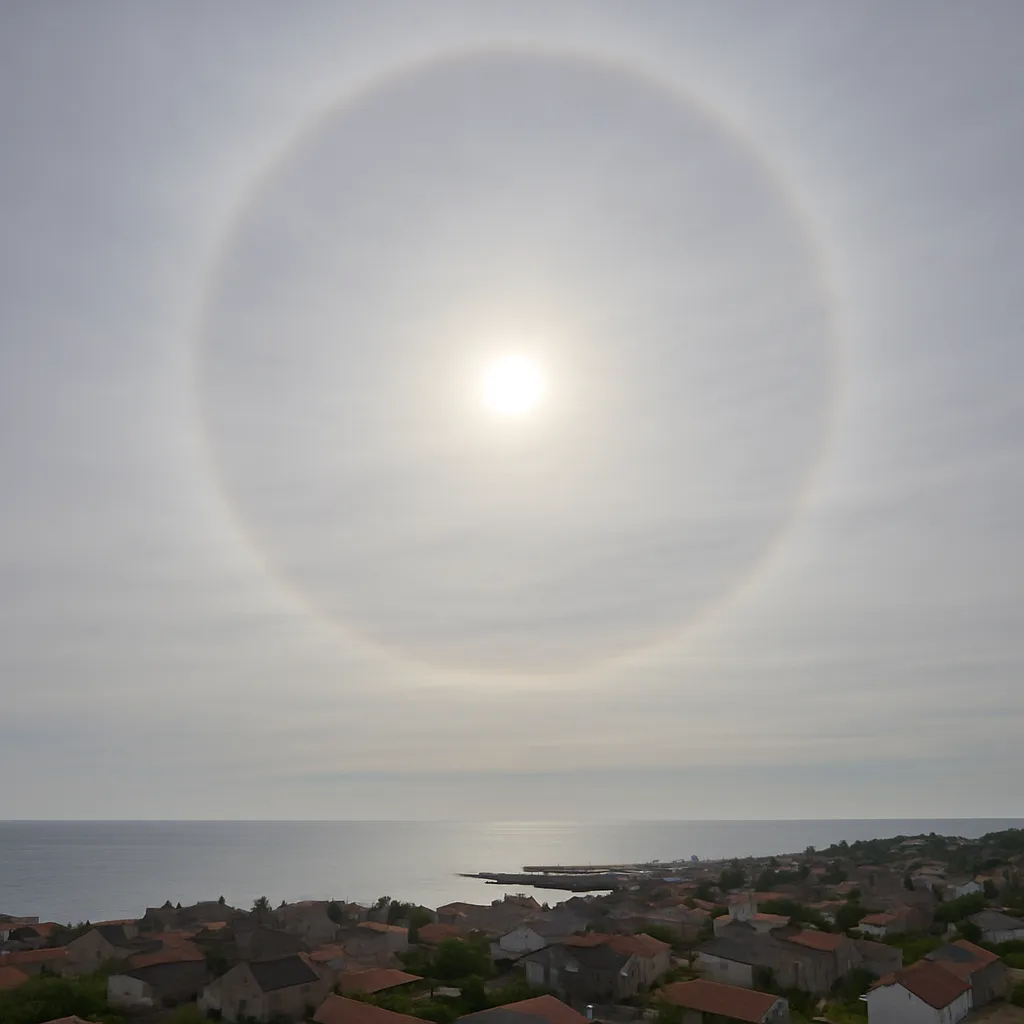
The photograph shows the whole sky above a coastal town at sunset. Which cloud type is shown?
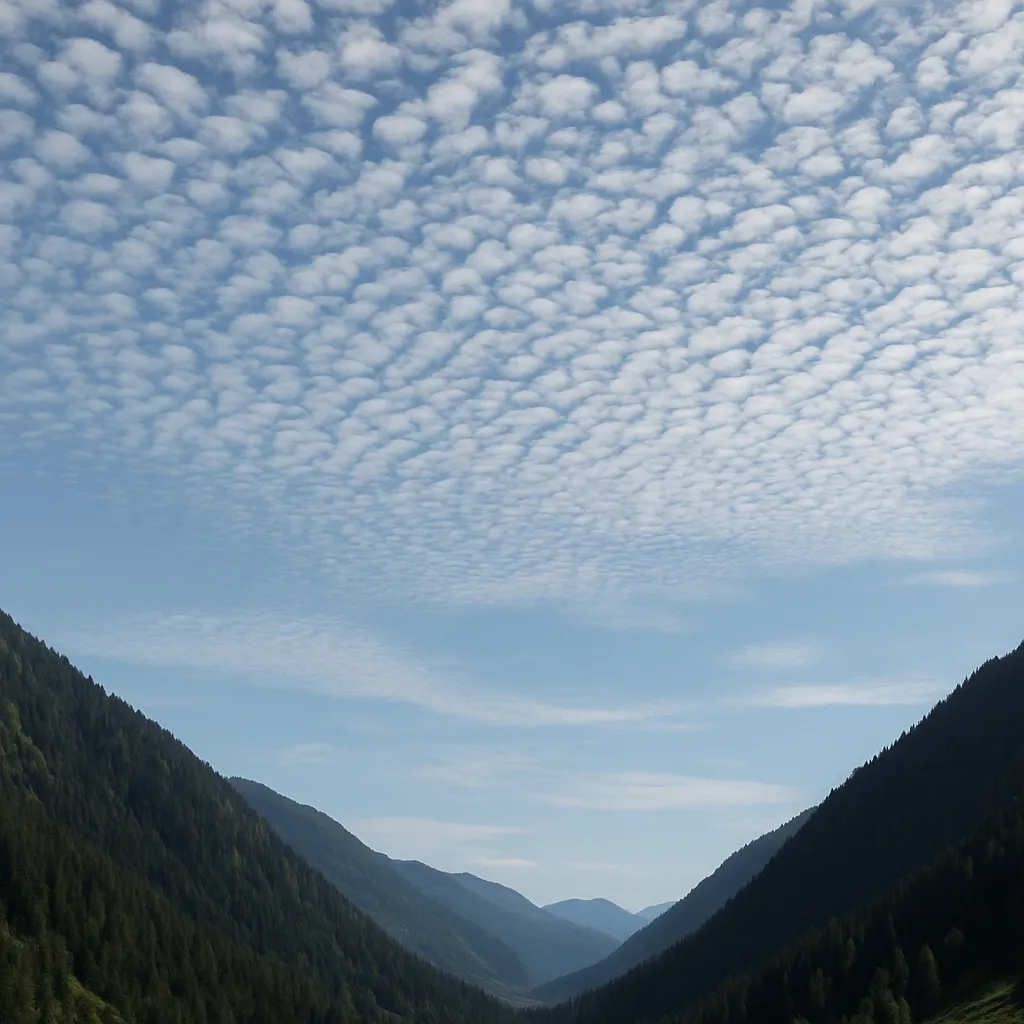
The photograph shows the whole sky above a mountain valley in the morning. Which cloud type is shown?
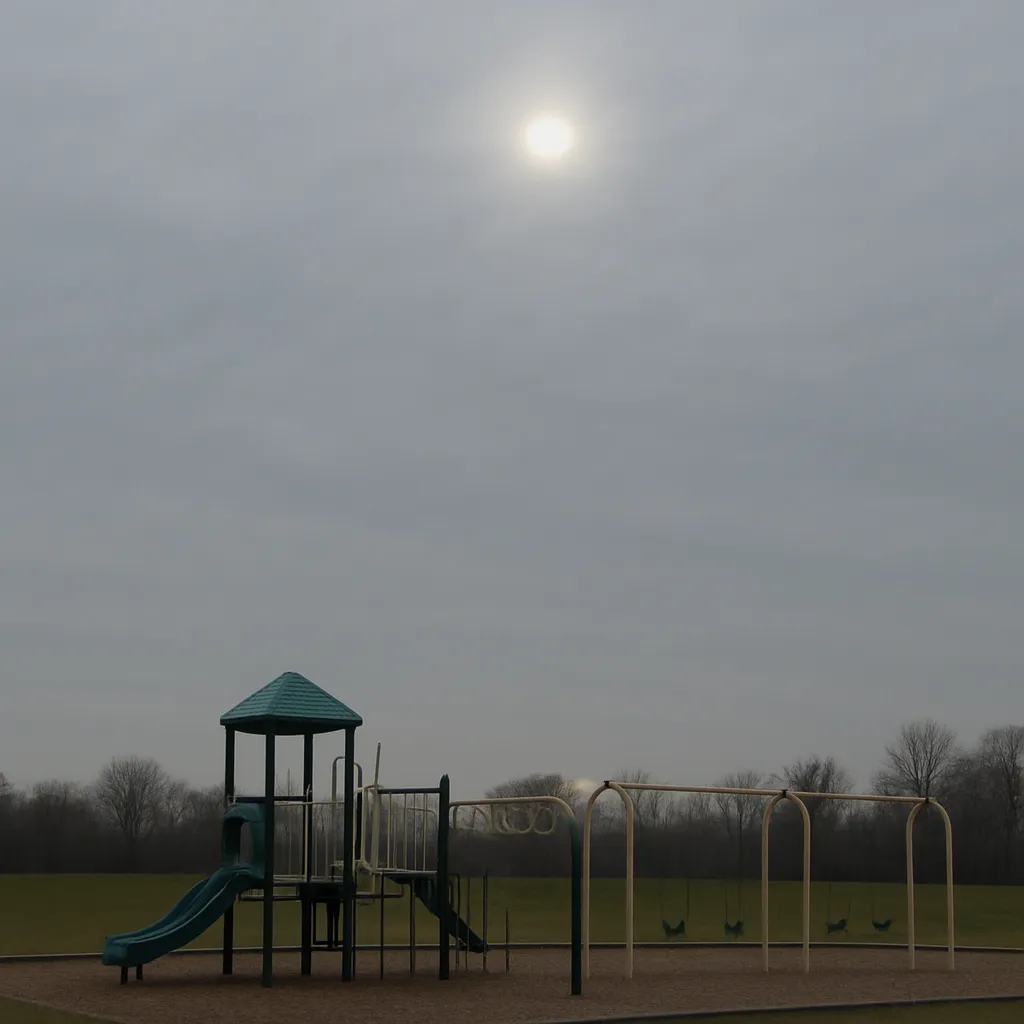
The photograph shows the whole sky above a school playground in the afternoon. Which cloud type is shown?
The photograph shows the whole sky above open ocean at dawn. Which cloud type is shown?
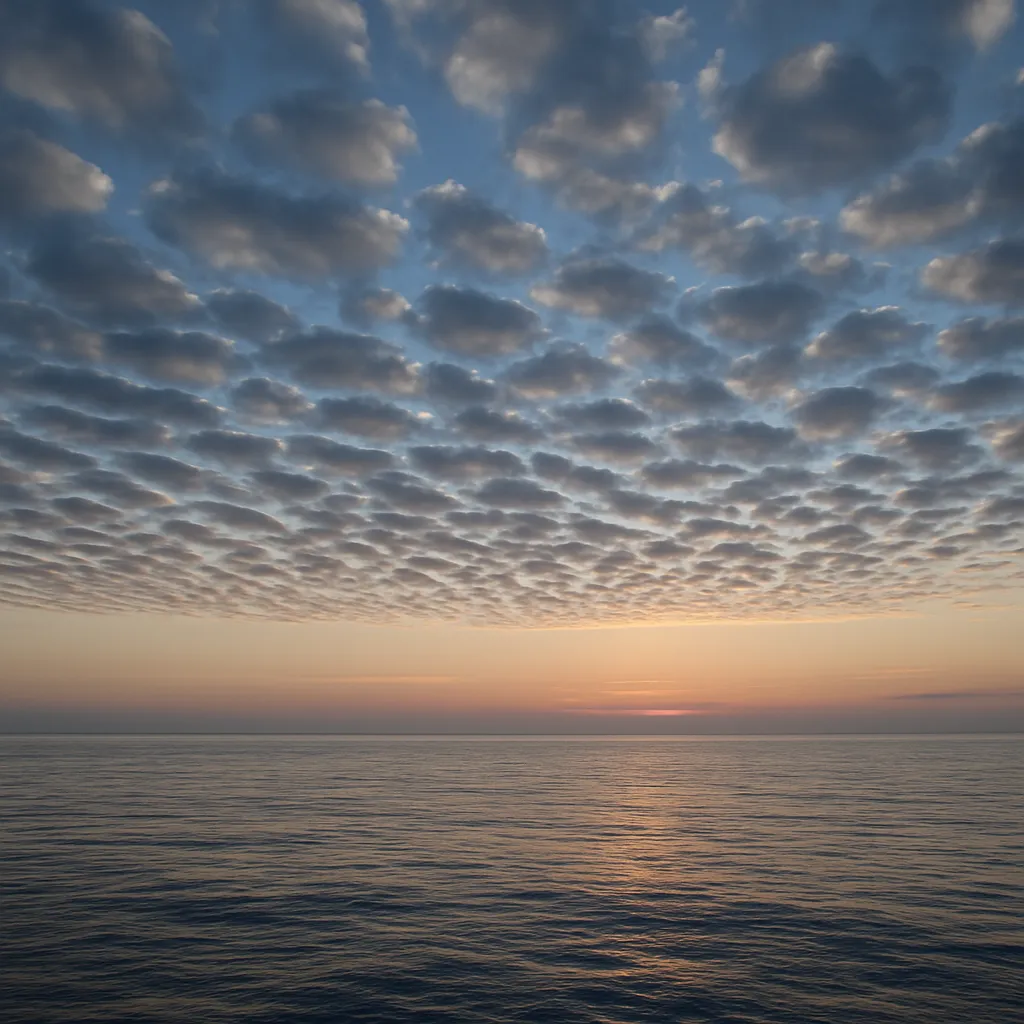
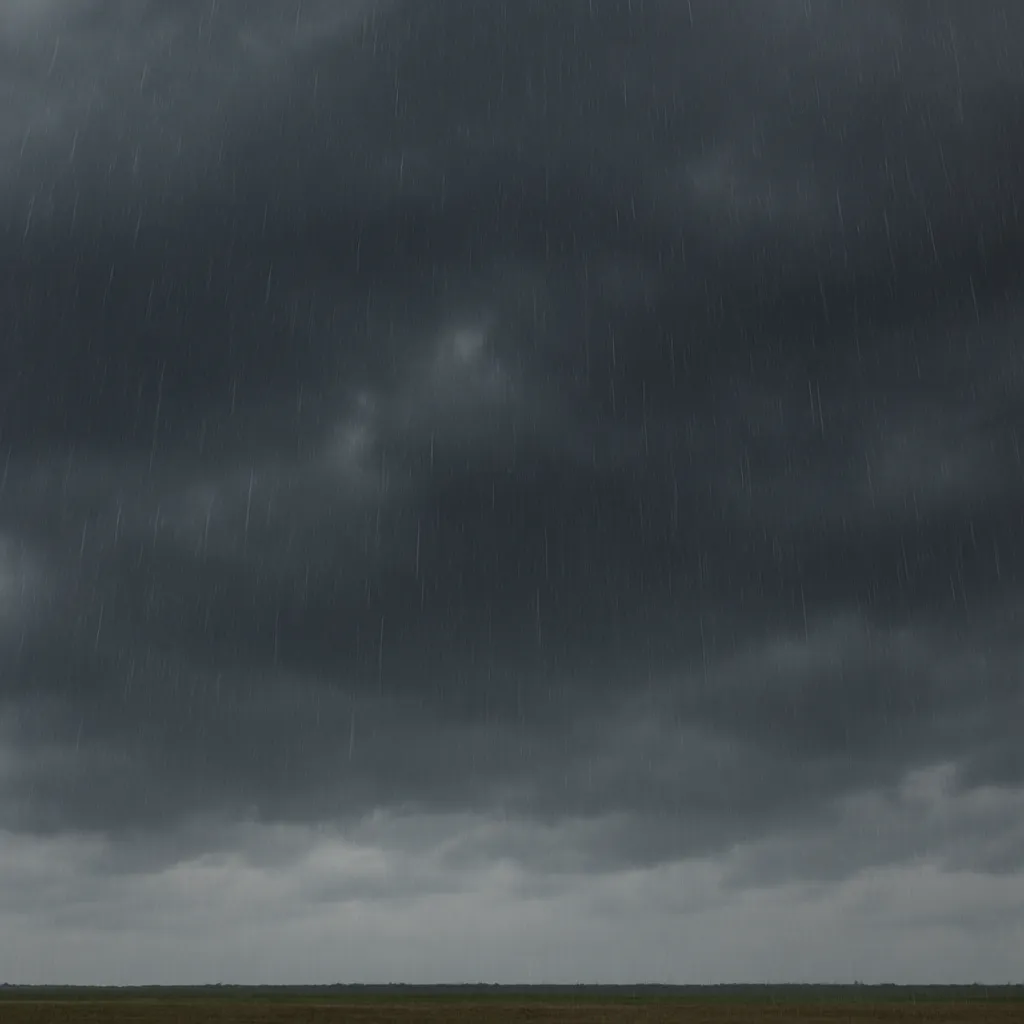
The photograph shows the whole sky above a city skyline before a storm. Which cloud type is shown?
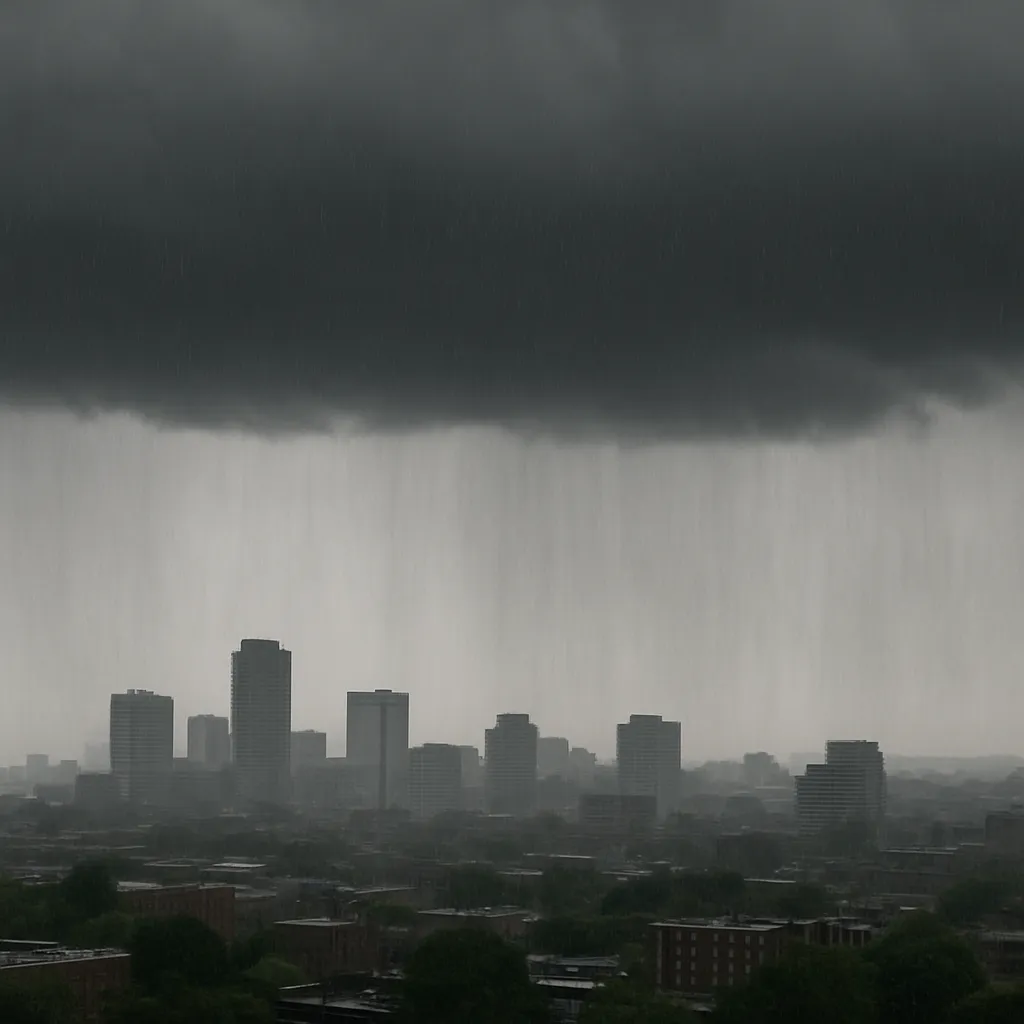
The photograph shows the whole sky above a highway on a spring afternoon, with no rain falling. Which cloud type is shown?
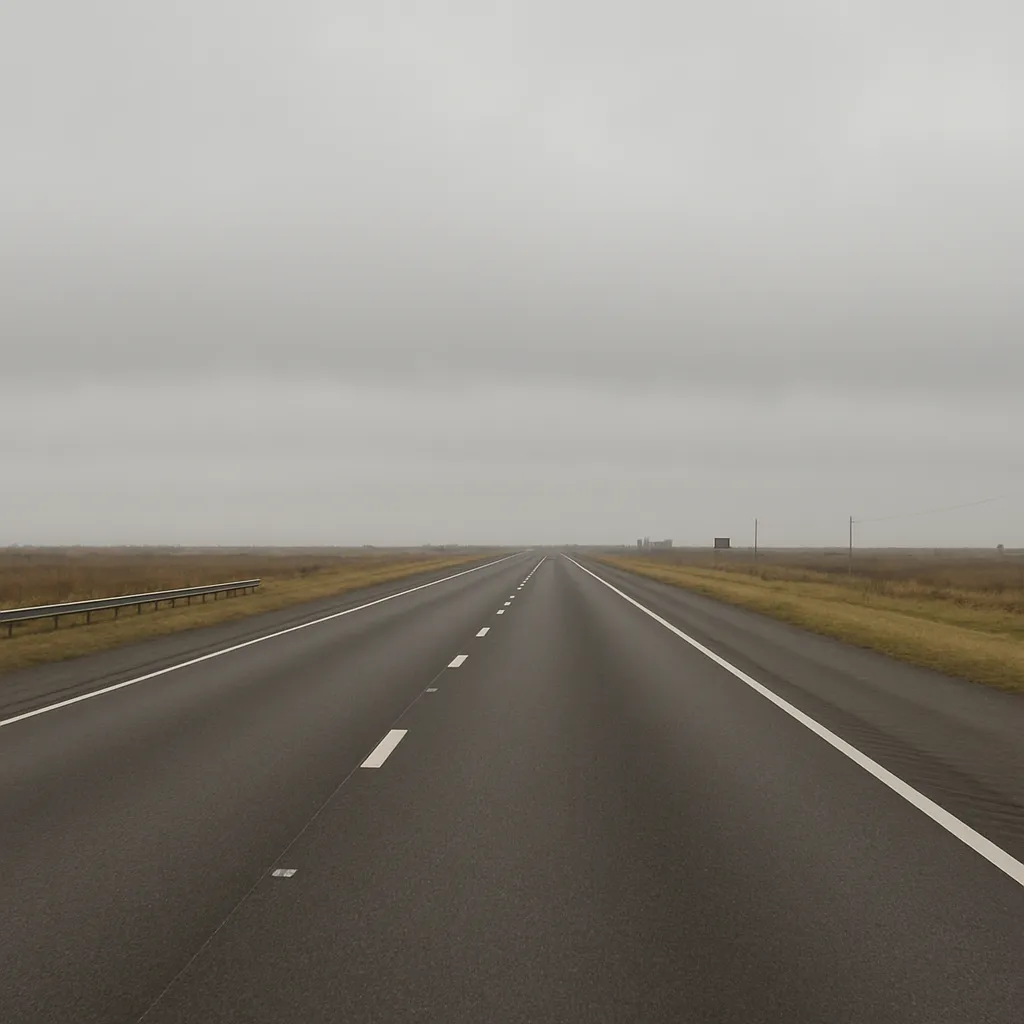
The photograph shows the whole sky above a lake shortly after sunrise. Which cloud type is shown?
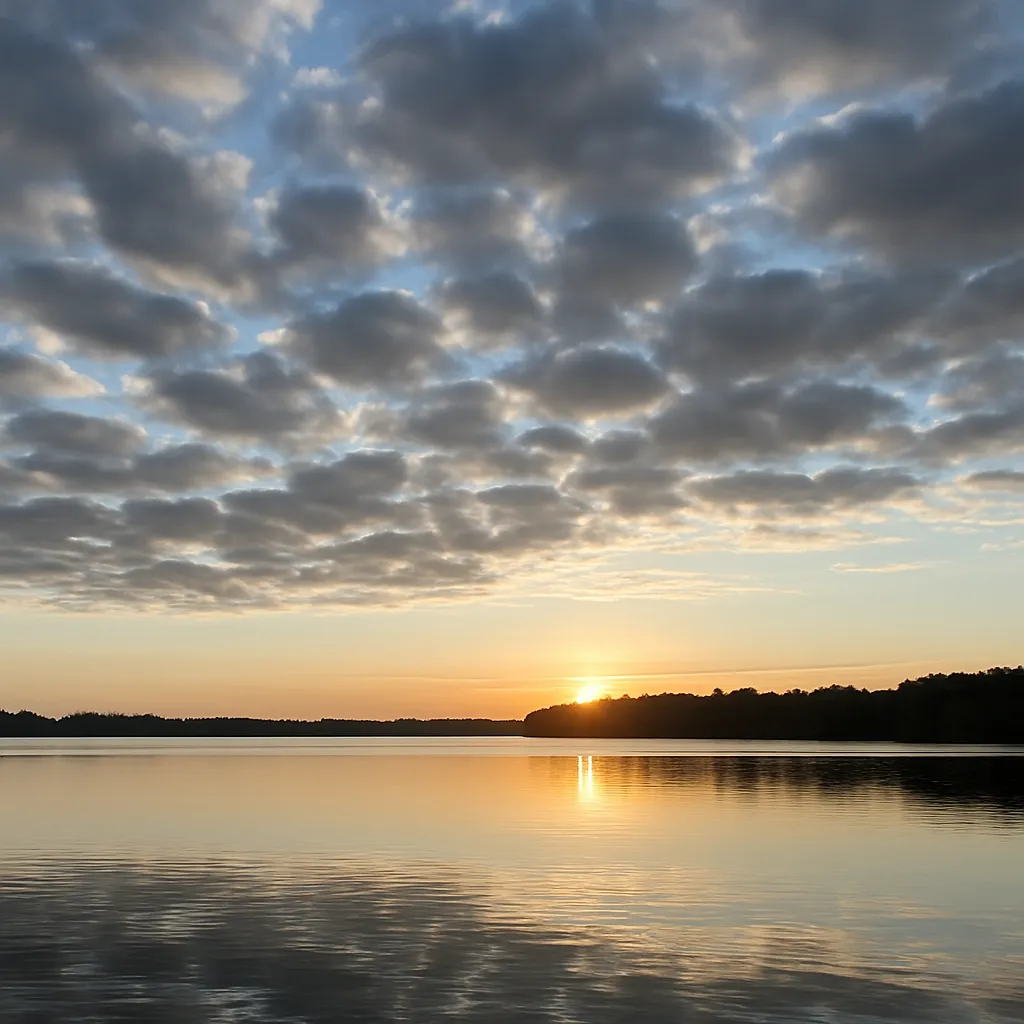
The photograph shows the whole sky above a desert at noon. Which cloud type is shown?
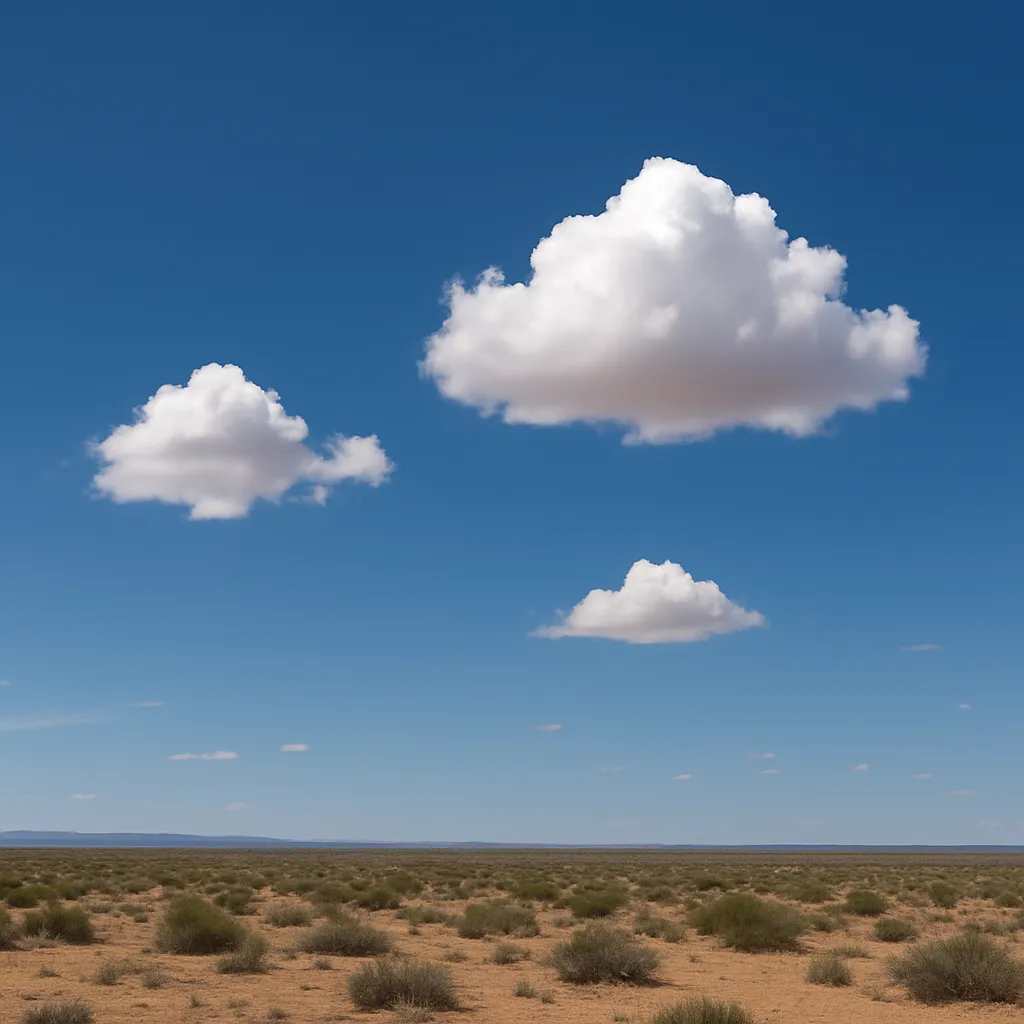
The photograph shows the whole sky above open plains, seen from a distance, before a storm. Which cloud type is shown?
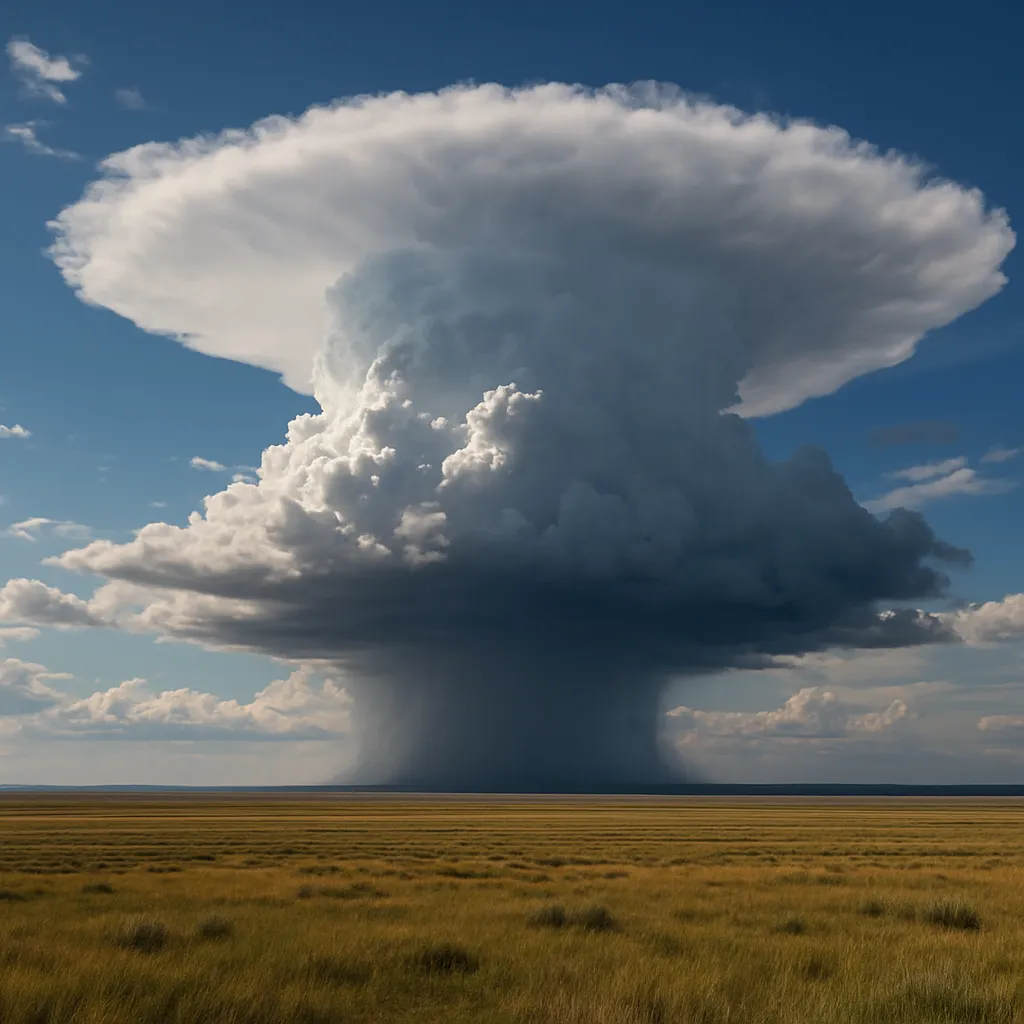
The photograph shows a flat, featureless gray layer over a forest in late afternoon, with no rain falling. What precipitation, if any, does this cloud usually produce?
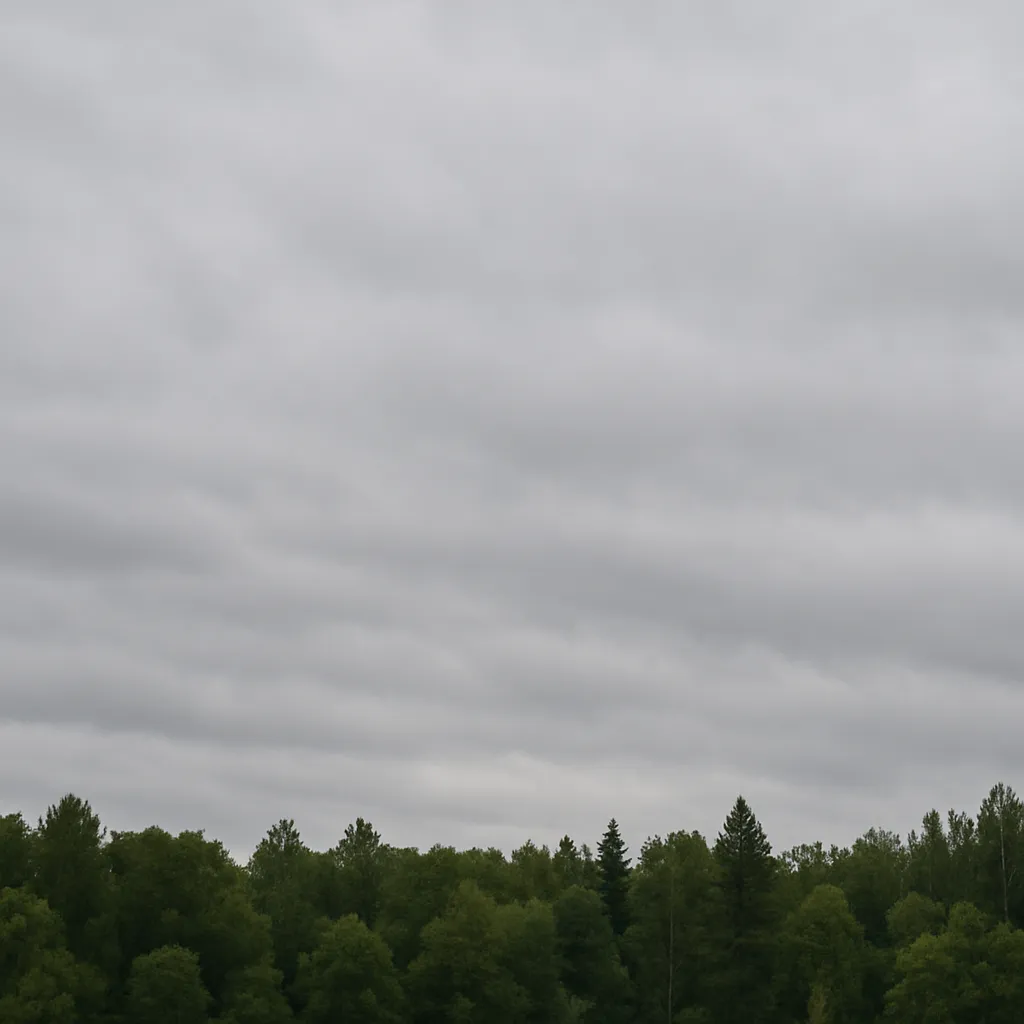
The photograph shows a close view of the flat, spreading top of a tall storm cloud rising above a stadium. Why does the top spread out flat instead of rising higher?
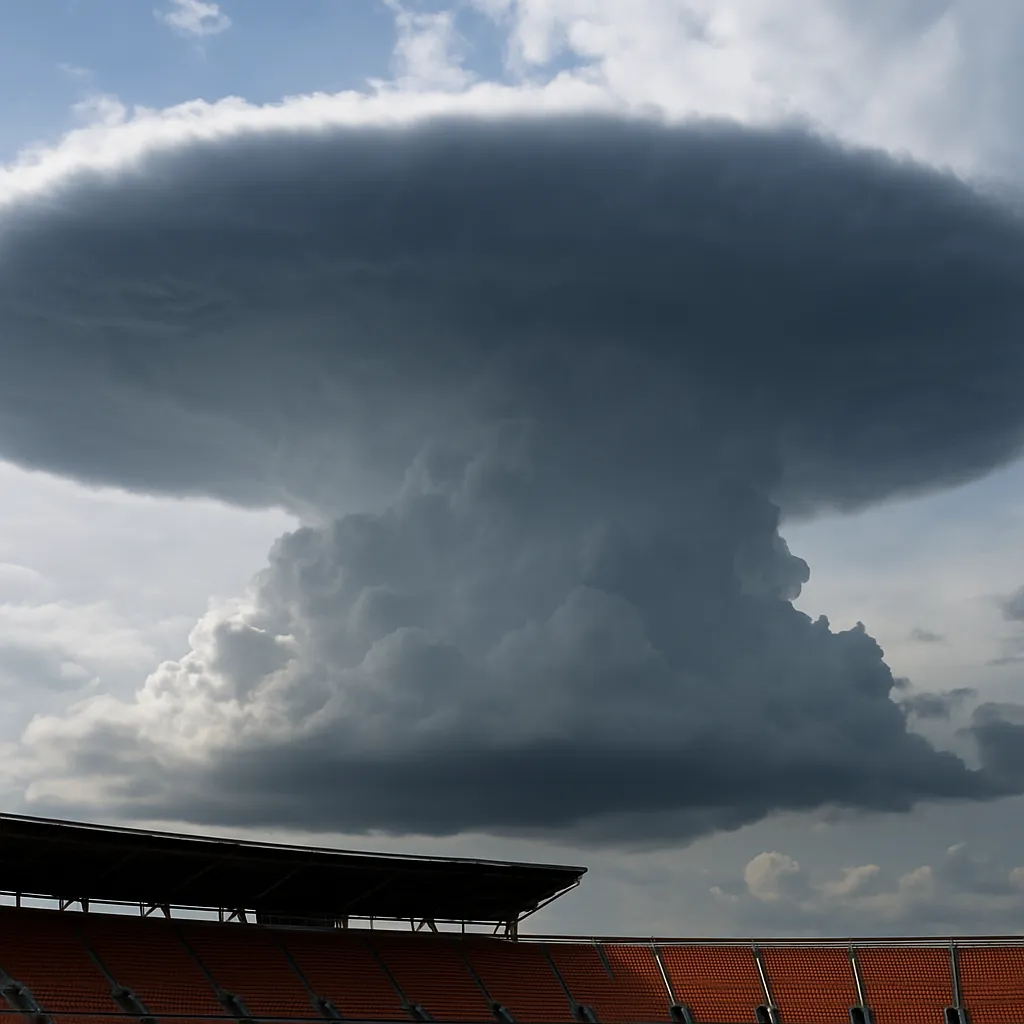
A meteorology student sees a cloud name spelled with the prefix cirro-. What does that prefix tell the student about the cloud's altitude?
An observer notes that a cloud's name uses the prefix alto-, as in altocumulus. What height band does that prefix indicate?
Stratus and stratocumulus carry no height prefix at all, unlike cirro- or alto- clouds. What altitude range does that low band cover?
A cumulonimbus cloud is described as a cloud of vertical development. What does that term mean about its height?
The root nimbo-, as in nimbostratus, appears in a cloud's name. What does this root tell an observer about the cloud?
Comparing a cloud named with the cirro- prefix to one named with no height prefix at all, like stratus, which one has the lower cloud base?
A parcel of air is forced upward and cools as it expands, with no heat exchanged with its surroundings. What is this cooling process called?
A rising parcel of humid air keeps cooling as it climbs. At what point does a cloud begin to form in that parcel?
A parcel of dry air at the surface is 24°C. It rises 1,500 meters and cools at the dry adiabatic rate of 10°C per 1,000 meters. What is its temperature at that altitude?
On a hot afternoon, air near the ground is heated unevenly and rises as individual bubbles of warm air. What is this lifting mechanism called?
Along a warm front, warm air rides up and over a retreating wedge of denser cold air ahead of it. What is this lifting mechanism called?
Two surface air masses flow toward each other from opposite directions and have nowhere to go but up where they meet. What is this lifting mechanism called?
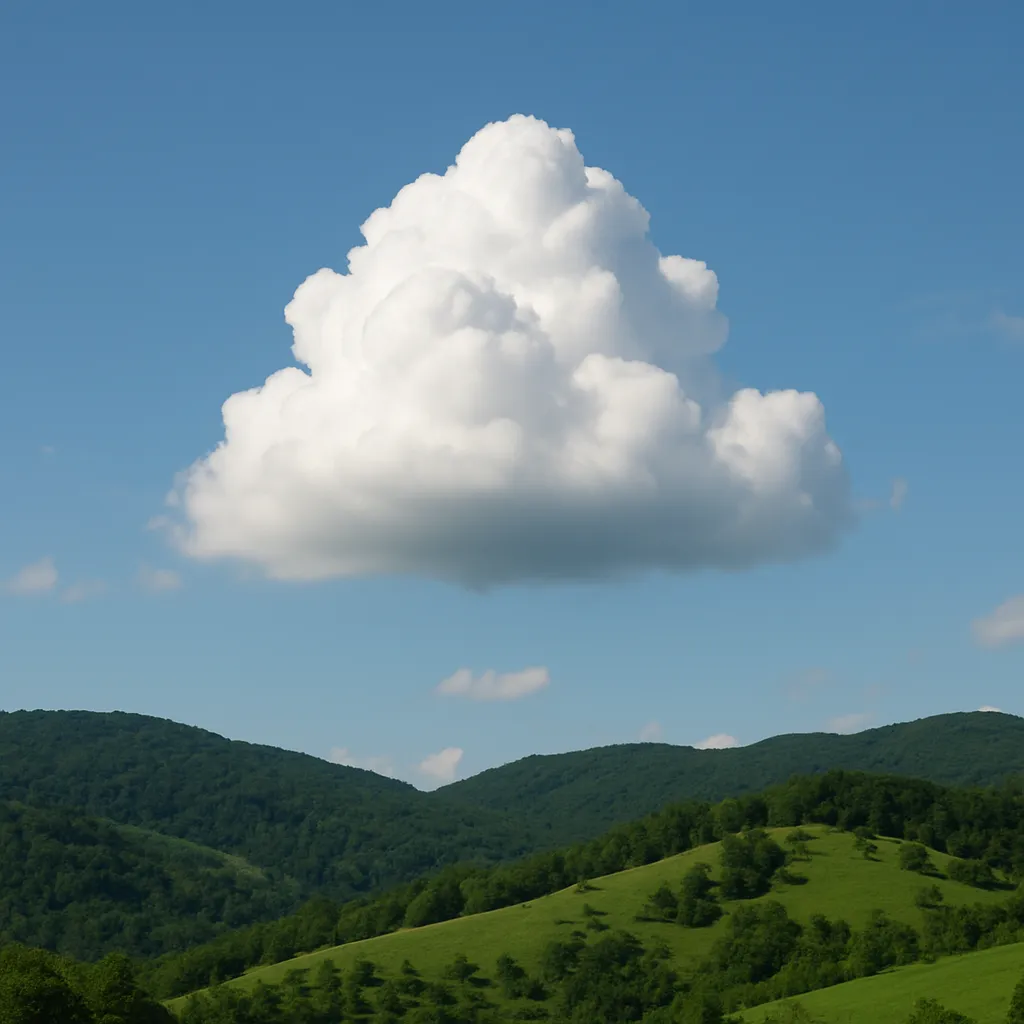
The photograph shows a single cumulus cloud over open hills, its top visibly growing taller within the same few minutes. What is happening to the rising air inside it?
Two rising air parcels start at the same temperature, but Parcel B has a lower dew point than Parcel A. Which parcel must rise higher before a cloud forms in it, and why?
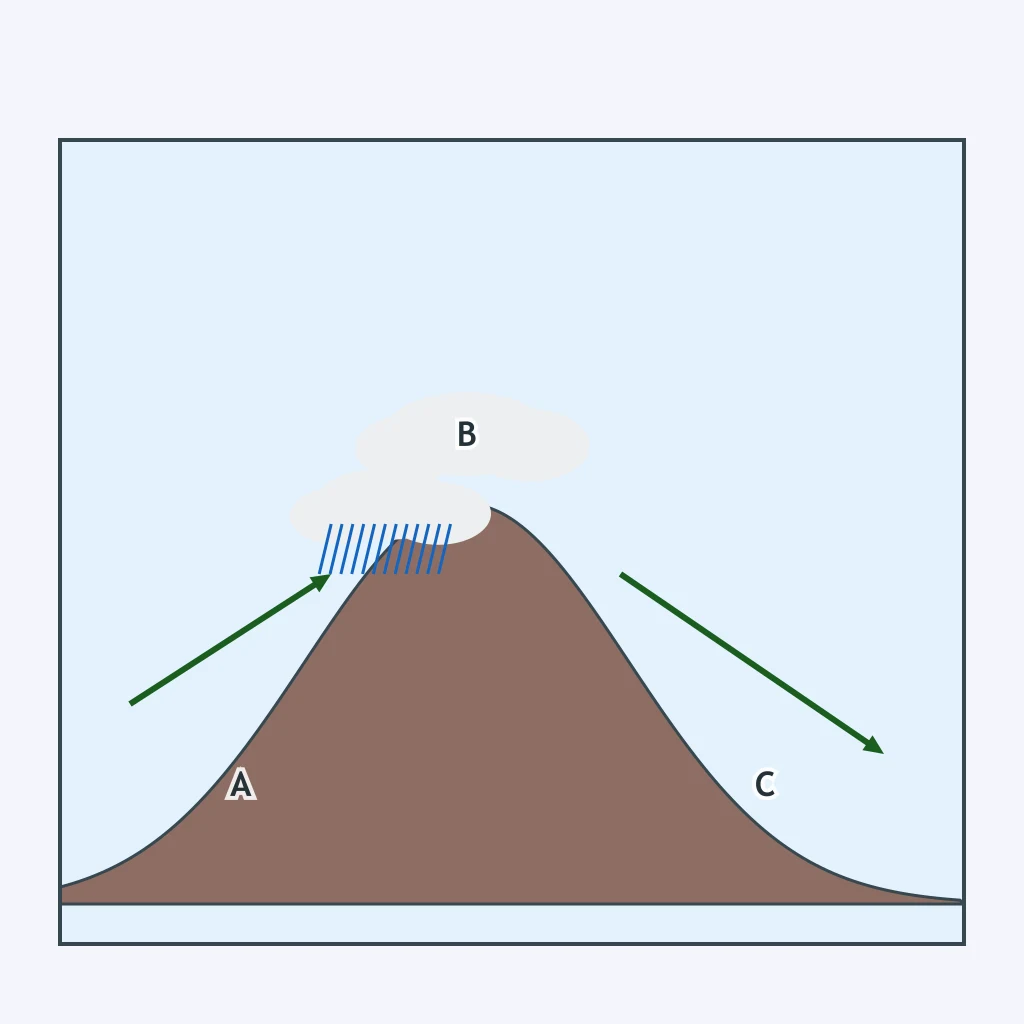
The cross section shows moist ocean air moving inland against a mountain range, lettered positions A, B and C from the ocean side to the far side. At which lettered position has the rising air cooled to its dew point?
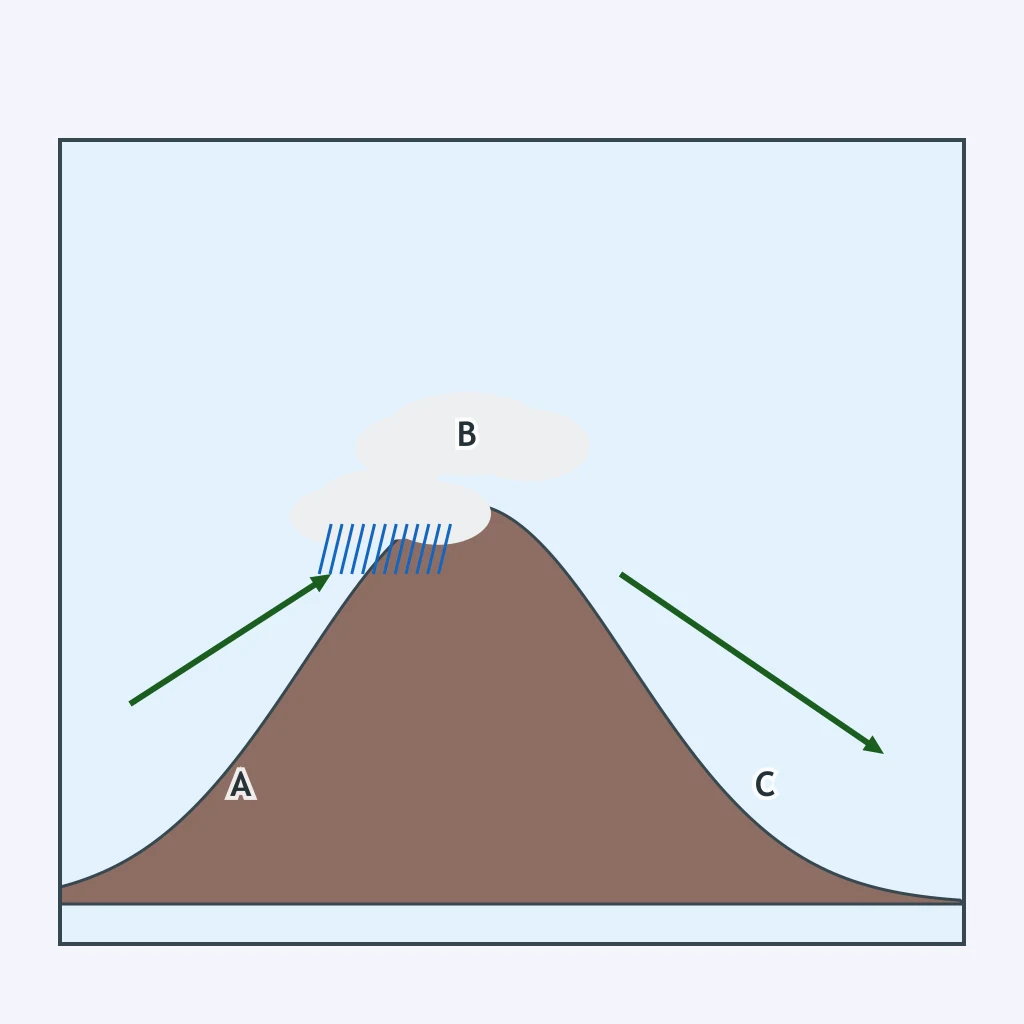
In the same cross section, at which lettered position is the driest air of the three found?
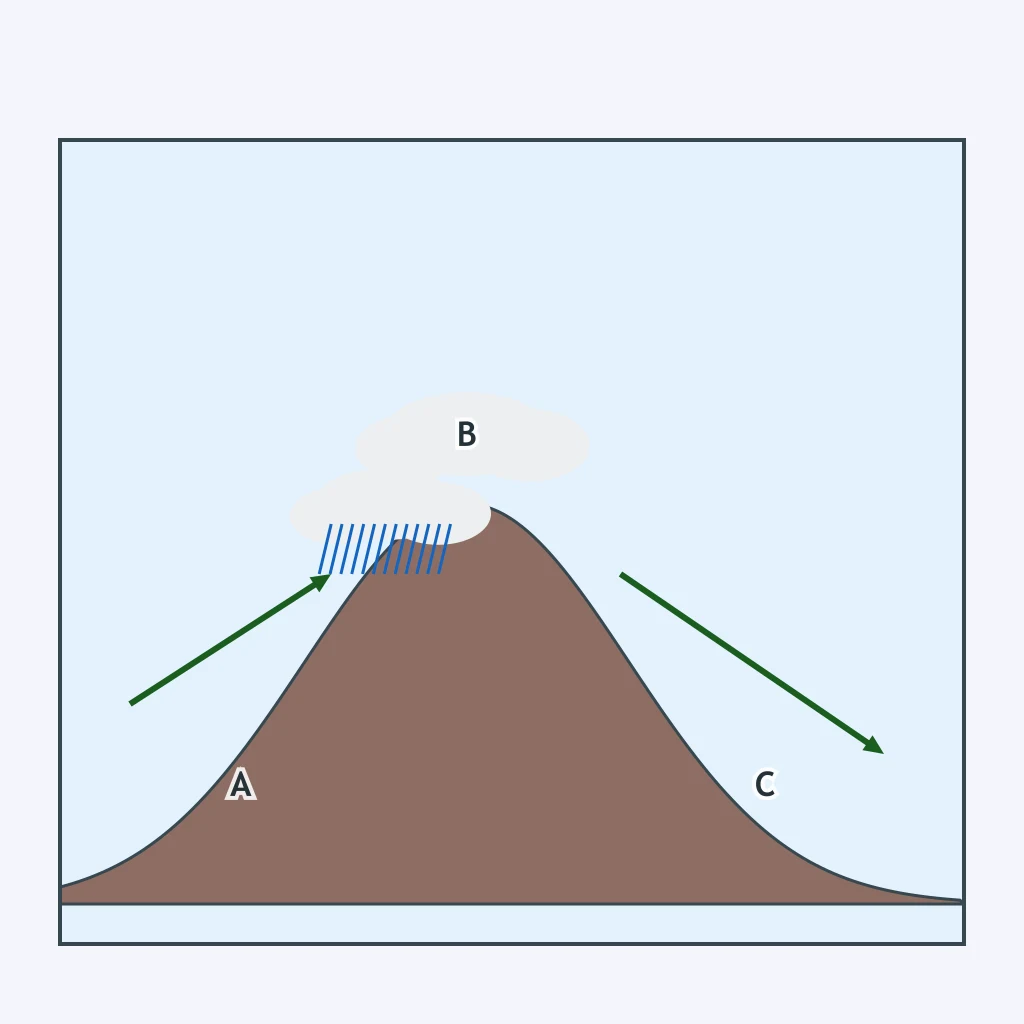
At which lettered position is the air still moist and not yet cooled to its dew point, about to begin rising up the windward slope?
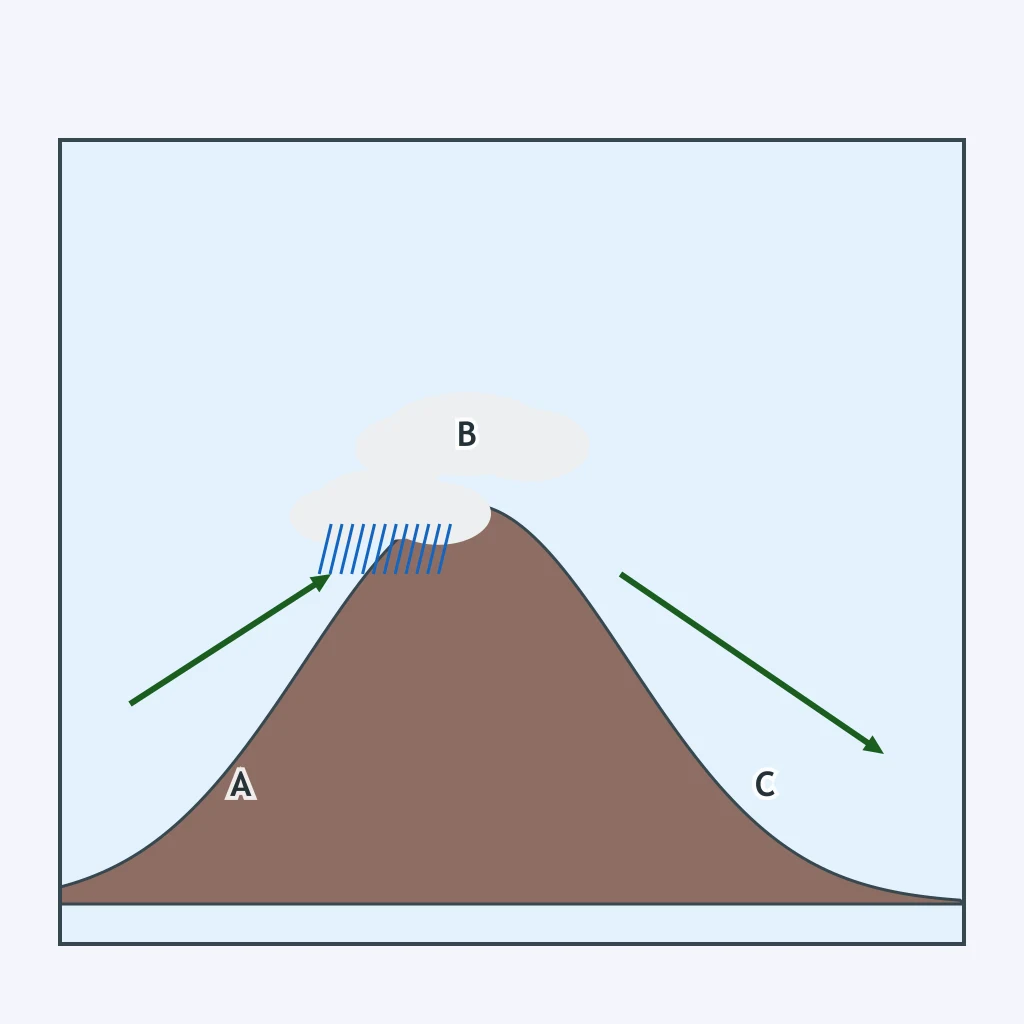
As the air in the cross section moves from position B down to position C, what happens to its temperature?
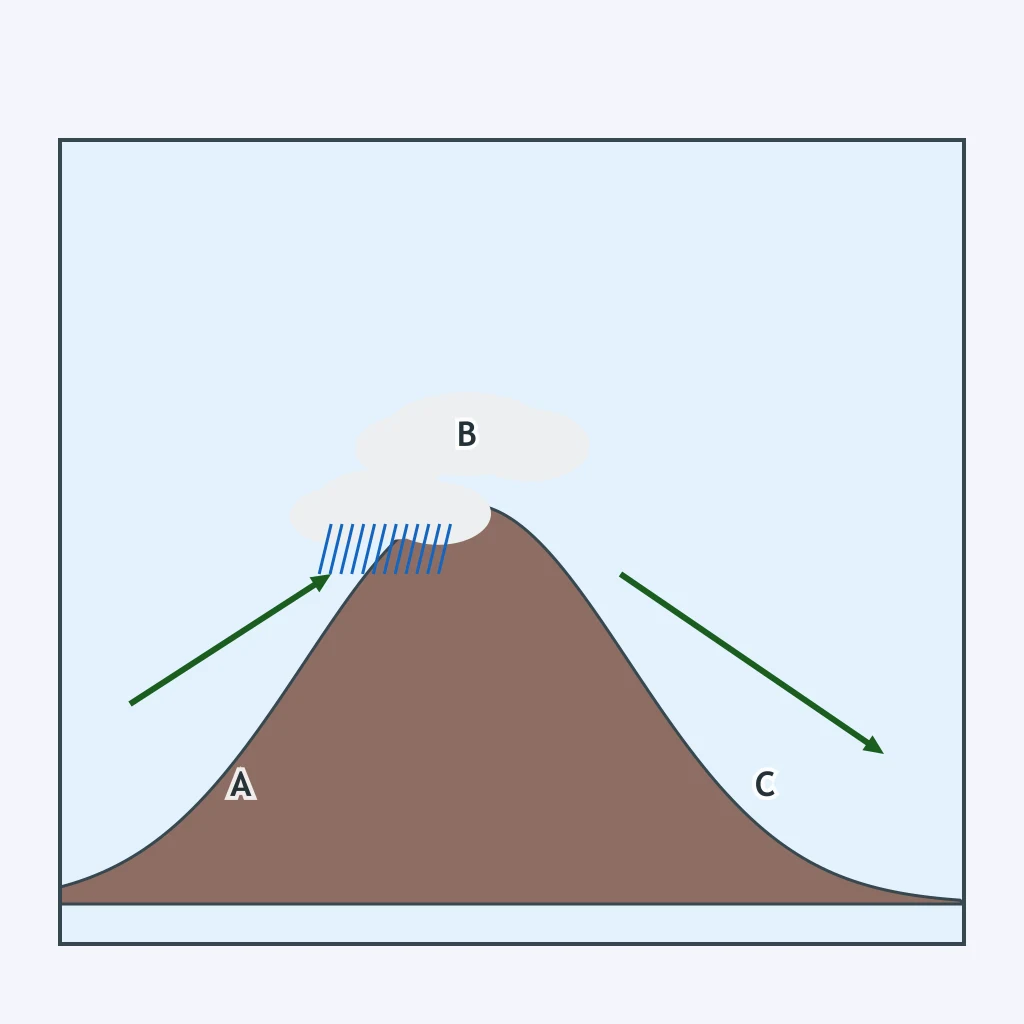
Why does no cloud form over position C in the cross section, even though air is present there?
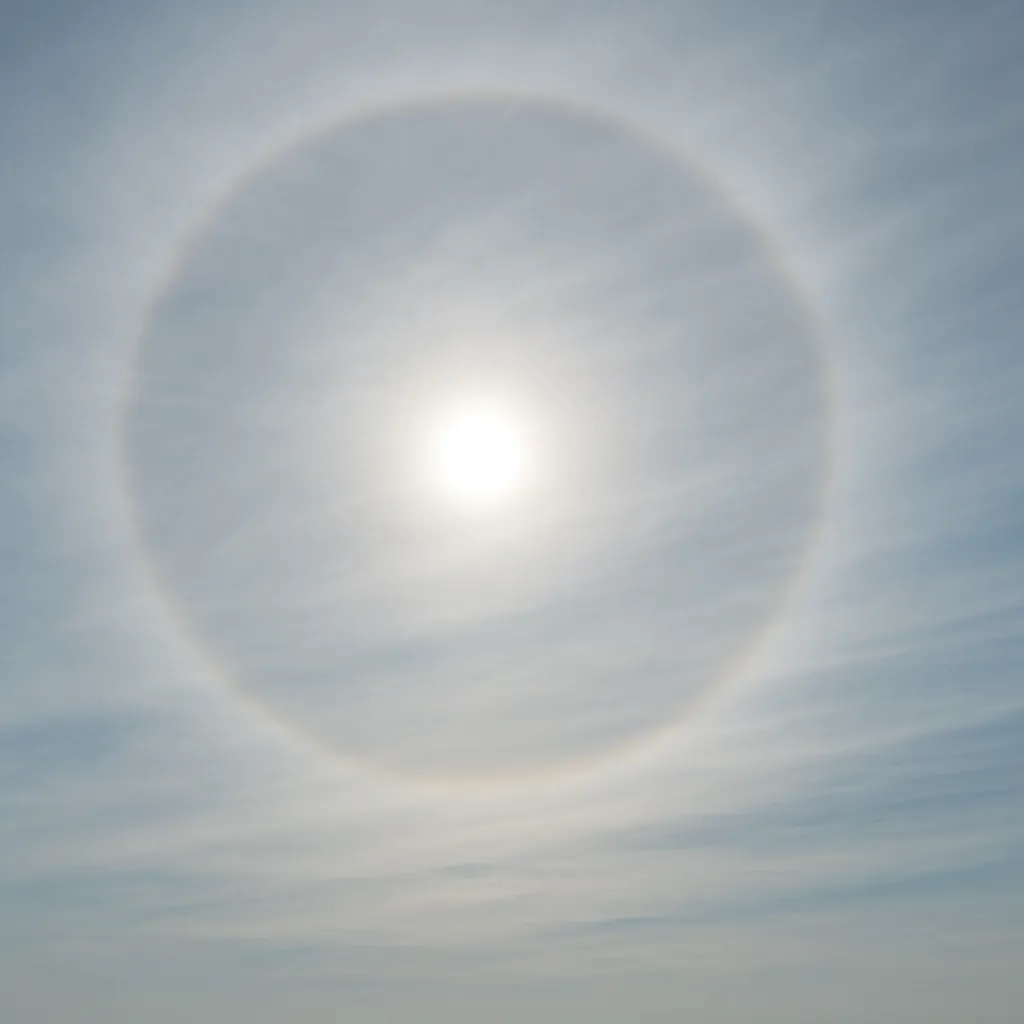
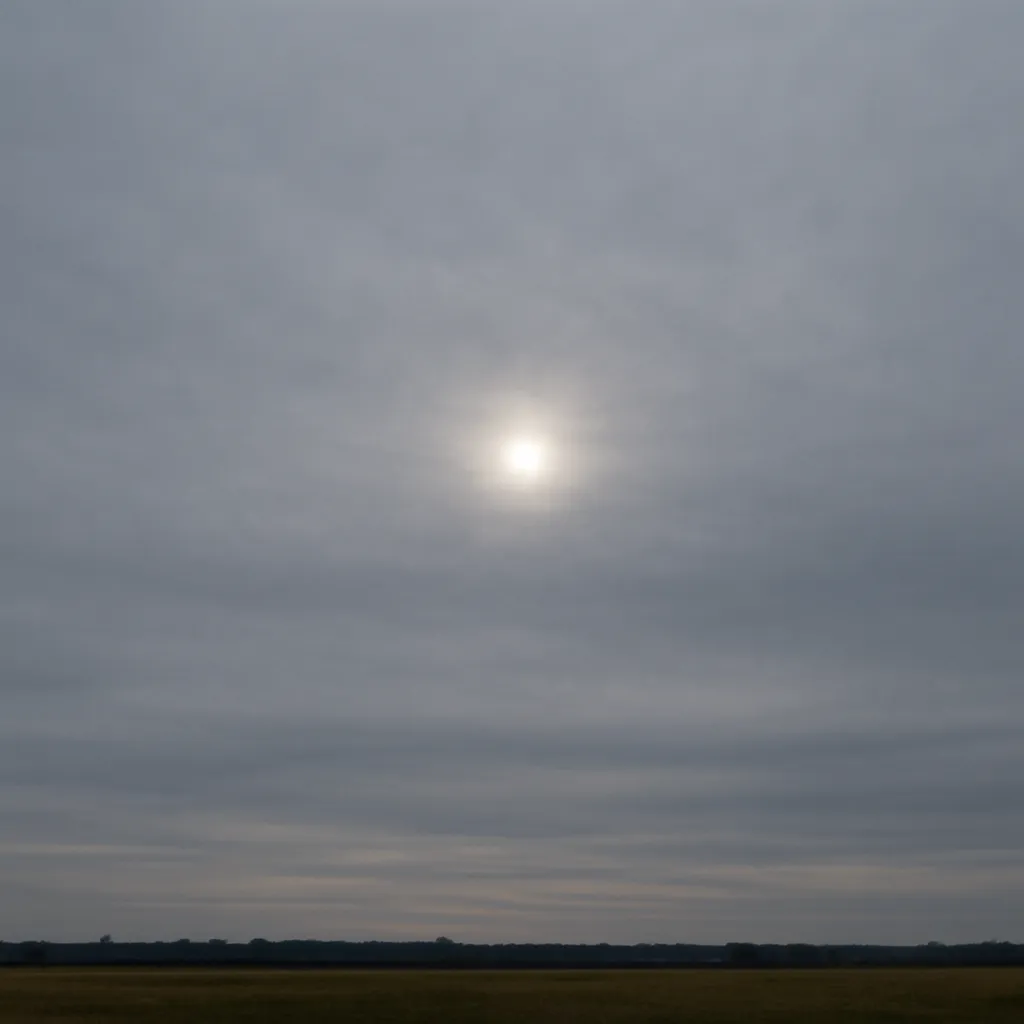
The photograph shows a thin, milky sky with a faint ring of light circling a dim sun. What does this sky usually signal about the weather over roughly the next day?
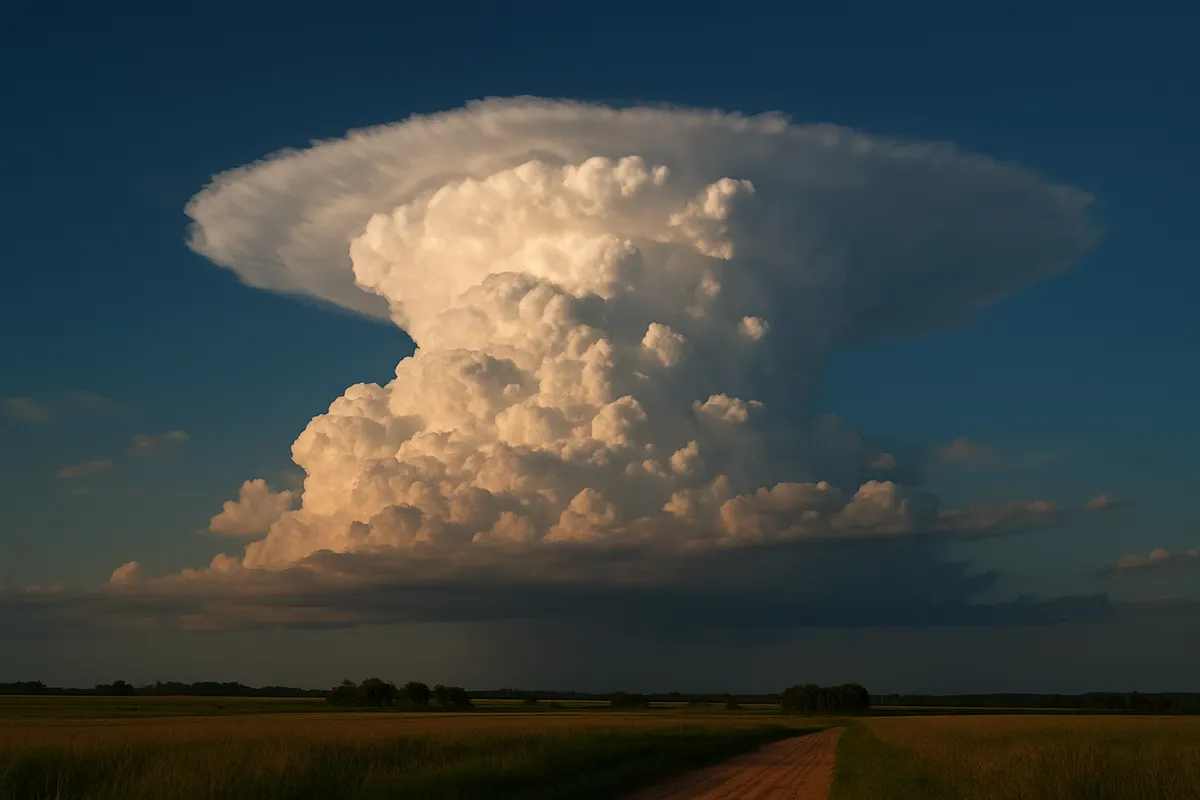
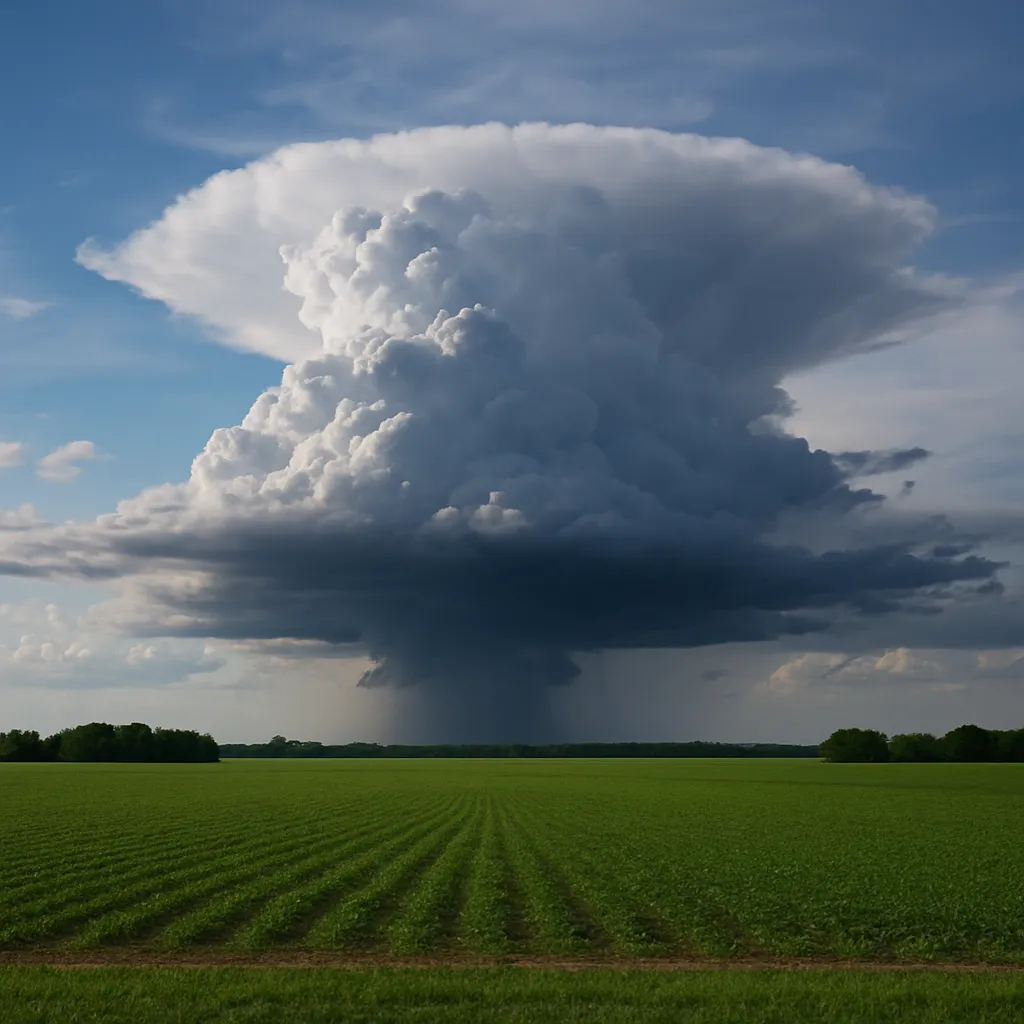
The photograph shows a towering dark cloud with a flat, spreading top reaching high into the sky above a field. What weather does this cloud typically bring within the hour?
The photograph shows a thick, dark gray layer covering the whole sky, with no individual cloud shapes visible. What kind of precipitation does this cloud typically produce?
The photograph shows scattered, isolated puffy white clouds with flat bases and blue sky between them. What does this sky usually indicate about the next few hours?

The photograph shows a gray-blue sheet covering the whole sky, thick enough that the sun appears only as a faint, hazy disc with no halo. What does this sky usually signal?
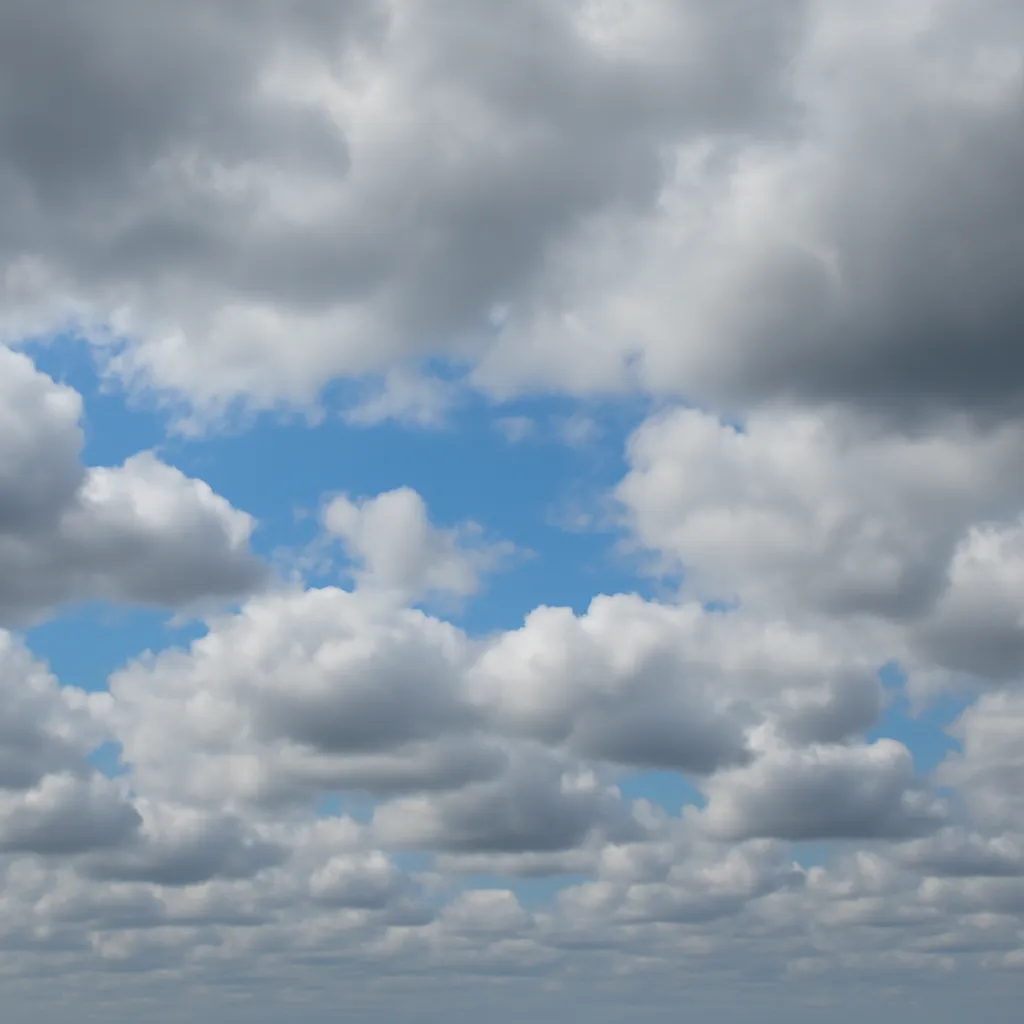
The photograph shows a loose layer of lumpy gray and white cloud masses with patches of blue sky visible between them. What does this sky usually indicate about precipitation?
A sealed, dust-free chamber holding humid air is cooled well below its dew point, and no cloud forms inside it. What does this result show about cloud formation in the atmosphere?
Real atmospheric air almost always contains tiny particles of dust, sea salt, and smoke suspended in it. What role do these particles play when a rising parcel of air cools to its dew point?
Two humid air parcels reach the same dew point temperature. Parcel X contains abundant dust particles; Parcel Y contains almost none. In which parcel does a cloud form more readily, and why?
Crack the passcode before the zombies get in.
Answer, then swat bugs for bonus points.
Race through questions at your own speed.
Same question on every screen. Fastest wins.

Pick a tile, answer, hit bonuses and steals.
Moisture and Clouds Review
40 questions