Loading
by BlastRoom
A review bank covering volcano types, magma and lava behavior, and volcanic hazards, drawn from the unit's canonical examples.
#earth_space_science
40 questions
One question set, multiple game modes. Tap any game to see it in action. Not sure which to pick?
Answer to place stones and capture territory.
Outrun the snow together.
Earn blasts, then hunt the other team.
Answer to earn energy, then climb.

The class blasts through walls together.
Bid on mystery lots. Most money wins.
Sell tours. Nice, standard, or a total scam.

Answer, restock, and serve the rush.
More correct answers pulls the rope your way.
Answer, then shoot down the alien wave.
Answer, then tap to leap the frozen ridge.
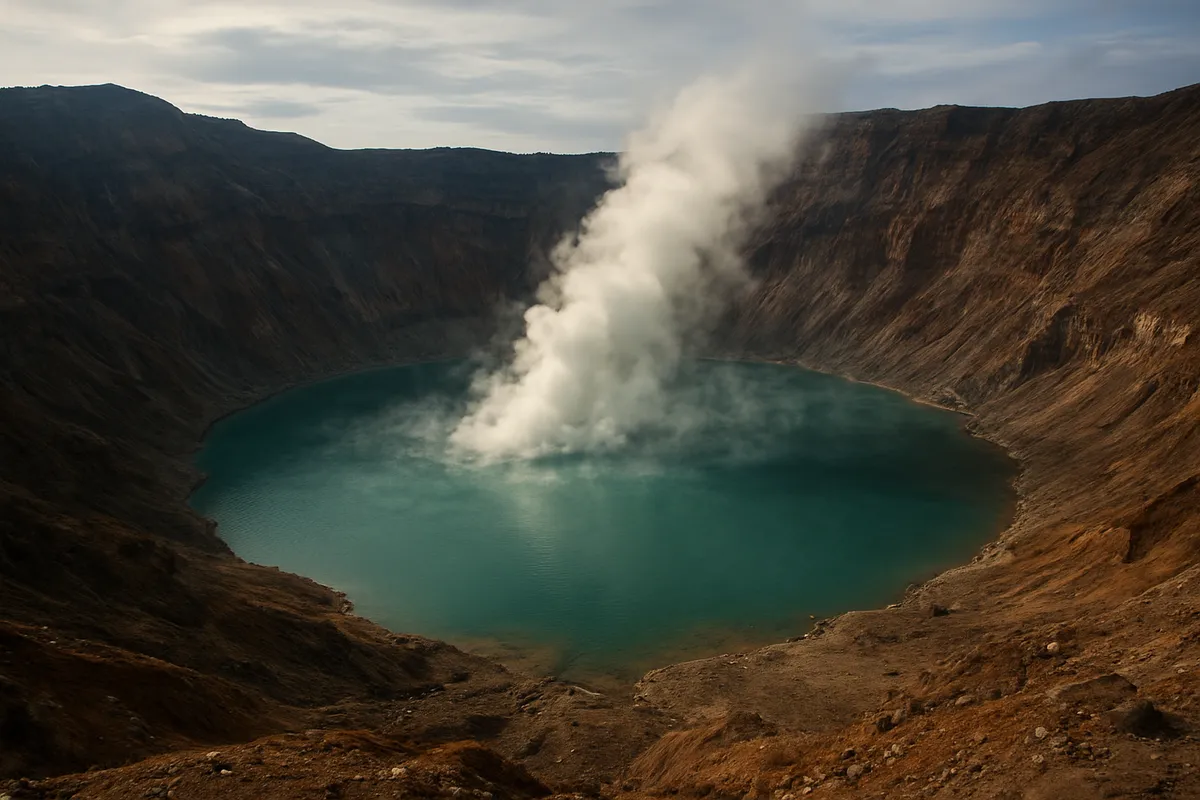
Mauna Loa in Hawaii is the largest active volcano on Earth, rising as a broad, gently sloped dome built almost entirely from fluid lava flows. Which type of volcano is it?
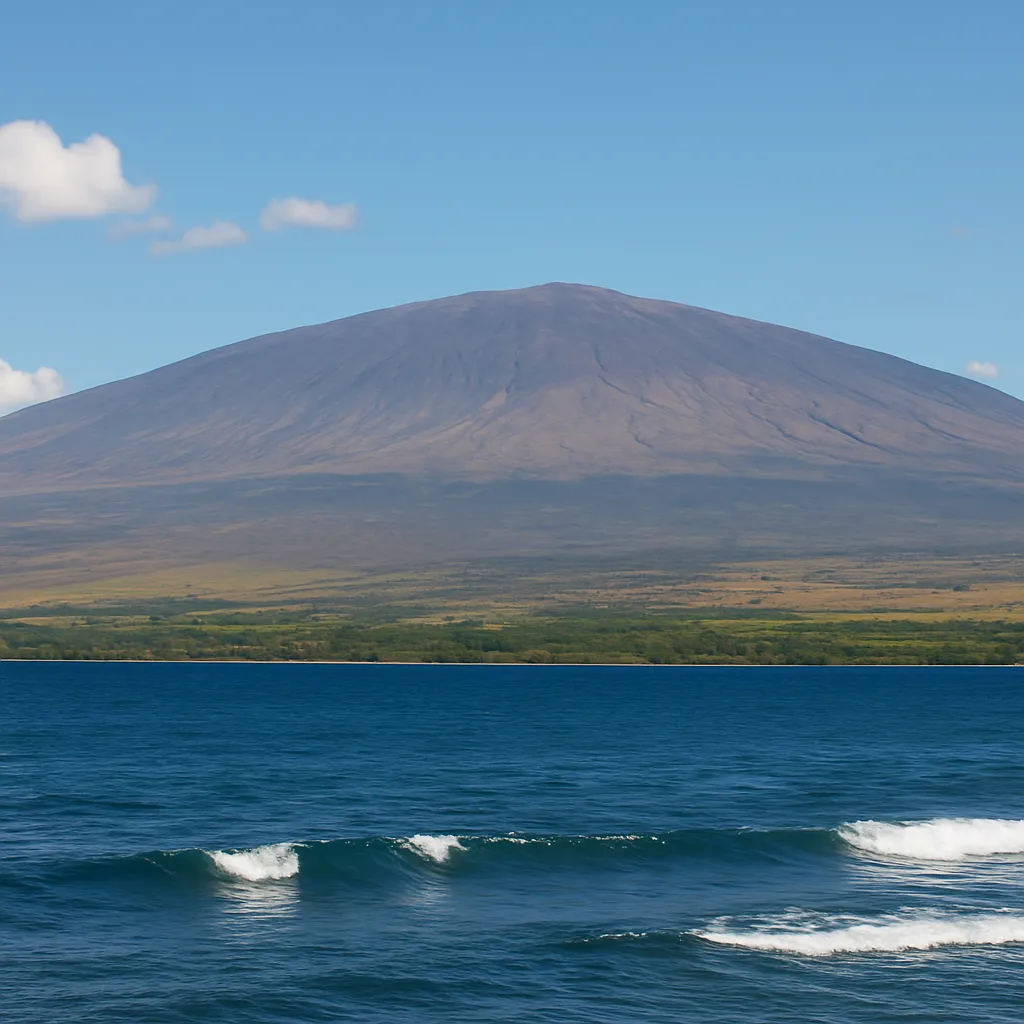
Kilauea on the Big Island of Hawaii has erupted almost continuously for decades, building a low, broad dome of solidified basaltic lava with very gentle slopes. Which type of volcano is it?
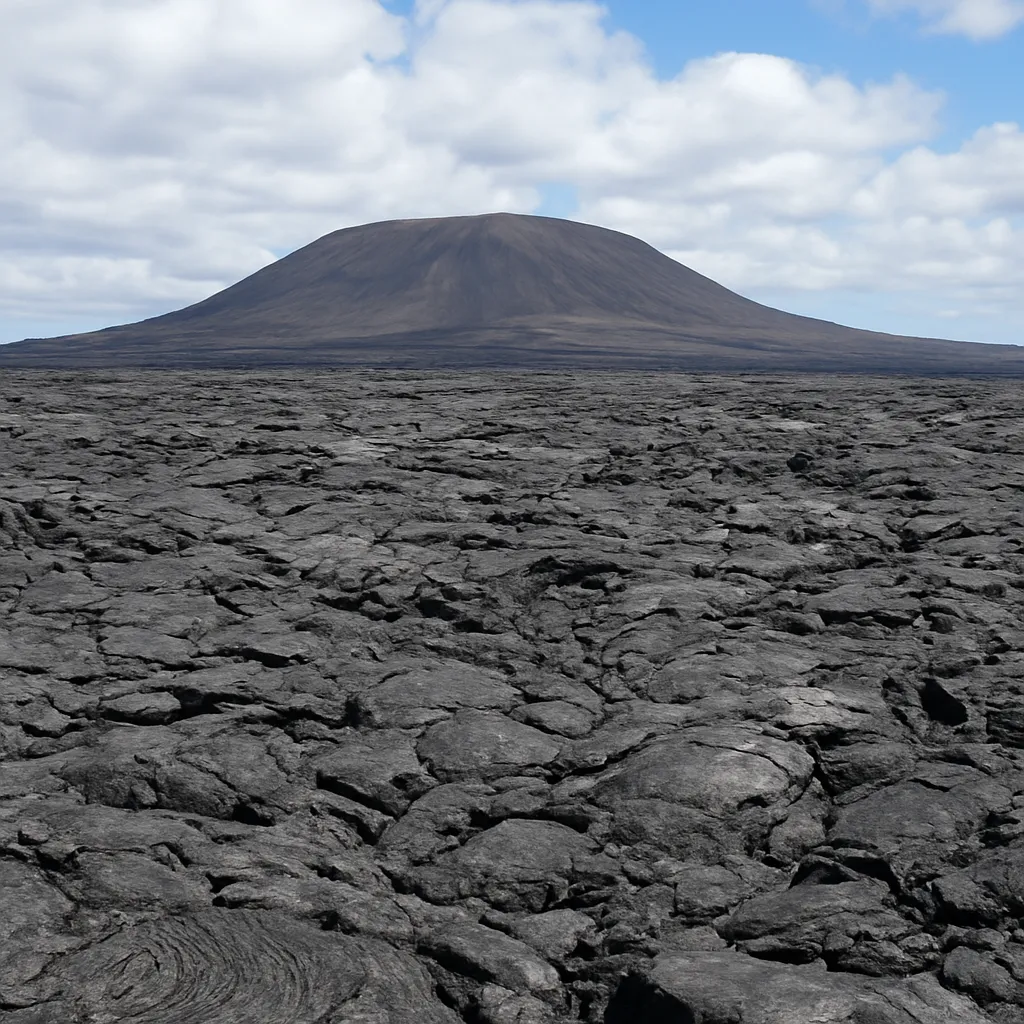
Mount Fuji rises as a steep, symmetrical cone built of alternating lava flows and layers of ash and cinders. Which type of volcano is it?
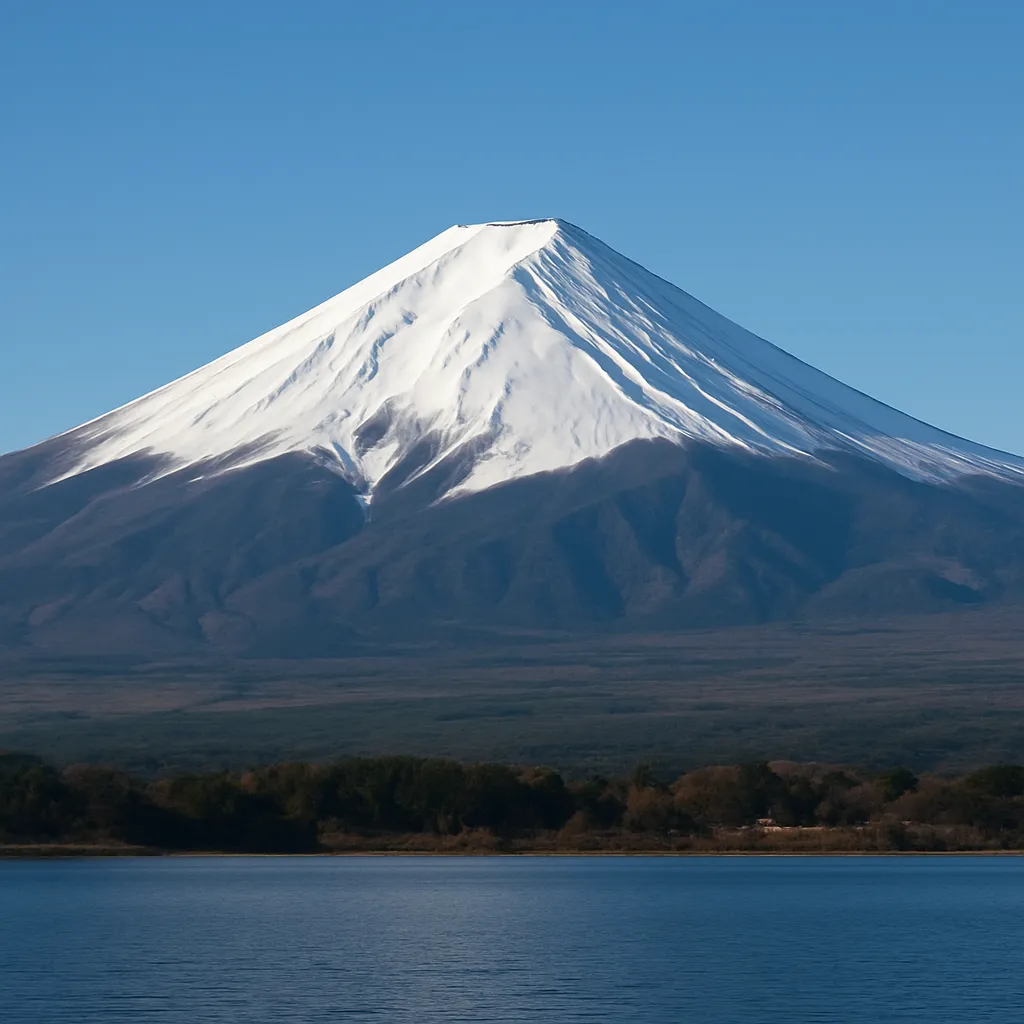
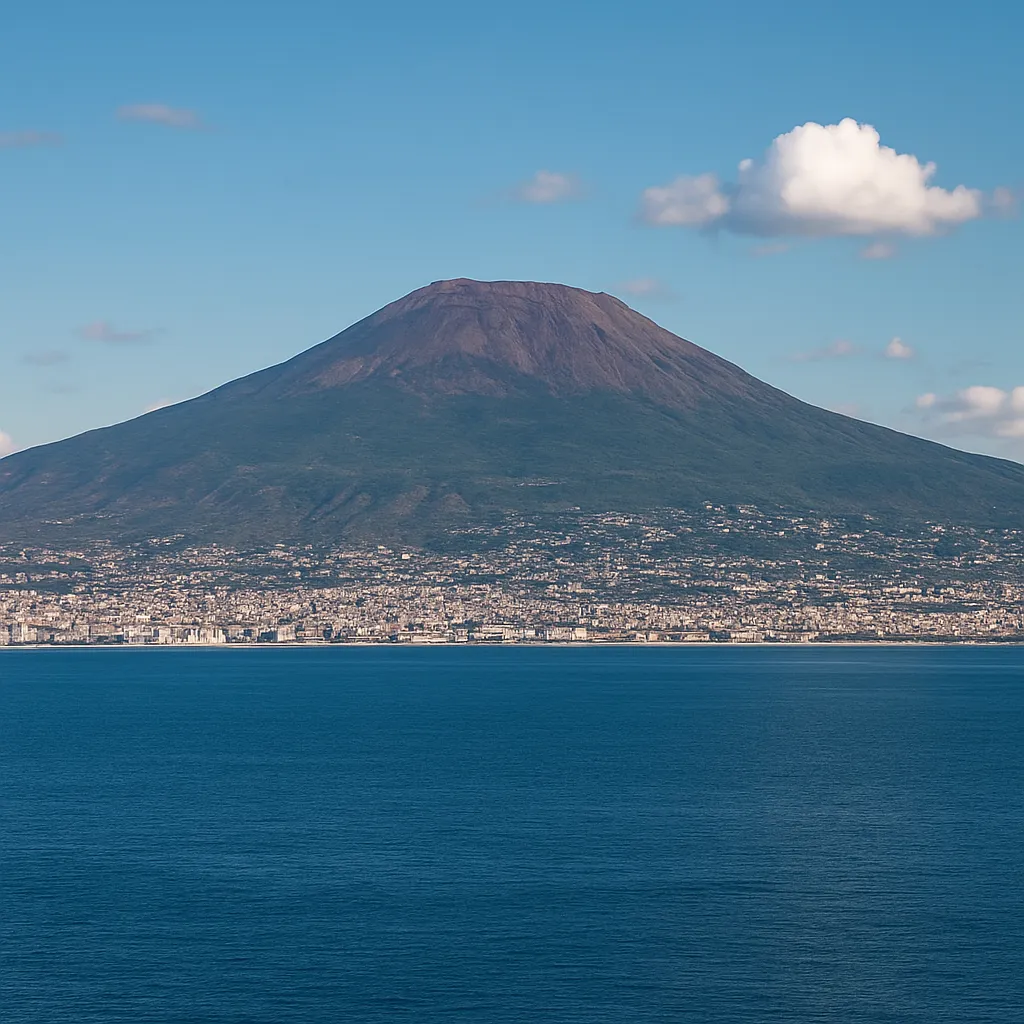
Mount Vesuvius near Naples, Italy, is a steep-sided cone built from alternating explosive ash falls and lava flows over thousands of years. Which type of volcano is it?
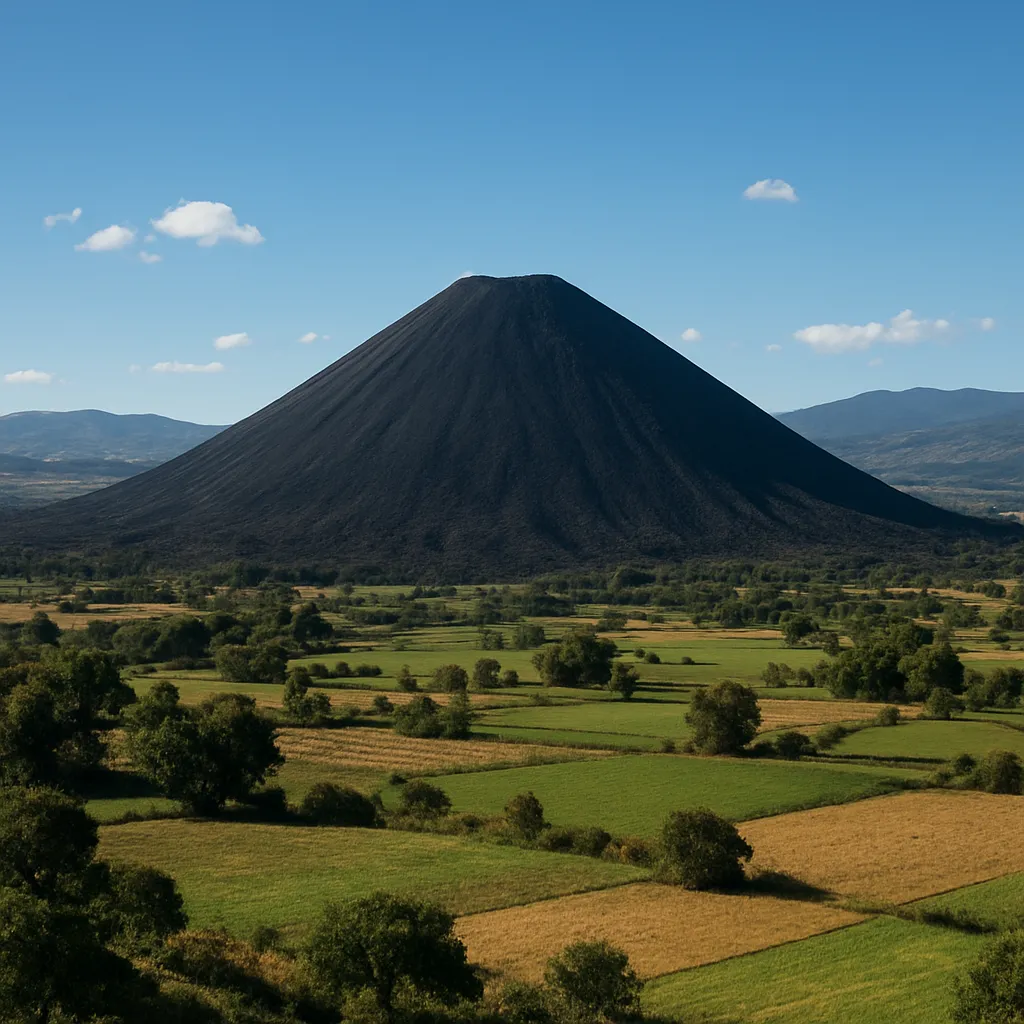
Paricutin in Mexico grew from a crack in a cornfield in 1943 to a steep cone of loose ash and cinders within a single year. Which type of volcano is it?
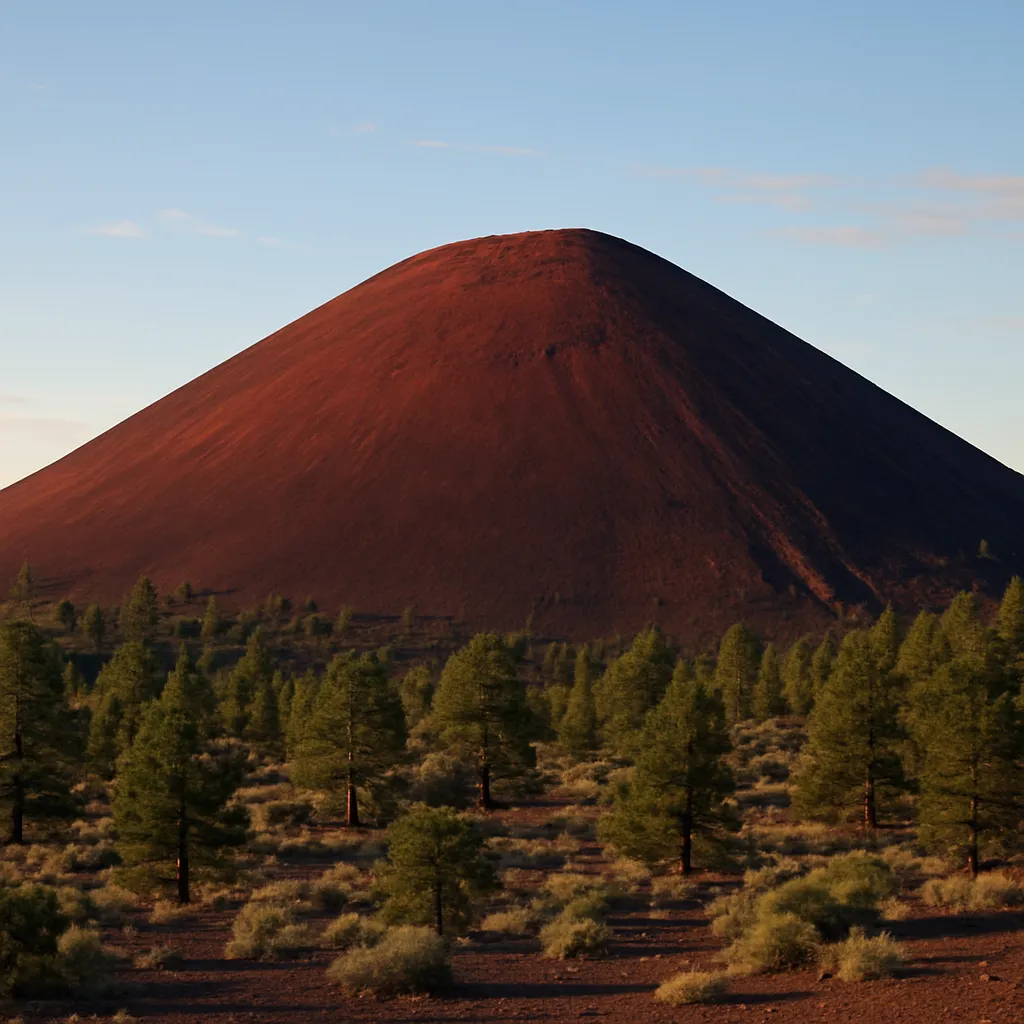
Sunset Crater in Arizona erupted around 1085 CE, building a steep cone of loose, reddish volcanic cinders that has not erupted since. Which type of volcano is it?
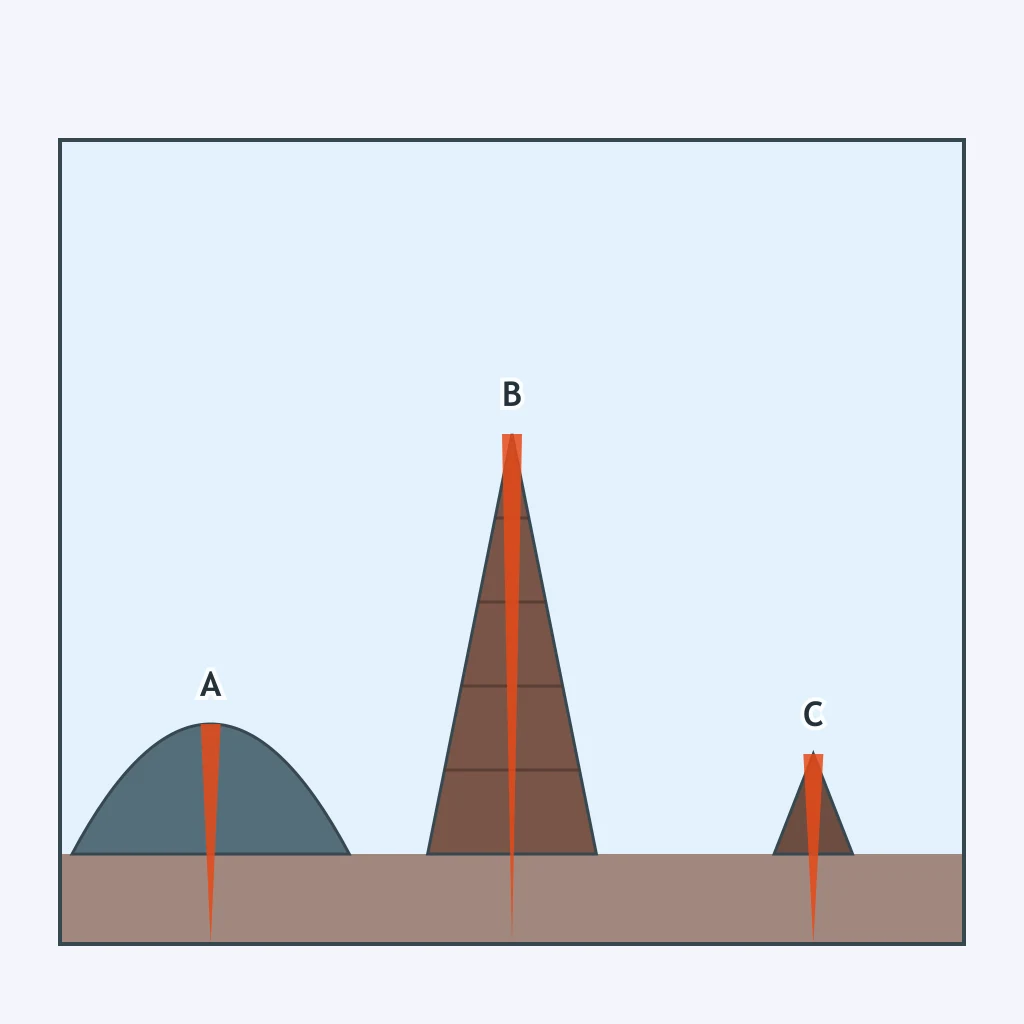
The figure shows three volcano profiles. Which lettered profile has the broadest base and the gentlest slopes?
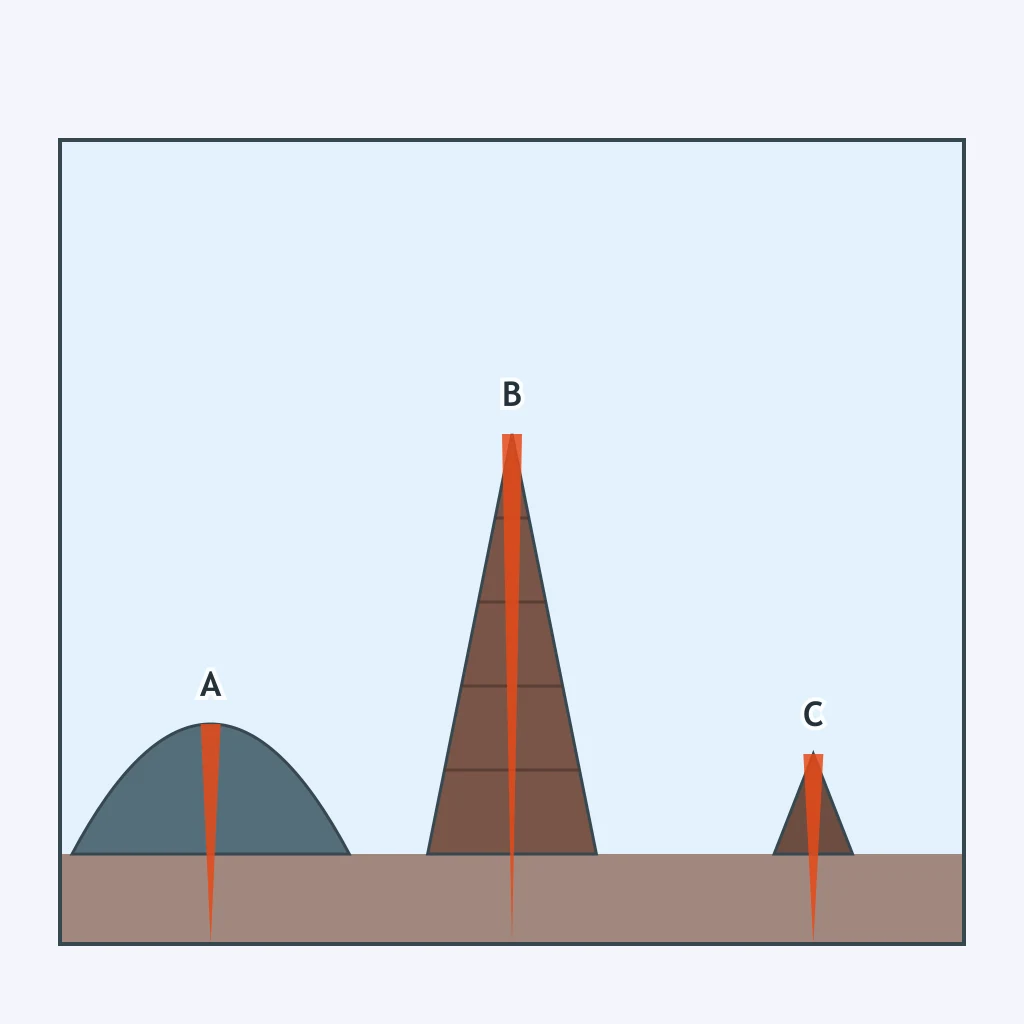
The figure shows three volcano profiles. Which lettered profile shows alternating bands of hardened lava and ash inside a tall, steep cone?
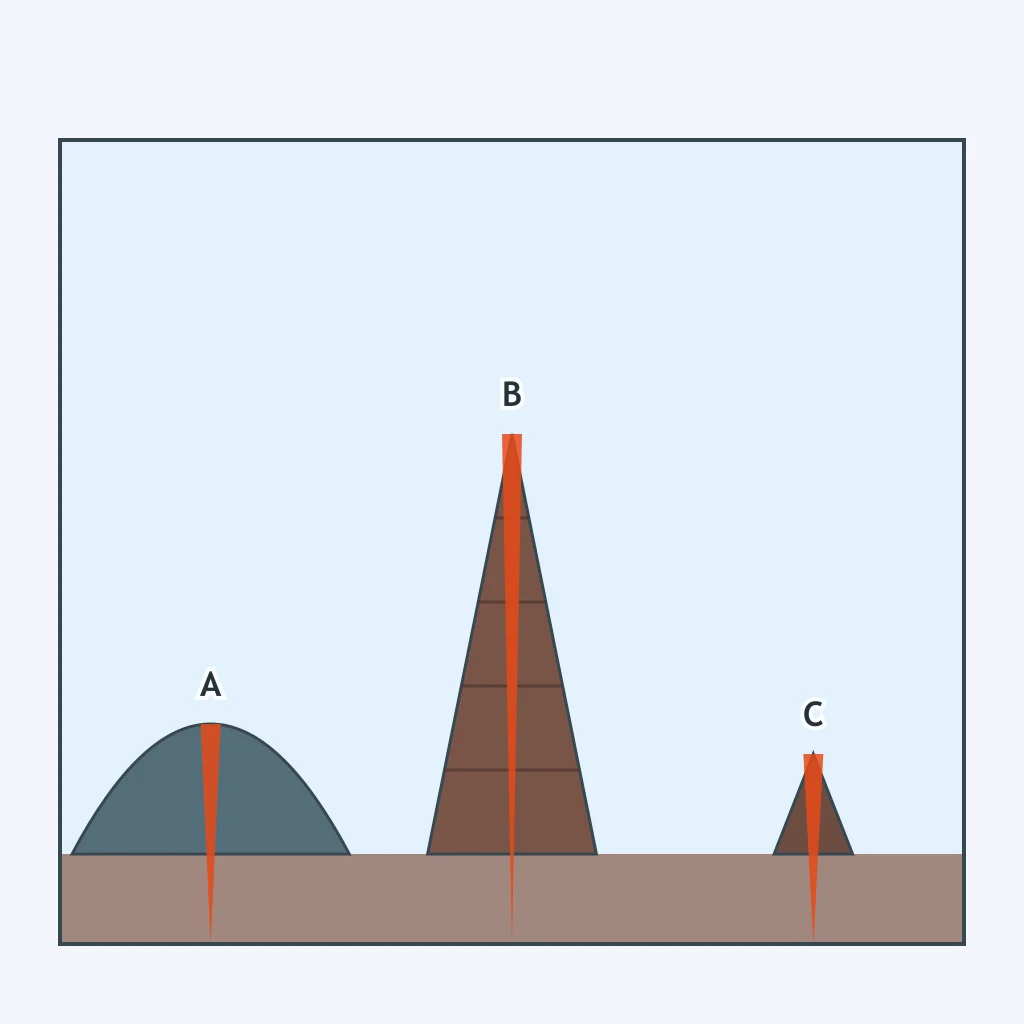
The figure shows three volcano profiles. Which lettered profile is the smallest, made entirely of loose fragments with no internal banding?
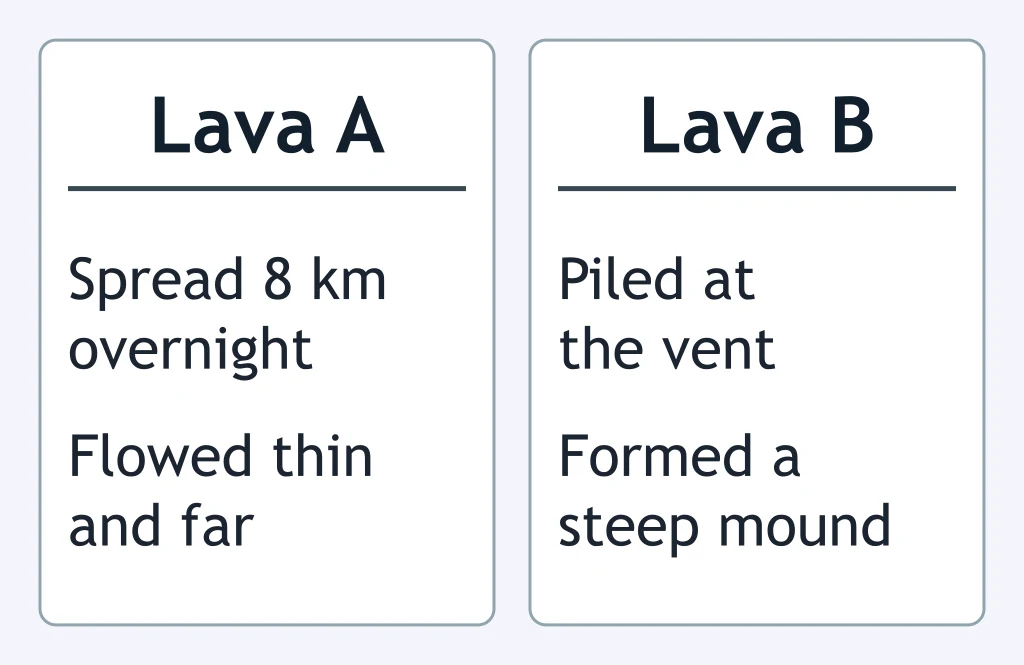
One lava flow spreads 8 kilometers across flat ground overnight, while a second lava erupting the same day piles into a steep mound right over its vent. Which property of the two magmas differs most?
Basaltic lava commonly flows at 8 to 12 kilometers per hour, while rhyolitic lava rarely moves faster than a few meters per day. What mainly causes rhyolitic lava to flow so much more slowly?
One eruption produces a fountain of frothy lava spraying high into the air, while a nearby vent oozes lava quietly with almost no spray. What property of the magma explains the difference?
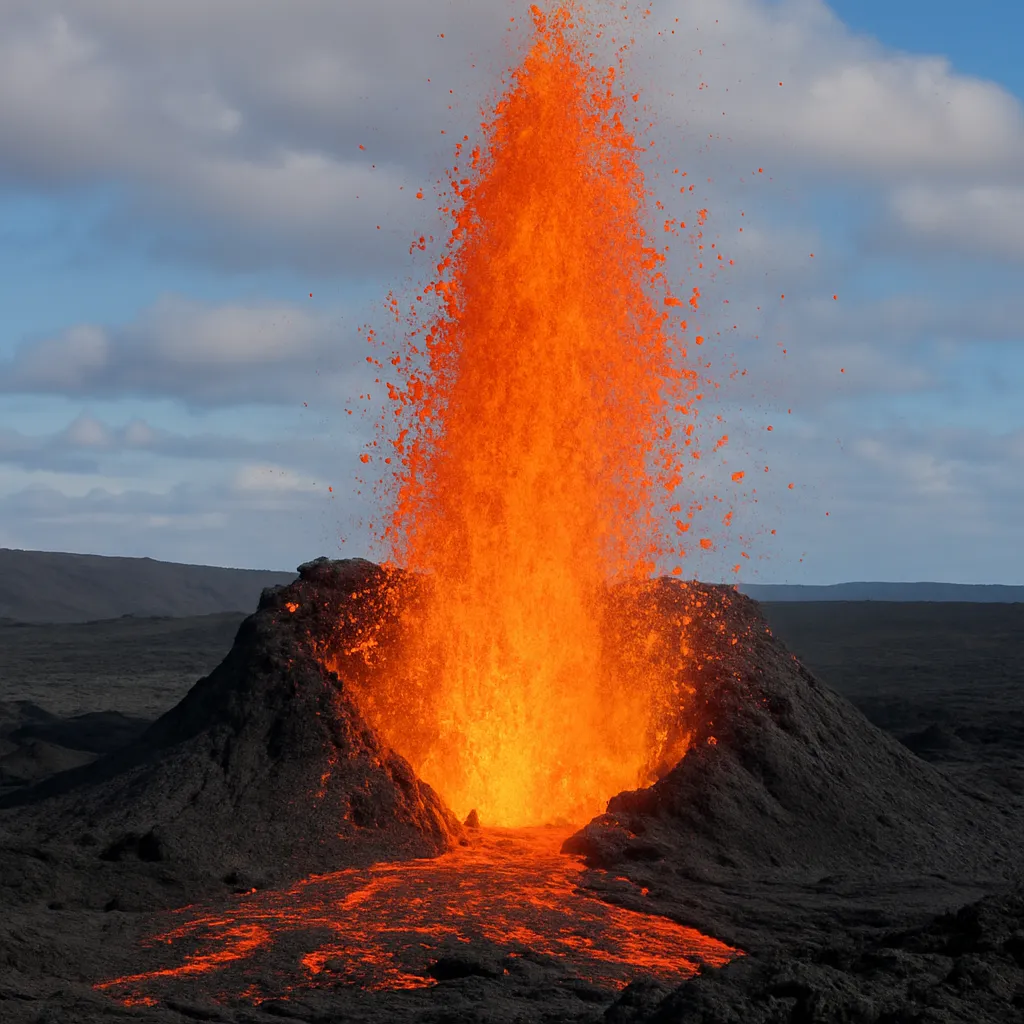
Magma rising beneath a vent holds about 72 percent silica and is thick enough to plug the conduit as gas pressure builds. What eruption style should be expected?
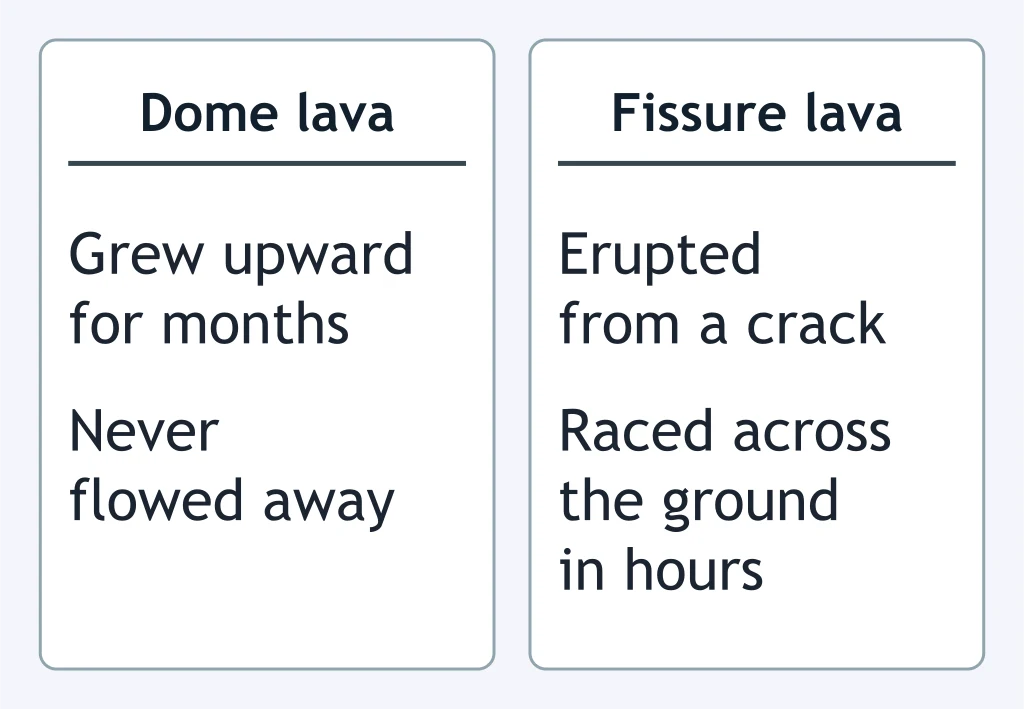
A lava dome grows slowly upward over its vent for months without ever flowing away, while a fissure eruption nearby sends thin sheets of lava racing across the land in hours. What property of the two magmas differs most?
Basaltic, andesitic and rhyolitic lavas differ in silica content. Which of the three tends to erupt most explosively?
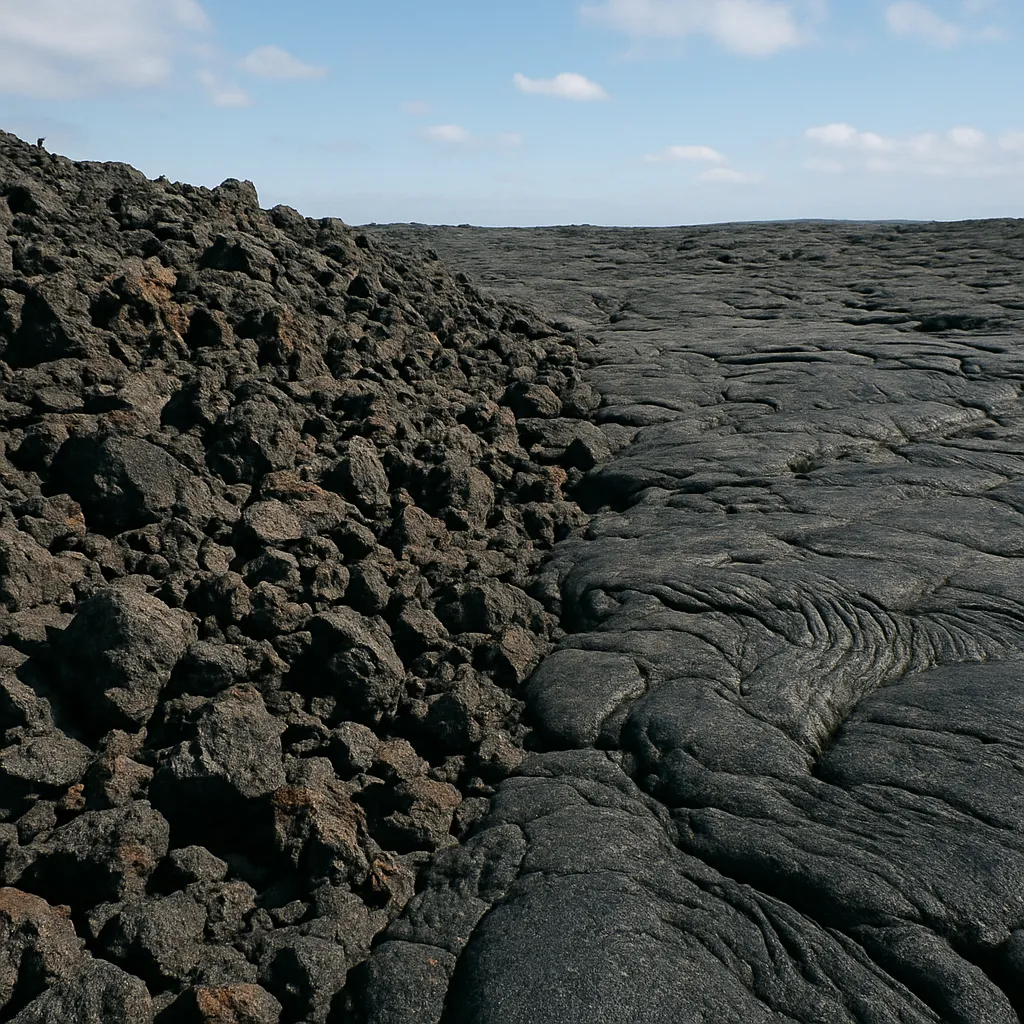
A pahoehoe flow advances as smooth, ropy sheets across a plain, while a nearby aa flow the same day creeps forward as a jumbled mass of jagged, broken chunks. What property of the lava explains the different surface textures?
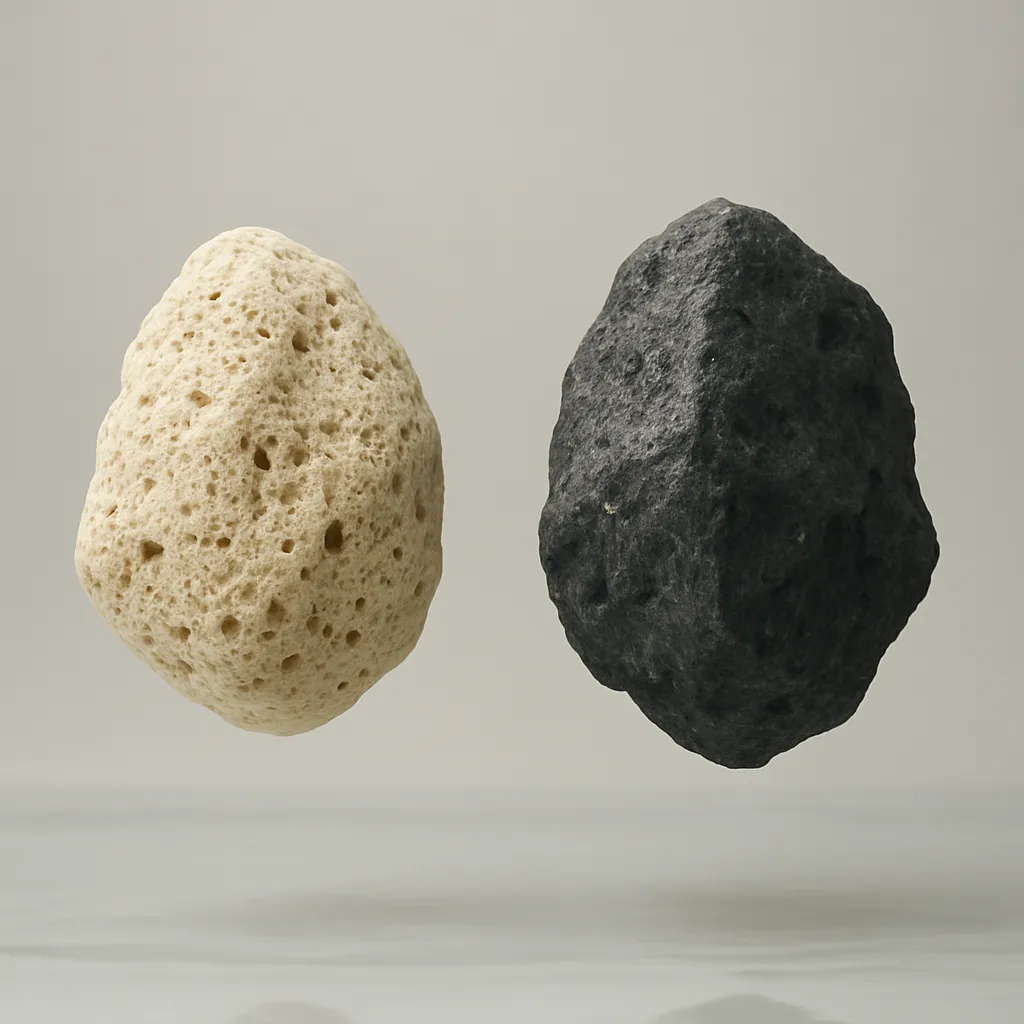
A pale volcanic rock floats in water, while a similar-sized dark volcanic rock from the same eruption sinks right away. What property explains the difference?
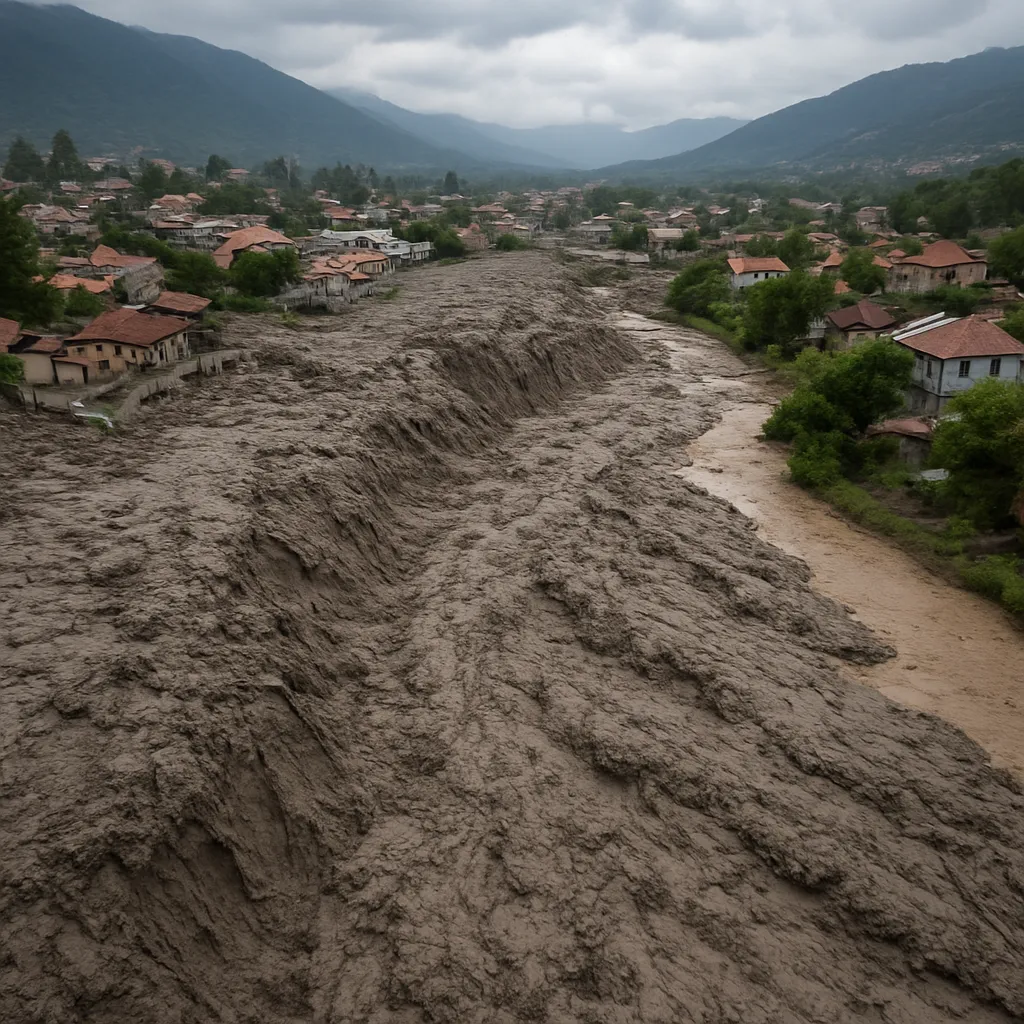
In 1985, an eruption of Nevado del Ruiz melted part of its summit ice cap, sending a slurry of mud, ash and rock racing down a river valley that buried the town of Armero, Colombia. Which hazard struck Armero?
In 1902, a cloud of superheated gas and ash raced down Mount Pelée at over 160 kilometers per hour and destroyed the city of Saint-Pierre, Martinique, in under a minute. Which hazard destroyed Saint-Pierre?
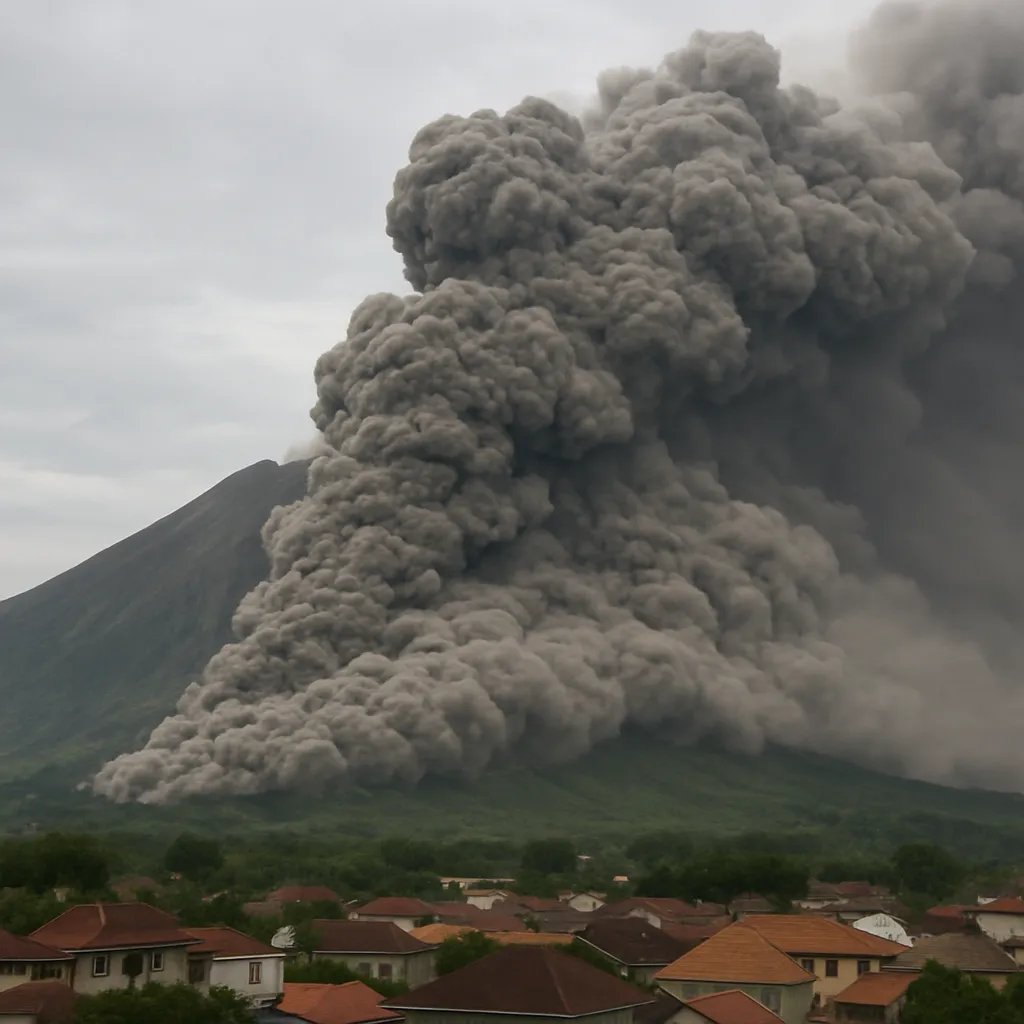
The 2010 eruption of Eyjafjallajökull sent fine volcanic particles high into the jet stream, and airlines grounded about 100,000 flights across Europe over several days. Which hazard forced the cancellations?
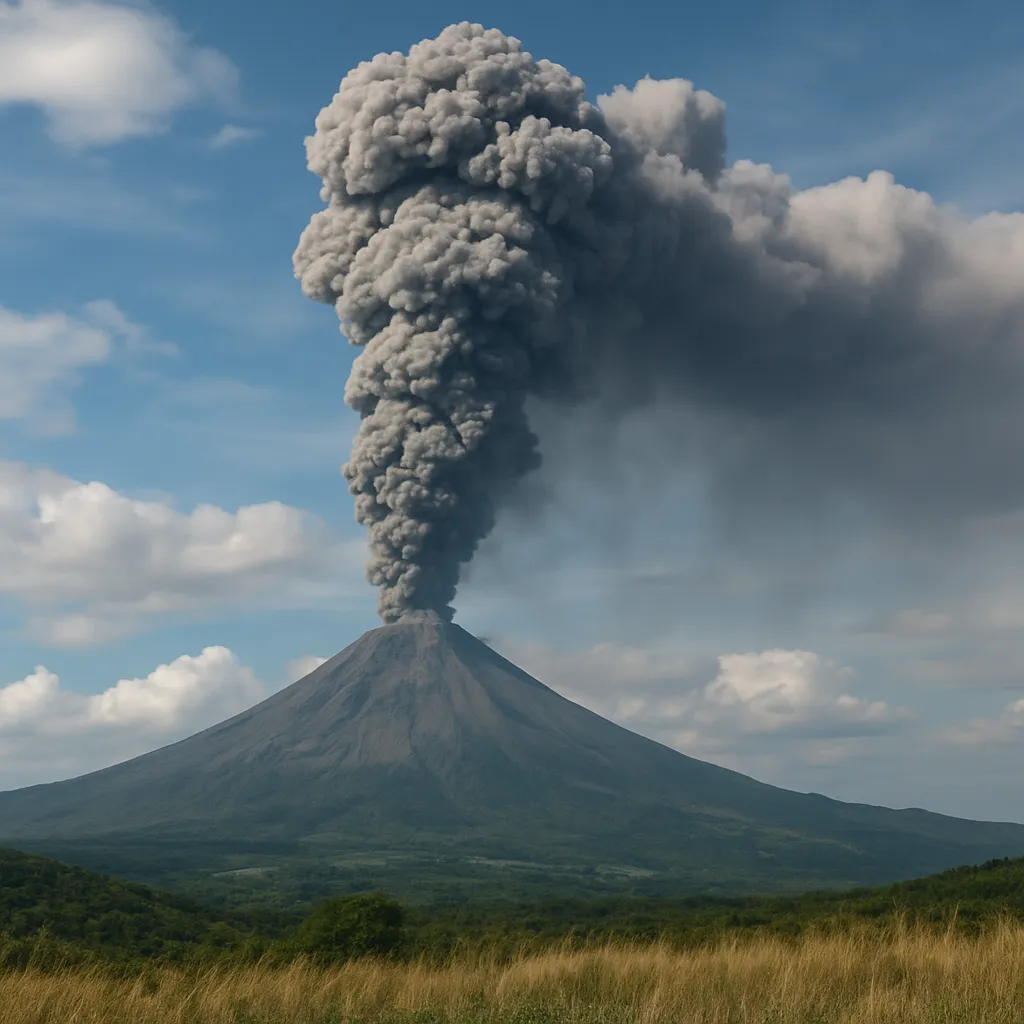
Fissures on Kilauea's East Rift Zone in 2018 released streams of molten rock that slowly advanced and buried more than 700 homes in Hawaii's Puna district over several months. Which hazard destroyed those homes?
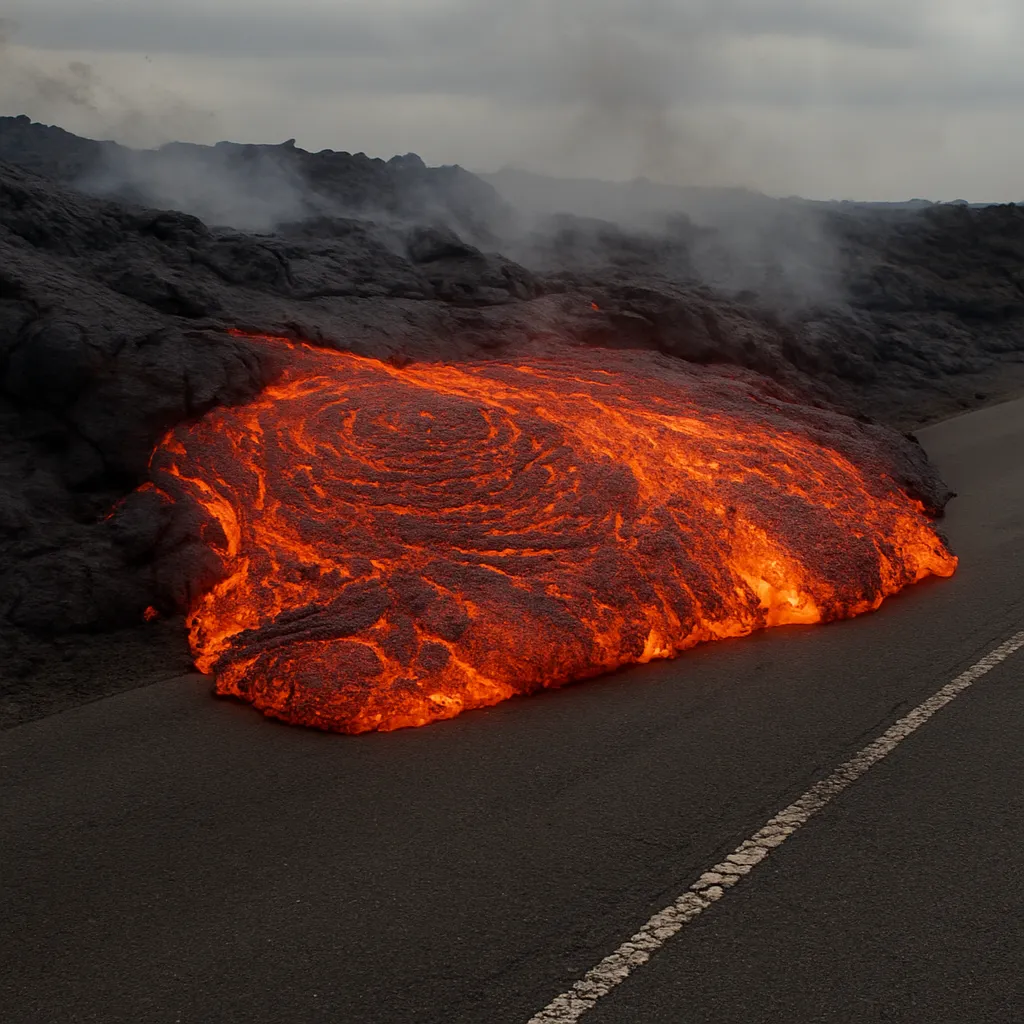
Downwind of Kilauea's vents, sulfur dioxide reacts with air and sunlight to form a hazy air-pollution blanket that irritates the lungs of people many kilometers away. What is this hazard called in Hawaii?
During the 79 AD eruption of Vesuvius, pumice stones and rock fragments rained down from the eruption column onto Pompeii and collapsed roofs, hours before the pyroclastic flows arrived. Which hazard is this?
On May 18, 1980, a landslide on Mount St. Helens uncorked the volcano and sent a searing lateral blast of gas and rock across 24 kilometers of forest at over 480 kilometers per hour. Which hazard leveled that forest?
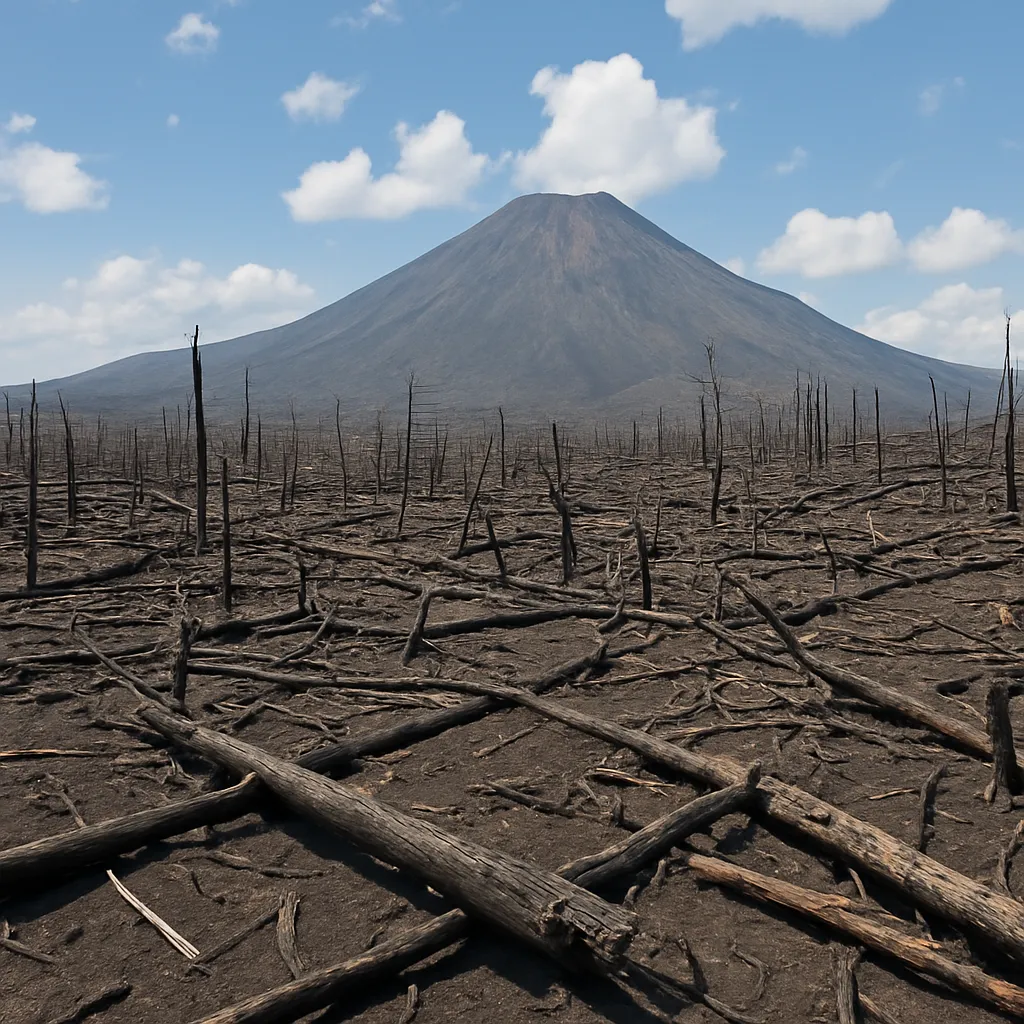
Years after Mount Pinatubo's 1991 eruption, heavy rain from a typhoon remobilized old ash deposits into a fast-moving mudflow that buried the Philippine village of Bacolor in 1995. Which hazard buried Bacolor?
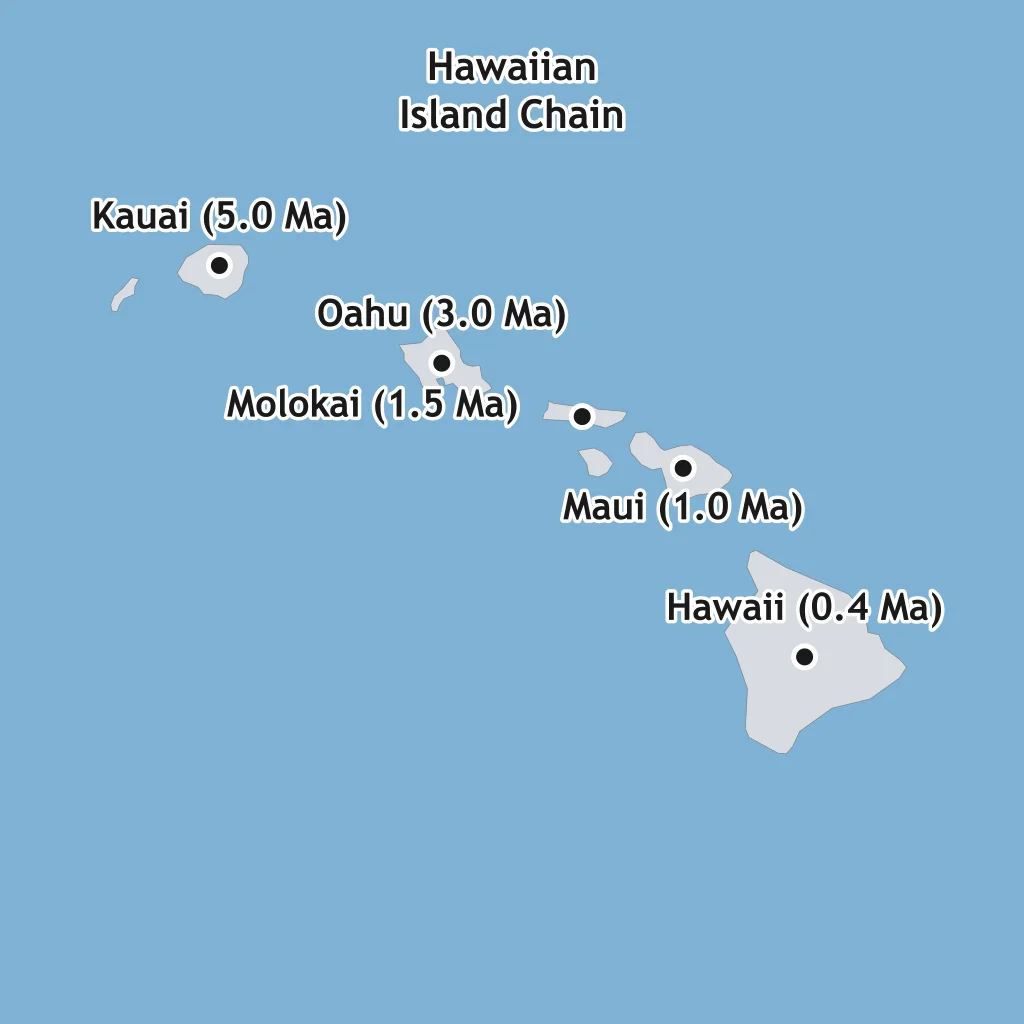
Use the ages on the map. What does the pattern of island ages show?
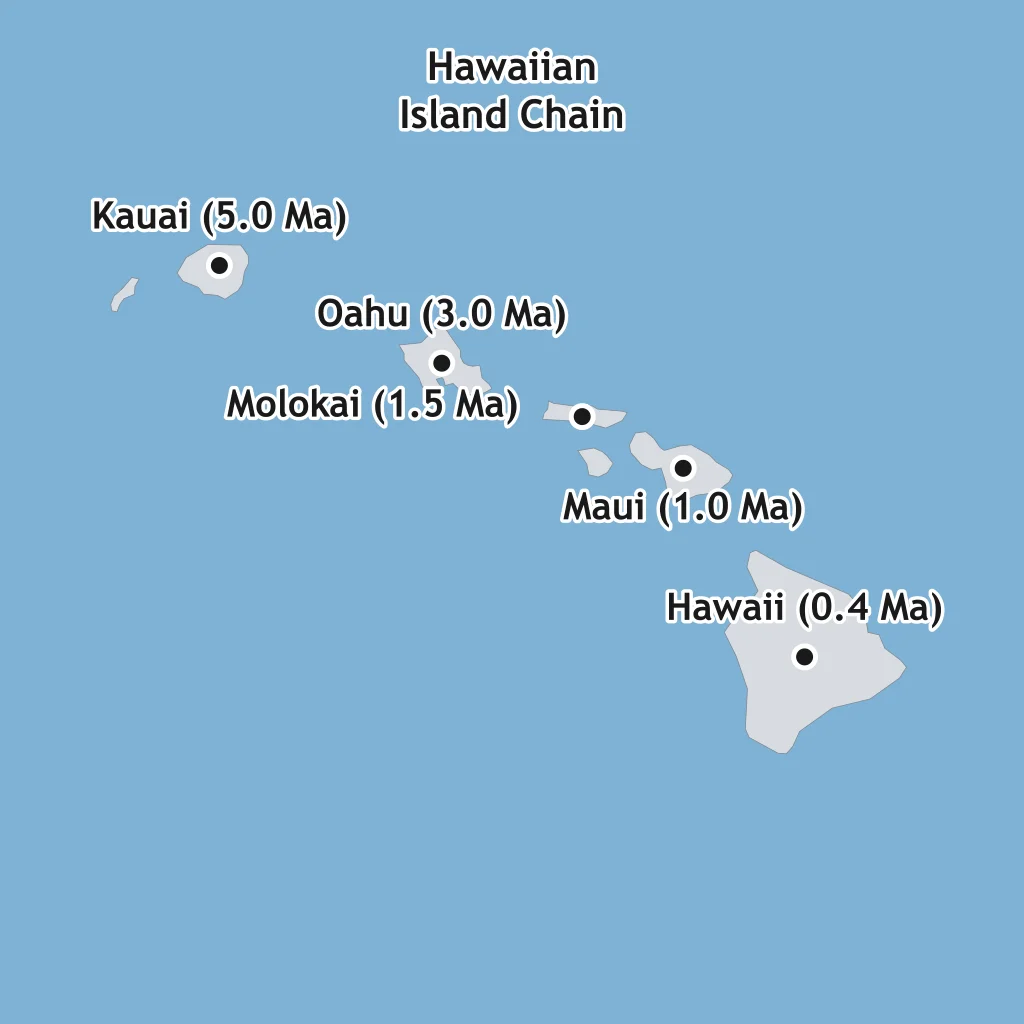
Using the ages on the map, which island is the oldest?
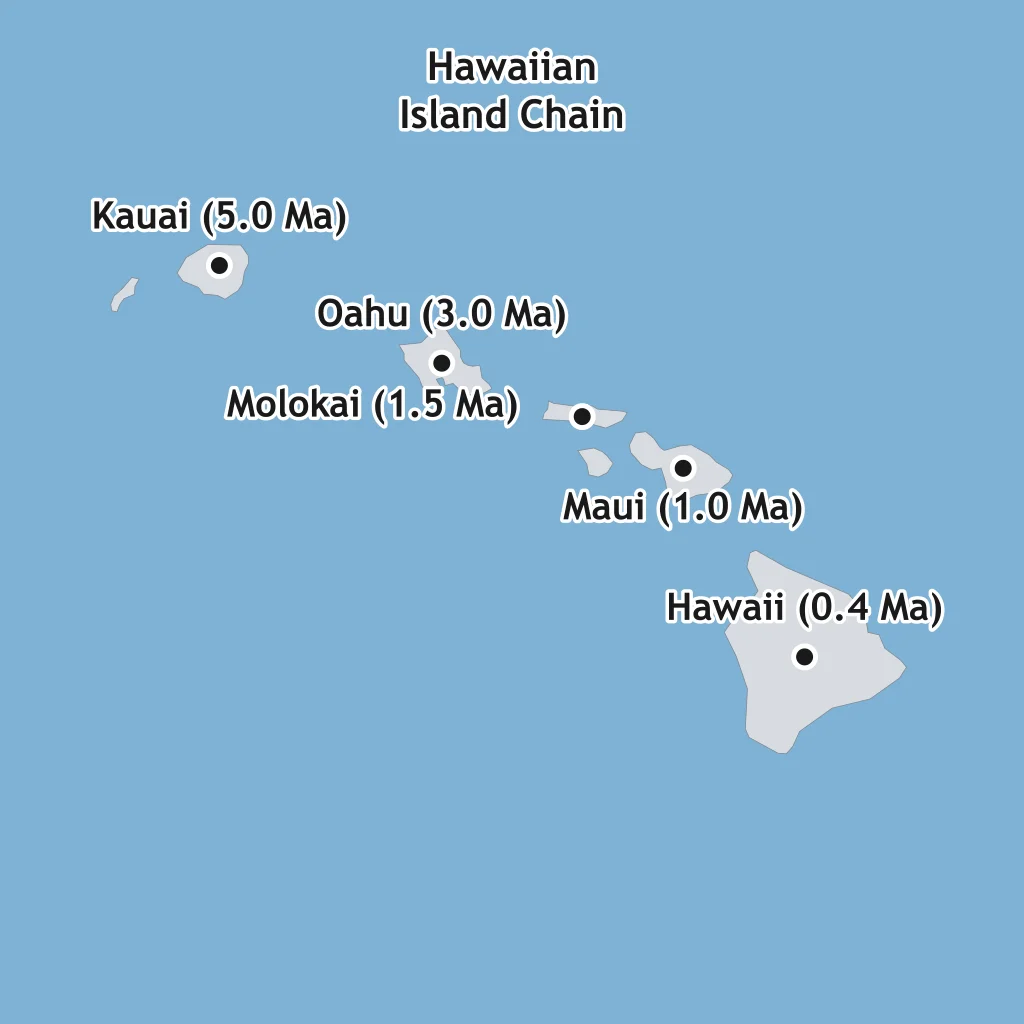
Using the ages on the map, which island is still actively erupting today?
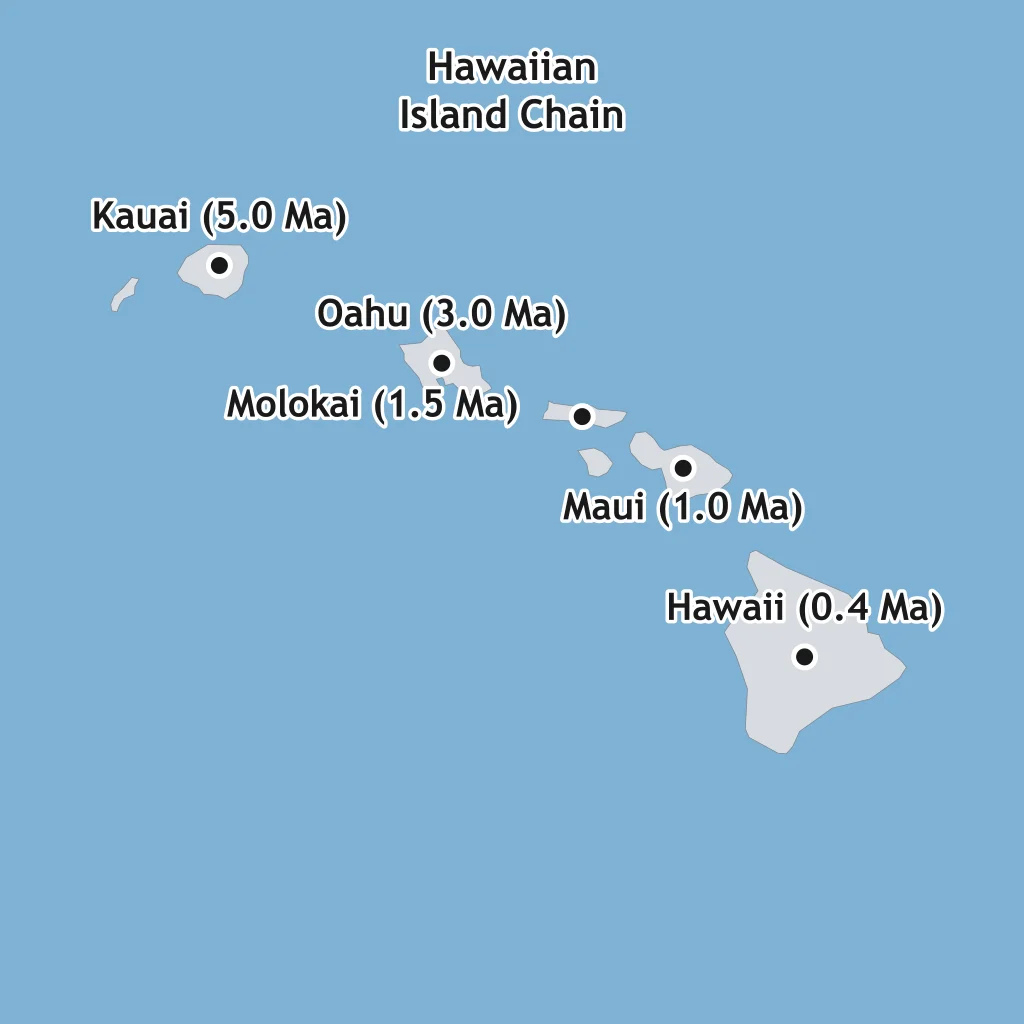
Order Oahu, Molokai, and Maui on the map from oldest to youngest.
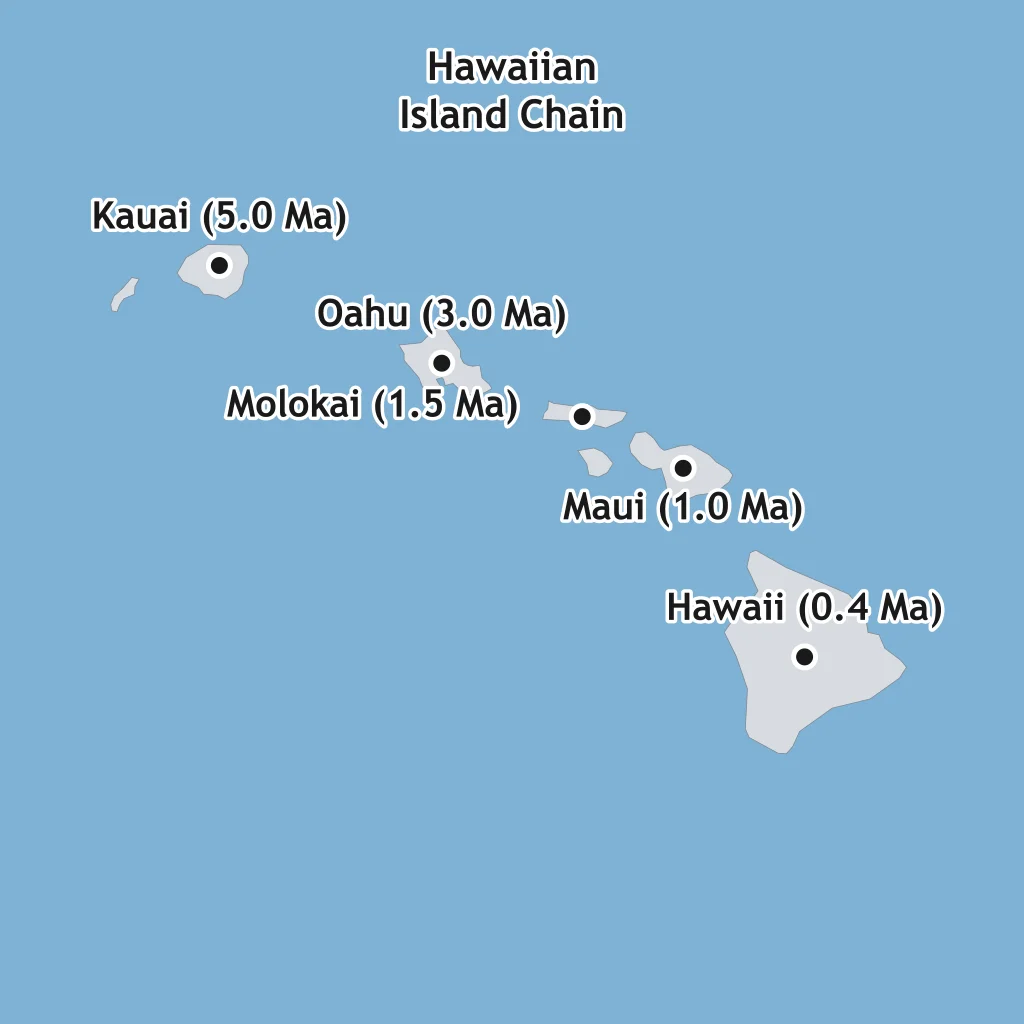
Two volcanoes along the same hot spot track lie 200 kilometers apart. Rock at the older one formed 2 million years before rock at the younger one. Using 1 kilometer = 100,000 centimeters, find the plate's average speed.
Two volcanoes along the same hot spot track lie 350 kilometers apart. Rock at the older one formed 5 million years before rock at the younger one. Using 1 kilometer = 100,000 centimeters, find the plate's average speed.
Magma rising beneath a vent holds about 50 percent silica and flows freely once it reaches the surface, releasing gas easily. What eruption style should be expected?
Why does Kilauea, on the Big Island, still produce new lava, while Kauai, at the northwest end of the same chain, has not erupted in millions of years?
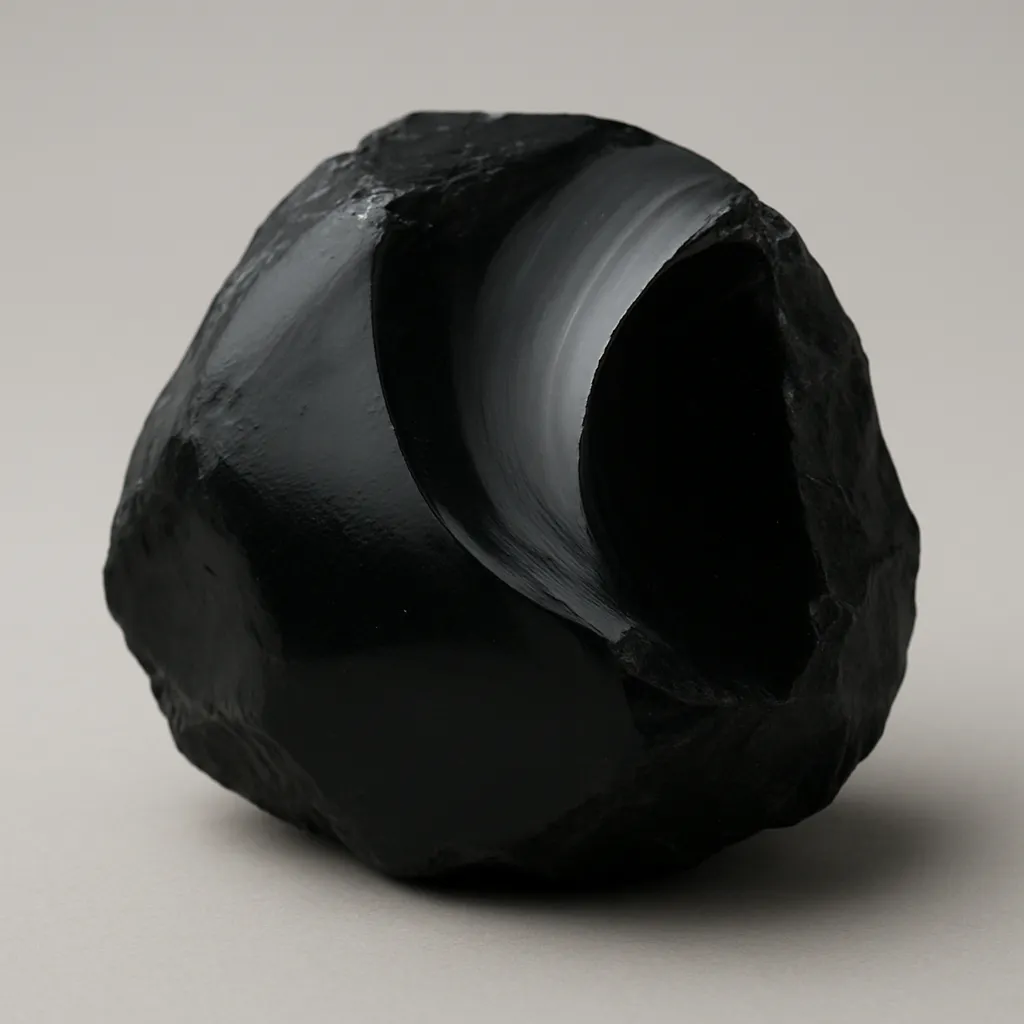
A specimen is smooth, black and glassy with no visible crystals and breaks with curved, shell-like fracture surfaces. What does this tell you about how the lava cooled?
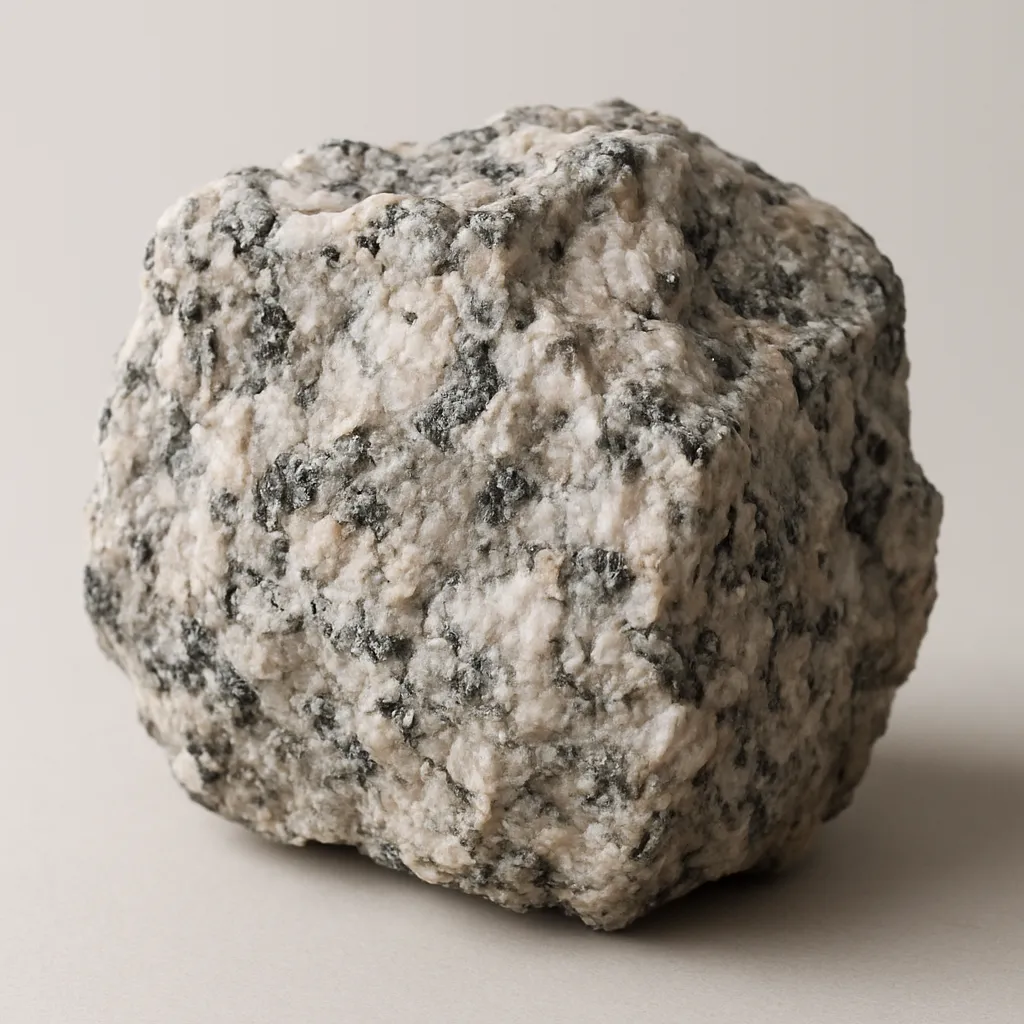
A specimen is made of large, easily visible interlocking crystals of quartz, feldspar and mica, with no fine-grained matrix. In what setting did this magma most likely cool?
A specimen's crystals are so small they cannot be identified with the naked eye, giving the rock a uniform, dense, dark appearance. Where did this rock most likely cool?
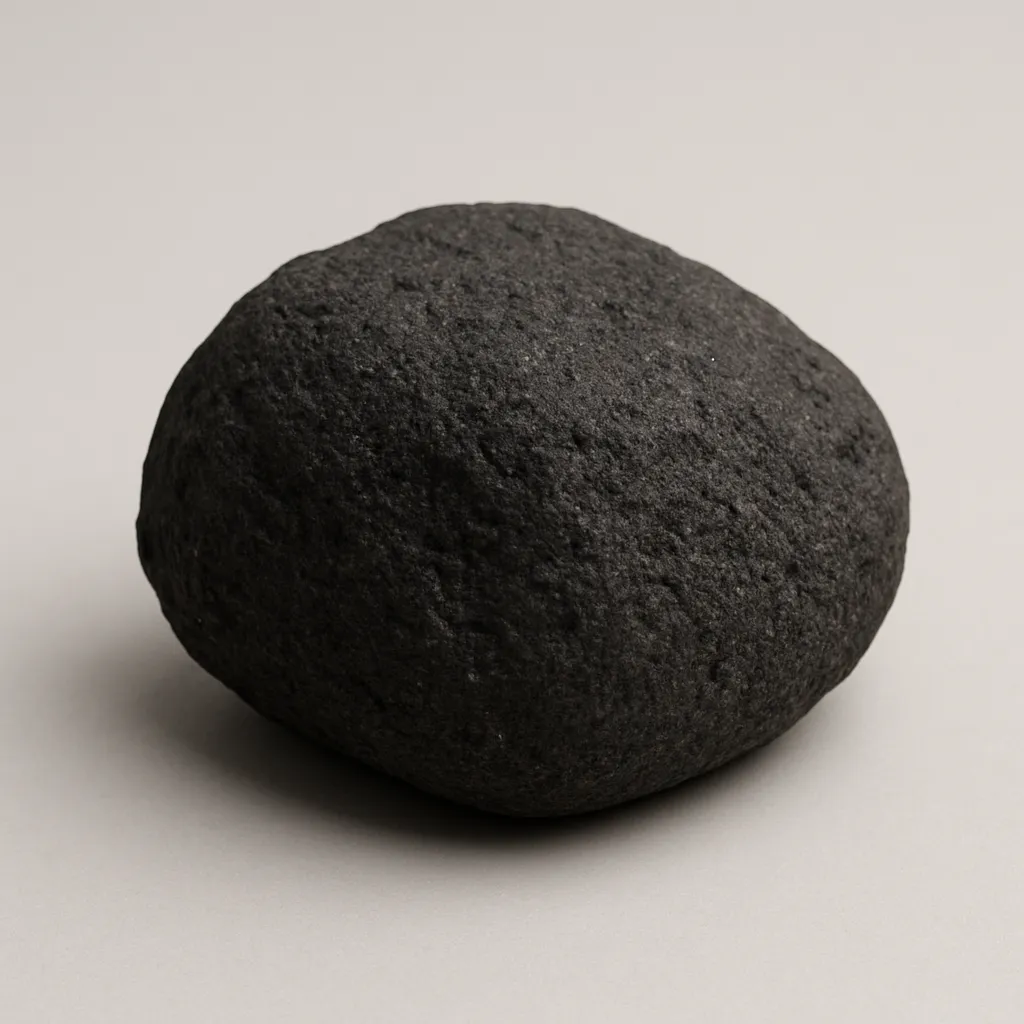
A specimen is pale, full of tiny gas-bubble holes, and light enough to float on water. What does this tell you about how it cooled?
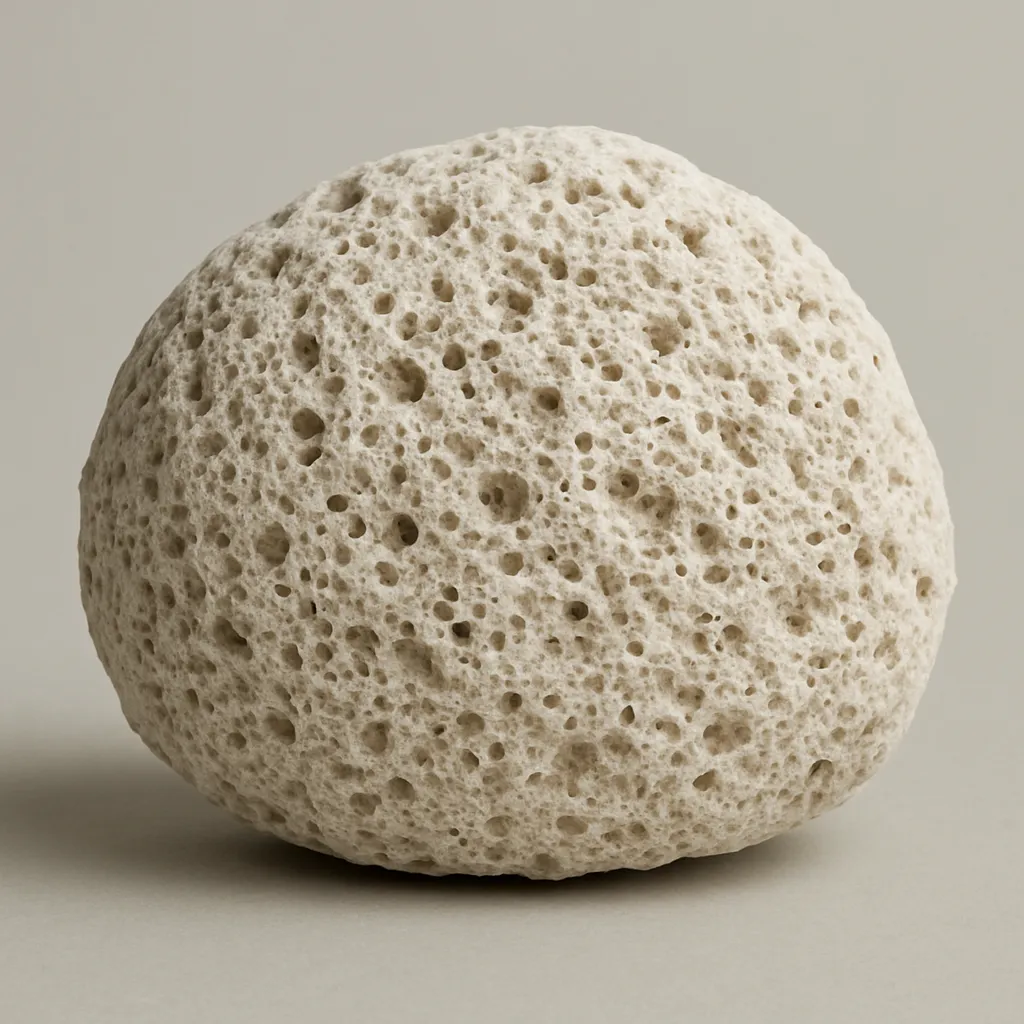
A specimen has a few large crystals scattered through a much finer-grained background material. What does this porphyritic texture reveal about its cooling history?
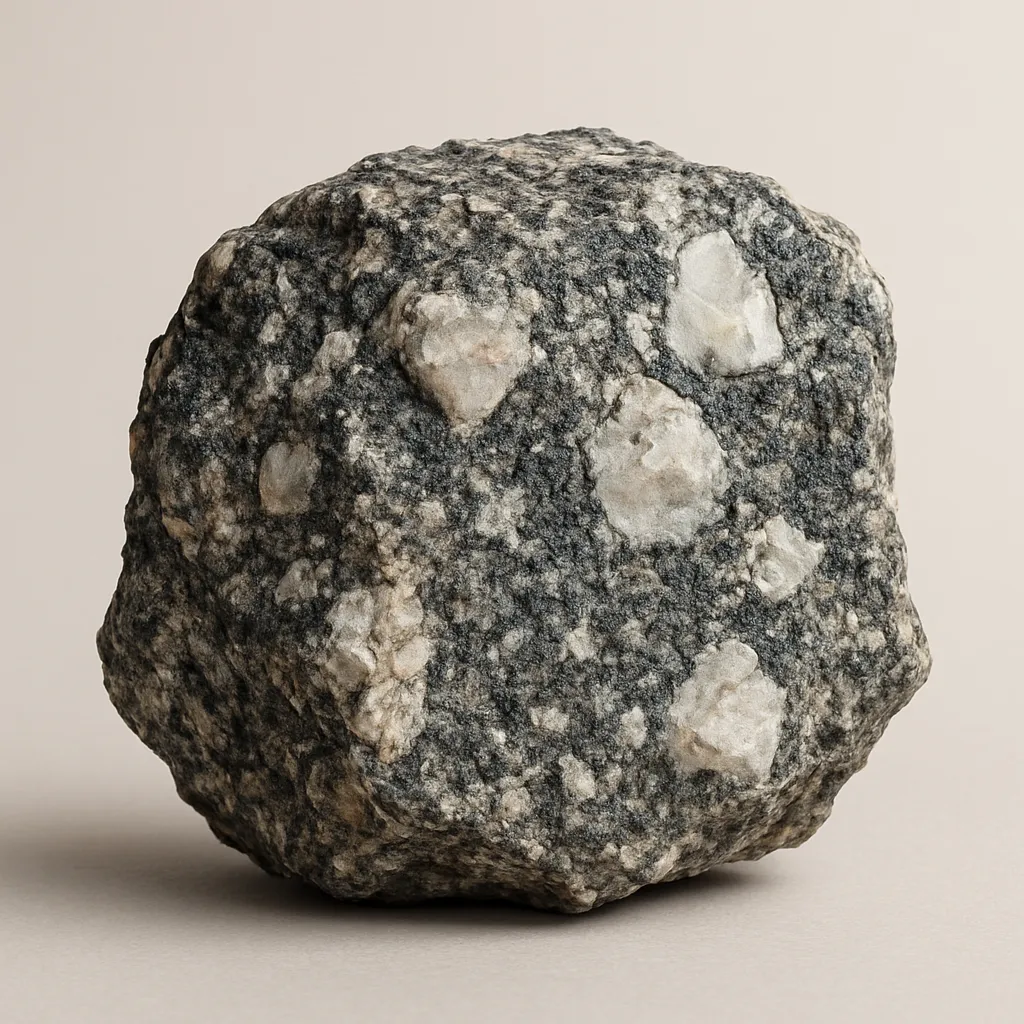
A dark red specimen is riddled with gas-bubble holes like pumice, but it is denser and sinks in water instead of floating. What does this reveal about the magma it formed from?
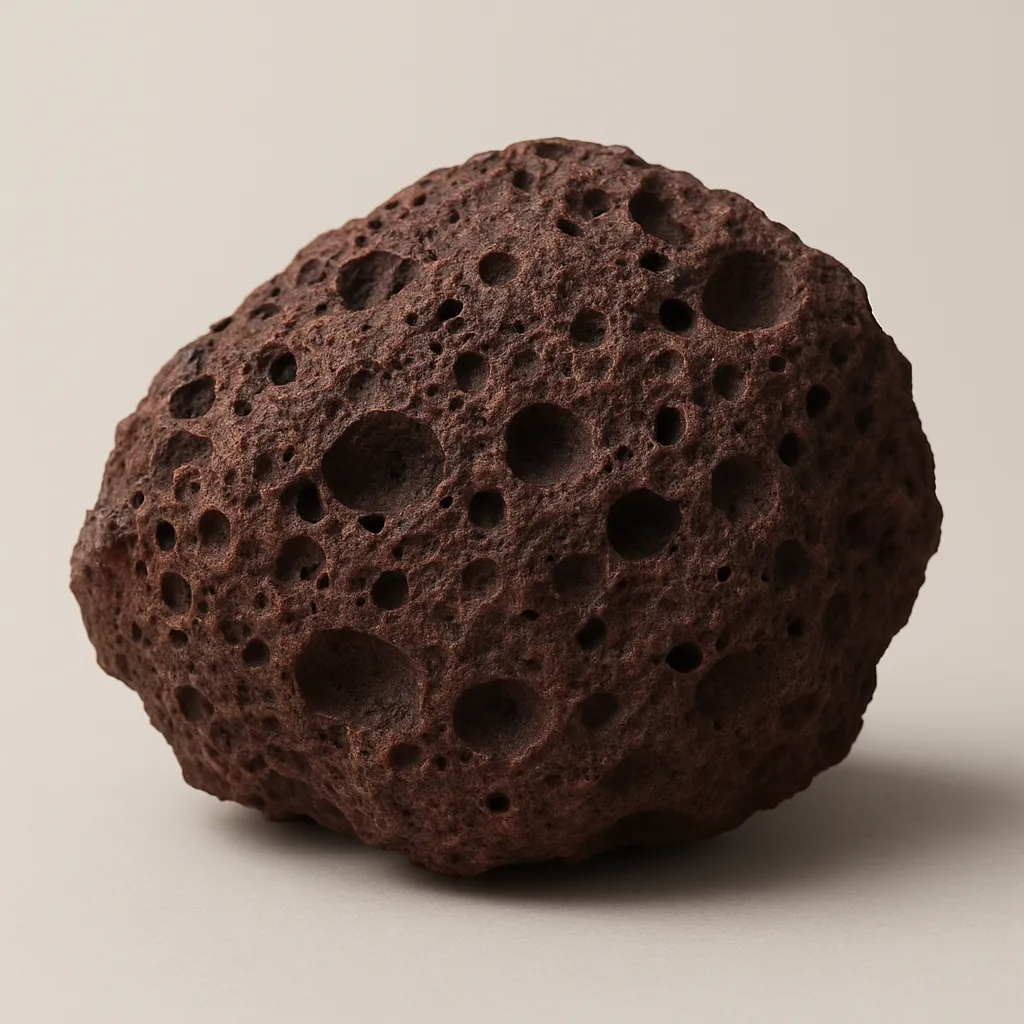
A specimen has individual crystals several centimeters long, far larger than in ordinary granite. What condition produced these unusually large crystals?
Crack the passcode before the zombies get in.
Answer, then swat bugs for bonus points.
Race through questions at your own speed.
Same question on every screen. Fastest wins.

Pick a tile, answer, hit bonuses and steals.
Rates of Weathering
25 questions