Loading
by BlastRoom
Students interpret volcanic settings, hazards, consequences, and monitoring clues.
#earth_space_science
25 questions
One question set, multiple game modes. Tap any game to see it in action. Not sure which to pick?
Answer to place stones and capture territory.
Outrun the snow together.
Earn blasts, then hunt the other team.
Answer to earn energy, then climb.

The class blasts through walls together.
Bid on mystery lots. Most money wins.
Sell tours. Nice, standard, or a total scam.

Answer, restock, and serve the rush.
More correct answers pulls the rope your way.
Answer, then shoot down the alien wave.
Answer, then tap to leap the frozen ridge.
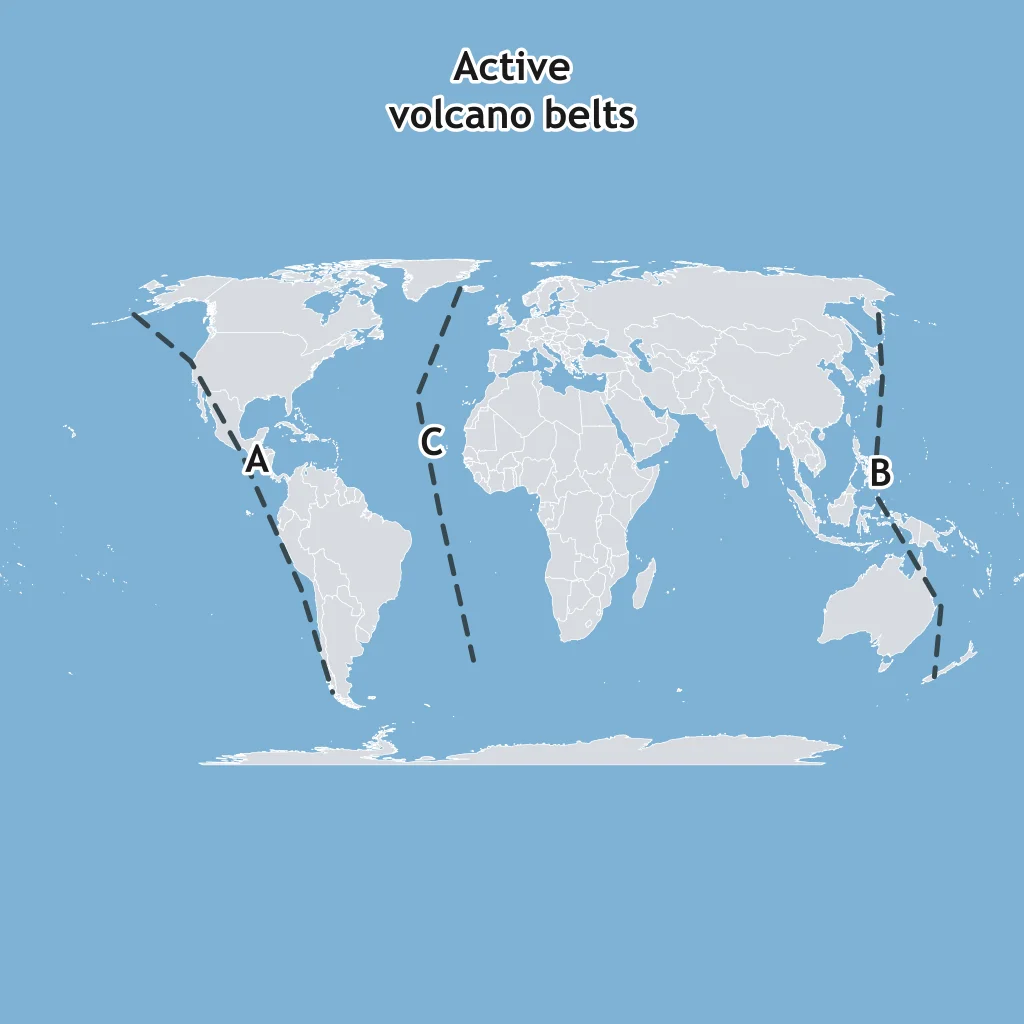
Use the world map. Most marked volcano belts trace the Pacific rim and the Mid-Atlantic Ridge. What do most of these sites share?
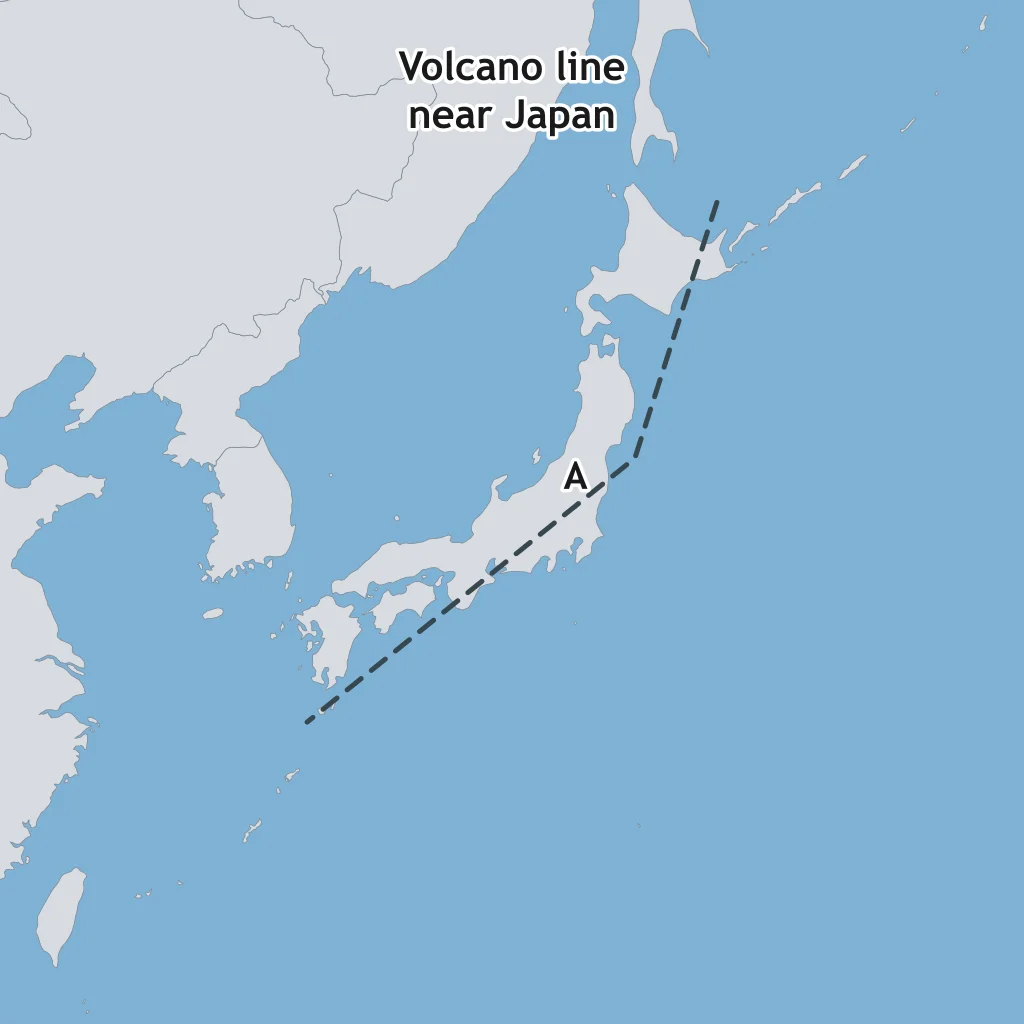
The map shows a curved belt of volcanoes running through Japan, parallel to an ocean trench off its east coast. What tectonic setting best explains the belt?
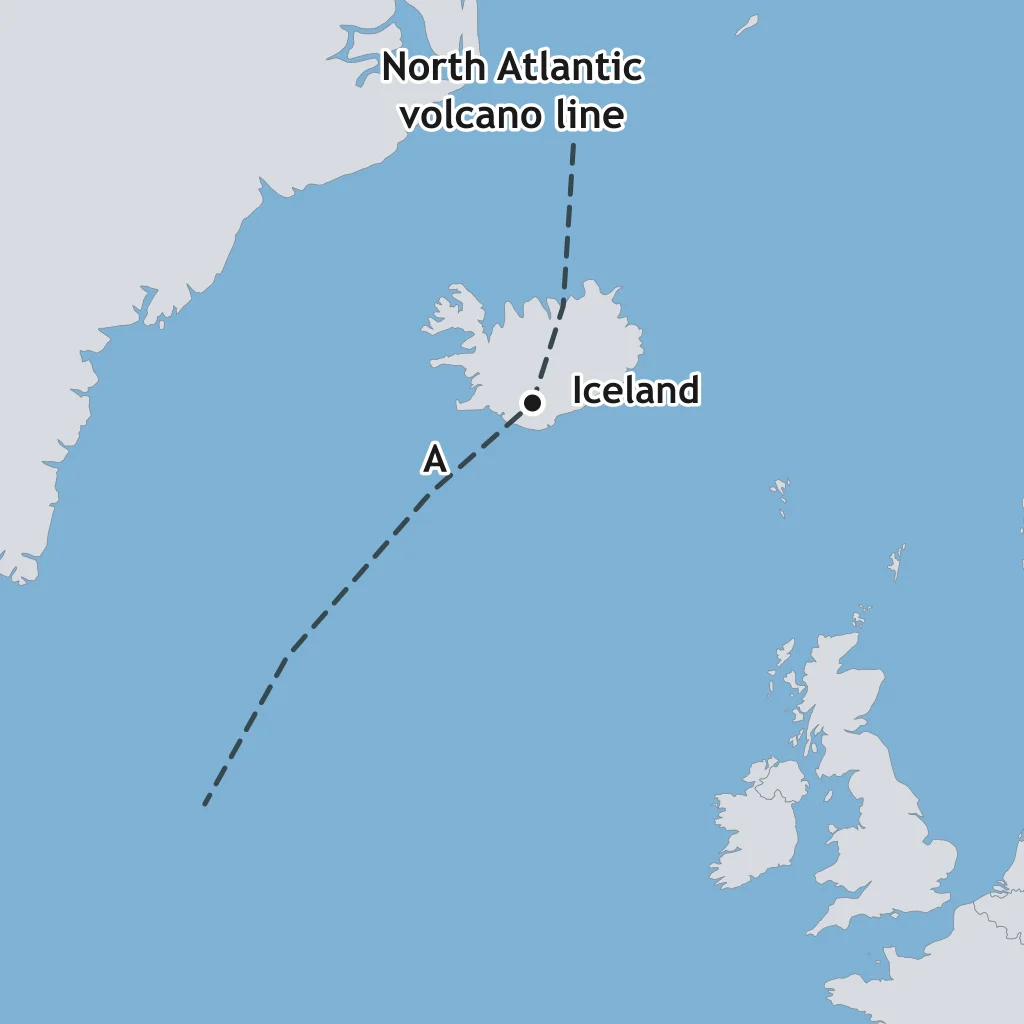
The map shows a line of volcanoes running through Iceland down the middle of the North Atlantic Ocean. What plate boundary type is this?
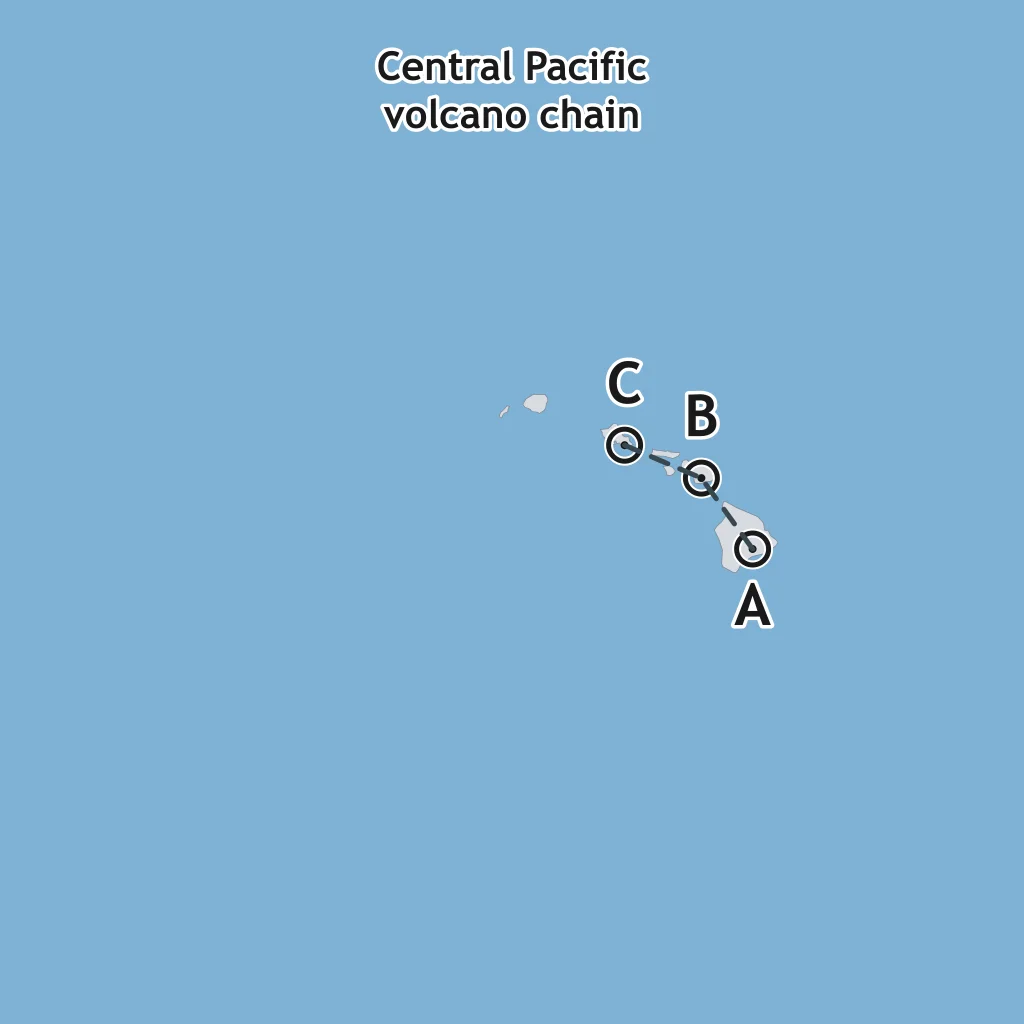
The map marks a short island chain in the central Pacific, far from a plate-boundary belt. What setting best fits this pattern?
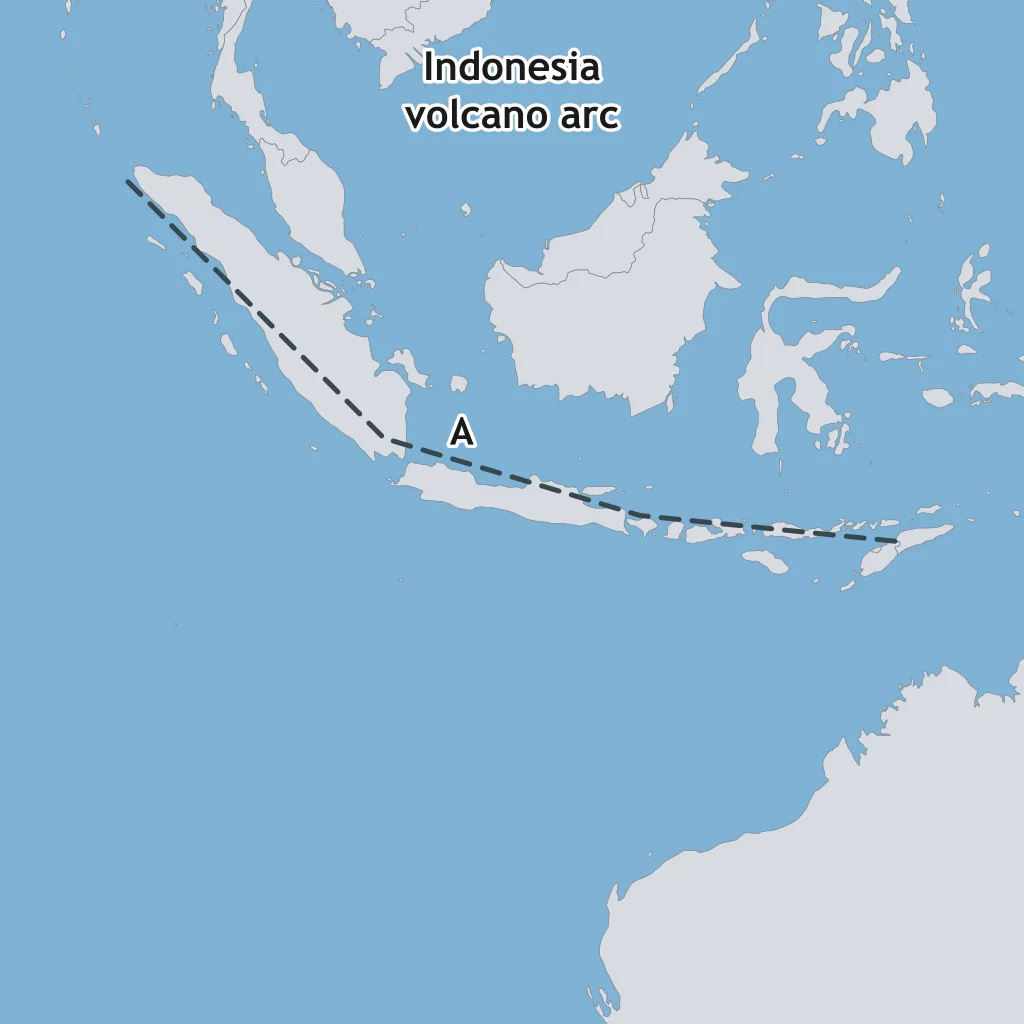
The map shows the volcanic island arc across Indonesia. What process feeds the arc volcanoes?
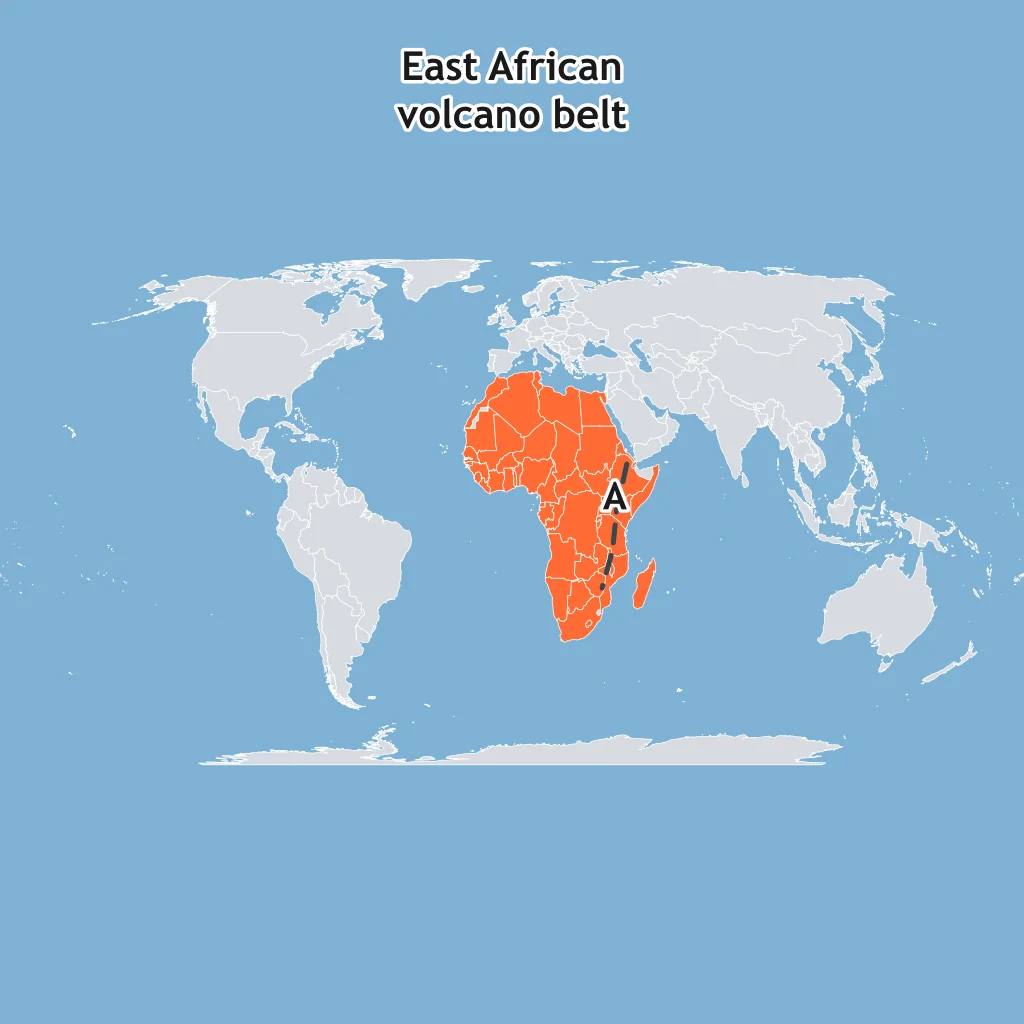
The map marks a belt of volcanoes running north to south through East Africa. What tectonic setting is shown?
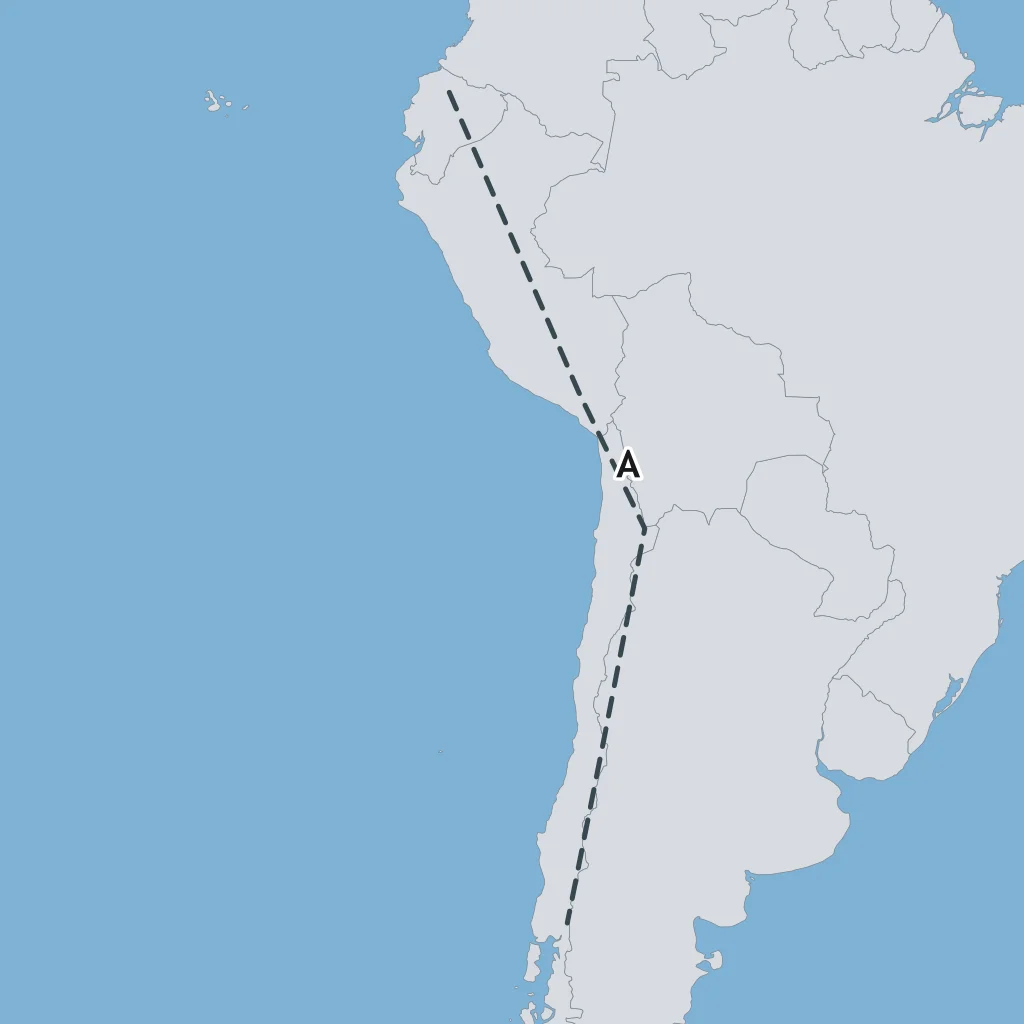
The map shows the Andes volcano belt beside the west coast of South America. What setting best explains these composite volcanoes?
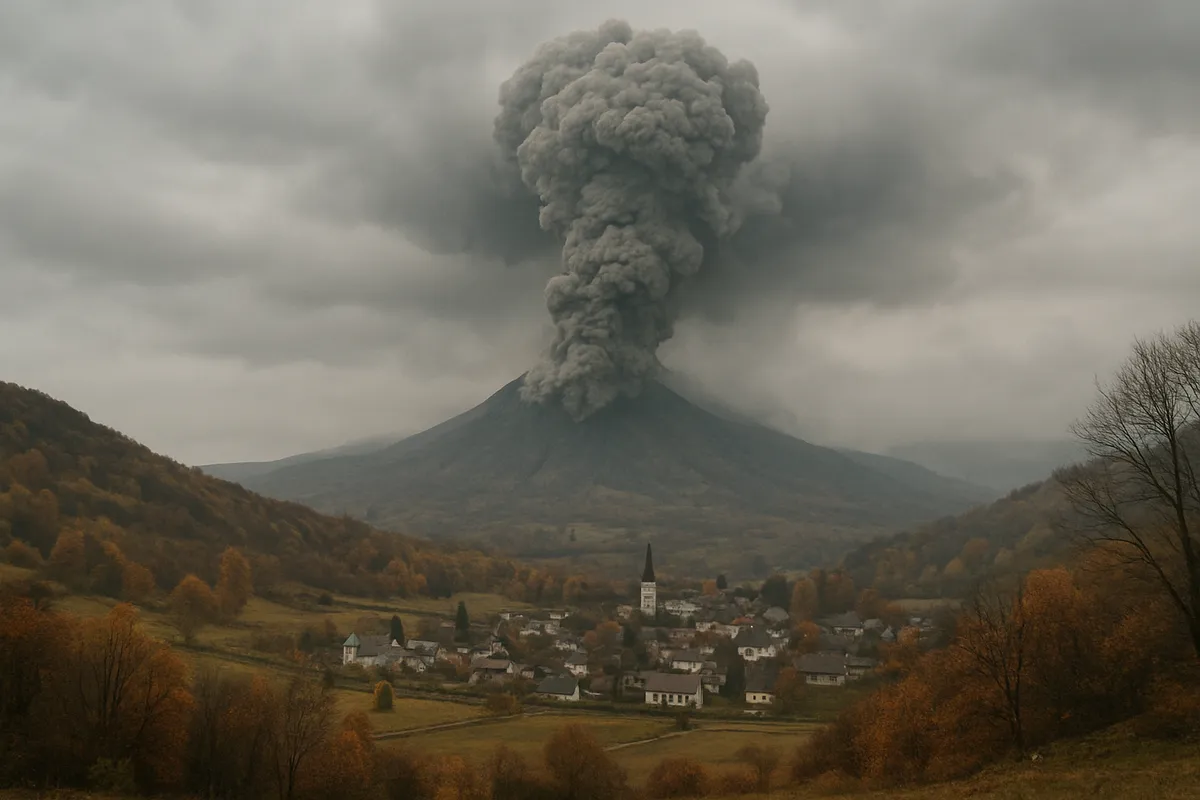
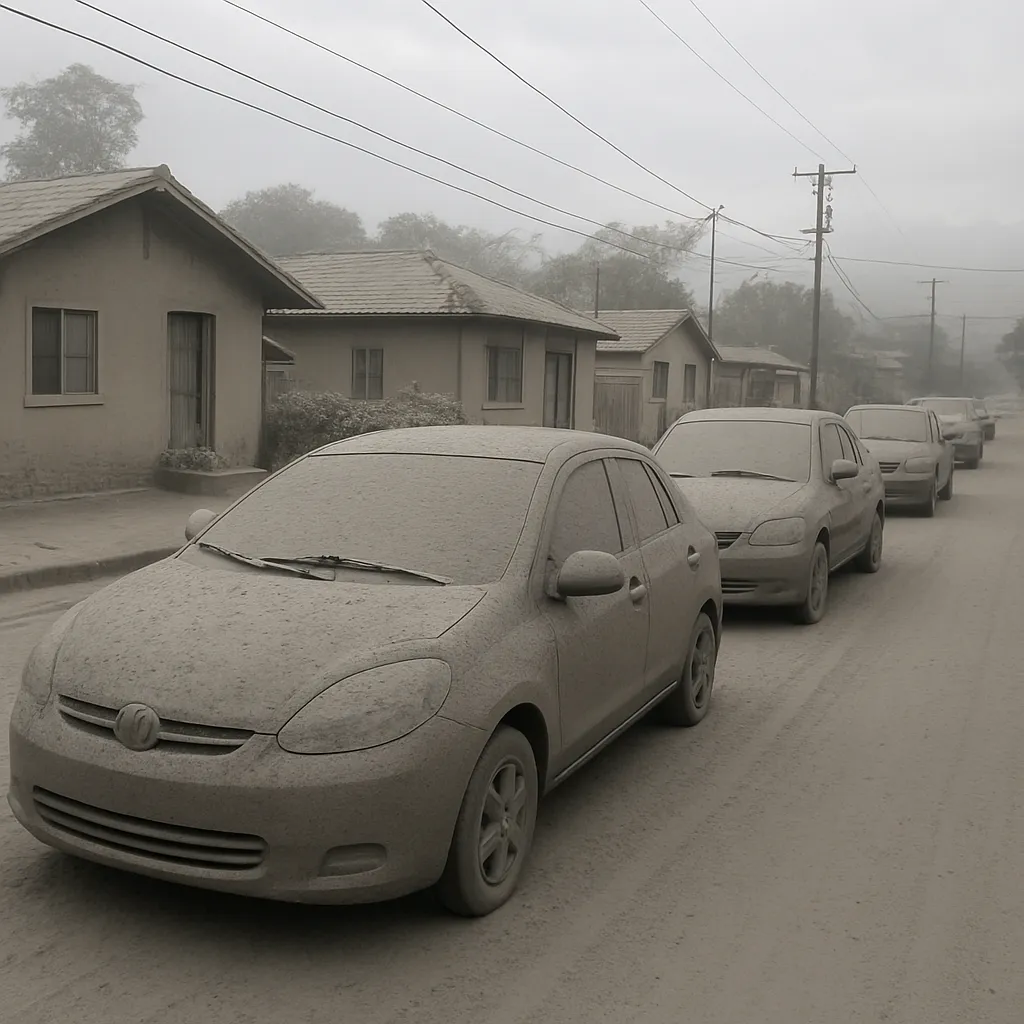
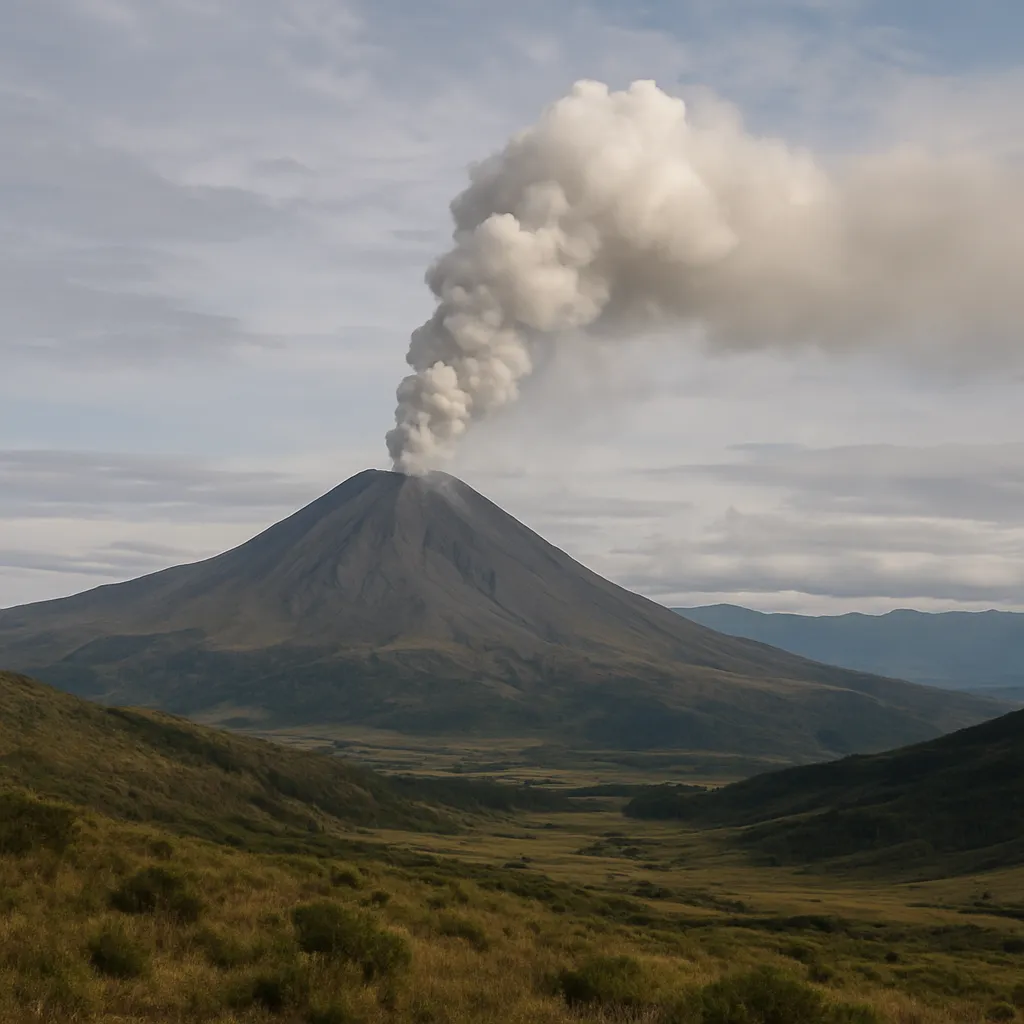
Use the scene: fine gray material blankets cars and roofs while a plume darkens the sky downwind. Which hazard is shown?
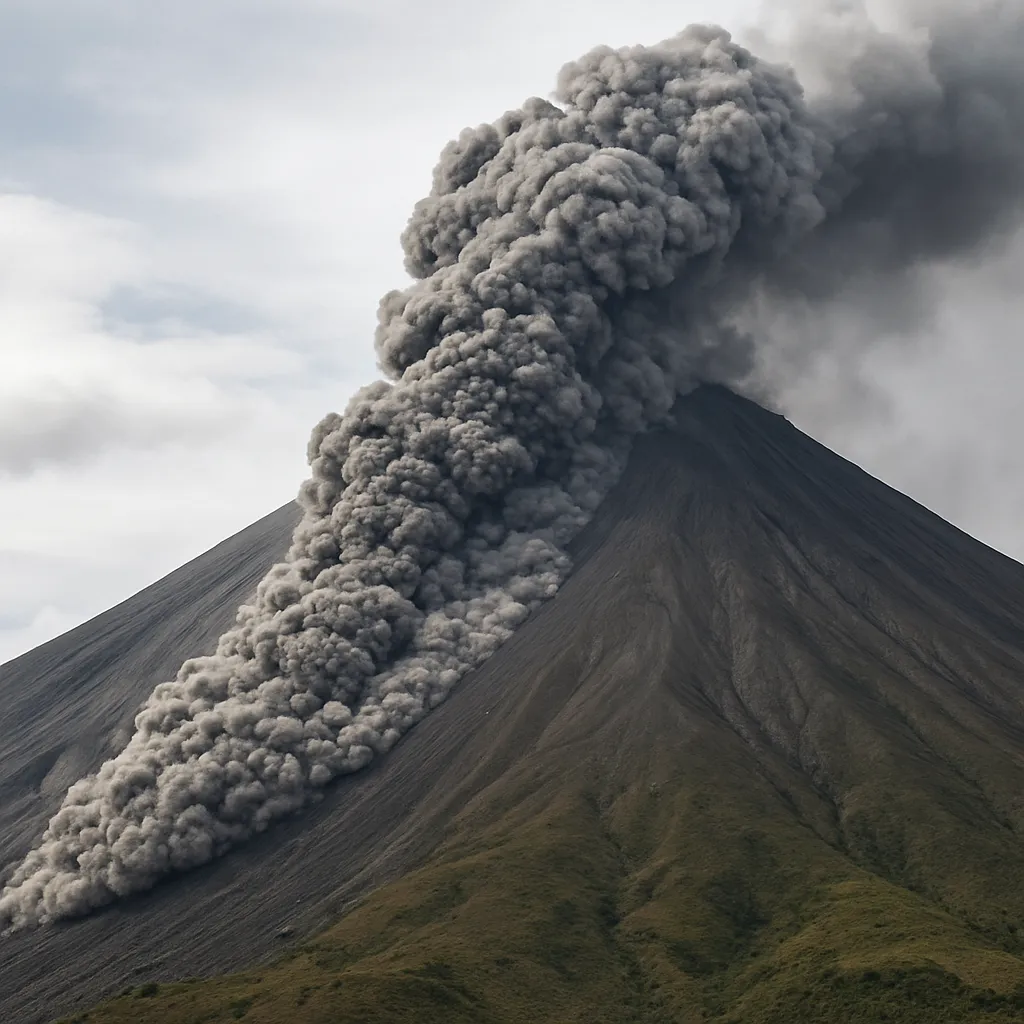
Use the scene: a dense gray cloud of hot ash, gas, and rock fragments races down a volcano flank. Which hazard is shown?
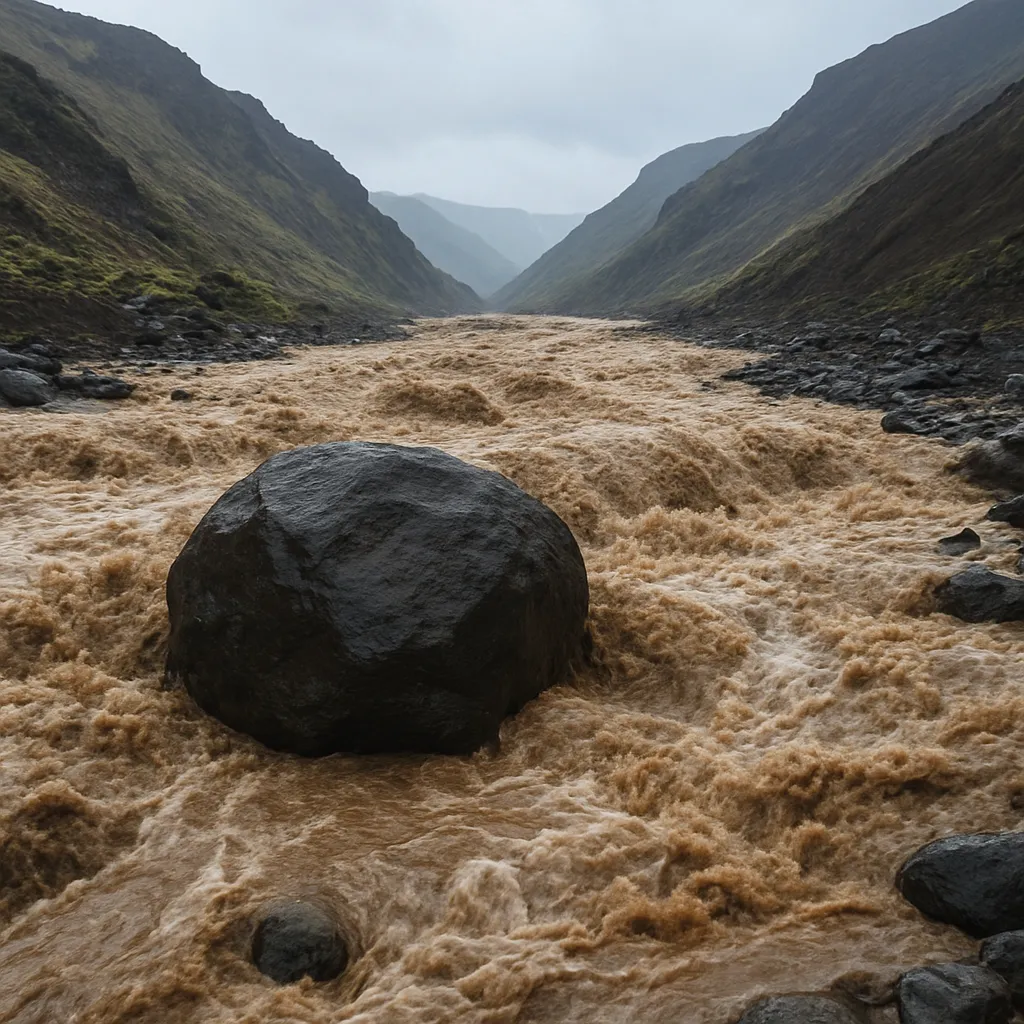
Use the scene: a muddy flood carrying boulders and logs rushes down a valley from a snow-covered volcano. Which hazard is shown?
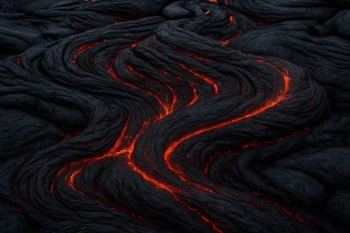
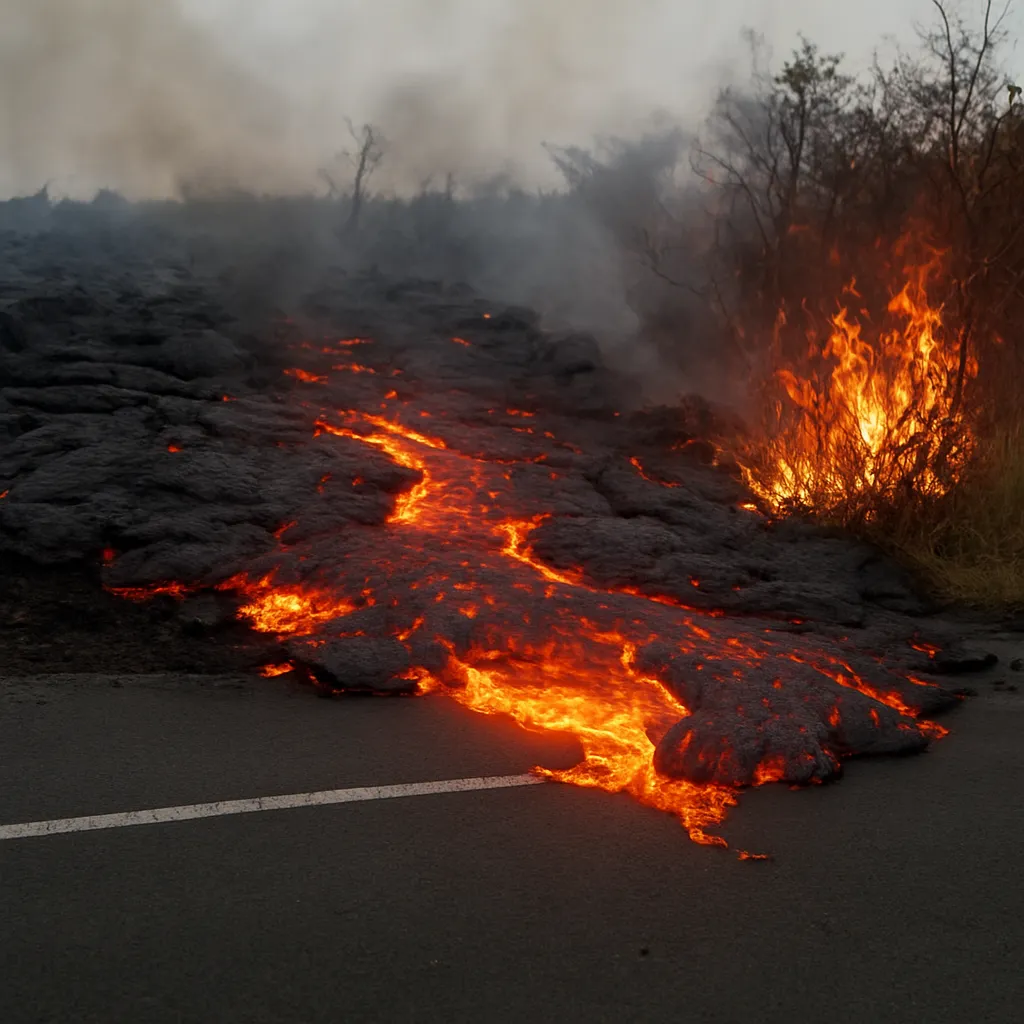
Use the scene: glowing molten rock pours from a vent and crosses a road, setting vegetation on fire. Which hazard is shown?
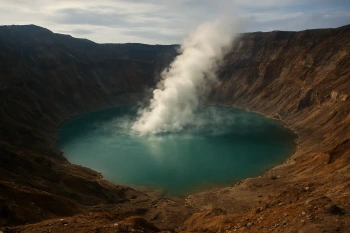
Use the scene: a pale gas plume drifts from a crater into a low valley where people are downwind. Which hazard is shown?
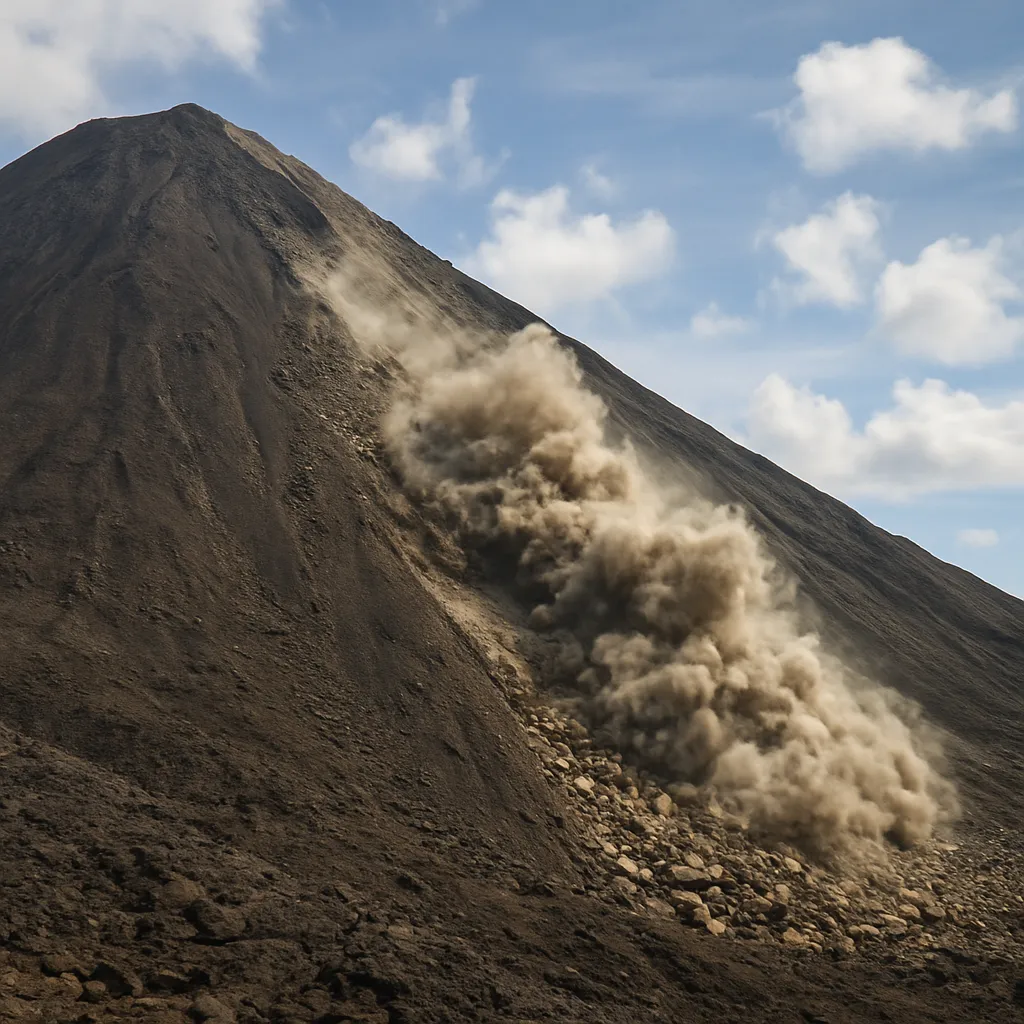
Use the scene: part of a steep volcano flank has broken loose and is sliding as a chaotic mass of rock. Which hazard is shown?
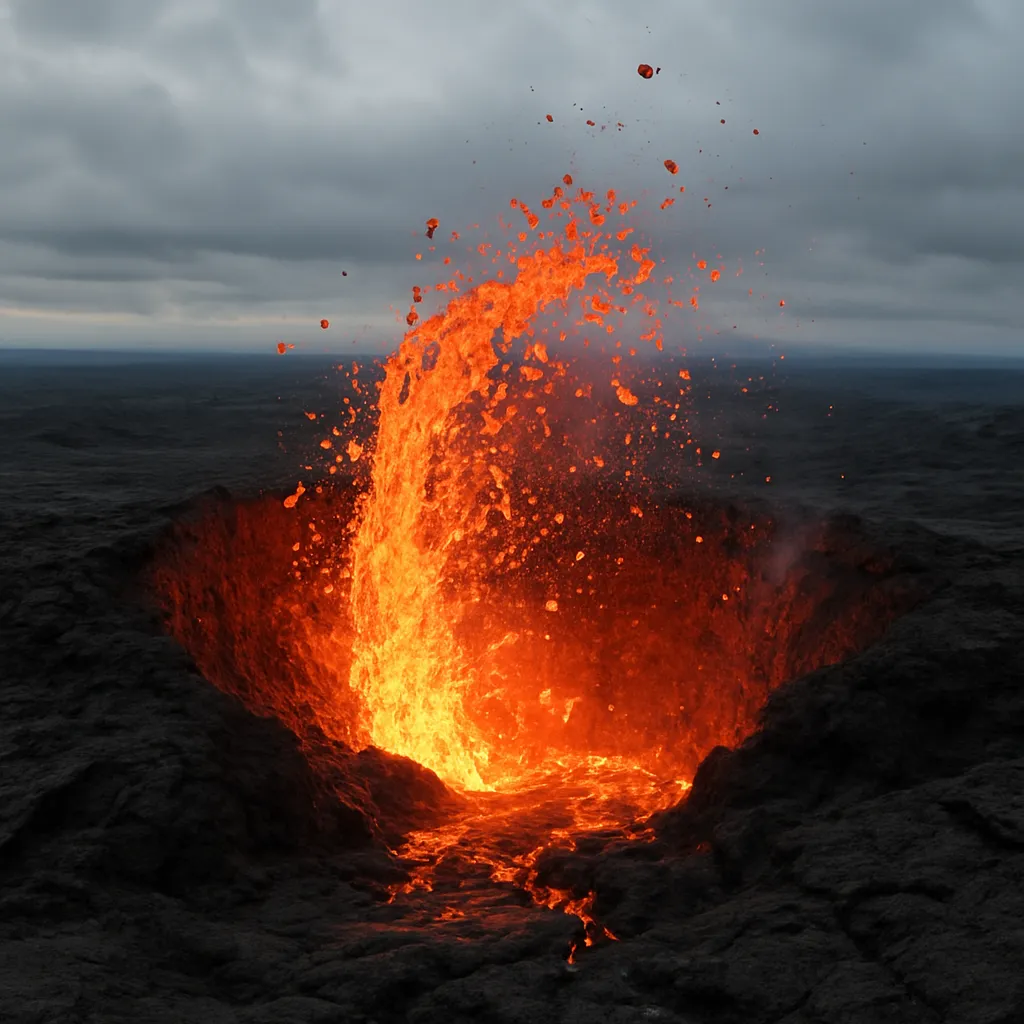
Use the scene: glowing blocks arc from a crater and land near the vent during an explosive burst. Which hazard is shown?
After Mount Pinatubo erupted in June 1991, sulfur dioxide reached the stratosphere and global temperature fell. What caused the cooling?
After a long eruption, more than 100 mm of wet ash accumulates on flat roofs. Which damage becomes more likely?
Fine volcanic ash washes into a town reservoir after an eruption. What short-term water-supply problem is most likely?
A pyroclastic flow crosses snow and ice high on a composite volcano. What downstream hazard can this trigger?
A jet flies into a volcanic ash cloud. Why can this be dangerous for the engines?
A magma sample is high in silica and traps gas bubbles as it rises. What eruption style becomes more likely?
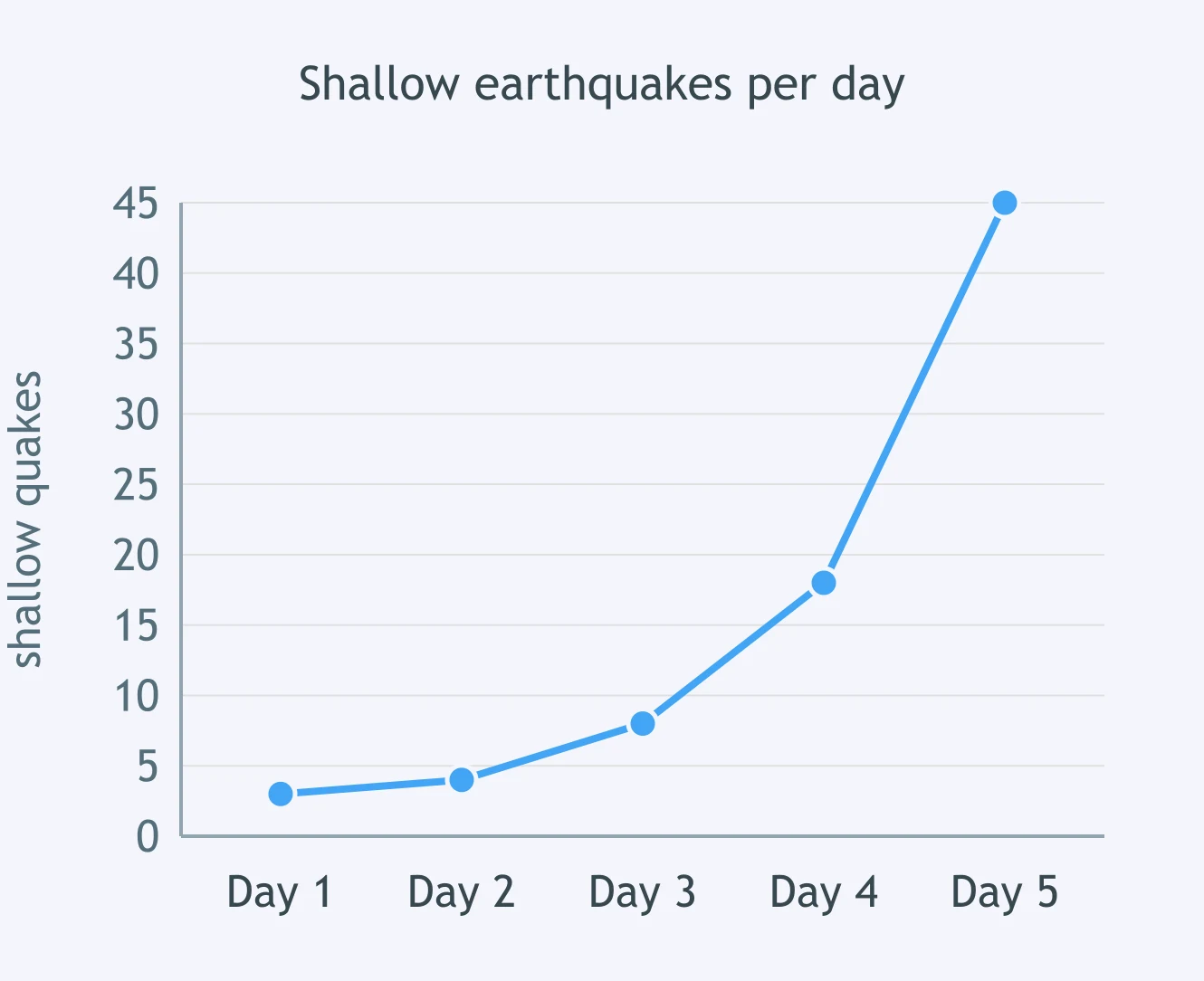
Use the monitoring graph. What interpretation best fits the sharp rise in shallow earthquakes at an active volcano?
GPS stations on opposite flanks move outward by centimeters while a summit tiltmeter records inflation. What is the best interpretation?
A non-erupting volcano's SO₂ output rises above background. What does this gas reading suggest?
A lahar detector in a river valley records a sudden vibration pulse after heavy rain on fresh ash. What warning should officials prioritize?
Earthquake epicenters beneath a volcano migrate from 12 km to 3 km depth over several days. What does the pattern most strongly suggest?
Crack the passcode before the zombies get in.
Answer, then swat bugs for bonus points.
Race through questions at your own speed.
Same question on every screen. Fastest wins.

Pick a tile, answer, hit bonuses and steals.
Physical and Chemical Weathering
40 questions