Loading
by BlastRoom
A 40-question bank on distinguishing physical and chemical weathering and identifying the agents that cause each type.
#earth_space_science
40 questions
One question set, multiple game modes. Tap any game to see it in action. Not sure which to pick?
Answer to place stones and capture territory.
Outrun the snow together.
Earn blasts, then hunt the other team.
Answer to earn energy, then climb.

The class blasts through walls together.
Bid on mystery lots. Most money wins.
Sell tours. Nice, standard, or a total scam.

Answer, restock, and serve the rush.
More correct answers pulls the rope your way.
Answer, then shoot down the alien wave.
Answer, then tap to leap the frozen ridge.
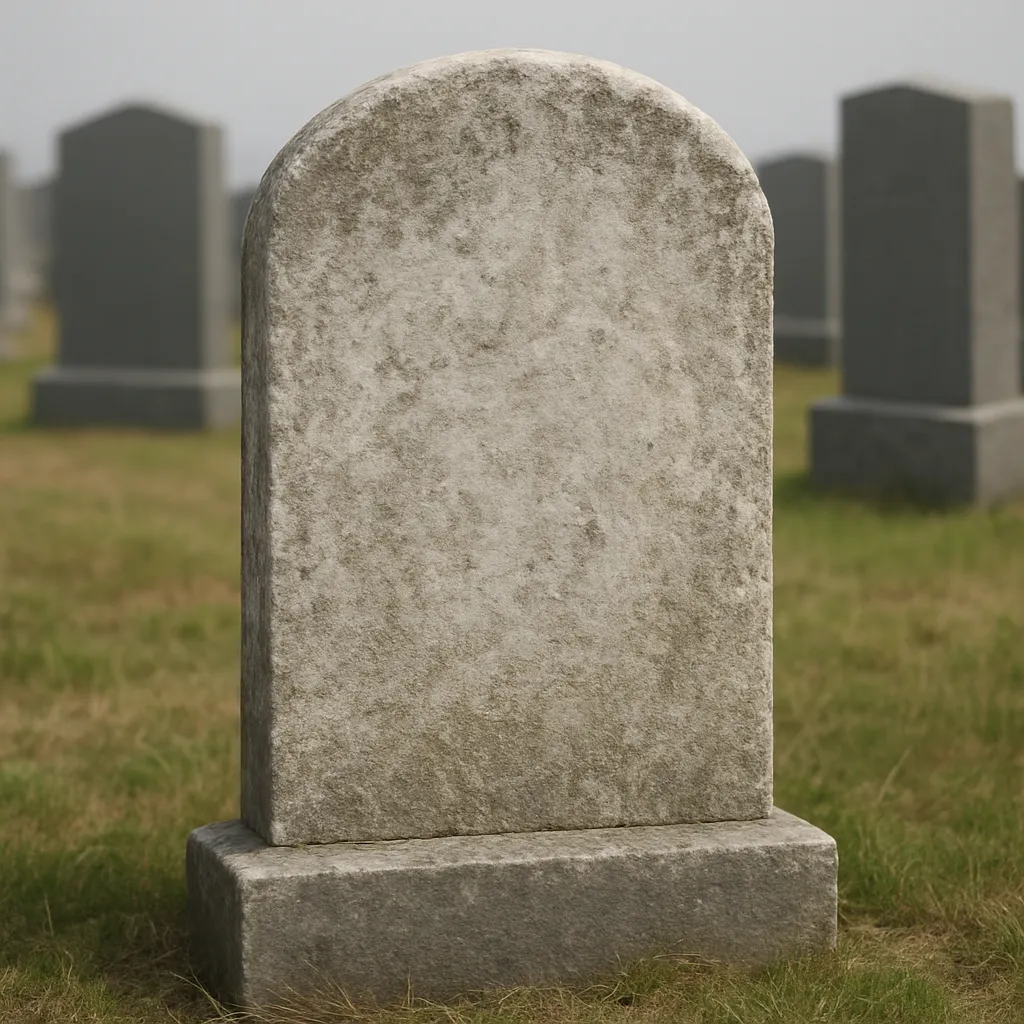
A granite headstone's carved letters have blurred and a soft white crust has replaced the feldspar at the surface, though no pieces have broken off it. Which weathering acted here?
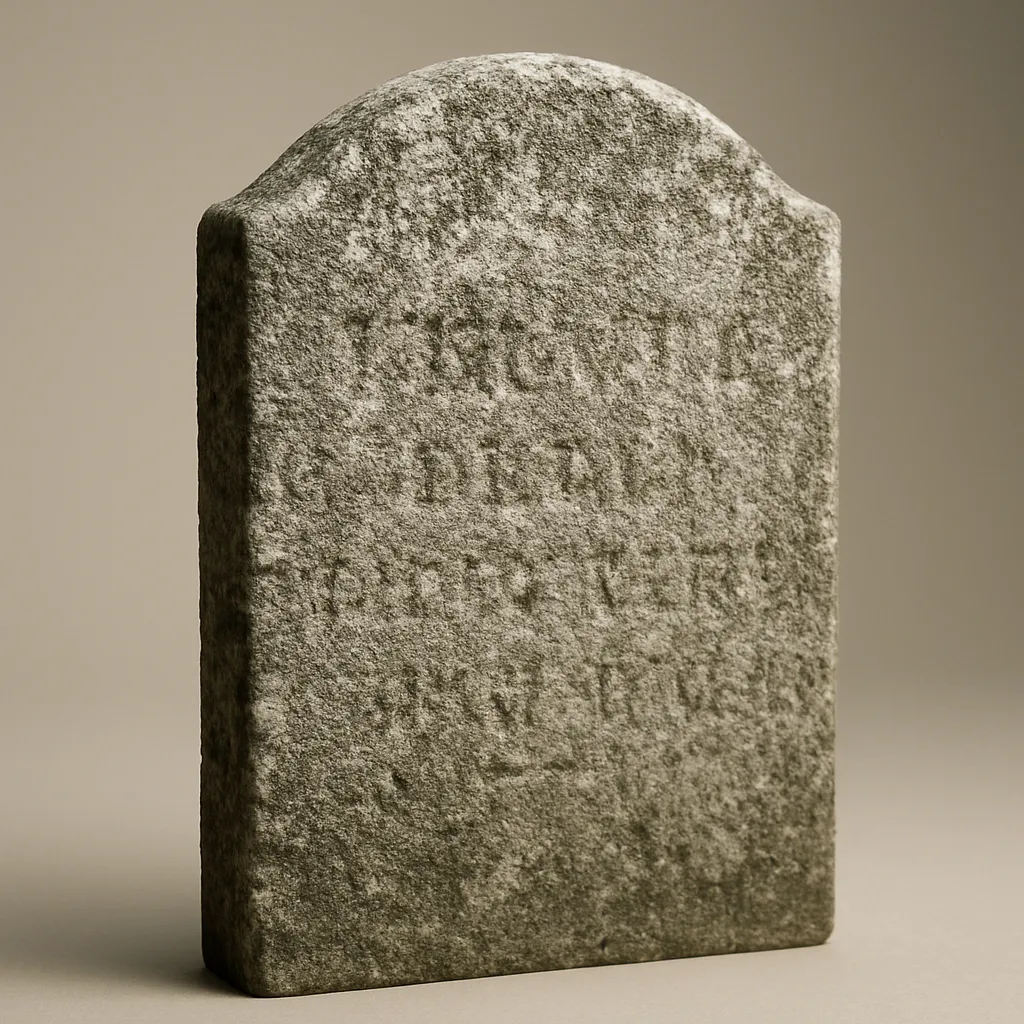
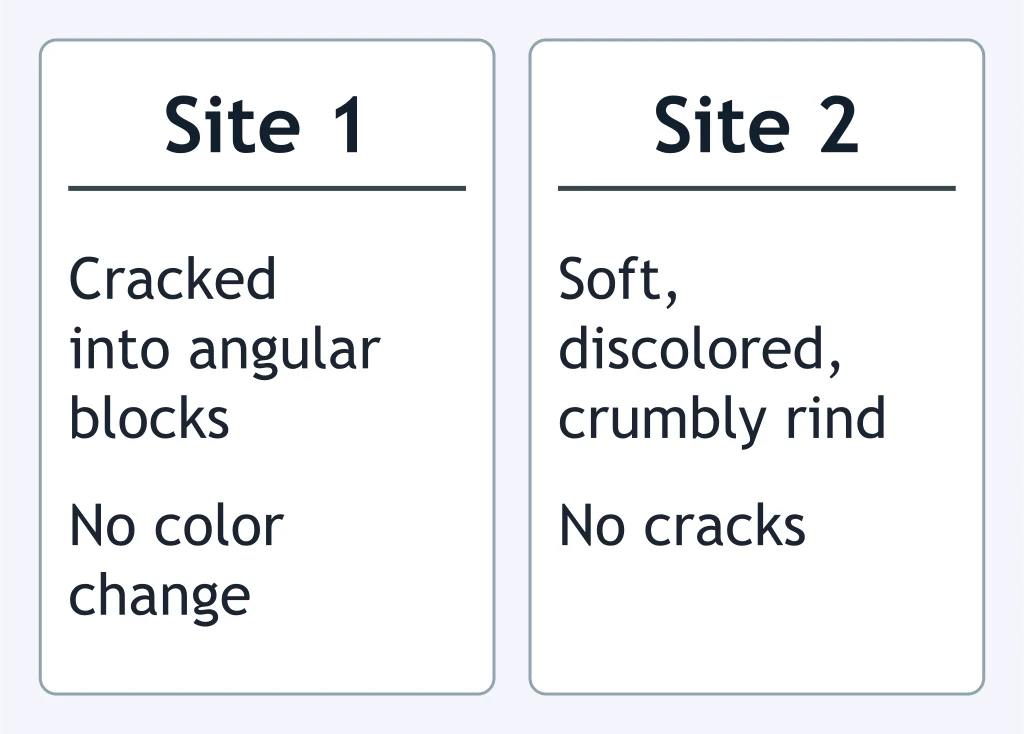
Site 1: a granite boulder split into angular blocks along old cracks after many freeze-thaw winters, with no color change. Site 2: the same rock has a soft, discolored, crumbly rind where minerals have altered. Which site shows physical weathering?
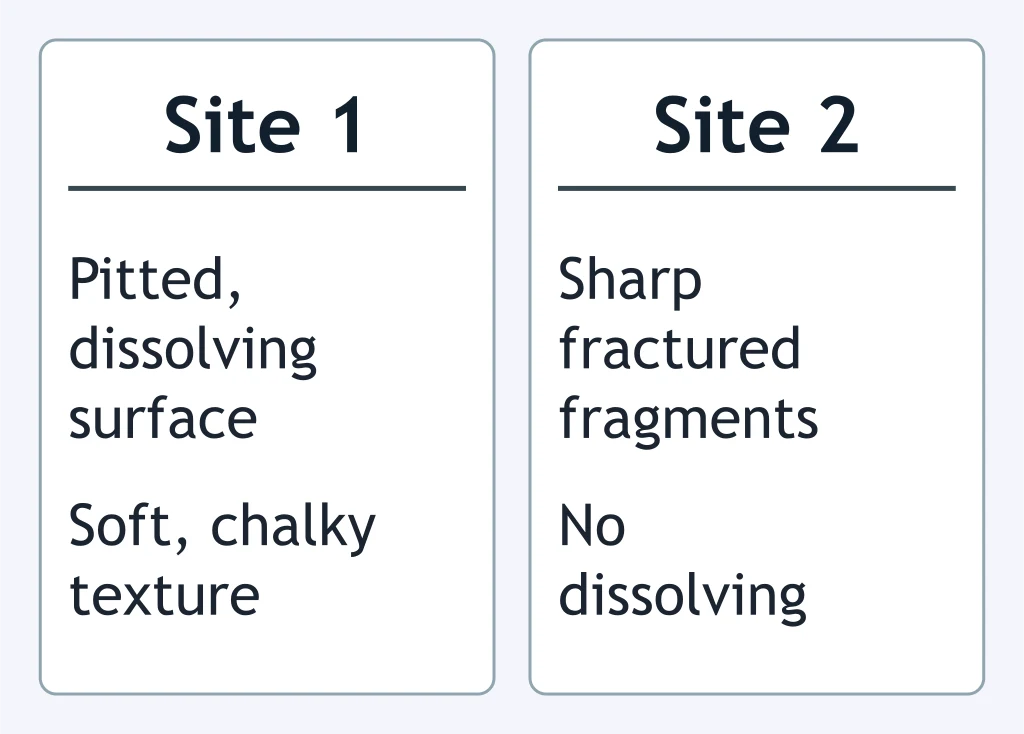
Site 1: a marble surface has dissolved into soft, chalky pits from acid rain. Site 2: a marble surface has fractured into sharp-edged fragments after repeated frost, with no dissolving. Which site shows chemical weathering?
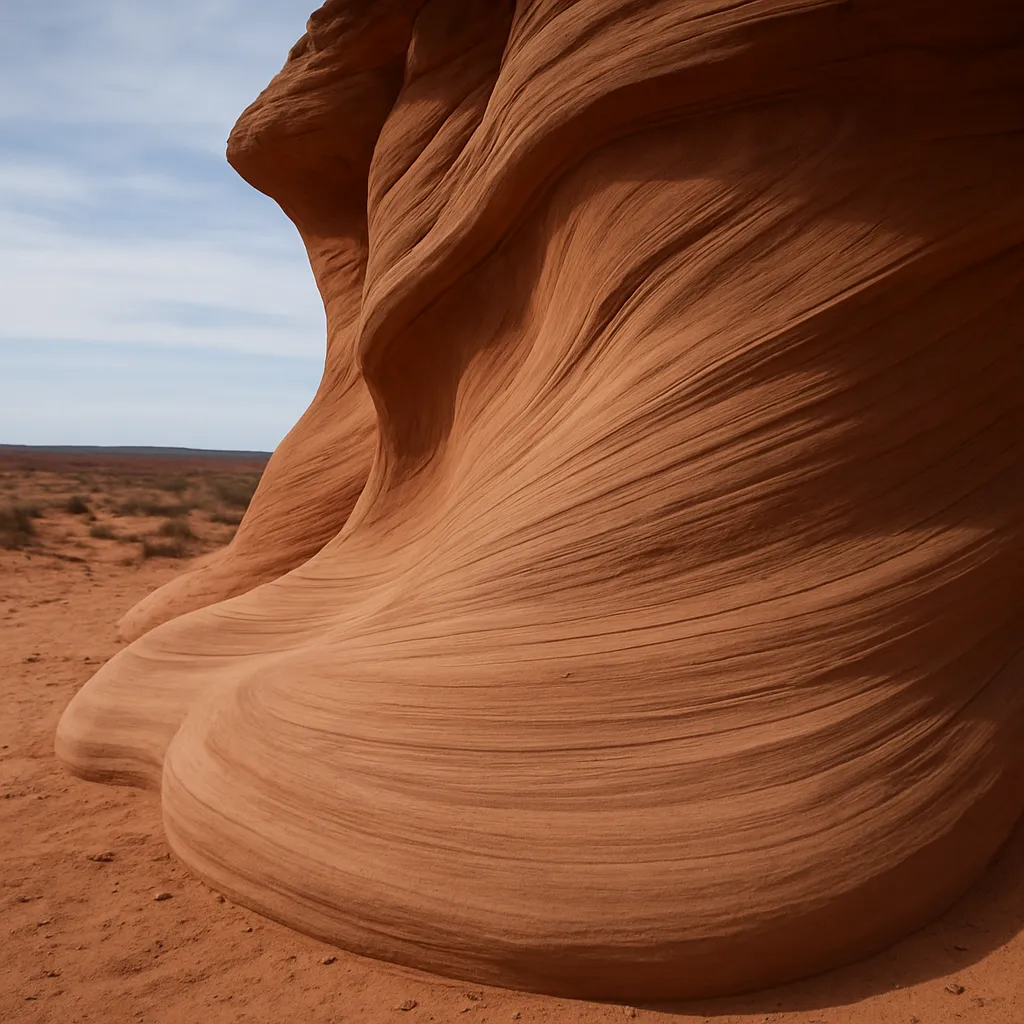
A sandstone cliff base along a desert wash has smoothly polished, gently curved surfaces where windblown sand sweeps past, with no color change to the rock. Which weathering acted here?
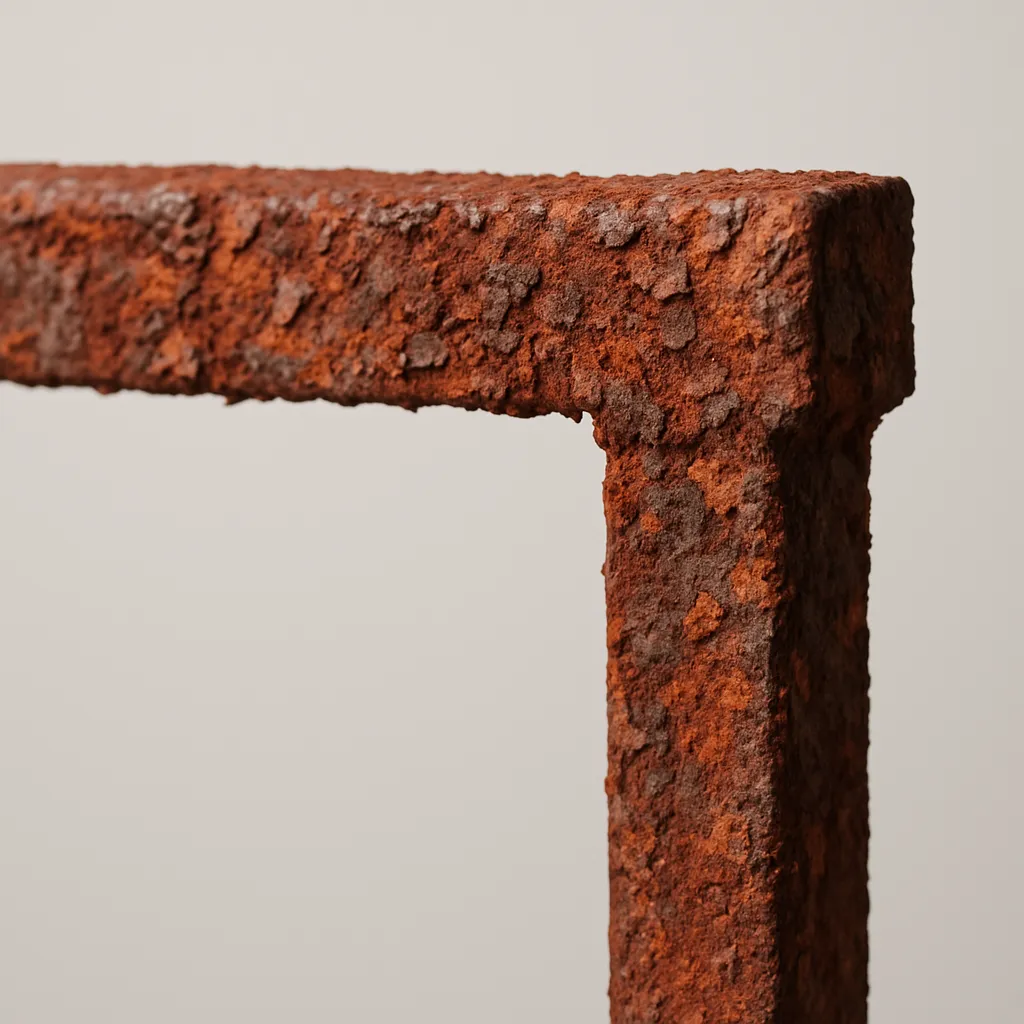
An old iron fence railing has swollen with a reddish-brown, flaky crust replacing its once-smooth metal surface, though no piece has broken away. Which weathering acted here?
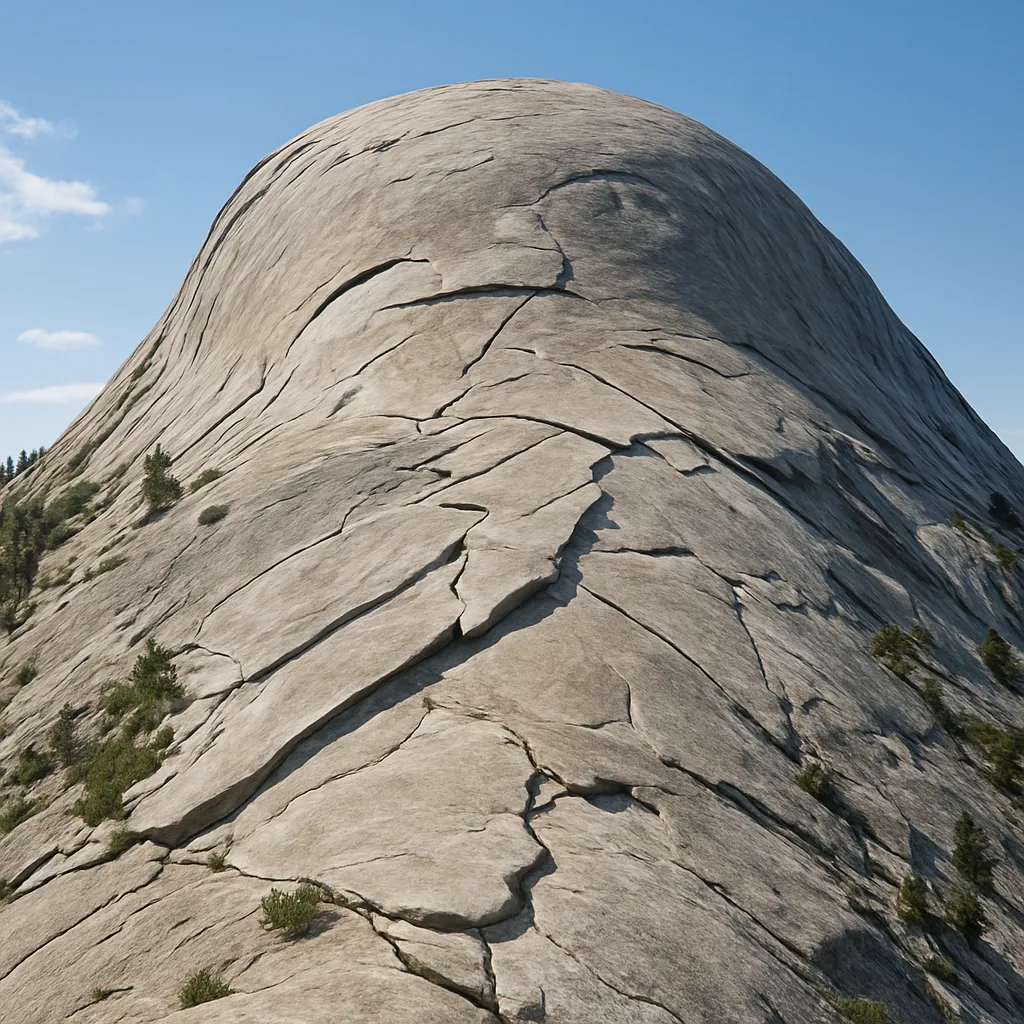
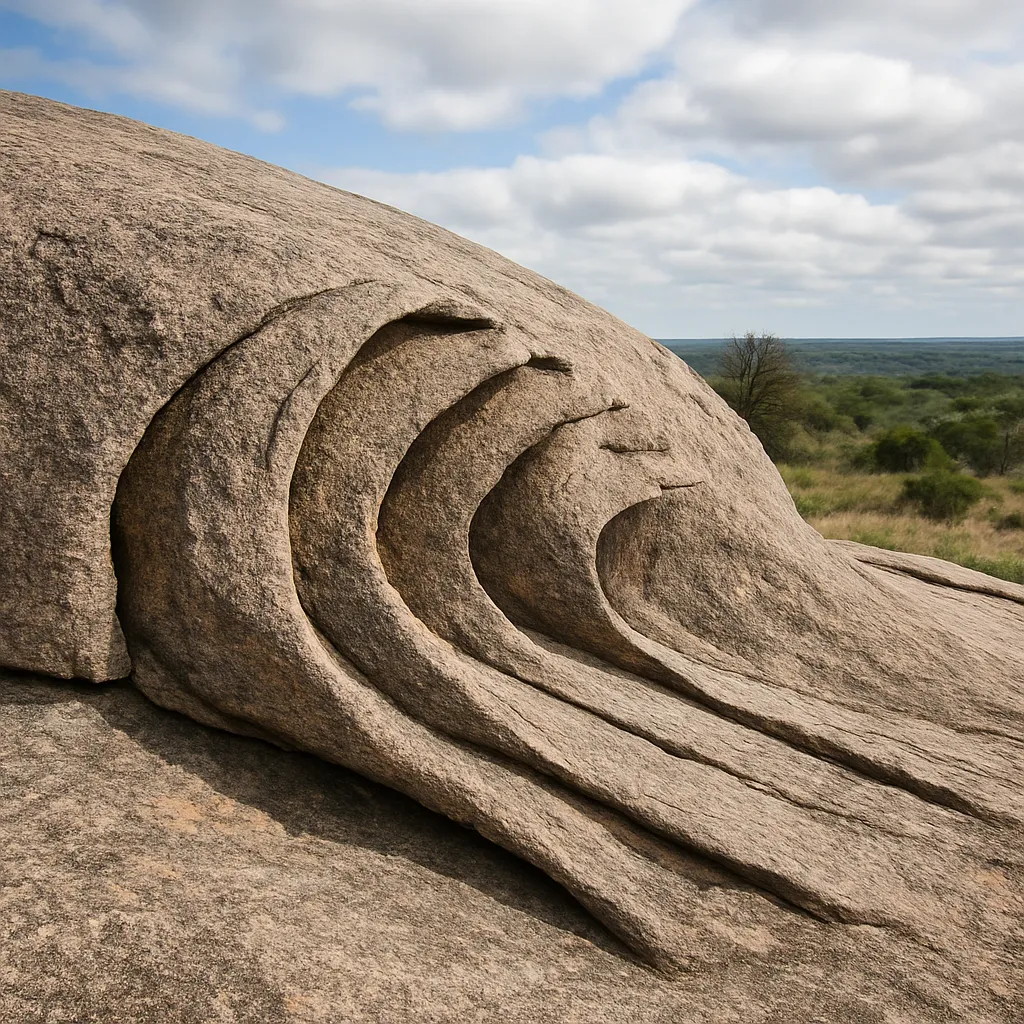
A granite dome has shed curved slabs several centimeters thick that peel away parallel to its rounded surface, exposing fresh rock beneath. Which weathering acted here?
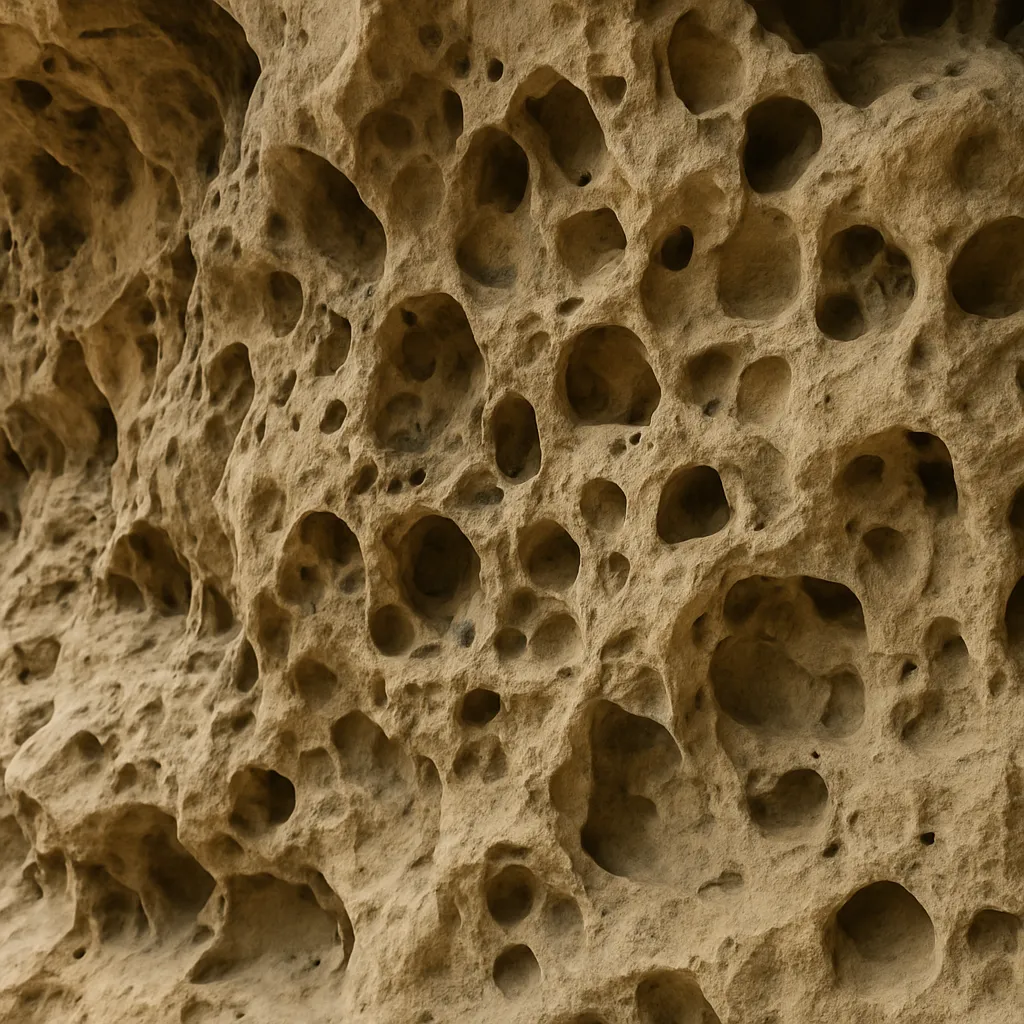
A limestone cave wall has developed soft, crumbly pockets where slightly acidic groundwater trickles over it, though the rock nearby shows no cracks. Which weathering acted here?
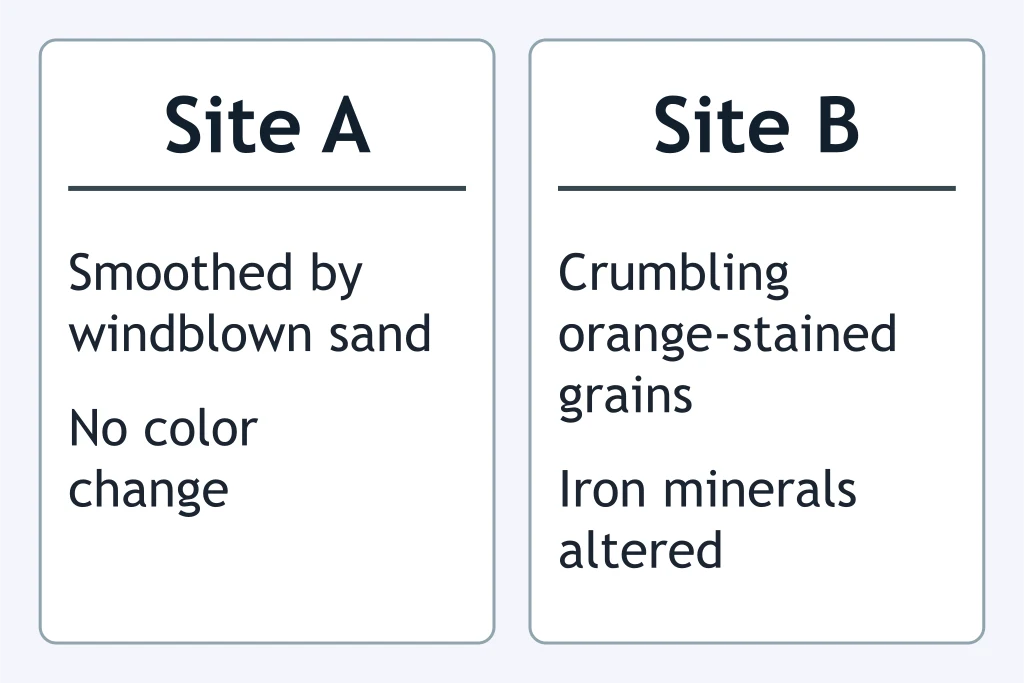
Site A: a sandstone block has been ground smooth by decades of windblown sand, with no color change. Site B: an identical sandstone block is crumbling into orange-stained, sandy grains as its iron minerals alter. Which site shows chemical weathering?
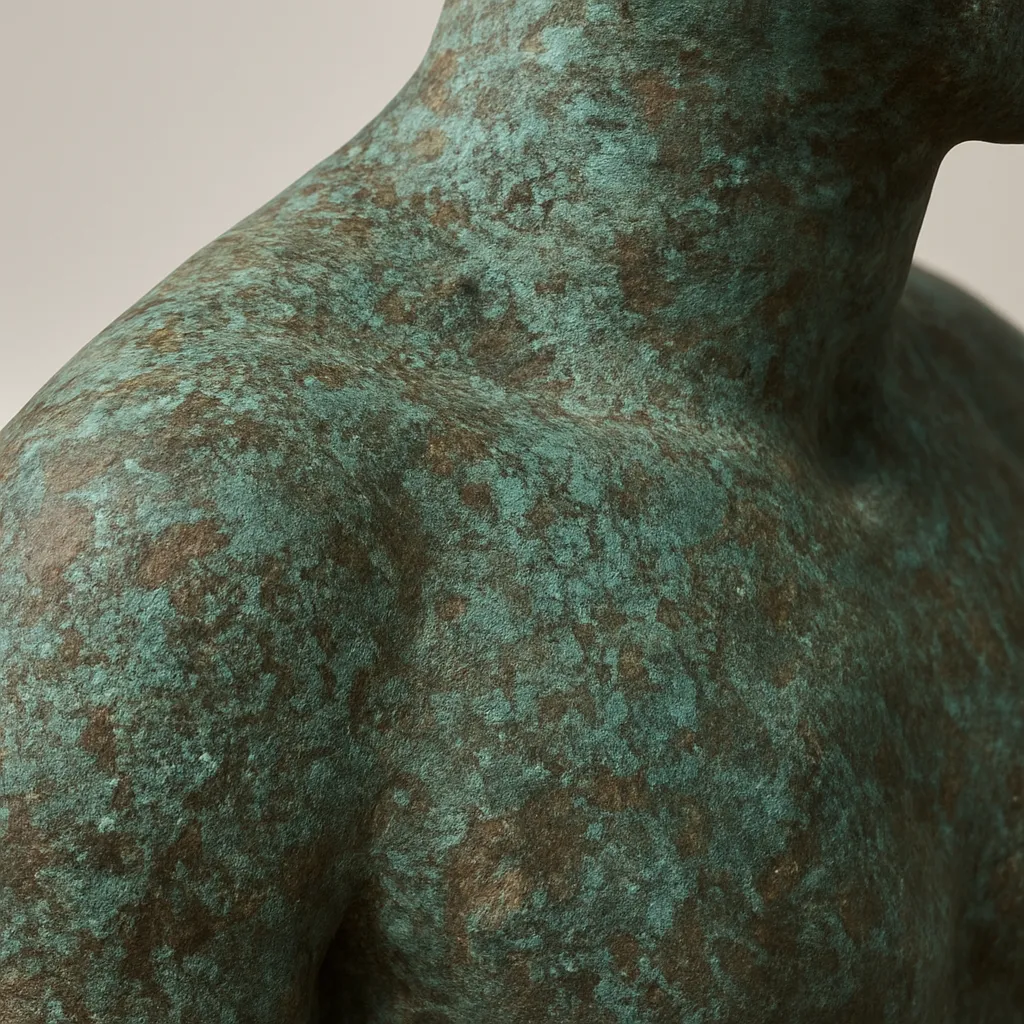
A bronze statue in a coastal park has turned a blue-green color over its entire surface, with the original metal sheen gone, though no pitting or crumbling has occurred. Which weathering acted here?
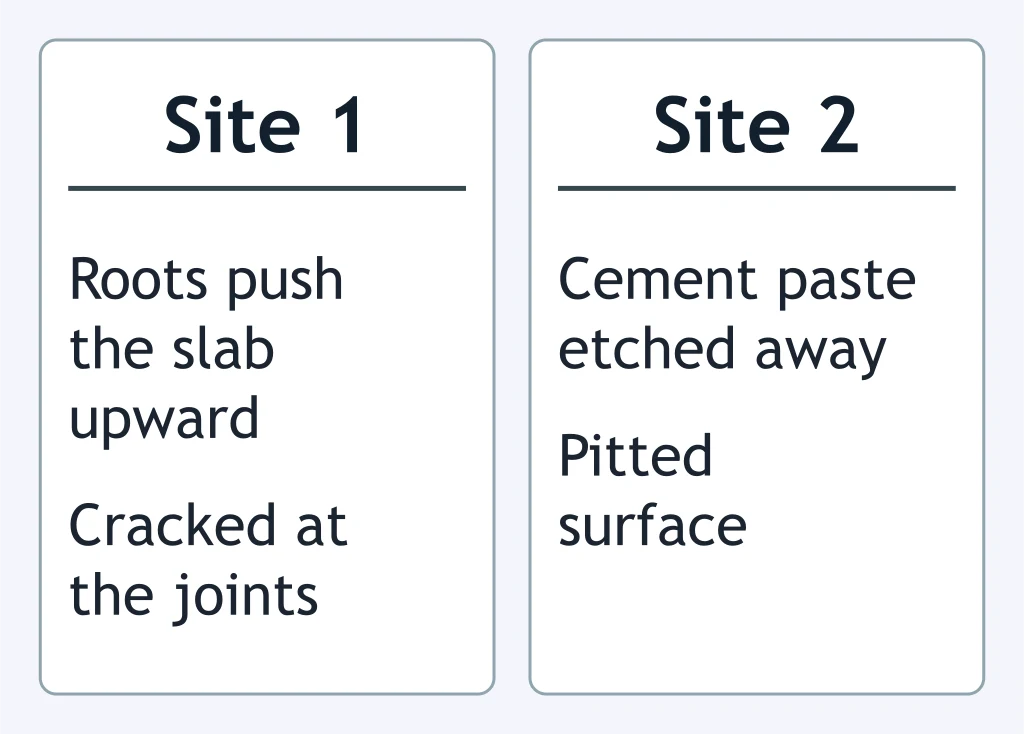
Site 1: a sidewalk slab is cracked upward as tree roots push through its joints. Site 2: an identical slab's surface is etched and pitted as acid rain dissolves the cement paste. Which site shows physical weathering?
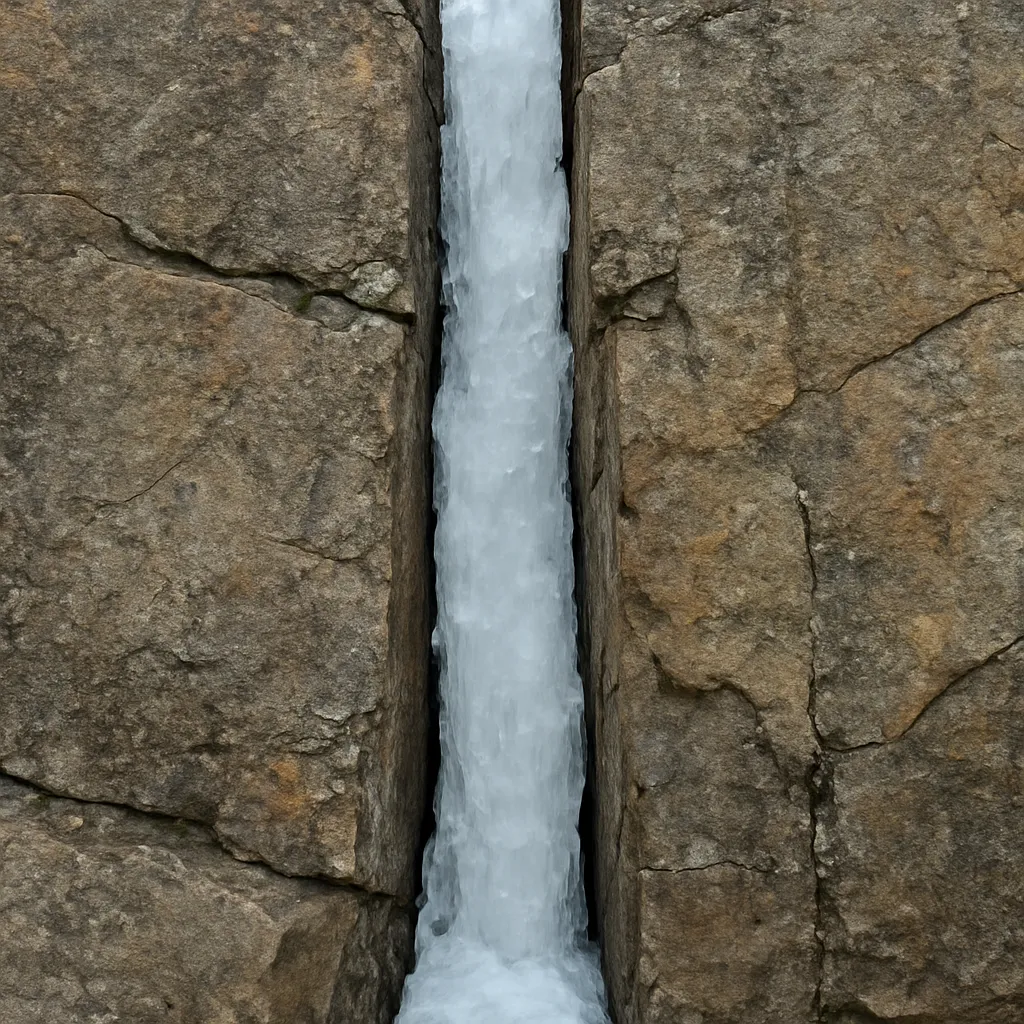
Water seeps into a crack in a Vermont cliff, freezes overnight, and expands, and after many winters a slab splits away from the face. Which process is this?
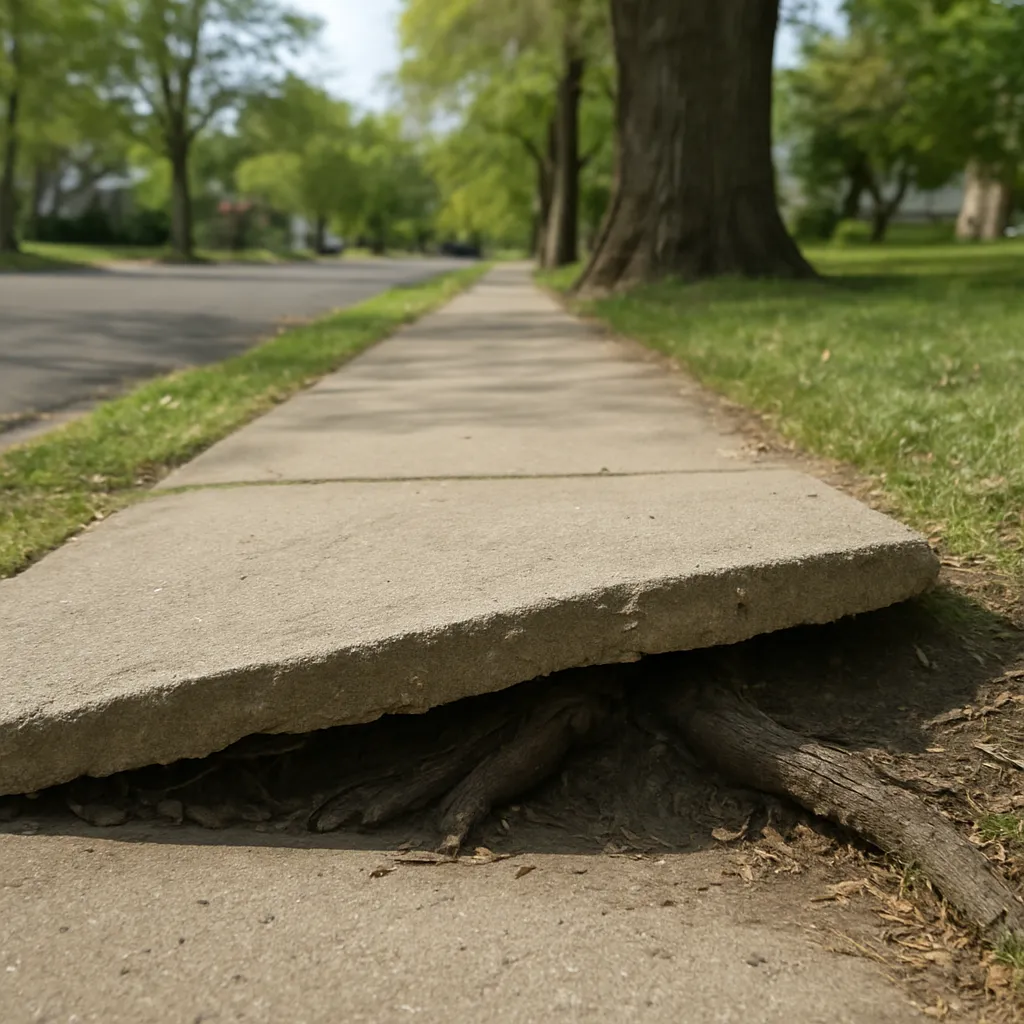
A sidewalk in a suburban neighborhood buckles upward as a maple tree's roots grow beneath it and pry the concrete apart along a crack. Which process is this?
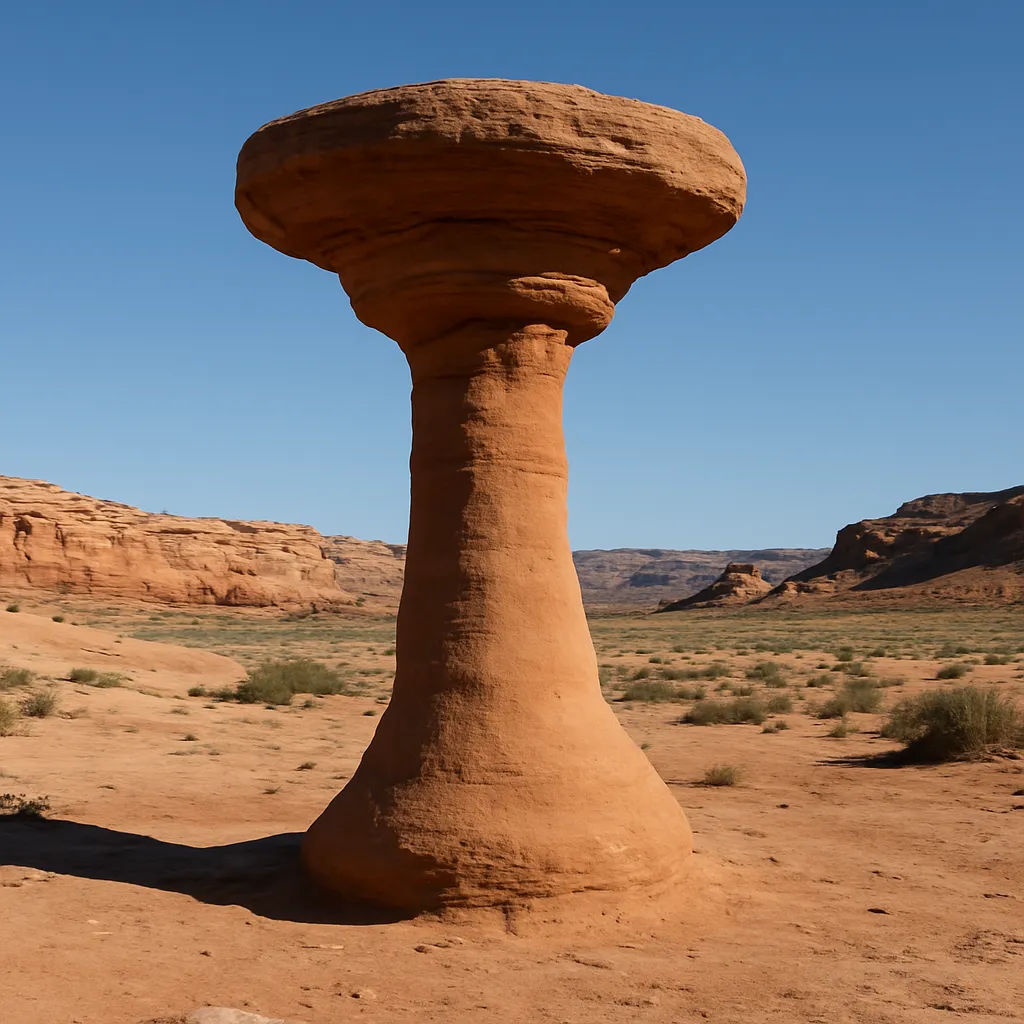
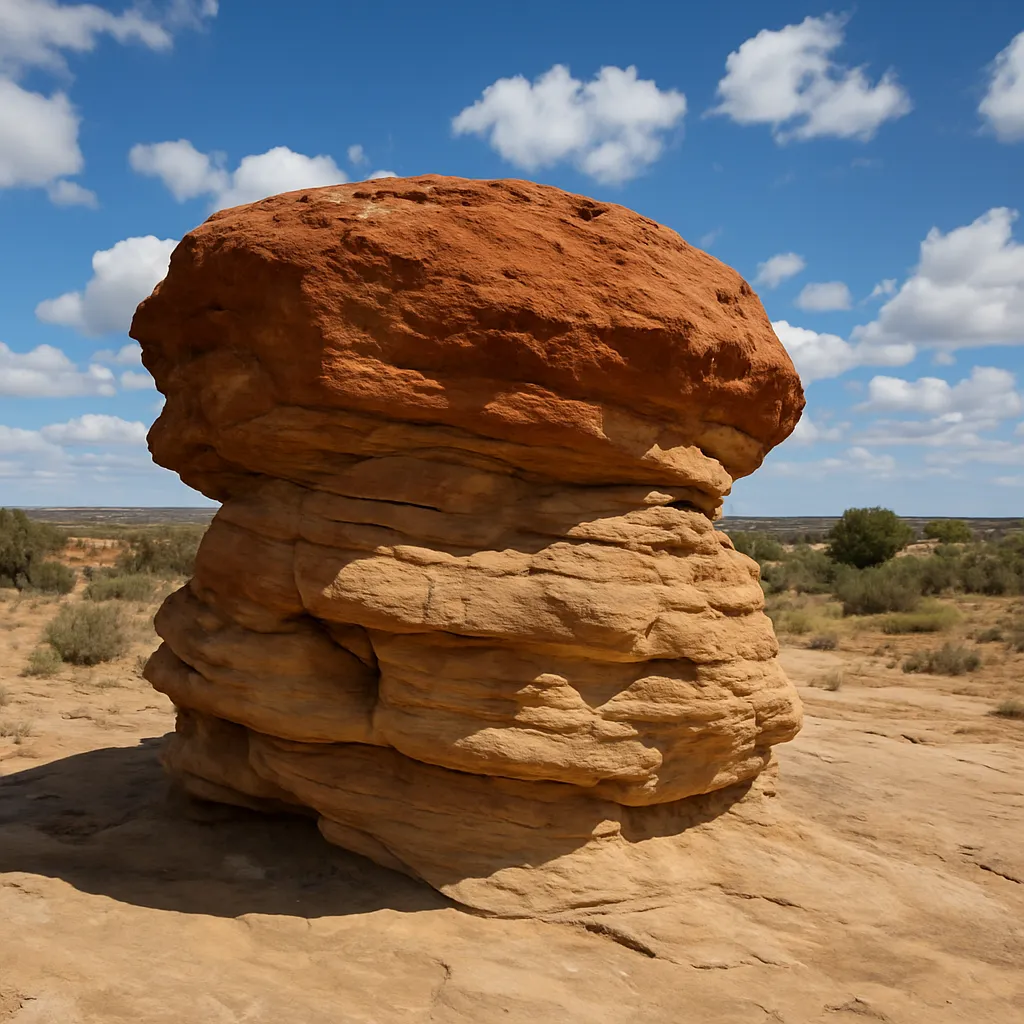
Over decades, windblown desert sand scours the base of a sandstone pillar, wearing it into a narrower, smoothly rounded shape while the top stays wide. Which process is this?
A granite mass that formed deep underground is exposed by erosion, and as the overlying rock is removed, curved sheets of rock peel away from its outer surface. Which process is this?
In California's Mojave Desert, a dark boulder's surface cracks into thin flakes after repeated days of intense heating and nights of rapid cooling. Which process is this?
Rainwater seeping through cracks in a limestone cave roof carries dissolved carbon dioxide that reacts with the calcite, gradually widening the cracks. Which process is this?
Feldspar crystals in an exposed granite boulder react with rainwater over thousands of years, breaking down into soft clay minerals that crumble at a touch. Which process is this?
Iron-bearing minerals in an exposed basalt boulder react with oxygen and moisture in the air, and its surface reddens and flakes over the years. Which process is this?
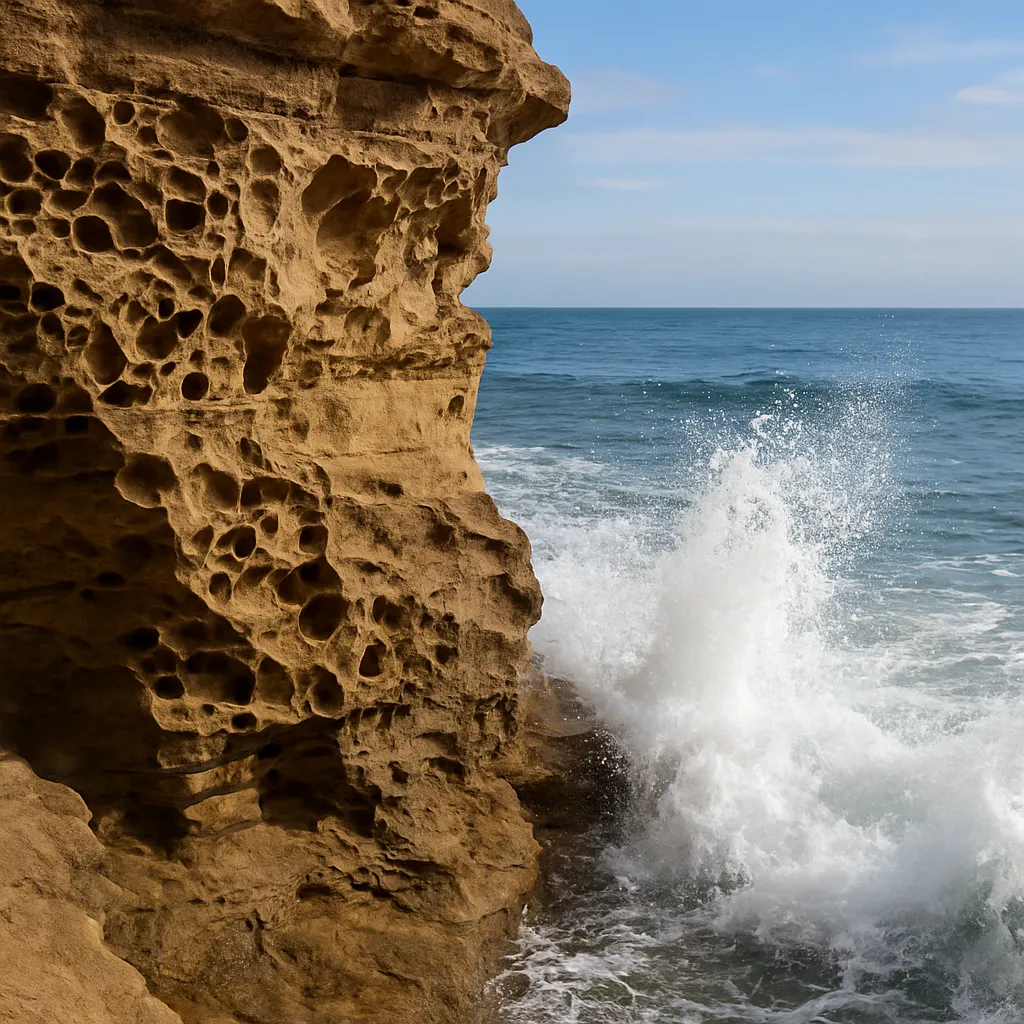
Along a rocky coastline, salt crystals grow inside the pores of a sandstone cliff as seawater spray evaporates, and the pressure of the growing crystals pries grains loose. Which process is this?
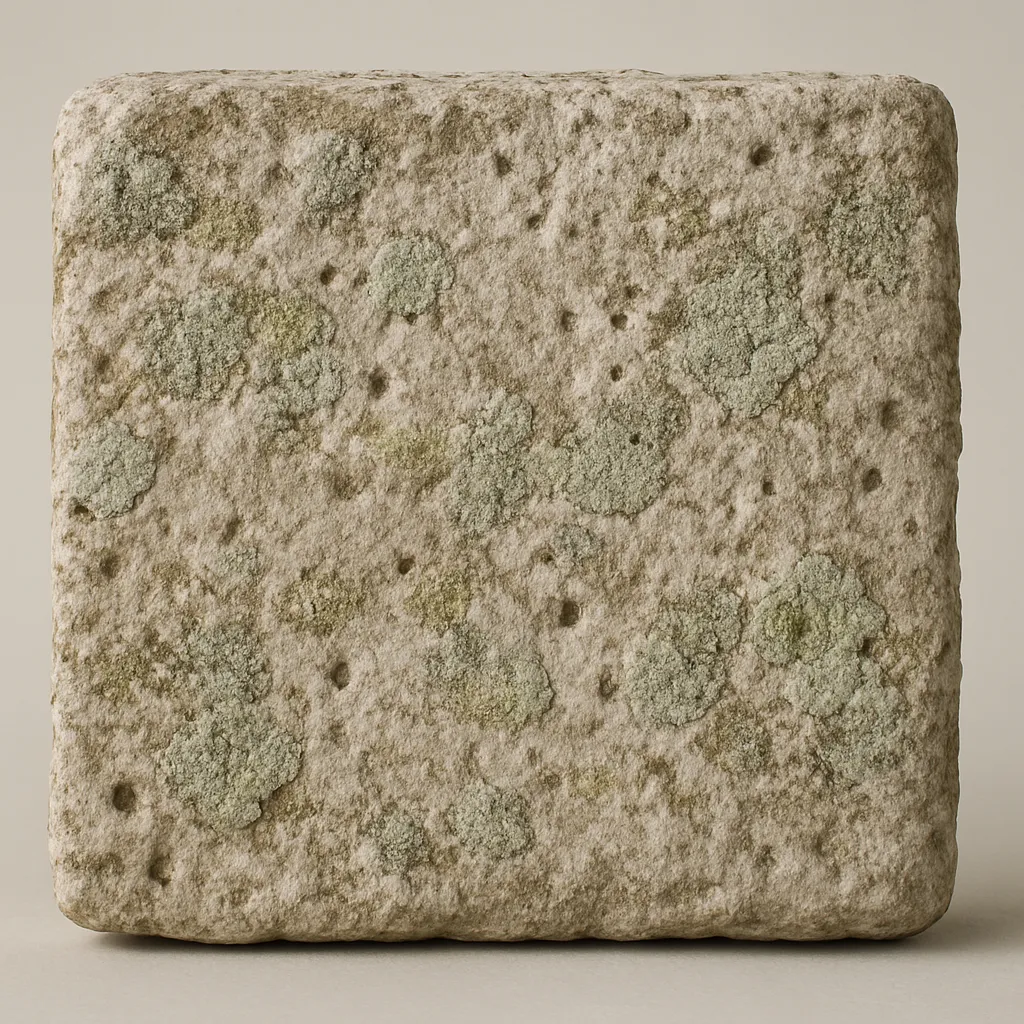
Lichens growing on an exposed marble monument release weak acids that etch shallow pits into the stone beneath each colony. Which process is this?
A cobble tumbling along a mountain stream bed for years is worn round and smooth as it repeatedly grinds against other rocks. Which process is this?
Water fills a crack in a Rocky Mountain outcrop and freezes on a winter night. Why does freezing force the crack wider?
The iron-bearing minerals in a sandstone outcrop have turned a reddish-brown rind several millimeters deep after long exposure to moist air. What substance gives the rind its color?
Rainwater absorbs carbon dioxide from the air before it falls on a limestone building block and slowly dissolves shallow pits into it. Which weak acid forms in the water?
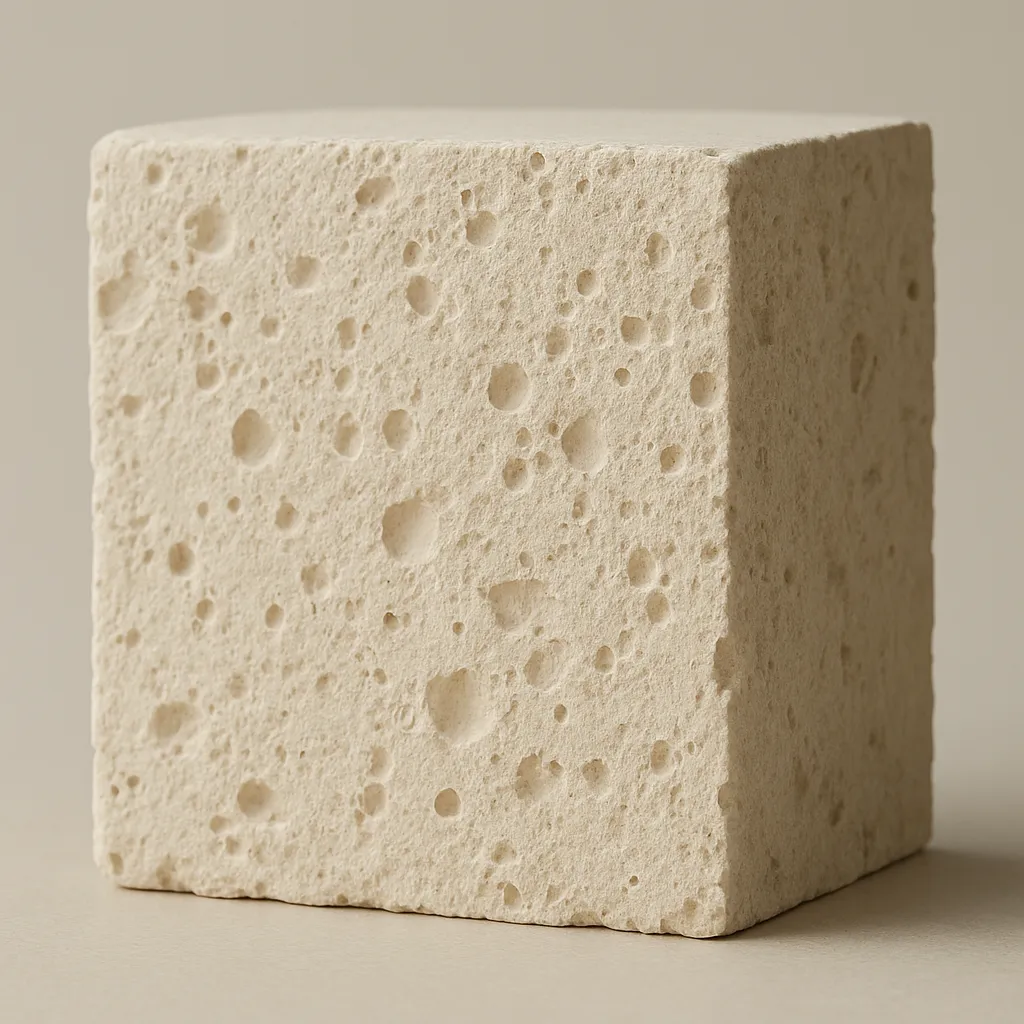
In an exposed granite boulder, the feldspar crystals have turned into soft clay while the quartz grains remain hard and glassy. Why did the quartz survive?
Anhydrite in an exposed rock layer has absorbed water from the air and swollen into a softer mineral, cracking the surrounding rock as it expands. Which reaction produced this?
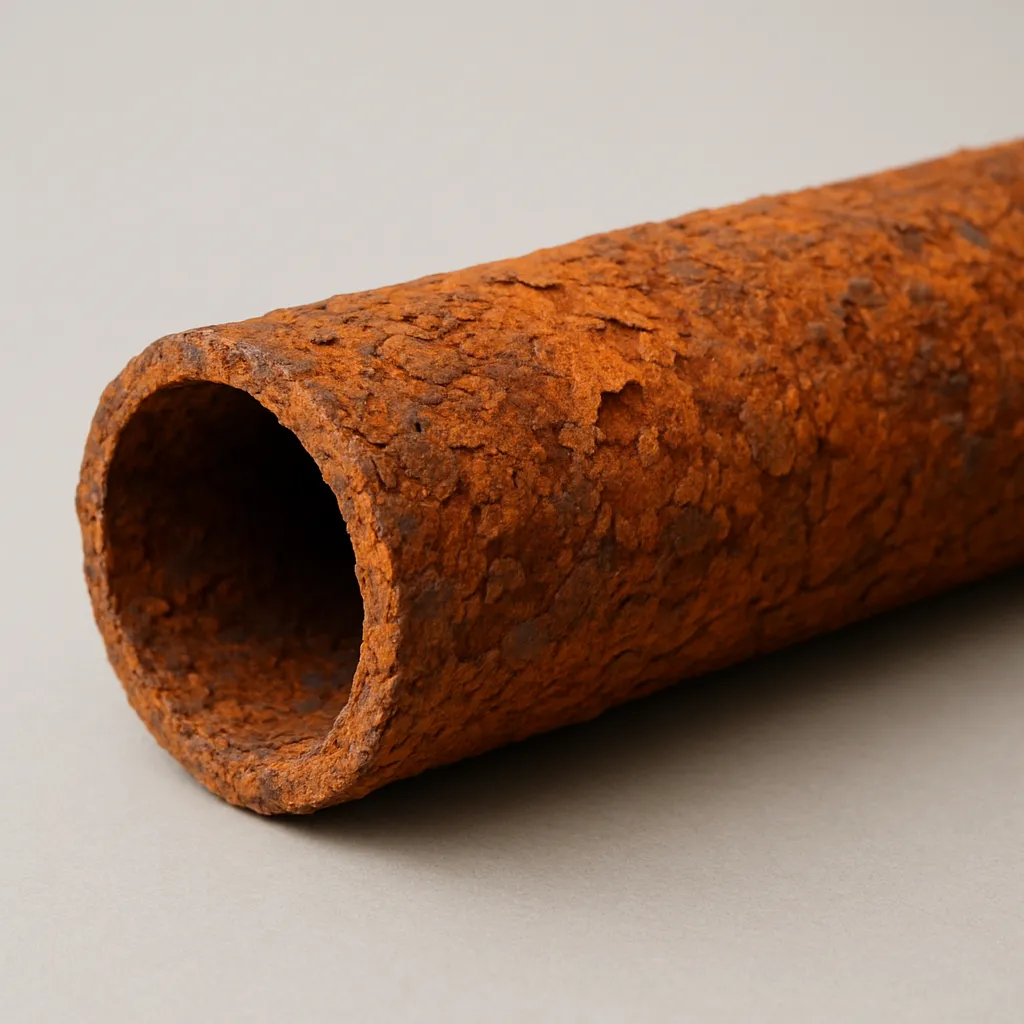
An iron pipe left exposed at a construction site has developed a thick, flaky, orange-brown coating that flakes away when scratched. Which reaction produced this?
Marble headstones in a coastal cemetery show smoothed, rounded edges and a soft chalky surface after a century of rain, while carved dates on nearby granite headstones remain sharp. Which reaction produced this?
A basalt boulder's dark minerals have broken down into a yellow-brown clay layer several centimeters thick beneath its weathered surface, produced by a reaction with rainwater rather than air alone. Which reaction produced this?
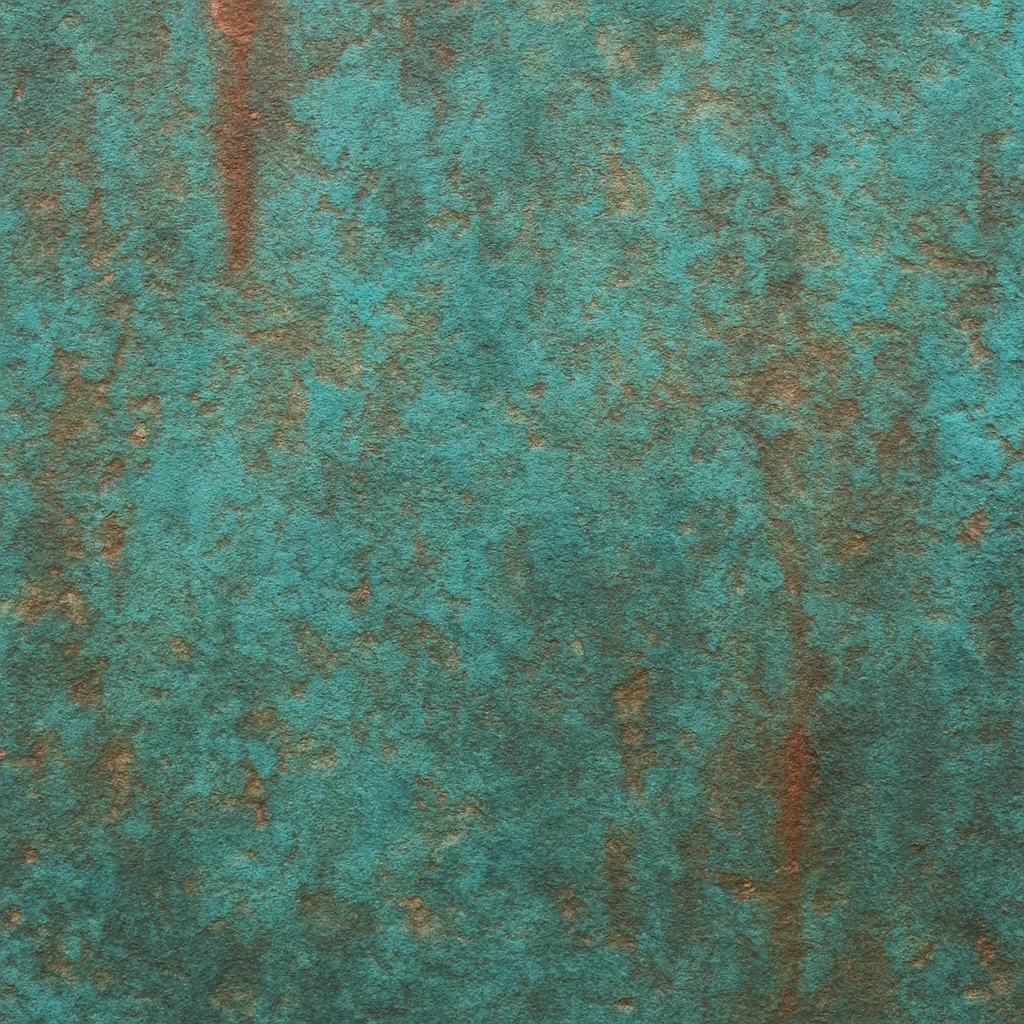
A copper roof that once shone bright orange has turned a dull blue-green over several decades of exposure to rain and air. Which reaction produced this?
Salt crystals pry grains loose from a coastal cliff, and ocean waves then carry those grains down the beach. Which term names only the second step?
Plant roots crack a boulder into smaller pieces on a hillside, and a landslide then moves those pieces down the slope. Which term names only the first step?
Chemical reactions dissolve pits into a limestone outcrop, and groundwater then carries the dissolved minerals away in solution. Which term names only the second step?
Thermal expansion and contraction flakes pieces off a desert boulder's surface, and a gust of wind then blows those flakes into a nearby dune. Which term names the process that lays the flakes down in the dune?
Frost wedging breaks rock free from a mountain summit, and a glacier then drags those broken rocks miles down the valley. Which term names only the first step?
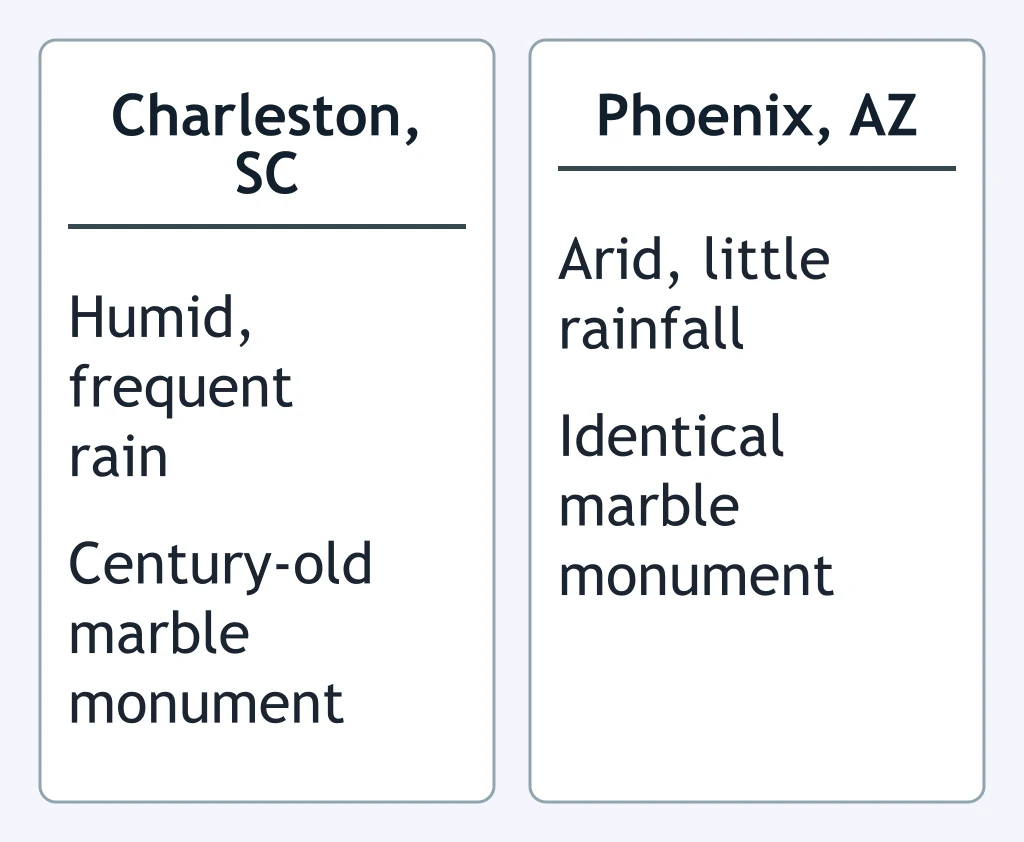
A marble monument stands in humid Charleston and an identical one stands in dry Phoenix. After a century, the Charleston monument's carved inscriptions are far more worn and rounded. Why?
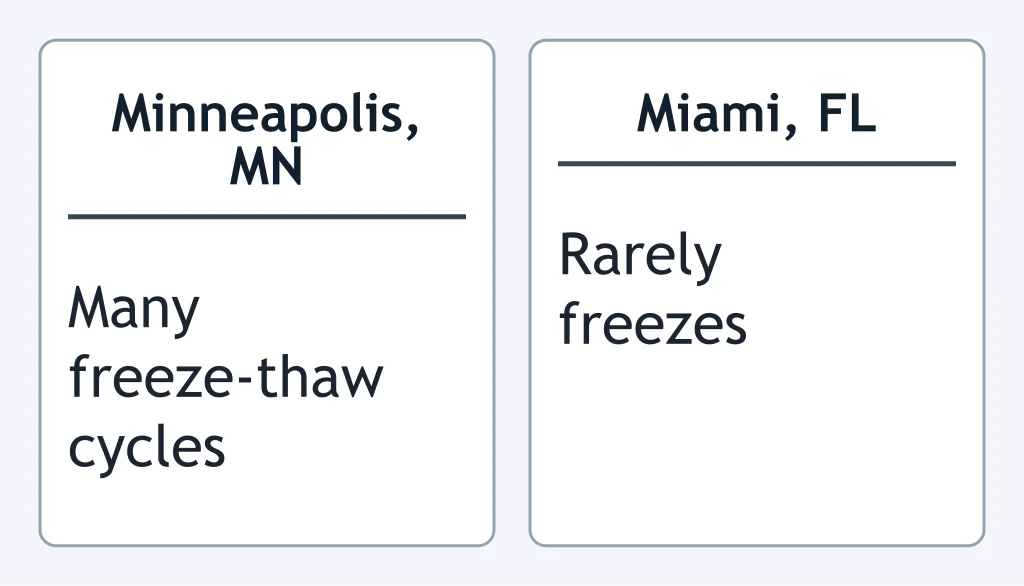
Identical granite headstones stand in Minneapolis, where winters bring many freeze-thaw cycles, and in Miami, where temperatures rarely drop below freezing. After a century, the Minneapolis stone shows far more cracking and flaking. Why?
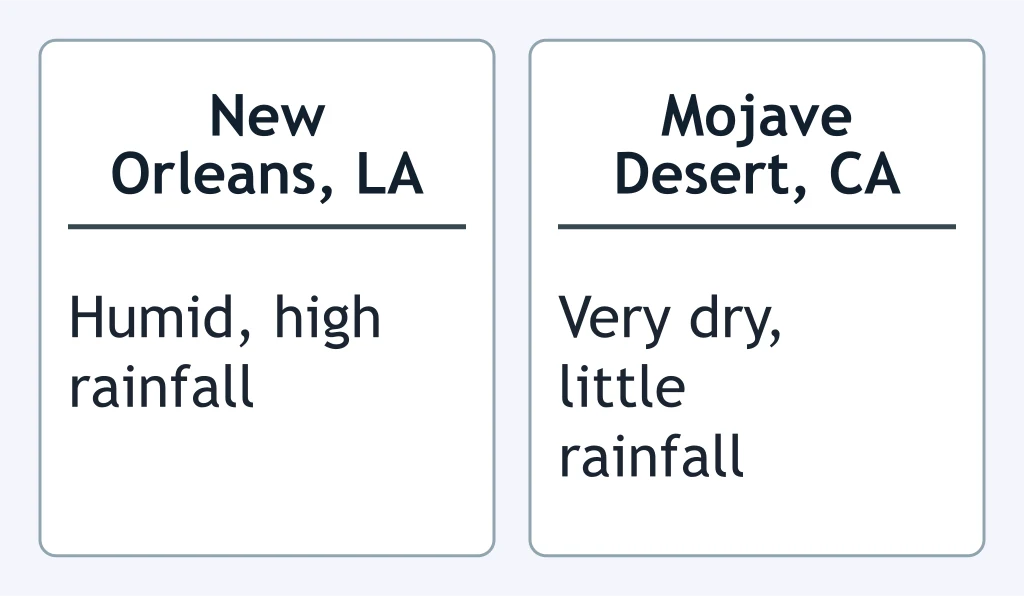
Two identical sandstone walls were built, one in humid New Orleans and one in the dry Mojave Desert. After 50 years, the New Orleans wall's iron-bearing grains have reddened and crumbled far more than the desert wall's. Why?
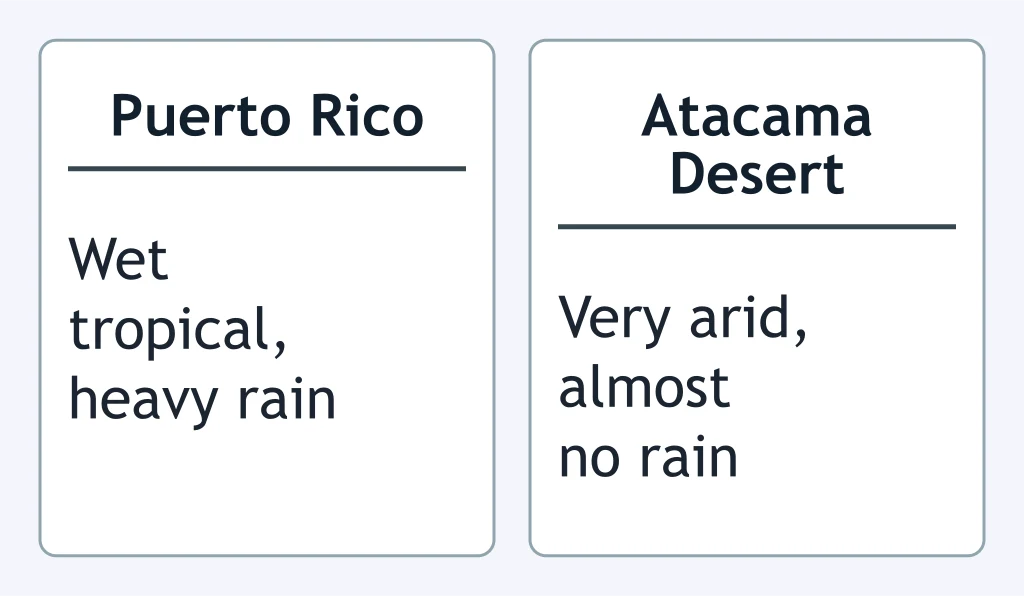
Two identical limestone caves are compared: one in the wet tropical climate of Puerto Rico and one in the arid climate of the Atacama Desert. Puerto Rico's cave has far more dissolved passages and dripstone features. Why?
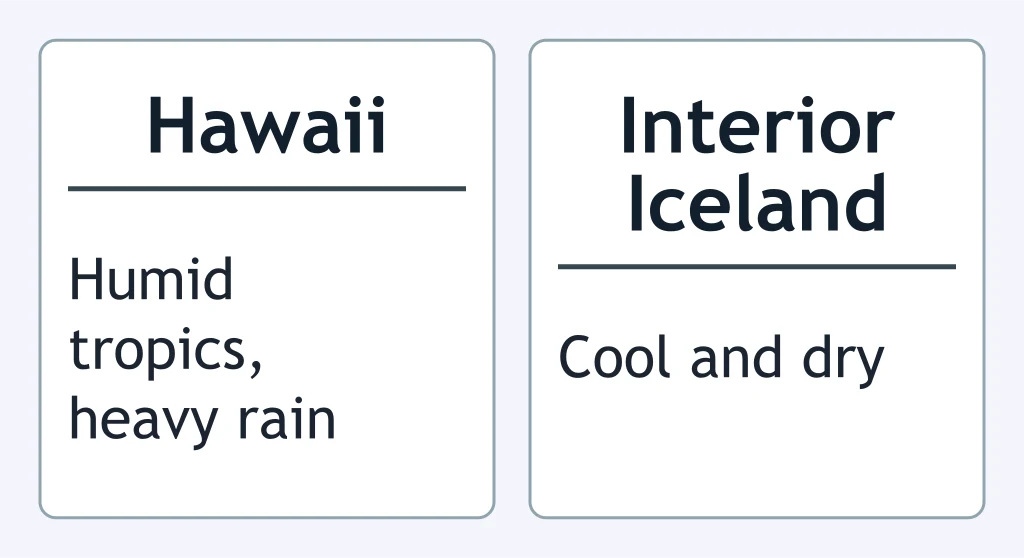
Identical basalt lava flows are exposed in humid Hawaii and in the dry climate of interior Iceland. The Hawaiian flow has weathered into a much deeper layer of reddish clay-rich soil. Why?
Crack the passcode before the zombies get in.
Answer, then swat bugs for bonus points.
Race through questions at your own speed.
Same question on every screen. Fastest wins.

Pick a tile, answer, hit bonuses and steals.
40 questions