Loading
by BlastRoom
Compare shield, composite and cinder cone volcanoes by shape, eruption style and the magma that builds them.
#earth_space_science
40 questions
One question set, multiple game modes. Tap any game to see it in action. Not sure which to pick?
Answer to place stones and capture territory.
Outrun the snow together.
Earn blasts, then hunt the other team.
Answer to earn energy, then climb.

The class blasts through walls together.
Bid on mystery lots. Most money wins.
Sell tours. Nice, standard, or a total scam.

Answer, restock, and serve the rush.
More correct answers pulls the rope your way.
Answer, then shoot down the alien wave.
Answer, then tap to leap the frozen ridge.
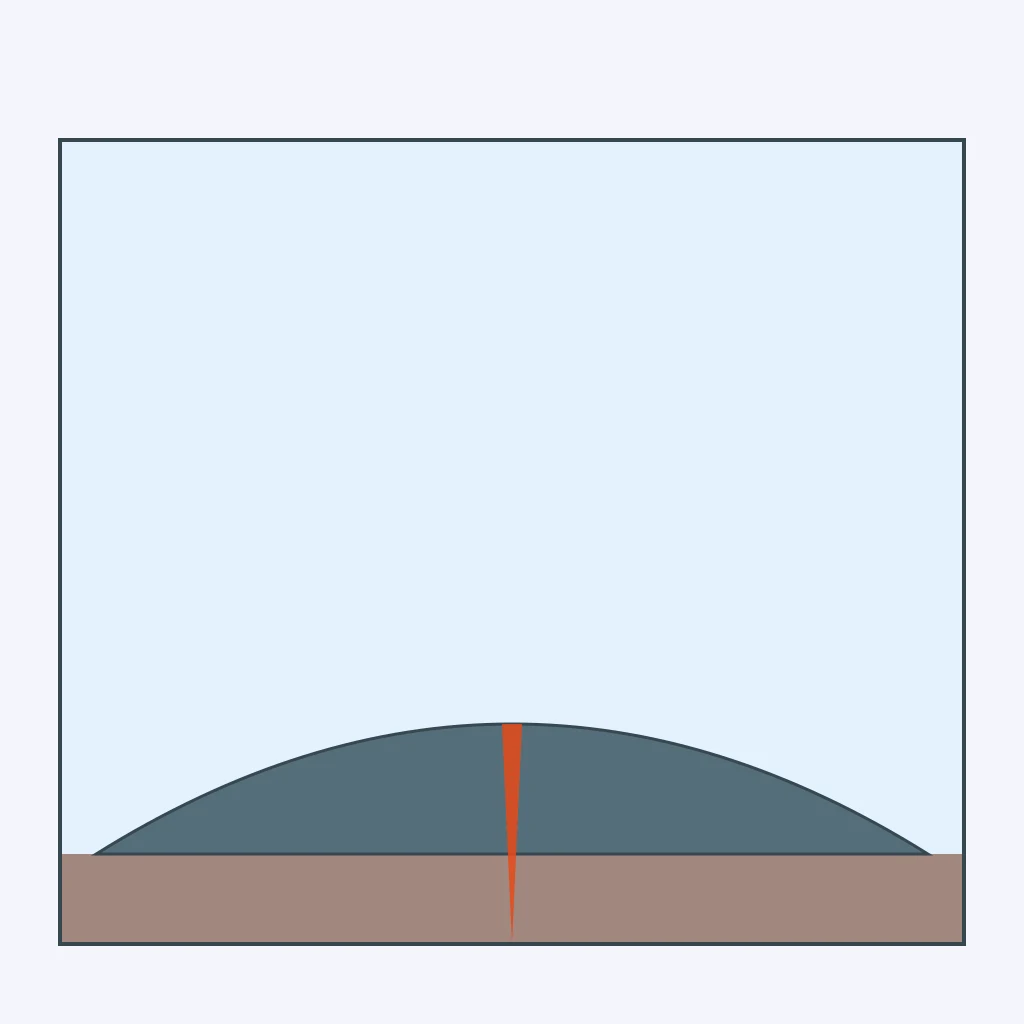
A volcano profile shows a broad dome about 100 km across at its base but only 1.2 km high, with gentle slopes near 4 degrees built from countless thin, runny lava flows. Which type of volcano is shown?
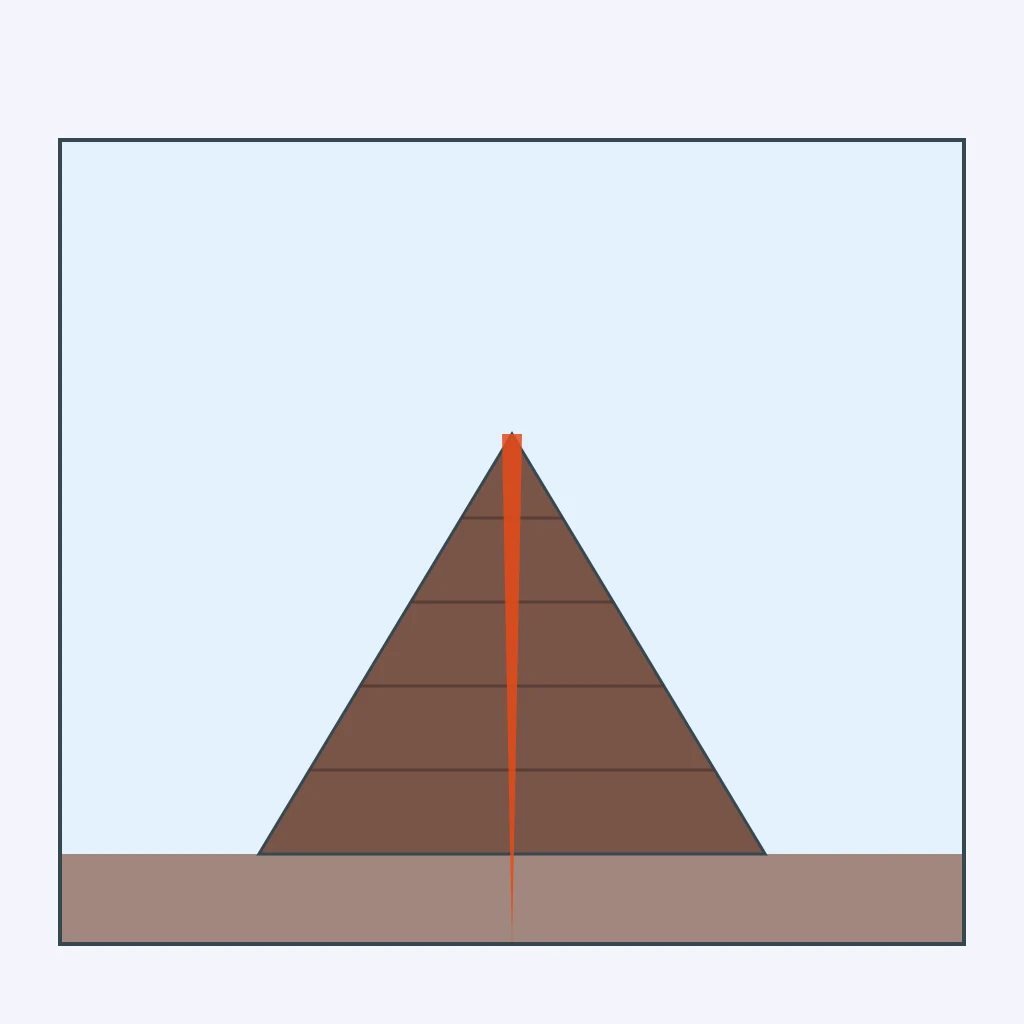
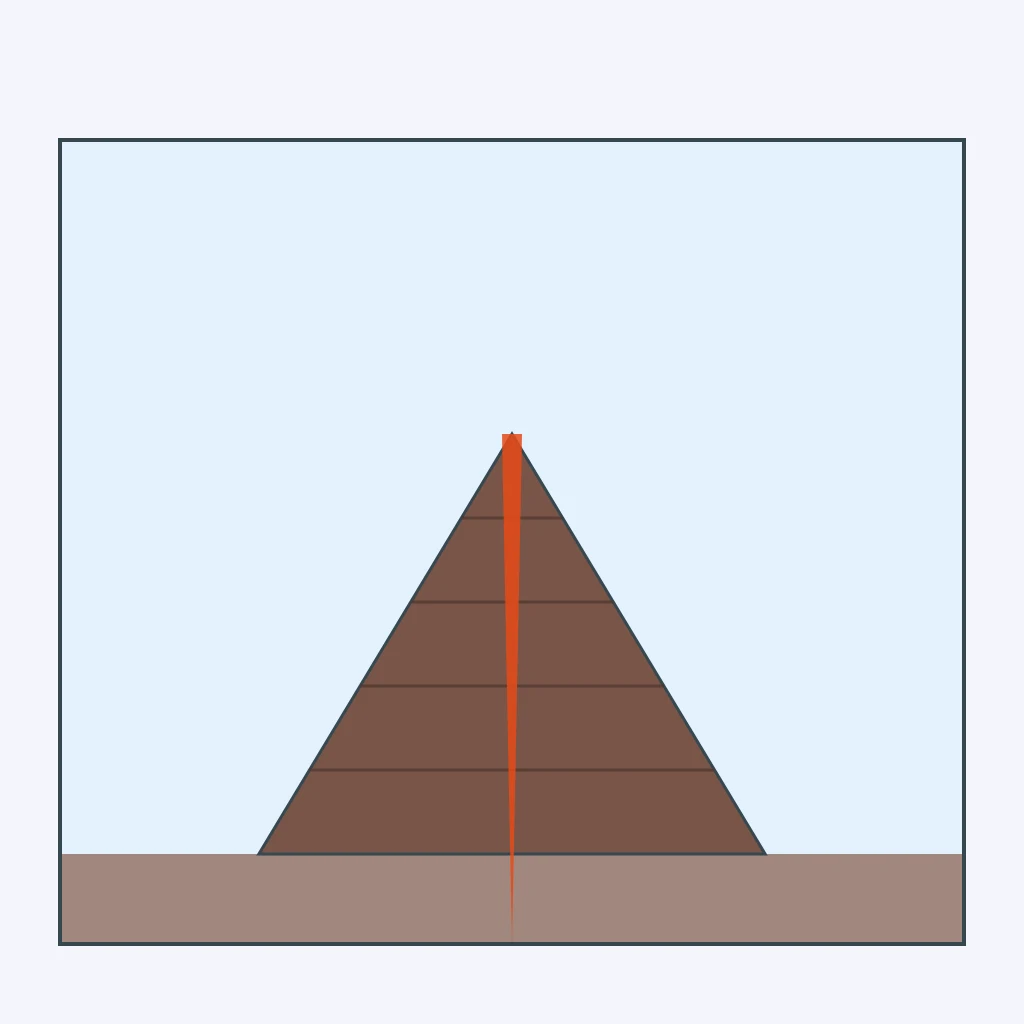
The cross section shows a steep, symmetrical cone about 15 km across at its base, rising 2.5 km high with slopes near 30 degrees, built of alternating layers of hardened lava and ash. Which type of volcano is shown?
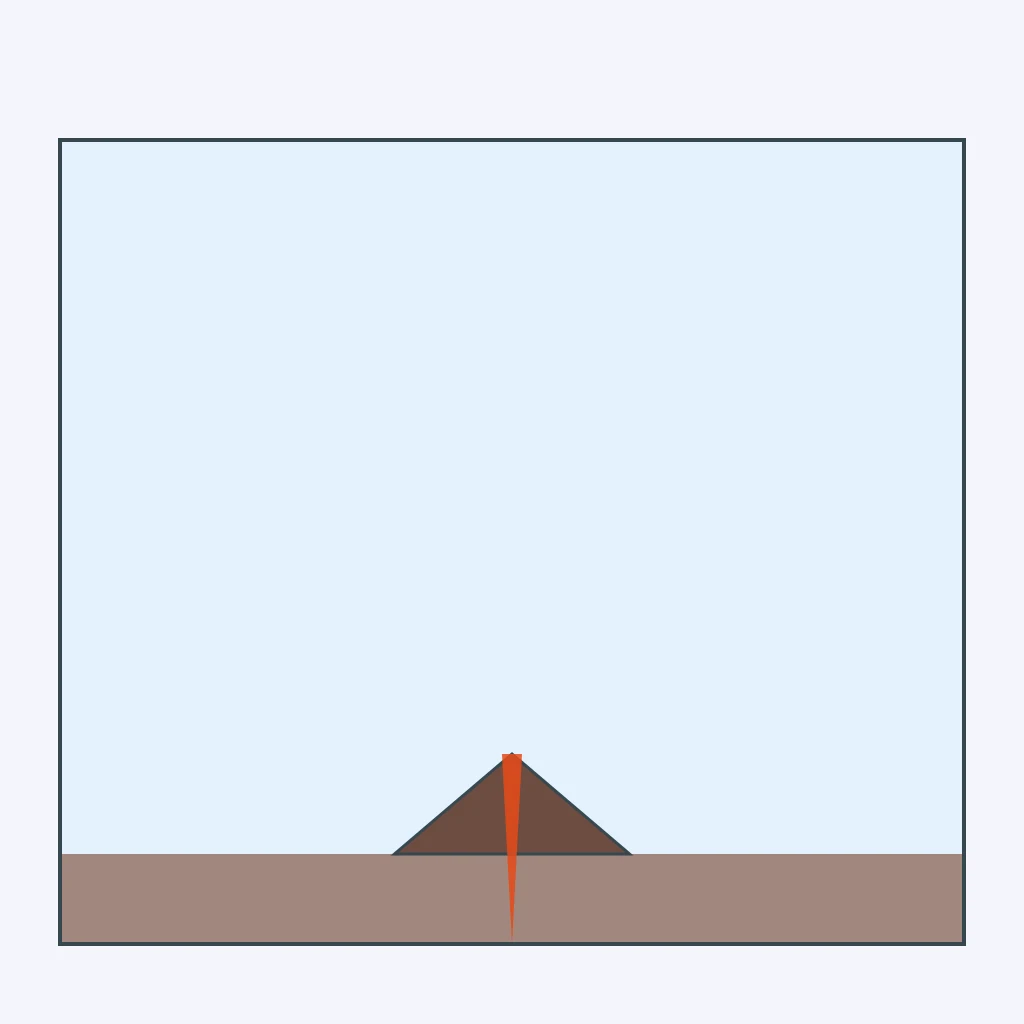
This profile shows a small, steep-sided cone only 200 m high and less than 1 km across at its base, with slopes near 33 degrees and no lava layers visible in the stack. Which type of volcano is shown?
The drawn profile shows a tall, steep cone about 12 km wide at its base and 3 km high, its flanks made of alternating bands of ash fall and solidified lava. Which type of volcano does this profile show?
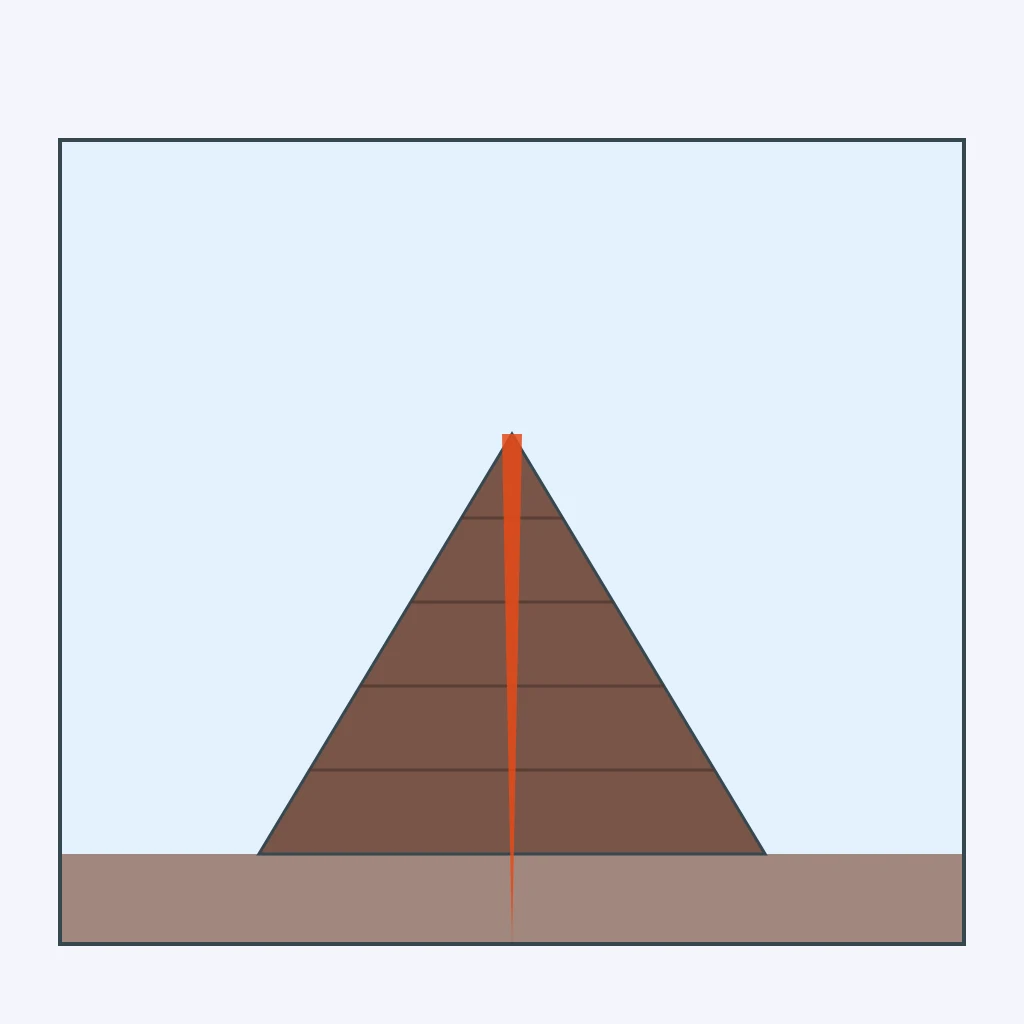
This cross section shows a low, wide dome about 75 km across but just 900 m tall, its gentle slopes built entirely from stacked basaltic lava sheets. Which type of volcano is shown?
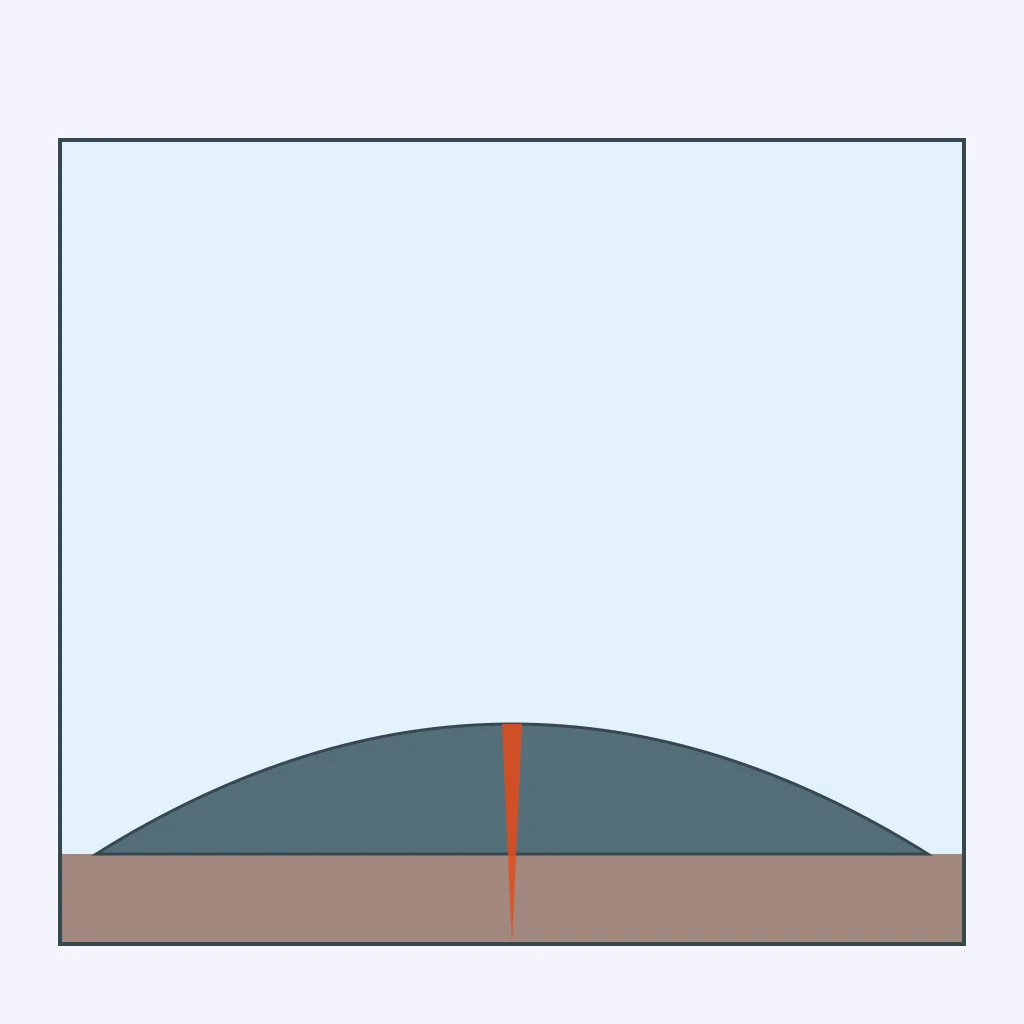
The profile shows a steep cone barely 150 m tall and about 800 m across at its base, made only of loose fragments piled around a single vent. Which type of volcano is shown?
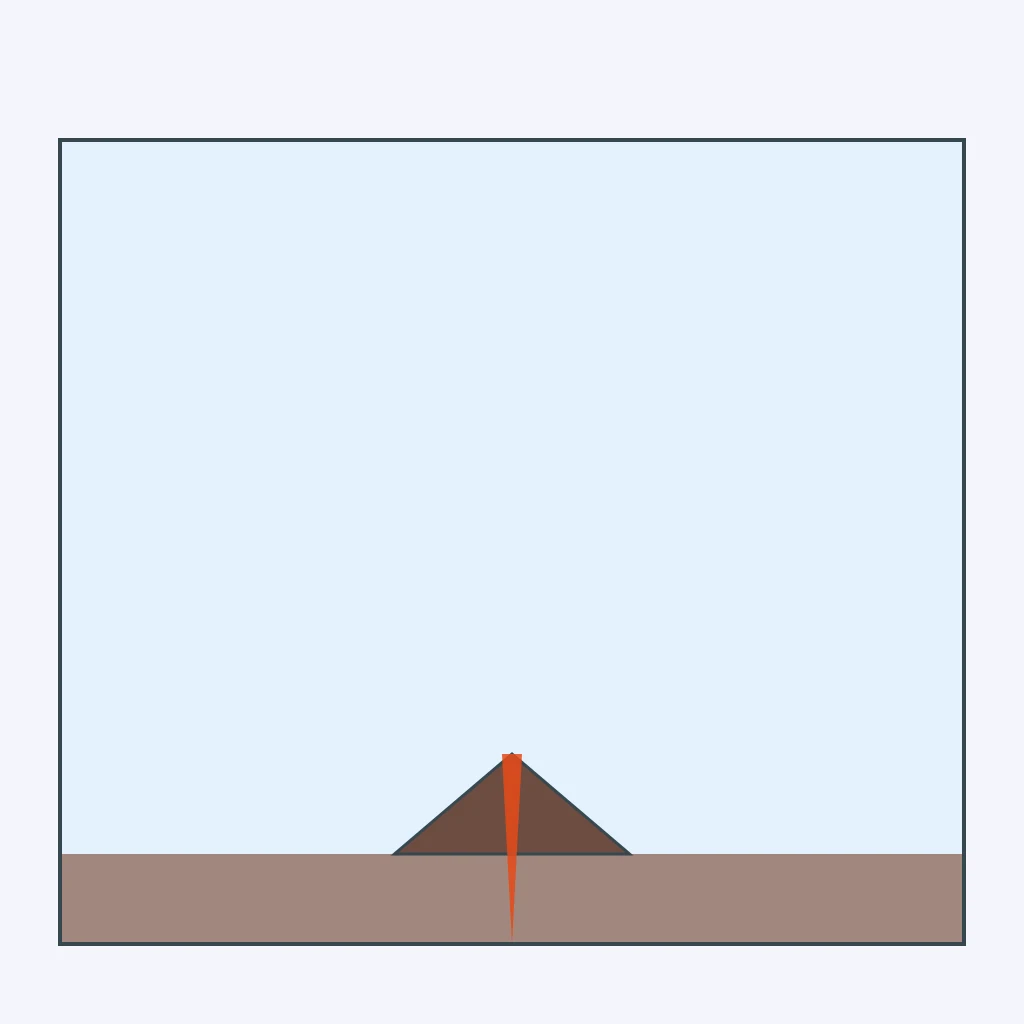
This cross section shows a volcano 60 km across at its base but only 1 km high, with slopes so gentle they would look almost flat from a distance. What type of volcano is this?
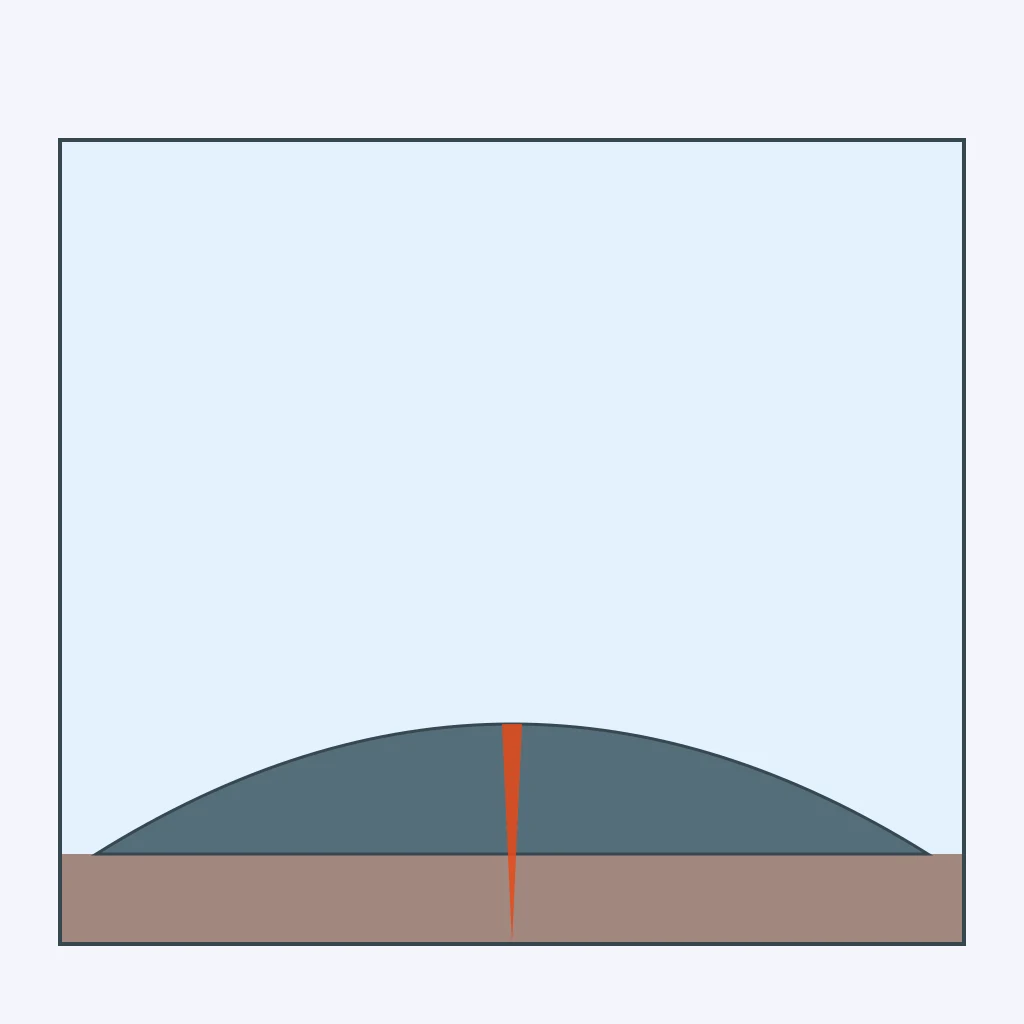
The drawn profile shows a symmetrical, steep-sided cone 10 km across its base and 2.8 km high. Which type of volcano is shown?
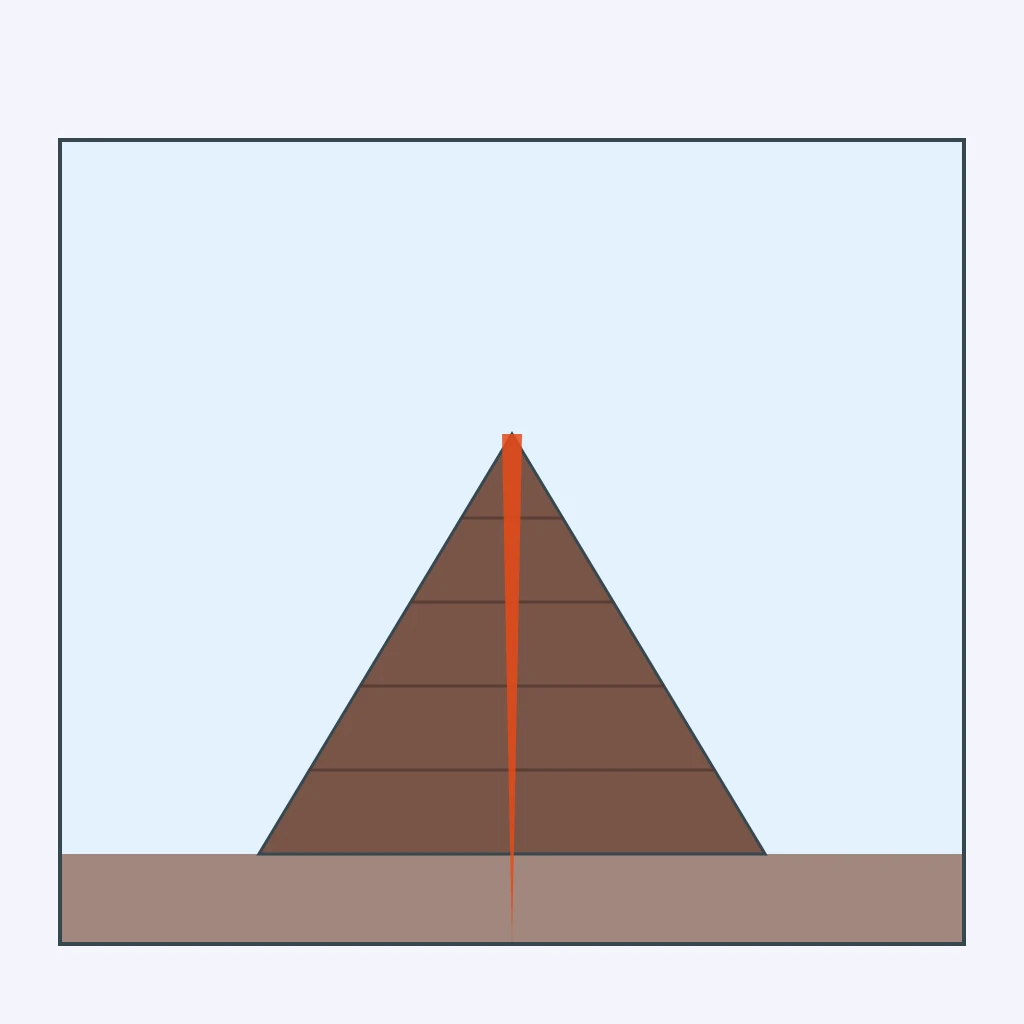
This profile shows a cone only 250 m high with steep, uniform slopes near 30 degrees, built up in a single eruptive episode. Which type of volcano is shown?
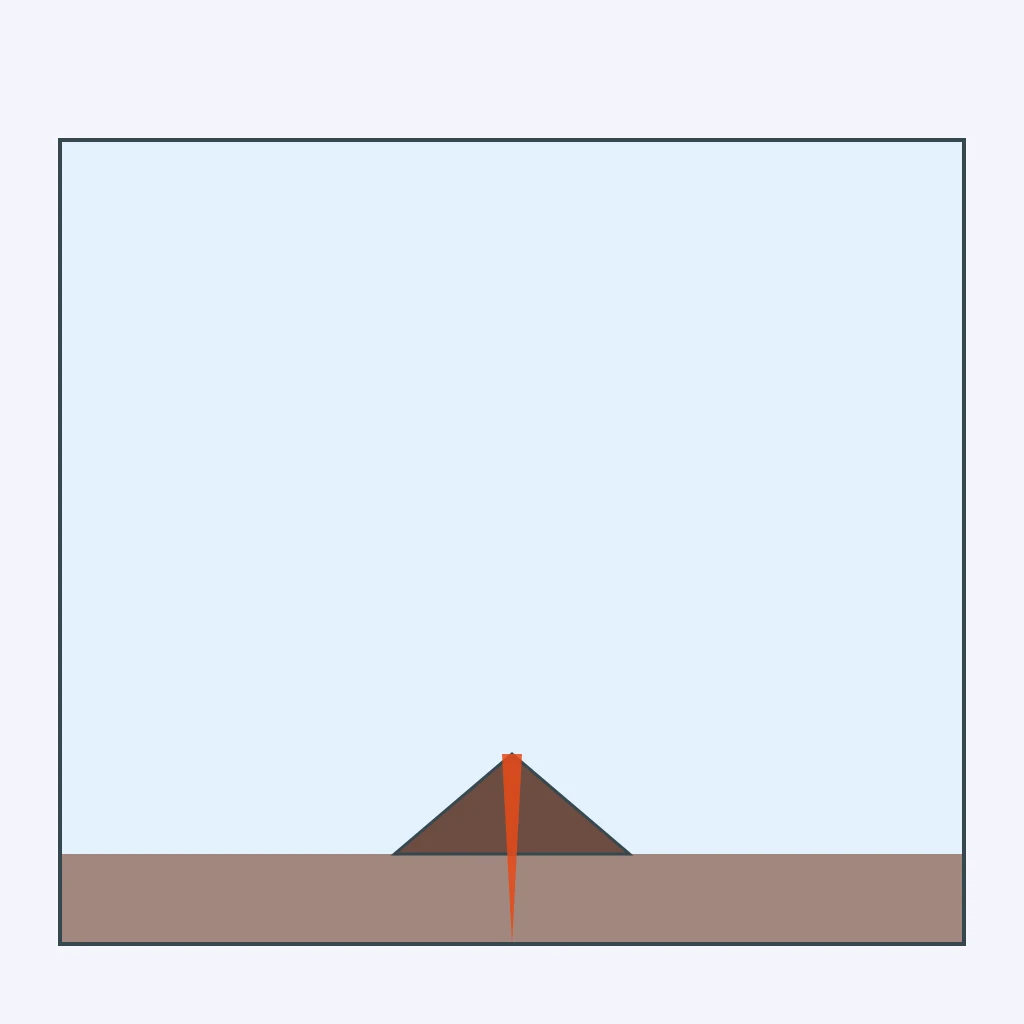
The cross section shows a broad-based but still steep-sided cone 18 km across and 2 km high, its slopes built from repeated cycles of explosive ash and quiet lava flows. Which type of volcano is shown?
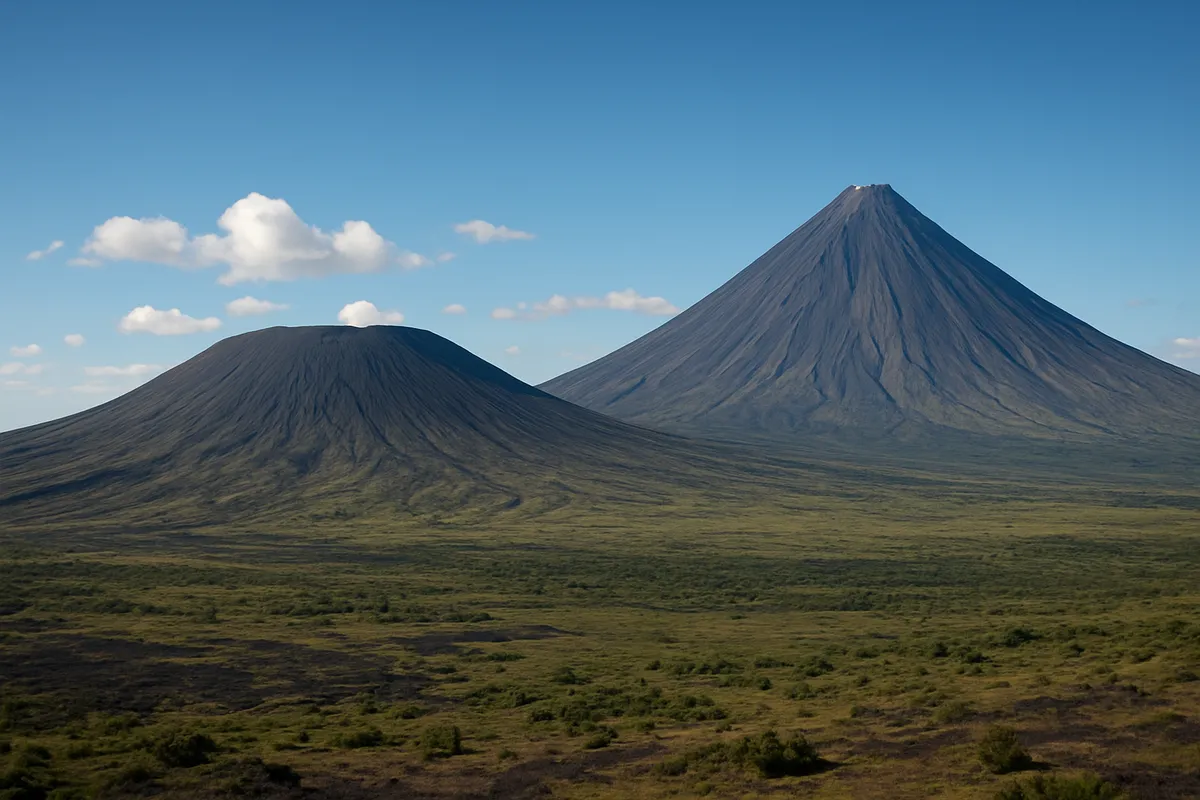
Mauna Loa in Hawaii is the largest active volcano on Earth, rising as a broad, gently sloped dome built almost entirely from fluid lava flows. Which type of volcano is it?
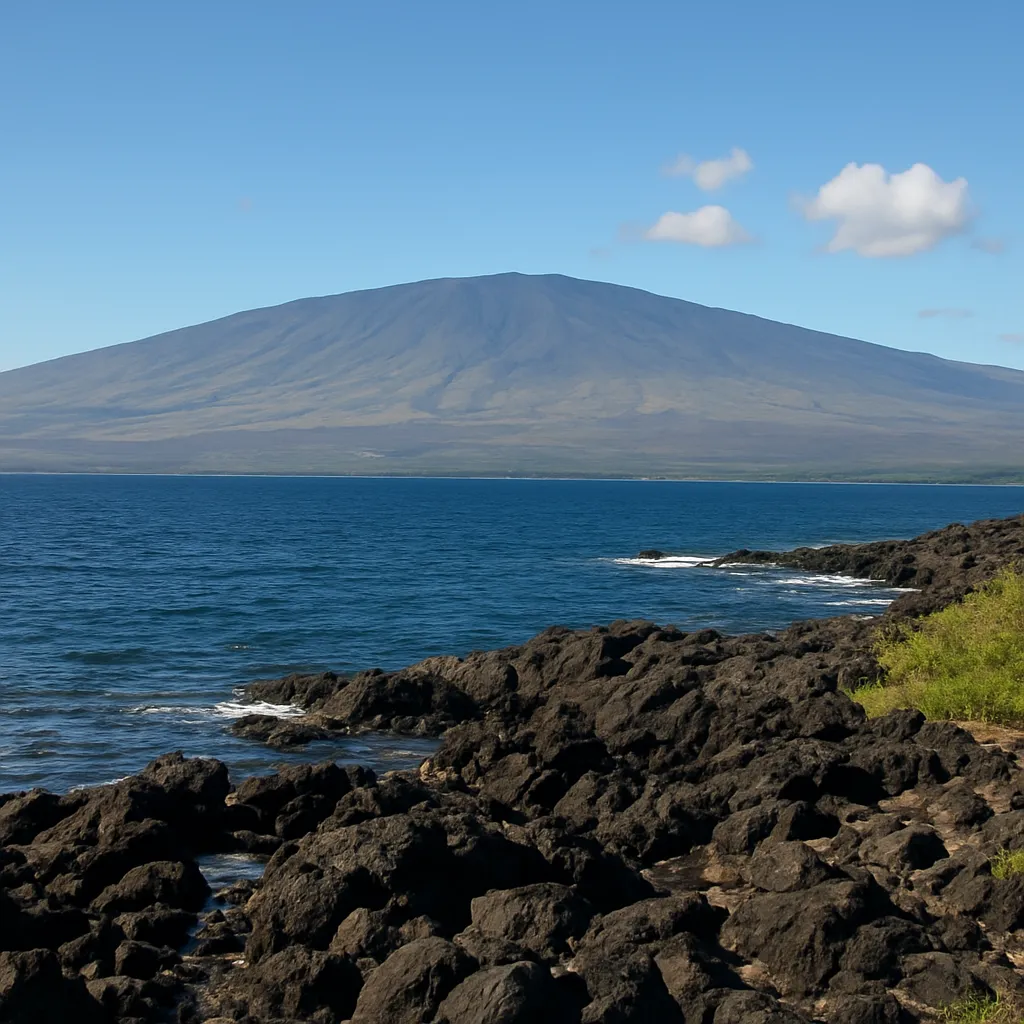
Kilauea on the Big Island of Hawaii has erupted almost continuously for decades, building a low, broad dome of solidified basaltic lava with very gentle slopes. Which type of volcano is it?
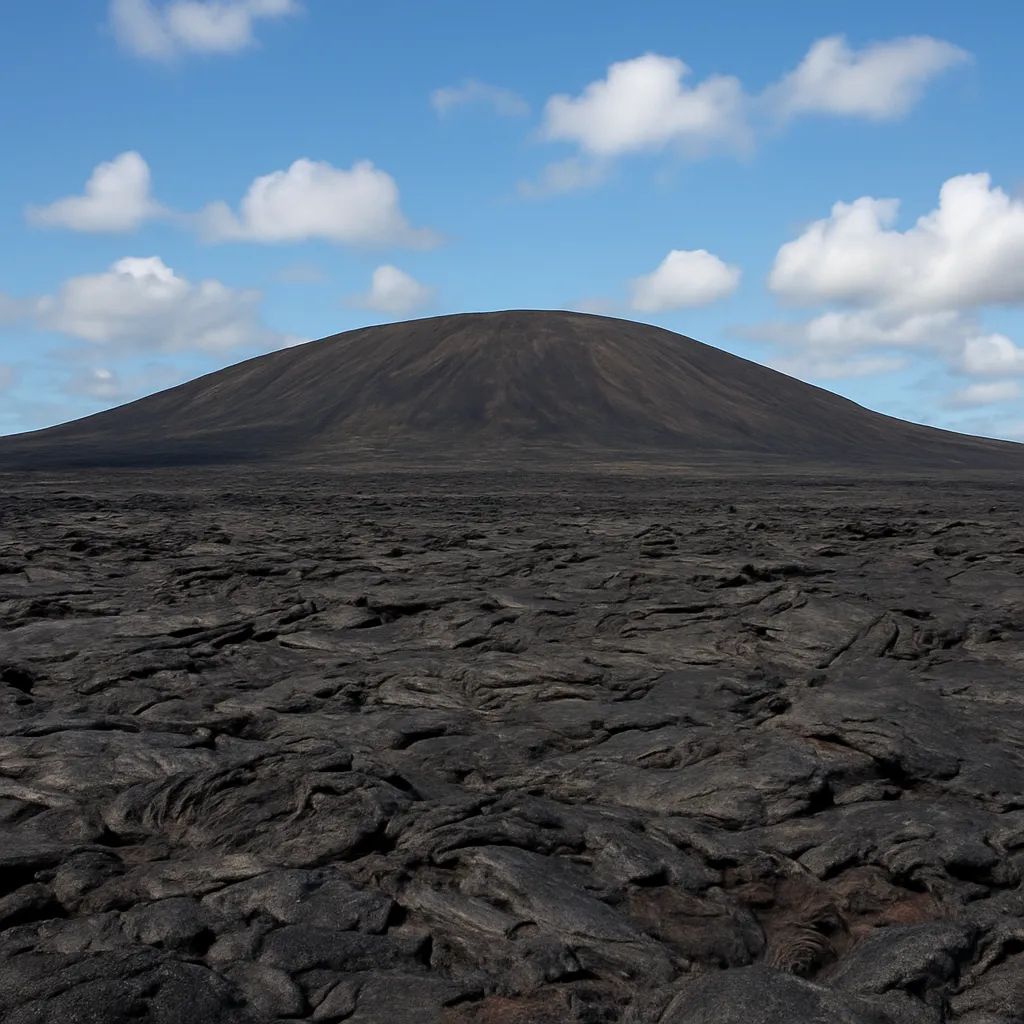
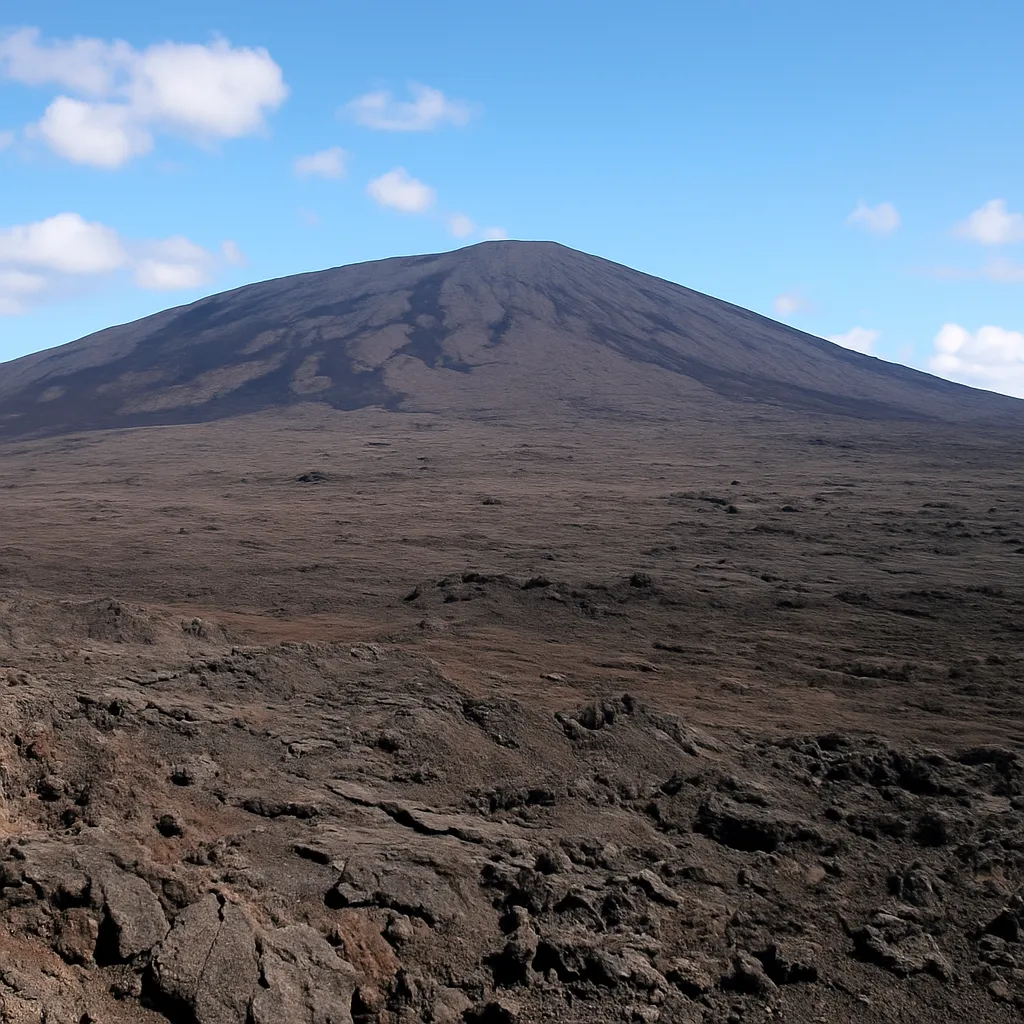
Piton de la Fournaise on Reunion Island is one of the world's most active volcanoes, its wide base and gentle slopes built from repeated fluid lava flows. Which type of volcano is it?
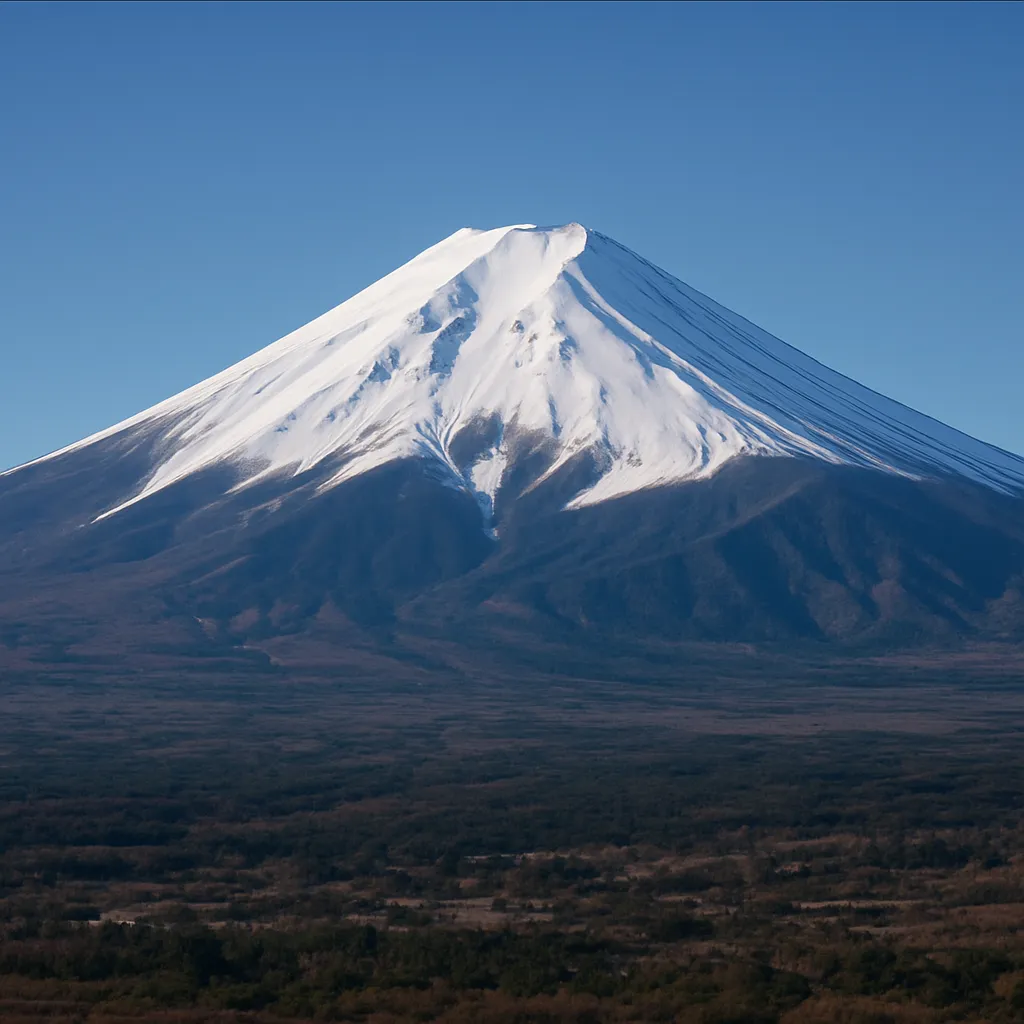
Mount Fuji rises as a steep, symmetrical cone built of alternating lava flows and layers of ash and cinders. Which type of volcano is it?
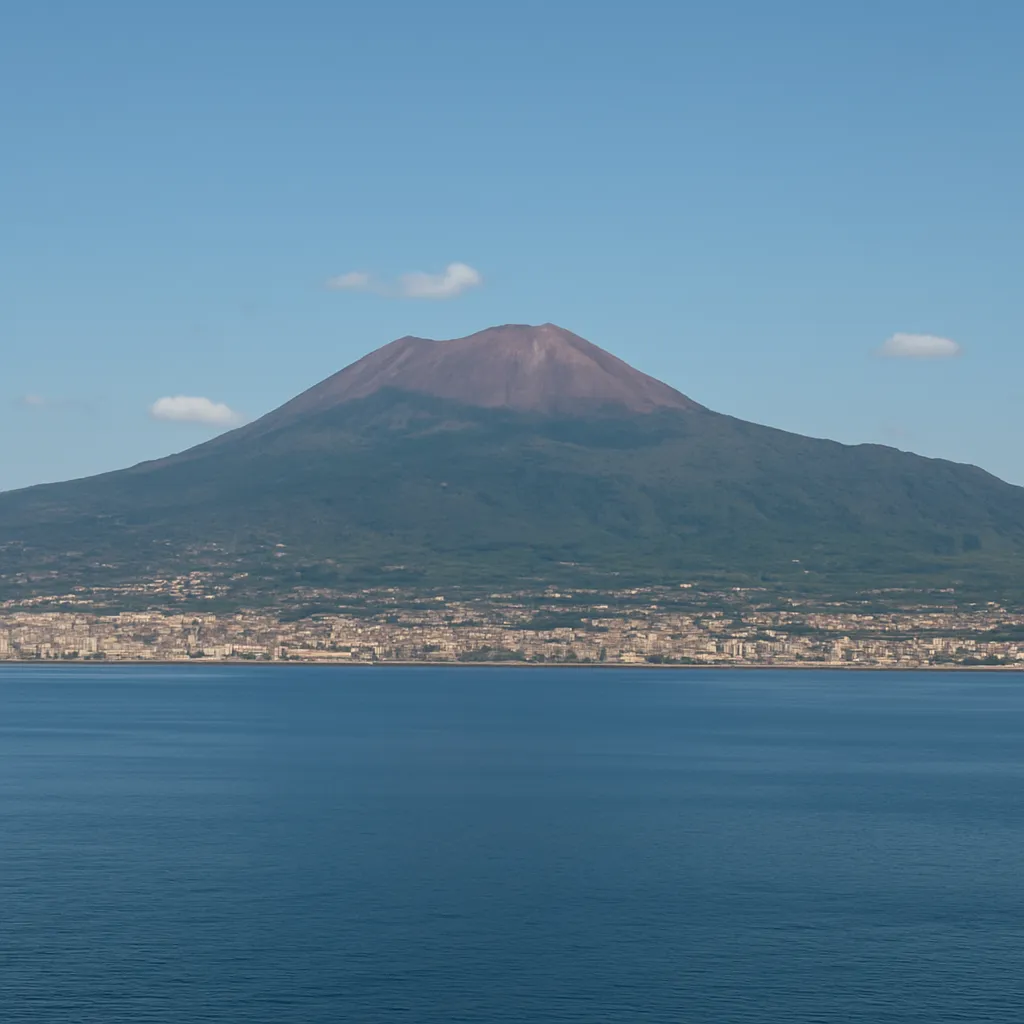
Mount Vesuvius near Naples, Italy, is a steep-sided cone built from alternating explosive ash falls and lava flows over thousands of years. Which type of volcano is it?
Paricutin in Mexico grew from a crack in a cornfield in 1943 to a steep cone of loose ash and cinders within a single year. Which type of volcano is it?
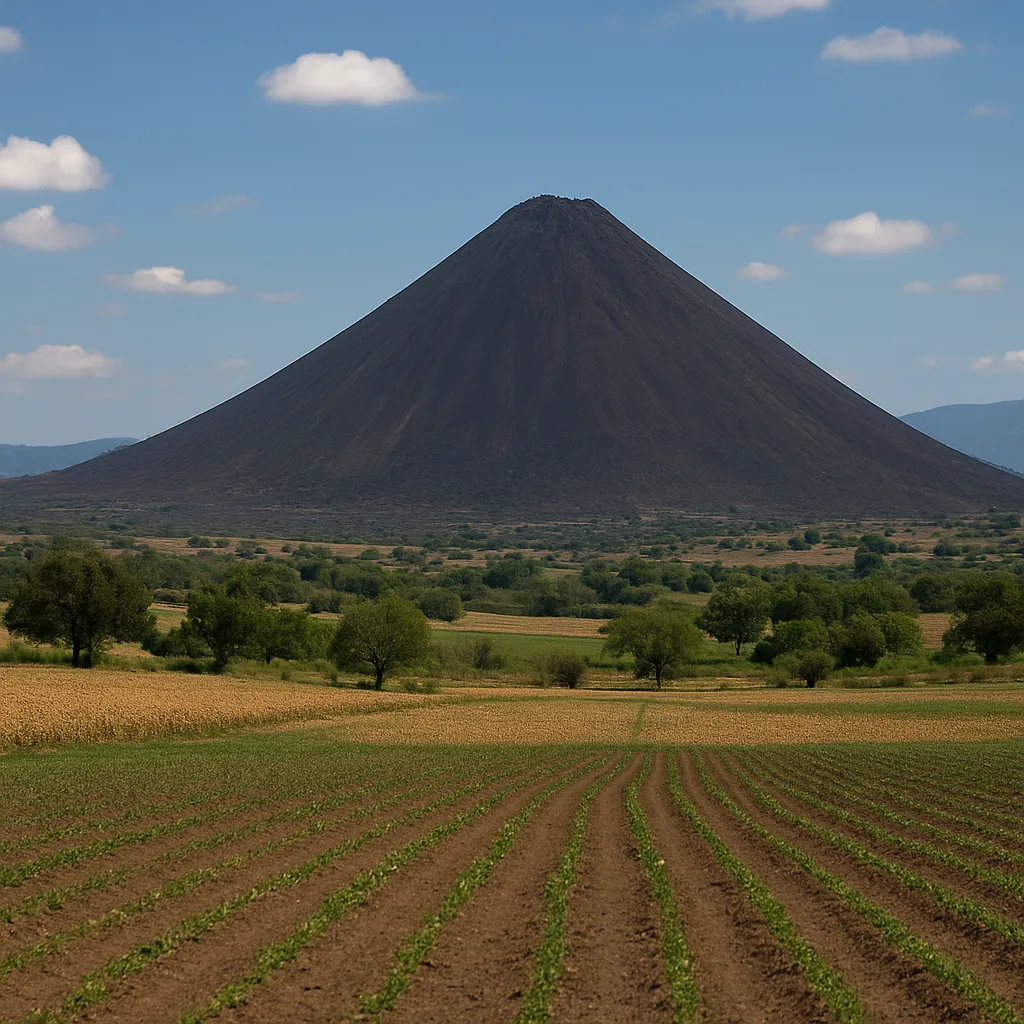
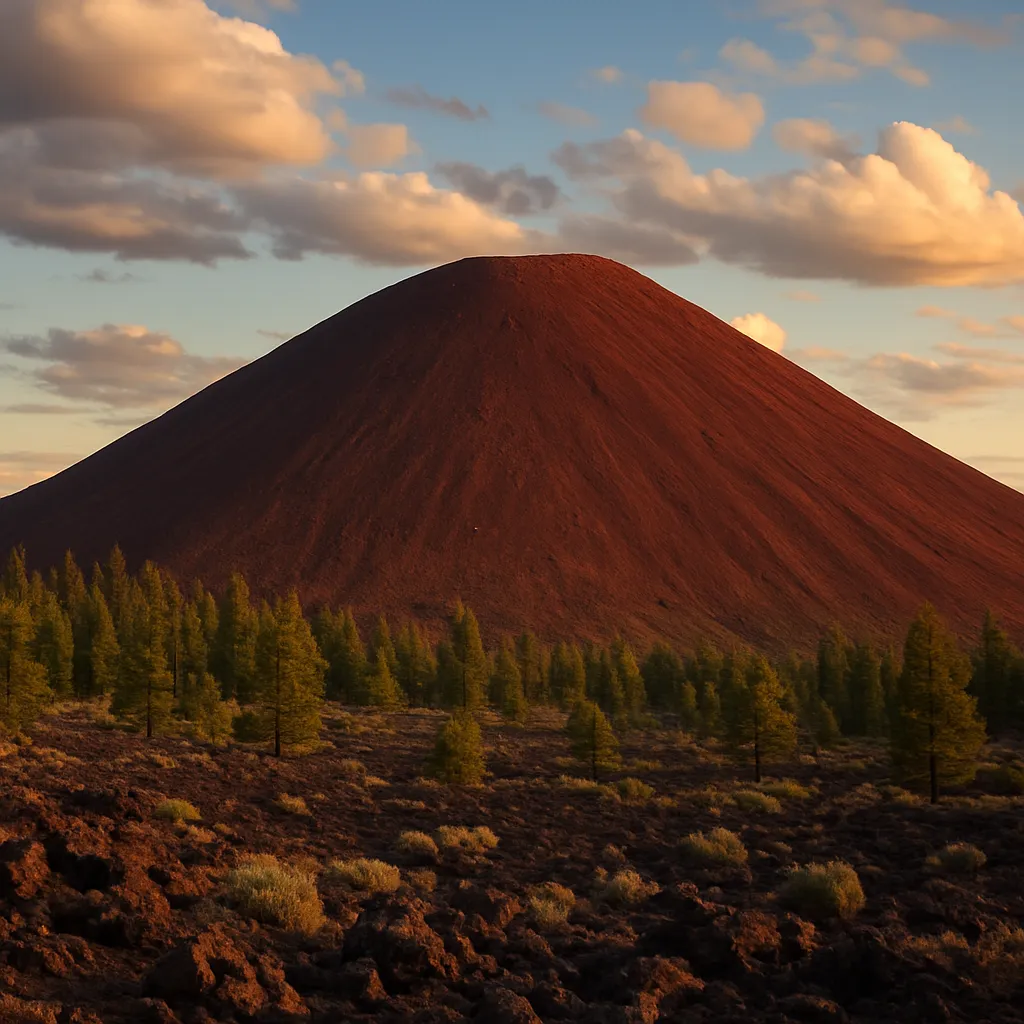
Sunset Crater in Arizona erupted around 1085 CE, building a steep cone of loose, reddish volcanic cinders that has not erupted since. Which type of volcano is it?
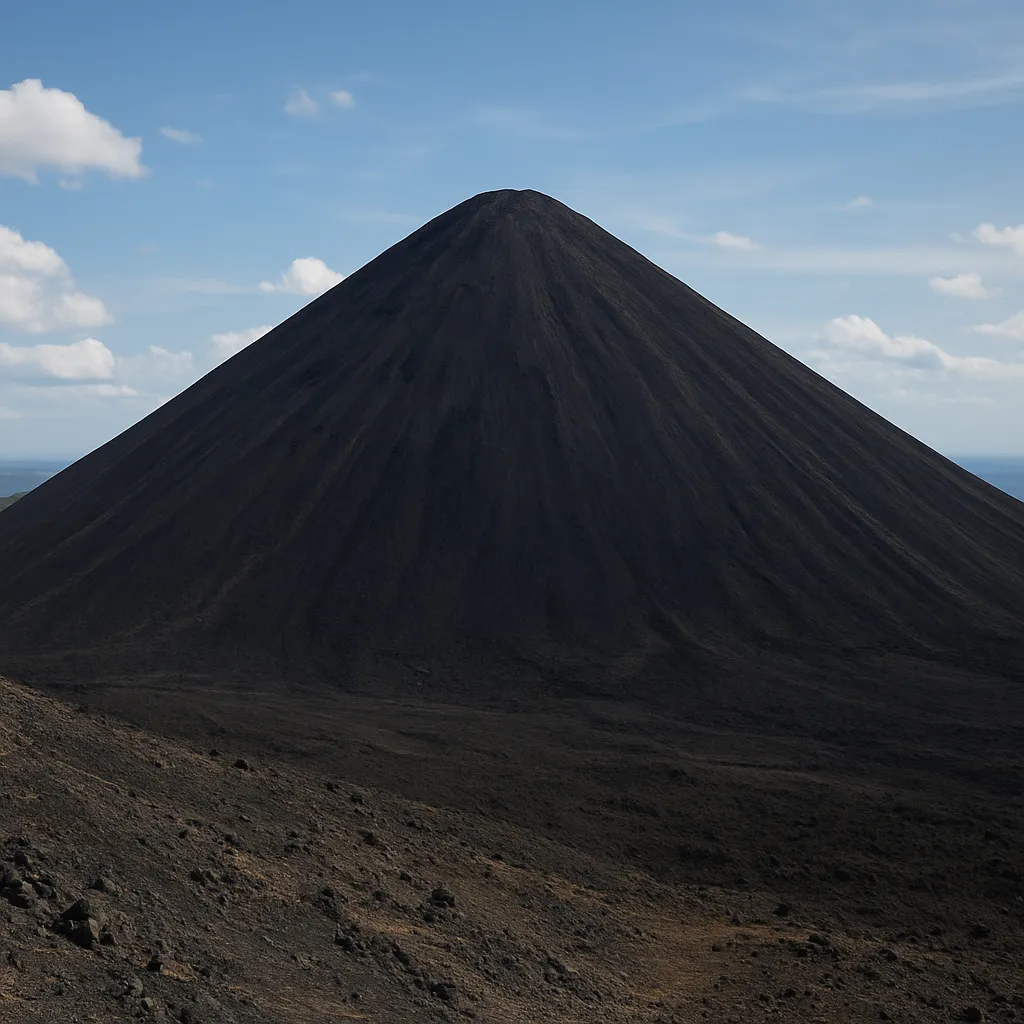
Cerro Negro in Nicaragua is a young, steep-sided cone of loose black cinders that has erupted repeatedly since it first formed in 1850. Which type of volcano is it?
Magma rising beneath a vent holds about 50 percent silica and flows freely once it reaches the surface, releasing gas easily. What eruption style should be expected?
Magma rising beneath a vent holds about 72 percent silica and is thick enough to plug the conduit as gas pressure builds. What eruption style should be expected?
A magma body is so fluid that gas bubbles escape steadily rather than building pressure, and it holds only about 48 percent silica. What eruption style should be expected?
Magma feeding a vent is thick and sticky, trapping gas until it bursts free violently, and its silica content measures about 70 percent. What eruption style should be expected?
A runny, low-silica basaltic magma carries a lot of dissolved gas and rises quickly through a narrow vent. The gas escapes freely as the magma reaches the surface instead of building up to a blast. What eruption style should be expected?
Magma at a vent holds about 74 percent silica, is extremely viscous, and has been known to seal a conduit for years before releasing built-up gas. What eruption style should be expected?
A magma with about 52 percent silica and very low viscosity spreads out in thin sheets that travel long distances before cooling. What eruption style should be expected?
Magma trapped beneath a plug holds about 71 percent silica and has been building gas pressure for months with no outlet. What eruption style should be expected?
A wide, low volcano is built almost entirely of thin, runny basaltic lava flows stacked one on top of another over thousands of eruptions, with no ash layers between them. Which type of volcano is this?
This volcano's gentle slopes are made up of countless overlapping sheets of hardened basaltic lava, with almost no loose ash or cinders anywhere in the stack. Which type of volcano is this?
This volcano's steep slopes are built of alternating bands of solidified lava and layers of ash and cinders from repeated explosive and quiet eruptions. Which type of volcano is this?
A tall, steep-sided volcano is constructed from many alternating layers of lava flows and pyroclastic ash, each layer marking a different eruption. Which type of volcano is this?
This volcano is built of interlayered lava and ash deposits, giving it a striped appearance in cross section and a steep, symmetrical shape. Which type of volcano is this?
A small cone about 200 m high is made almost entirely of loose, pea-sized cinders piled at a steep angle around a single vent, with no lava layers mixed in. Which type of volcano is this?
This volcano is built from loose volcanic fragments ejected from a single vent and piled into a steep-sided cone within a matter of months, with no interbedded lava sheets. Which type of volcano is this?
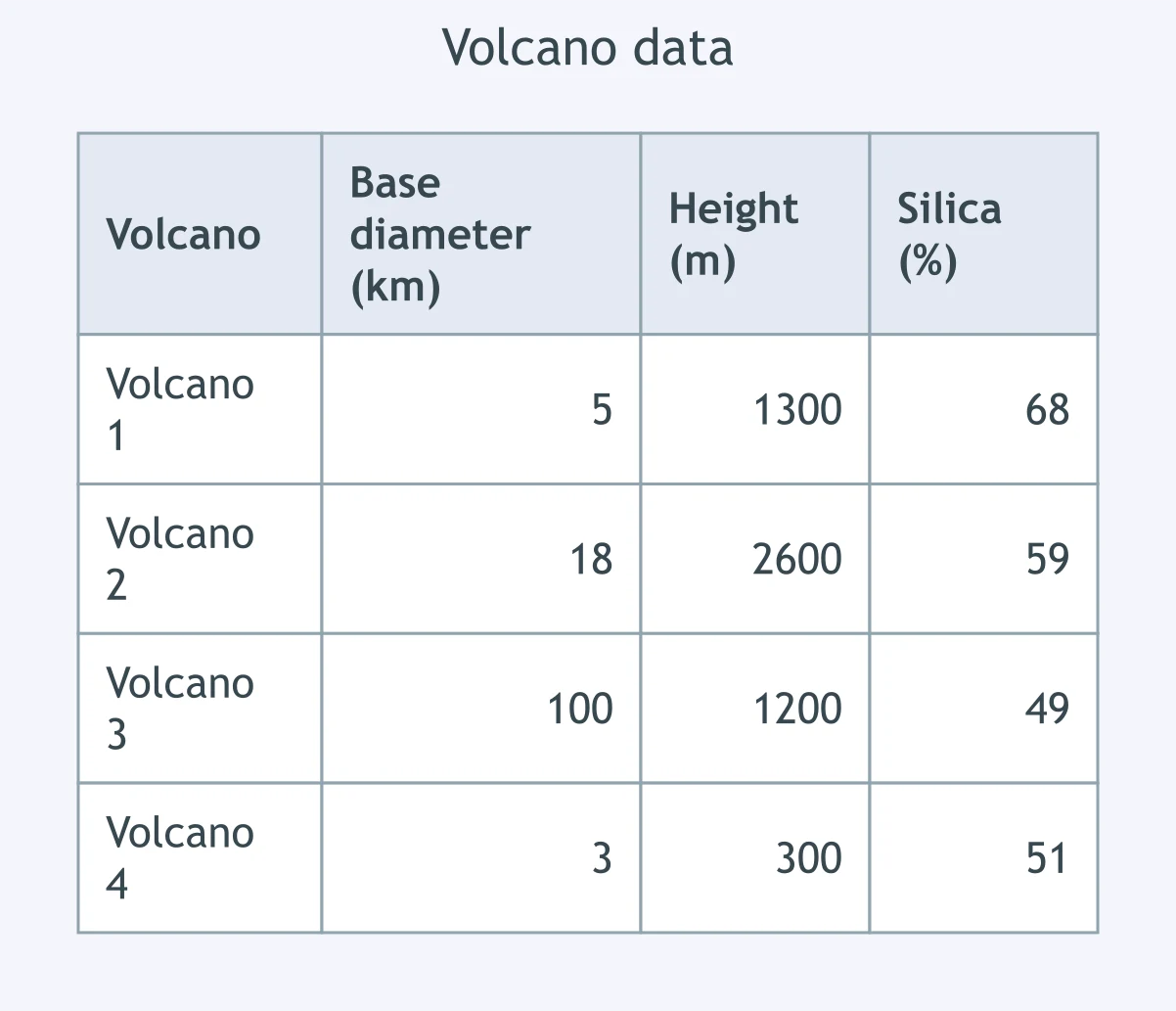
The table gives base diameter, height and silica content for four volcanoes. Which magma composition feeds Volcano 1?
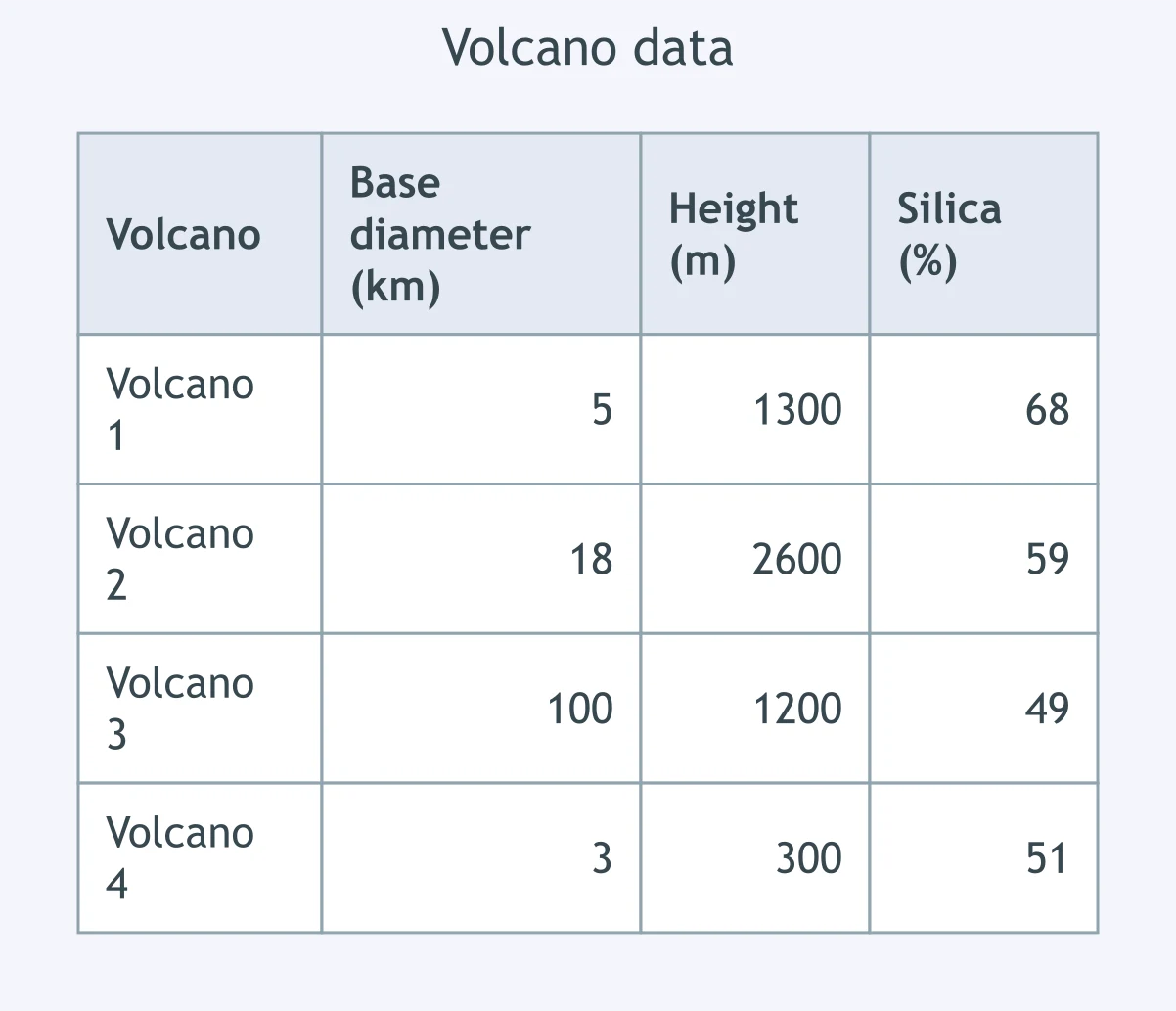
The table gives base diameter, height and silica content for four volcanoes. Which magma feeds Volcano 3?
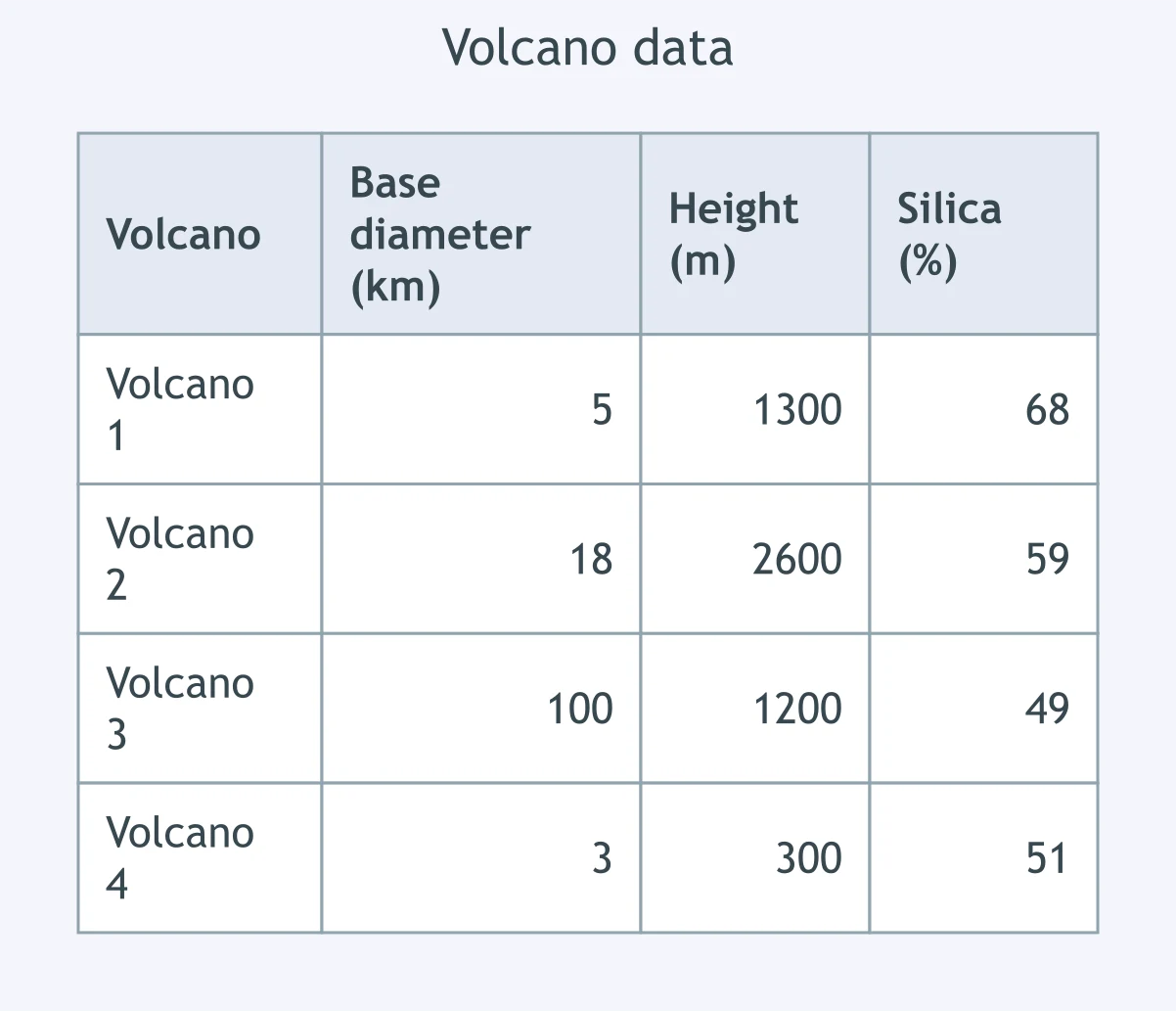
The table gives base diameter, height and silica content for four volcanoes. Which volcano has a silica content of 59 percent?
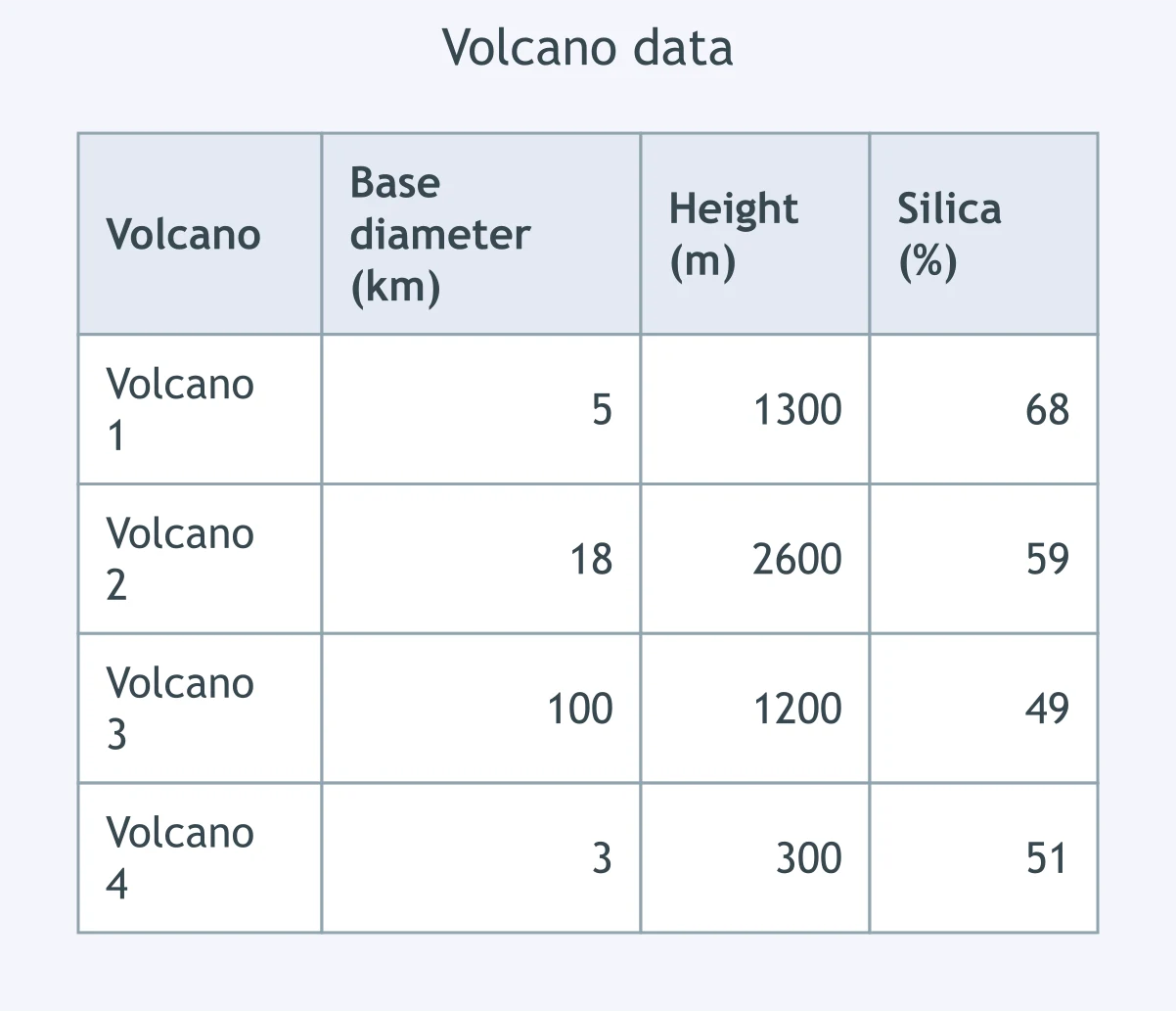
The table gives base diameter, height and silica content for four volcanoes. Based on its silica content, which volcano would be expected to erupt most explosively?
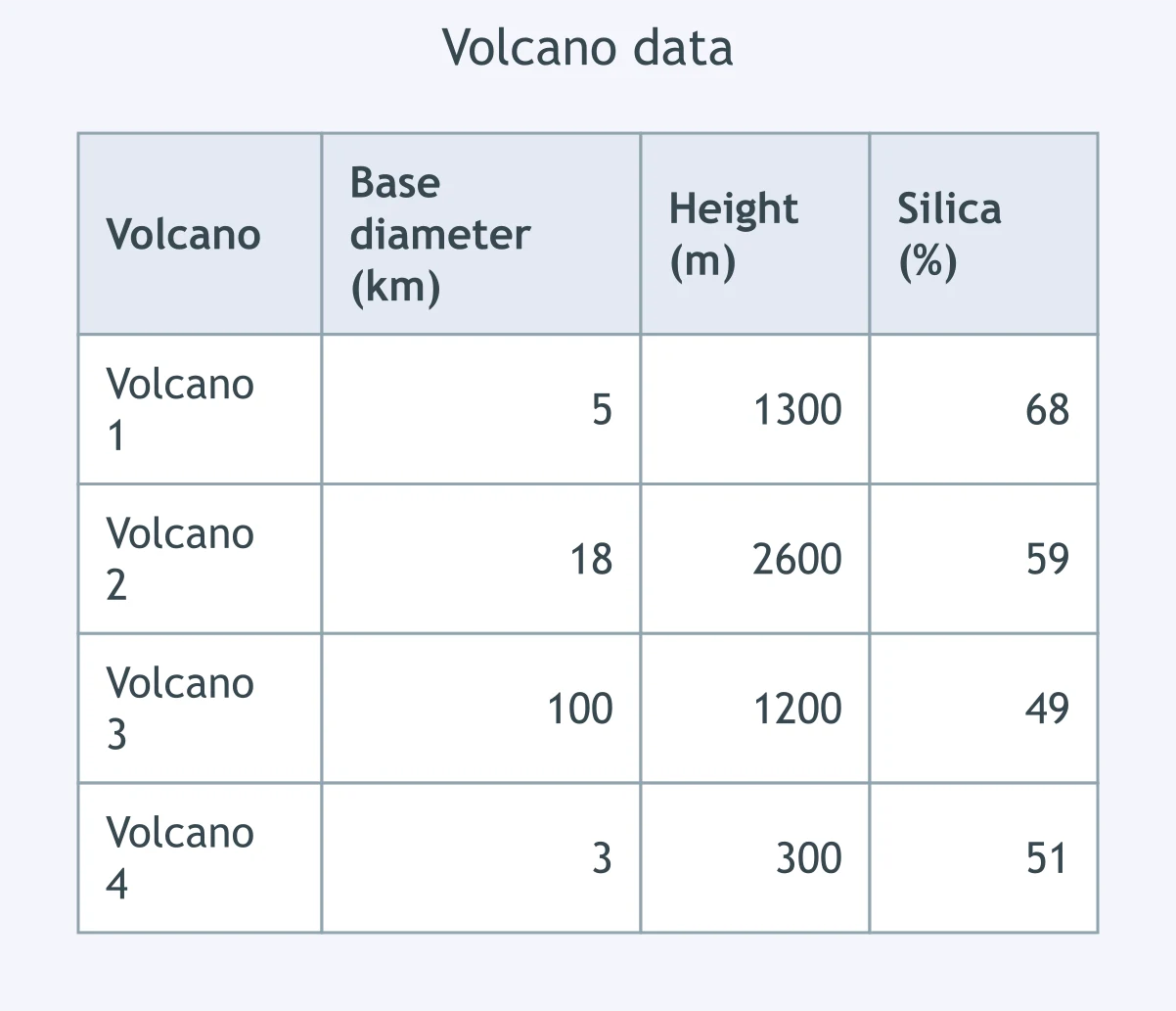
The table gives base diameter, height and silica content for four volcanoes. Which two volcanoes have the most similar silica content?
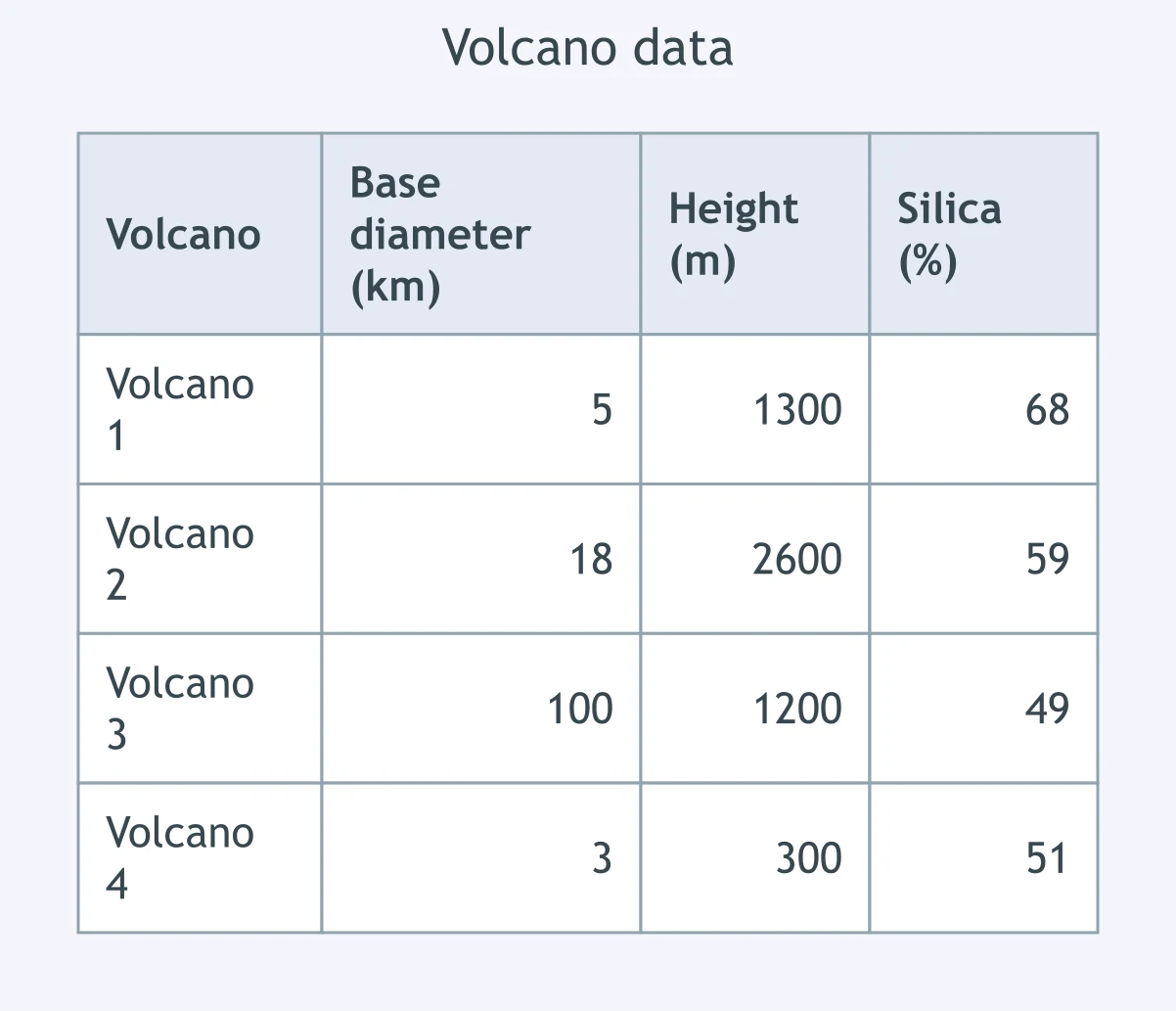
The table gives base diameter, height and silica content for four volcanoes. How many kilometers wider is Volcano 3's base than Volcano 2's base?
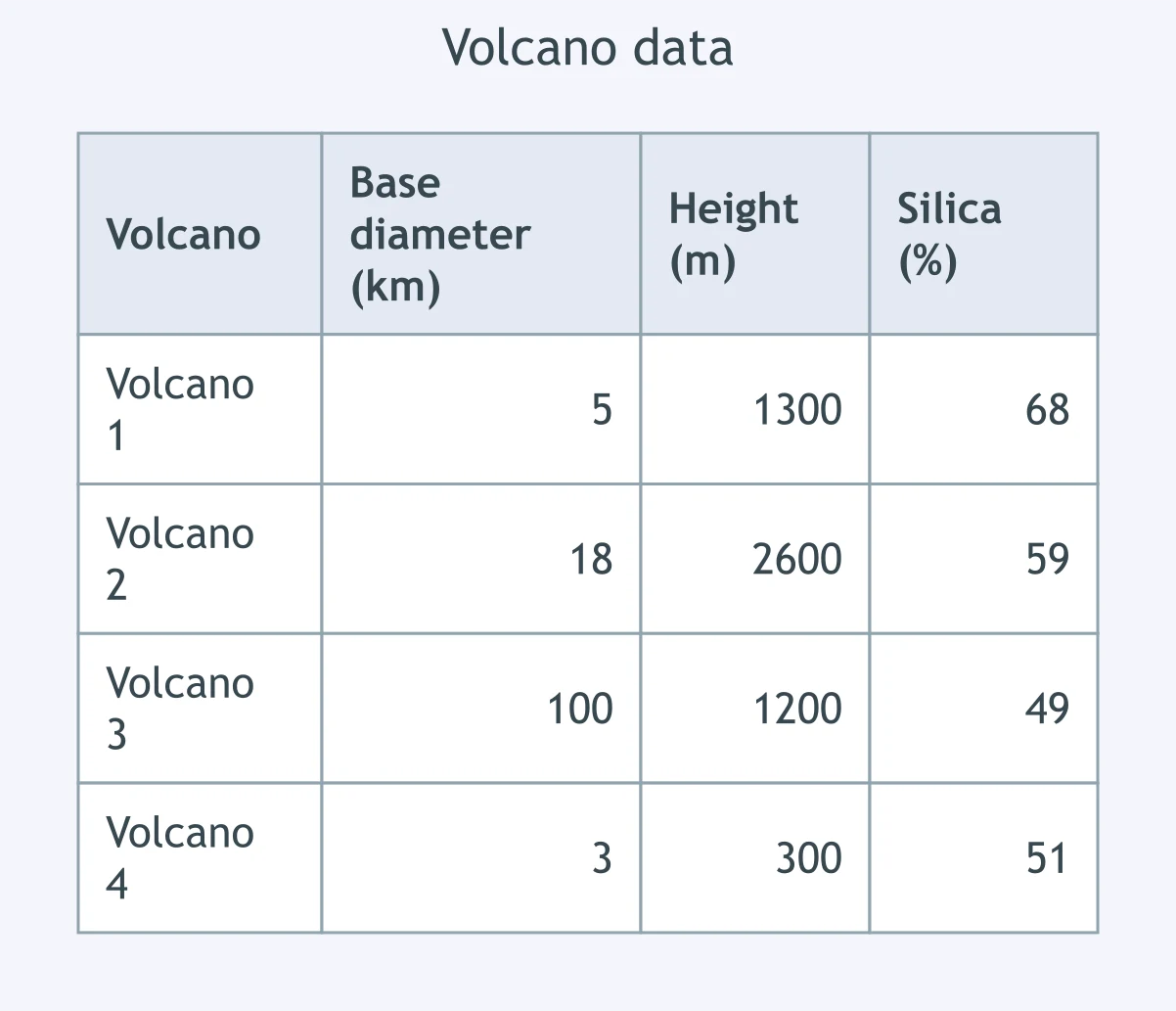
The table gives base diameter, height and silica content for four volcanoes. Which volcano rises more than 2,000 meters above its base?
Crack the passcode before the zombies get in.
Answer, then swat bugs for bonus points.
Race through questions at your own speed.
Same question on every screen. Fastest wins.

Pick a tile, answer, hit bonuses and steals.
Volcanic Hazards
25 questions