Loading
by BlastRoom
Practice linking magma composition to lava textures, eruption styles, and volcanic products.
#earth_space_science
25 questions
One question set, multiple game modes. Tap any game to see it in action. Not sure which to pick?
Answer to place stones and capture territory.
Outrun the snow together.
Earn blasts, then hunt the other team.
Answer to earn energy, then climb.

The class blasts through walls together.
Bid on mystery lots. Most money wins.
Sell tours. Nice, standard, or a total scam.

Answer, restock, and serve the rush.
More correct answers pulls the rope your way.
Answer, then shoot down the alien wave.
Answer, then tap to leap the frozen ridge.
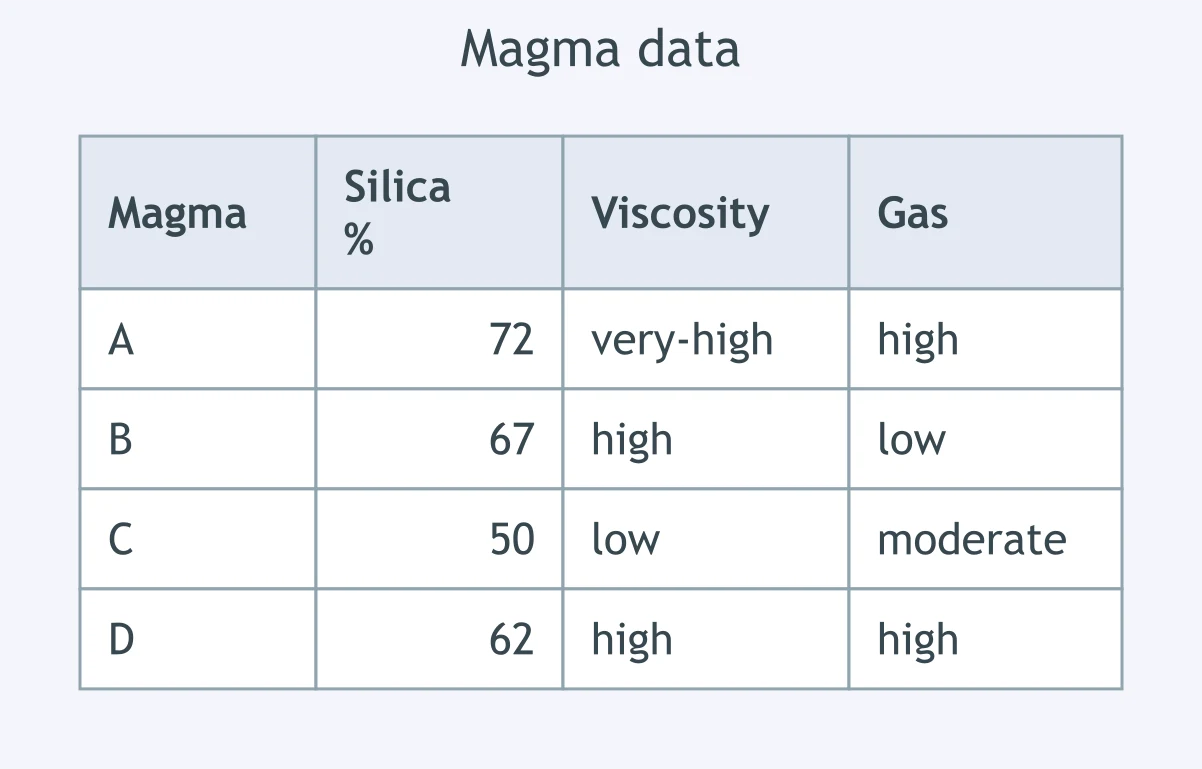
Use the table. Magma C erupts after gas pressure builds in the vent. What eruption style is most likely?
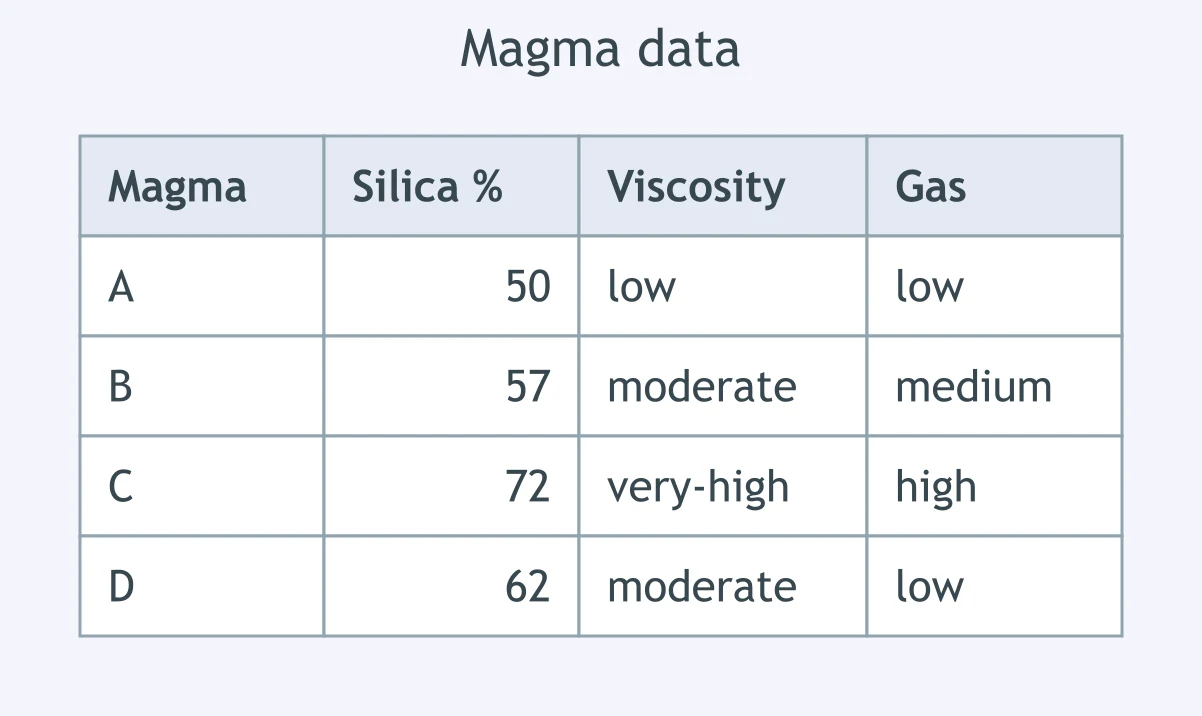
Use the table. If gas escapes easily from Magma A as it reaches the surface, what eruption should it produce?
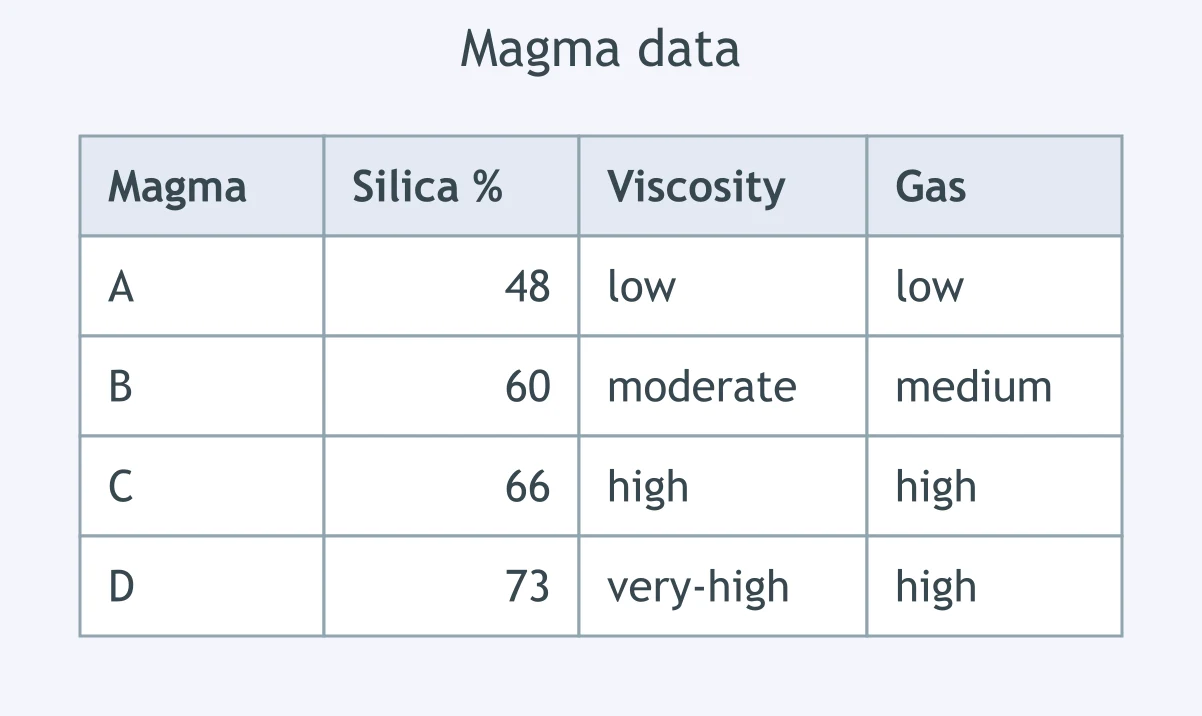
Use the table. Which eruption product is most likely to build up at the vent from Magma B?
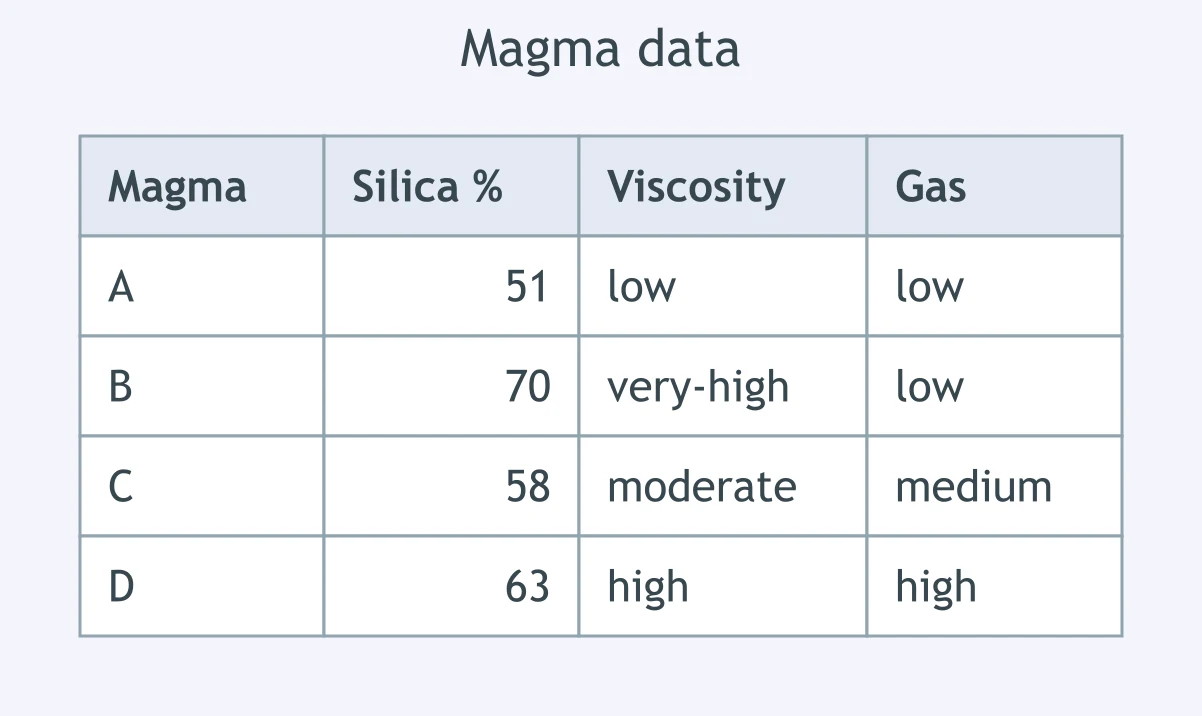
Use the table. If Magma D fragments during eruption, which hazard is most likely to race downslope?
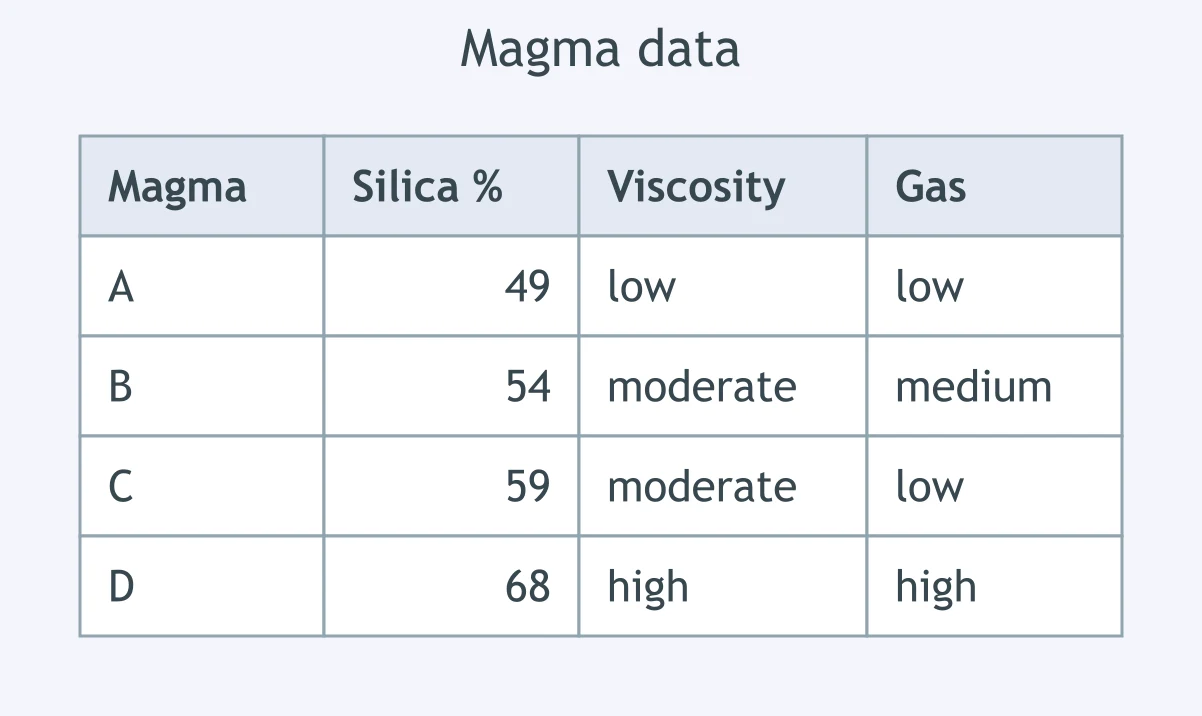
Use the table. Magma B reaches an open fissure and releases gas steadily. Which eruption style best fits the data?
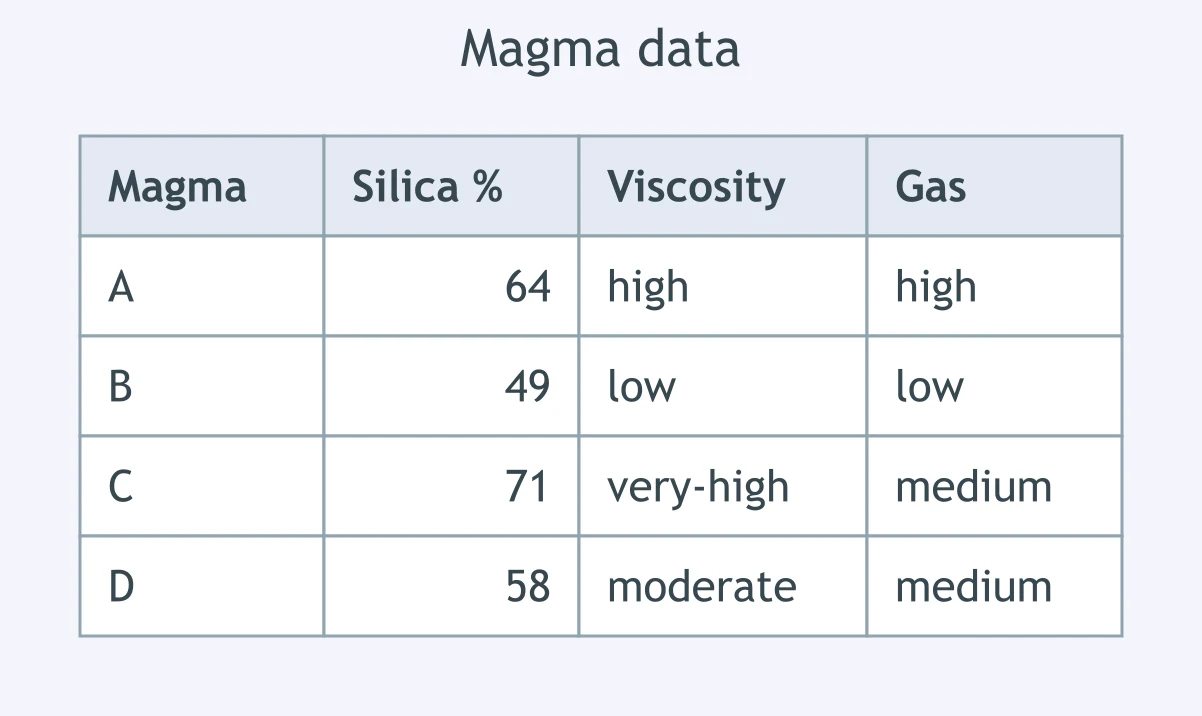
Use the table. Which eruption is most likely for Magma A if trapped gas cannot escape until the magma breaks apart?
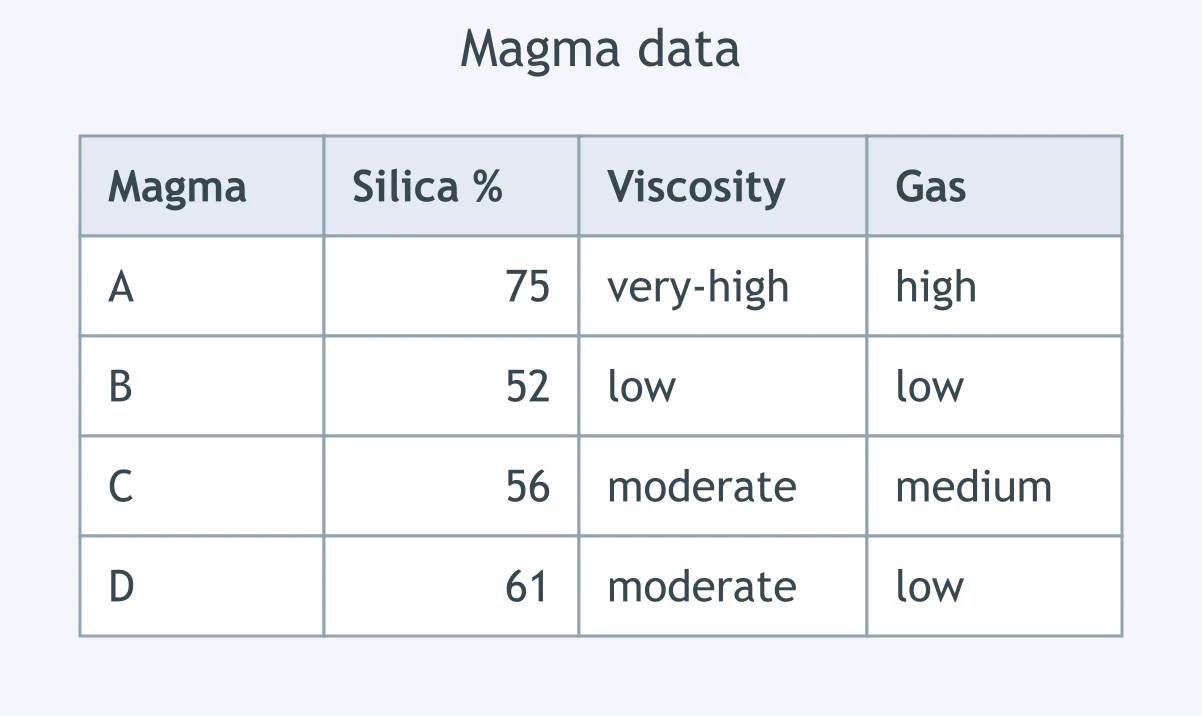
Use the table. Which properties of Magma C support predicting a sustained lava fountain rather than a major ash column?
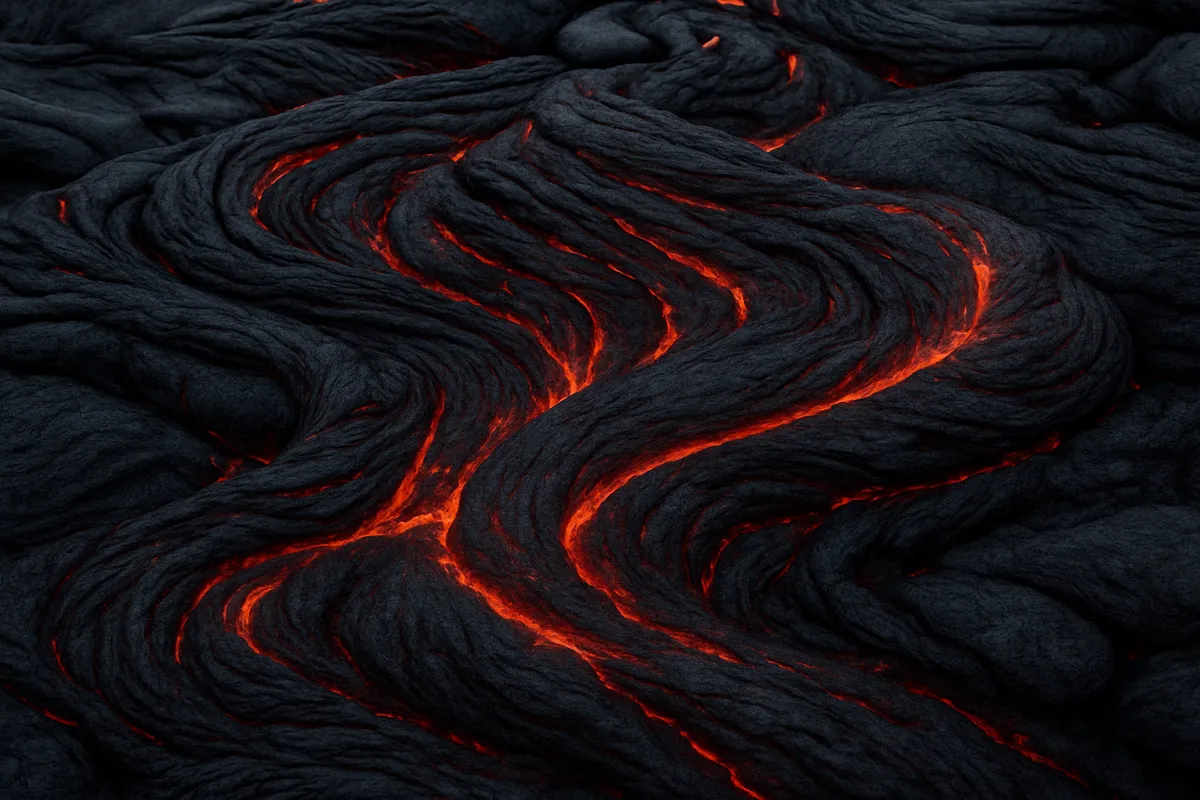
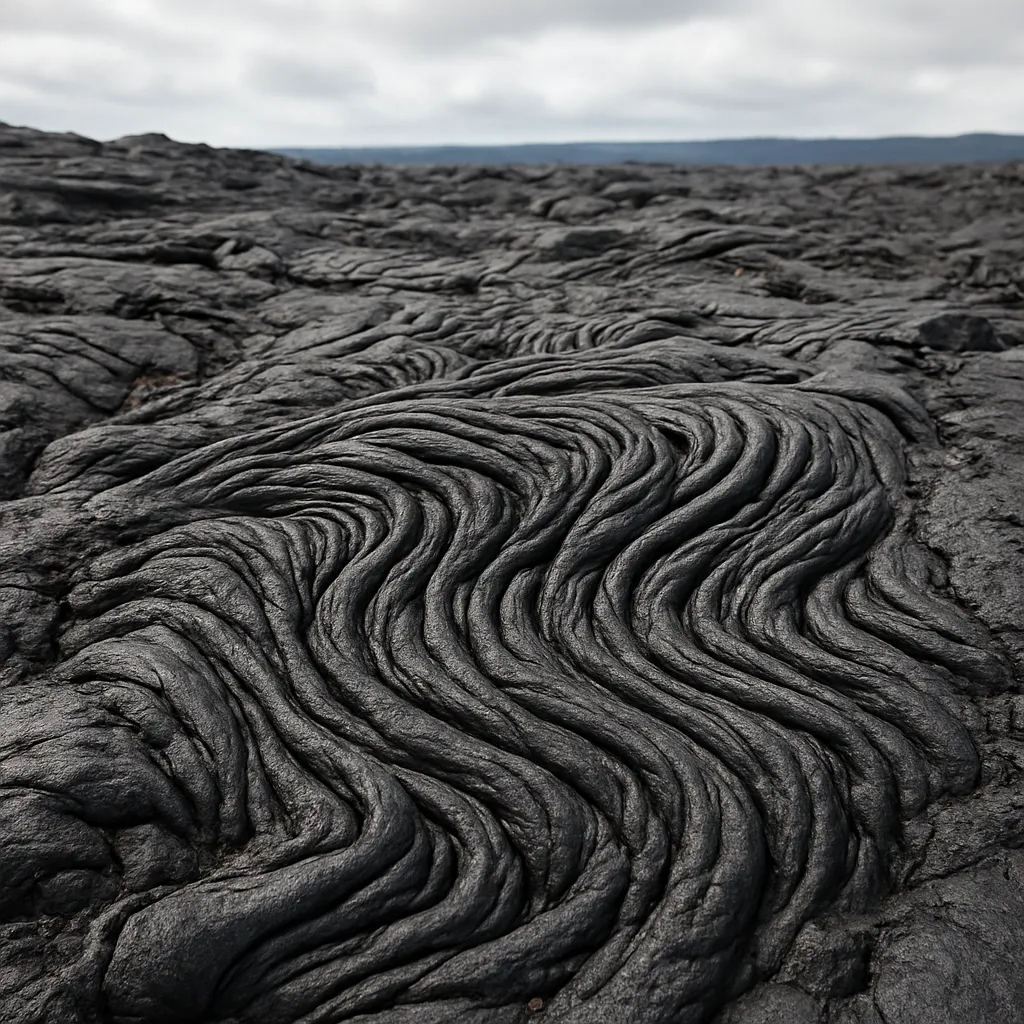
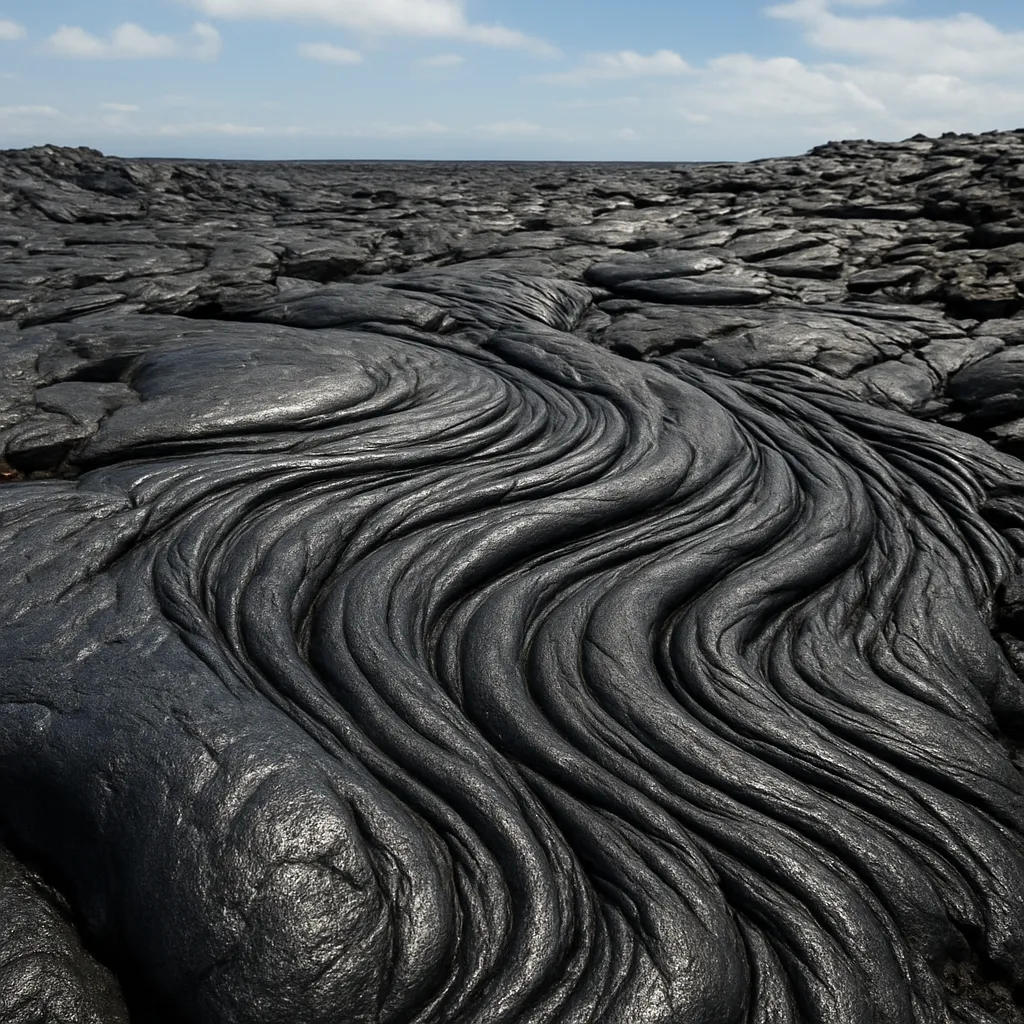
What lava surface texture is shown in the image?
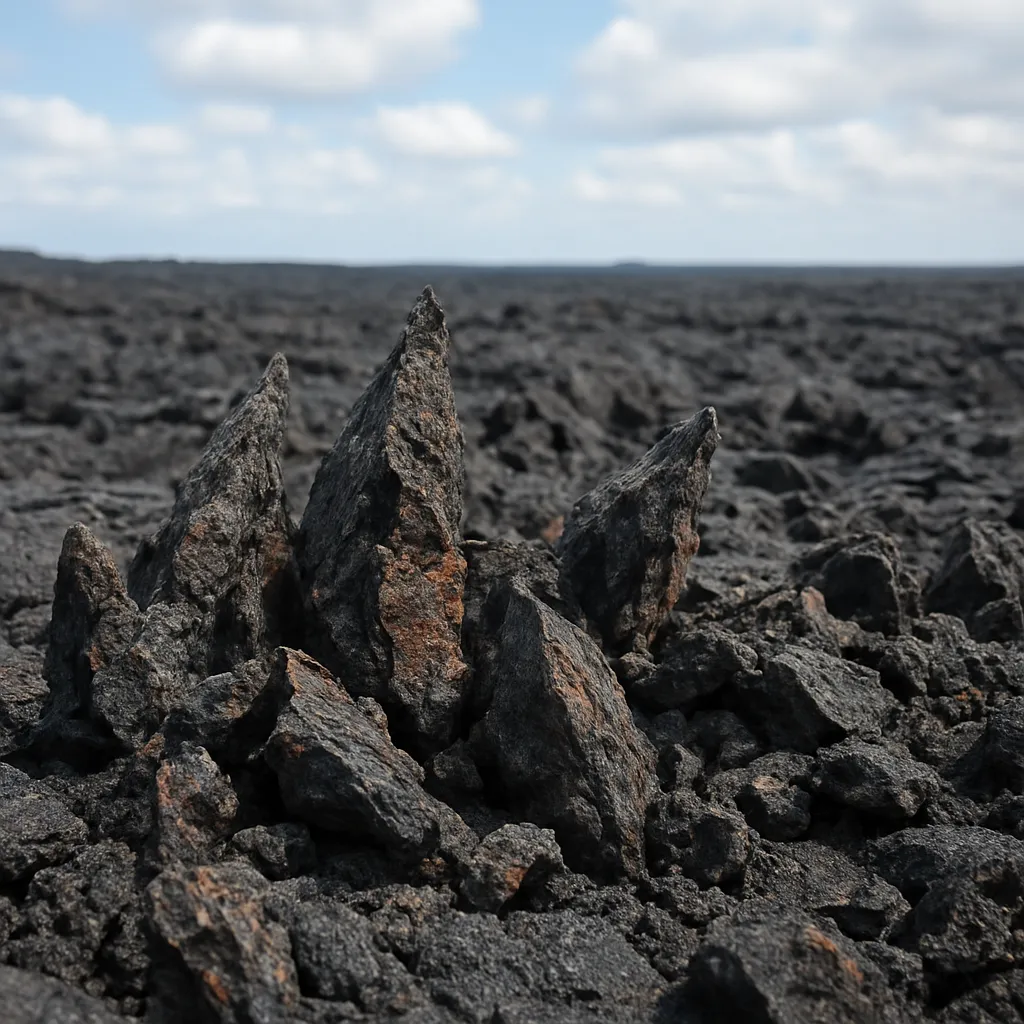
Identify the cooled lava surface shown in the image.
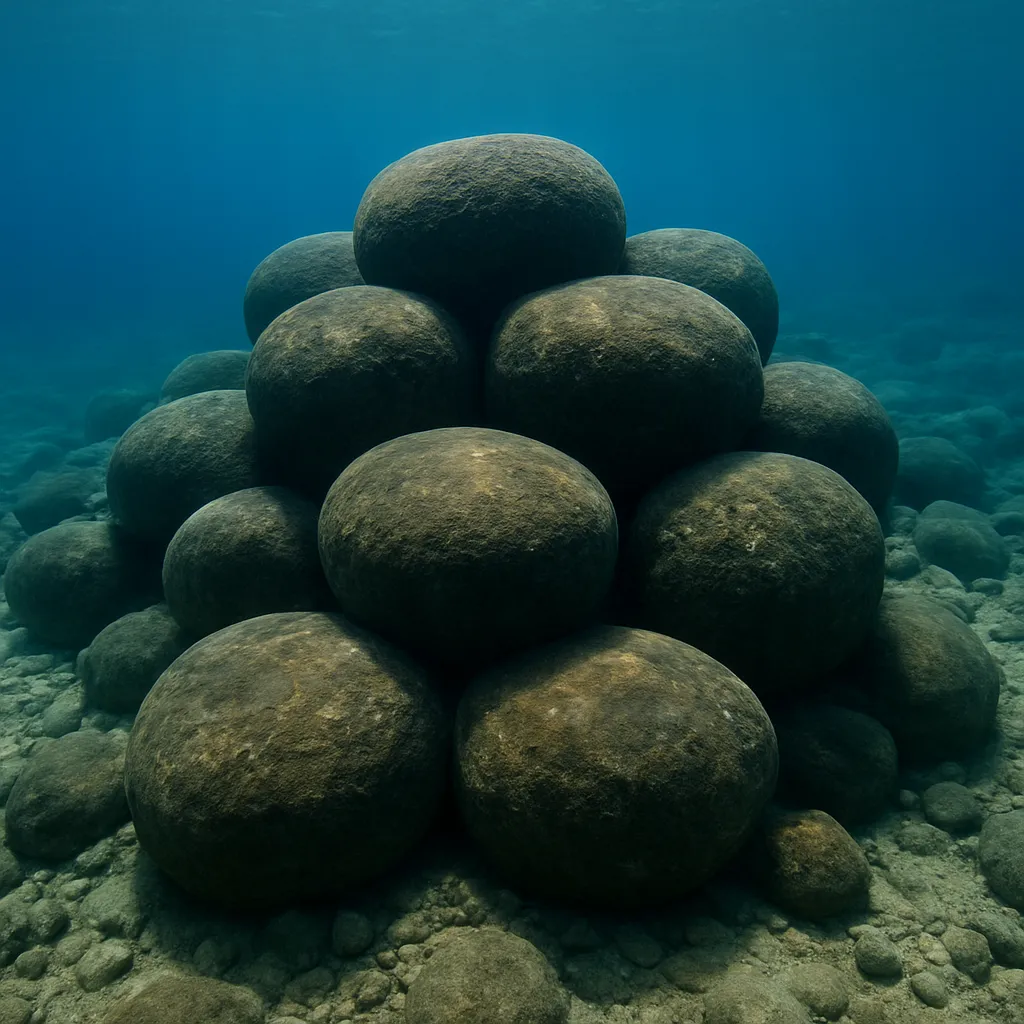
What lava structure is shown forming underwater in the image?
Name the lava surface shown in the image.
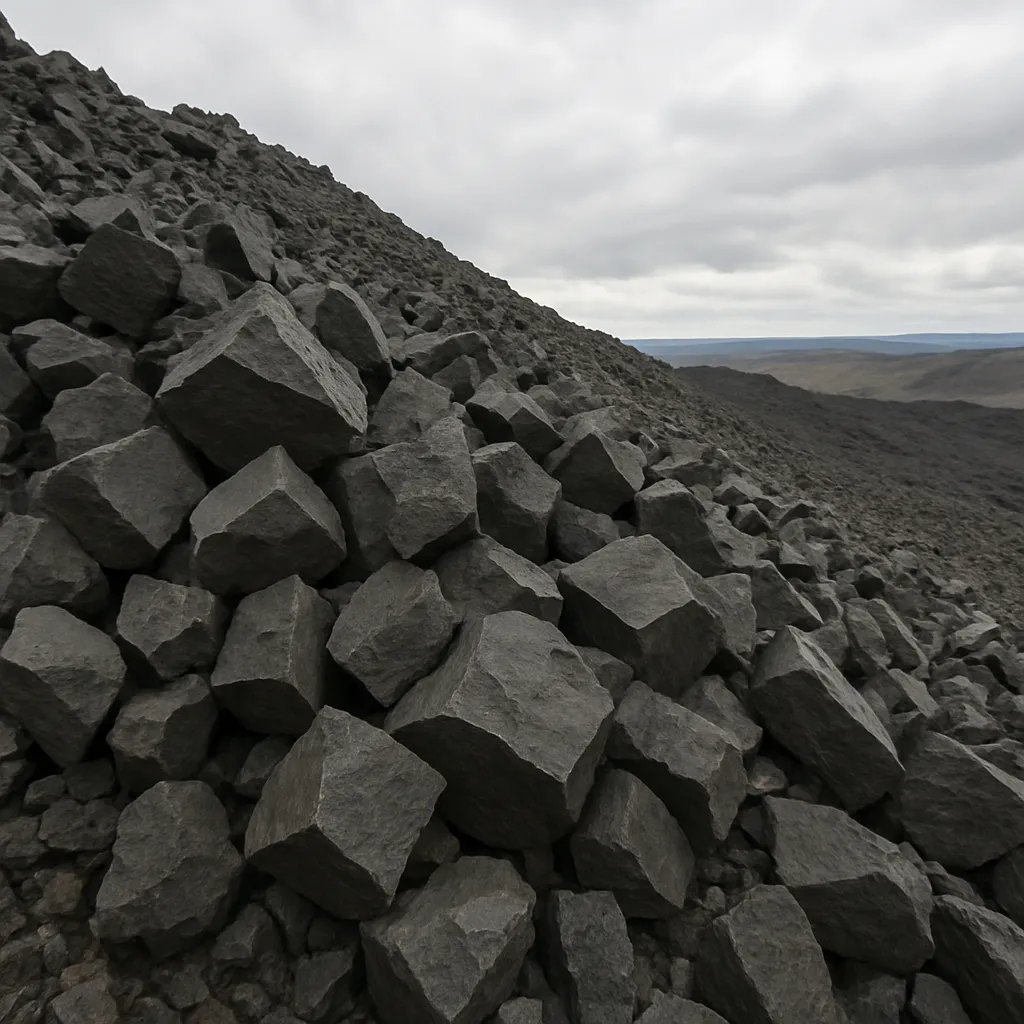
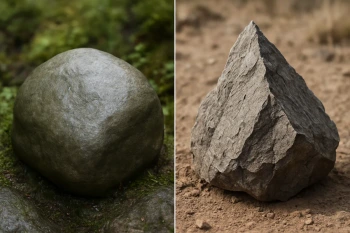
Which lava texture forms when hot, fluid basaltic lava moves slowly and its thin, cooling skin wrinkles into smooth, ropy folds like those in the image?
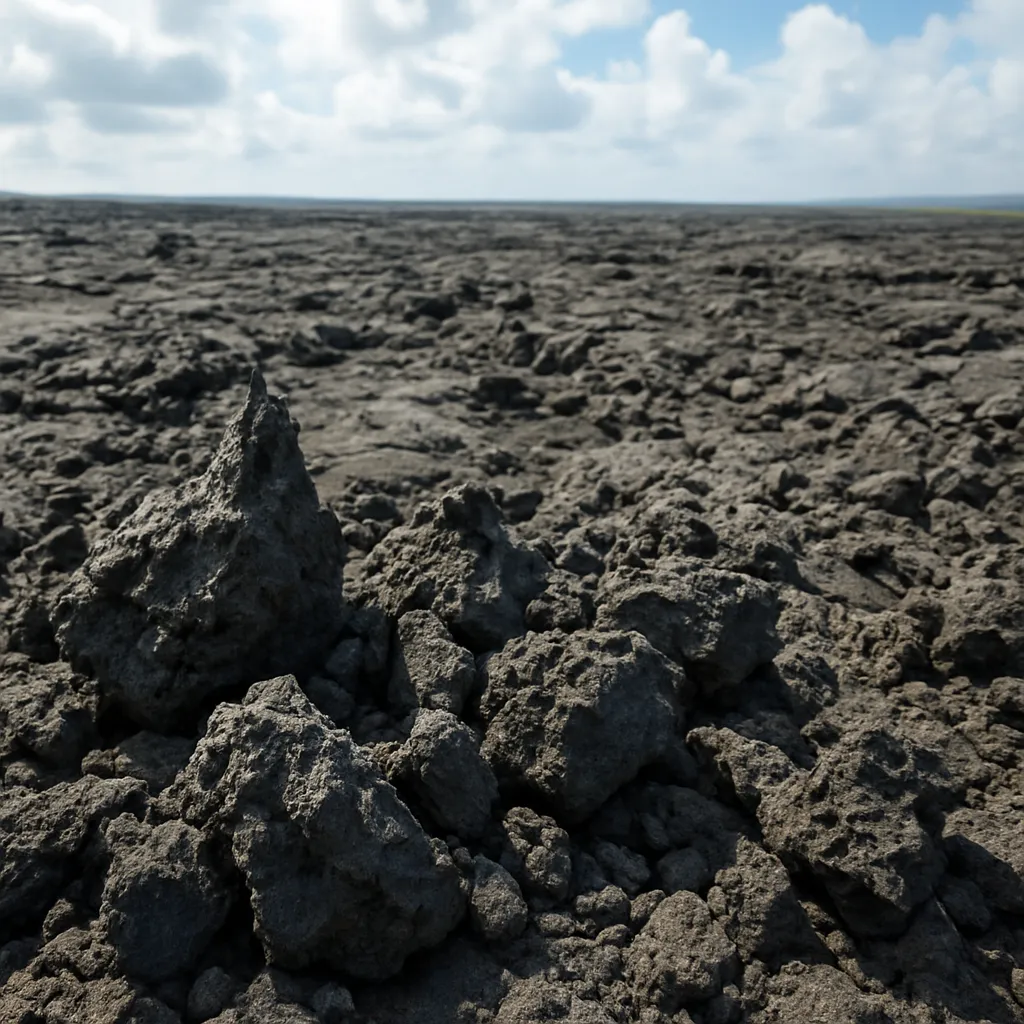
Which lava texture forms when basaltic lava cools, thickens, and keeps flowing so its crust tears into sharp, clinkery rubble like that in the image?
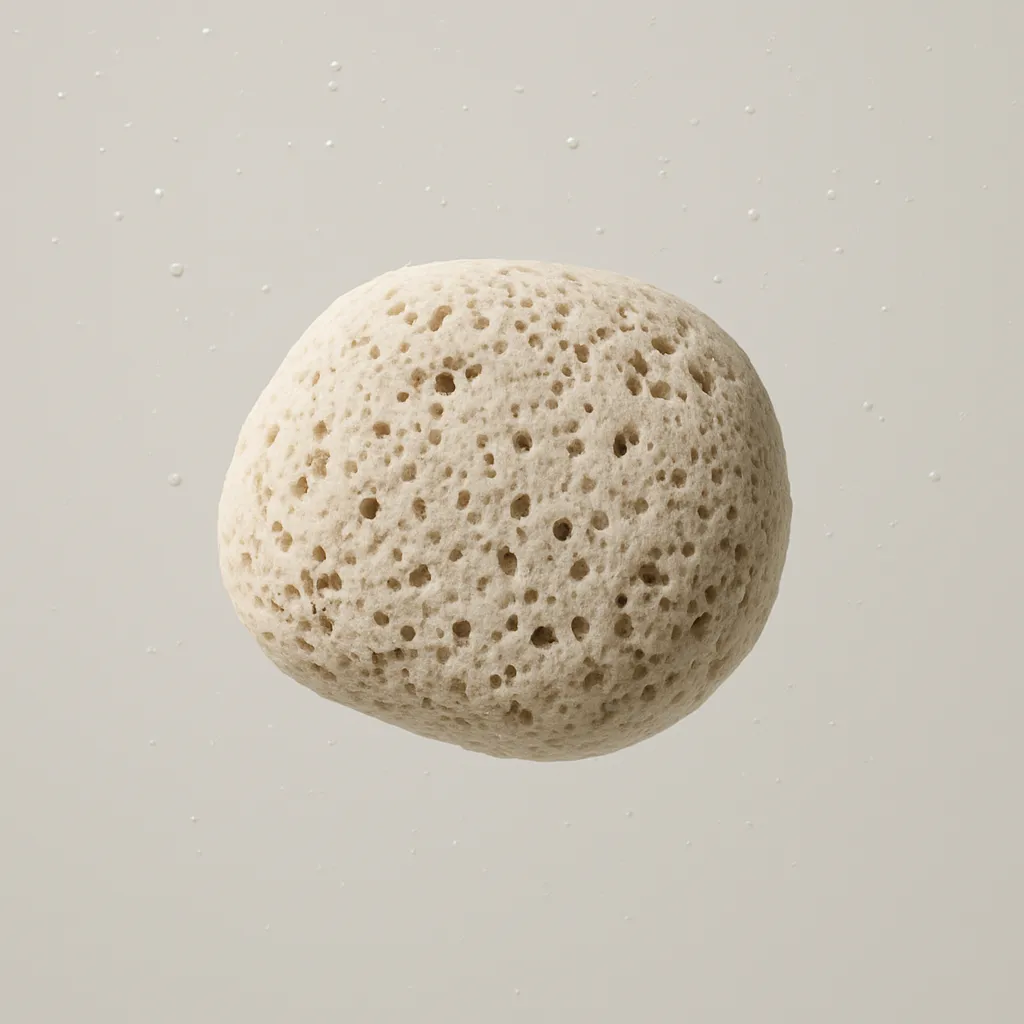
A pale volcanic rock is so full of sealed gas cavities that it floats in water. Which product is it?
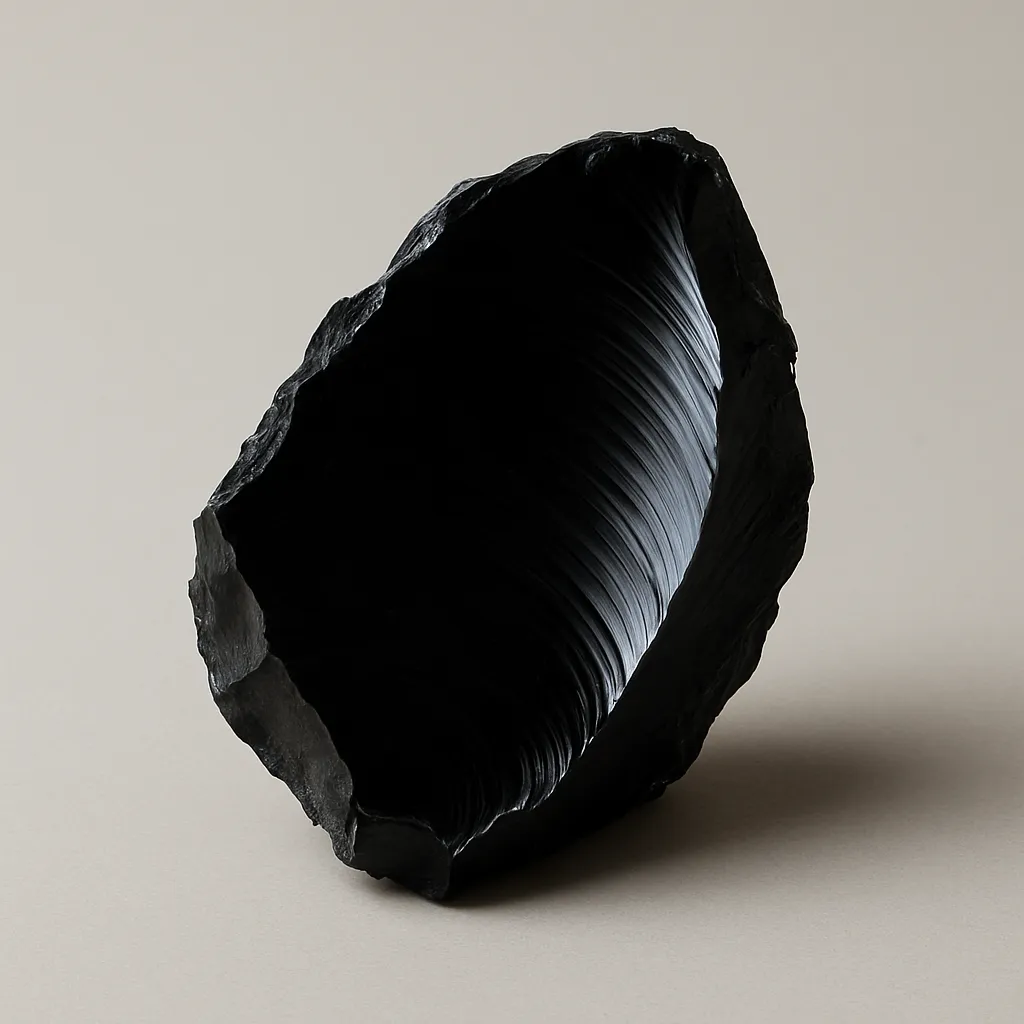
A black volcanic specimen has a glassy luster, curved fracture surfaces, and almost no visible crystals. Which product is it?
A dark red cinder has many vesicles but sinks in water and is denser than pumice. Which volcanic product is it?
Loose volcanic ash becomes compacted and cemented into a gray rock layer. What volcanic product has formed?
A rounded fragment larger than 64 mm was thrown from a vent while still partly molten. Which product is it?
Fine fragments less than 2 mm across are blasted from an eruption column and carried by wind. What product are they?
Lava at 1,150 °C flows for kilometers and cools into dark rock rich in iron, magnesium, olivine, and pyroxene. What magma type is it?
A medium-dark lava at a subduction-zone volcano has about 58% silica and moderate viscosity. Which magma type is it?
A pale lava contains abundant silica and potassium, erupts explosively, and produces ash and pumice with quartz and feldspar. What magma type is it?
A light-gray volcanic rock contains plagioclase, hornblende, and some quartz, and its silica content falls between that of andesite and rhyolite. Which magma type formed it?
A lava sample is black, fine-grained, about 52% silica, and contains plagioclase, pyroxene, and olivine. Which magma type produced it?
From 1980 to 1986, Mount St. Helens built a new lava dome from crystal-rich magma with about 63% silica, roughly one million times more viscous than Hawaiian basaltic lava. What magma type is it?
Crack the passcode before the zombies get in.
Answer, then swat bugs for bonus points.
Race through questions at your own speed.
Same question on every screen. Fastest wins.

Pick a tile, answer, hit bonuses and steals.
Volcanoes Review
40 questions