Loading
by BlastRoom
A cumulative review of physical and chemical weathering, the factors that control weathering rate, and how soil horizons form.
#earth_space_science
40 questions
One question set, multiple game modes. Tap any game to see it in action. Not sure which to pick?
Answer to place stones and capture territory.
Outrun the snow together.
Earn blasts, then hunt the other team.
Answer to earn energy, then climb.

The class blasts through walls together.
Bid on mystery lots. Most money wins.
Sell tours. Nice, standard, or a total scam.

Answer, restock, and serve the rush.
More correct answers pulls the rope your way.
Answer, then shoot down the alien wave.
Answer, then tap to leap the frozen ridge.
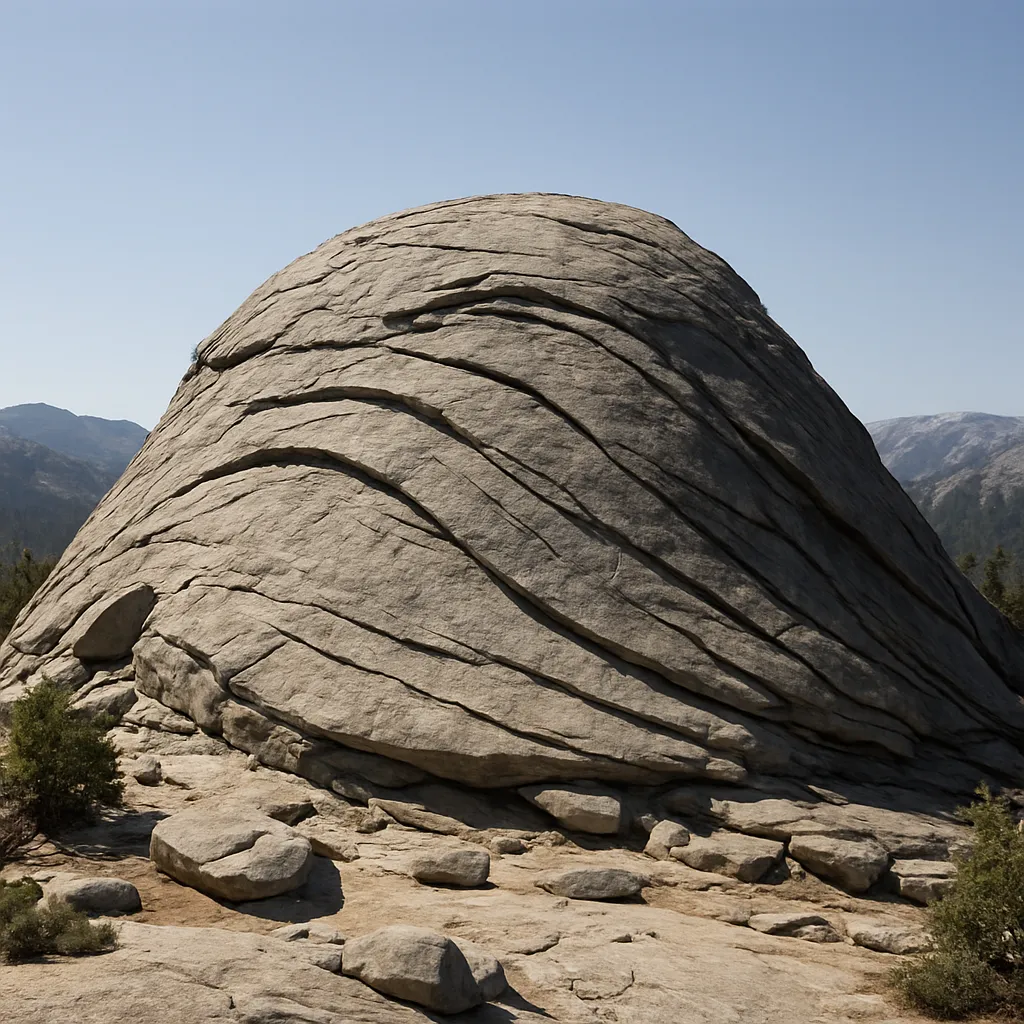
On a granite dome in Yosemite, curved sheets of rock several meters thick have peeled away parallel to the surface as the overlying rock was stripped off. What process is this?
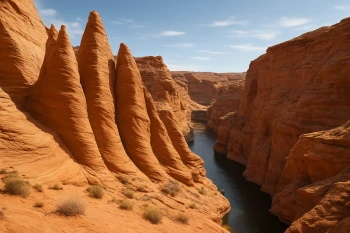
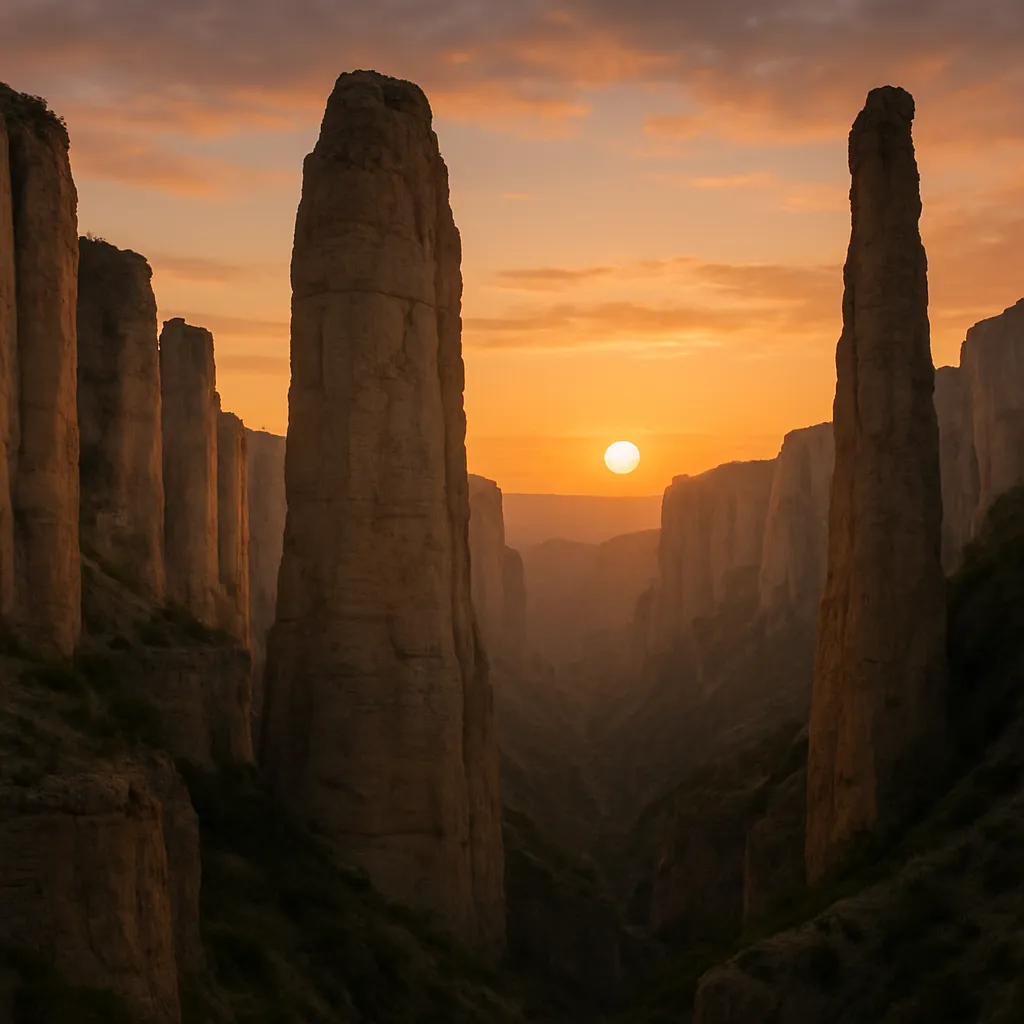
In Bryce Canyon, Utah, limestone pillars called hoodoos have been carved as water freezes and expands in cracks on about 200 nights each year, prying the rock apart. What process shaped them?
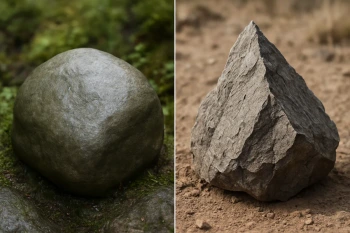
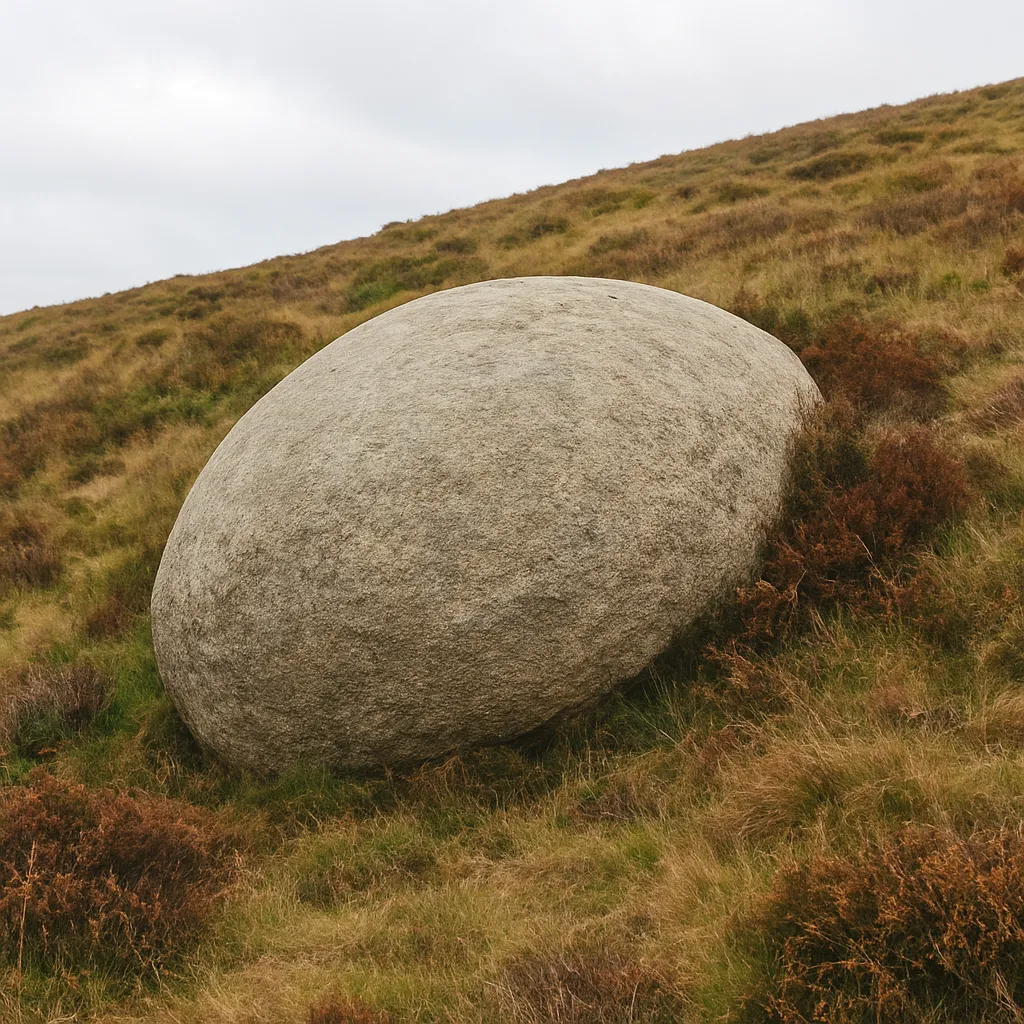
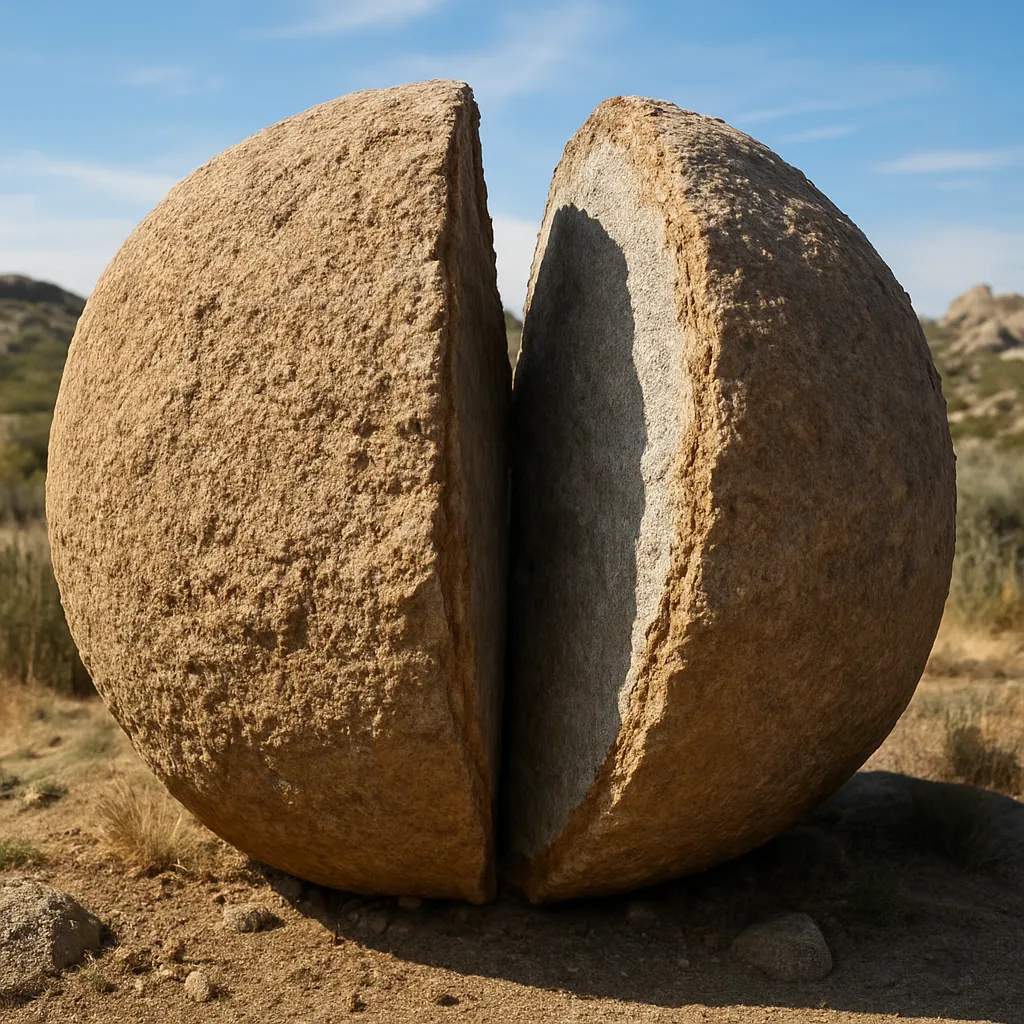
In the Sierra Nevada, a buried granite boulder with sharp corners has weathered faster along its edges and corners than on its flat faces, leaving it rounded once it is exposed at the surface. What process is this?
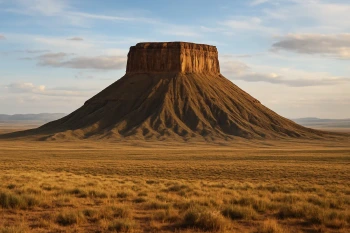
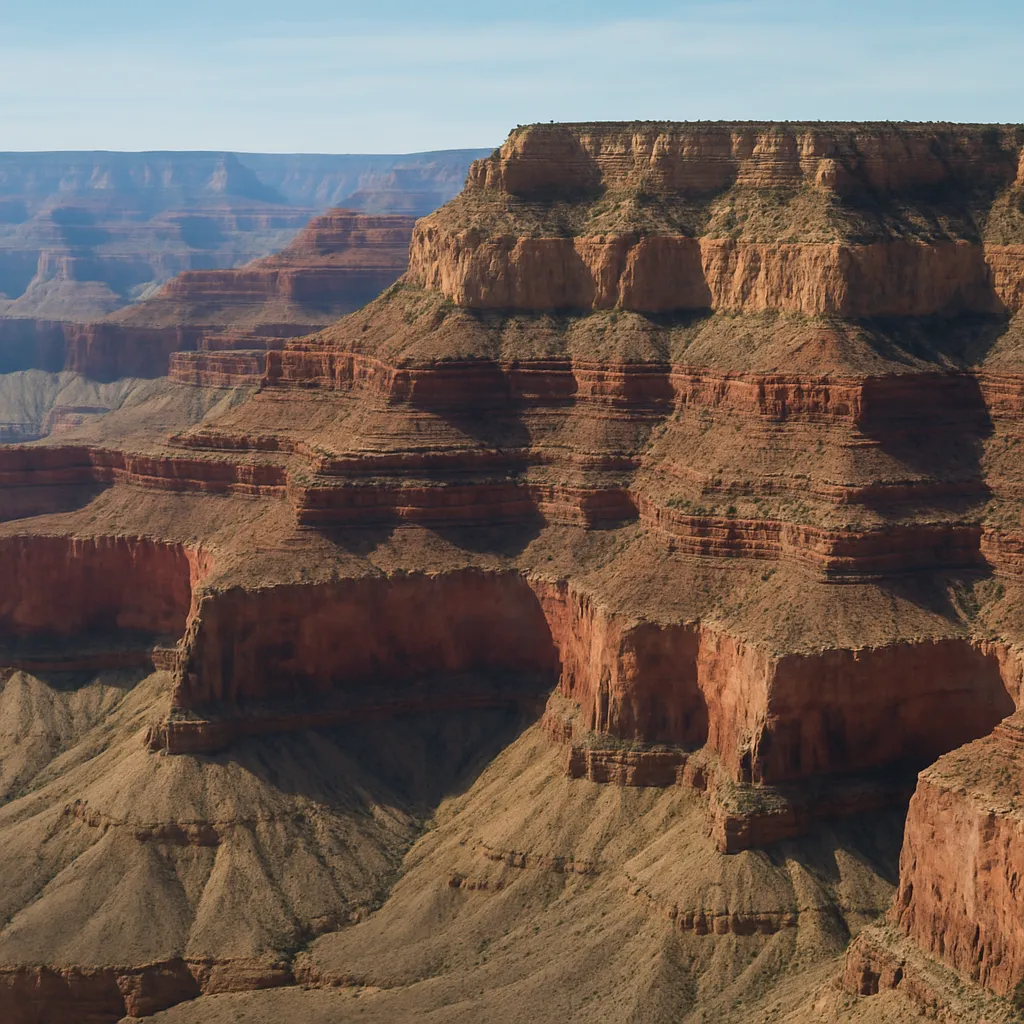
In the Grand Canyon, softer shale layers have worn back into slopes while harder limestone and sandstone layers stand out as steep cliffs, producing a stair-step profile. What process produced this pattern?
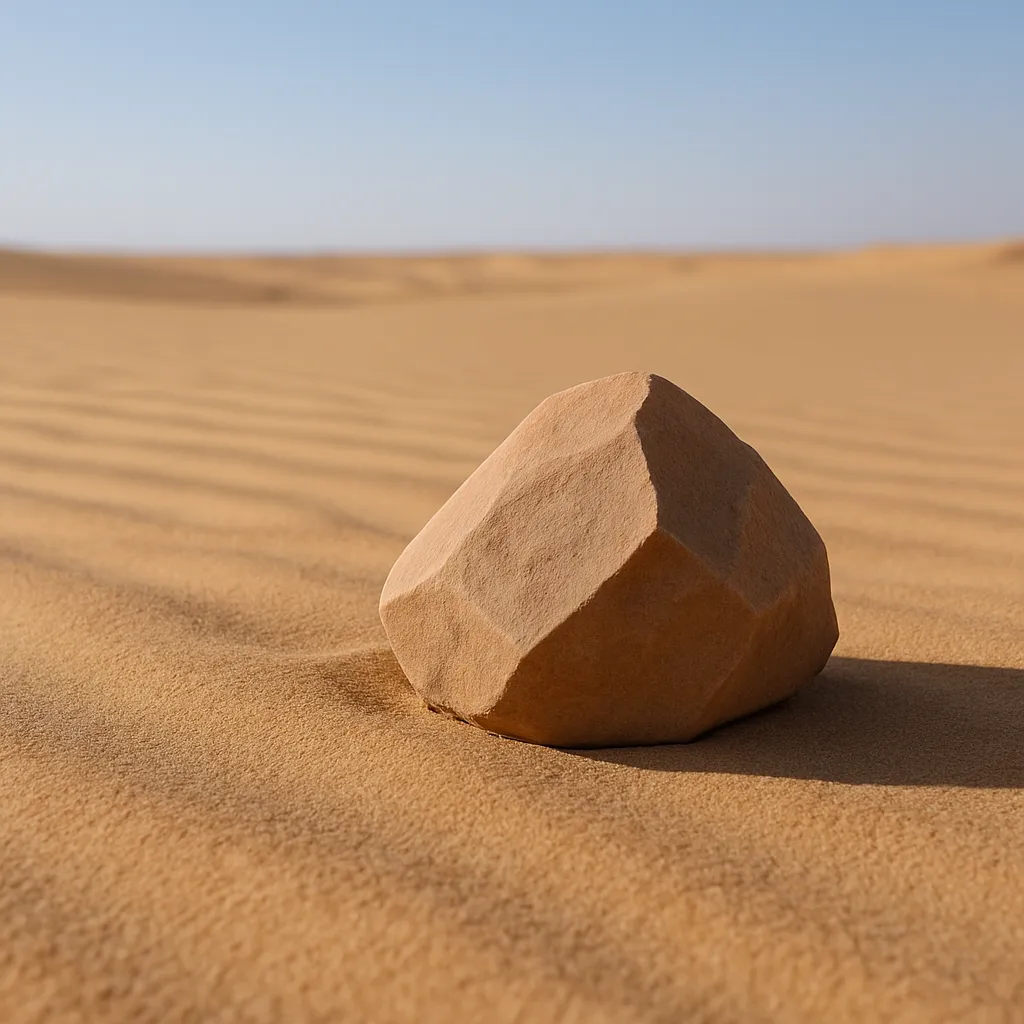
In the Mojave Desert, a rock has been sculpted into a smooth, faceted shape by windblown sand striking it from a steady prevailing direction for centuries. What process shaped this rock?
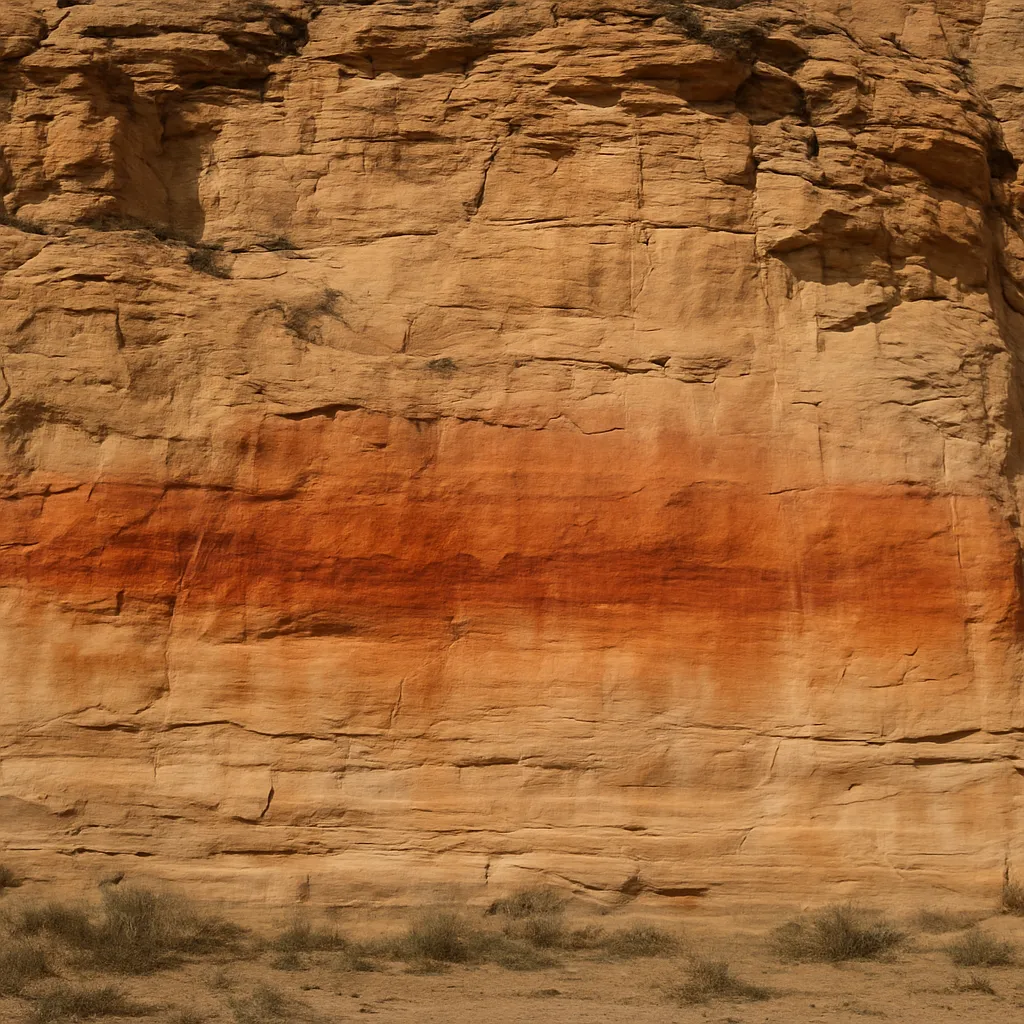
A sandstone cliff in Utah shows reddish-brown bands where iron-bearing minerals in the rock have reacted with oxygen and water over time. What process produced the coloring?
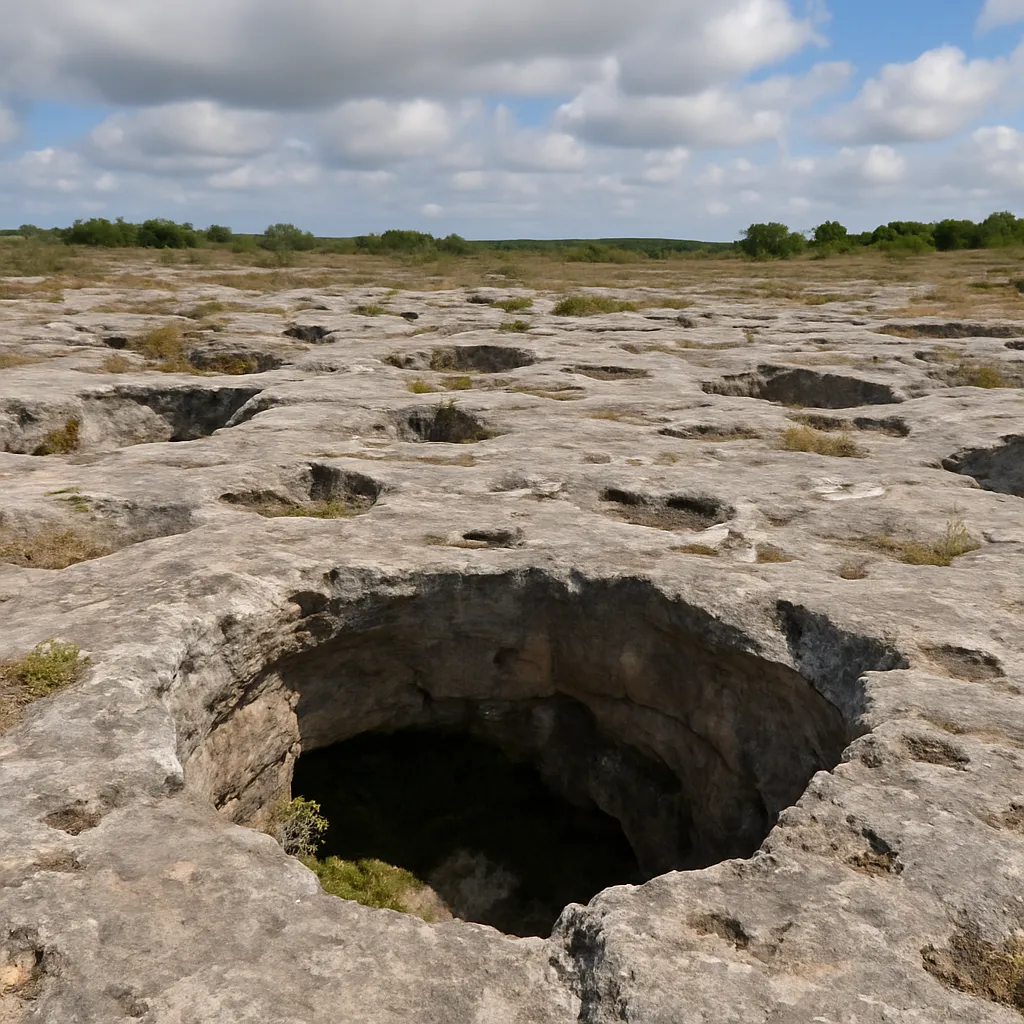
In a limestone region, slightly acidic rainwater has dissolved the rock along cracks and bedding planes, forming pits, sinkholes and cave passages over thousands of years. What process is at work?
A sandstone sea cliff has developed a pitted, honeycomb-like surface as sea spray soaks into its pores and dries out again and again, leaving behind crystals that pry grains loose. What process caused this texture?
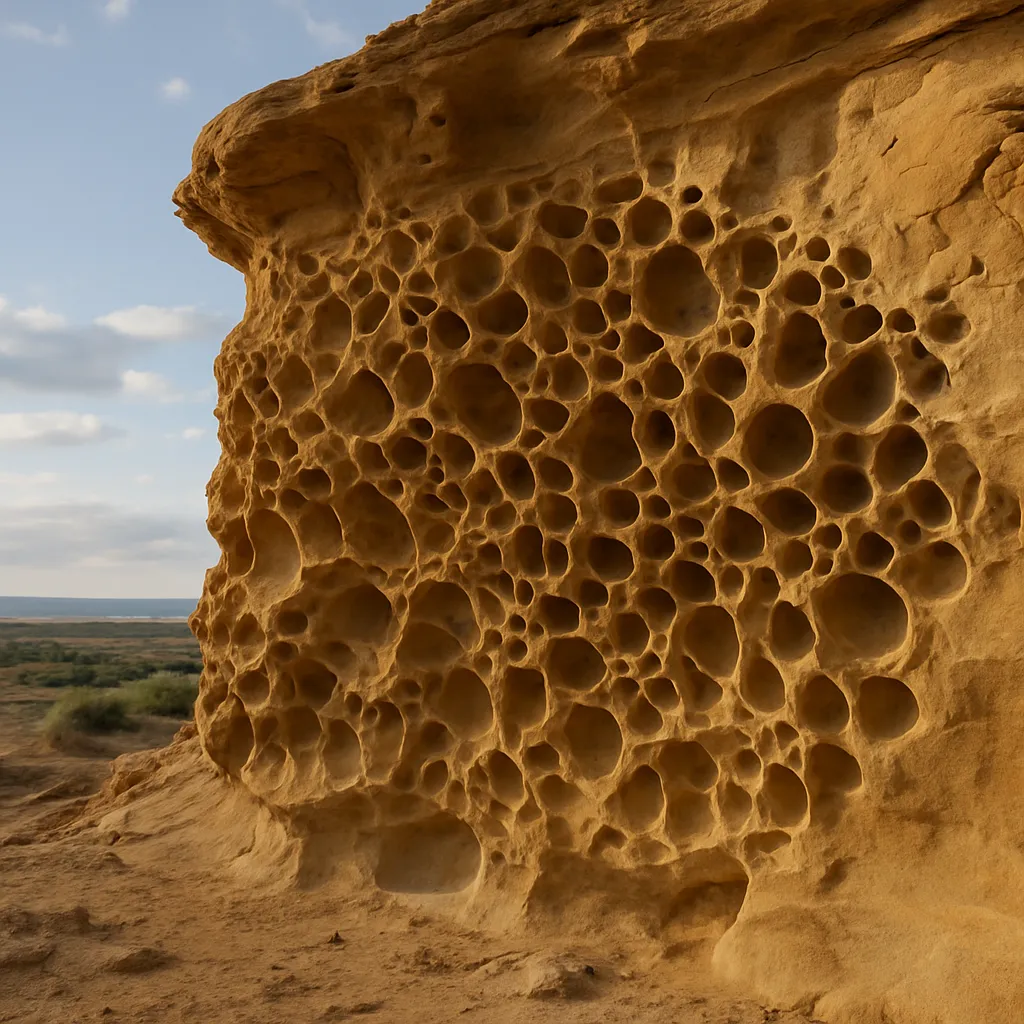
A granite boulder in a humid climate has a soft, crumbly, clay-rich outer rind several centimeters thick surrounding a hard, unweathered core, because water has chemically reacted with its feldspar minerals. What process produced the rind?
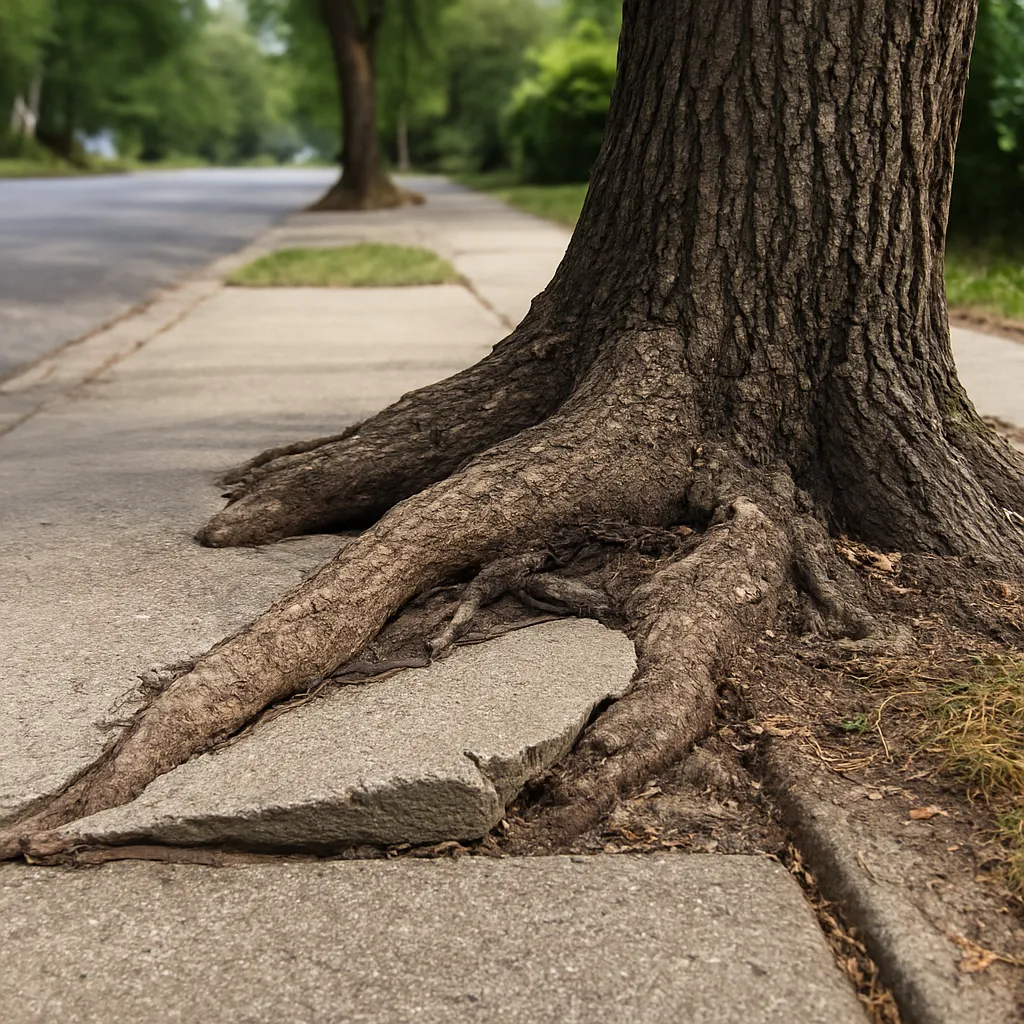
Tree roots grow into a joint in a sidewalk slab and thicken year after year until the concrete cracks apart and lifts. Which process is at work?
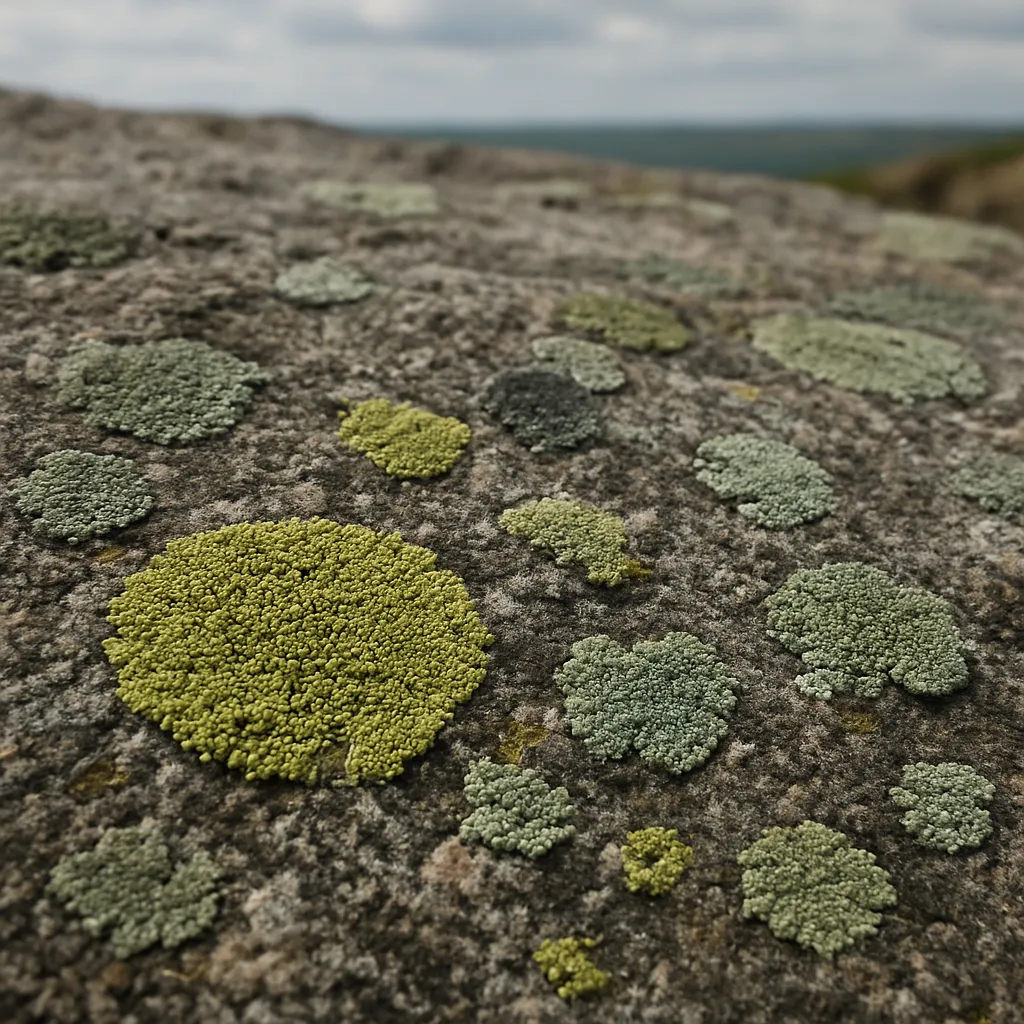
Lichen growing on a granite boulder secretes weak acids that slowly etch shallow pits into the mineral grains beneath it over many years. Which process is at work?
Prairie dogs burrowing through soil break apart small rock fragments and push loosened debris to the surface as they dig their tunnels. Which process is this?
A mat of moss growing on a limestone slab releases organic acids that slowly dissolve the mineral grains directly beneath it. Which process is this?
Boring clams drill cylindrical holes into a rocky shoreline by physically grinding away the rock with their shells as they burrow. Which process is this?
Fungal hyphae growing into a fracture in a rock secrete organic acids that dissolve the minerals along the fracture, gradually widening it. Which process is this?
Decaying leaf litter on a forest floor produces humic acid that seeps downward and chemically reacts with the granite bedrock beneath it. Which process is this?
Grass roots growing into a narrow crack in a boulder widen it a little more with each growing season as the roots thicken. Which process is this?
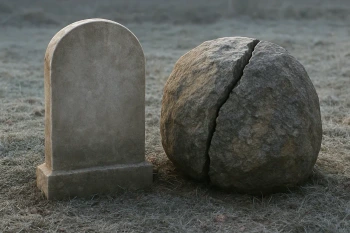
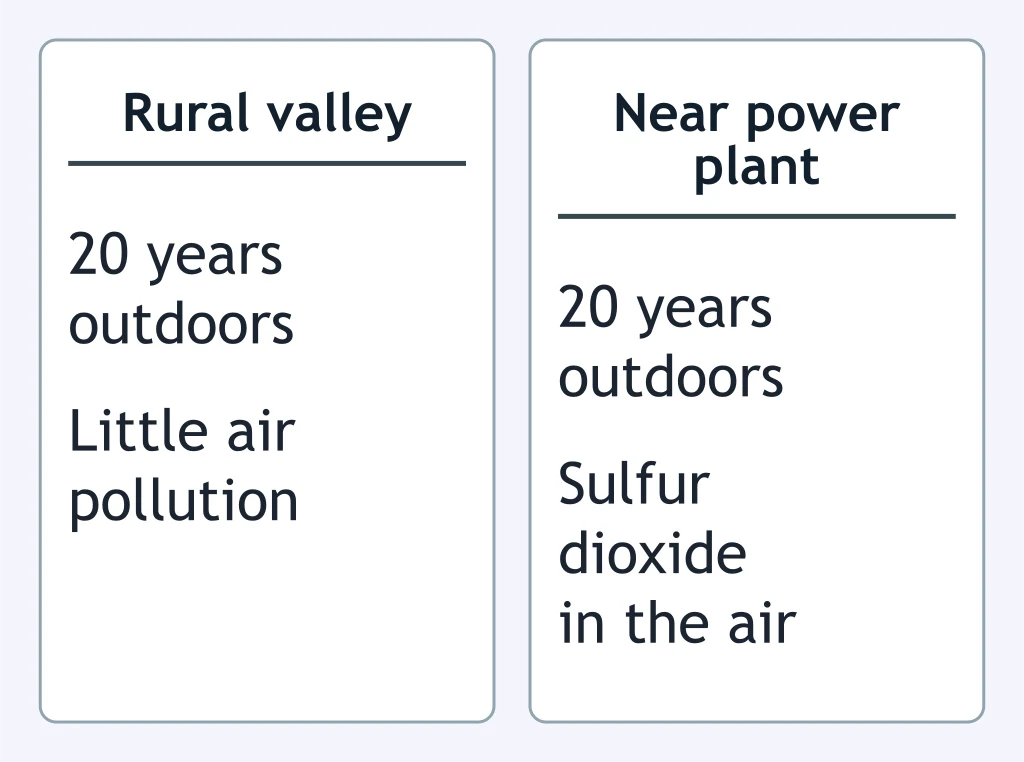
Two identical marble slabs stand outdoors for 20 years, one in a rural valley and one beside a coal-burning power plant, as shown. Which weathers faster and why?
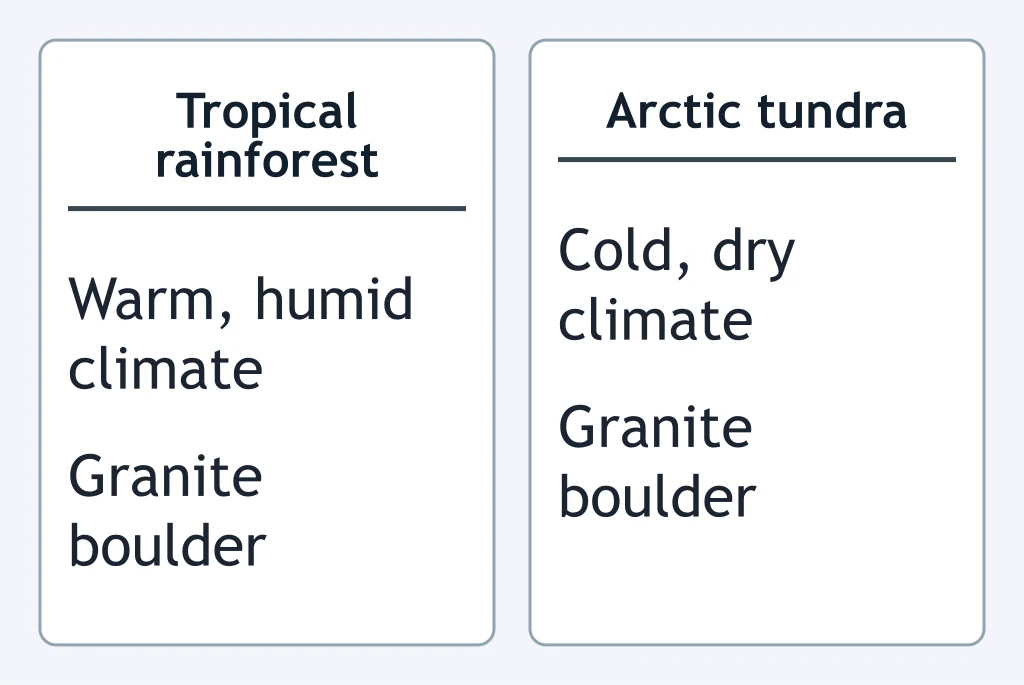
Two identical granite boulders are exposed for the same length of time, one in a warm, humid rainforest and one in a cold, dry arctic tundra, as shown. Which weathers faster chemically and why?
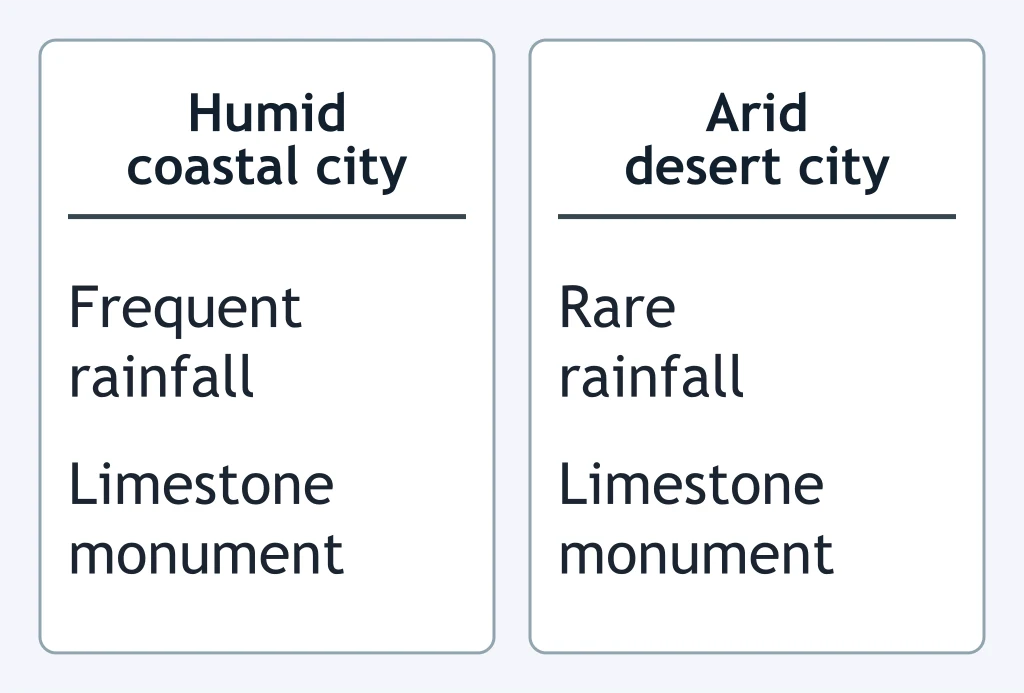
Identical limestone monuments stand for a century, one in a humid coastal city and one in an arid desert city, as shown. Which weathers faster and why?
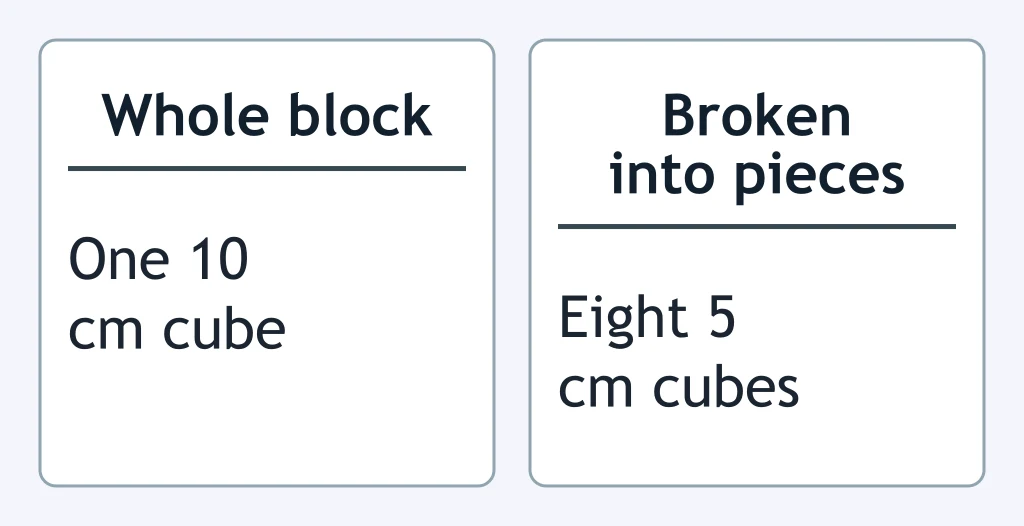
A 10 cm granite cube is broken into eight equal smaller cubes with the same total volume, as shown. Which has more surface area exposed to weathering, and by how much?
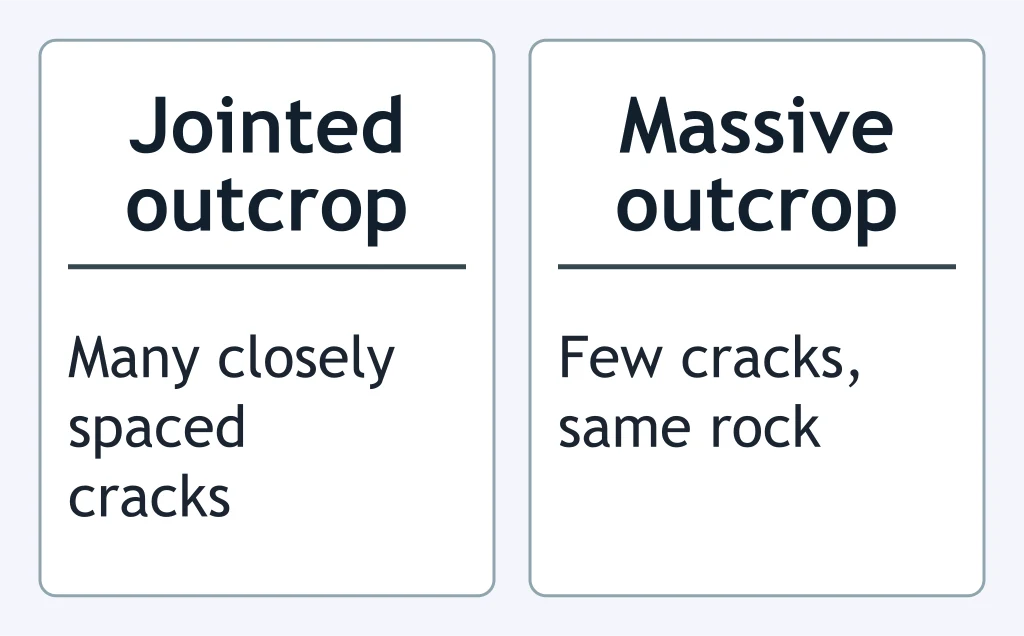
Two outcrops of the same rock type in the same climate are exposed for the same time, one heavily jointed with closely spaced cracks and one massive with few cracks, as shown. Which weathers faster and why?
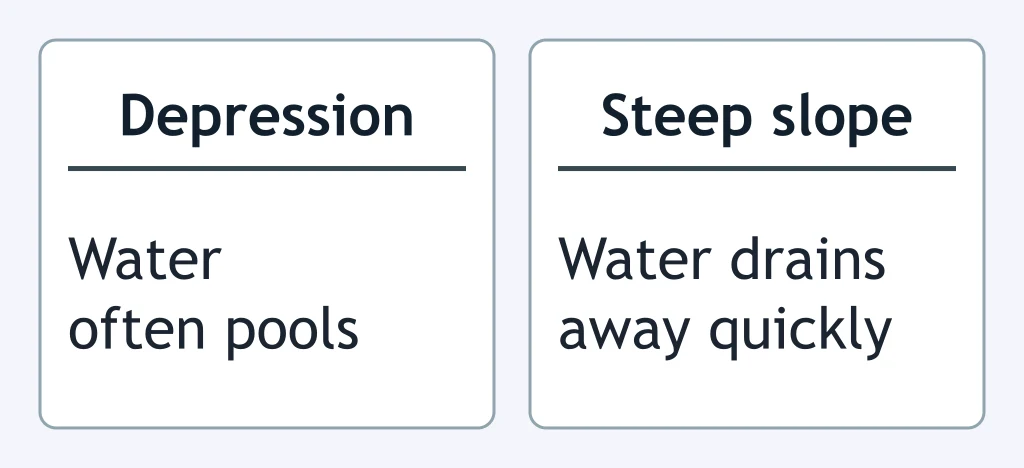
Two identical sandstone blocks sit in the same climate, one in a low spot where water often pools and one on a steep, well-drained slope, as shown. Which weathers faster and why?
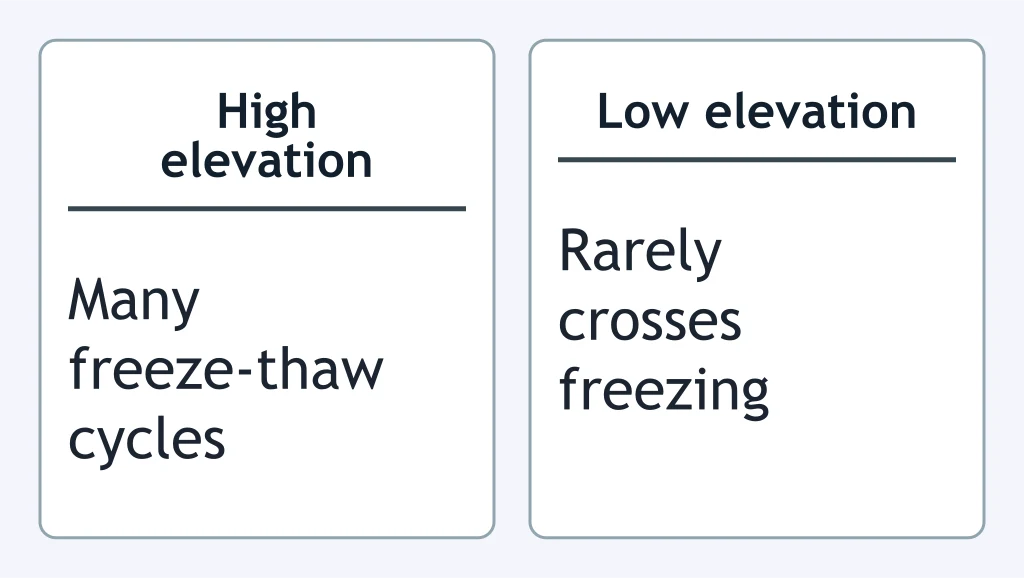
Two identical granite blocks are exposed for the same number of years, one at high elevation with many freeze-thaw cycles per year and one at low elevation where temperatures rarely cross freezing, as shown. Which weathers faster and why?
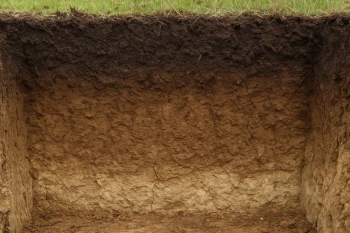
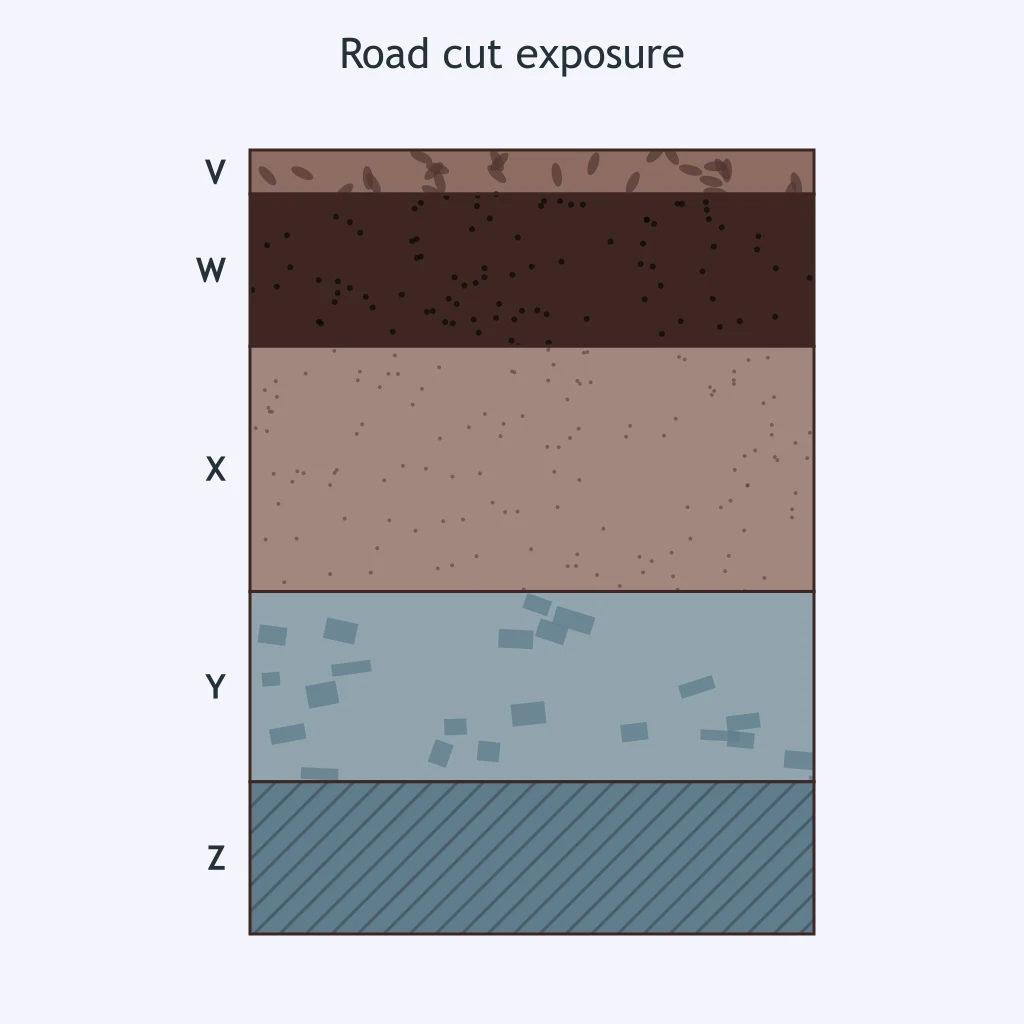
In the road cut diagram, horizon V is a thin, dark mat of decomposing leaves and organic debris resting directly on the mineral soil below. Which horizon is this?
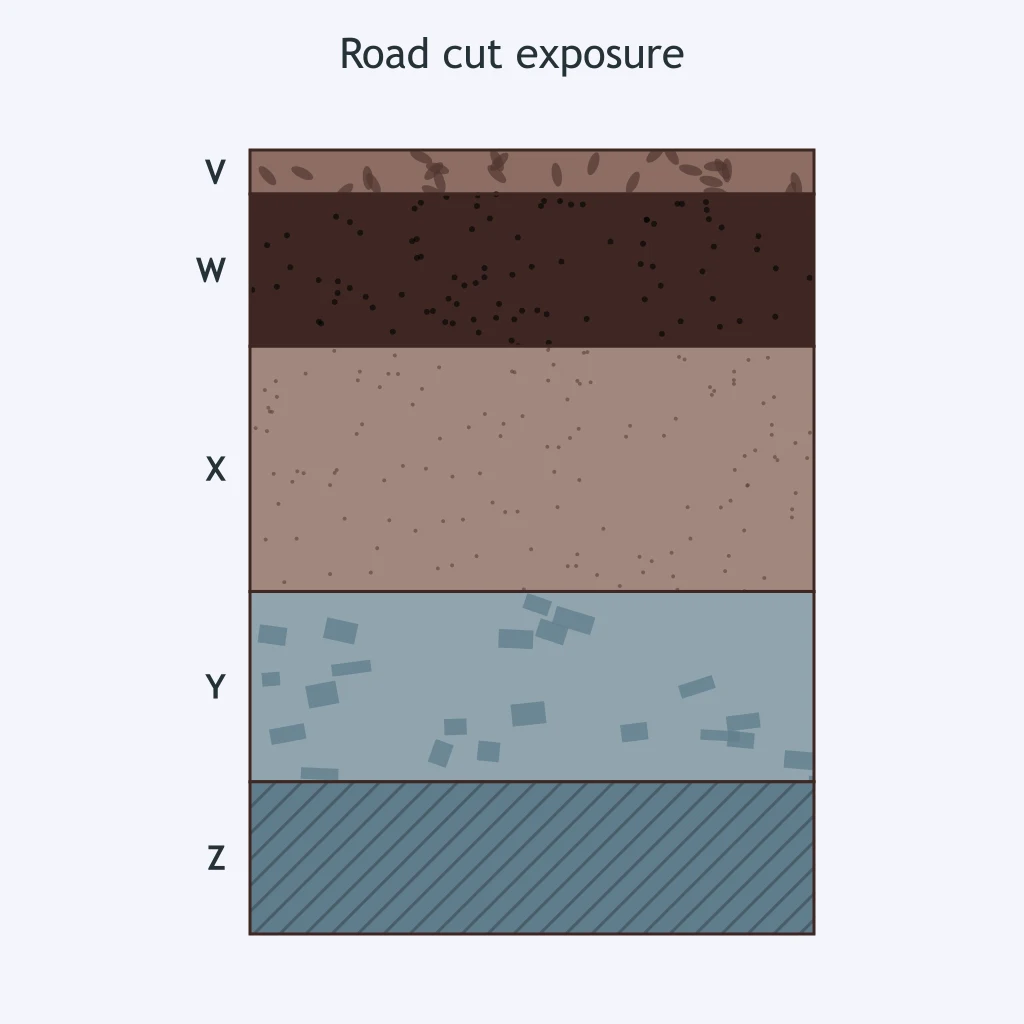
In the road cut diagram, horizon W is a dark, crumbly layer rich in humus, where most plant roots and soil organisms are concentrated. Which horizon is this?
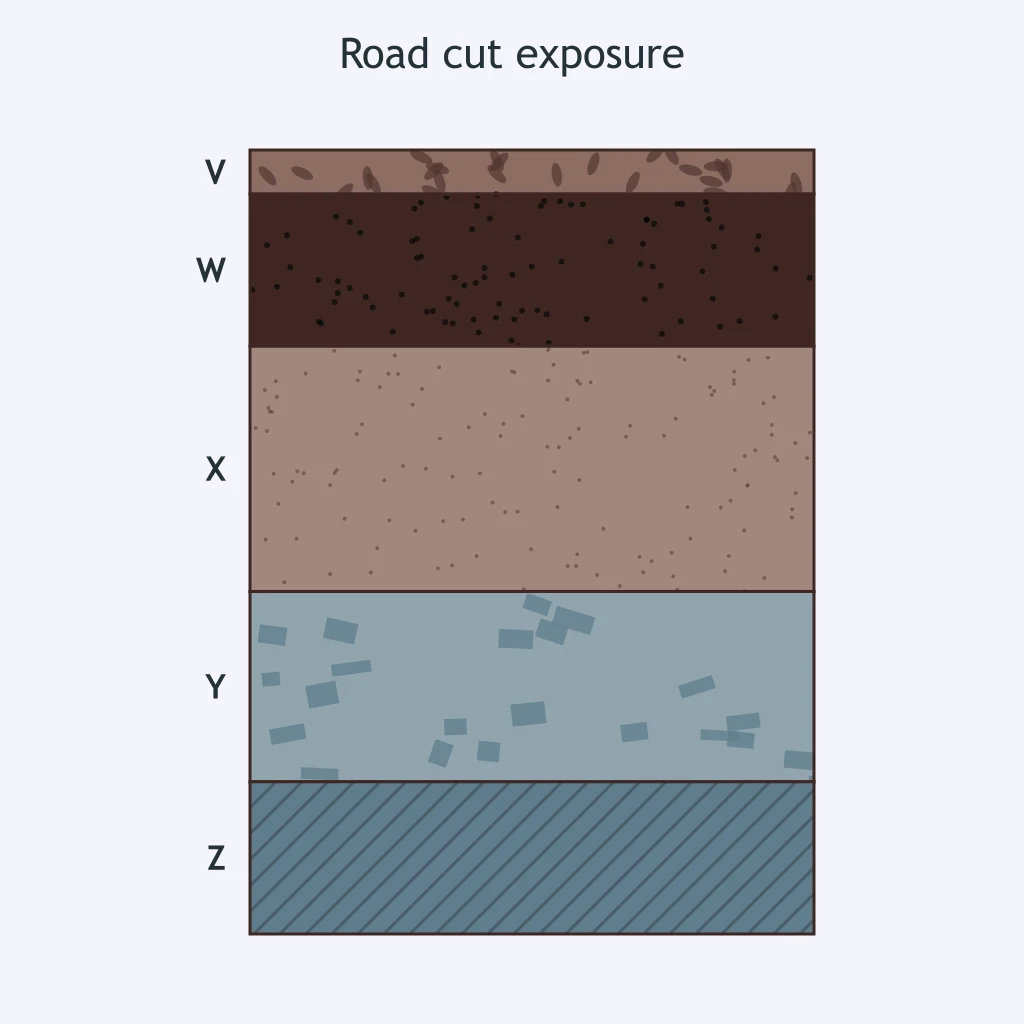
In the road cut diagram, horizon X is a dense, sticky layer where clay and dissolved minerals leached from above have accumulated. Which horizon is this?
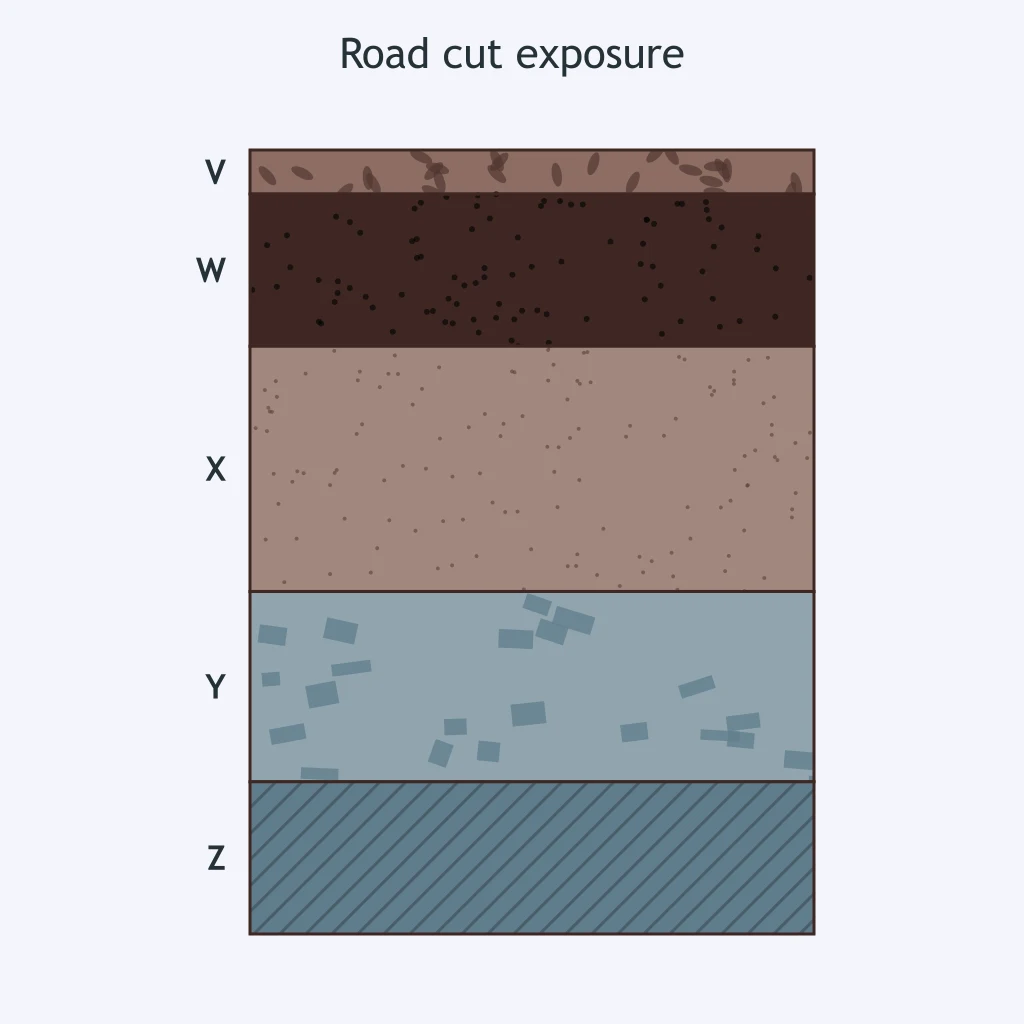
In the road cut diagram, horizon Y shows partly broken, angular rock fragments lying just above solid bedrock, with almost no humus and almost no clay. Which horizon is this?
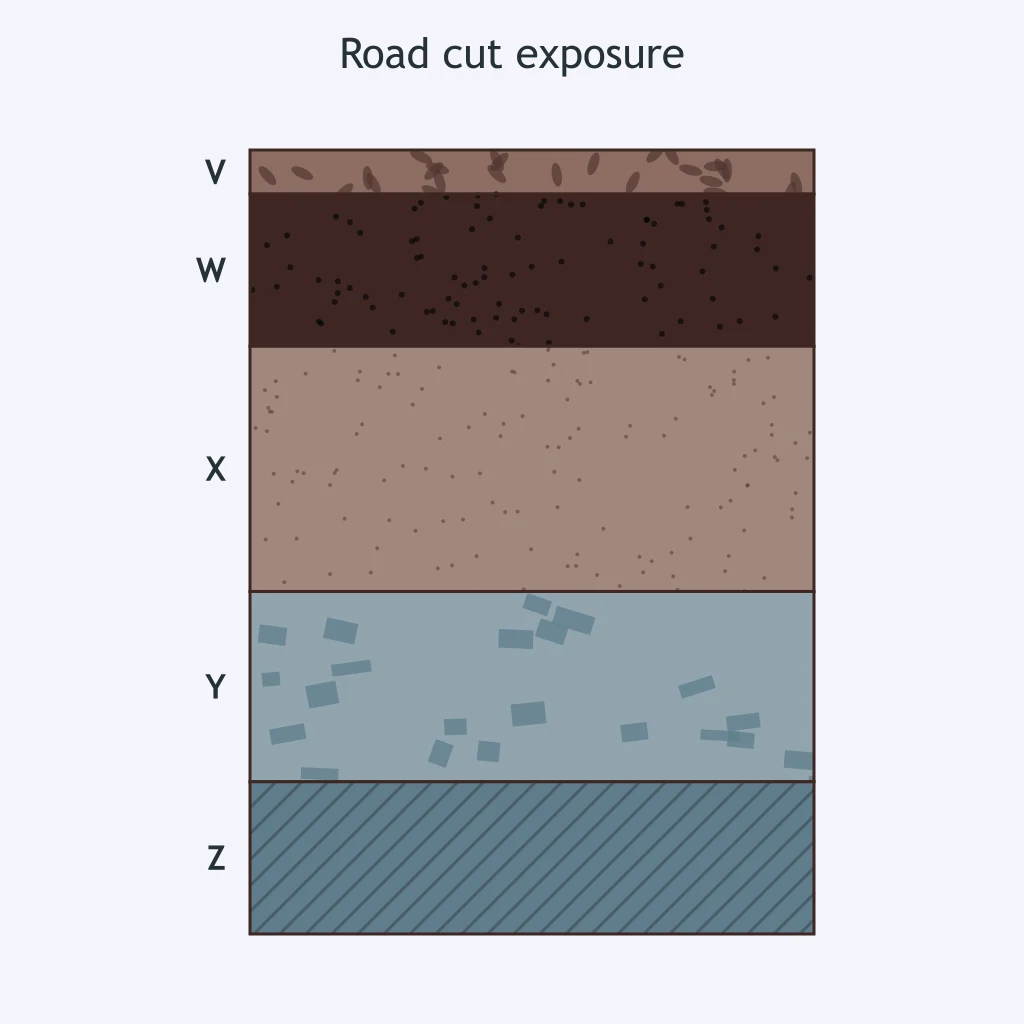
In the road cut diagram, horizon Z is solid, unbroken rock that has not yet been broken down by weathering. Which horizon is this?
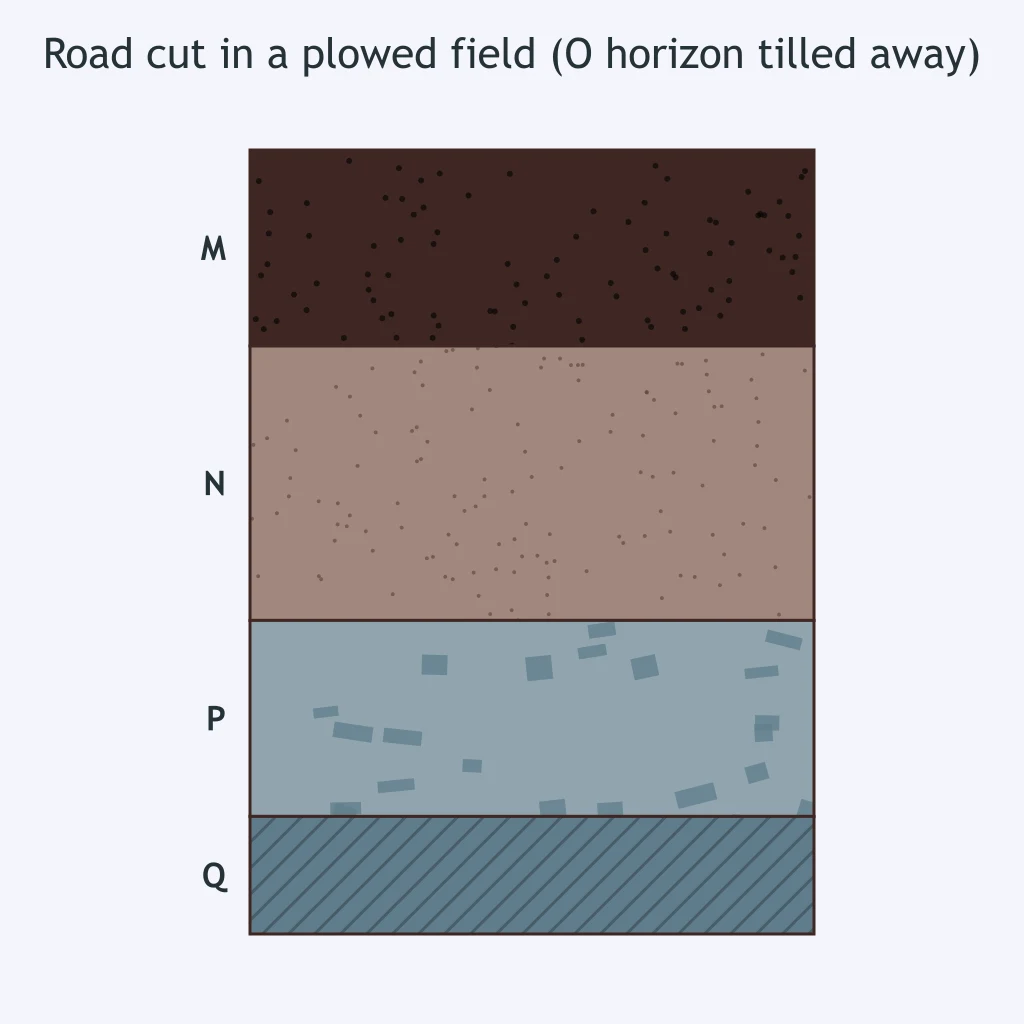
In a plowed field's road cut, tillage has mixed away the litter layer. Horizon M is dark, crumbly, and rich in humus, and it now lies directly at the surface. Which horizon is this?
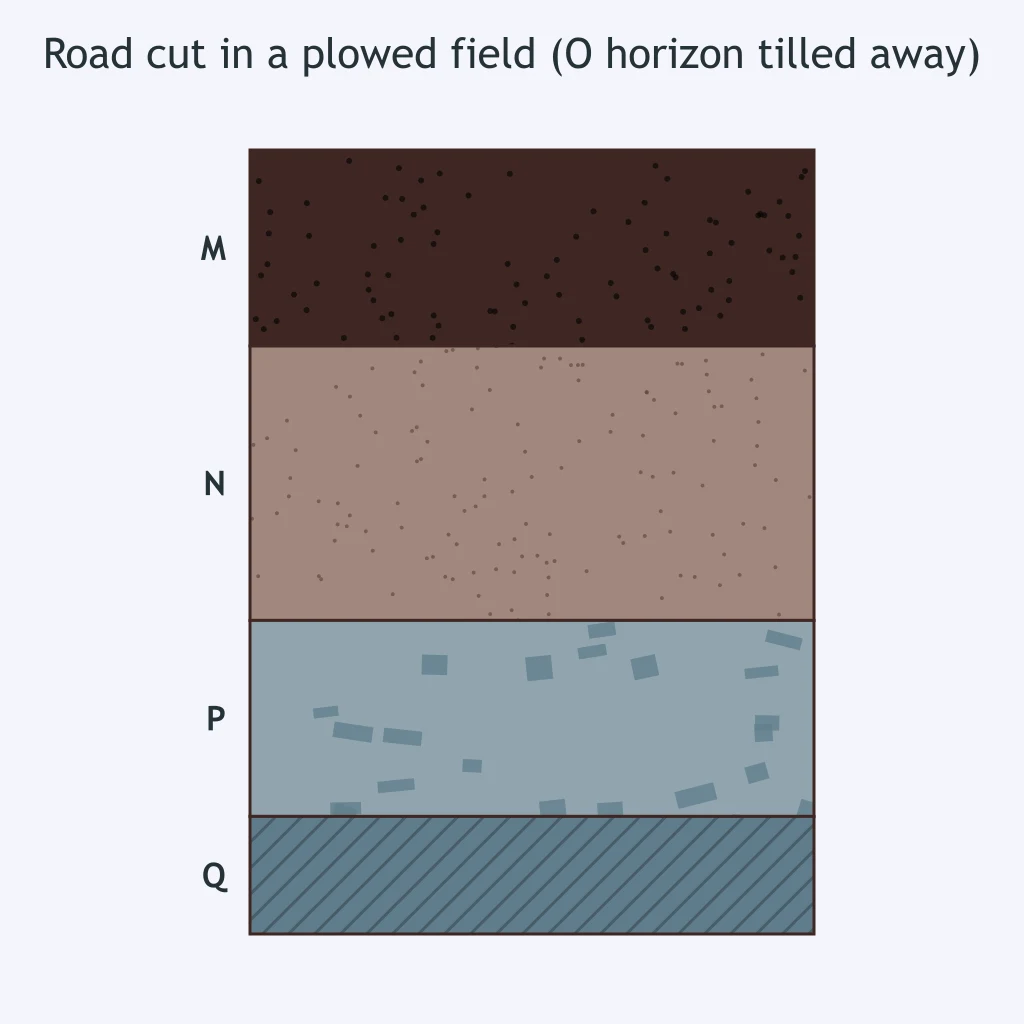
In the plowed-field road cut, horizon N is thicker than horizon M above it and feels dense and sticky when wet, because clay and minerals leached from above have accumulated there. Which horizon is this?
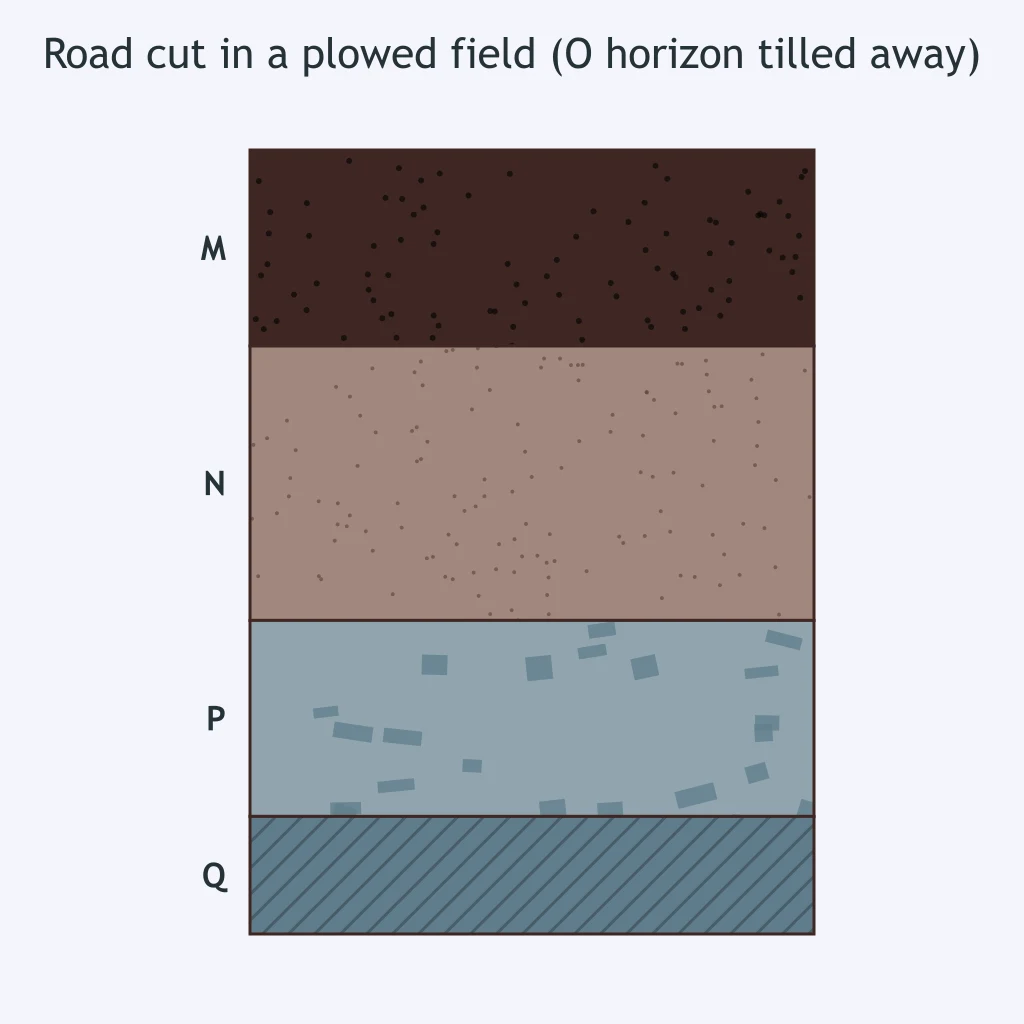
In a soil profile, which two horizons together make up the solum, the part of the profile most altered by soil-forming processes and where most biological activity occurs?
In the plowed-field road cut, horizon P is made of broken, partly weathered fragments of the parent rock and forms the transition from the soil above to the unweathered bedrock below. Which horizon is this?
A lava flow in Iceland has been exposed for 60 years and carries only lichen and a millimeter of gritty debris on its surface. Why is there so little soil?
A bedrock surface in Norway was scraped bare by a retreating glacier 200 years ago and today still shows almost no soil, just a dusting of moss. Why has so little soil formed?
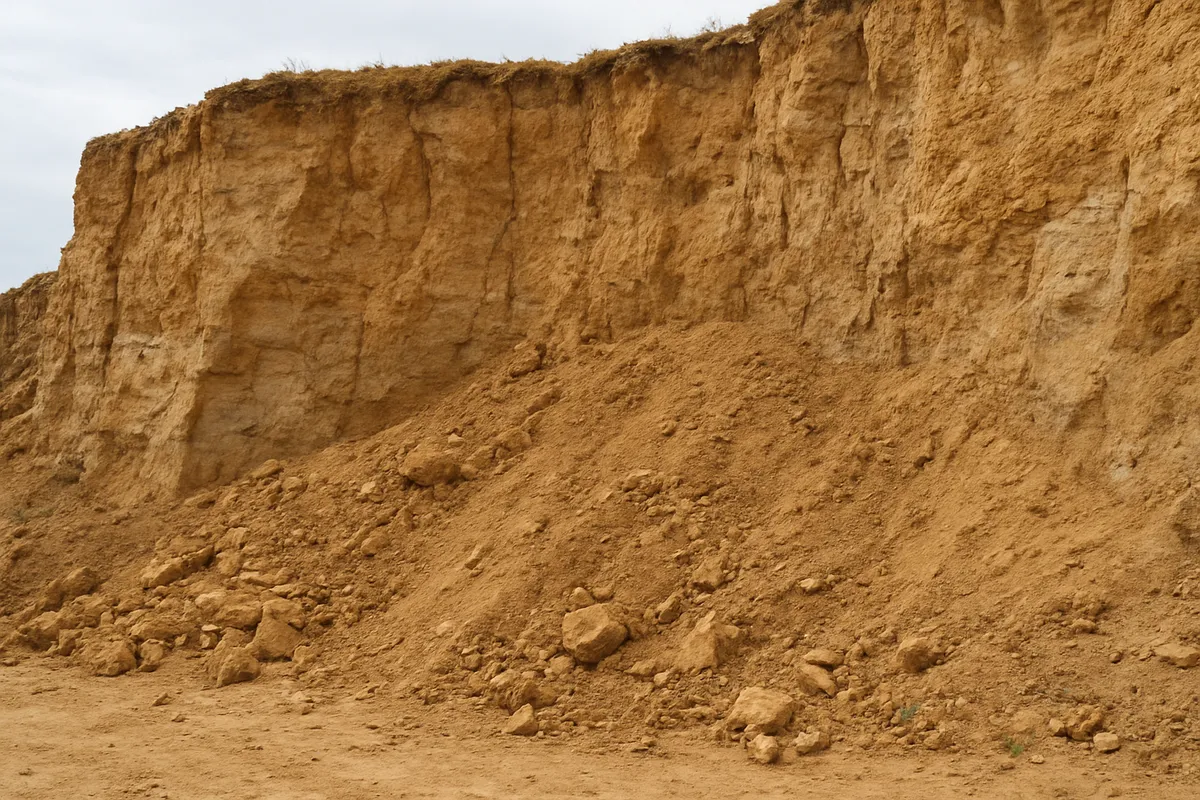
A steep, sheer rock cliff face has been exposed for thousands of years but still has no soil covering it. Why does no soil accumulate there?
A desert pavement surface in the Atacama Desert has been exposed for over a million years but still lacks a thick, organic-rich soil layer. Why has so little soil developed?
A granite outcrop above the treeline in an alpine zone has been exposed at the surface for over 100,000 years but is still mostly bare rock and lichen. Why has soil built up so slowly there?
A new volcanic island rises above the sea, and after only a few years its shoreline is still bare rock even though weathering has already begun to loosen its surface. Why is there no soil there yet?
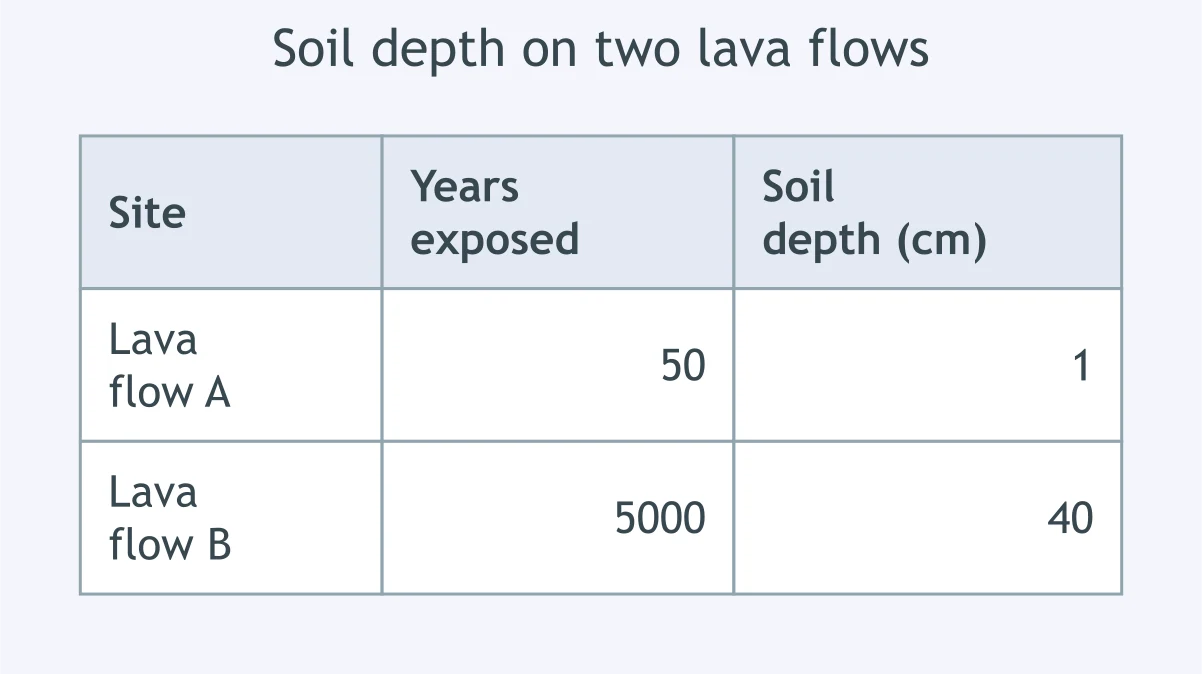
The table compares two lava flows of the same rock type and climate on one island. Based on it, why does Lava flow B have a much deeper soil layer than Lava flow A?
Crack the passcode before the zombies get in.
Answer, then swat bugs for bonus points.
Race through questions at your own speed.
Same question on every screen. Fastest wins.

Pick a tile, answer, hit bonuses and steals.
Deposition and Sorting
30 questions