Loading
by BlastRoom
Students identify rock types from features and formation processes.
#us_grade_7_science
40 questions
One question set, multiple game modes. Tap any game to see it in action. Not sure which to pick?
Answer to place stones and capture territory.
Outrun the snow together.
Earn blasts, then hunt the other team.
Answer to earn energy, then climb.

The class blasts through walls together.
Bid on mystery lots. Most money wins.
Sell tours. Nice, standard, or a total scam.

Answer, restock, and serve the rush.
More correct answers pulls the rope your way.
Answer, then shoot down the alien wave.
Answer, then tap to leap the frozen ridge.
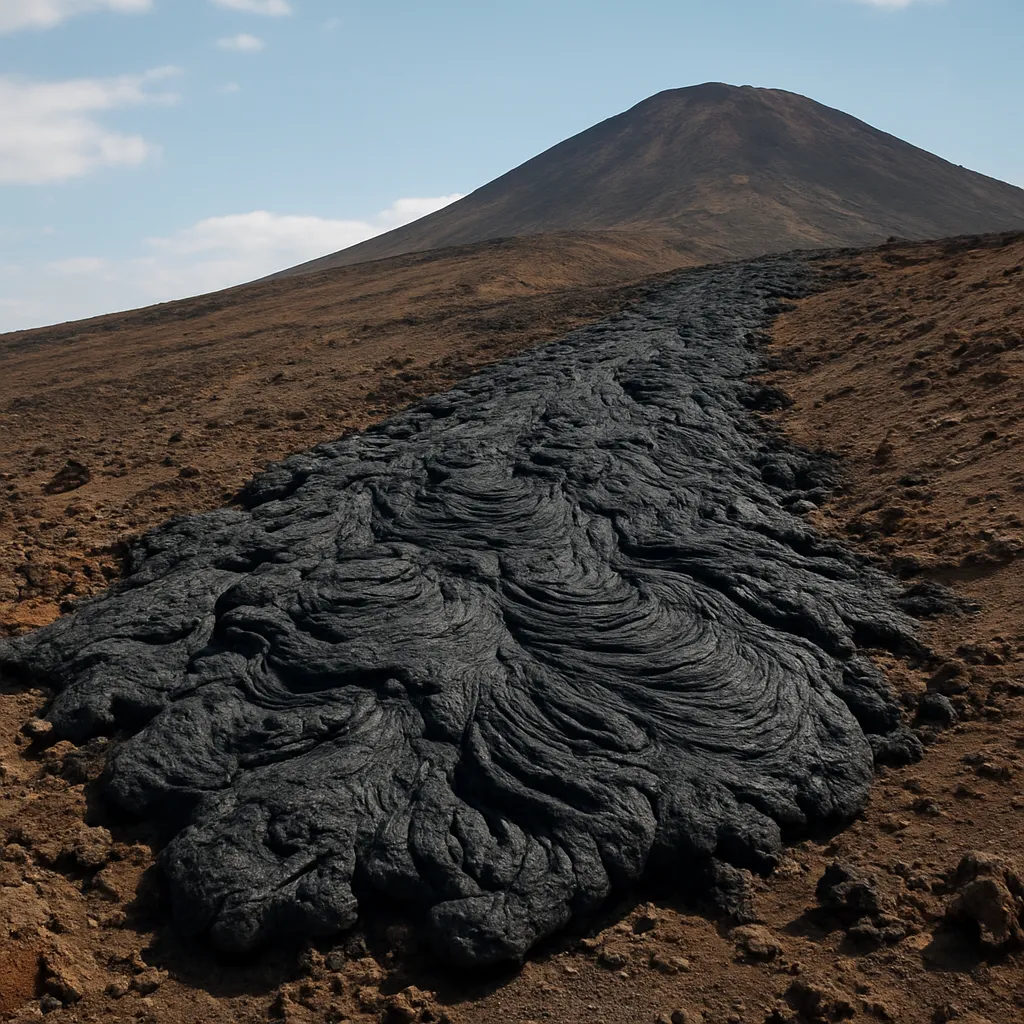
Molten rock flowed from a volcano, cooled quickly at Earth's surface, and became solid. What type of rock formed?
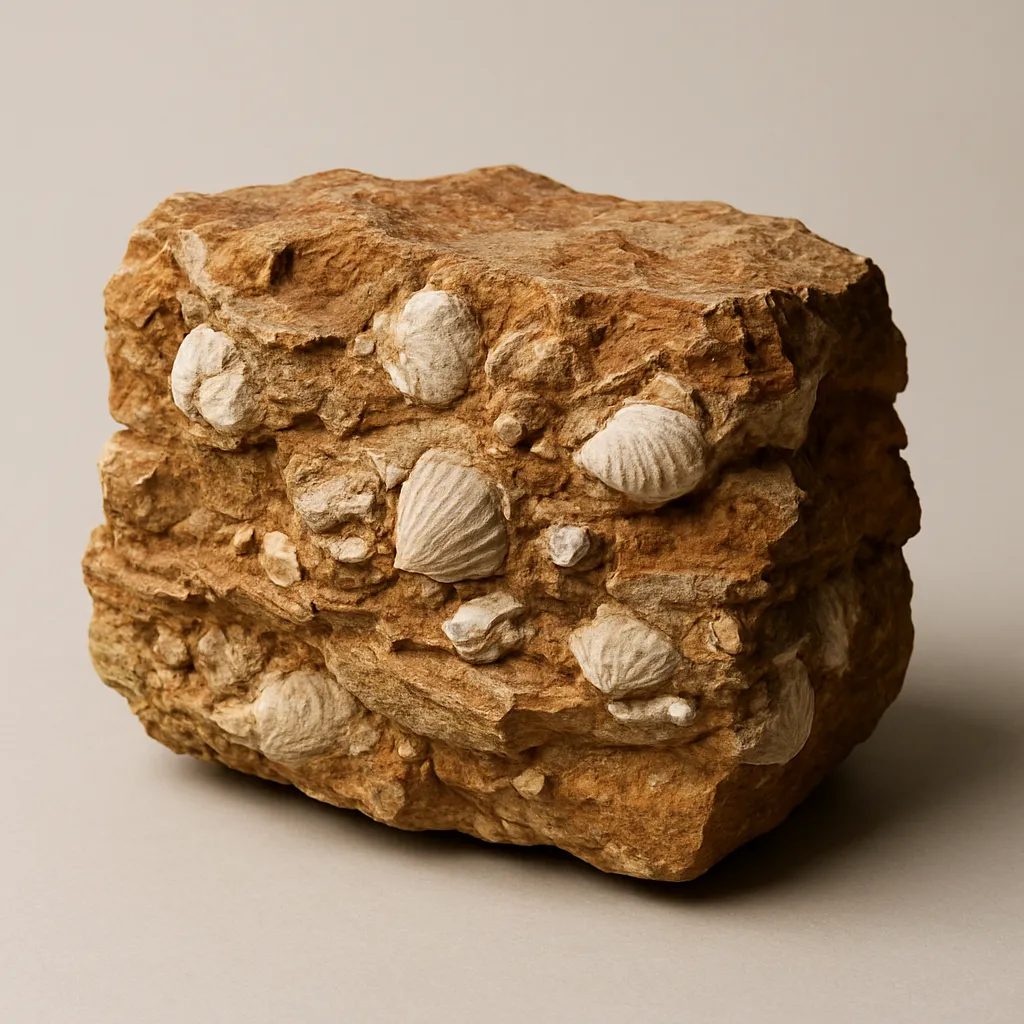
Shell pieces and mud settled on a seafloor, were buried, and became cemented together over time. What rock type formed?
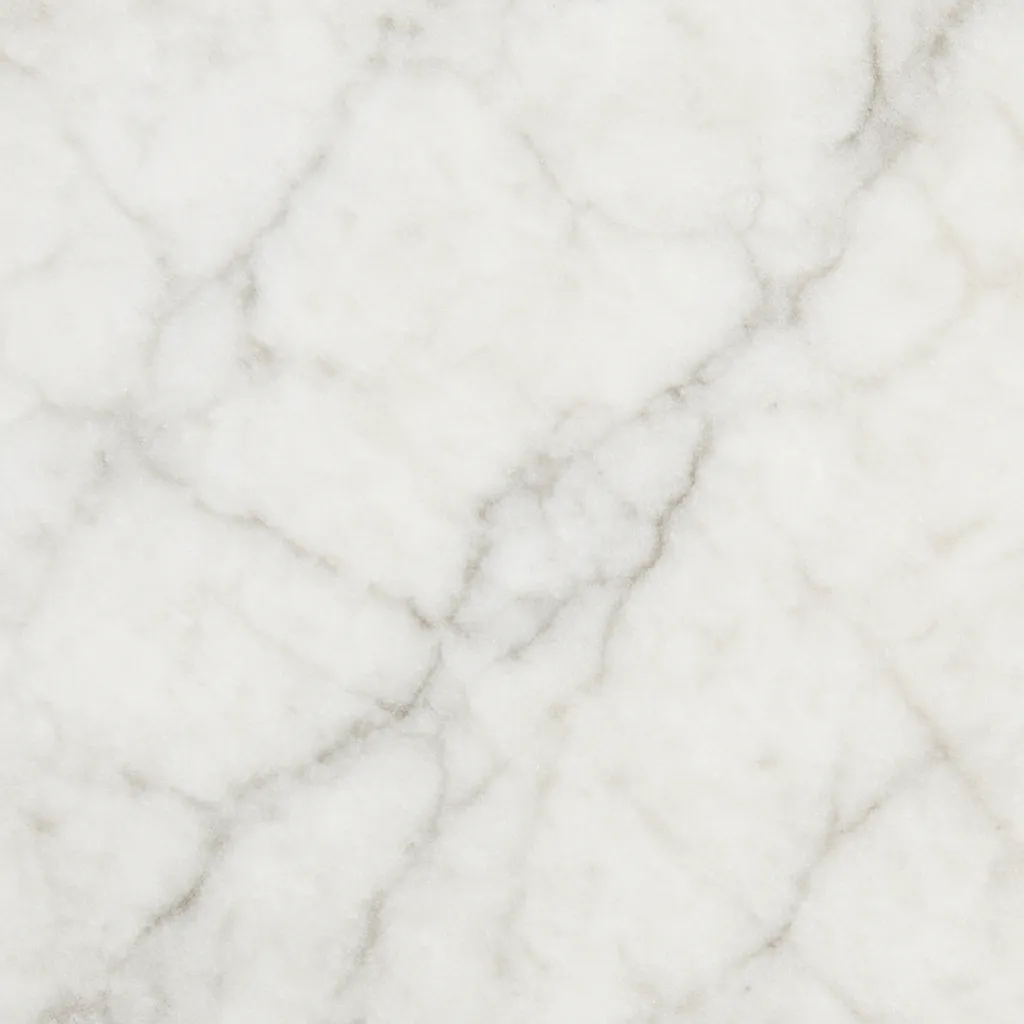
Limestone was buried, squeezed, and heated until its minerals recrystallized but did not melt. What rock type formed?
Magma cooled slowly several kilometers below Earth's surface and hardened before it erupted. What kind of rock formed?
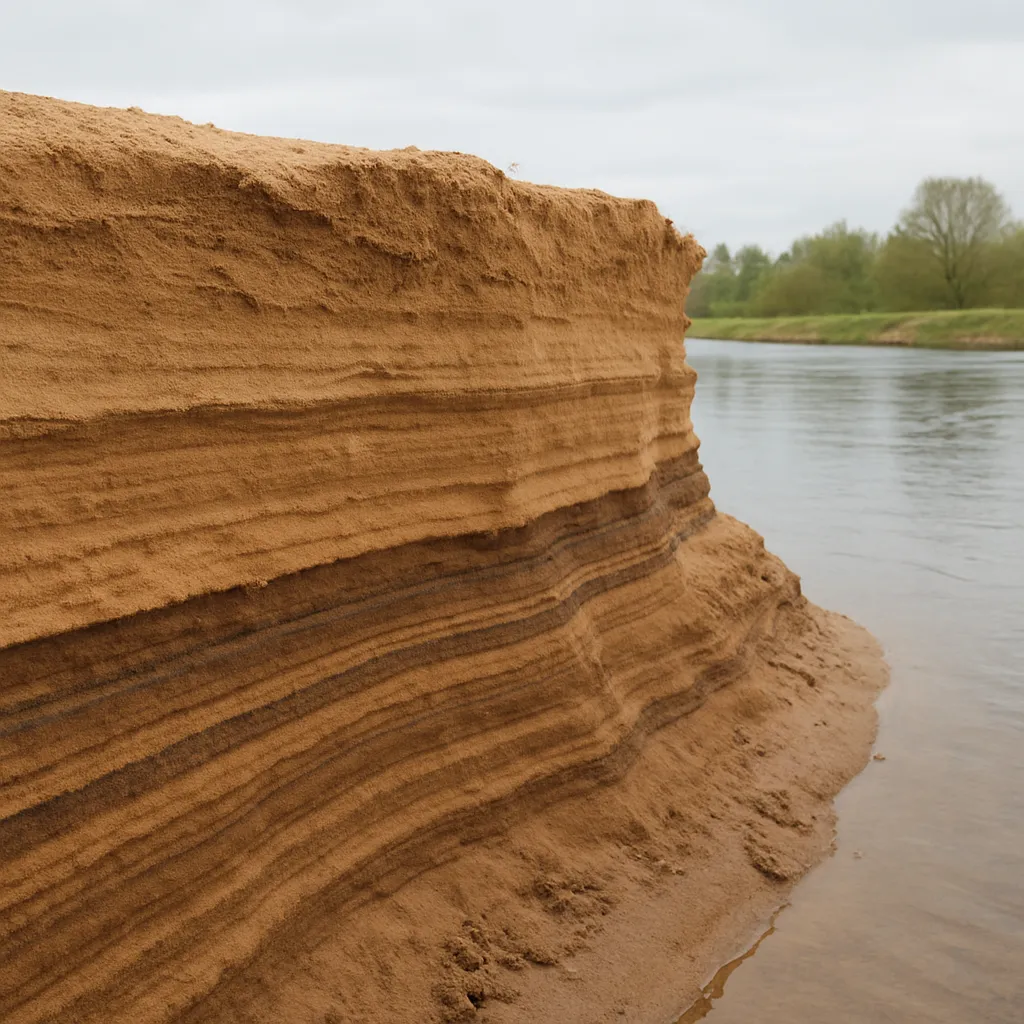
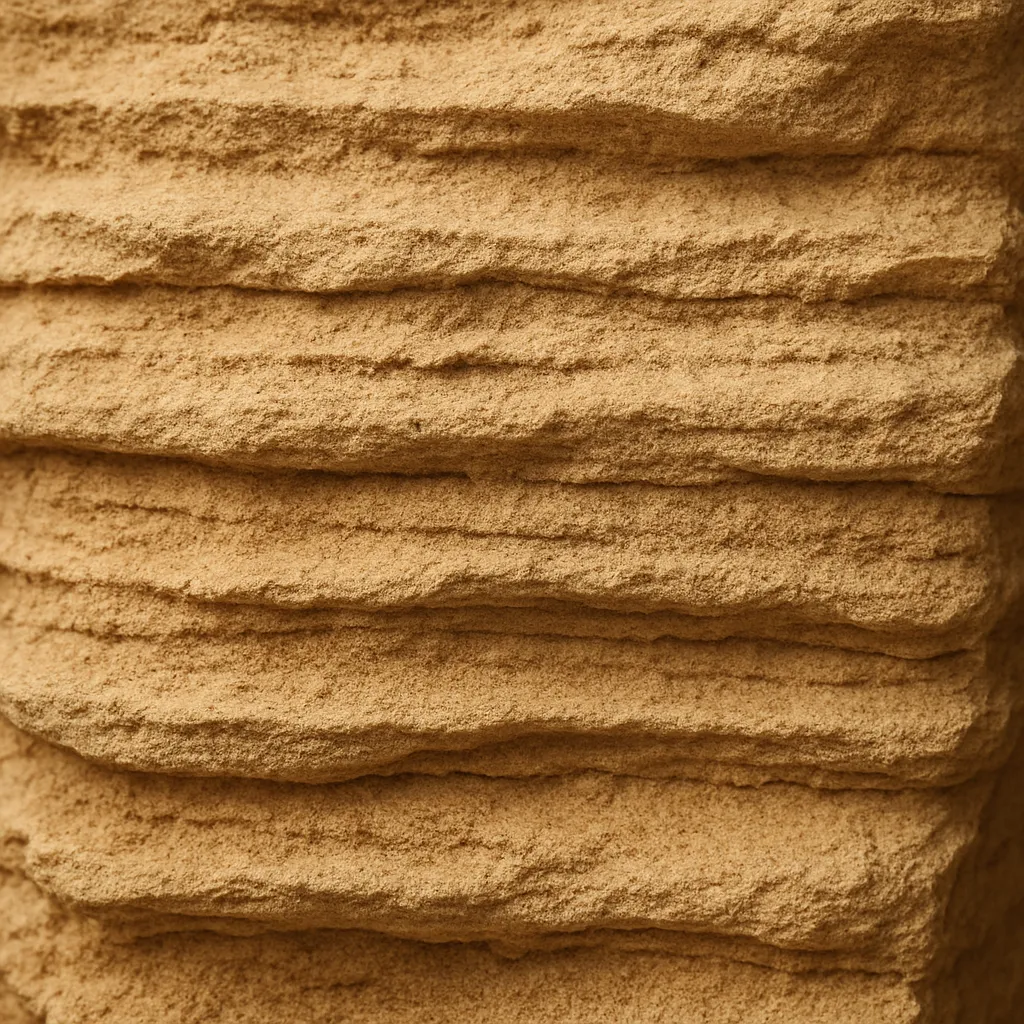
River sand was deposited in layers like these over many years. If the layers were never disturbed, which layer was deposited first?
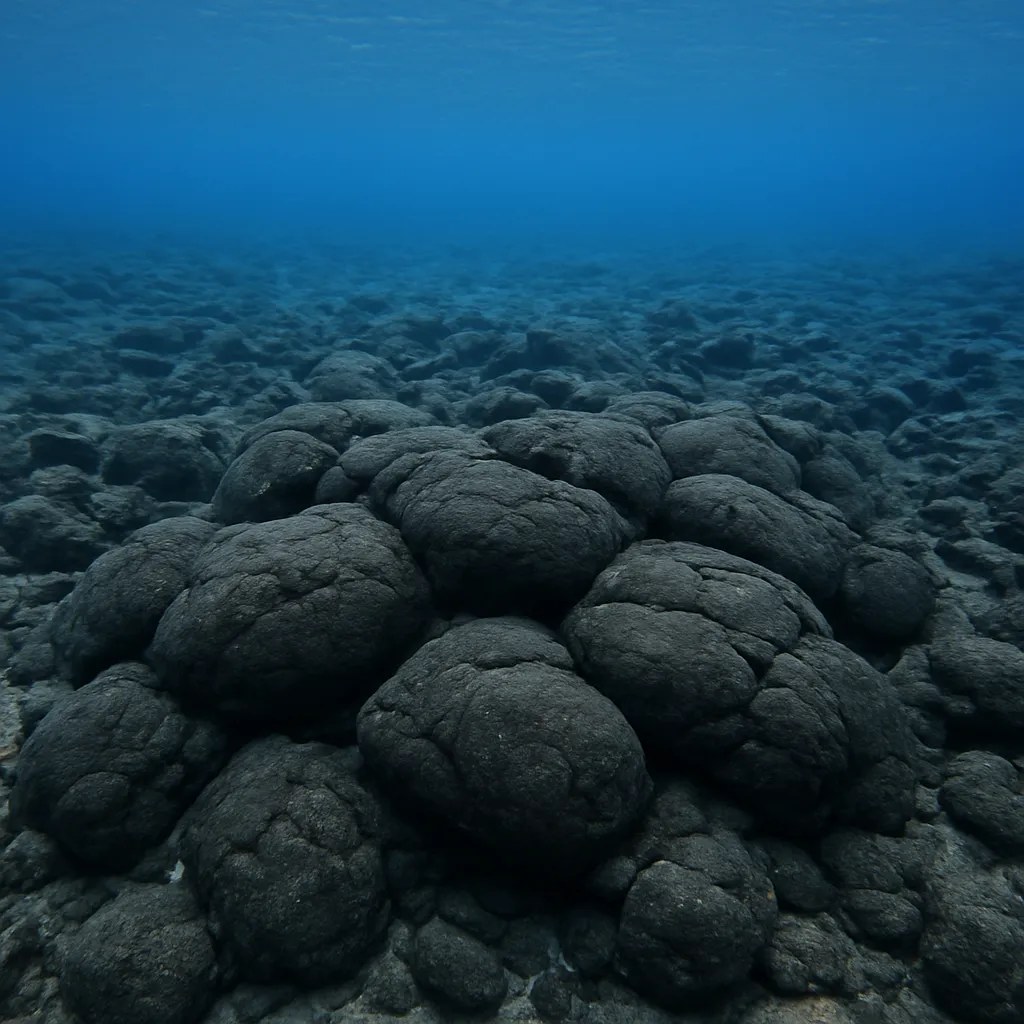
Pillow basalt like this forms when lava hardens on the seafloor. If it is later carried deep underground and gets hot enough to melt completely, what does it become?
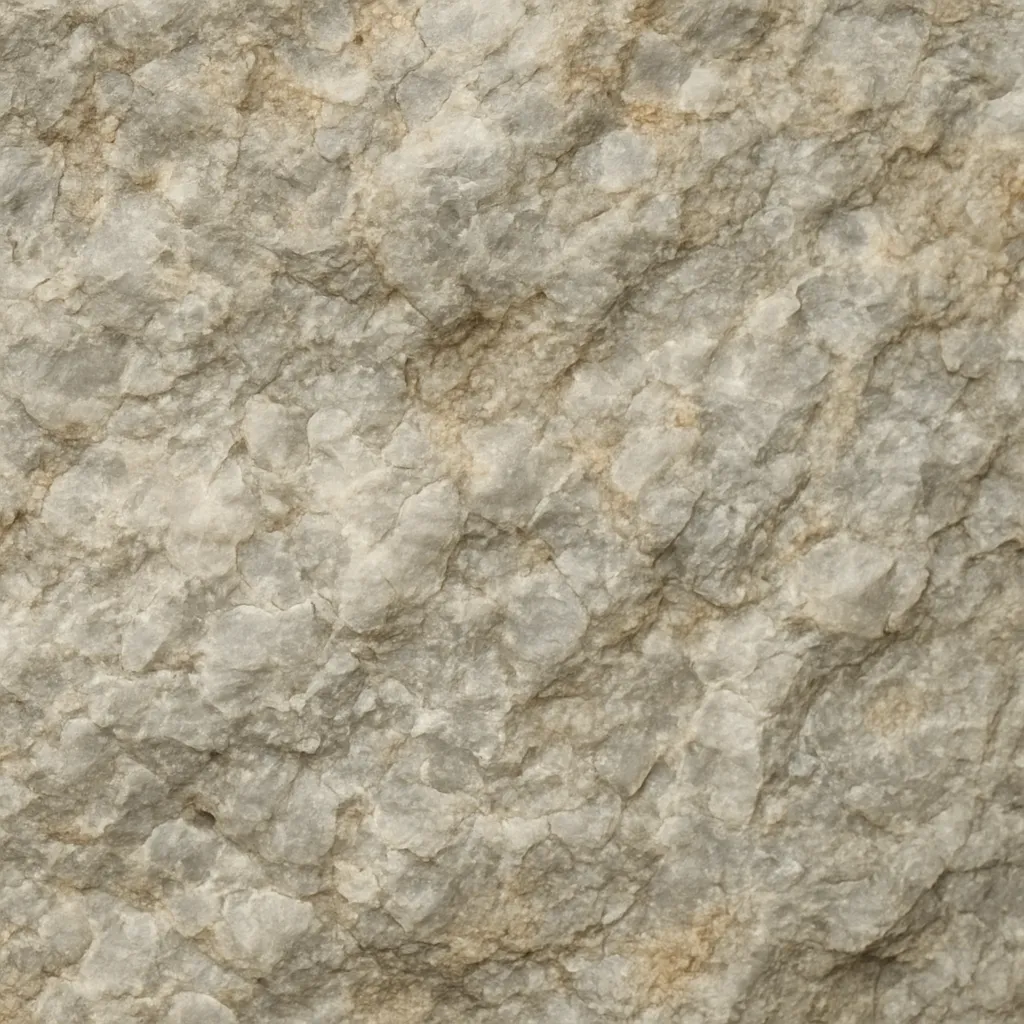
Sandstone was buried deep in a mountain belt, where heat and pressure changed its quartz grains without melting them. Which rock did it become?
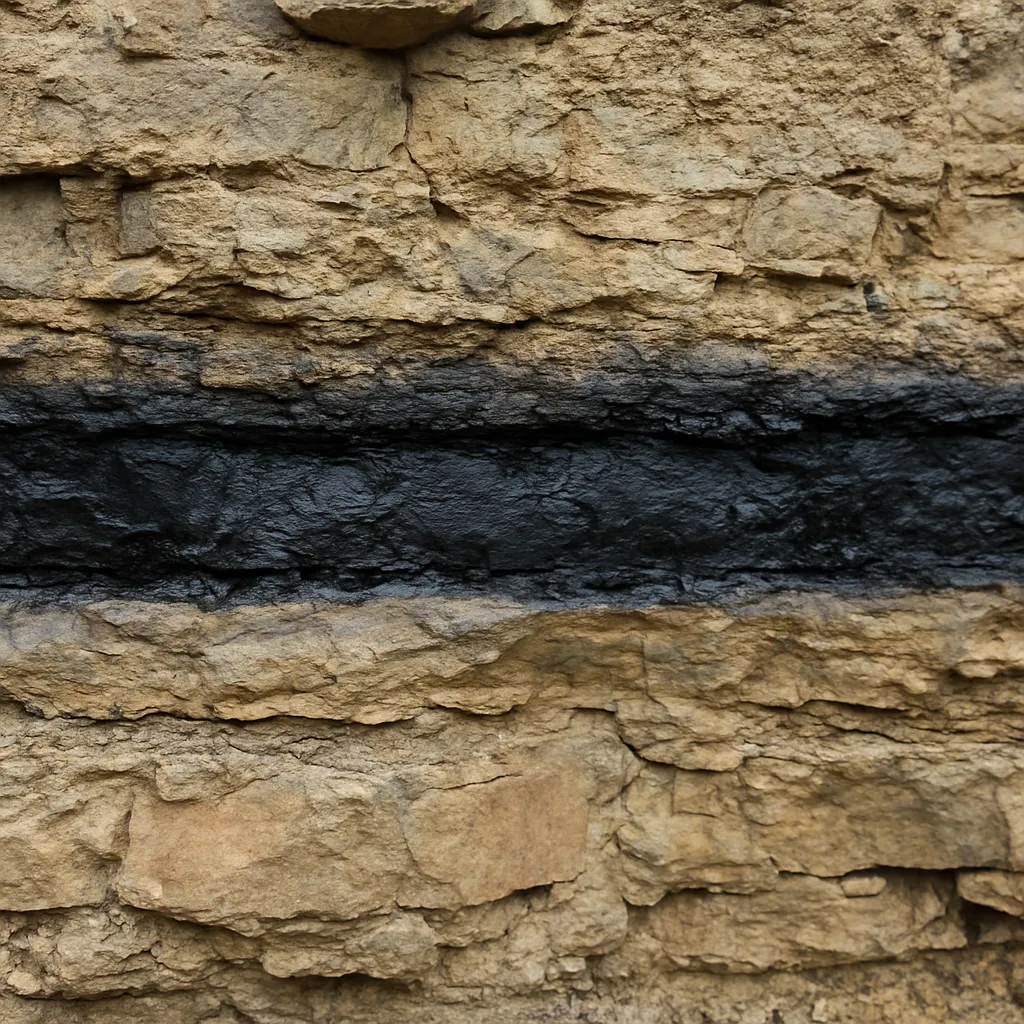
Plant material accumulated in a swamp, was buried under sediment, and compacted into coal over millions of years. What rock group includes coal?
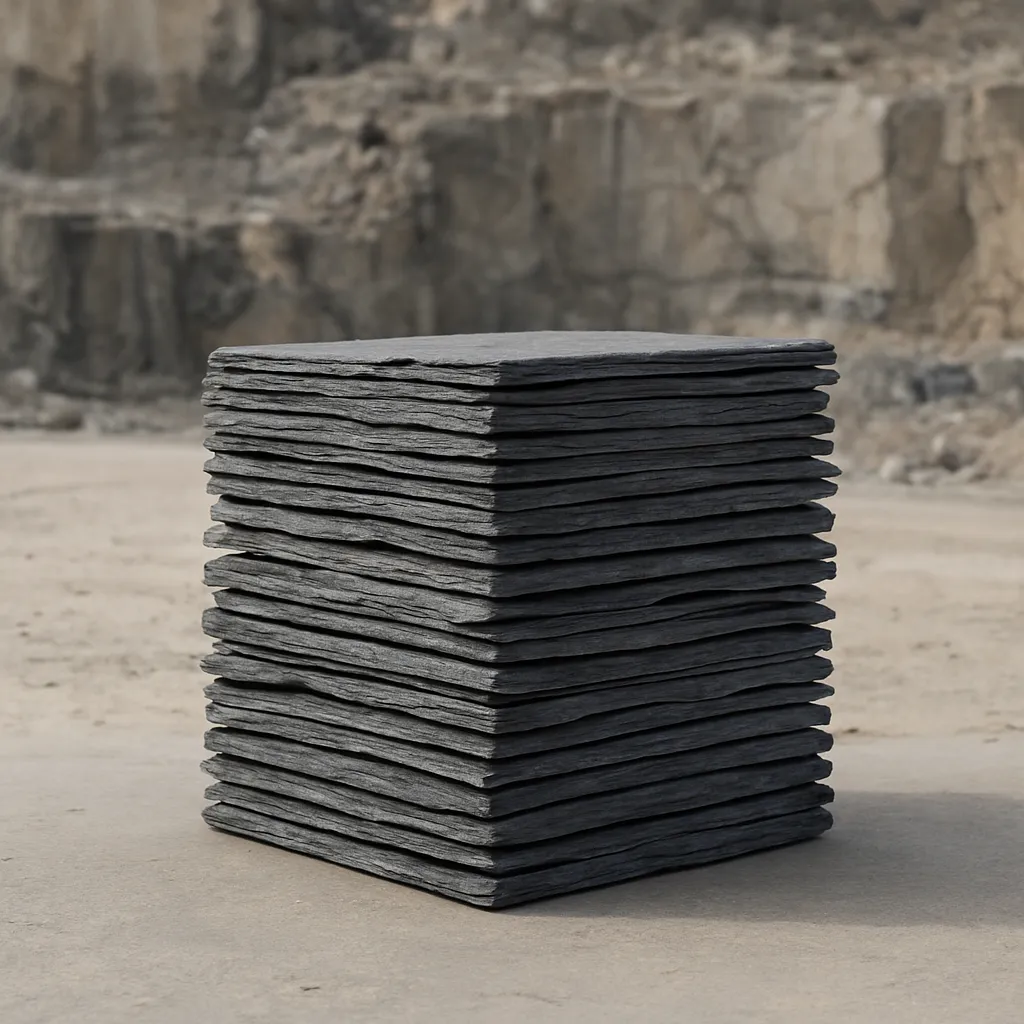
Slate splits into thin, flat sheets like the stack shown. Heat and pressure formed slate from which parent rock?
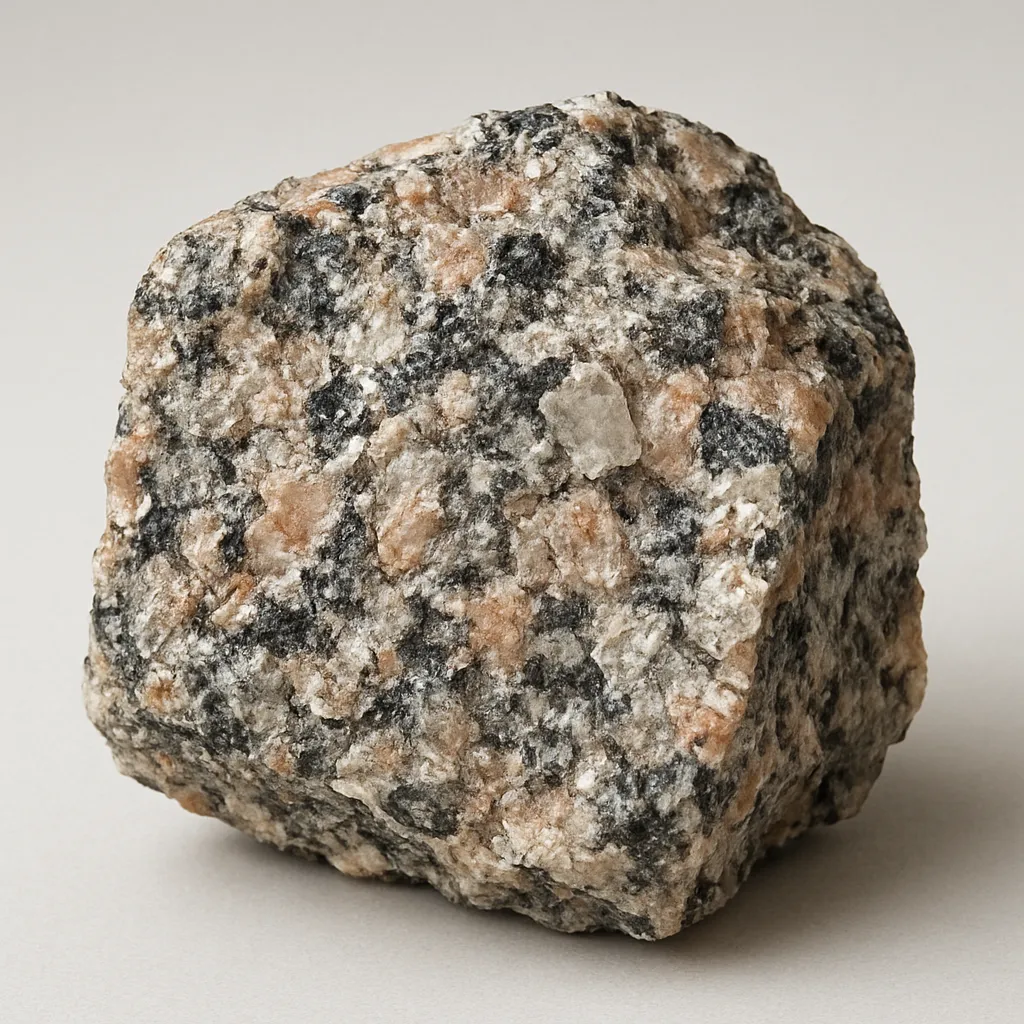
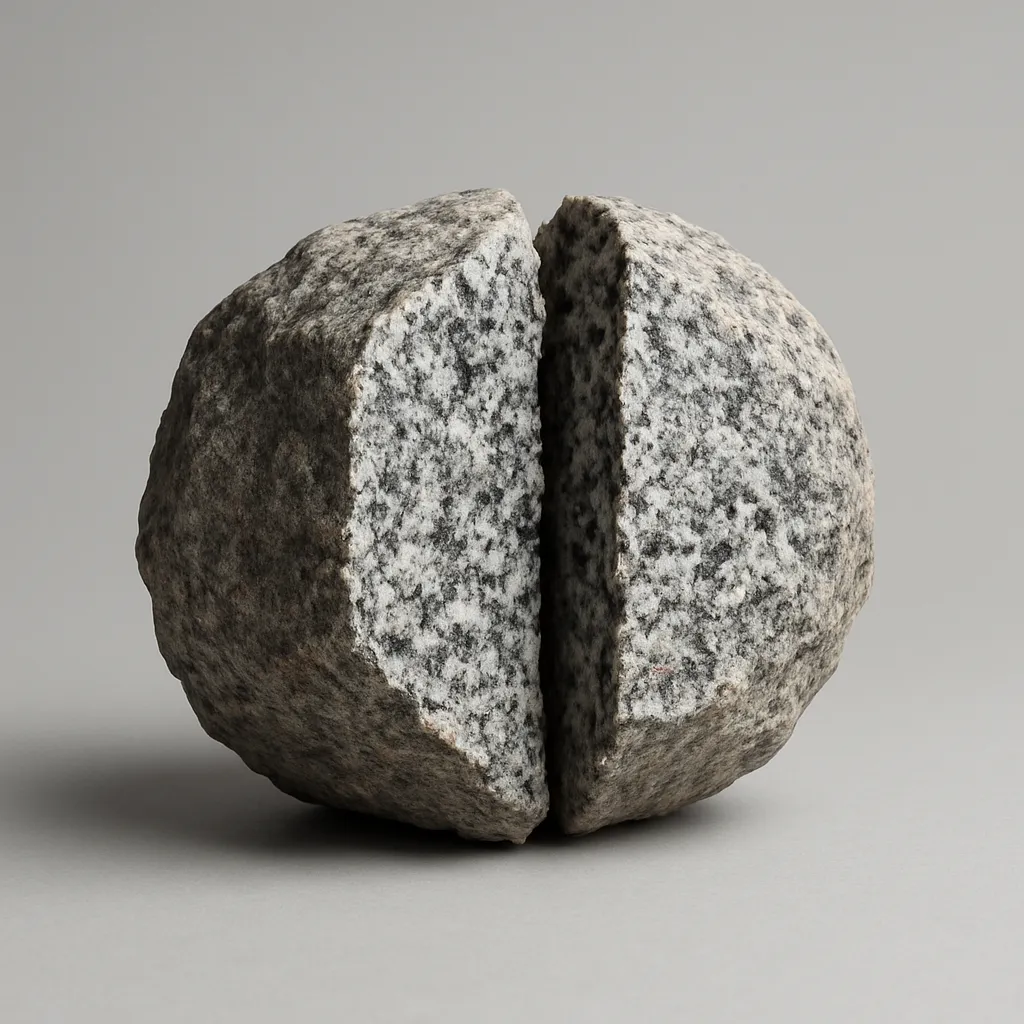
If granite like this is buried, squeezed, and heated deep underground without melting, which rock can it become?
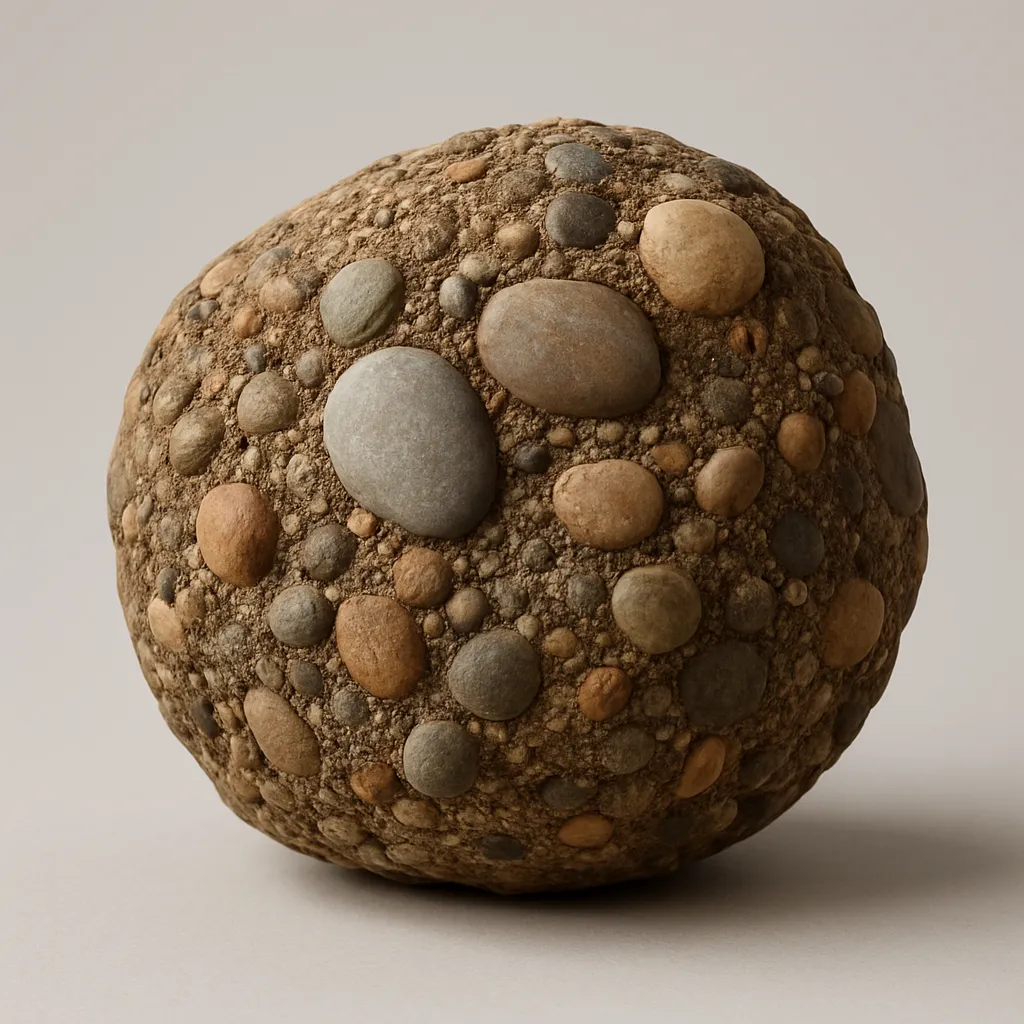
The pebbles in this conglomerate are smooth and rounded. What does their rounded shape show about their history?
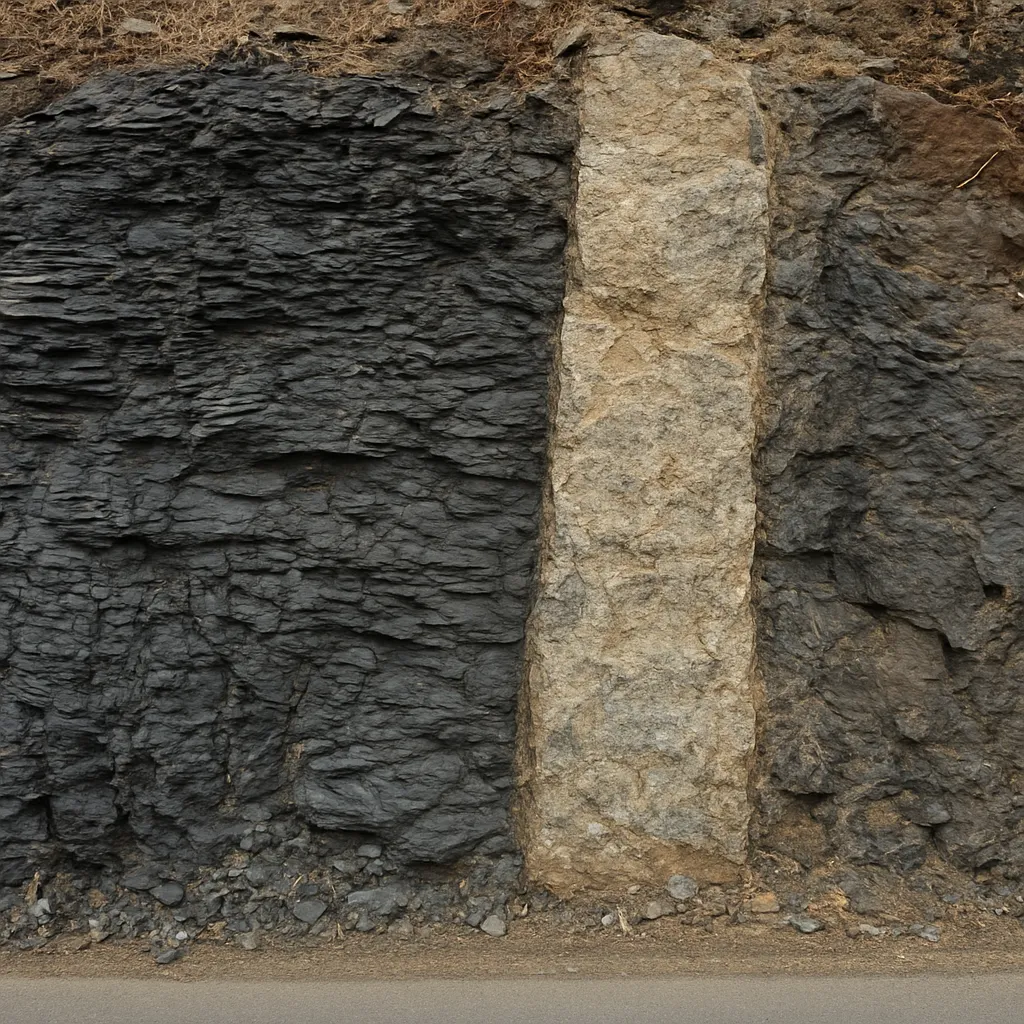
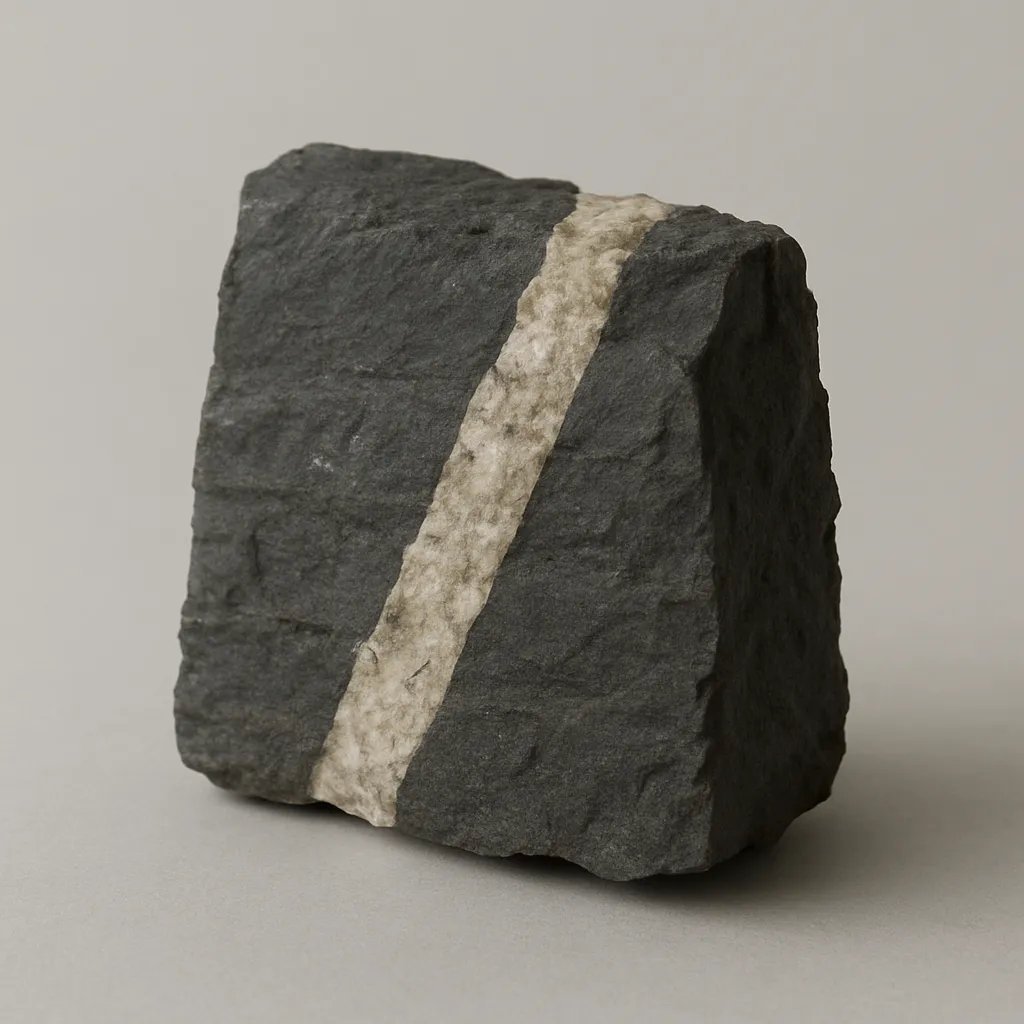
Hot magma intruded next to shale, baking it into a harder rock without melting it. What type of rock did the shale become?
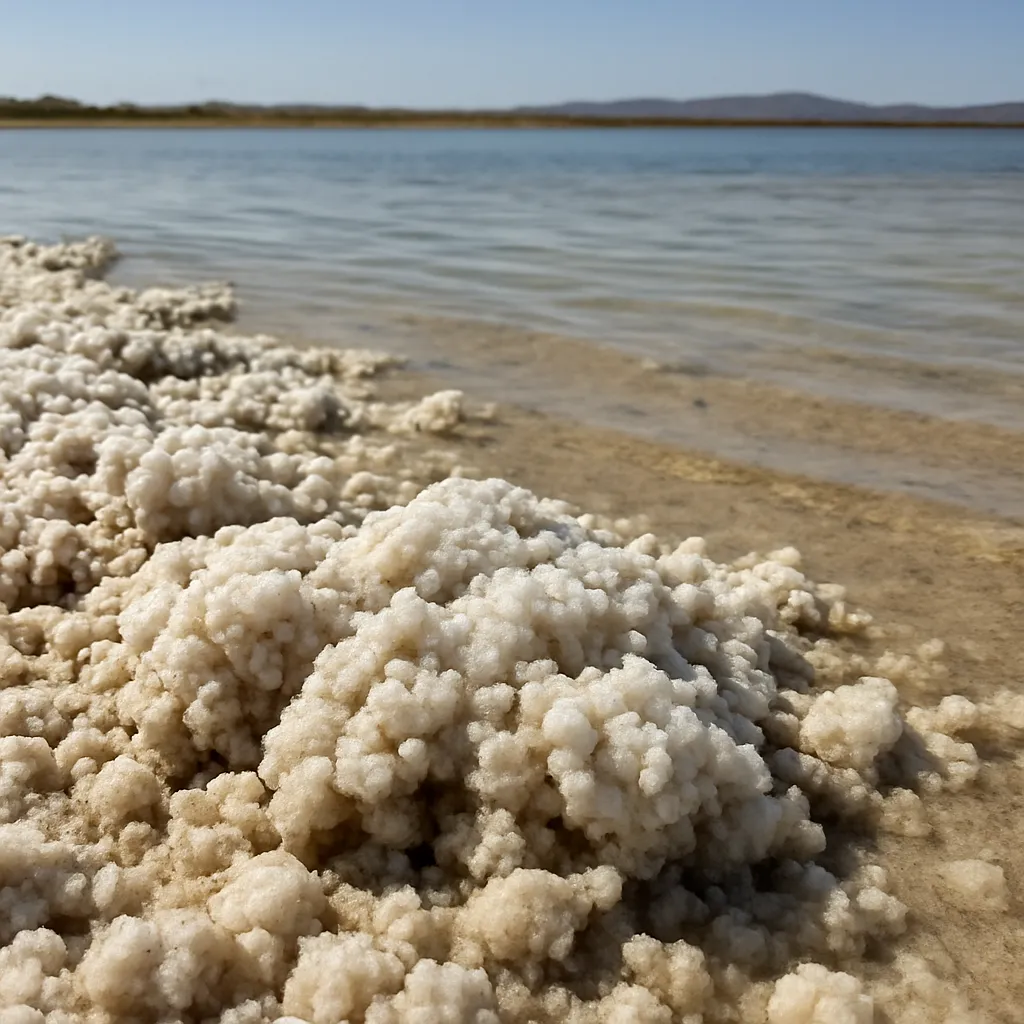
Water evaporated from a shallow lake, leaving mineral crystals that built up in layers. What kind of rock can form this way?
Lava cooled so fast that its atoms did not arrange into crystals, making natural glass. What rock type formed?
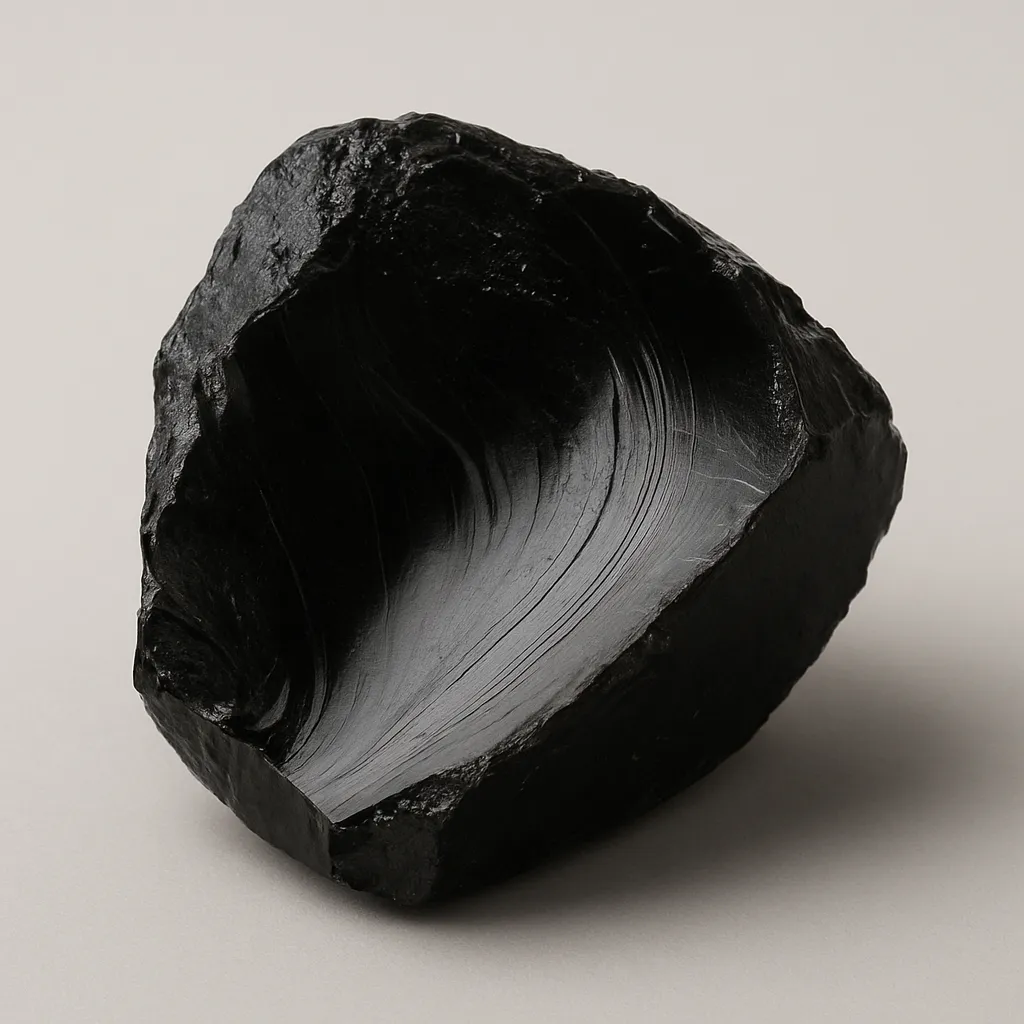
A sample has rounded sand grains, thin layers, and small shell pieces. What rock type does this evidence best support?
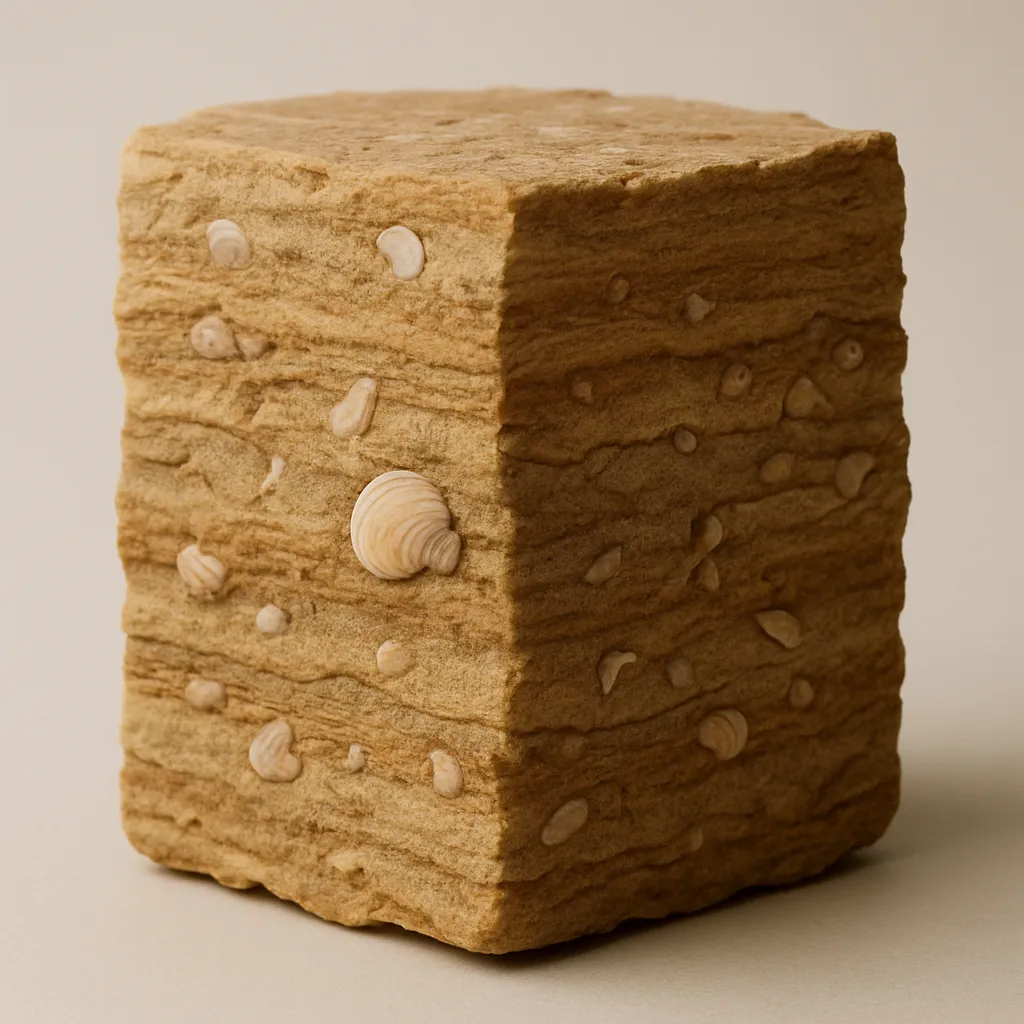
A speckled sample has randomly arranged, interlocking crystals and no fossils or rounded grains. What rock type is most likely?
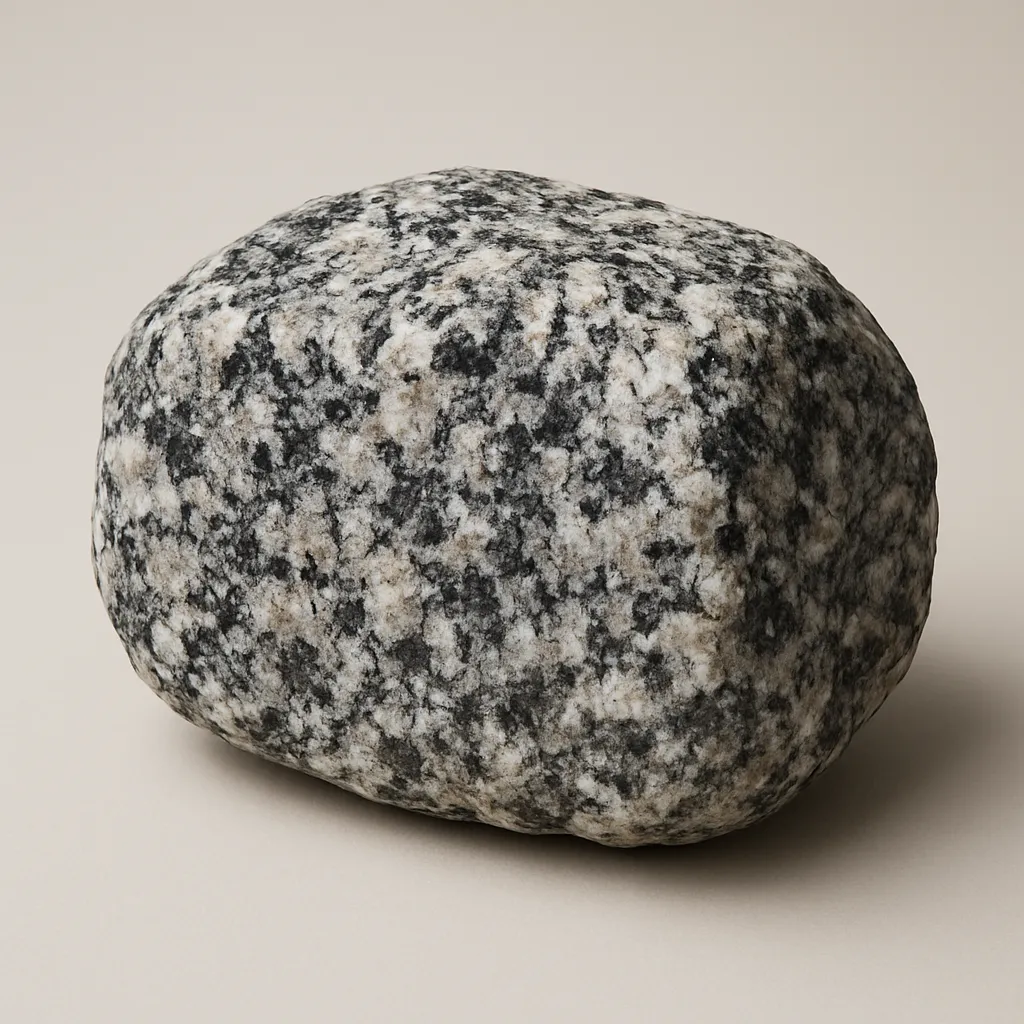
A rock splits into flat sheets with shiny minerals aligned in the same direction. What type is it most likely to be?
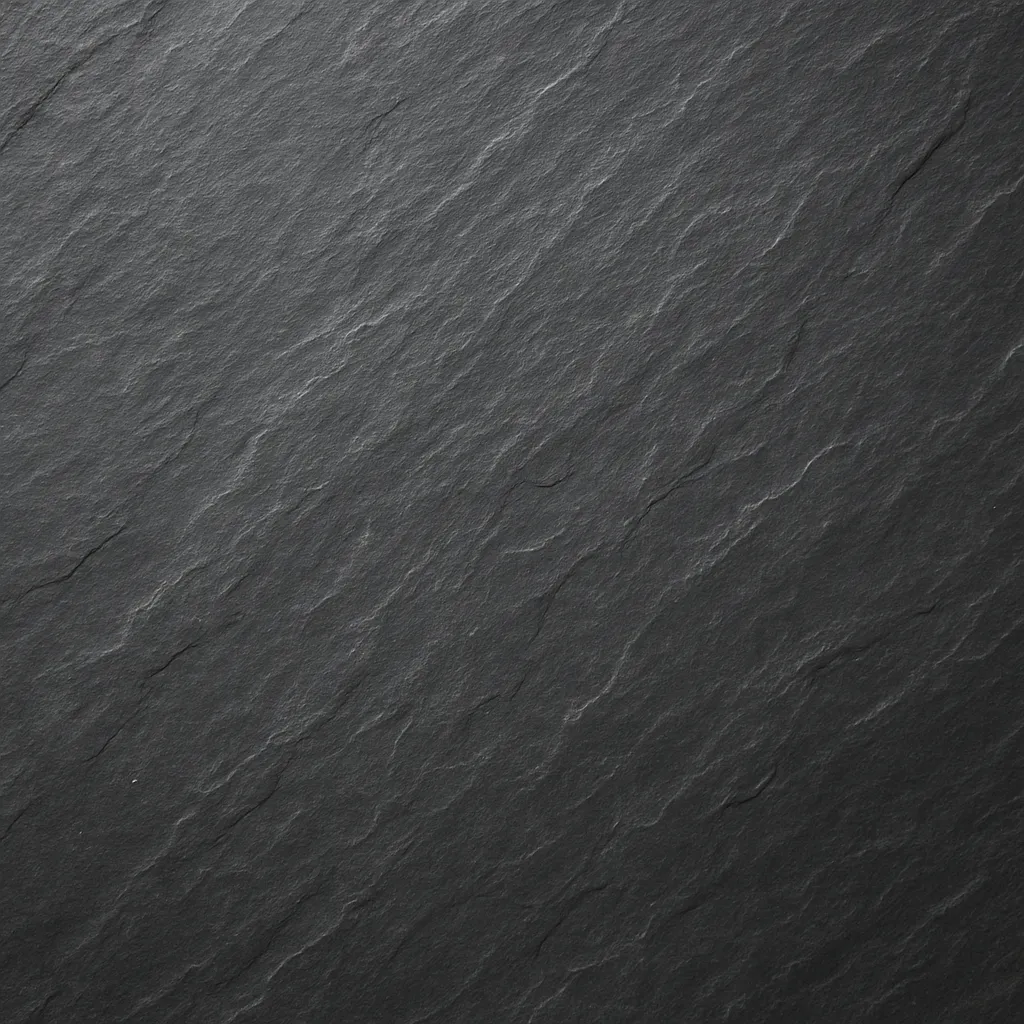
A dark rock contains many tiny holes from gas bubbles trapped as it hardened. What rock type best matches this texture?
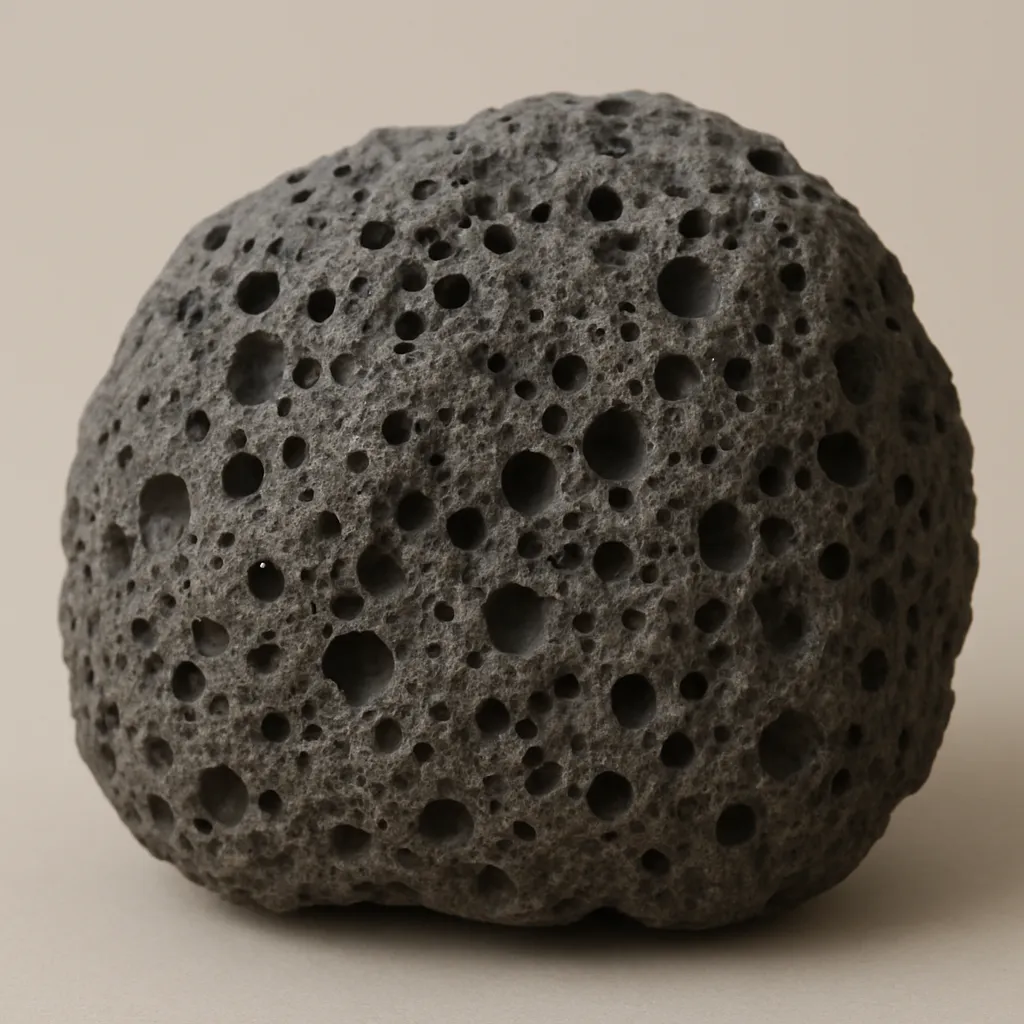
A sample contains rounded pebbles cemented in a finer matrix. What type of rock is it most likely to be?
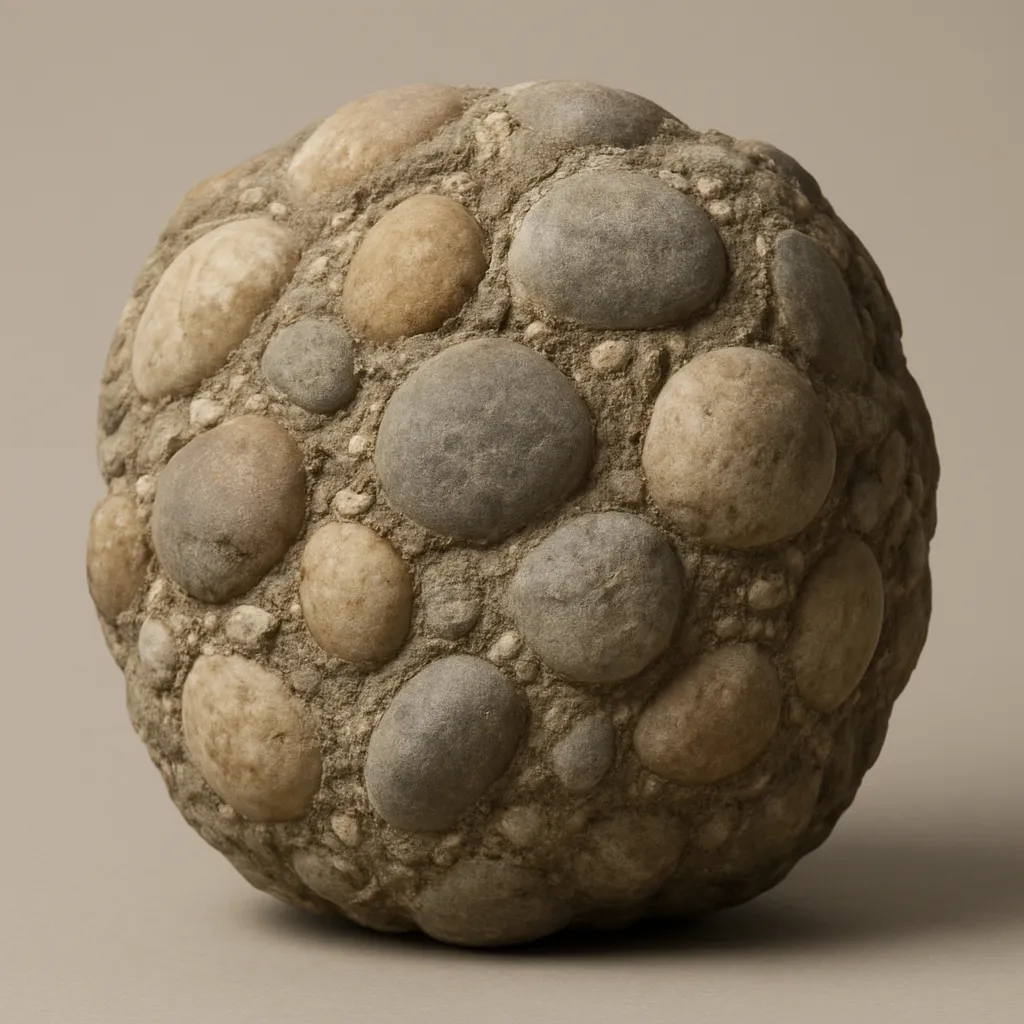
A rock has wavy light and dark mineral bands but no visible sand grains or shell pieces. What type is it?
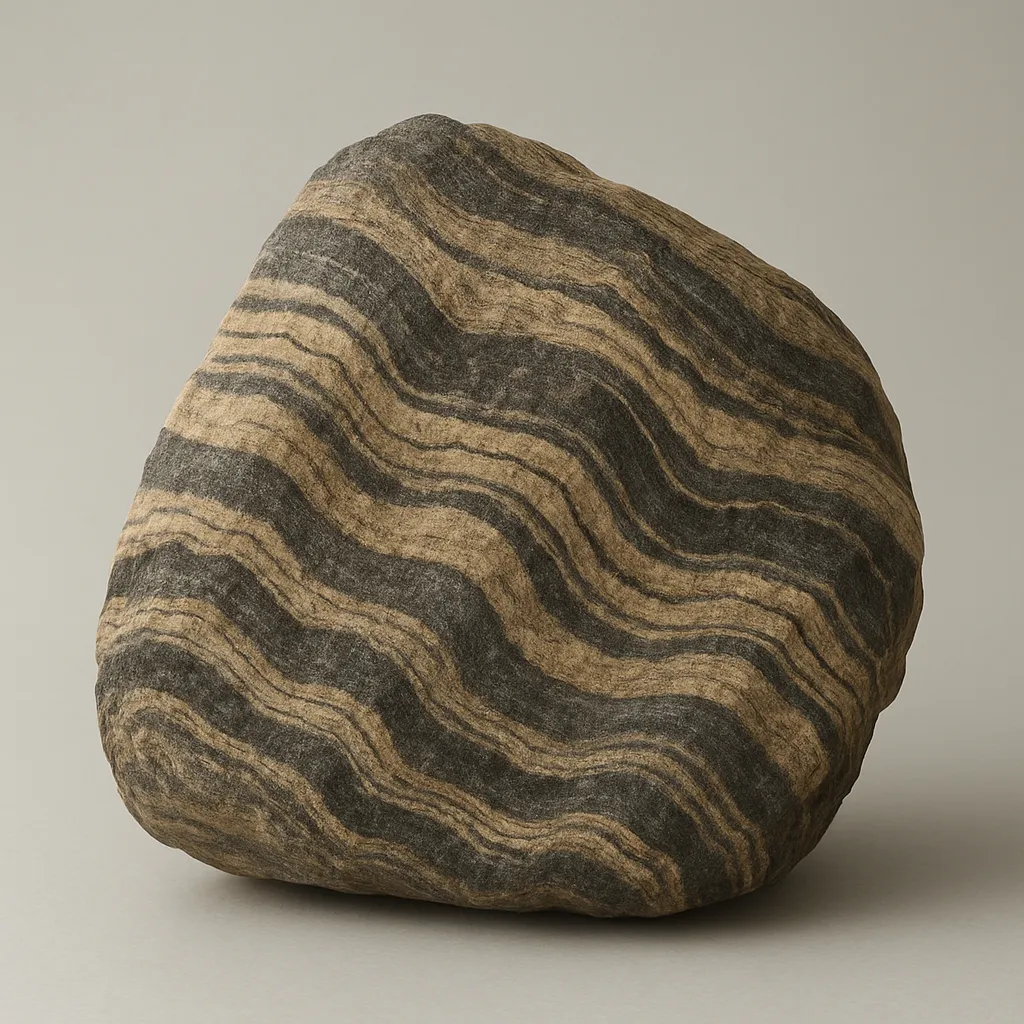
This layered rock holds a leaf fossil. Why are fossils like this found in sedimentary rock but almost never in igneous rock?
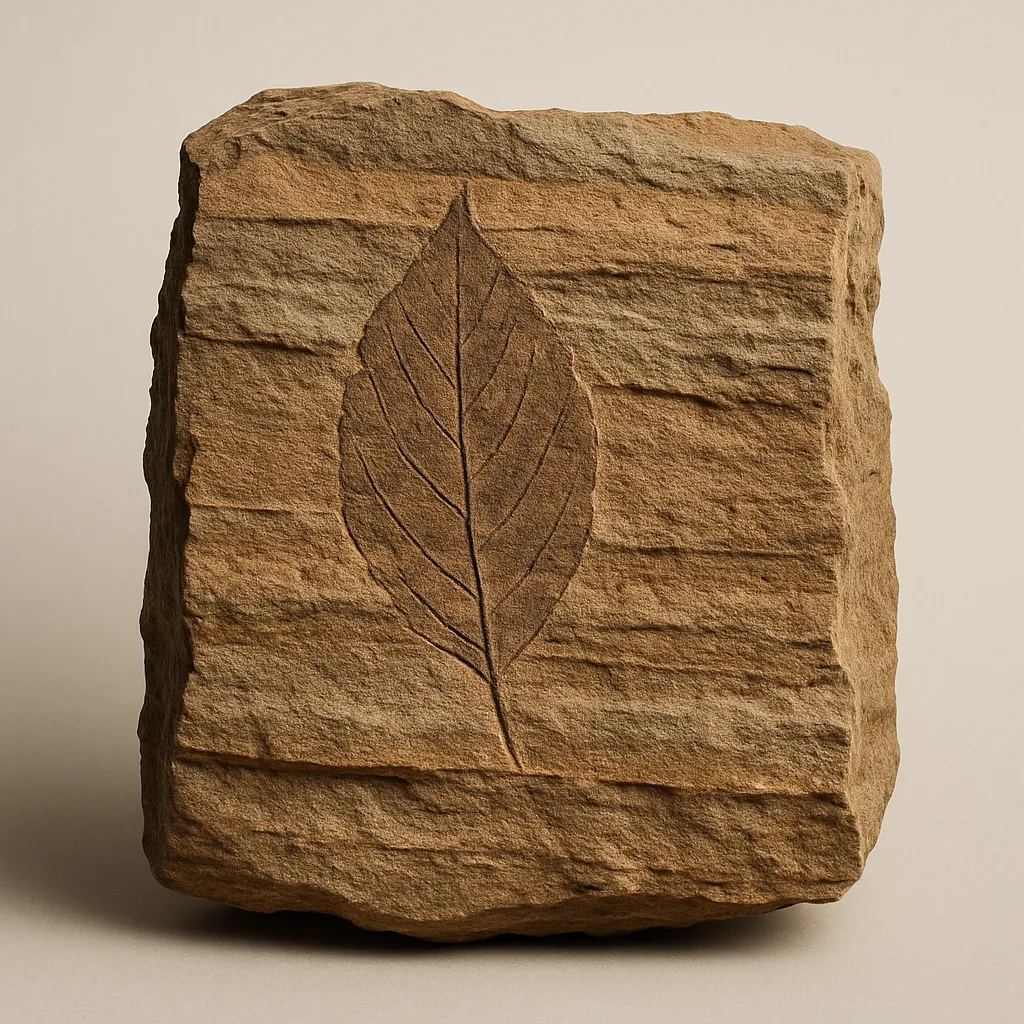
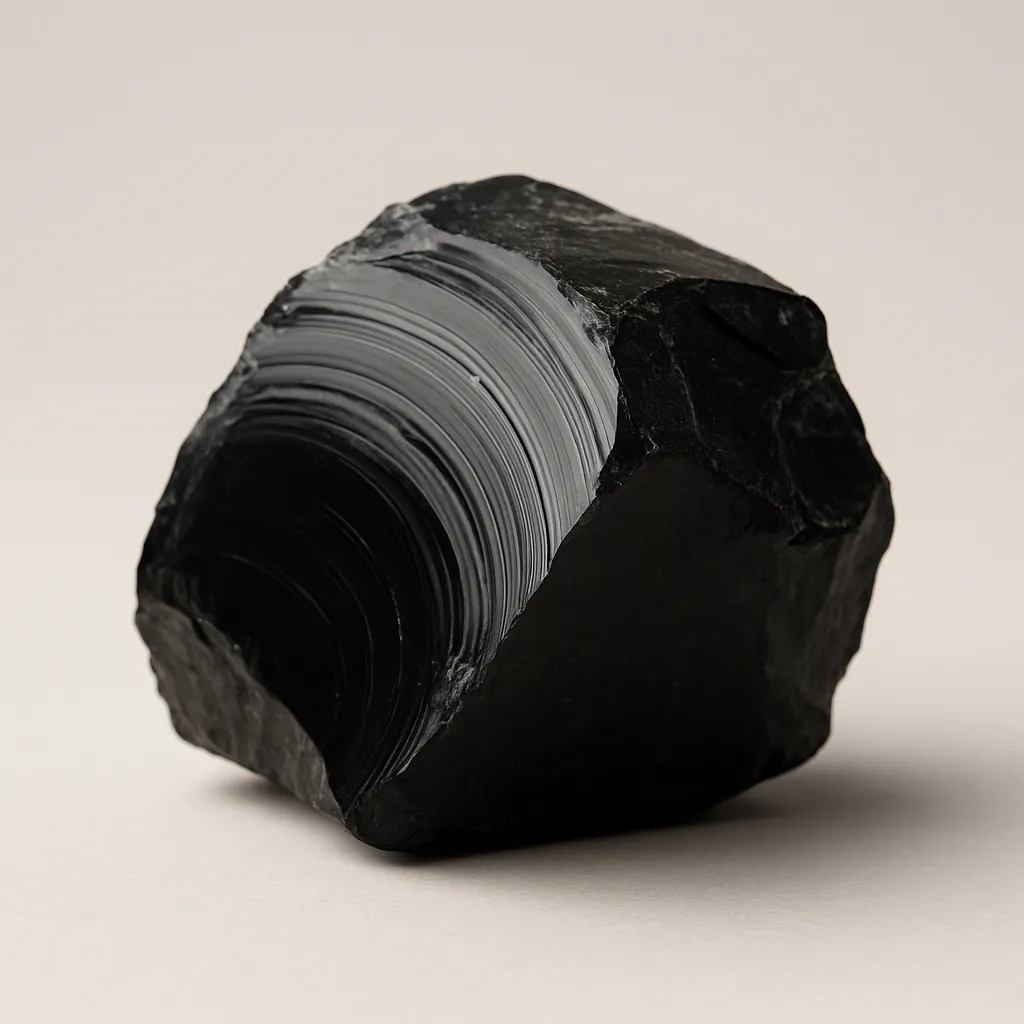
A black rock is glassy, has curved breaks, and shows no crystals. What type of rock is it?
Metamorphic rock with lined-up crystals like this forms deep underground. How can it end up at Earth's surface where students can collect it?
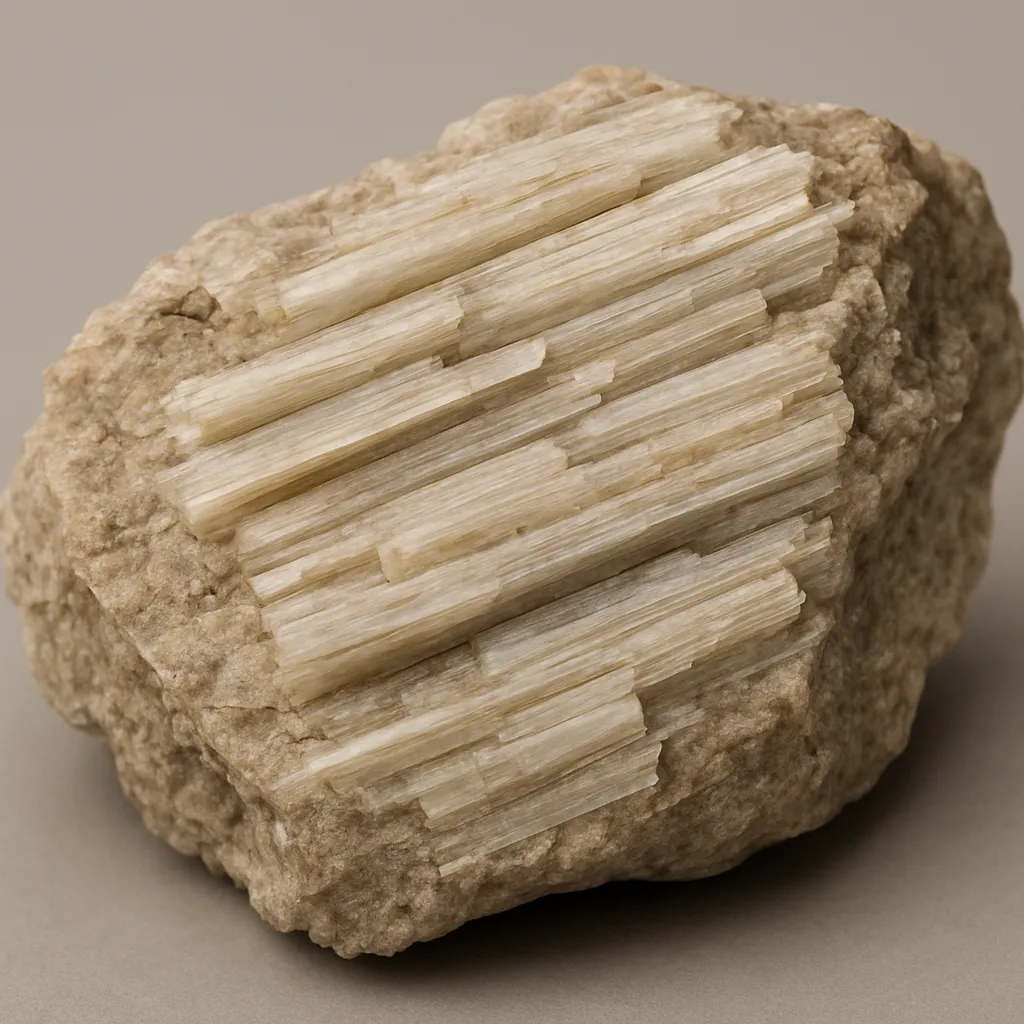
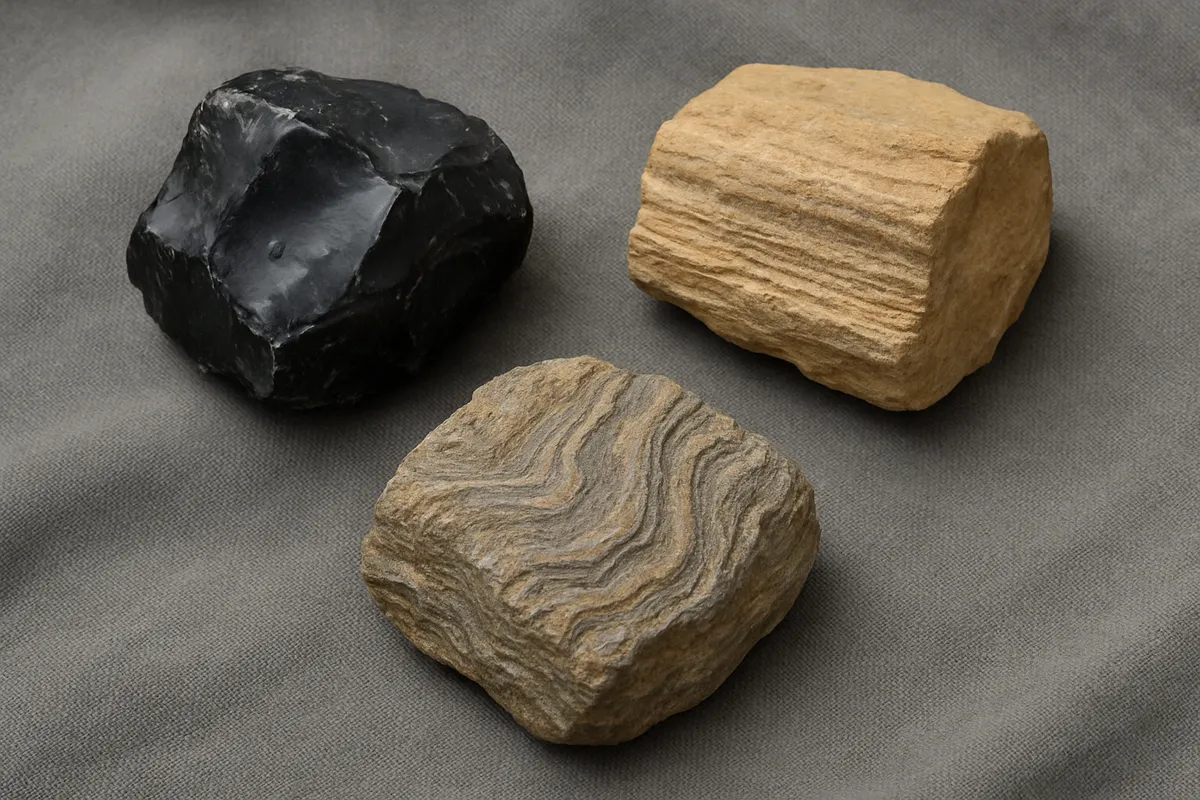
A tan rock feels gritty, and you can see its small grains cemented in thin layers. Which rock is it?
Hornfels forms when heat from nearby magma bakes shale without melting it. Why does hornfels lack the lined-up minerals that slate has?
Loose beach sand became sandstone after burial. What process changed the sediment into rock?
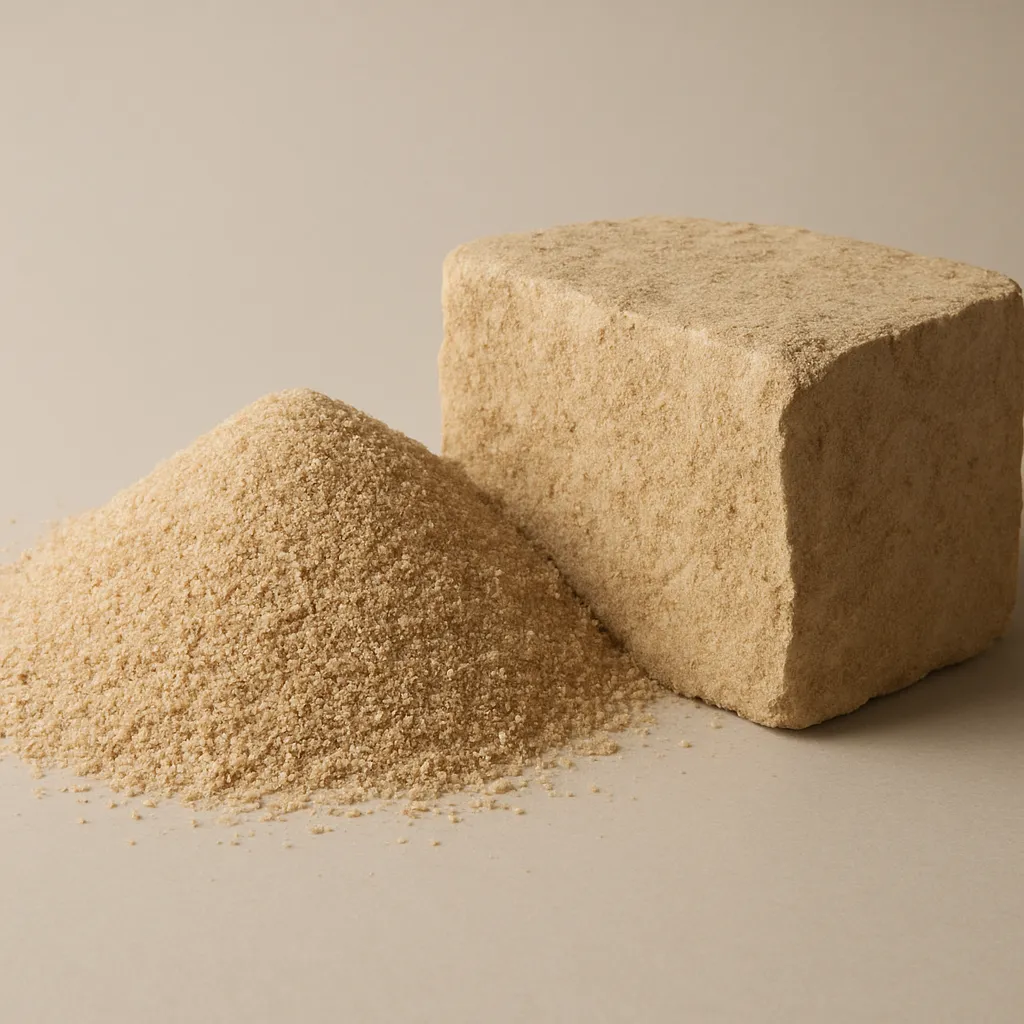
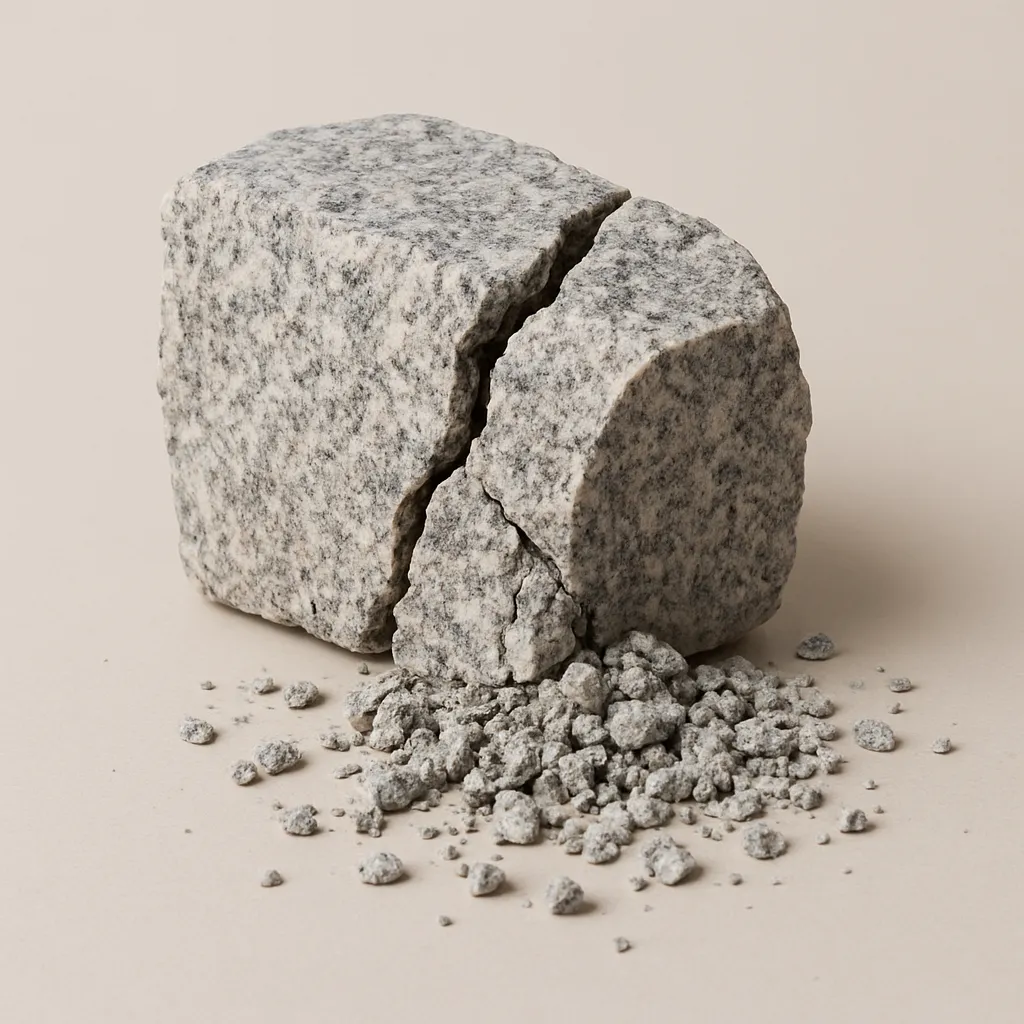
Granite exposed at Earth's surface cracked into smaller mineral grains. What process made the sediment?
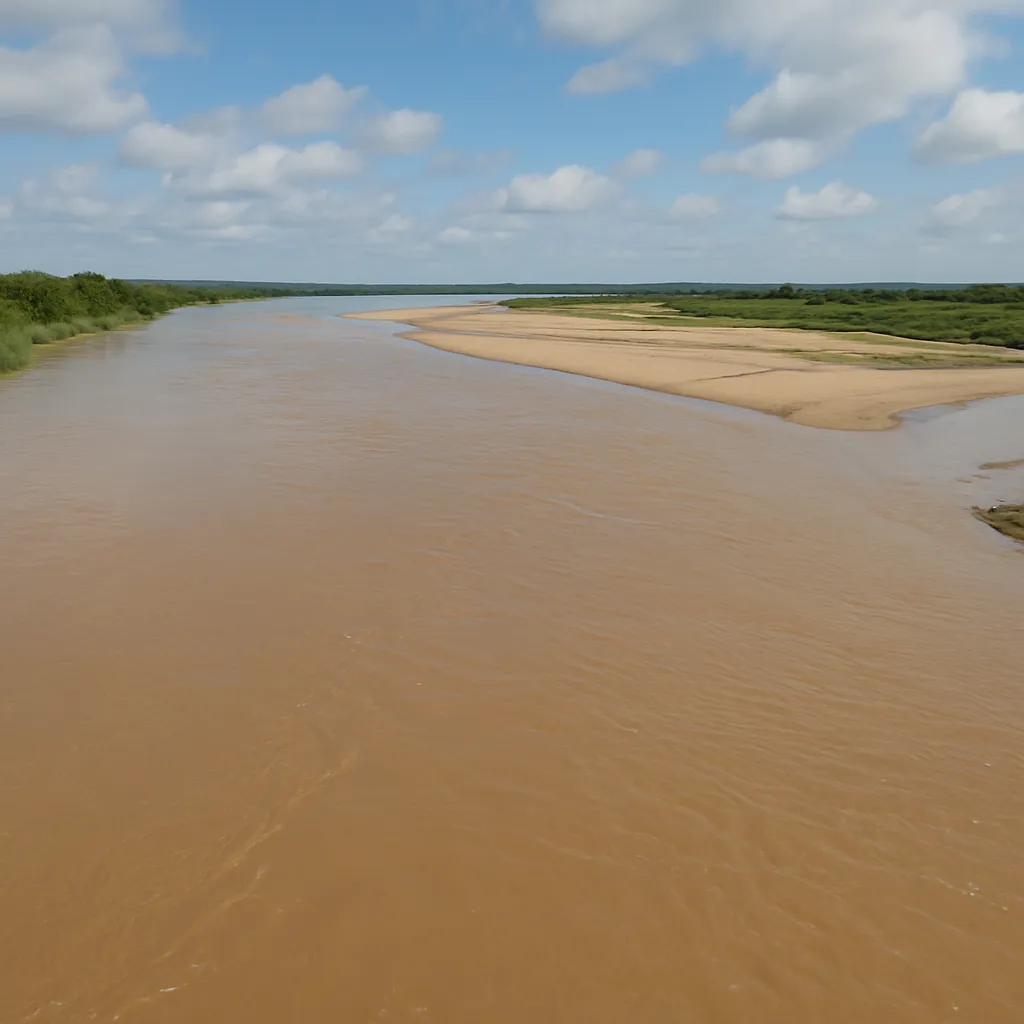
Sand grains were carried from mountains down a river toward a delta. What process moved the material?
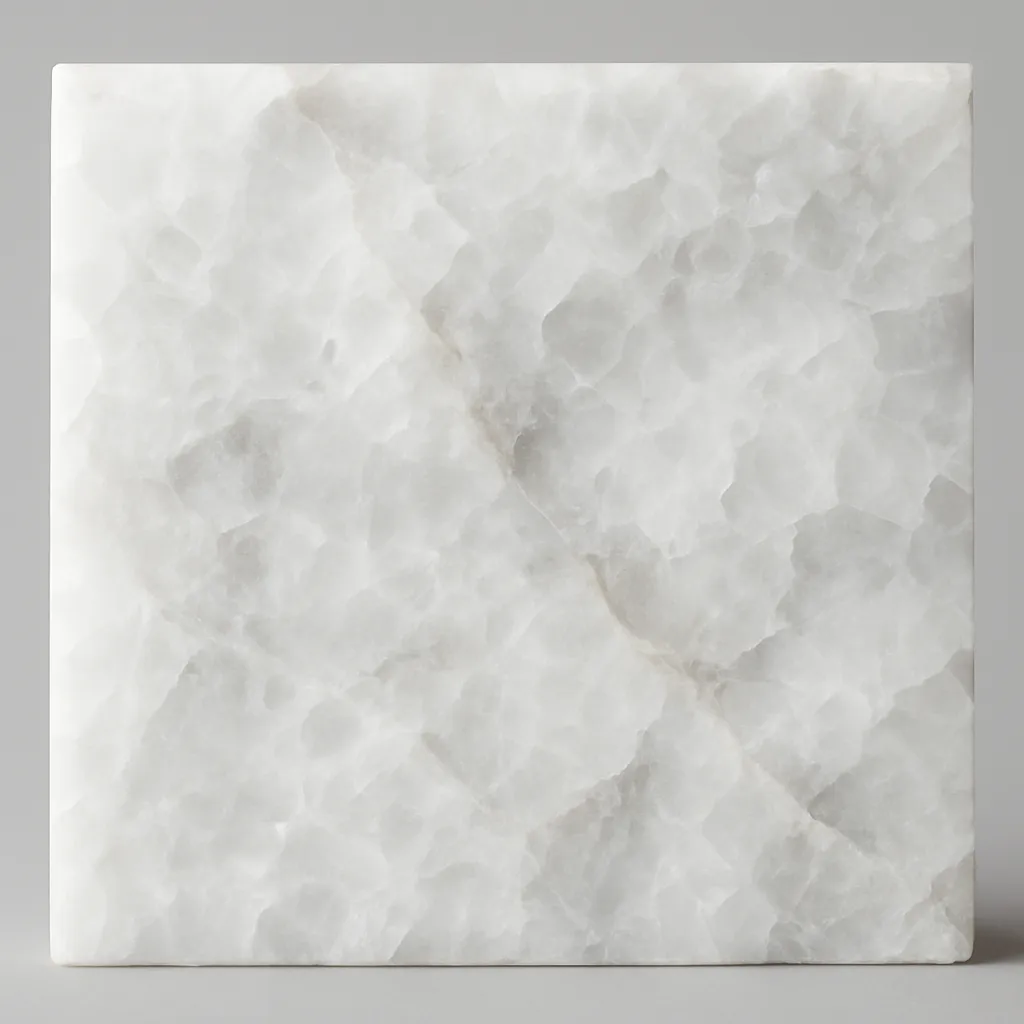
Limestone deep underground recrystallized into marble while staying solid. What process changed it?
Lava spread across the ground and hardened into basalt. What process made the new rock?
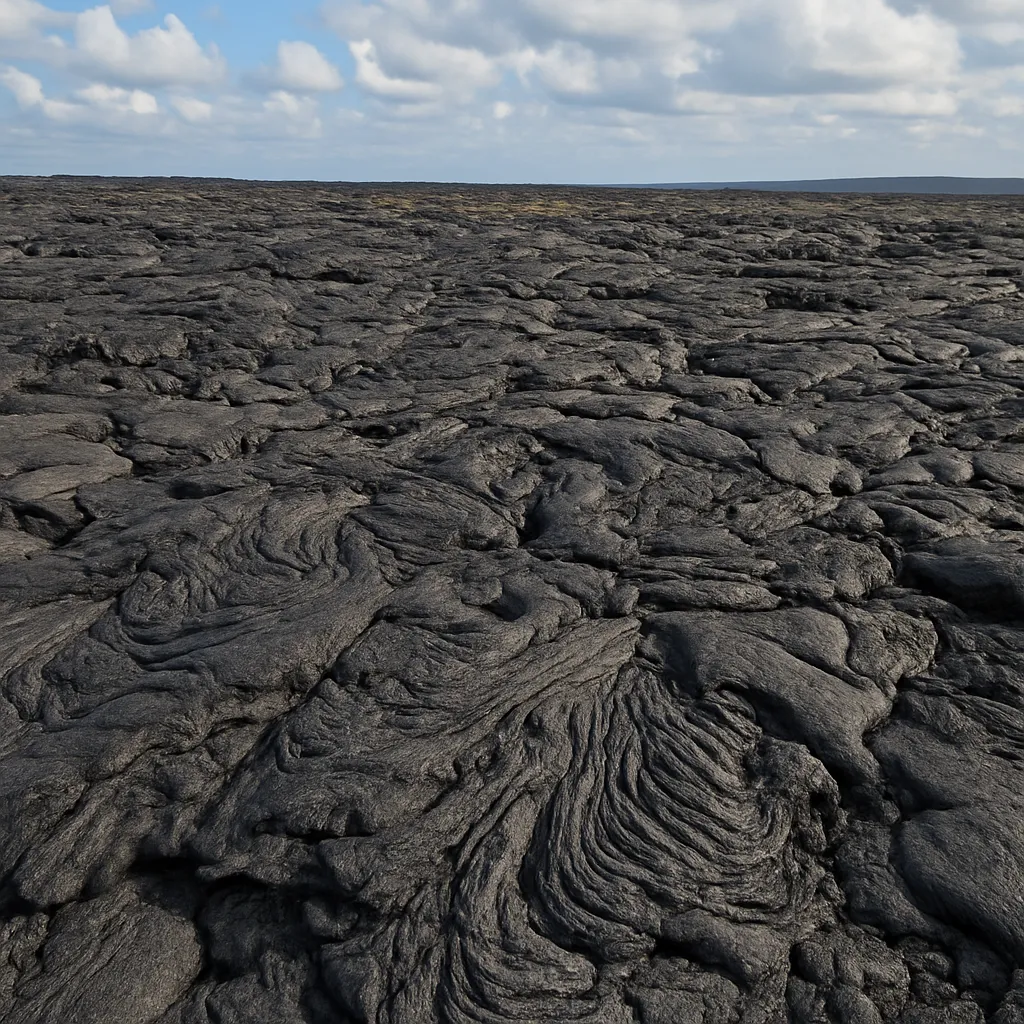
Mud layers at the bottom of a lake were buried by more sediment and became shale. What process changed them?
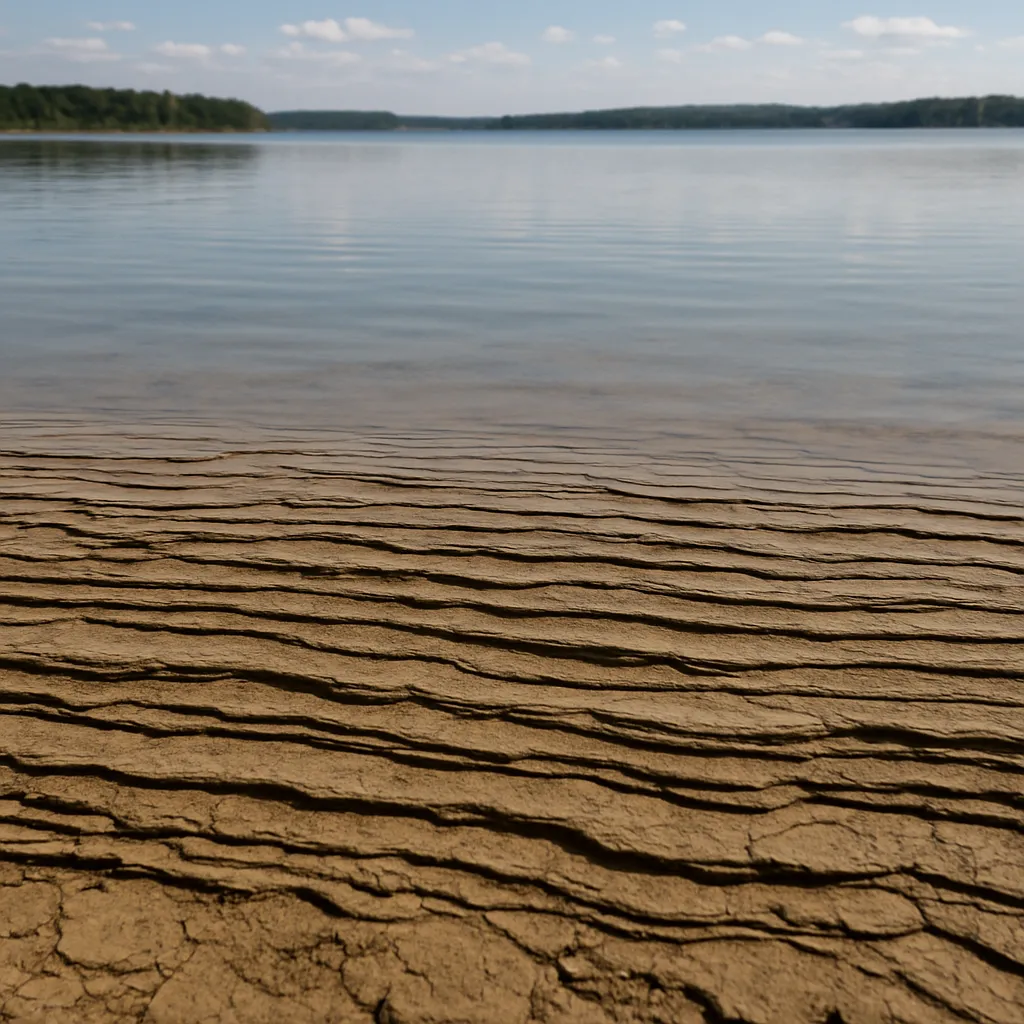
In a mountain belt, rock developed foliation, with its minerals lined up in bands, but it never melted. What most likely caused this?
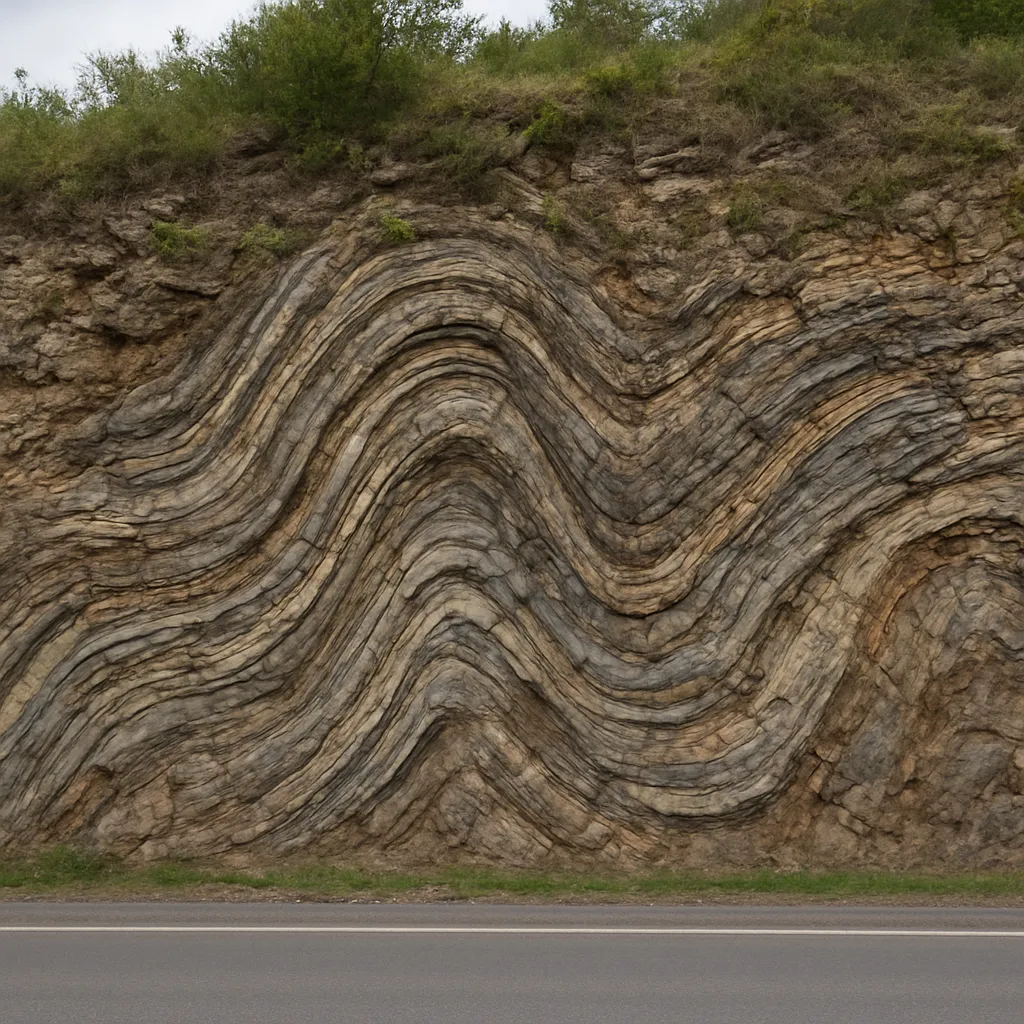
Magma cooled slowly far below Earth's surface. What feature would the resulting igneous rock most likely have?
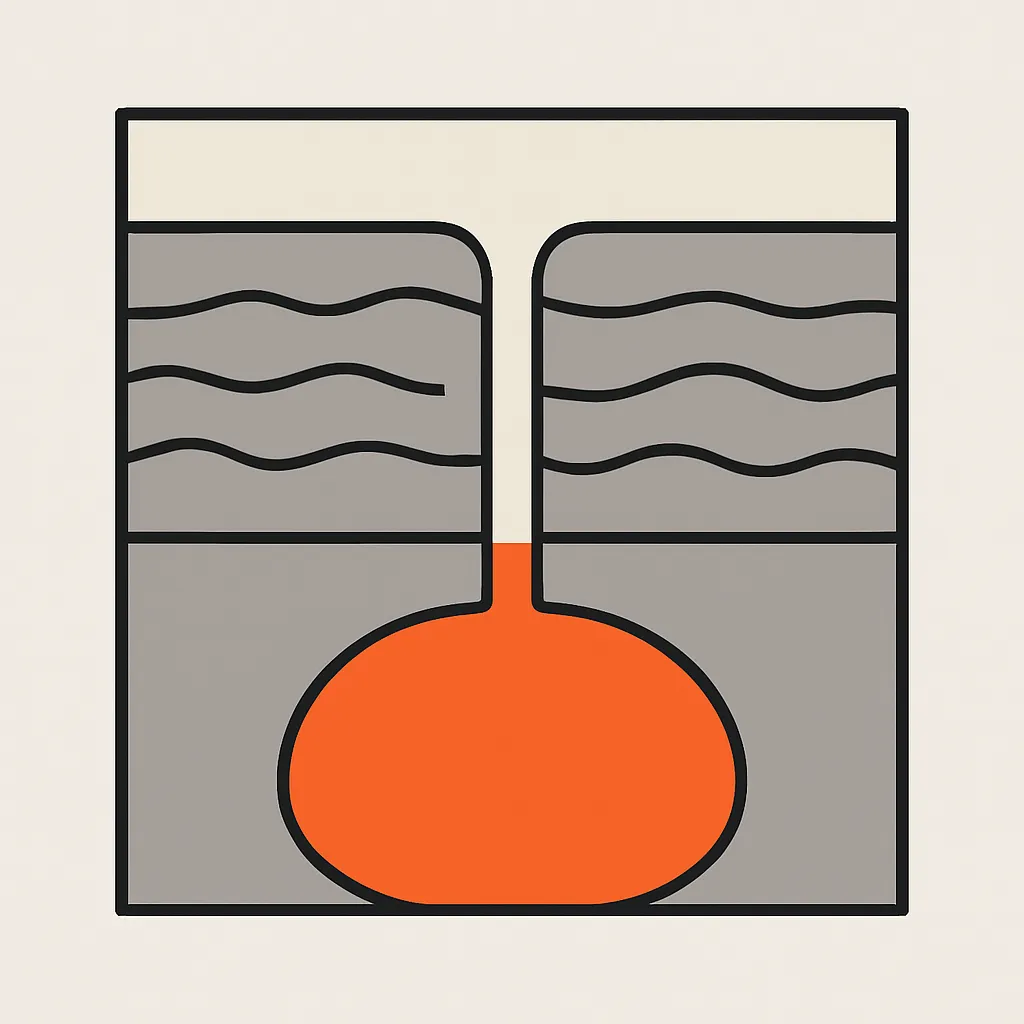
Lava erupted and cooled quickly in air. What feature best matches that setting?
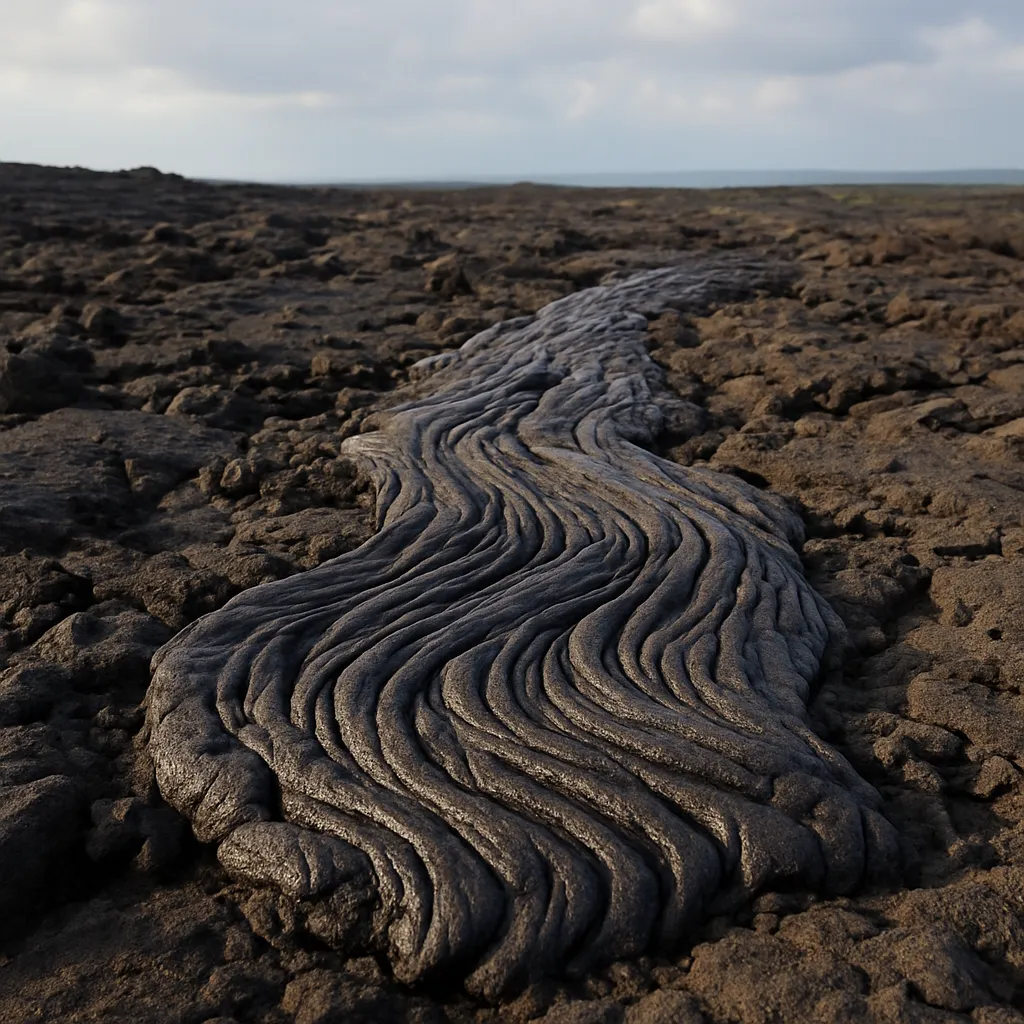
Lava chilled almost instantly when it touched water. What texture would most likely form?
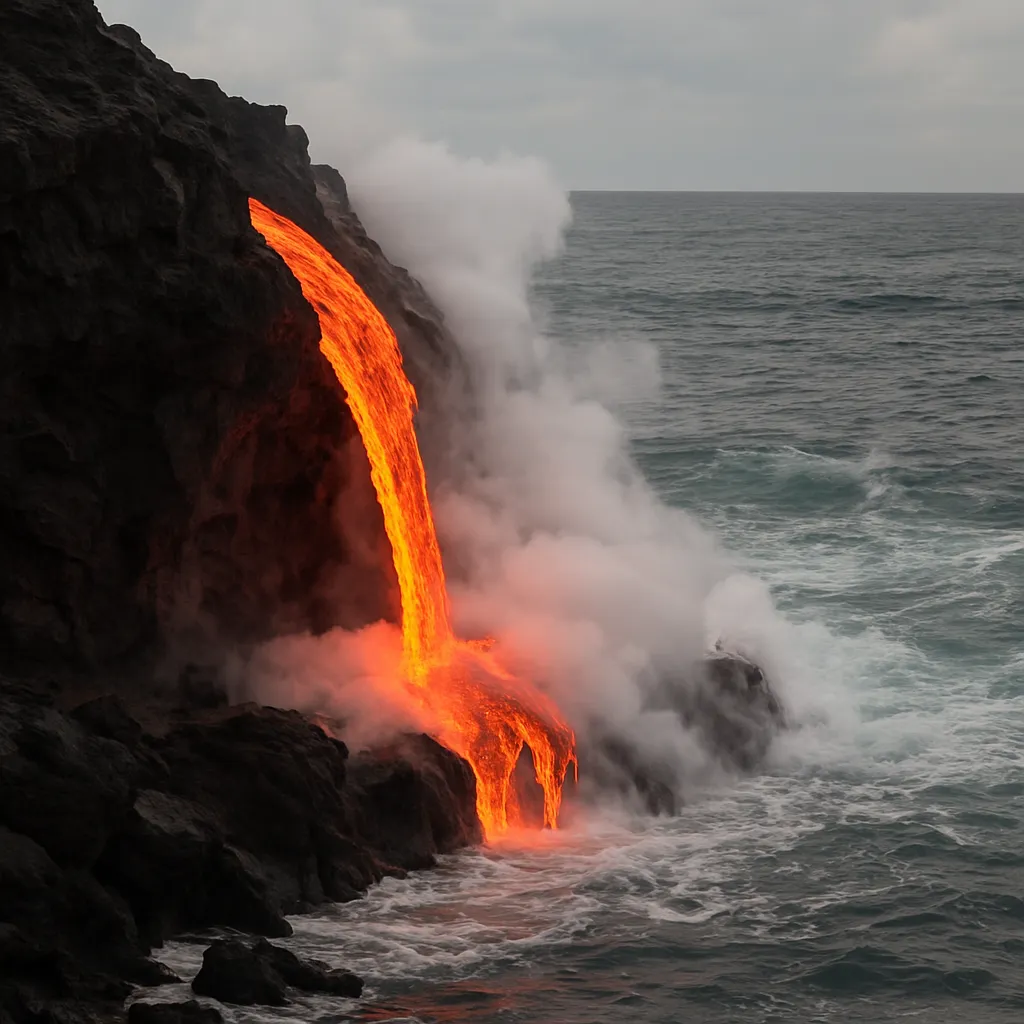
Sediment settled in a quiet lake and was buried gently by more sediment. What feature would the rock most likely show?
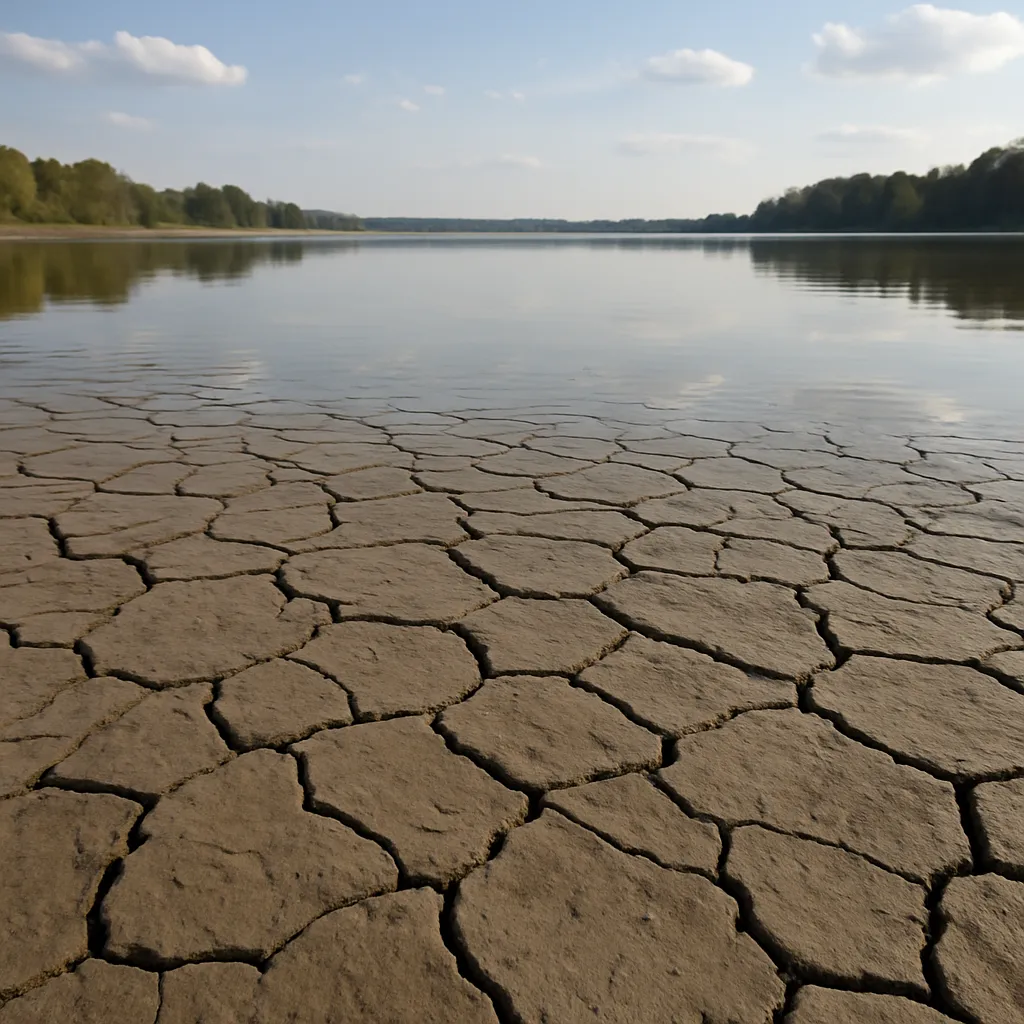
Rock layers buried during a plate collision were squeezed from the sides for a long time without breaking. What would most likely happen to the layers?
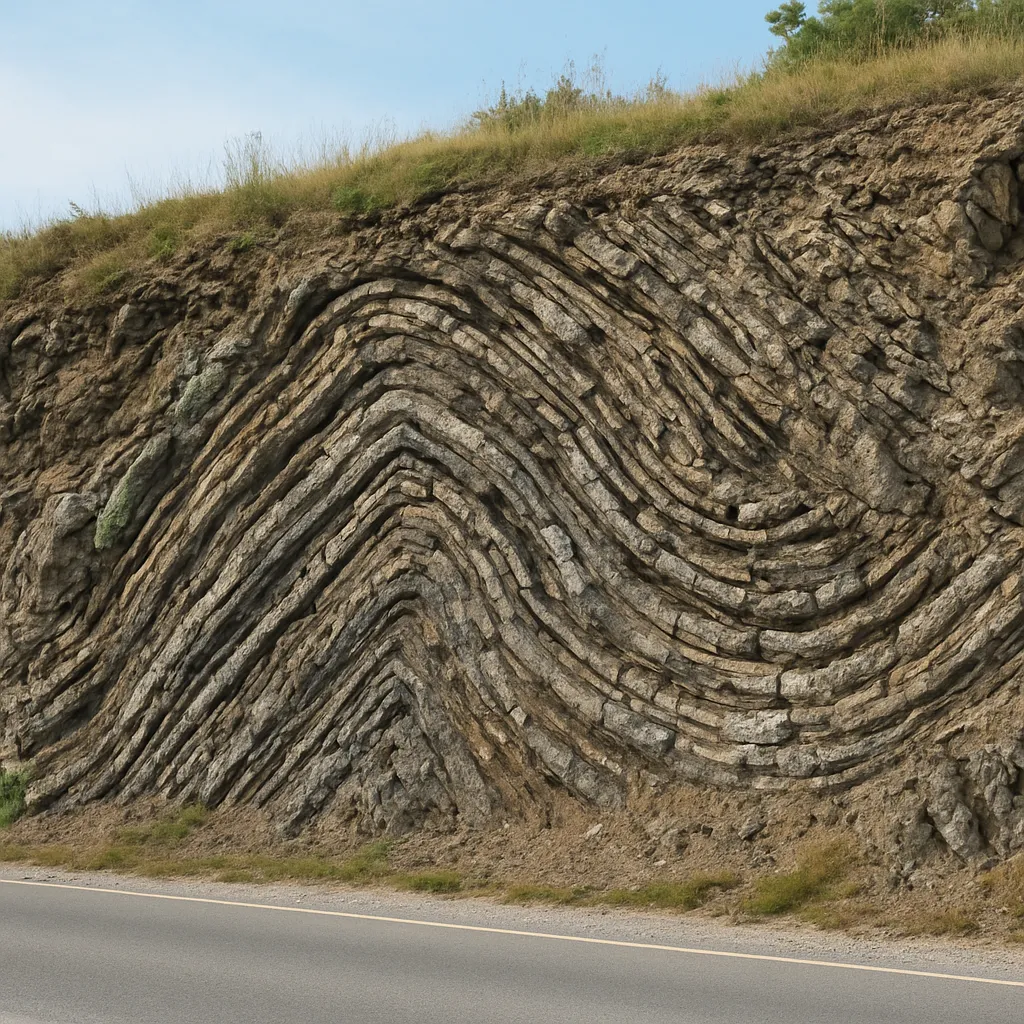
Loose sand and mud were buried deeper as more layers piled on top. What change would most likely happen first?
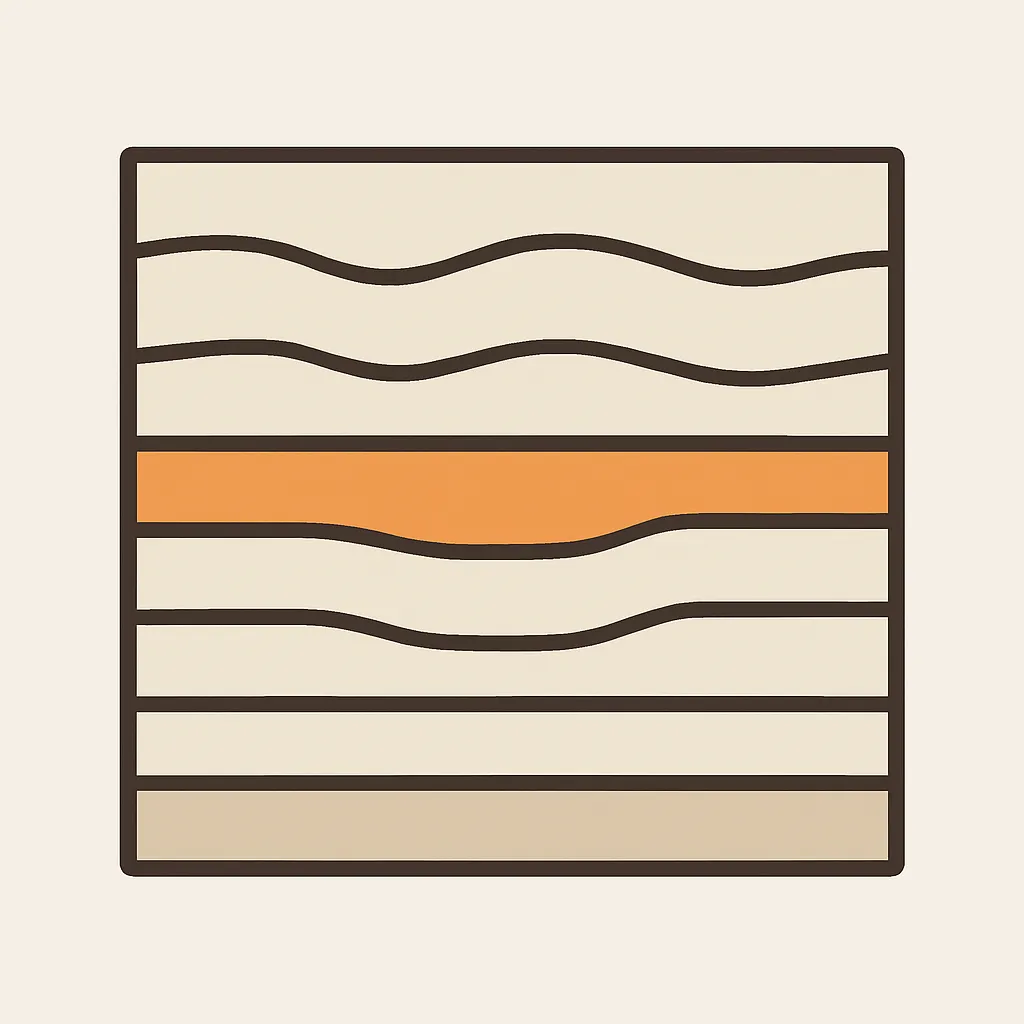
Magma began cooling underground, then erupted and finished cooling quickly. What texture matches this two-stage history?
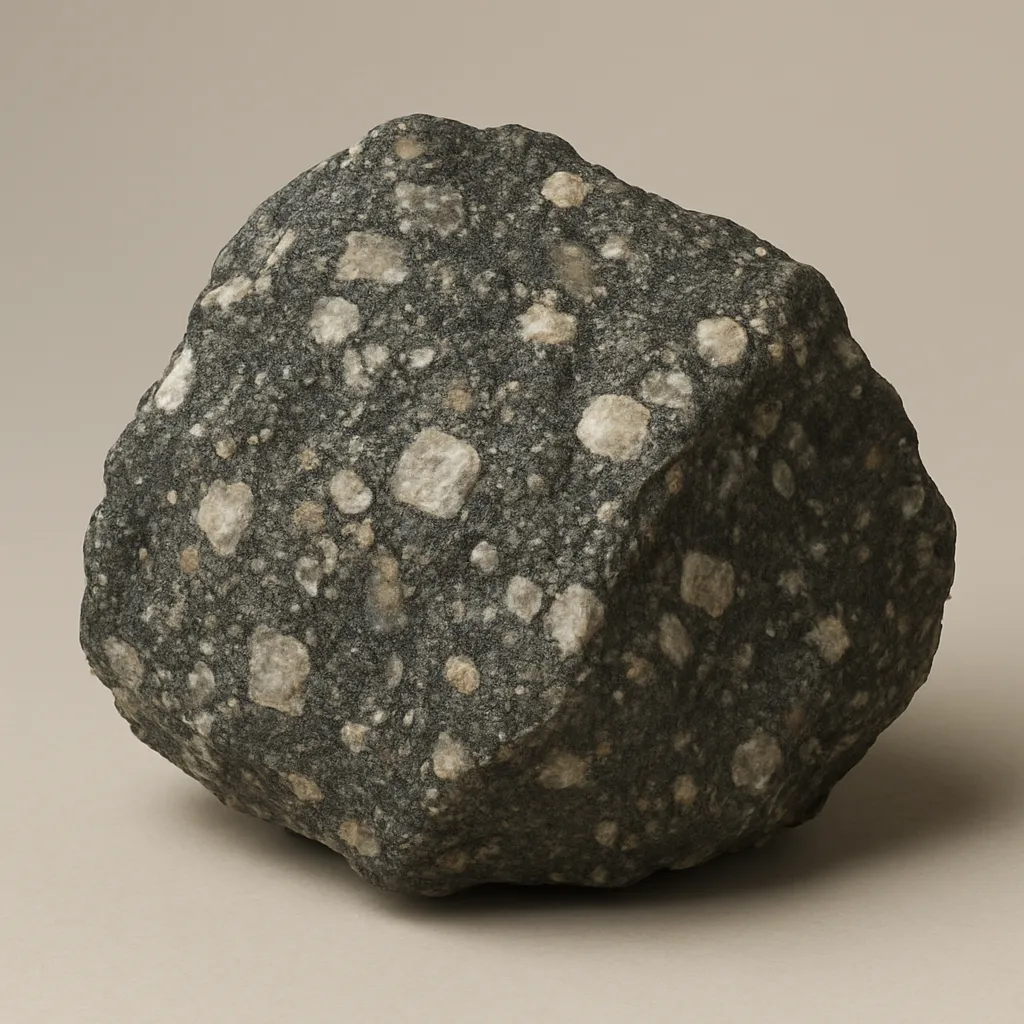
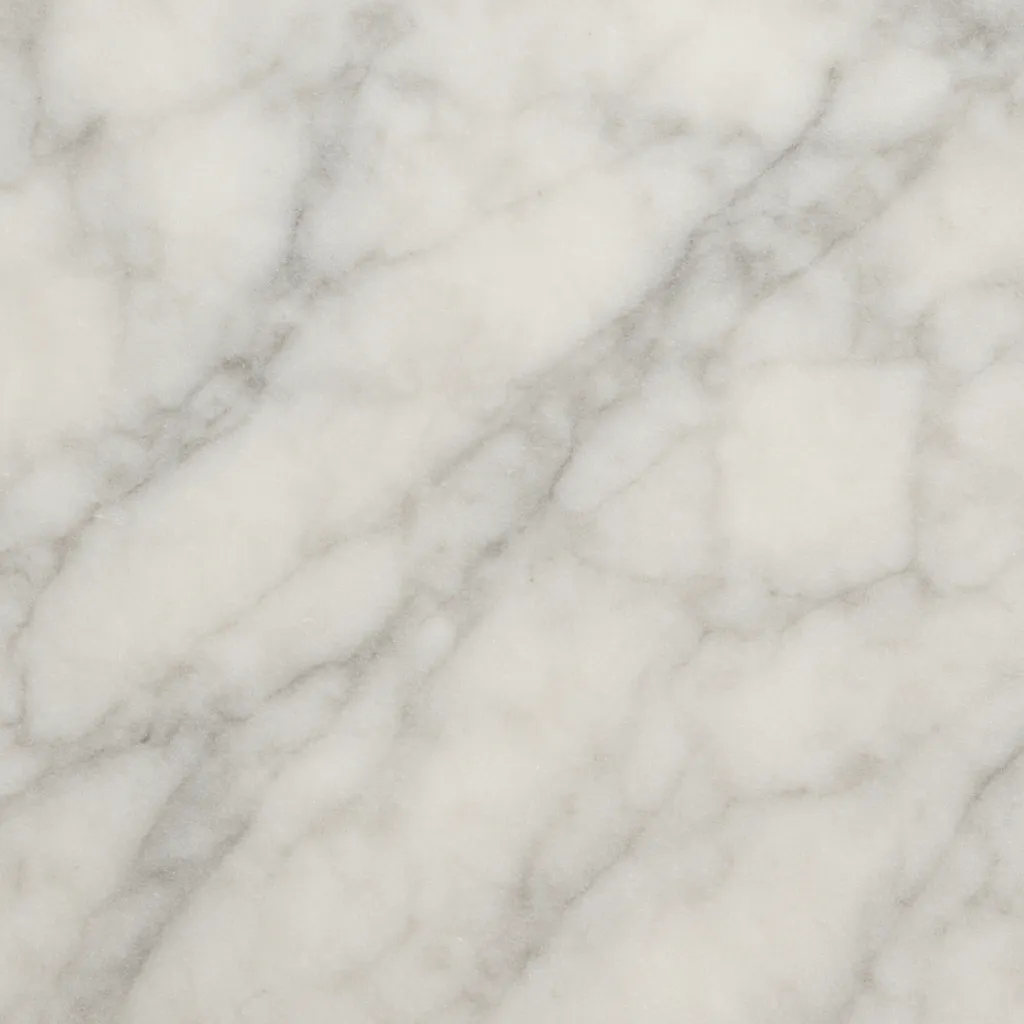
Deep burial heated limestone and squeezed it, but the temperature stayed below melting. What feature is most likely?
Crack the passcode before the zombies get in.
Answer, then swat bugs for bonus points.
Race through questions at your own speed.
Same question on every screen. Fastest wins.

Pick a tile, answer, hit bonuses and steals.
What Plate Motion Builds
20 questions