Loading
by BlastRoom
Students analyze fossils, rocks, seafloor, earthquakes, and volcanoes as evidence that plates move.
#us_grade_7_science
40 questions
One question set, multiple game modes. Tap any game to see it in action. Not sure which to pick?
Answer to place stones and capture territory.
Outrun the snow together.
Earn blasts, then hunt the other team.
Answer to earn energy, then climb.

The class blasts through walls together.
Bid on mystery lots. Most money wins.
Sell tours. Nice, standard, or a total scam.

Answer, restock, and serve the rush.
More correct answers pulls the rope your way.
Answer, then shoot down the alien wave.
Answer, then tap to leap the frozen ridge.
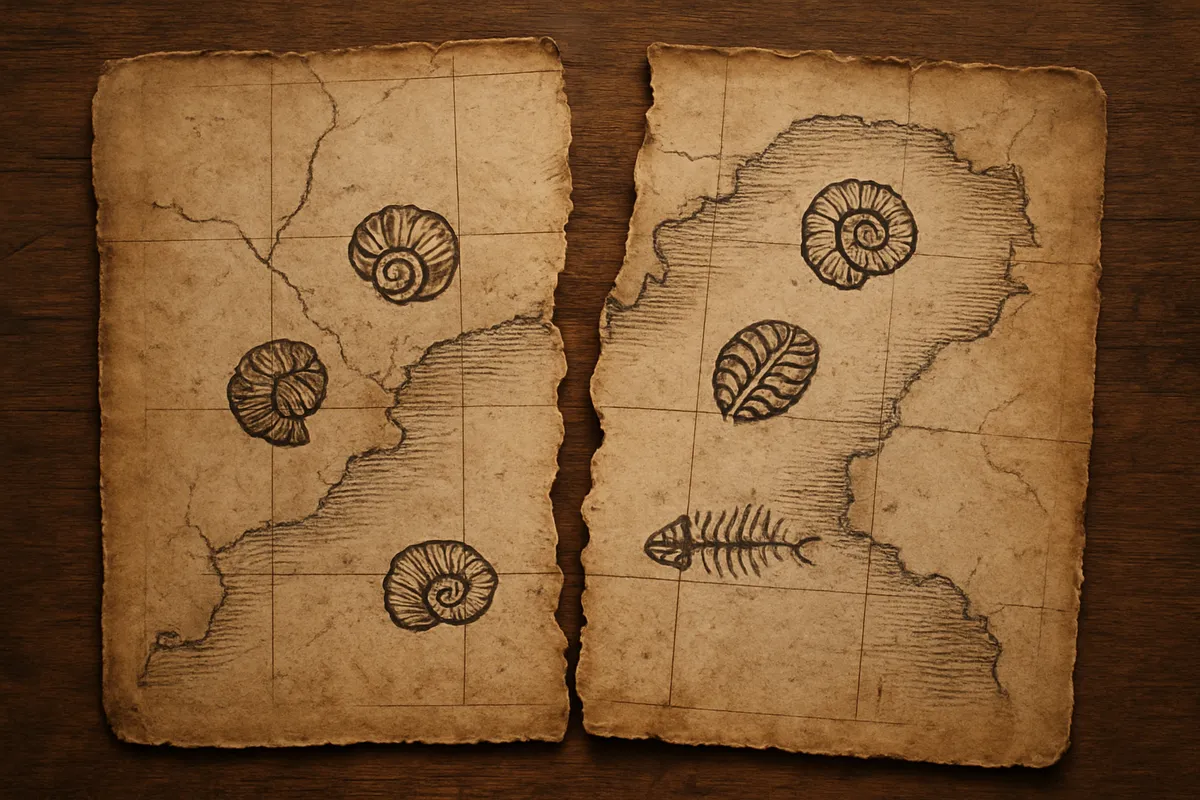
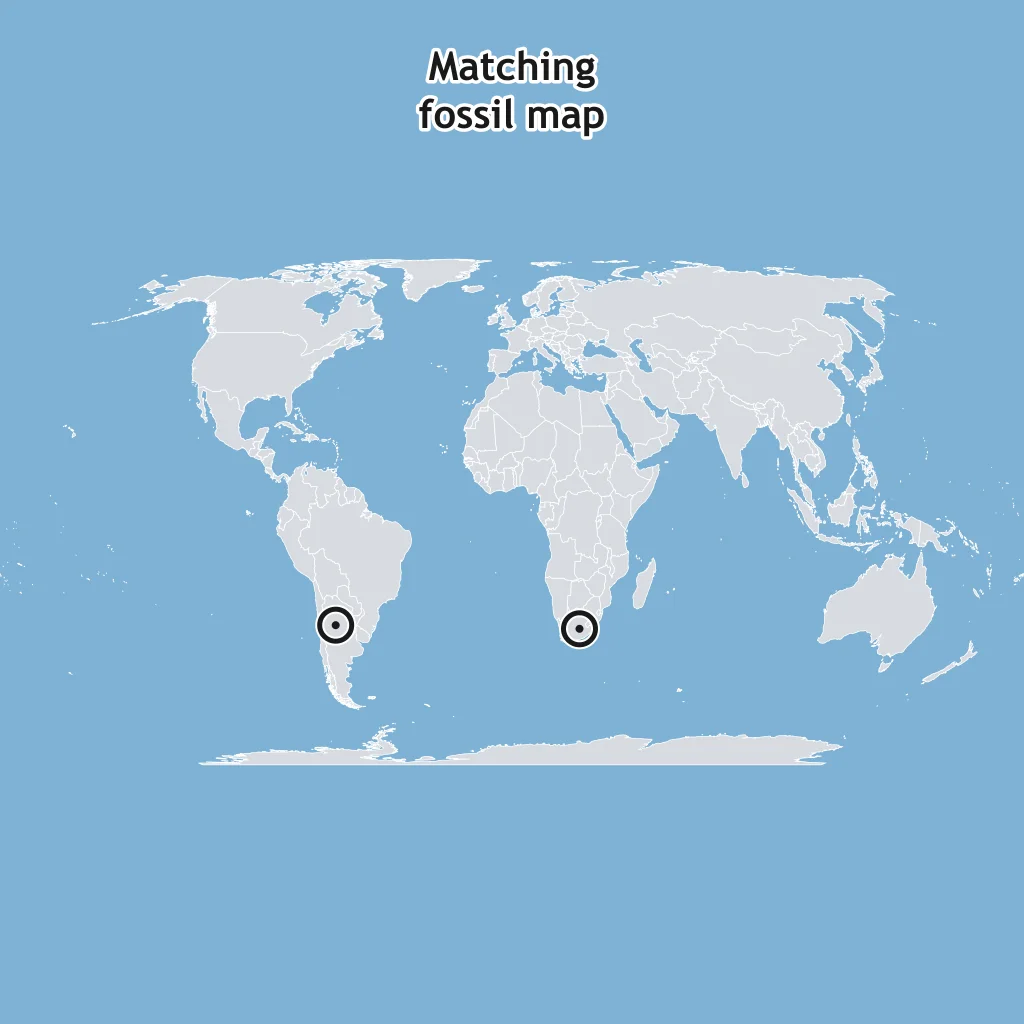
The same land-reptile fossil occurs in eastern South America and western Africa in rocks of the same age. Which plate-motion claim fits this evidence?
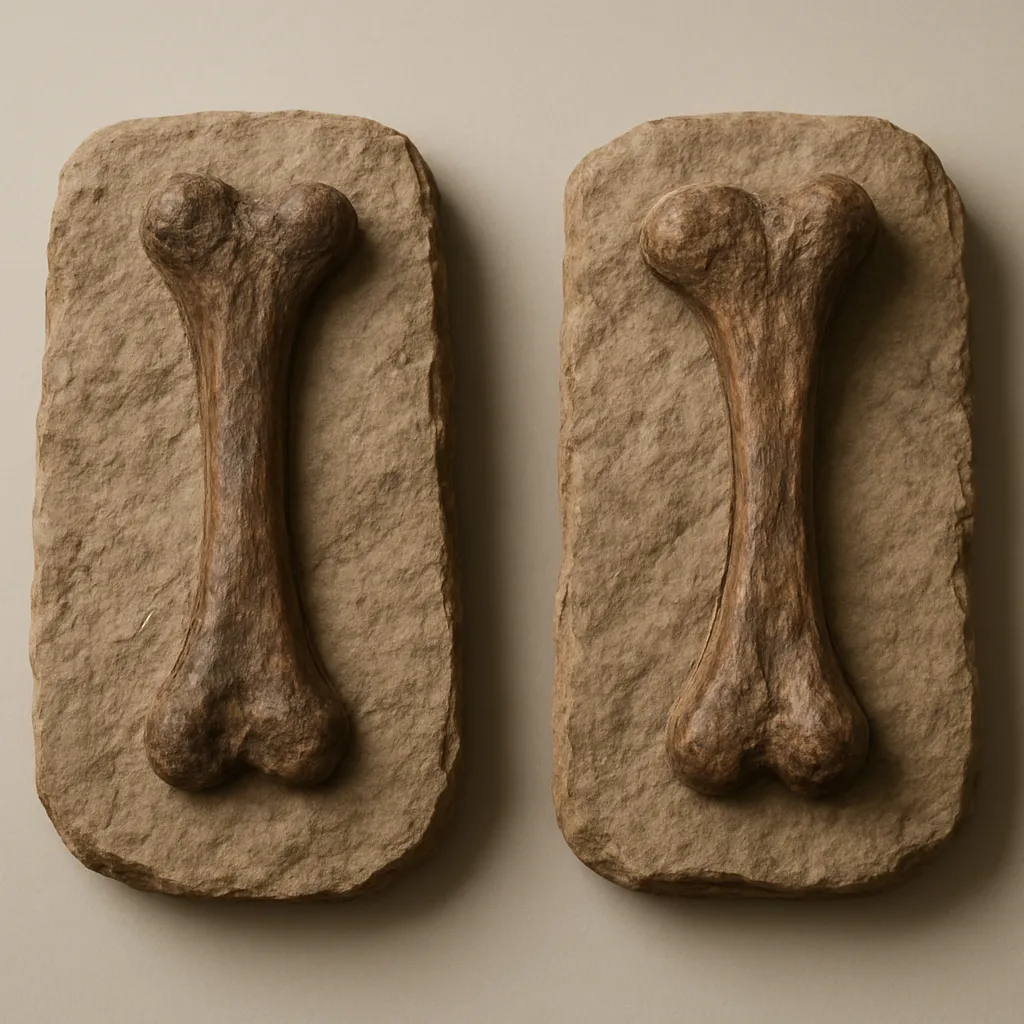
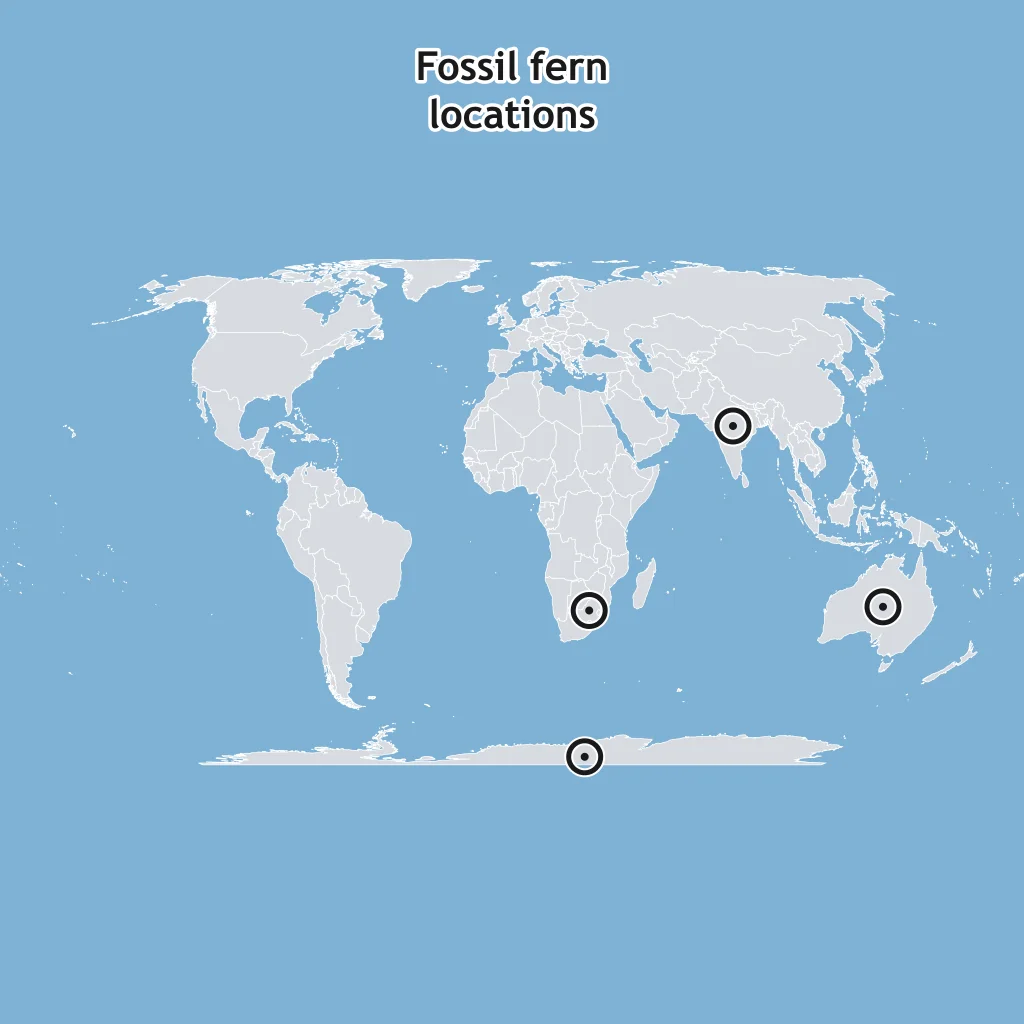
Glossopteris fern fossils are found in Antarctica, Africa, India, and Australia in rocks of the same age. What claim does this pattern best support?
A mountain belt in eastern North America matches rock ages and layers in Scotland and Greenland when the continents are fit together. What does this show?
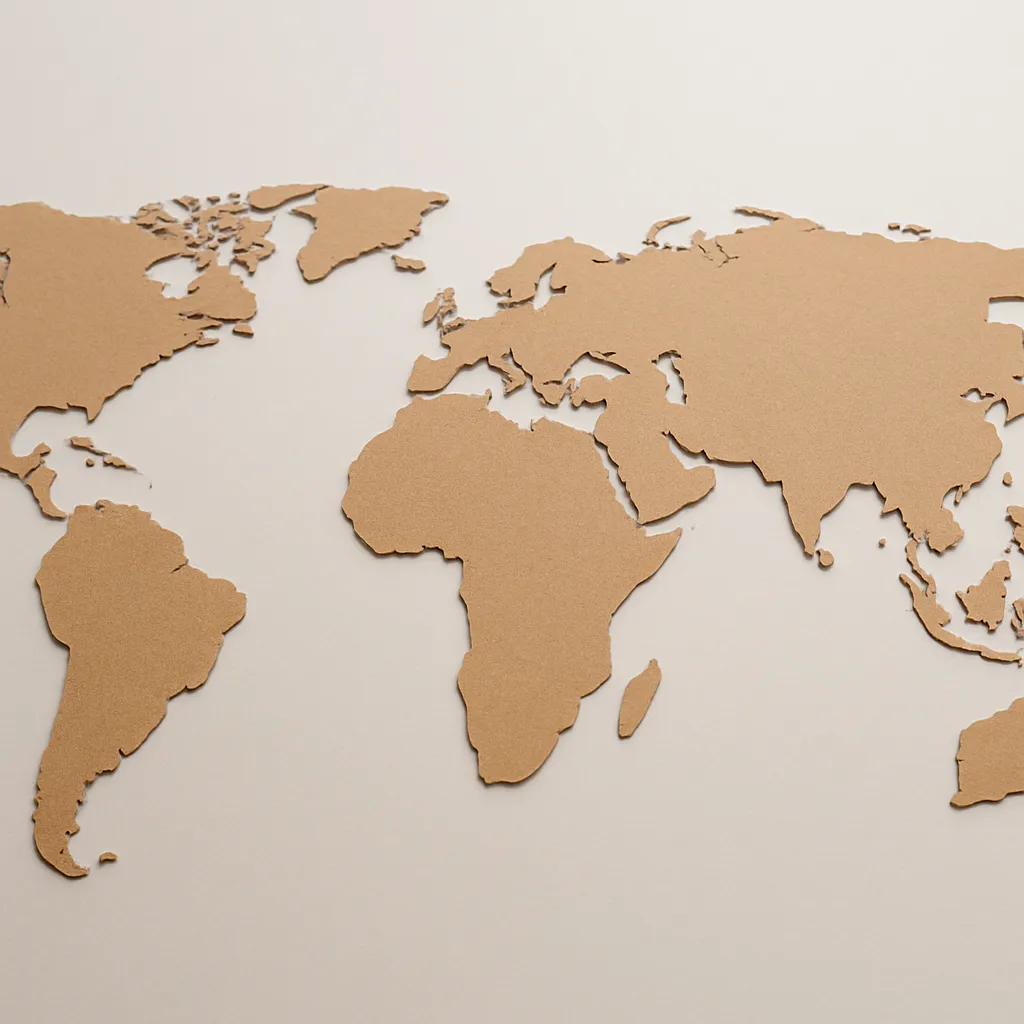
South America and Africa fit like puzzle pieces, and matching rock layers line up across the fit. Which claim is supported?
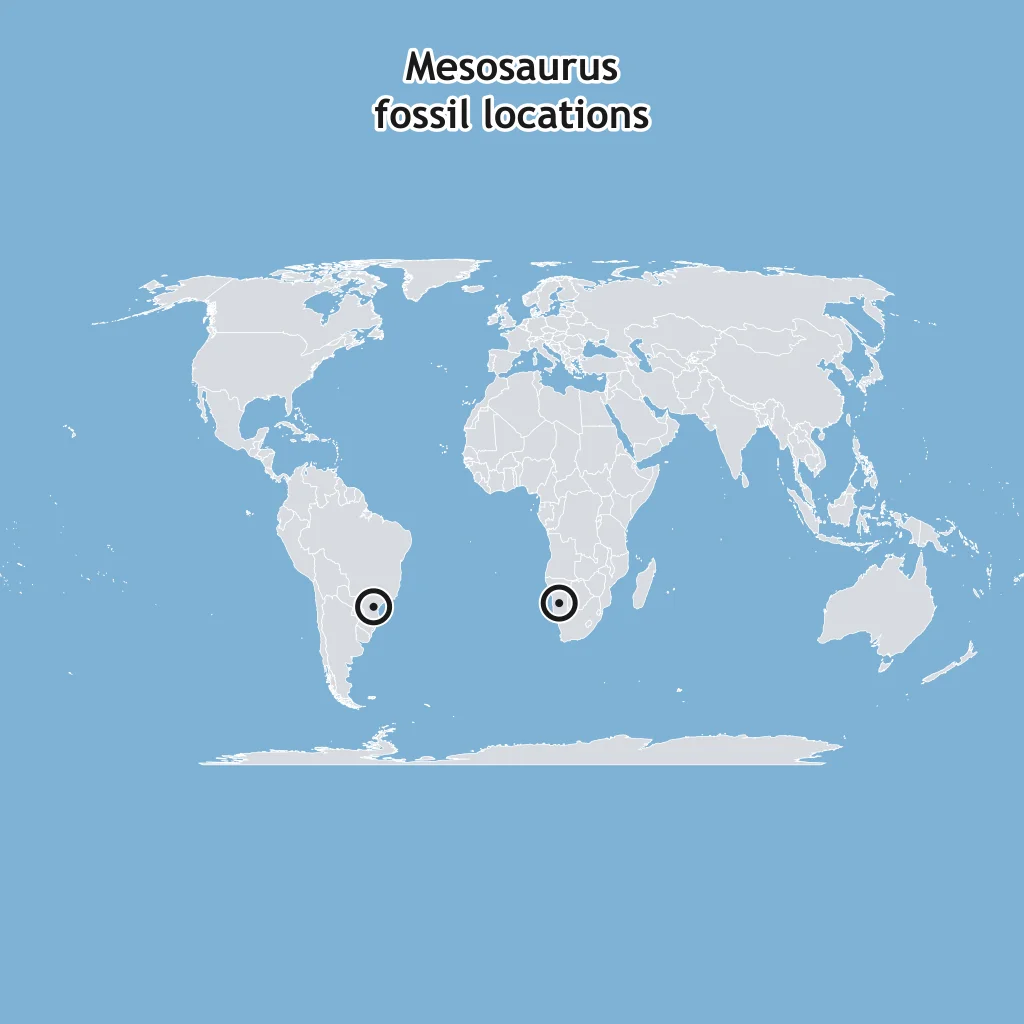
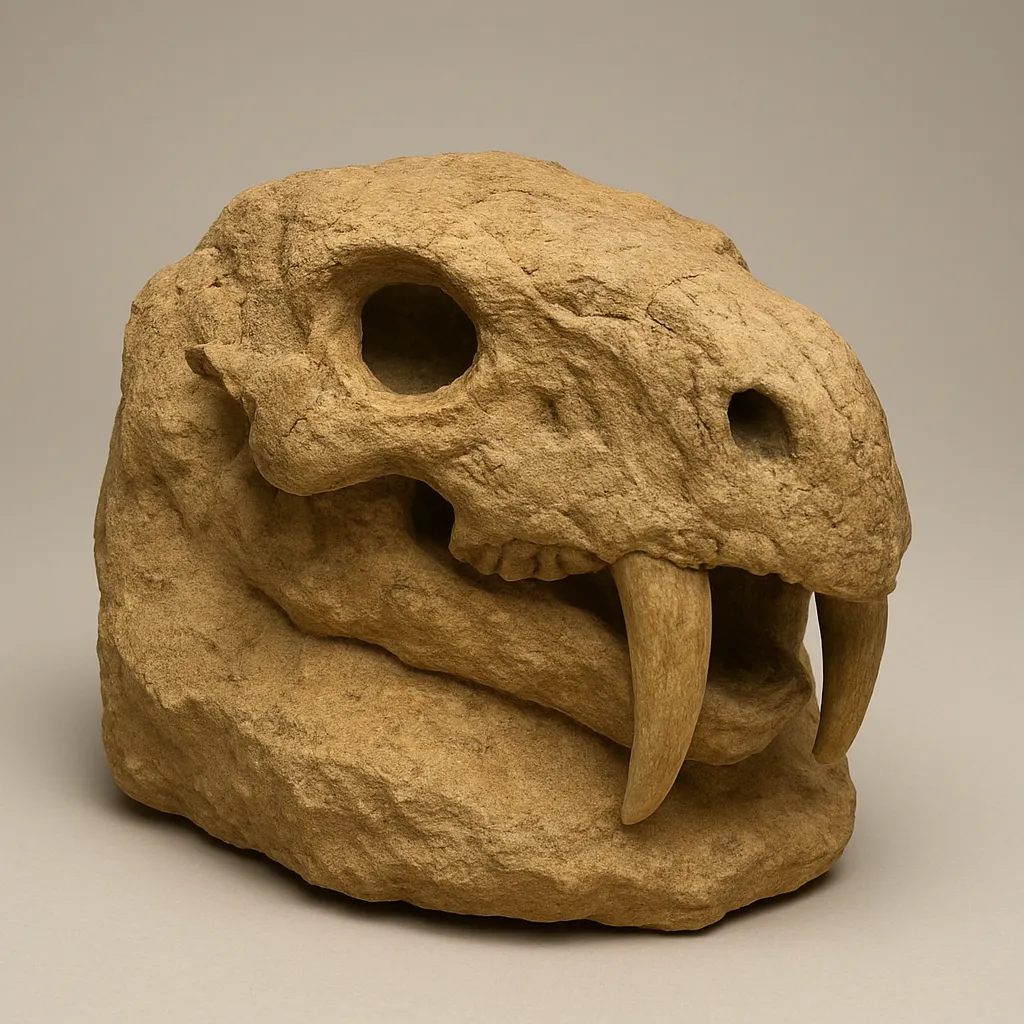
Mesosaurus fossils occur in freshwater rocks in Brazil and southern Africa, but the animal could not cross a wide ocean. What claim fits best?
Antarctica is now buried under thick ice, yet its rocks hold coal beds formed from forests of ancient plants. What plate-motion idea does this support?
Ancient glacial scratches in South America, Africa, India, and Australia point away from one center when the continents are reassembled. What does this support?
Same-age sandstone layers in Brazil and West Africa line up when the coastlines are matched. The ocean between them is thousands of kilometers wide and widens a few centimeters a year. What does this suggest?
Lystrosaurus fossils are found in same-age land rocks in Africa, India, and Antarctica. Which claim uses this evidence best?
Rock layers with fossils of sea animals are found high in the Himalayas, where the India plate meets the Asia plate. What plate-motion claim fits this evidence?
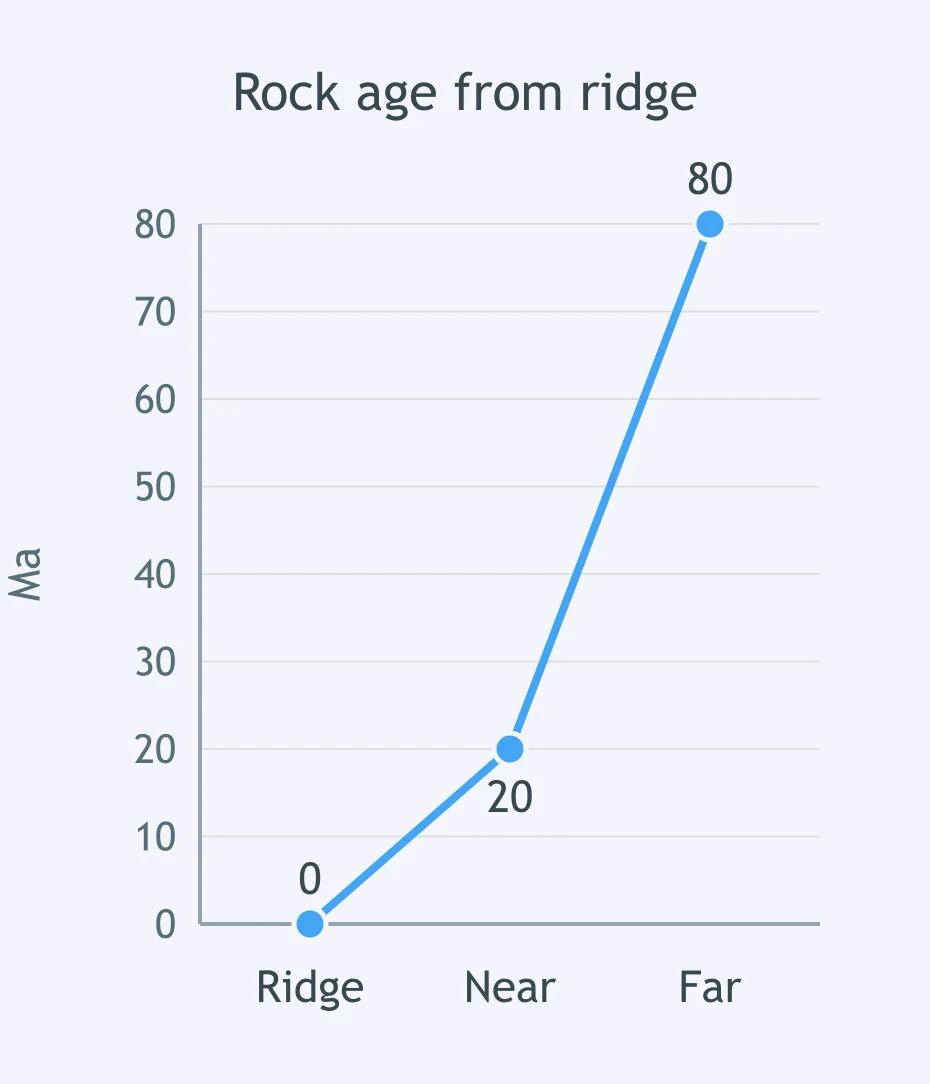
Basalt is youngest at a mid-ocean ridge and older farther away on both sides. What claim is supported?
Magnetic stripes in seafloor basalt form matching bands on both sides of a mid-ocean ridge. What motion does this support?
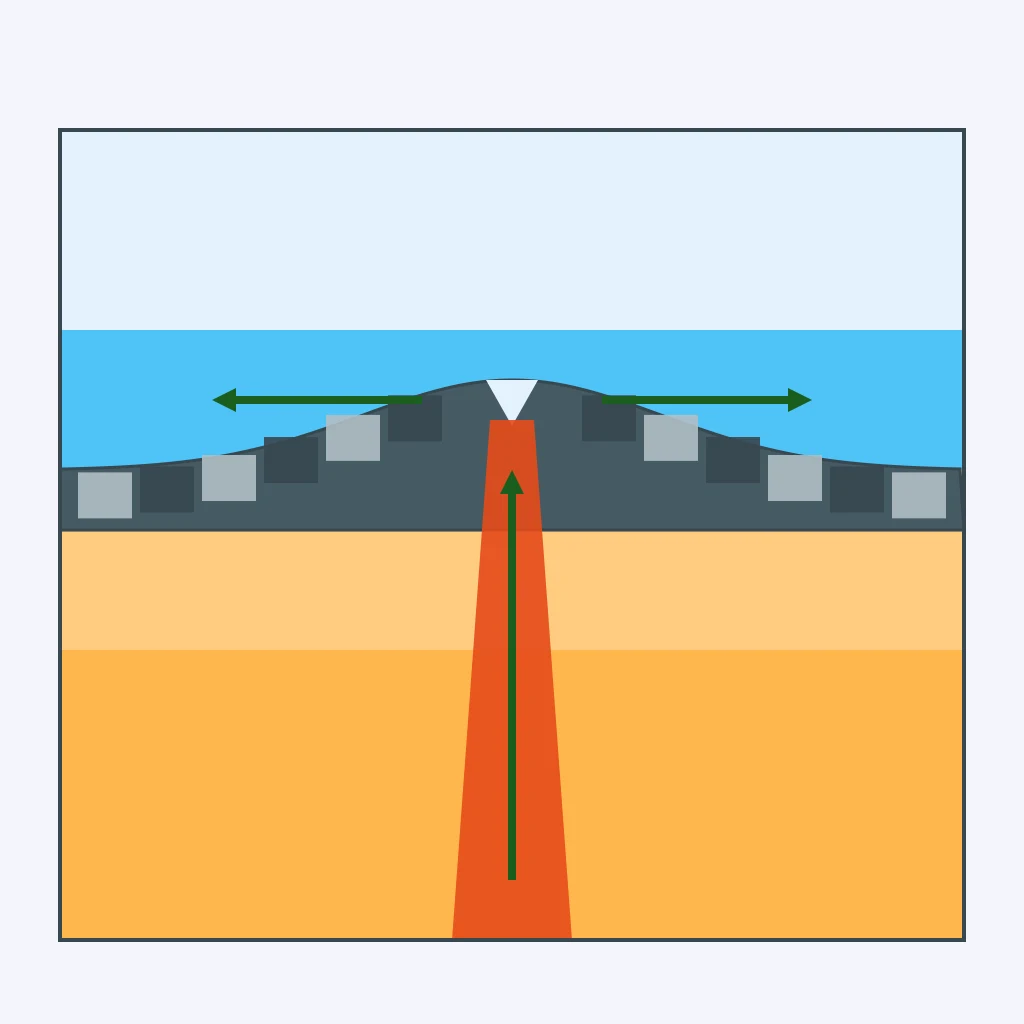
Sediment is thinnest on ocean crust near a ridge and thicker on older crust far away. Which claim fits this evidence?
Heat flow is highest along a mid-ocean ridge and lower on older seafloor away from it. What claim does this support?
Ocean crust is much younger than many continental rocks, and old ocean crust is found near trenches. What does this evidence suggest?
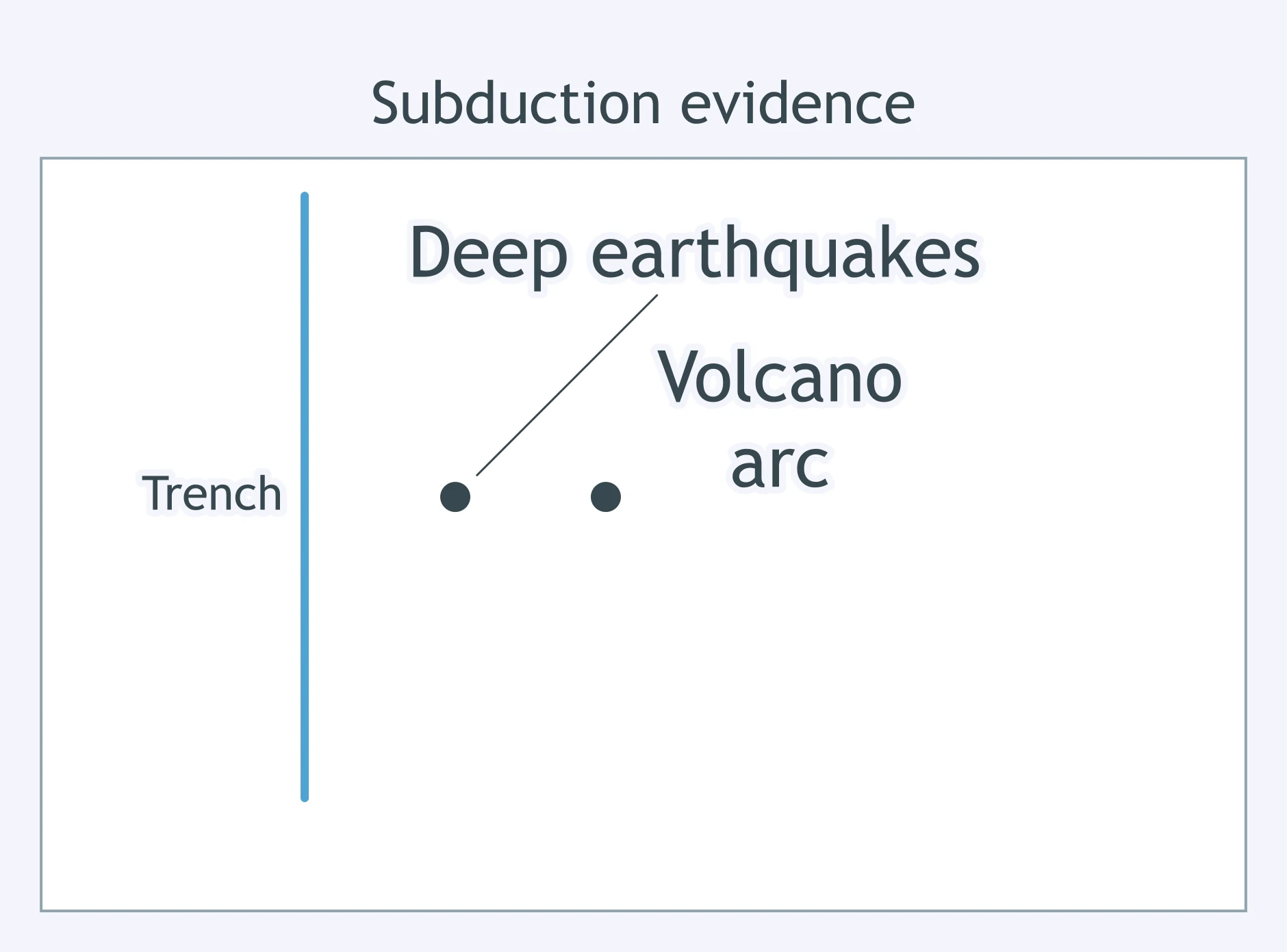
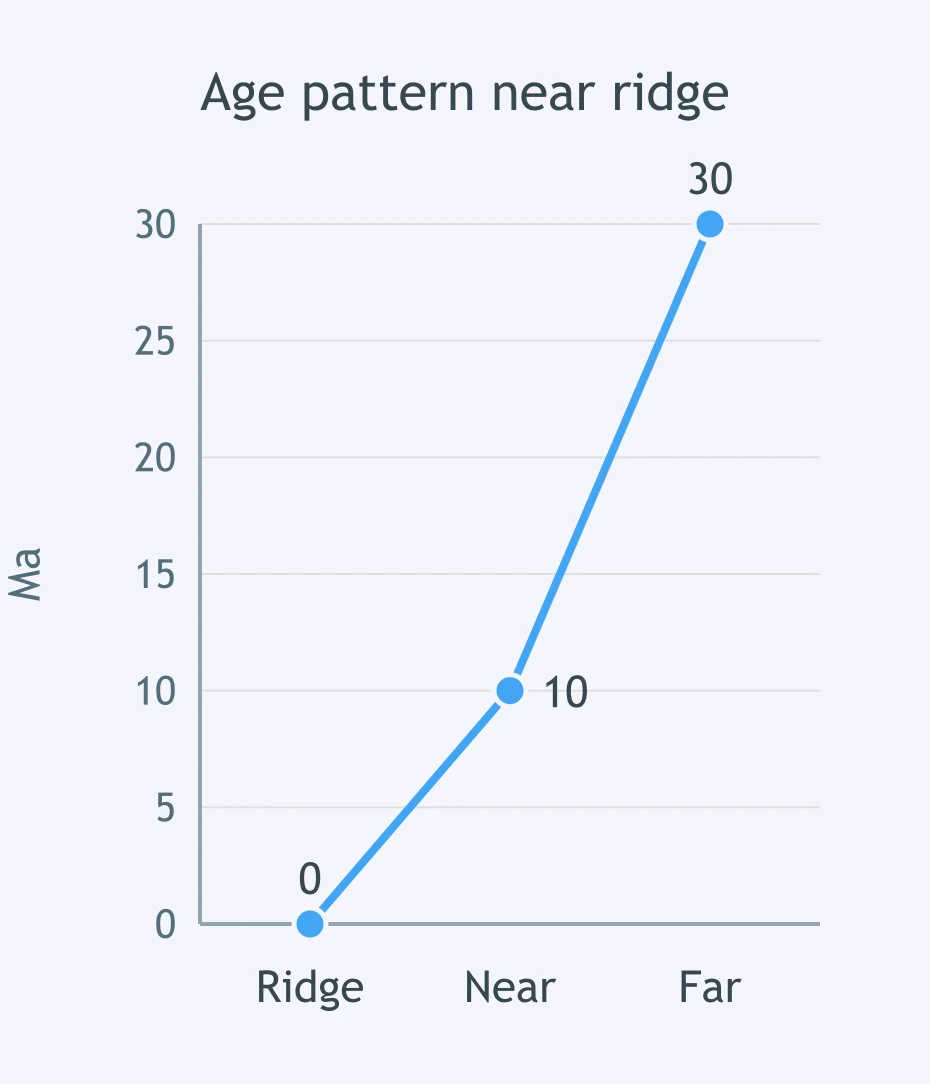
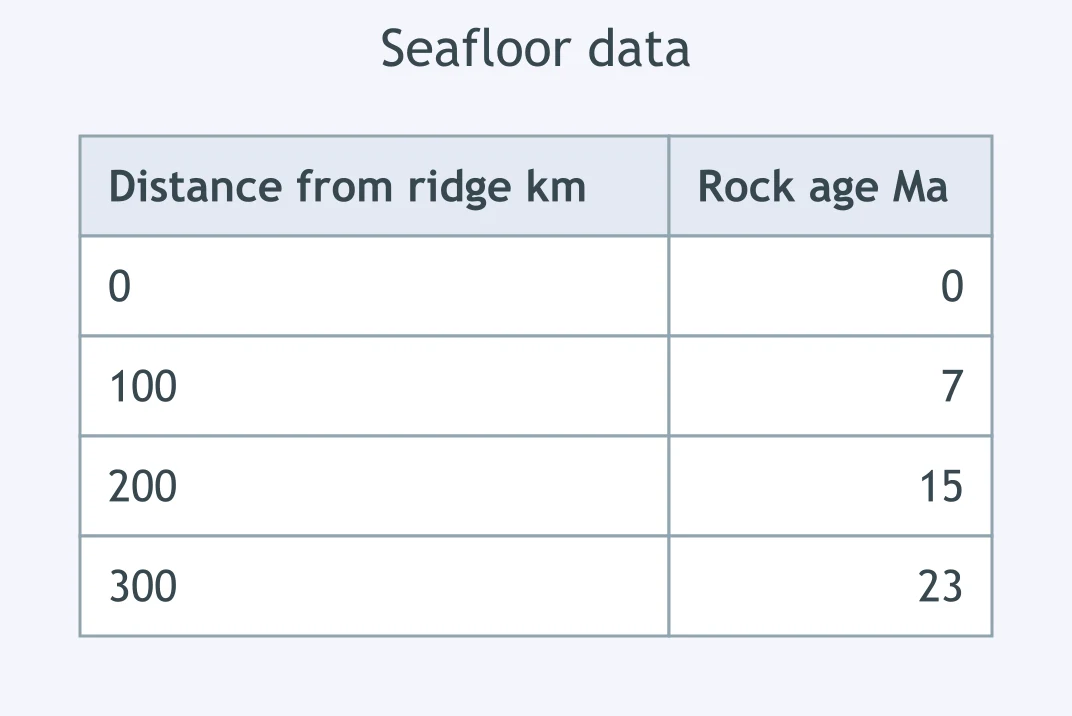
Use the graph of seafloor rock age on both sides of a ridge. What pattern would support seafloor spreading?
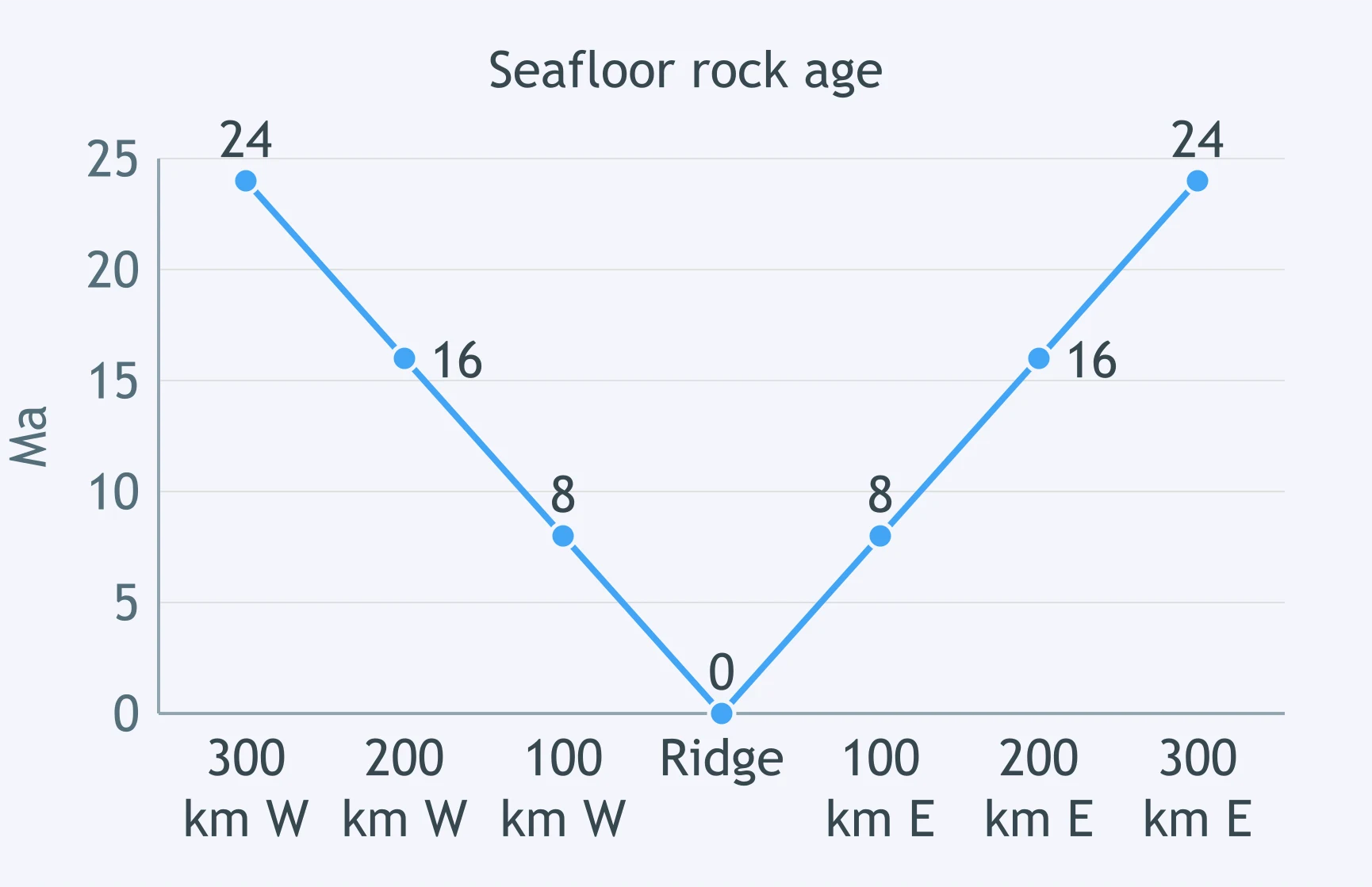
A ridge has shallow earthquakes along its center, and basalt on both sides gets older away from the center. What plate motion is shown?
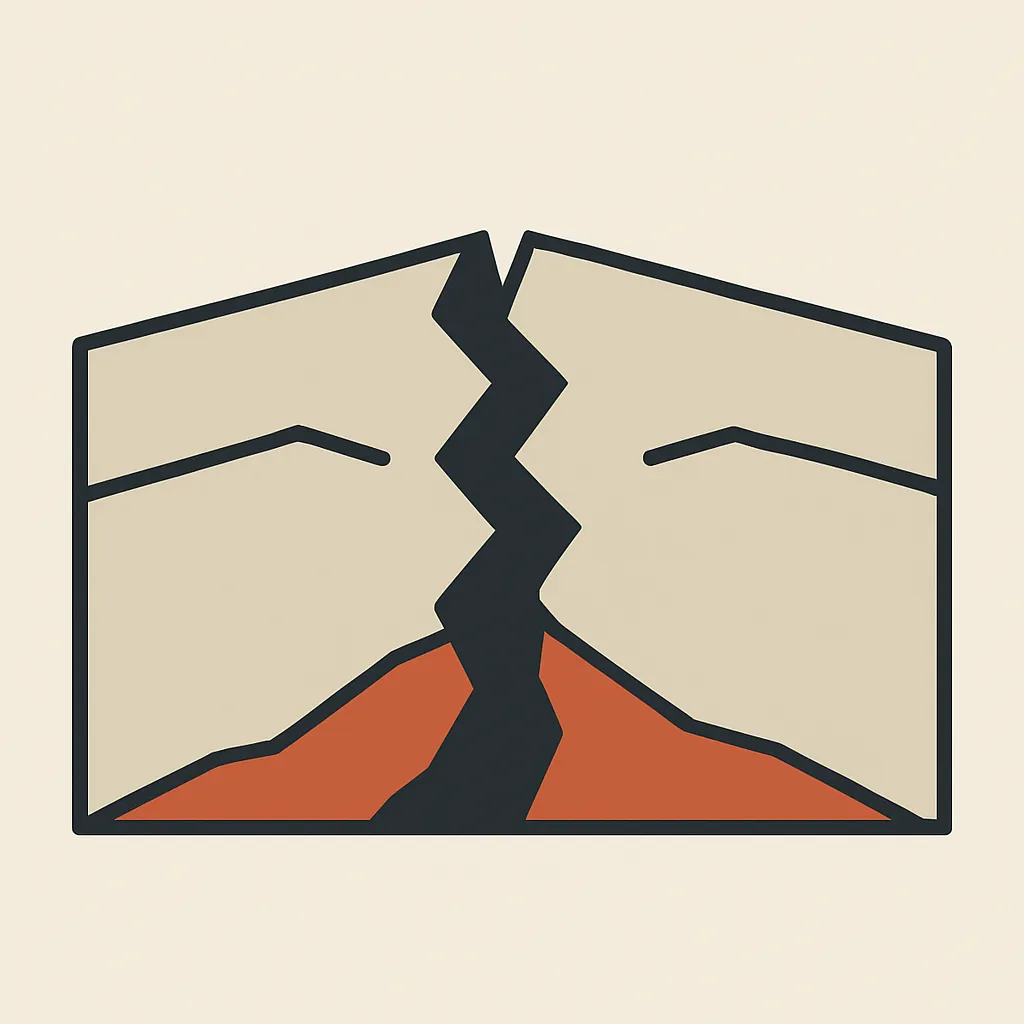
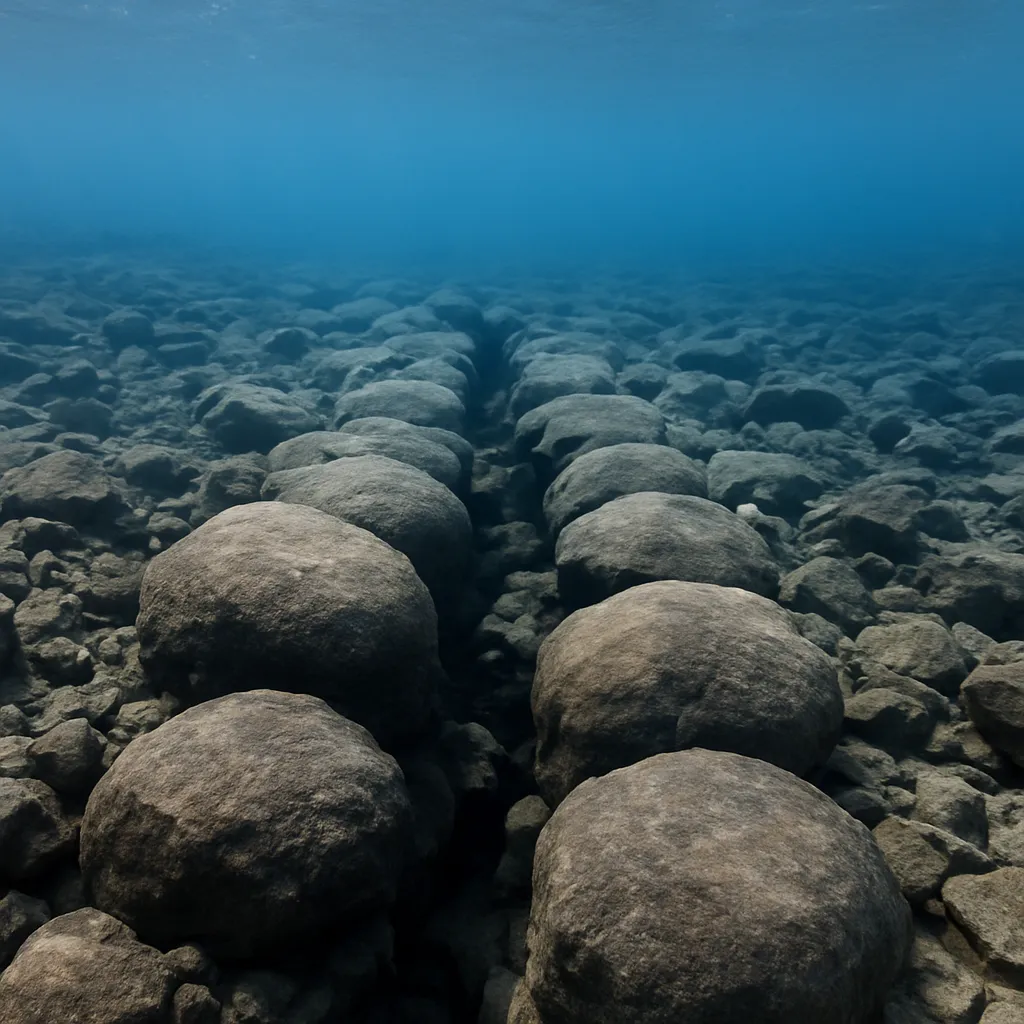
Fresh pillow basalt forms along a ridge crack on the seafloor. Nearby rocks are younger than rocks farther away. What claim fits?
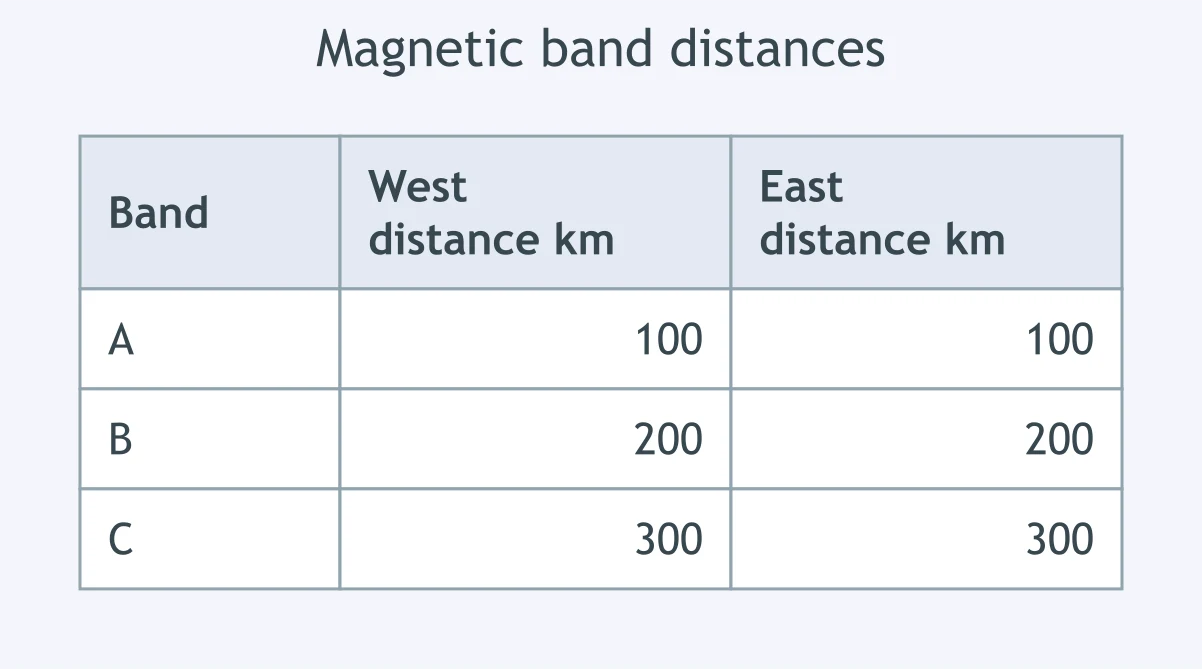
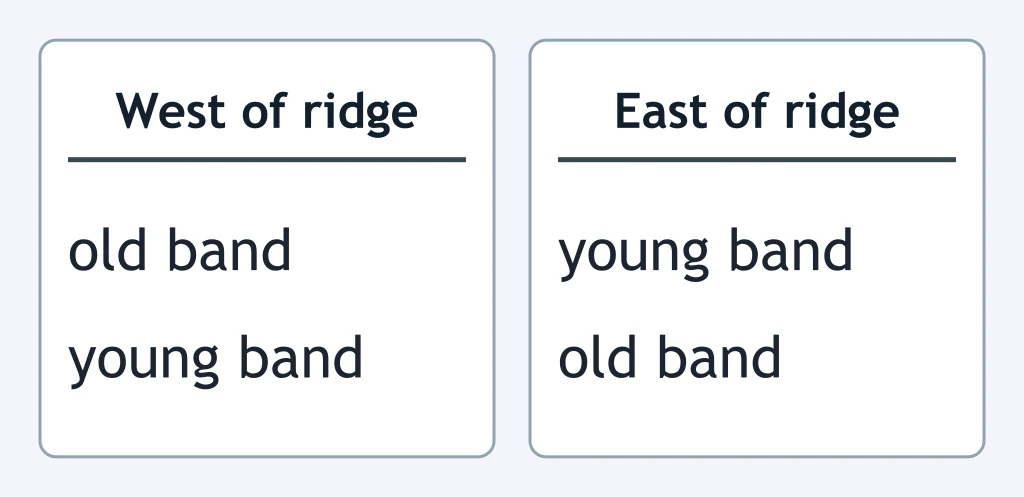
Matching magnetic-age bands lie equal distances east and west of a mid-ocean ridge. What claim is best supported?
Drill cores show Atlantic seafloor is youngest near the Mid-Atlantic Ridge and oldest near the continents. What claim follows?
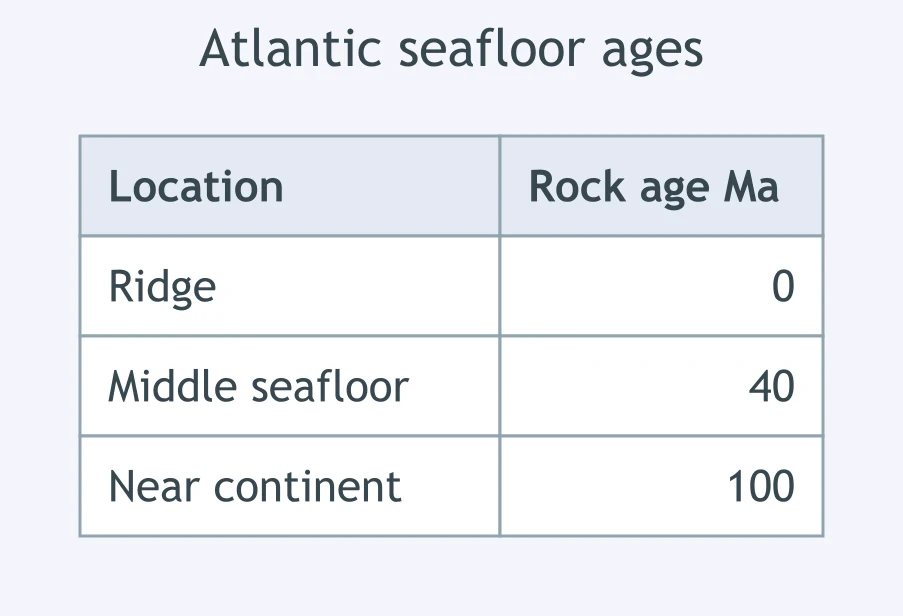
Deep earthquakes form a sloping zone beneath an island arc, and volcanoes sit above it. What plate motion is supported?
Shallow earthquakes line a mid-ocean ridge, and seafloor rocks get older away from it. What motion do the observations support together?
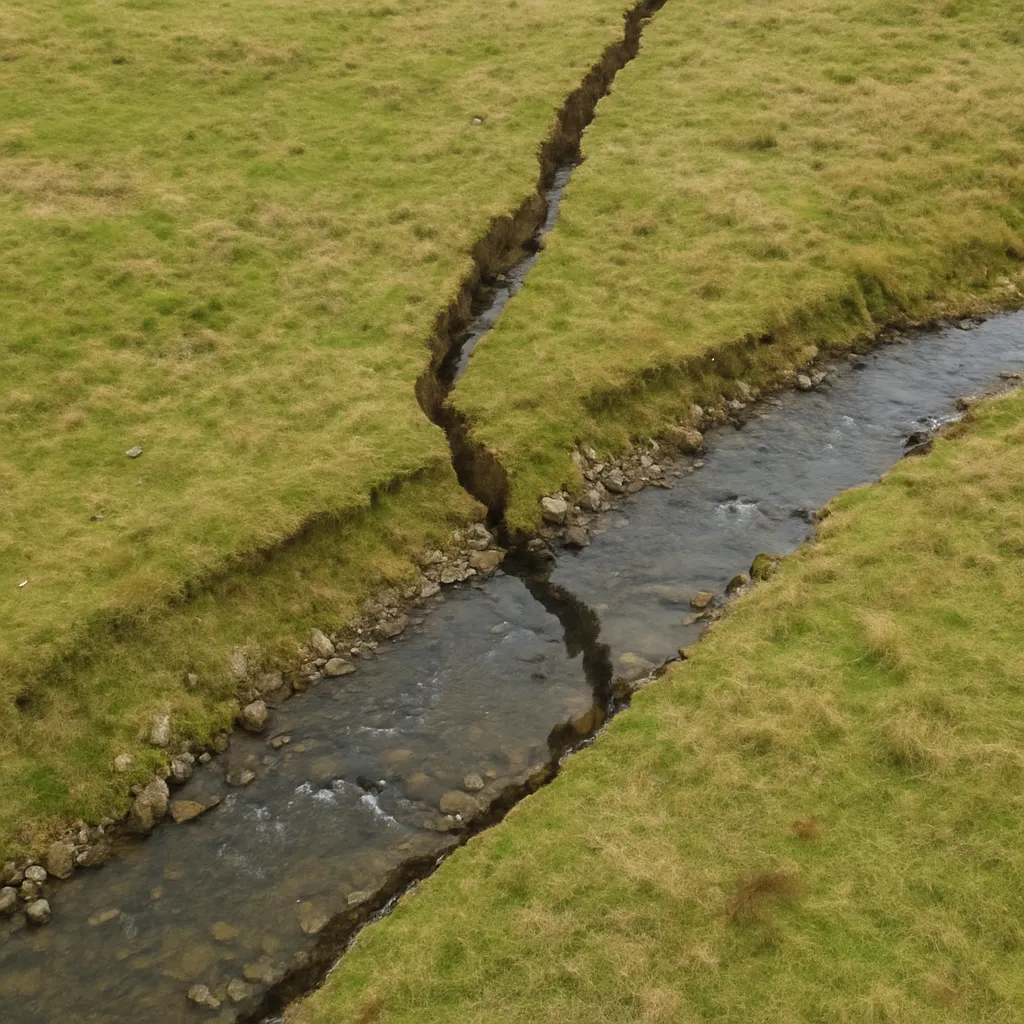
A fault cuts roads and stream channels so their two sides are shifted sideways, with many shallow earthquakes. What motion is shown?
A volcanic island chain has the youngest volcano at one end and older extinct volcanoes farther away. What does this pattern show?
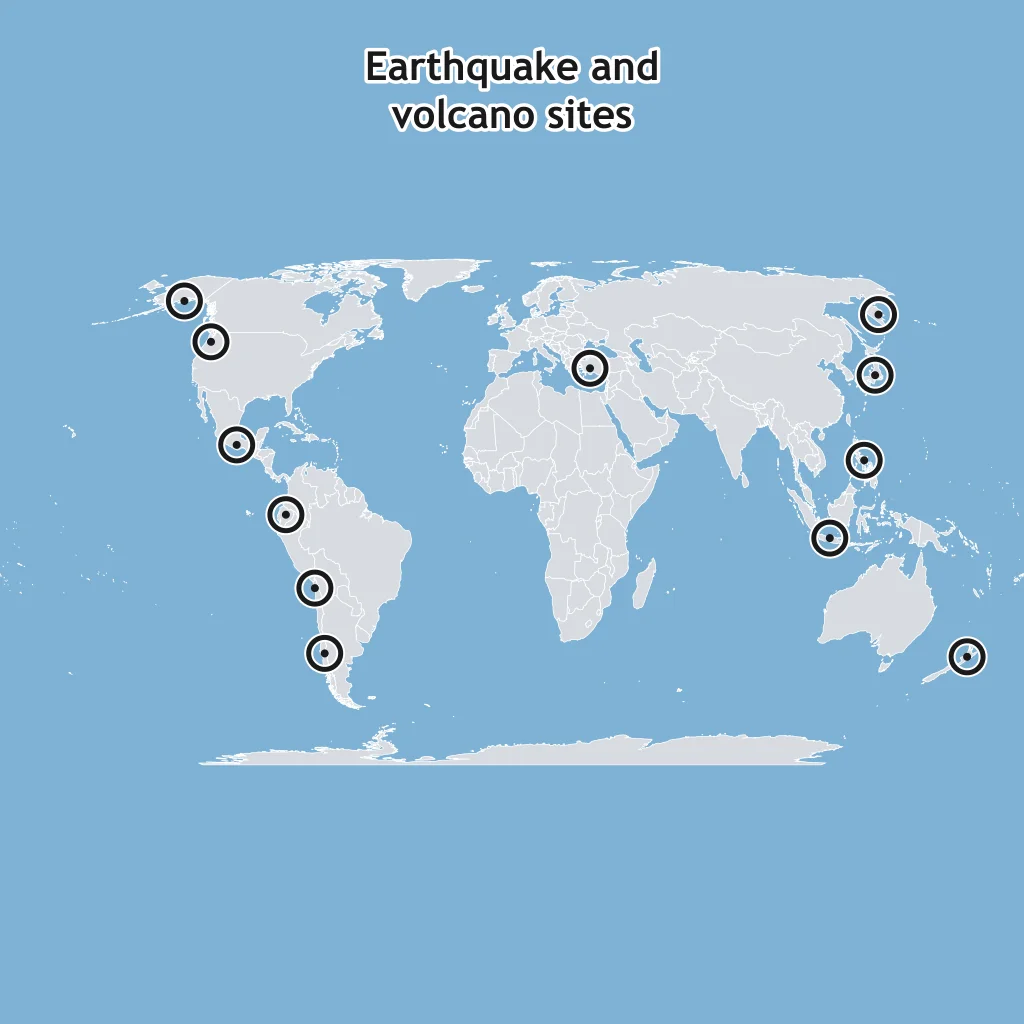
Around much of the Pacific, trenches, volcano arcs, and deep earthquakes occur in narrow belts. Which motion explains this pattern?
A long fault has many shallow earthquakes but almost no volcanoes. Rock layers on opposite sides are shifted sideways. What motion is most likely?
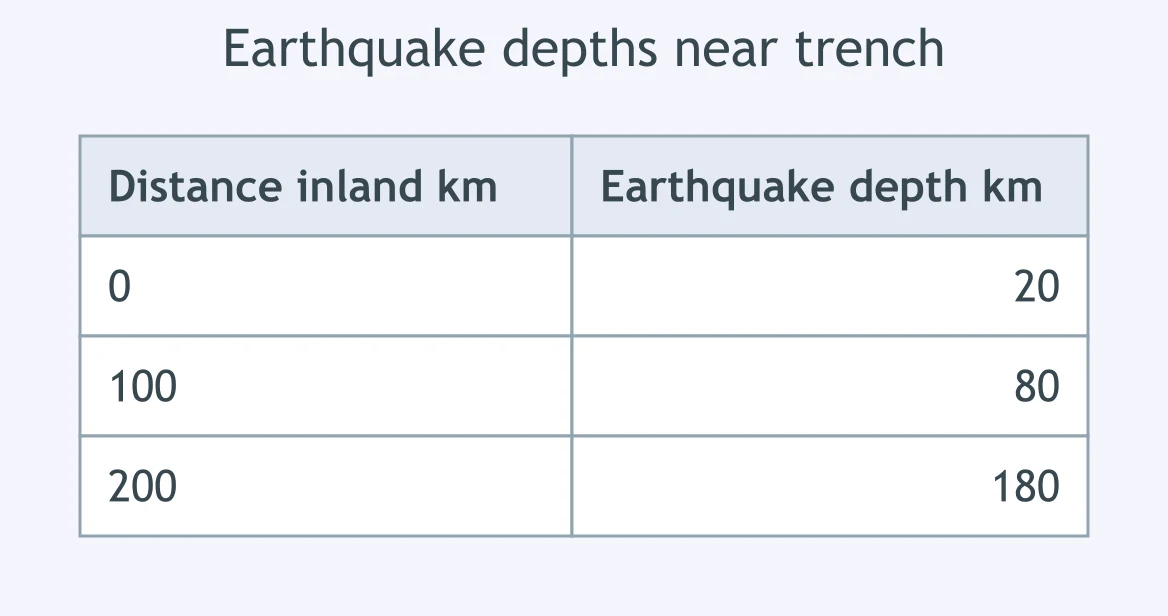
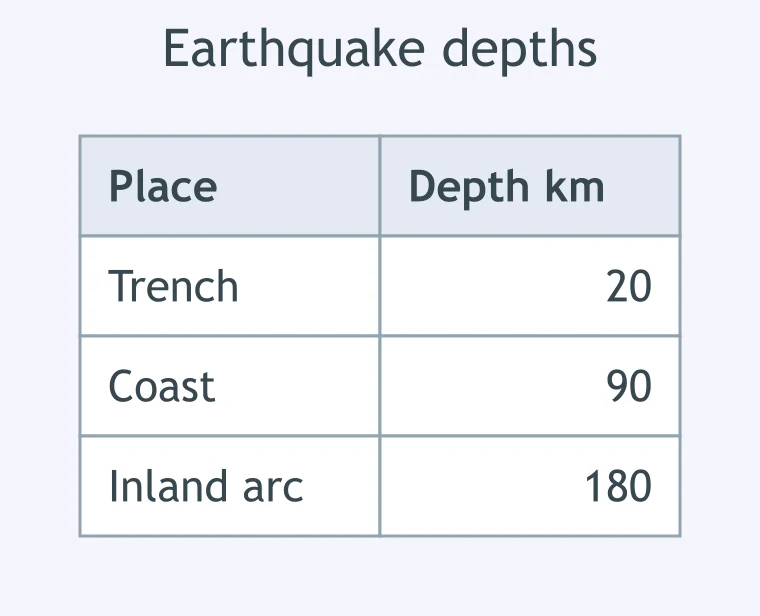
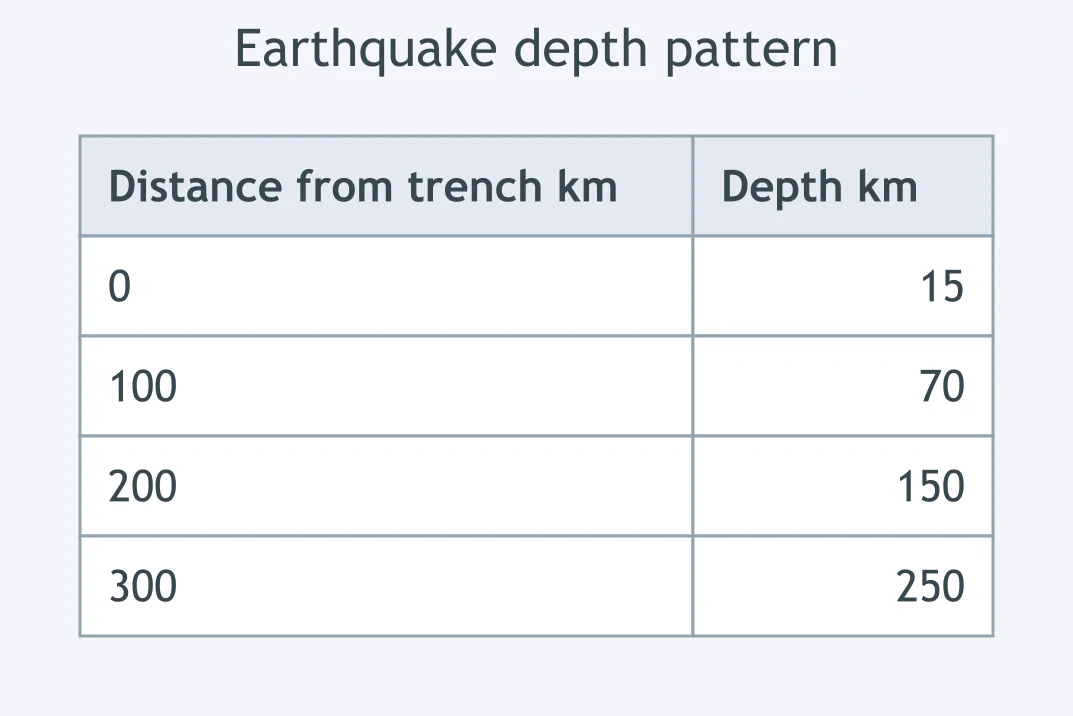
Earthquake depths increase inland from an ocean trench toward a volcanic arc. What does this pattern show about the ocean plate?
A mid-ocean ridge is cut by zigzag faults with shallow earthquakes, and matching age bands are offset across the faults. What motion is supported?
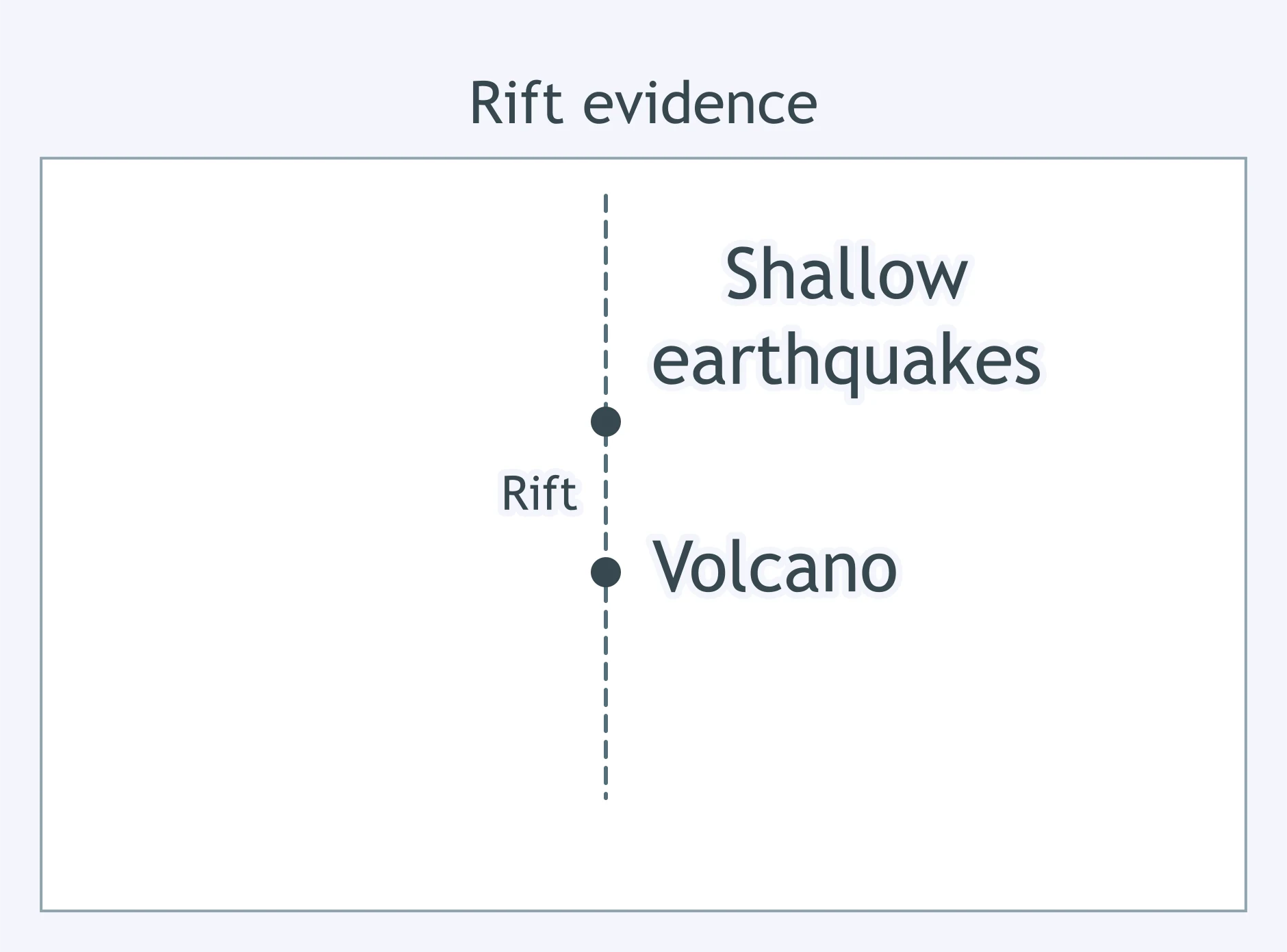
The sketch map shows shallow earthquakes and a volcano along the East African Rift. What plate motion best explains the evidence?
Along a continent edge, shallow quakes occur near a trench, deeper quakes occur inland, and volcanoes lie above them. What motion fits?
A map shows the same fossil species in South America and Africa, in same-age land rocks. Which claim is best supported?
Use the table of seafloor ages and distances from a ridge. Which claim is best supported by the data?
The map marks places where many earthquakes and volcanoes occur. What claim does the pattern of these places support?
A seafloor map shows magnetic bands that mirror each other east and west of a ridge. What plate-motion claim does the map support?
Matching fossils, rocks, and coastlines suggest that nearly all of Earth's continents were once joined in one supercontinent. What is this supercontinent called?
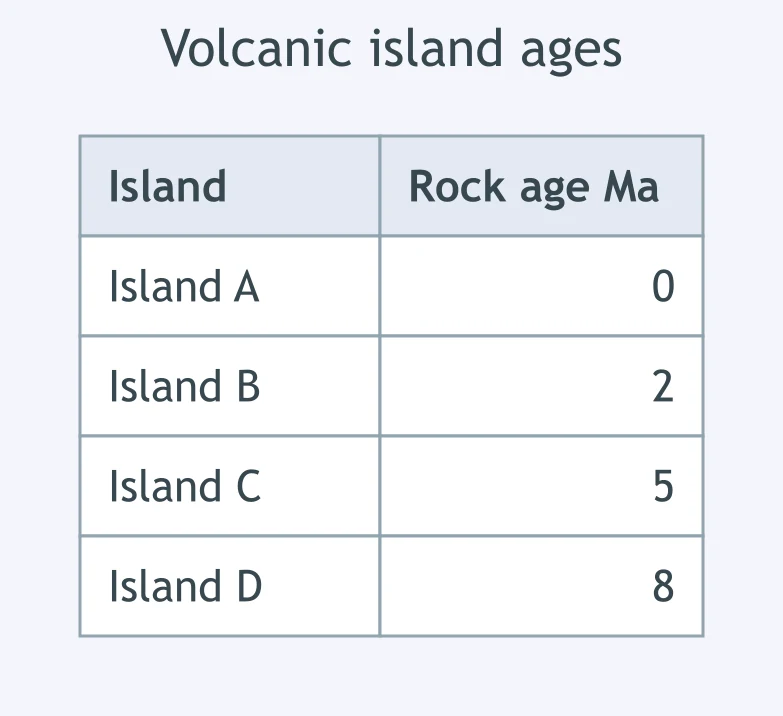
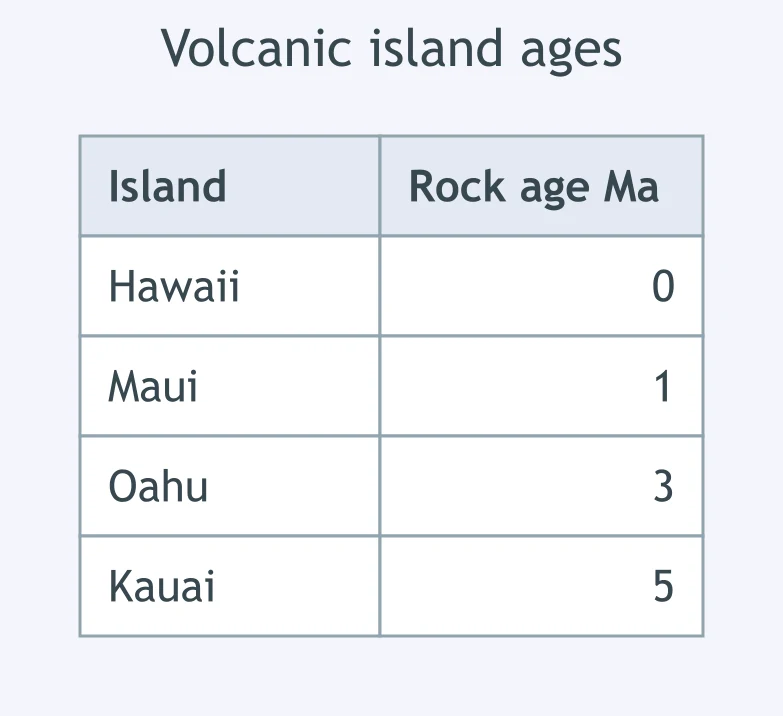
Use the island-age table for a volcanic chain. What claim about plate motion is best supported?
Use the earthquake-depth table from a trench toward land. Which claim is best supported?
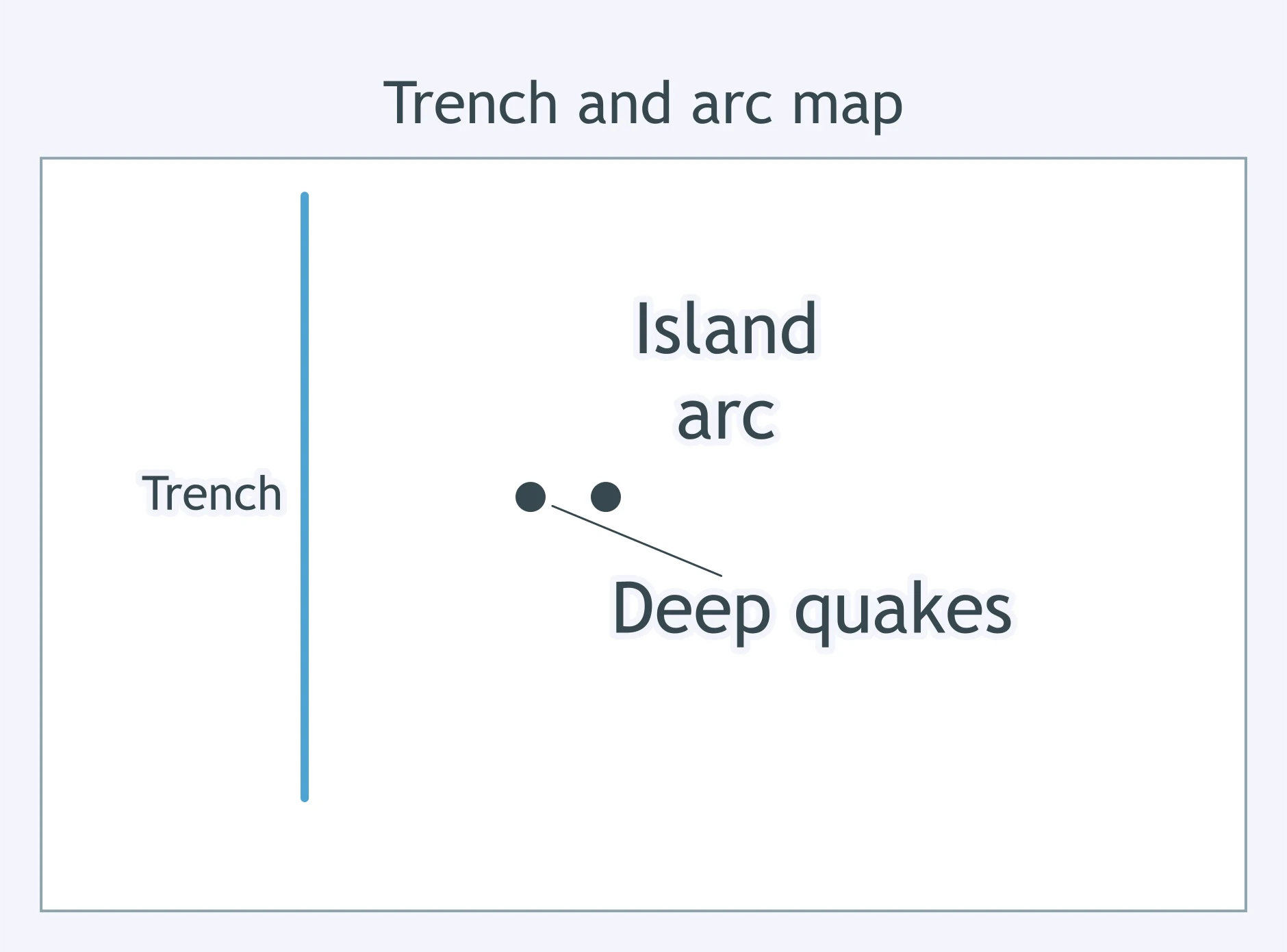
A map shows a trench beside an island arc, with deep earthquakes below the arc. What claim does this evidence support?
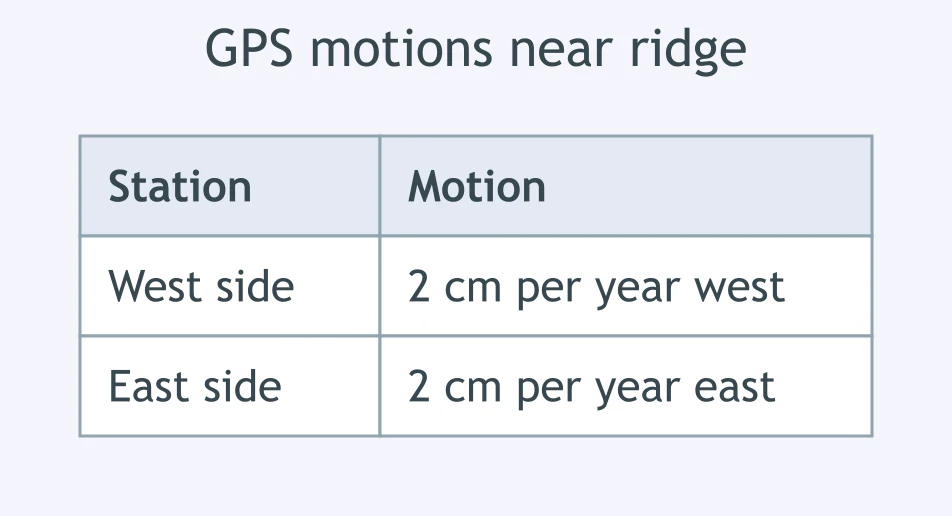
GPS data show stations on opposite sides of a ridge moving away from each other by centimeters per year. What claim does this support?
A global seafloor-age map shows youngest rocks along ridges and oldest rocks near trenches. What claim does this map support?
Crack the passcode before the zombies get in.
Answer, then swat bugs for bonus points.
Race through questions at your own speed.
Same question on every screen. Fastest wins.

Pick a tile, answer, hit bonuses and steals.
Processes That Shape Earth's Surface
20 questions