Loading
by BlastRoom
Students explain how traits and behaviors affect survival and reproduction in changing environments.
#us_grade_7_science
20 questions
One question set, multiple game modes. Tap any game to see it in action. Not sure which to pick?
Answer to place stones and capture territory.
Outrun the snow together.
Earn blasts, then hunt the other team.
Answer to earn energy, then climb.

The class blasts through walls together.
Bid on mystery lots. Most money wins.
Sell tours. Nice, standard, or a total scam.

Answer, restock, and serve the rush.
More correct answers pulls the rope your way.
Answer, then shoot down the alien wave.
Answer, then tap to leap the frozen ridge.
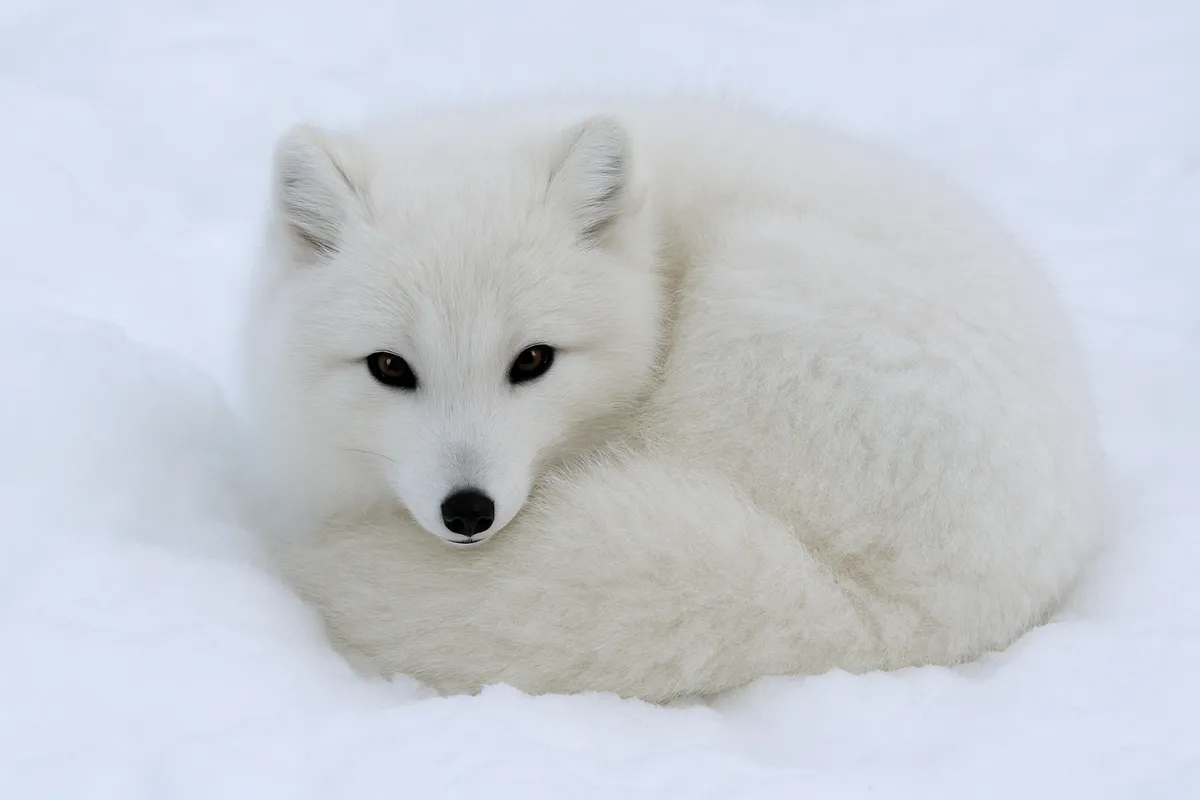
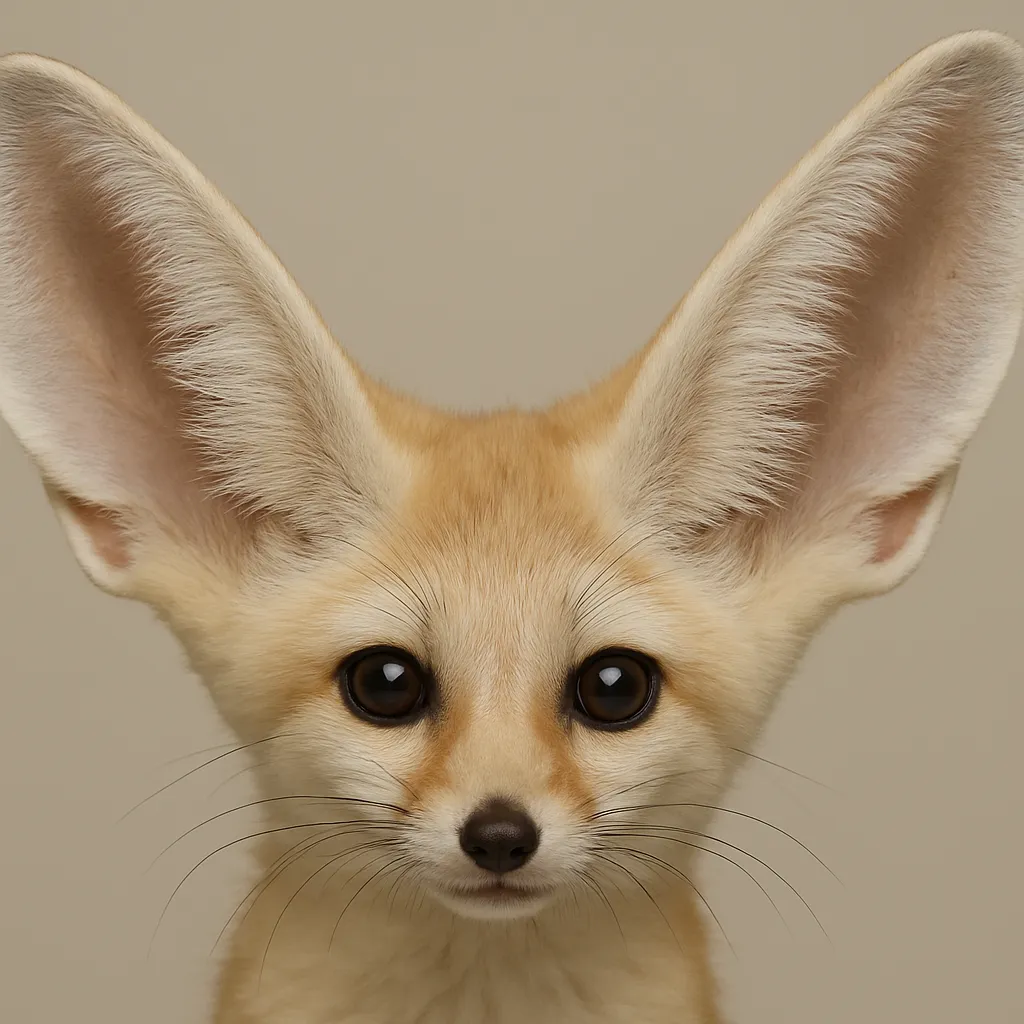
A desert fox has large ears with many blood vessels near the skin. How does this structure help it survive in a hot desert?
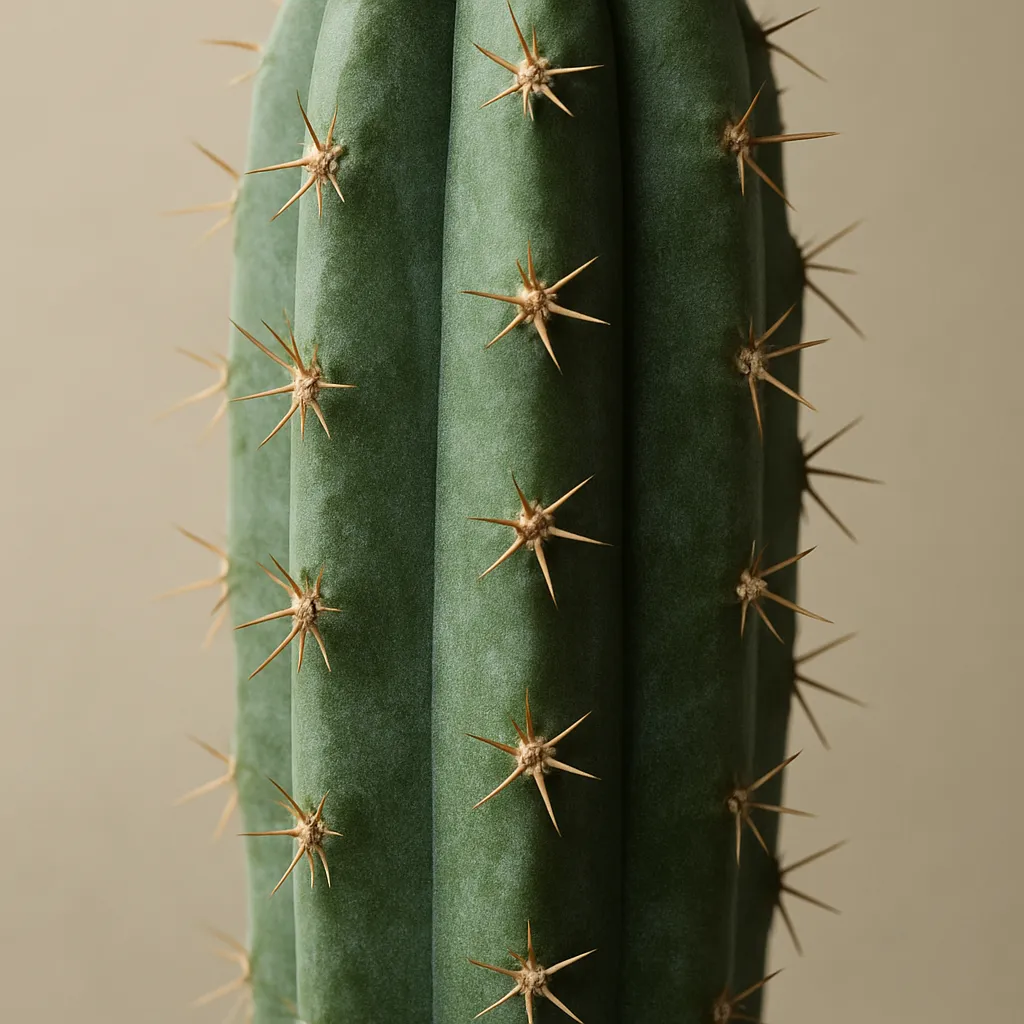
A cactus has thick, waxy skin on its stem. How does this structure help the cactus survive in a dry habitat?
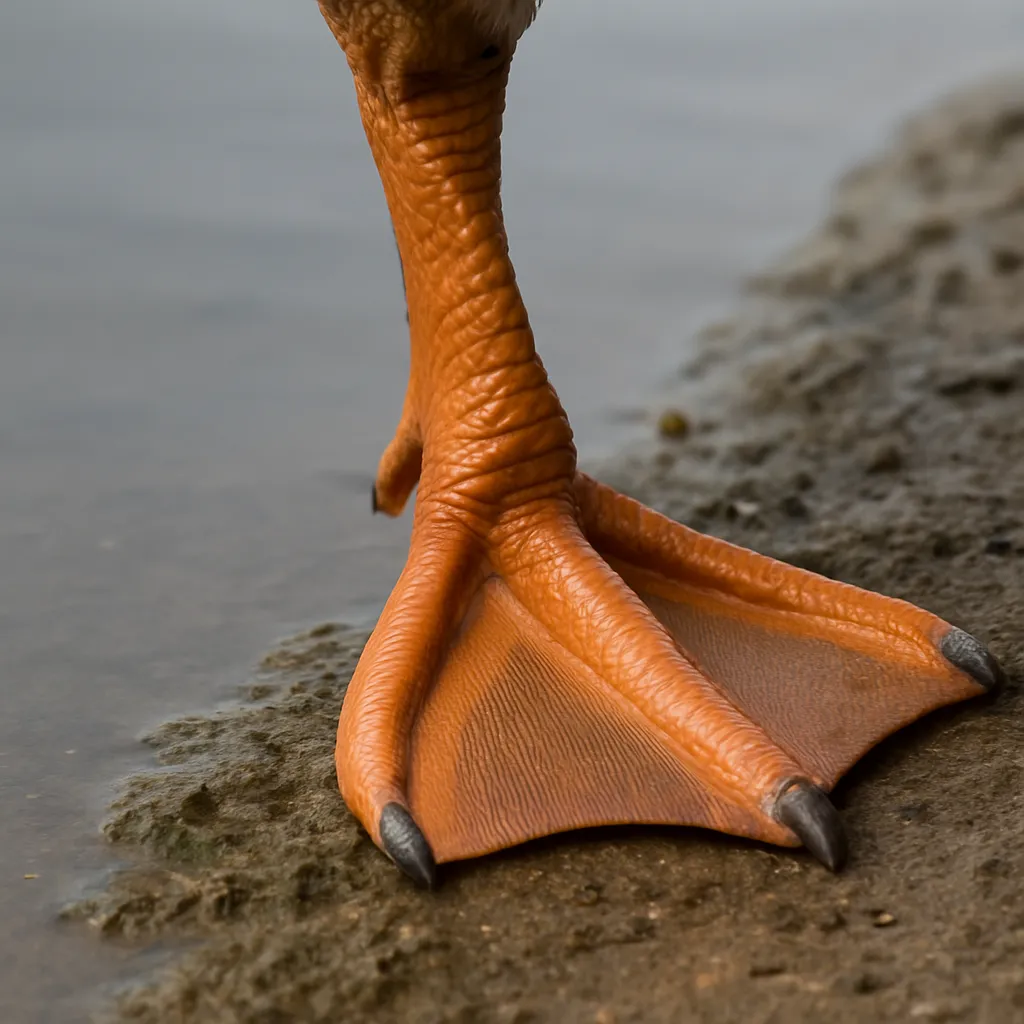
Many ducks have webbed feet. How do webbed feet help ducks survive and reproduce near ponds and marshes?
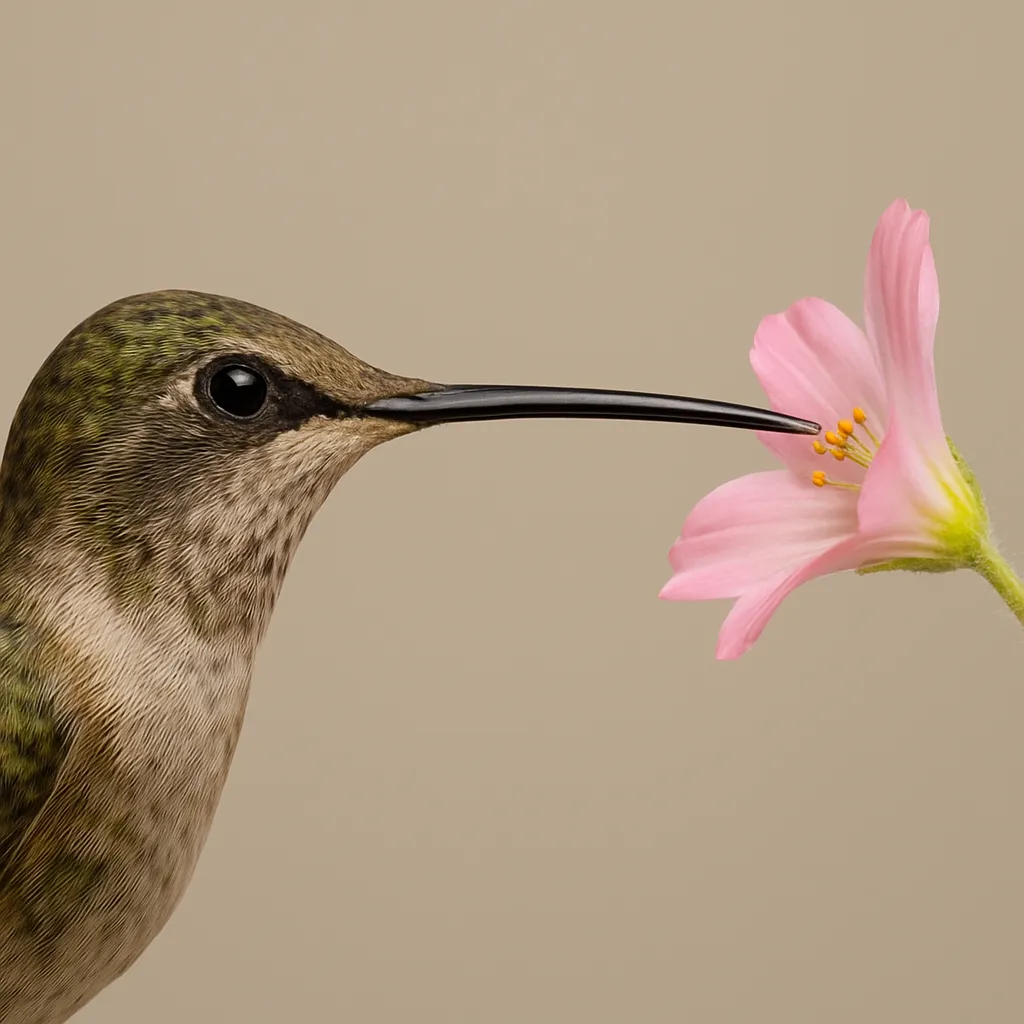
A hummingbird has a long, narrow beak and tongue. How does this trait help the bird reproduce successfully?
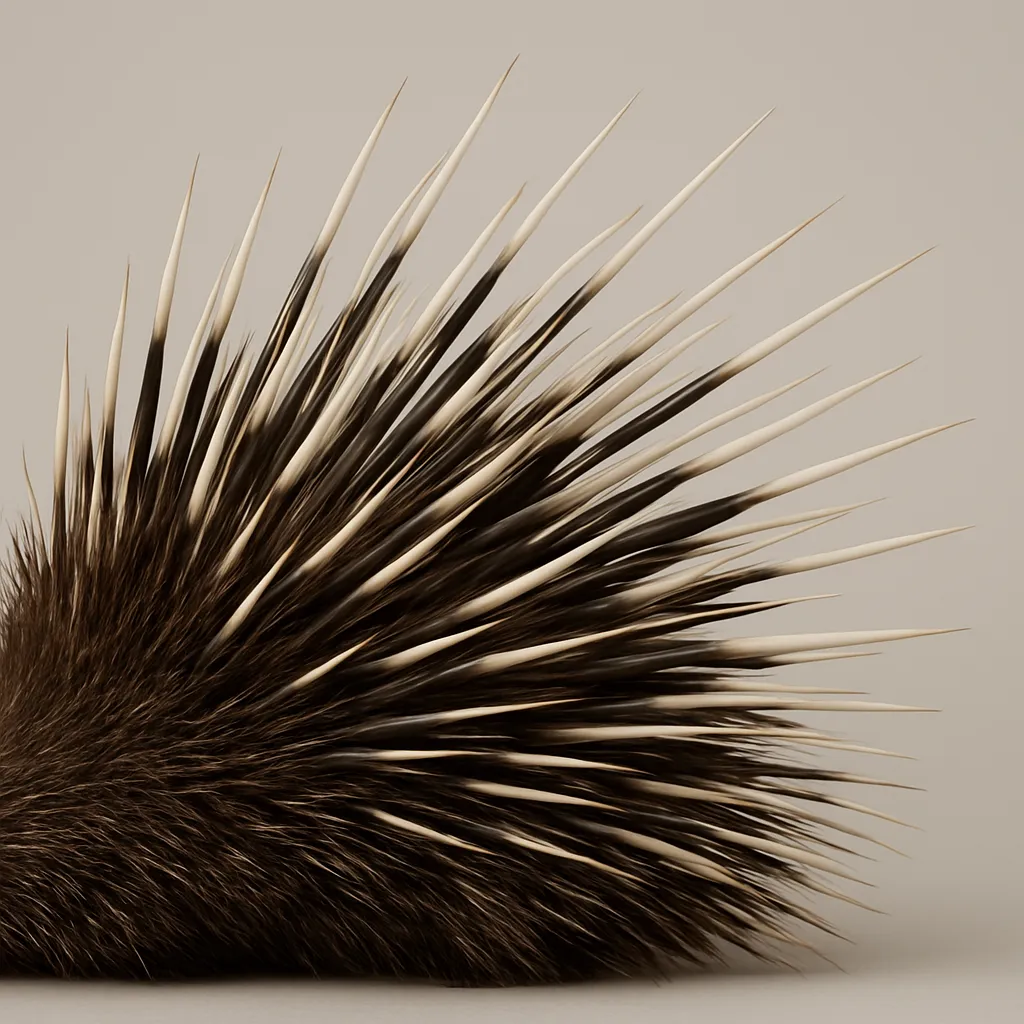
A porcupine raises sharp quills when threatened. How does this structure increase its chance of survival?
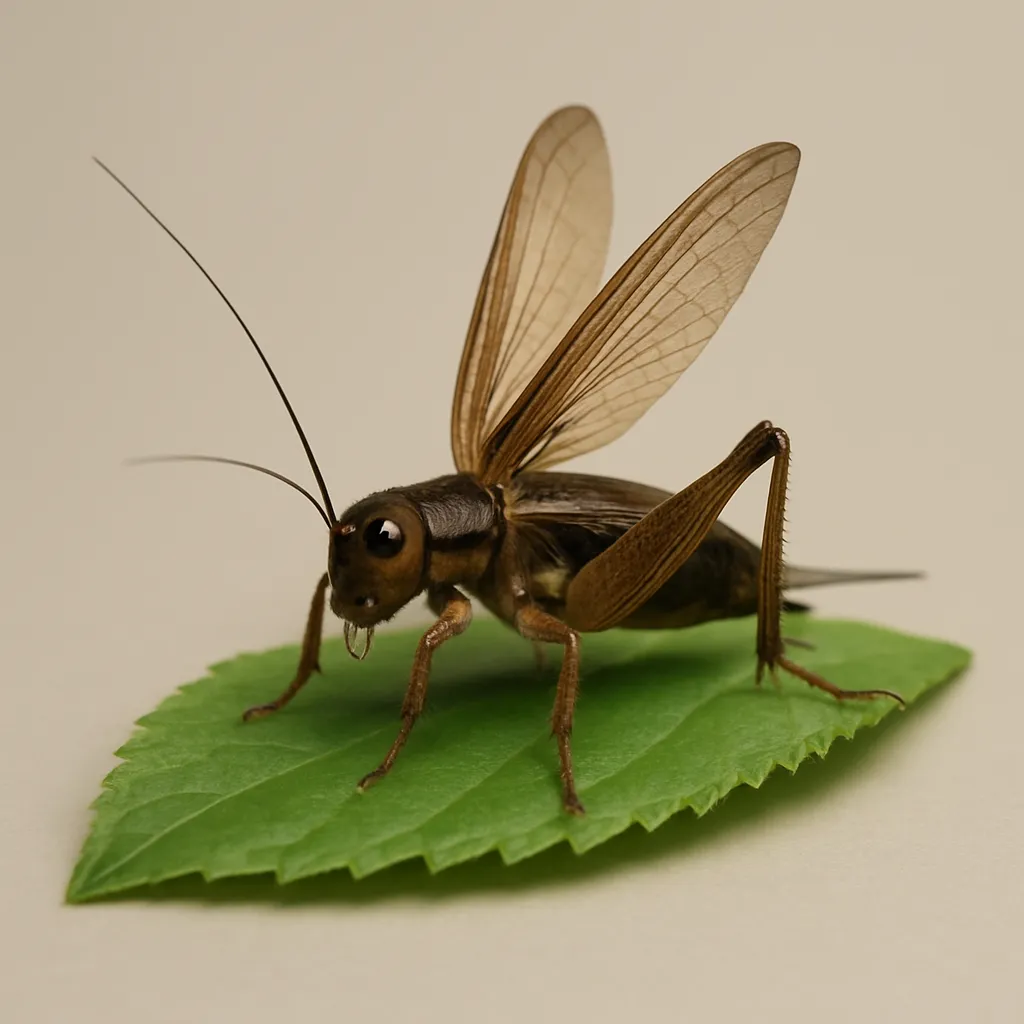
Male crickets chirp at night, and the sound carries far through the grass. How does this behavior most help the crickets reproduce?
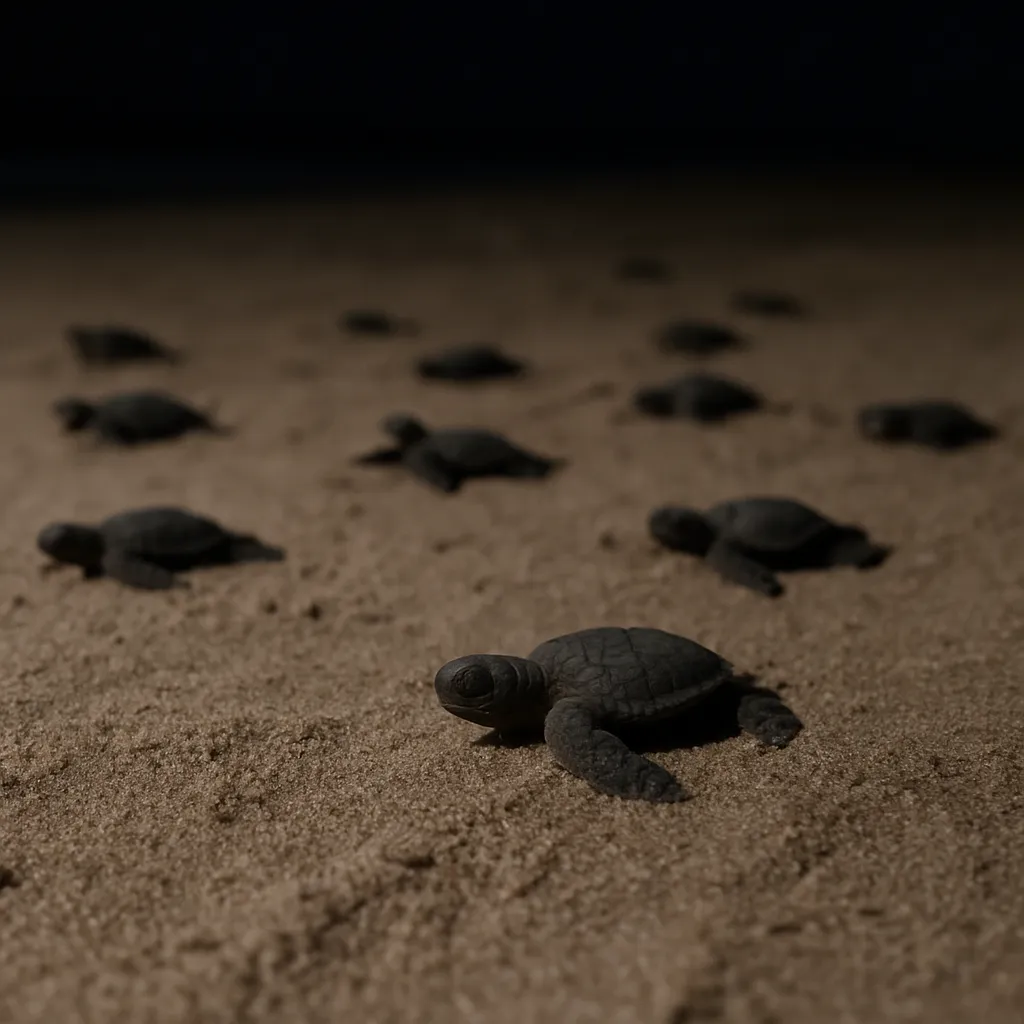
Sea turtles hatch at night and crawl toward the bright ocean horizon. How does this behavior help survival?
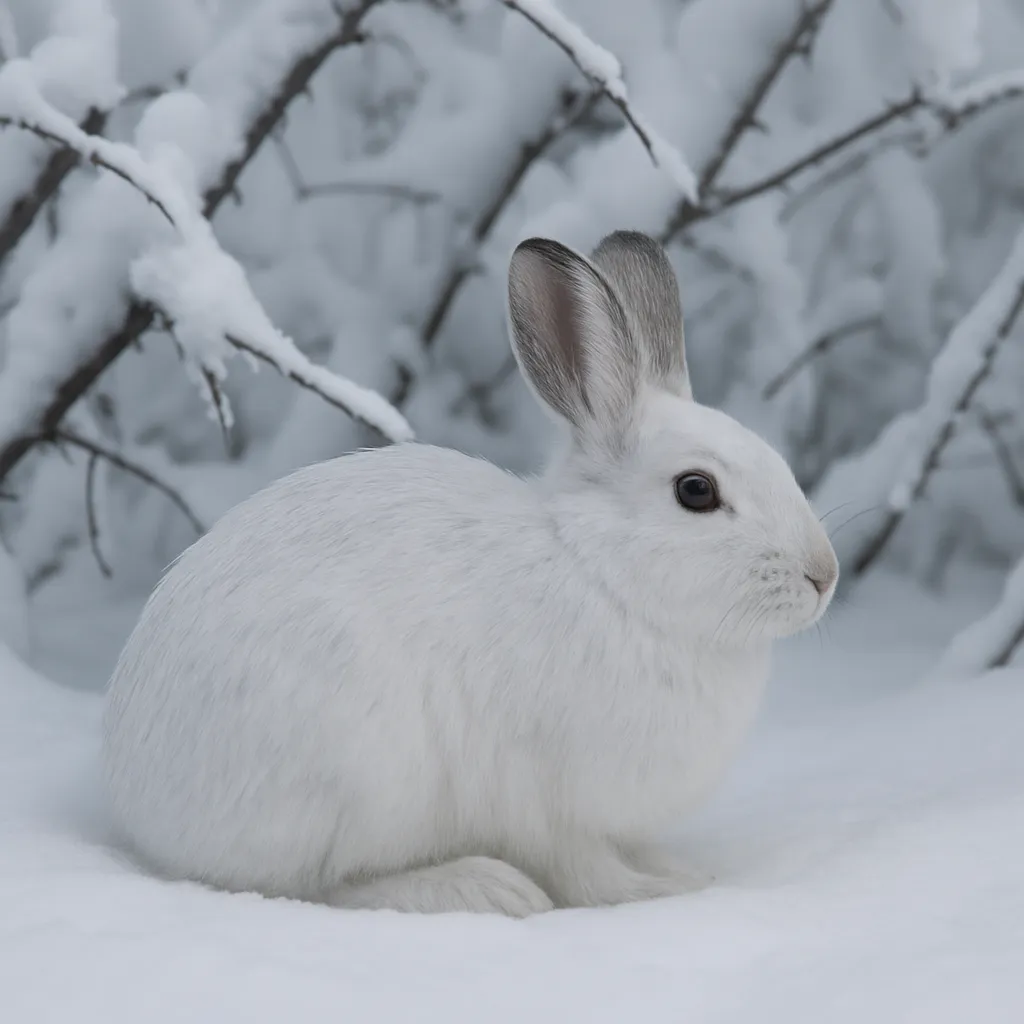
A snowshoe hare grows white fur in winter and brown fur in summer. How does this trait help it survive?
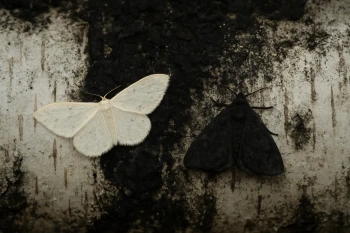
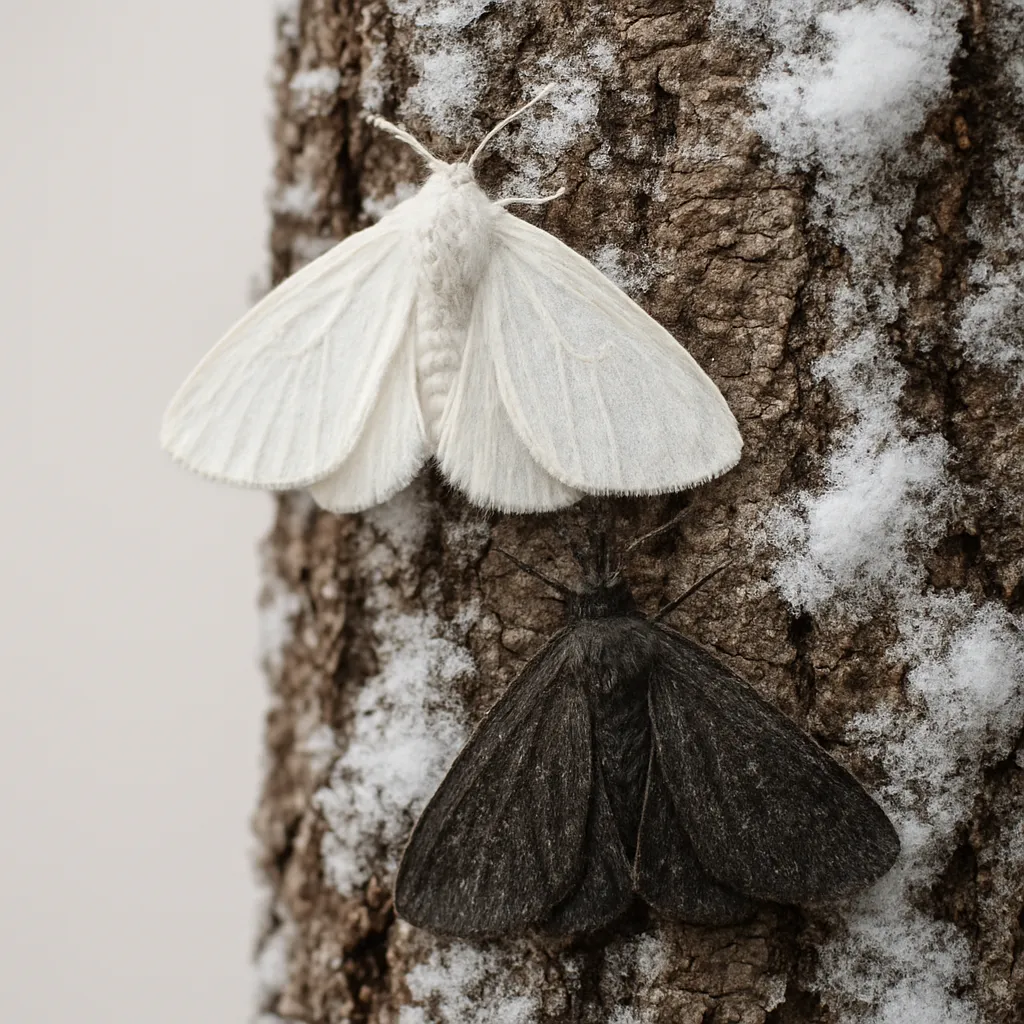
In a snowy area, white moths are eaten less often than dark moths because birds see them less easily. What does this evidence show?
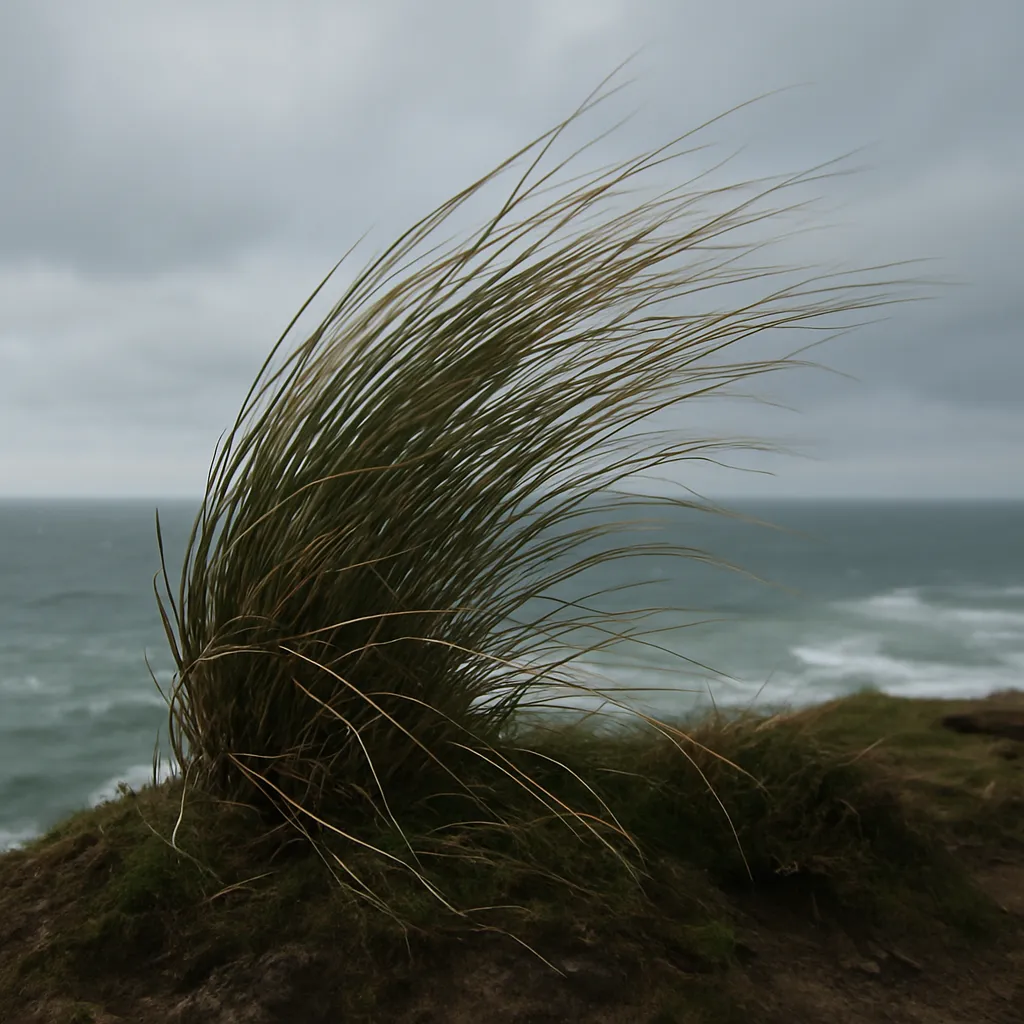
A plant population on windy cliffs has flexible stems that bend without breaking. What does this evidence show about flexible stems?
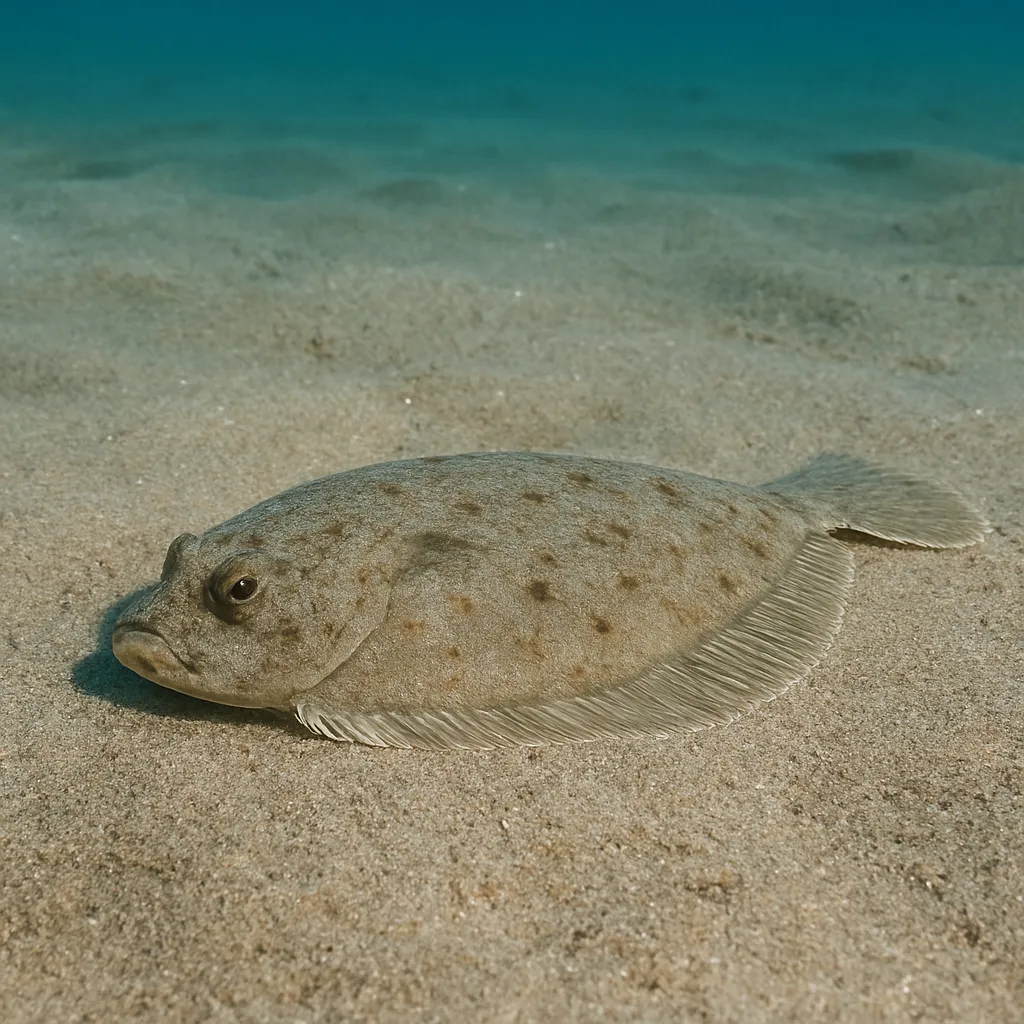
A fish has a flat body and eyes on top, and it rests on the sandy seafloor. What is this trait evidence of?
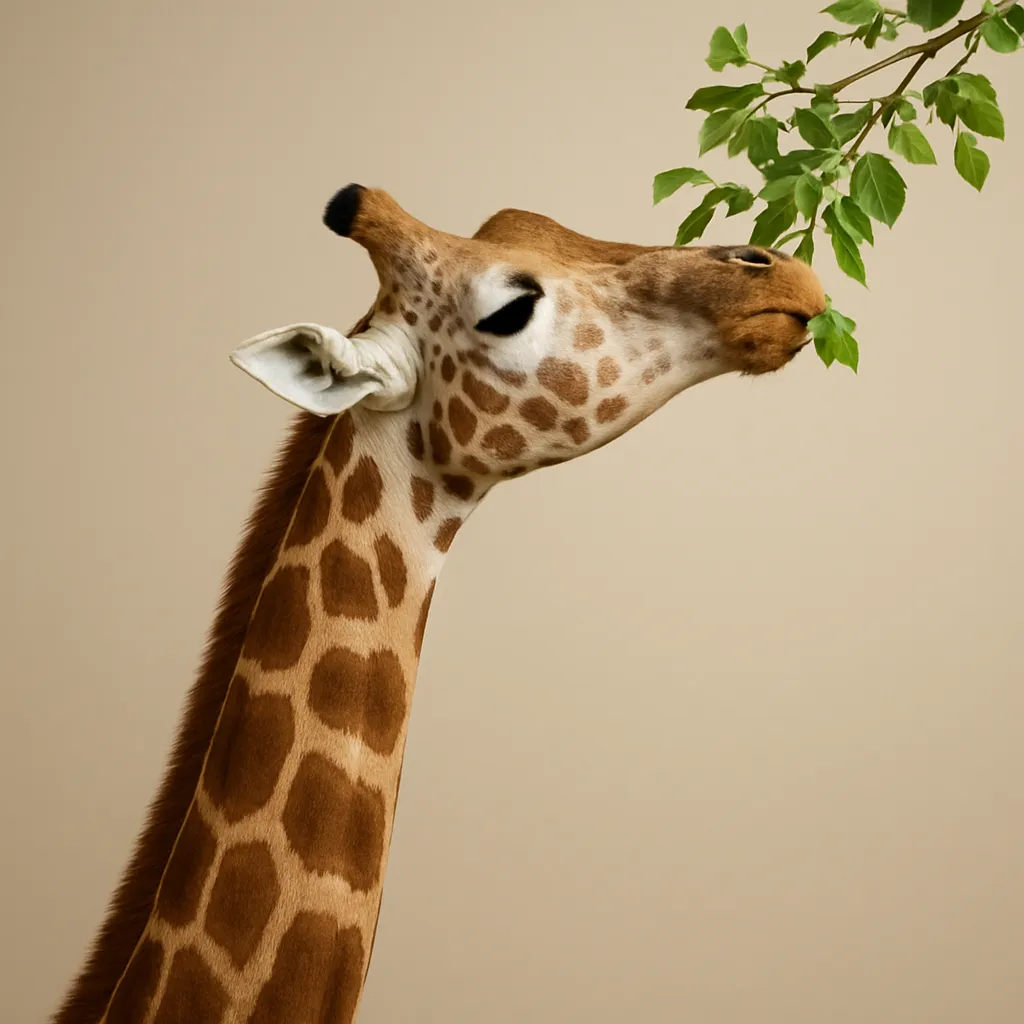
Giraffes with longer necks can reach leaves during dry seasons when lower branches are bare. What does this evidence identify the long neck as?
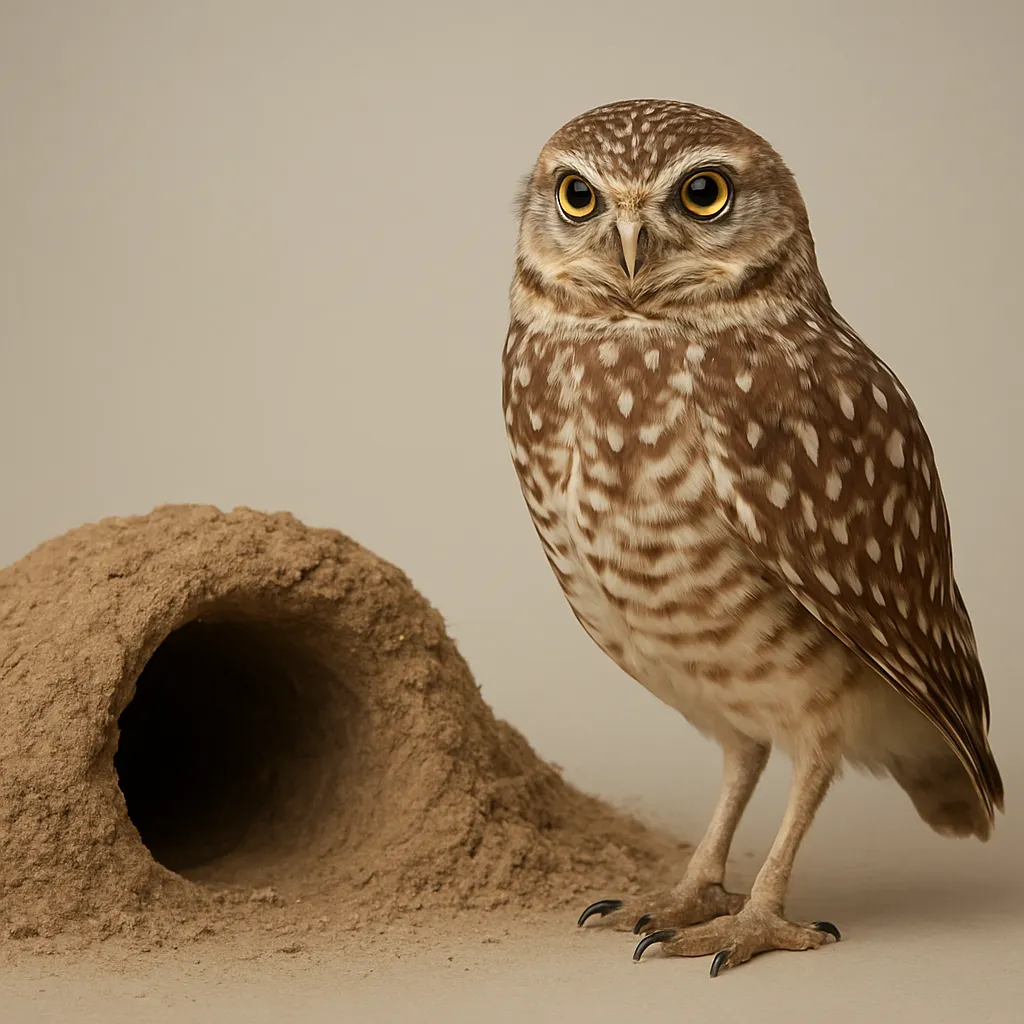
Burrowing owls nest in underground tunnels and avoid extreme daytime heat. What does this evidence show about burrowing?
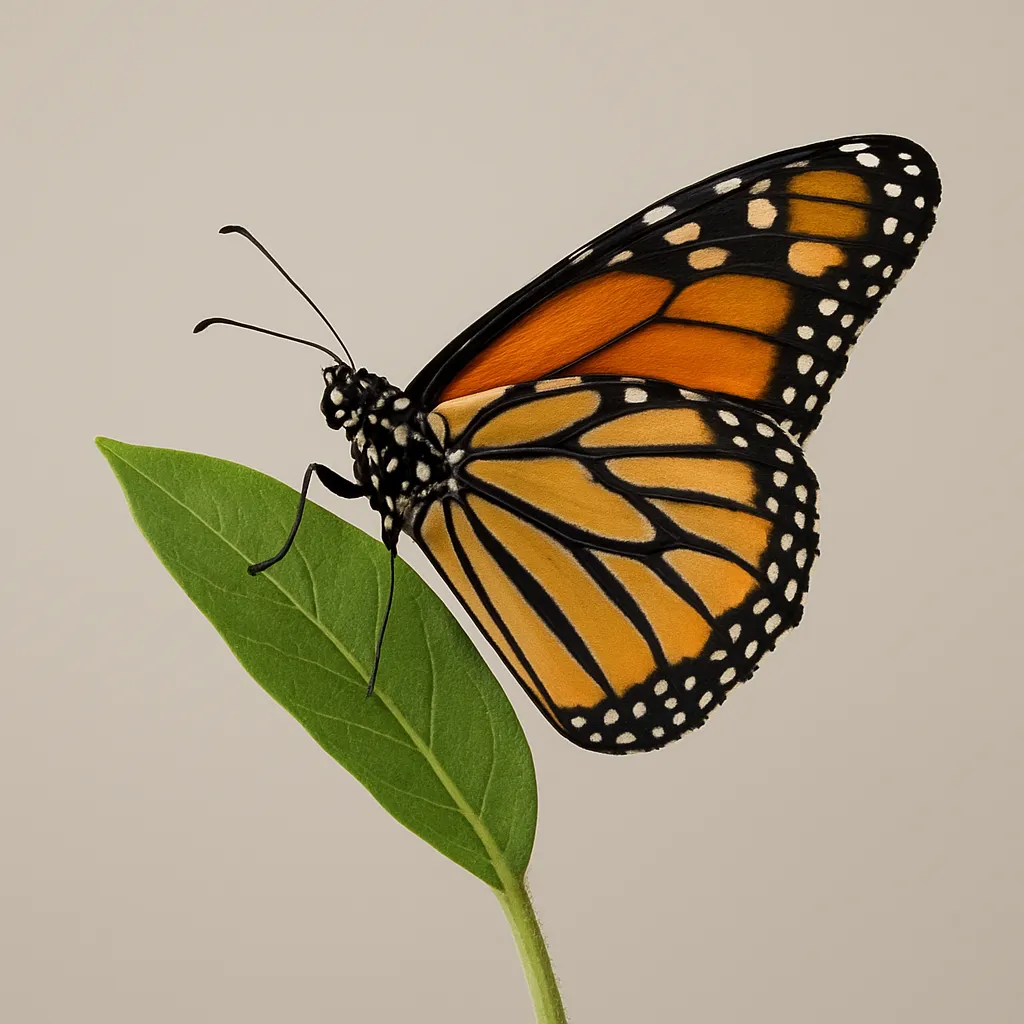
Milkweed butterflies taste bad to many birds, so birds often avoid eating them after one try. What does this evidence show?
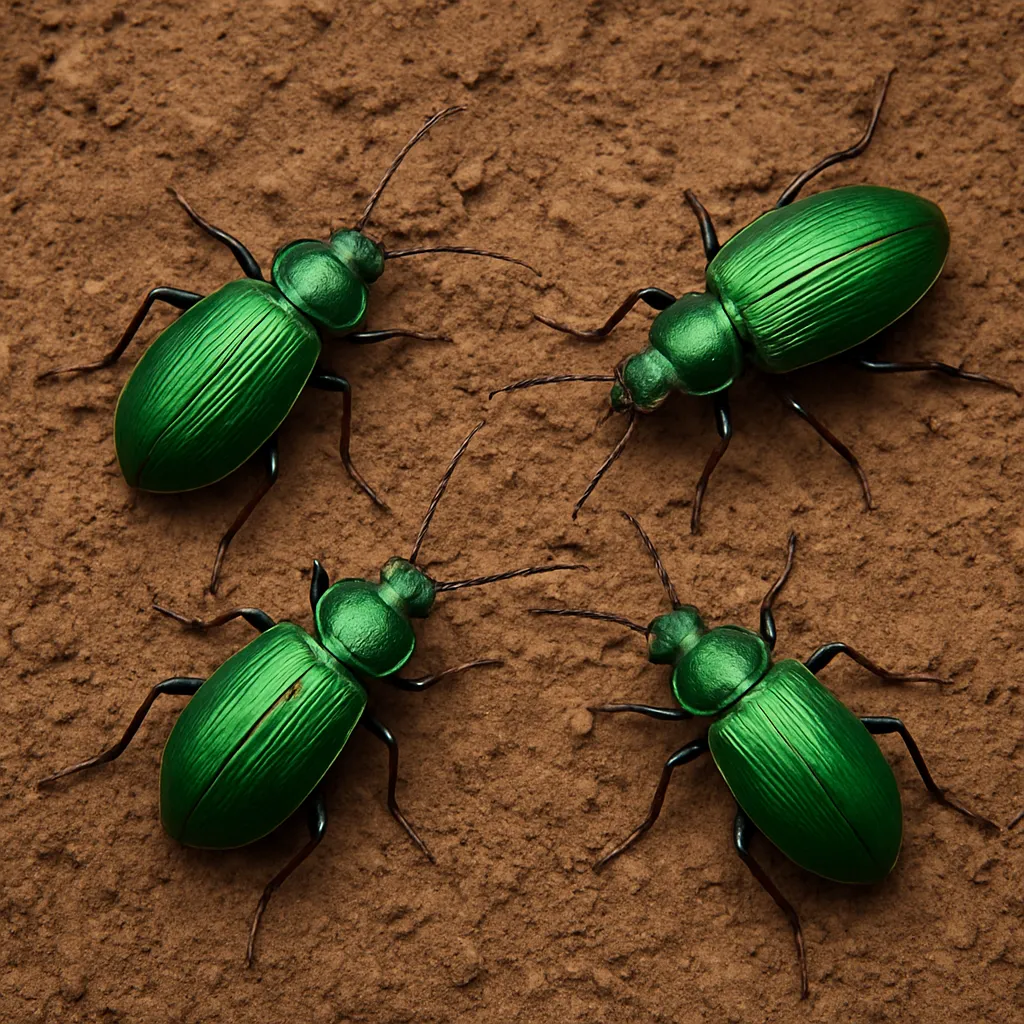
Green beetles blend into green leaves. If a disease kills most leaves and exposes brown soil, what is the most likely result?
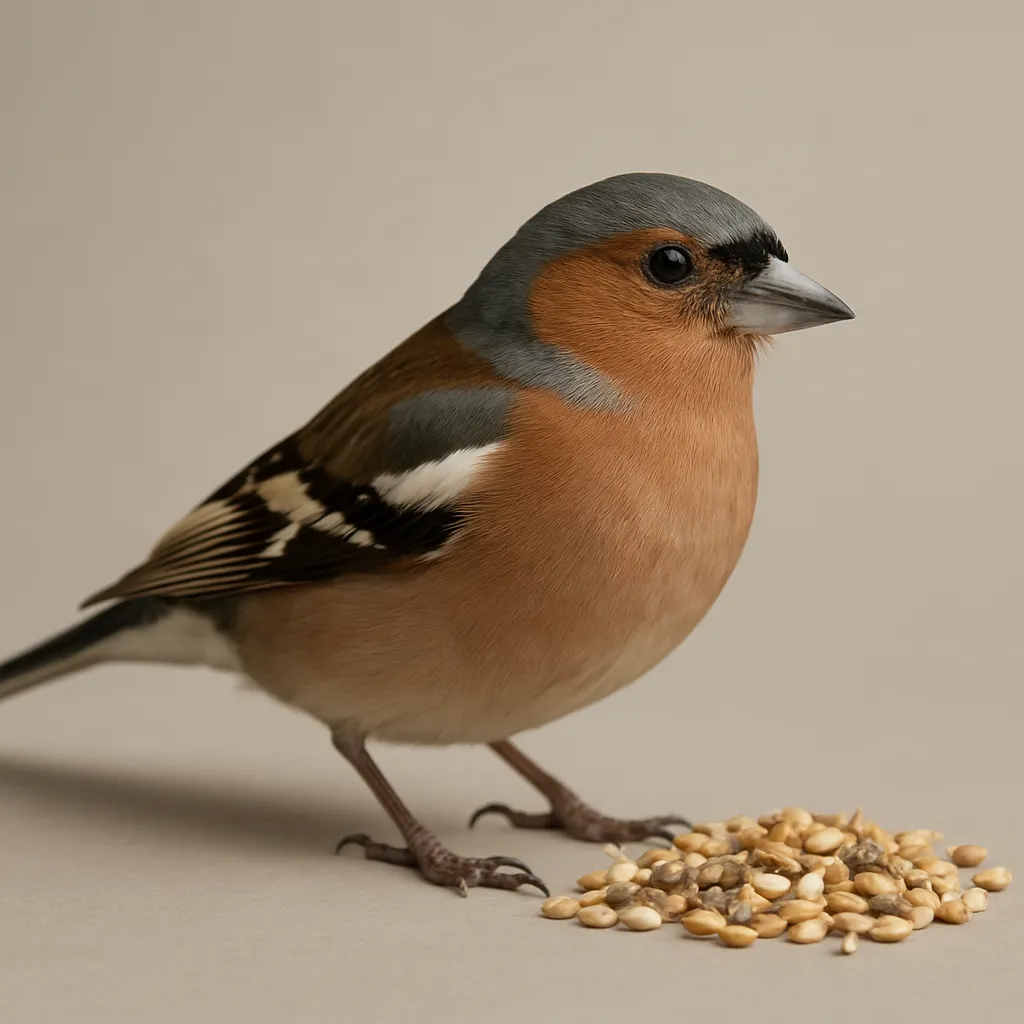
A bird's thick beak cracks large hard seeds. After several wet years, small soft seeds become common and hard seeds become rare. What may happen?
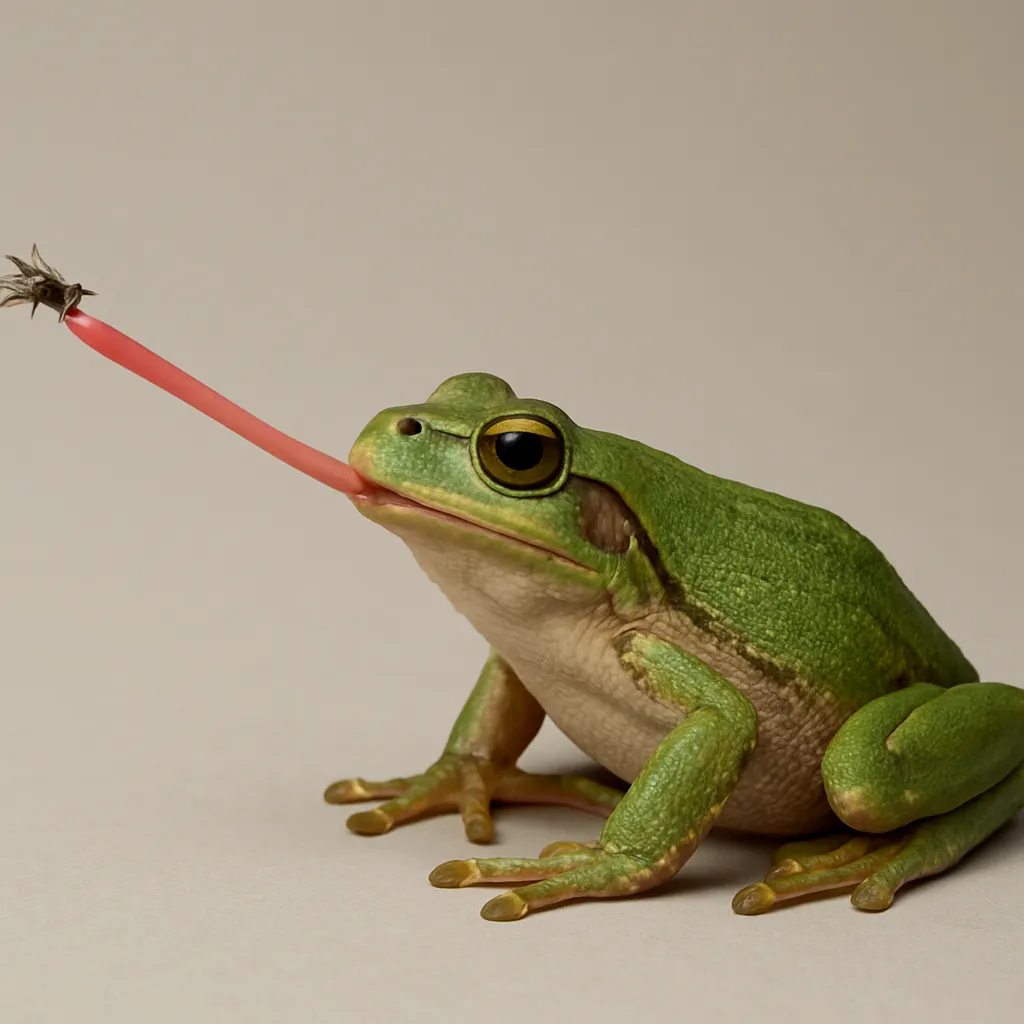
A frog's sticky tongue helps catch flying insects. If insect numbers drop after a drought, how might this adaptation's value change?
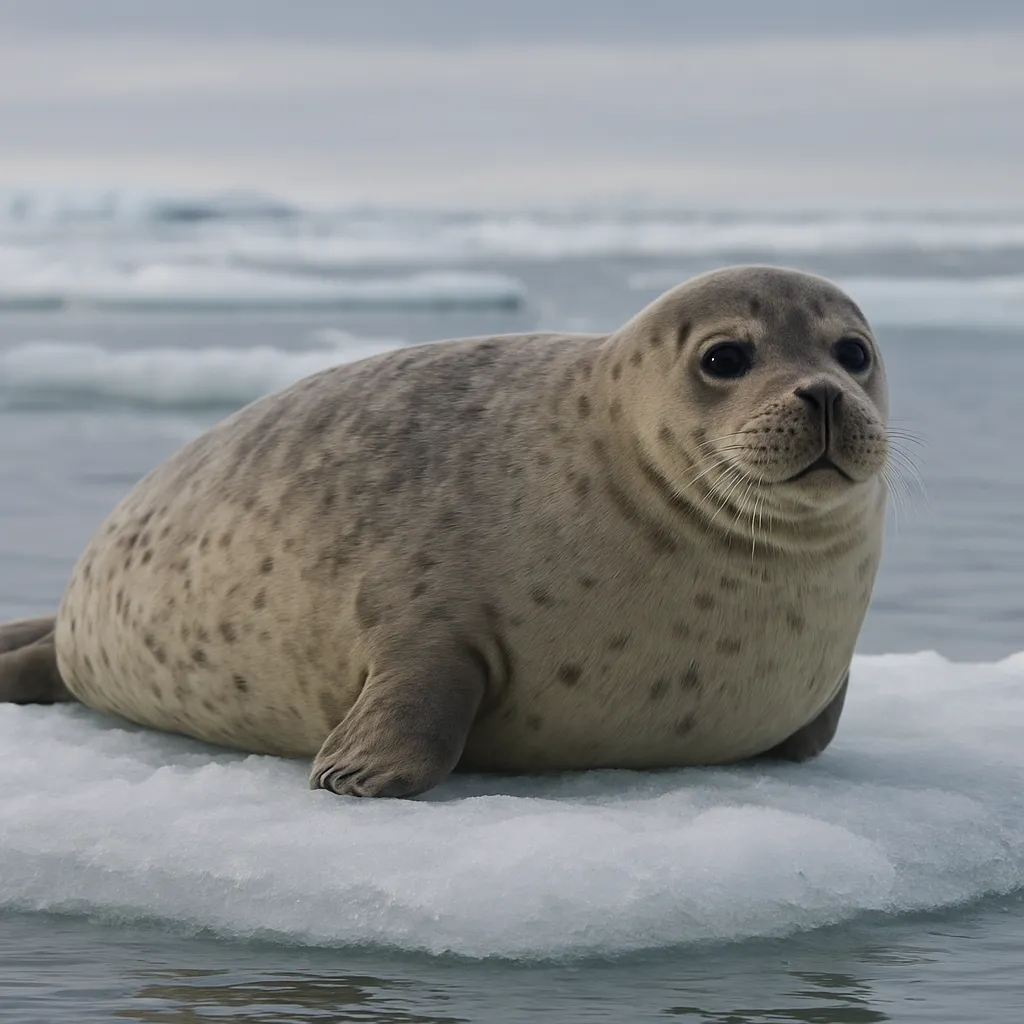
Thick blubber keeps seals warm in icy water. If the habitat warms greatly over many generations, what prediction best fits natural selection?
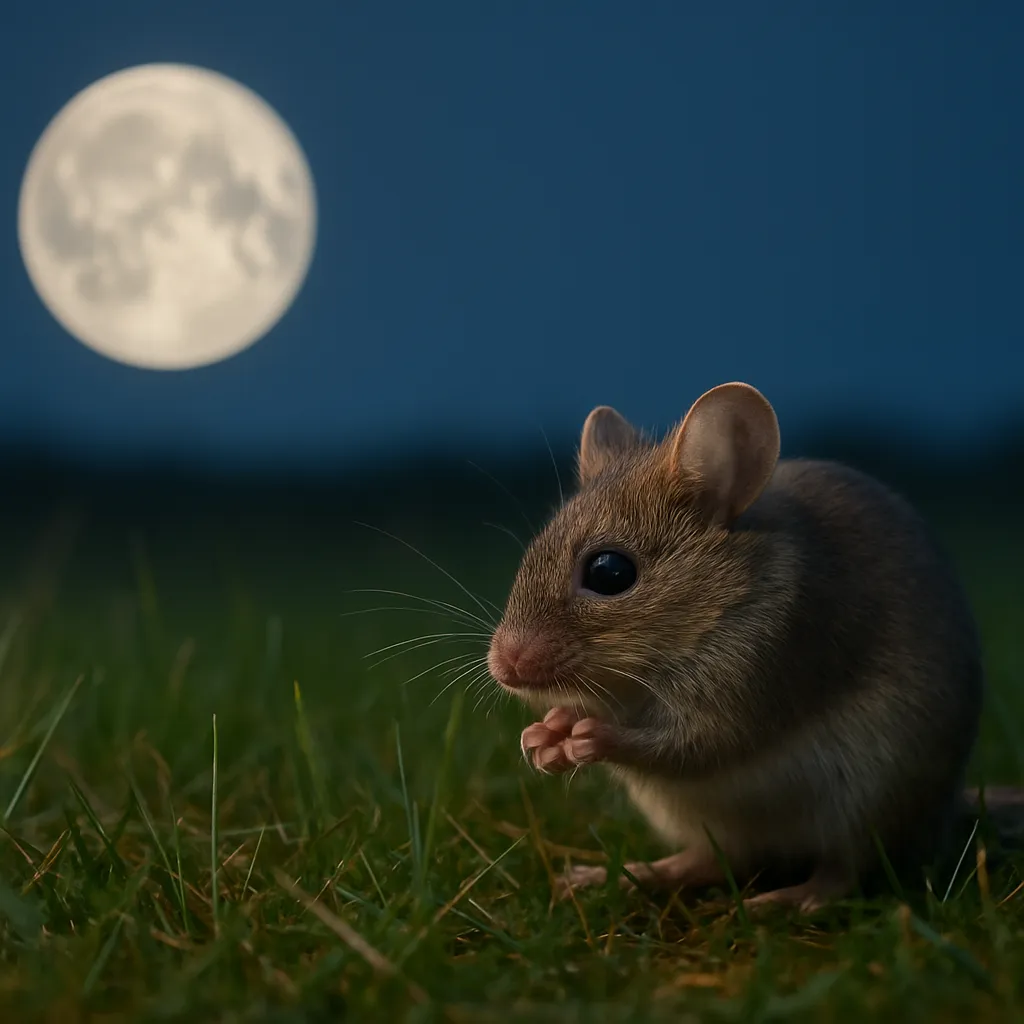
A nocturnal mouse avoids daytime hawks by feeding at night. If a new owl predator hunts mostly at night, what is most likely?
A marsh plant has roots adapted to flooded soil. If the marsh is drained and soil stays dry, what is the likely effect?
Crack the passcode before the zombies get in.
Answer, then swat bugs for bonus points.
Race through questions at your own speed.
Same question on every screen. Fastest wins.

Pick a tile, answer, hit bonuses and steals.
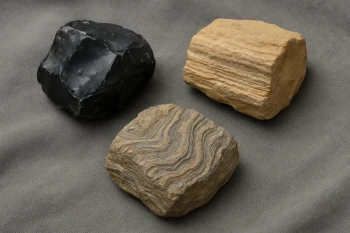
Igneous, Sedimentary and Metamorphic Rock
40 questions