Loading
by BlastRoom
Evidence-based questions about how selection changes inherited traits over generations.
#us_grade_7_science
40 questions
One question set, multiple game modes. Tap any game to see it in action. Not sure which to pick?
Answer to place stones and capture territory.
Outrun the snow together.
Earn blasts, then hunt the other team.
Answer to earn energy, then climb.

The class blasts through walls together.
Bid on mystery lots. Most money wins.
Sell tours. Nice, standard, or a total scam.

Answer, restock, and serve the rush.
More correct answers pulls the rope your way.
Answer, then shoot down the alien wave.
Answer, then tap to leap the frozen ridge.
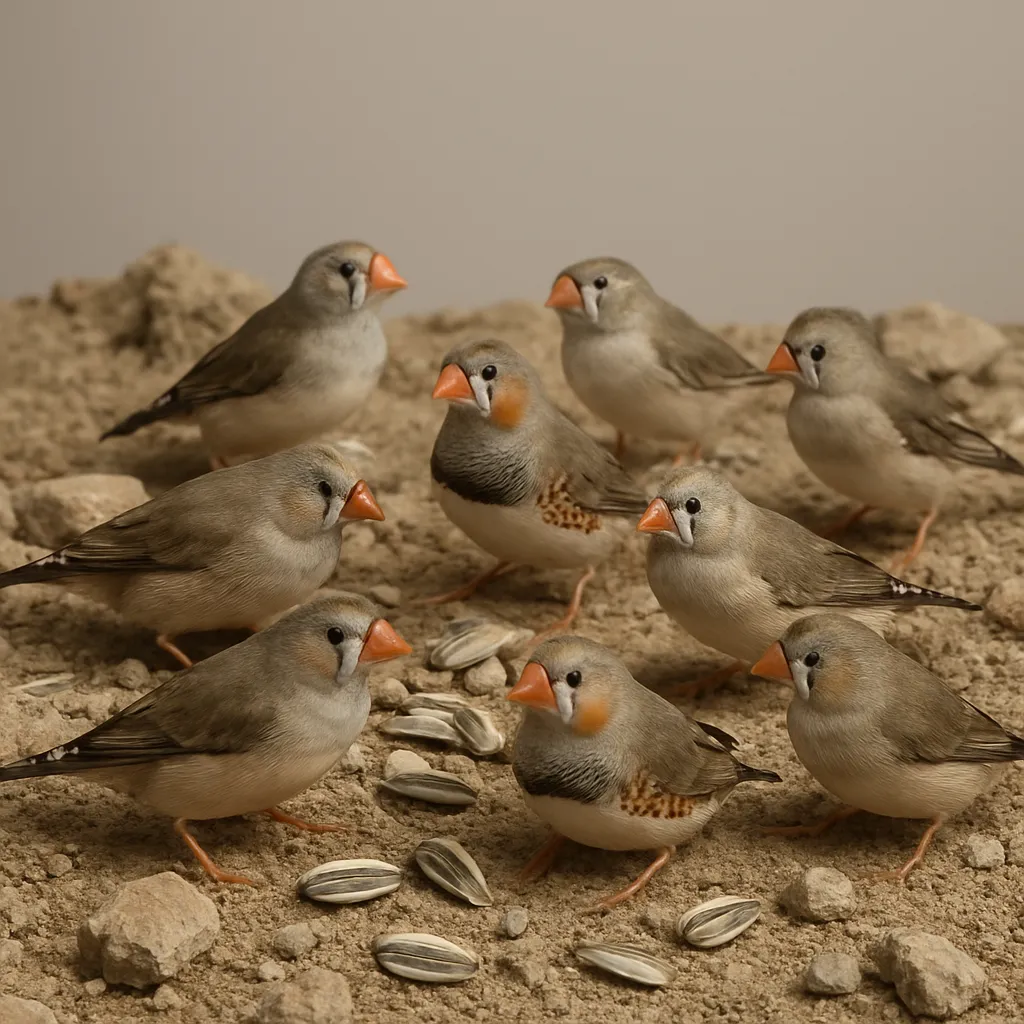
On an island, a drought leaves mostly large, hard seeds. Beak depth varies among the birds and is inherited. Which birds will likely raise the most chicks?
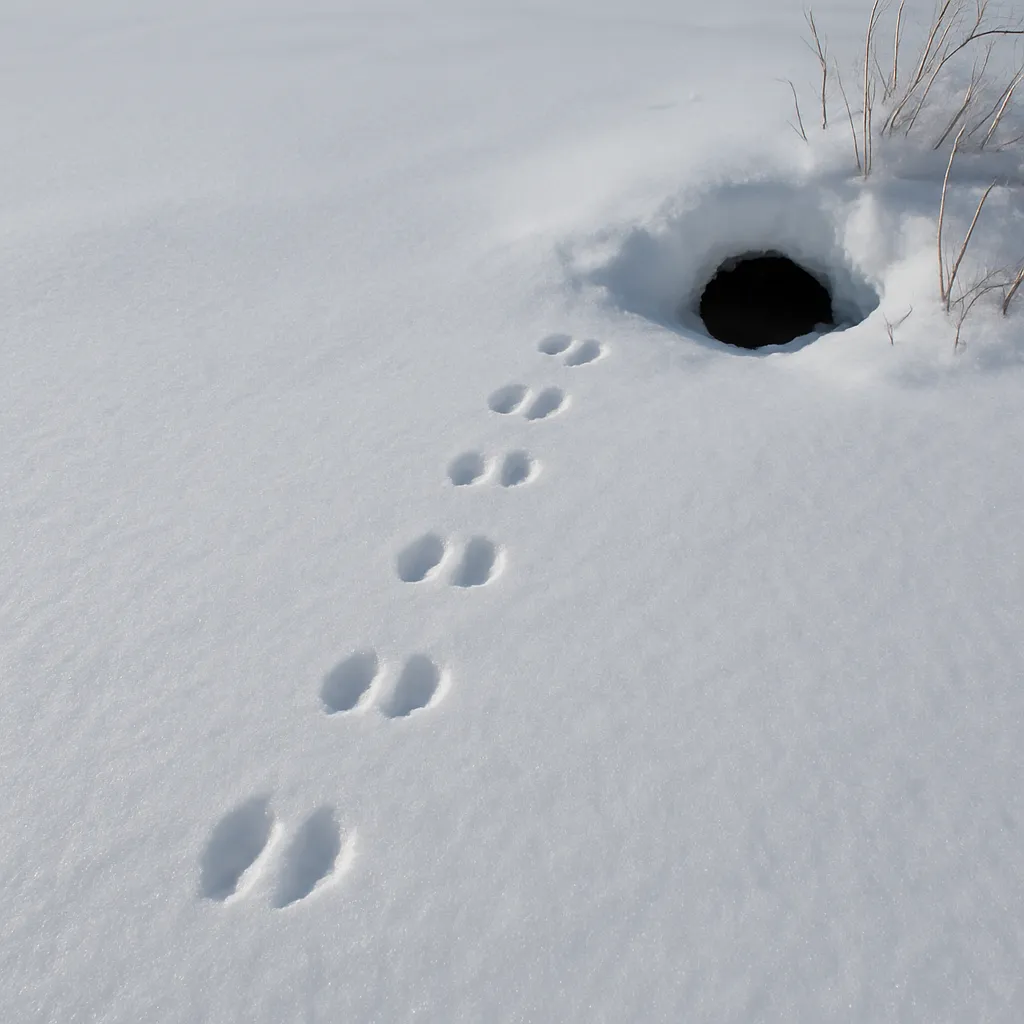
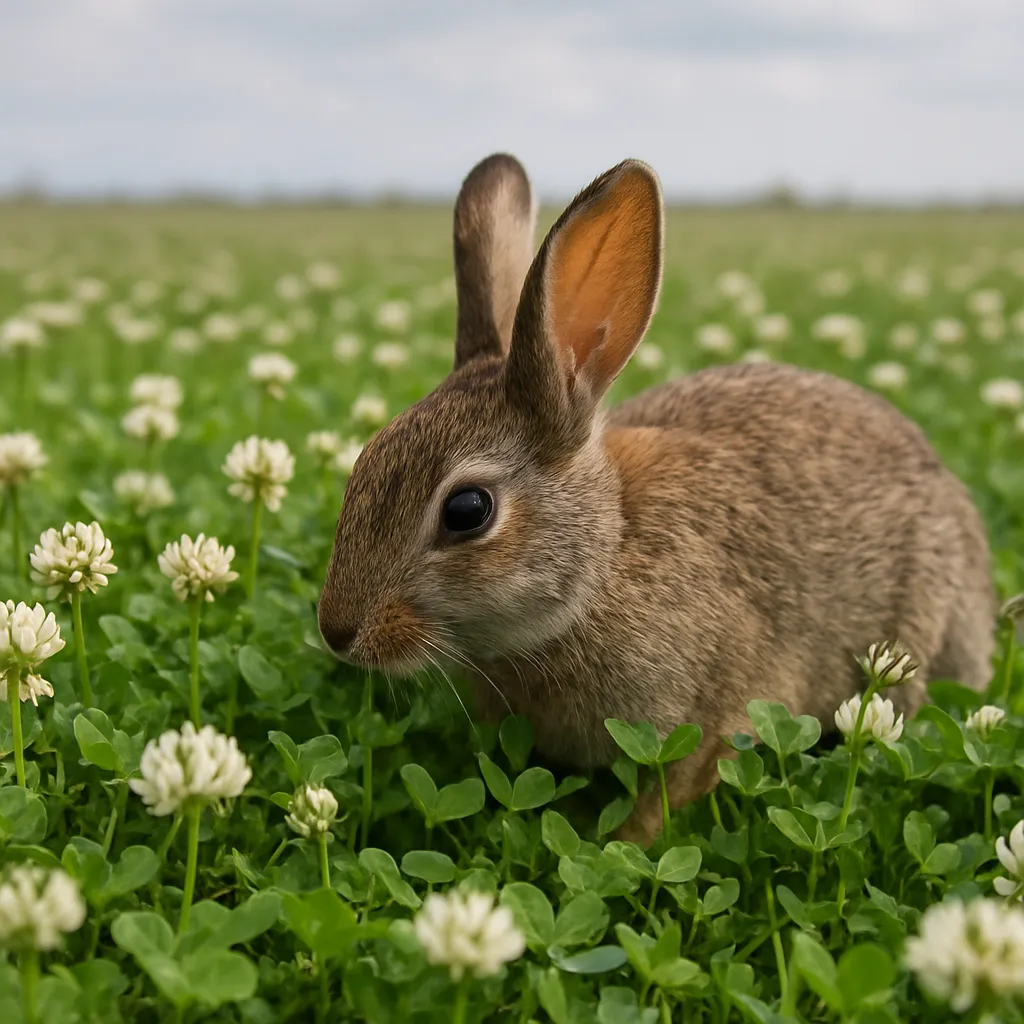
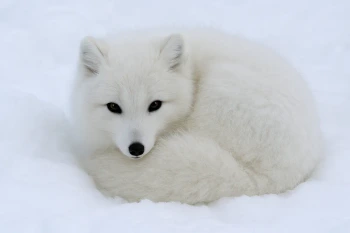
In a snowy habitat, foxes hunt rabbits by sight. Fur color varies among the rabbits and is inherited. Which rabbits will likely leave the most offspring?
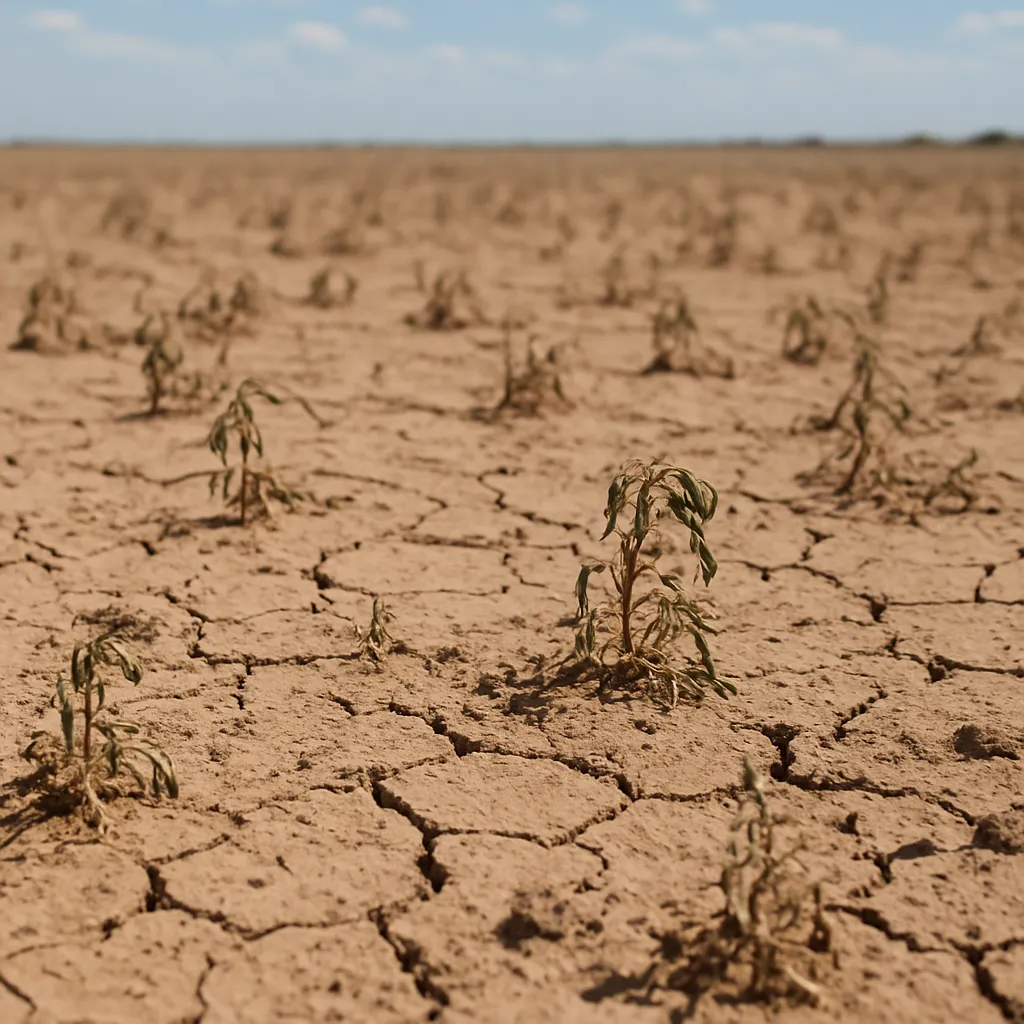
A long drought dries the soil, leaving water only deep underground. Root length varies among desert plants and is inherited. Which plants will likely make the most seeds?
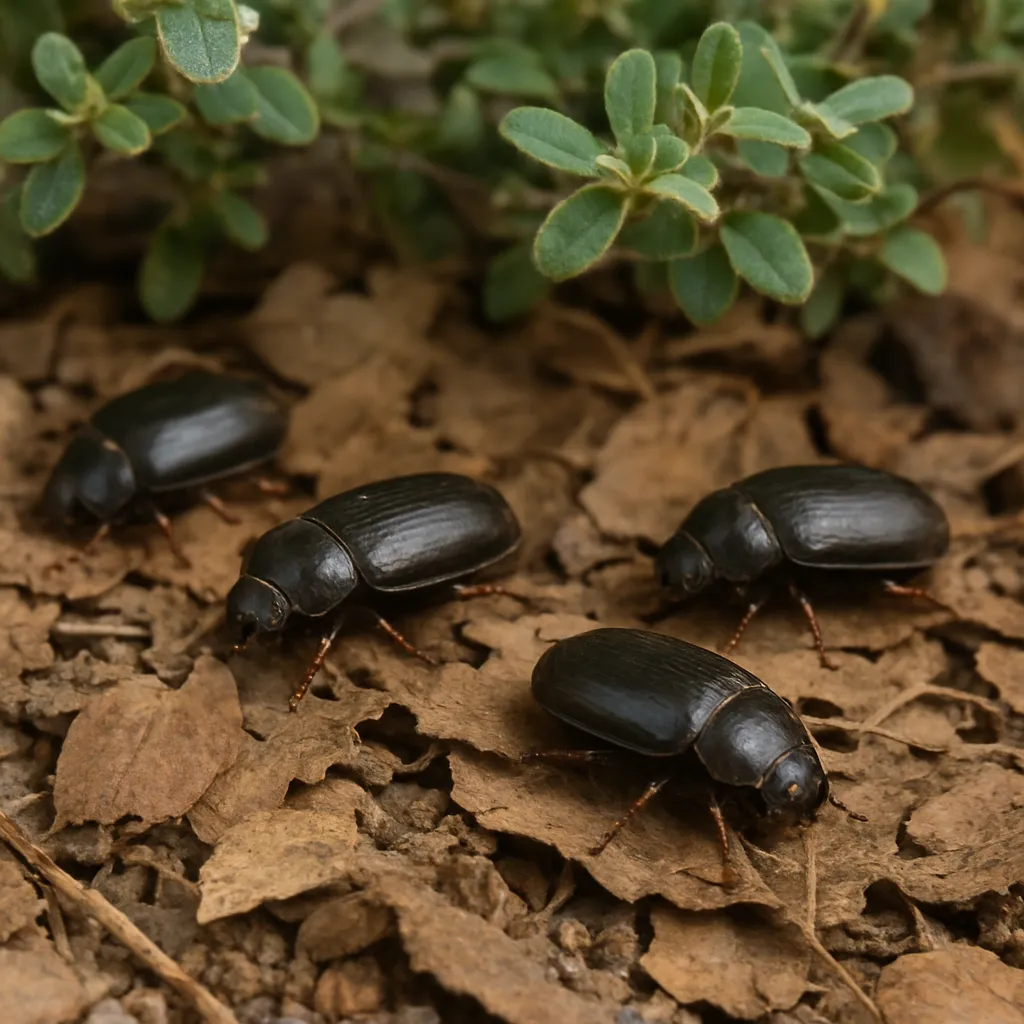
Insect-eating birds catch beetles that are slow to escape. Running speed varies among the beetles and is inherited. Which beetles will likely leave the most offspring?
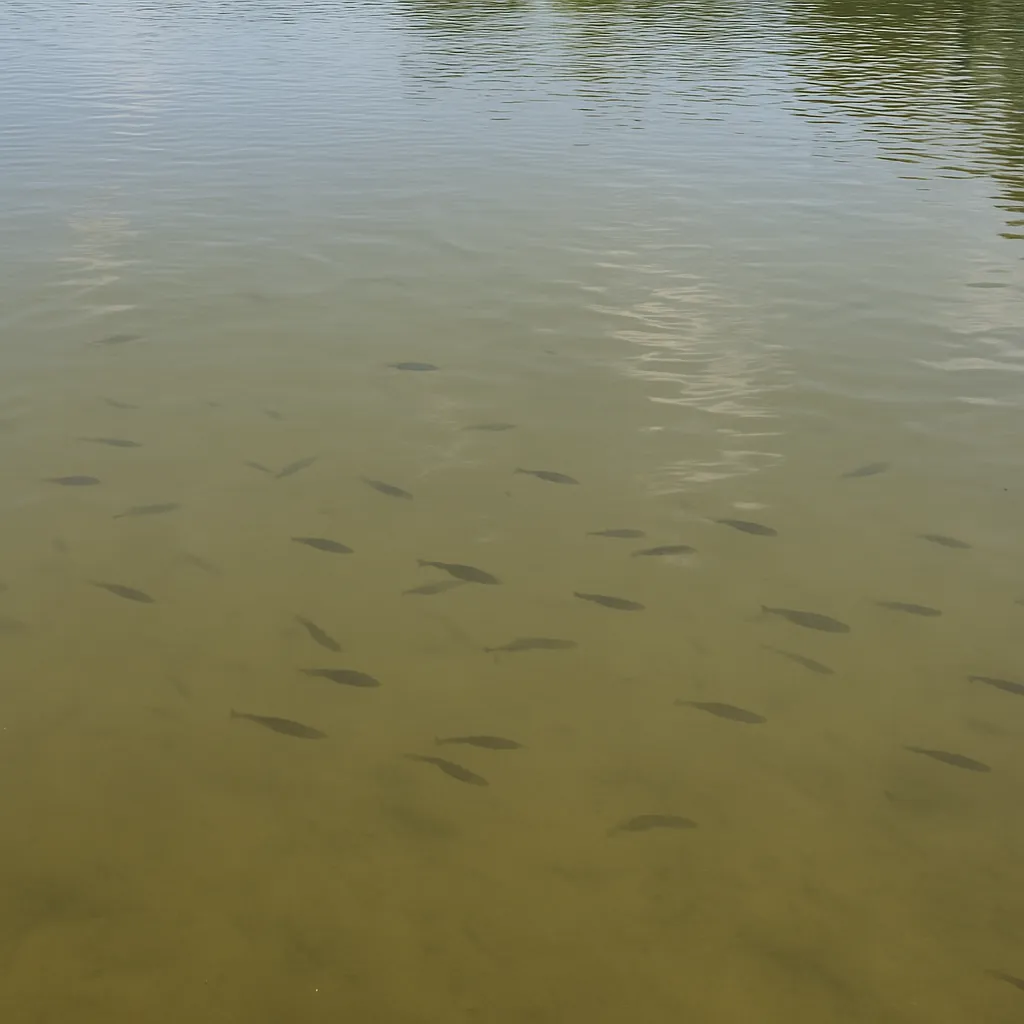
A lake becomes murky after storms, so fish can no longer find food by sight. Fish senses vary and are inherited. Which fish will likely leave the most offspring?
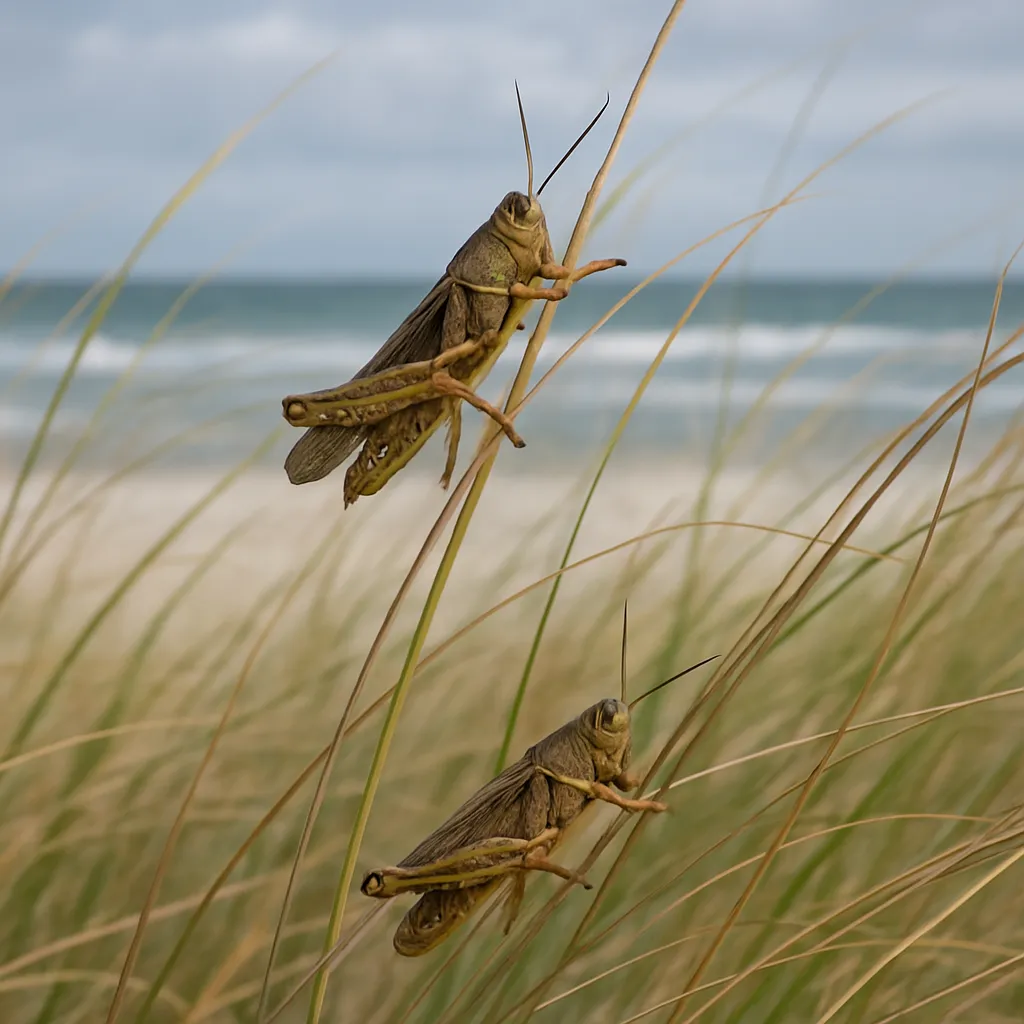
On a windy coastal field, strong gusts often blow flying grasshoppers out over the ocean. Wing length is inherited. Which grasshoppers will likely leave the most offspring?
A fungus spreads through a forest and infects trees through their bark. Bark thickness varies and is inherited. Which trees will likely make the most seeds?
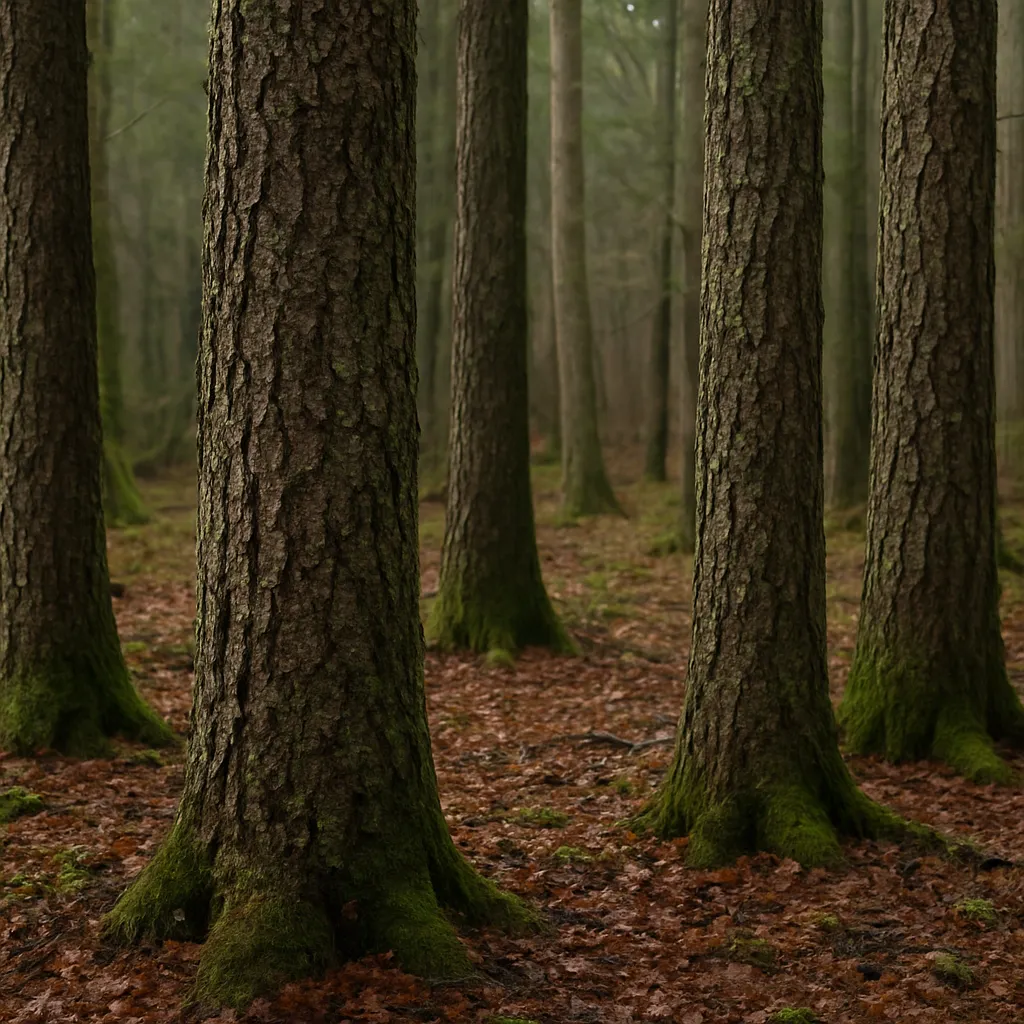
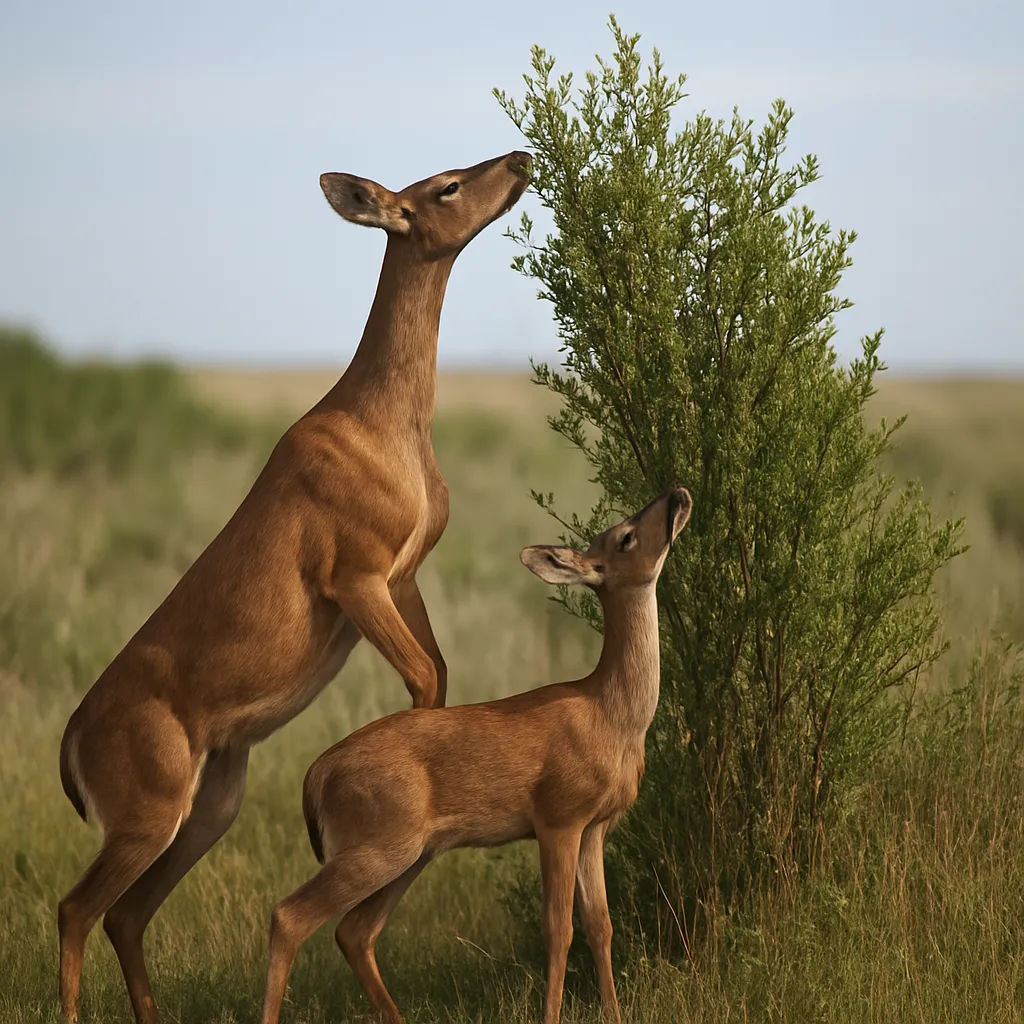
In an area where many winter plants are poisonous, deer vary in how well they can digest the toxin. If this is inherited, which deer will likely have the most fawns?
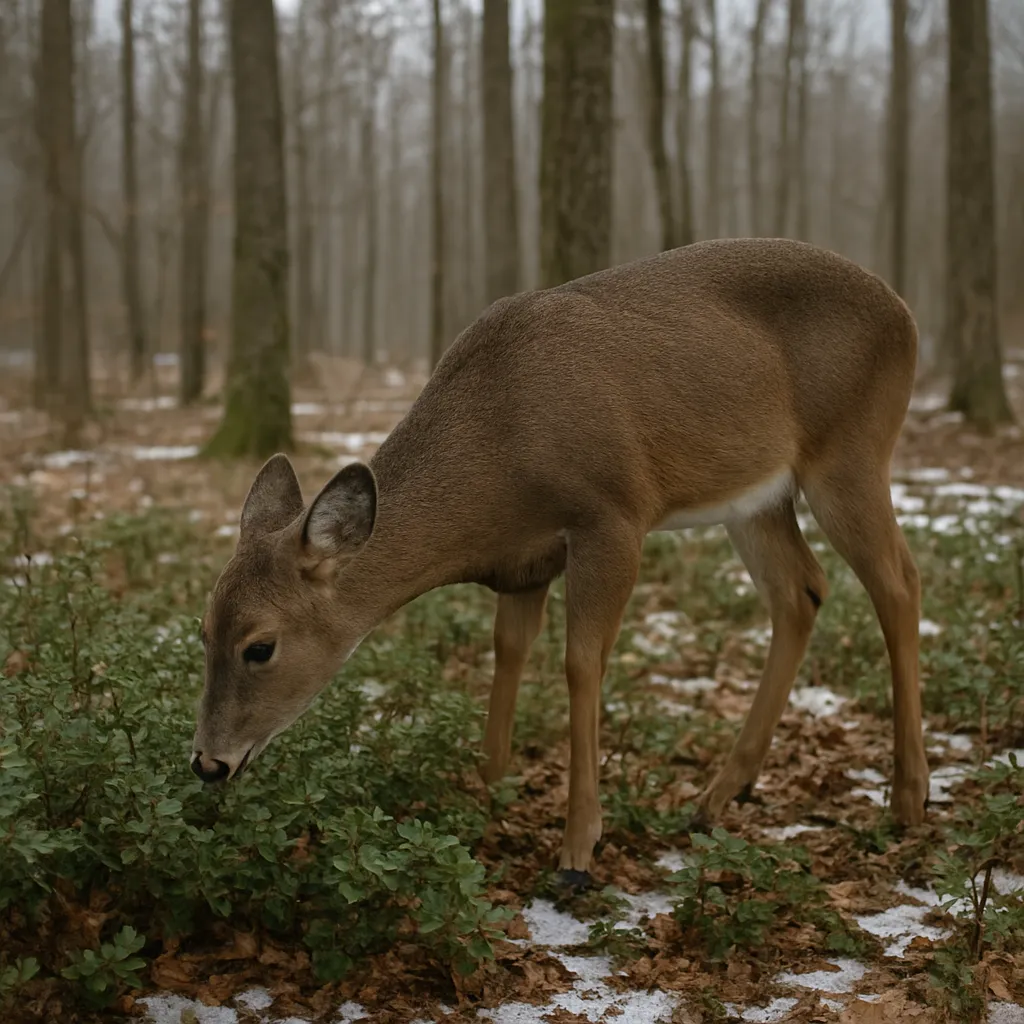
A new predator hunts mainly during daylight. Mice vary in when they are active, and this is inherited. Which mice will likely leave the most pups?
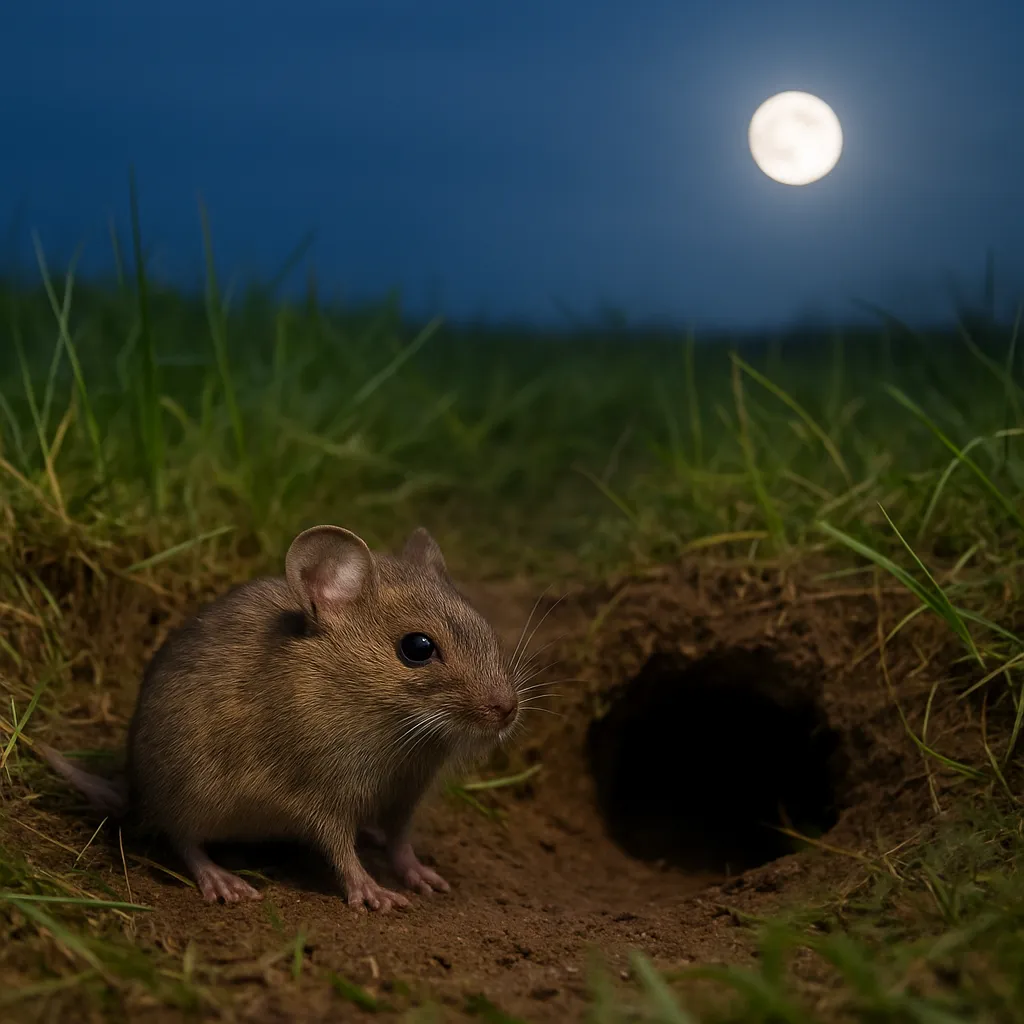
A cold snap hits a lizard population. Lizards must warm up before they can move and feed, and how fast they warm is inherited. Which lizards will likely survive best?
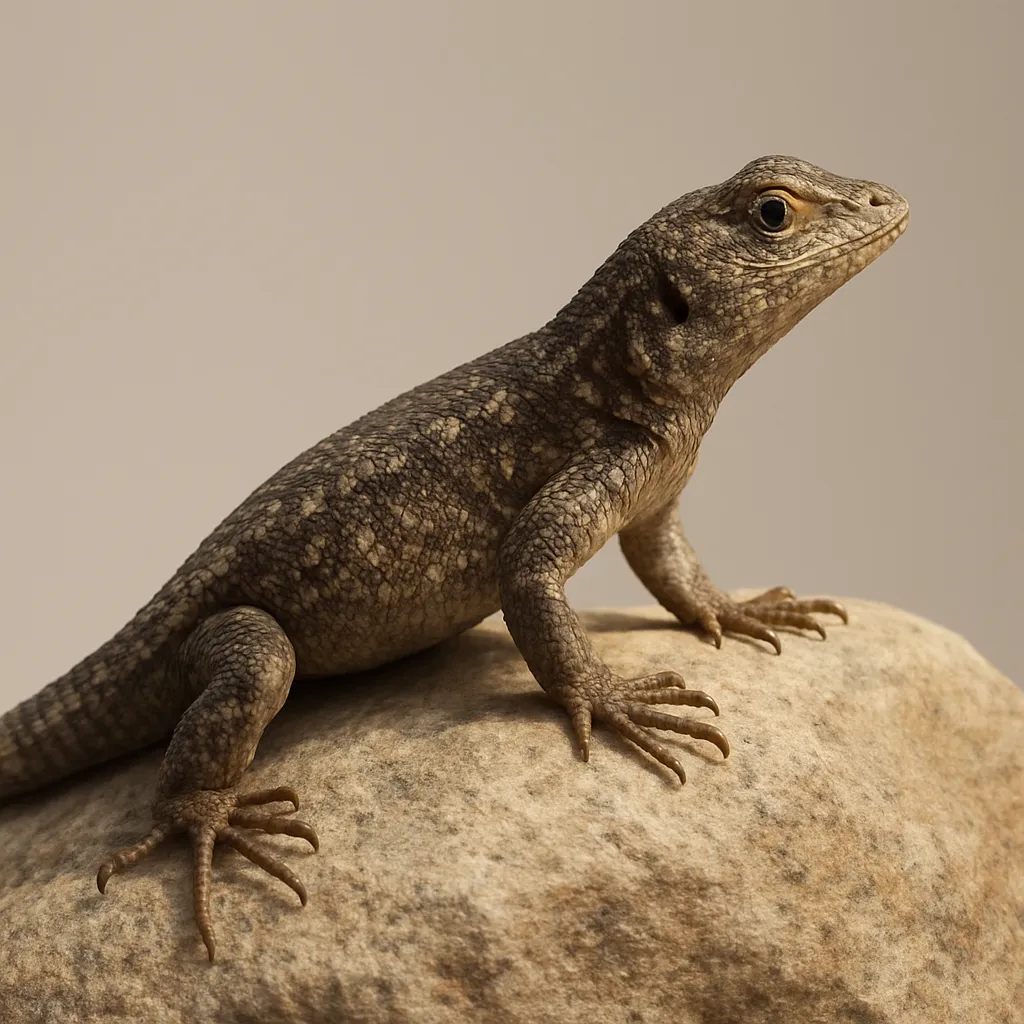
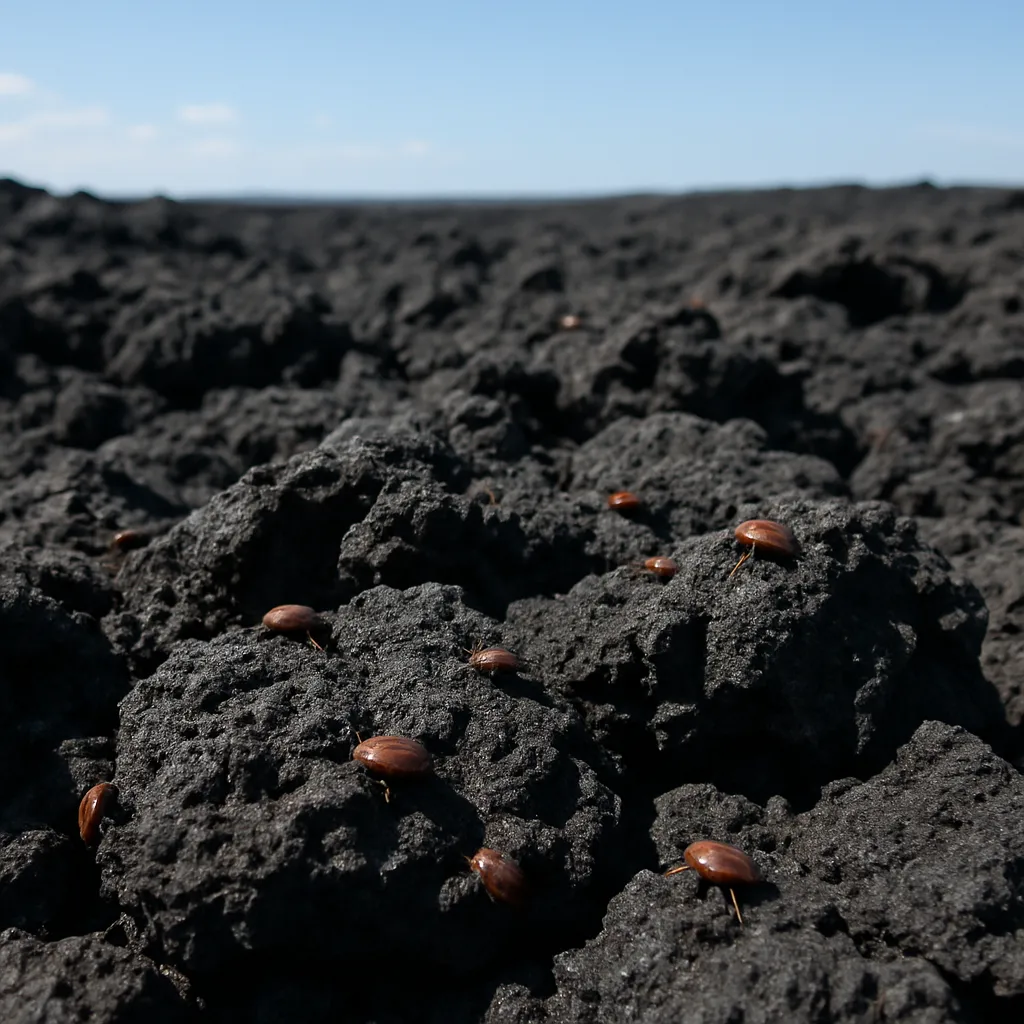
Beetles on a dark lava field vary in color, and color is inherited. Birds hunt the beetles by sight. What will likely happen after many generations?
A population has many short-necked and few long-necked browsing animals. Neck length is inherited. Tall shrubs are the main food for 50 years. What change is likely?
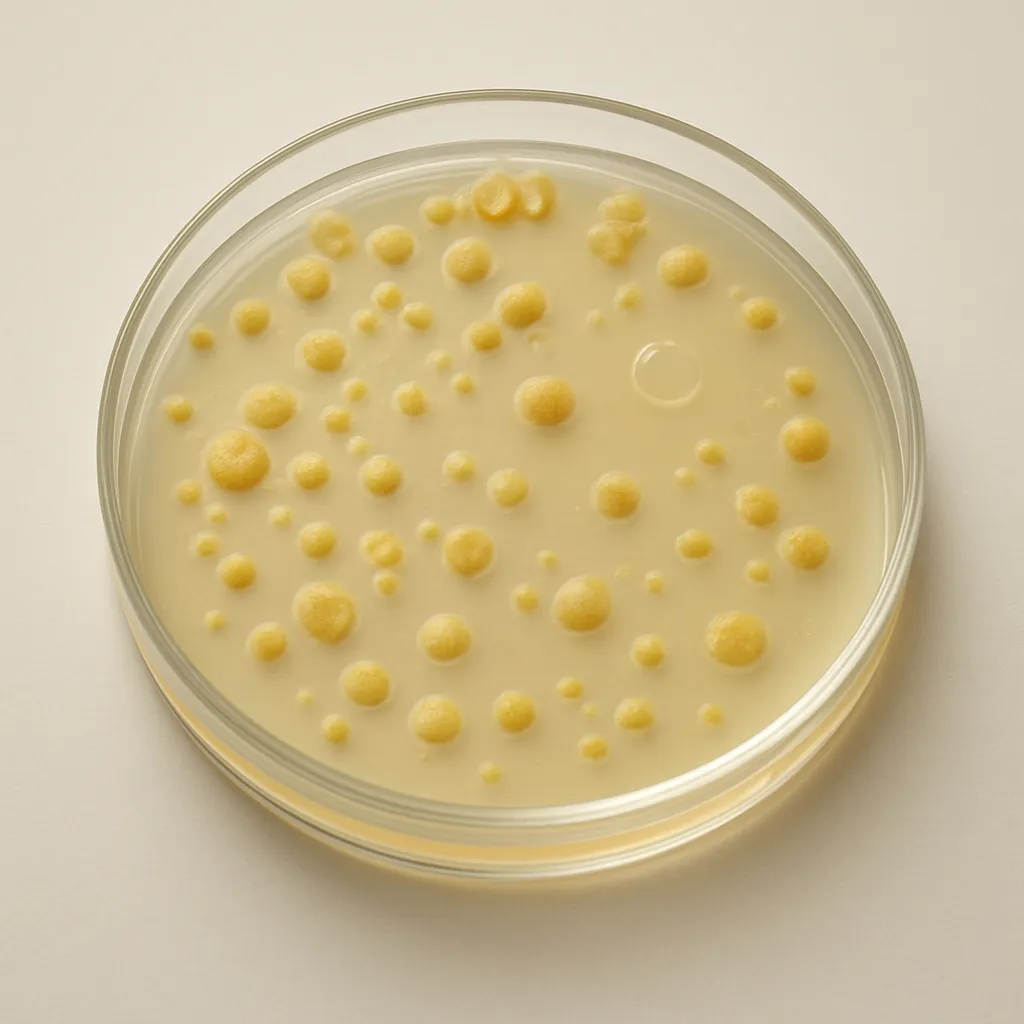
Antibiotic treatment leaves a few resistant bacteria alive, and they reproduce. What happens to resistance in that bacterial population over time?
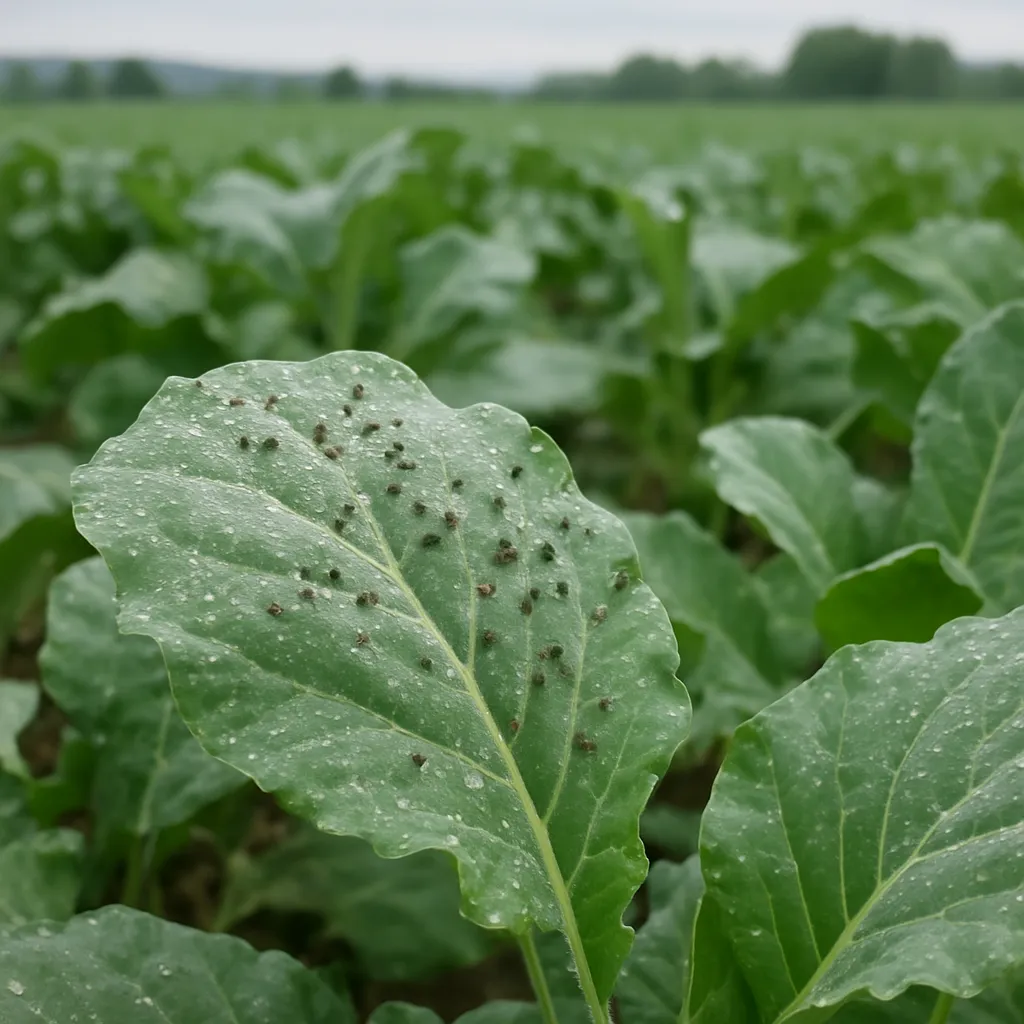
A pesticide kills most insects without a resistance gene. A few resistant insects survive each spraying. After many generations, what pattern is expected?
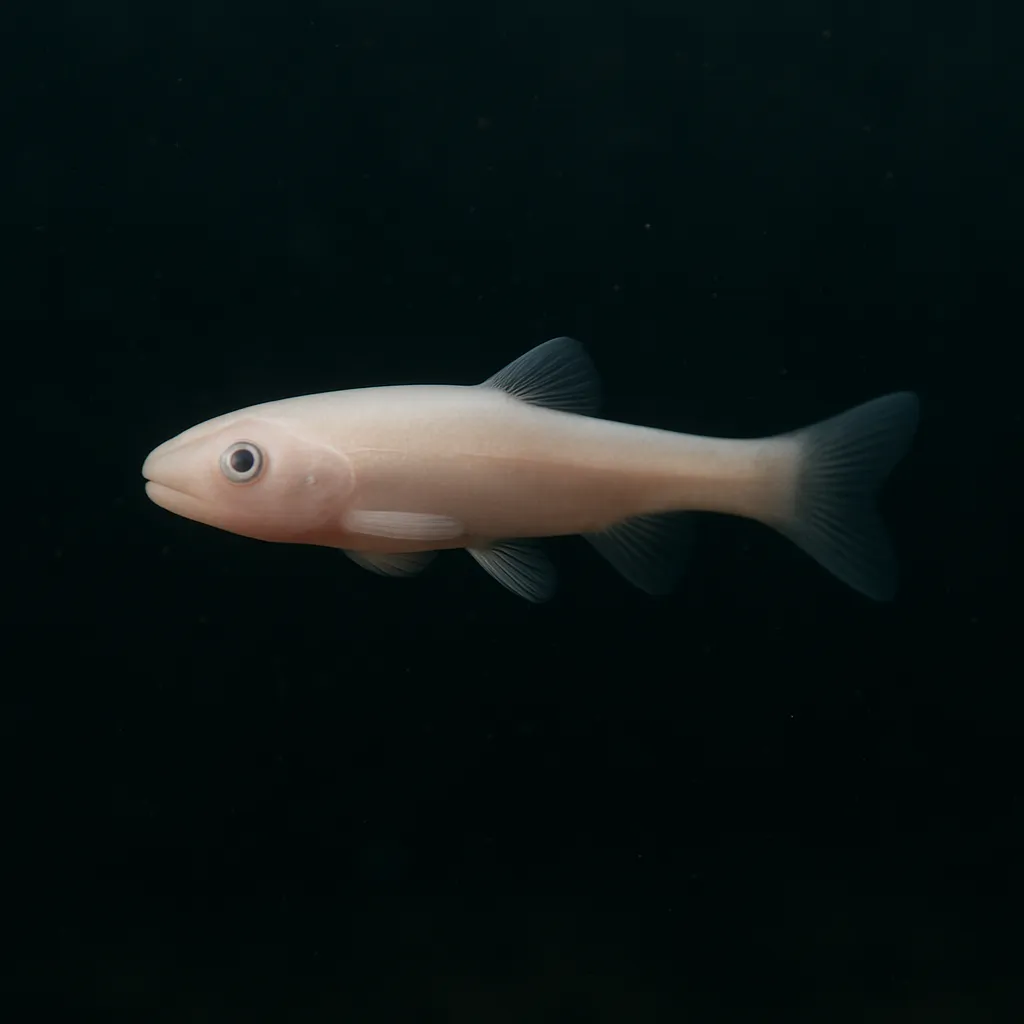
In a dark cave, eyes are useless but still cost energy to grow. Eye size varies among the fish and is inherited. Over many generations, what will likely happen?
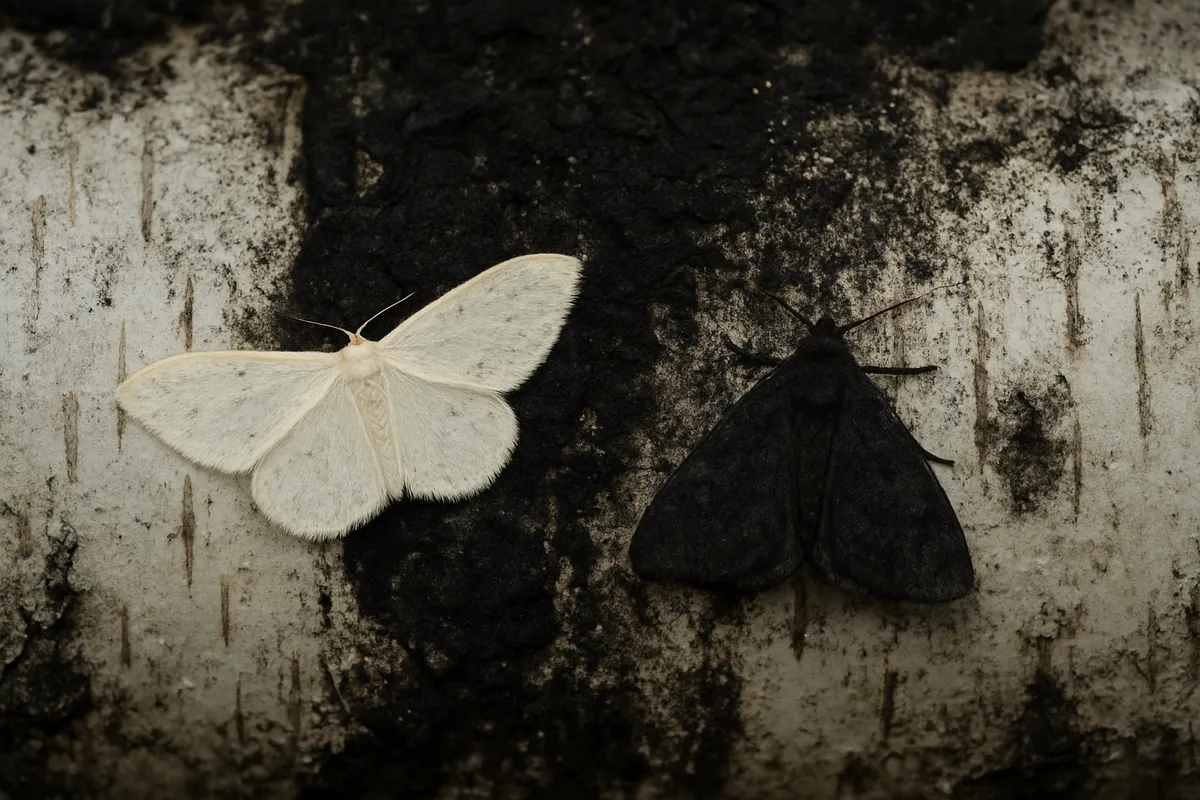
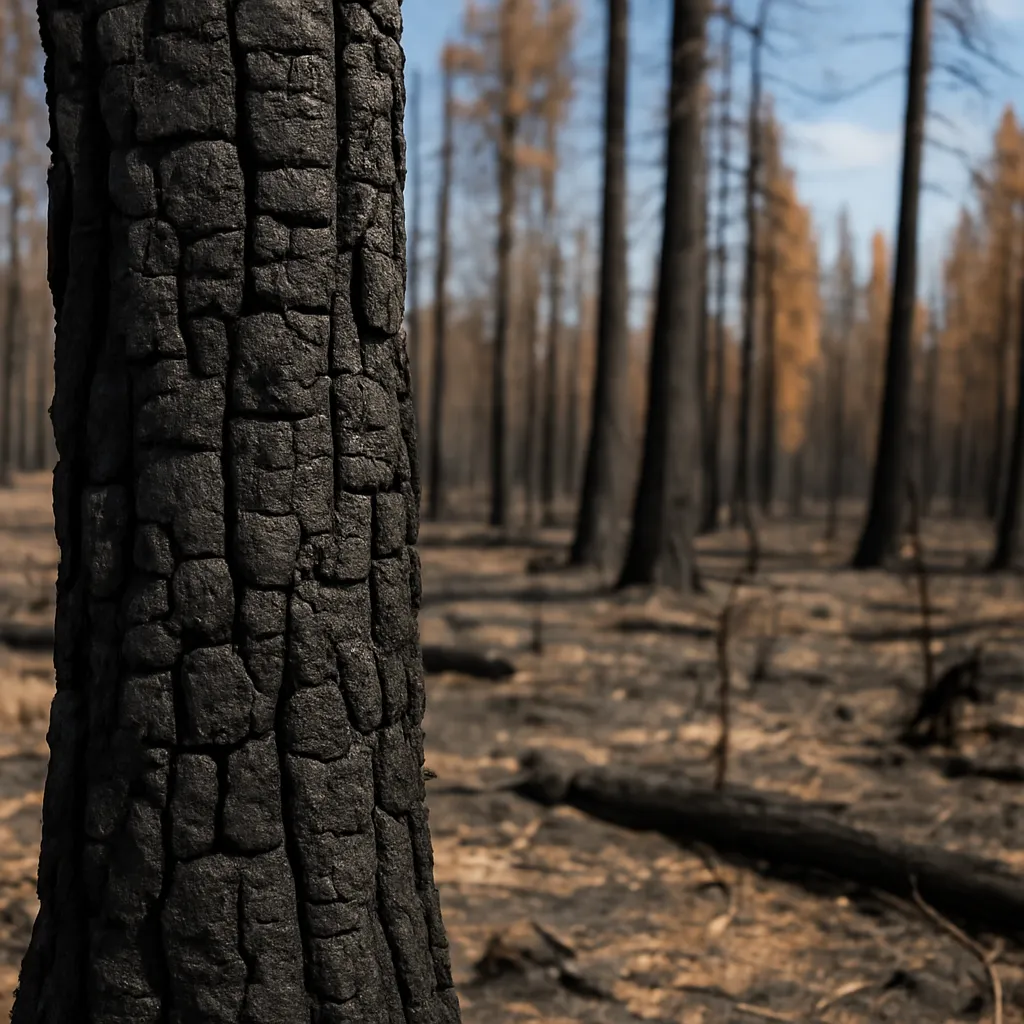
After a forest fire, blackened bark covers many trees. Dark moths avoid bird attacks better than pale moths. What will likely happen to moth color?
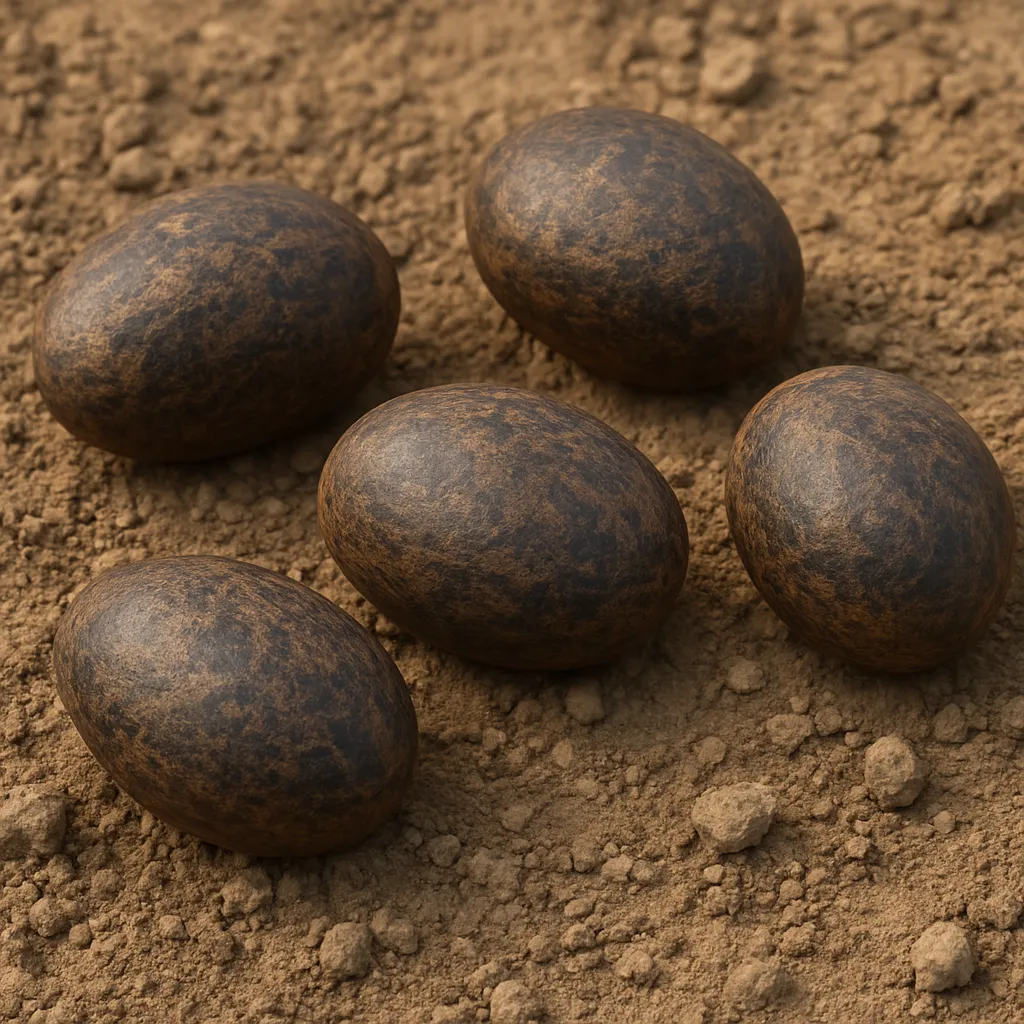
After a drought, large, hard seeds like these are the main food on an island. In the next generation, the finches' average beak depth is 0.5 mm deeper. Which statement about this change is correct?
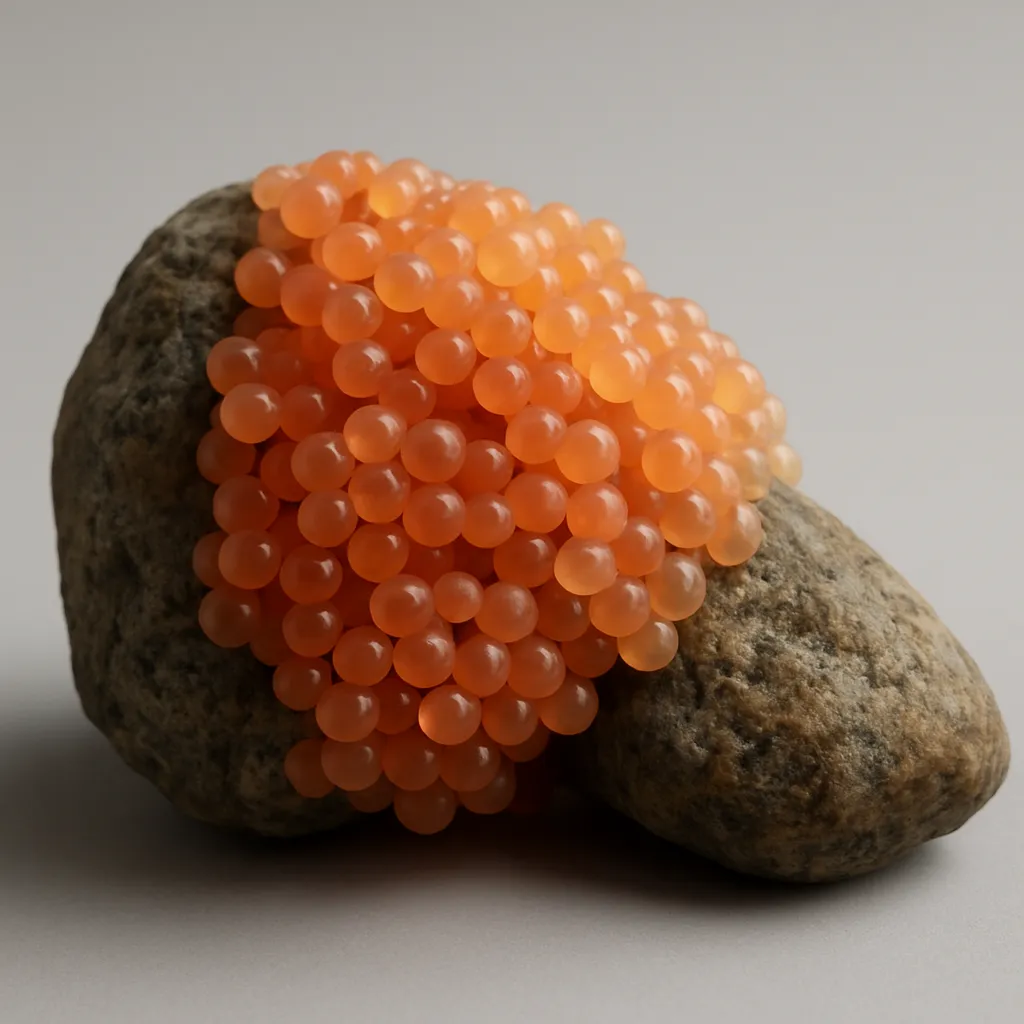
In a cold river, a deadly flood comes each spring. Fish eggs vary in when they hatch, and hatching time is inherited. What change is likely over generations?
A meadow is grazed heavily by rabbits that bite off tall leaves. Leaf height in clover varies and is inherited. What change is likely over generations?
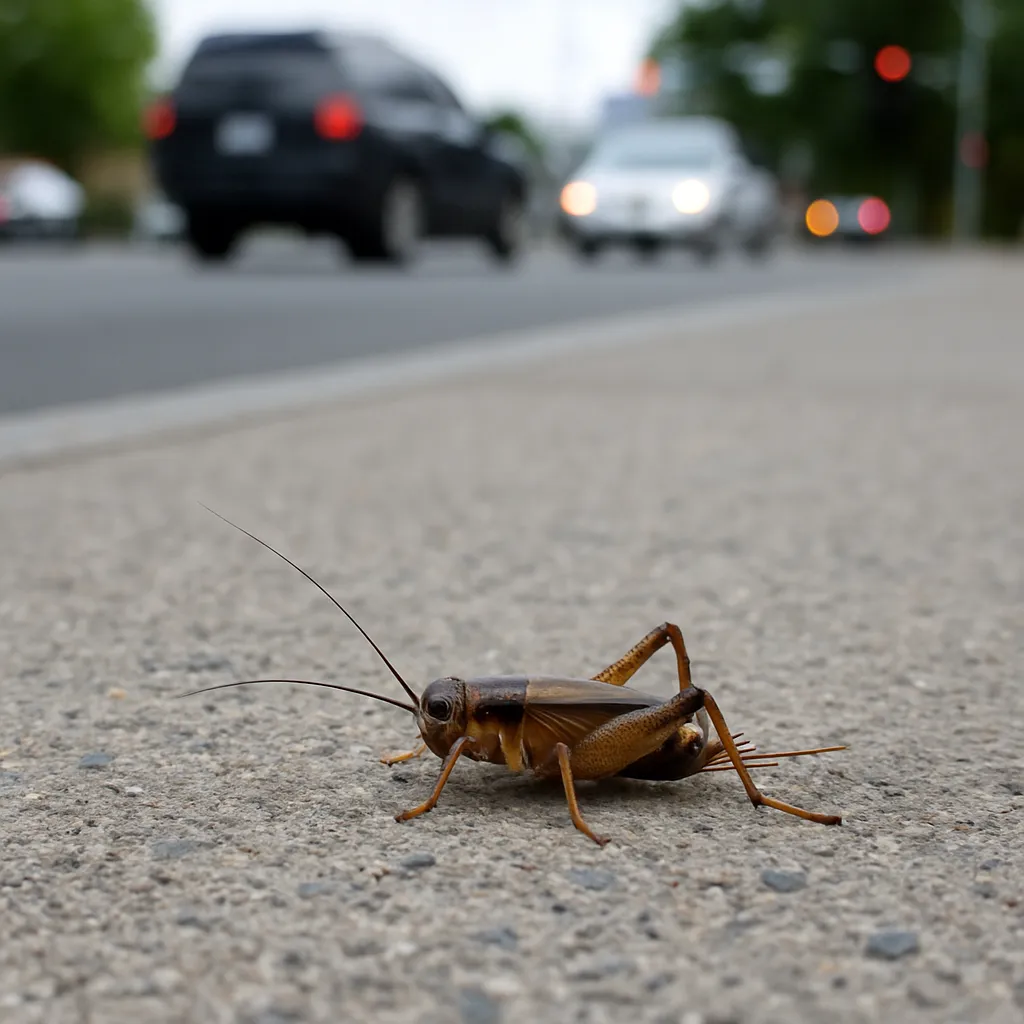
In a noisy city, female crickets have trouble hearing male calls. Call volume varies among males and is inherited. What will likely increase over generations?
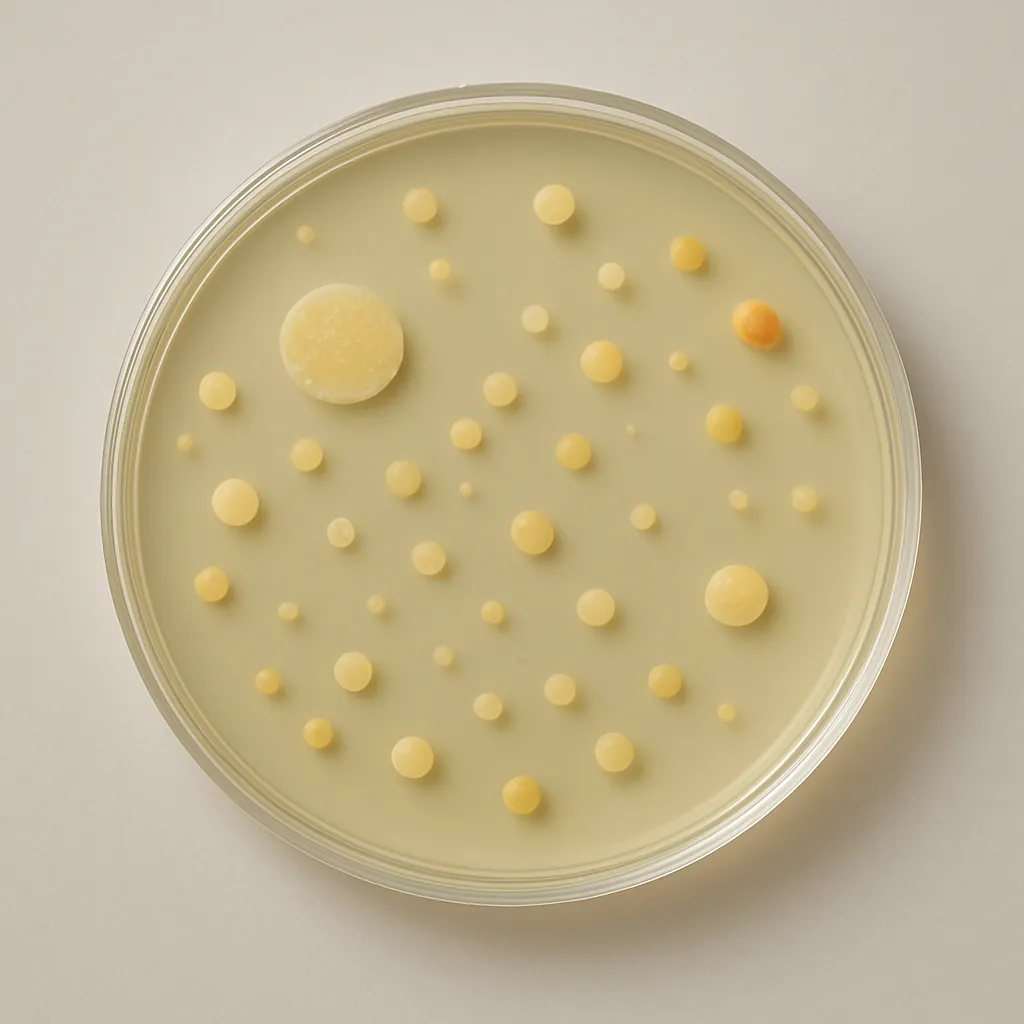
Bacteria can become resistant to an antibiotic within weeks, but a trait in large animals can take thousands of years to spread. What best explains the difference?
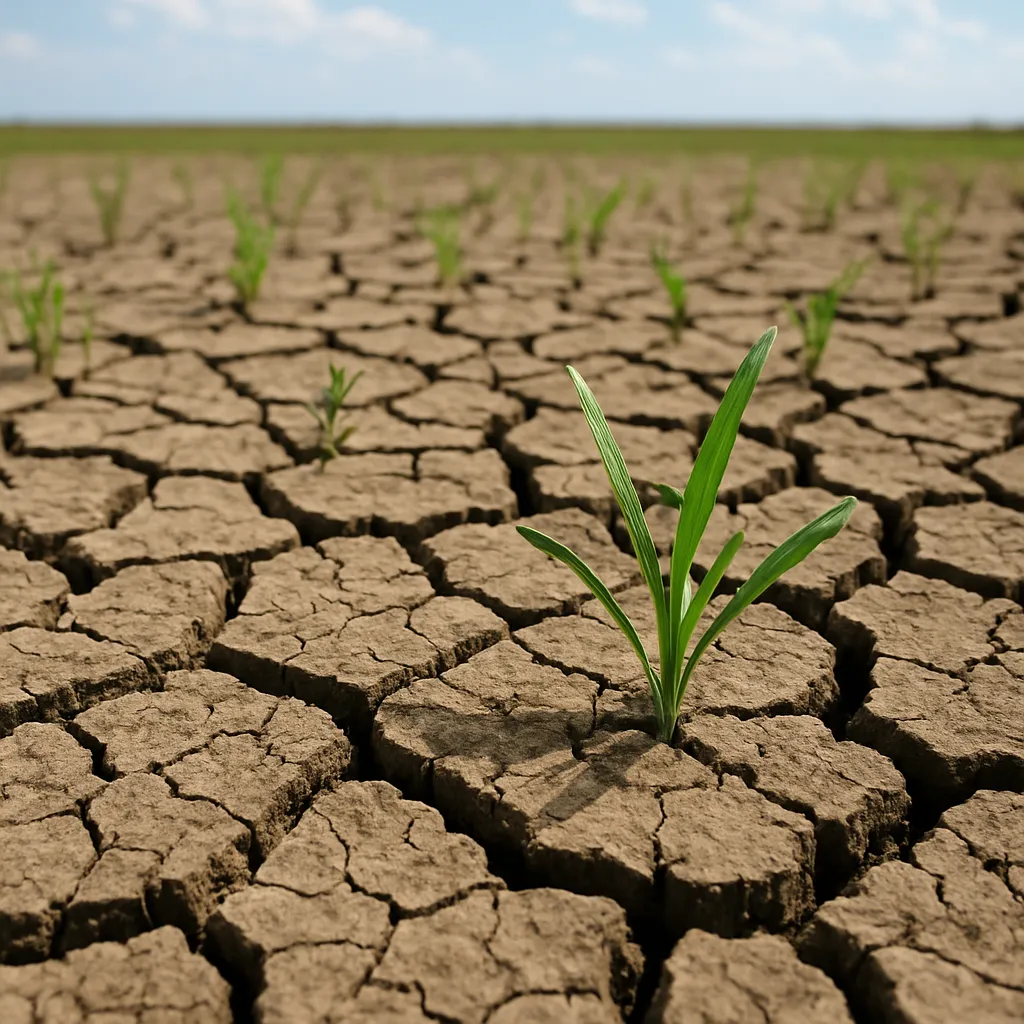
A drought does not make each plant choose longer roots. Why can longer roots still become common after many generations?
Light-colored beach mice are harder to see on pale sand and have more surviving pups. What reasoning links the evidence to population change?
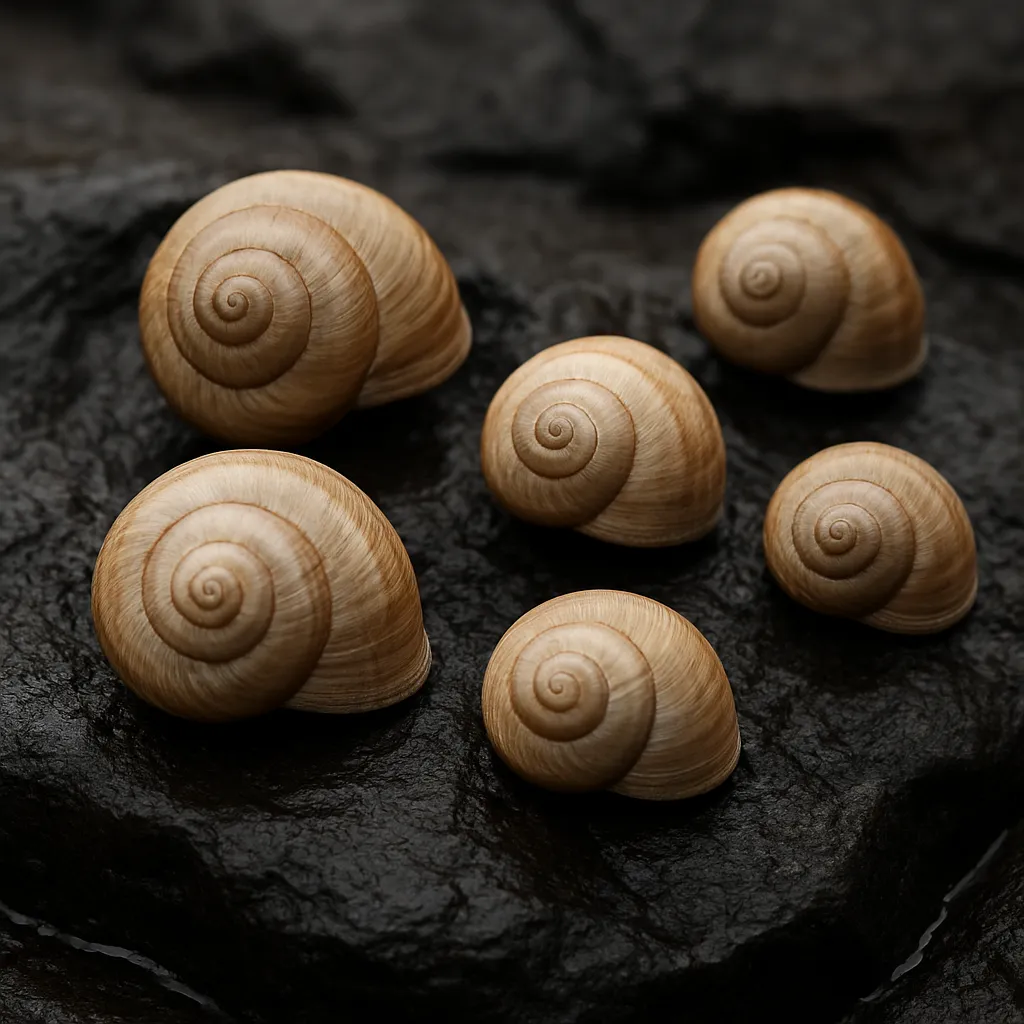
Light tan snails like these are easy for birds to spot on dark rocks. Shell color is inherited. Is the light color an adaptation in this habitat?
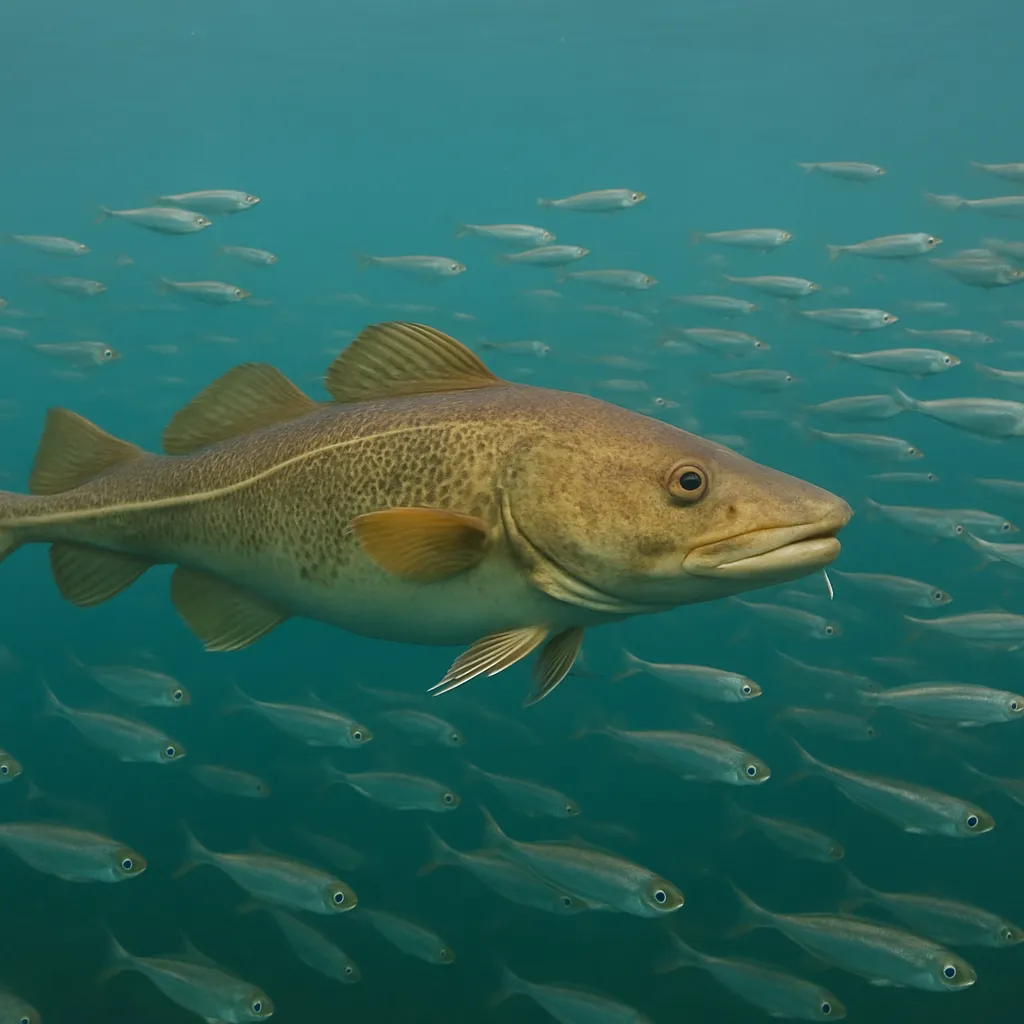
A population includes fast and slow fish. A predator catches more slow fish, and speed is inherited. Why might average speed rise?
A cold winter kills many thin-furred mammals. Thick-furred mammals survive and have more young. What must be true for thick fur to increase over generations?
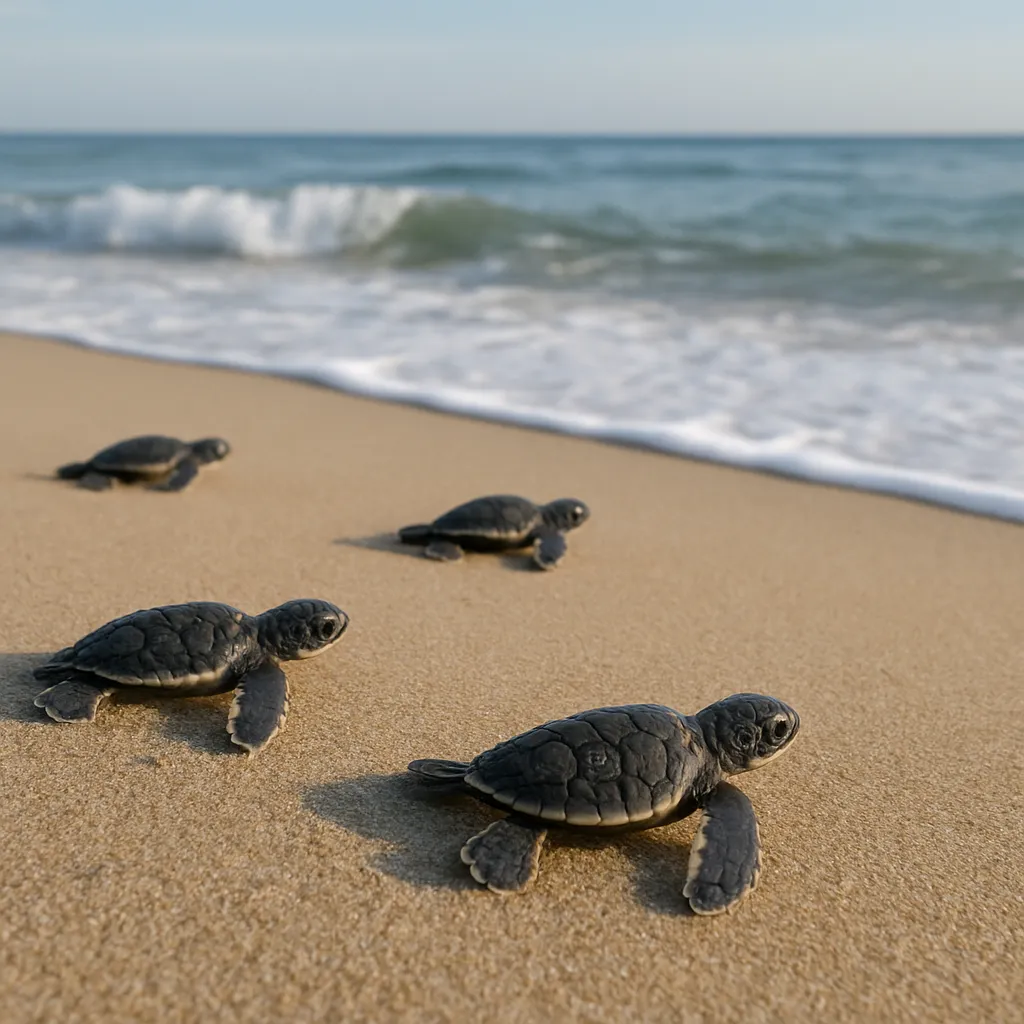
Many young turtles hatch, but only some reach the sea and later reproduce. Hatchlings vary in inherited traits like speed. How does natural selection act here?
A trait helps an animal survive but prevents it from finding mates. Why might that trait fail to spread?
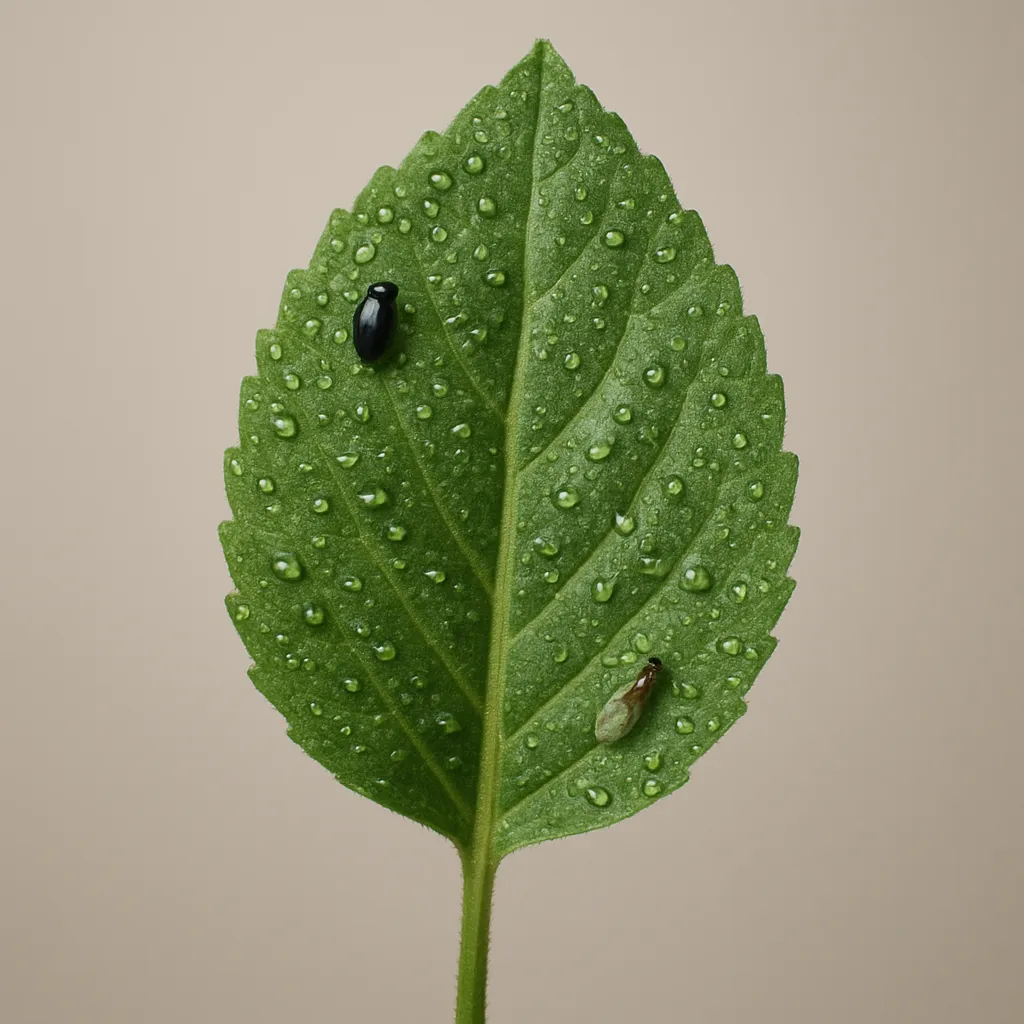
Scientists find a pesticide-resistance gene in insects collected years before that pesticide was invented. What does this show about how resistance arose?
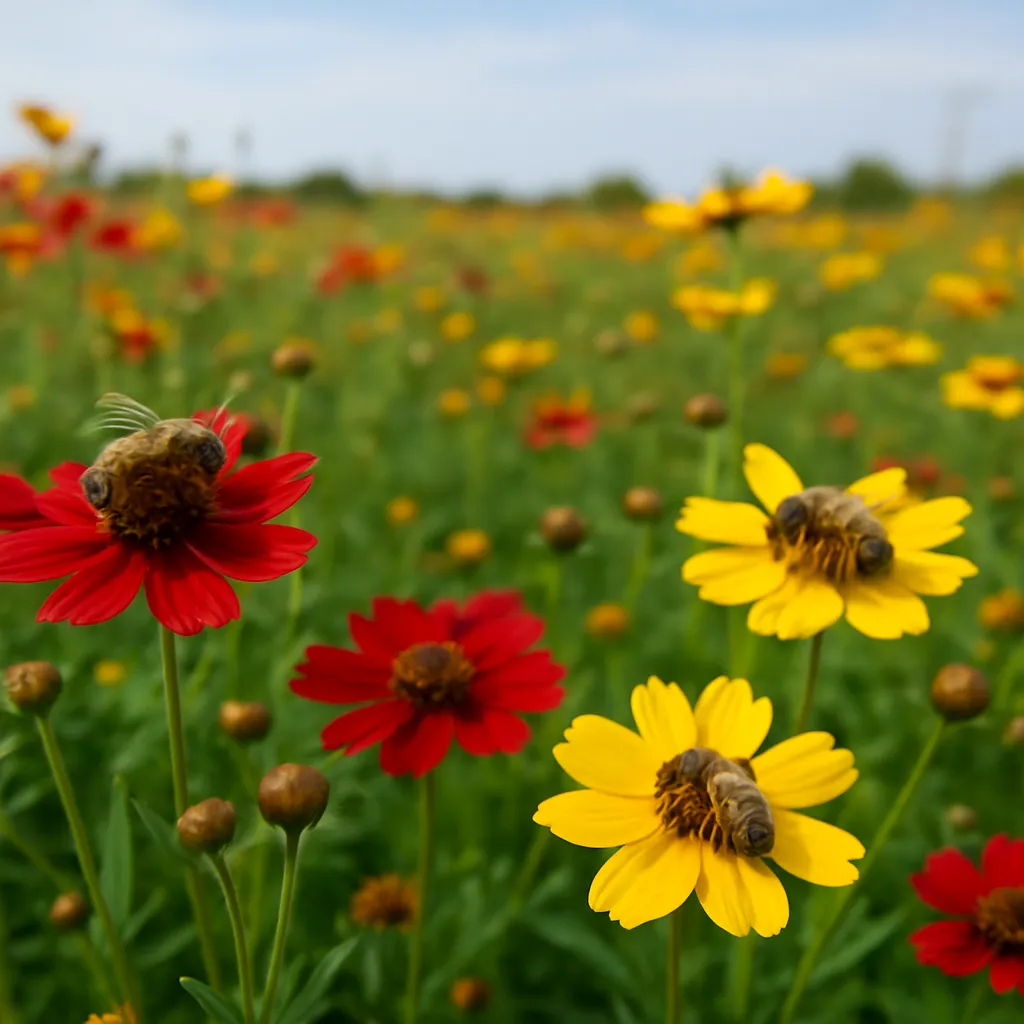
In a population, some flowers are red and some are yellow. Pollinators visit red flowers more, and flower color is inherited. What explains a rise in red flowers?
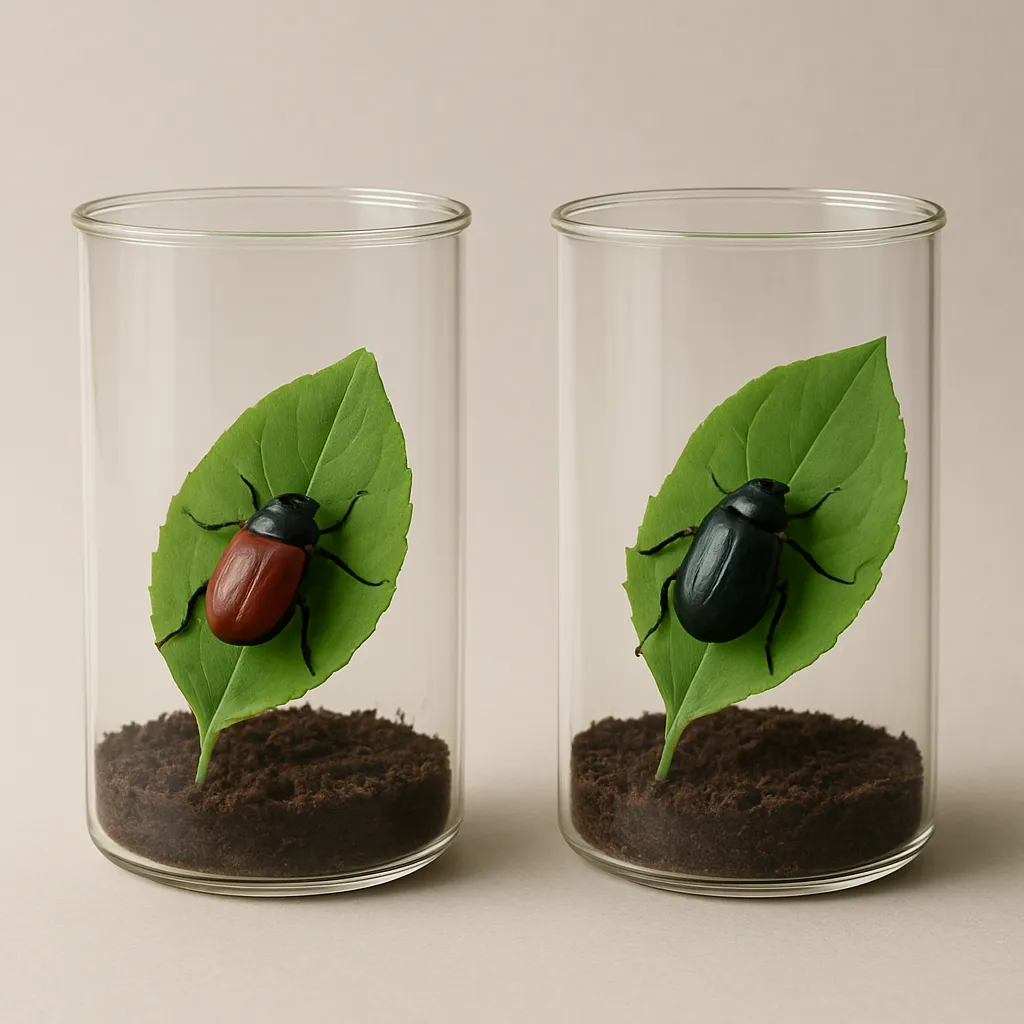
Dark color helps beetles hide from birds. It becomes common in one population with birds, but not in a nearby population with no birds. What does this show?
A population has inherited variation in shell thickness. Crabs break thin shells more easily, so thick-shelled snails leave more offspring. What process is occurring?
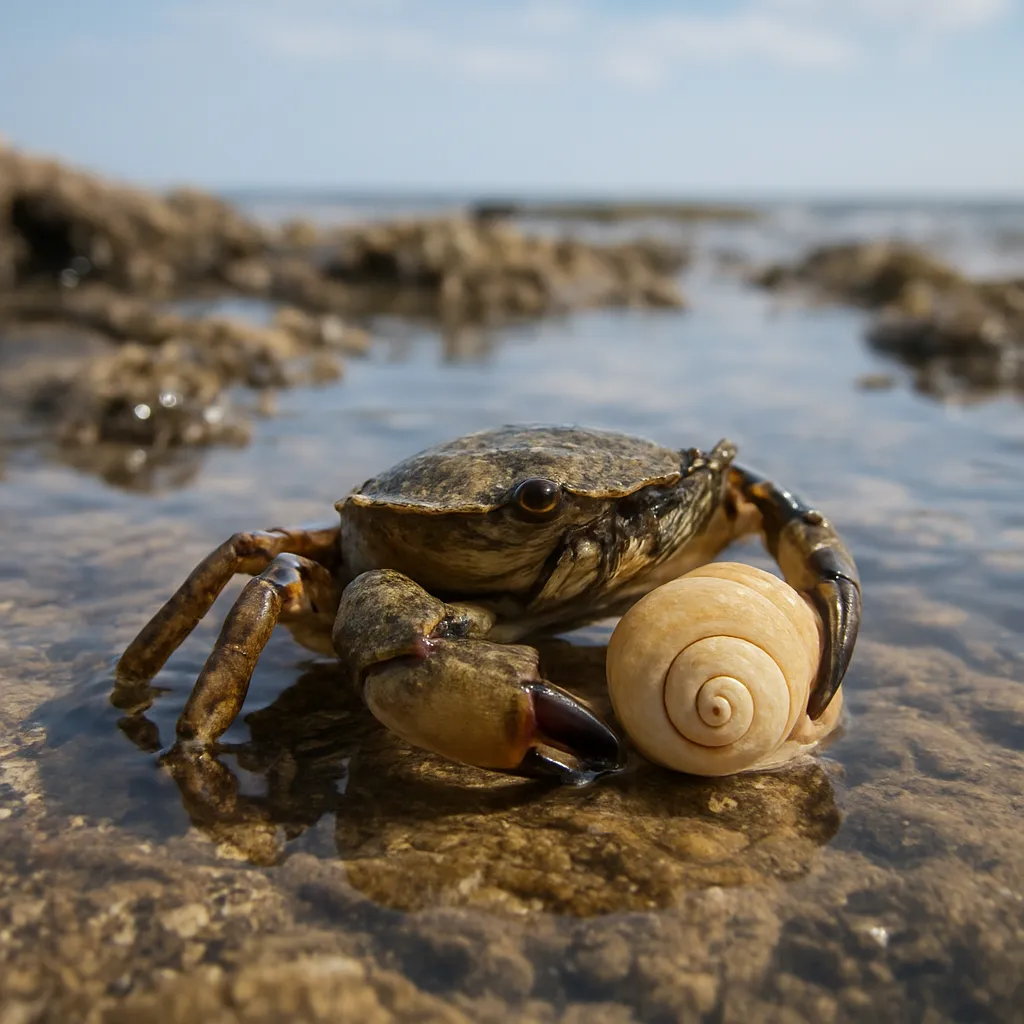
A farmer saves seeds only from the sweetest corn plants for many seasons. Corn sweetness becomes more common. What process is described?
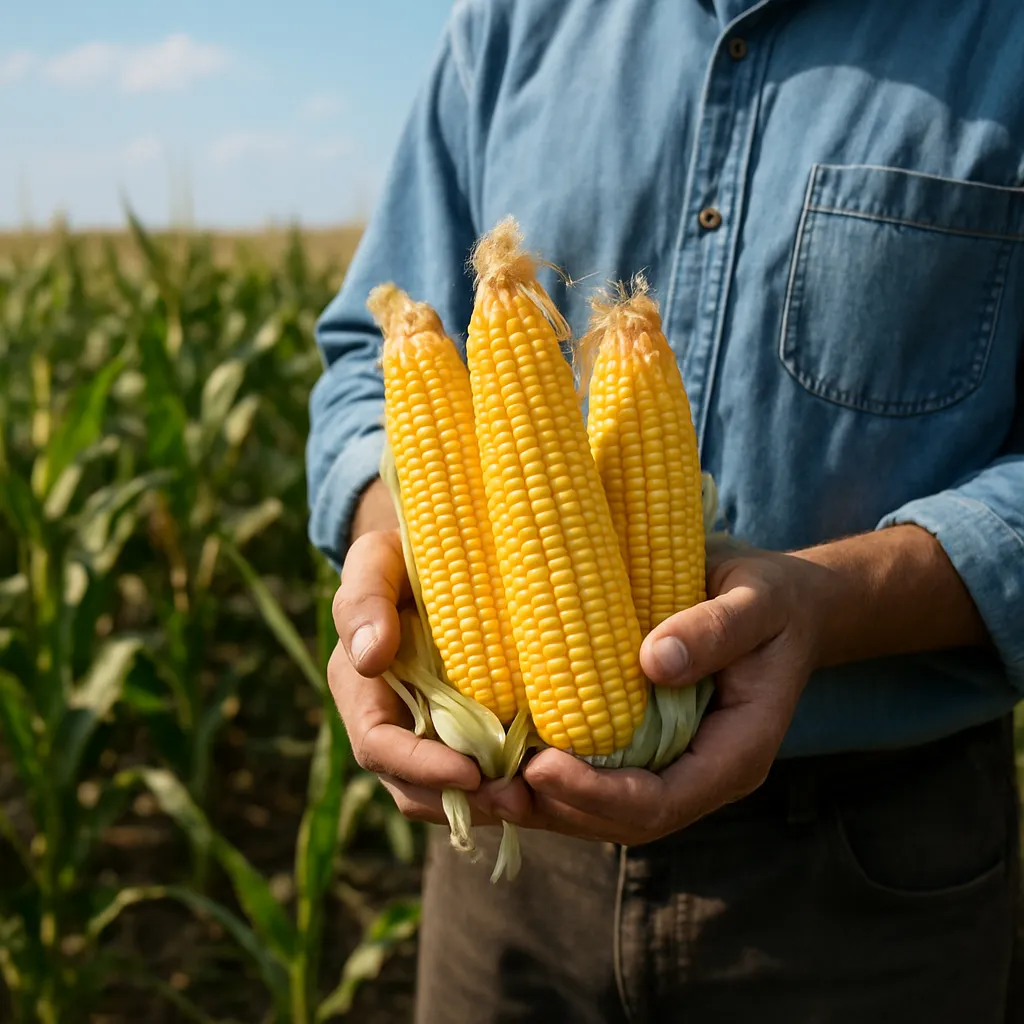
A drought kills many shallow-rooted wild plants, while deeper-rooted plants survive and make more seeds. What process is described?
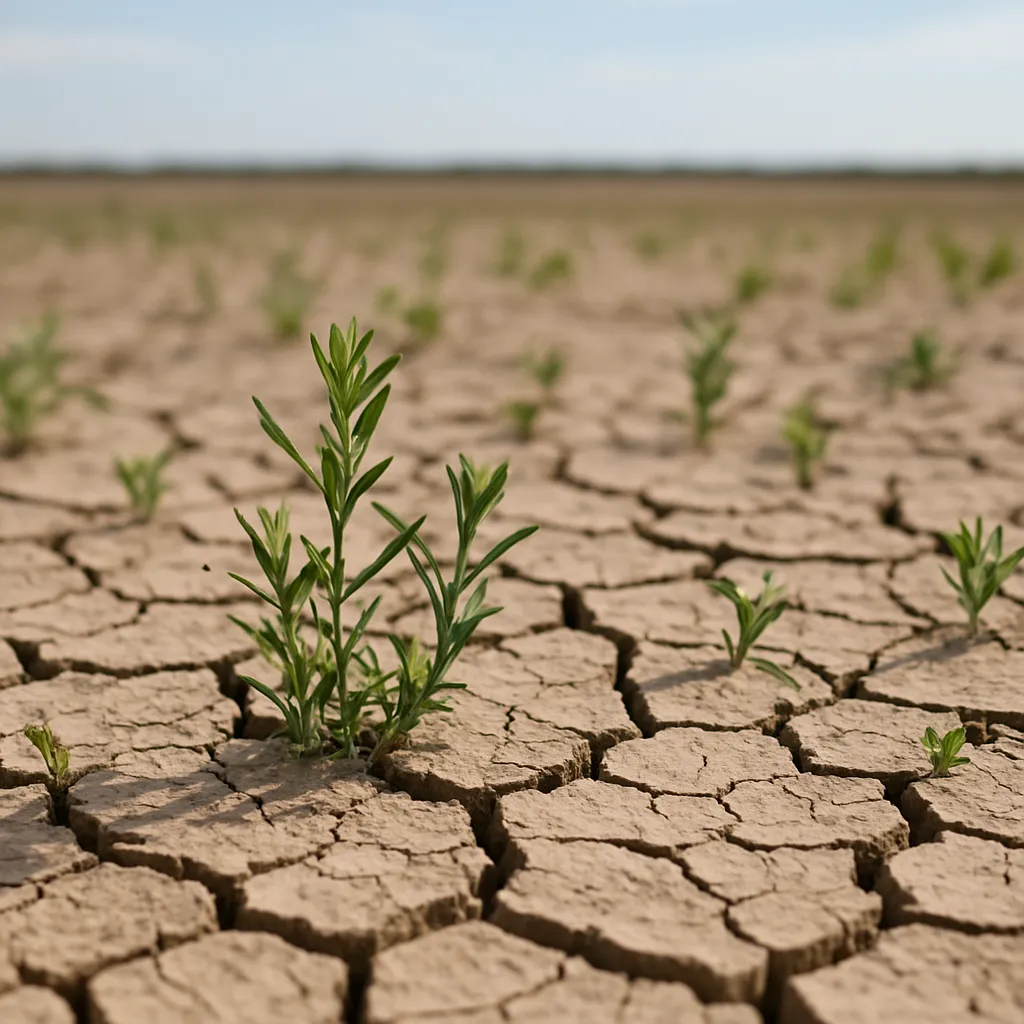
Dog breeders pair only calm dogs to produce calmer puppies over many generations. How should this change be classified?
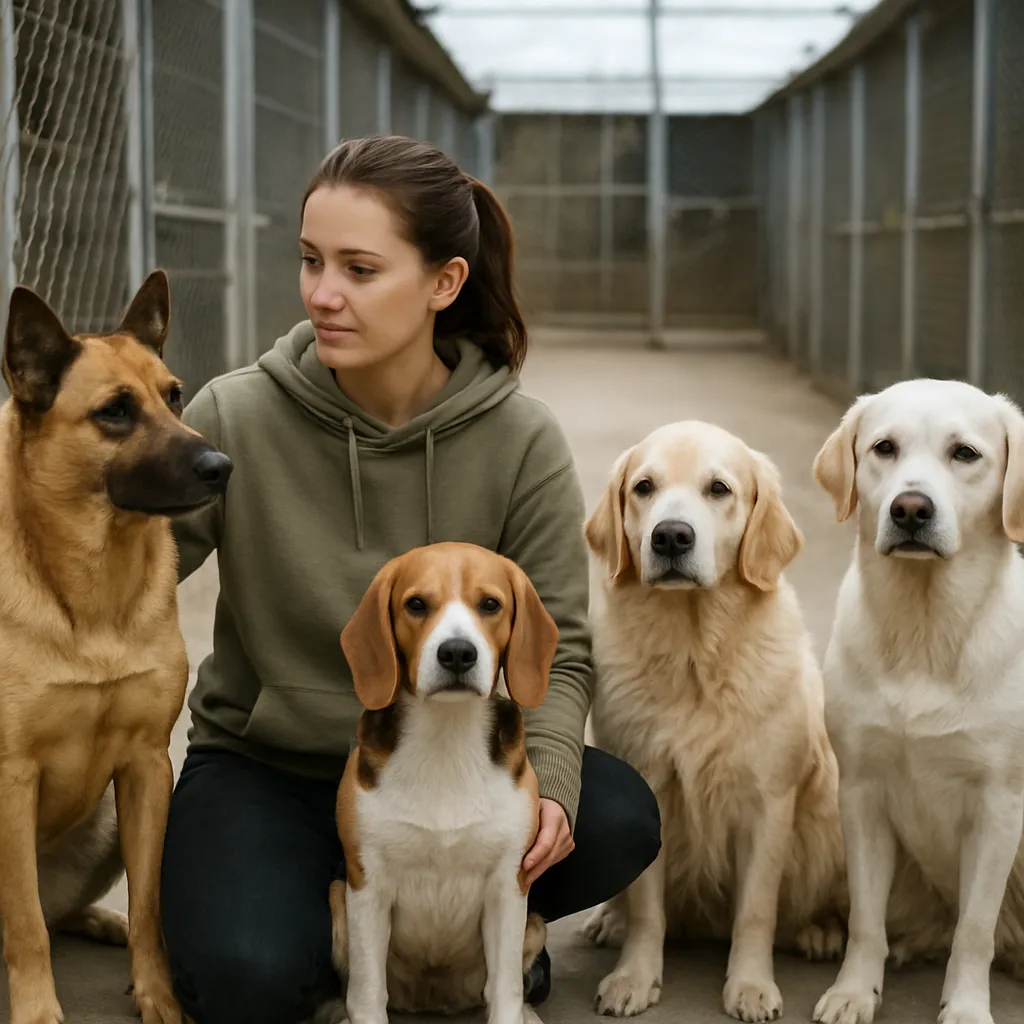
A cold season kills many insects that cannot tolerate freezing. Freeze-tolerant insects survive and reproduce. What process is described?
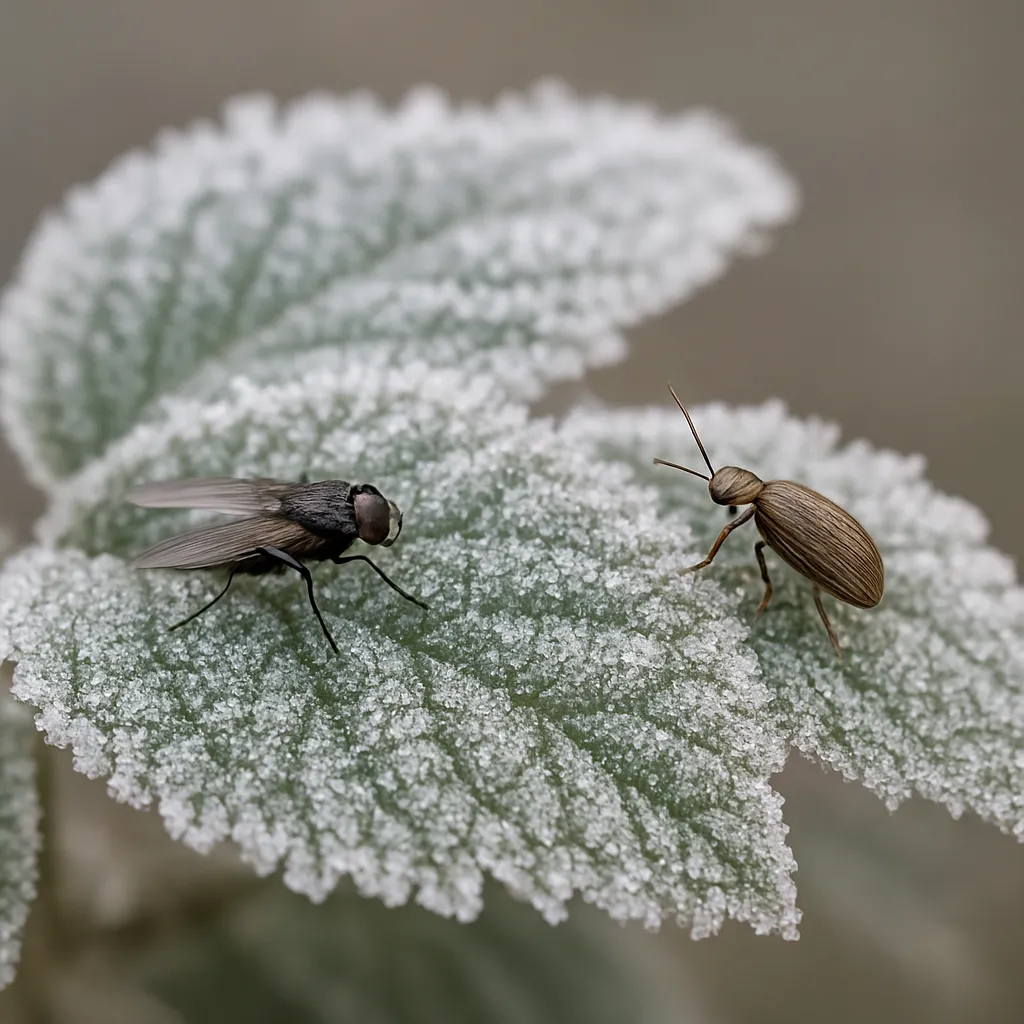
A gardener pollinates only the largest roses and plants their seeds. Larger flowers become more common. What process is changing the trait frequency?

In a stream, pollution kills fish lacking a tolerance gene. Tolerant fish survive and reproduce more. What process does the evidence show?
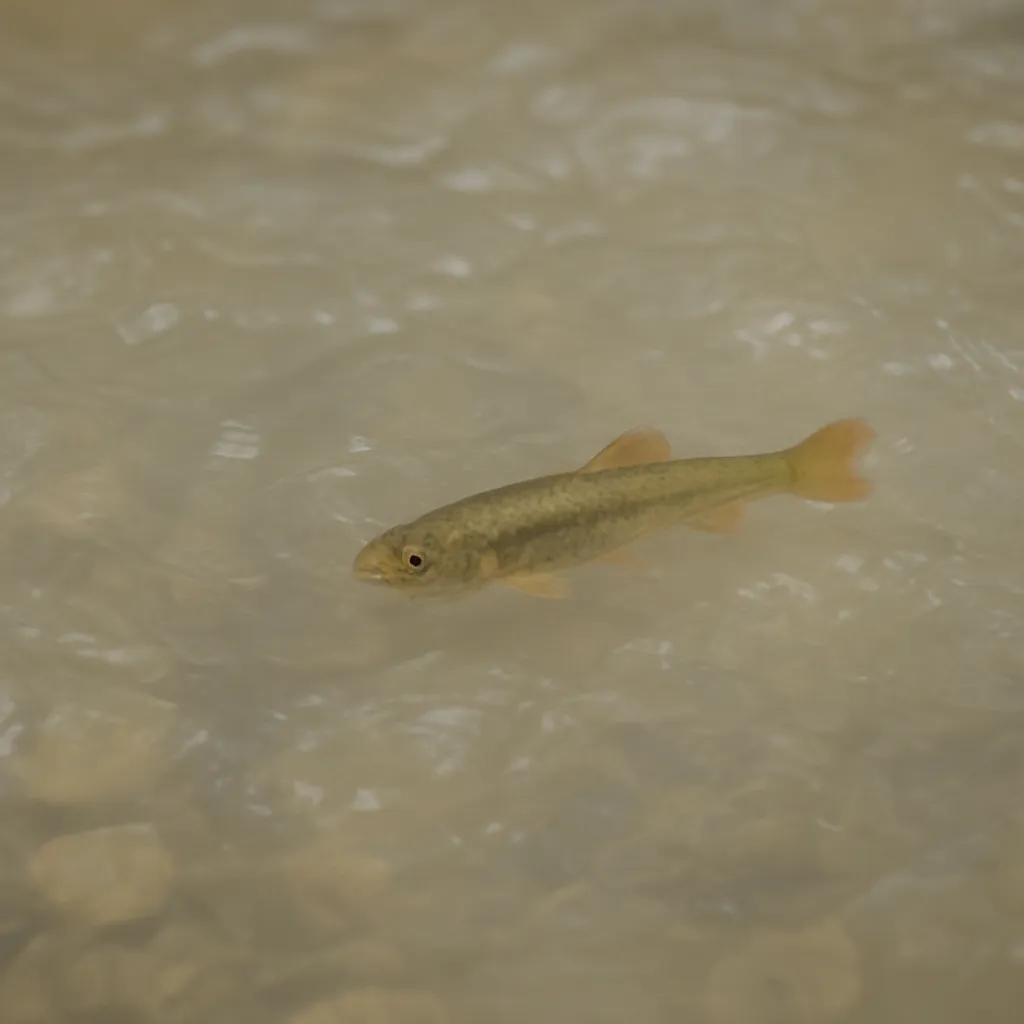
A rancher breeds cattle with the most milk production, and high milk production increases over generations. What is the best classification?
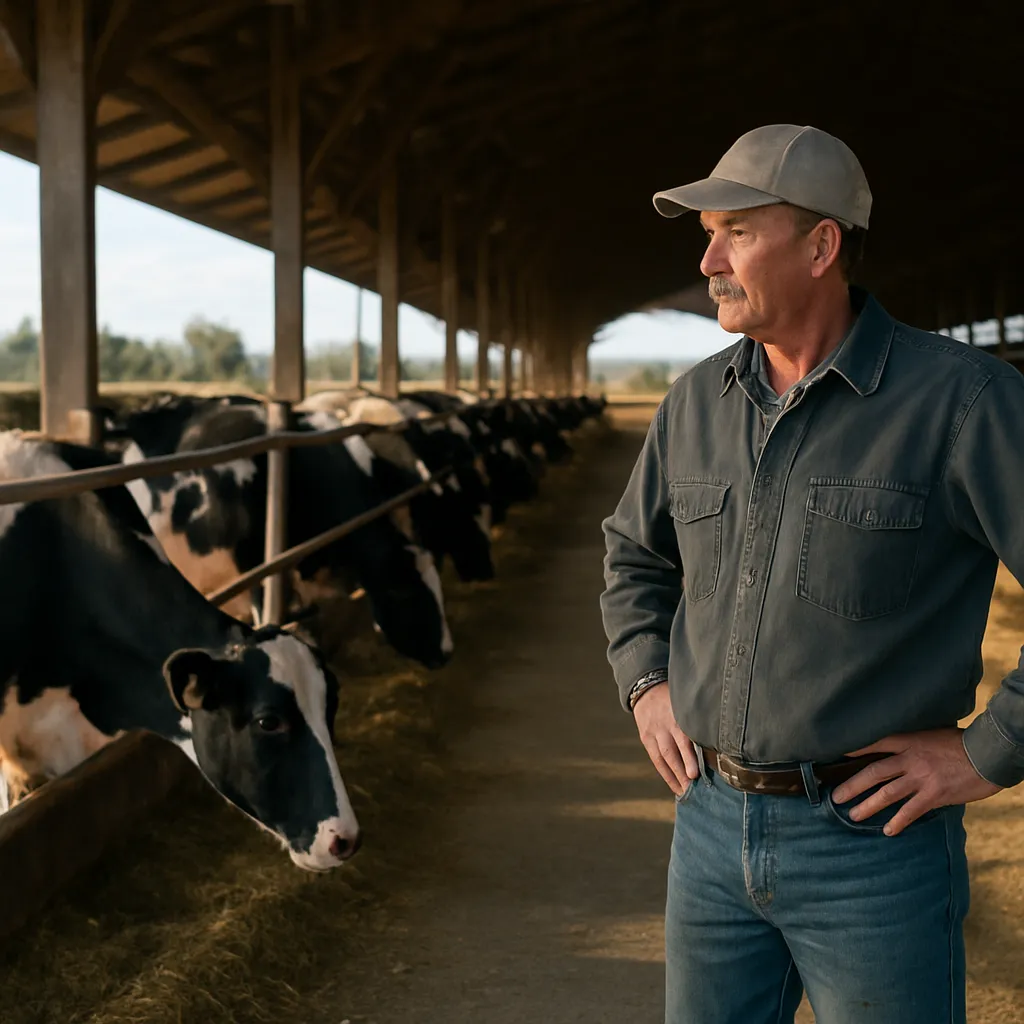
Mosquitoes with a resistance gene survive insecticide sprayed in a wetland and leave more offspring. What makes this natural selection rather than artificial selection?
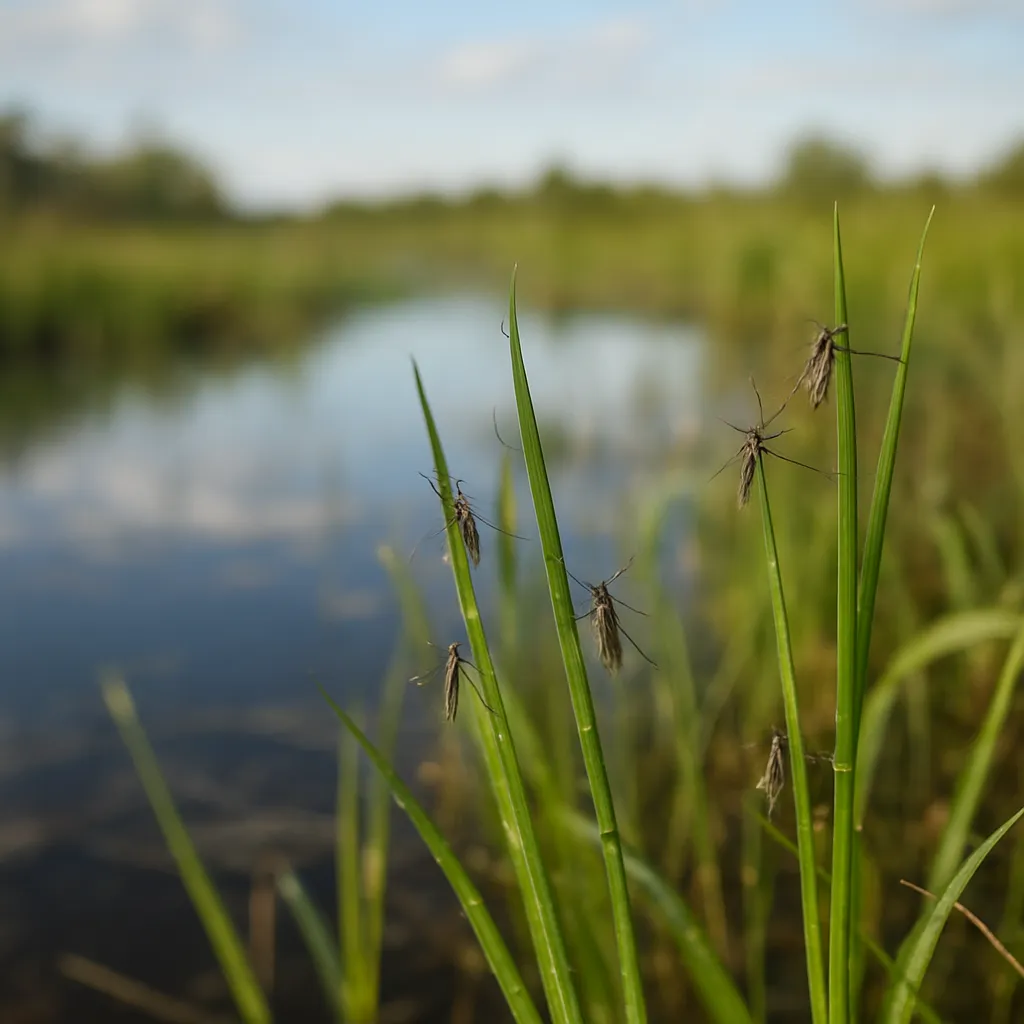
Crack the passcode before the zombies get in.
Answer, then swat bugs for bonus points.
Race through questions at your own speed.
Same question on every screen. Fastest wins.

Pick a tile, answer, hit bonuses and steals.
Adaptation and Survival
20 questions