Loading
by BlastRoom
Identify Native American cultural regions and their environmental adaptations before European contact.
#us_history#us_grade_7_social_studies
40 questions
One question set, multiple game modes. Tap any game to see it in action. Not sure which to pick?
Answer to place stones and capture territory.
Outrun the snow together.
Earn blasts, then hunt the other team.
Answer to earn energy, then climb.

The class blasts through walls together.
Bid on mystery lots. Most money wins.
Sell tours. Nice, standard, or a total scam.

Answer, restock, and serve the rush.
More correct answers pulls the rope your way.
Answer, then shoot down the alien wave.
Answer, then tap to leap the frozen ridge.
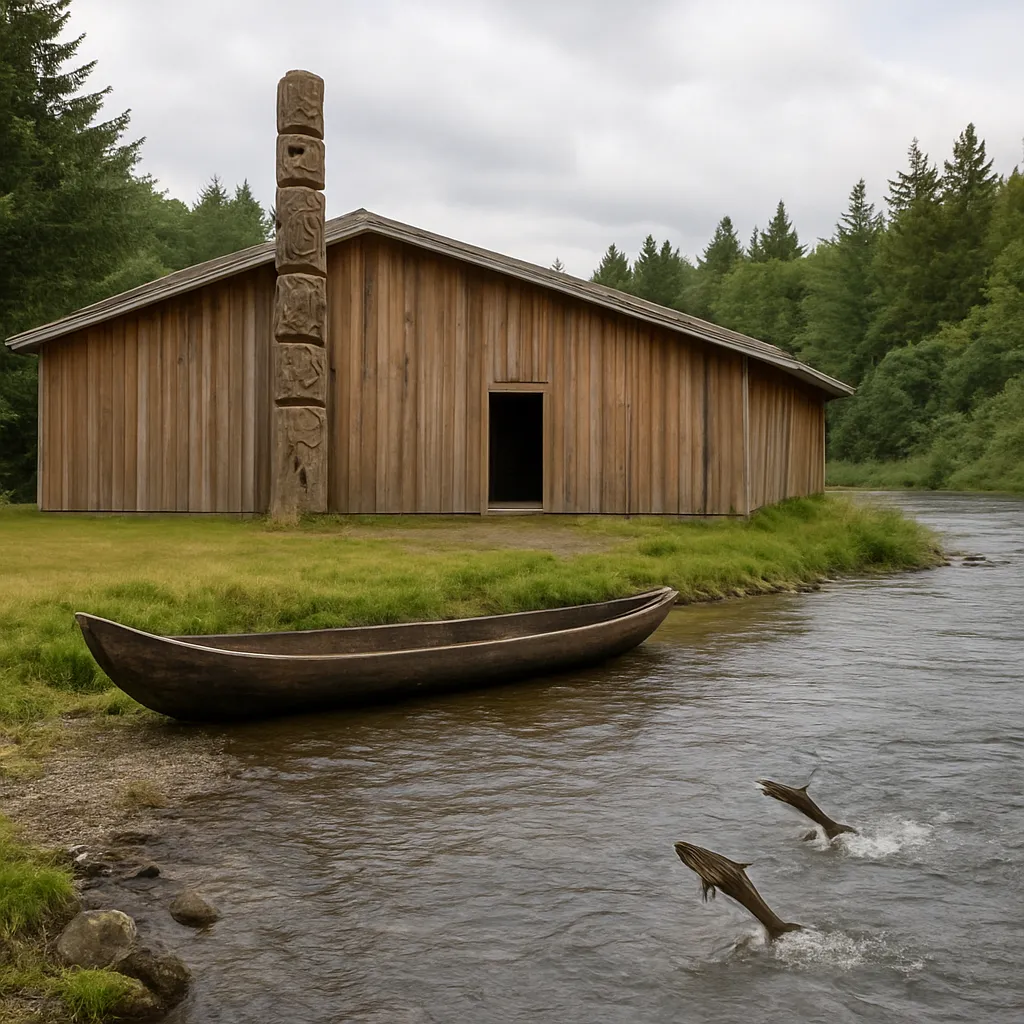
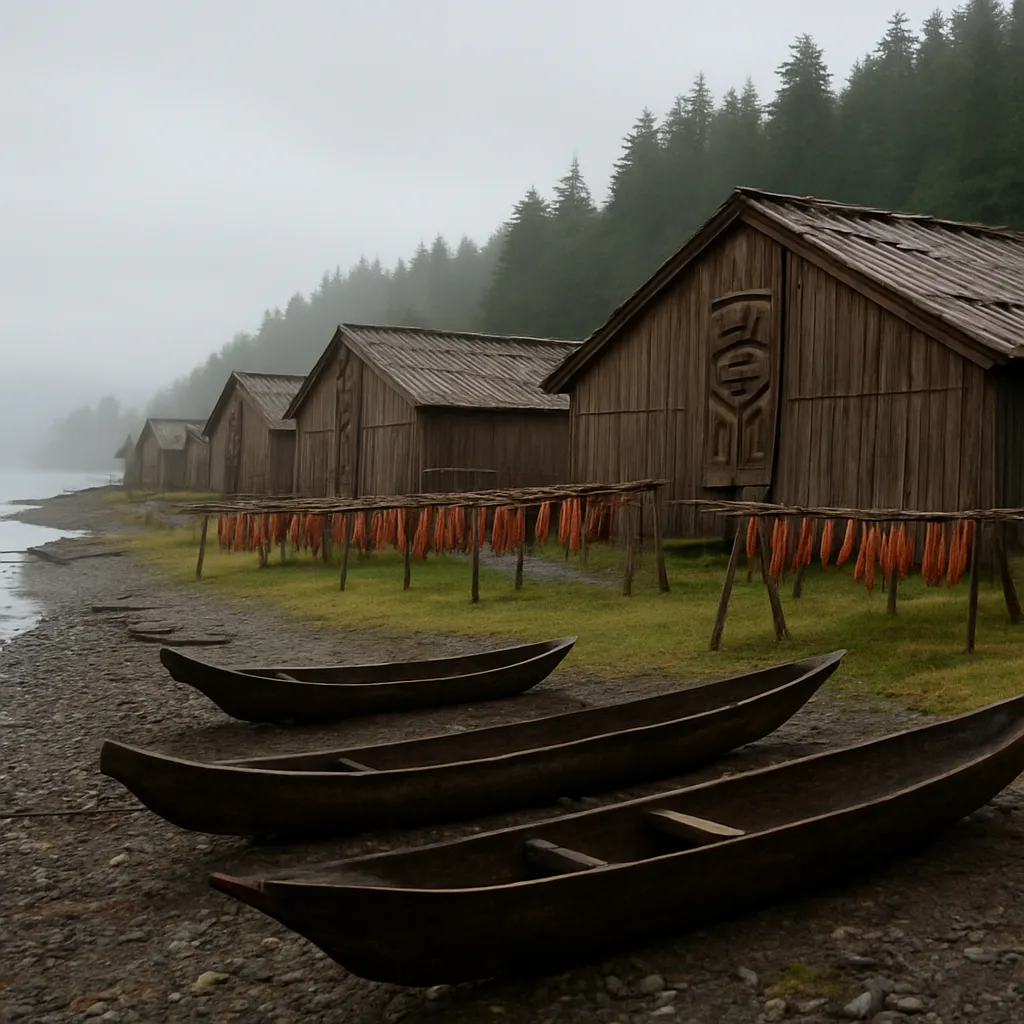
People near cedar forests and salmon runs built plank houses and carved large canoes. What cultural region fits these clues?
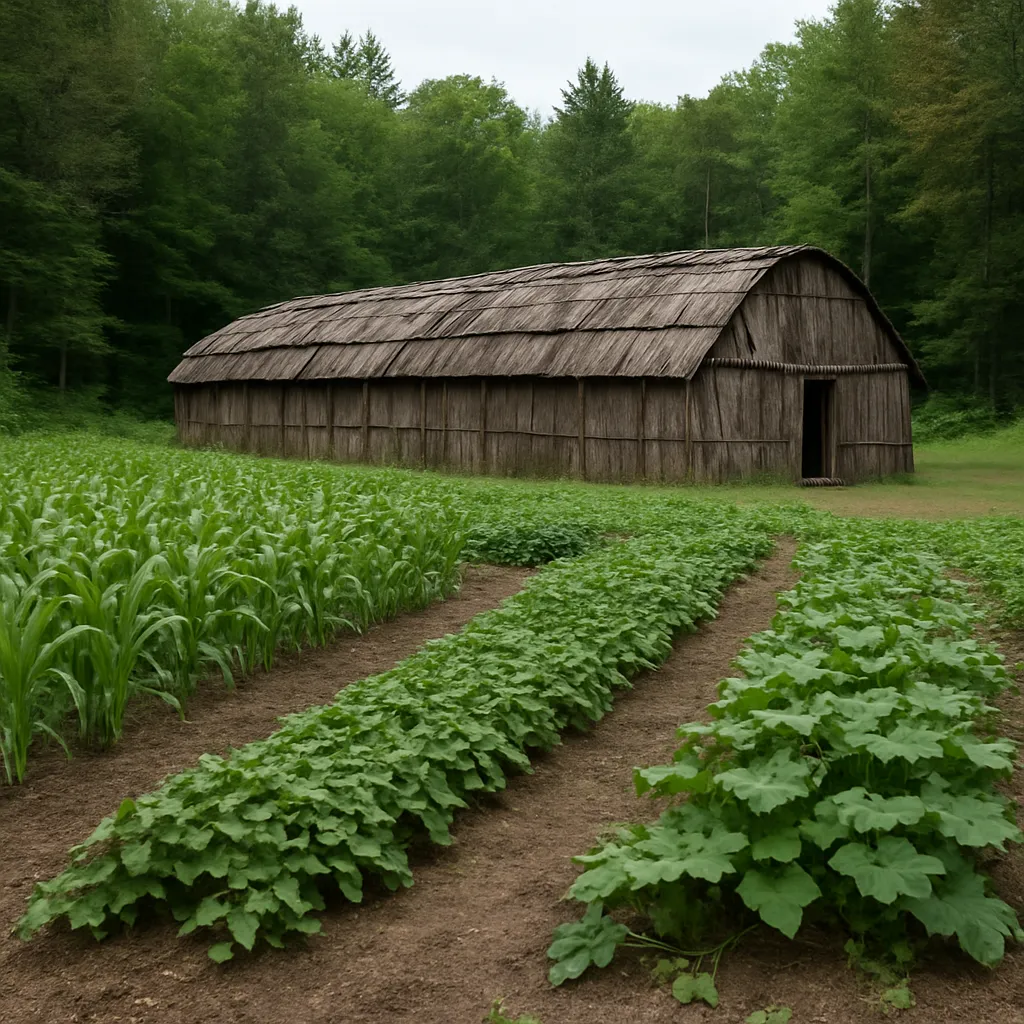
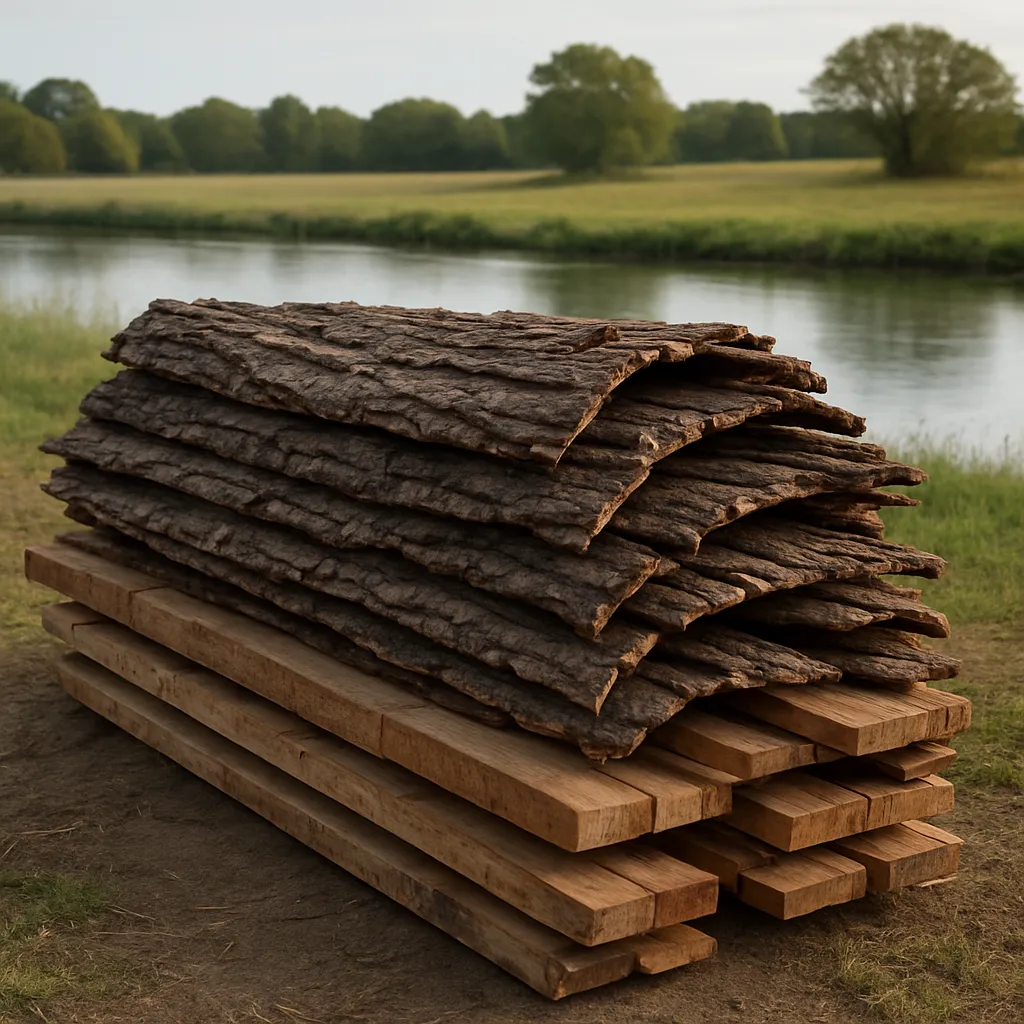
People farmed corn, beans, and squash together and lived in bark-covered longhouses shared by several families. What cultural region fits these clues?
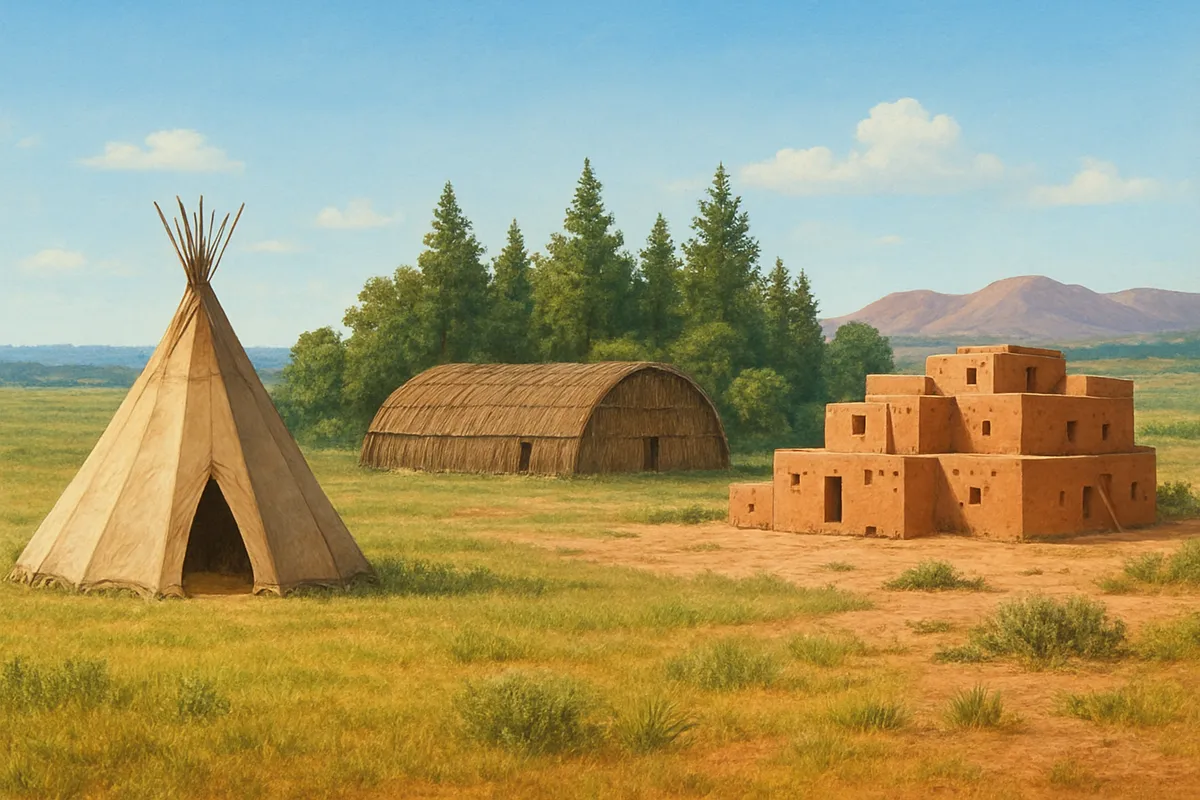
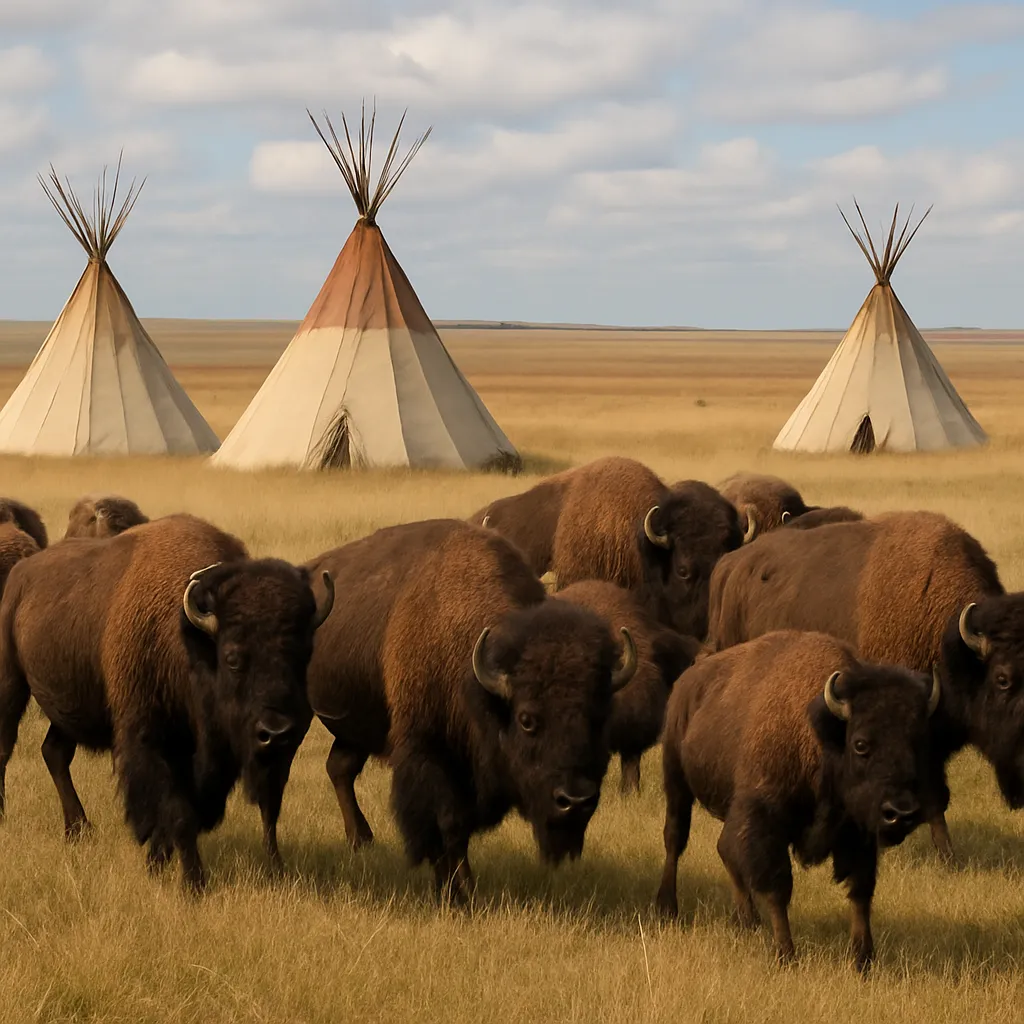
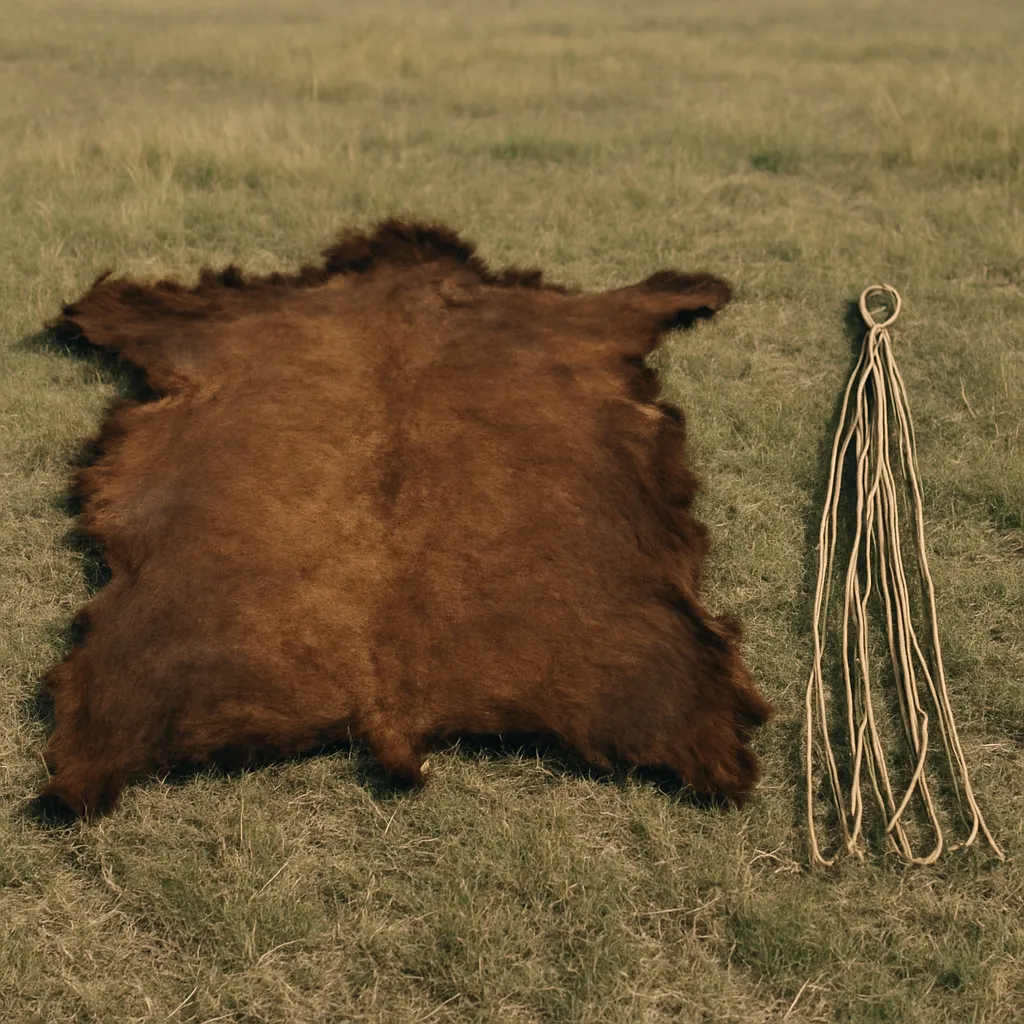
People moved with the buffalo herds and lived in shelters of hide stretched over poles. What cultural region fits these clues?
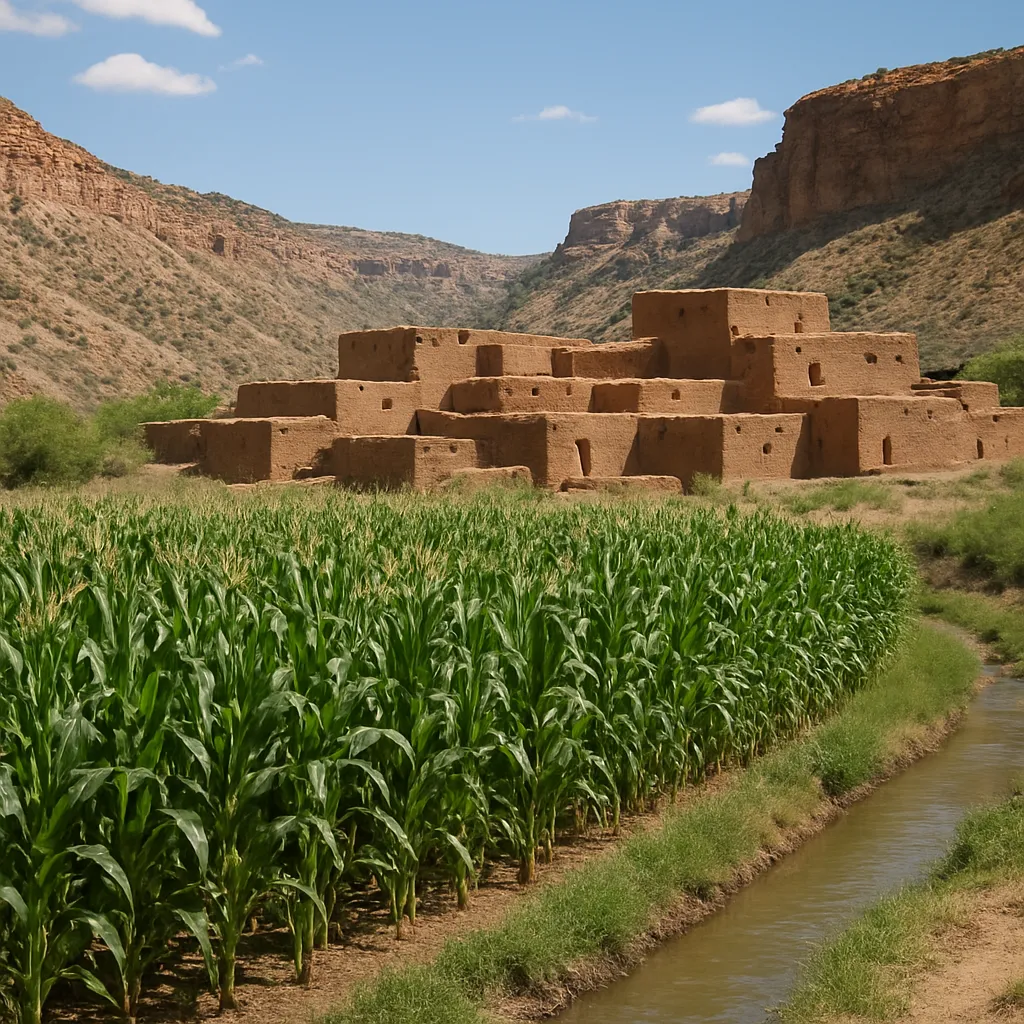
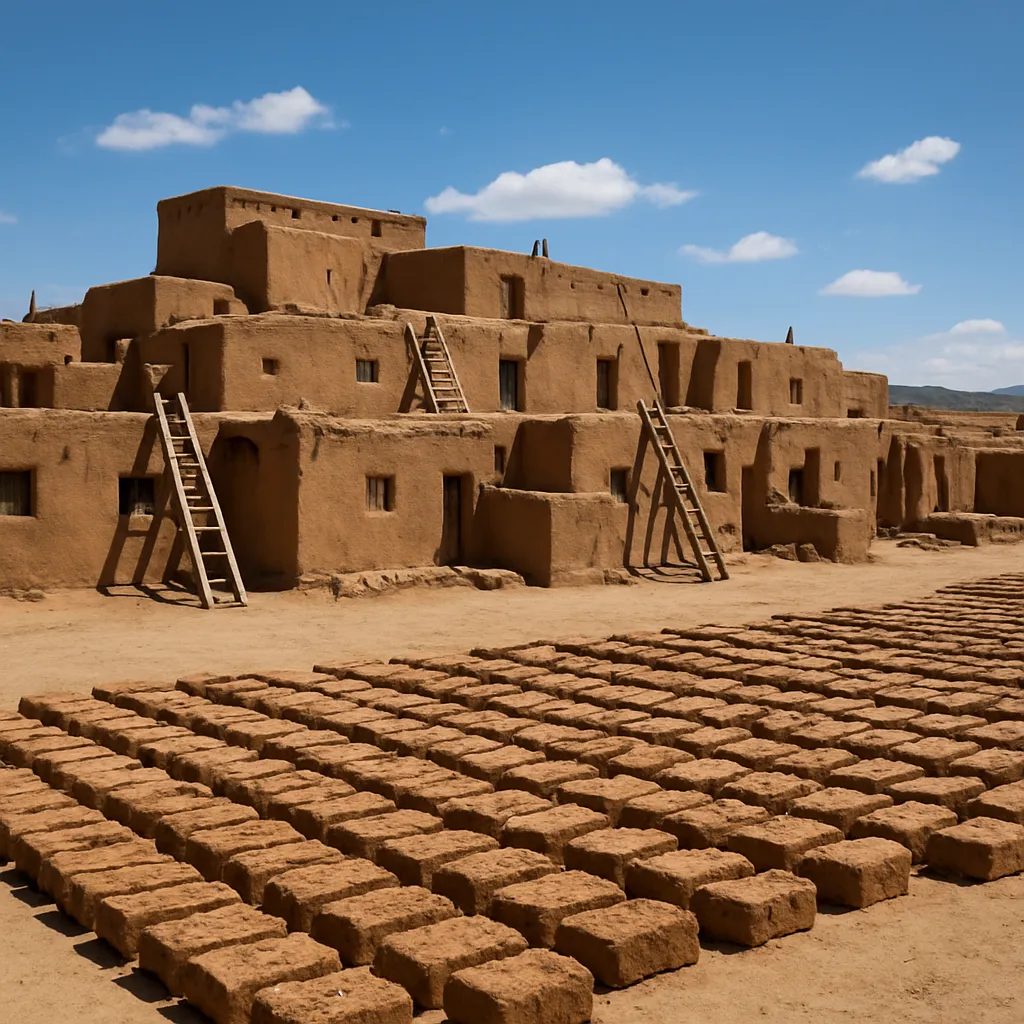
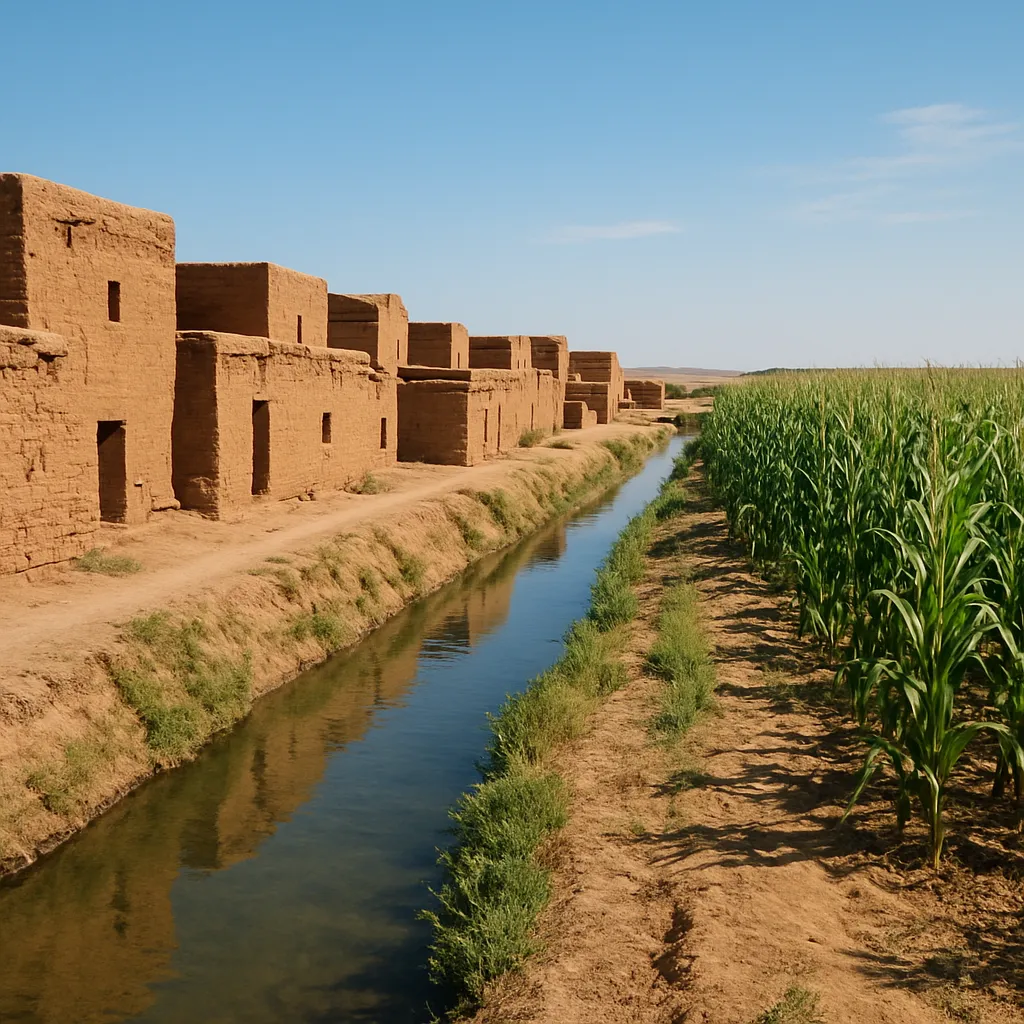
People in dry mesas and canyons farmed corn with irrigation and built adobe pueblos. What cultural region fits these clues?
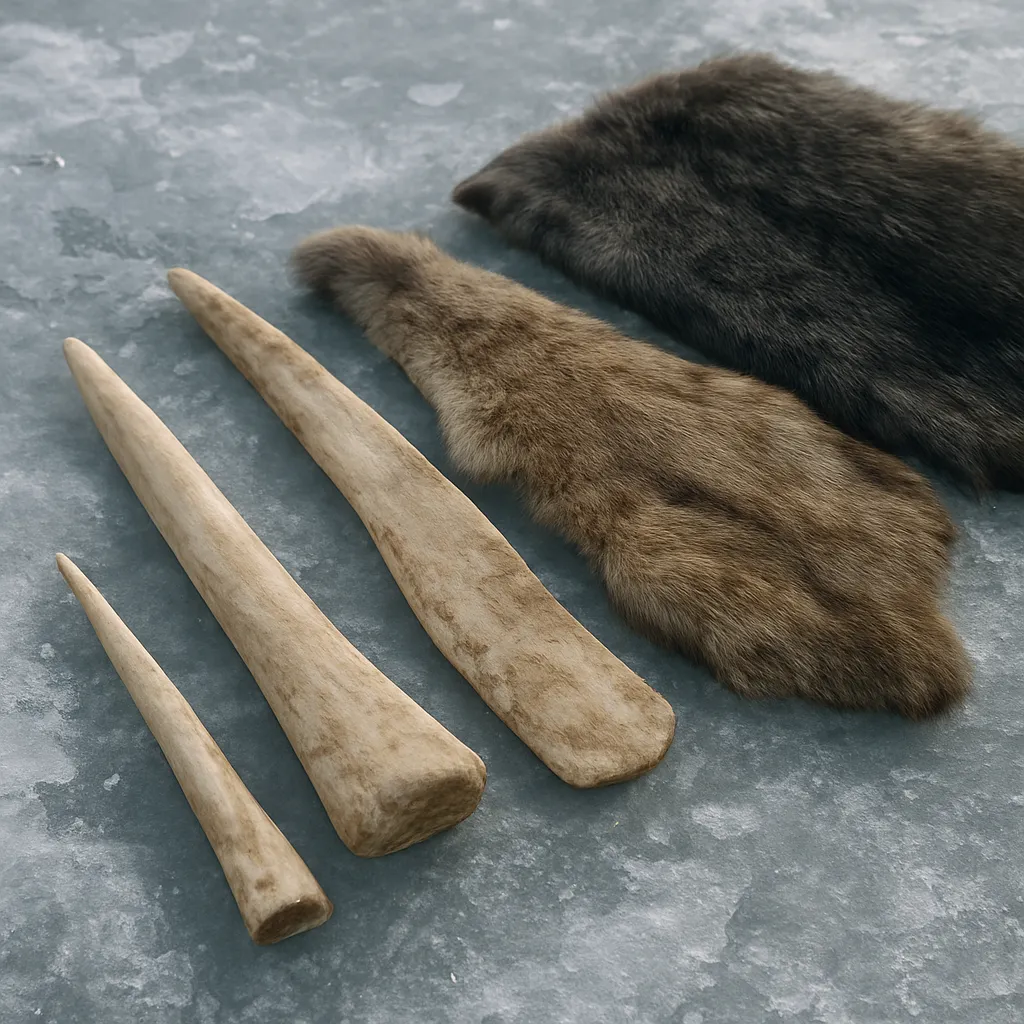
People hunted seals and caribou, wore fur clothing, and carved harpoon points from bone and antler. What cultural region fits these clues?
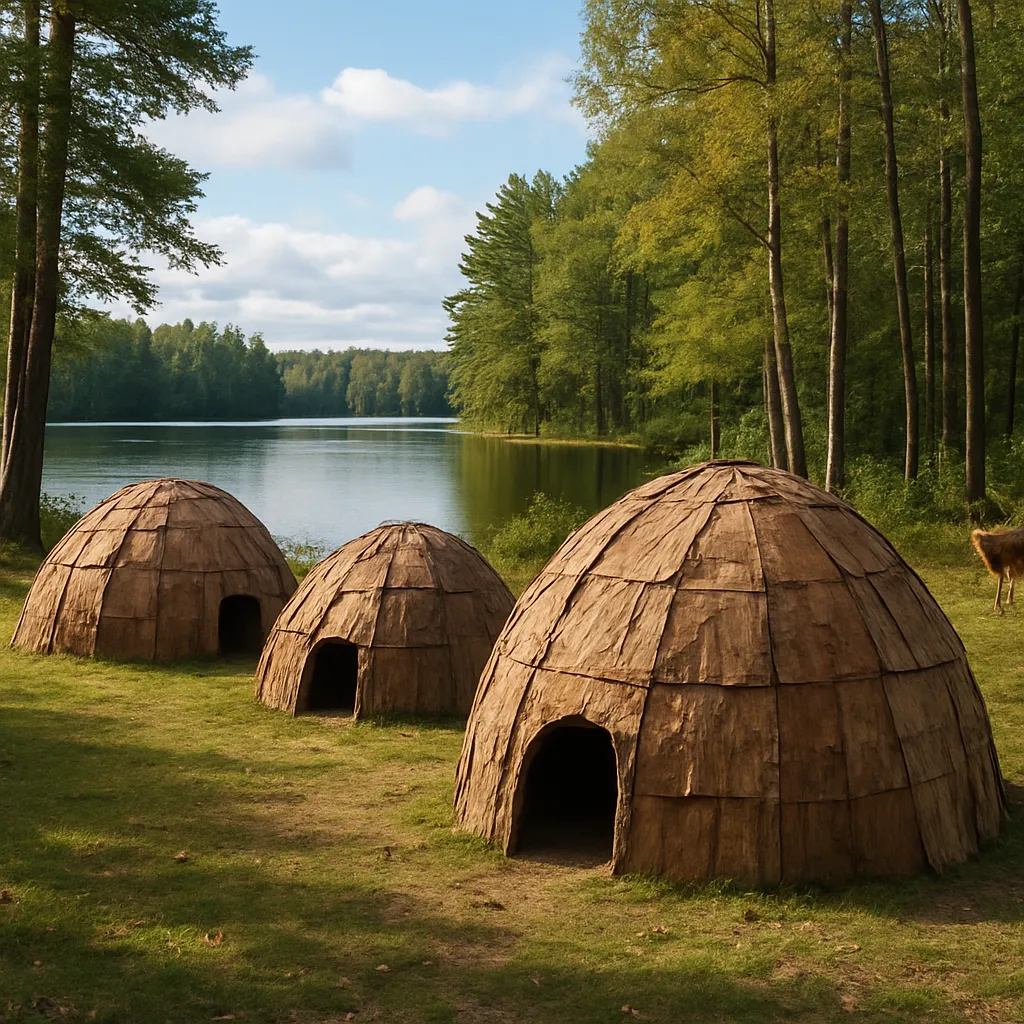
A community hunted deer, gathered nuts and berries, and lived in dome-shaped wigwams covered with bark. What cultural region fits these clues?
A coastal village dried huge salmon catches on racks and held potlatches, feasts where hosts gave away gifts. What cultural region fits these clues?
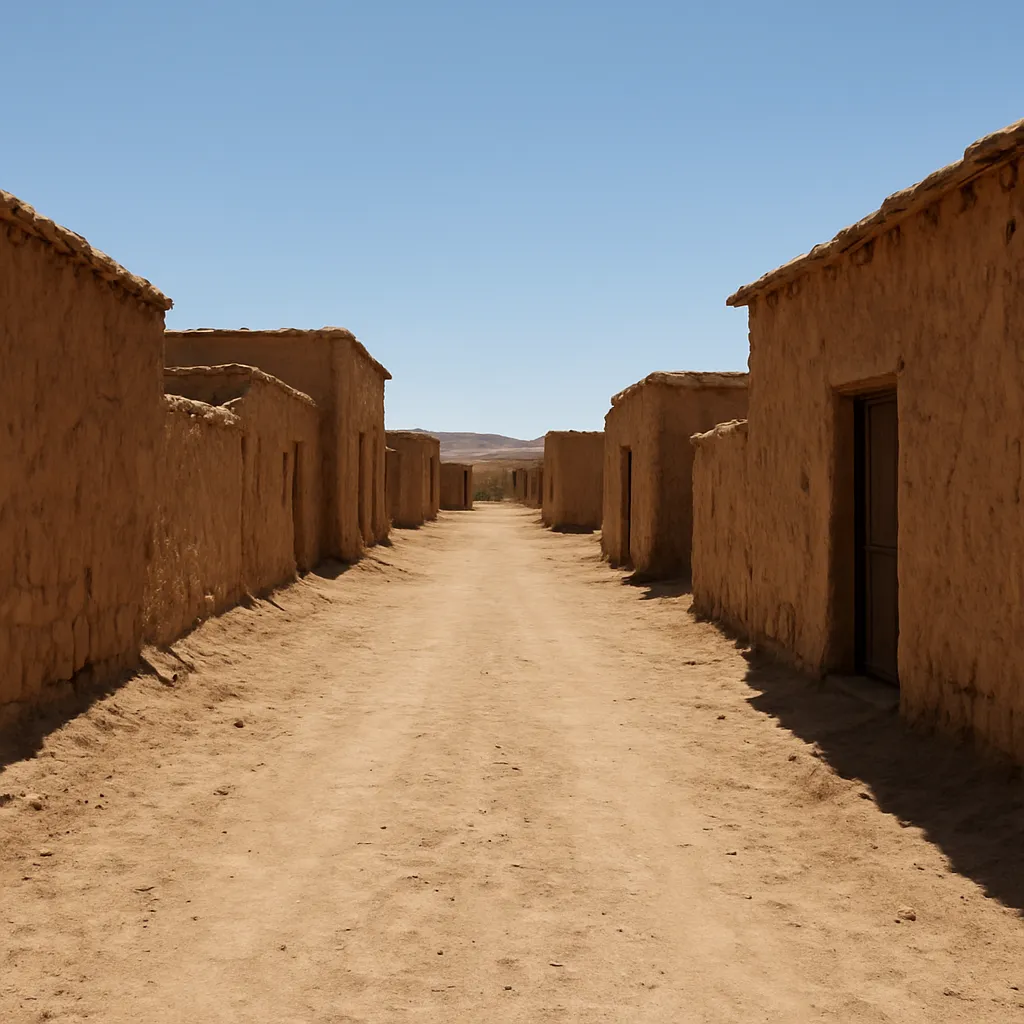
A village mixed clay, sand, and straw with water, shaped it into bricks, and dried the bricks in the sun to build homes. What cultural region fits these clues?
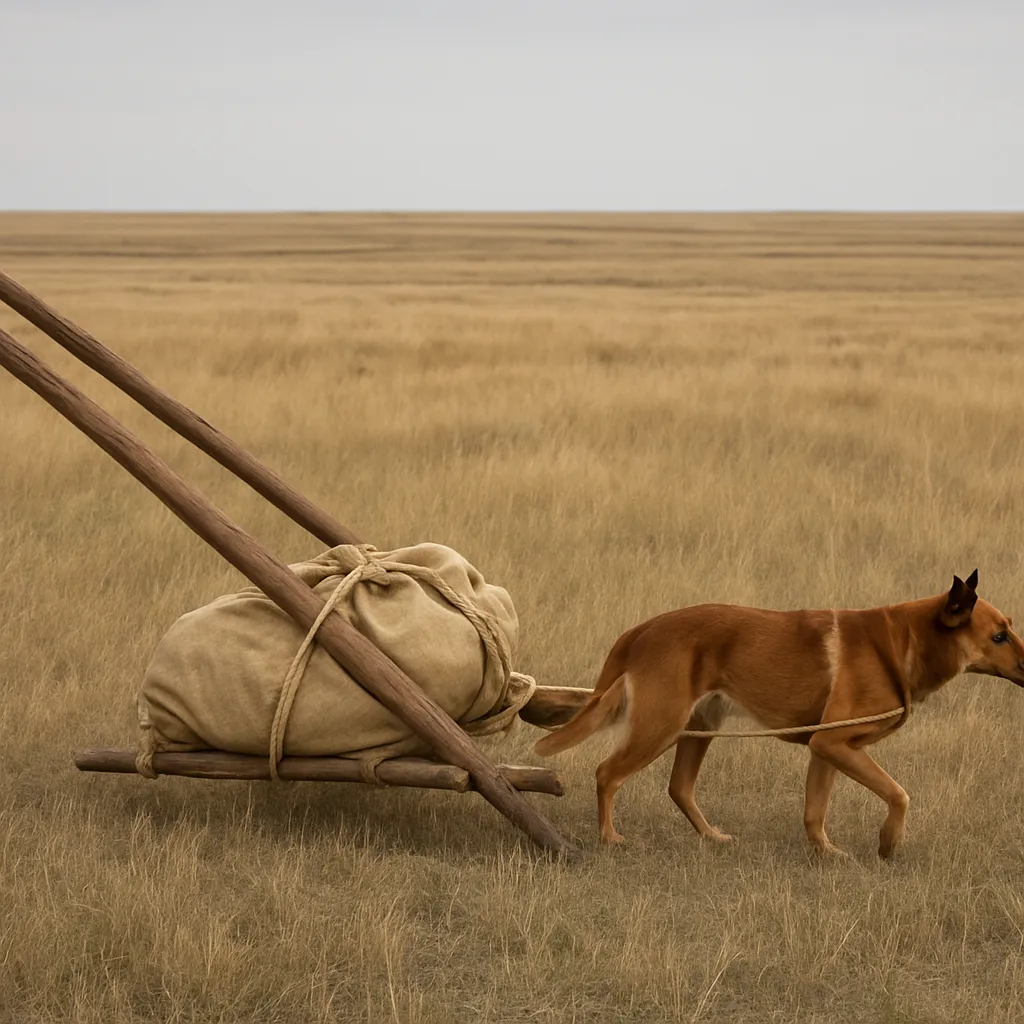
A group moved camp often and dragged its belongings on travois, frames of poles pulled by dogs and later by horses. What cultural region fits these clues?
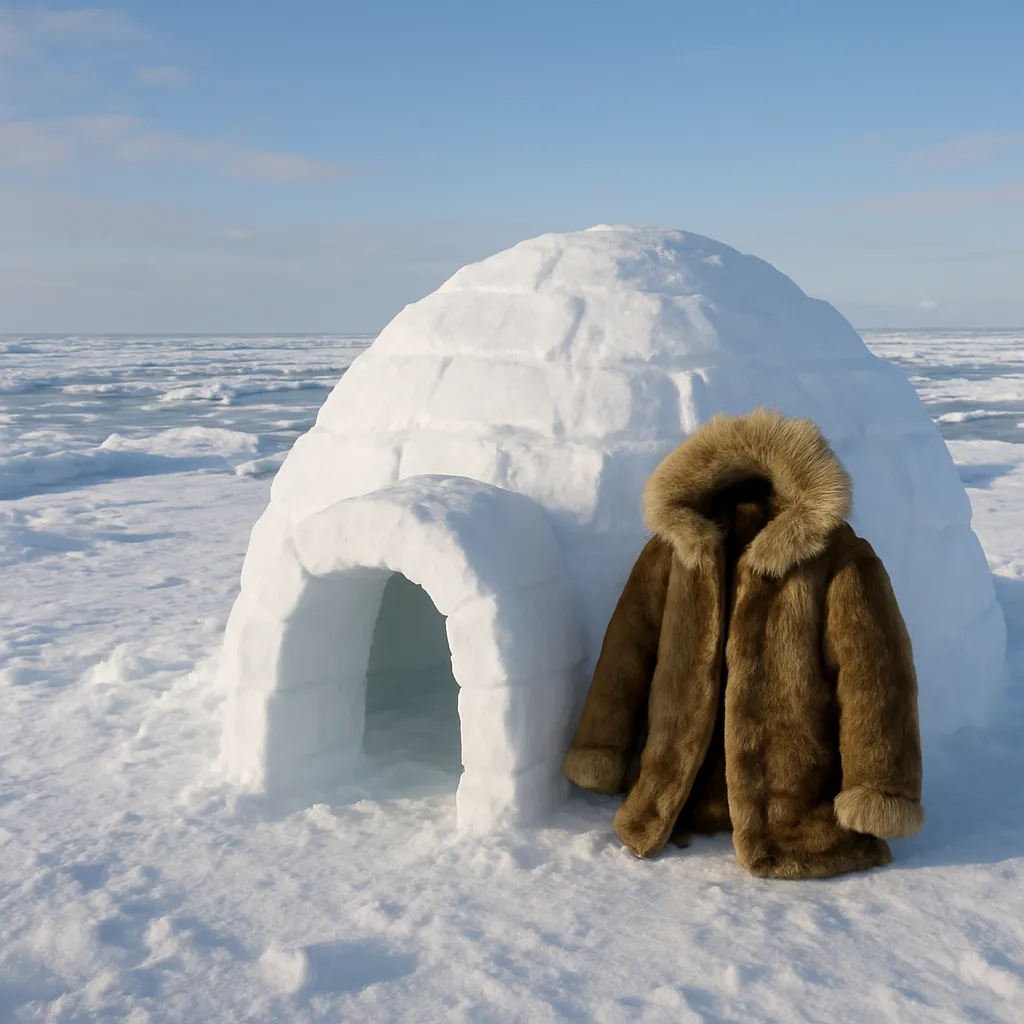
Families wore layered animal-skin clothing and built winter shelters from blocks of packed snow. What cultural region fits these clues?
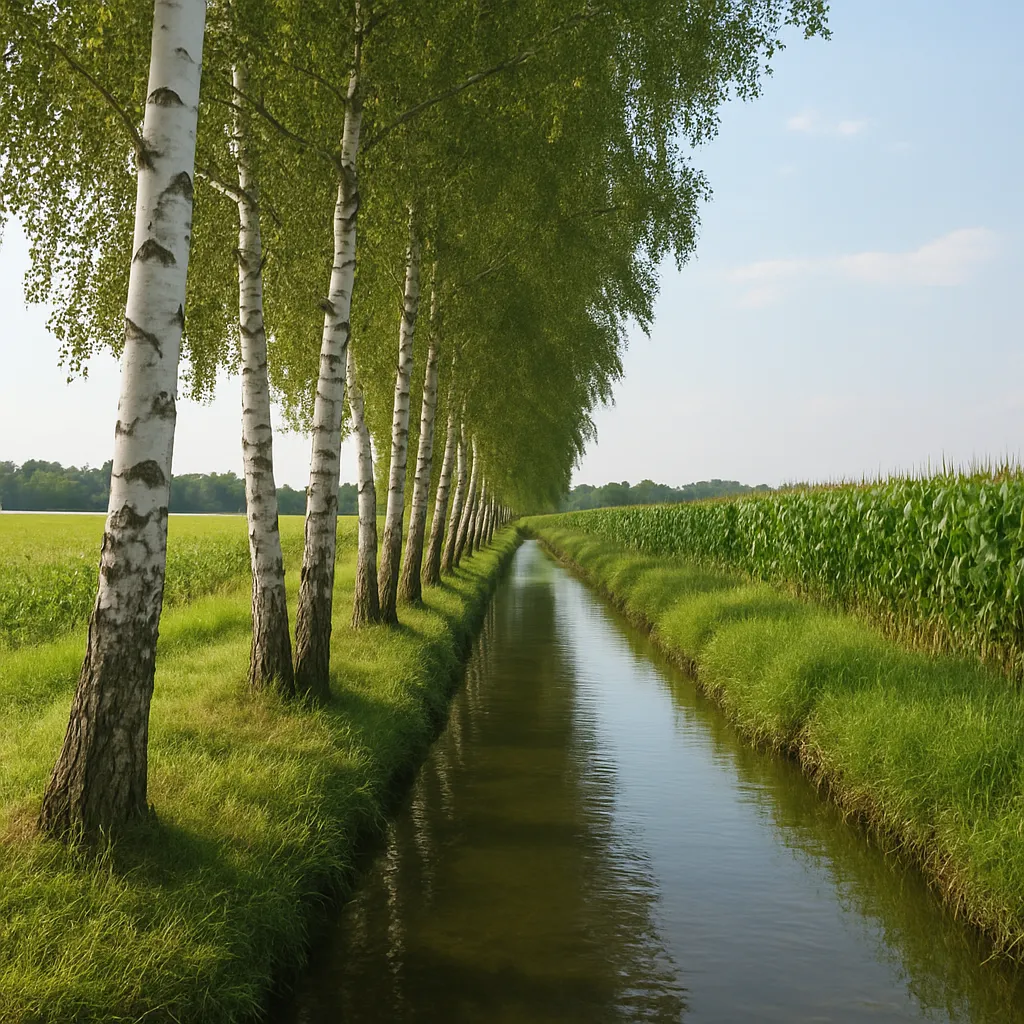
People lived near birch trees, waterways, deer, and fertile fields for corn farming. What cultural region fits these clues?
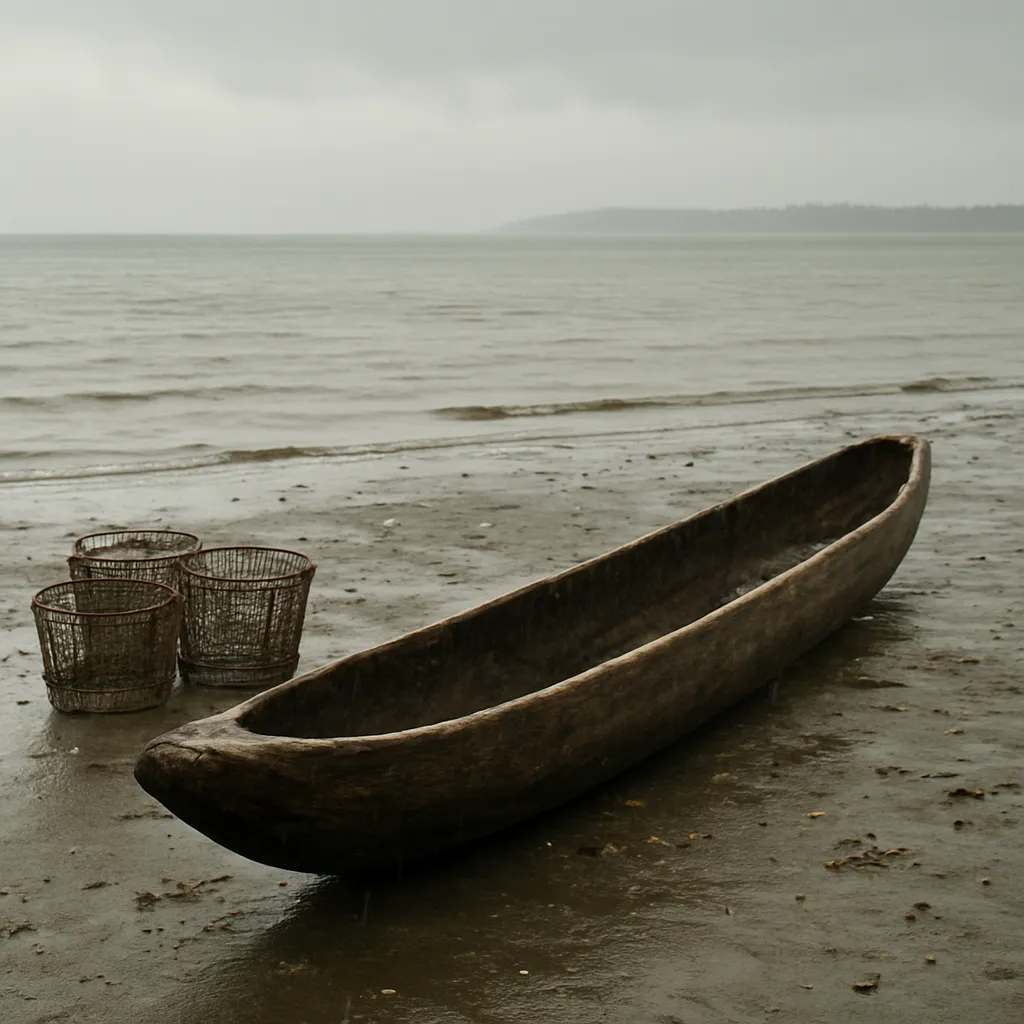
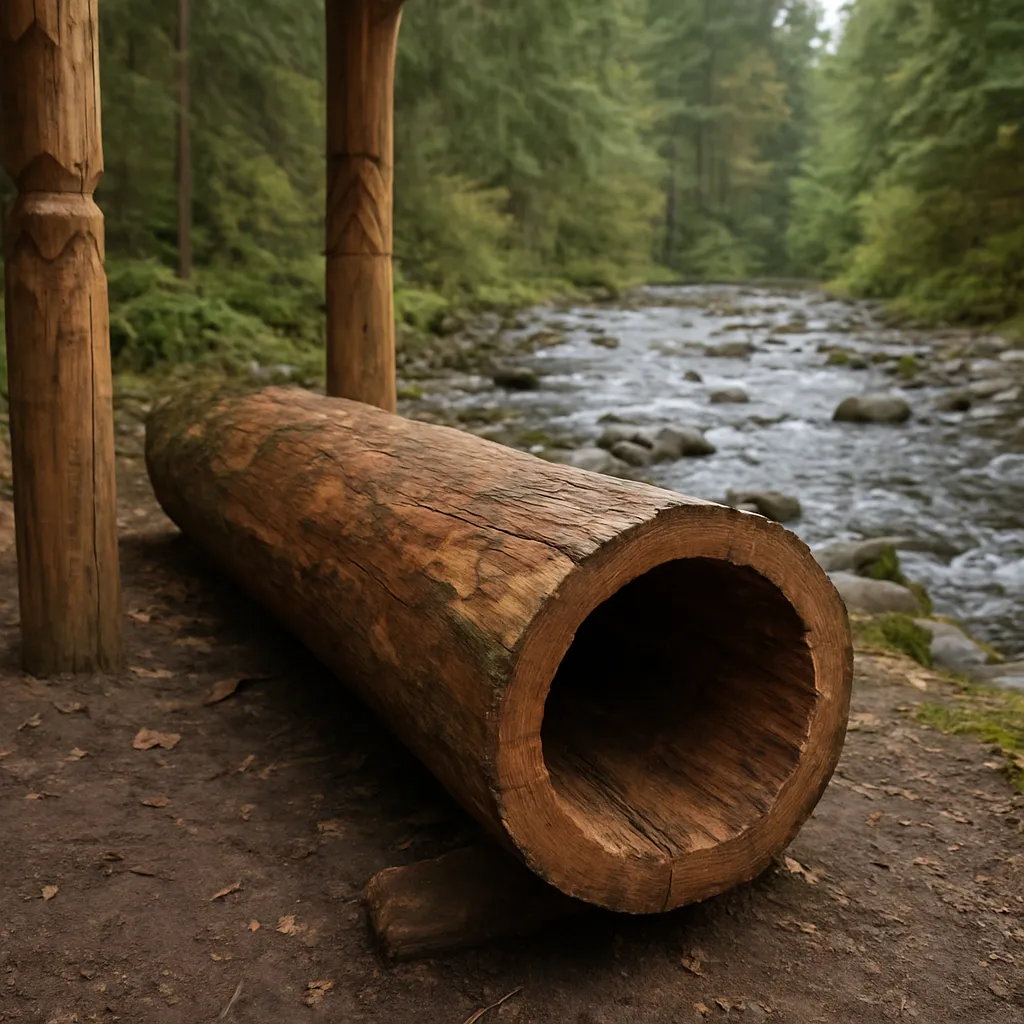
People on a mild, rainy coast gathered clams and mussels at low tide and traveled in canoes carved from single logs. What cultural region fits these clues?
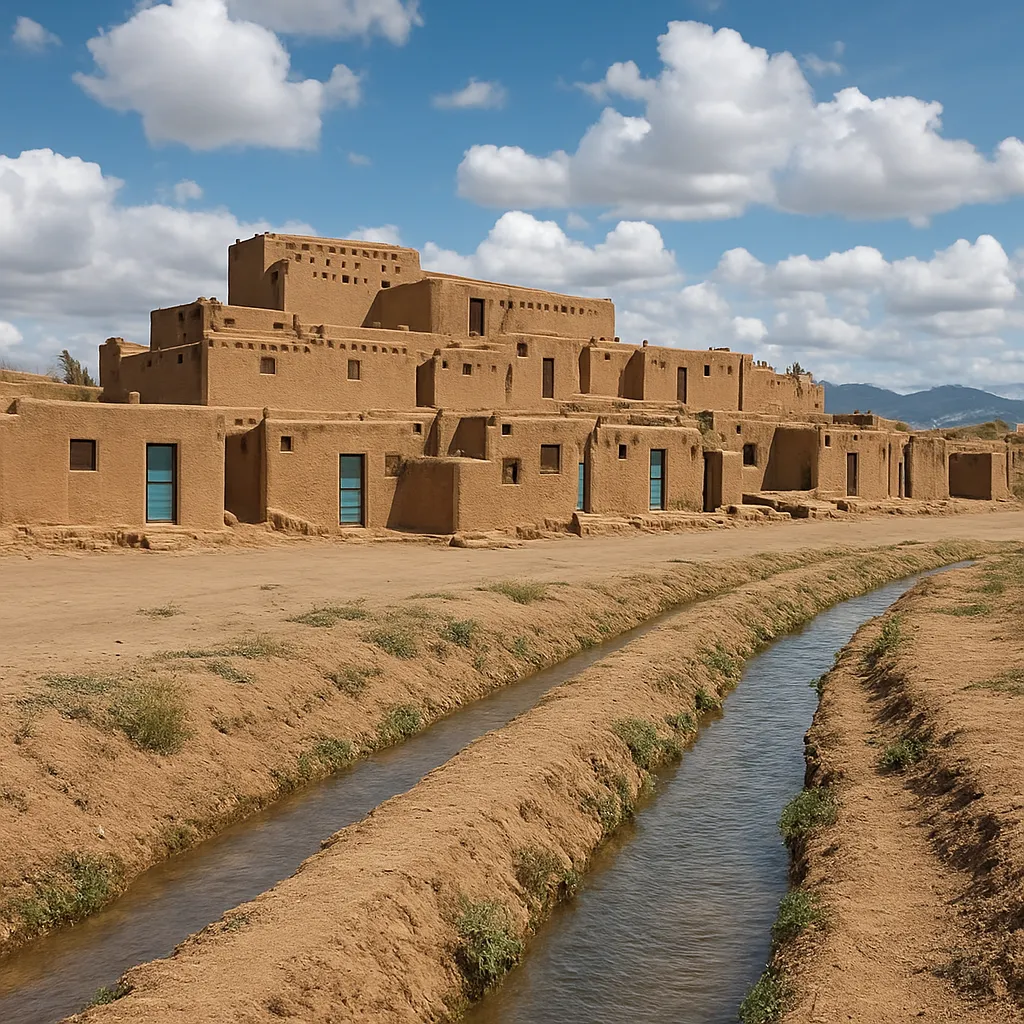
People built villages several stories high, climbed ladders to upper rooms, and held ceremonies in underground rooms called kivas. What cultural region fits these clues?
People made clothing, tipi covers, tools, and food from nearly every part of the buffalo. What cultural region fits these clues?
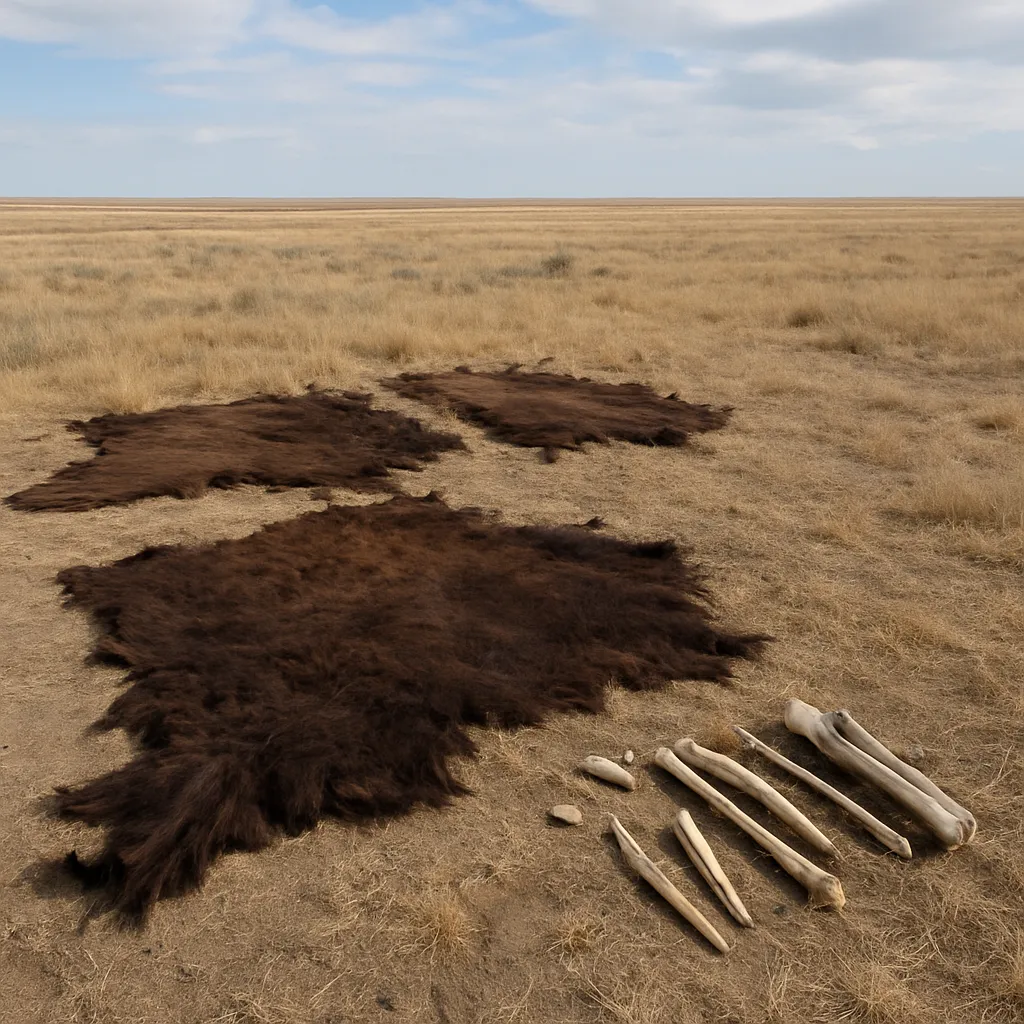
A Great Plains group needed shelter for seasonal buffalo hunts. What adaptation matched that way of life?
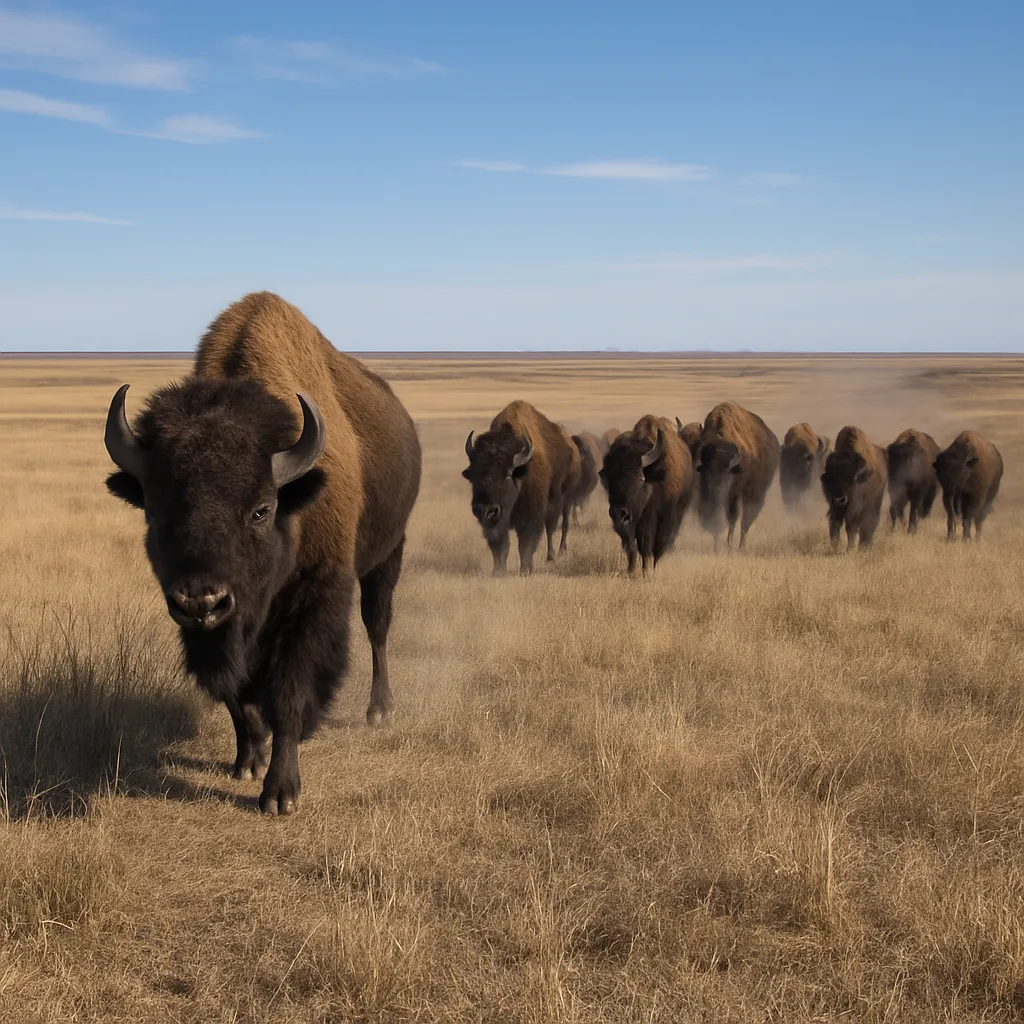
A Southwest farming village faced dry weather and little rainfall. What adaptation best helped crops grow?
An Eastern Woodlands people covered long wooden frames with elm bark to make homes shared by several related families. What were these homes called?
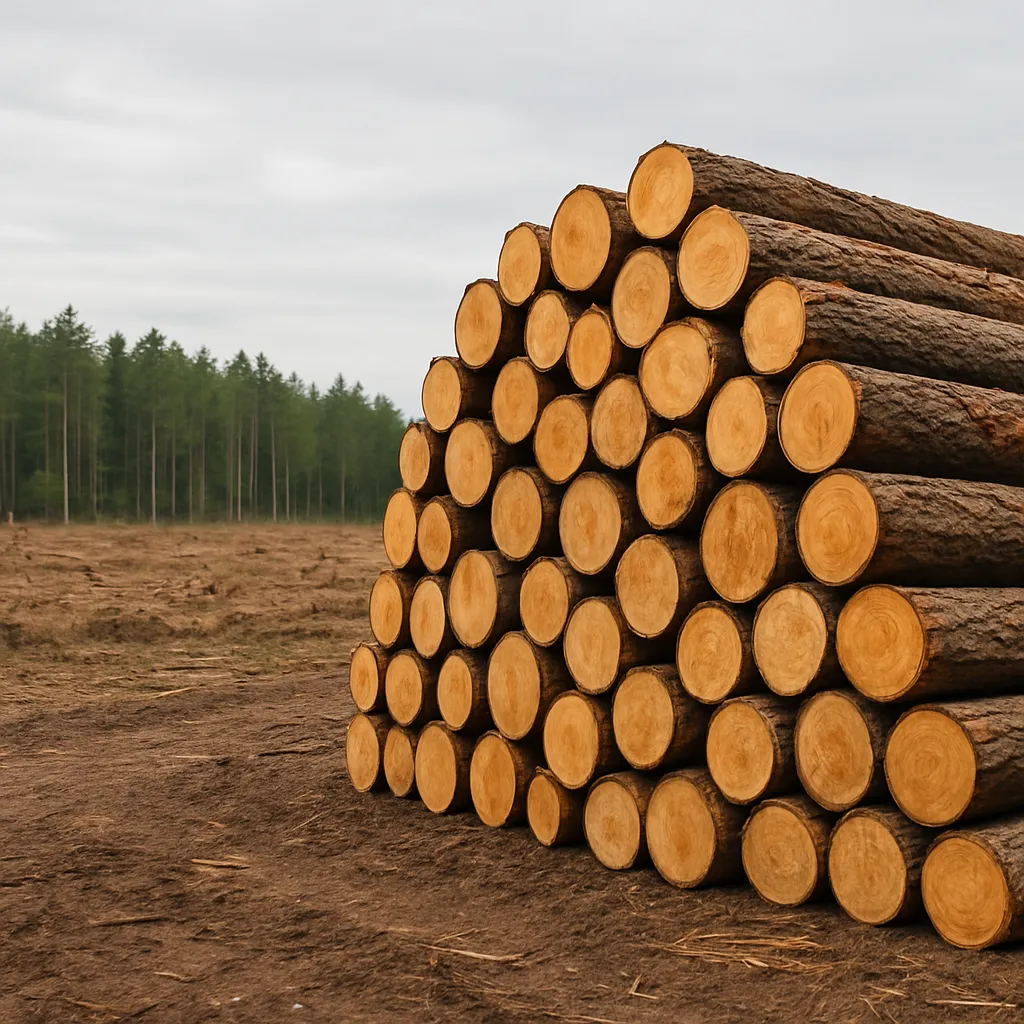
A Pacific Northwest village sat beside a rich salmon stream in a coastal forest of giant cedars. What adaptation matched that setting?
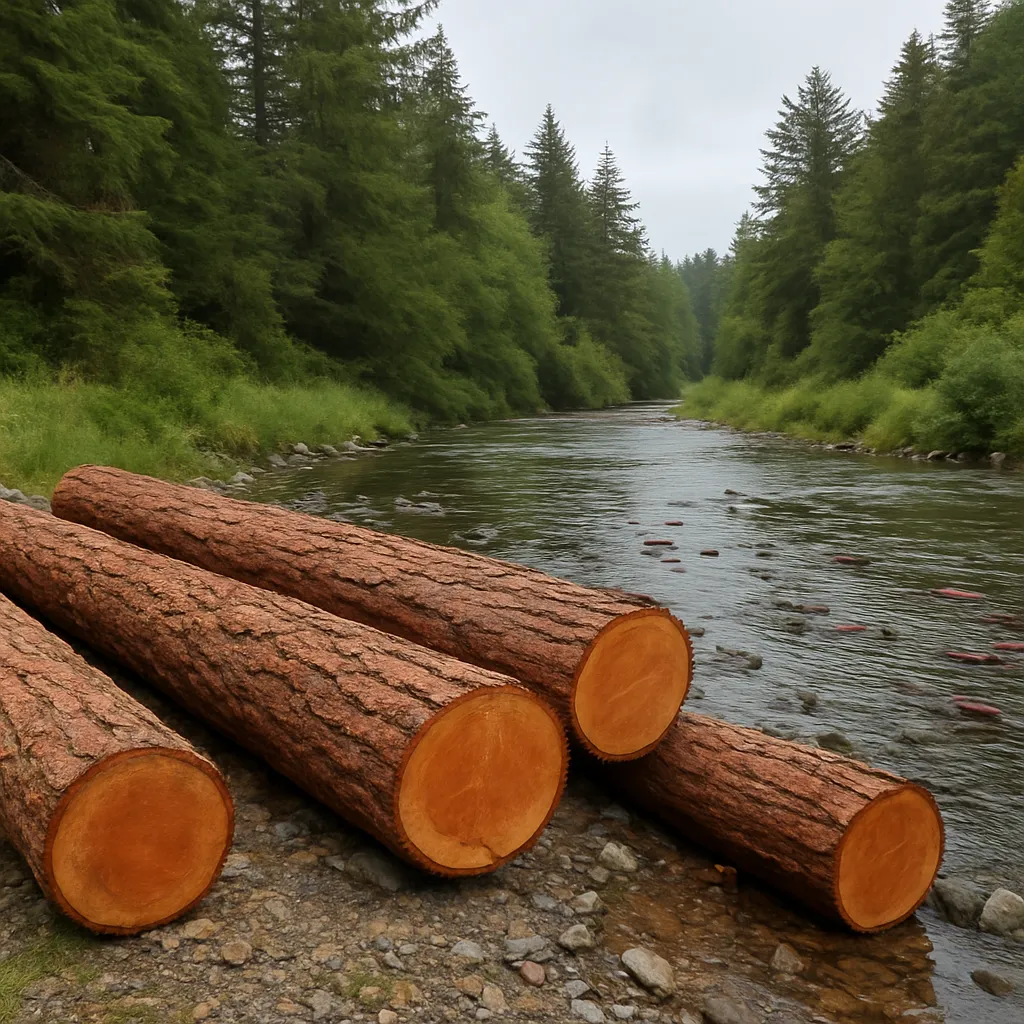
An Arctic coastal group hunted seals and whales on icy seas. What adaptation fit that environment?
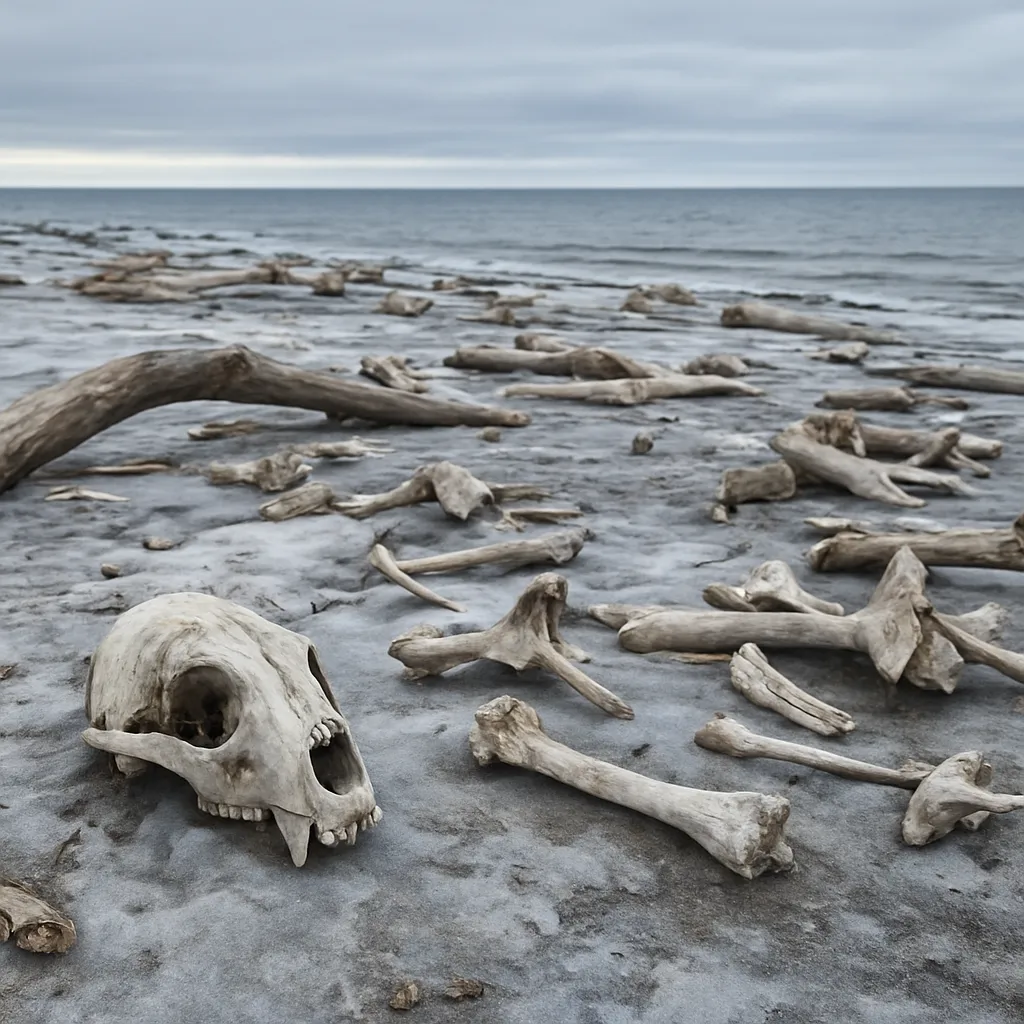
A Subarctic hunting group followed caribou through cold forests and tundra. What adaptation matched that movement?
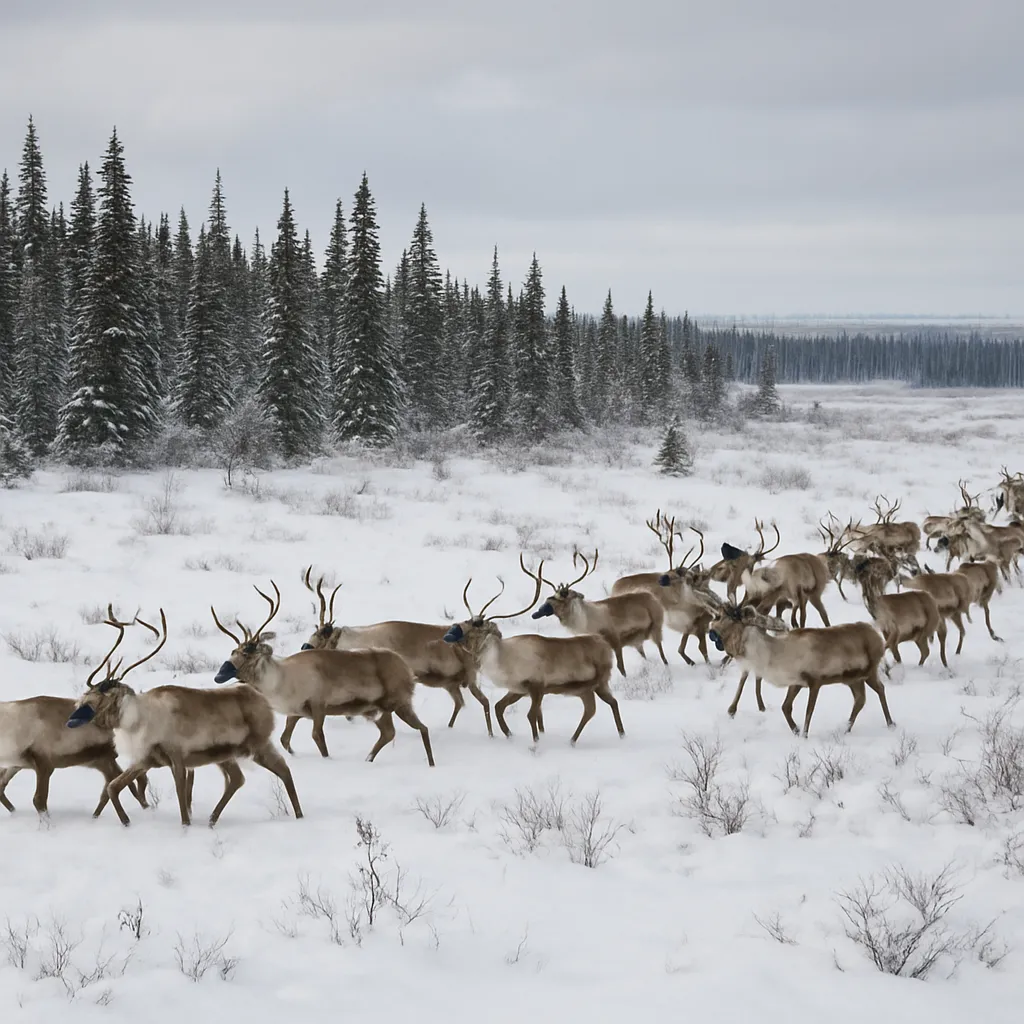
A Great Plains family used nearly every part of the buffalo. Which part did they use to make bowstrings and sewing thread?
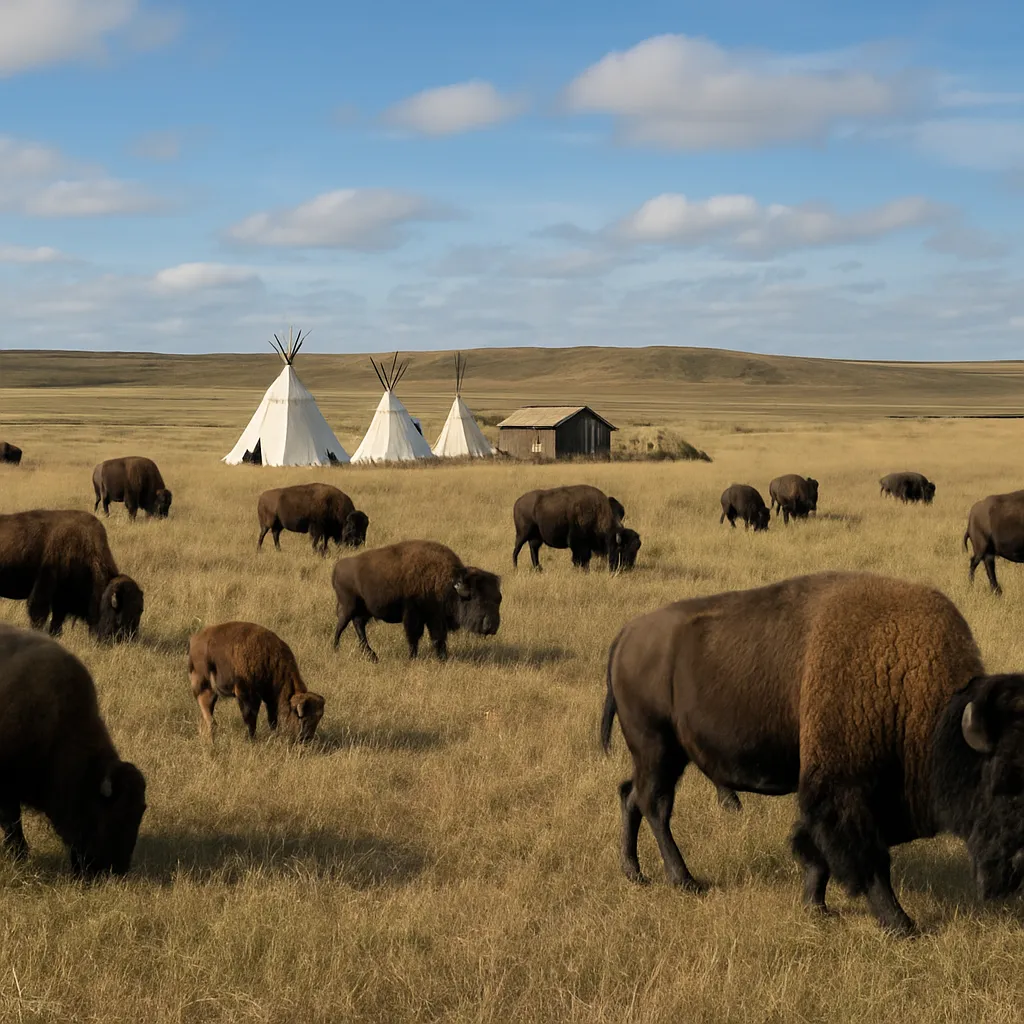
Many Eastern Woodlands groups combined two main food sources. Which pair fits their way of life?
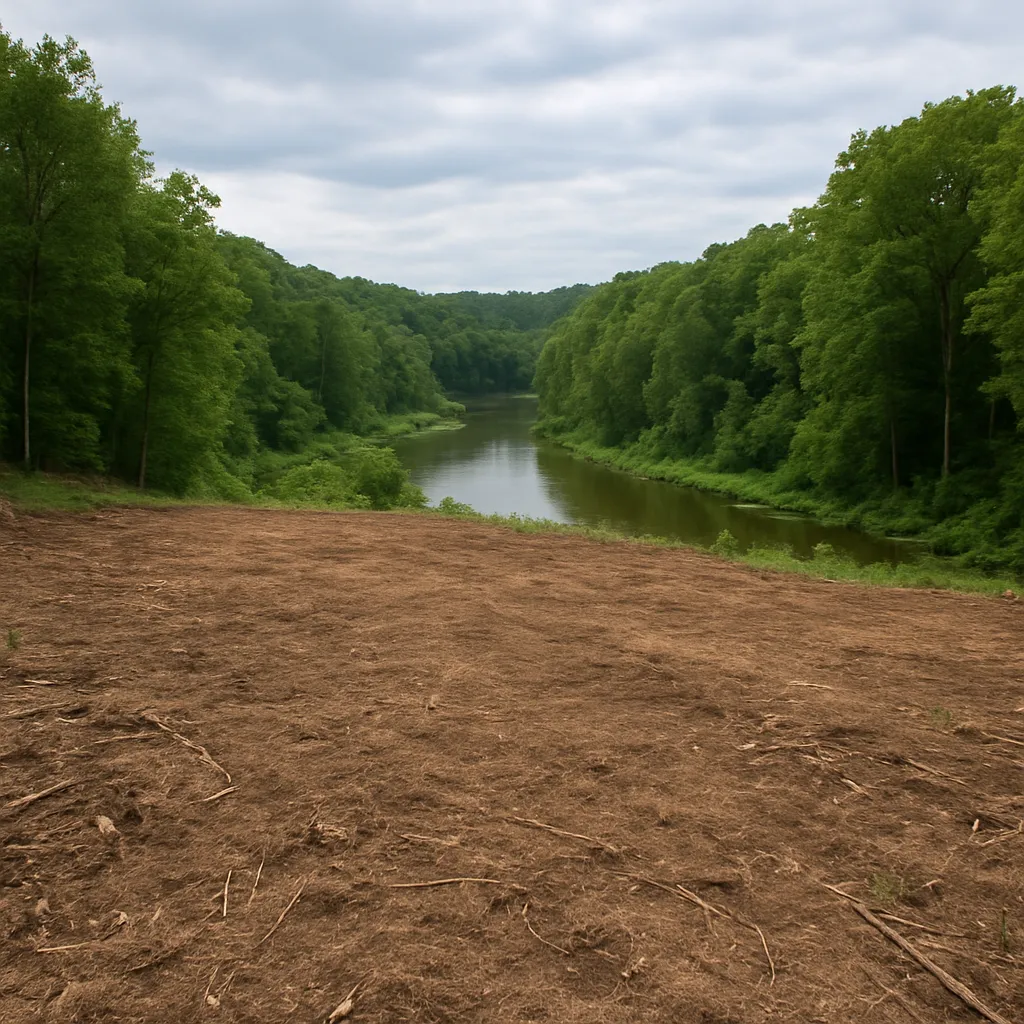
A Southwest village needed homes that stayed cool in a hot, dry climate. What adaptation matched that need?
A Pacific Northwest community needed transportation on coastal waters and rivers. What adaptation matched that environment?
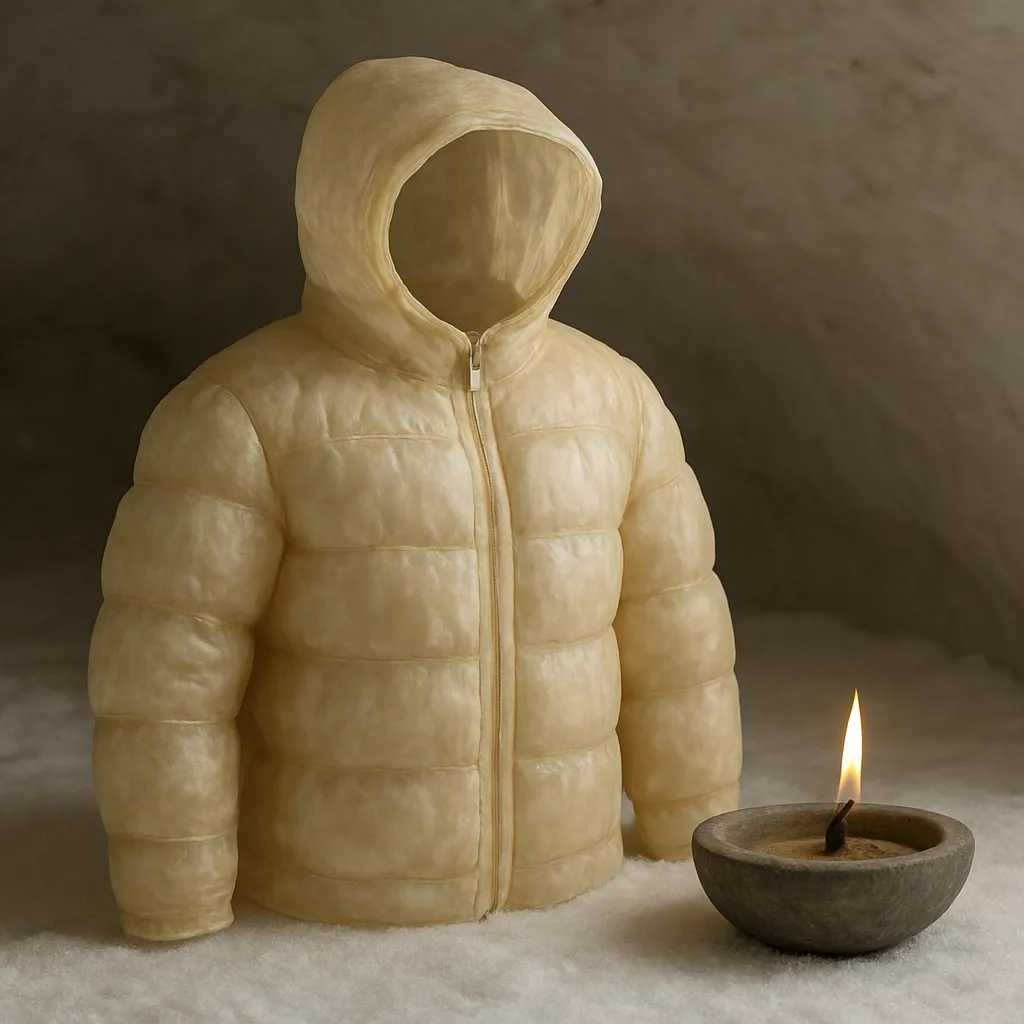
A community made waterproof parkas from seal intestines and used oil lamps in icy coastal camps. What region is most likely?
A community carved family crests and stories into tall cedar poles that stood outside its houses. What region is most likely?
A community kept its history by painting one picture for each year on an animal hide, called a winter count. What region is most likely?
A community grew cotton in a dry climate and wove it into blankets and clothing on upright looms. What region is most likely?
A community cut rings around tree trunks and burned the dead trees to clear fields, then planted corn among the stumps. What region is most likely?
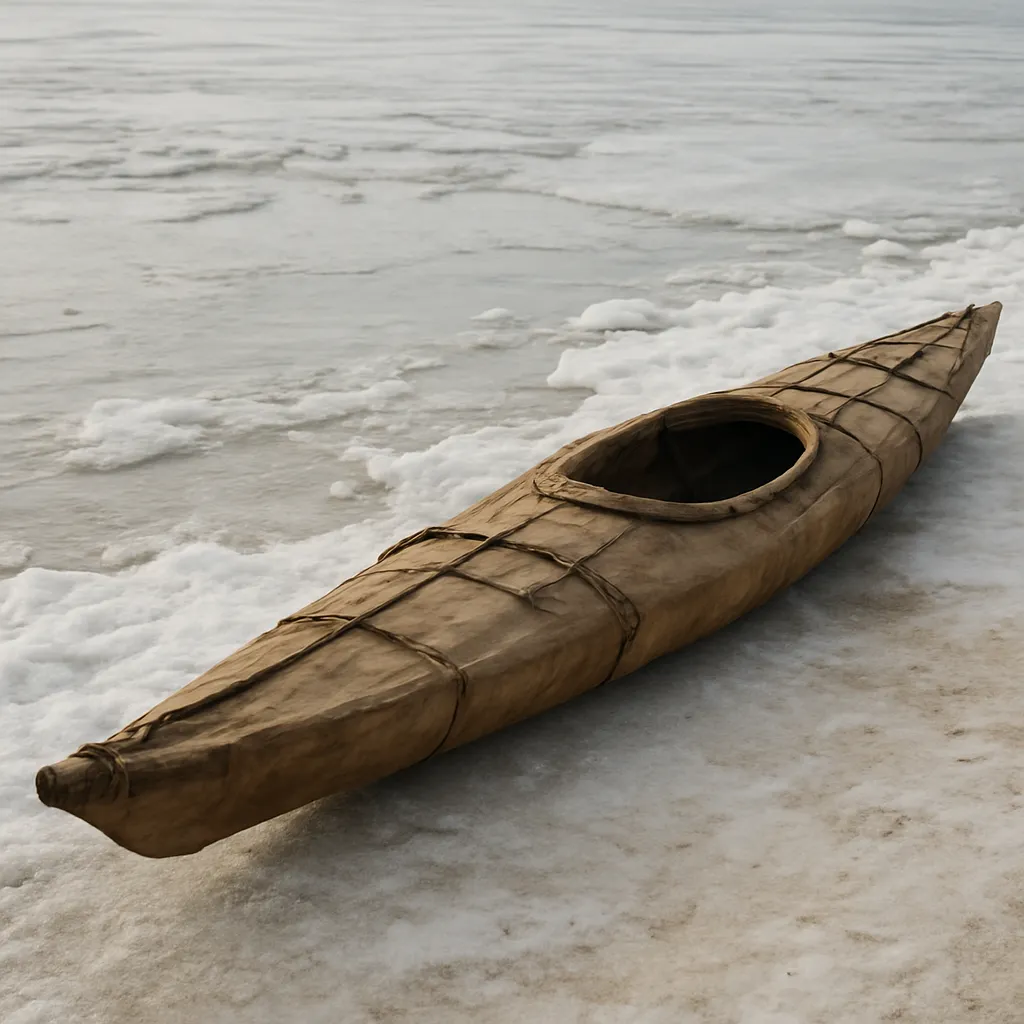
A community made kayaks from driftwood frames and animal skins for hunting sea mammals. What region is most likely?
A community burned dried buffalo dung for cooking fires because few trees grew where they lived. What region is most likely?
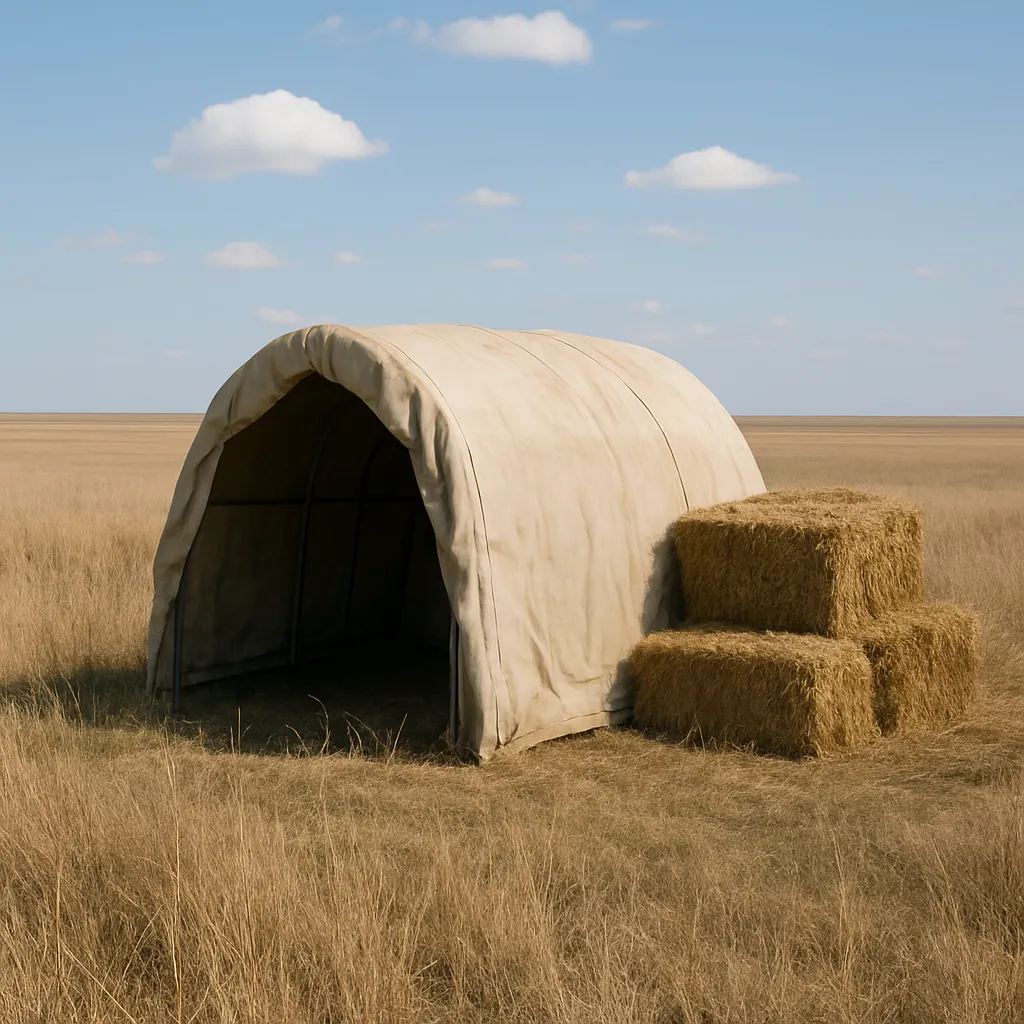
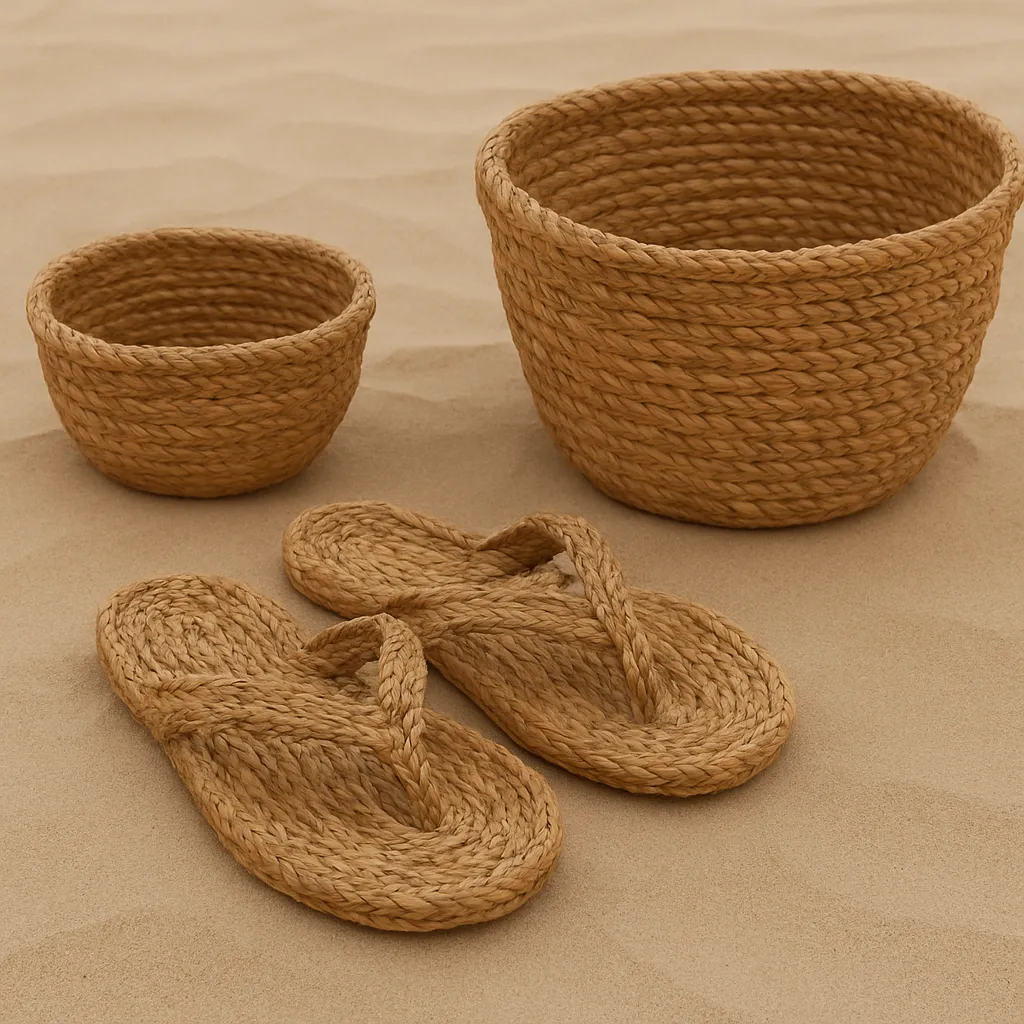
A community wove yucca fibers into sandals and baskets in a dry desert setting. What region is most likely?
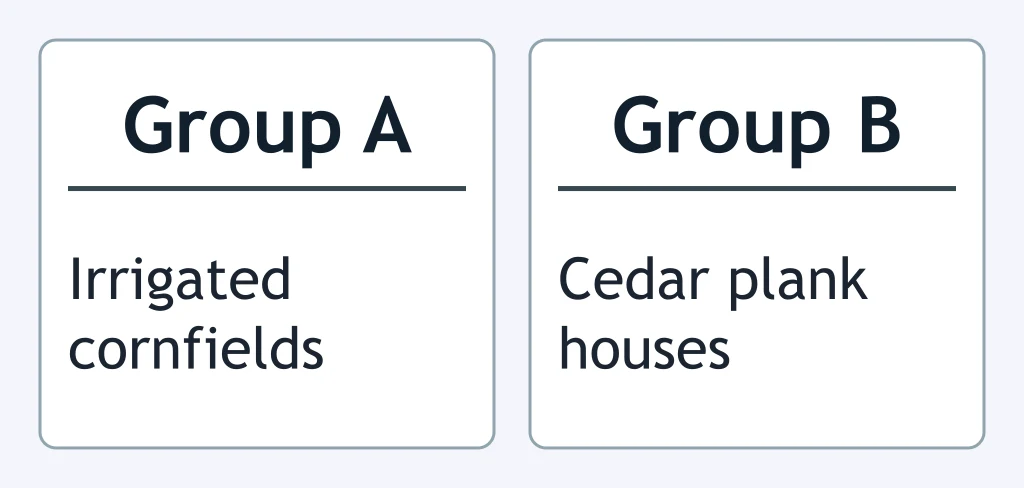
One group irrigated cornfields in dry villages, while another built cedar plank houses along salmon rivers. What pair matches the clues?
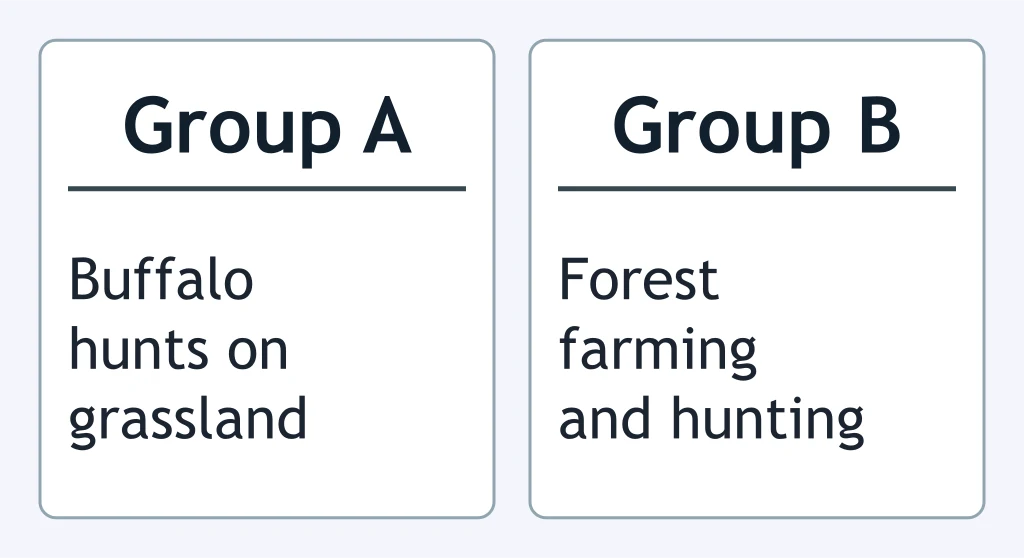
One group followed buffalo across grasslands, while another farmed and hunted deer in eastern forests. What pair matches the clues?
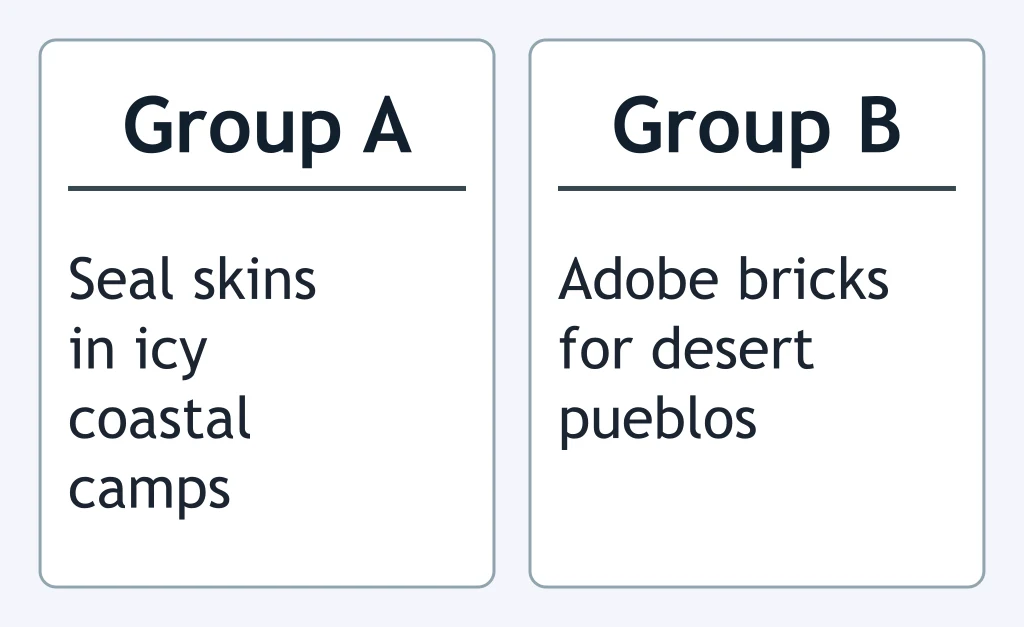
One group used seal skins in icy coastal camps, while another shaped adobe bricks for desert pueblos. What pair matches the clues?
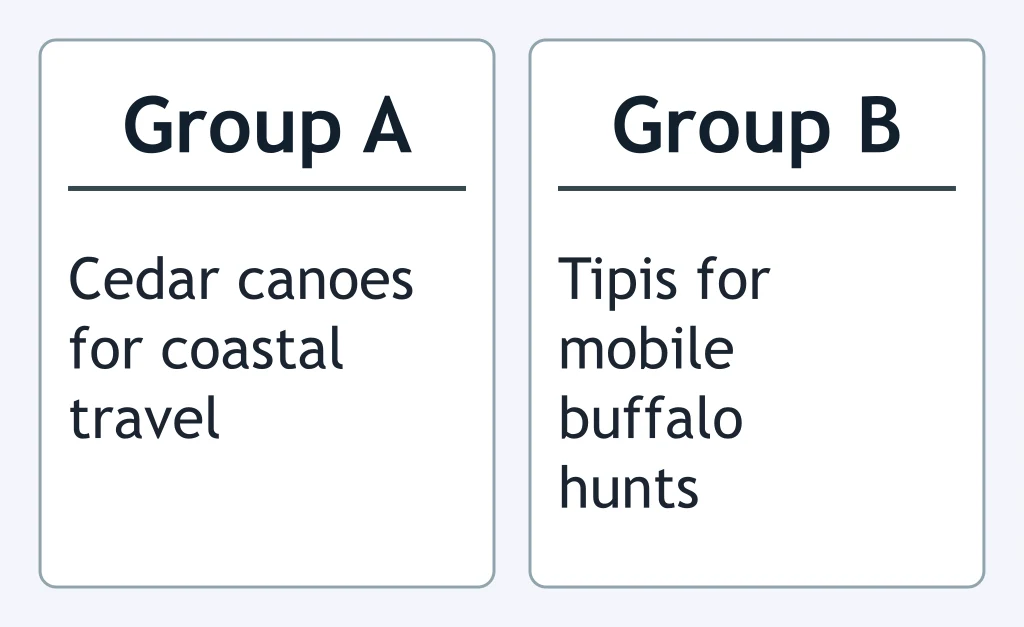
One group carved cedar canoes for coastal travel, while another used tipis for mobile buffalo hunts. What pair matches the clues?
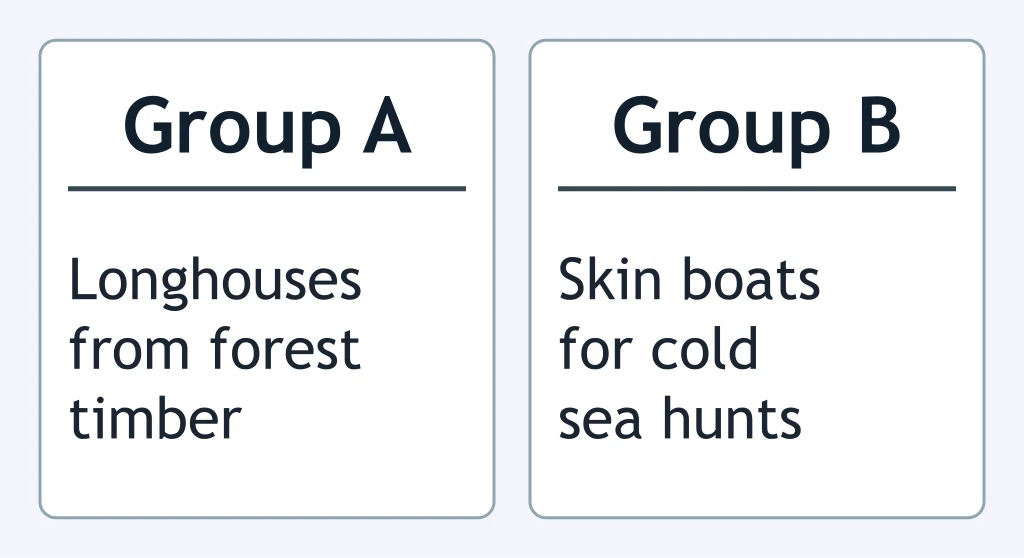
One group built longhouses from forest timber, while another made skin boats for cold sea-mammal hunts. What pair matches the clues?
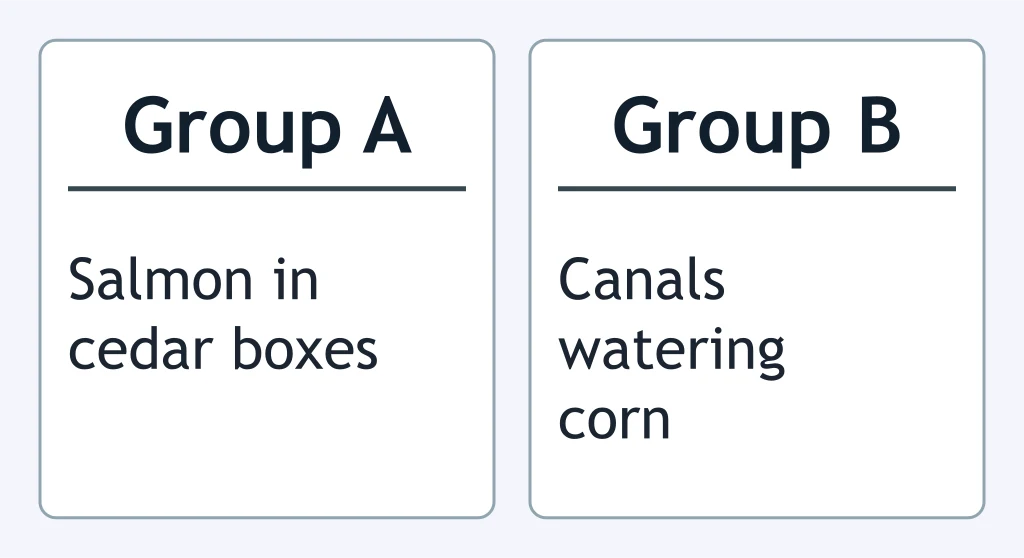
One group stored salmon in cedar boxes, while another used canals to water corn in arid land. What pair matches the clues?
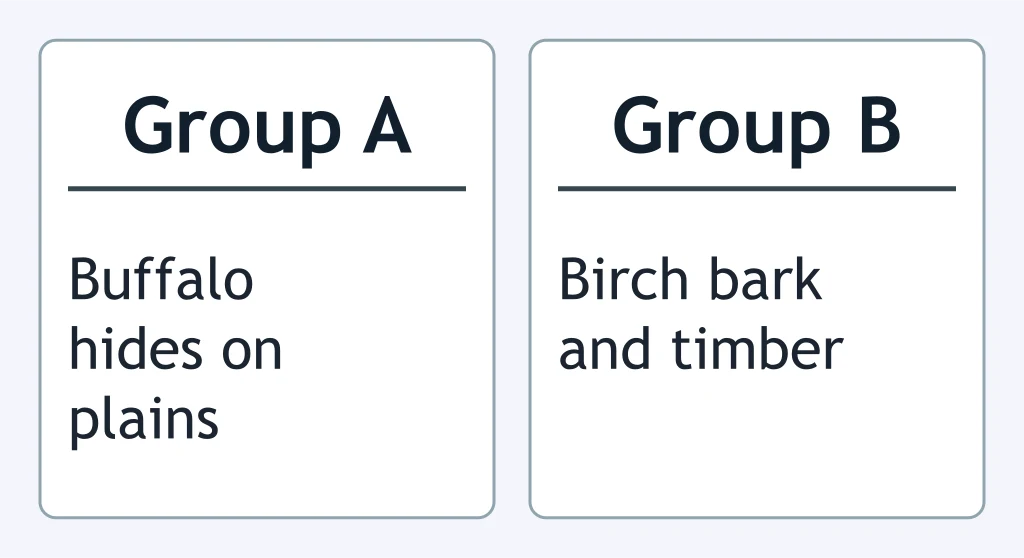
One group used buffalo hides on the plains, while another used birch bark and timber near eastern rivers. What pair matches the clues?
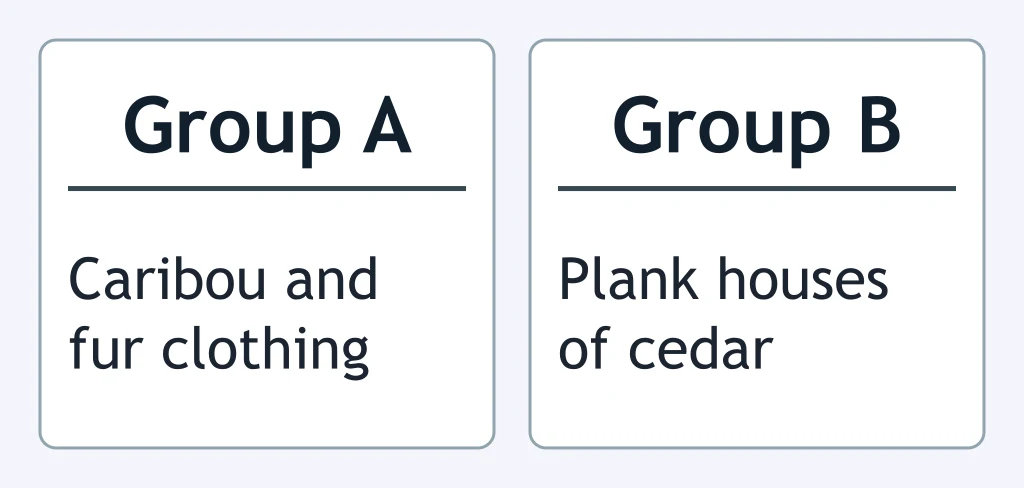
One group relied on caribou and fur clothing in the far north, while another built plank houses from coastal cedar. What pair matches the clues?
Crack the passcode before the zombies get in.
Answer, then swat bugs for bonus points.
Race through questions at your own speed.
Same question on every screen. Fastest wins.

Pick a tile, answer, hit bonuses and steals.

Causes of the American Revolution
40 questions