Loading
by BlastRoom
Classify elements and compounds using particle models, symbols, and formulas.
#us_grade_7_science
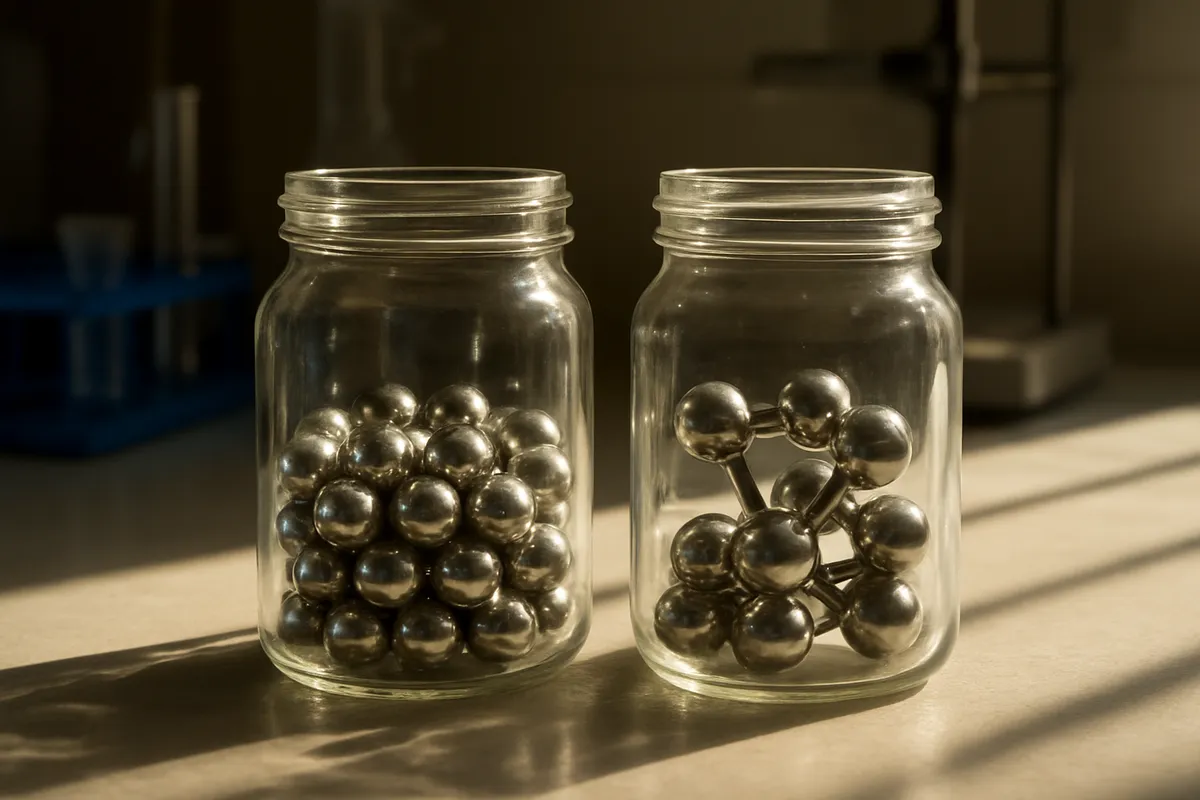
40 questions
One question set, multiple game modes. Tap any game to see it in action. Not sure which to pick?
Answer to place stones and capture territory.
Outrun the snow together.
Earn blasts, then hunt the other team.
Answer to earn energy, then climb.

The class blasts through walls together.
Bid on mystery lots. Most money wins.
Sell tours. Nice, standard, or a total scam.

Answer, restock, and serve the rush.
More correct answers pulls the rope your way.
Answer, then shoot down the alien wave.
Answer, then tap to leap the frozen ridge.
A gas cylinder label reads CO2. Based on the formula, what is the substance?
A bottle is labeled O2, and all particles are pairs of oxygen atoms. What does O2 represent?
A white crystal is labeled NaCl. What does the formula show about the crystal?
A metal sample has the label Fe. How should it be classified from the symbol?
In H2O, the symbols H and O appear together in a fixed ratio. What is water?
A balloon is filled with gas labeled He. What does the label identify?
A cleaner's ingredient list includes NH3. What does that formula show?
An electrical wire is labeled Cu. What is the wire made of?
A fuel sample is labeled CH4. How should the sample be classified?
A tank label says N2. What does the formula show?
A can is labeled Al. What does this symbol represent?
Chalk dust contains CaCO3. What does that chemical formula identify?
A yellow solid is labeled S8. What does S8 represent?
A white powder is labeled MgO. What does the formula show?
A particle model shows only single gray atoms, all the same size and color, not bonded to other atoms. What substance type is shown?
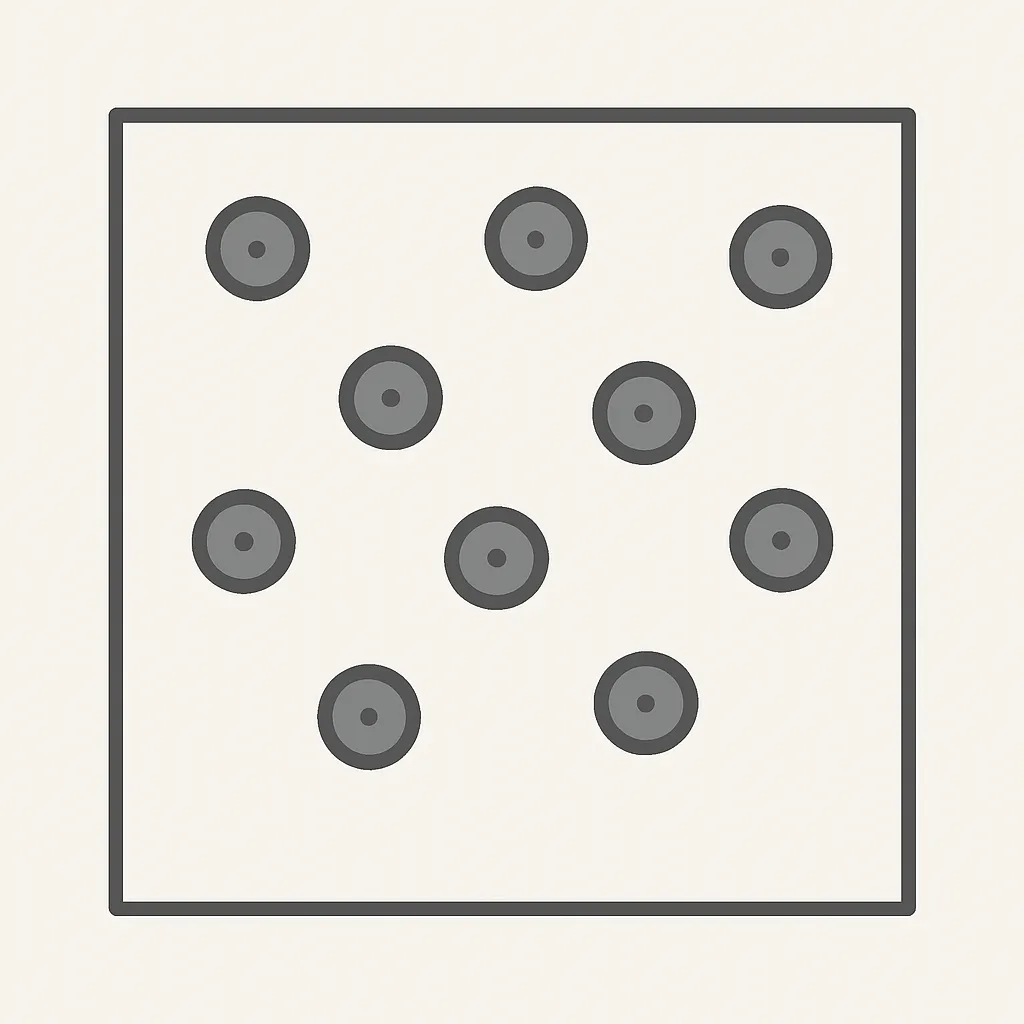
In a model, every particle is three identical gray atoms bonded together. What does the model show?

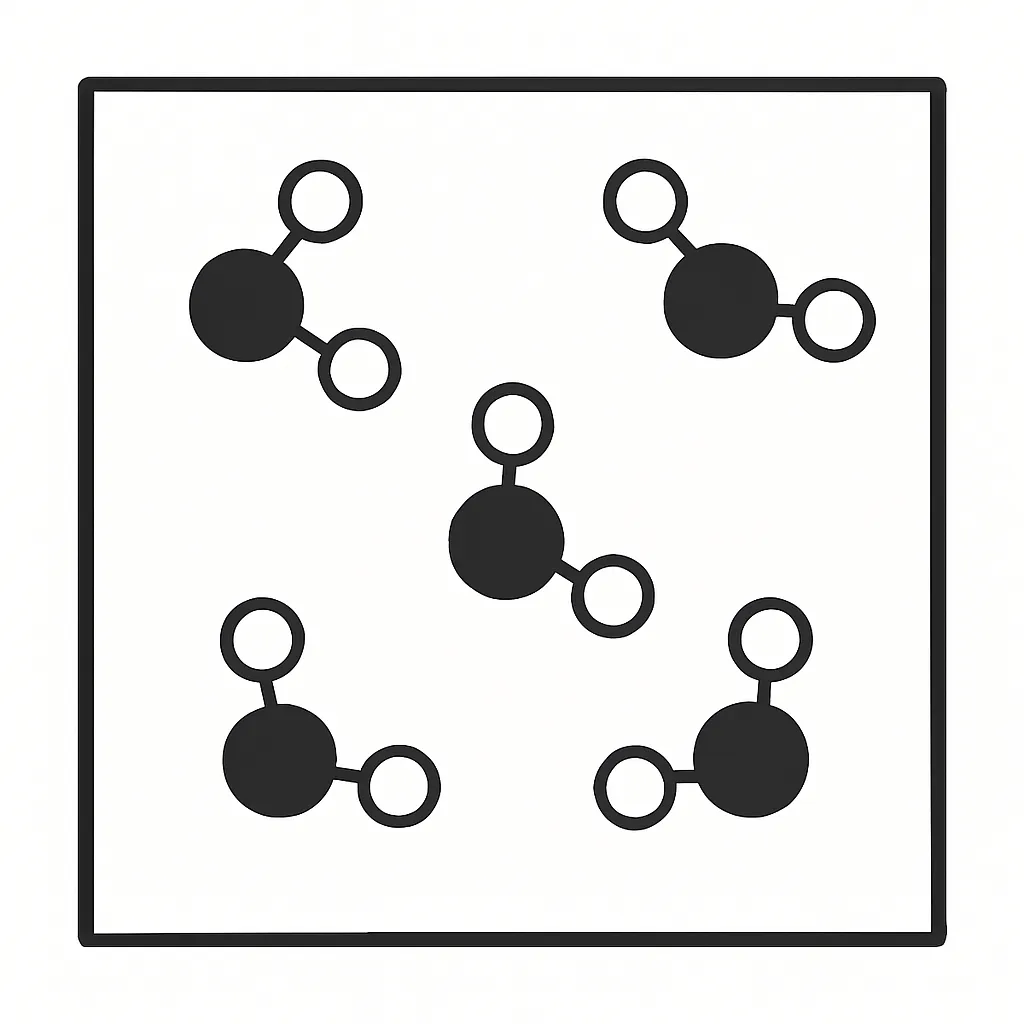
A diagram shows many identical particles; each particle has one black atom bonded to two white atoms. What is represented?
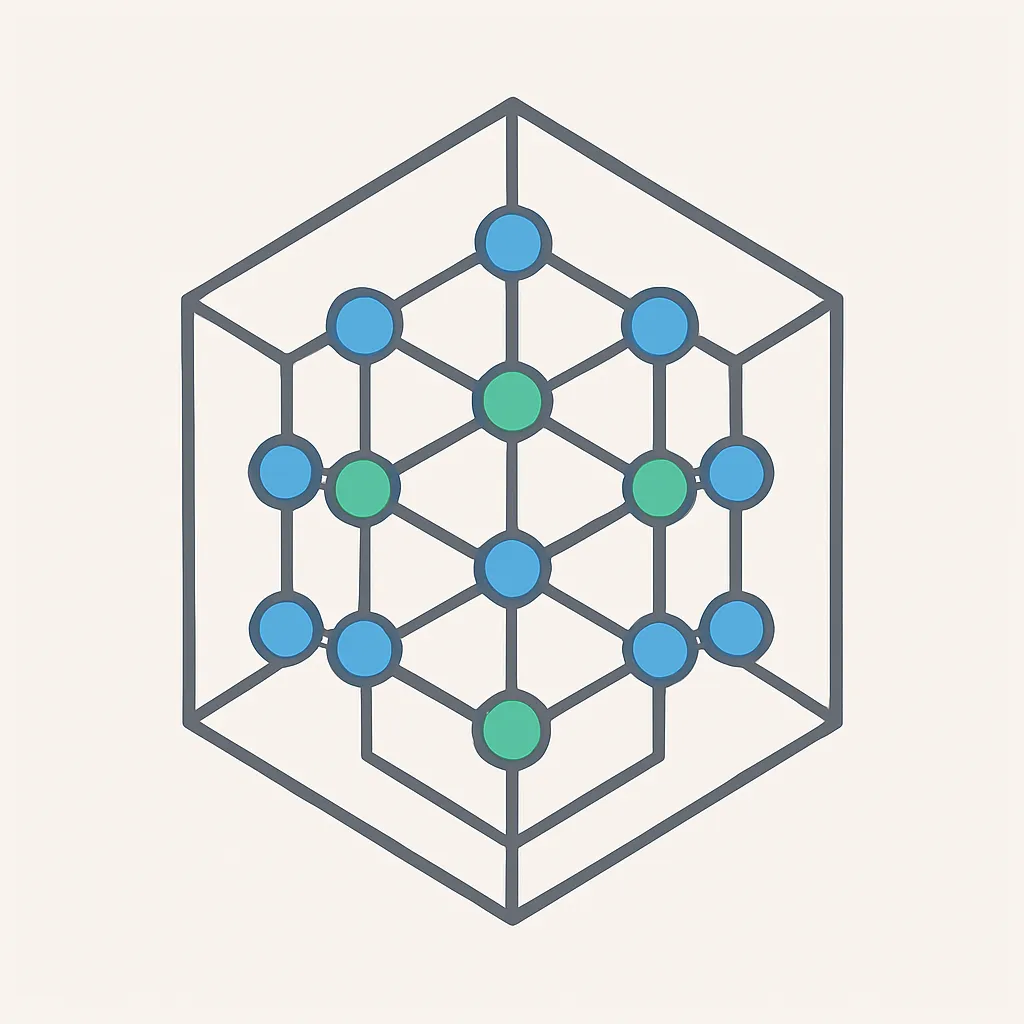
A crystal model shows a repeating pattern of blue and green particles. The key says the two colors are bonded ions. What is it?
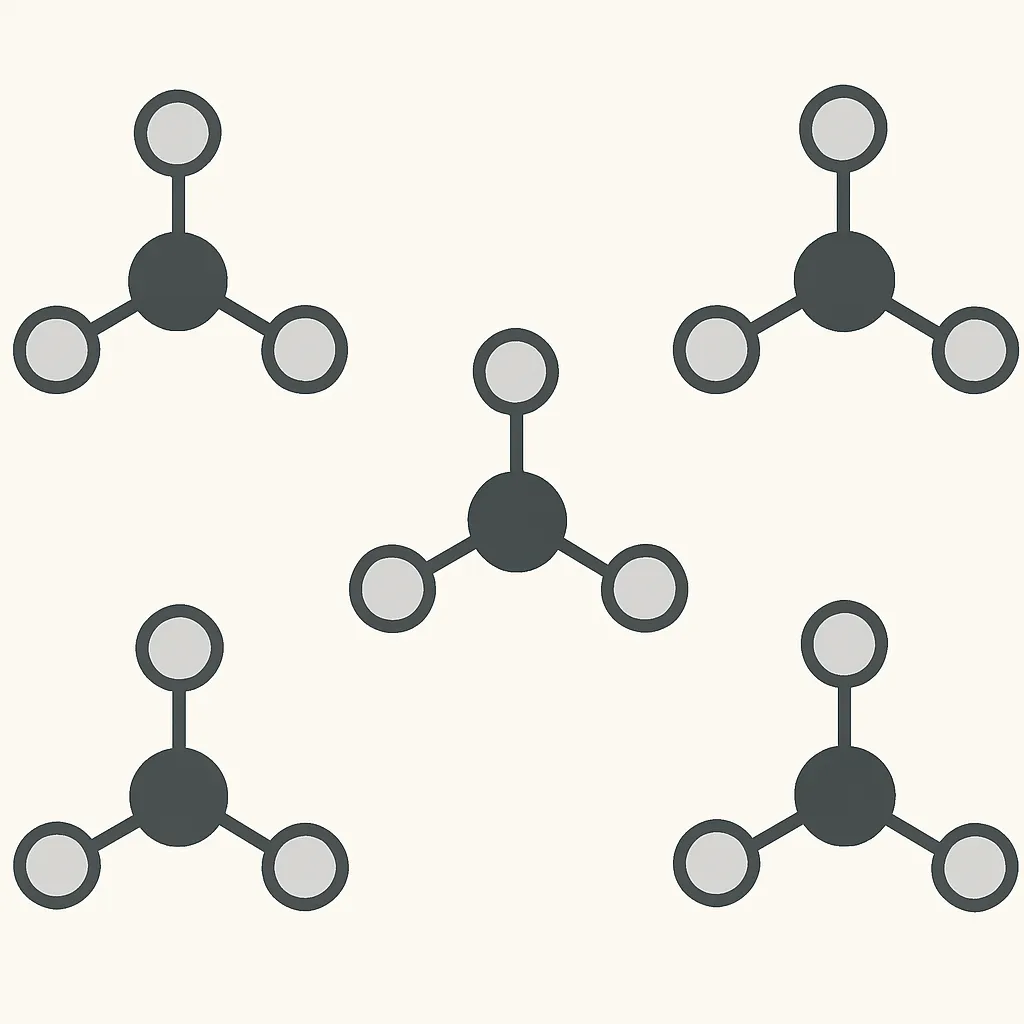
Each particle in a model has one dark atom bonded to three light atoms, and all particles are identical. What classification fits?
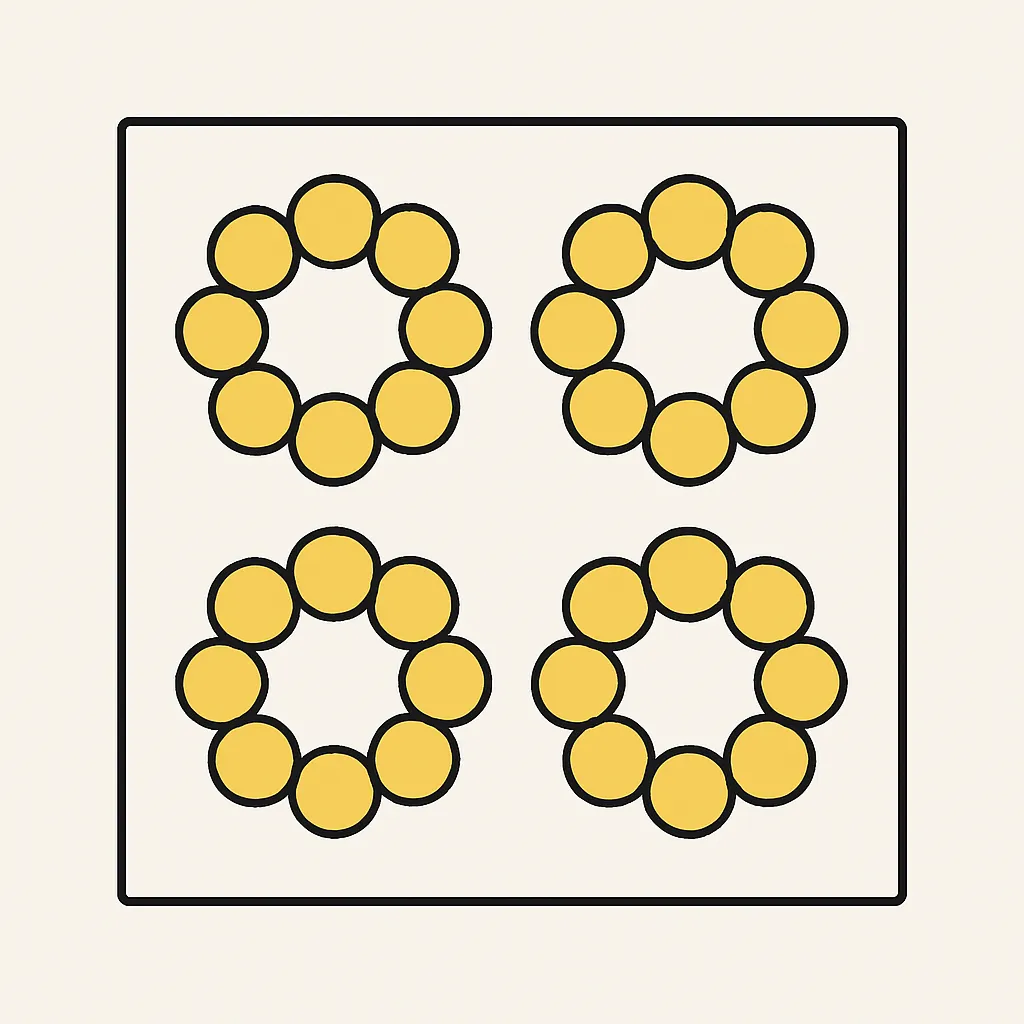
A particle diagram shows ring-shaped molecules, and every atom in every ring is yellow sulfur. What type of substance is shown?
This model shows ozone, O3. Oxygen gas is O2. Both contain only oxygen atoms. How are they different?
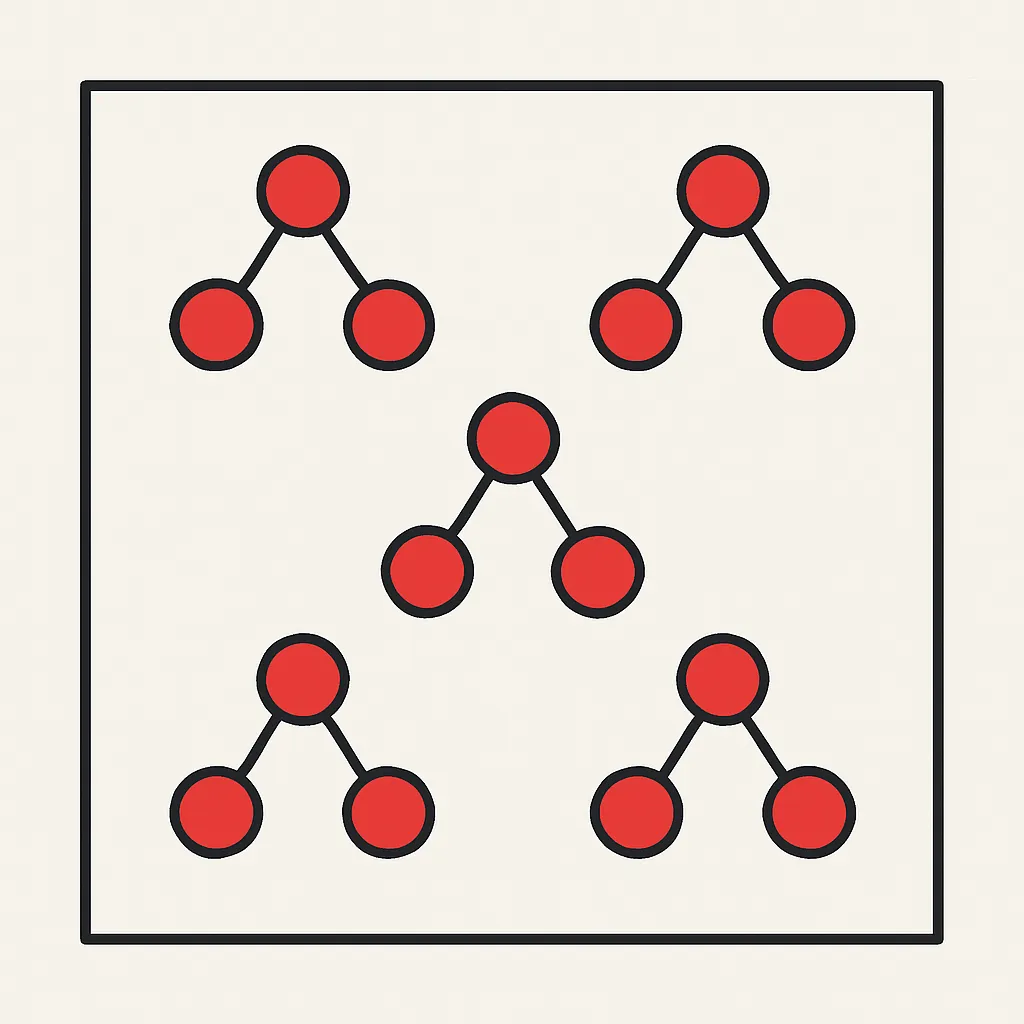
In a model, every particle is one red atom bonded to one blue atom. No single atoms are present. What is shown?

A metal model shows a solid lattice of identical silver atoms, with no other atom type present. What does the model represent?
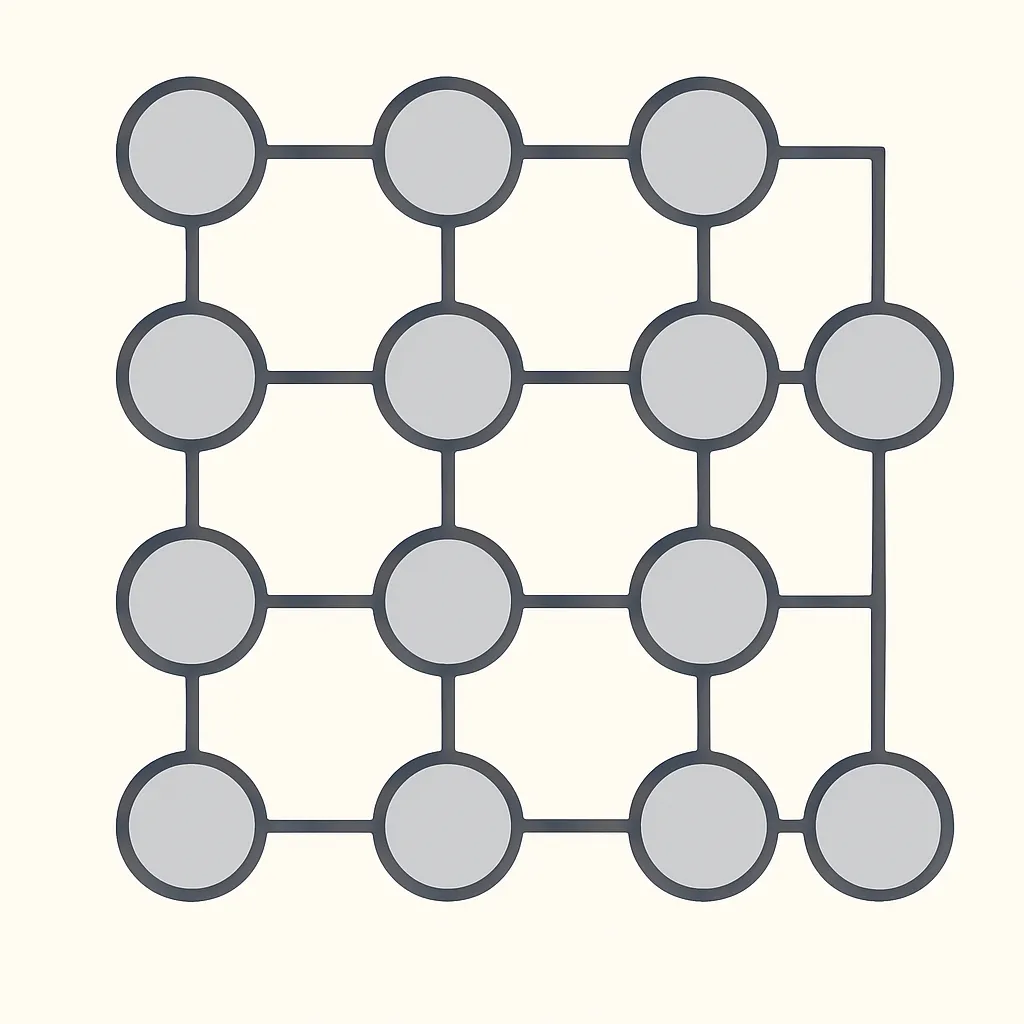
In this model, the green atoms are chlorine and the gray atoms are hydrogen. Which formula matches each molecule?
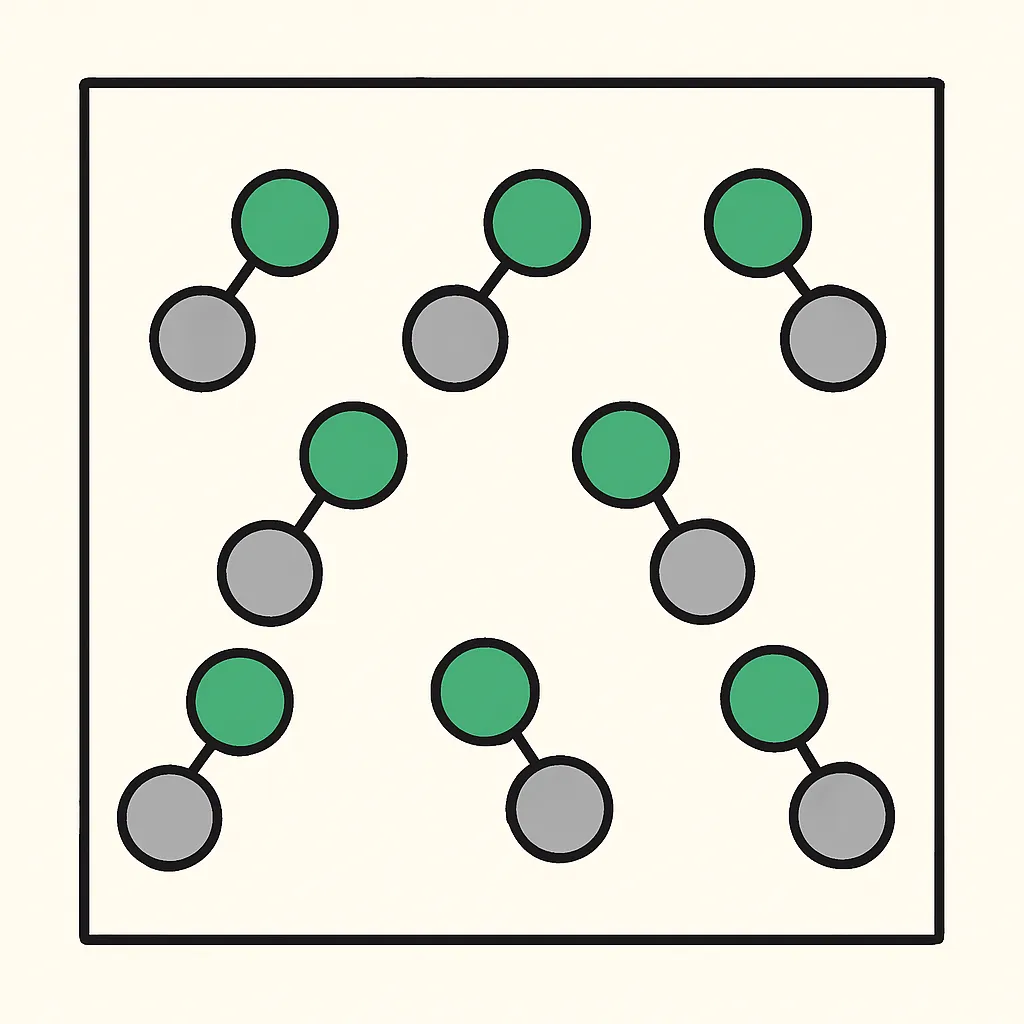
A jar holds a gas made of single atoms that do not bond to each other, like the model shows. Which element is this most likely to be?
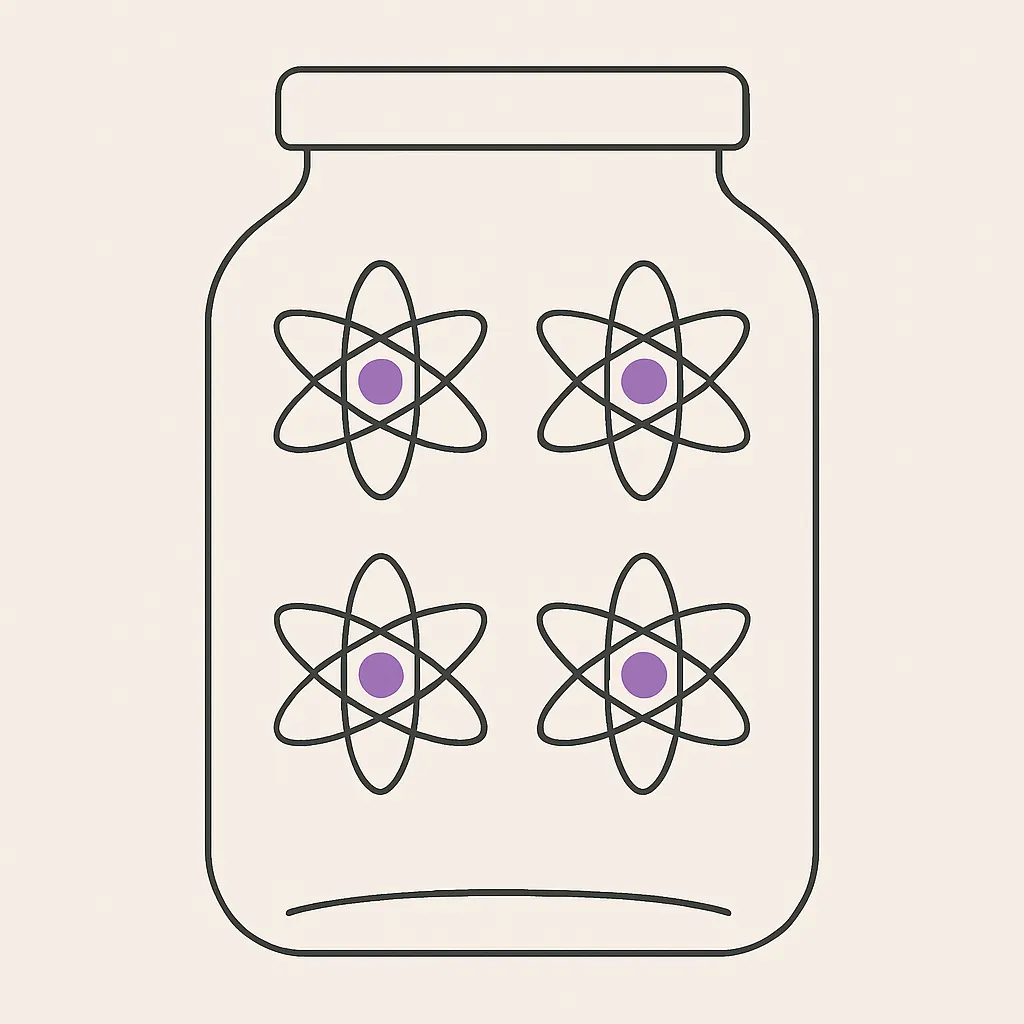
In a model, each identical bent molecule has one red sulfur atom bonded to two black oxygen atoms. Which formula matches one molecule?
The model shows pairs of identical white atoms. How would the model look if it showed a mixture of two elements instead?
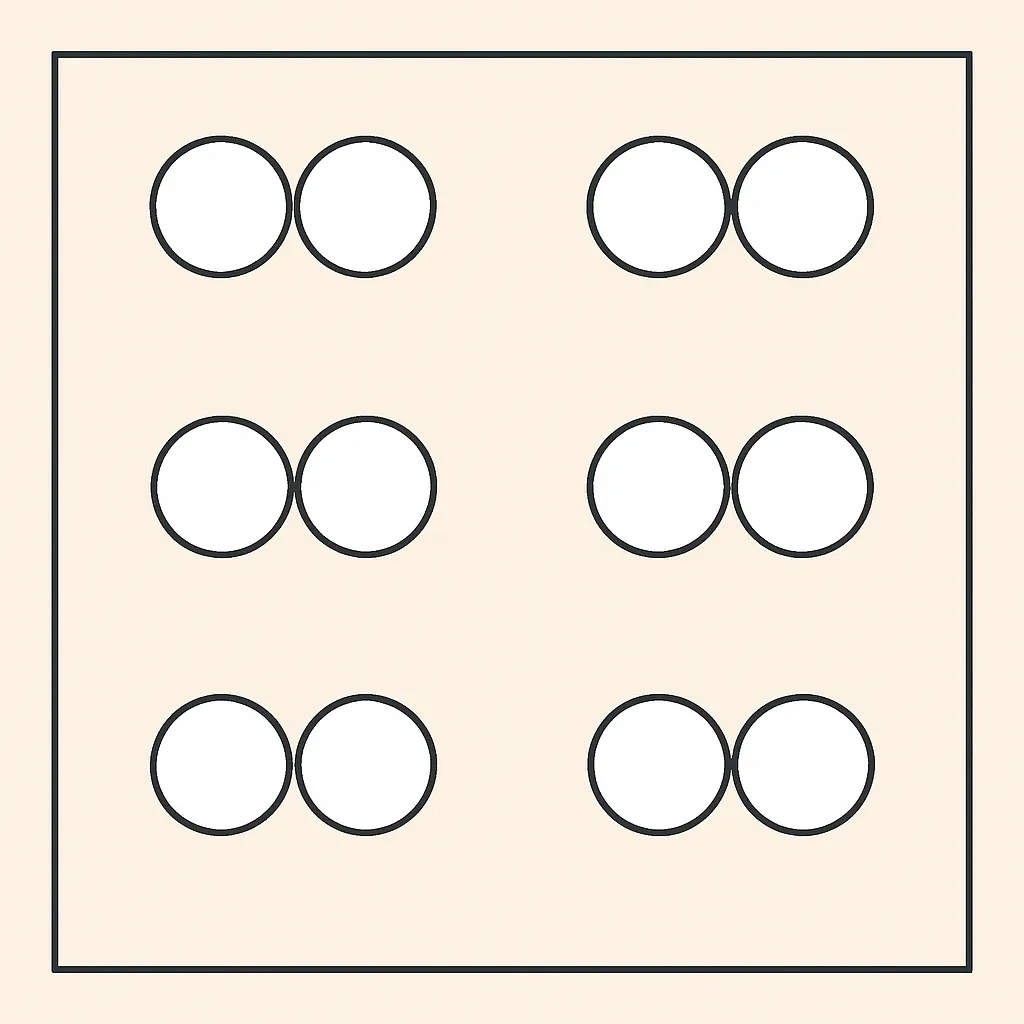
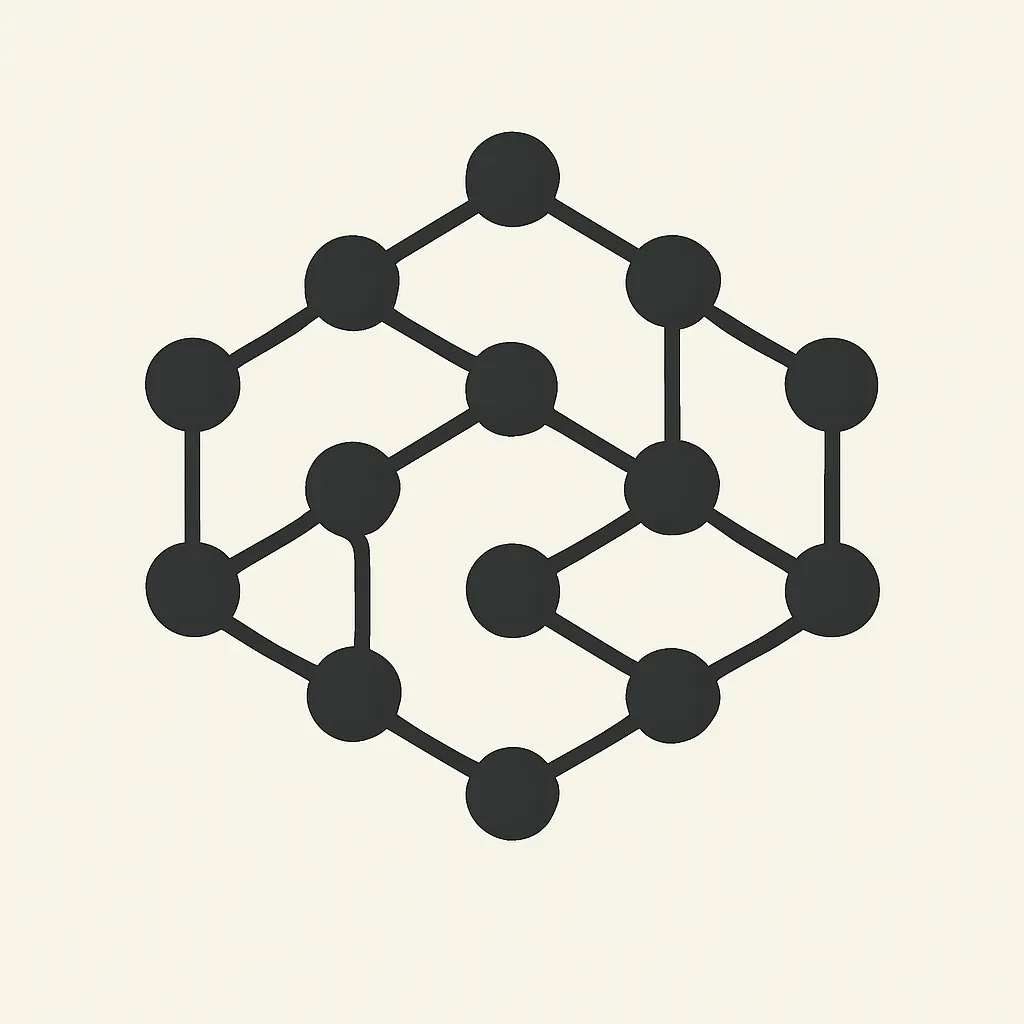
A model shows a long network of black atoms; every atom is carbon and all are bonded to carbon atoms. What is represented?
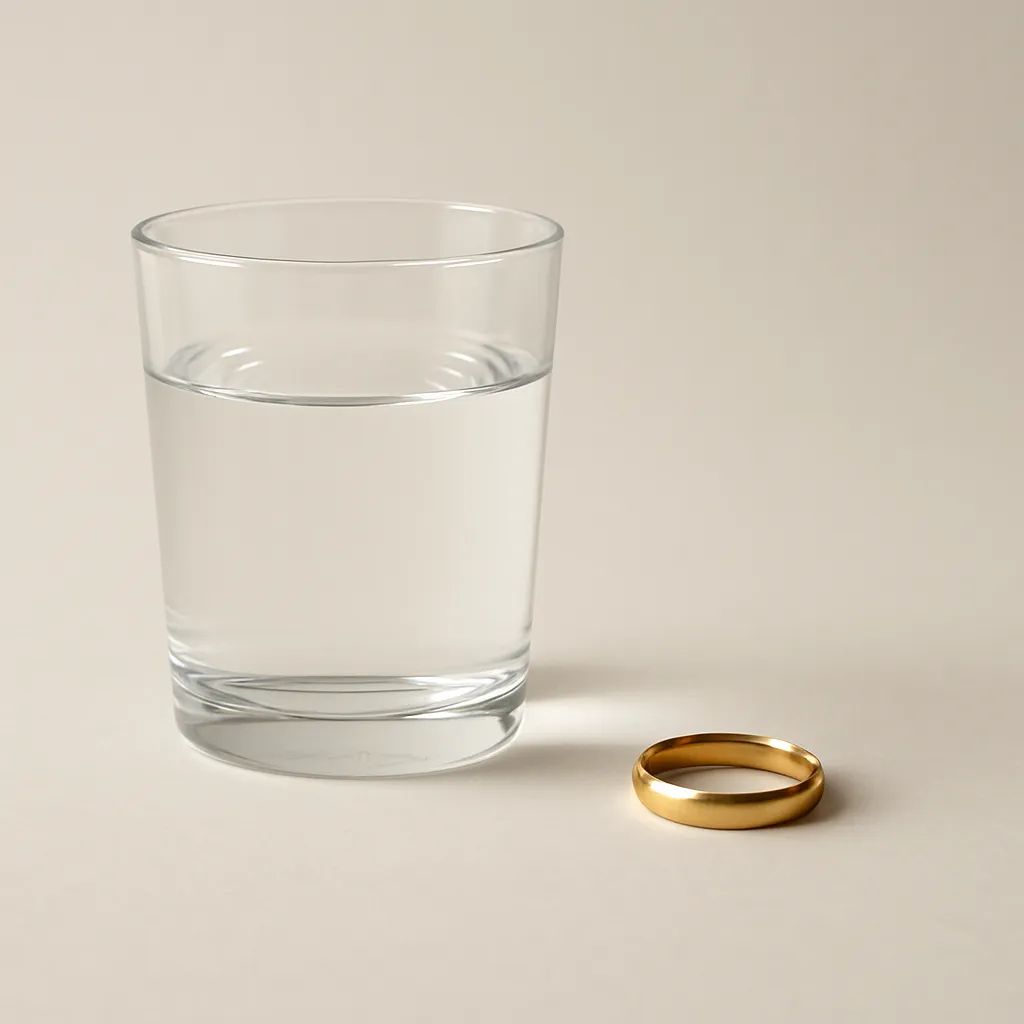
A teacher compares a gold ring with pure water. How are their particles different?
A card shows Cl, and another card shows NaCl. How should the two labels be compared?
Oxygen gas has formula O2, while carbon dioxide has formula CO2. What comparison is correct?
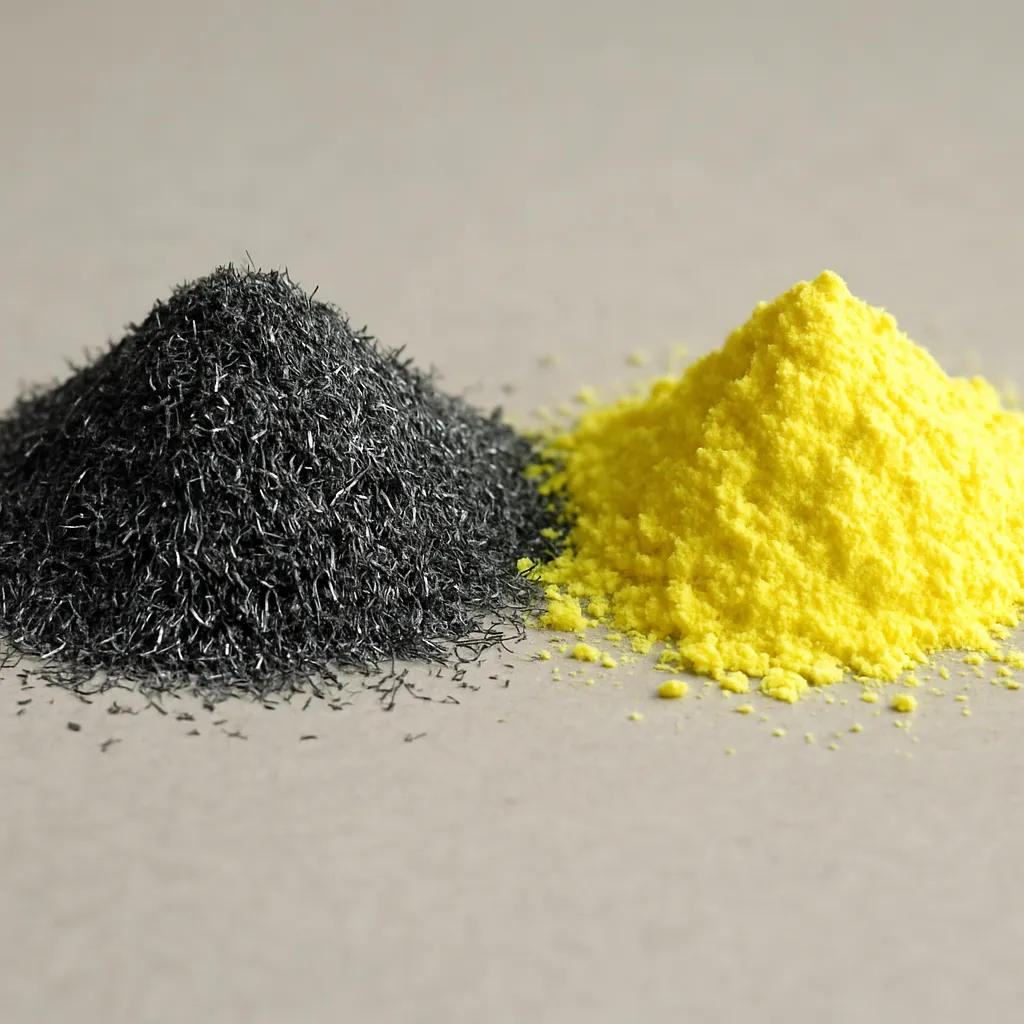
Iron filings react with sulfur to form iron sulfide, FeS. How do iron and iron sulfide compare?
A student says every molecule is a compound. What evidence from O2 and H2O corrects the claim?
In class, one card says Ca and another says CaCO3. What is the correct comparison?
A pure substance is chemically broken down and produces hydrogen gas and oxygen gas. What claim does that evidence support?
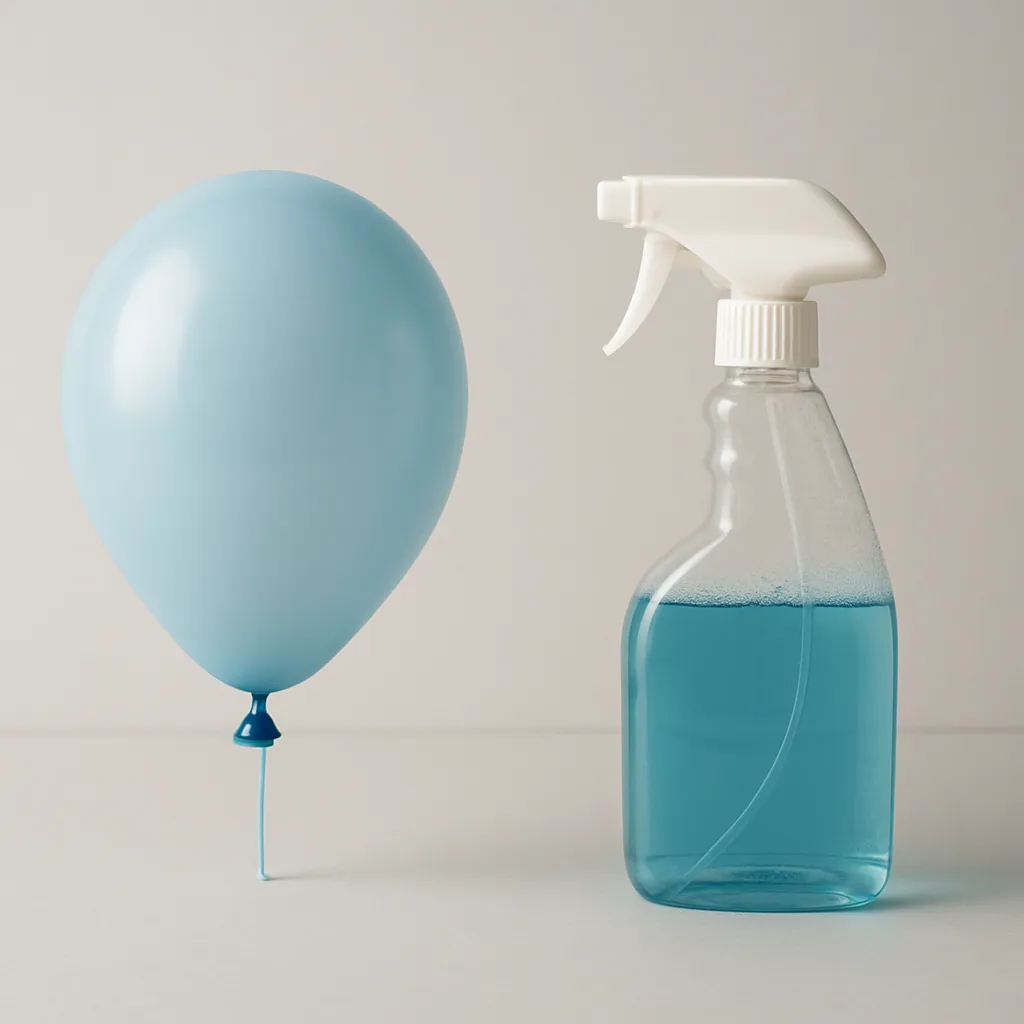
Helium, an element, is a gas at room temperature. Ammonia, NH3, is a compound that some spray cleaners contain dissolved in water, and pure ammonia is also a gas at room temperature. What does this show?
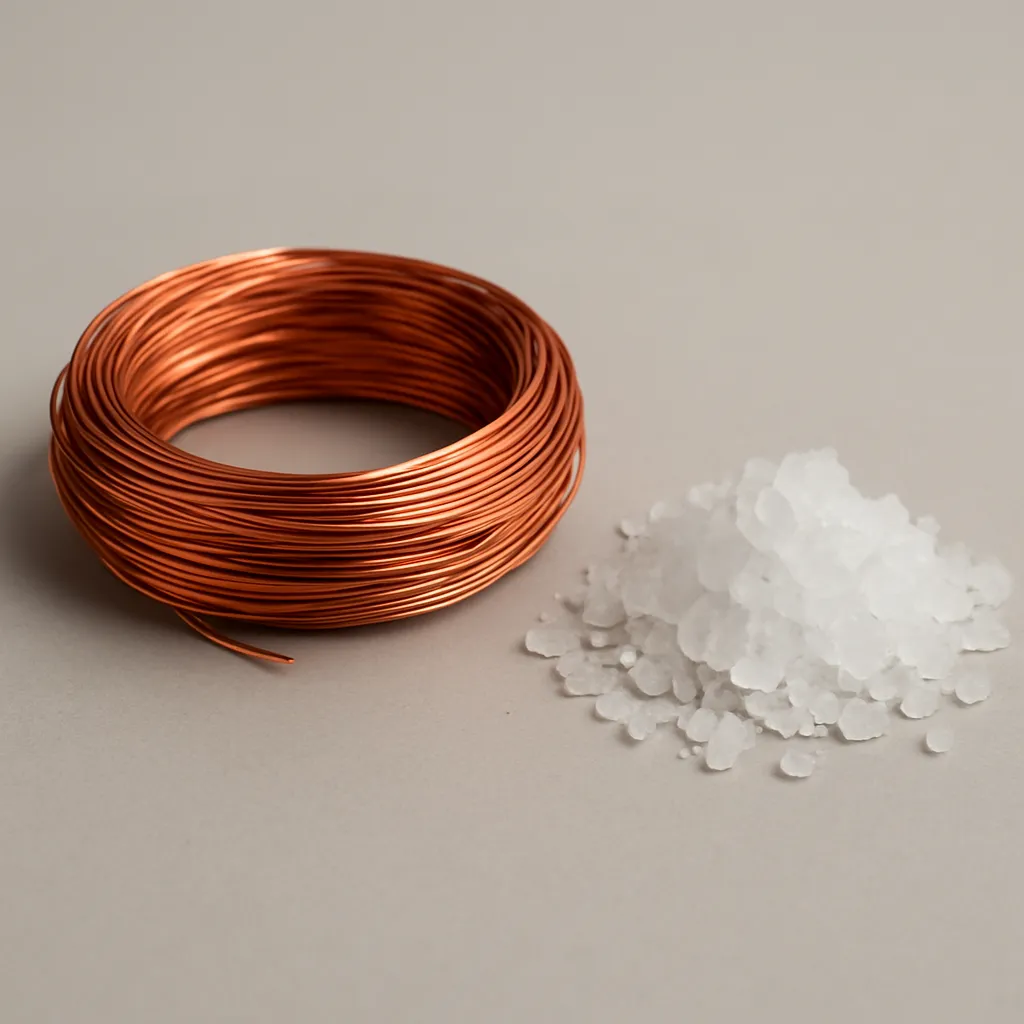
Copper wire and table salt are both pure substances. What makes them different?
Two samples are pure: nitrogen gas, N2, and nitrogen dioxide, NO2. What is the key difference?
A class compares an element sample and a compound sample. What can be true of both samples?
A student compares chemical symbols with chemical formulas. What difference should the student record?
Crack the passcode before the zombies get in.
Answer, then swat bugs for bonus points.
Race through questions at your own speed.
Same question on every screen. Fastest wins.

Pick a tile, answer, hit bonuses and steals.
What Changes the Rate of Dissolving
20 questions