Loading
by BlastRoom
Explore how temperature, surface area, and agitation change dissolving speed.
#us_grade_7_science
20 questions
One question set, multiple game modes. Tap any game to see it in action. Not sure which to pick?
Answer to place stones and capture territory.
Outrun the snow together.
Earn blasts, then hunt the other team.
Answer to earn energy, then climb.

The class blasts through walls together.
Bid on mystery lots. Most money wins.
Sell tours. Nice, standard, or a total scam.

Answer, restock, and serve the rush.
More correct answers pulls the rope your way.
Answer, then shoot down the alien wave.
Answer, then tap to leap the frozen ridge.
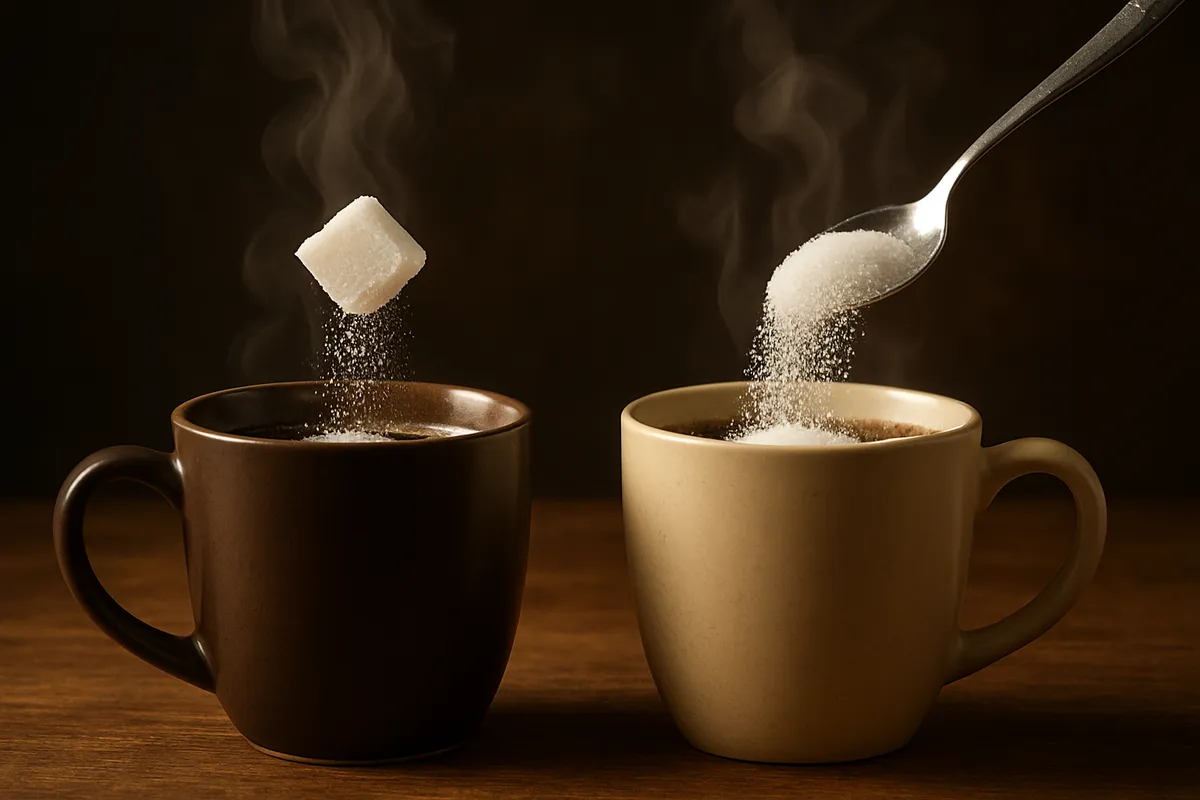
Two cups contain 100 mL water and 5 g sugar. One cup is 20°C, and one is 60°C. Which sugar sample should dissolve faster?
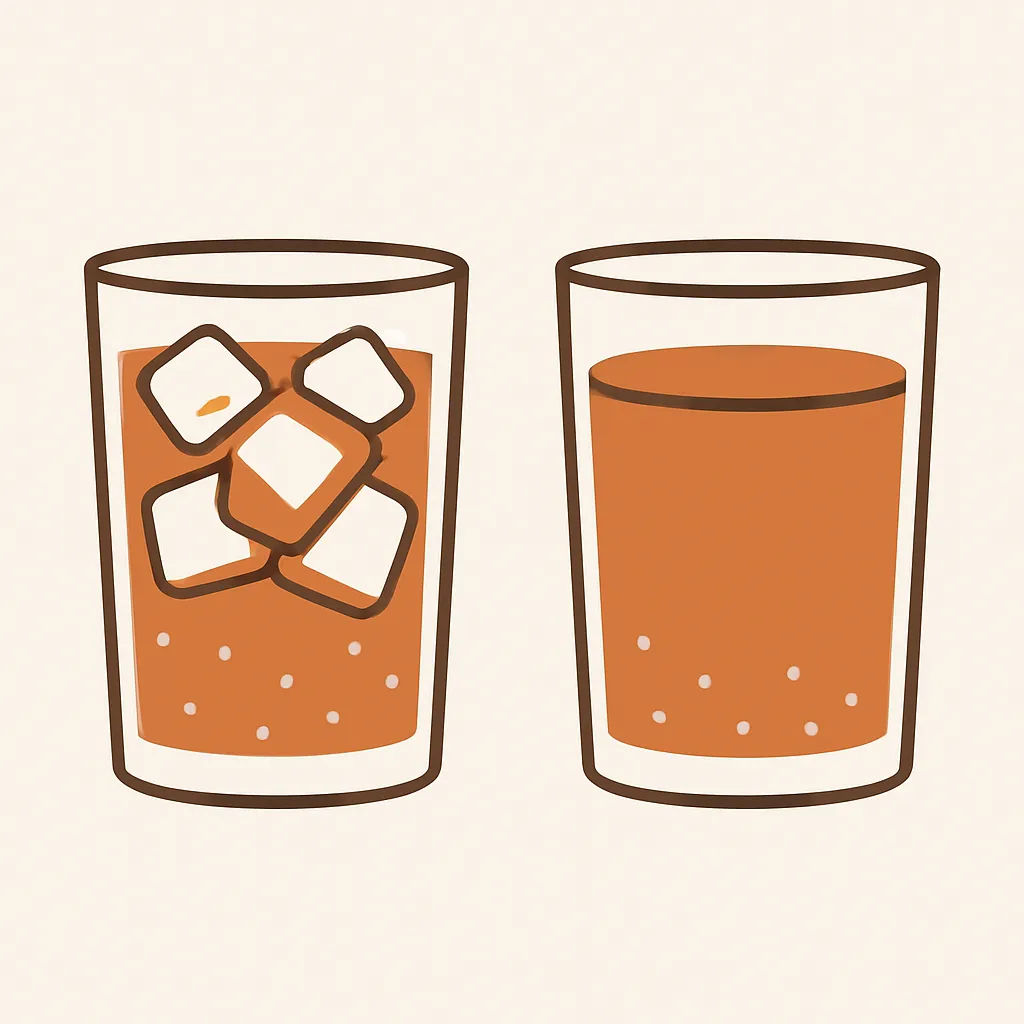
Drink crystals are added to iced tea at 5°C and room-temperature tea at 22°C. Both are unstirred. Where should the crystals dissolve faster?
Three equal sugar samples are placed in water at 10°C, 40°C, and 80°C. All cups are still. Which order should dissolve fastest to slowest?
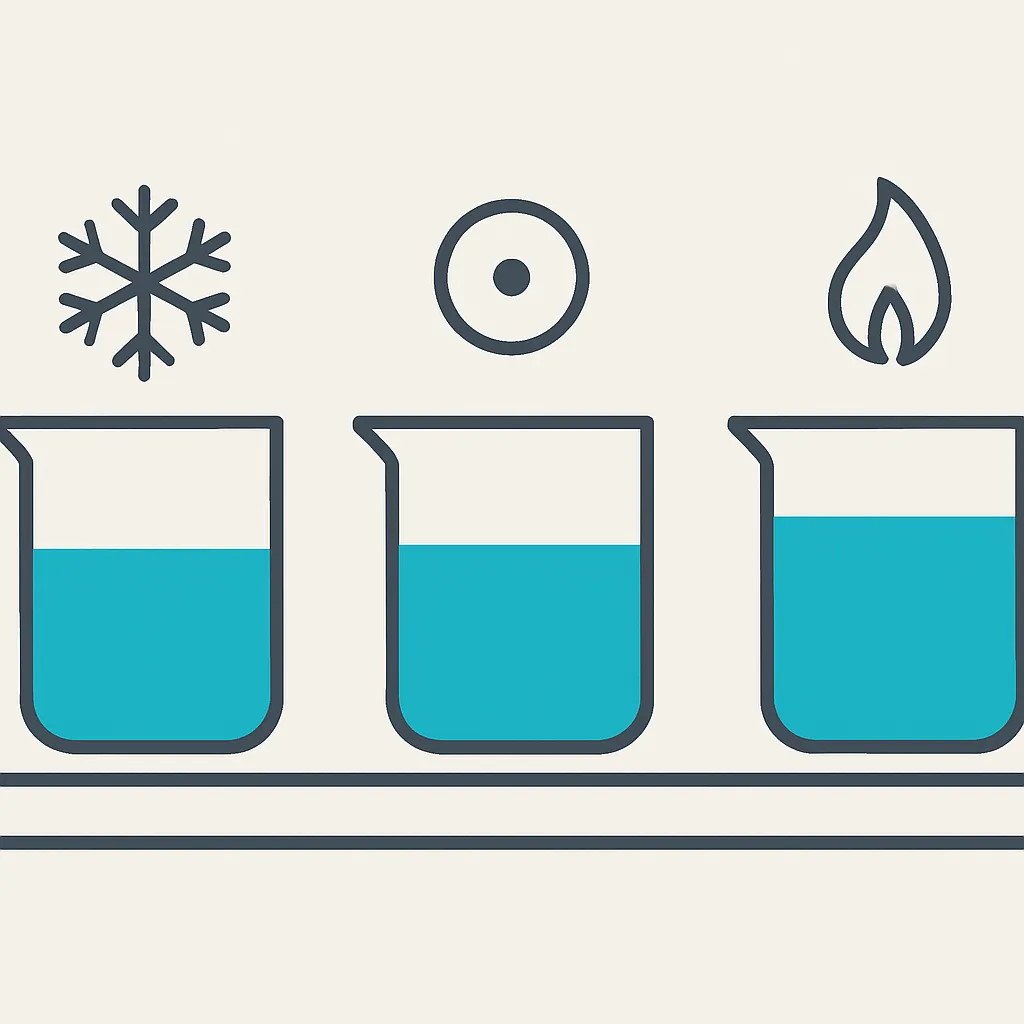
Maya wants salt to dissolve more slowly without changing the salt mass, water amount, or stirring. Which change should she make?
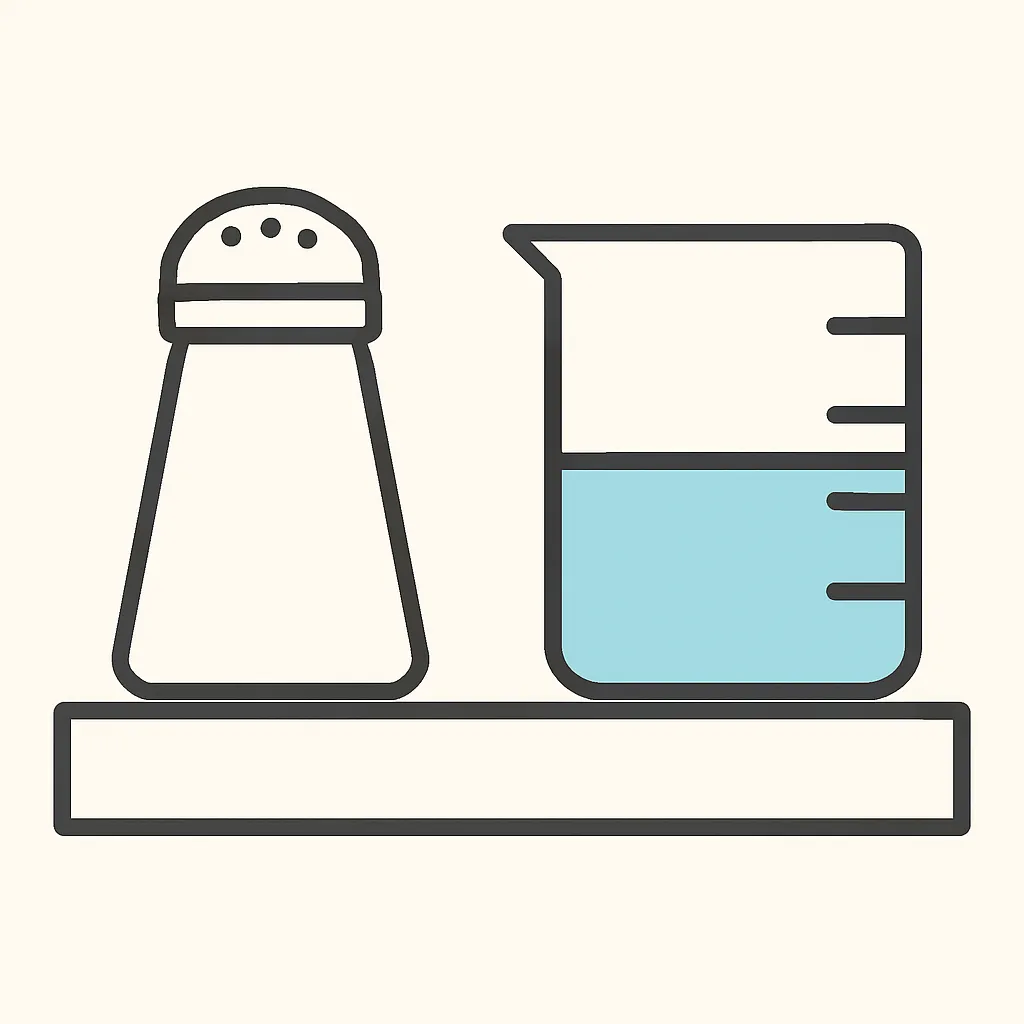
Two teams dissolve 3 g sugar in 200 mL water. One cup is 25°C, and one is 50°C. Which claim is best supported?
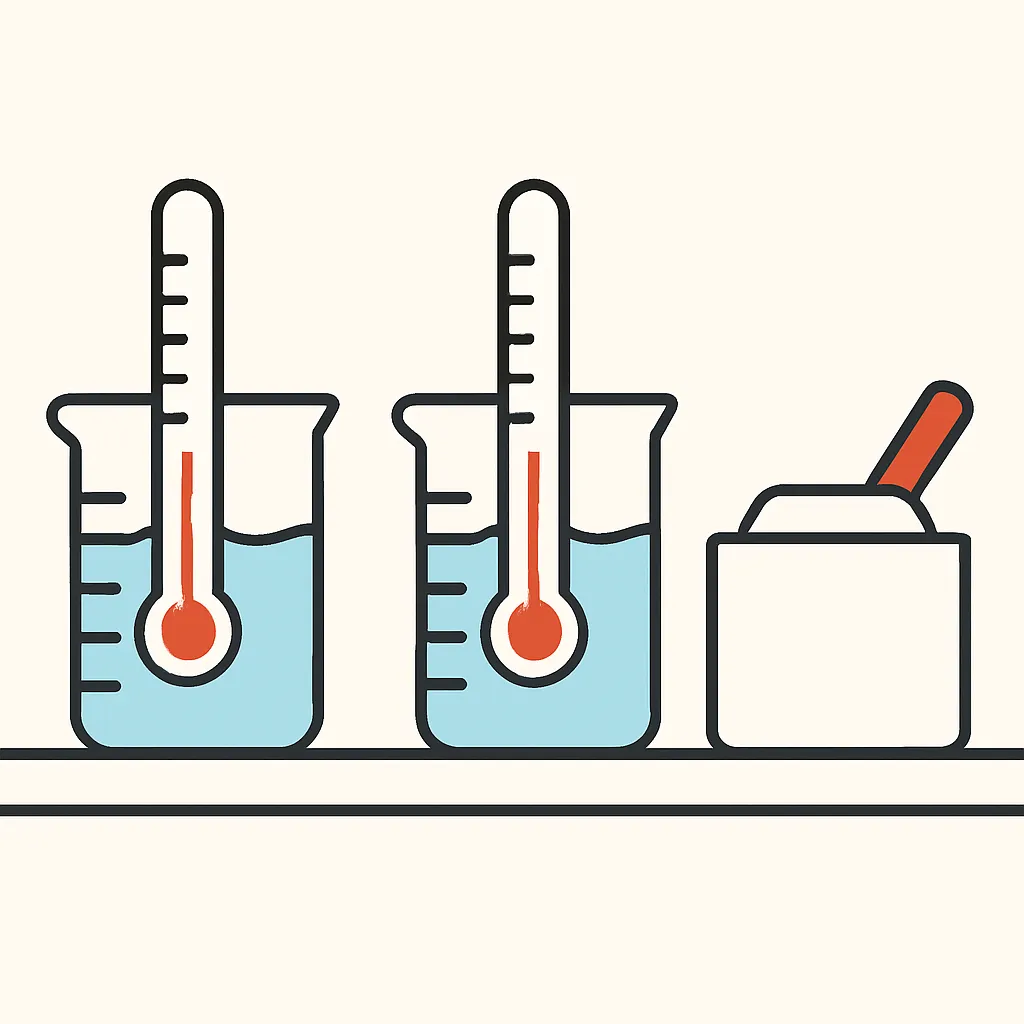
A cold medicine powder dissolves slowly in 15°C water. Without stirring or changing the amount of powder, what change would speed dissolving?
Equal masses of rock salt are added to equal cups of 25°C water. One sample is crushed; one is one large crystal. Which dissolves faster?
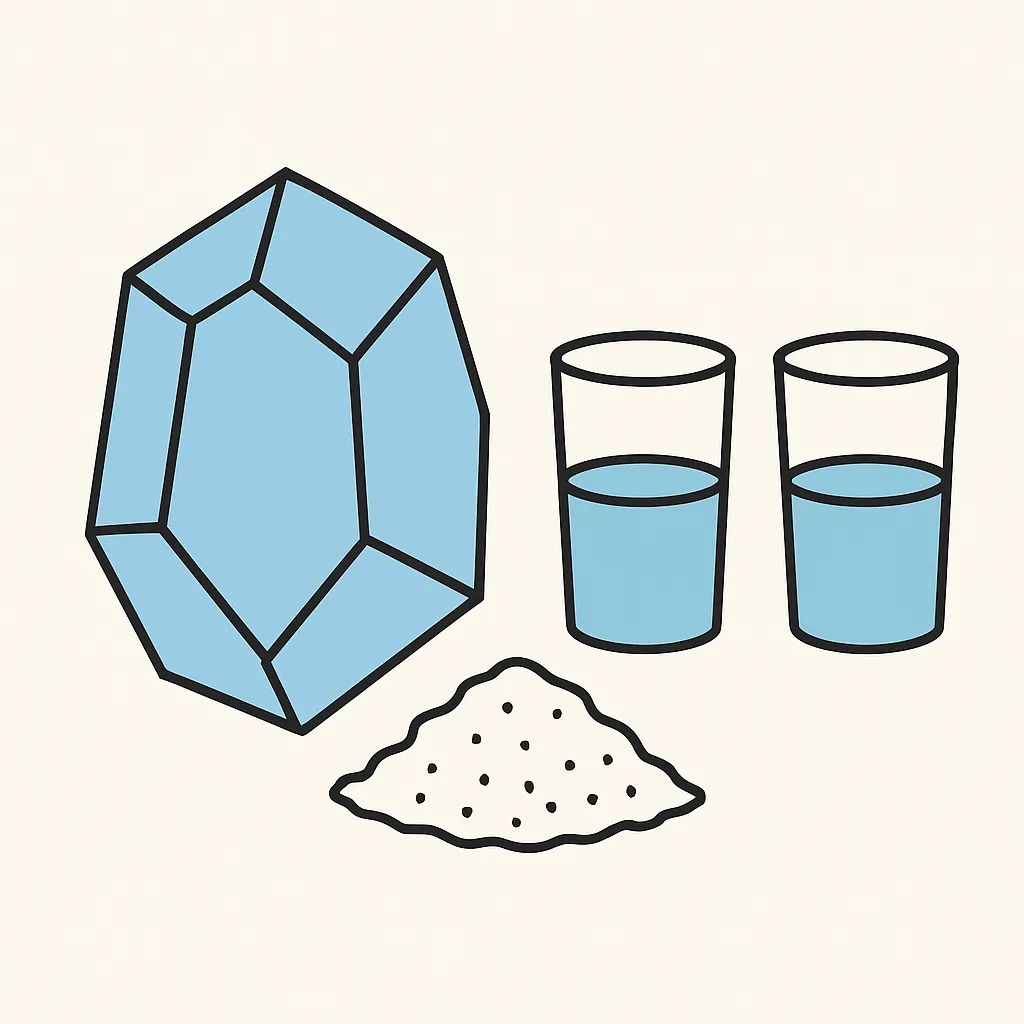
An antacid tablet is placed whole in one cup and broken into pieces in another equal cup. Which sample should finish dissolving first?
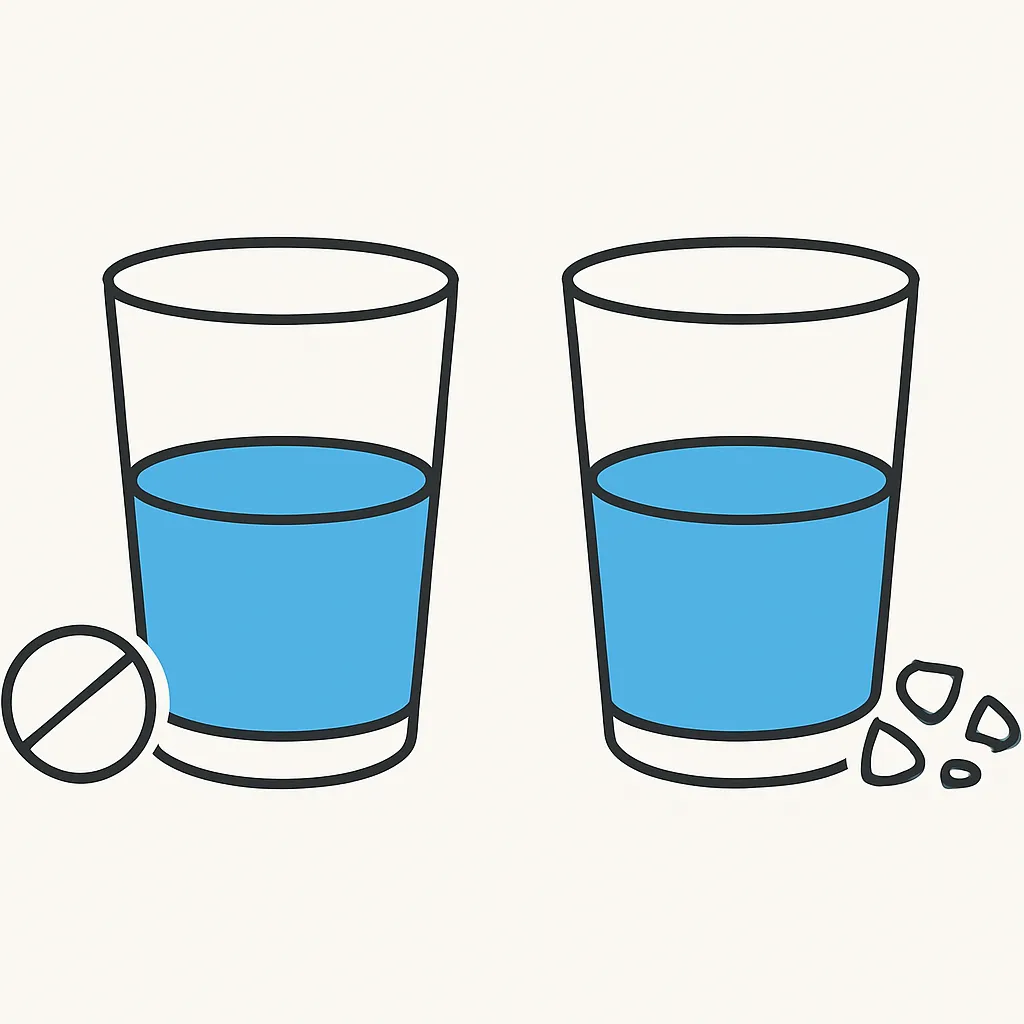
Powdered sugar and sugar cubes of the same mass are added to equal lemonade cups. Which sugar reaches a solution sooner?

To make a salt sample dissolve more slowly at the same temperature and with the same stirring, what surface-area change works best?

A student grinds drink-mix crystals into a fine powder before adding them to water. How should this change the dissolving rate?
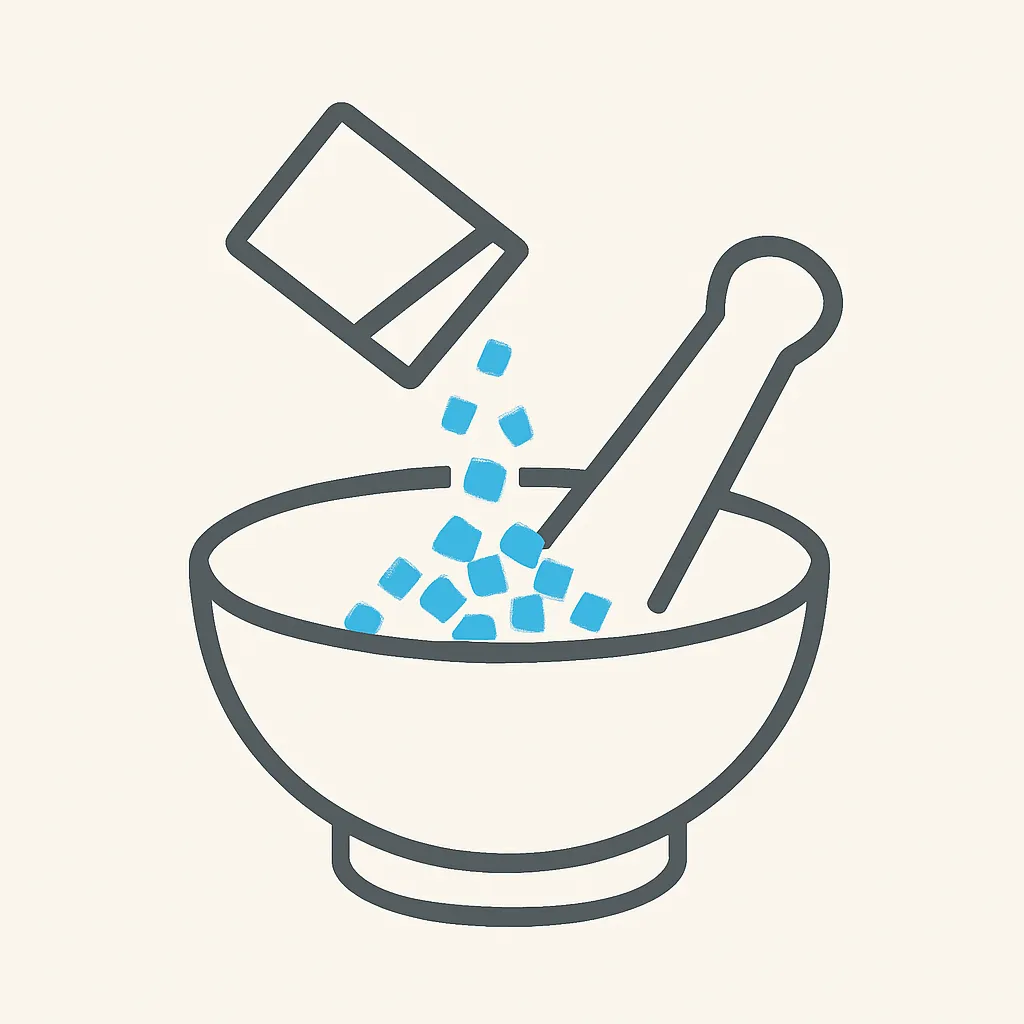
Small fertilizer beads and large pellets have the same mass and material. In equal water, which sample should disappear into solution first?
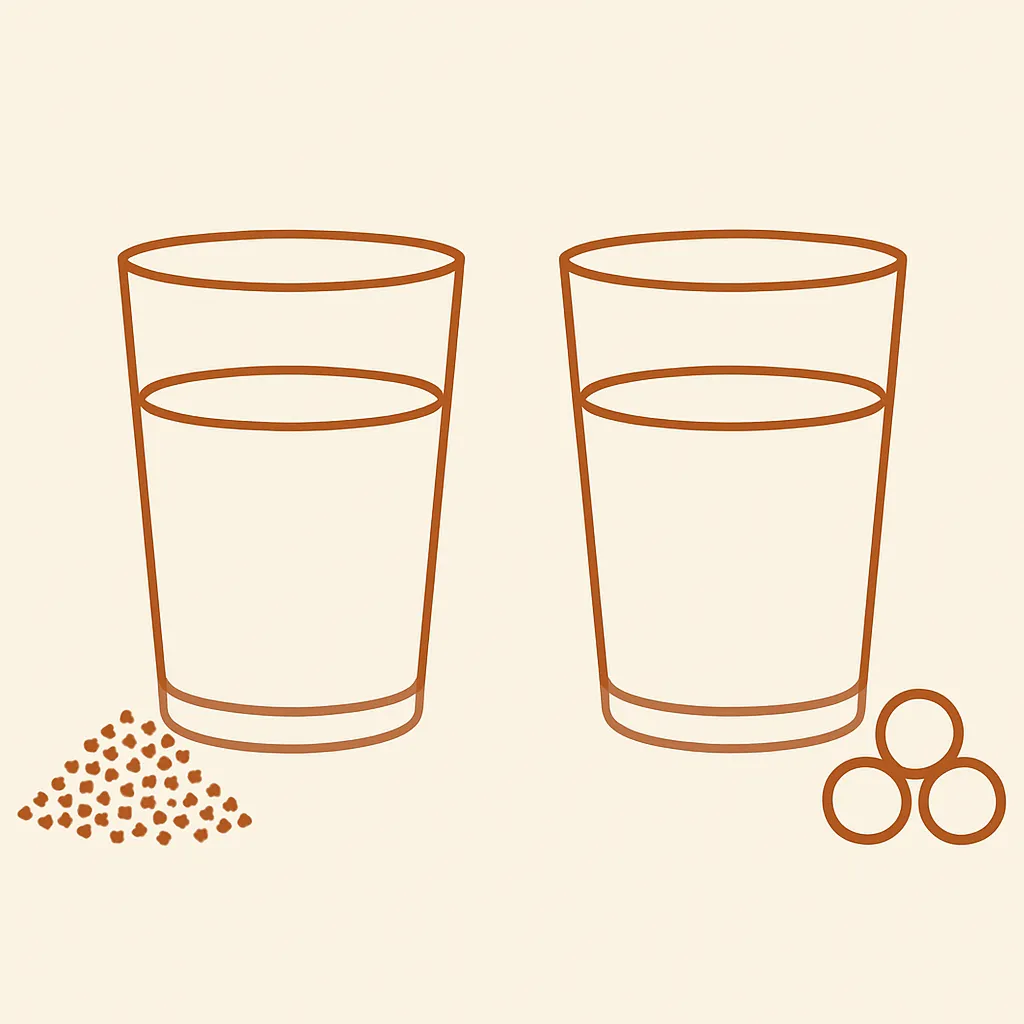
Two beakers get equal salt samples and equal 30°C water. One beaker is stirred; the other sits still. Which dissolves faster?
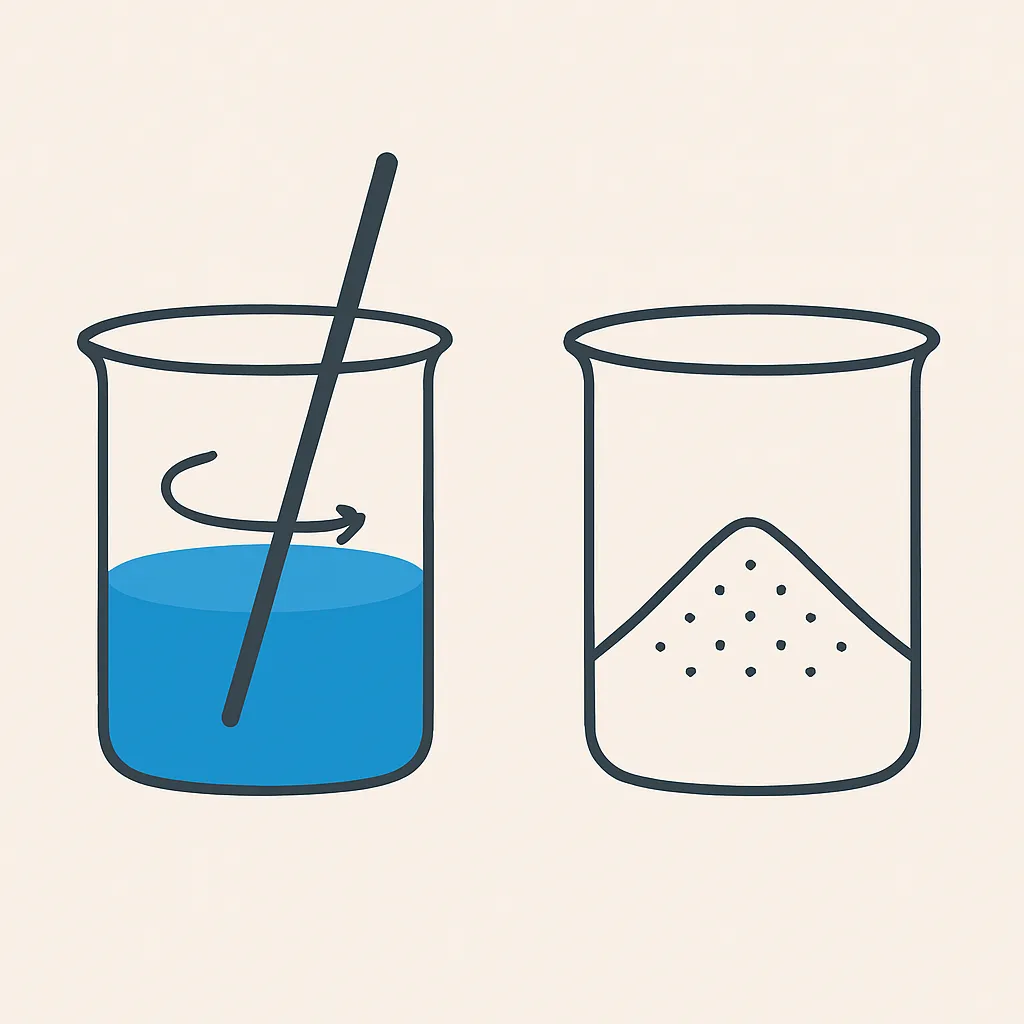
Sugar settles at the bottom of a cup. The water temperature stays 25°C. Why does stirring with a spoon speed dissolving?
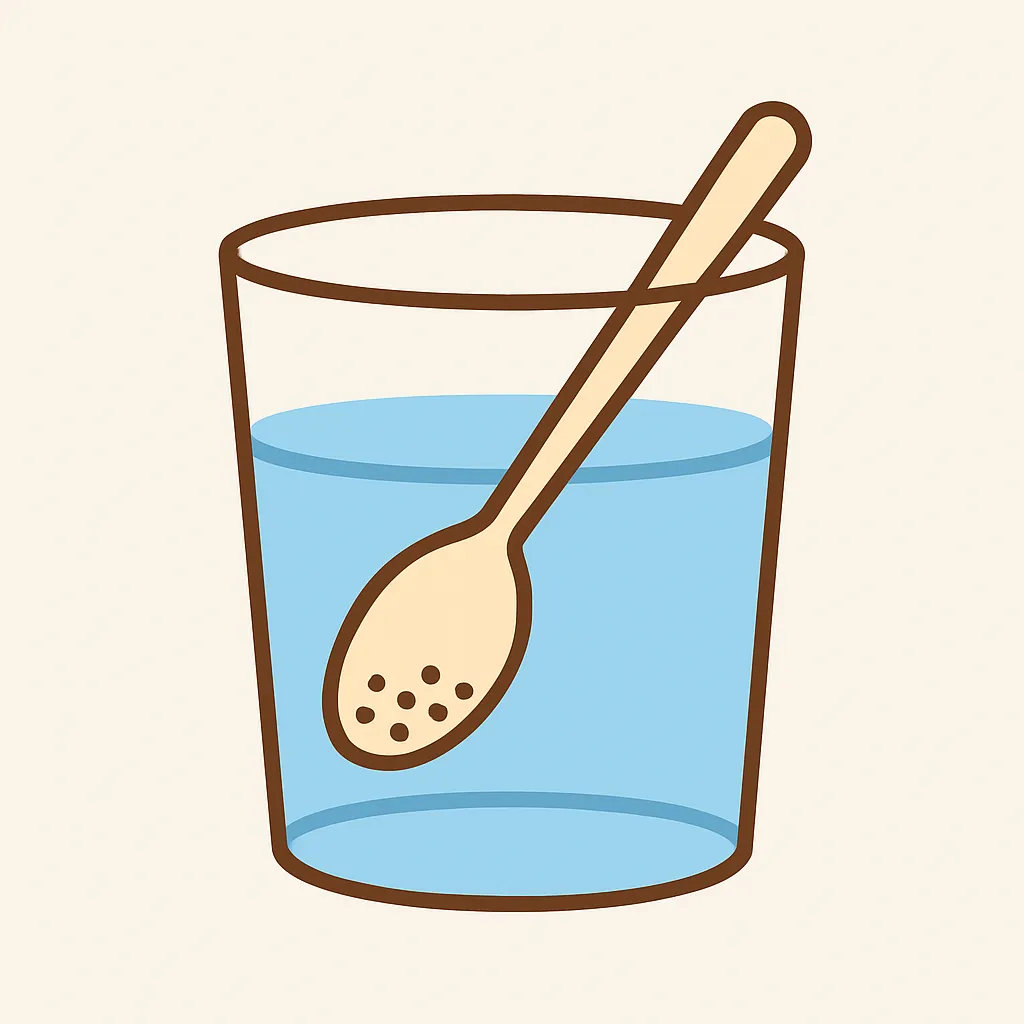
A lab group wants a sugar cube to dissolve more slowly, but temperature and amount of water must stay the same. What should they do?
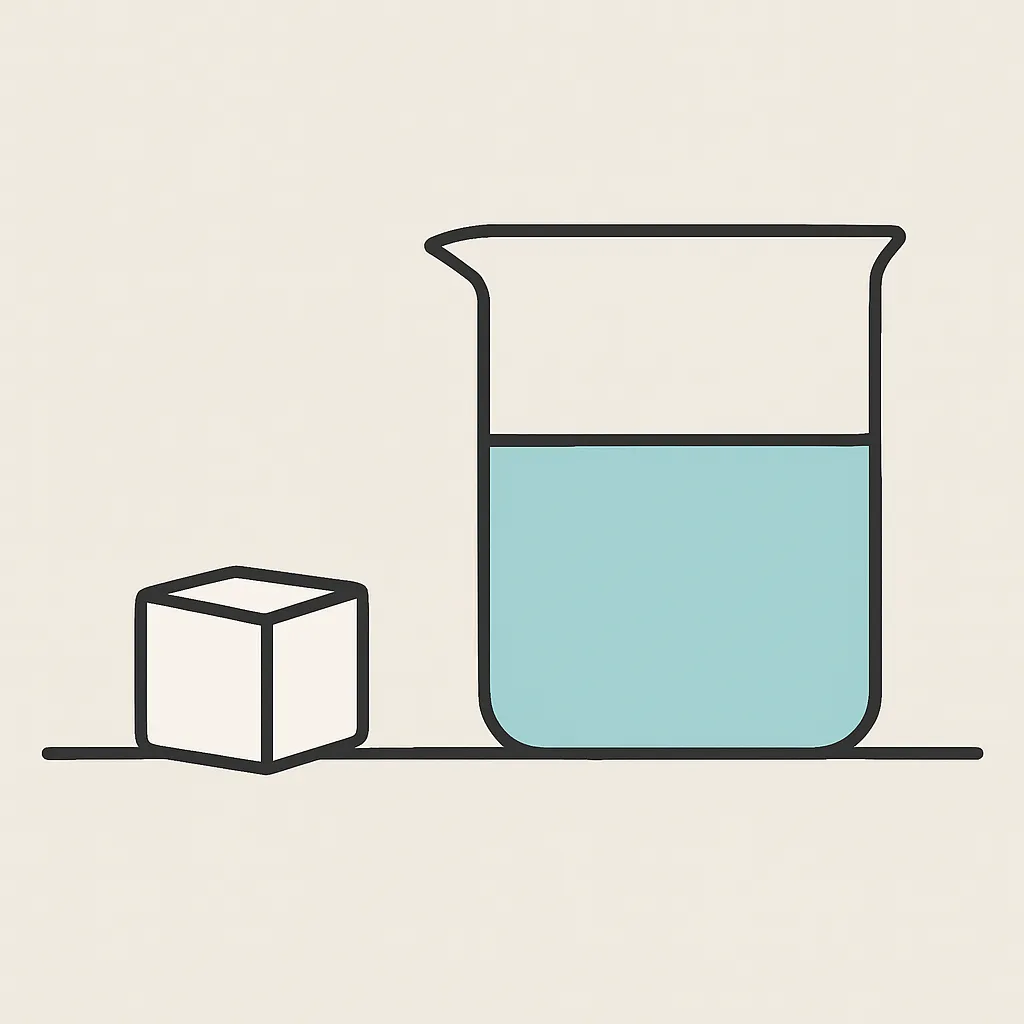
Two capped test tubes hold equal water and 2 g of sugar. Tube A is at 50°C and shaken. Tube B is at 20°C and left still. Tube A dissolves first. Why can't the student tell which factor caused this?
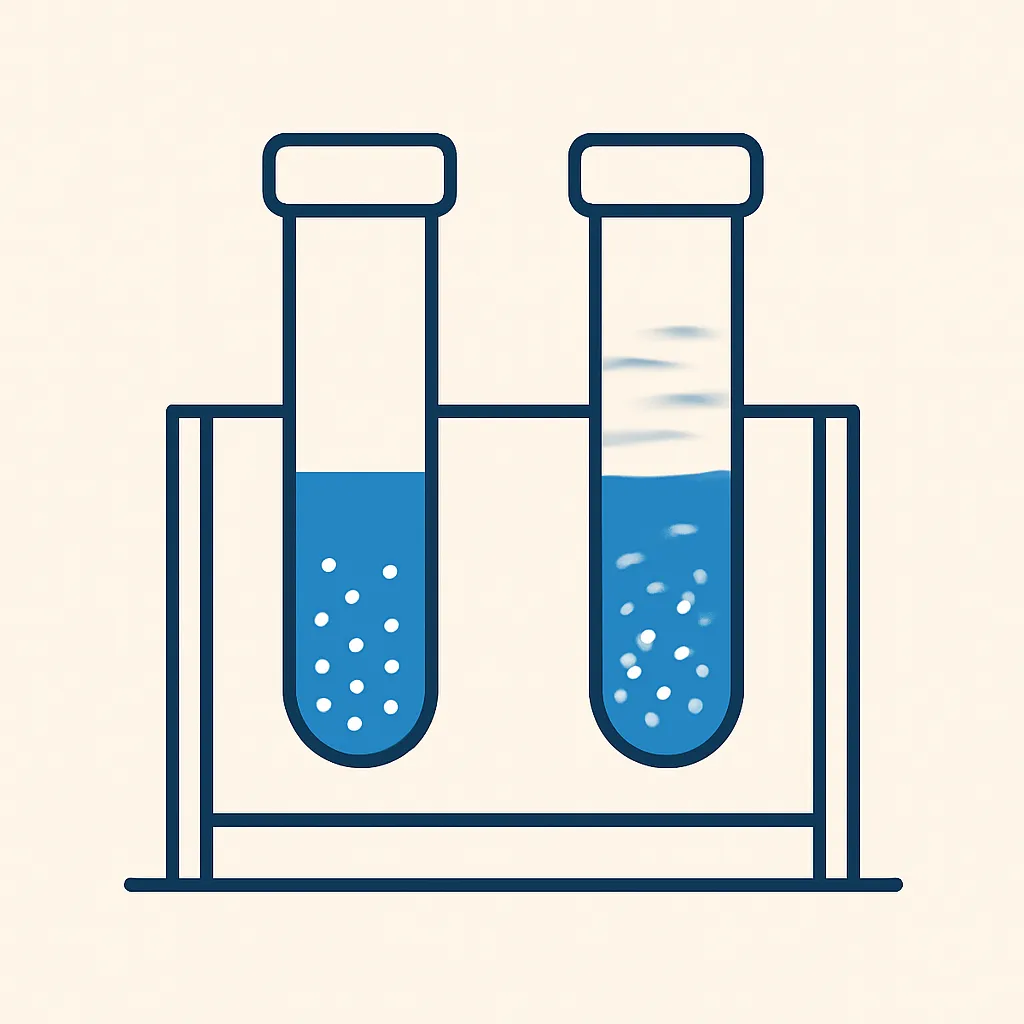
In trials, 5 g granulated sugar dissolved in 30 s at 50°C and 85 s at 20°C. Mass, water volume, and stirring stayed constant. Which variable changed?
A table shows 4 g whole candy dissolves in 120 s, but the same candy crushed dissolves in 45 s in equal 25°C water with the same stirring. Which factor changed?
Powdered drink mix dissolved in 25 s when stirred and 80 s when not stirred. Temperature, mass, and water volume matched. What variable was tested?
Three trials used the same salt mass, water volume, and temperature: no stirring, slow stirring, and fast stirring. Dissolving times decreased. Which independent variable changed?
Crack the passcode before the zombies get in.
Answer, then swat bugs for bonus points.
Race through questions at your own speed.
Same question on every screen. Fastest wins.

Pick a tile, answer, hit bonuses and steals.
Physical Change or Chemical Change?
40 questions