Loading
by BlastRoom
Students use observations and property changes to decide whether a chemical reaction occurred.
#us_grade_7_science
20 questions
One question set, multiple game modes. Tap any game to see it in action. Not sure which to pick?
Answer to place stones and capture territory.
Outrun the snow together.
Earn blasts, then hunt the other team.
Answer to earn energy, then climb.

The class blasts through walls together.
Bid on mystery lots. Most money wins.
Sell tours. Nice, standard, or a total scam.

Answer, restock, and serve the rush.
More correct answers pulls the rope your way.
Answer, then shoot down the alien wave.
Answer, then tap to leap the frozen ridge.
Two clear liquids are mixed. The cup turns cloudy, and a white solid settles at the bottom. What conclusion is best supported?
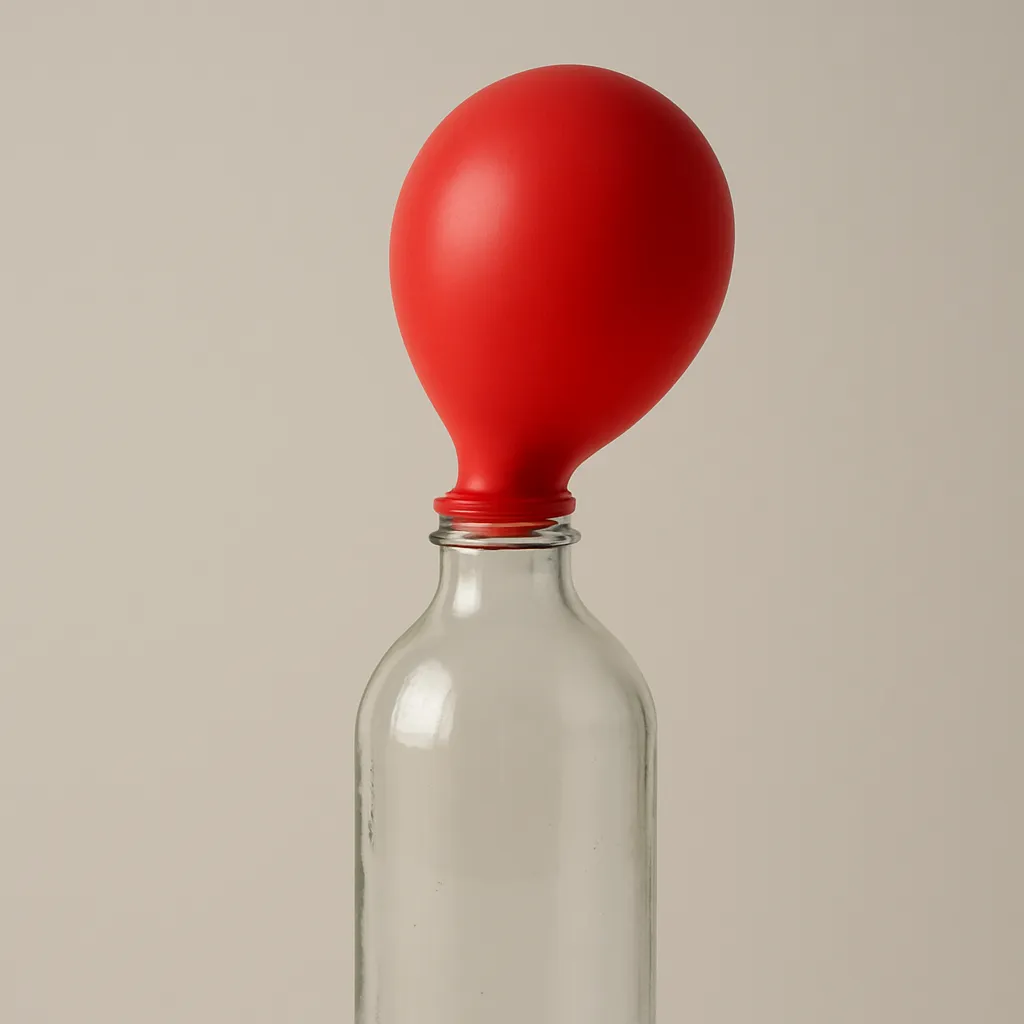
Baking soda is added to vinegar. Bubbles appear and a balloon over the bottle inflates. What evidence best shows a chemical reaction happened?
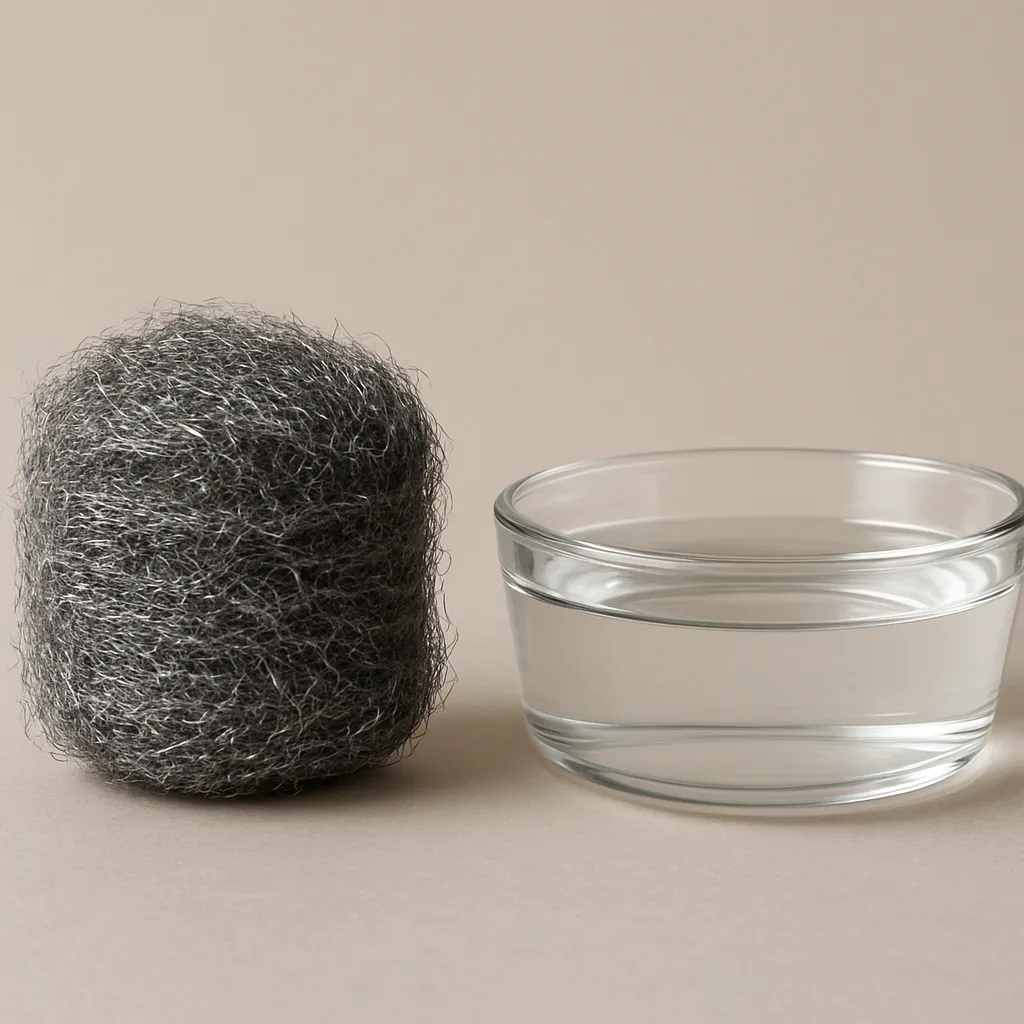
Damp steel wool is left in air for several days. It changes from gray metal to reddish-brown rust. What does this observation show?
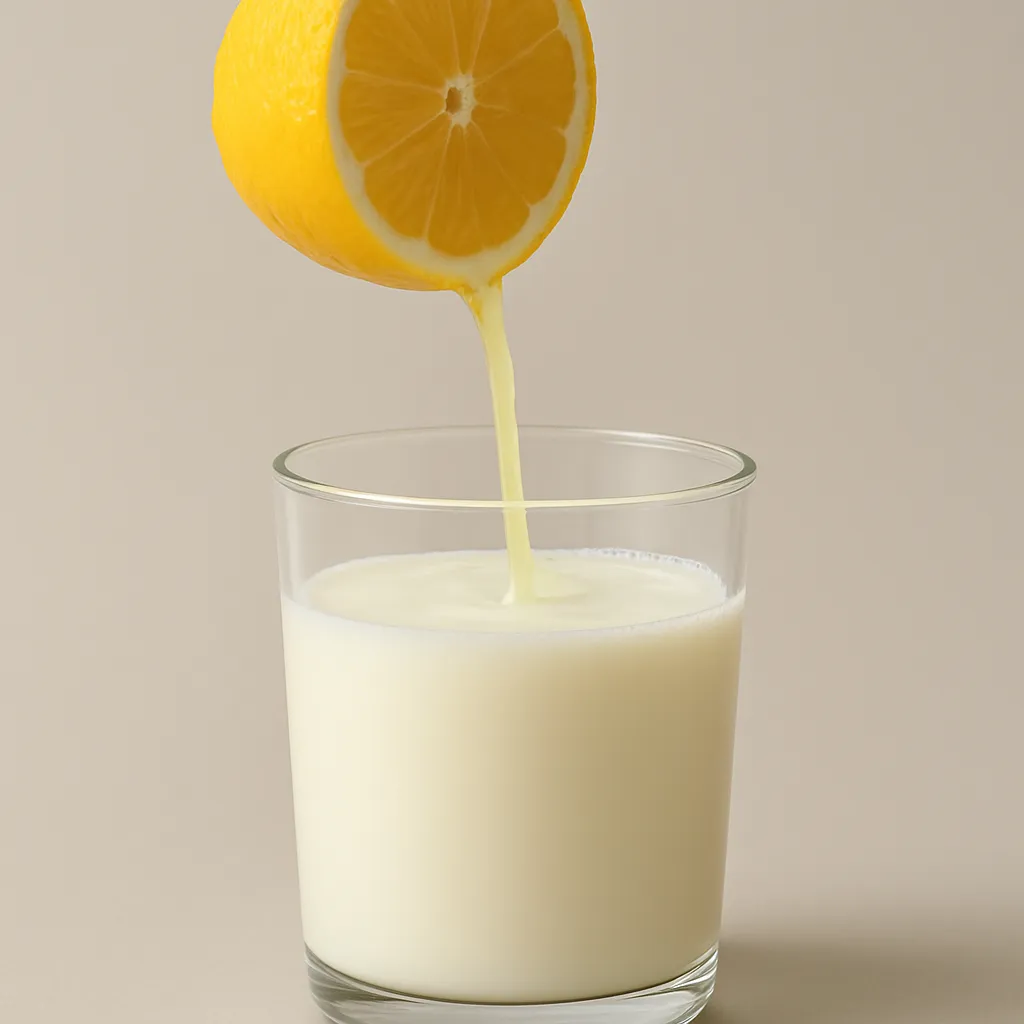
When lemon juice is stirred into milk, white clumps form and do not disappear after stirring. What evidence supports a reaction?
Sugar is stirred into water. The liquid stays clear, no gas or solid forms, and the temperature stays 22°C. What conclusion fits the evidence?
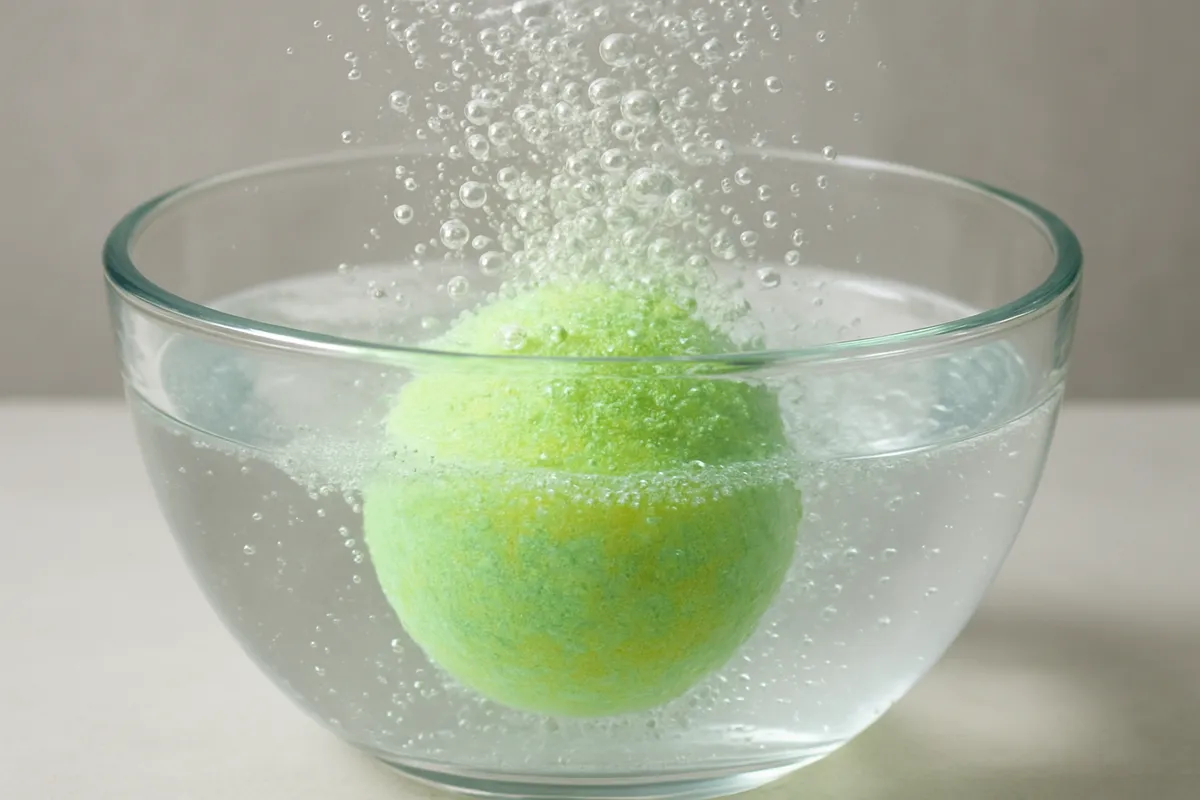
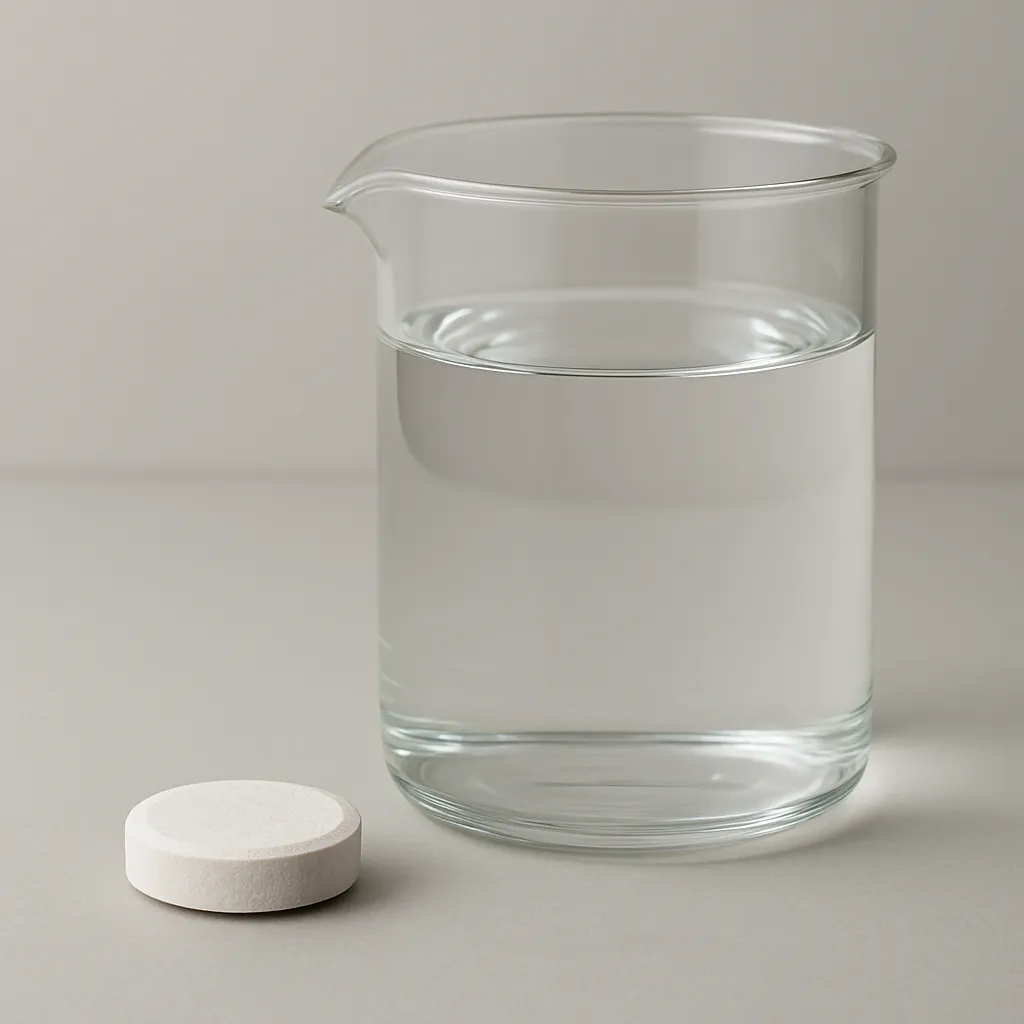
An antacid tablet is dropped into water. Many bubbles rise from the tablet as it breaks apart. What is the strongest evidence for a reaction?
Two colorless solutions are mixed. Within seconds the liquid turns yellow, with no heating or added dye. What evidence supports a chemical change?
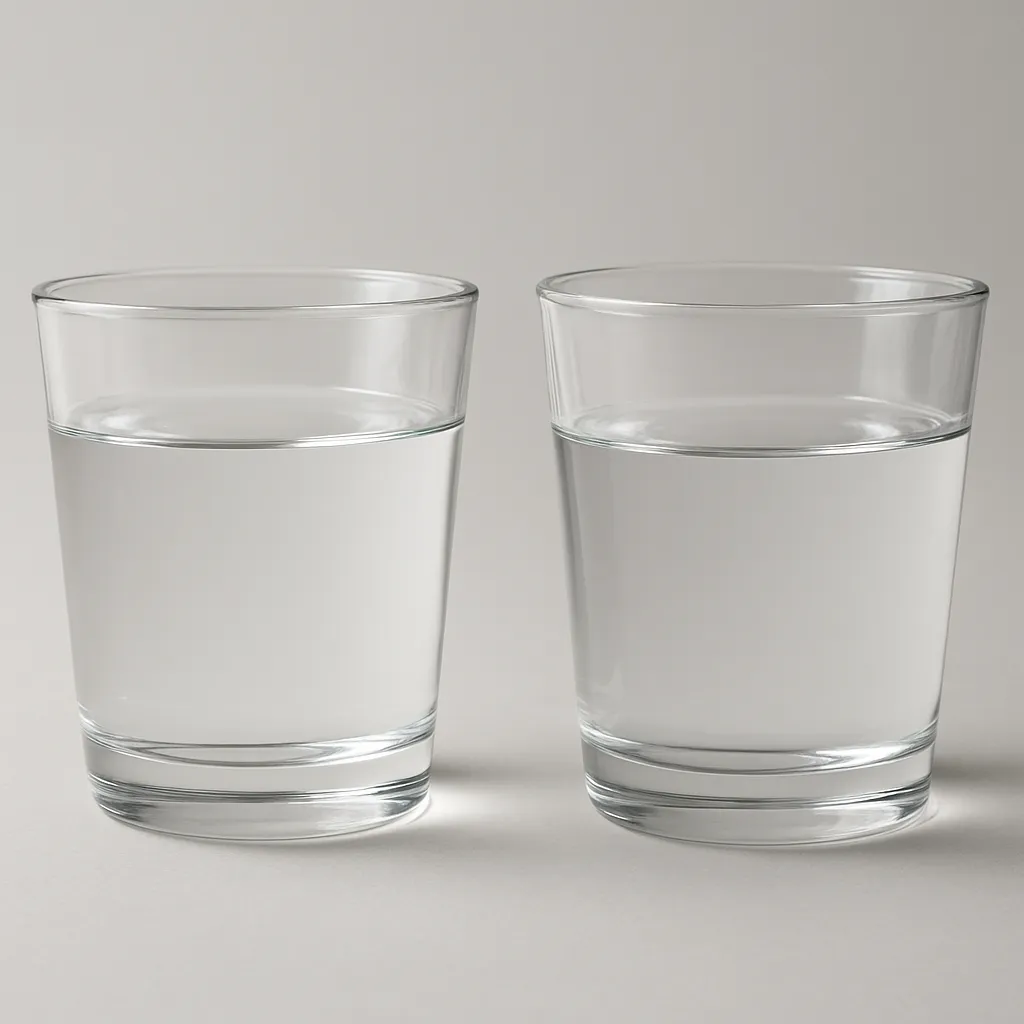
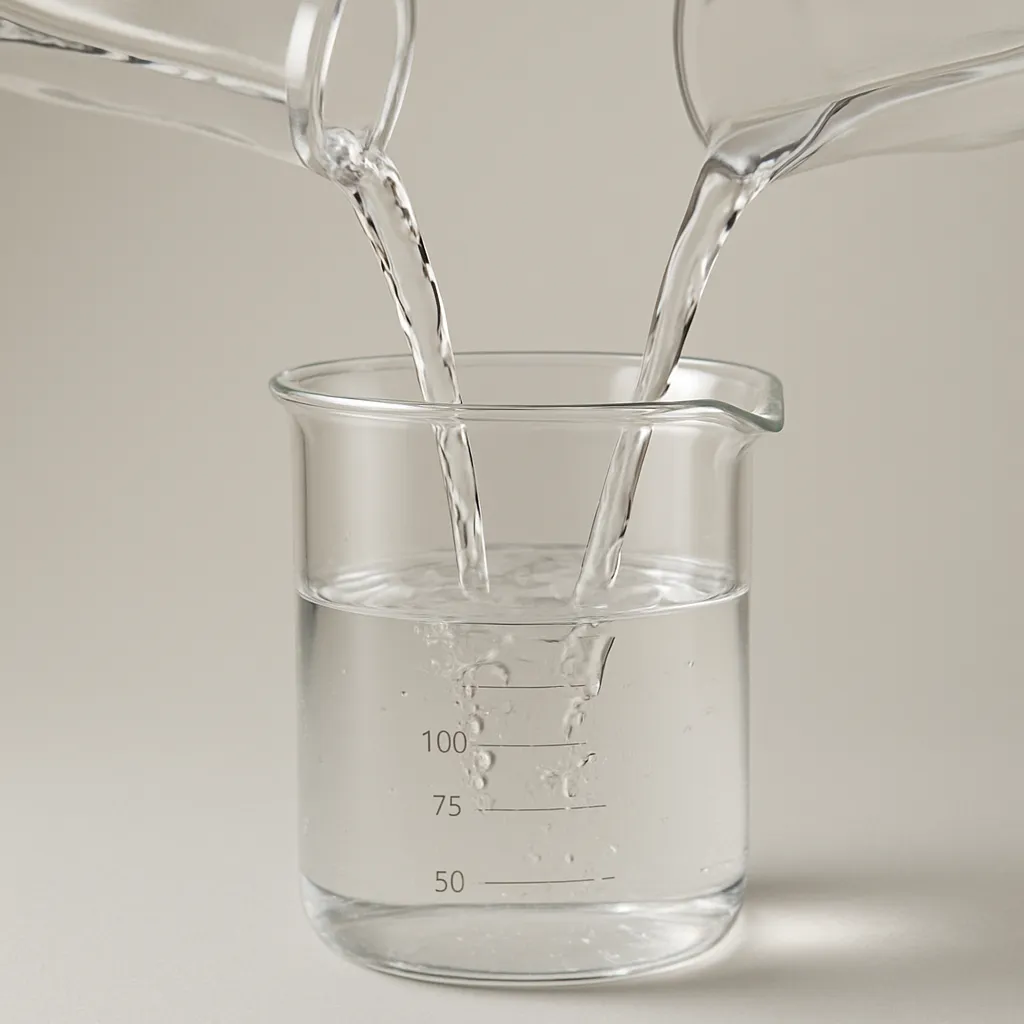
Two droppers add clear solutions A and B to one beaker. A student wants to show that any solid that forms comes from A and B reacting together. What else should she test?
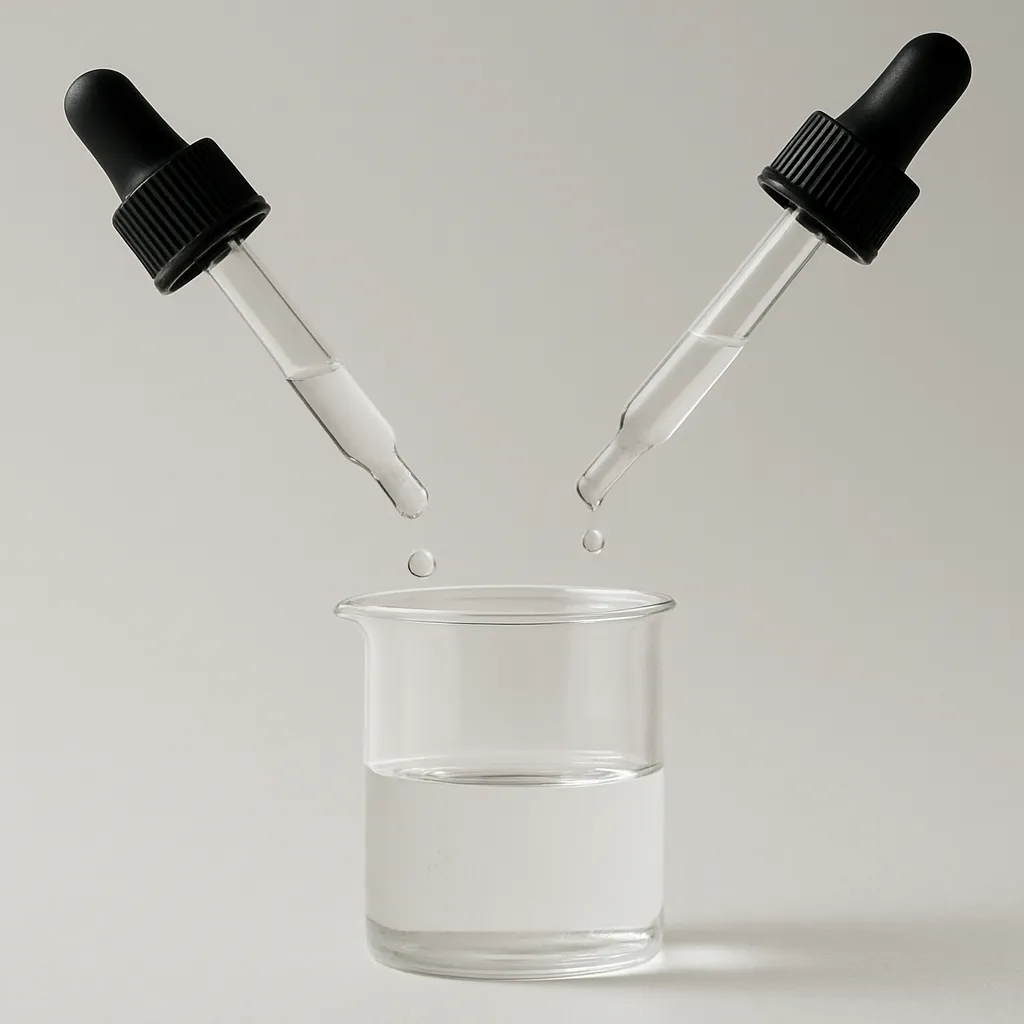
Solution A and solution B are each 22°C before mixing. After mixing, the beaker rises to 38°C without heating. What does the temperature change support?
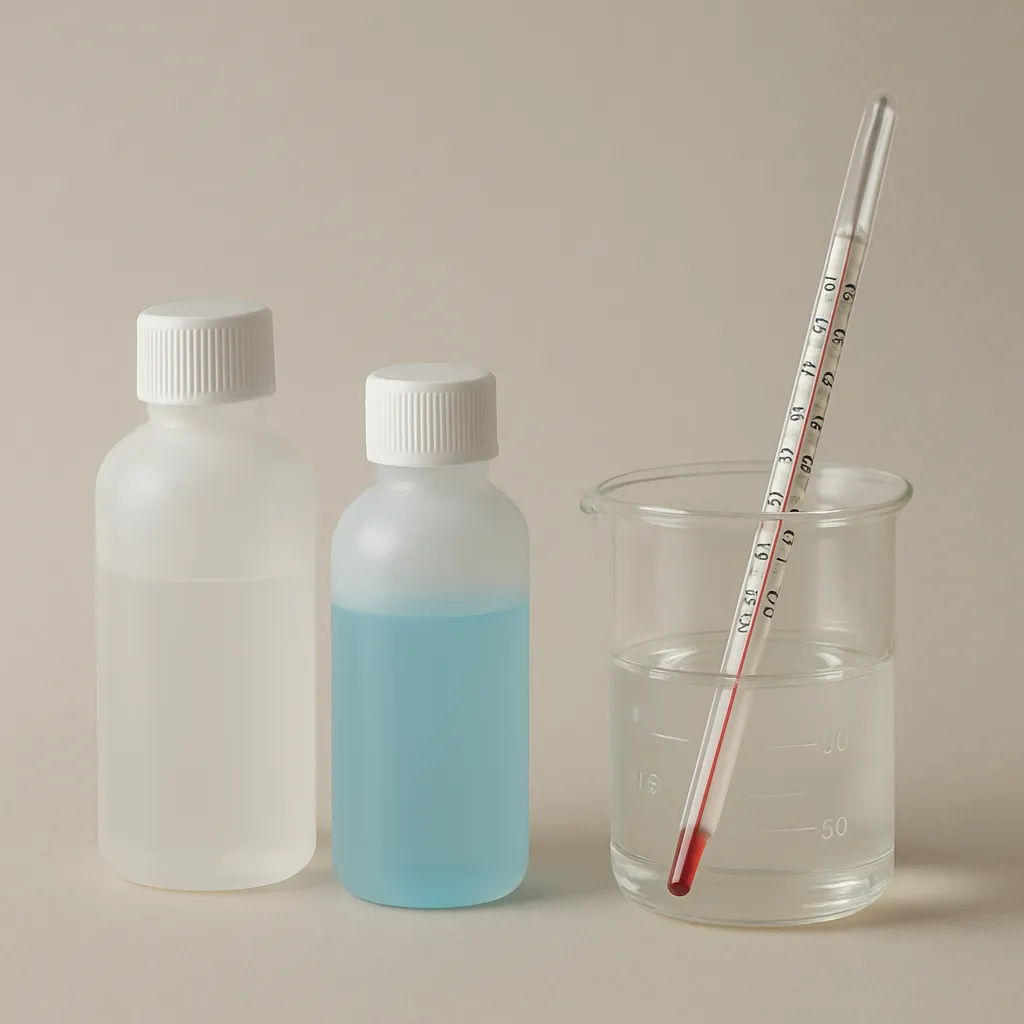
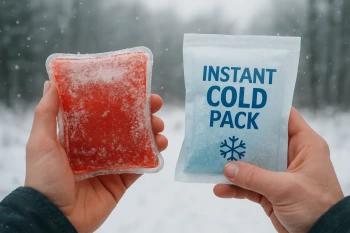
Two room-temperature solutions at 21°C are mixed. The cup drops to 5°C even though it stays on the table. What claim is best supported?
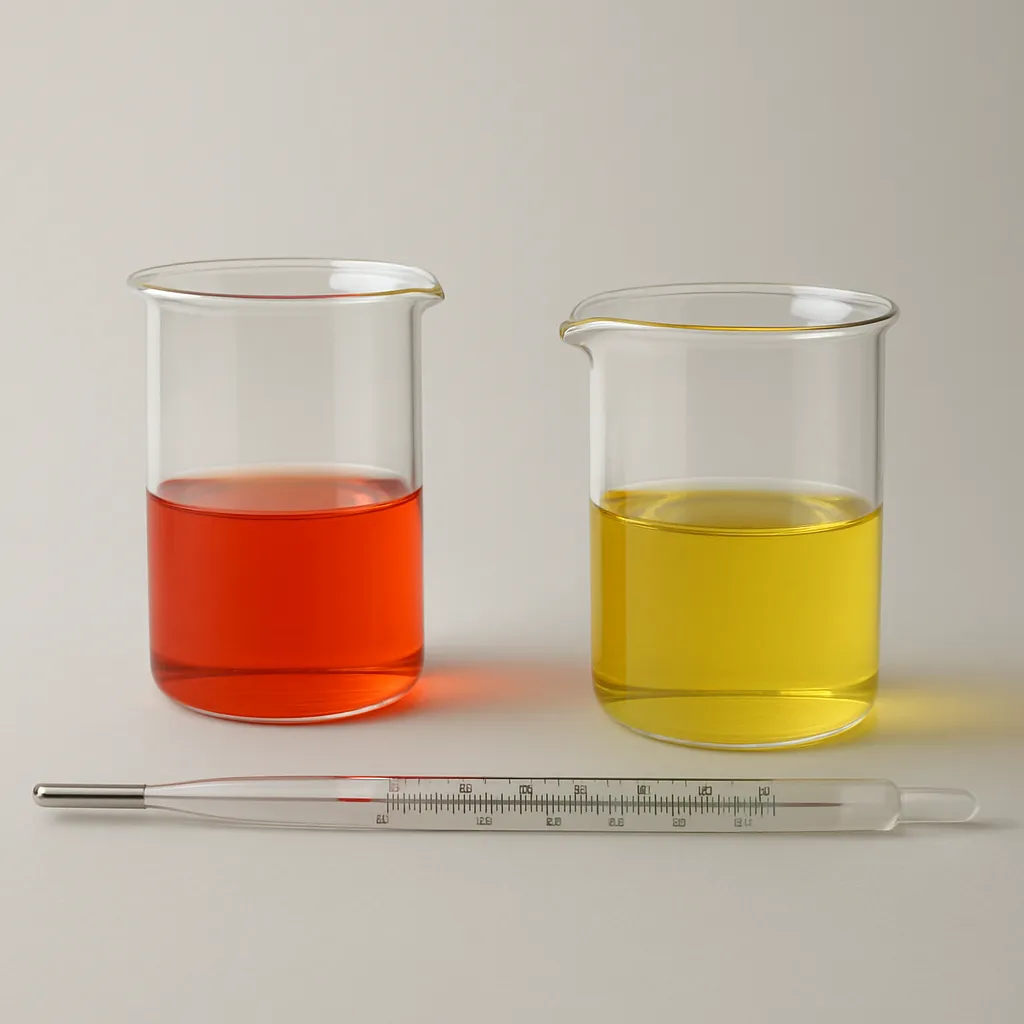
A glow stick is bent so two liquids mix. It gives off light without a battery or flame. What does this observation support?
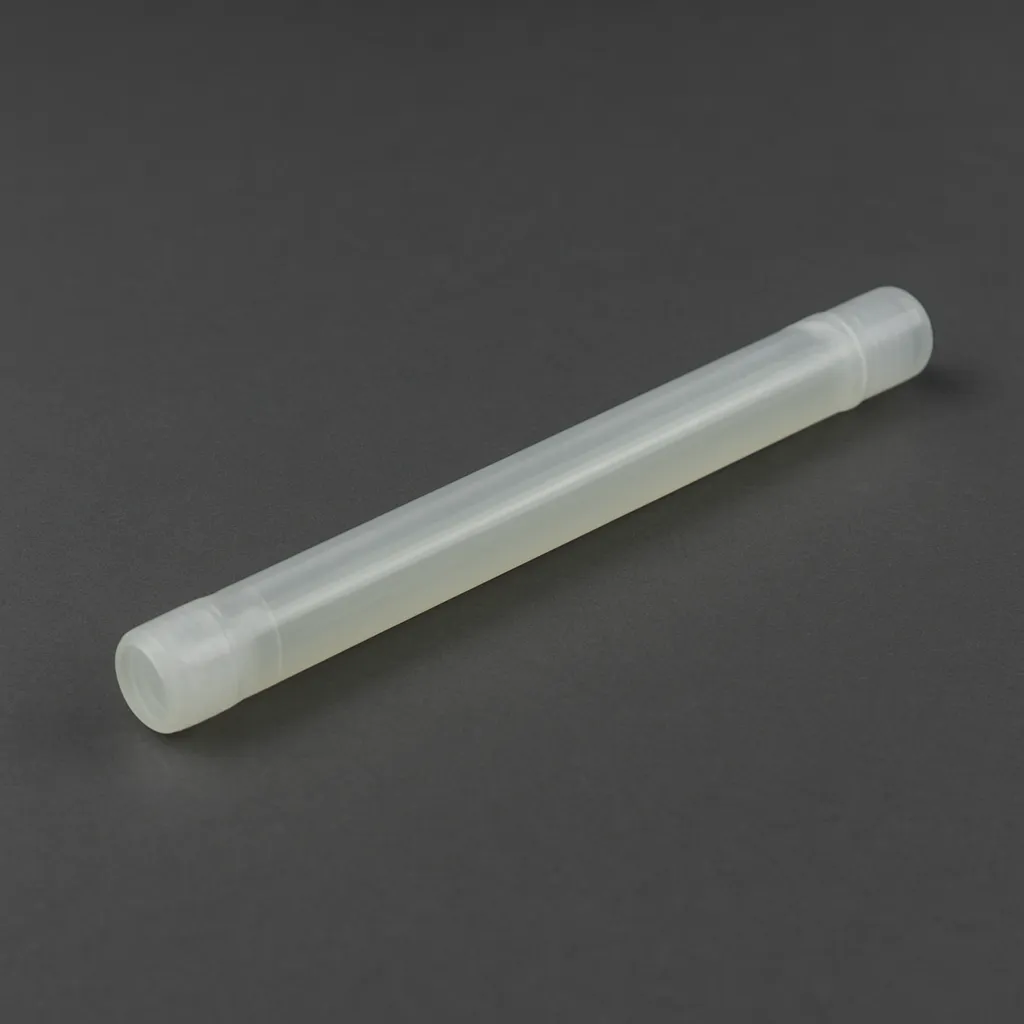
A metal ribbon is placed in acid. The liquid quickly warms and bubbles rise from the metal. Which energy evidence supports a reaction?
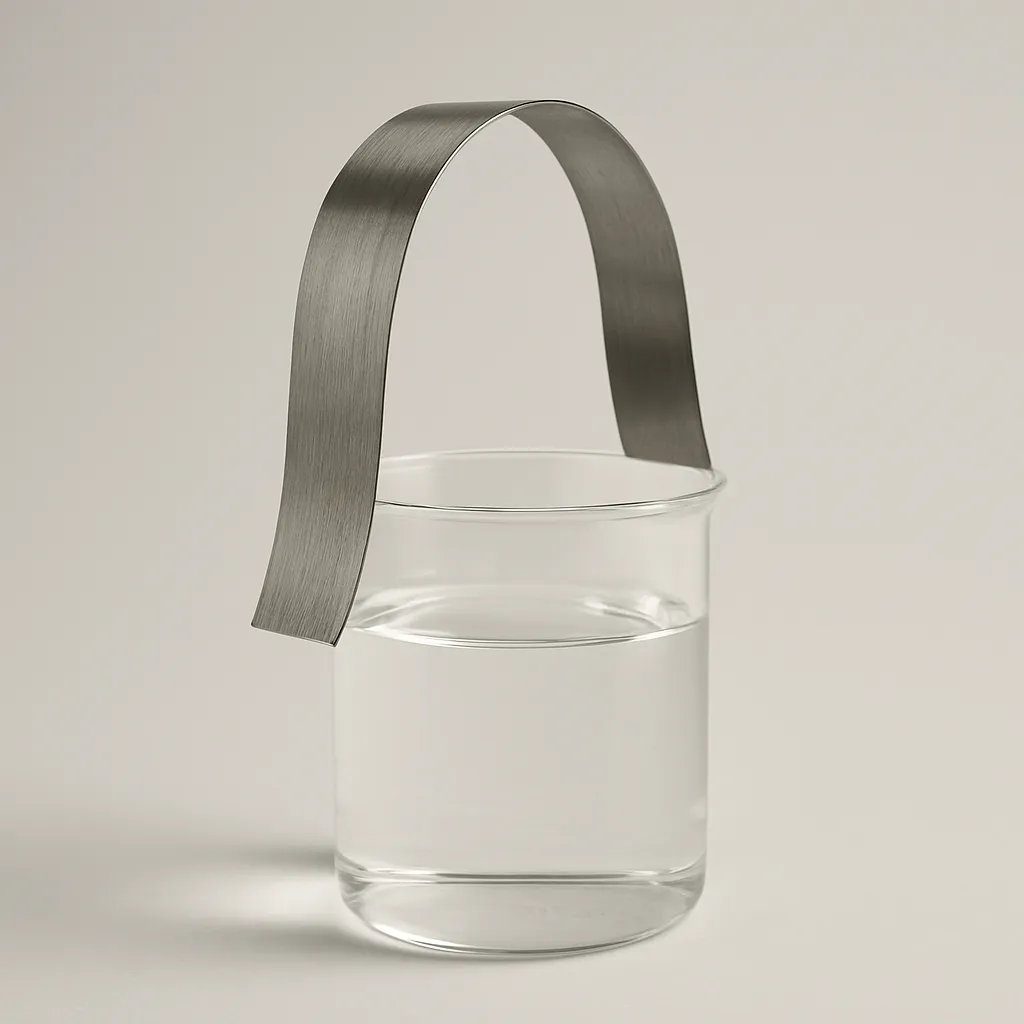
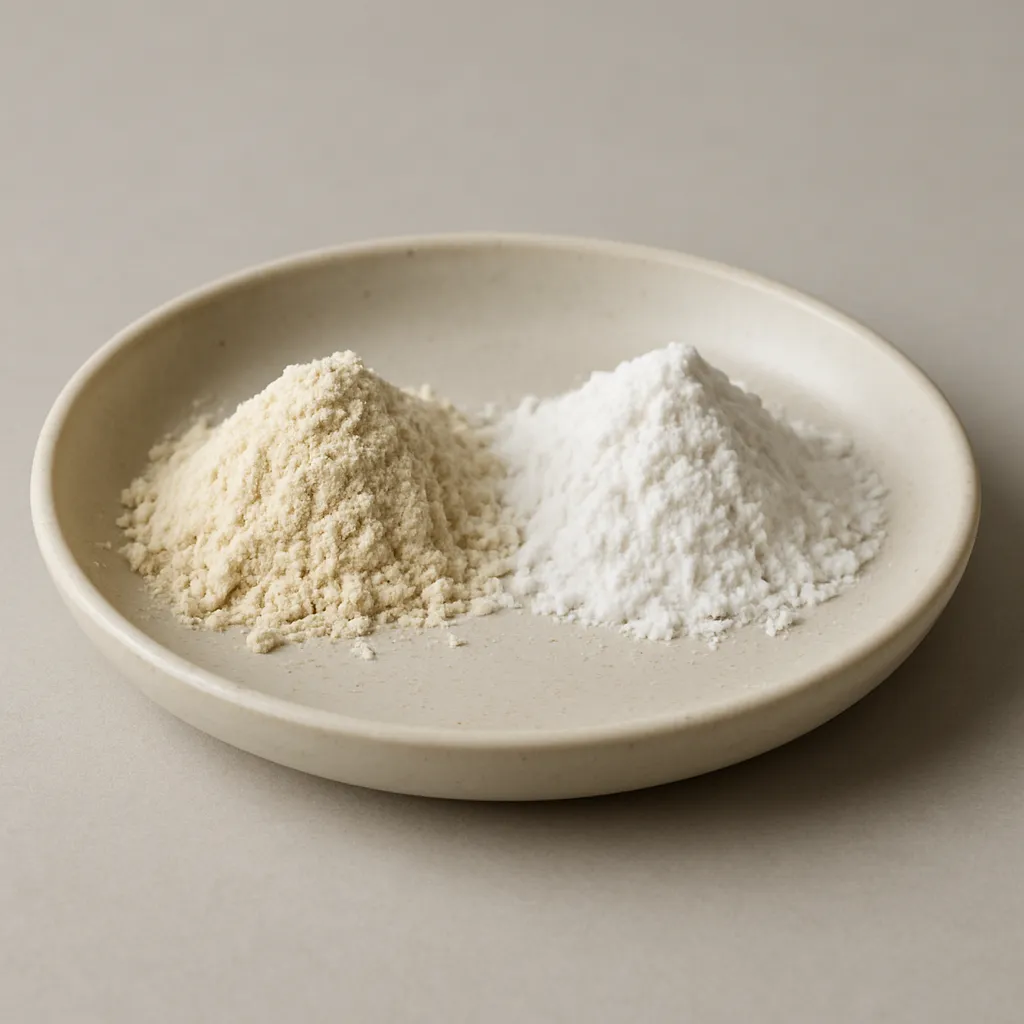
Two dry chemicals are mixed in a dish. A bright flash occurs, and a white solid remains. What conclusion is best supported?
Equal amounts of water at 60°C and 20°C are mixed, and the mixture reaches 40°C. Is this temperature change evidence of a chemical reaction?
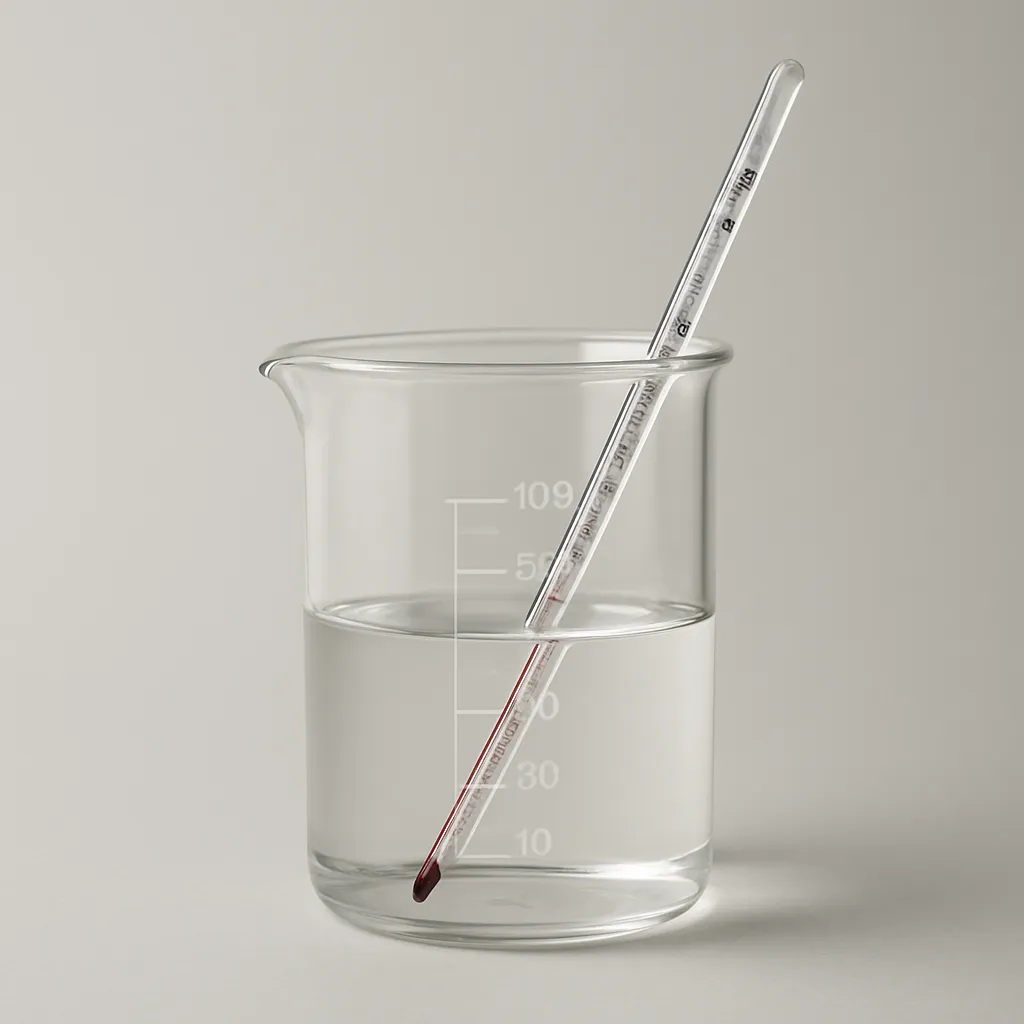
A shiny brown copper wire is heated in air. Afterward, it has a dull black coating that flakes off. What before-and-after evidence points to a product?
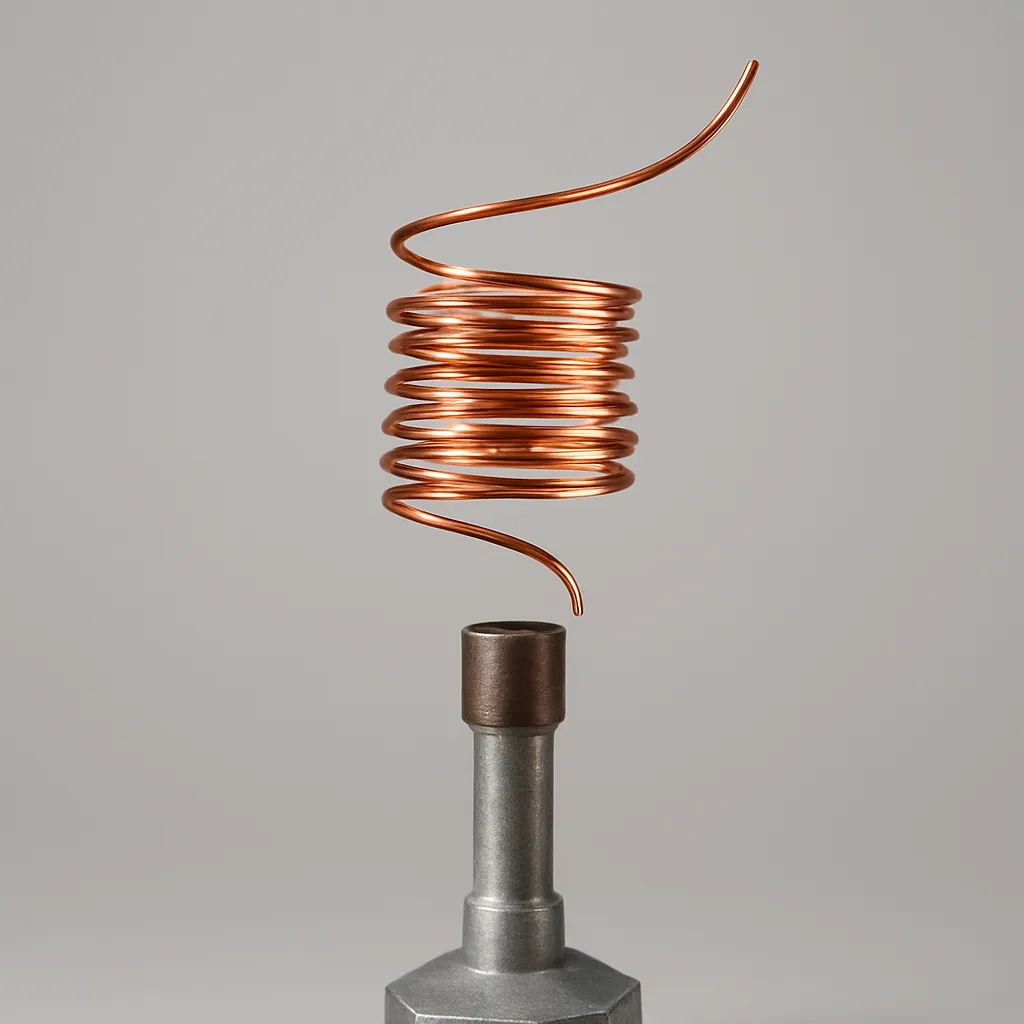
Vinegar is a clear acidic liquid, and an antacid tablet is a chalky solid. After mixing, the tablet breaks apart, gas escapes, the liquid stays clear, and it is less acidic. Which changes show new substances formed?
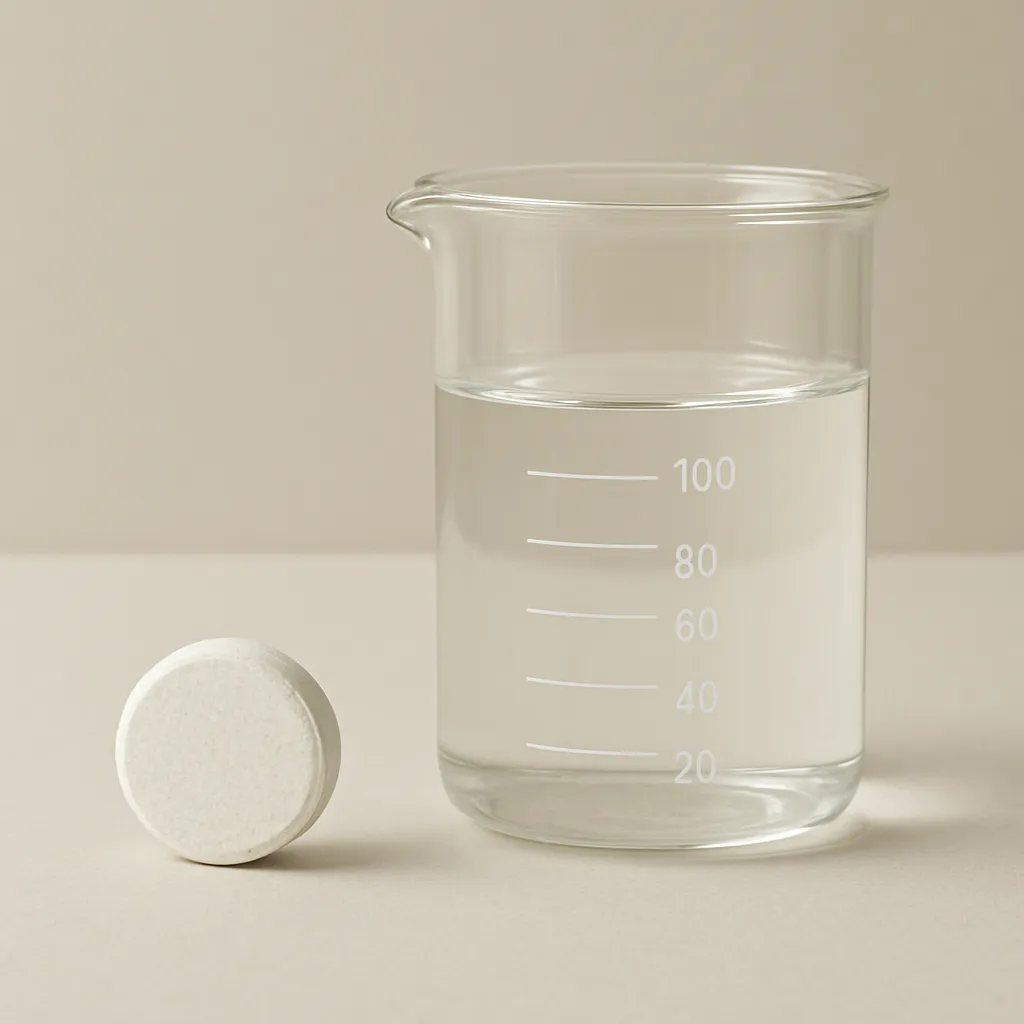
Liquid A is blue, and liquid B is clear. After mixing, there is more total liquid, the liquid is green, and gas bubbles off. What before-and-after evidence is strongest?
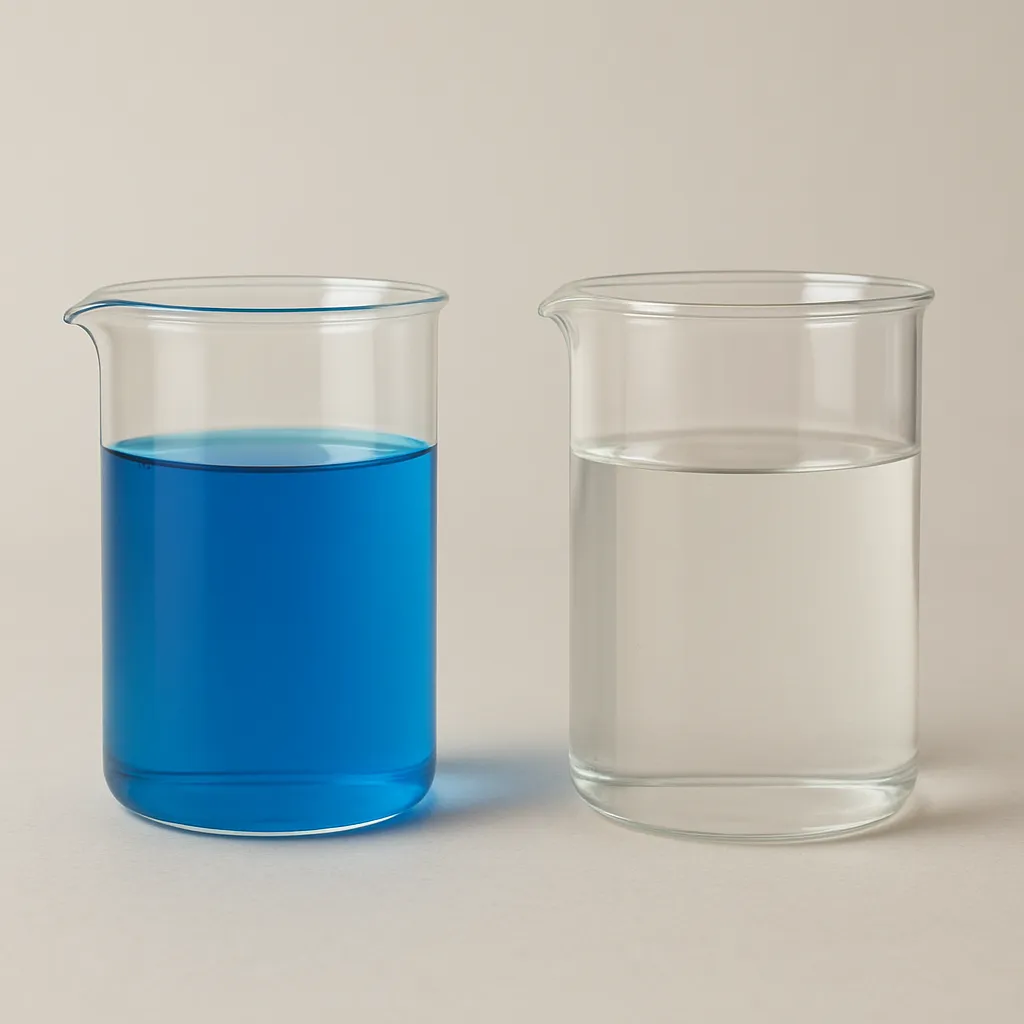
Before mixing with water, two powders are dry and white. After mixing, a hard insoluble solid forms. What does the property change show?
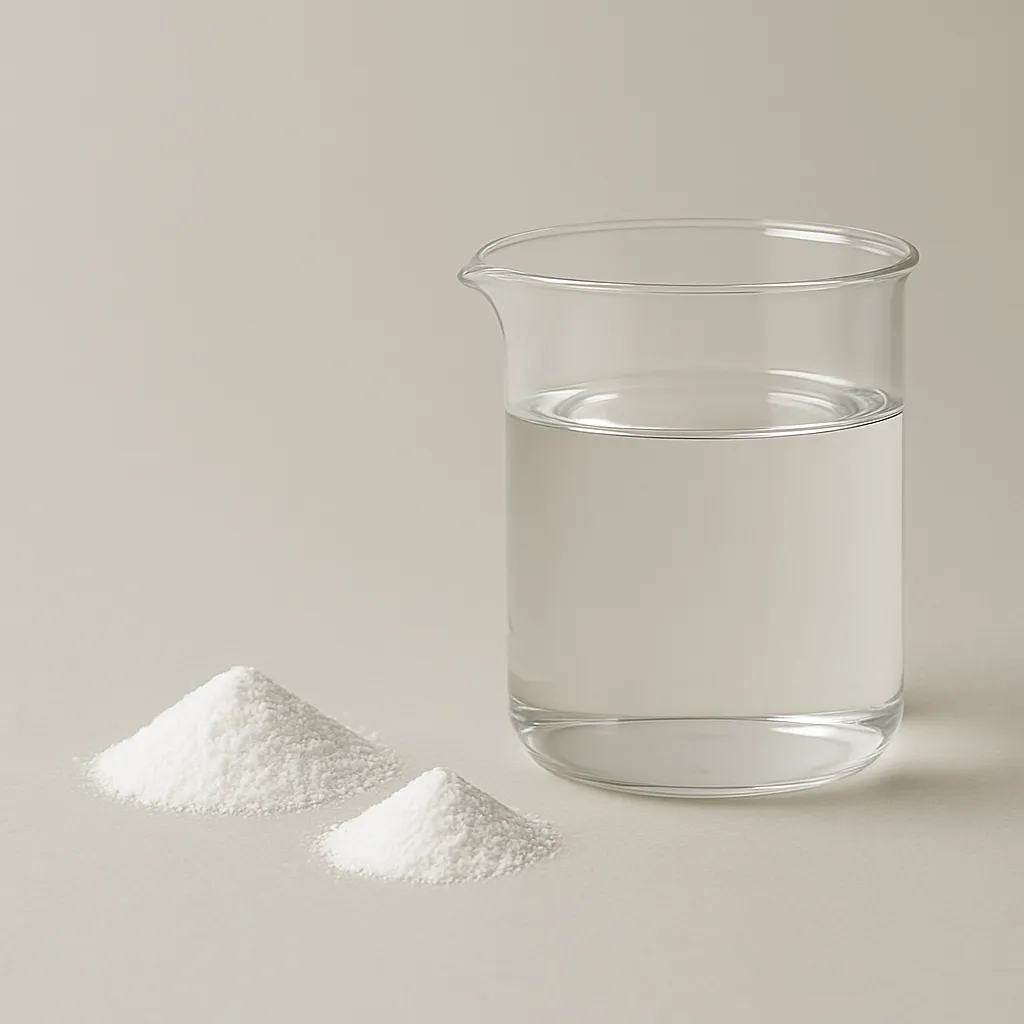
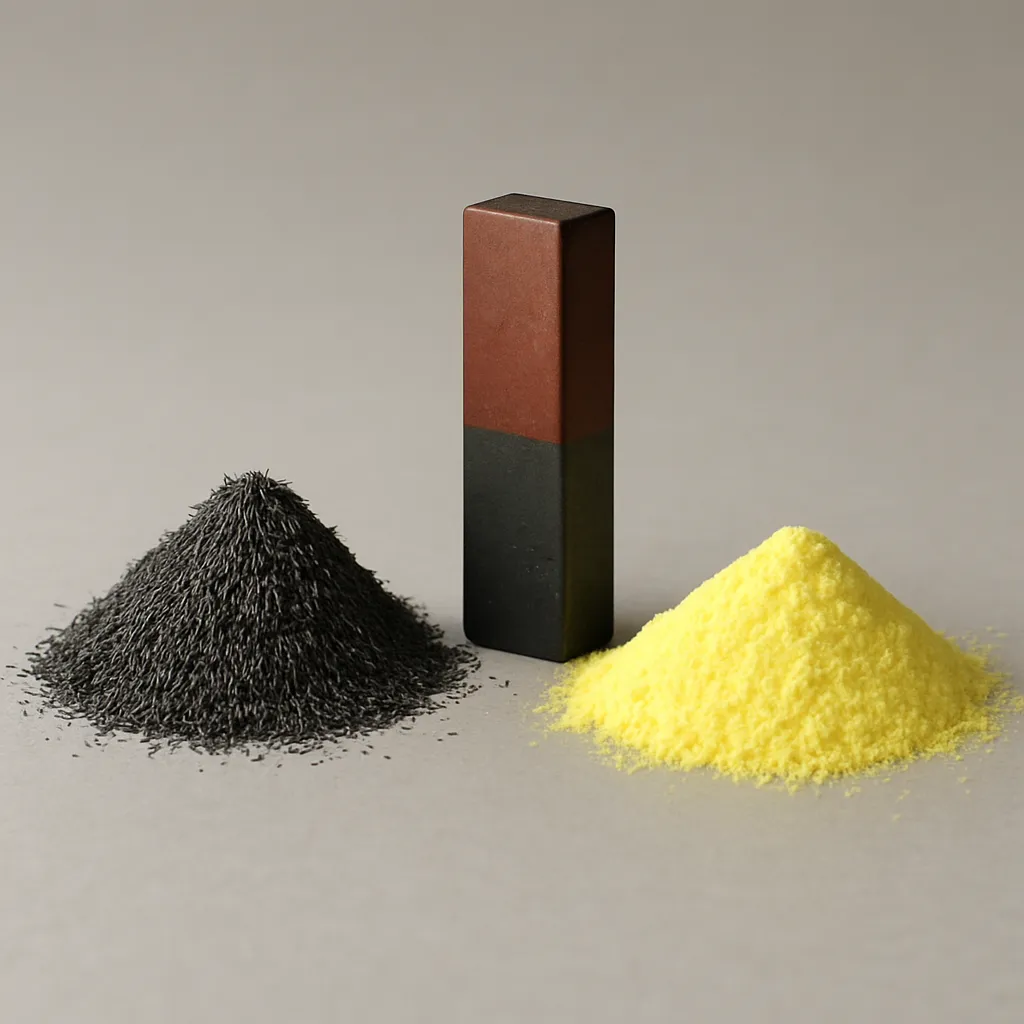
Iron and sulfur powders can be partly separated with a magnet before heating. After heating, the black solid is not separated the same way. What is supported?
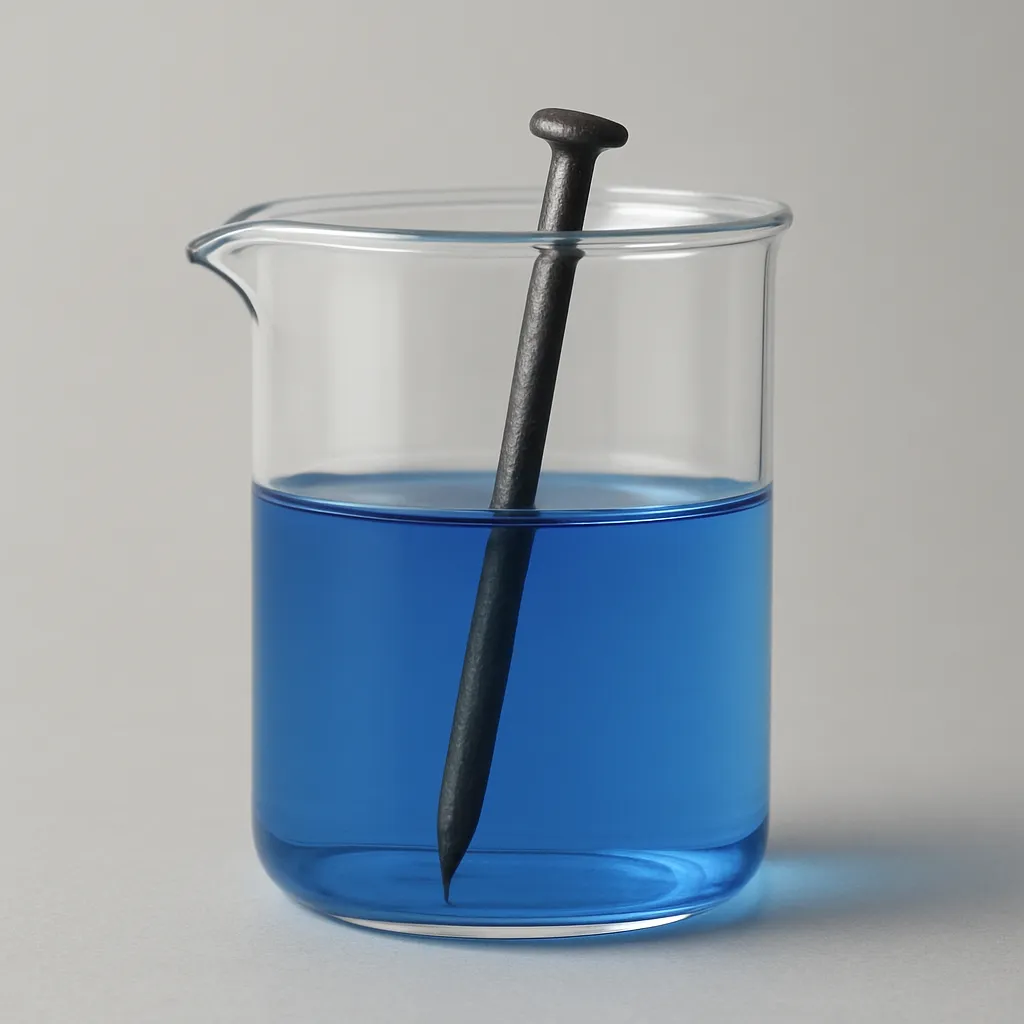
A gray iron nail sits in blue copper sulfate solution. Later, reddish metal coats the nail and the blue color fades. What evidence supports a reaction?
Crack the passcode before the zombies get in.
Answer, then swat bugs for bonus points.
Race through questions at your own speed.
Same question on every screen. Fastest wins.

Pick a tile, answer, hit bonuses and steals.
Reactants and Products
20 questions