Loading
by BlastRoom
Classify reactions by whether temperature evidence shows thermal energy release or absorption.
#us_grade_7_science
20 questions
One question set, multiple game modes. Tap any game to see it in action. Not sure which to pick?
Answer to place stones and capture territory.
Outrun the snow together.
Earn blasts, then hunt the other team.
Answer to earn energy, then climb.

The class blasts through walls together.
Bid on mystery lots. Most money wins.
Sell tours. Nice, standard, or a total scam.

Answer, restock, and serve the rush.
More correct answers pulls the rope your way.
Answer, then shoot down the alien wave.
Answer, then tap to leap the frozen ridge.
Two reactants are mixed in a cup. The temperature rises from 22°C to 34°C. What type of reaction does this temperature change show?
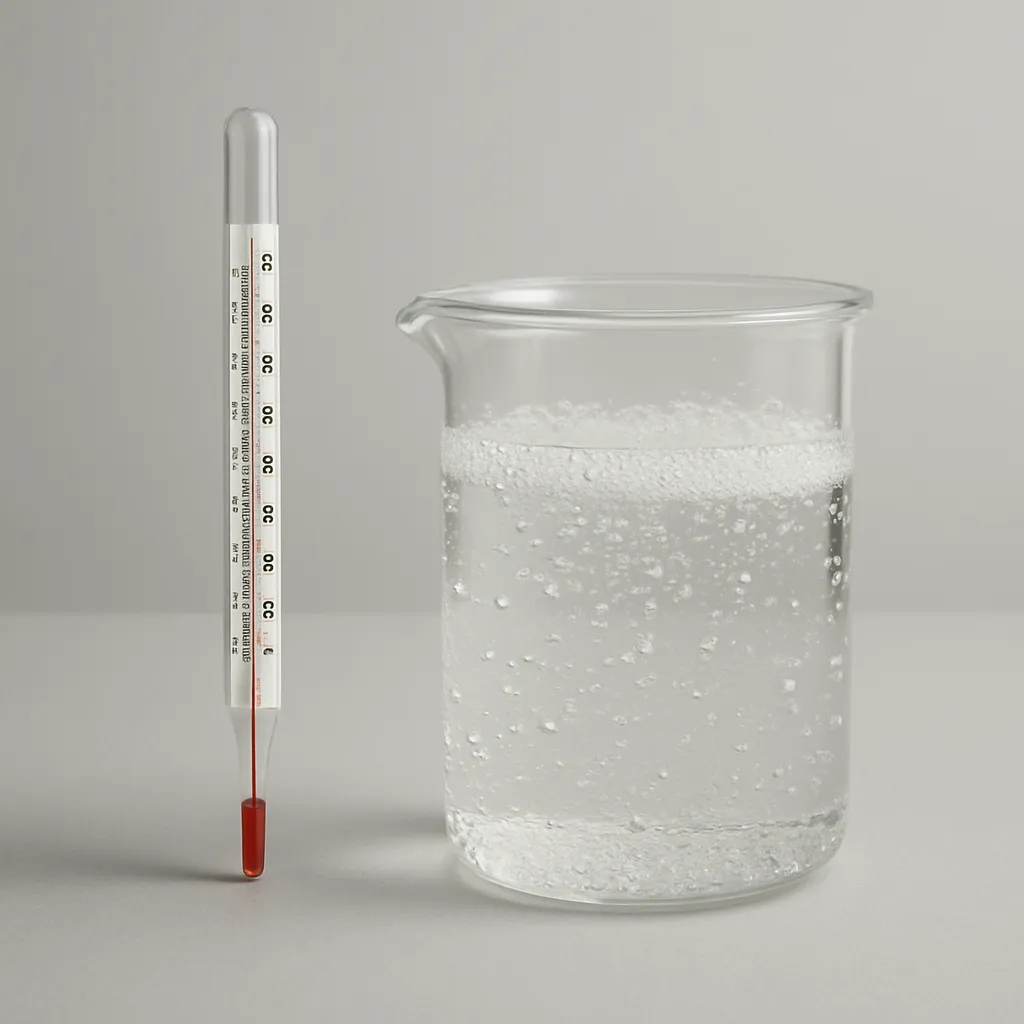
A beaker feels colder as a reaction happens, and the temperature drops from 25°C to 13°C. What is the reaction doing?
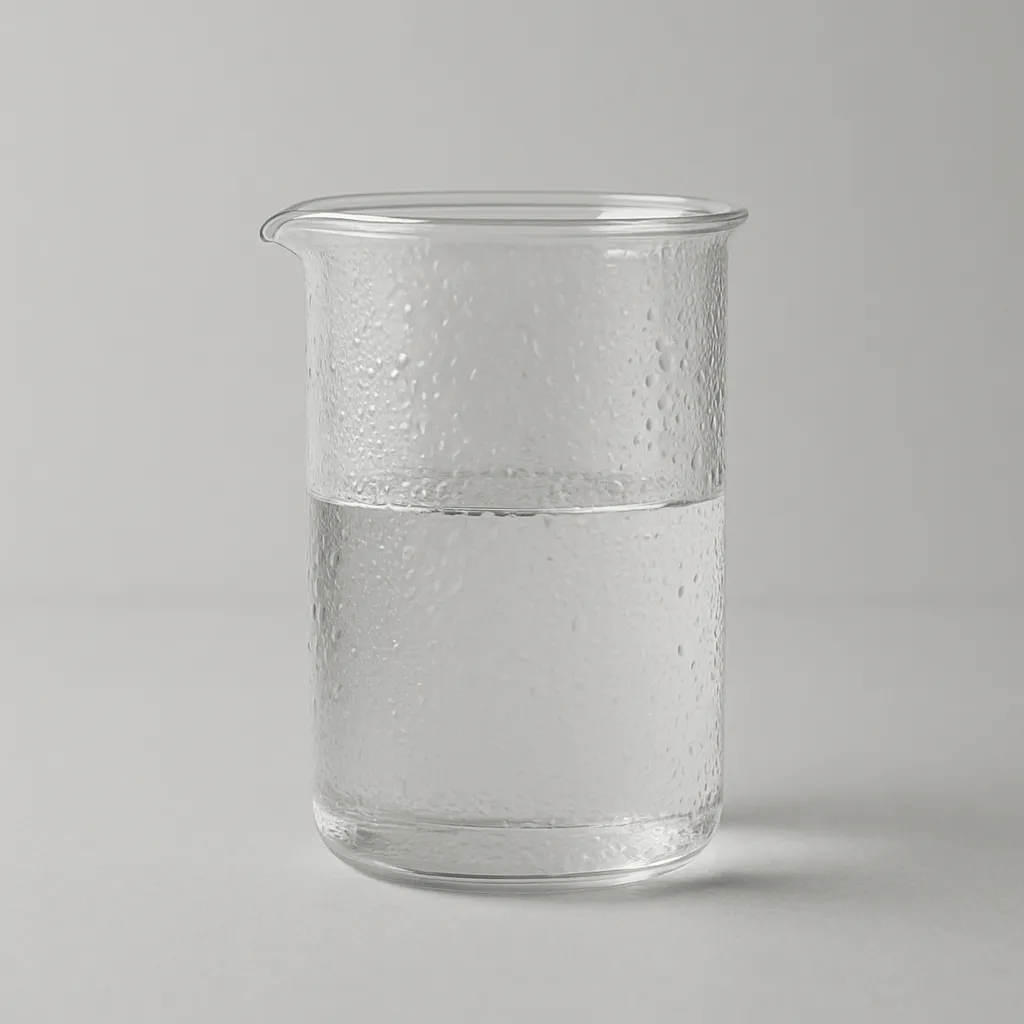
A reaction in a test tube makes the thermometer reading climb from 18°C to 29°C. Which claim is supported by the evidence?
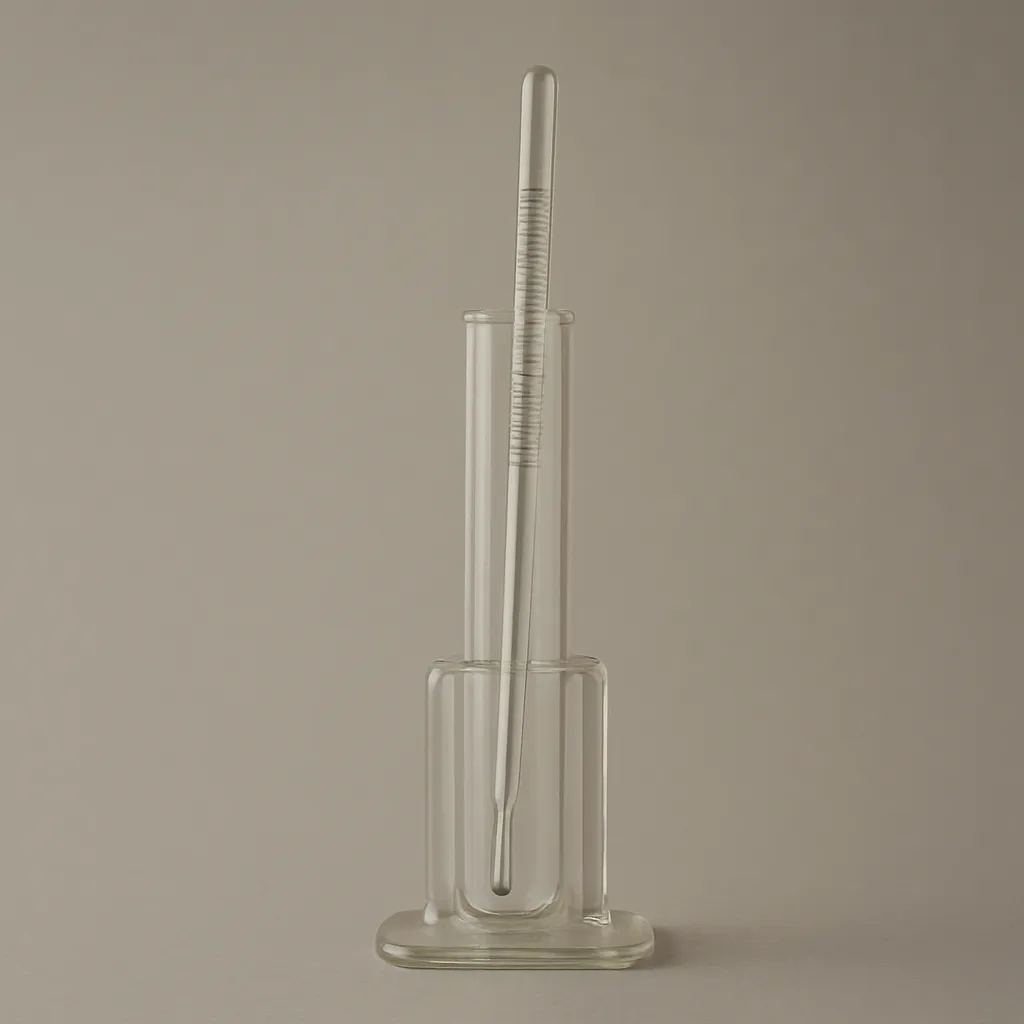
A student mixes two solutions, and the flask temperature falls from 20°C to 9°C. Which term best describes the reaction?
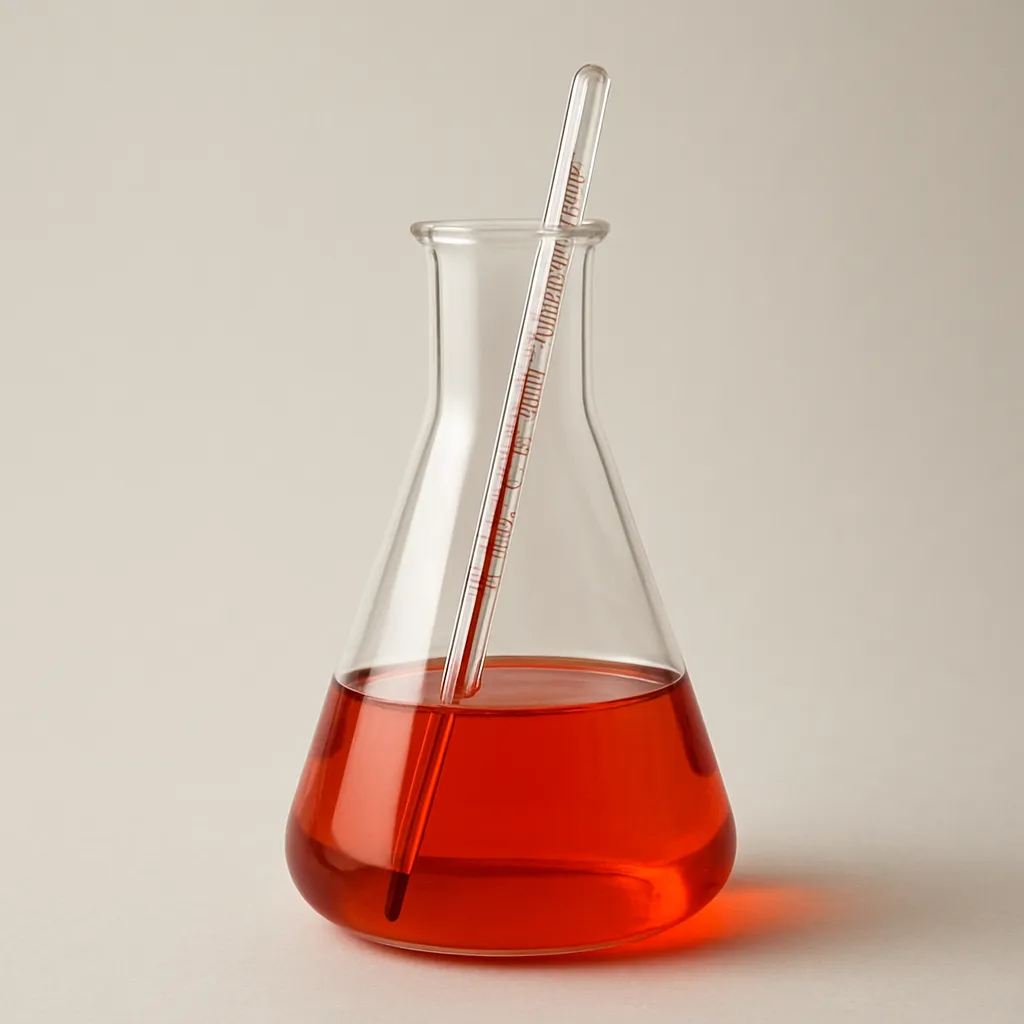
Powders react in a plastic bag, and the bag warms from 23°C to 38°C. What energy change best explains the warmer bag?
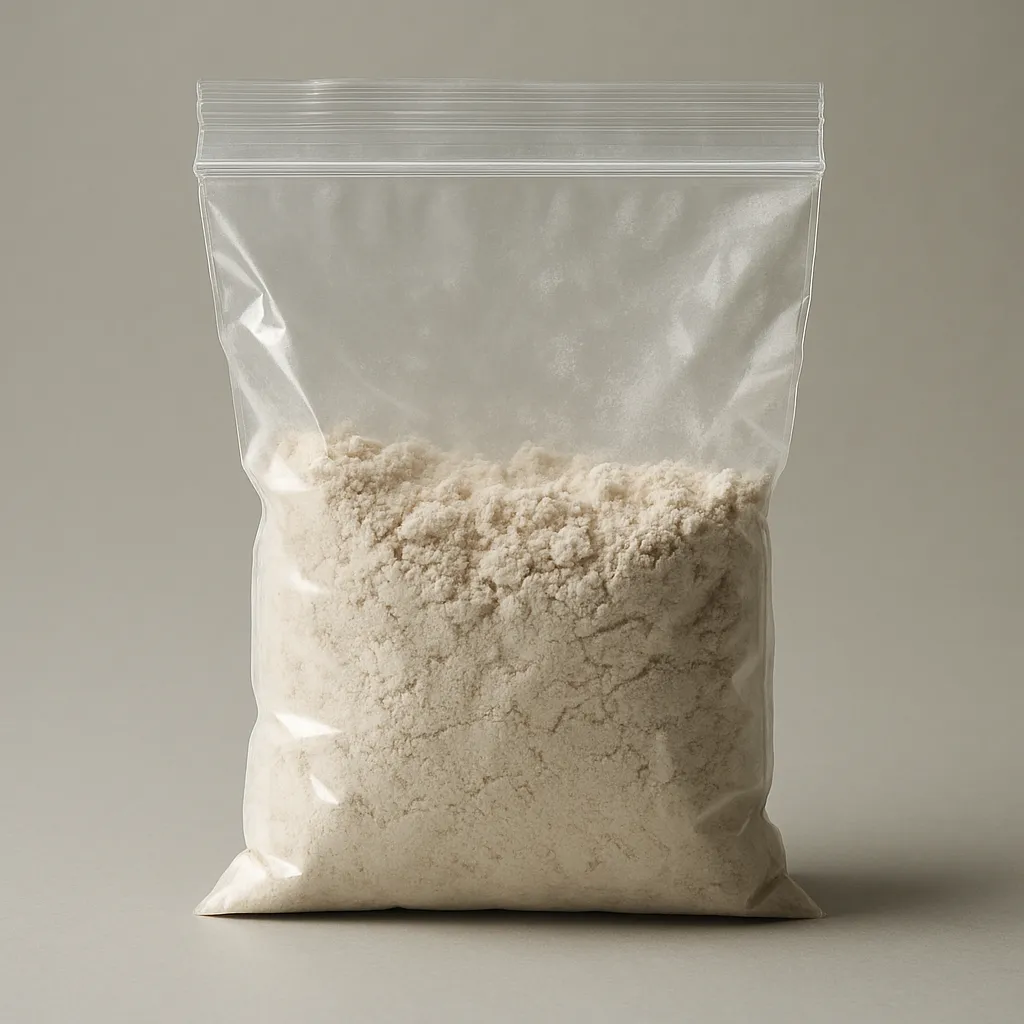
A student claims that a reaction between two liquids is endothermic. Which observation would best support the claim?
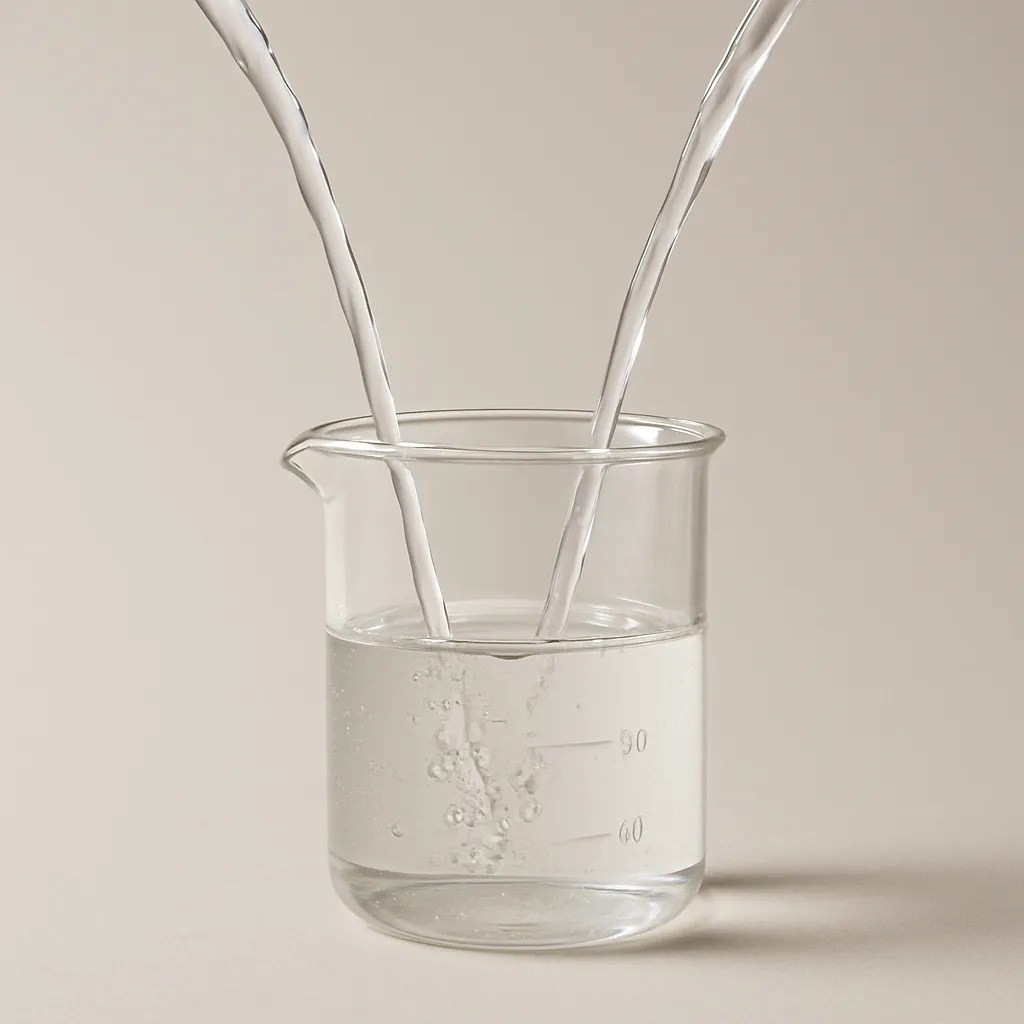
A class tests two brands of fizzing tablet to see which changes the water's temperature more. Which should stay the same in both tests?
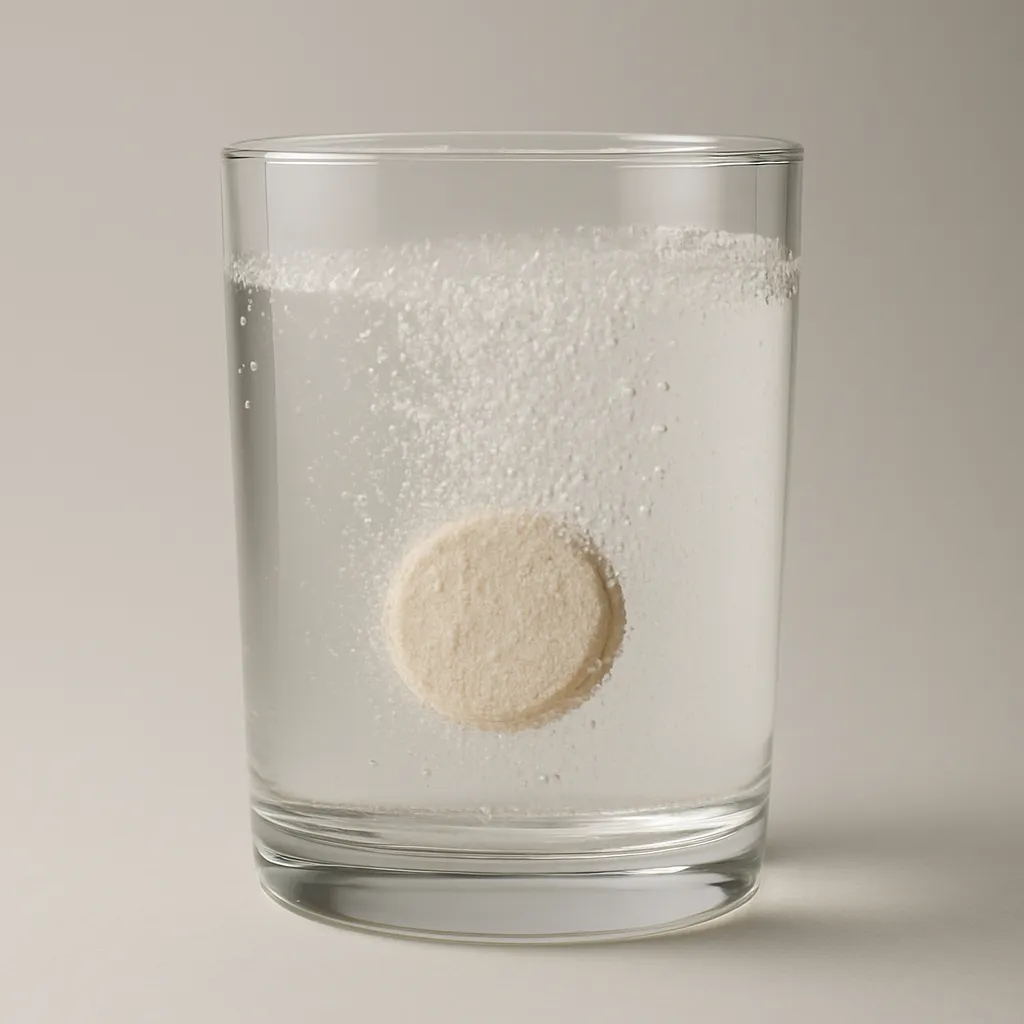
A lab group records 24°C before mixing reactants and 11°C after the reaction starts. Which explanation matches the data?
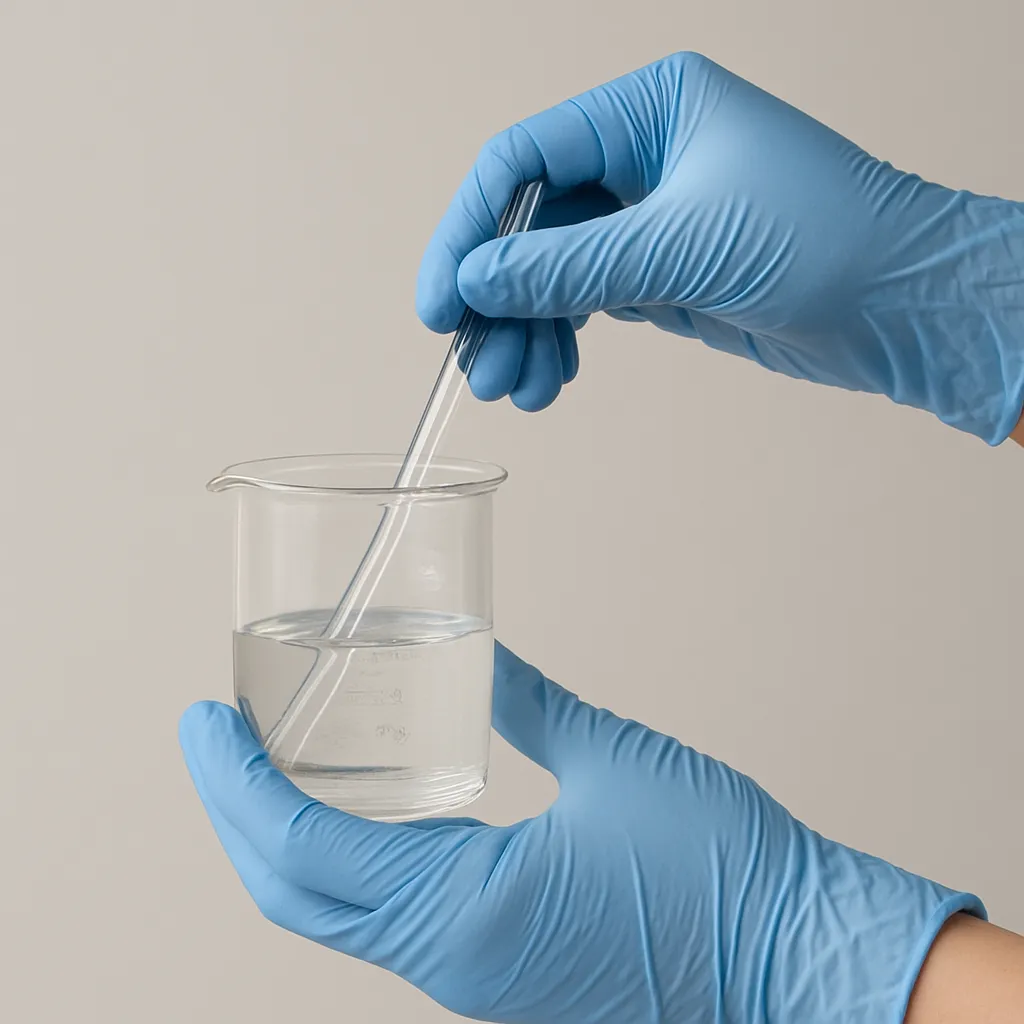
Steel wool reacts with oxygen in a closed container, and the temperature rises from 21°C to 45°C. What does this show?
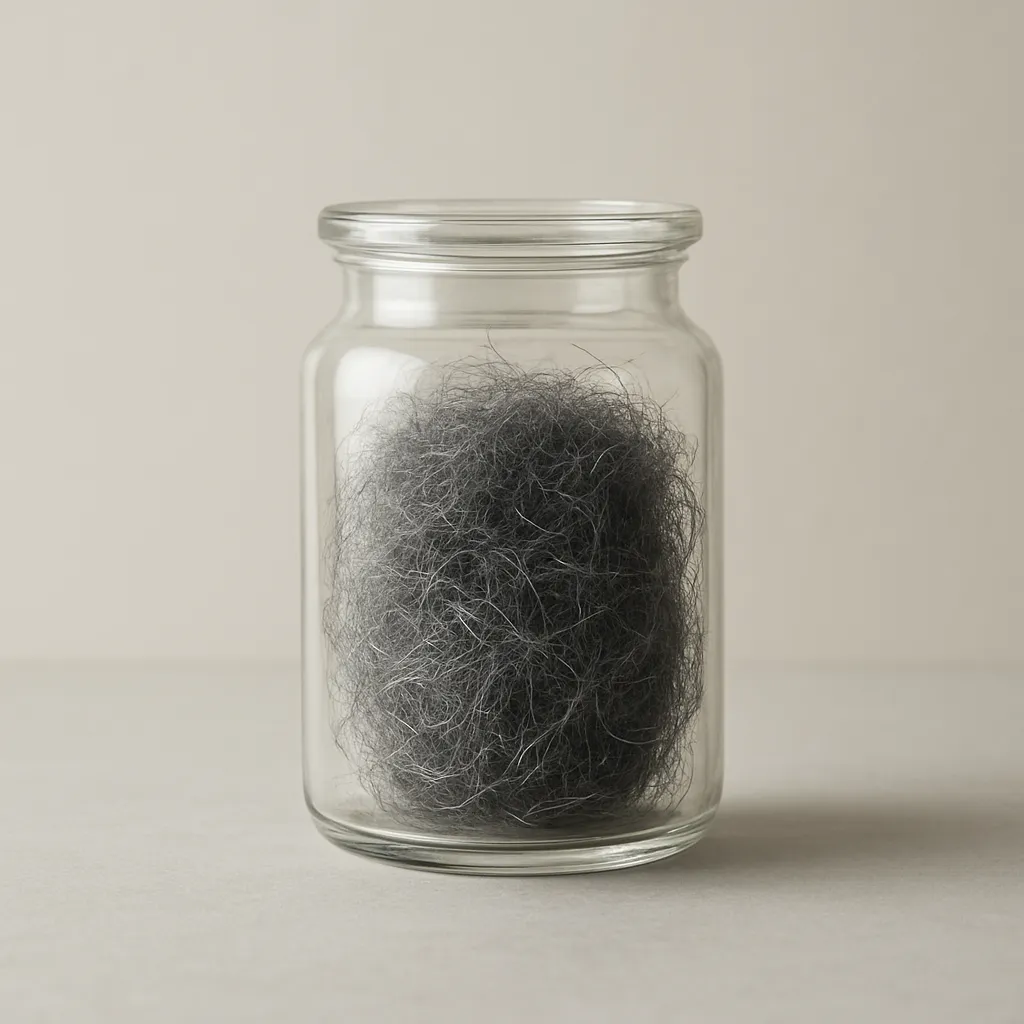
In a classroom demonstration, a reaction cools a flask from 26°C to 14°C. Which statement is the best reasoning?
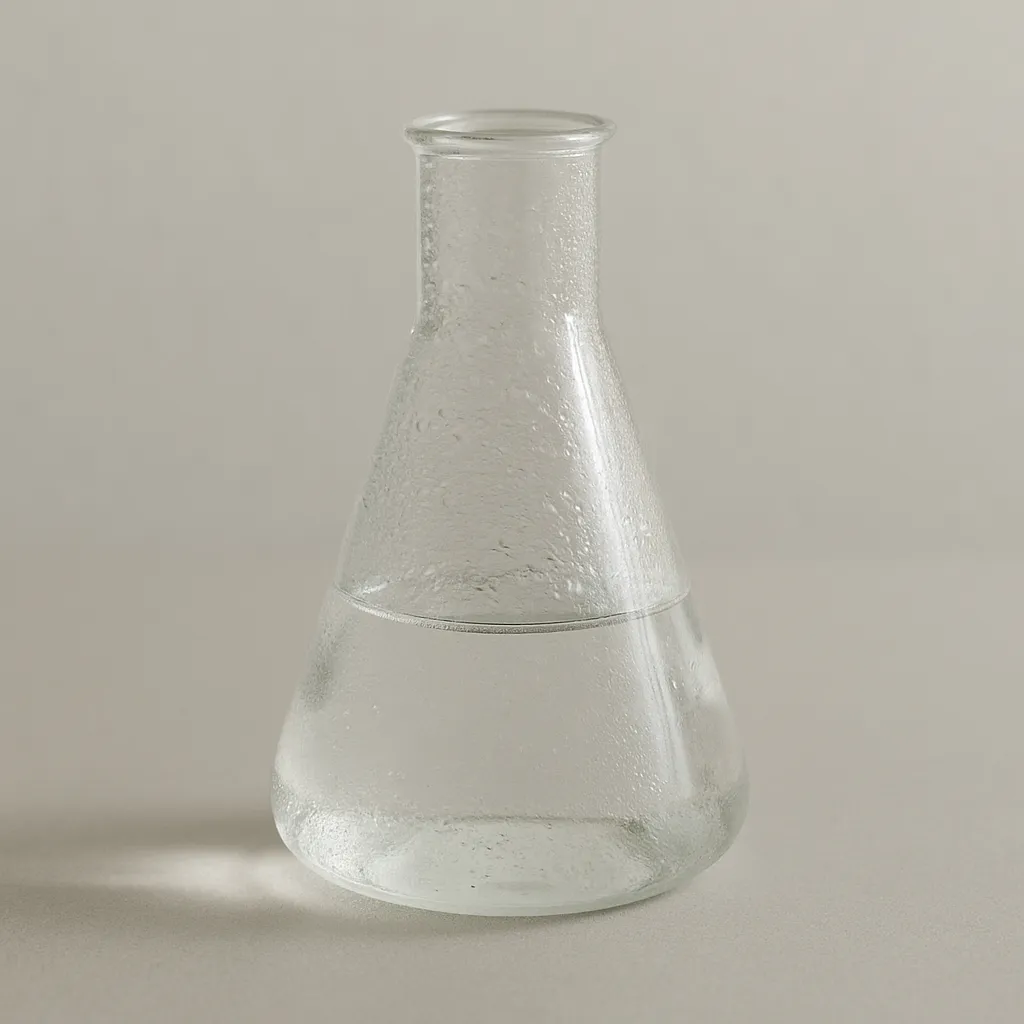
A solution changes color as it reacts, and its temperature rises by 12°C. What can be concluded about thermal energy?
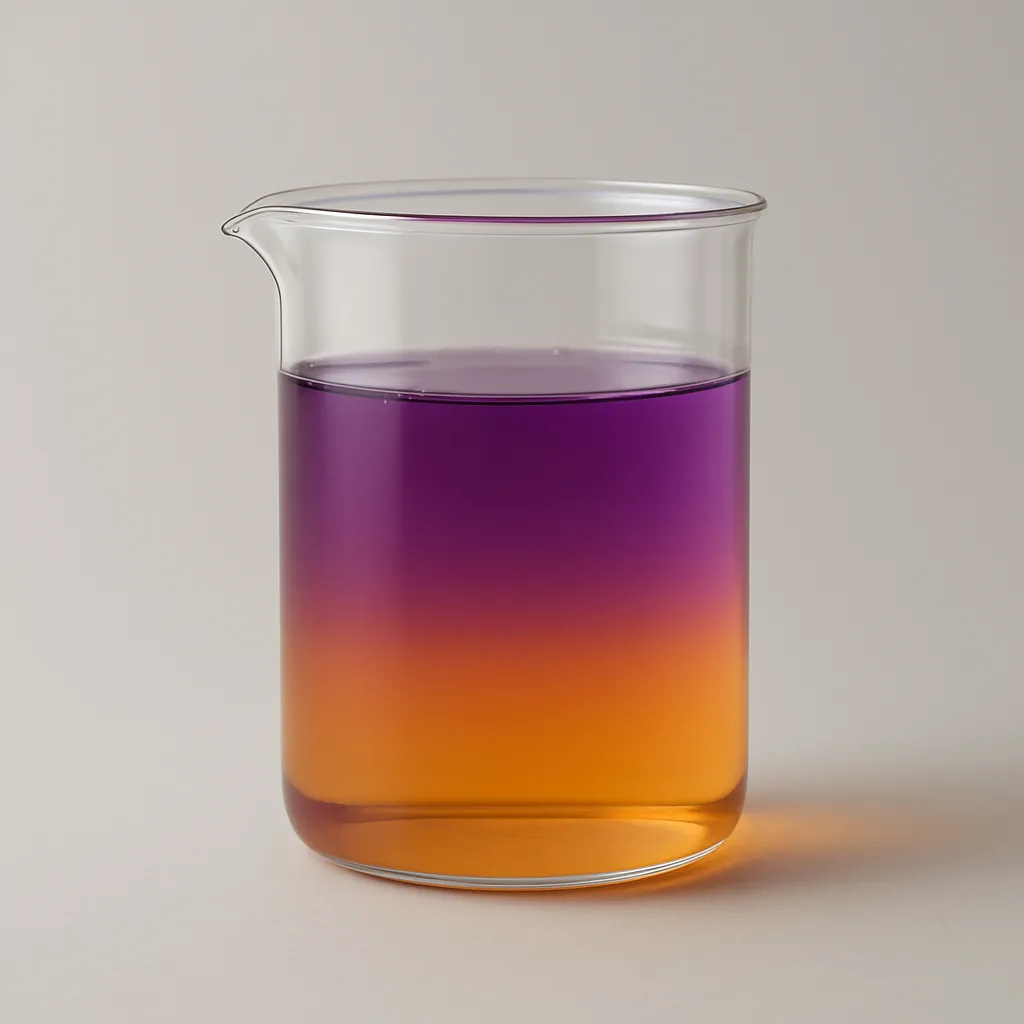
Two solids react in a cup, and the outside of the cup becomes cold to the touch. What type of energy change is most likely?
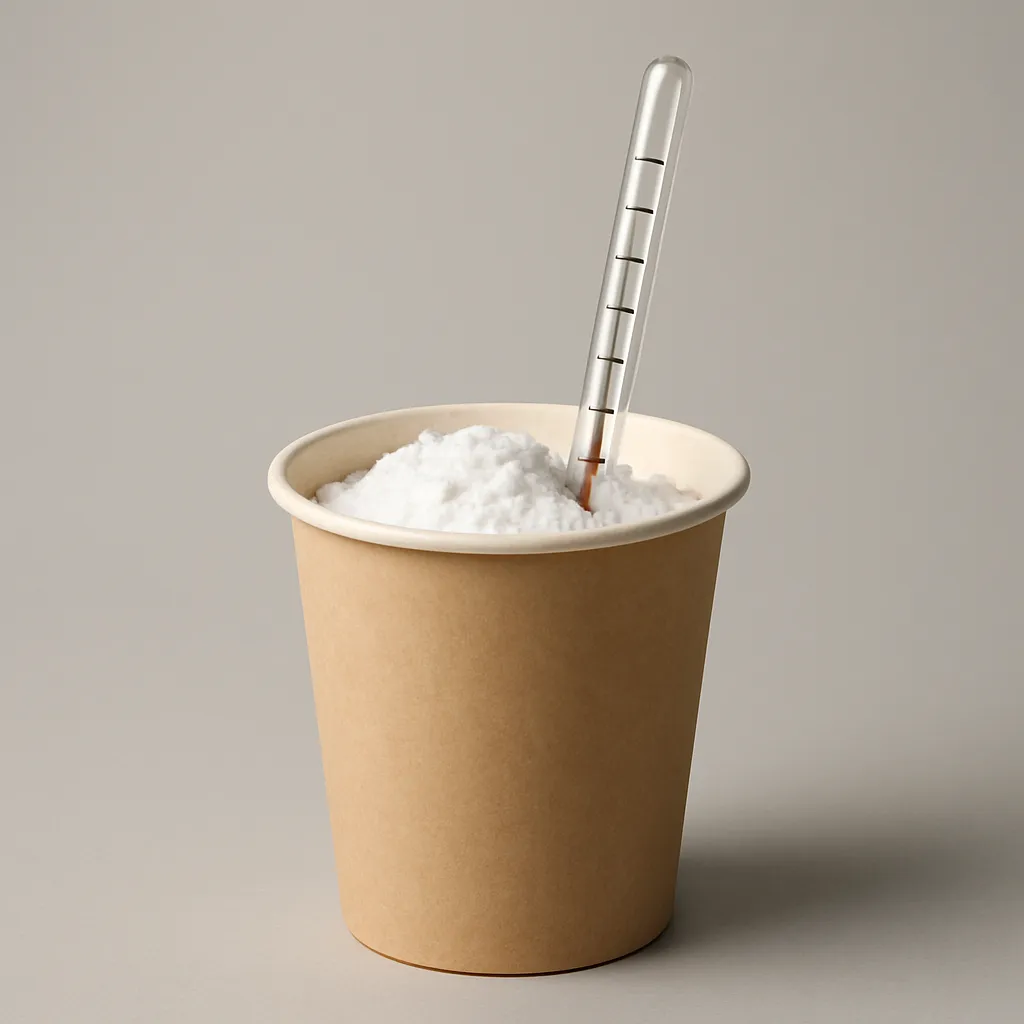
Two powders are mixed into 100 mL of water, and the temperature rises from 17°C to 28°C. The test is repeated with twice as much of each powder in 100 mL of water. What is the most likely result?
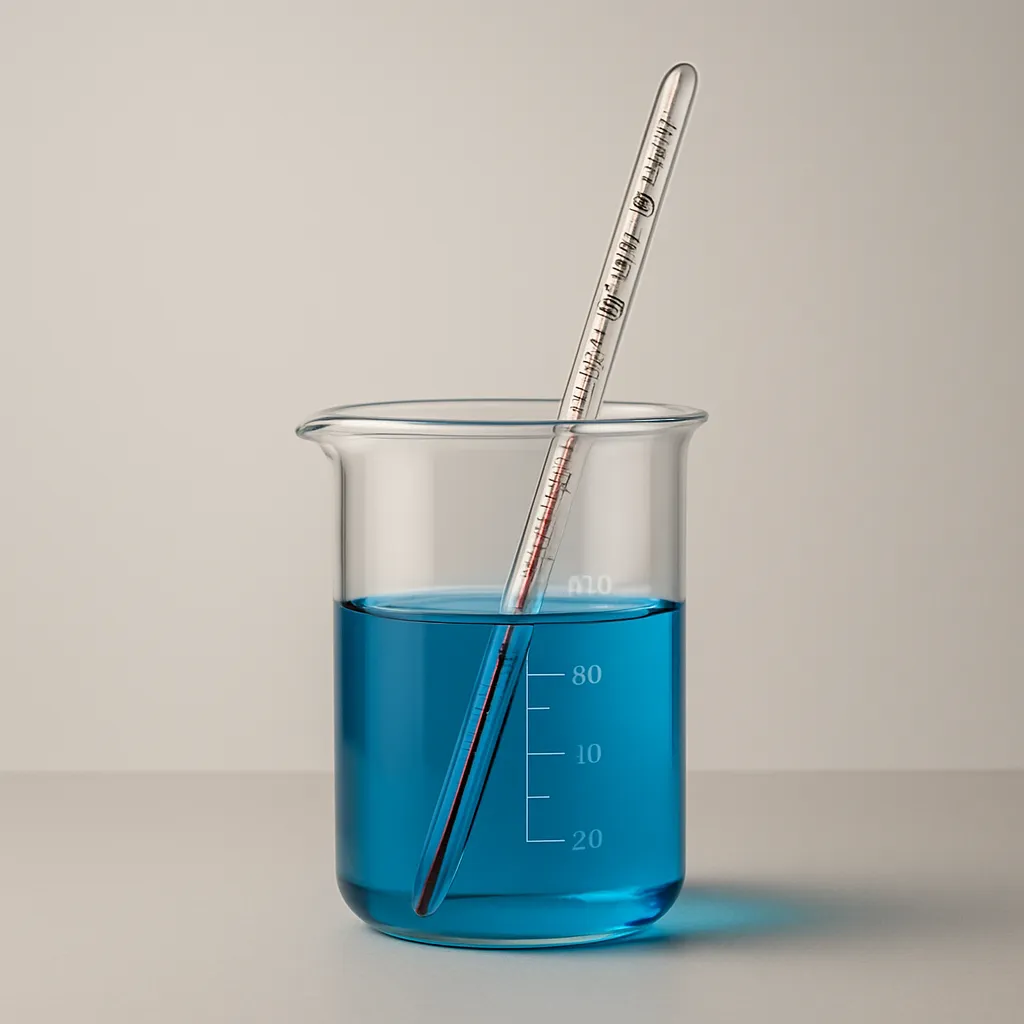
Two solutions react in a test tube, and the temperature reading falls. After the reaction ends, the tube slowly warms back to room temperature. How should the reaction be classified?
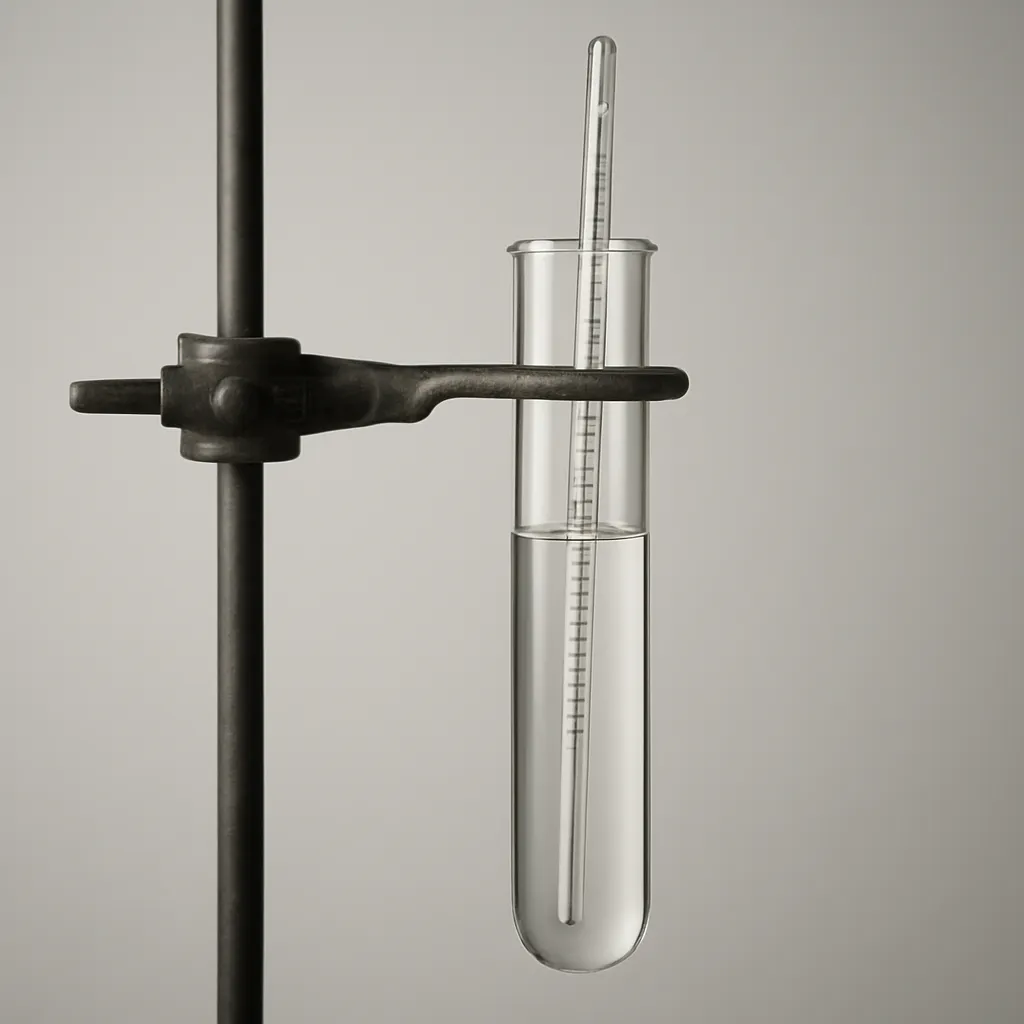
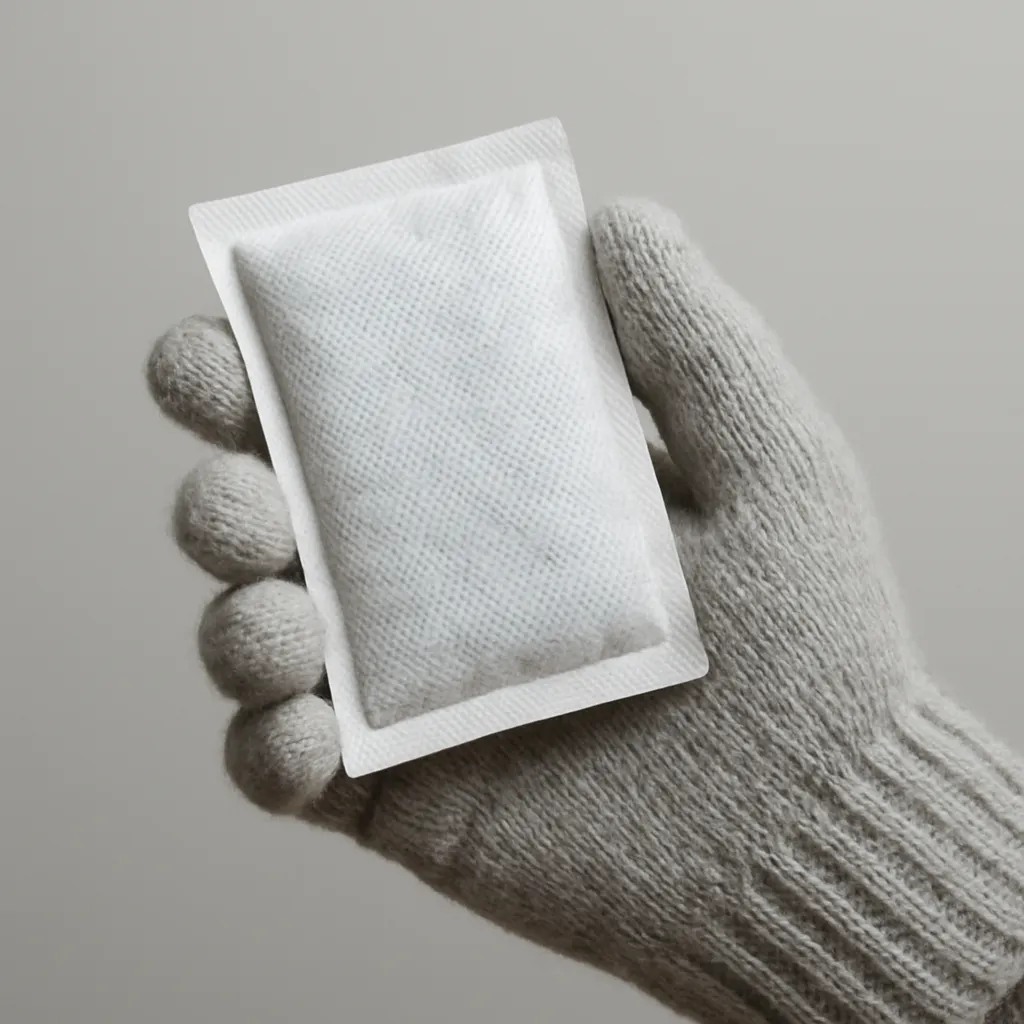
A disposable hand warmer heats up when iron powder reacts with oxygen. Which statement best describes this reaction?
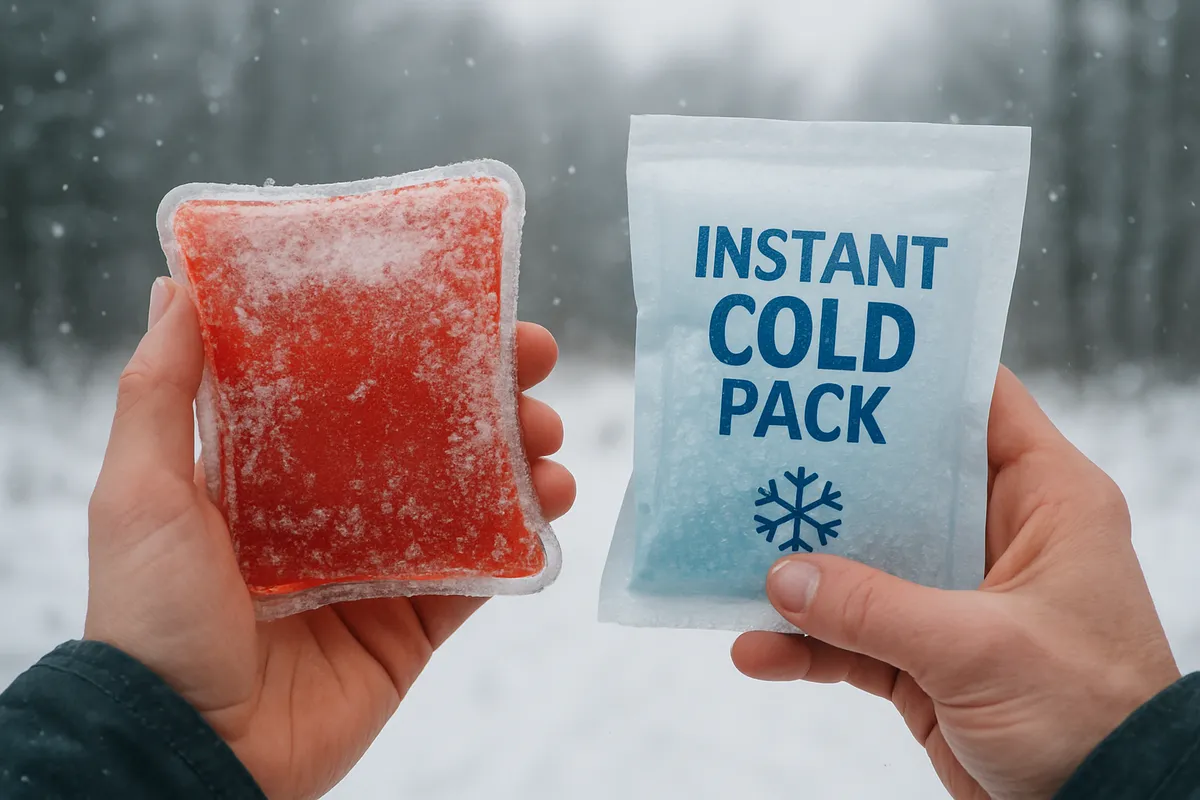
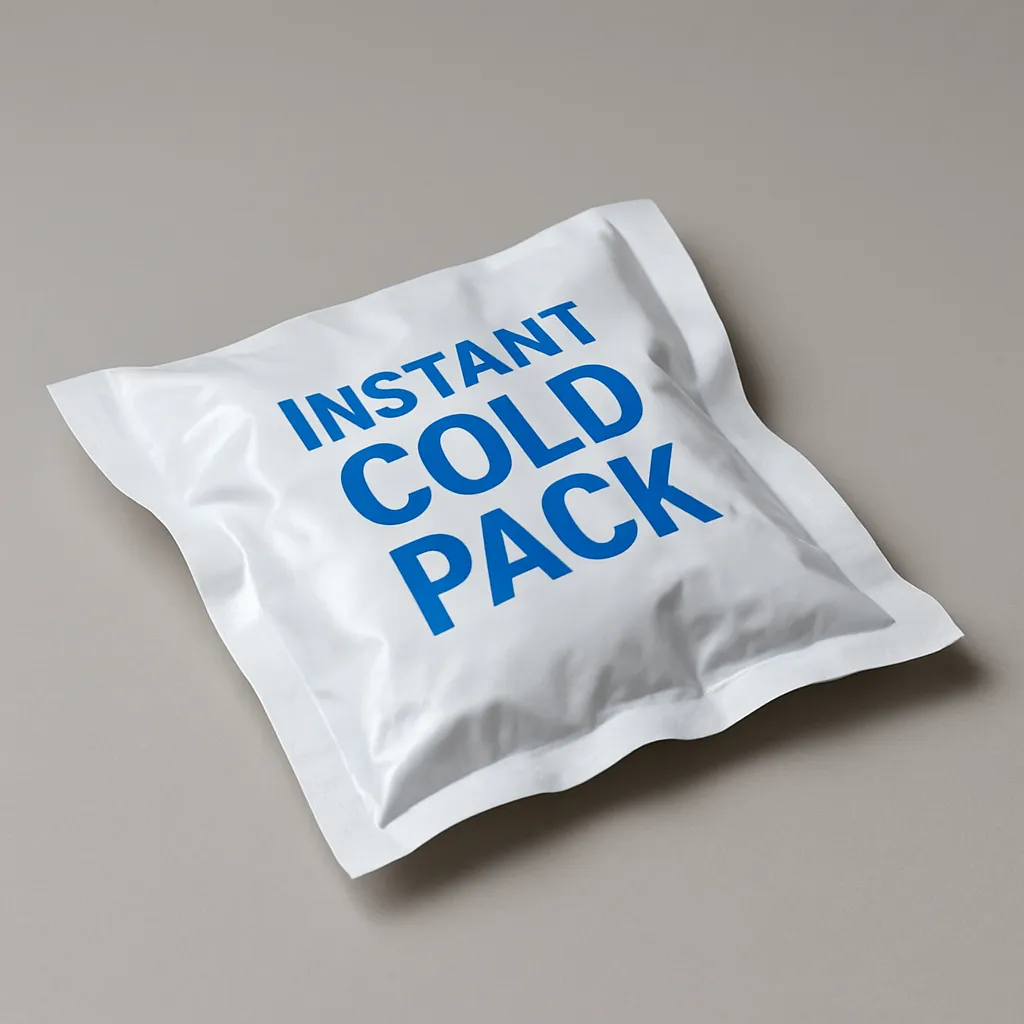
An instant cold pack becomes cold after its inner pouch breaks and chemicals mix. What does the temperature change show?
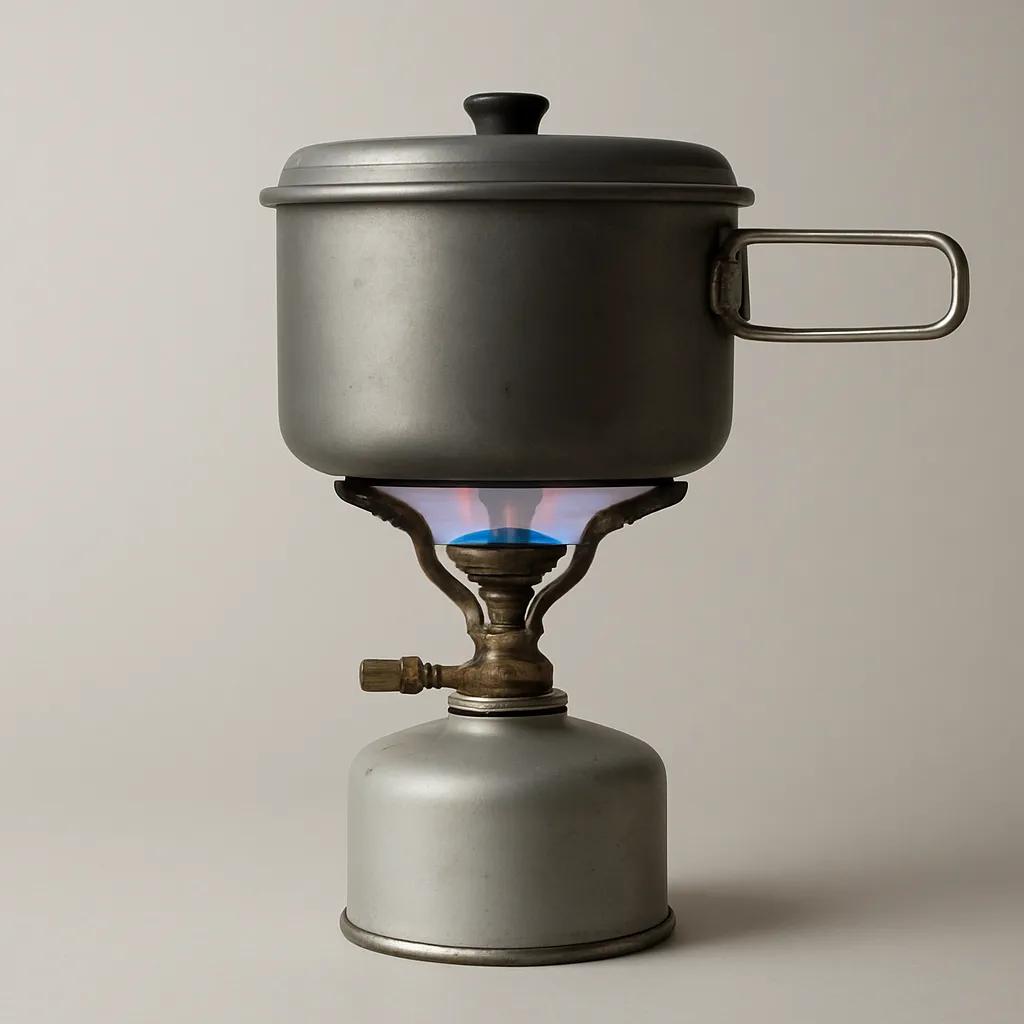
A camping stove burns propane and warms a pot of water. What energy change is happening in the propane reaction?
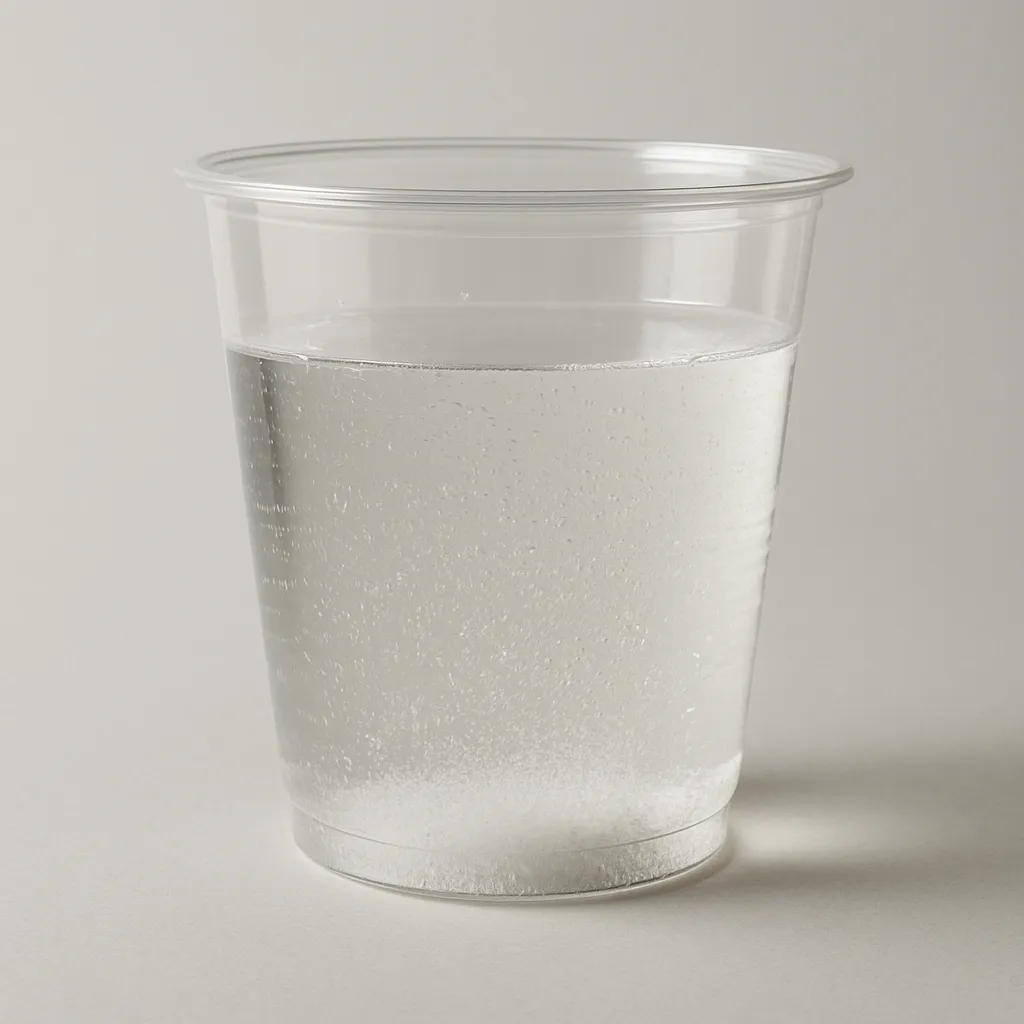
Baking soda and citric acid react in water, and the cup feels cooler. Which explanation matches the observation?
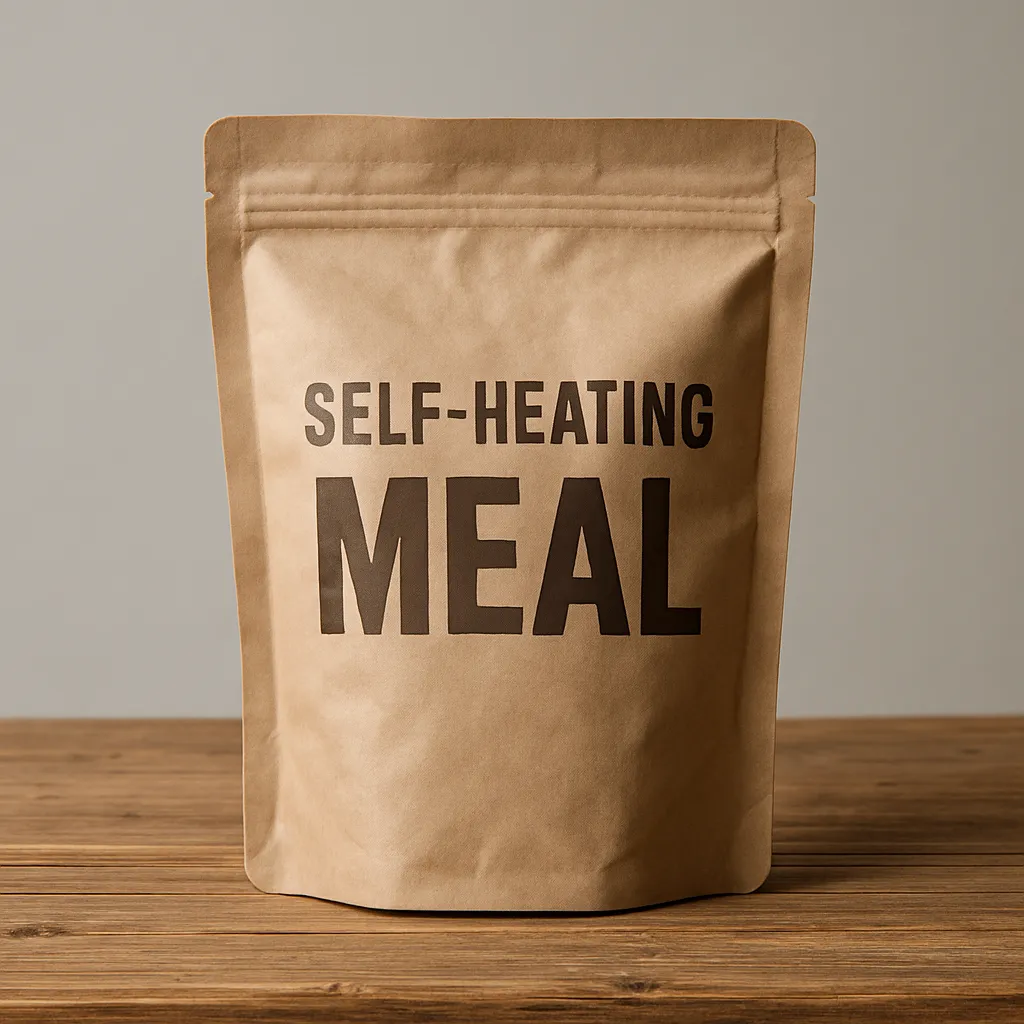
A self-heating meal pouch warms after water contacts chemicals inside it. Which claim is best supported?
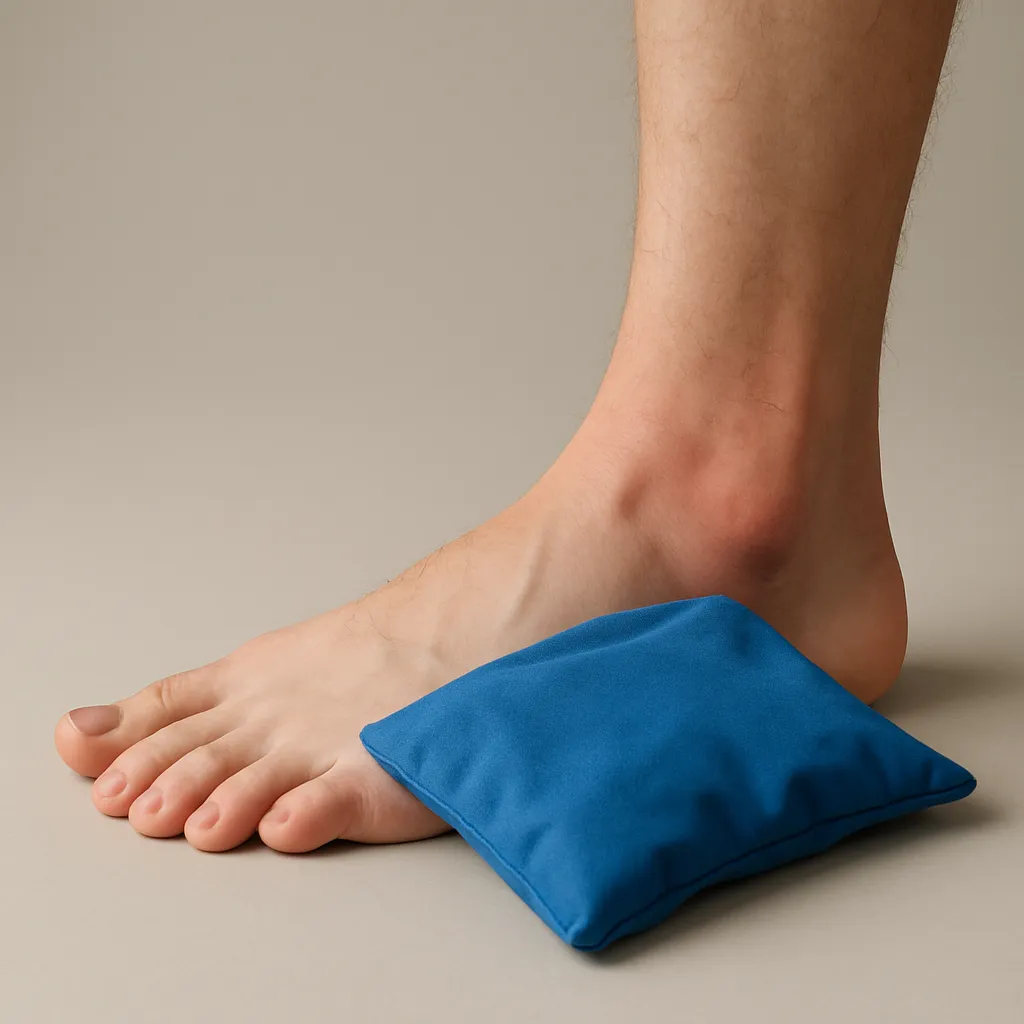
A student is designing a sports cold pack like the one shown. Using the same amount of water, which change would most likely make the pack get colder?
Crack the passcode before the zombies get in.
Answer, then swat bugs for bonus points.
Race through questions at your own speed.
Same question on every screen. Fastest wins.

Pick a tile, answer, hit bonuses and steals.
What Speeds a Reaction Up
20 questions