Loading
by BlastRoom
Predict how temperature, surface area, and concentration change reaction rate.
#us_grade_7_science
20 questions
One question set, multiple game modes. Tap any game to see it in action. Not sure which to pick?
Answer to place stones and capture territory.
Outrun the snow together.
Earn blasts, then hunt the other team.
Answer to earn energy, then climb.

The class blasts through walls together.
Bid on mystery lots. Most money wins.
Sell tours. Nice, standard, or a total scam.

Answer, restock, and serve the rush.
More correct answers pulls the rope your way.
Answer, then shoot down the alien wave.
Answer, then tap to leap the frozen ridge.
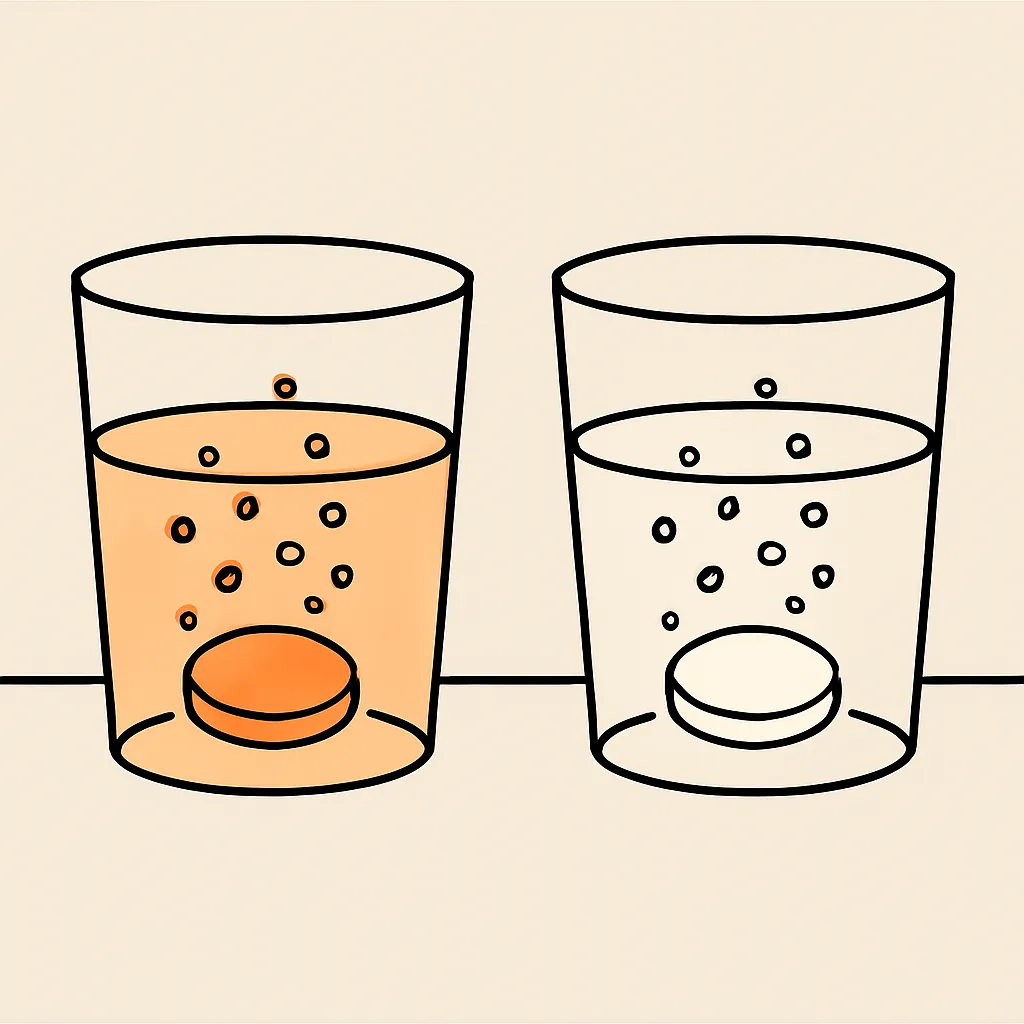
Equal antacid pieces react in equal vinegar samples. One cup is at 10°C and one is at 35°C. Which tablet should react faster?
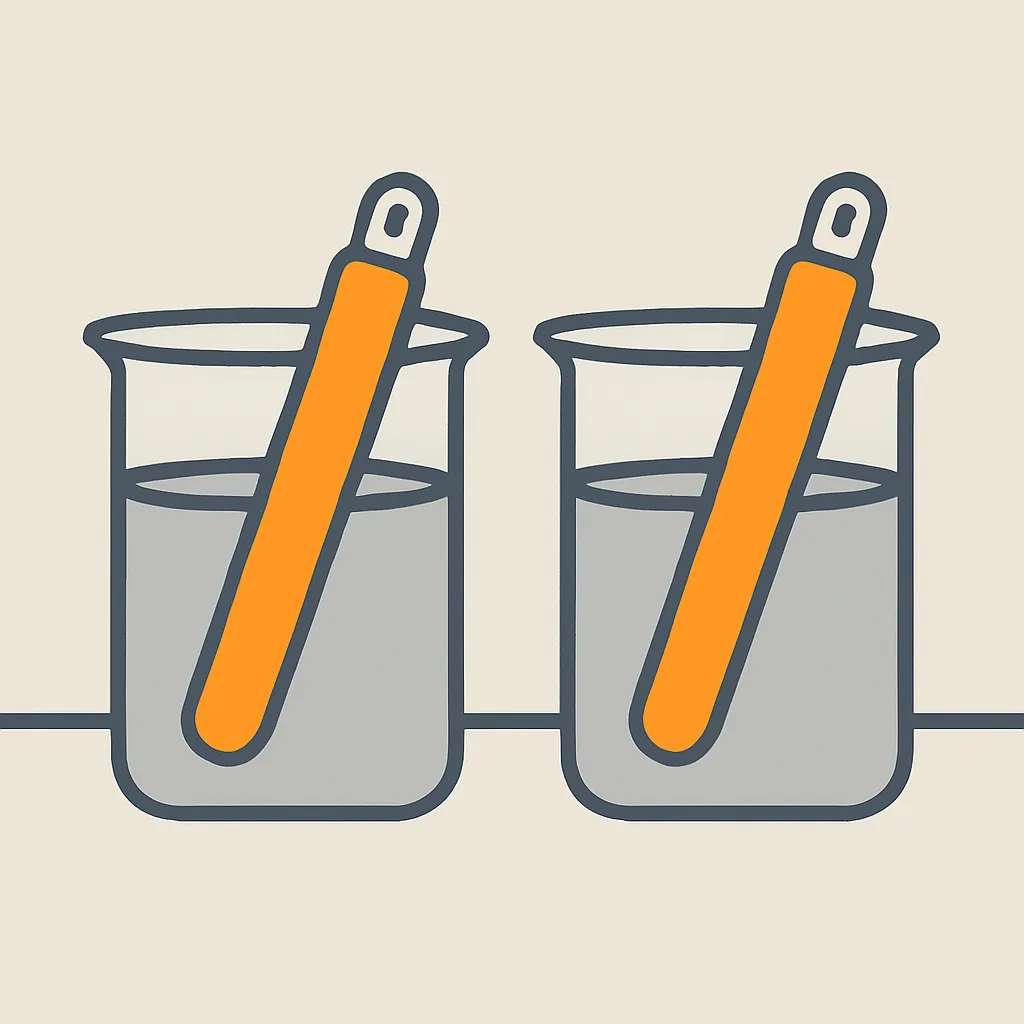
Two identical glow sticks are activated and placed in water baths at 5°C and 30°C. The glow comes from a chemical reaction. Which should glow brighter sooner?
A baking soda-and-vinegar mixture fizzes at 20°C. If only the mixture is warmed to 40°C, what should happen to the fizzing rate?

Identical zinc pieces react with equal acid samples at 18°C and 28°C. What prediction follows from faster particle motion at the warmer temperature?
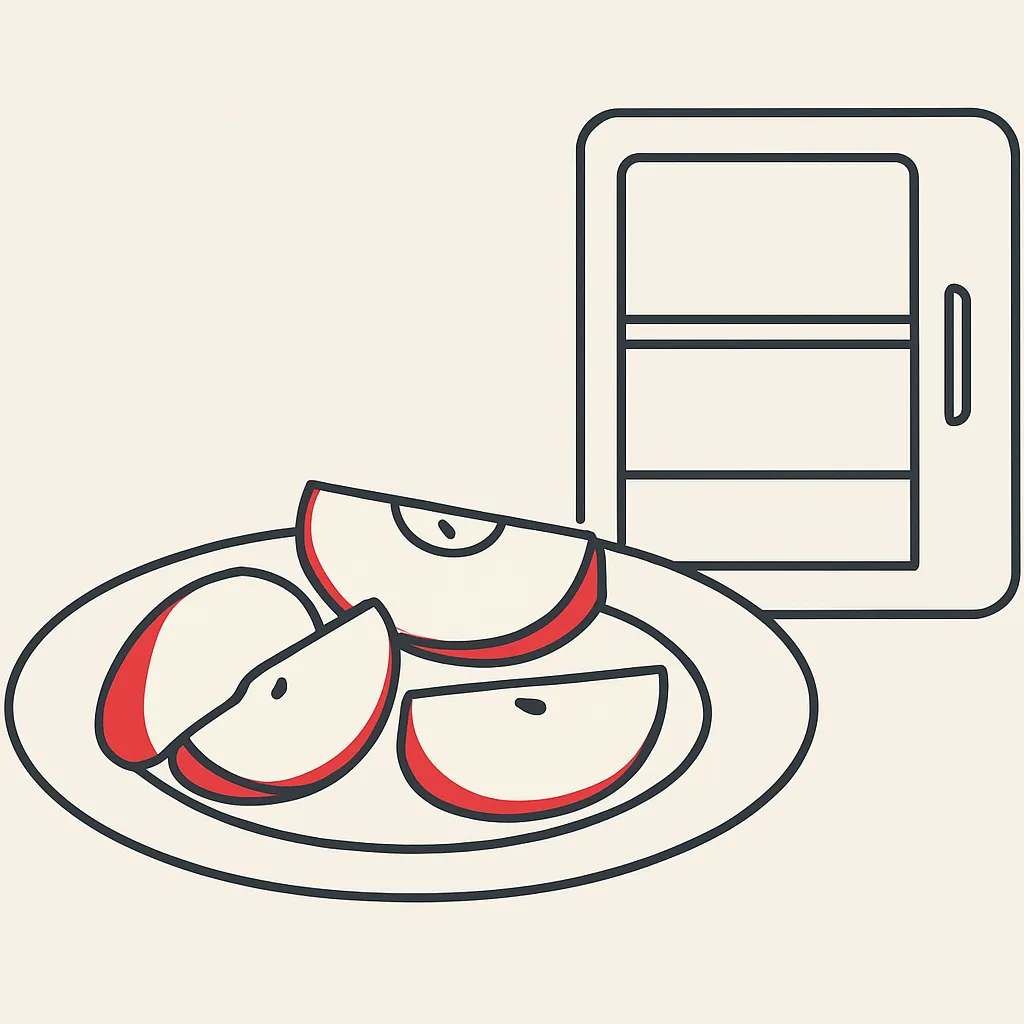
A sliced apple browns more slowly in a refrigerator at 4°C than on a counter at 22°C. What does this evidence show about the browning reaction?
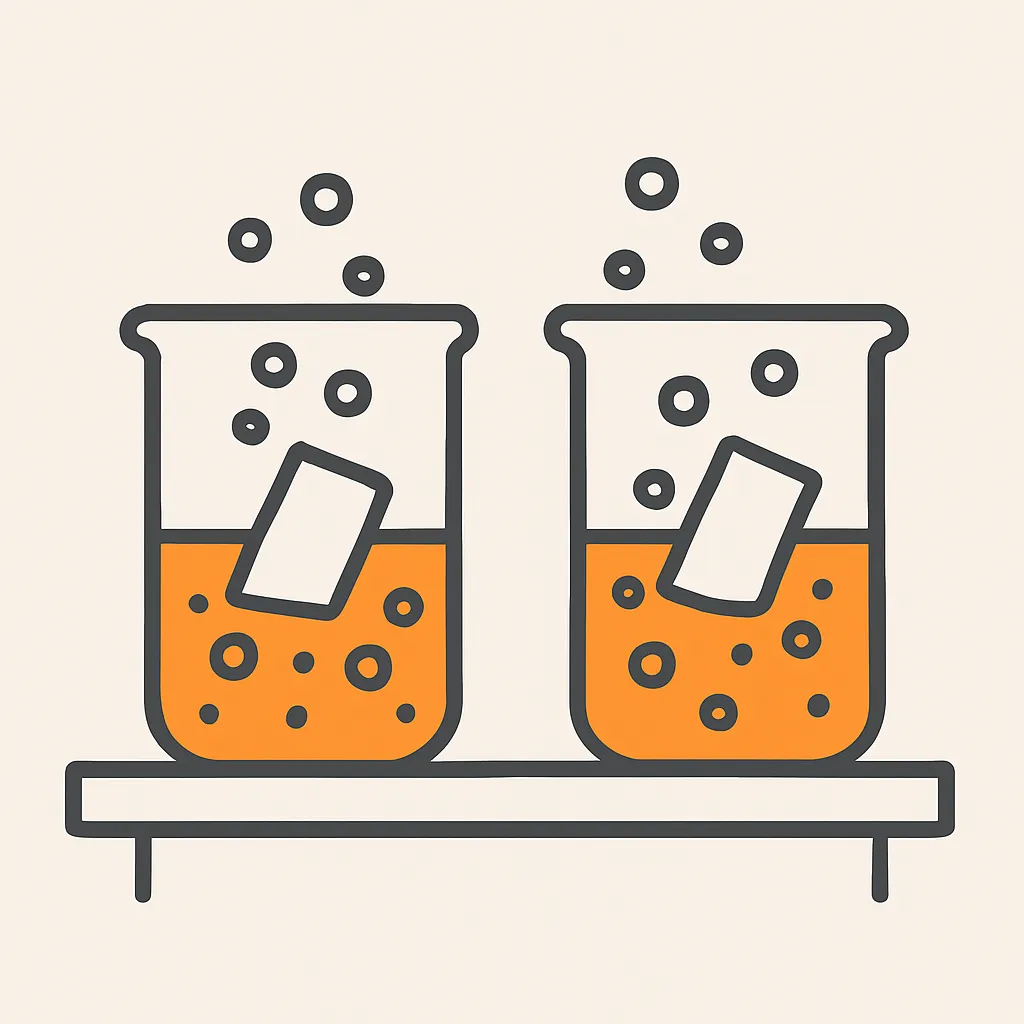
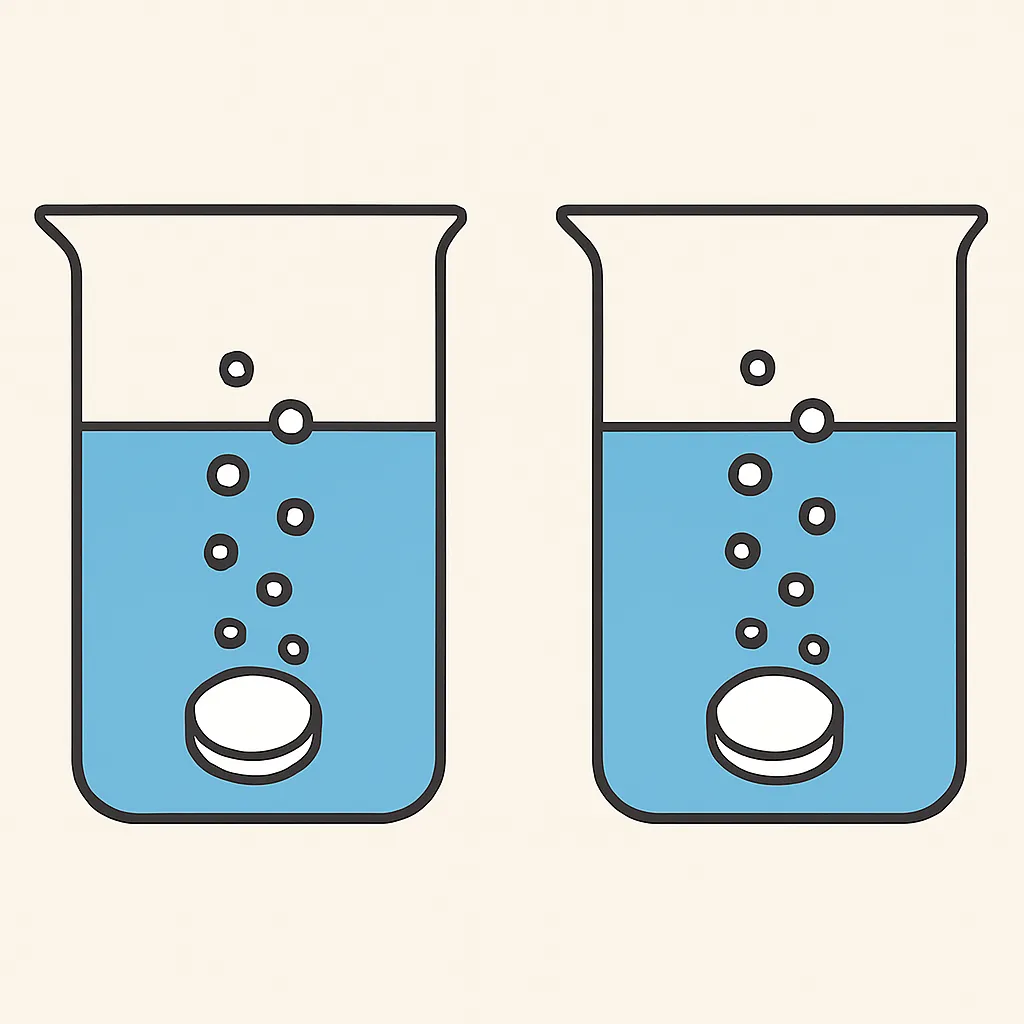
Two identical denture-cleaner tablets react in equal water samples, one at 12°C and one at 45°C. Which prediction is best?
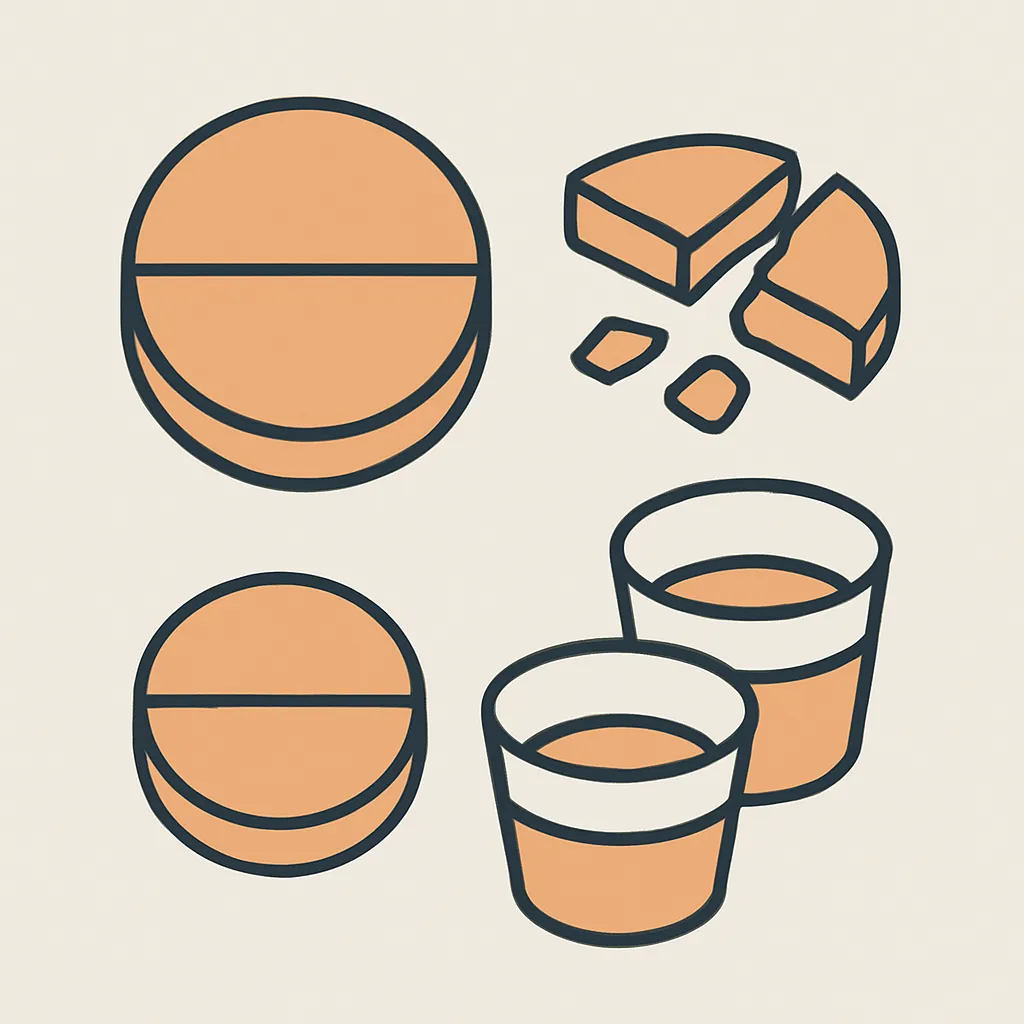
A whole antacid tablet and a crushed tablet have the same mass and react with equal vinegar samples. Which should finish reacting sooner?
Magnesium powder and a magnesium strip have equal mass and react with identical acid. How should their reaction rates compare?
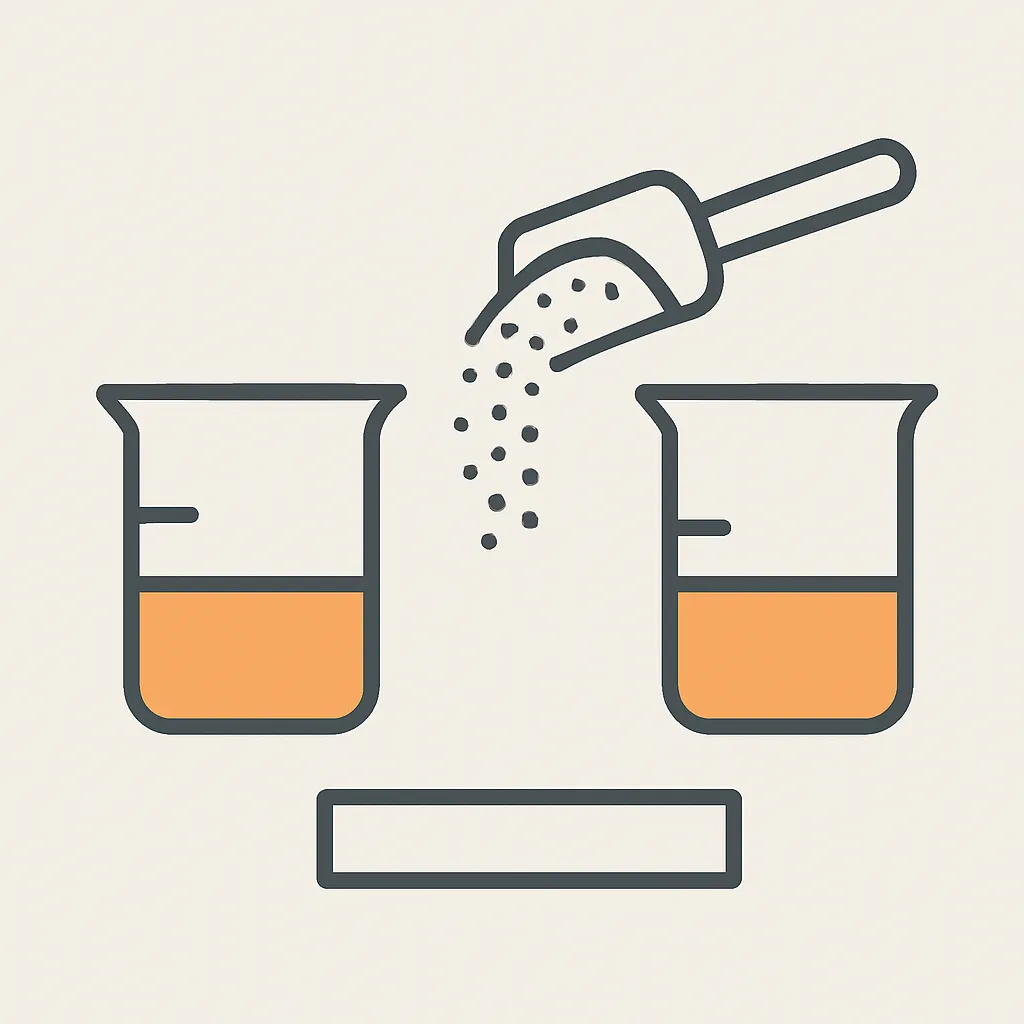
Equal masses of limestone are added to acid: one large chunk or many small chips. Which form should produce bubbles faster?
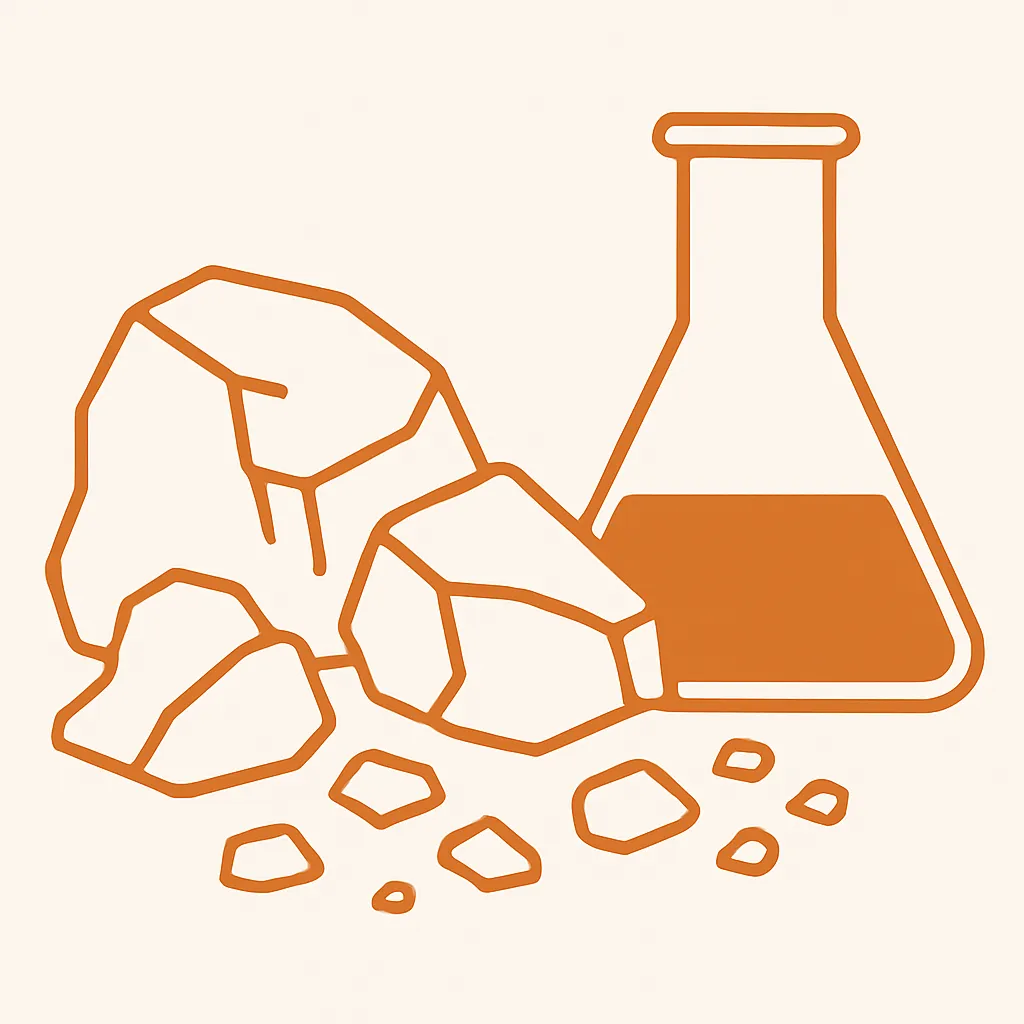
The same mass of iron is shaped as steel wool or a solid nail and left in moist air. Which should rust faster, and why?

A block of calcium carbonate and powdered calcium carbonate have equal mass and react with equal acid. Which should react faster, and why?
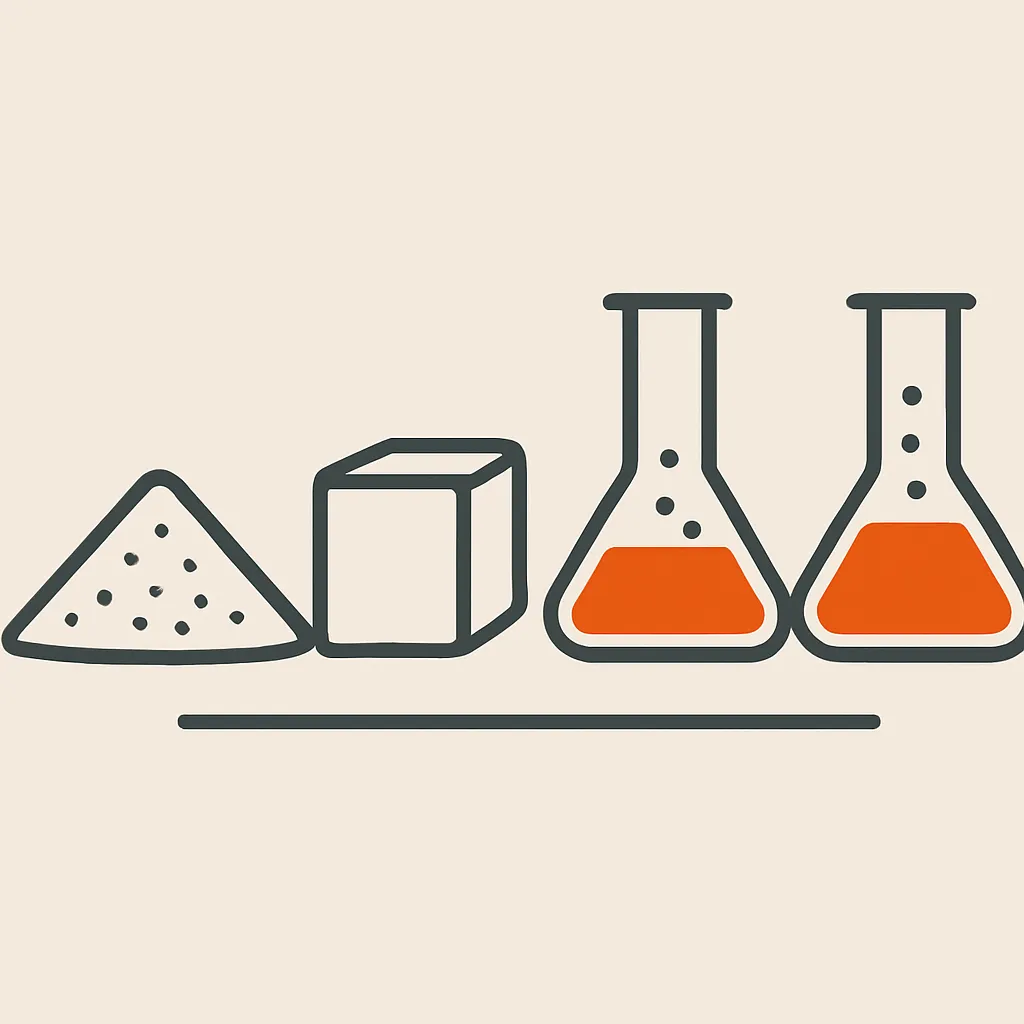
Equal magnesium strips are placed in 50 mL of 1% acid and 50 mL of 4% acid. Which reaction should be faster?
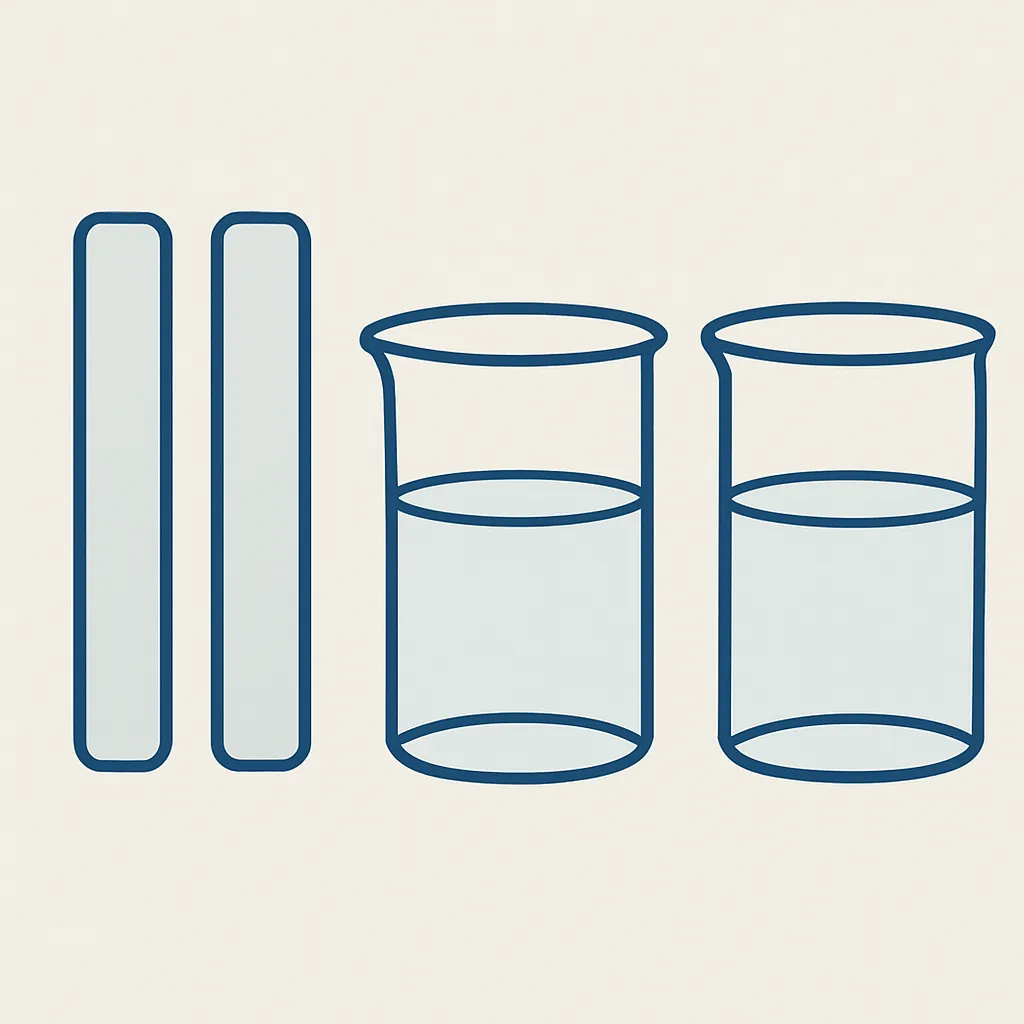
A catalyst is added to equal volumes of 3% and 6% hydrogen peroxide at the same temperature. Which sample should bubble faster?
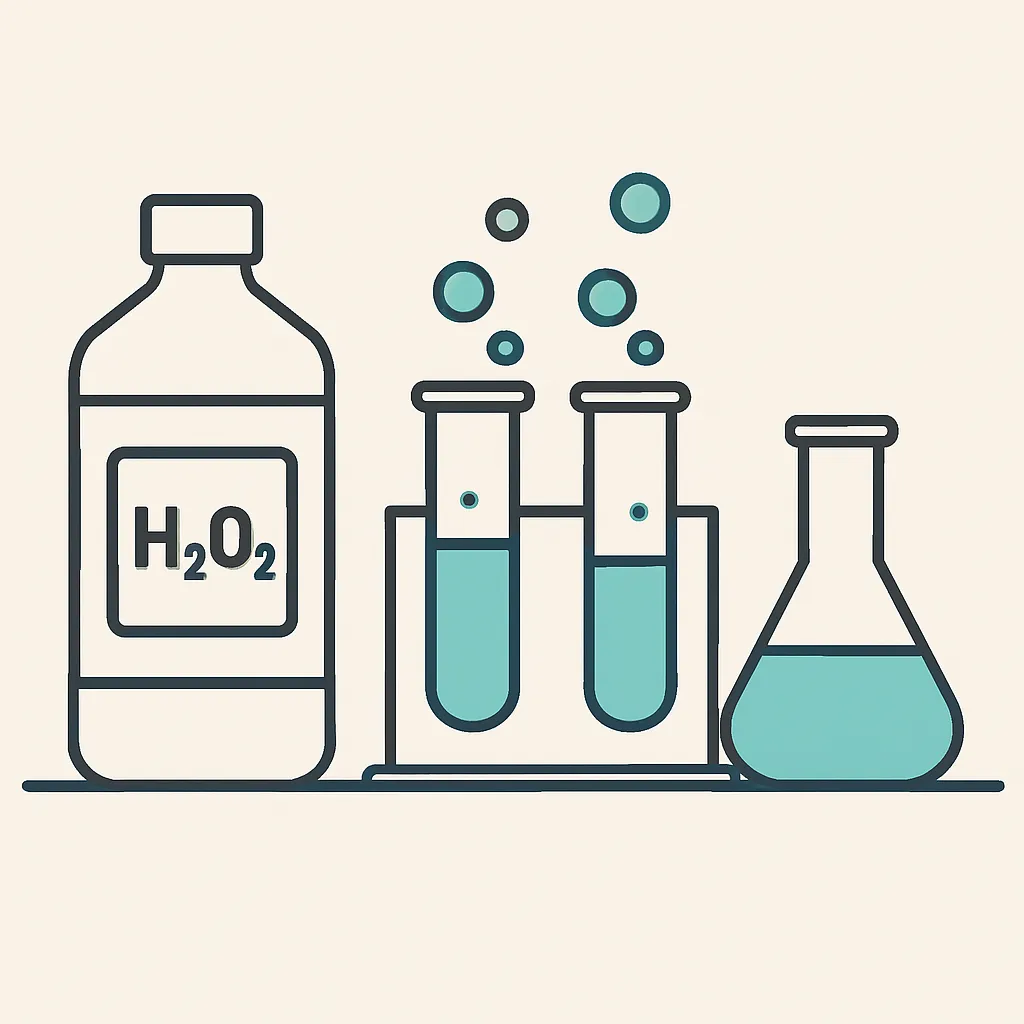
A student reacts baking soda with diluted vinegar or undiluted vinegar, keeping baking soda mass and temperature the same. What prediction is best?
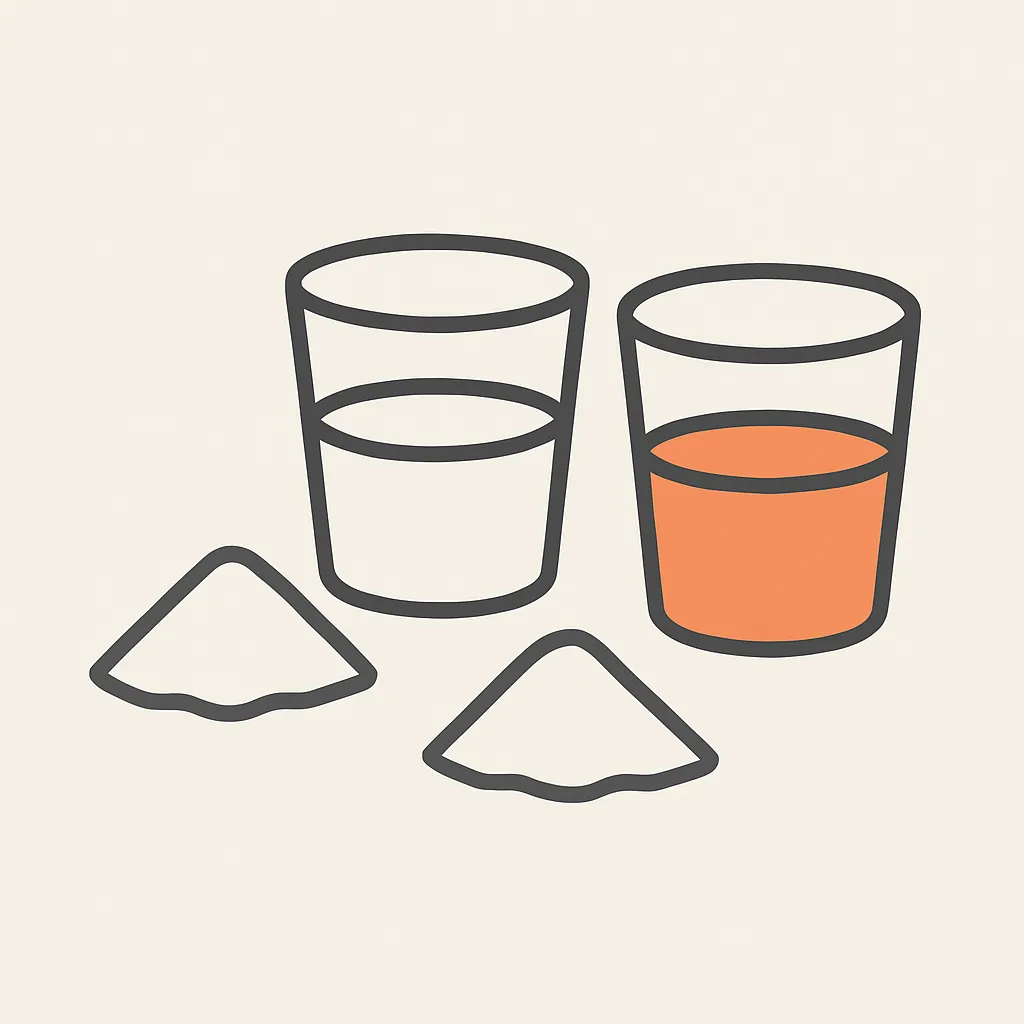
A sodium thiosulfate reaction is repeated with a more concentrated reactant solution while temperature and volume stay the same. What happens to the rate?

Two acid samples have the same volume, but Sample B has twice as many acid particles per milliliter as Sample A. Which tablet reaction is faster?

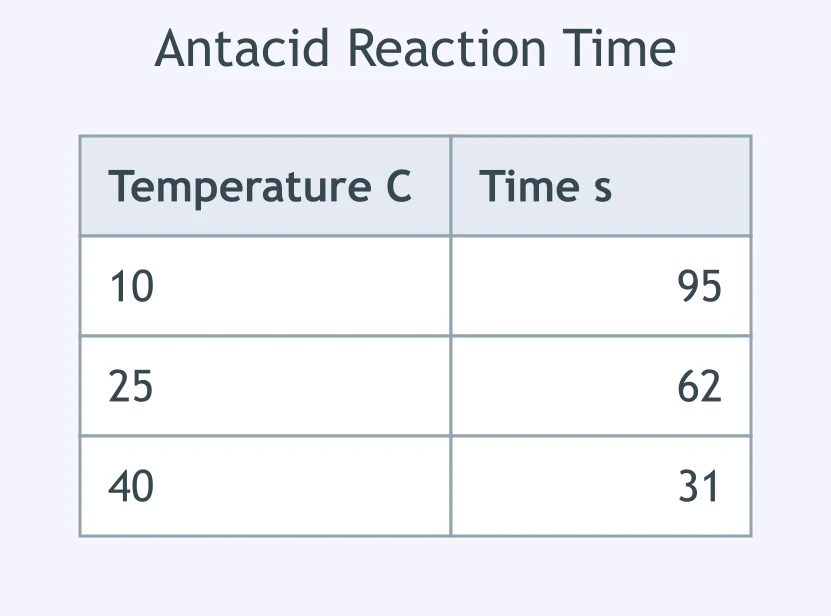
Use the table for equal antacid pieces in equal vinegar samples at different temperatures. What conclusion does the shortest time support?
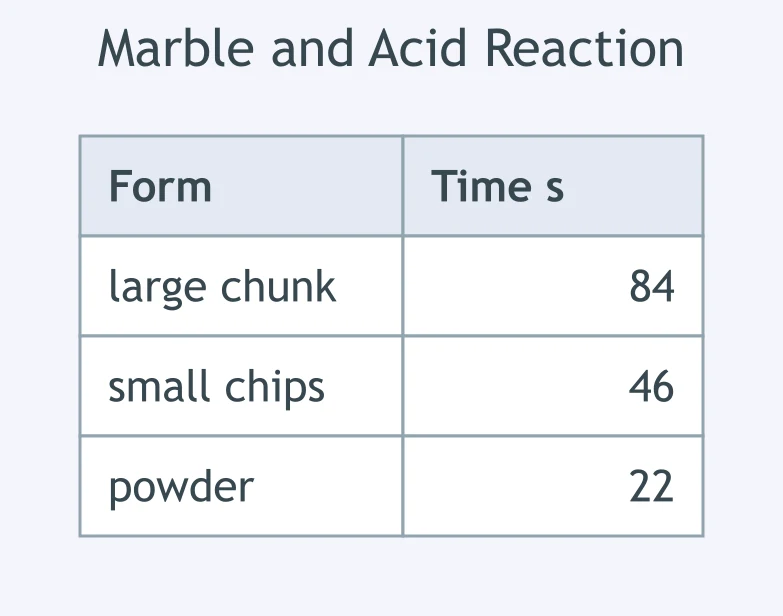
Use the table for equal masses of marble in acid. What claim does the data support?
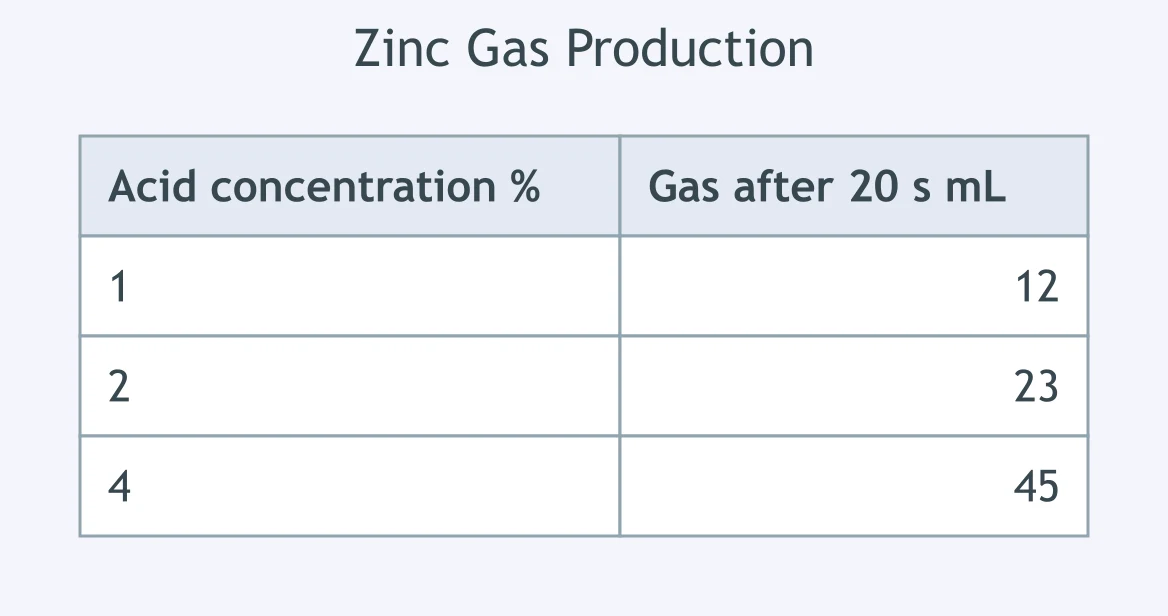
Use the gas-volume table for equal zinc pieces reacting for 20 s. What pattern does the data show about acid concentration?
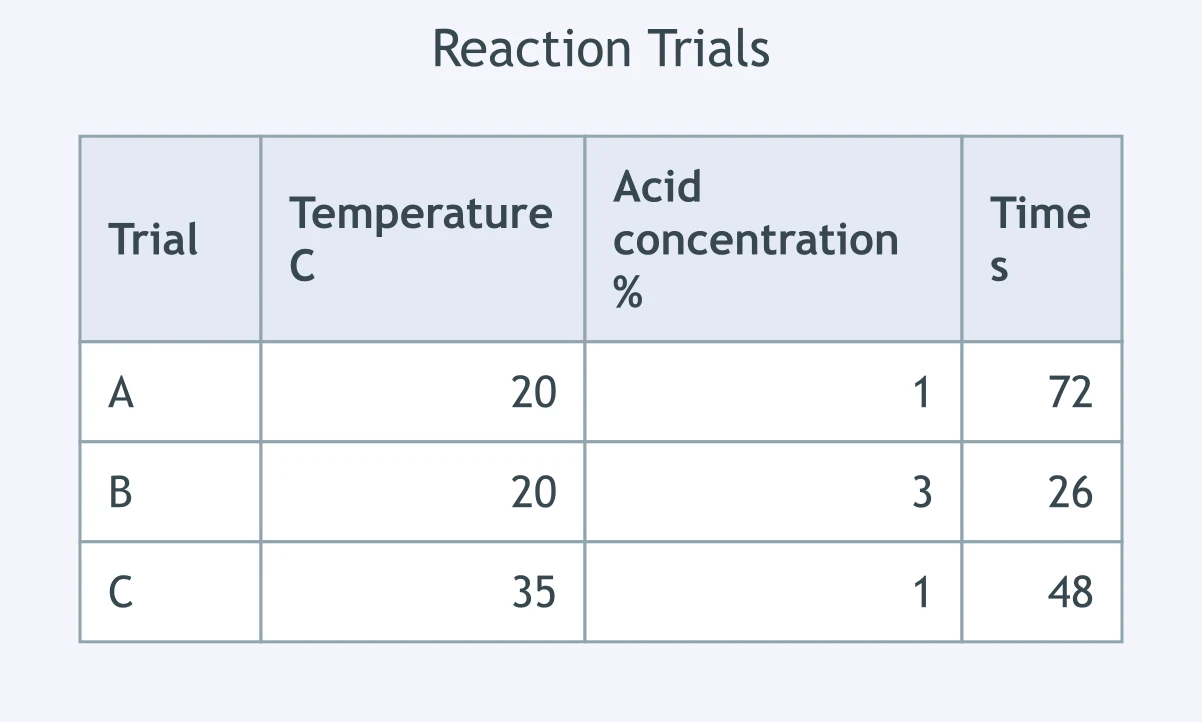
Use the trial table. Comparing Trials A and B, what variable explains why B finished faster?
Crack the passcode before the zombies get in.
Answer, then swat bugs for bonus points.
Race through questions at your own speed.
Same question on every screen. Fastest wins.

Pick a tile, answer, hit bonuses and steals.
Conduction, Convection and Radiation
40 questions