Loading
by BlastRoom
Compare the economies and societies of the New England, Middle, and Southern colonies.
#us_history#us_grade_7_social_studies
30 questions
One question set, multiple game modes. Tap any game to see it in action. Not sure which to pick?
Answer to place stones and capture territory.
Outrun the snow together.
Earn blasts, then hunt the other team.
Answer to earn energy, then climb.

The class blasts through walls together.
Bid on mystery lots. Most money wins.
Sell tours. Nice, standard, or a total scam.

Answer, restock, and serve the rush.
More correct answers pulls the rope your way.
Answer, then shoot down the alien wave.
Answer, then tap to leap the frozen ridge.
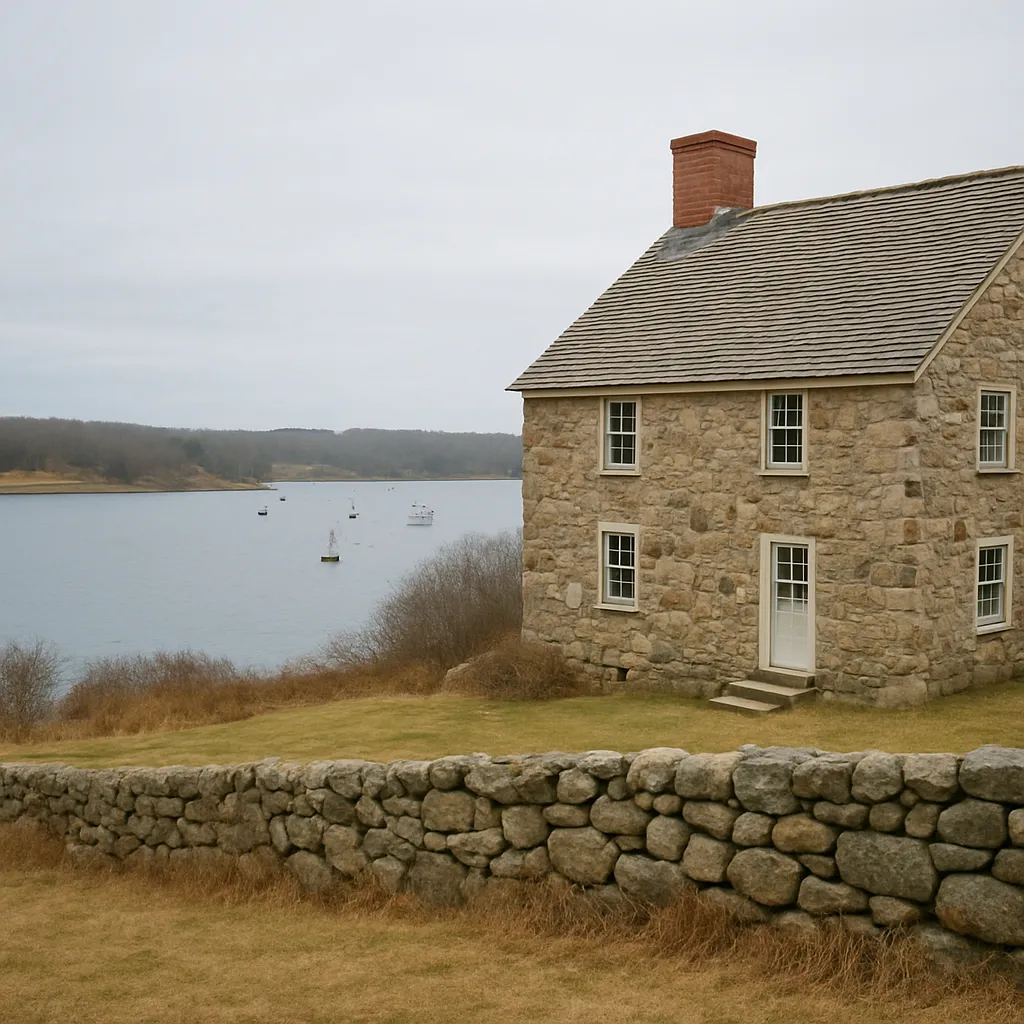
A colonial region had rocky soil, cold winters, fishing, shipbuilding, and many small farms. Which colonial region is described?
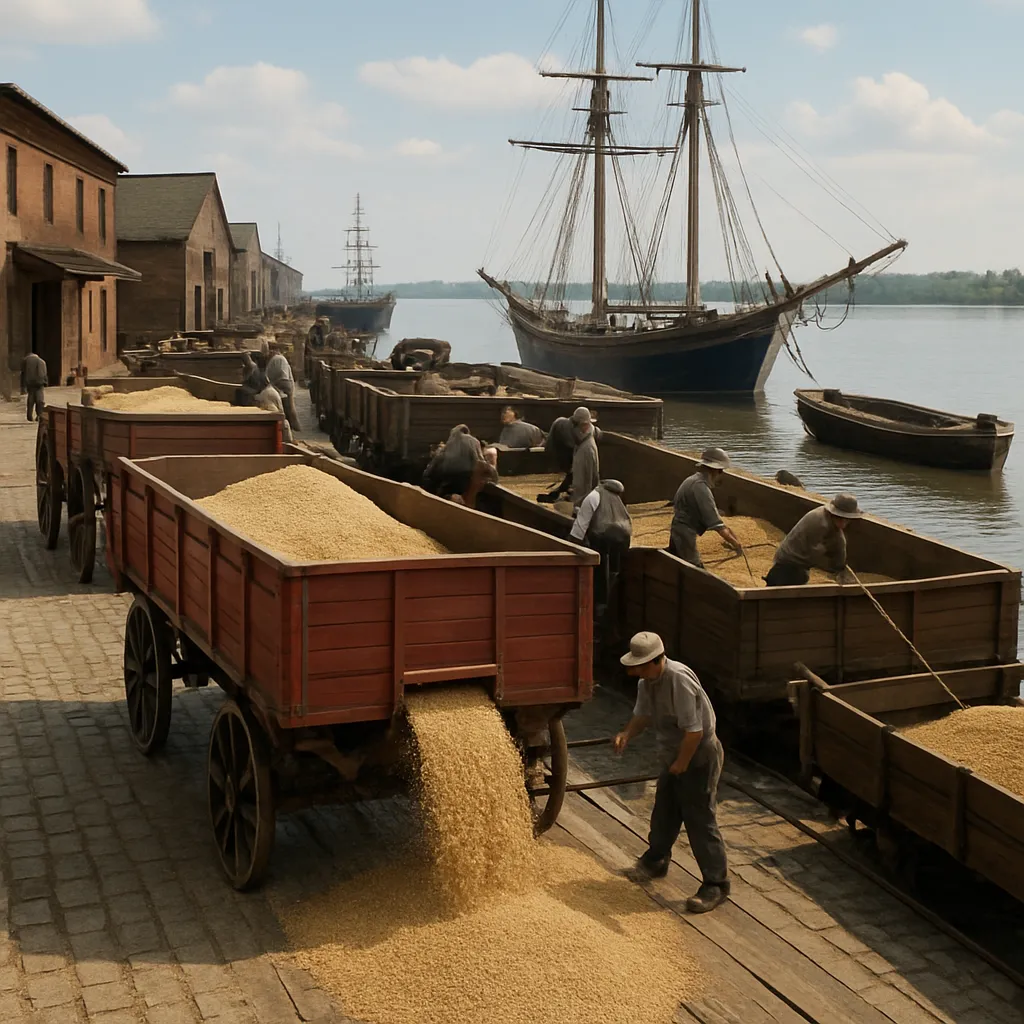
Which two port cities shipped much of the Middle colonies' wheat and flour to other markets?
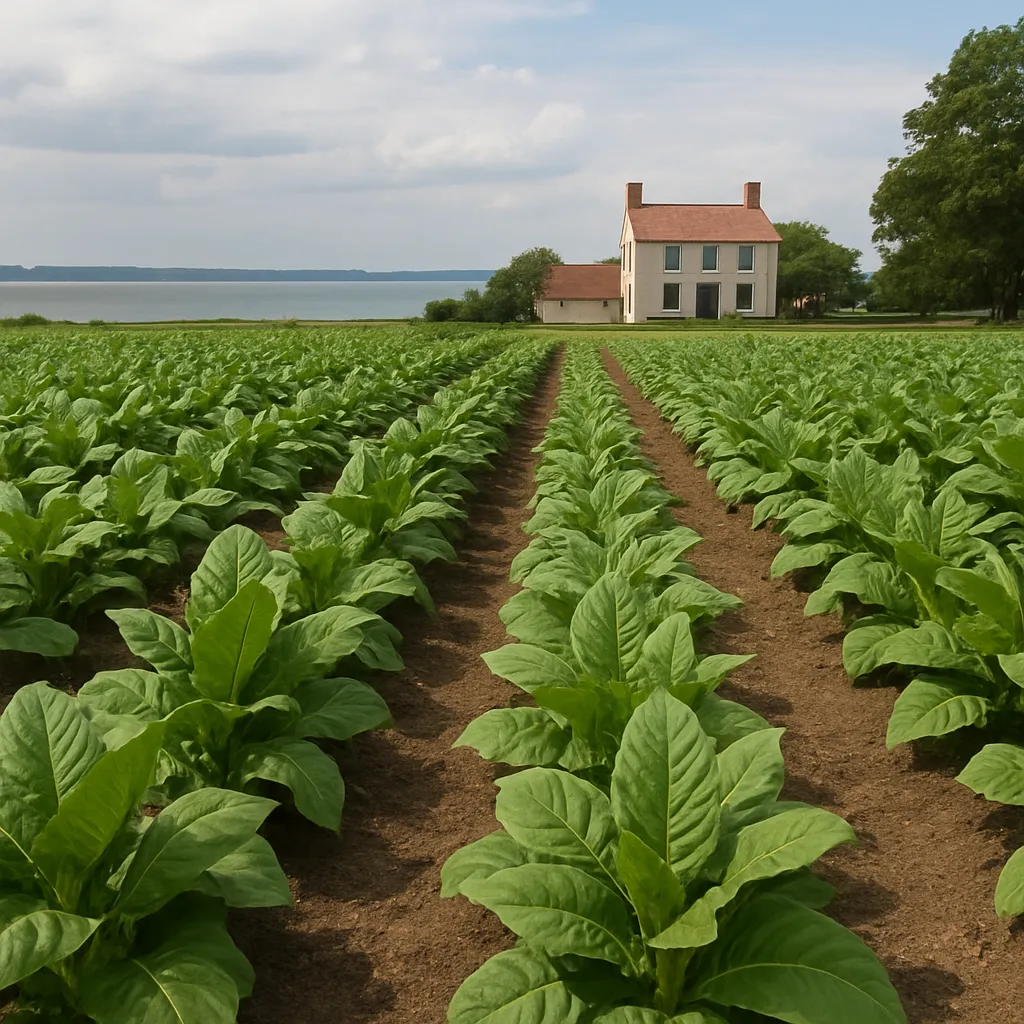
A colonial region used warm weather and rich coastal soil to grow tobacco, rice, and indigo for sale. Which region is described?
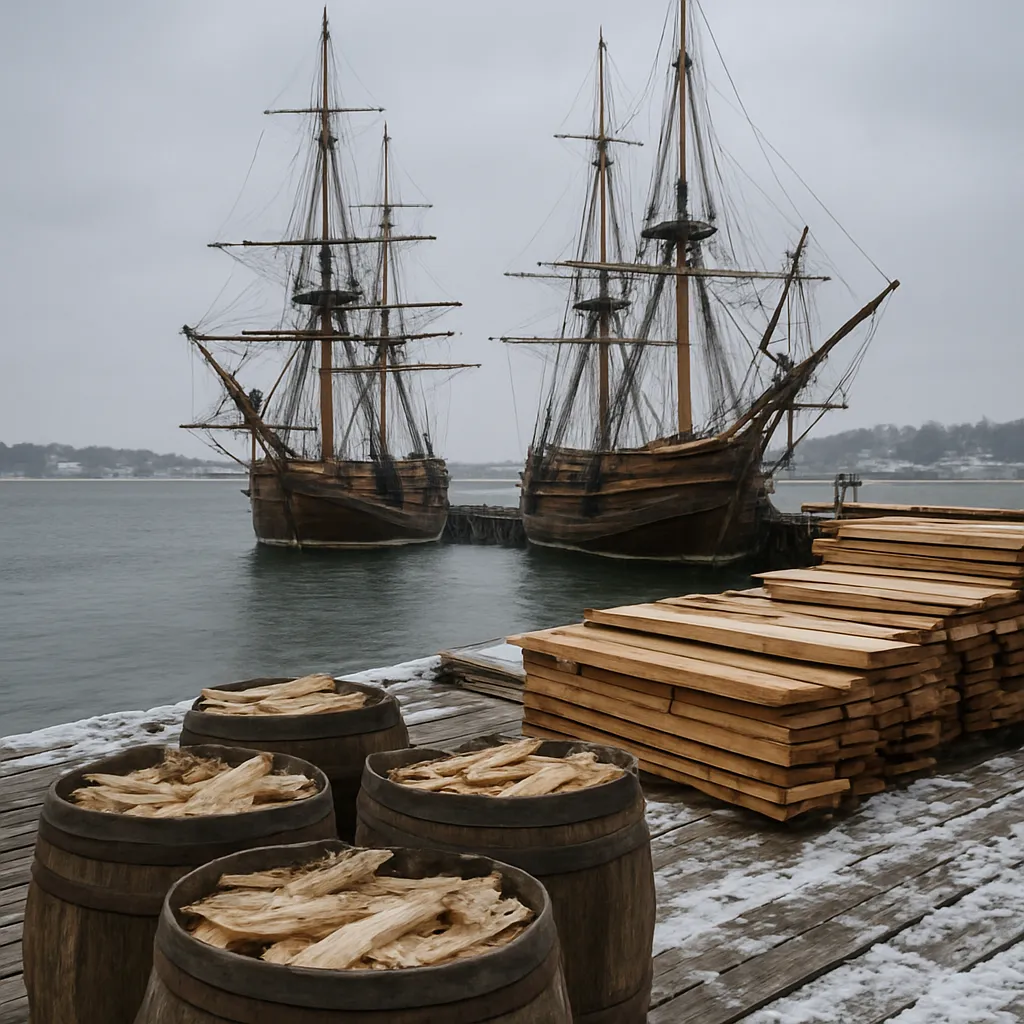
Cold seas, forests, harbors, cod fishing, and lumber mills shaped one colonial economy. Which colonial region is described?
A colonial region had broad river valleys, mixed farming, ironworks, and markets where grain was traded. Which region is described?
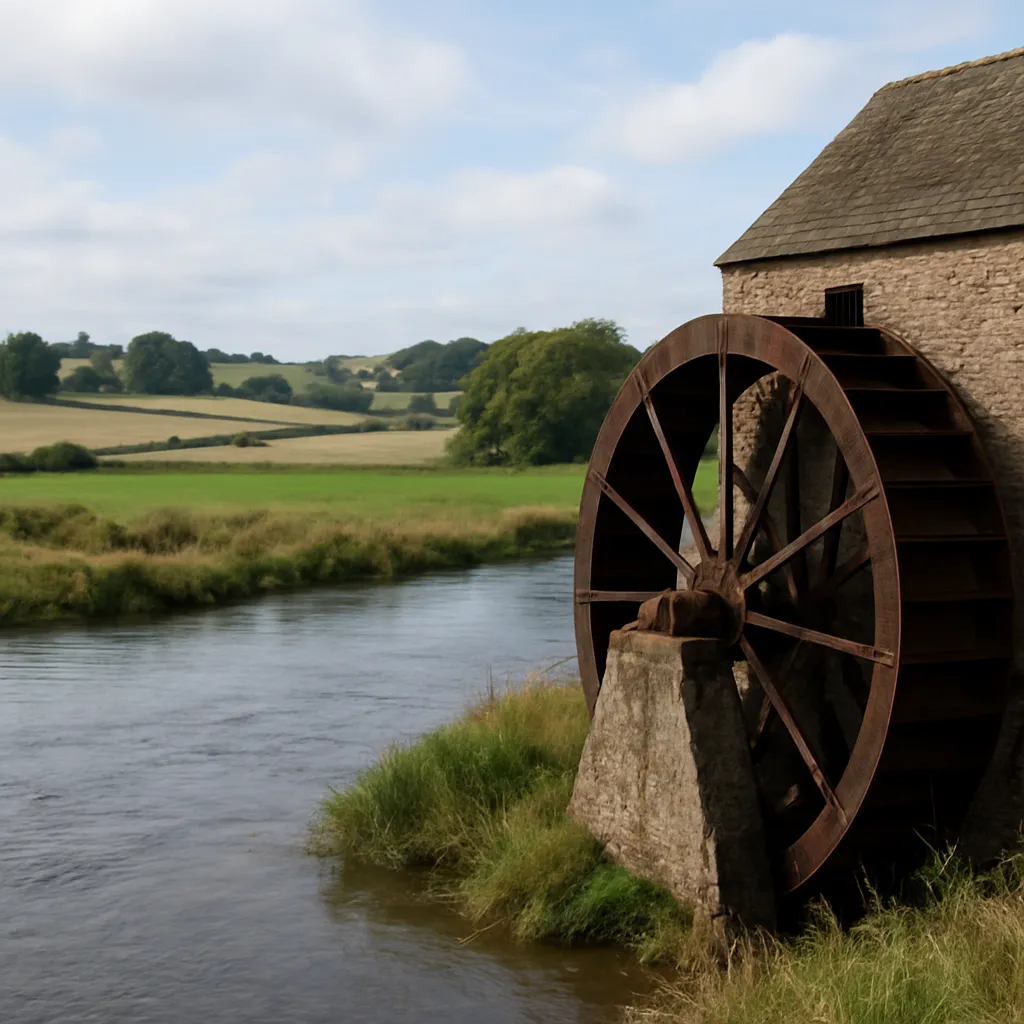
Which port city shipped South Carolina's rice and indigo to markets across the Atlantic?
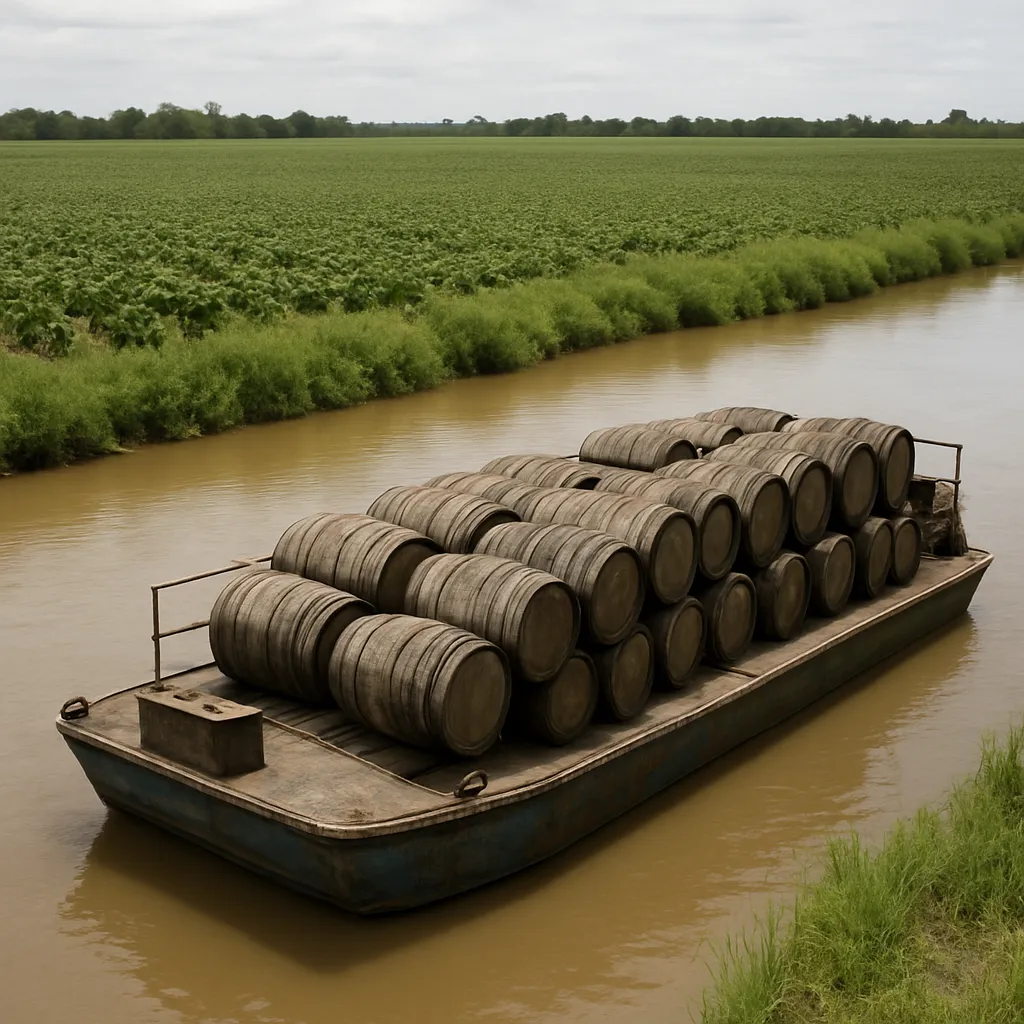
Short growing seasons, water-powered mills, whaling, and town-centered trade shaped one colonial region. Which region is described?
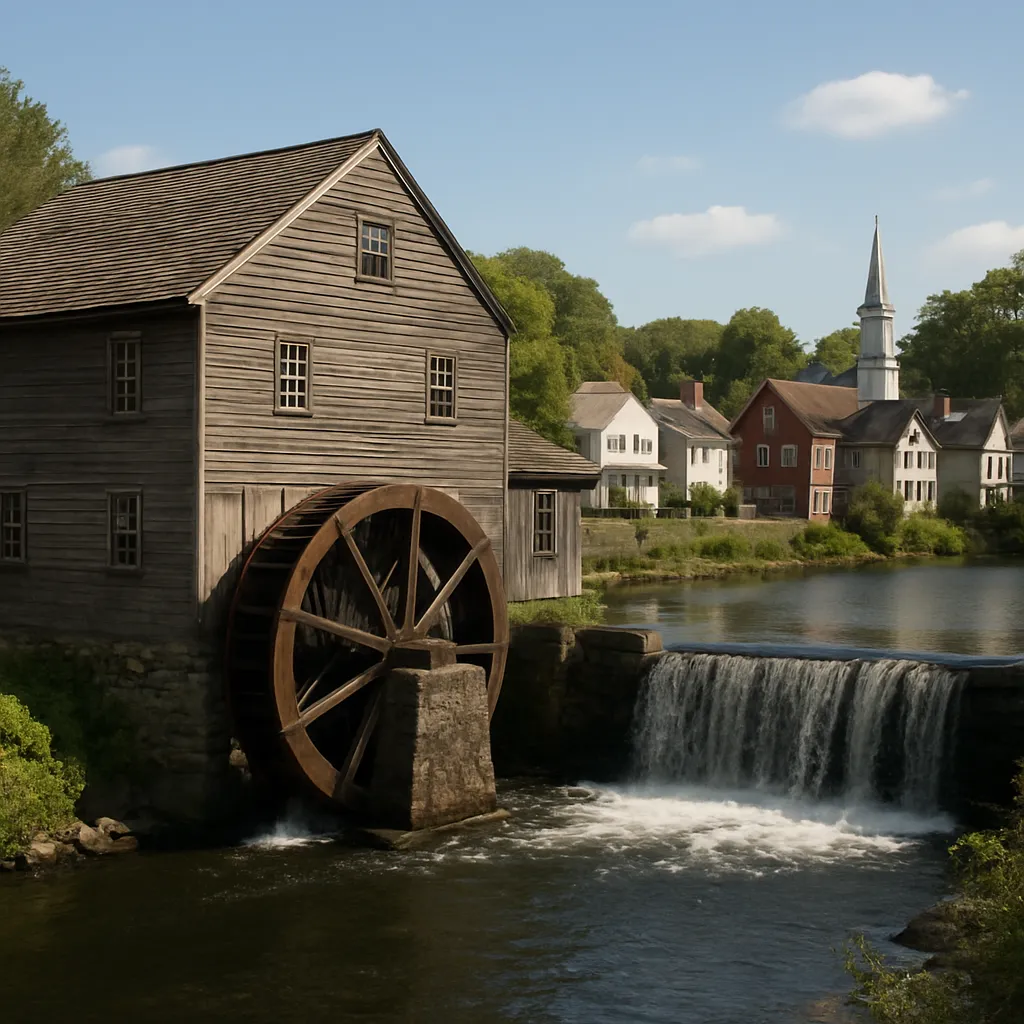
Fertile soil earned one colonial region the nickname breadbasket because it produced wheat and other grains. Which region is described?
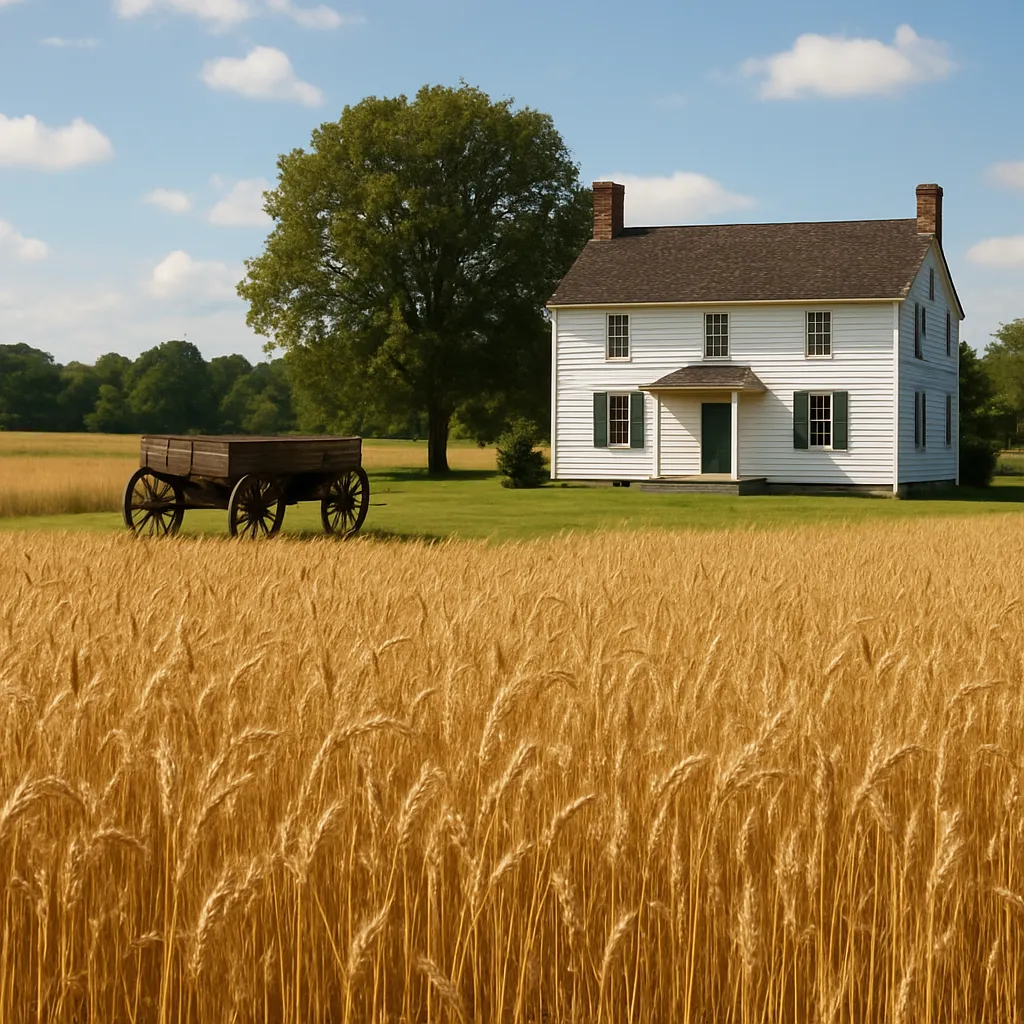
Long growing seasons, tidewater plantations, and cash crops shaped the economy of which colonial region?
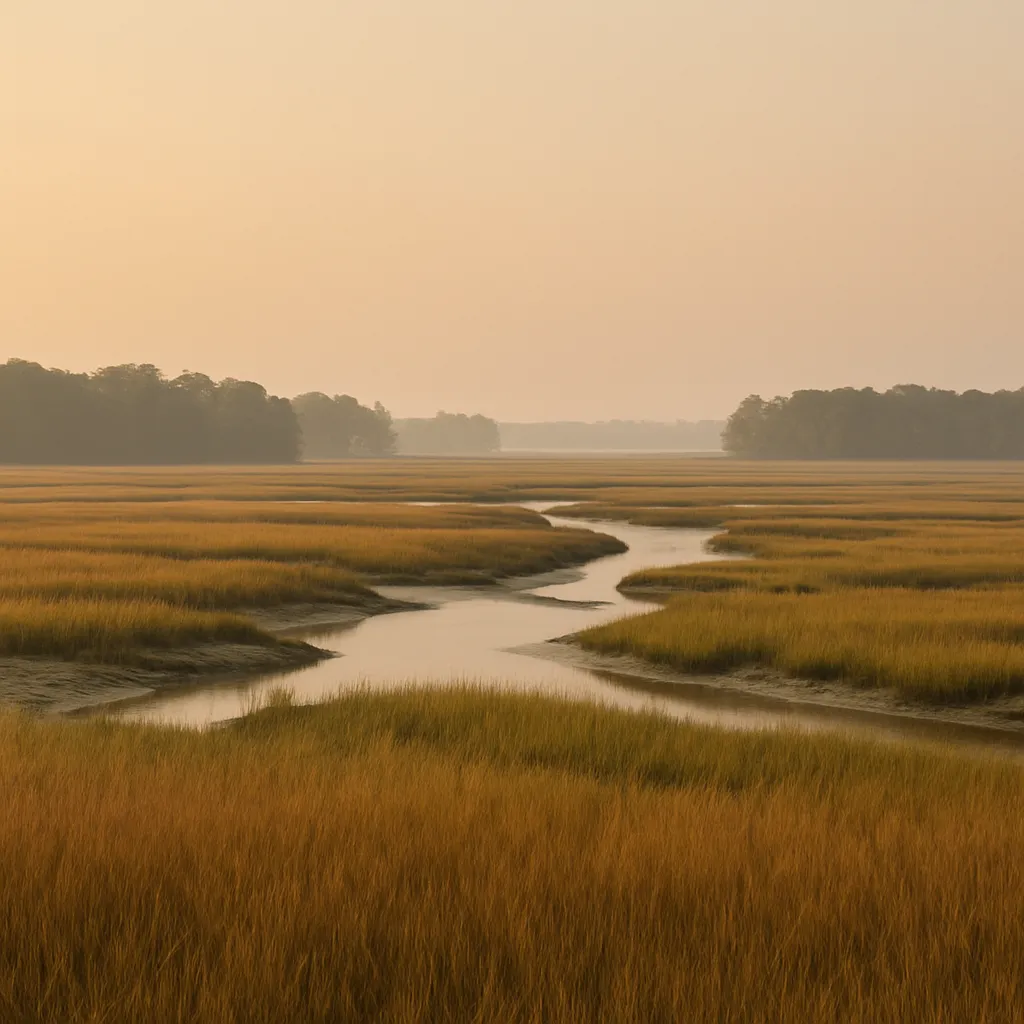
Harbors, merchants, fishing fleets, and shipyards mattered more than plantation crops in which colonial region?
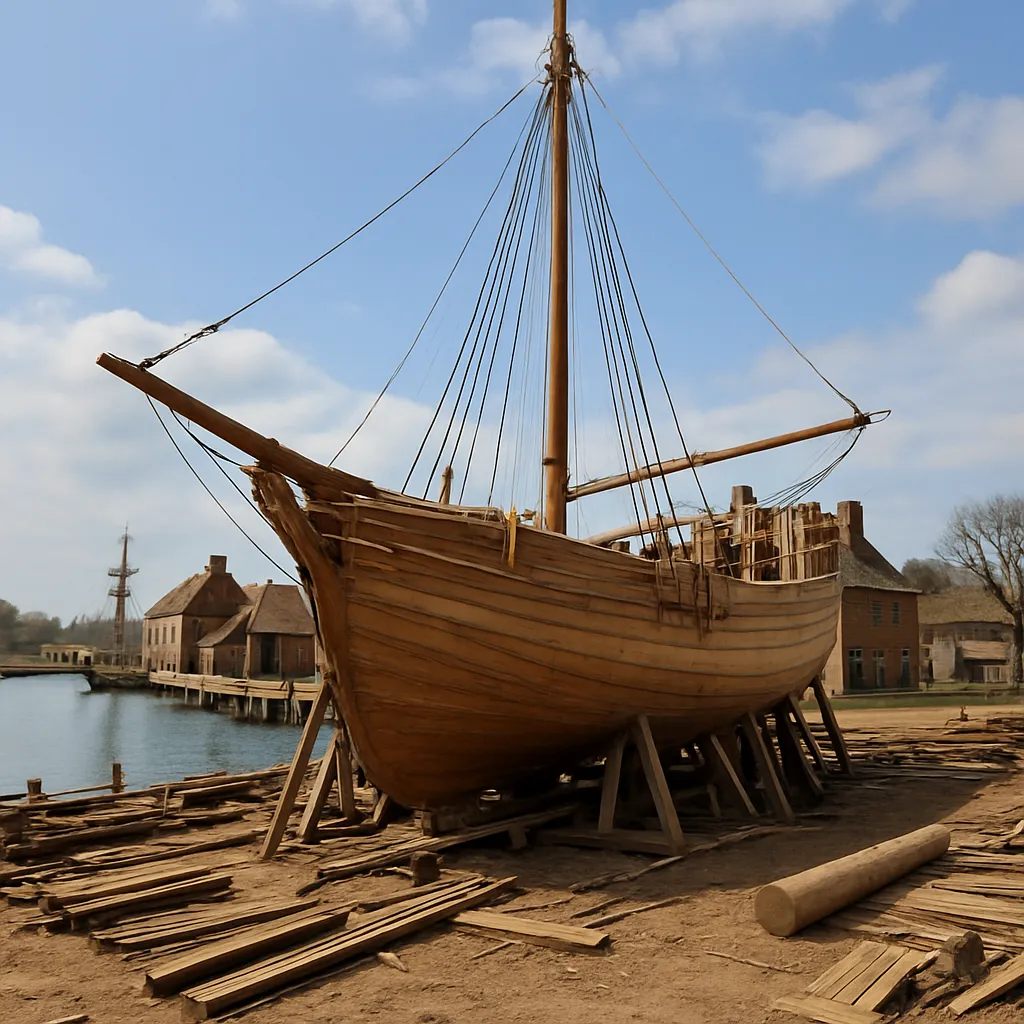
A colonial region mixed family farms, market towns, wheat fields, and immigrant labor in port cities. Which region is described?
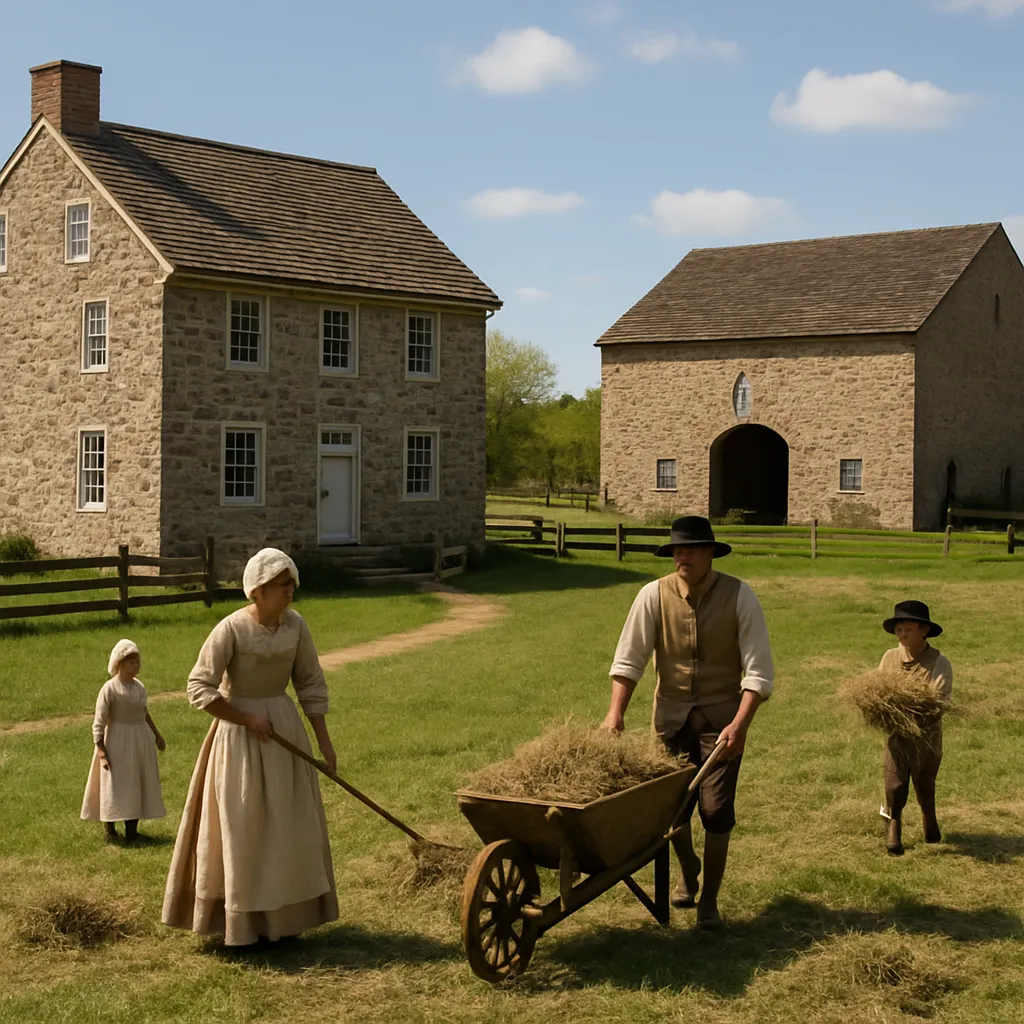
Southern planters grew tobacco and rice in fields along rivers. Which colony became the leading tobacco producer?
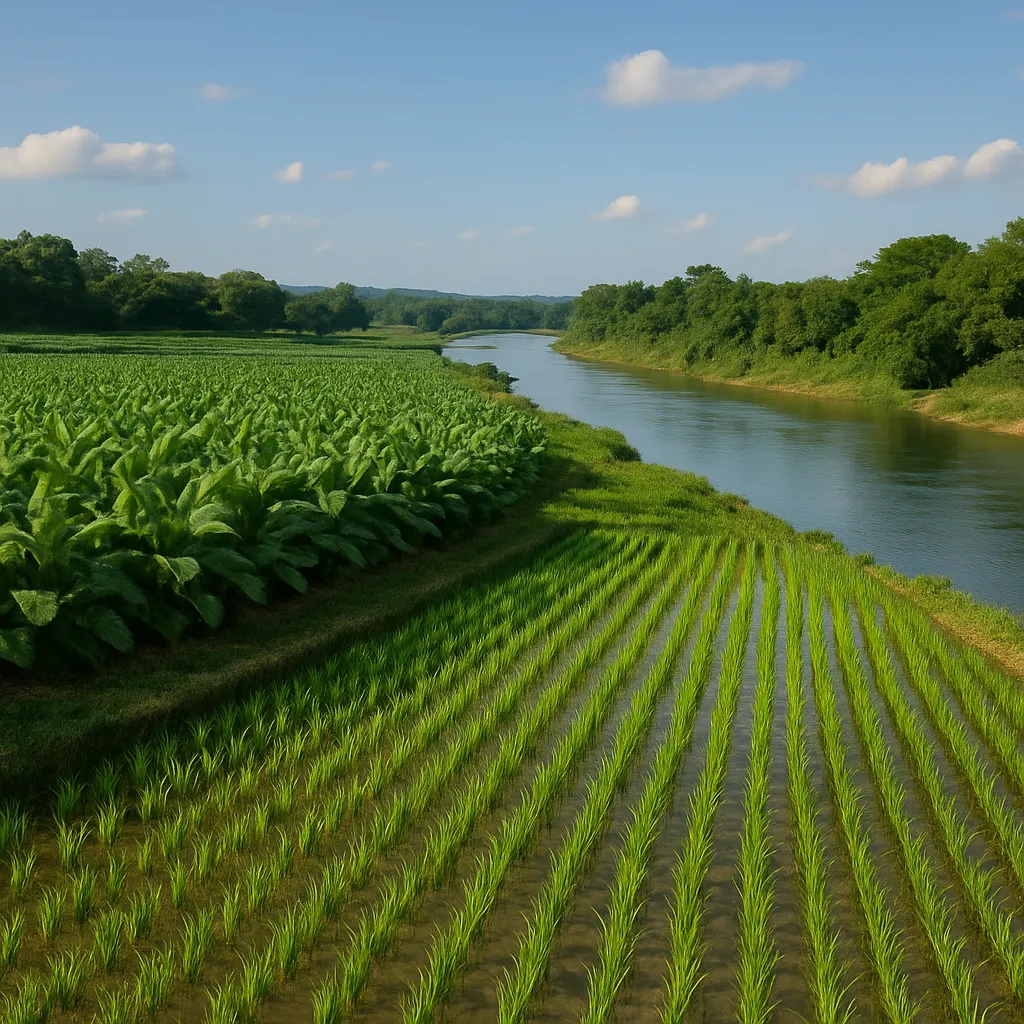
In New England, what labor and production pattern best fit most farms and coastal towns?
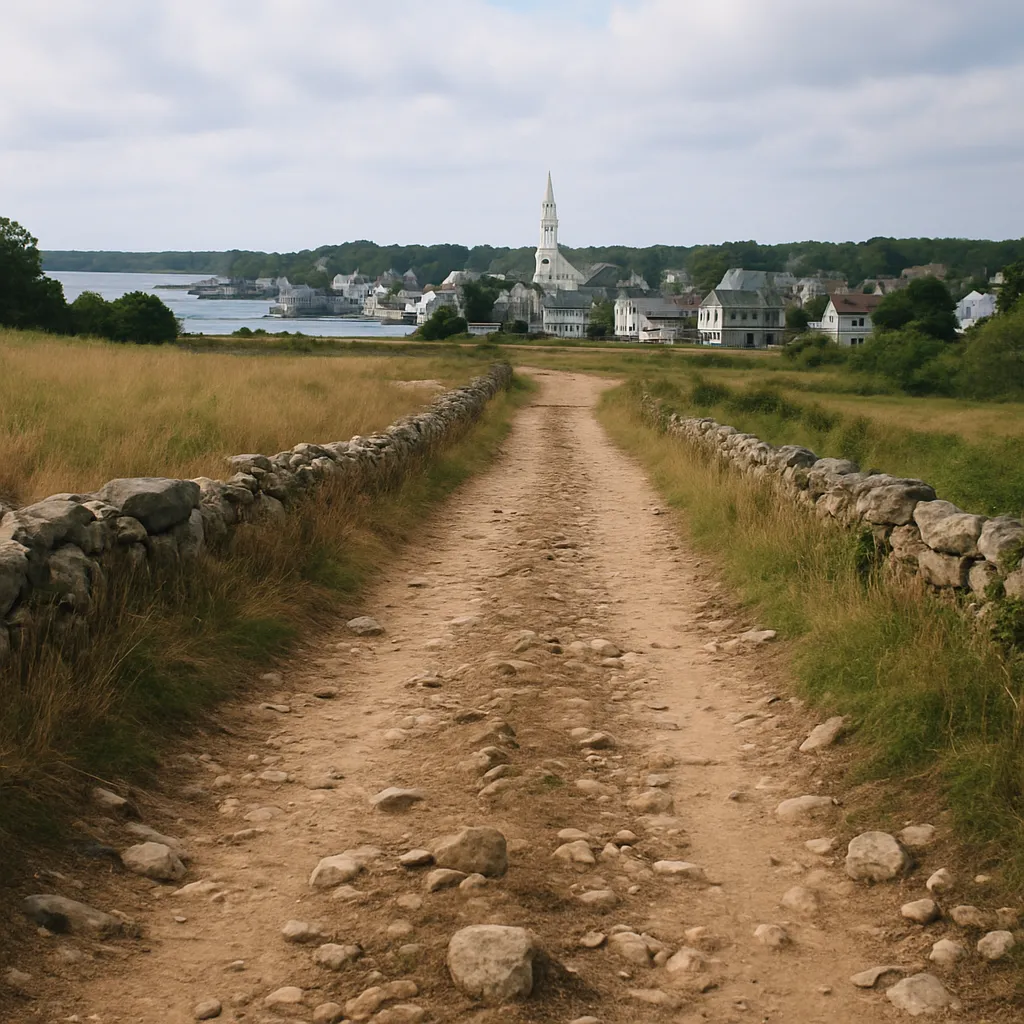
In the Southern colonies, what labor pattern grew with tobacco, rice, and indigo plantations?
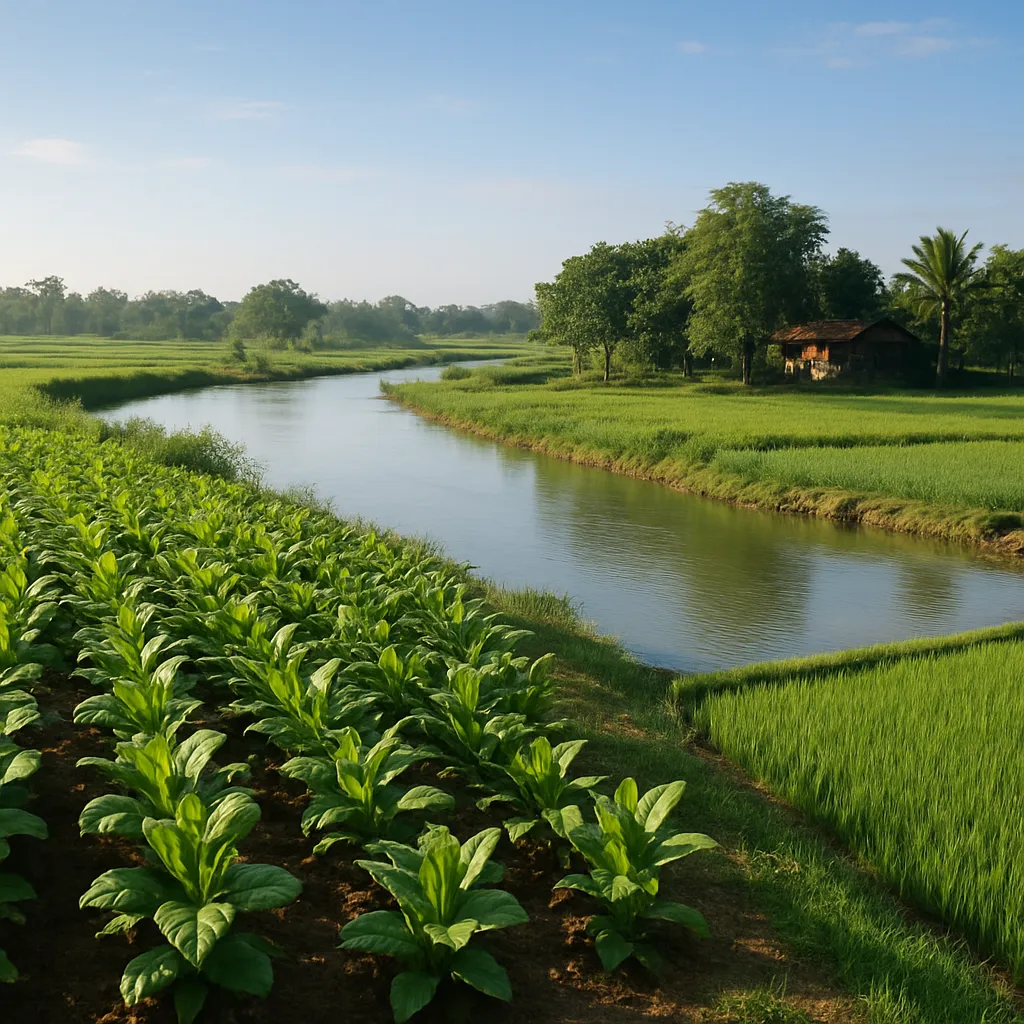
Which production pattern was most important on Middle colony farms?
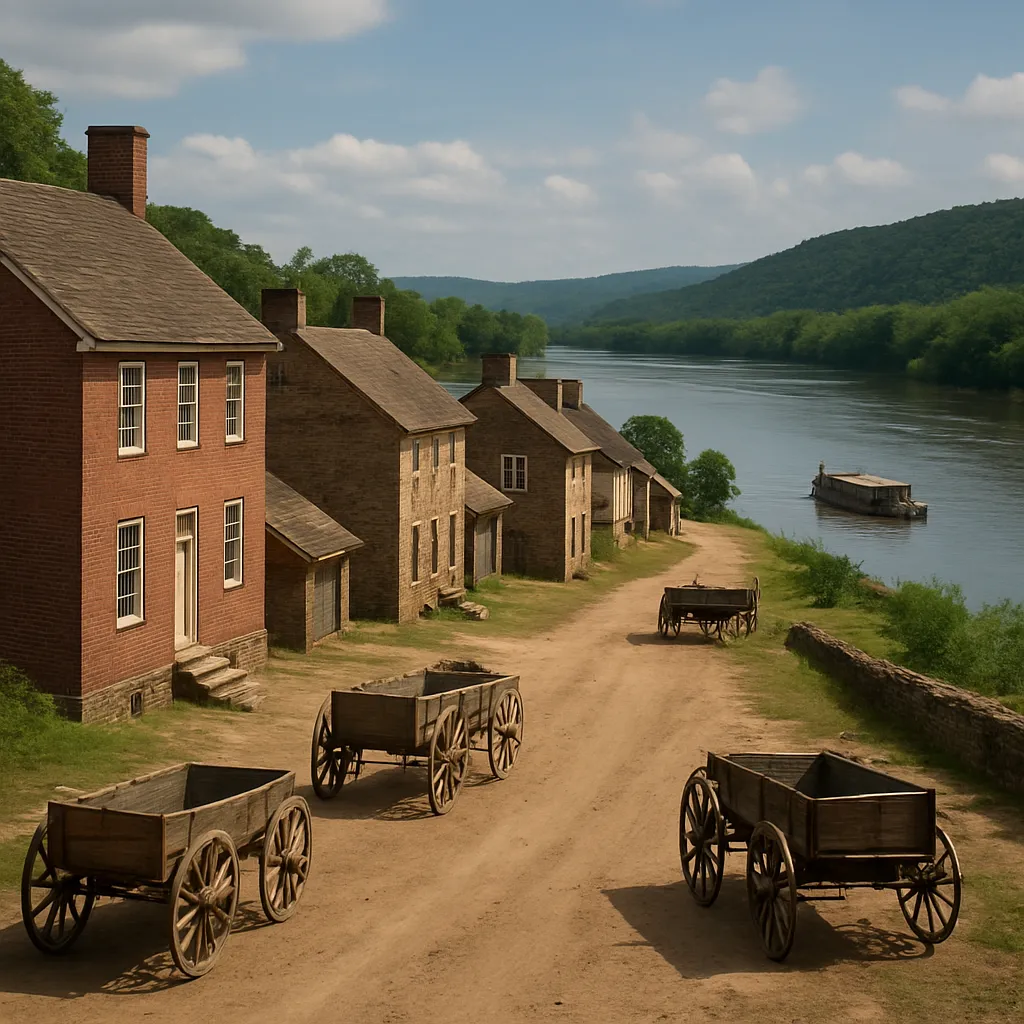
In New England, which production pattern used forests, harbors, and skilled craftsmen?
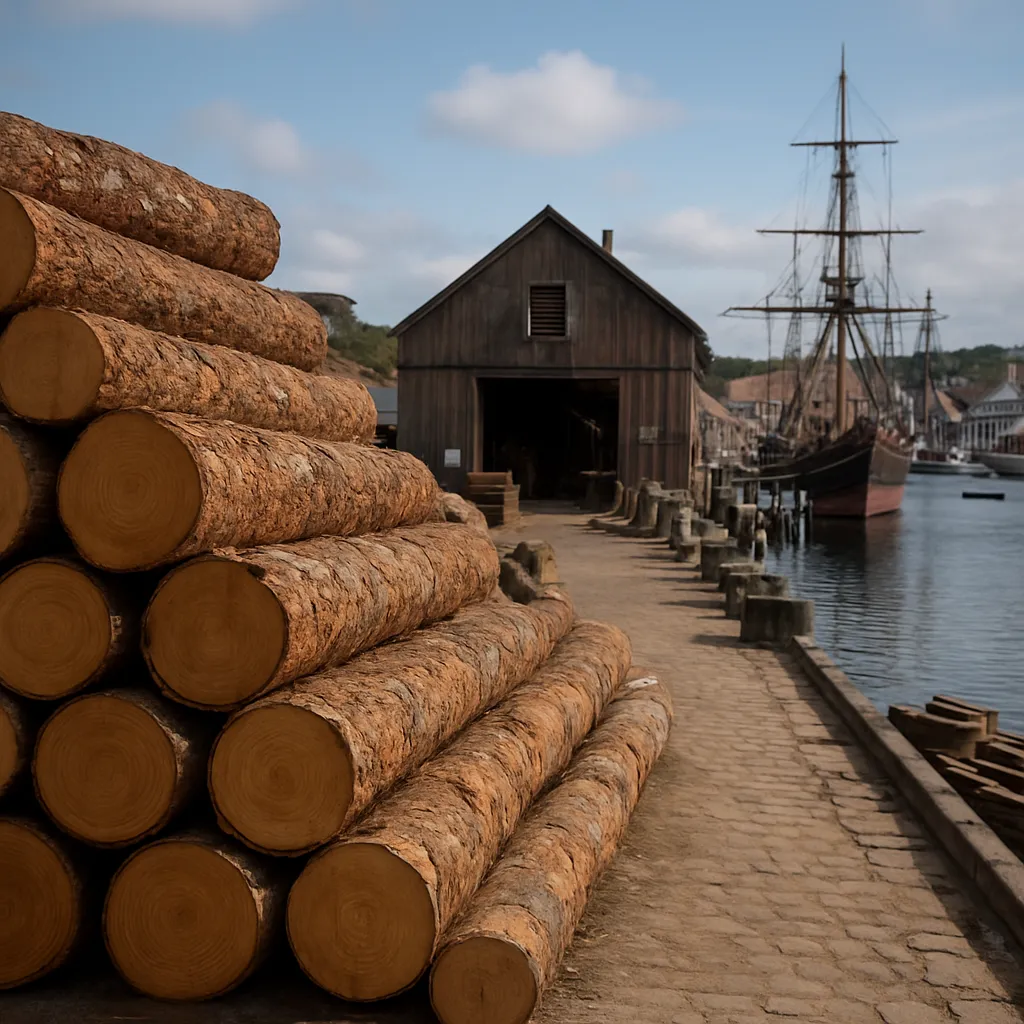
In the Southern colonies, what production pattern best describes tobacco in Virginia and Maryland?
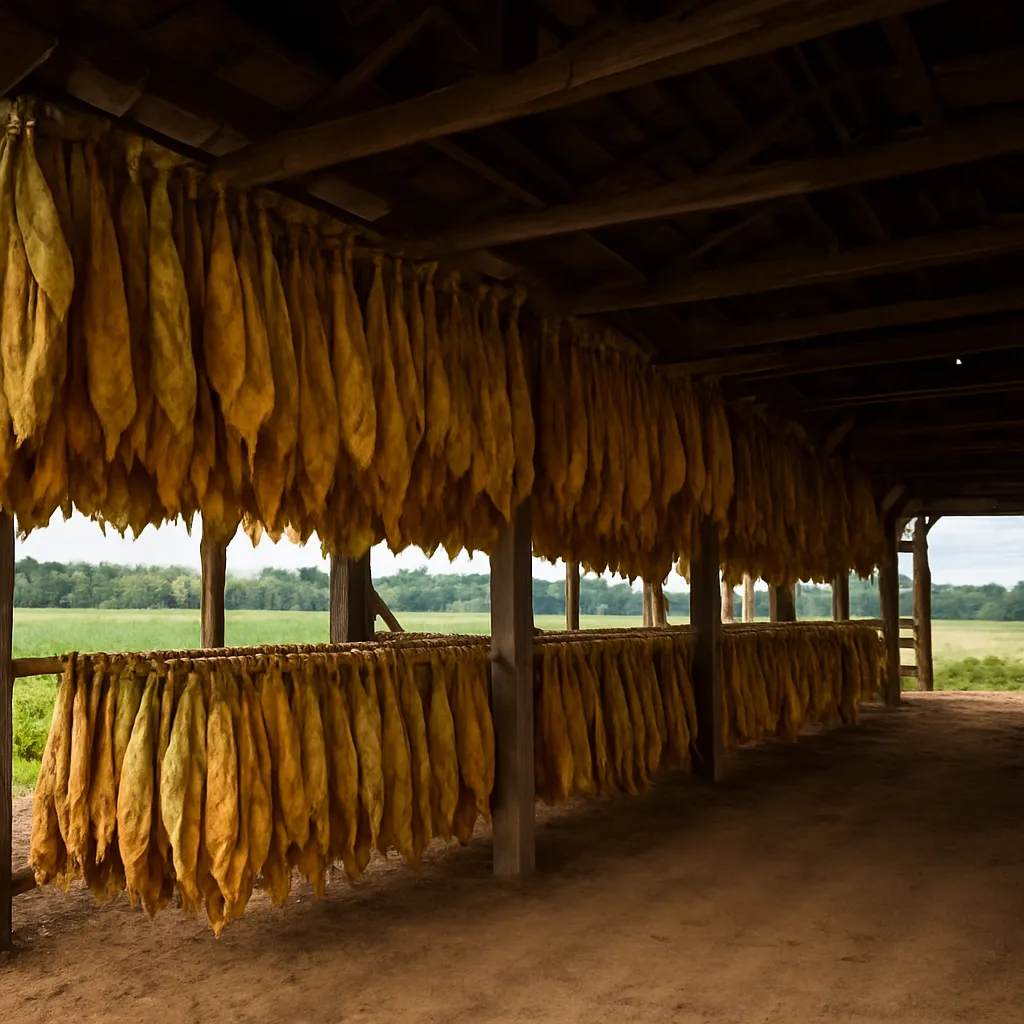
In the Middle colonies, which labor pattern was common on farms and in towns?
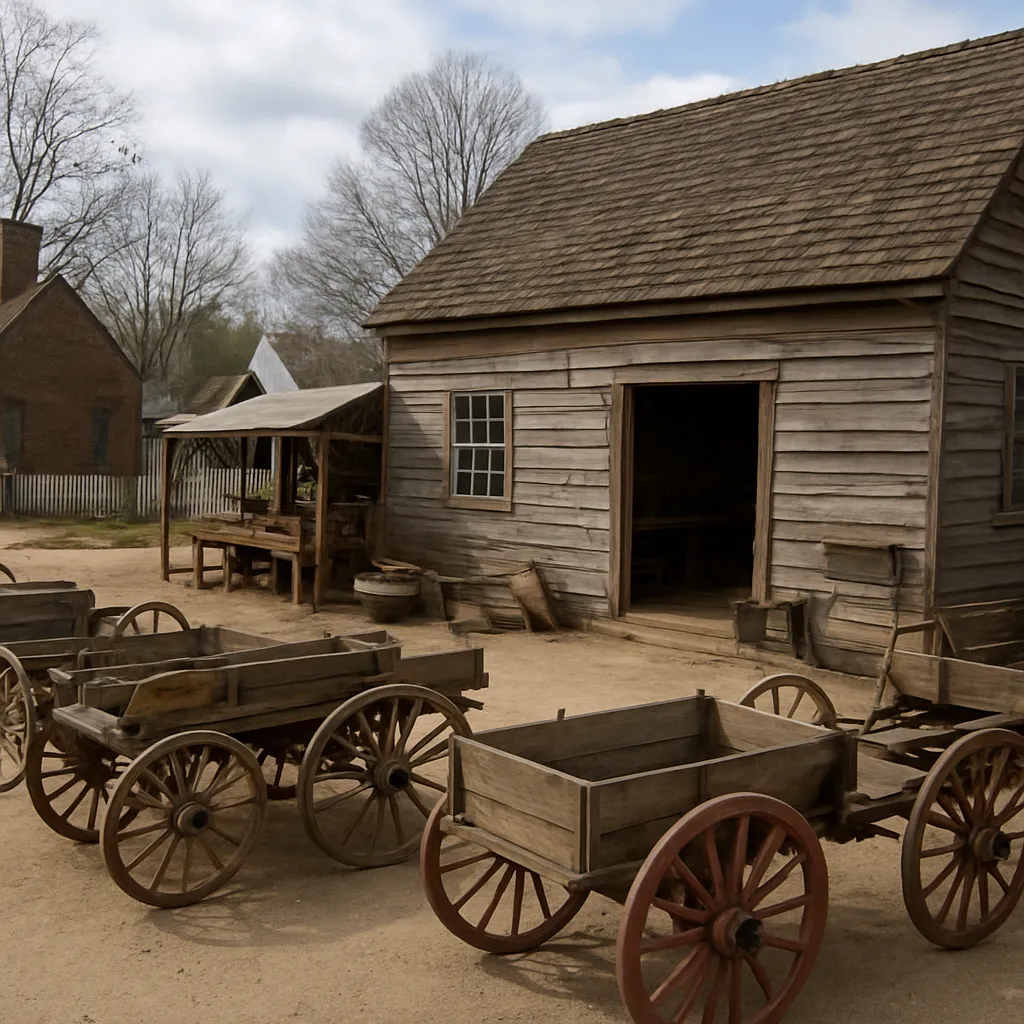
In New England, what kind of work became important in many coastal communities?
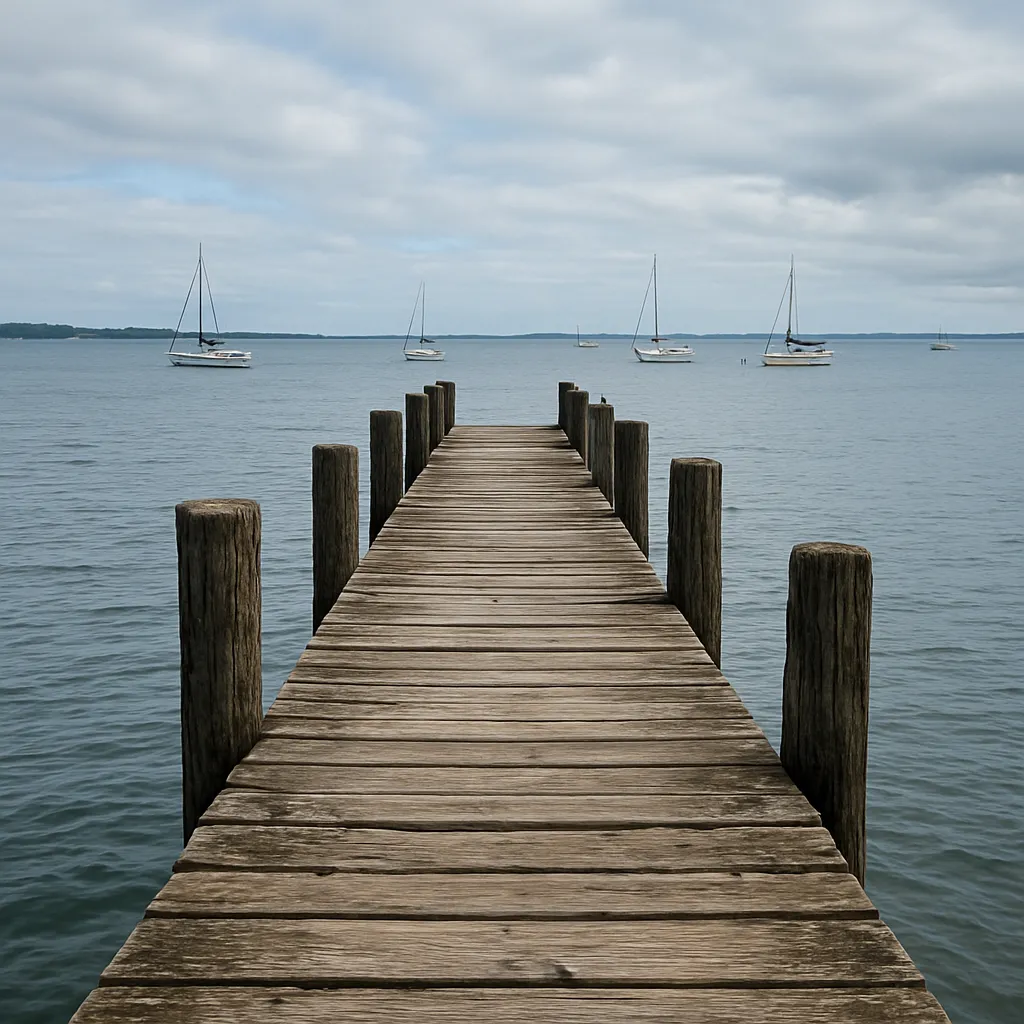
In the Southern colonies, which crop and labor pairing best fits South Carolina's lowcountry economy?
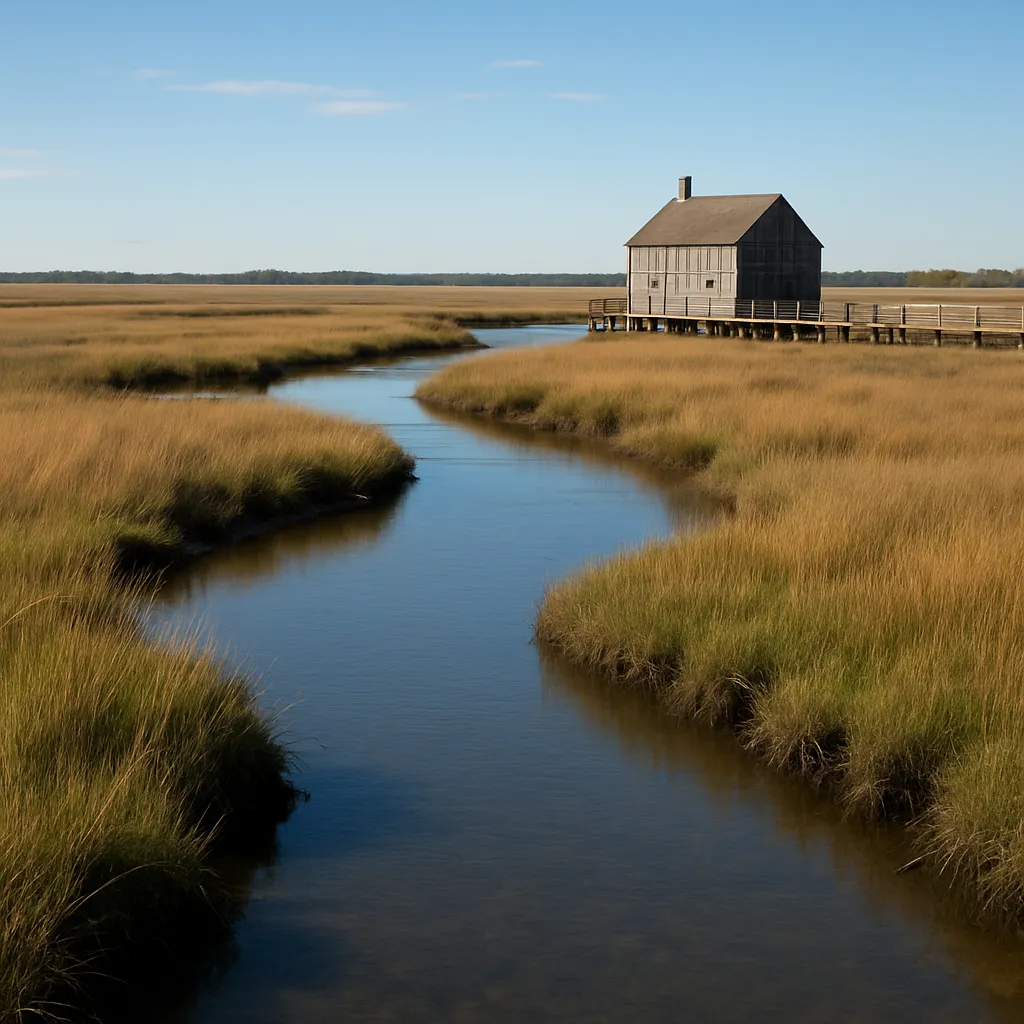
A region with Puritan churches, town meetings, small villages, and a strong focus on local self-government was which colonial region?
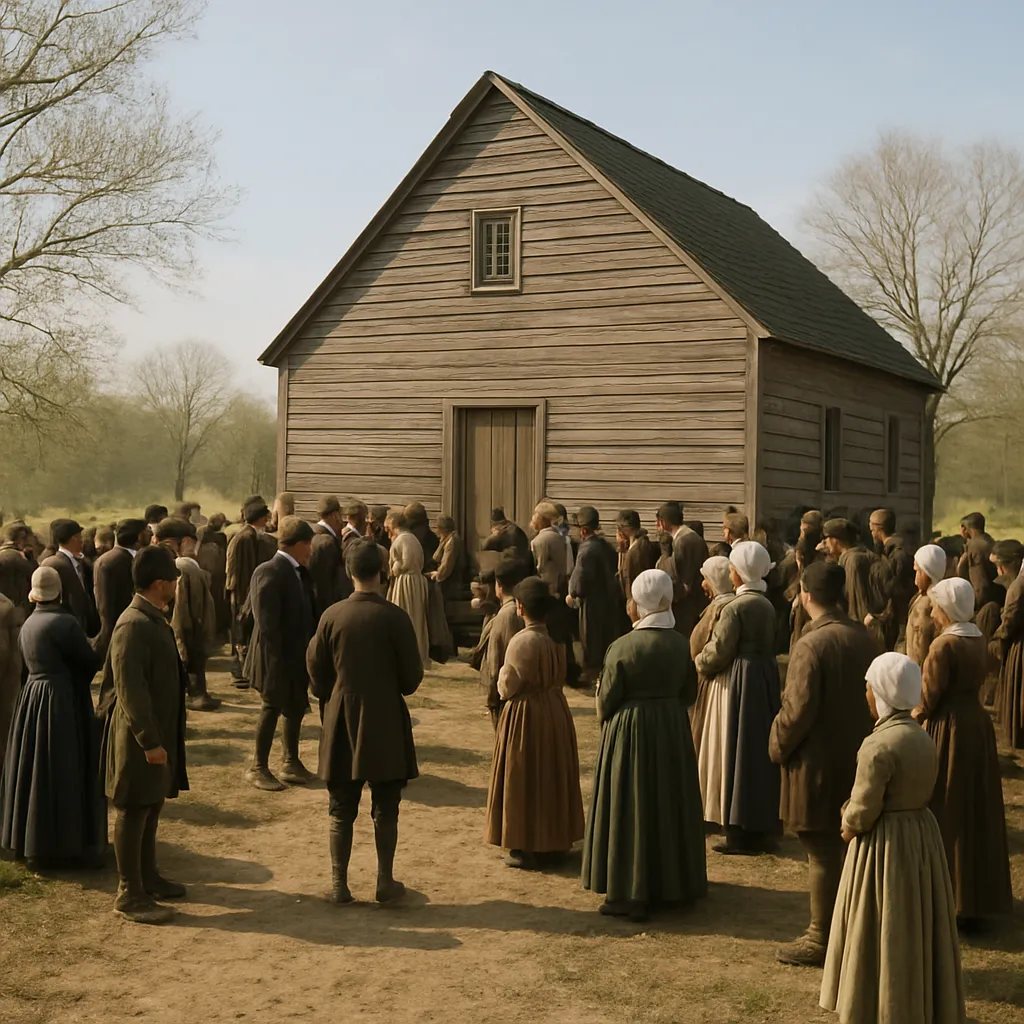
A region with Quakers, Dutch settlers, German farmers, and religious toleration in port cities was which colonial region?
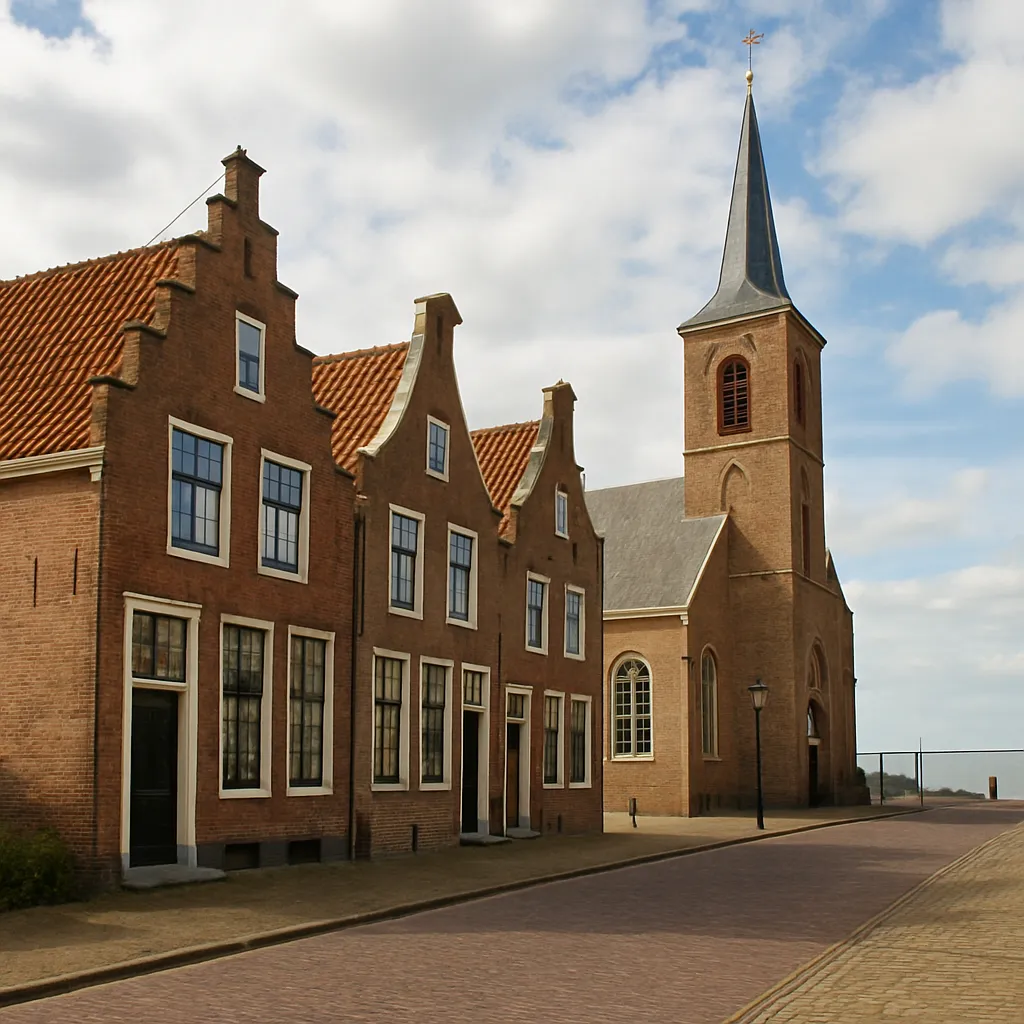
A region with wealthy planters, large estates, and many enslaved Africans had a society shaped by plantations. Which region was it?
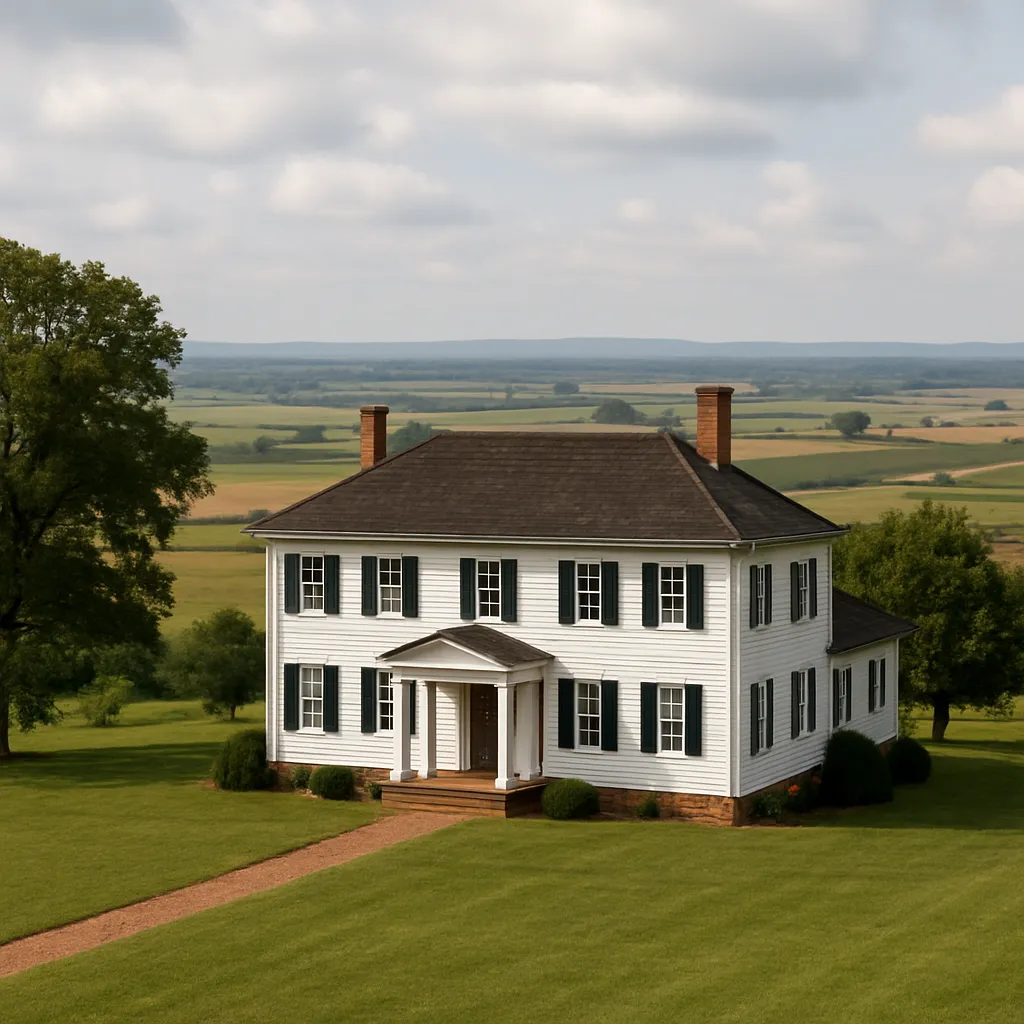
A 1647 Massachusetts law required towns of 50 families to hire a teacher. Why did Puritans want children to learn to read?
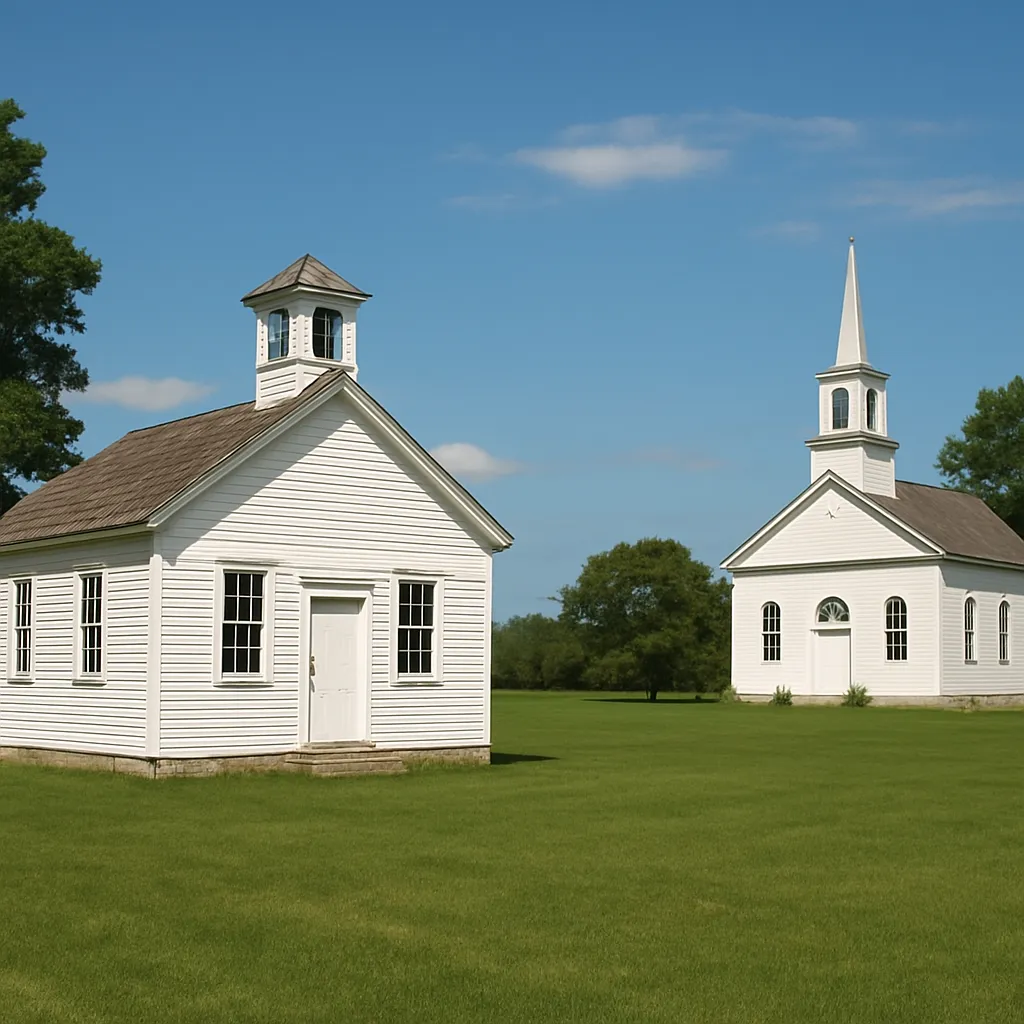
In 1664, the English took over New Netherland and renamed its town of New Amsterdam. What was its new name?
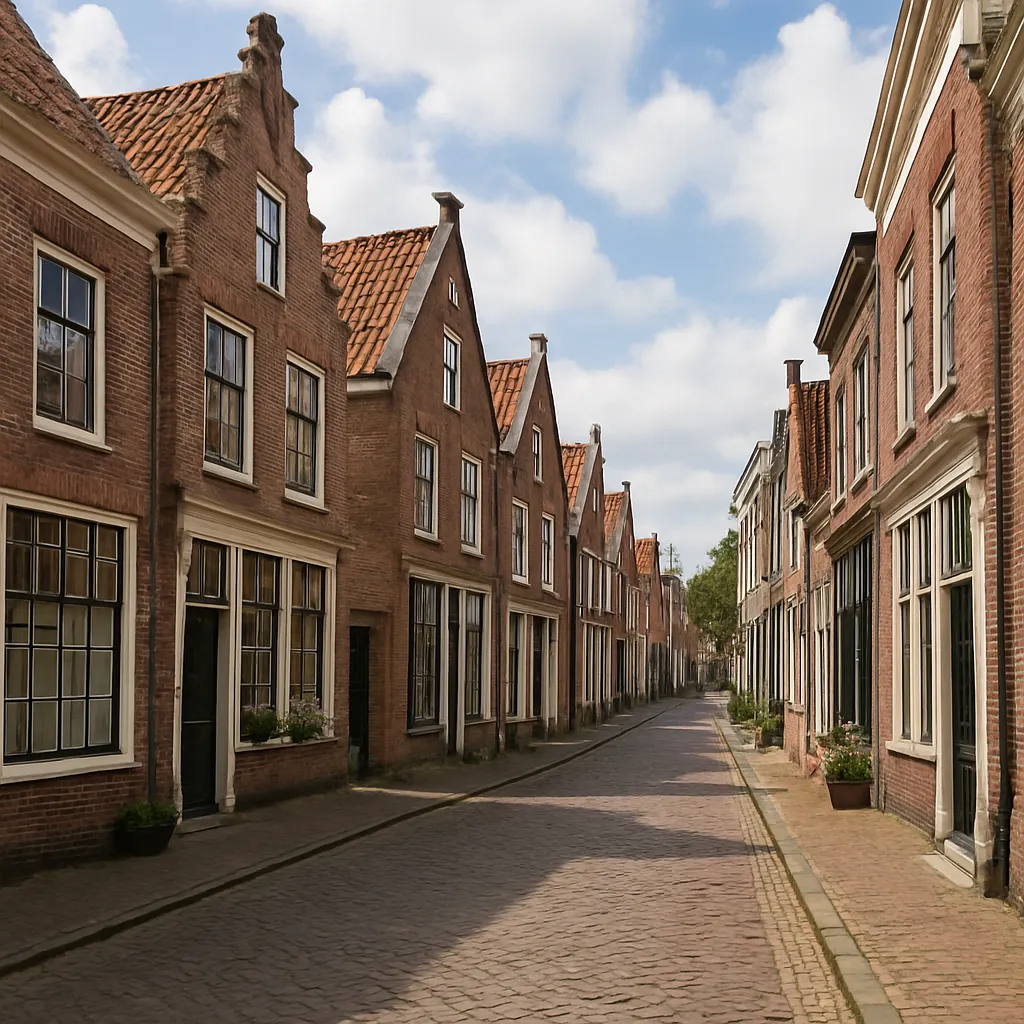
How did many wealthy Southern planters educate their children?
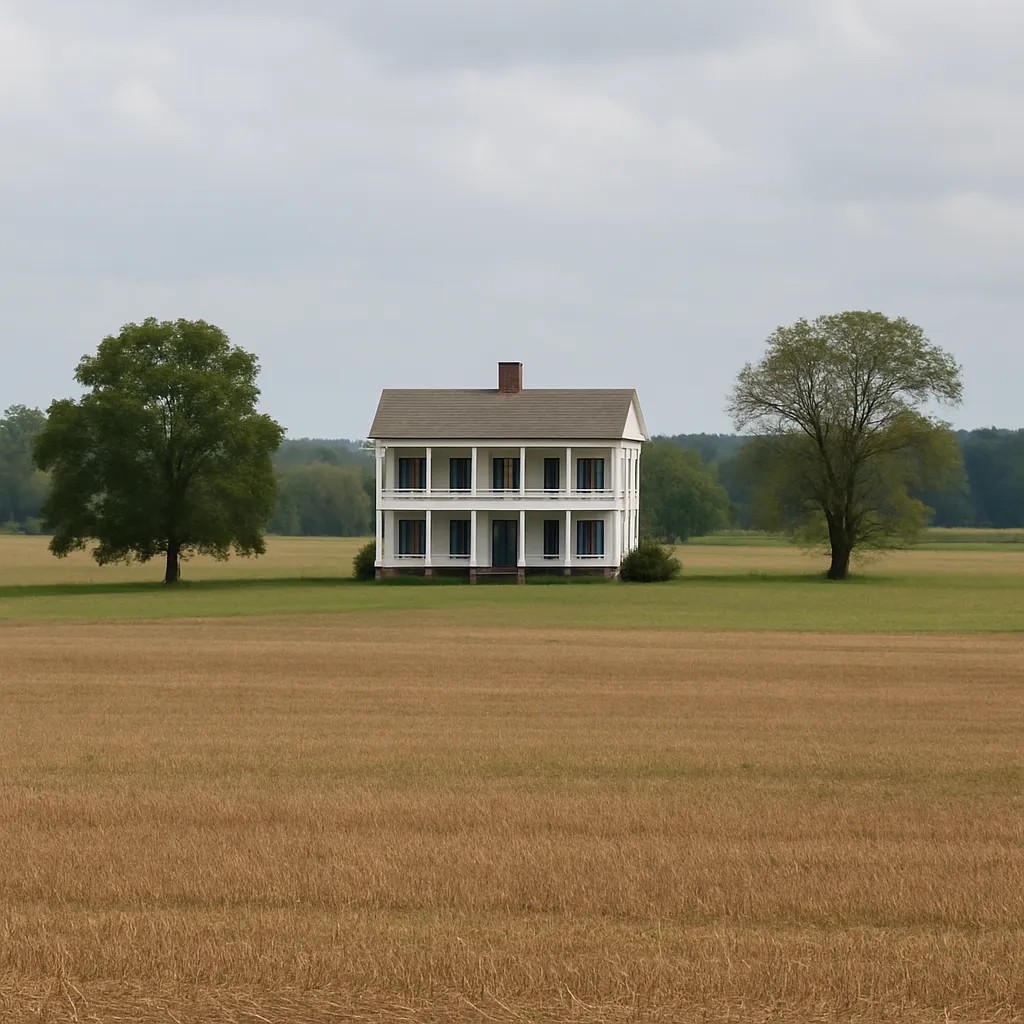
Which pairing accurately compares New England and the Southern colonies?
Which pairing accurately compares the Middle and New England colonies?
Which pairing accurately compares the Southern and Middle colonies?
Which pairing accurately compares labor patterns in New England and the Southern colonies?
Crack the passcode before the zombies get in.
Answer, then swat bugs for bonus points.
Race through questions at your own speed.
Same question on every screen. Fastest wins.

Pick a tile, answer, hit bonuses and steals.
Causes of the American Revolution
40 questions