Loading
by BlastRoom
Taxation and British policies from 1763 to 1774 increased colonial resistance.
#us_history#us_grade_7_social_studies
40 questions
One question set, multiple game modes. Tap any game to see it in action. Not sure which to pick?
Answer to place stones and capture territory.
Outrun the snow together.
Earn blasts, then hunt the other team.
Answer to earn energy, then climb.

The class blasts through walls together.
Bid on mystery lots. Most money wins.
Sell tours. Nice, standard, or a total scam.

Answer, restock, and serve the rush.
More correct answers pulls the rope your way.
Answer, then shoot down the alien wave.
Answer, then tap to leap the frozen ridge.
A 1763 royal order barred colonial settlement west of the Appalachian Mountains after a frontier war. What policy is described?
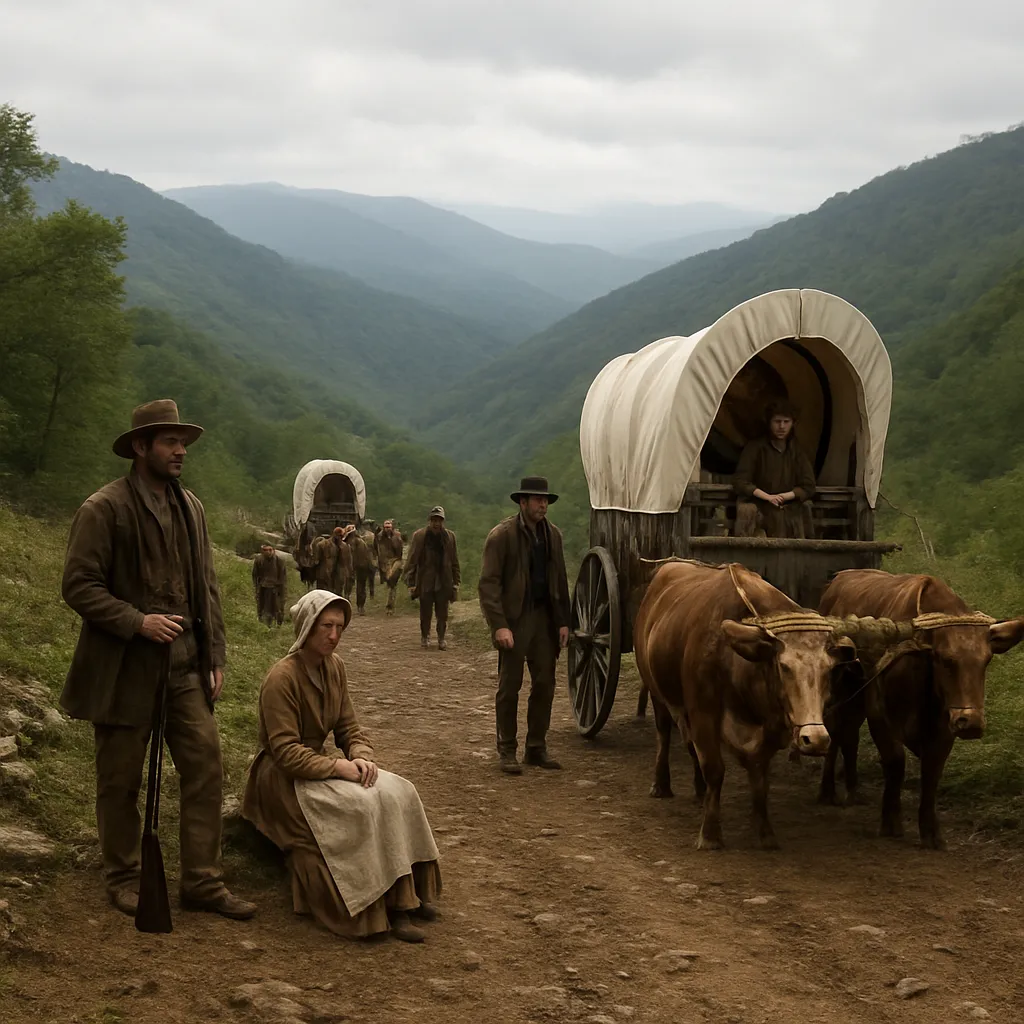
A 1764 law taxed molasses and aimed at smuggling in colonial trade. What act is described?
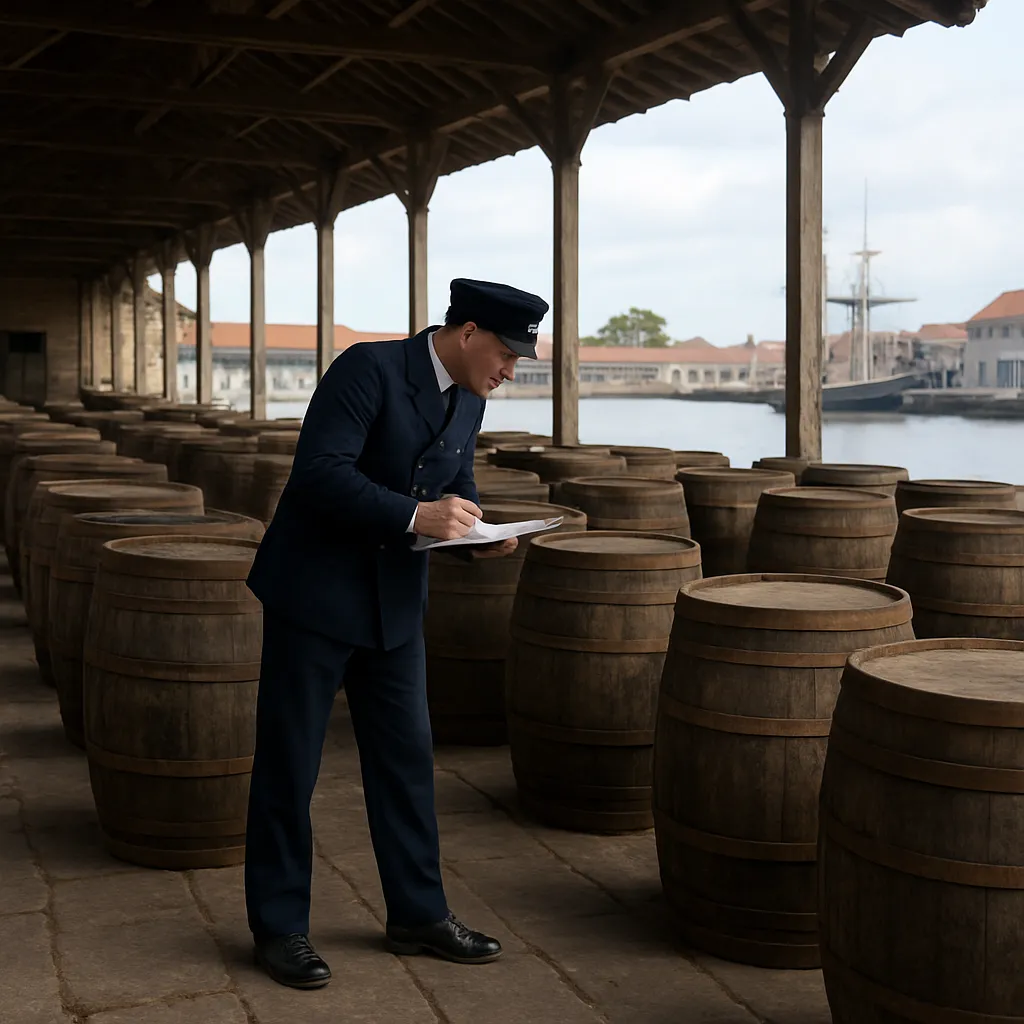
A 1765 law required special paper for newspapers, licenses, and legal papers. What act is described?
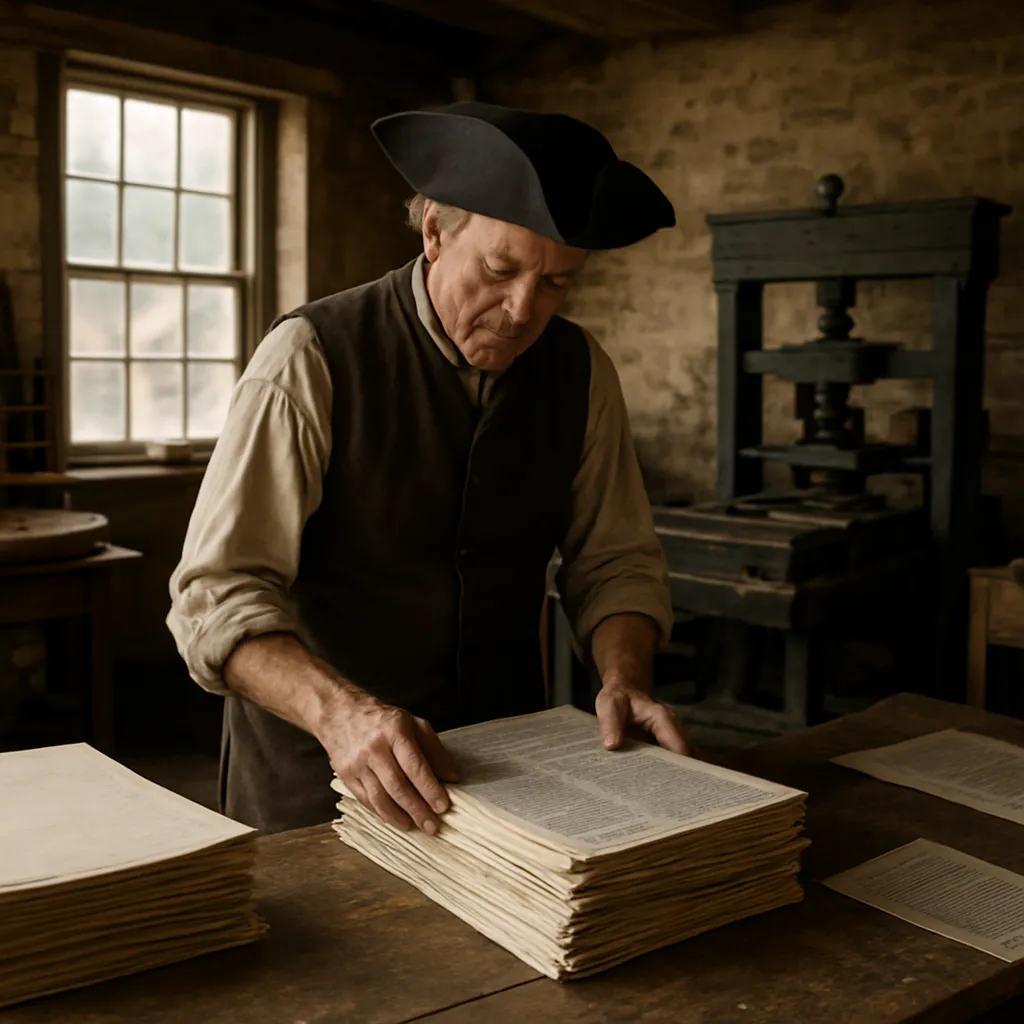
A 1765 law required some colonies to provide housing and supplies for British soldiers. What act is described?
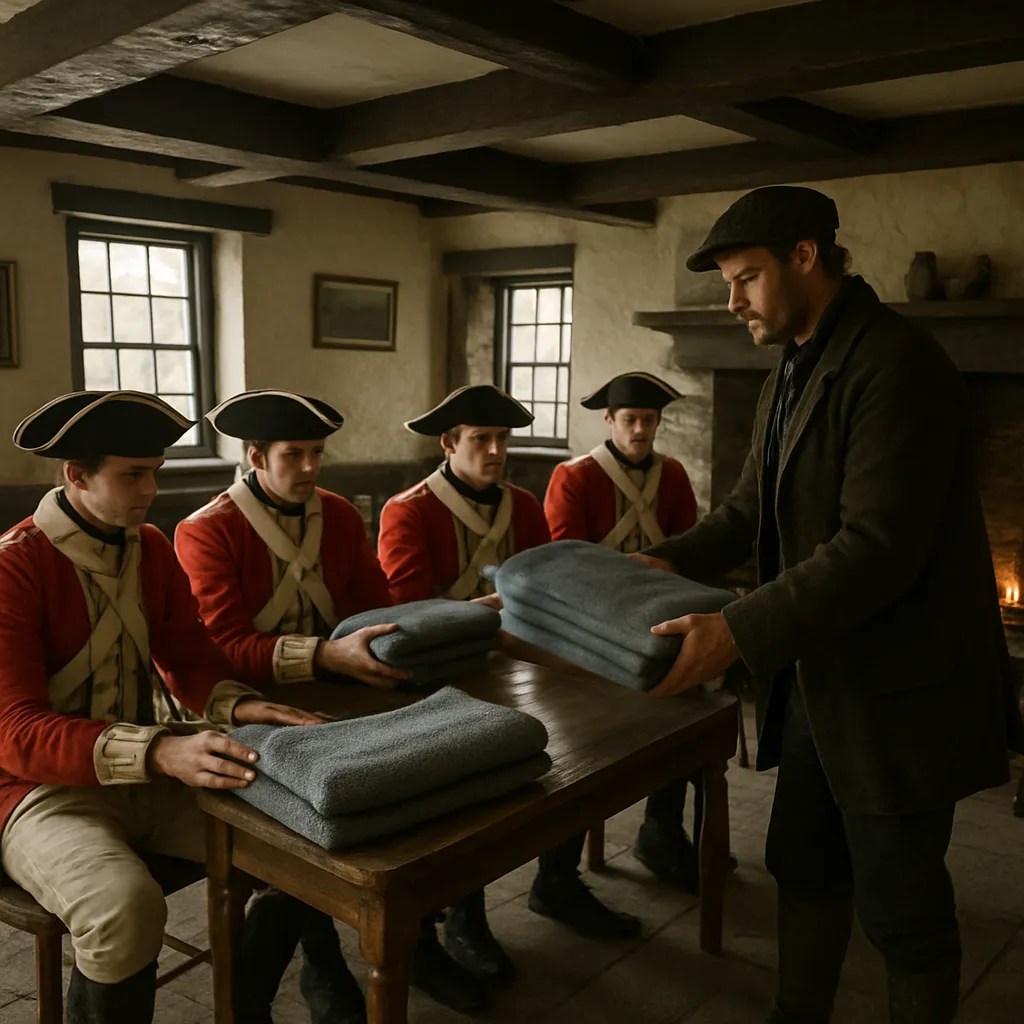
In 1766 Parliament repealed a tax but claimed full power to make laws for the colonies. What act made that claim?
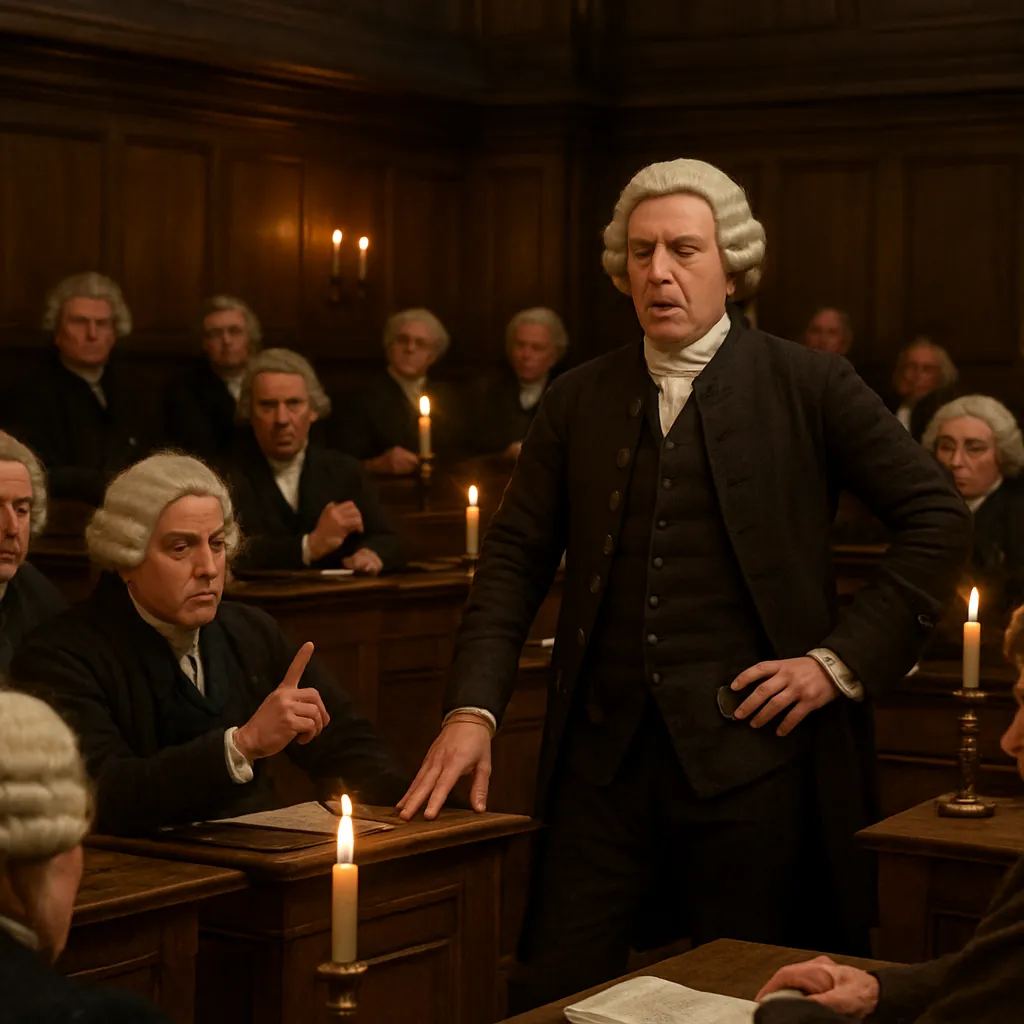
In 1767 Parliament taxed imported glass, lead, paint, paper, and tea. What acts are described?
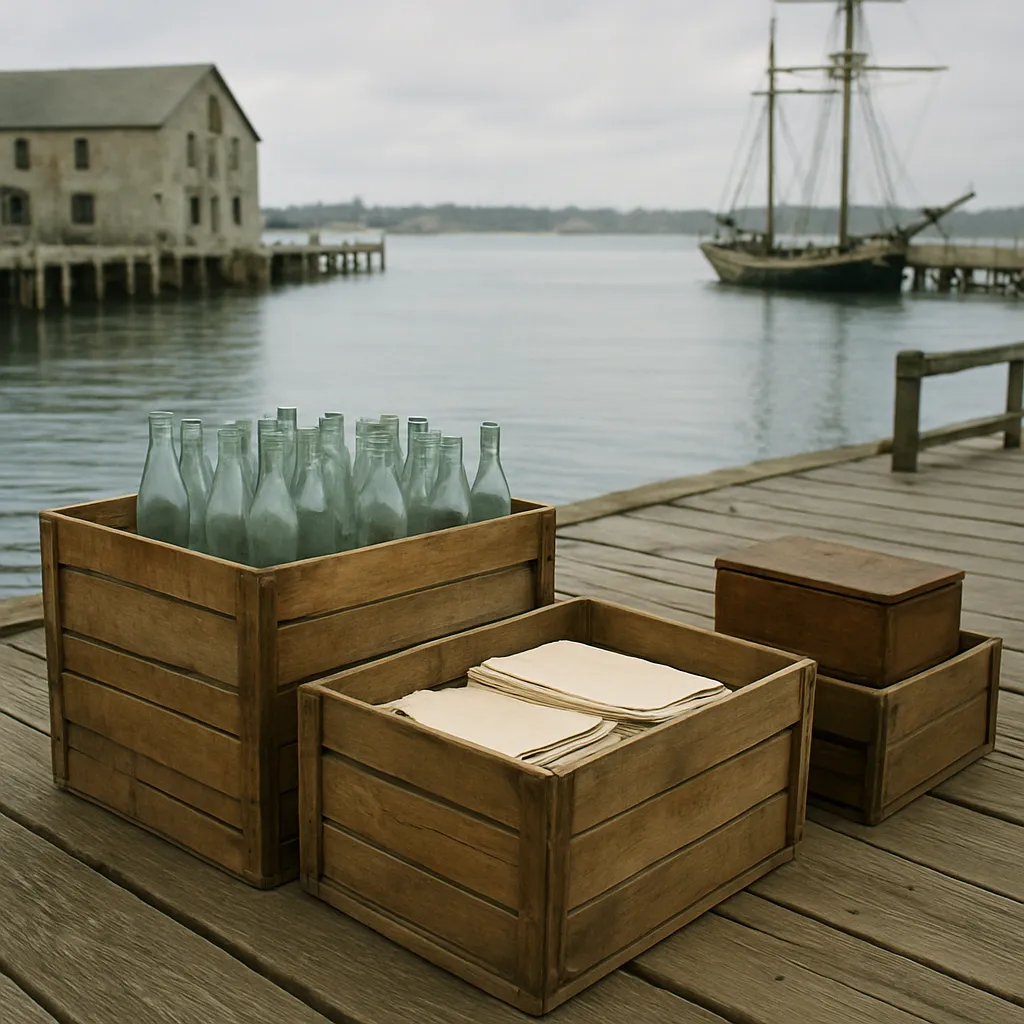
Customs officers used broad search warrants to look for smuggled goods in colonial businesses and ships. What were these warrants called?
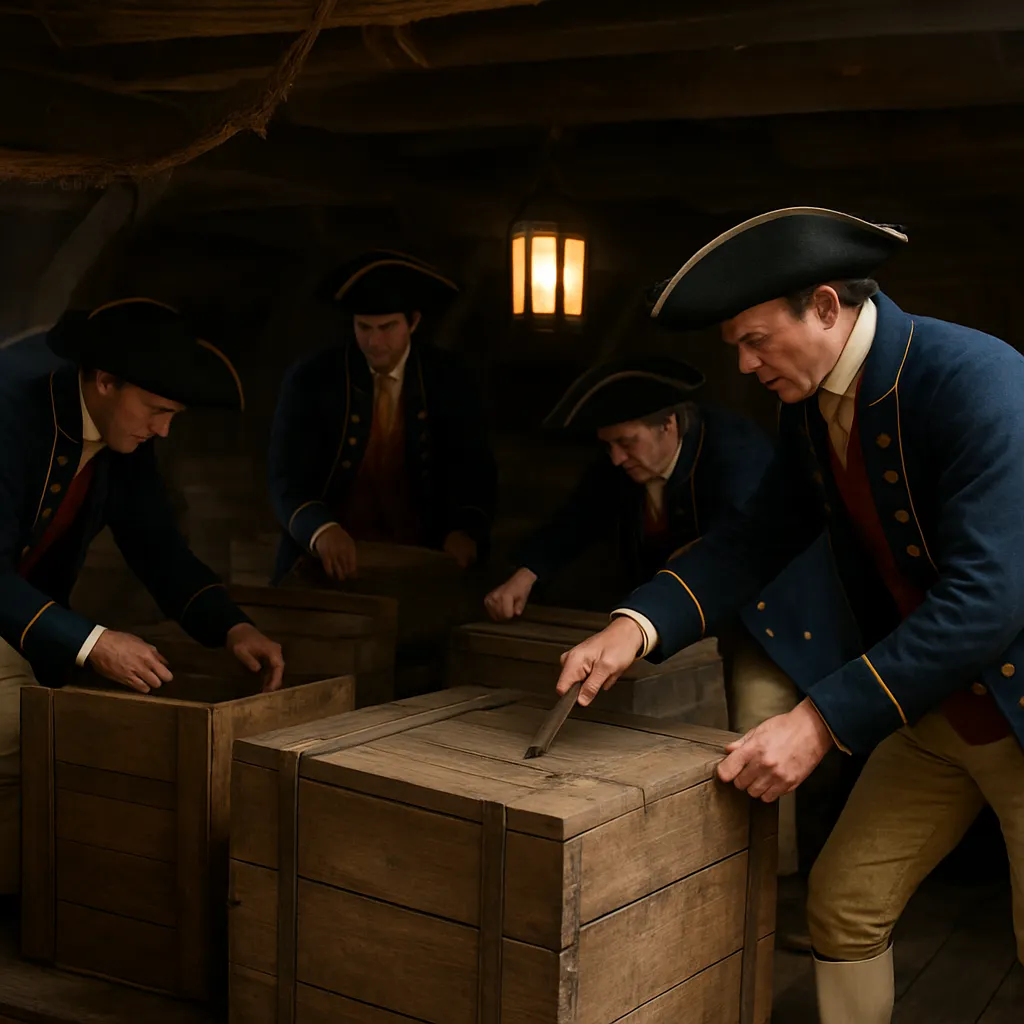
In 1765 delegates from nine colonies met in New York to petition against a new tax. What meeting was this?
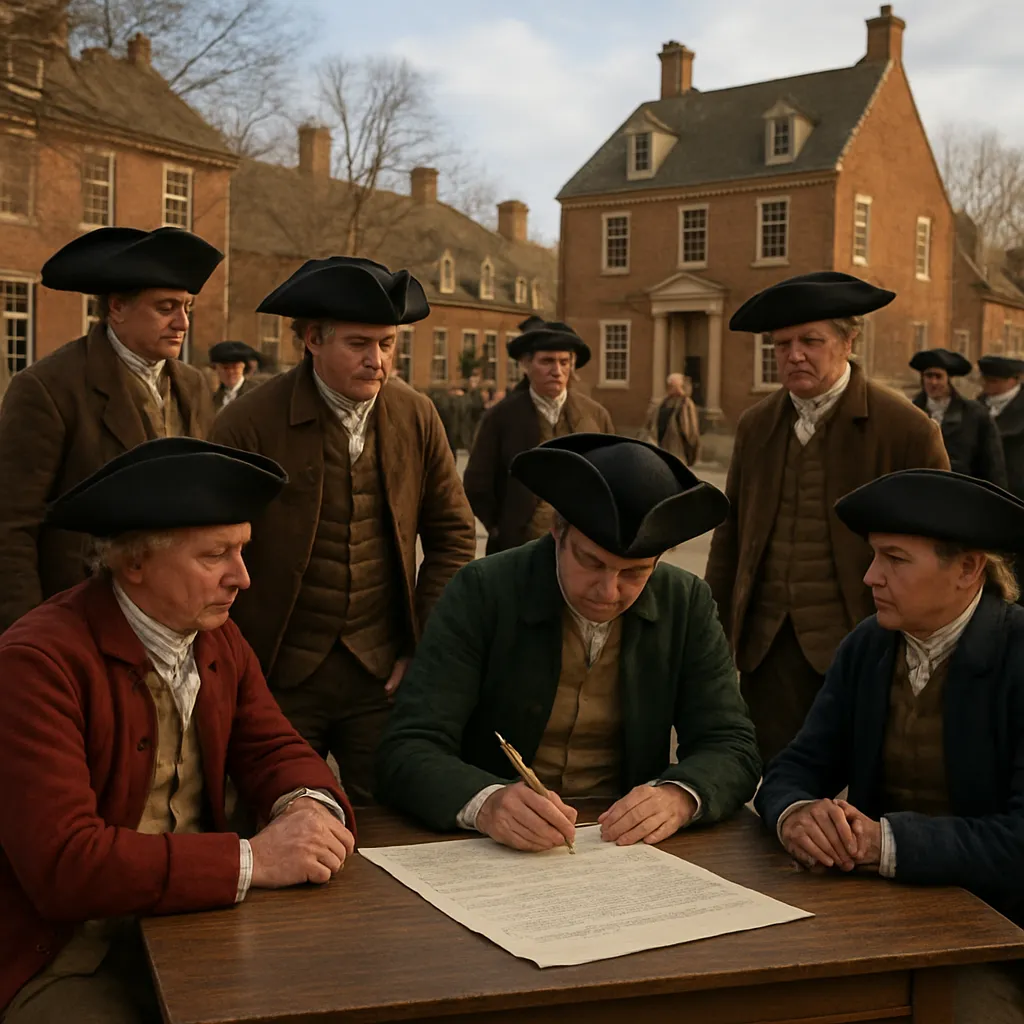
On March 5, 1770, British soldiers fired into a Boston crowd, killing five colonists. What event is described?
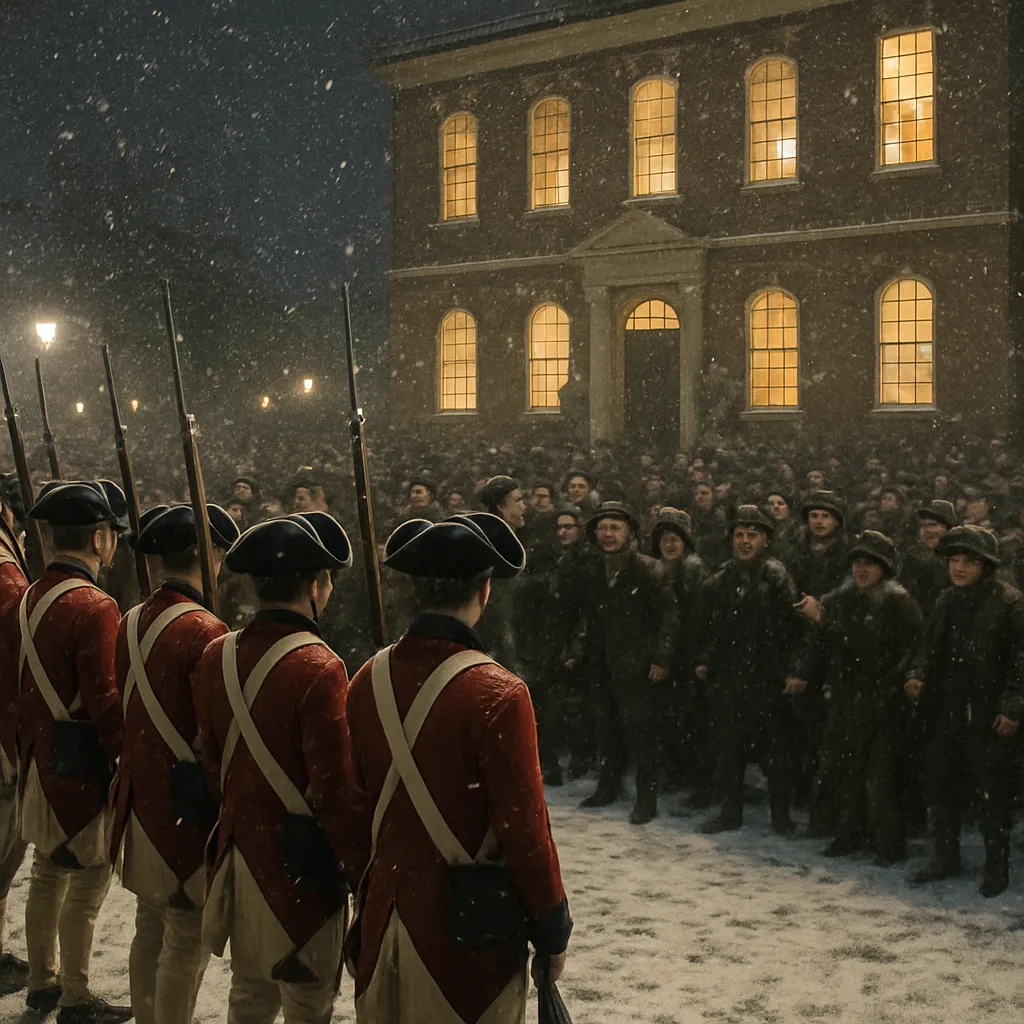
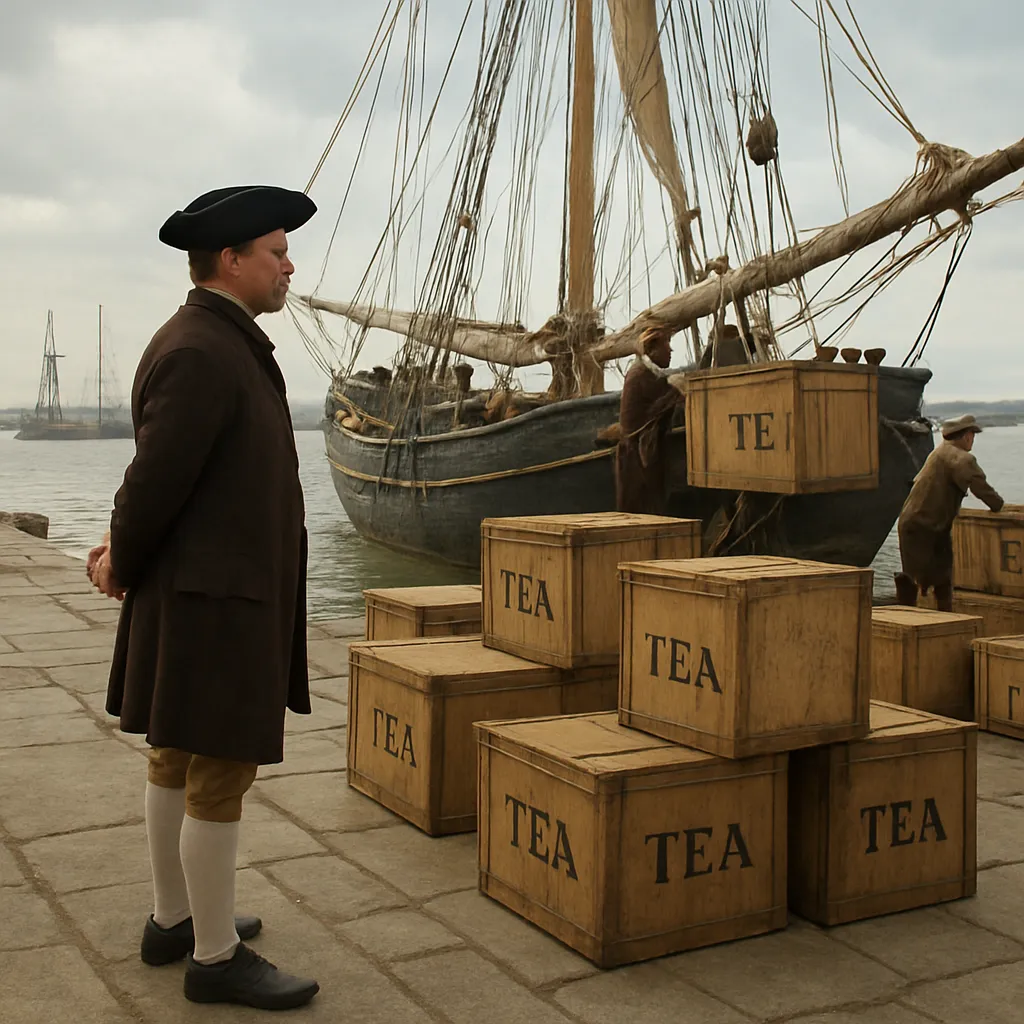
A 1773 law let the struggling British East India Company ship its surplus directly to chosen agents in the colonies. What act is described?
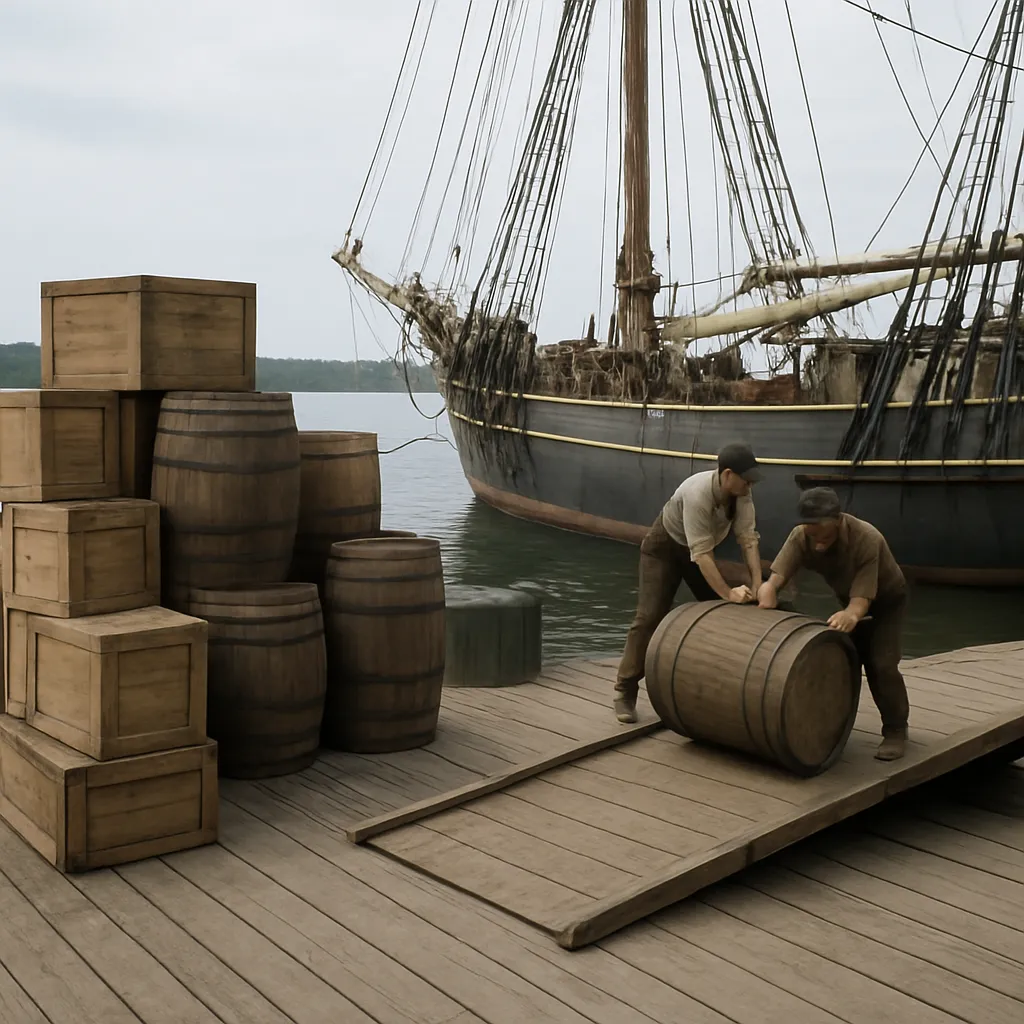
On December 16, 1773, colonists disguised as Mohawk people dumped 342 chests into Boston Harbor. What event is described?
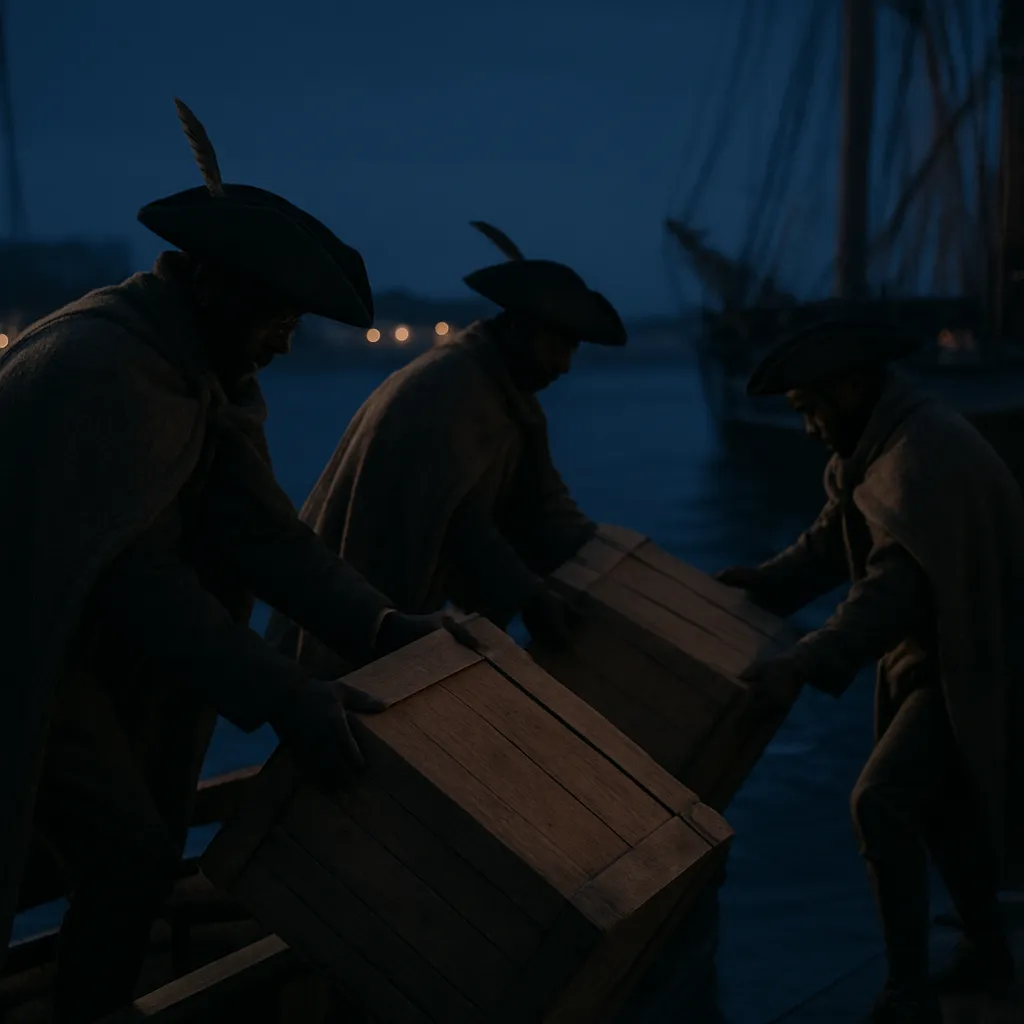
In 1774 Parliament closed Boston Harbor and altered Massachusetts government after tea was destroyed. What acts were these?
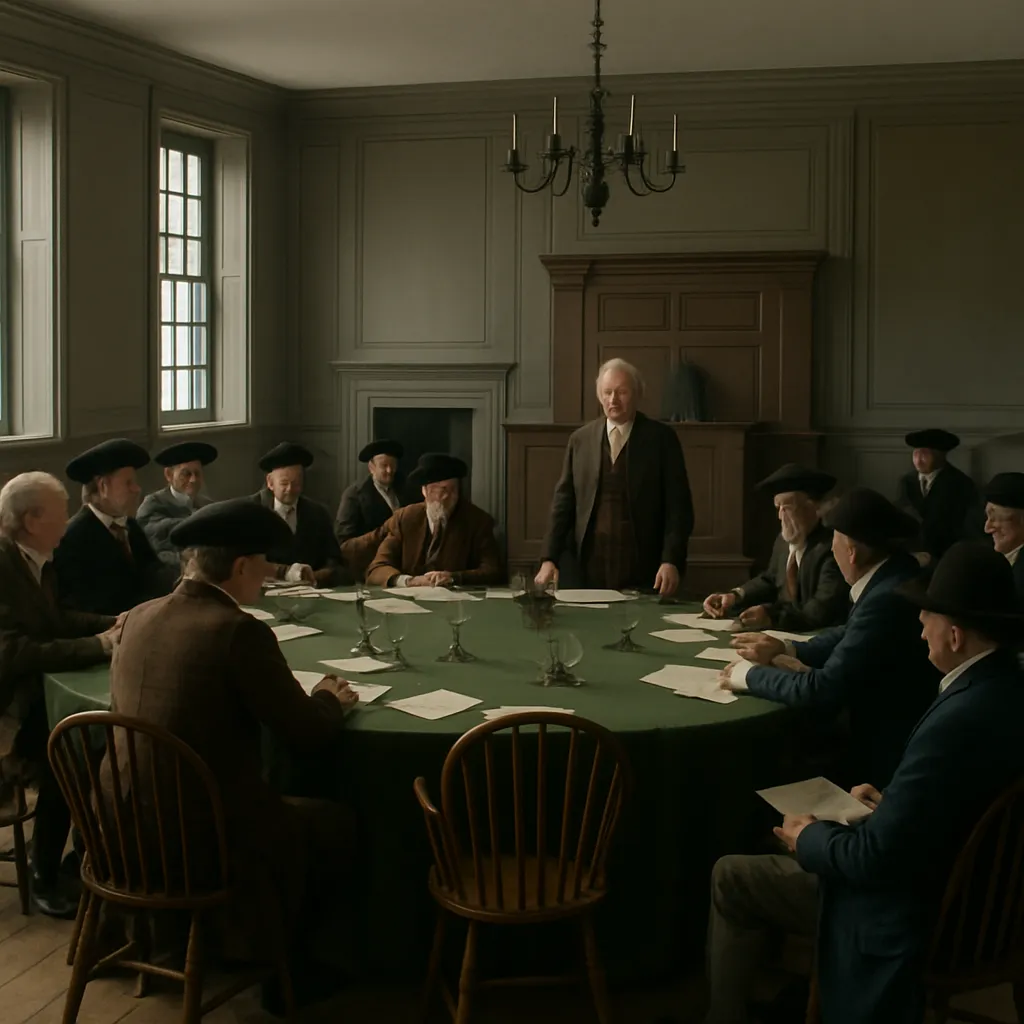
In September 1774 delegates from twelve colonies met in Philadelphia to coordinate a response. What meeting was this?
Colonists refused to buy British goods to pressure Parliament over taxes. What protest tactic was this?
Parliament passed taxes for colonies whose voters elected no members to that body. What phrase did colonists use for this complaint?
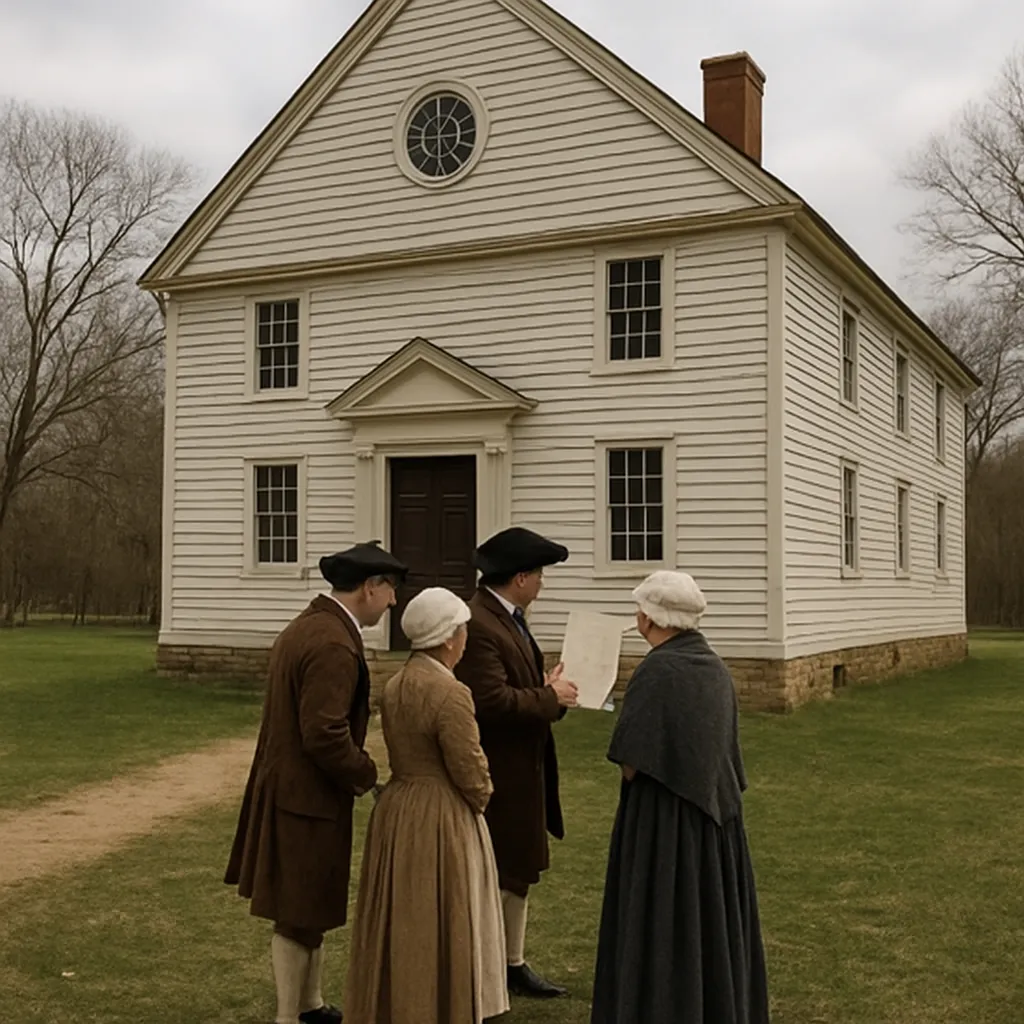
In 1761 a Boston lawyer argued in court that the broad search warrants used by customs officers violated colonists' rights. Who was he?
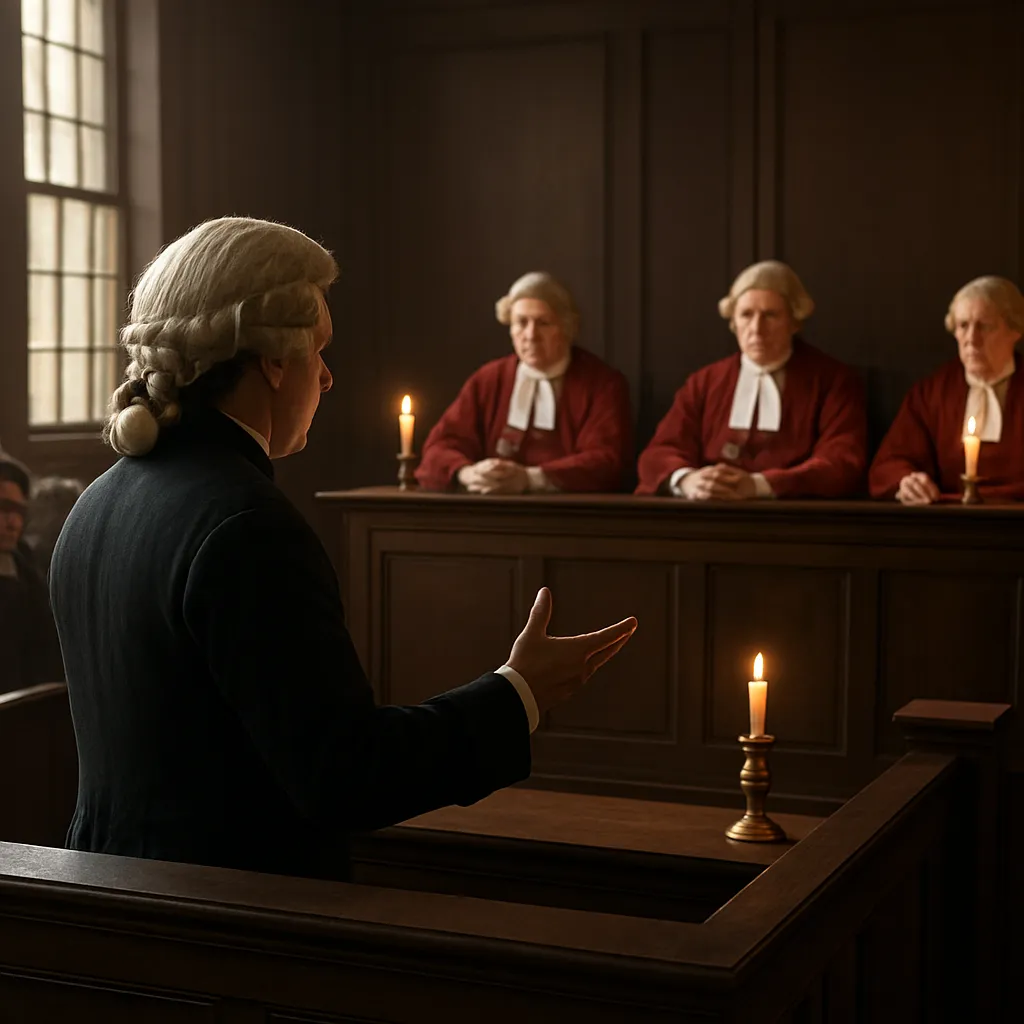
The New York assembly refused to fully supply British troops as the Quartering Act required. How did Parliament respond in 1767?
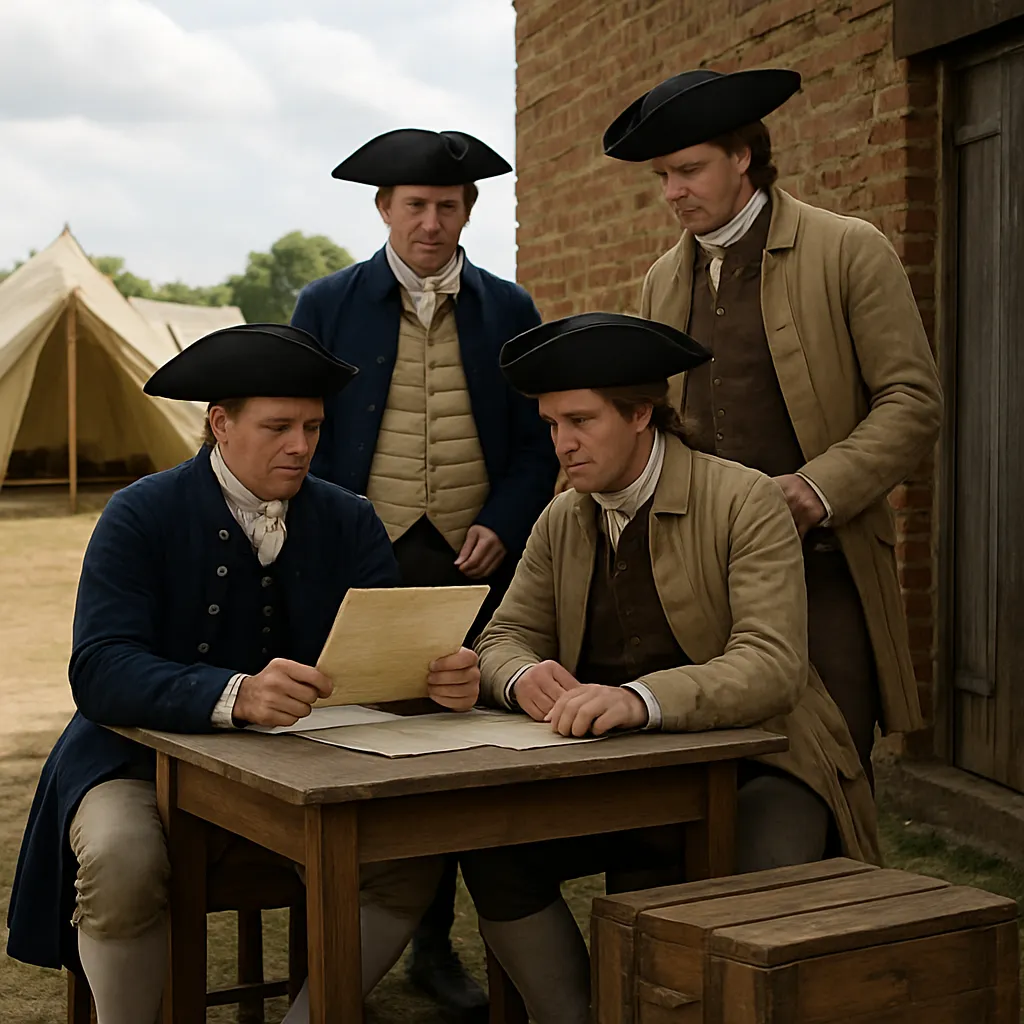
Some smuggling cases moved to vice-admiralty courts. Why did colonists object to these courts?
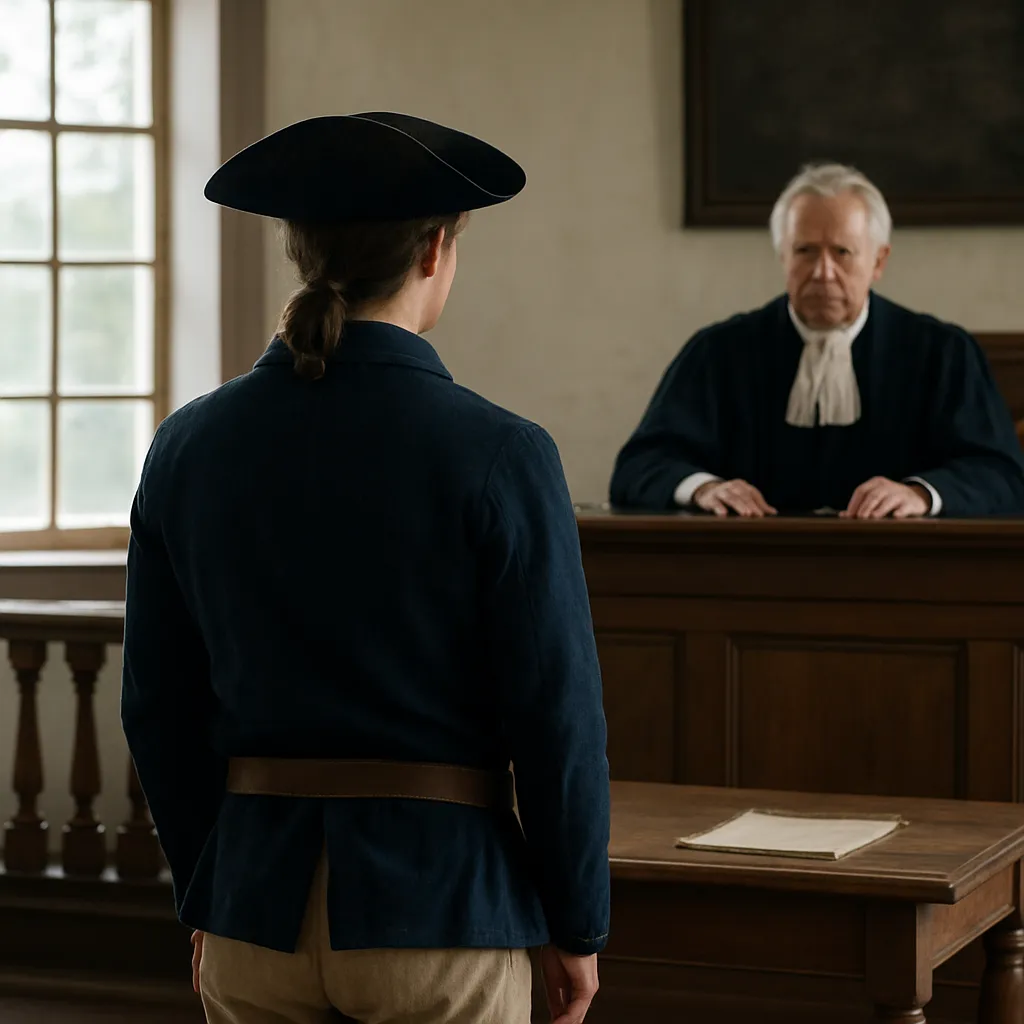
Which Virginia planter, a veteran of the French and Indian War, had claims to western land and resented the 1763 limits on settlement?
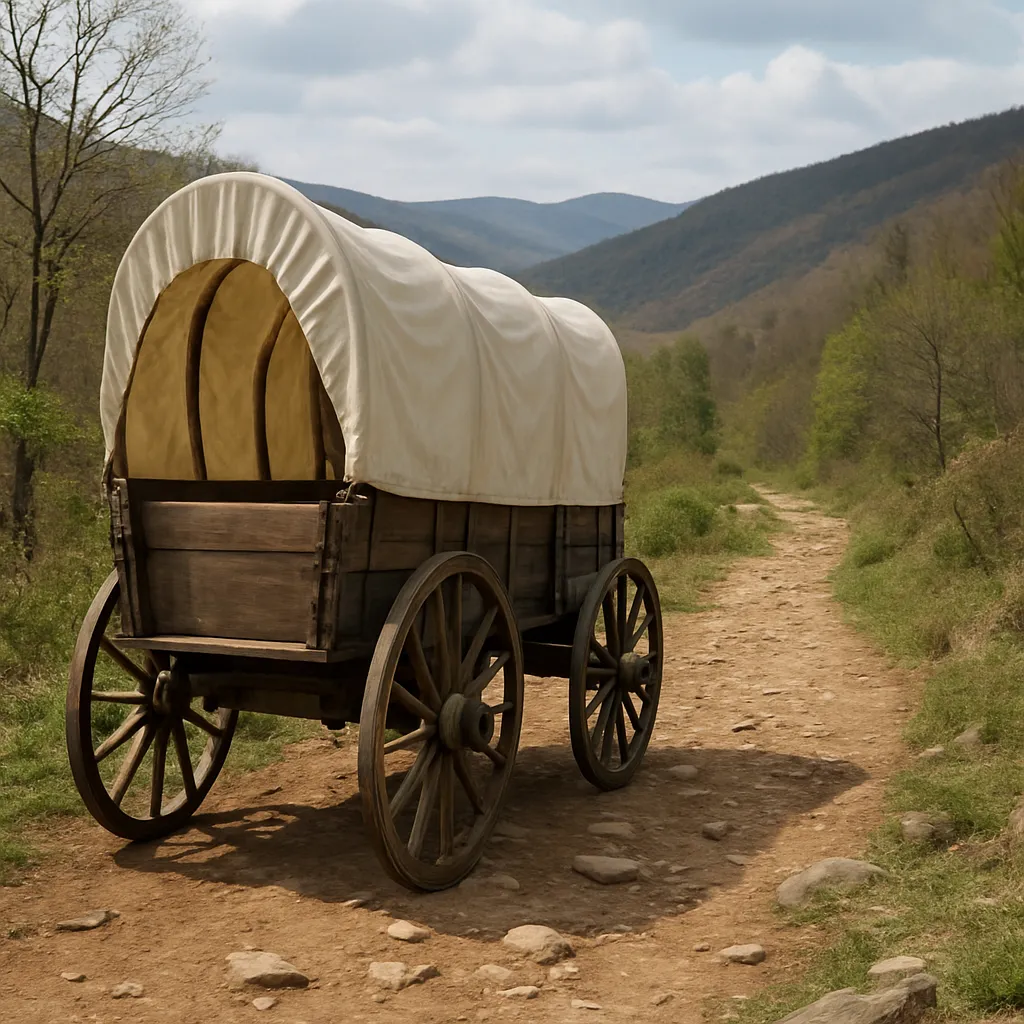
The Tea Act of 1773 actually made tea cheaper in the colonies. Why did many colonists still oppose it?
The Massachusetts Government Act of 1774 limited a local tradition unless the royal governor approved. What was it?
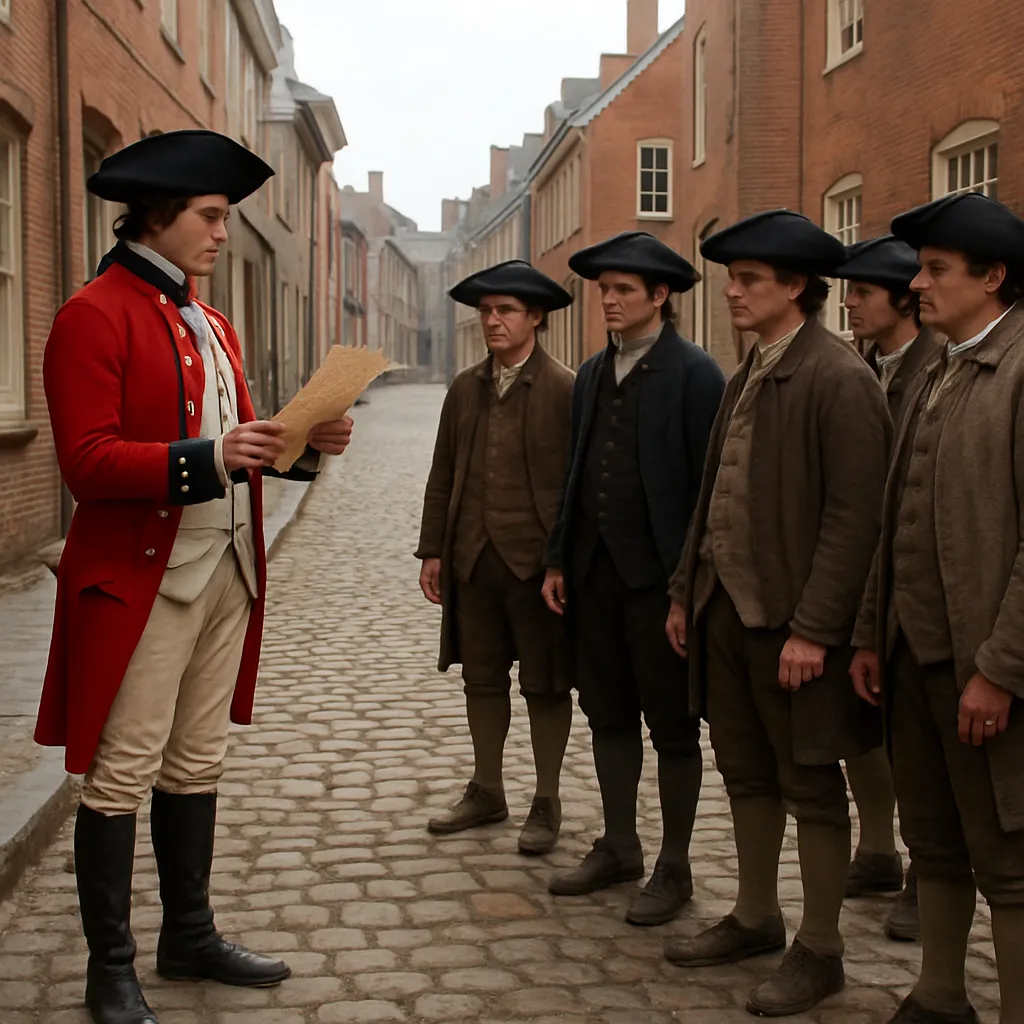
In 1765 Patrick Henry's resolutions in Virginia's House of Burgesses said only the colony's own assembly could tax Virginians. What law were they protesting?
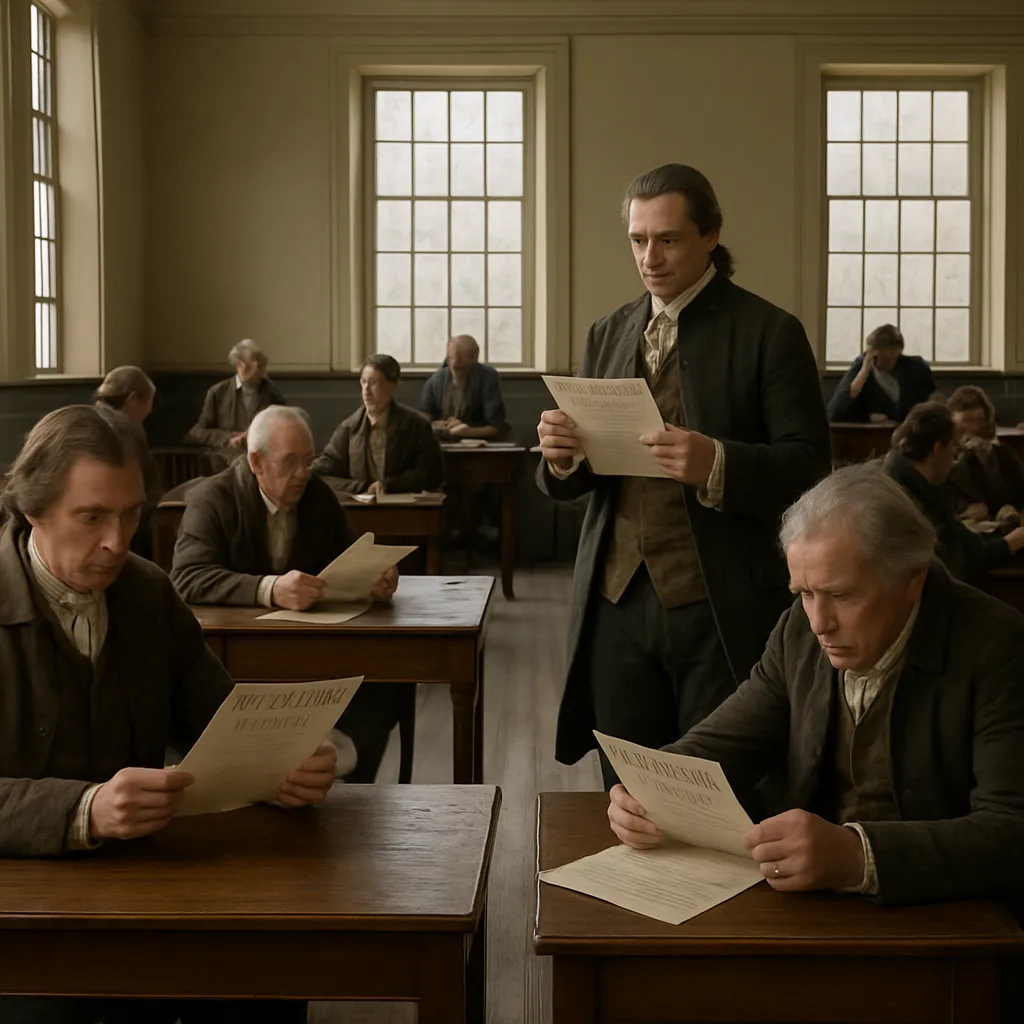
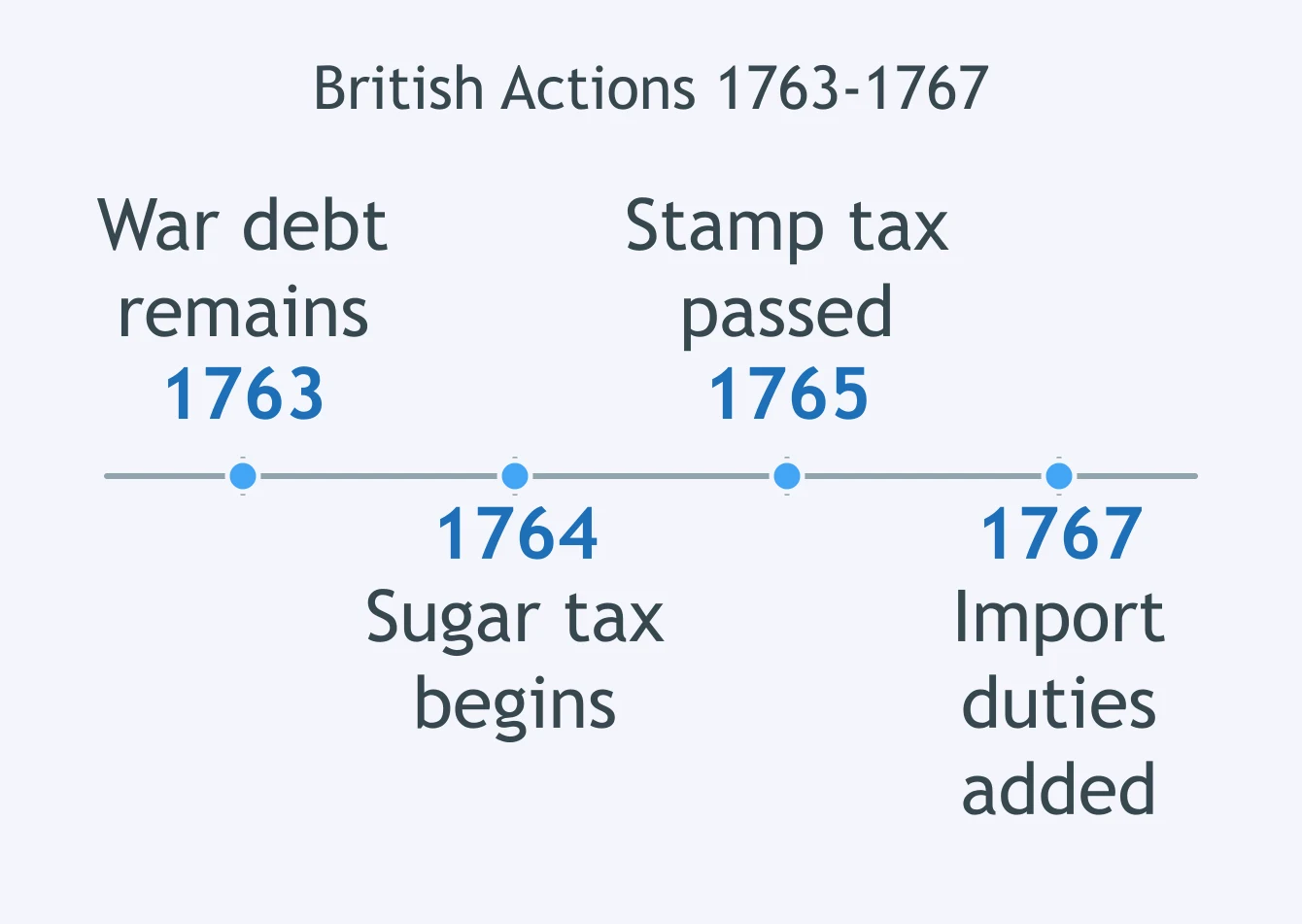
Britain's victory in the French and Indian War left heavy debt. What policy followed?
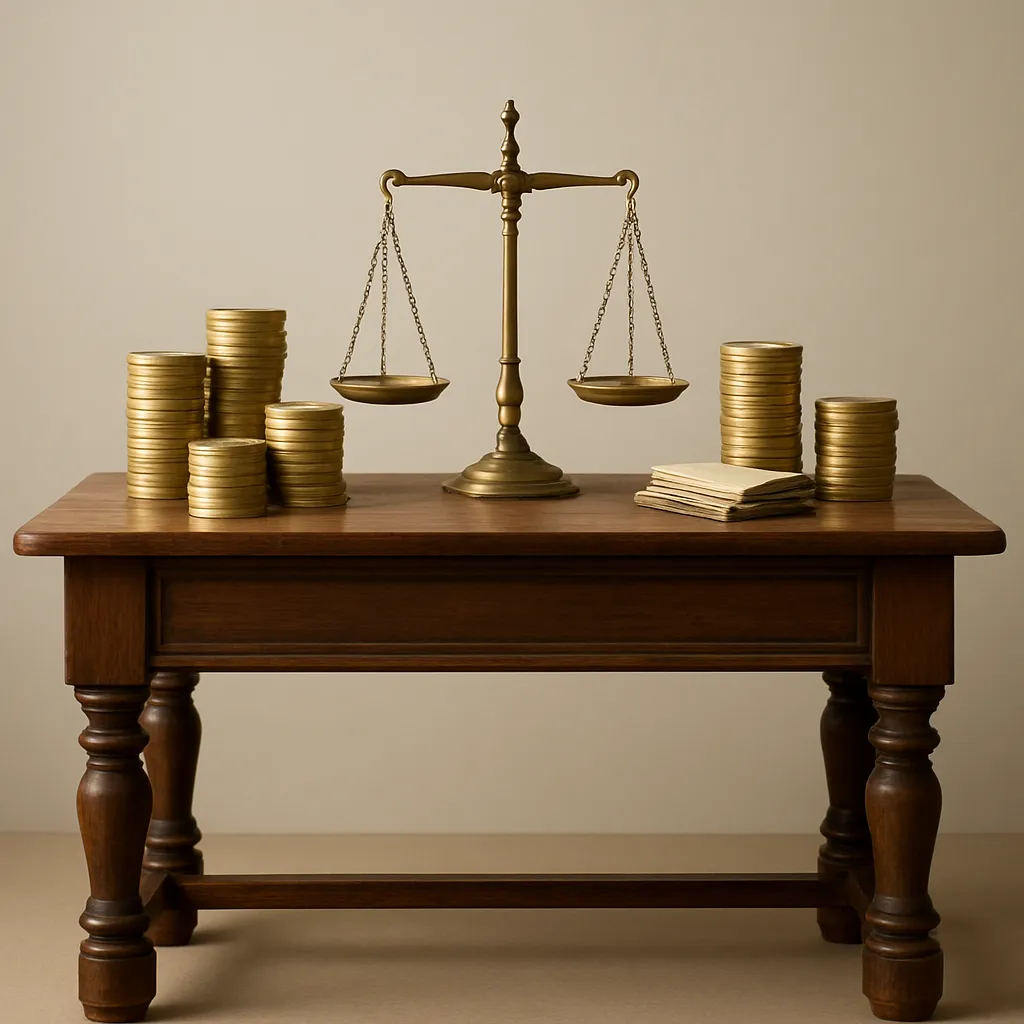
During Pontiac's War, Britain issued the Proclamation of 1763. For whom did it reserve the land west of the Appalachian Mountains?
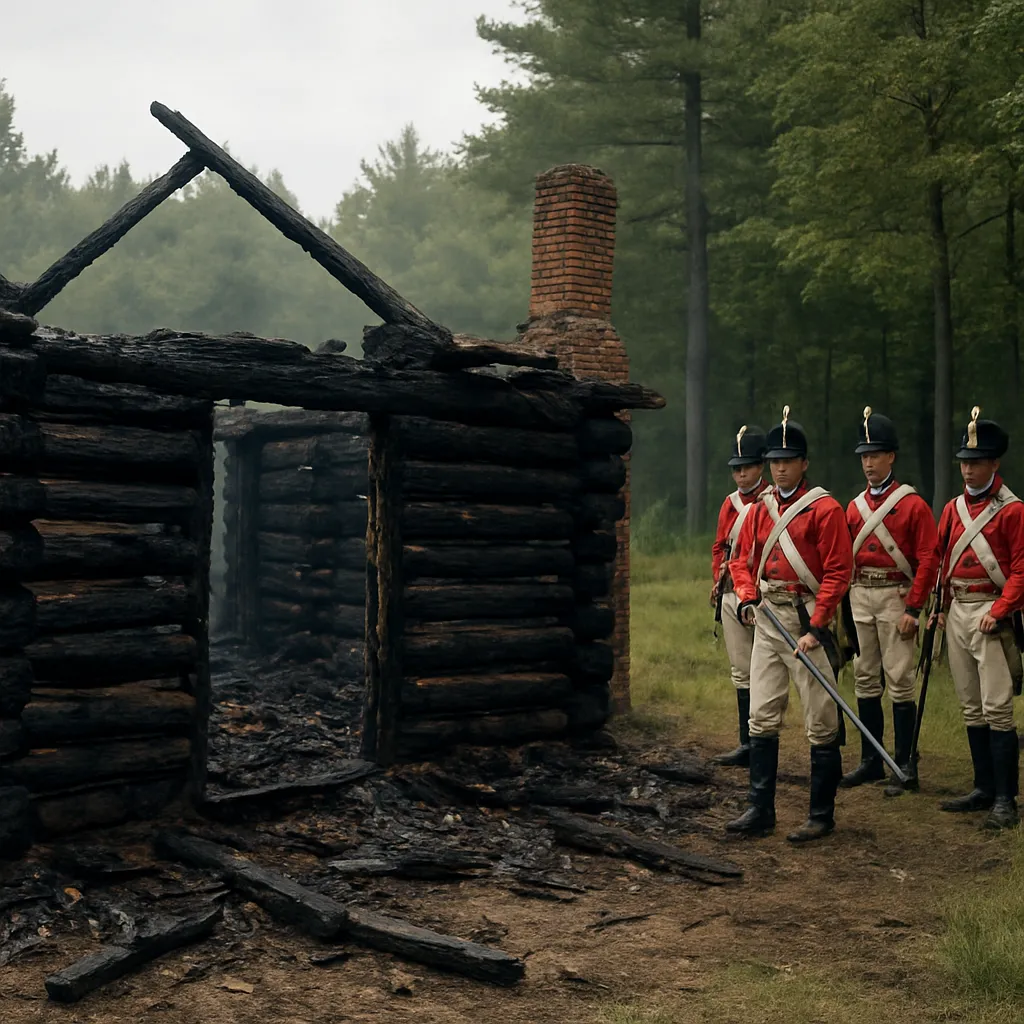
Stricter enforcement under the Sugar Act challenged colonial smuggling. What effect did merchants face?
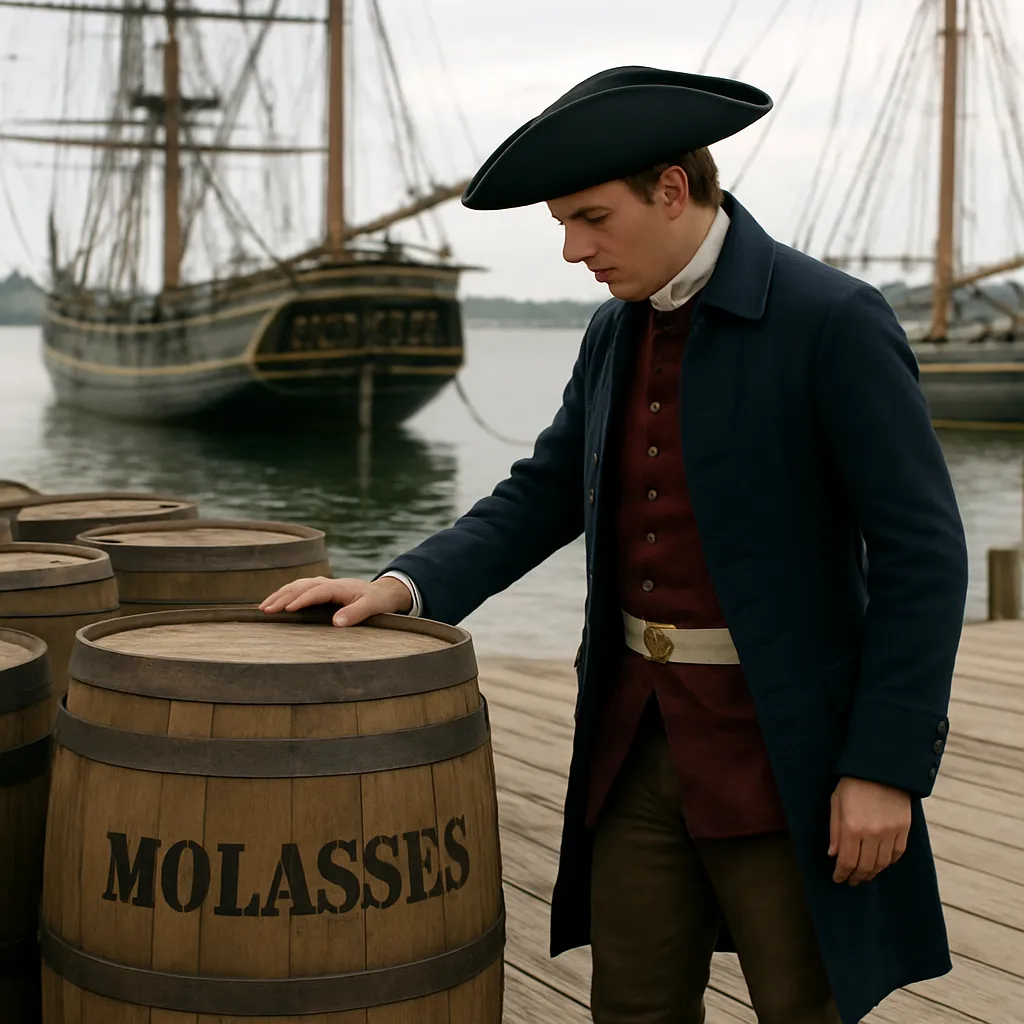
Stamp Act protests included petitions, riots, and boycotts across colonies. What effect followed in 1766?
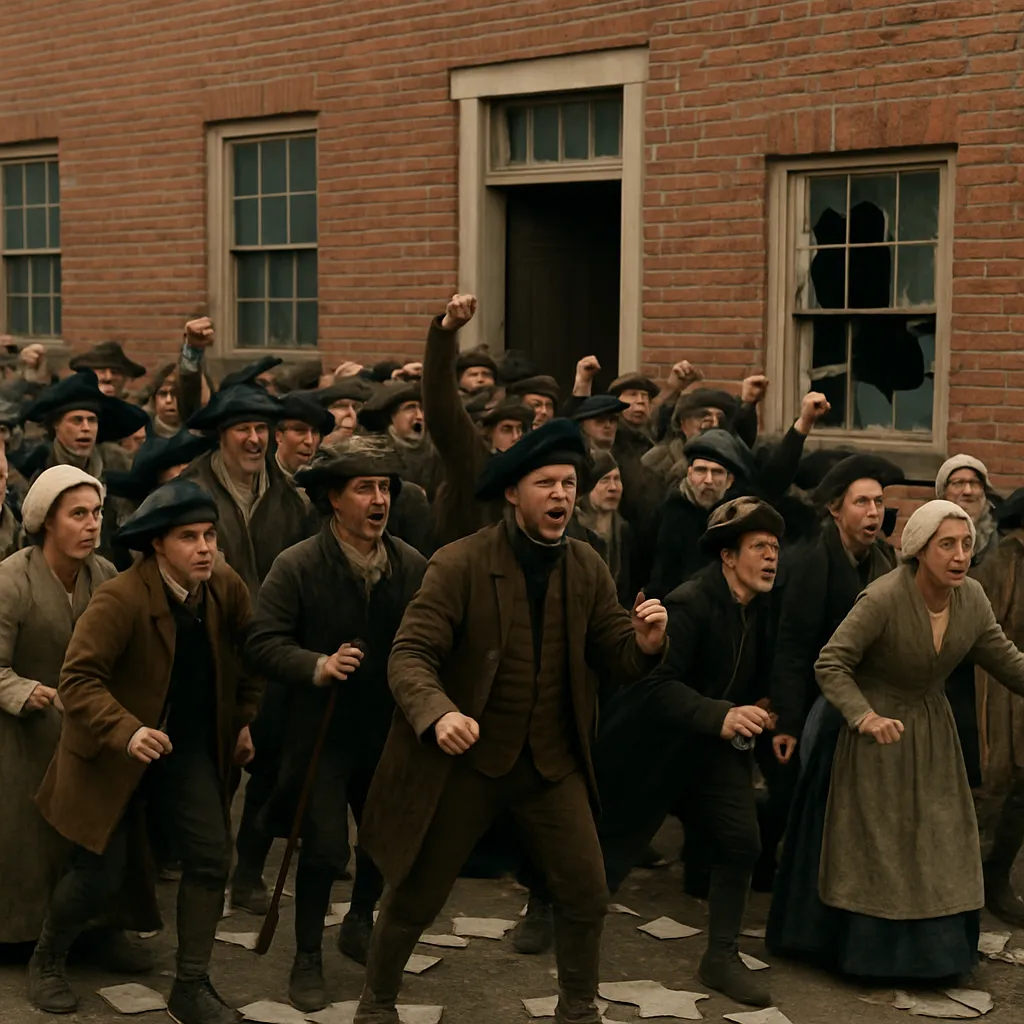
Parliament repealed the Stamp Act in 1766 but passed the Declaratory Act the same day. Why did that worry colonial leaders?
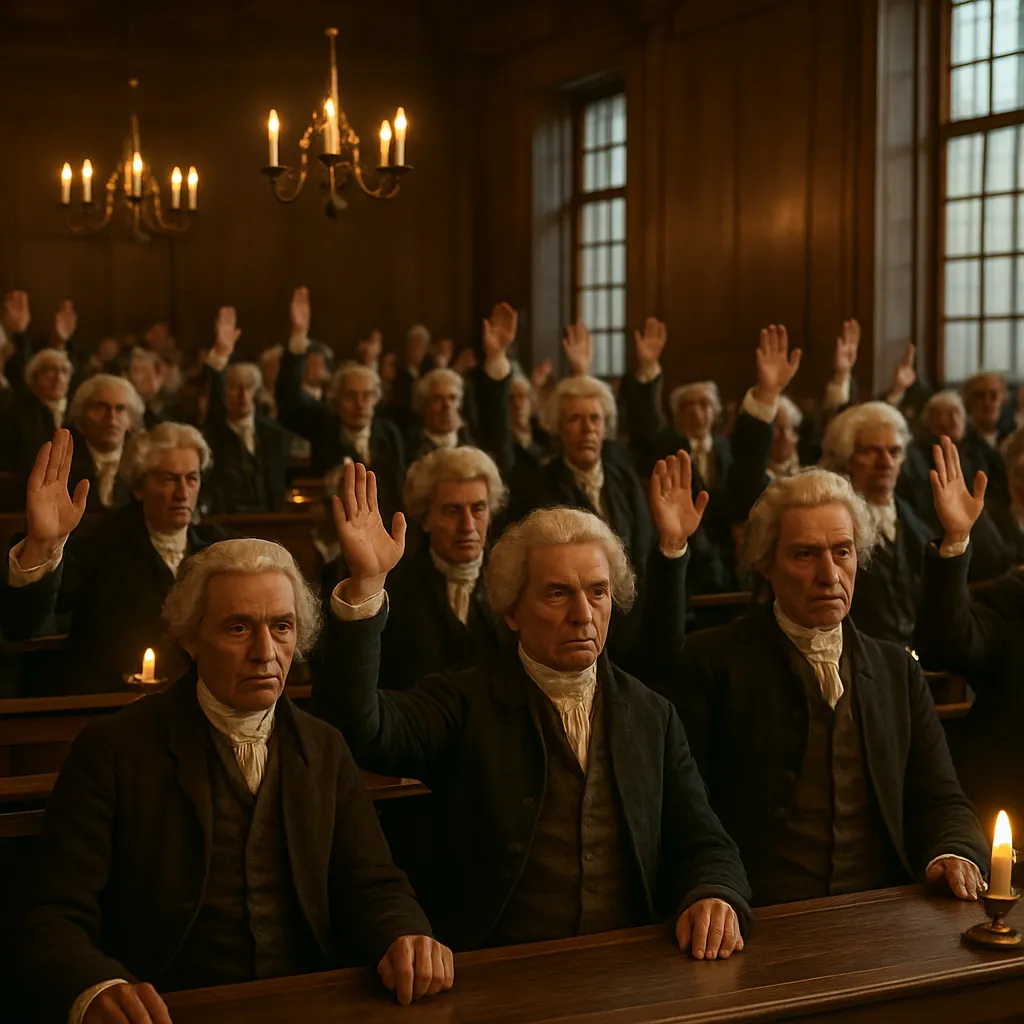
Colonists boycotted taxed imports after the Townshend Acts. How did many colonial women support the boycott?

Unrest over customs enforcement in Boston worried British officials in 1768. What effect followed?
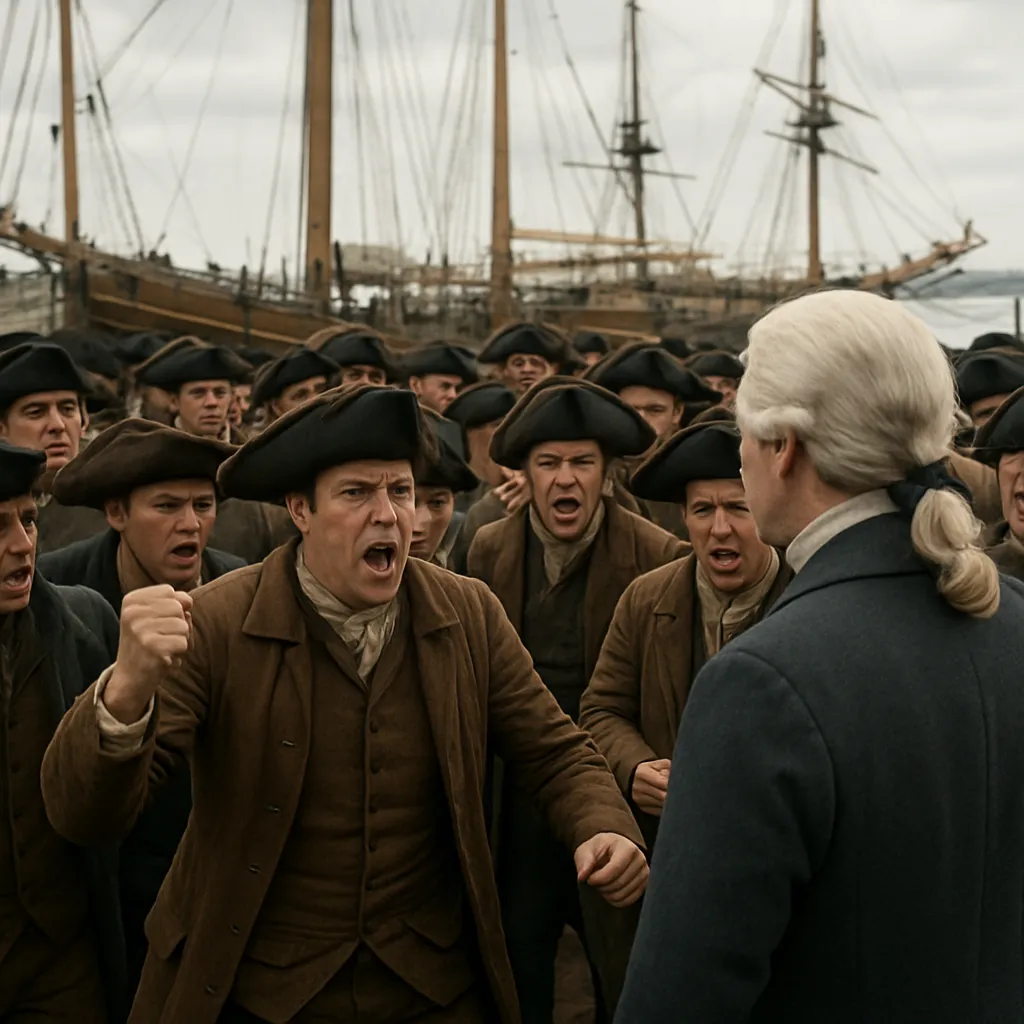
Reports of the Boston Massacre spread through colonial newspapers and engravings. What effect did they have?

In 1772 colonists burned the British customs schooner Gaspee, and Britain threatened to try the suspects in England. What effect followed?
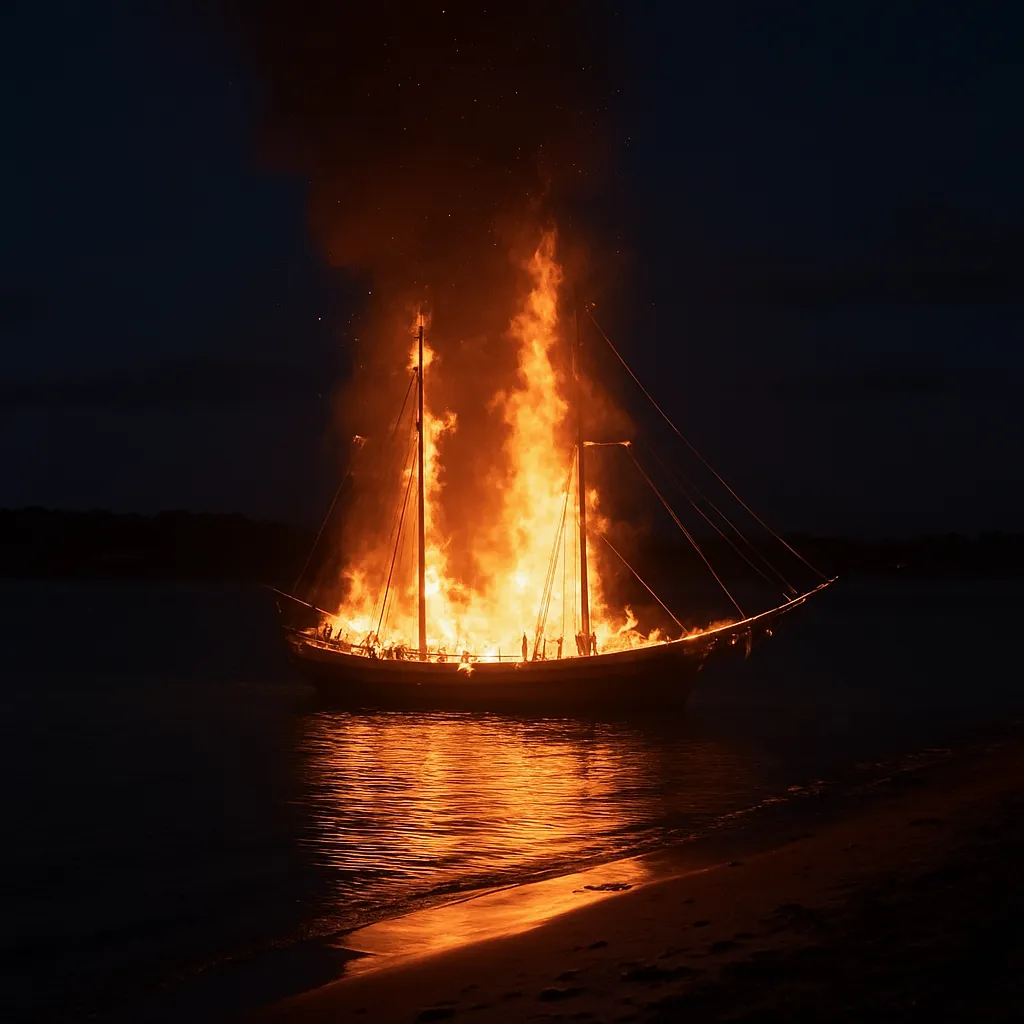
After the Suffolk Resolves, Massachusetts militia stored weapons at Concord. What followed when British troops marched to seize them in April 1775?
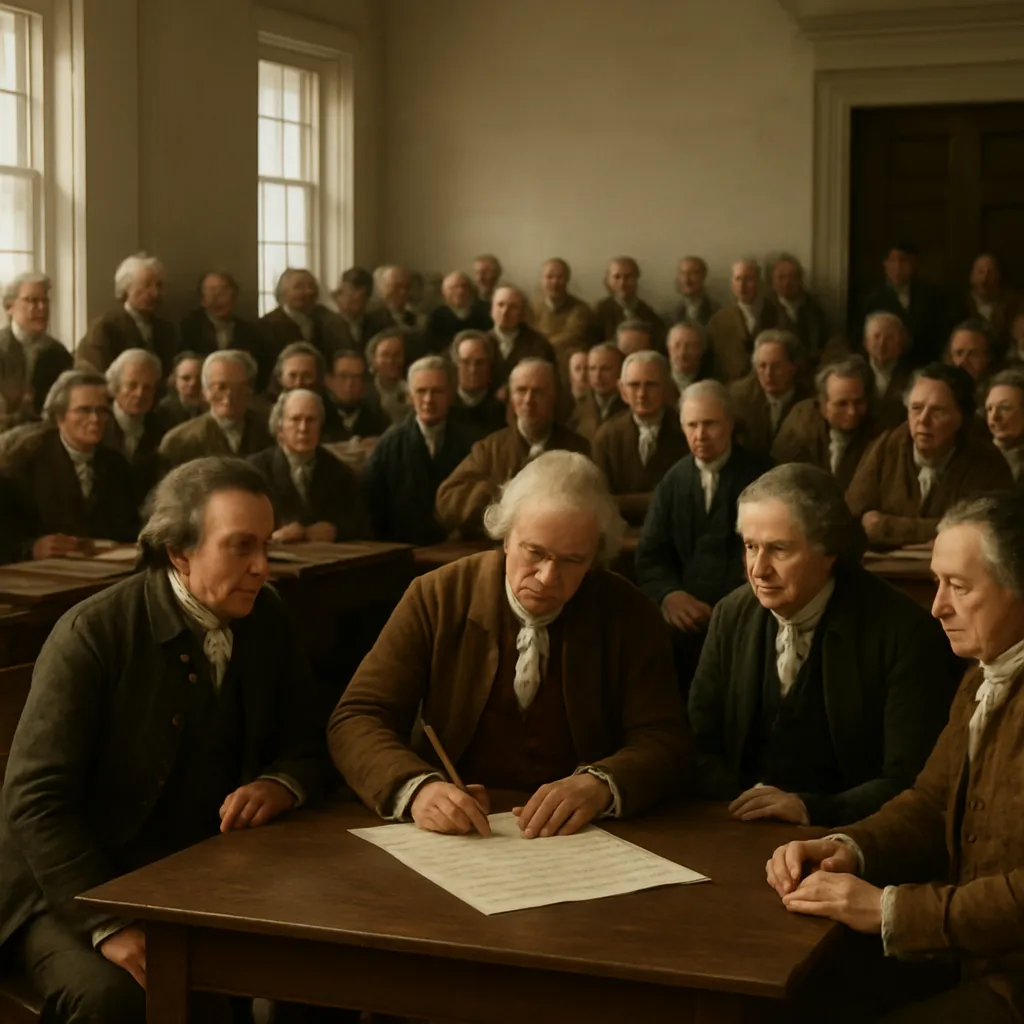
Use the timeline. What trend does it show in colonial-British relations?
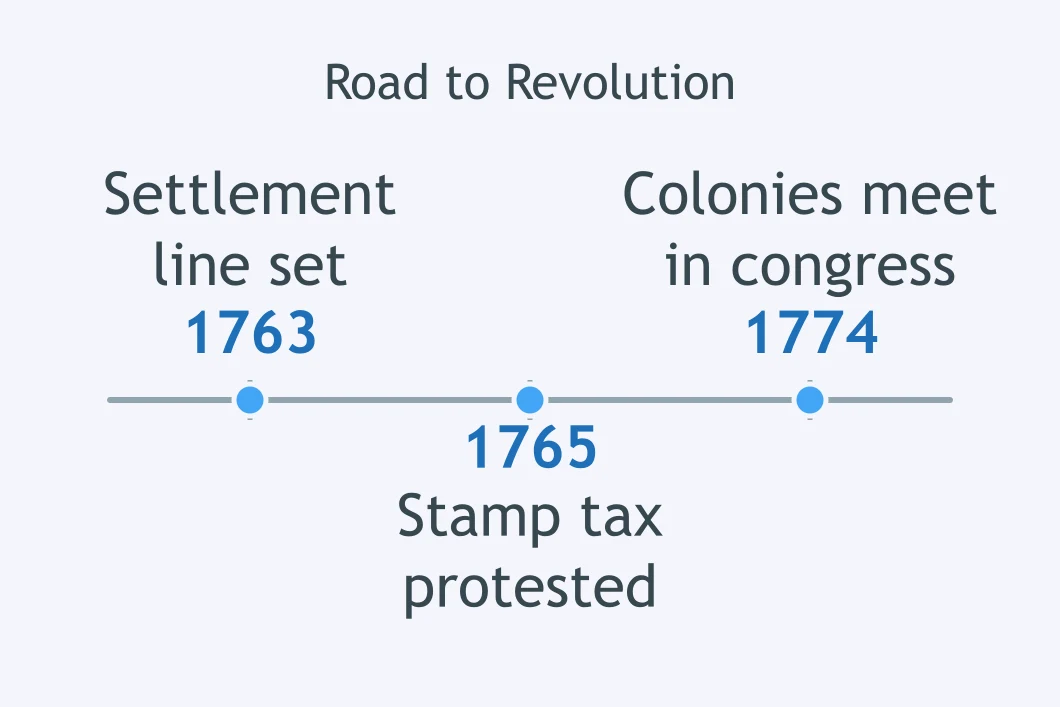
Use the timeline. What trend does it show about British policy?
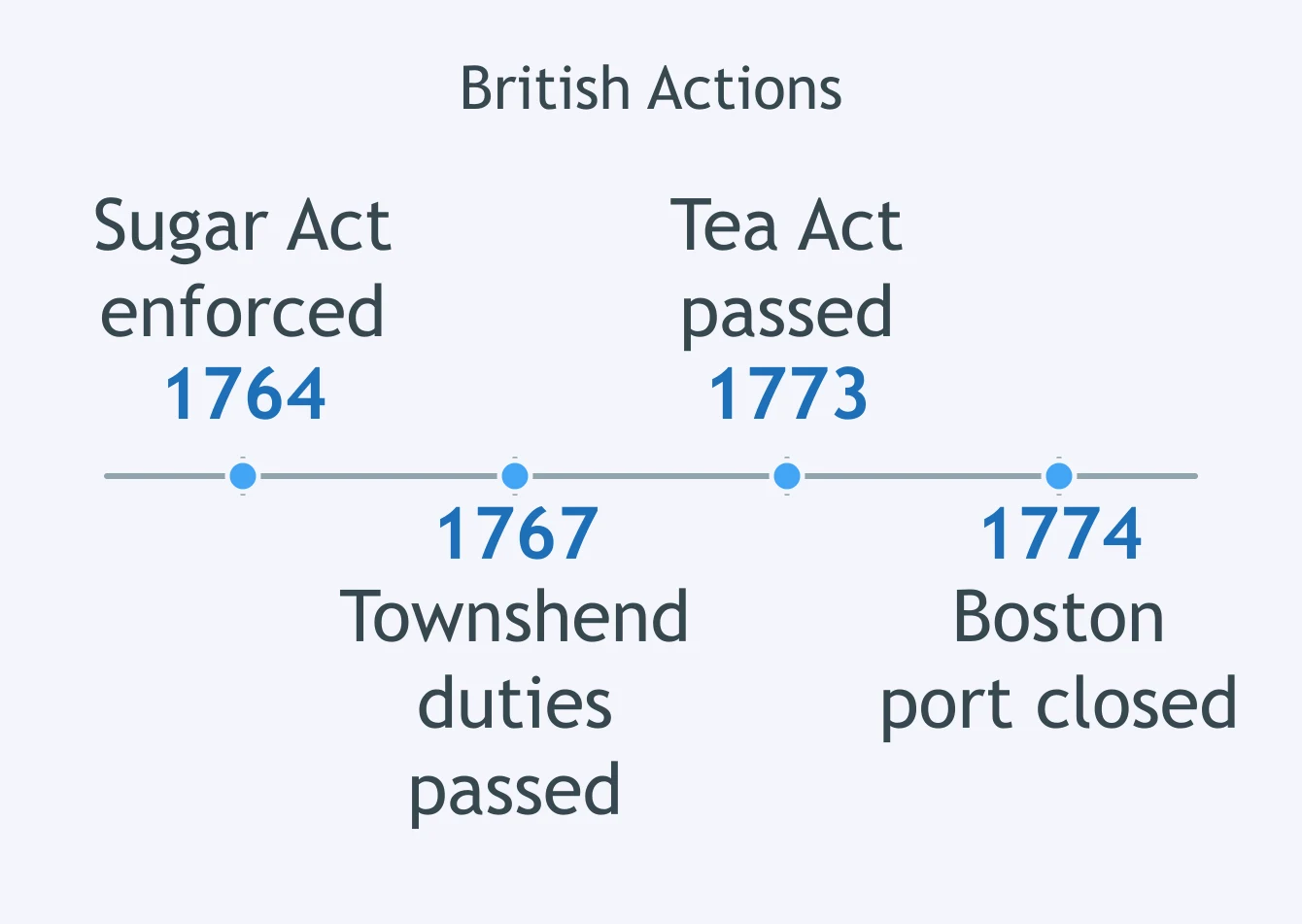
Use the timeline. What trend does it show among the colonies?
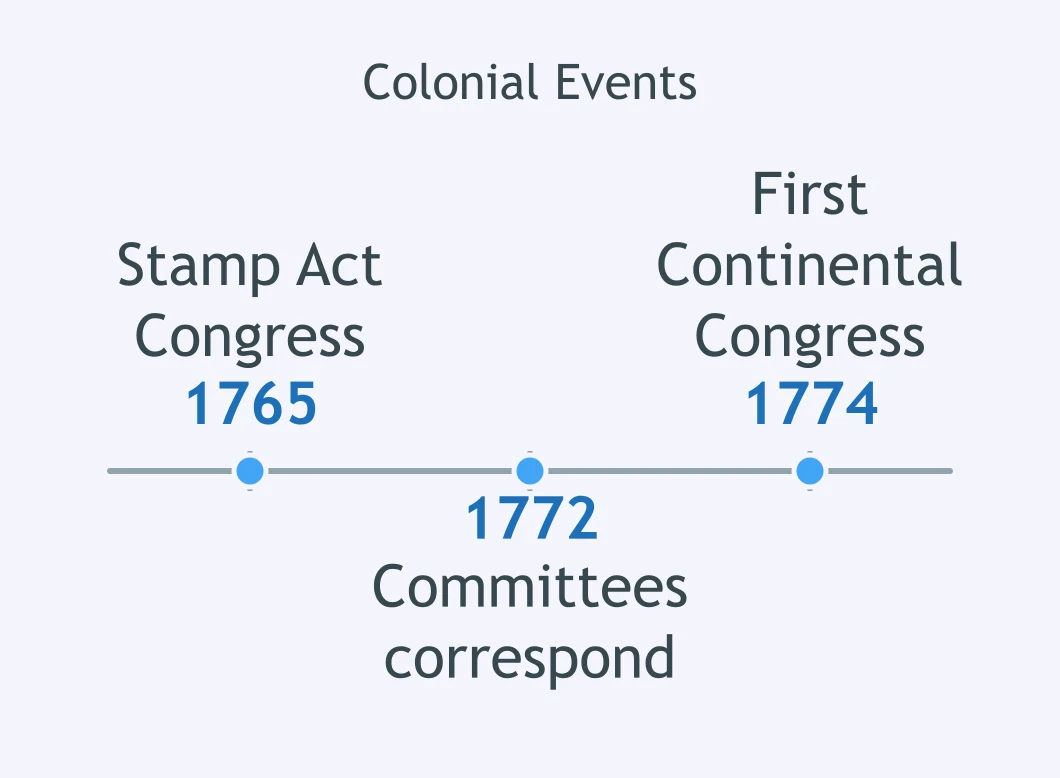
Use the timeline. What trend does it show in colonial protest methods?
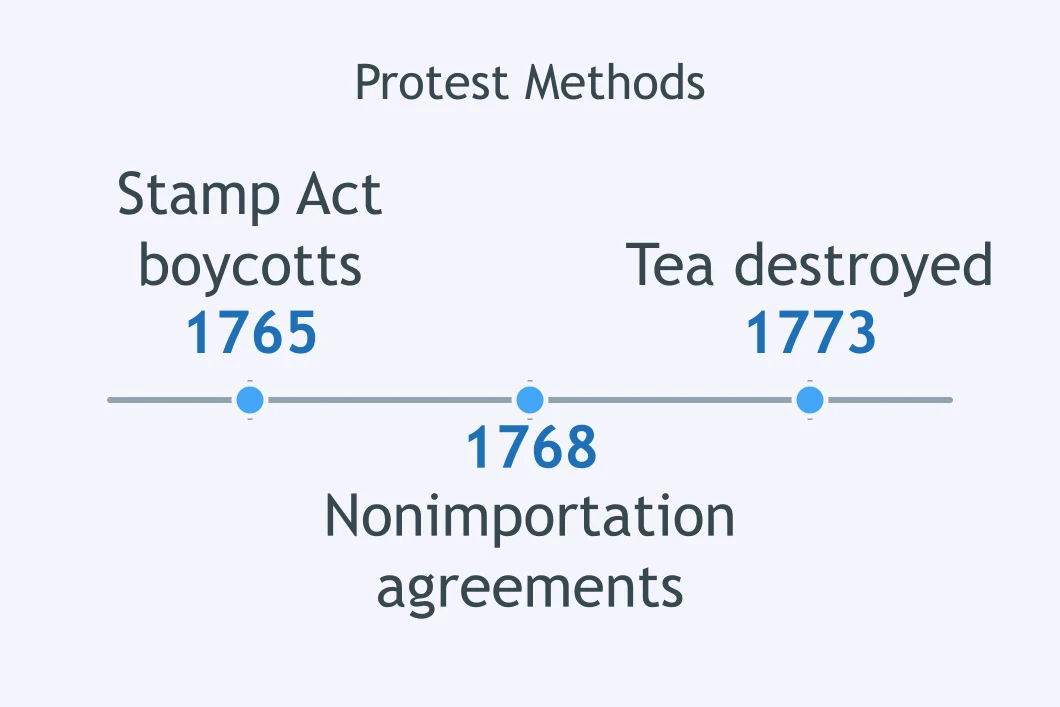
Use the timeline. What trend does it show after the French and Indian War?
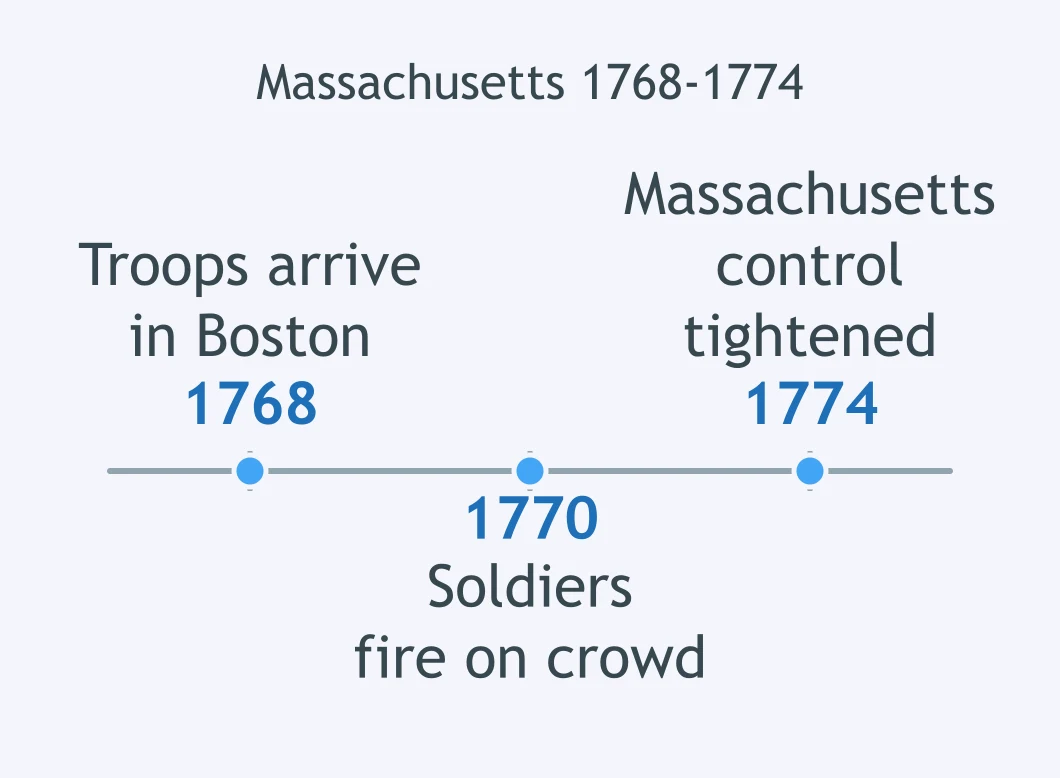
Use the timeline. What trend does it show in Massachusetts?
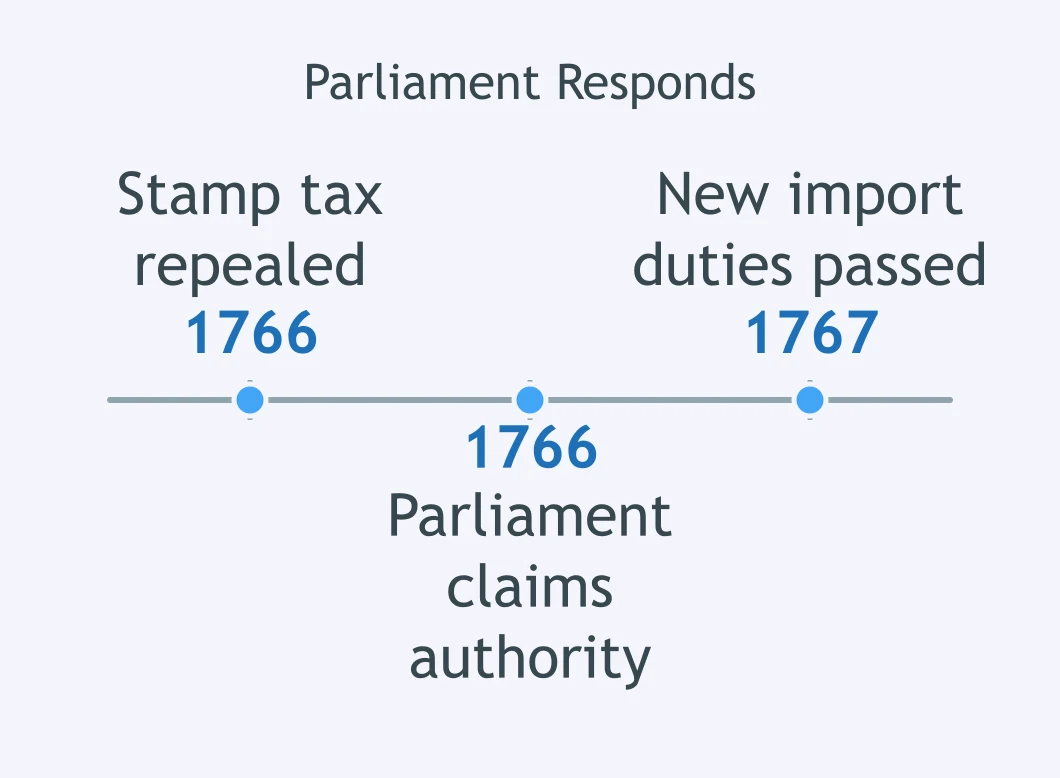
Use the timeline. What trend does it show about Parliament's position?
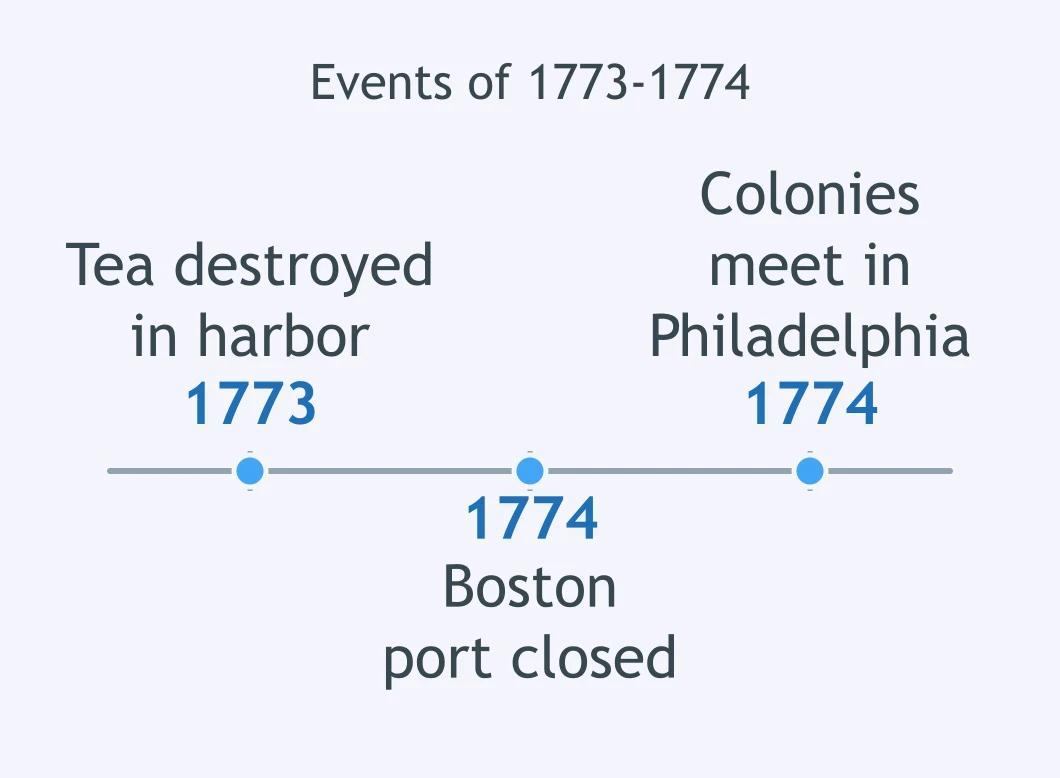
Use the timeline. What trend does it show after the tea protest?
Crack the passcode before the zombies get in.
Answer, then swat bugs for bonus points.
Race through questions at your own speed.
Same question on every screen. Fastest wins.

Pick a tile, answer, hit bonuses and steals.
The Revolutionary War: Battles, Leaders and Victory
40 questions