Loading
by BlastRoom
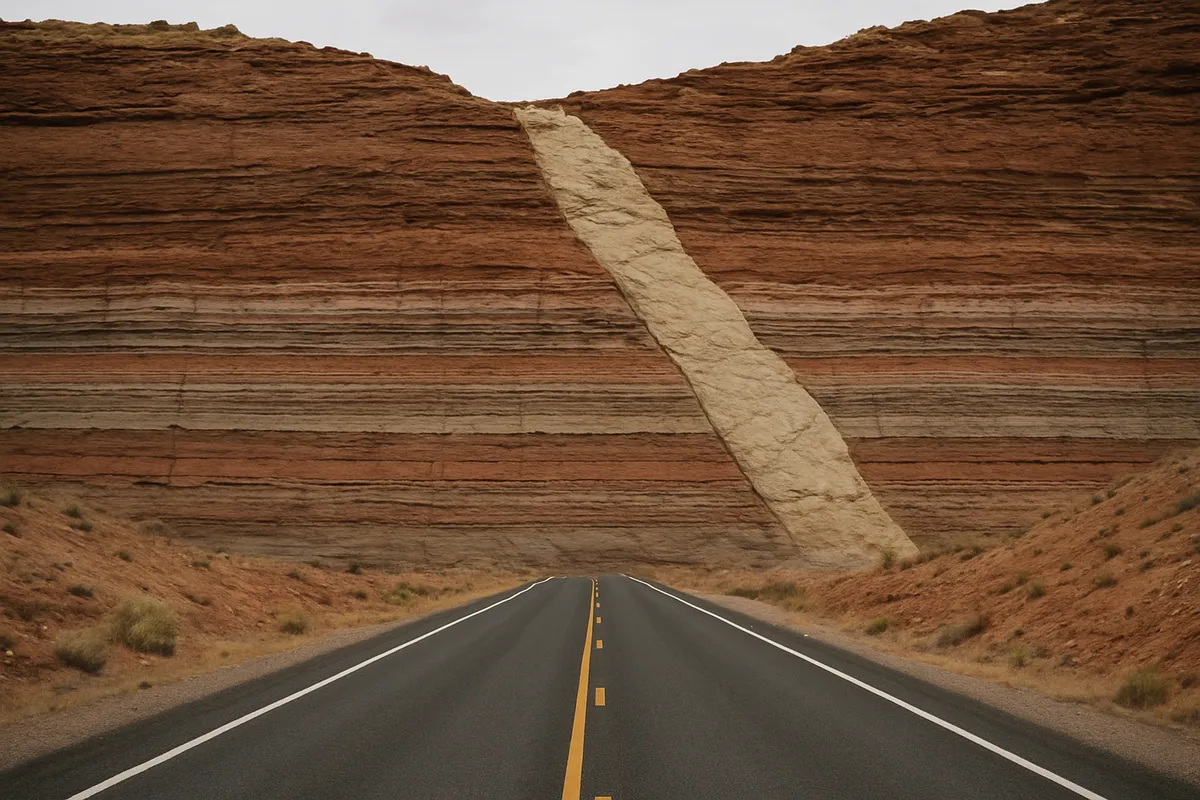
Follow rock materials through the rock cycle and identify the energy driving each step.
#us_grade_7_science
40 questions
One question set, multiple game modes. Tap any game to see it in action. Not sure which to pick?
Answer to place stones and capture territory.
Outrun the snow together.
Earn blasts, then hunt the other team.
Answer to earn energy, then climb.

The class blasts through walls together.
Bid on mystery lots. Most money wins.
Sell tours. Nice, standard, or a total scam.

Answer, restock, and serve the rush.
More correct answers pulls the rope your way.
Answer, then shoot down the alien wave.
Answer, then tap to leap the frozen ridge.
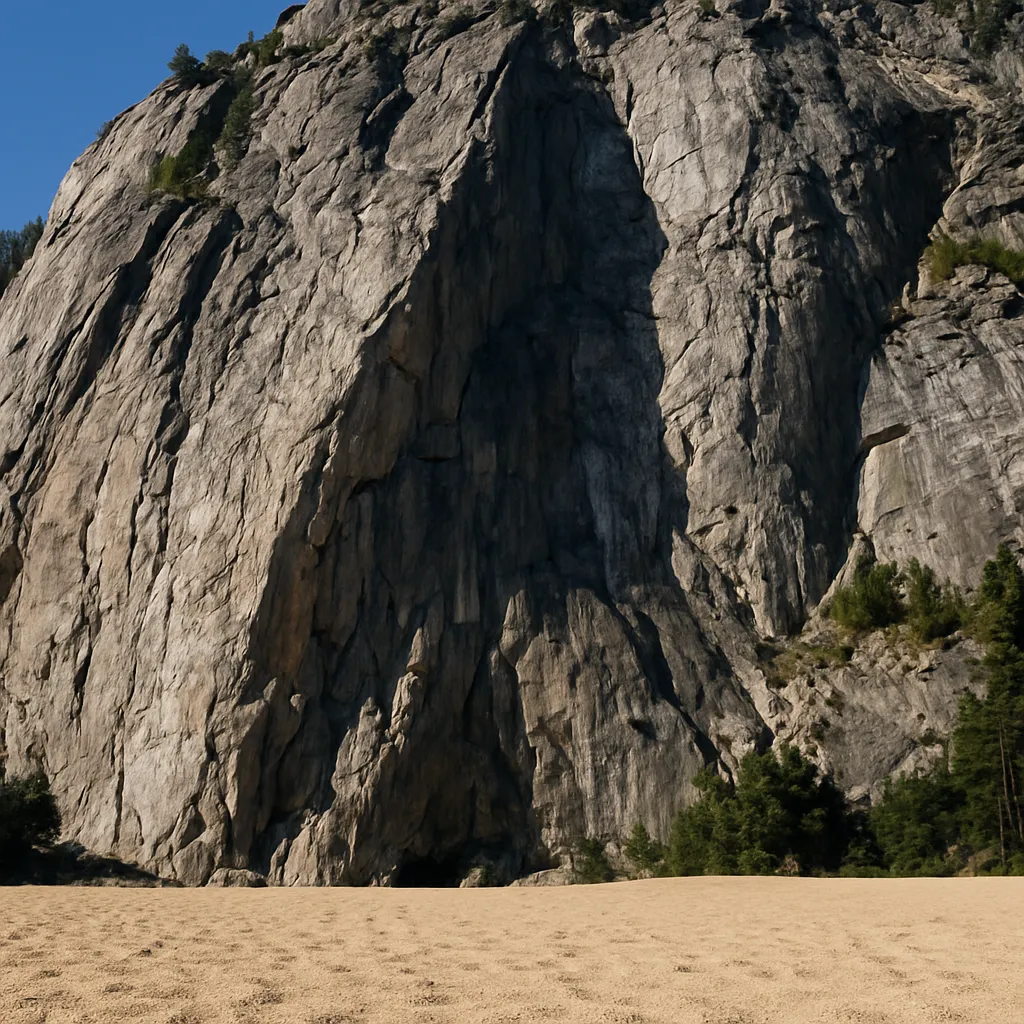
A granite cliff cracks into sand-sized grains before any grains move away. What rock-cycle process changed the granite first?
Sand grains from a hillside are carried by a fast stream toward a valley. What process is happening to the grains?
A river slows as it enters a quiet lake, and mud settles in flat layers on the lake bottom. What process is shown?
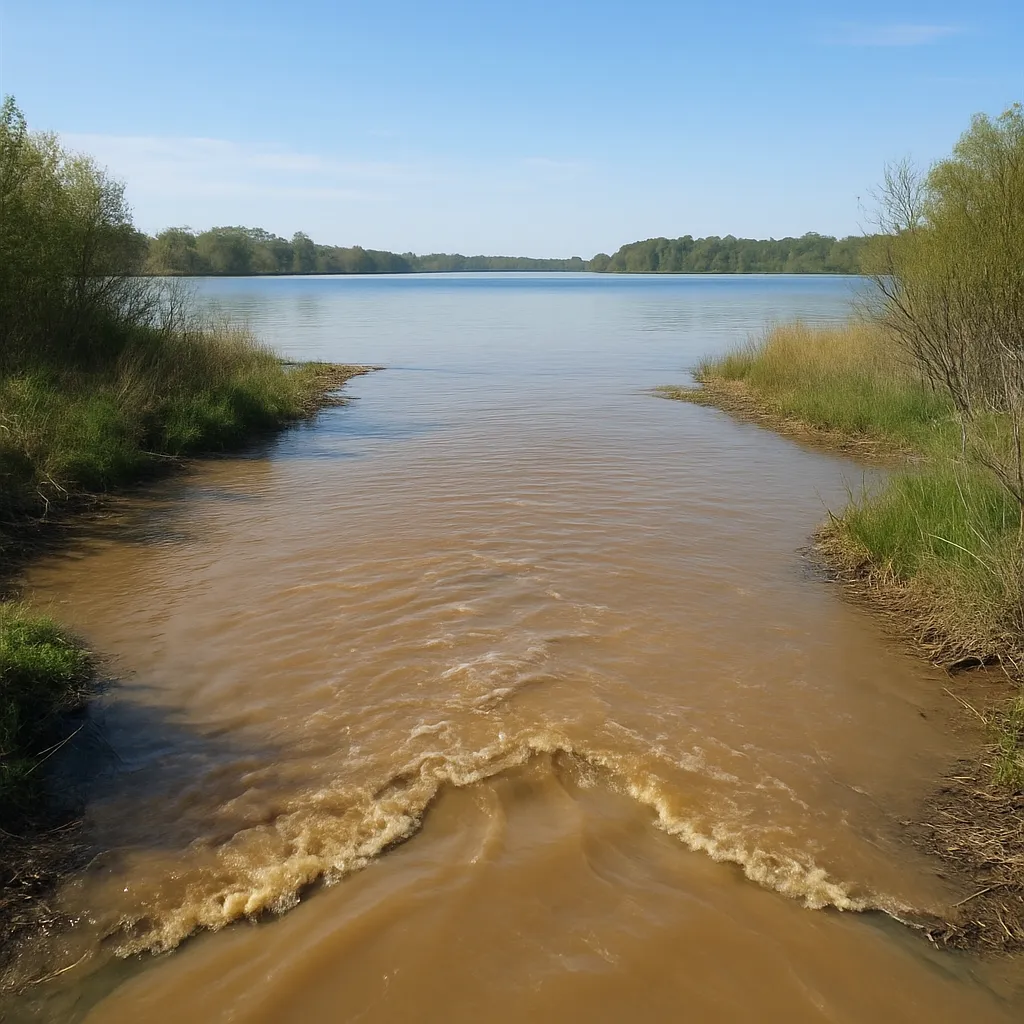
Layers of buried sand are squeezed, and dissolved minerals glue the grains together. What process turns the sediment into rock?
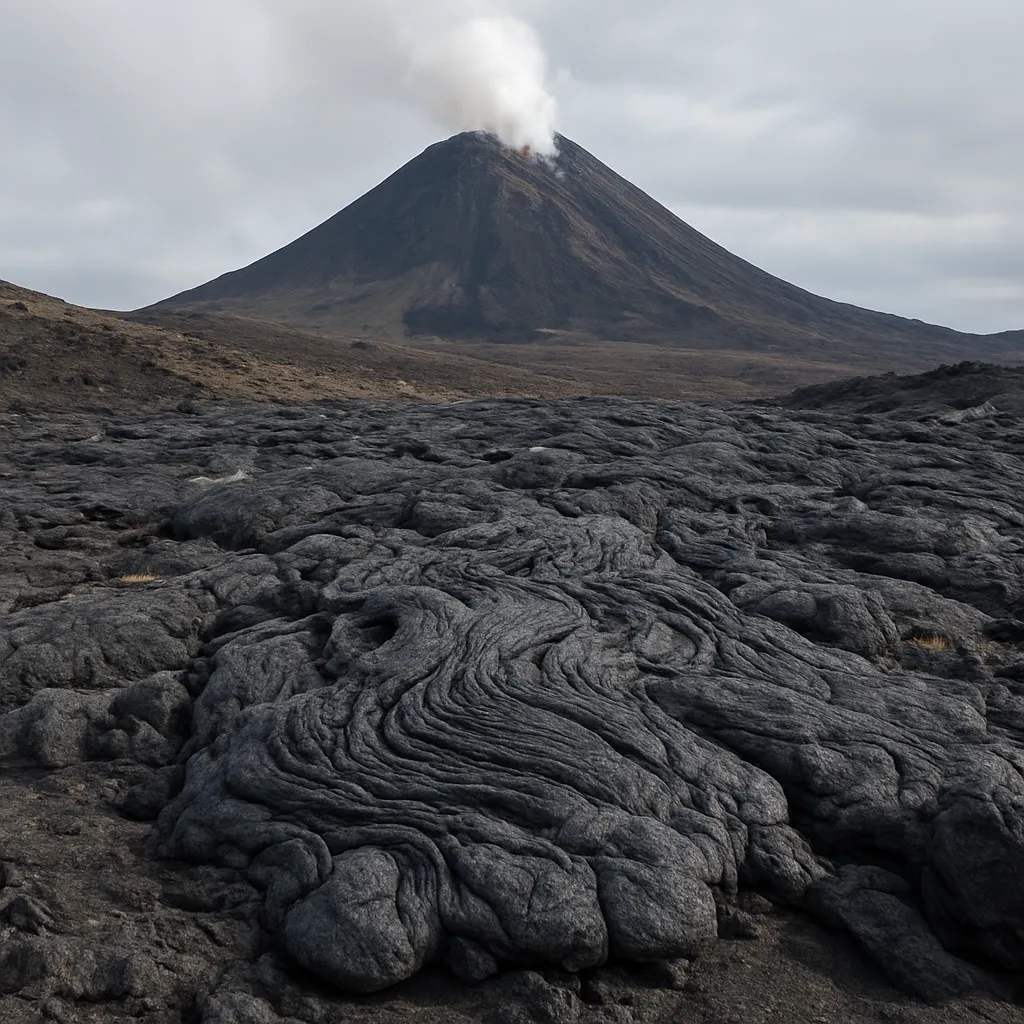
Lava from a volcano cools at Earth's surface and hardens into solid basalt. What process turned the liquid into rock?
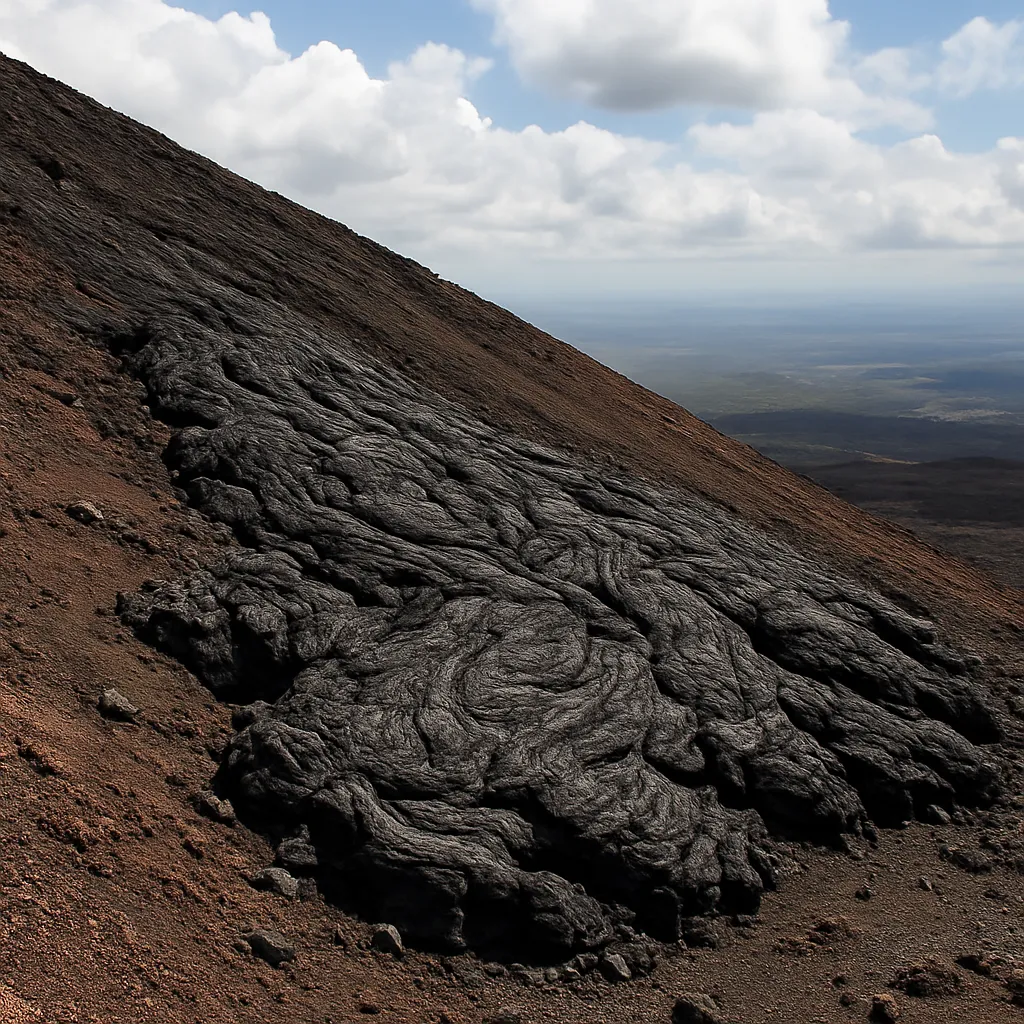
Basalt is buried deep, heated, and squeezed until its minerals line up, but it never melts. What process changed the basalt?
At a subduction zone, oceanic crust sinks and some rock becomes liquid beneath a volcano. What process made the liquid rock?
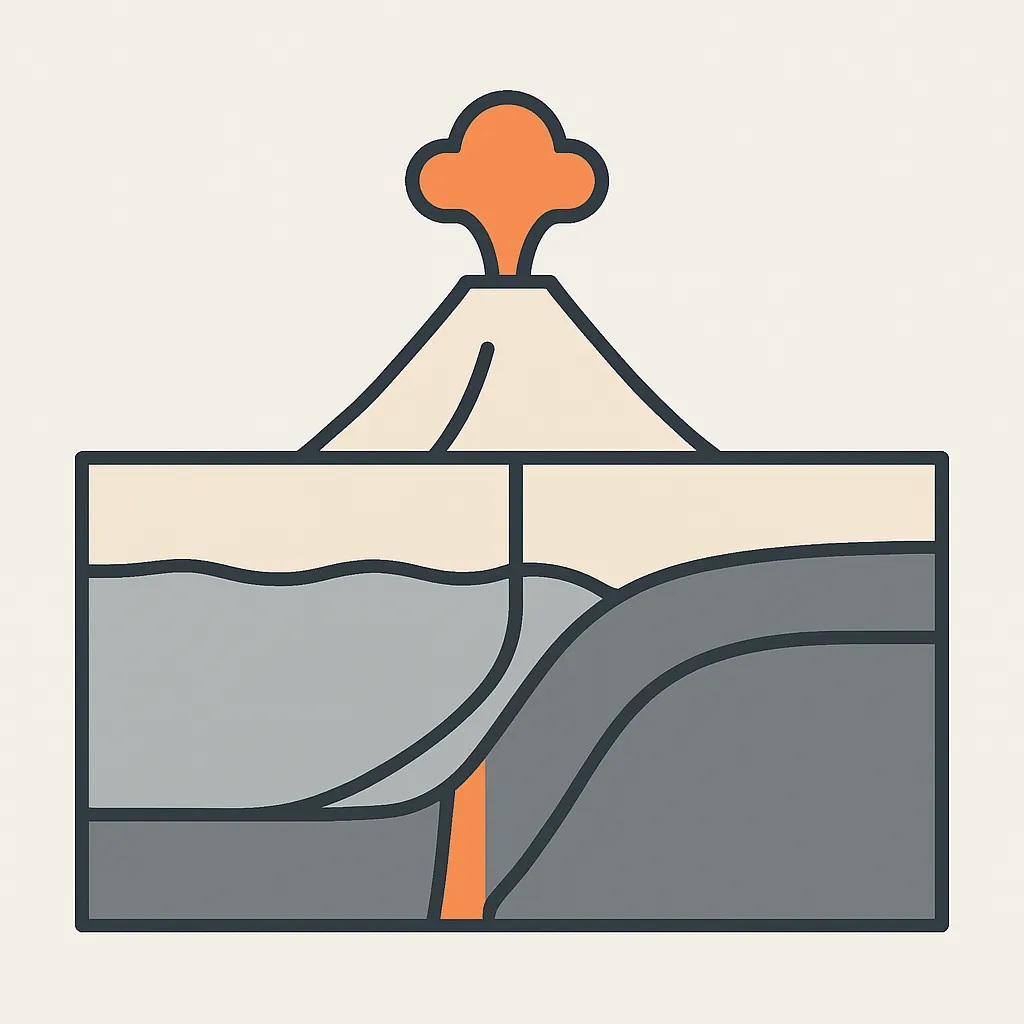
Limestone that formed on an old seafloor is now found near the top of a mountain range where two plates collided. What process explains how it got there?
Ocean waves repeatedly hit a cliff and knock pieces loose, making rounded pebbles. What process breaks the cliff rock apart?
A glacier drags broken rock pieces down a valley as it slowly flows. What rock-cycle process is the glacier doing?
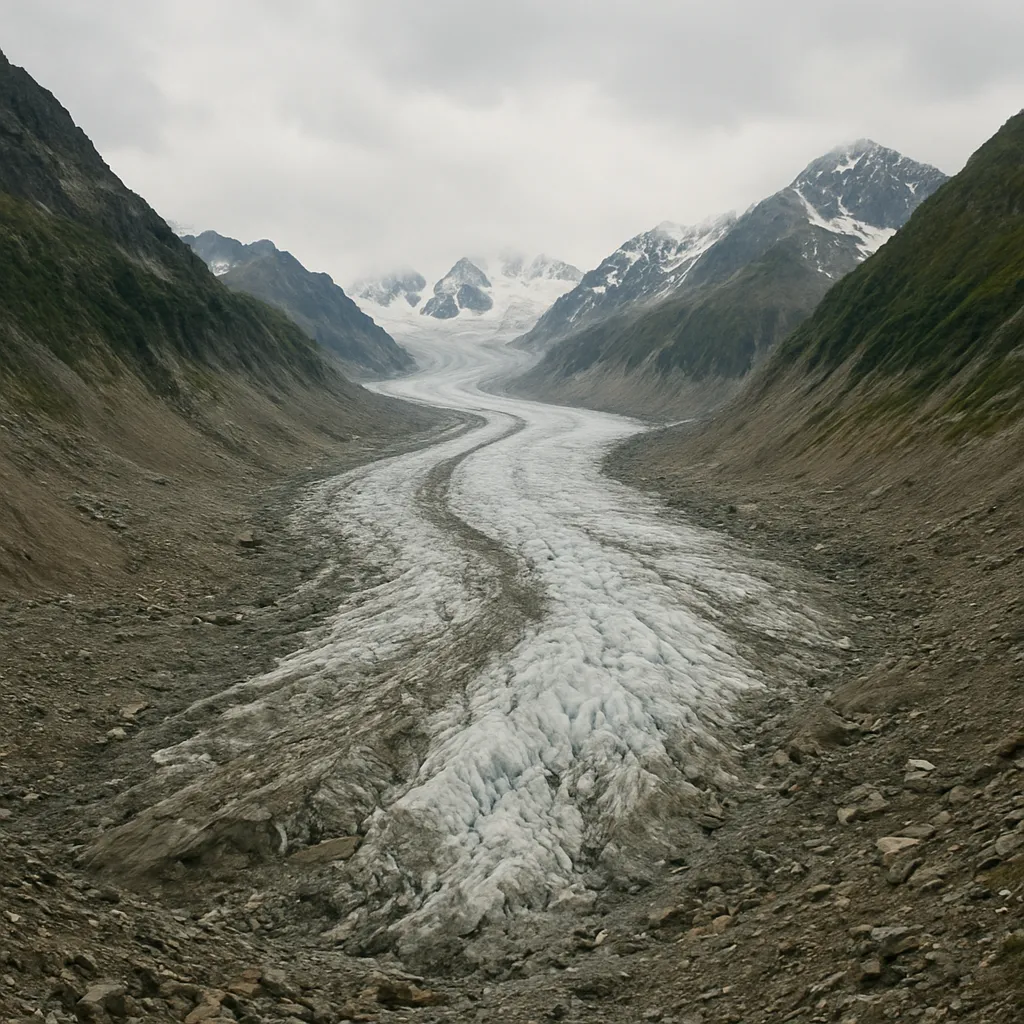
Wind slows behind a desert shrub, and sand grains pile into thin layers. What process forms the pile?
Magma trapped underground cools slowly, and large mineral crystals grow inside it. What process forms the crystals?
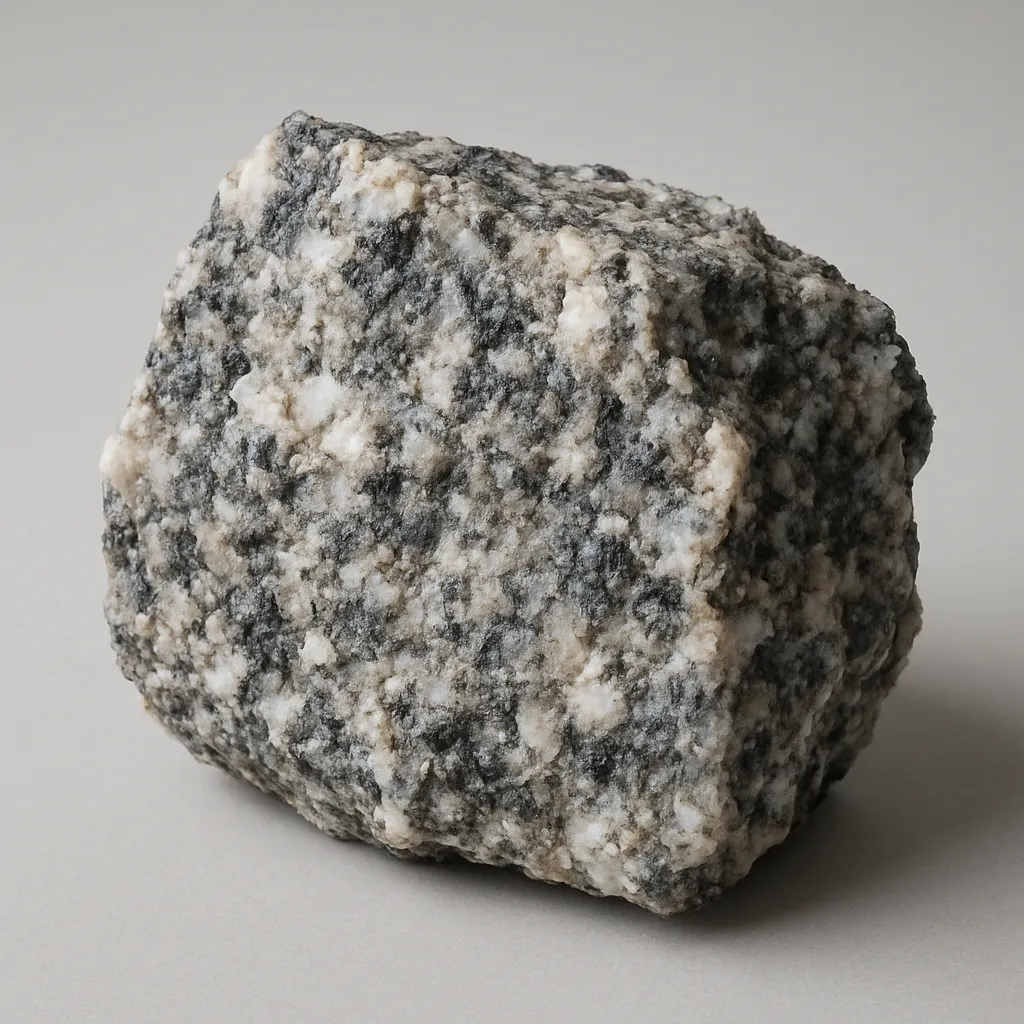
Shale buried deep under a growing mountain range is squeezed and heated until it becomes harder slate. Which clue shows this was metamorphism and not melting?
Movement along a fault pushes one block of crust higher than the block beside it, raising buried rock toward the surface. What rock-cycle process is happening?
Magma rises into the crust, cools underground, and forms interlocking mineral crystals. What rock material results?
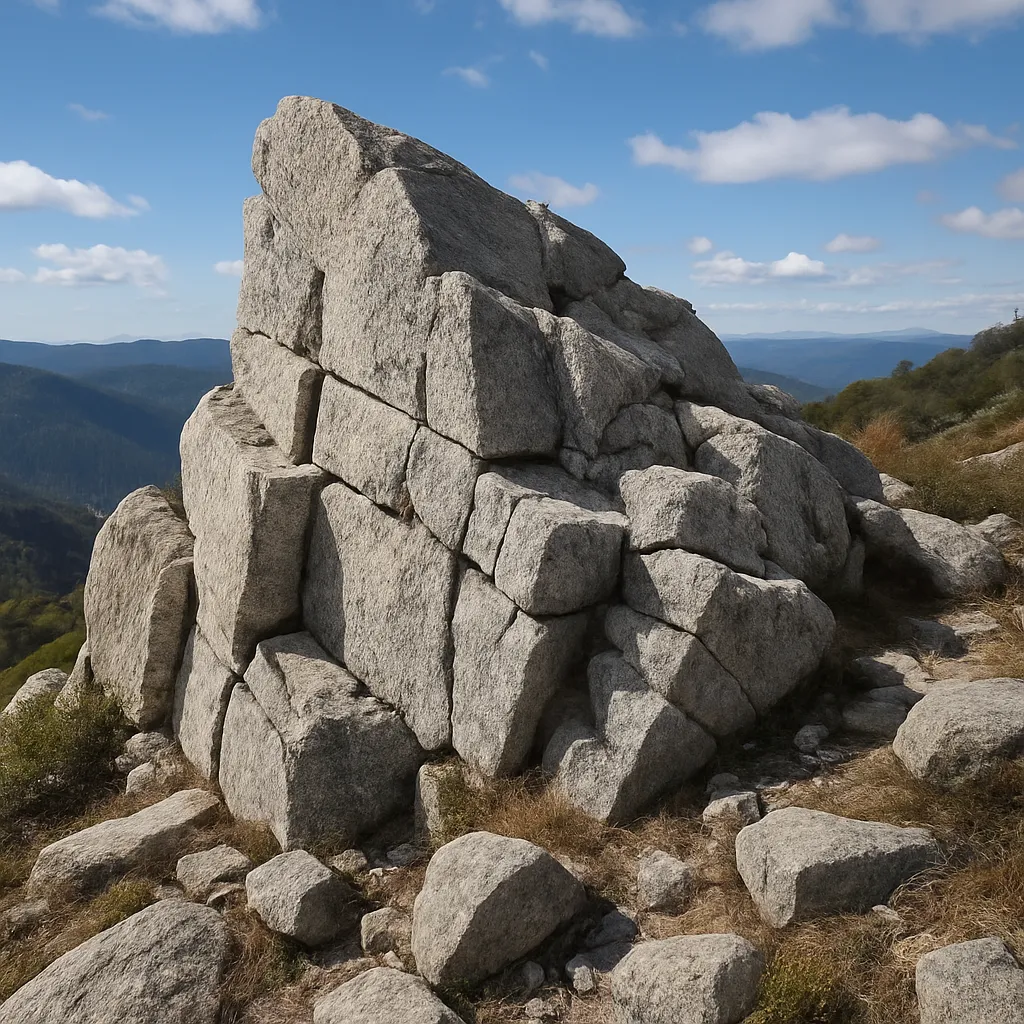
Lava erupts onto the ocean floor and hardens quickly into basalt. What type of rock forms?
Sand settles in layers, is buried by more sediment, and becomes cemented over time. What material forms?
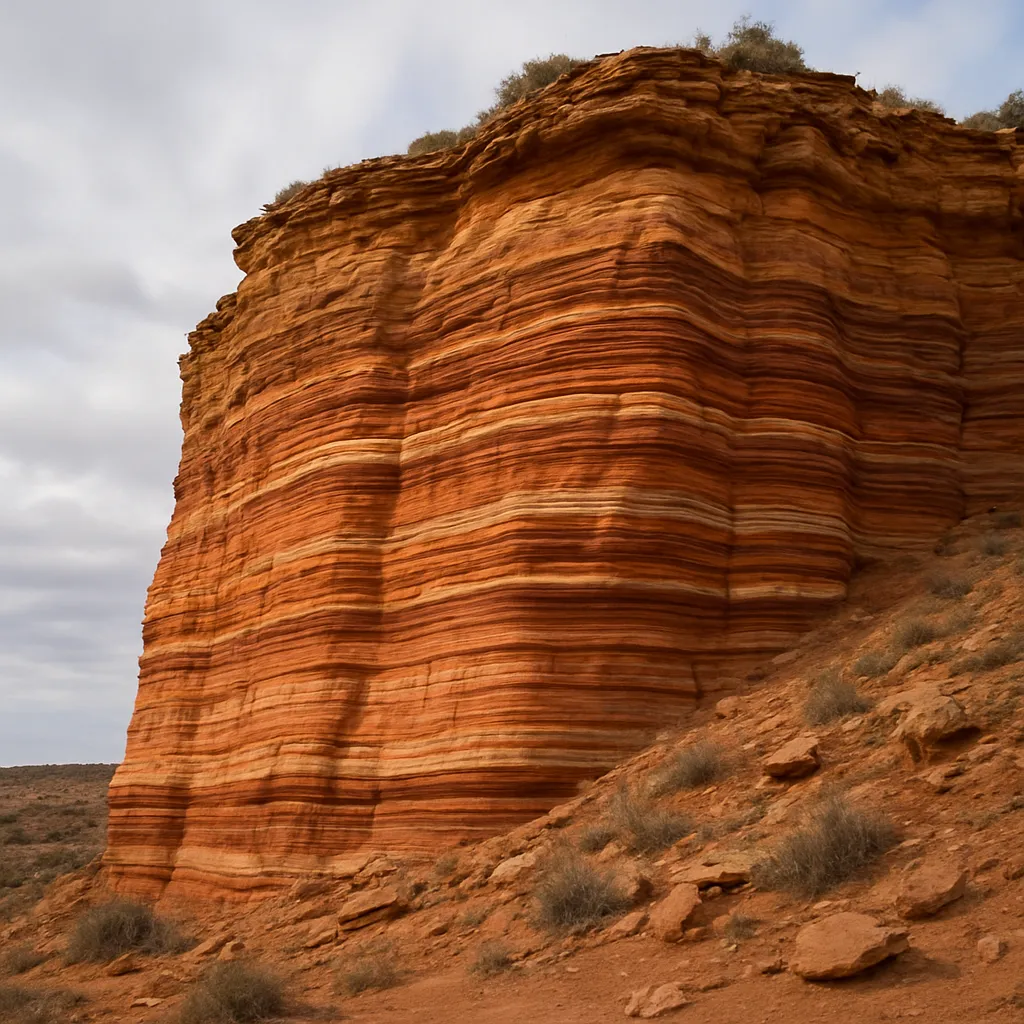
Shell fragments settle on a shallow seafloor and later are compacted and cemented into limestone. What material forms?
Sandstone is buried during plate collision and squeezed while hot, but it does not melt. What material can it become?
Limestone deep underground is heated and squeezed until it recrystallizes as marble. What kind of rock is marble?
Solid rock above a subducting plate melts beneath a volcano. What rock-cycle material is produced first?
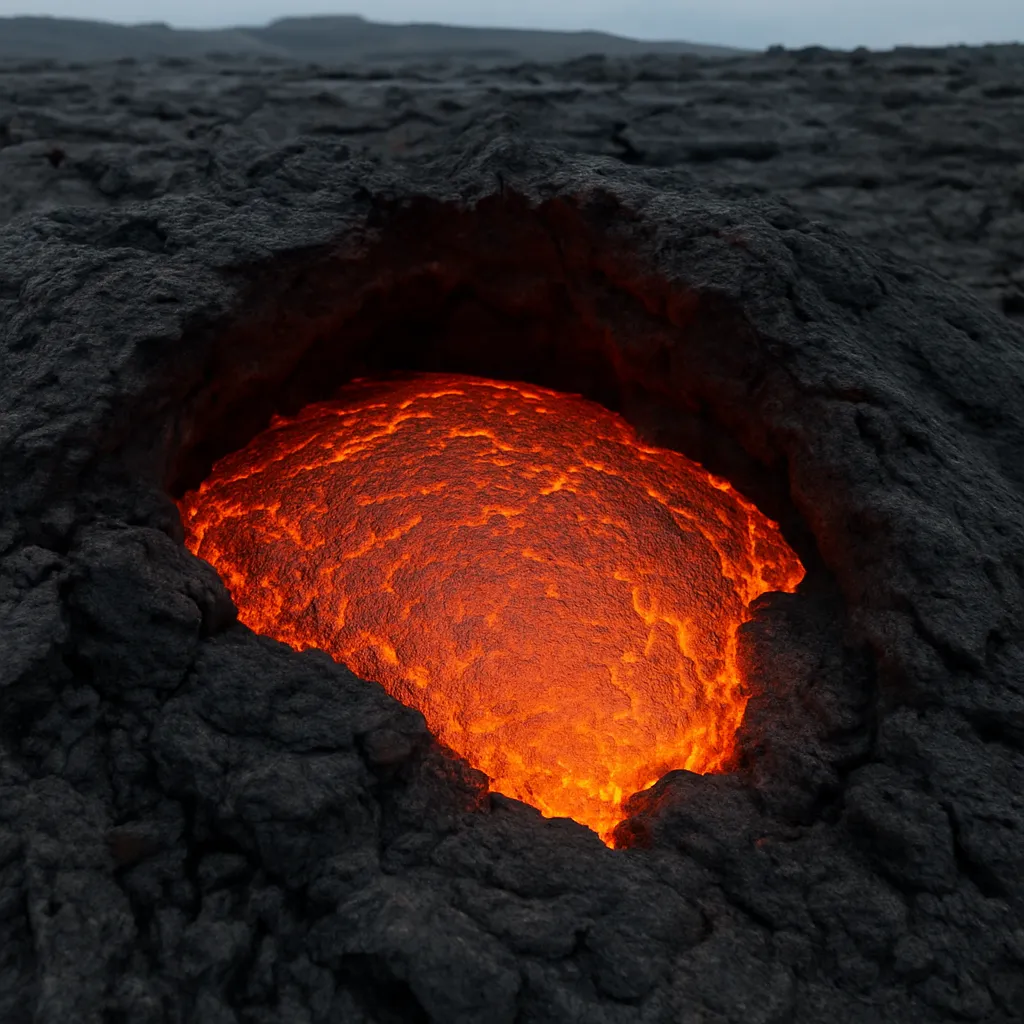
Granite at the surface breaks into sand grains that a river carries away. What material are the sand grains?
Melted rock rises from the mantle and pours out of this volcano onto the surface. What is the melted rock called once it reaches the surface?
Sedimentary rock melts underground and then cools slowly in the crust. What rock material is produced after cooling?
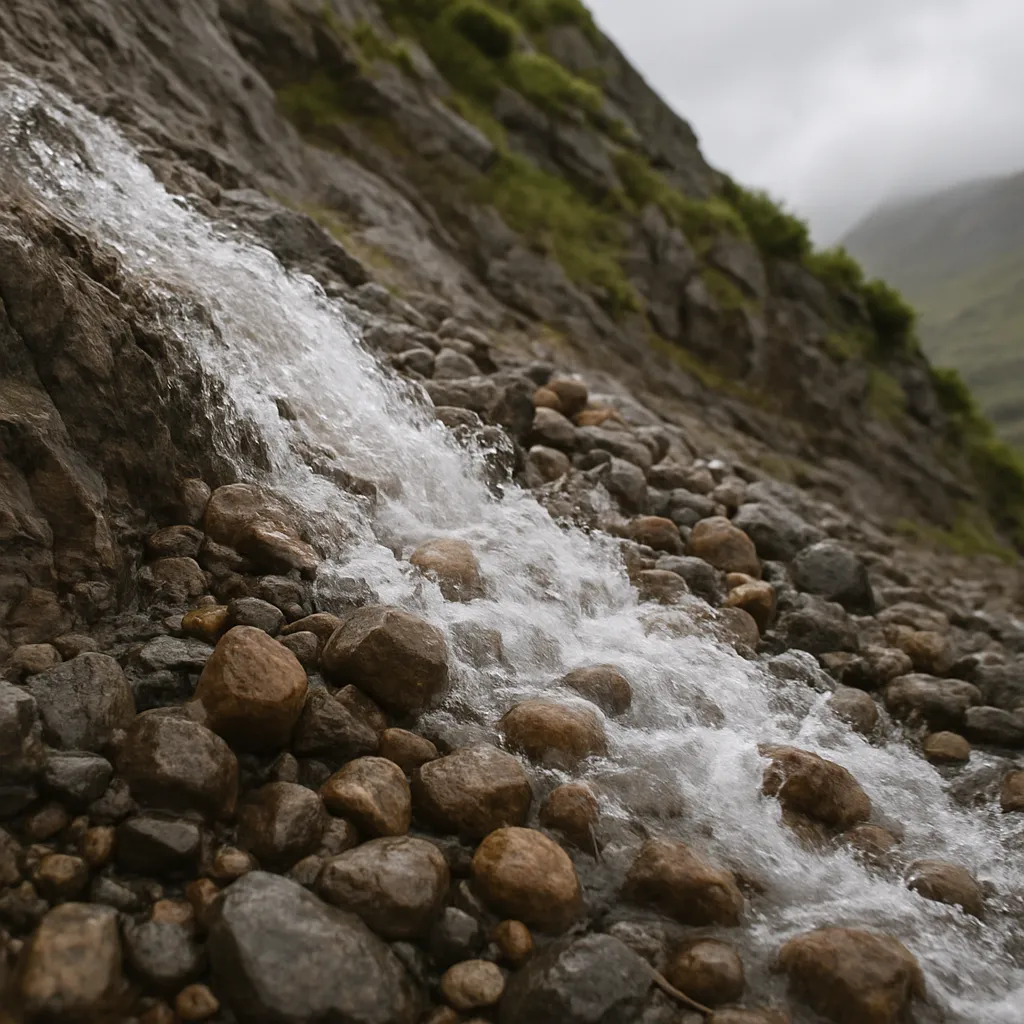
Rainwater runs down a steep slope, carrying loosened rock pieces downhill. What mainly drives this transport?
A sinking oceanic plate releases fluids, and nearby mantle rock melts beneath a volcano. What energy source drives this melting?
Sand grains on a dry plain scrape softer rock and pile up into dunes. What force directly moves the grains?
Mud layers at the bottom of a basin lose water and pack tighter as more layers build up above them. What force causes most of this compaction?
Rocks deep in a mountain belt change into metamorphic rock while staying solid. What drives this change?
A lava flow from a volcano slowly turns into solid rock over several days. What drives the change to solid rock?
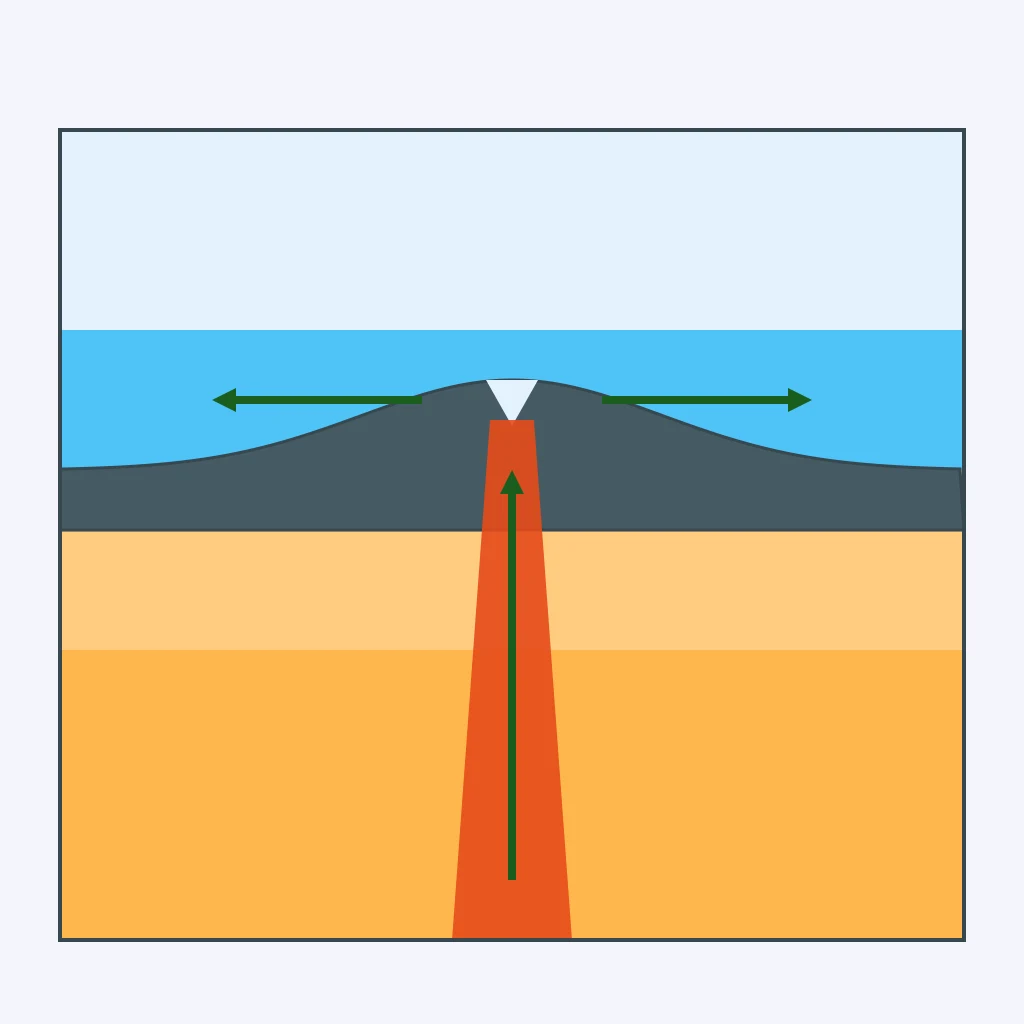
New basalt forms at a mid-ocean ridge and moves away on both sides. What drives this seafloor spreading?
Stress builds in rock until it breaks along a fault and one block shifts upward. What force drives this movement?
A rock-cycle arrow goes from loose sediment to sedimentary rock. What label completes that arrow?
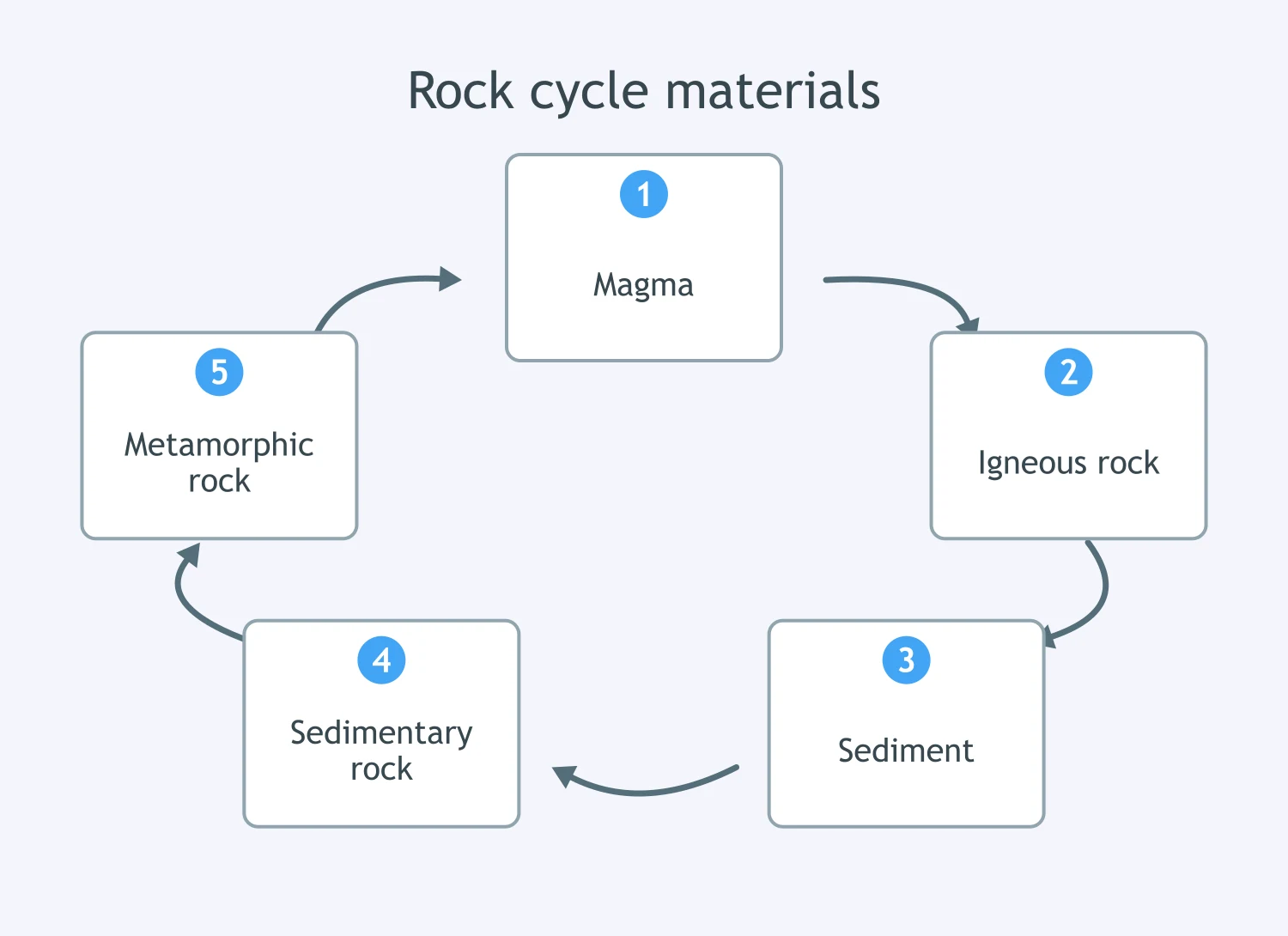
In a model, igneous rock at Earth’s surface changes into loose sediment. What process label completes that pathway?
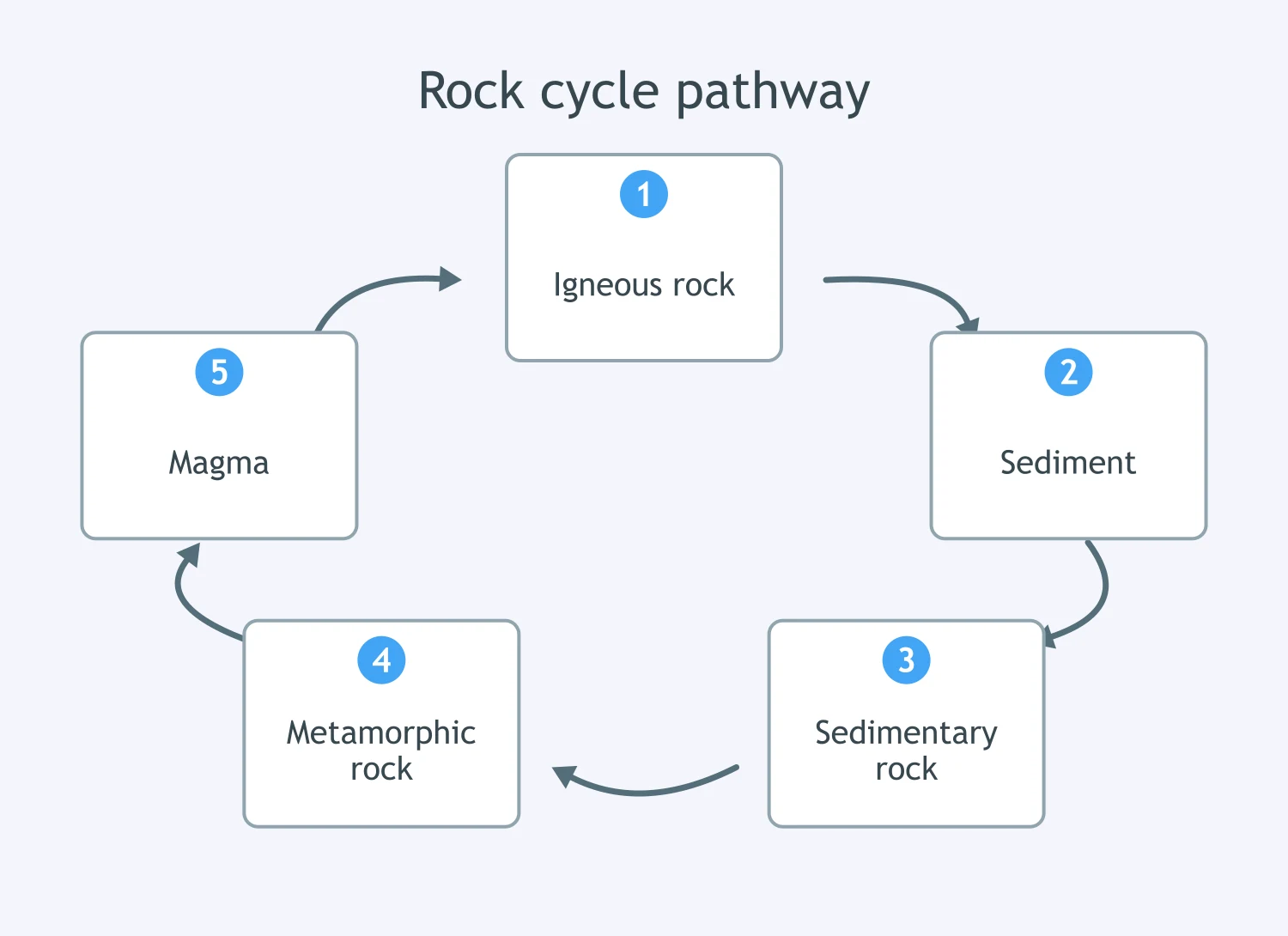
A model arrow shows sedimentary rock buried deep, heated, and squeezed without melting. What label belongs on the arrow?
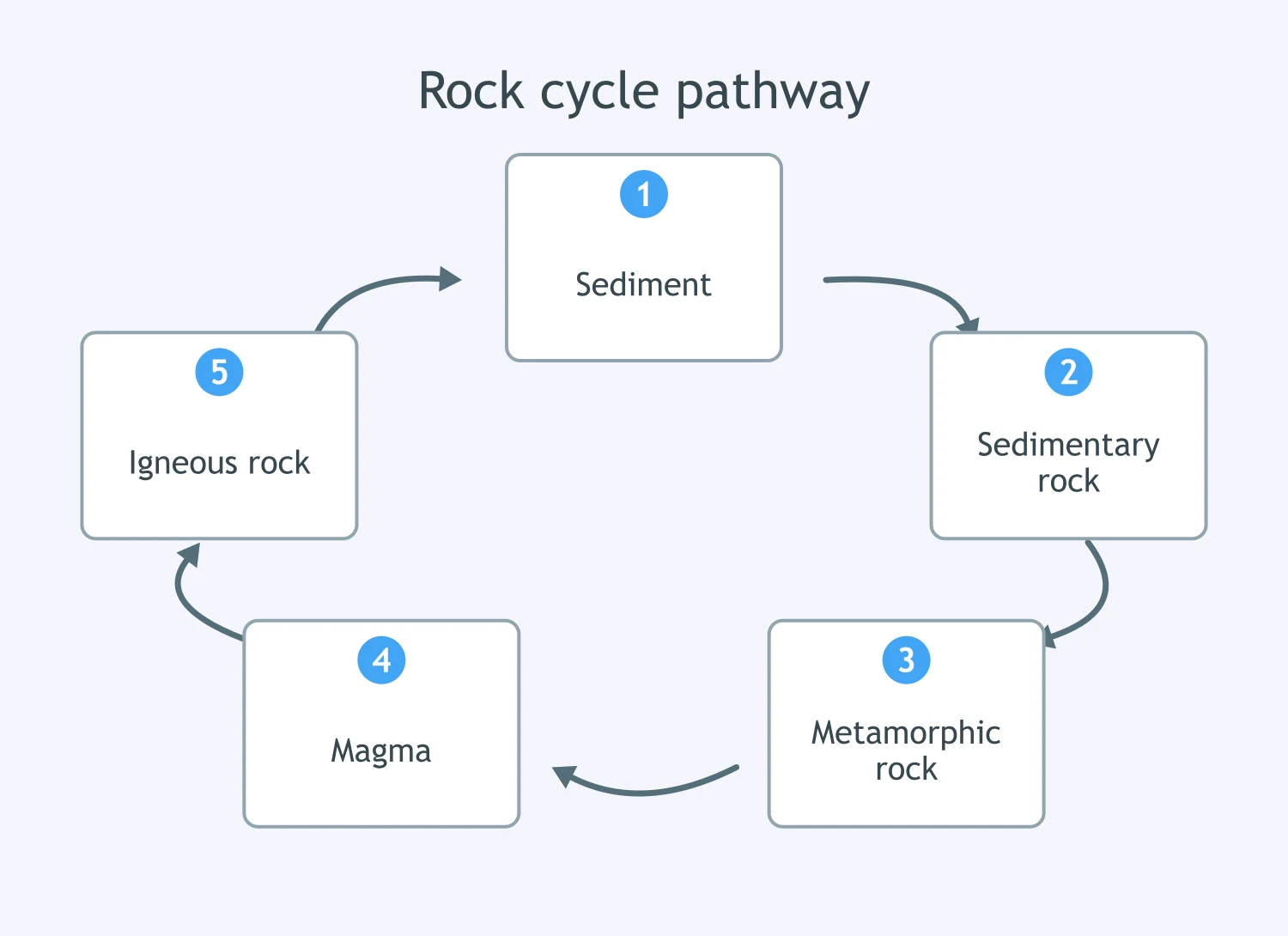
A rock-cycle model needs the step from metamorphic rock to magma. What process label completes that step?
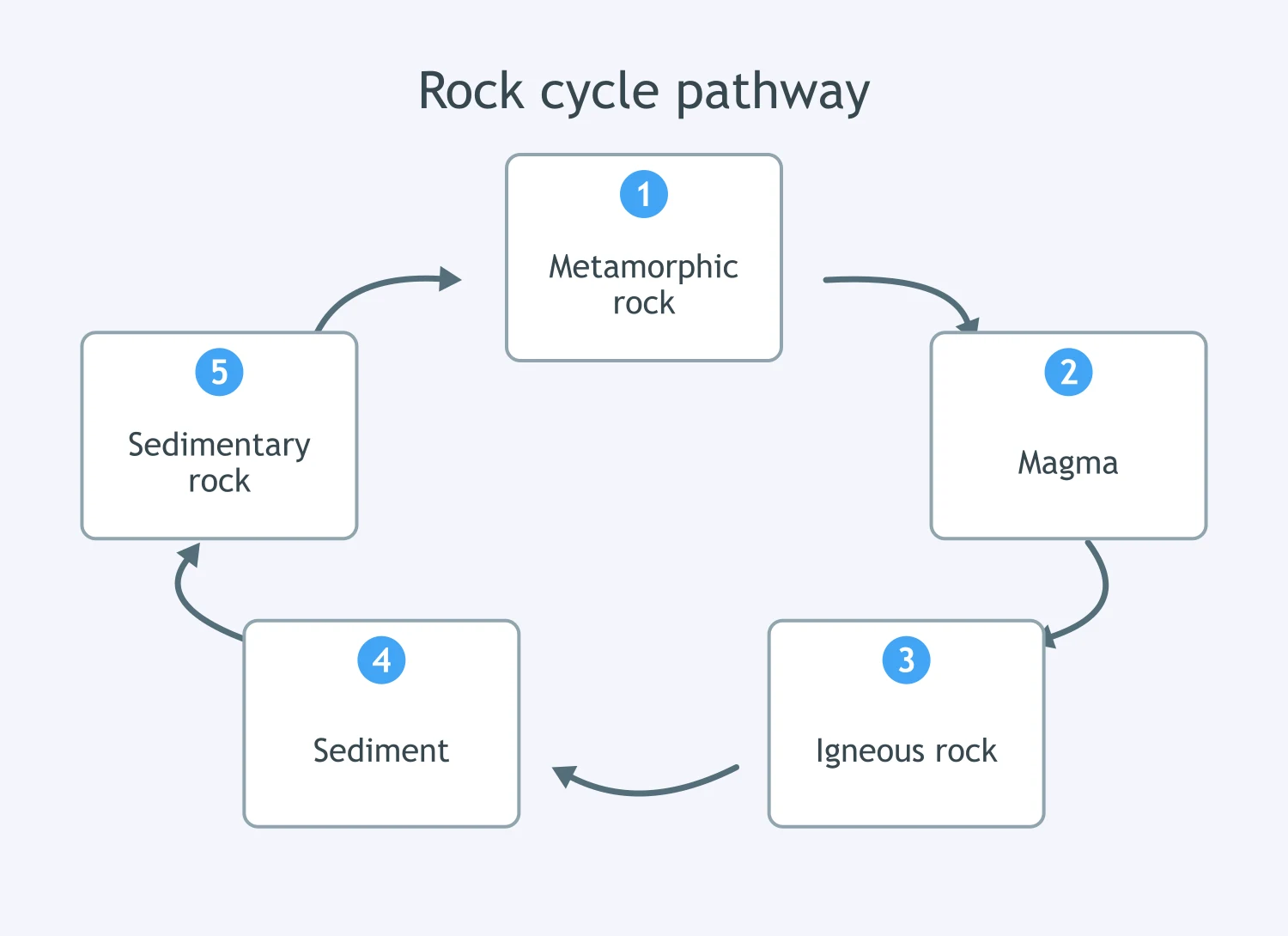
A model arrow points from magma to igneous rock. What process label should be placed on the arrow?
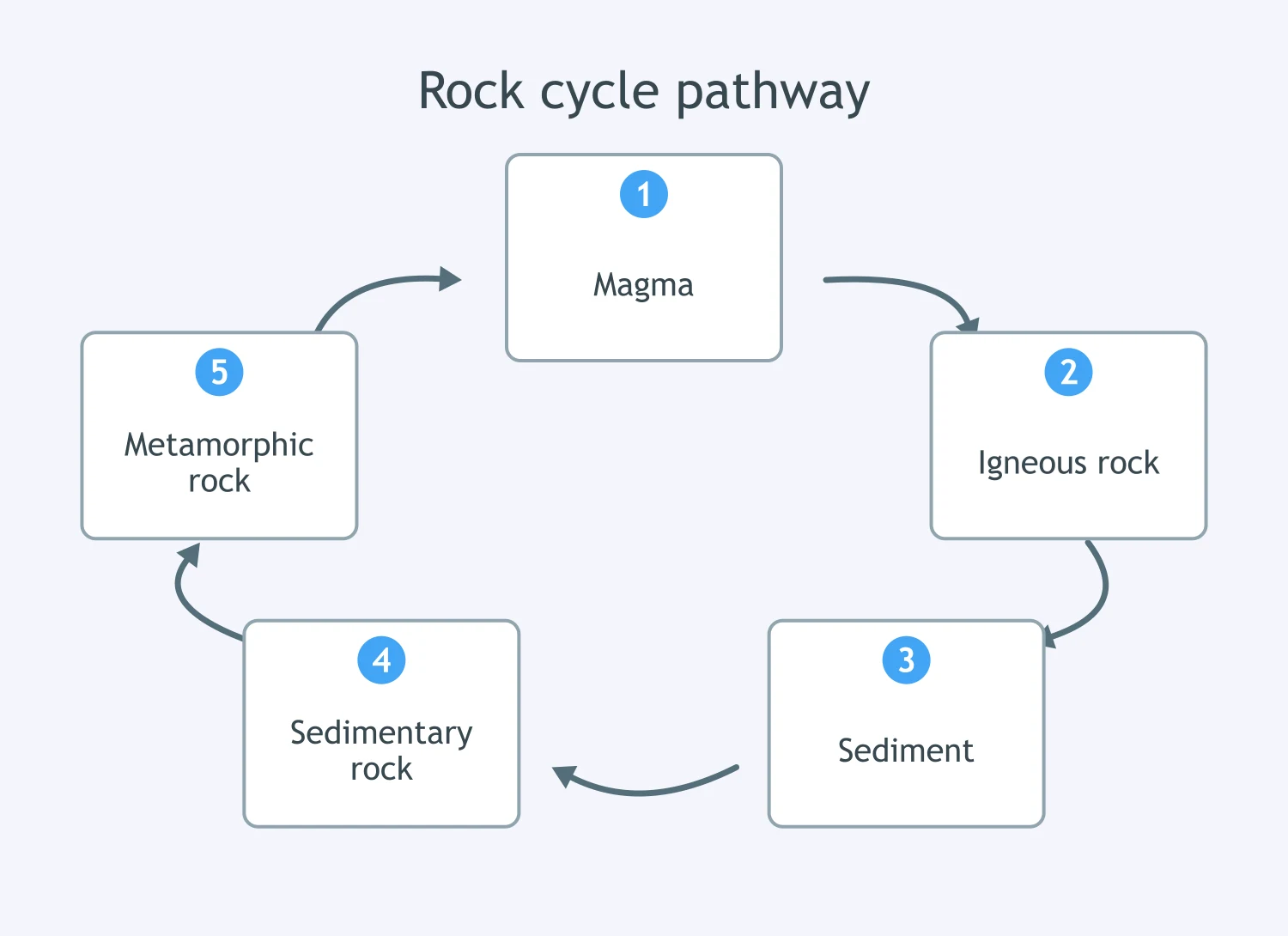
Complete the model: igneous rock is weathered, eroded, deposited, buried, and cemented. What rock type comes next?
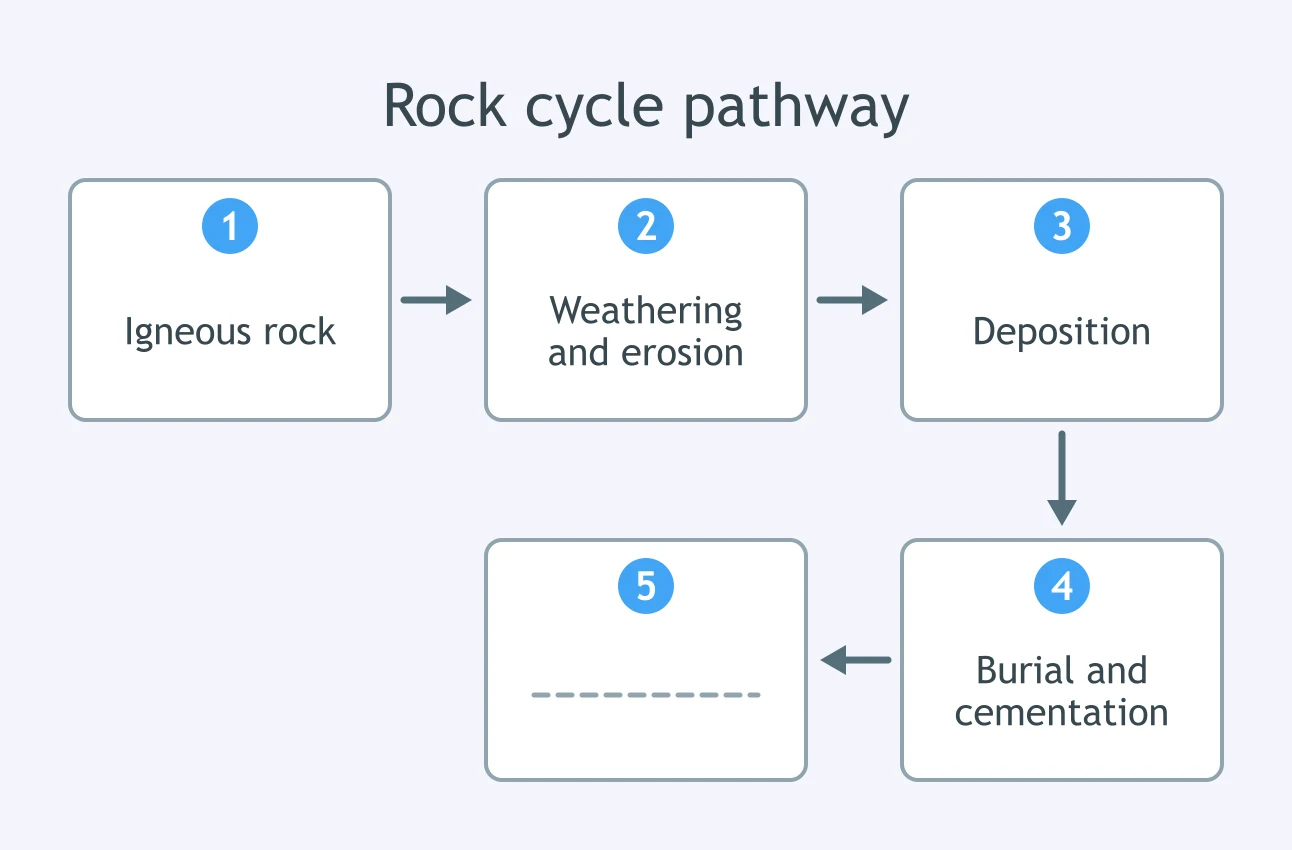
A model shows metamorphic rock uplifted to the surface, then broken and carried away. What material should appear before deposition?
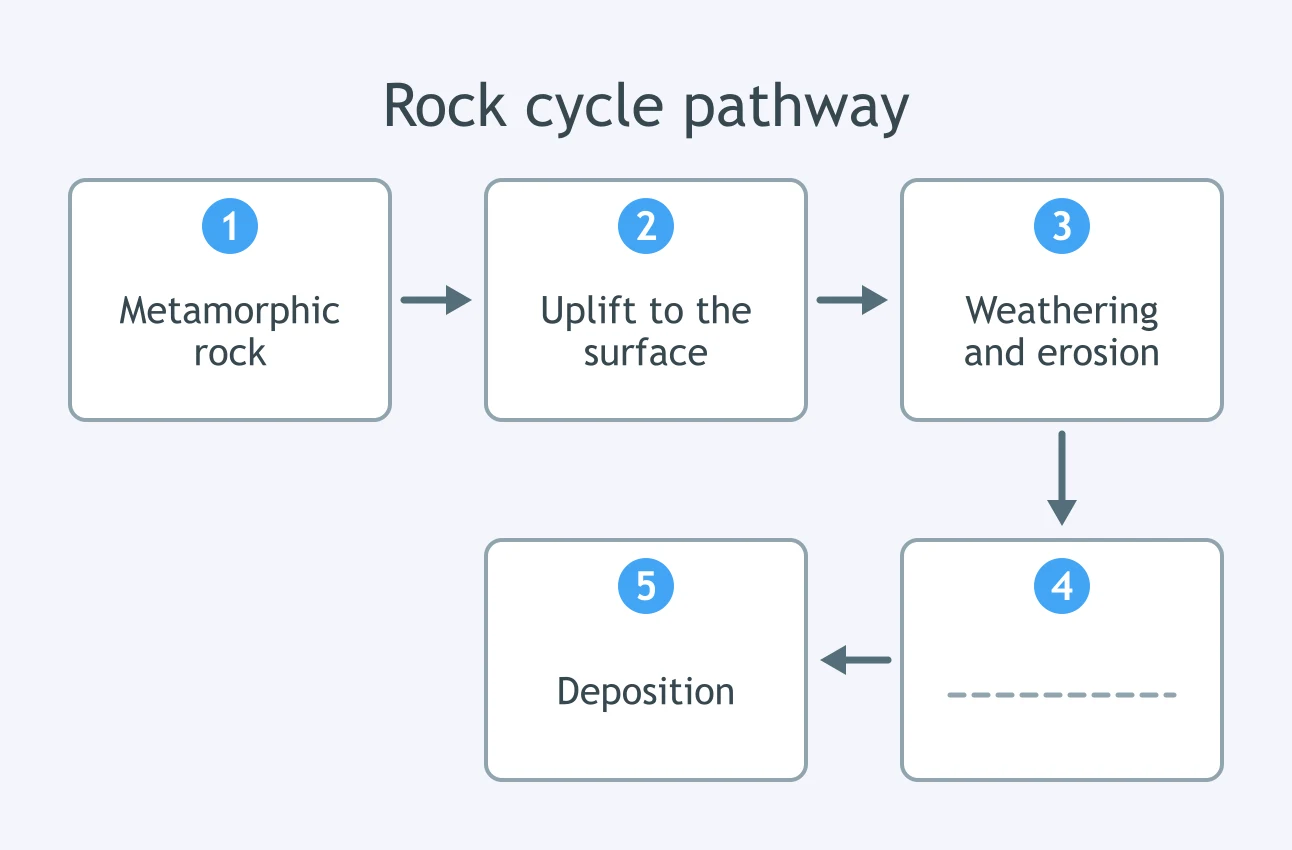
A cycle diagram shows sediment at the bottom of a growing pile becoming sedimentary rock. What driver should the model include?
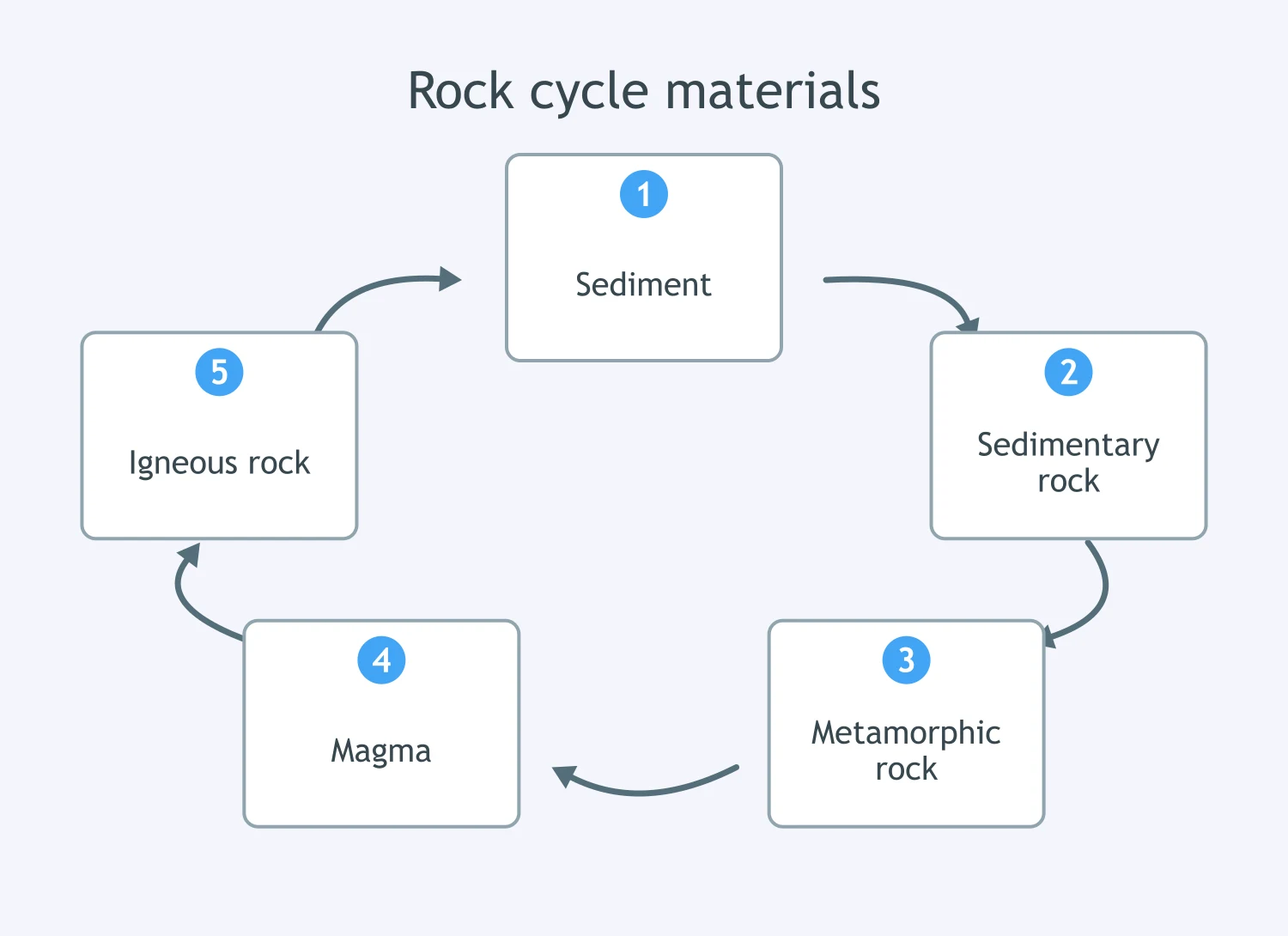
Crack the passcode before the zombies get in.
Answer, then swat bugs for bonus points.
Race through questions at your own speed.
Same question on every screen. Fastest wins.

Pick a tile, answer, hit bonuses and steals.
Evidence for Plate Tectonics
40 questions