Loading
by BlastRoom
Students explain how weathering, erosion, and deposition reshape Earth's surface at different scales.
#us_grade_7_science
20 questions
One question set, multiple game modes. Tap any game to see it in action. Not sure which to pick?
Answer to place stones and capture territory.
Outrun the snow together.
Earn blasts, then hunt the other team.
Answer to earn energy, then climb.

The class blasts through walls together.
Bid on mystery lots. Most money wins.
Sell tours. Nice, standard, or a total scam.

Answer, restock, and serve the rush.
More correct answers pulls the rope your way.
Answer, then shoot down the alien wave.
Answer, then tap to leap the frozen ridge.
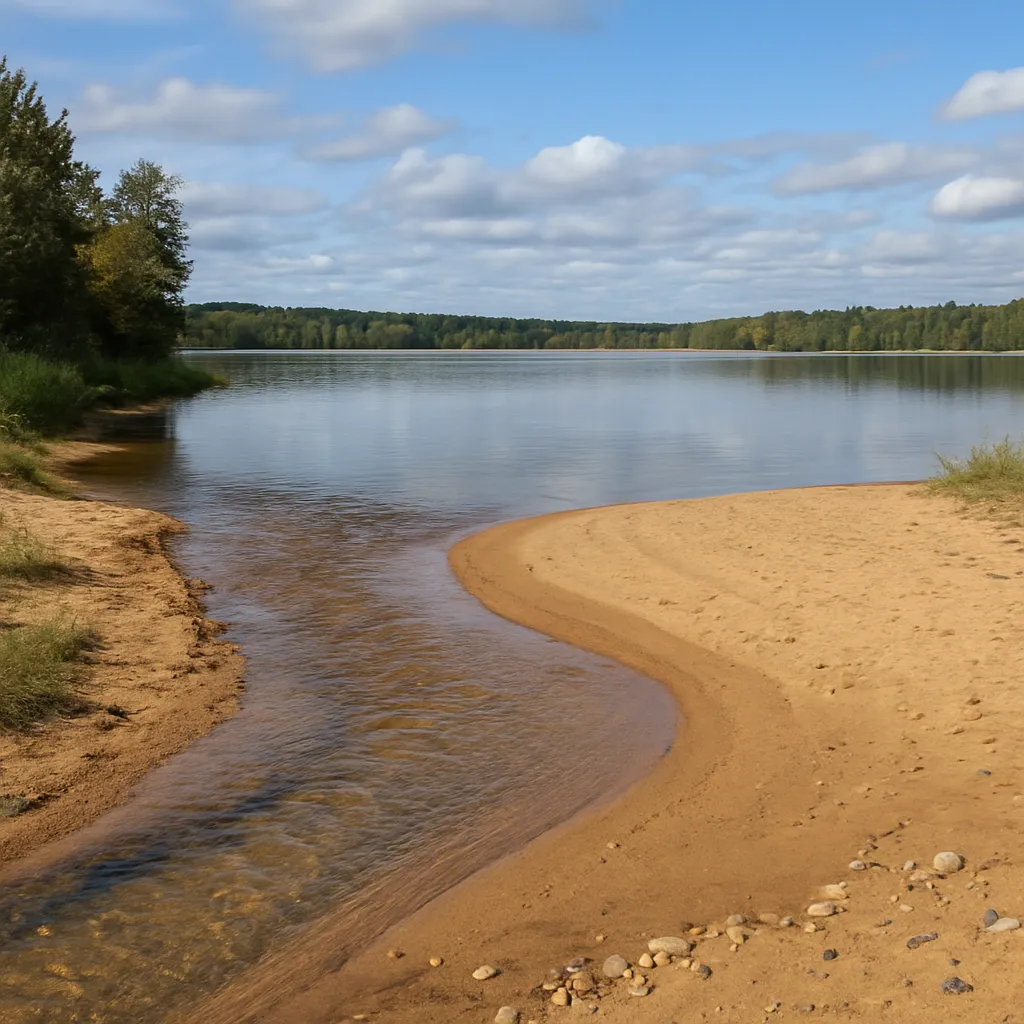
A river slows where it enters a lake, and sand settles into a fan-shaped pile near the shore. What surface process is happening?
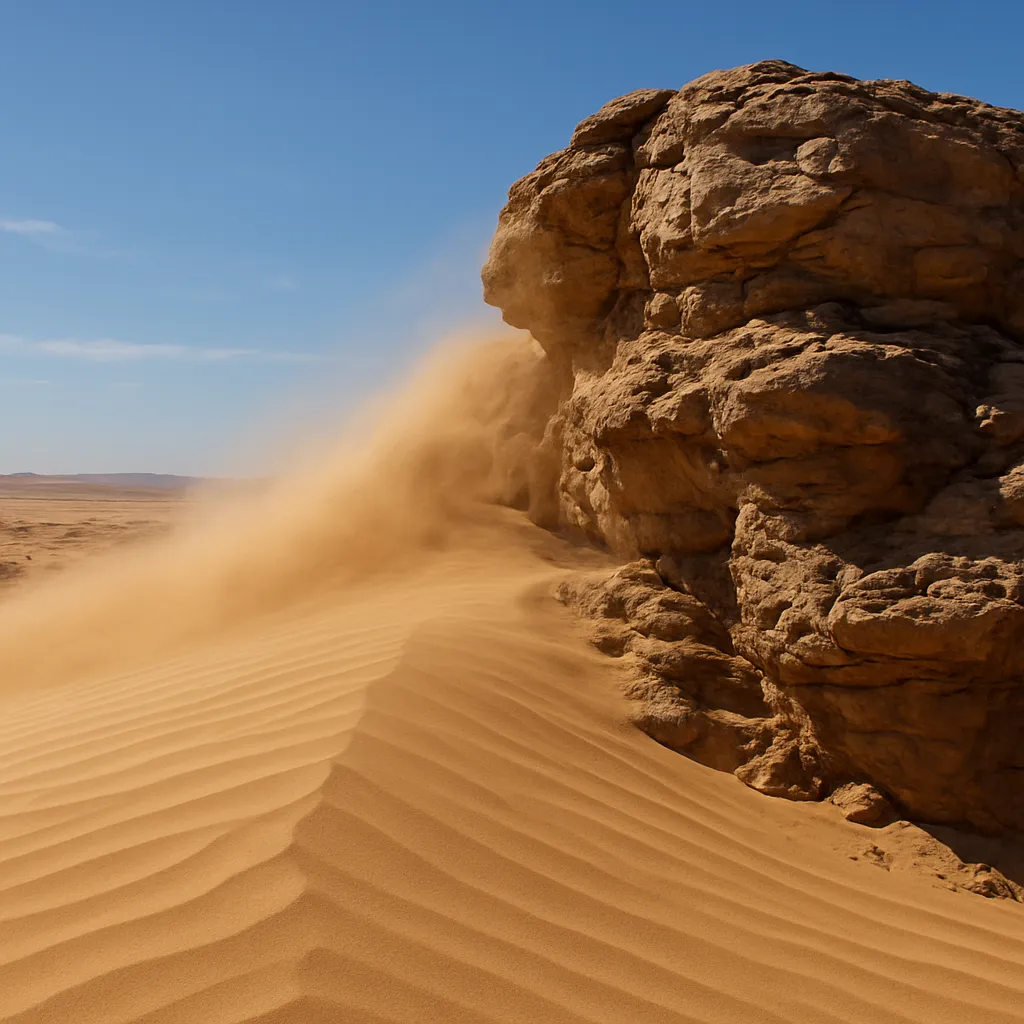
Wind blasts loose sand against a desert rock until the rock surface becomes smoother. What process is wearing down the rock?
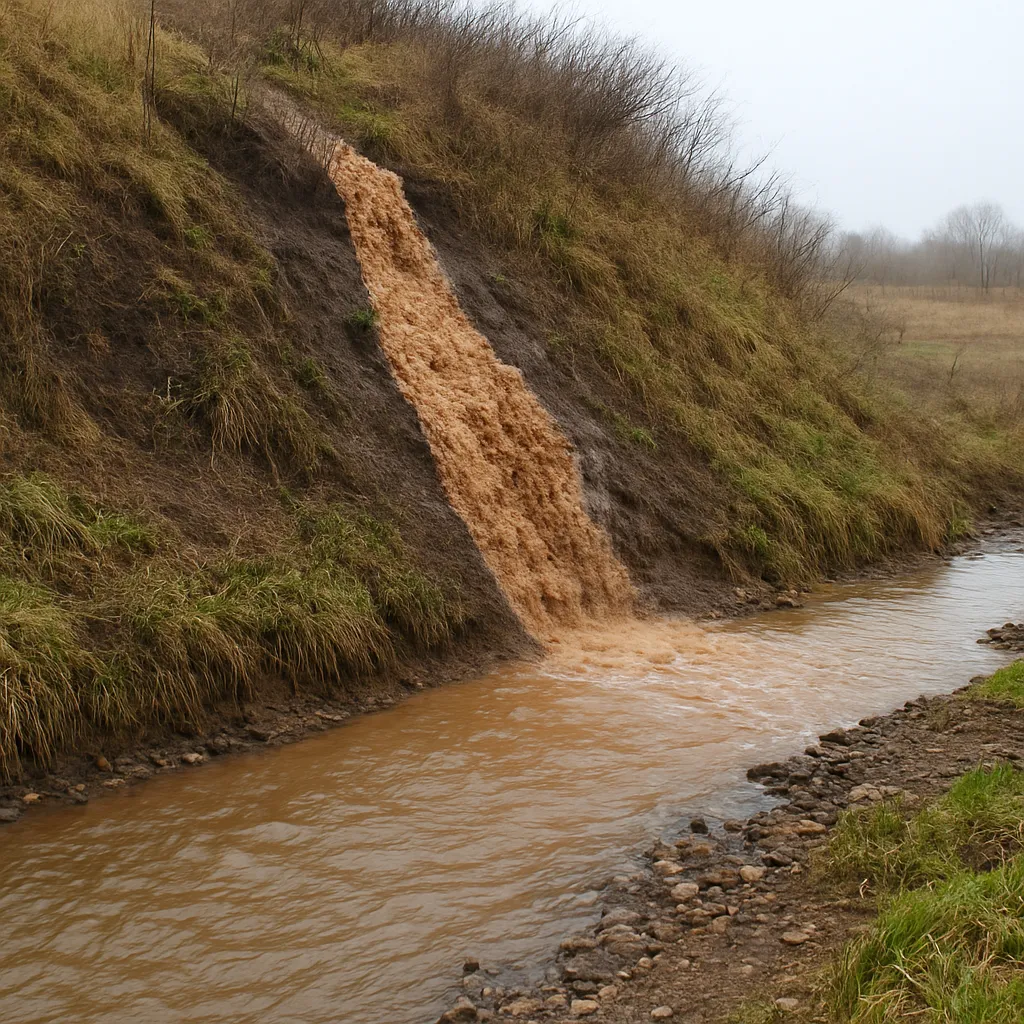
After heavy rain, muddy water carries soil from a hillside into a stream. What process is moving the soil?
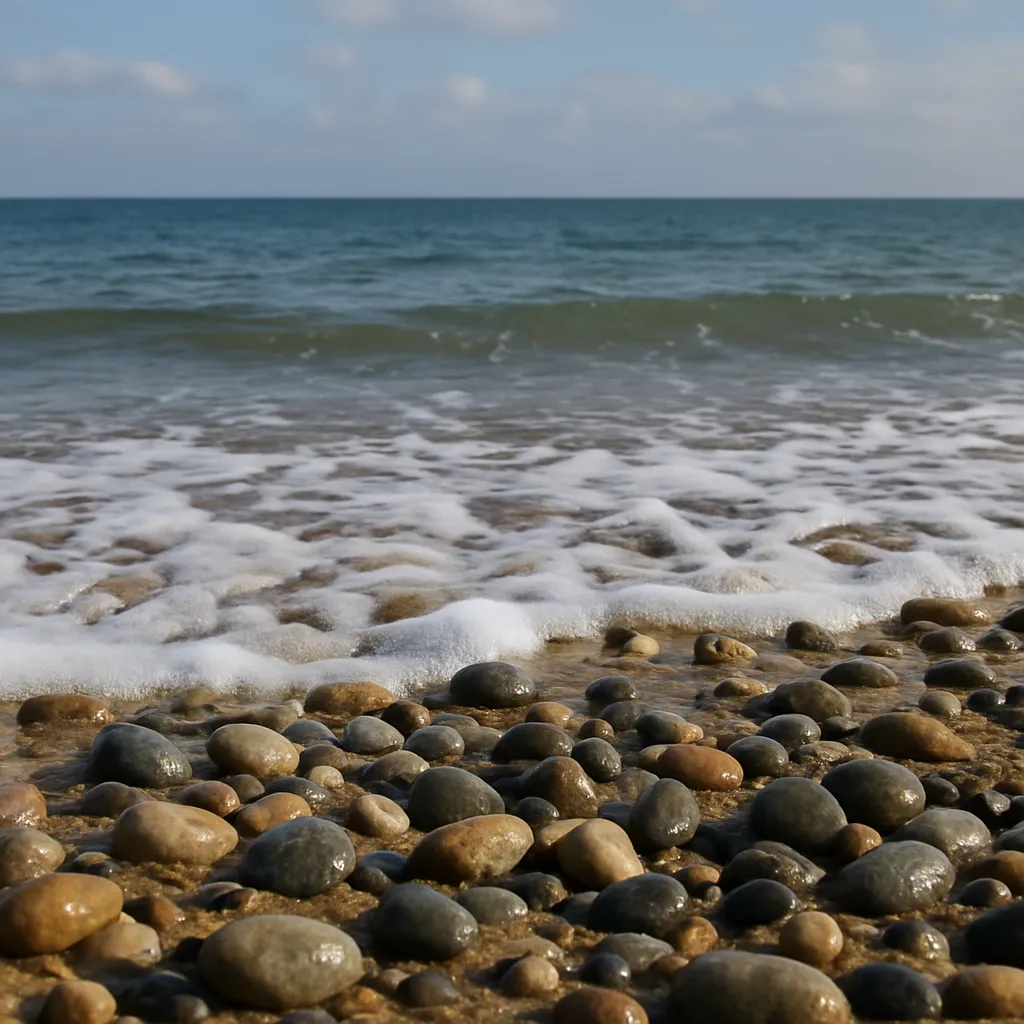
Waves pick up pebbles from a beach and carry them down the coast. What process is described?
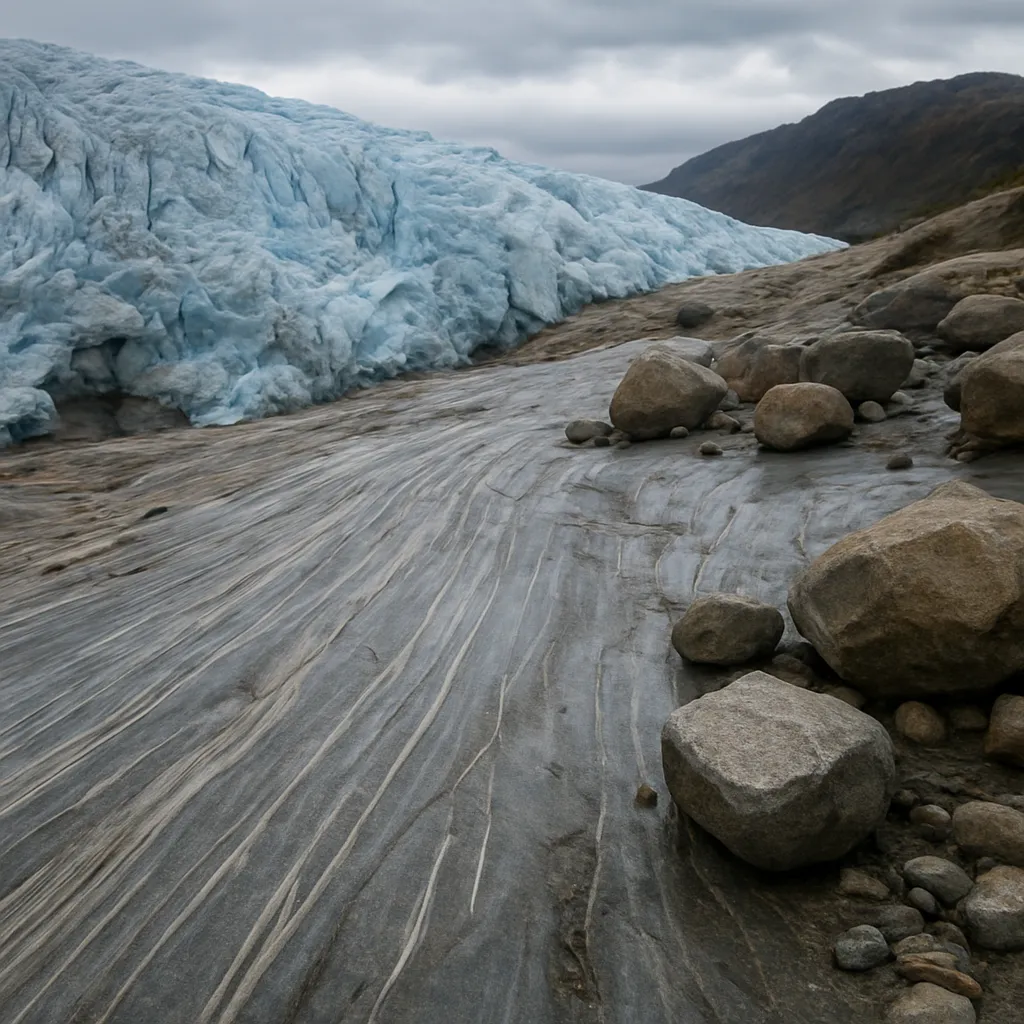
Glacier ice drags rocks across bedrock, scraping long grooves into the surface. What process is making the grooves?
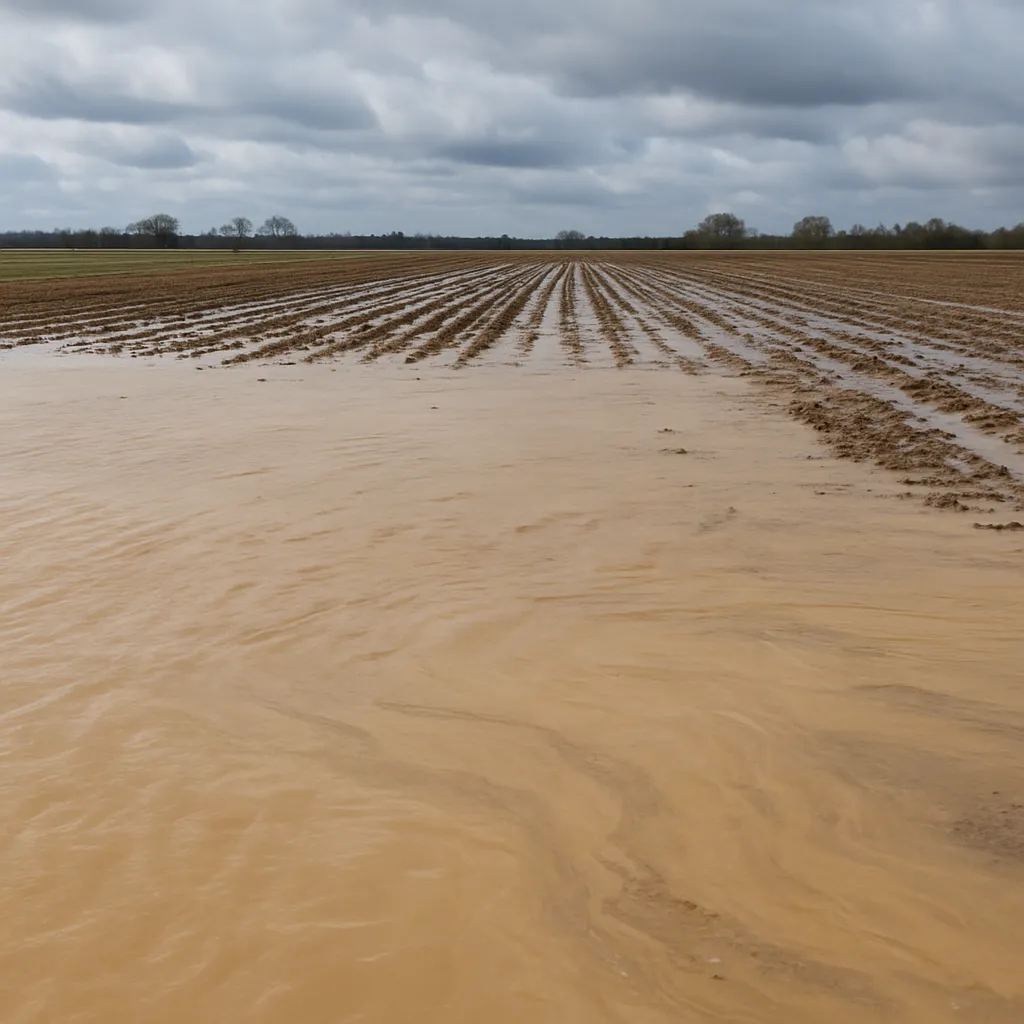
A stream floods, slows across a flat field, and leaves a layer of silt on the ground. What process left the silt?
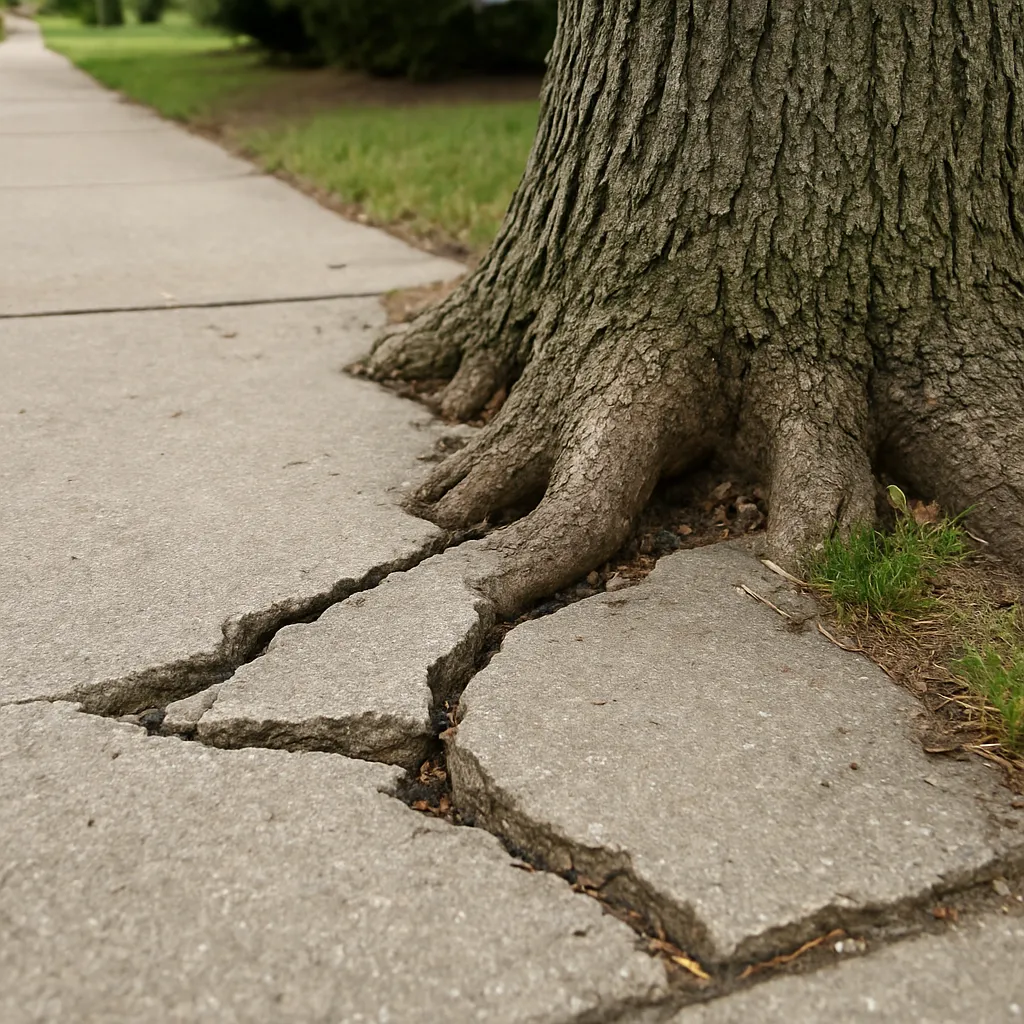
Tree roots grow into cracks in a sidewalk and pry the concrete apart. What process is changing the surface?
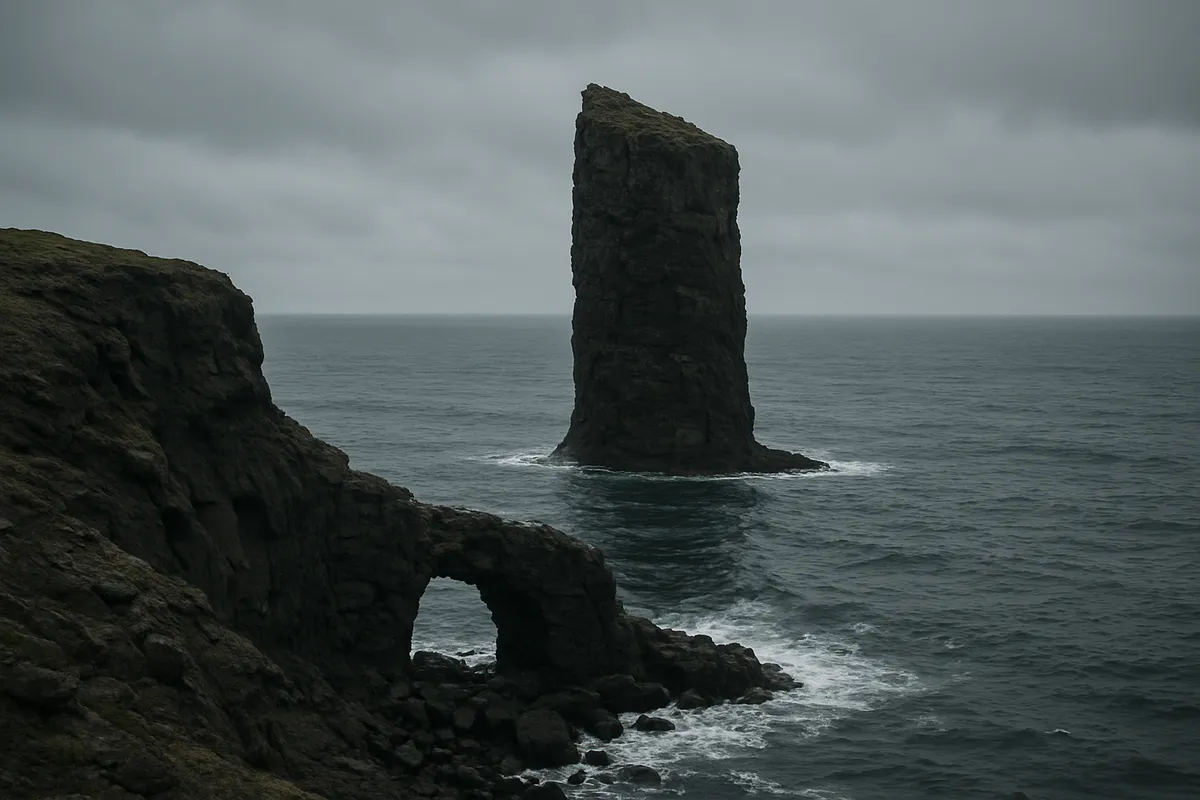
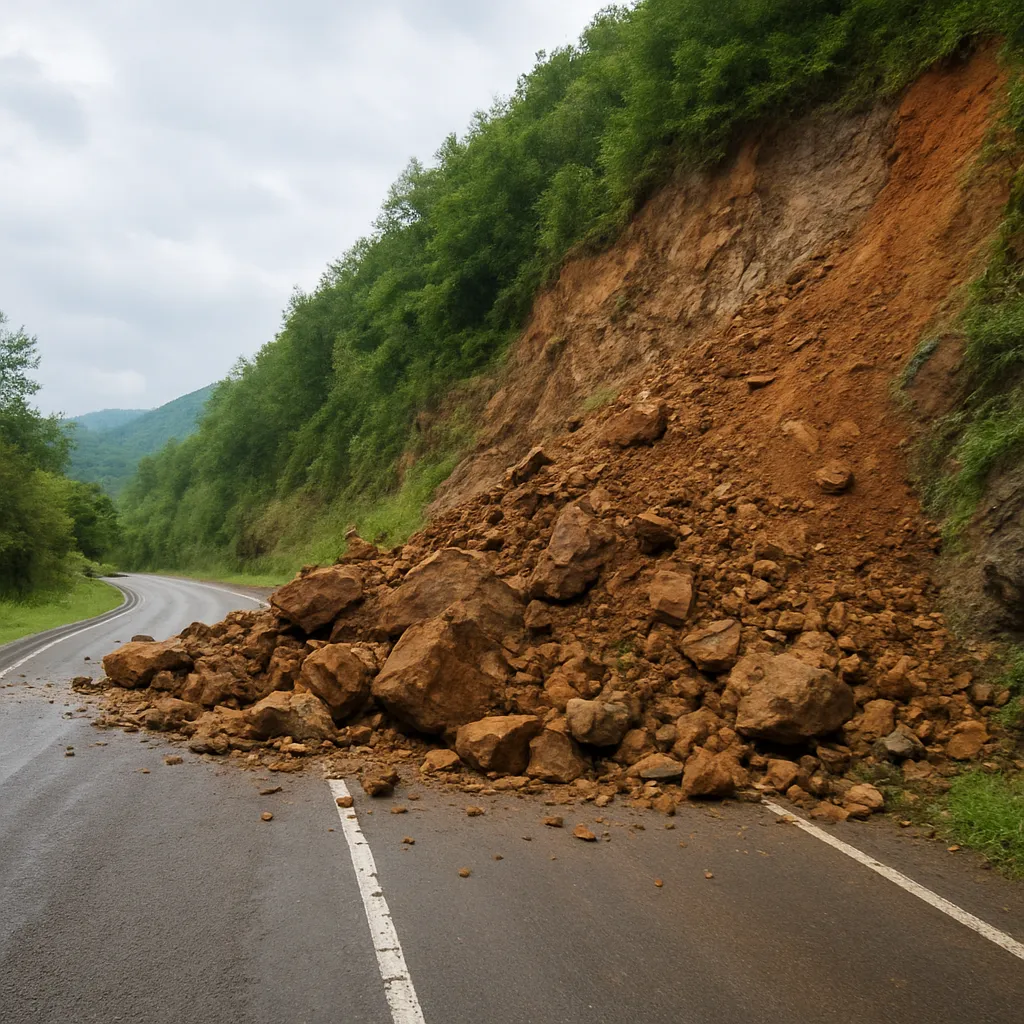
A landslide moves soil and broken rock downhill in seconds, covering part of a road. Which scale description fits this change?
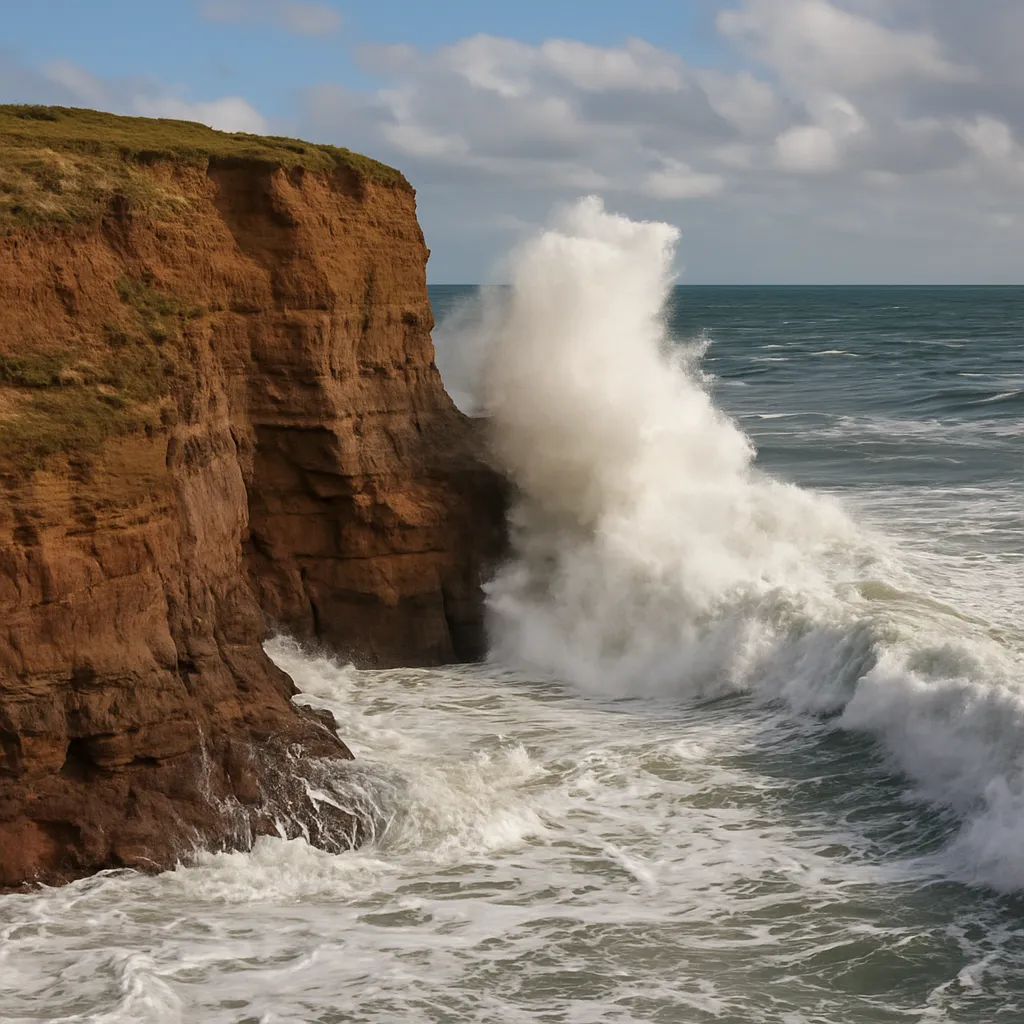
Ocean waves remove a few centimeters of cliff each year, and the shoreline shifts after many decades. Which scale description fits?
A volcanic eruption buries a valley in ash and lava during one day. Which scale description best matches this surface change?
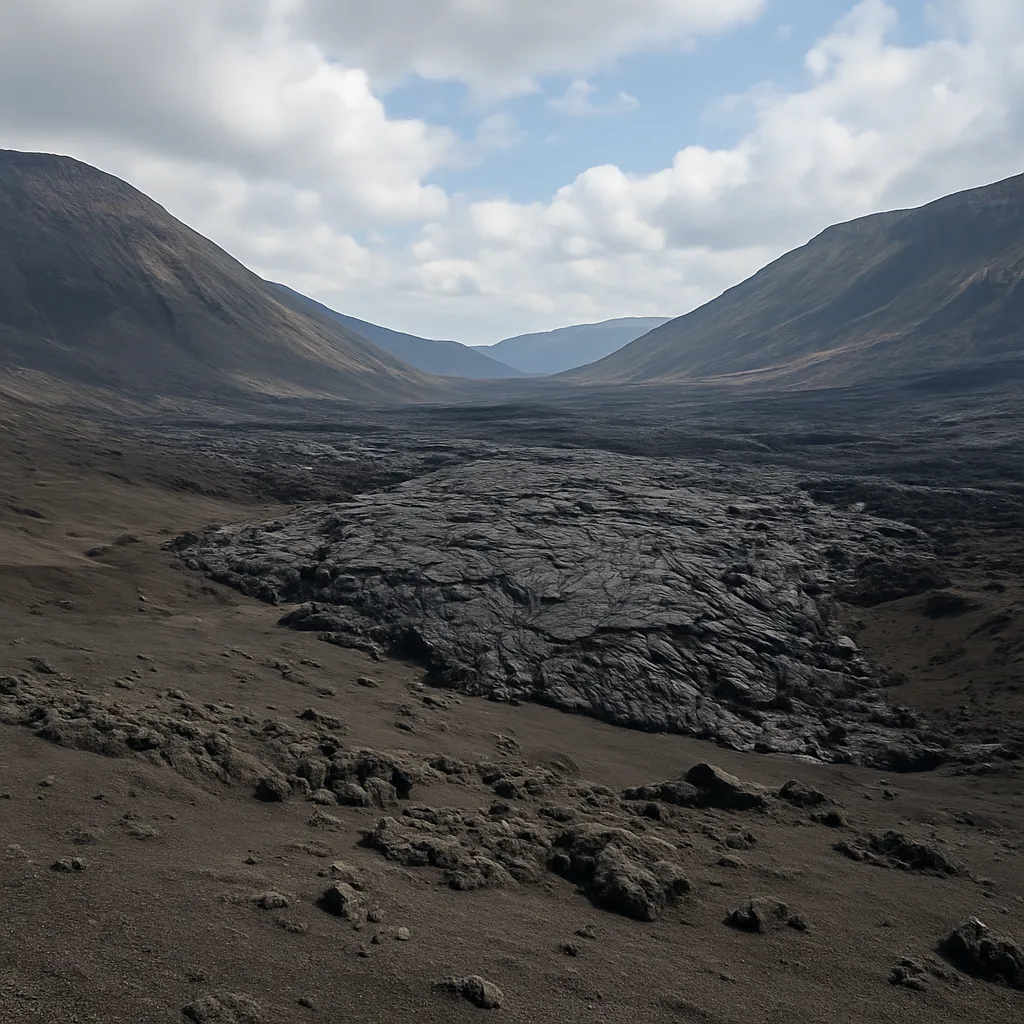
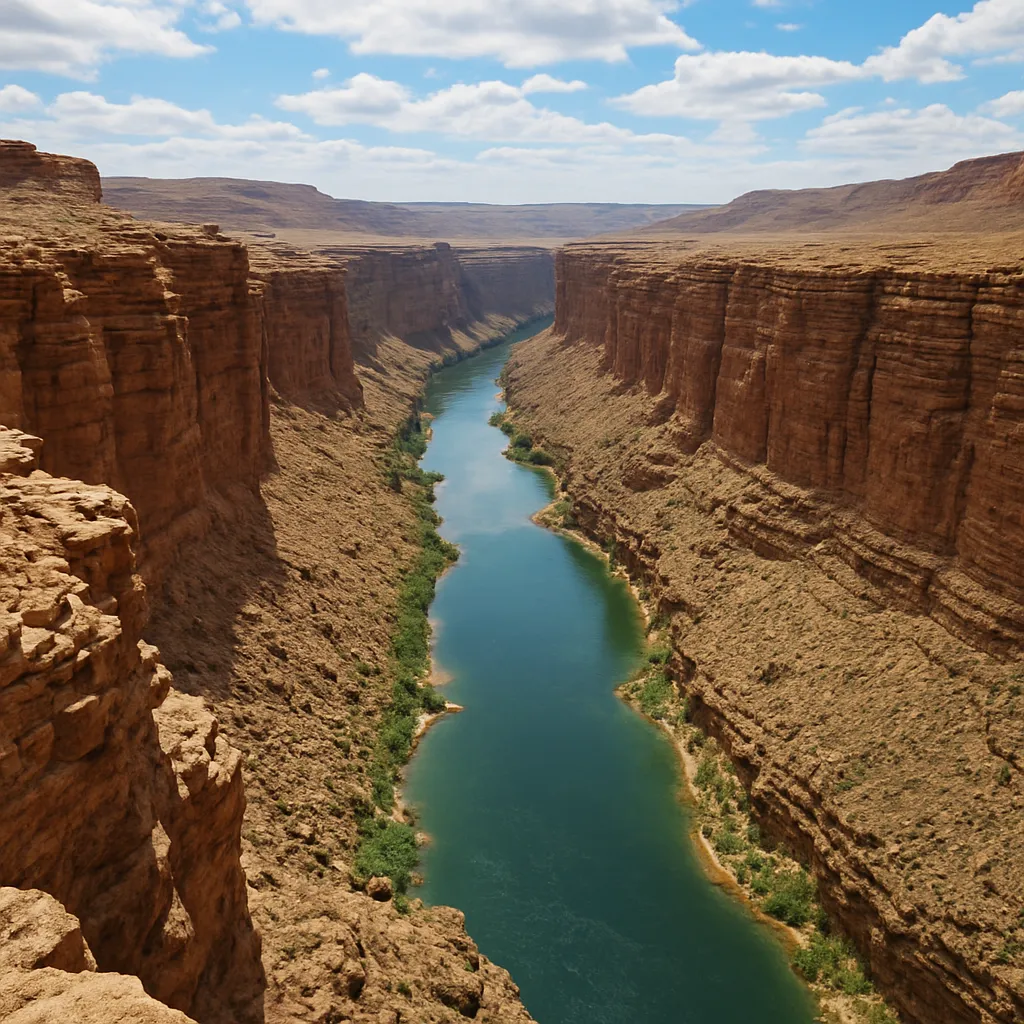
A river cuts deeper into rock over thousands of years, forming a canyon many kilometers long. Which description fits?
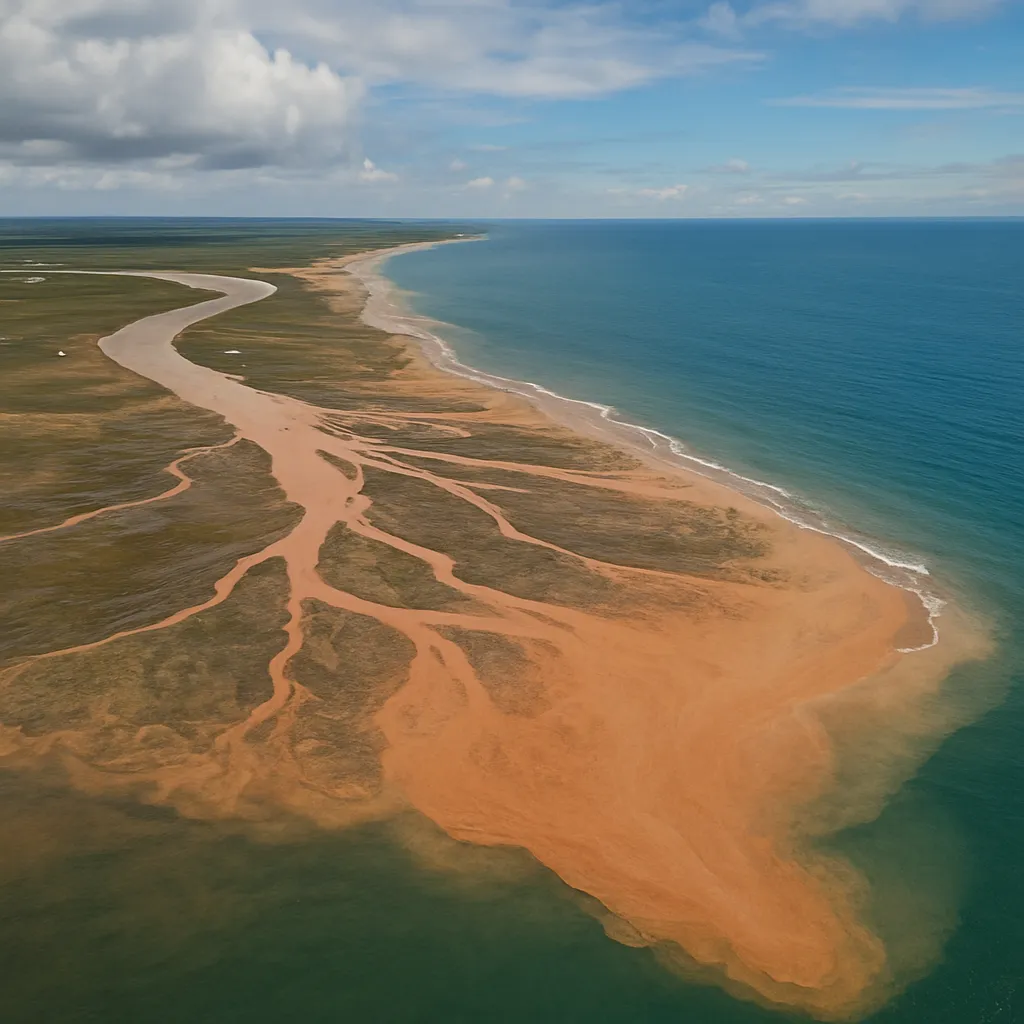
A delta grows where a river drops sediment into the ocean year after year. Which description fits this change?
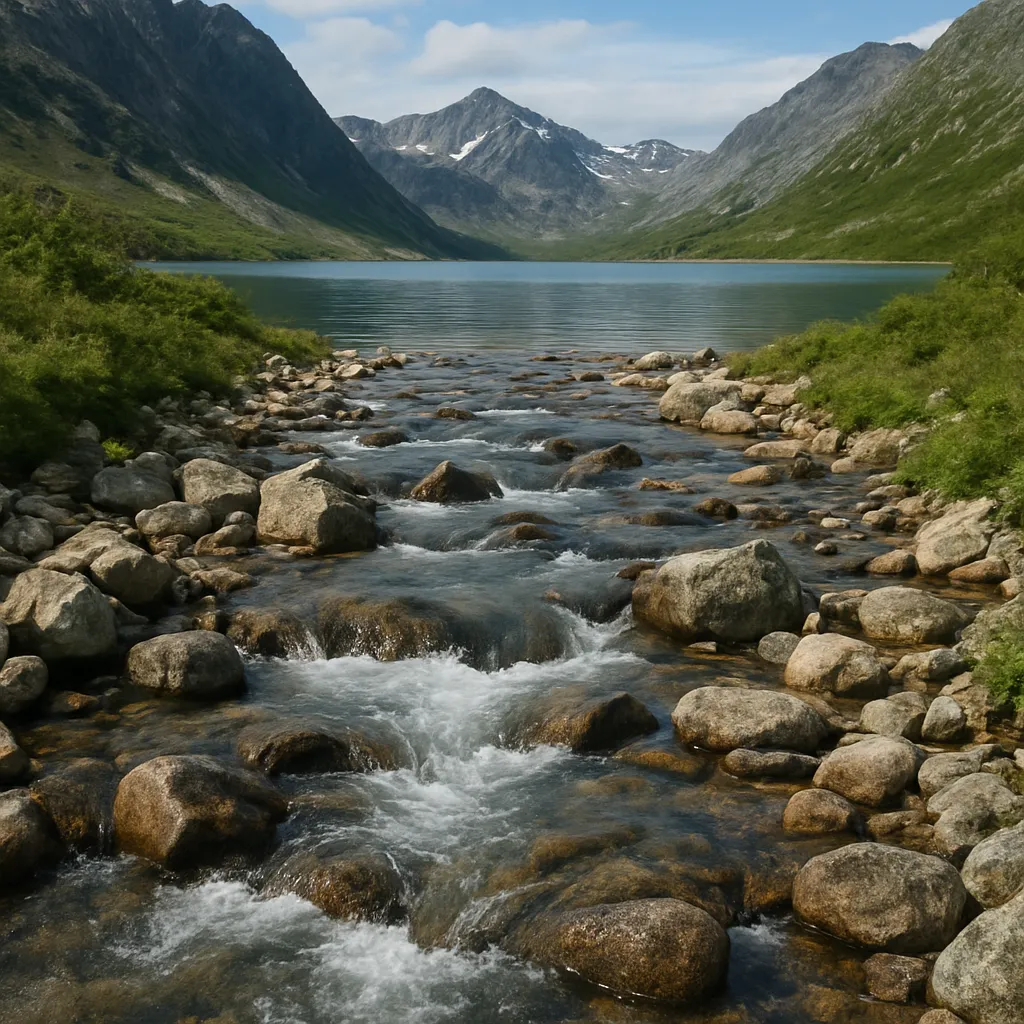
Rock pieces break off a mountain, tumble down a stream, then settle in a lake. What sequence explains the changes?
A cliff face cracks in freezing water, waves carry the pieces away, and a sandbar forms offshore. What is the correct sequence?
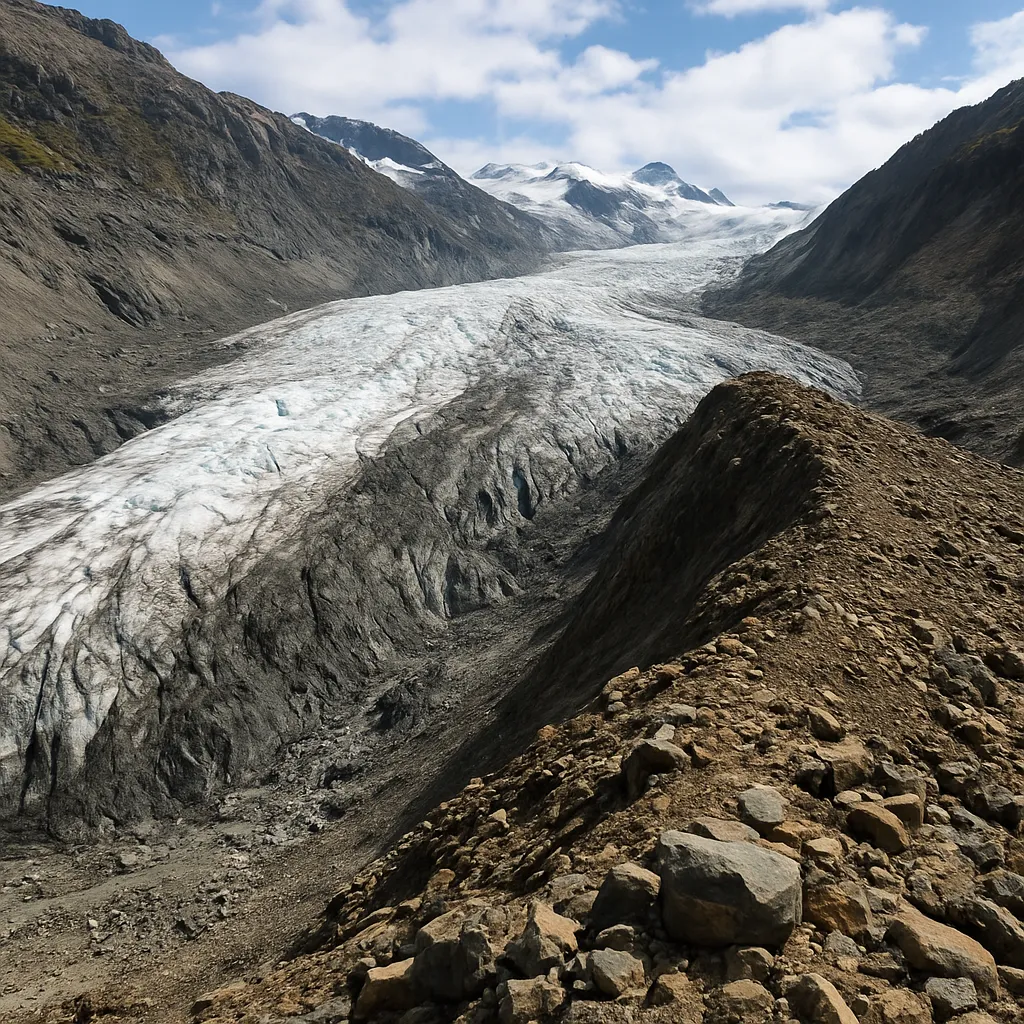
Along the side of a glacier, rock and gravel the ice carried pile up in a long ridge. What process built the ridge?
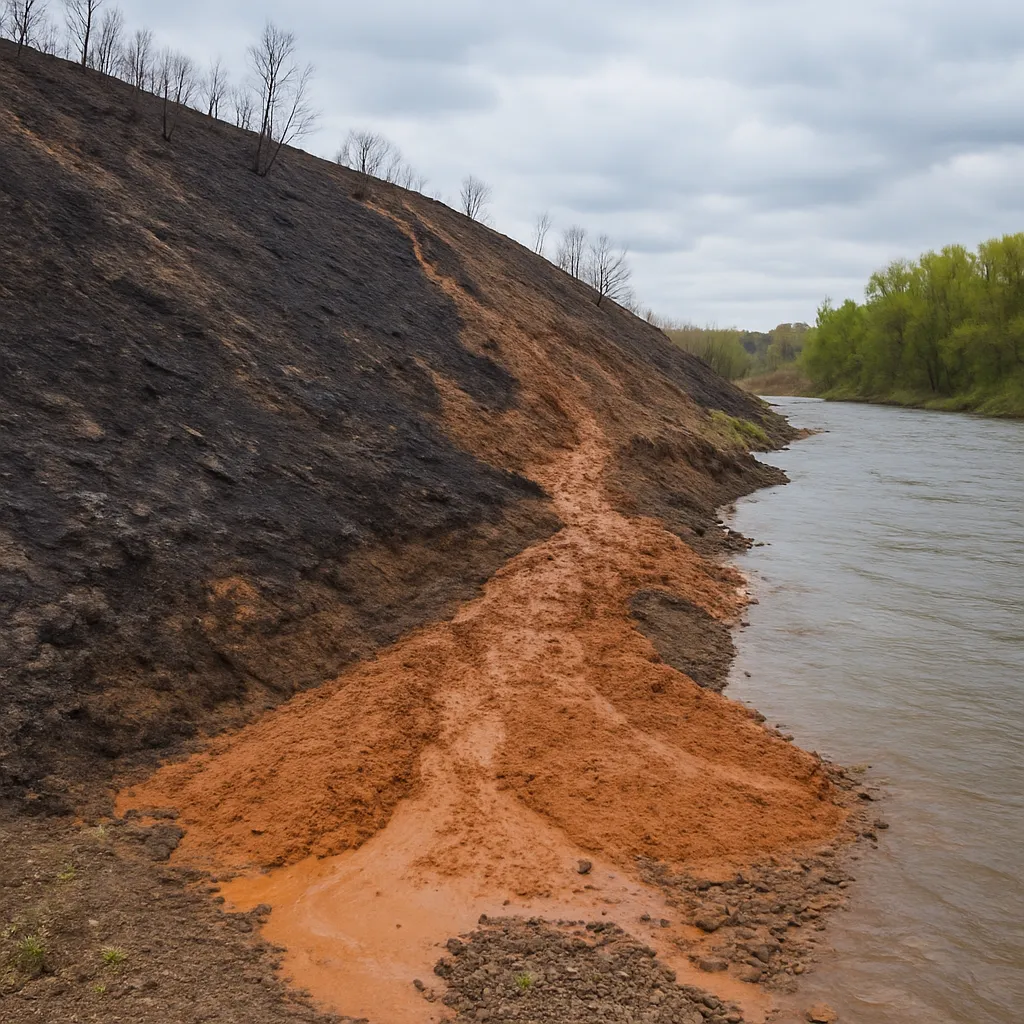
After a wildfire, rain washes much more soil off a burned slope into the river than before the fire. What best explains the change?
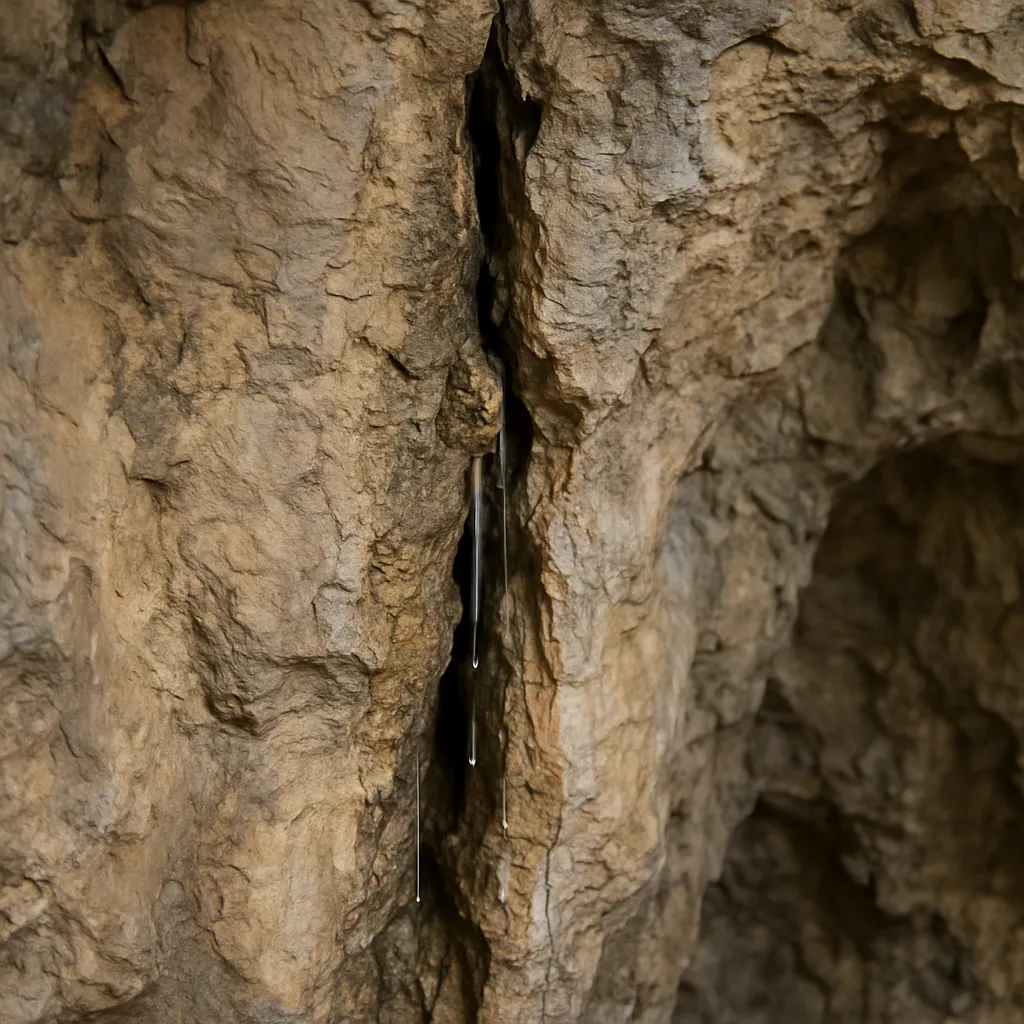
Slightly acidic rainwater dissolves minerals in limestone and slowly widens cracks in a cave wall. What process is described?
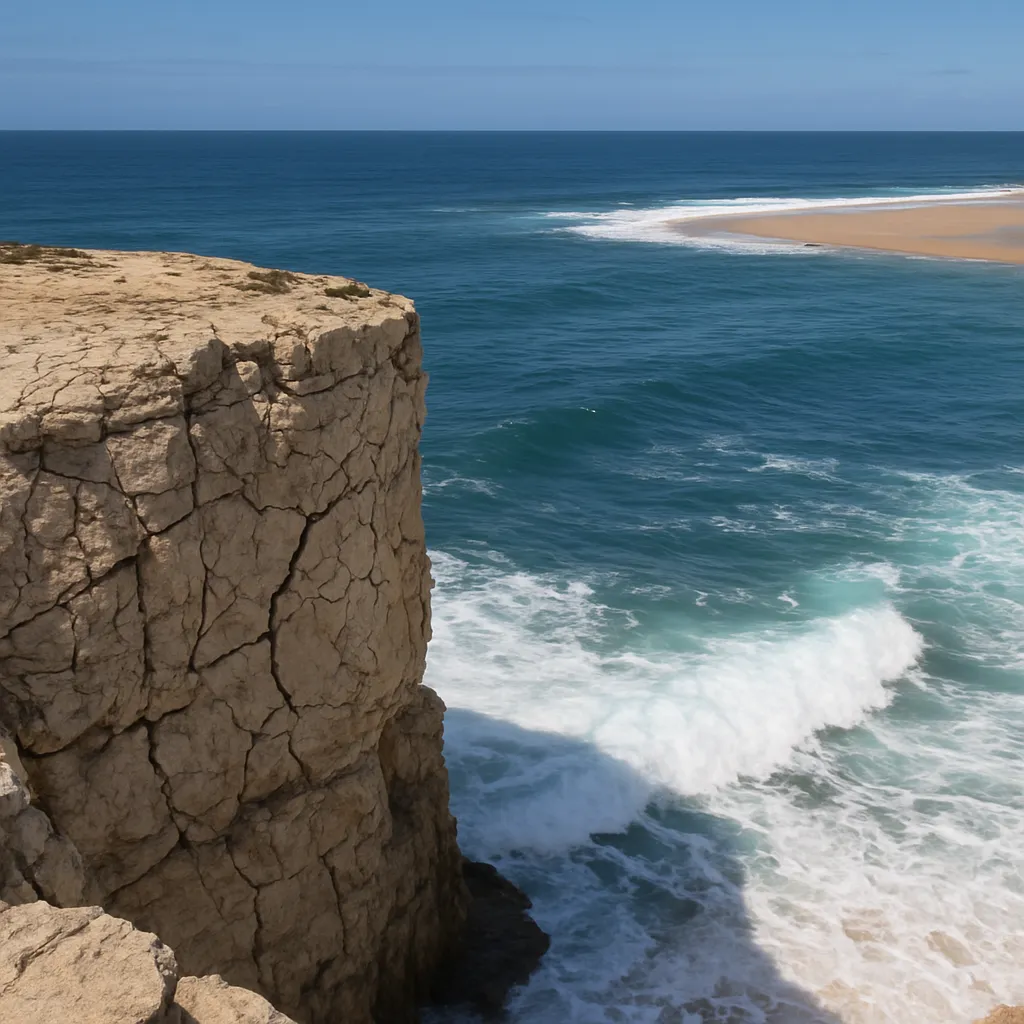
Water freezes in a rock crack, expands, and splits the rock without changing its minerals. What process is this?
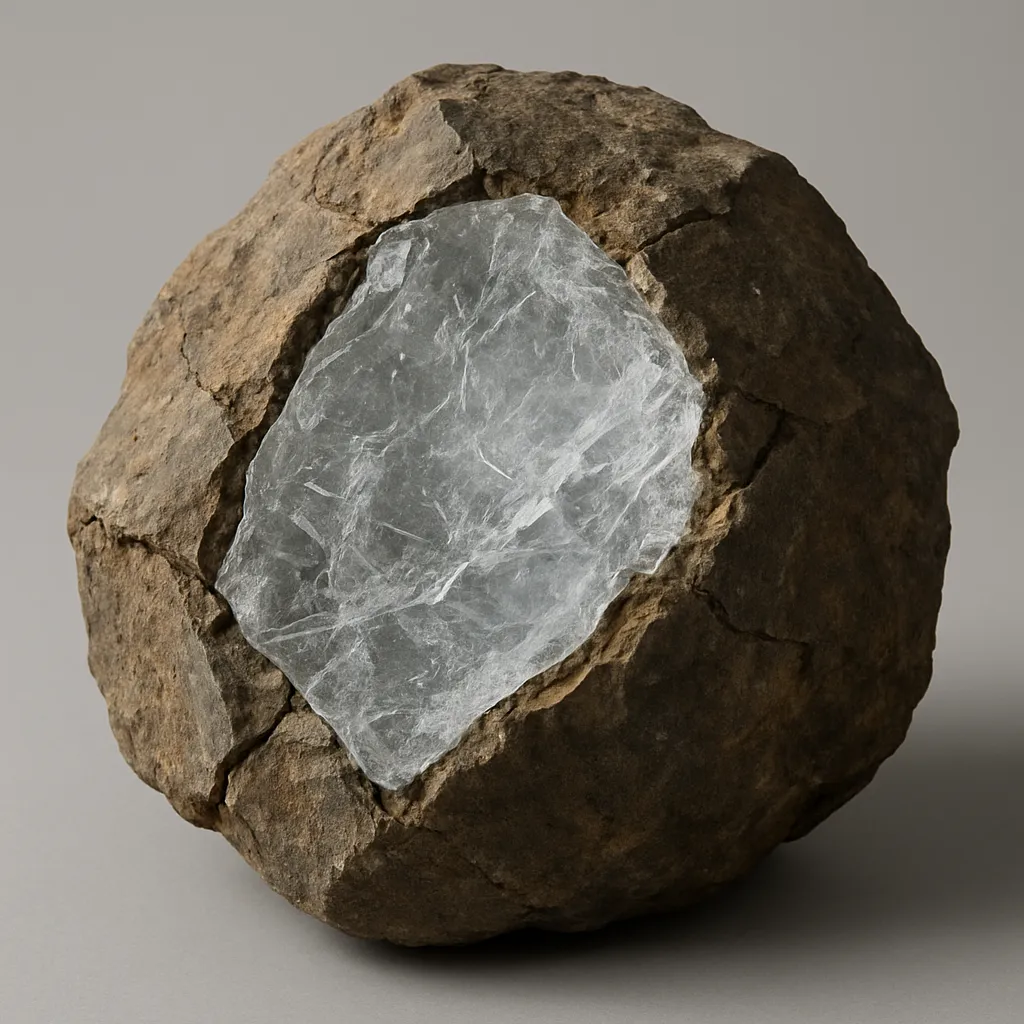
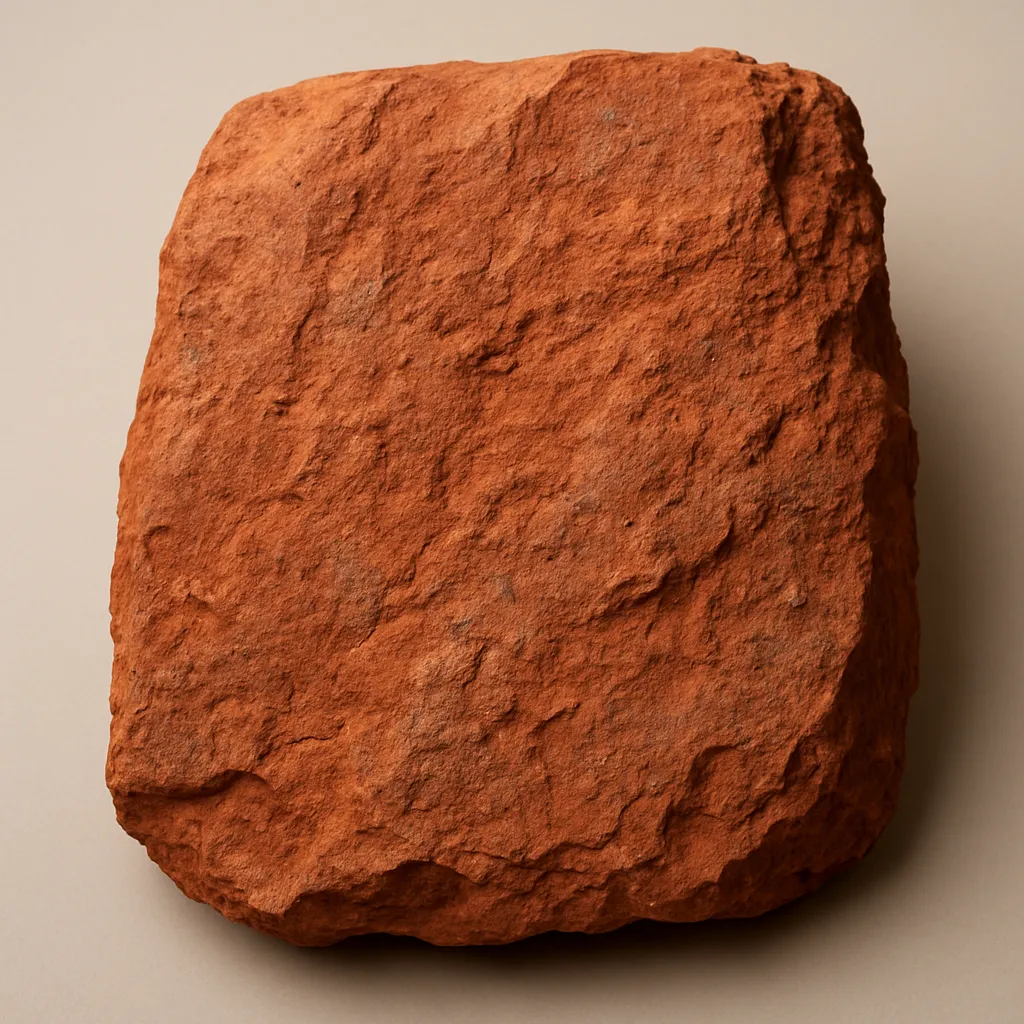
Oxygen in air reacts with iron minerals in rock, producing reddish rust-colored surfaces. What kind of weathering is happening?
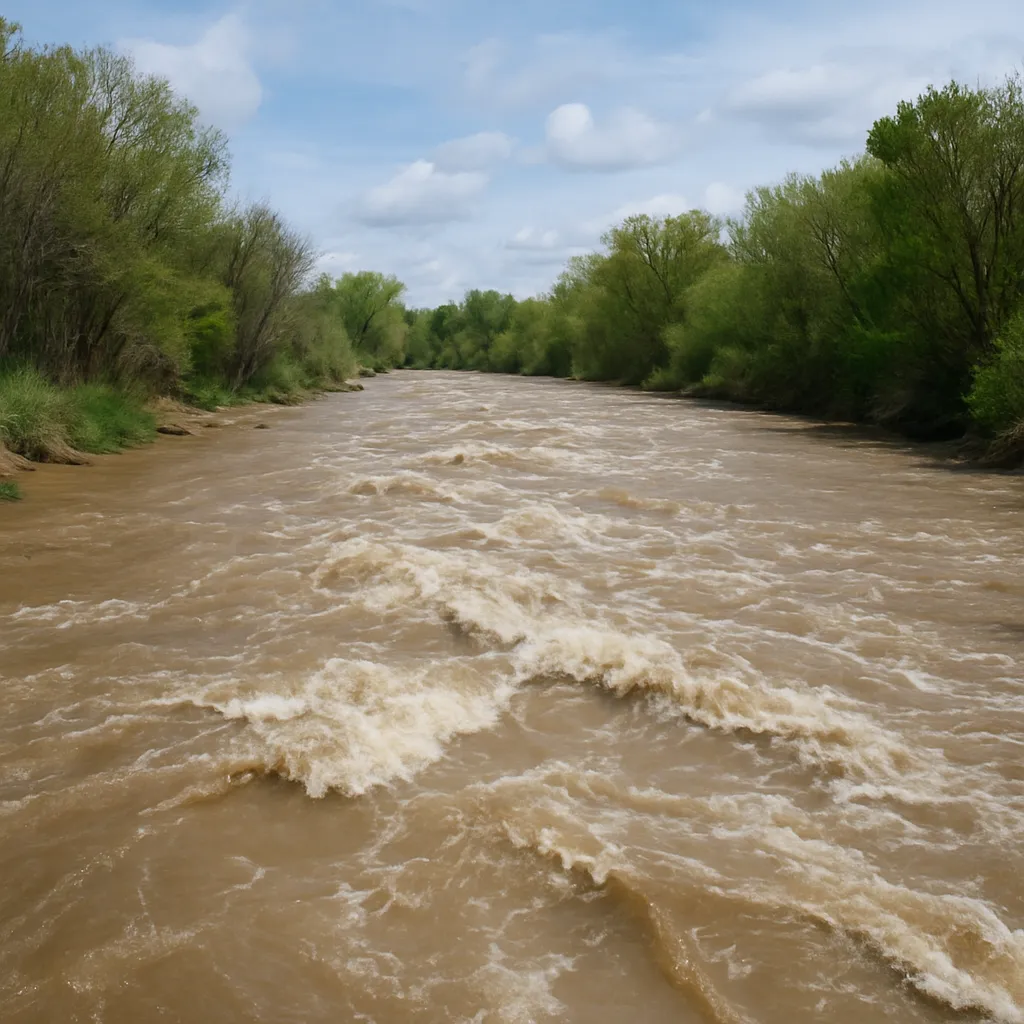
This river is flowing fast and carrying sand from its channel bottom. Which change would make it erode its channel even faster?
Crack the passcode before the zombies get in.
Answer, then swat bugs for bonus points.
Race through questions at your own speed.
Same question on every screen. Fastest wins.

Pick a tile, answer, hit bonuses and steals.
Earth's Materials and Plate Motion: Key Terms in Use
20 questions