Loading
by BlastRoom
Follow water through air, land, and ocean while identifying the energy and forces that move it.
#us_grade_7_science
40 questions
One question set, multiple game modes. Tap any game to see it in action. Not sure which to pick?
Answer to place stones and capture territory.
Outrun the snow together.
Earn blasts, then hunt the other team.
Answer to earn energy, then climb.

The class blasts through walls together.
Bid on mystery lots. Most money wins.
Sell tours. Nice, standard, or a total scam.

Answer, restock, and serve the rush.
More correct answers pulls the rope your way.
Answer, then shoot down the alien wave.
Answer, then tap to leap the frozen ridge.
After a sunny afternoon, a shallow puddle is smaller because some liquid water became water vapor in the air. Which process moved the water?
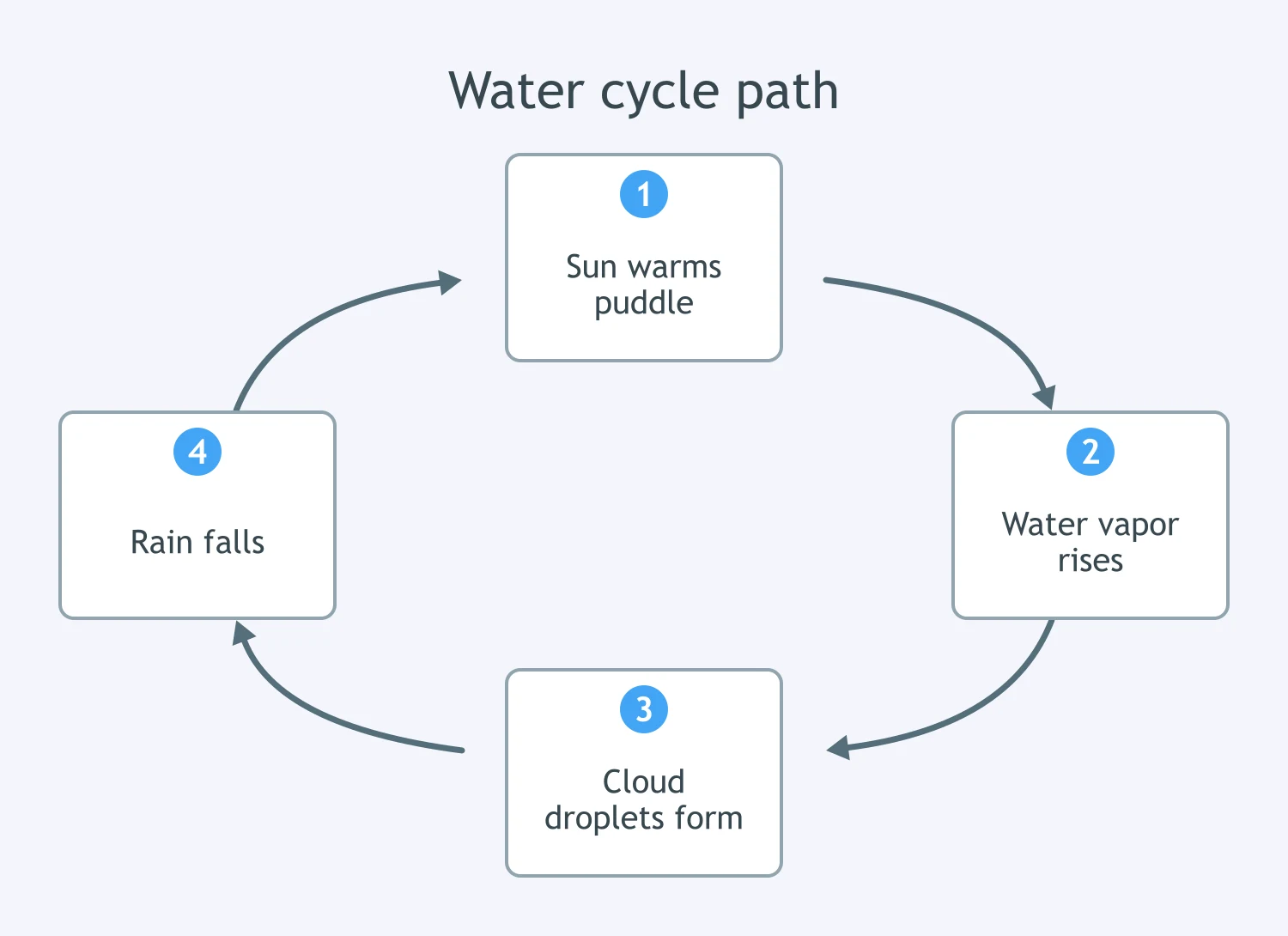
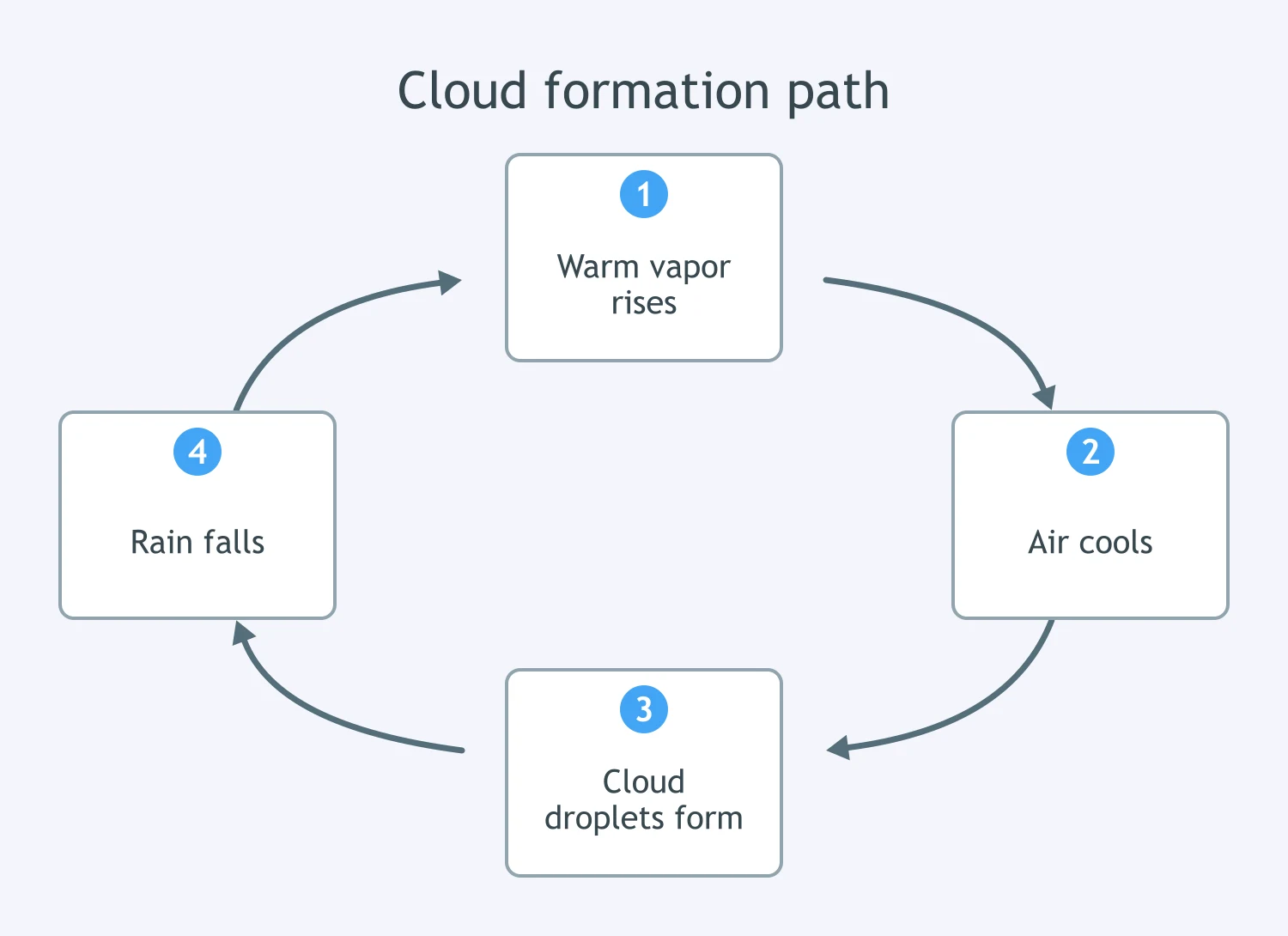
Moist air rises, cools, and tiny liquid droplets form around dust high above the ground. Which water-cycle process is happening?
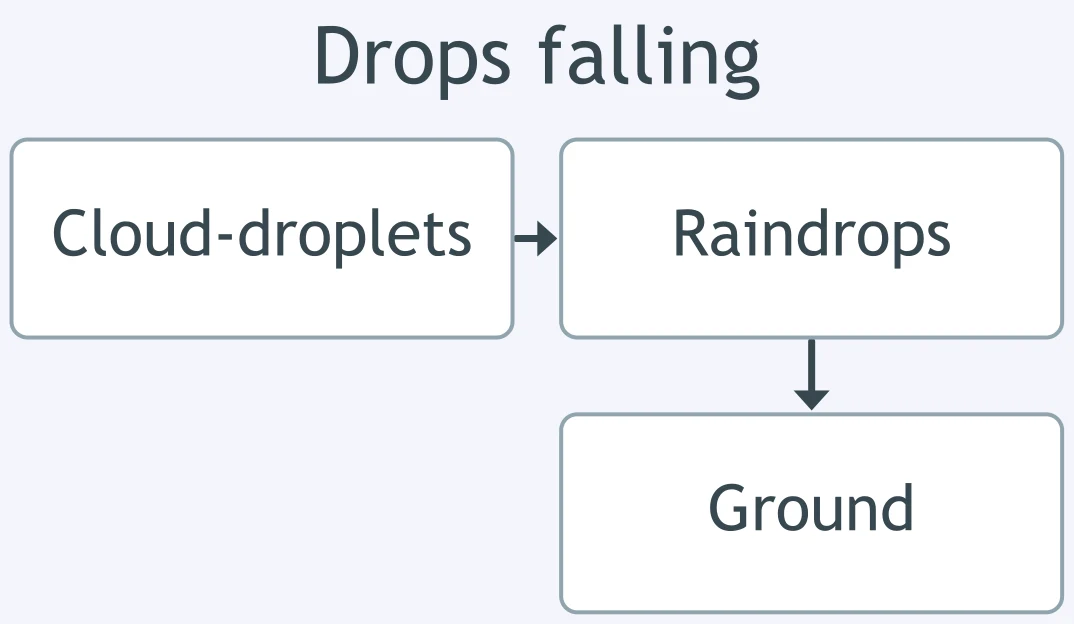
Cloud droplets grow until they fall to the ground as rain during a storm. What process is this?
On a warm day, water moves from a tree's roots to its leaves and leaves as vapor. Which process describes this release?
During heavy rain, water flows over a hillside into a creek instead of soaking into the soil. What movement is shown?
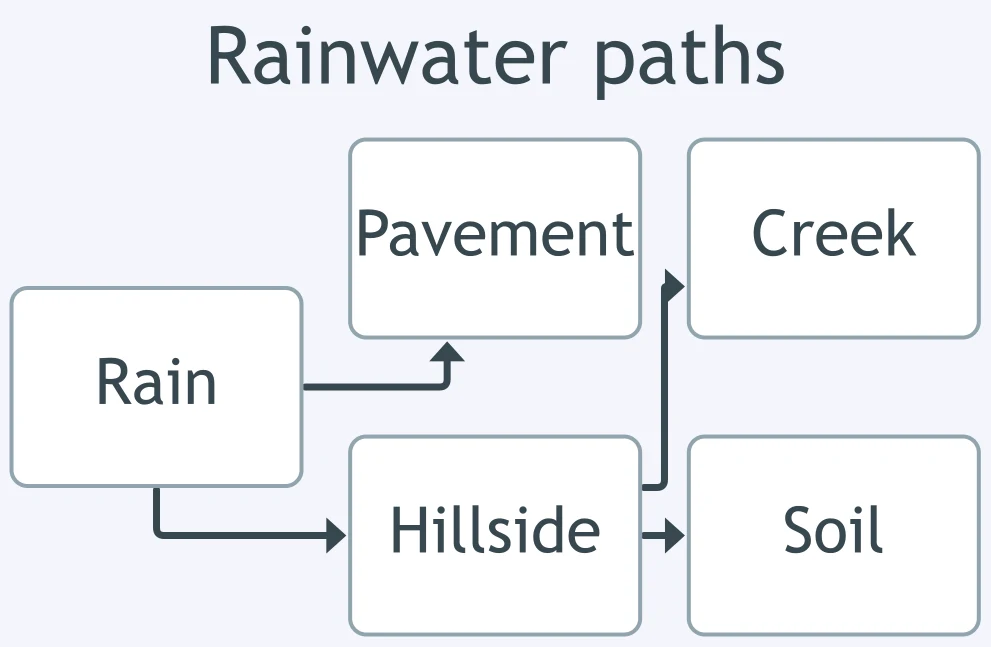
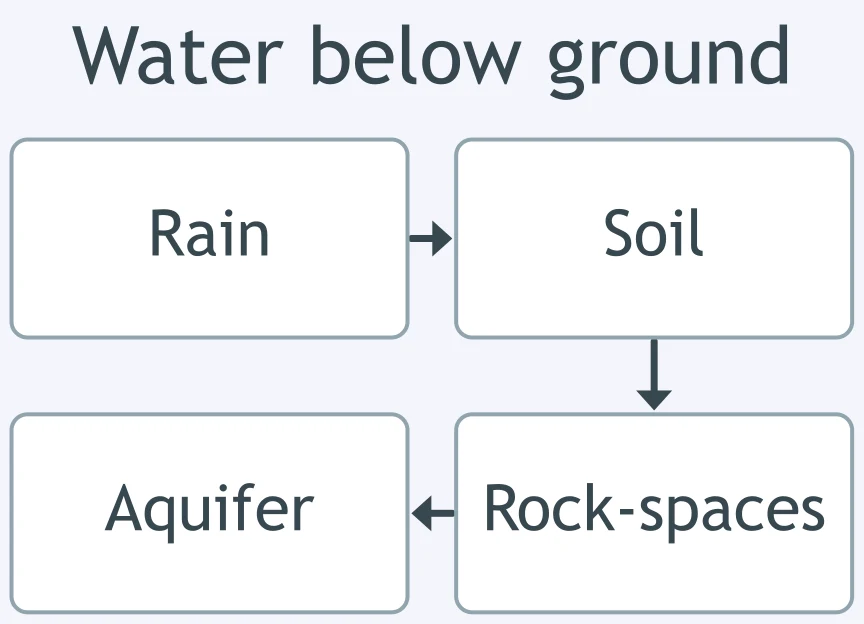
Rainwater seeps downward through spaces between soil particles and rock grains. Which process moved the water below the surface?
At dawn, water vapor touches cold grass and becomes liquid dew drops. Which process changed the vapor to liquid?
A pond surface turns from liquid water to solid ice during a night below 0 degrees Celsius. Which process occurred?
In spring, glacier ice changes to liquid water that feeds a mountain stream. Which process changed the water's state?
Wet towels on a line become dry as liquid water leaves the fabric and enters the air. Which process removed the water?
Ocean spray leaves a thin film of seawater on rocks. Later the rocks are dry and salt remains. Which process removed the water?
Inside a cold cloud, liquid drops turn into ice pellets before falling as hail. Which process changed liquid water to ice?
Snow melts on a mountain slope and soaks downward into cracks in soil and rock. Where is the water stored next?
Rain falls directly onto a lake and mixes with the lake water. Which reservoir has the water entered?
Water evaporates from the ocean and becomes invisible vapor above the sea. Which sphere holds the water after evaporation?
High on a mountain, snow that never melts piles up year after year and packs into thick ice that slowly flows downhill. Which reservoir stores that water?
A well pumps water from spaces in buried sand and gravel. Which reservoir is the well drawing from?
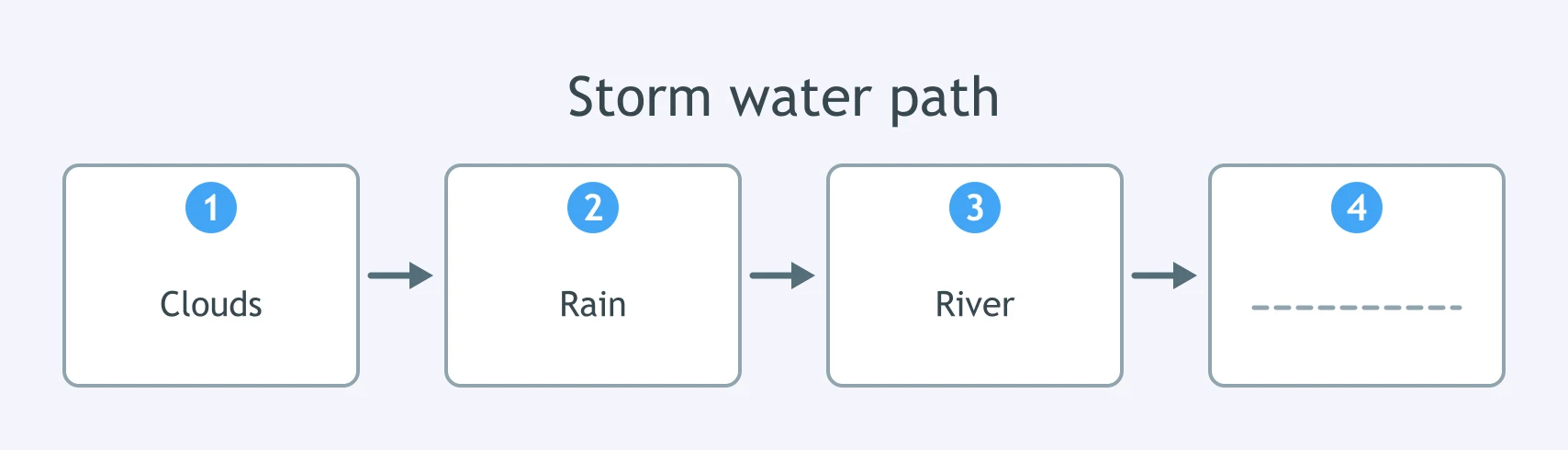
Storm water flows into a river, and the river flows downhill to its mouth. Which reservoir receives the water at the end of this path?
Water vapor cools and becomes cloud droplets floating above a city. Which sphere contains those droplets?
Rainwater runs into a creek between its banks. Which part of the hydrosphere is it entering?
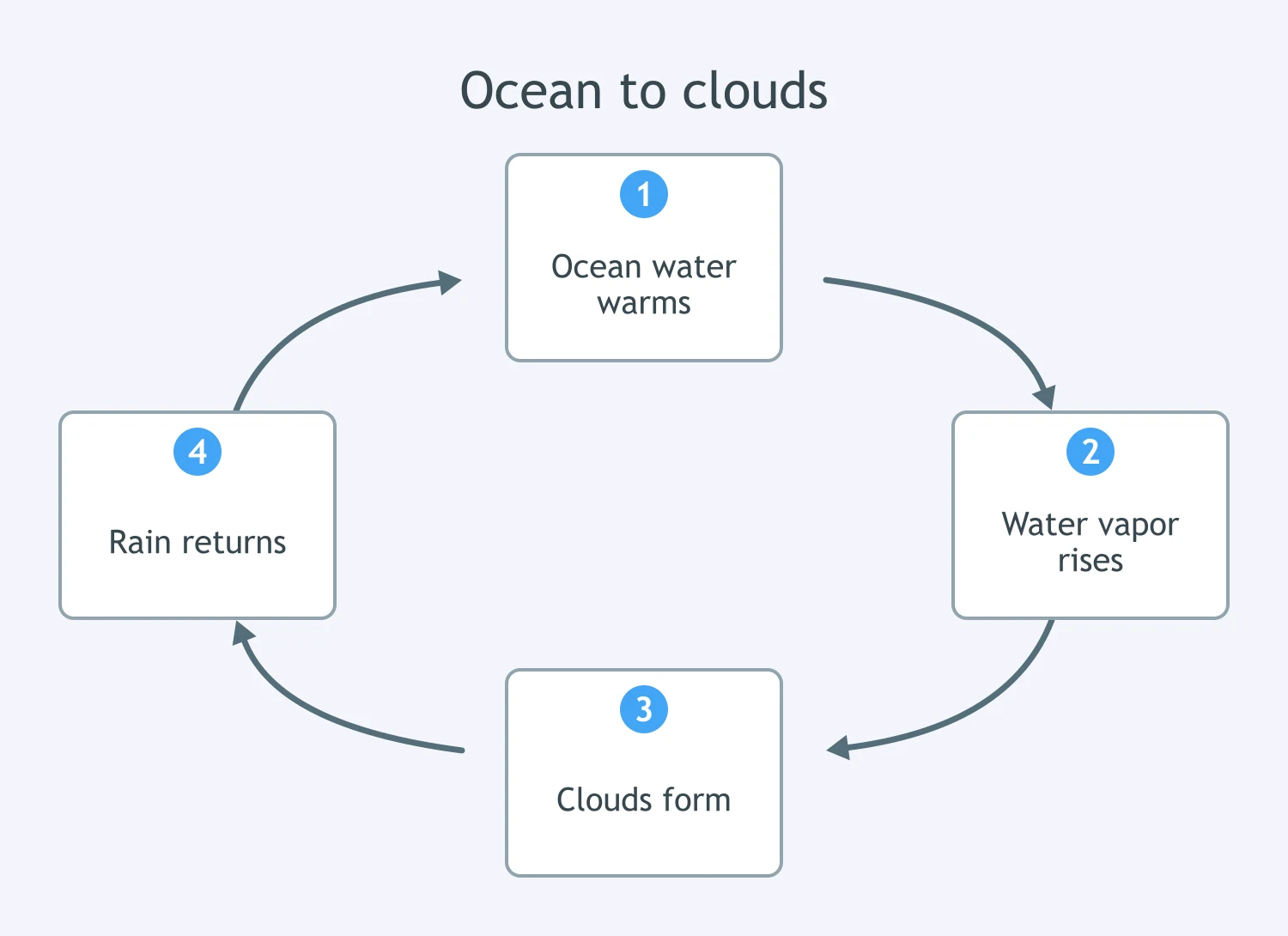
Ocean water becomes vapor on a clear day, starting a path that later forms clouds. What energy source starts this change?
After rain falls on a mountain, water moves downhill through gullies toward a river. What force drives this movement?
Water that infiltrates soil slowly moves deeper toward an aquifer. What force pulls it downward?
Warm water vapor enters colder air and becomes cloud droplets. What change allows condensation to happen?
A humid air mass moves water vapor from the ocean over land before storms form. What transports the vapor horizontally?
A sunflower releases water vapor through tiny openings in its leaves. What provides most of the energy for this transpiration?
Droplets in a cloud become large enough to fall as rain. Which force pulls the drops toward Earth's surface?
A lake loses water to evaporation every day. Which change would most increase how fast the lake evaporates?
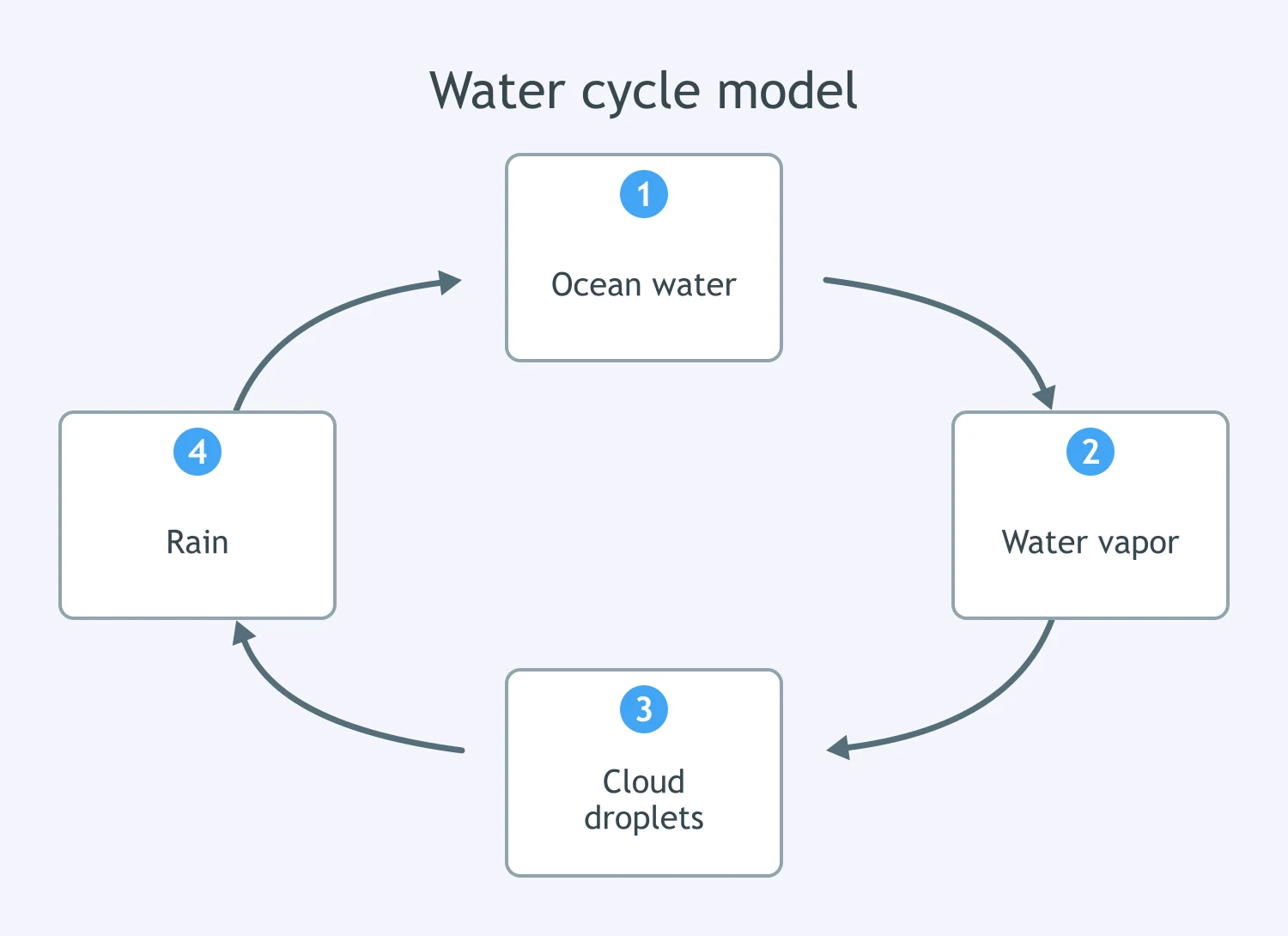
A model shows ocean water becoming vapor, then cloud droplets, then rain. Which sequence matches the model?
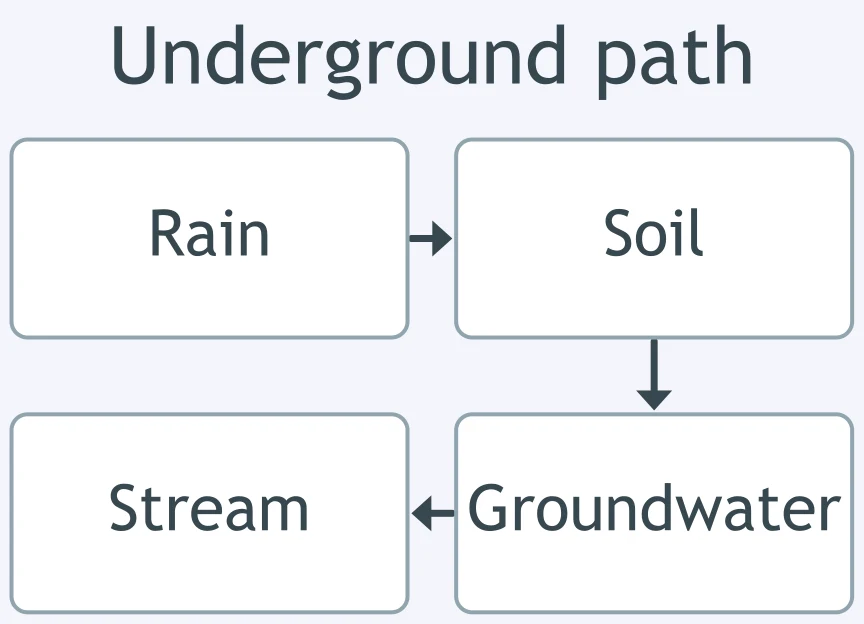
Rain falls on a field, soaks into soil, and later moves underground into a stream. Which sequence fits?
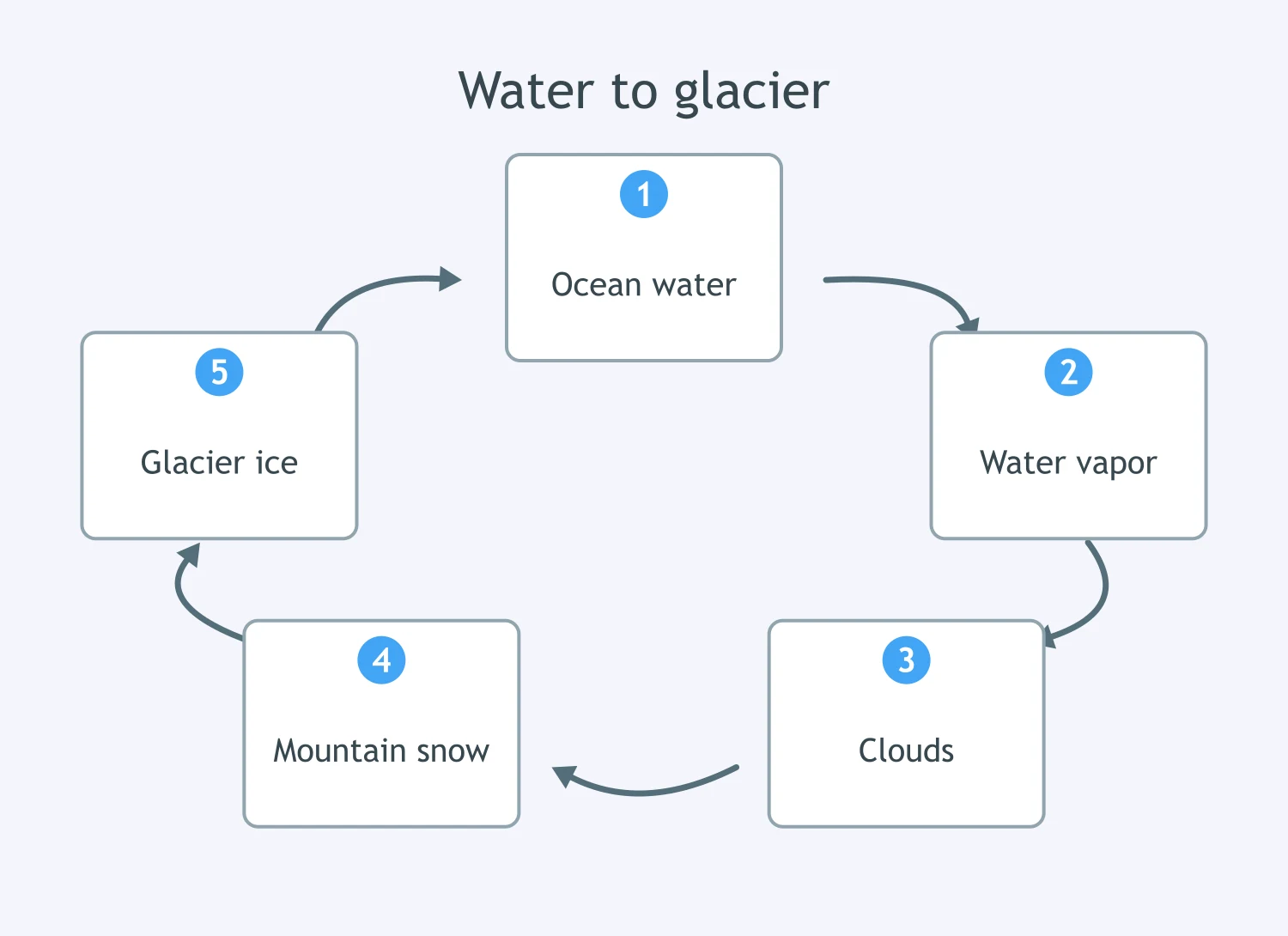
Ocean water vapor forms clouds, snow falls on a mountain, and the snow becomes glacier ice. Which sequence fits?
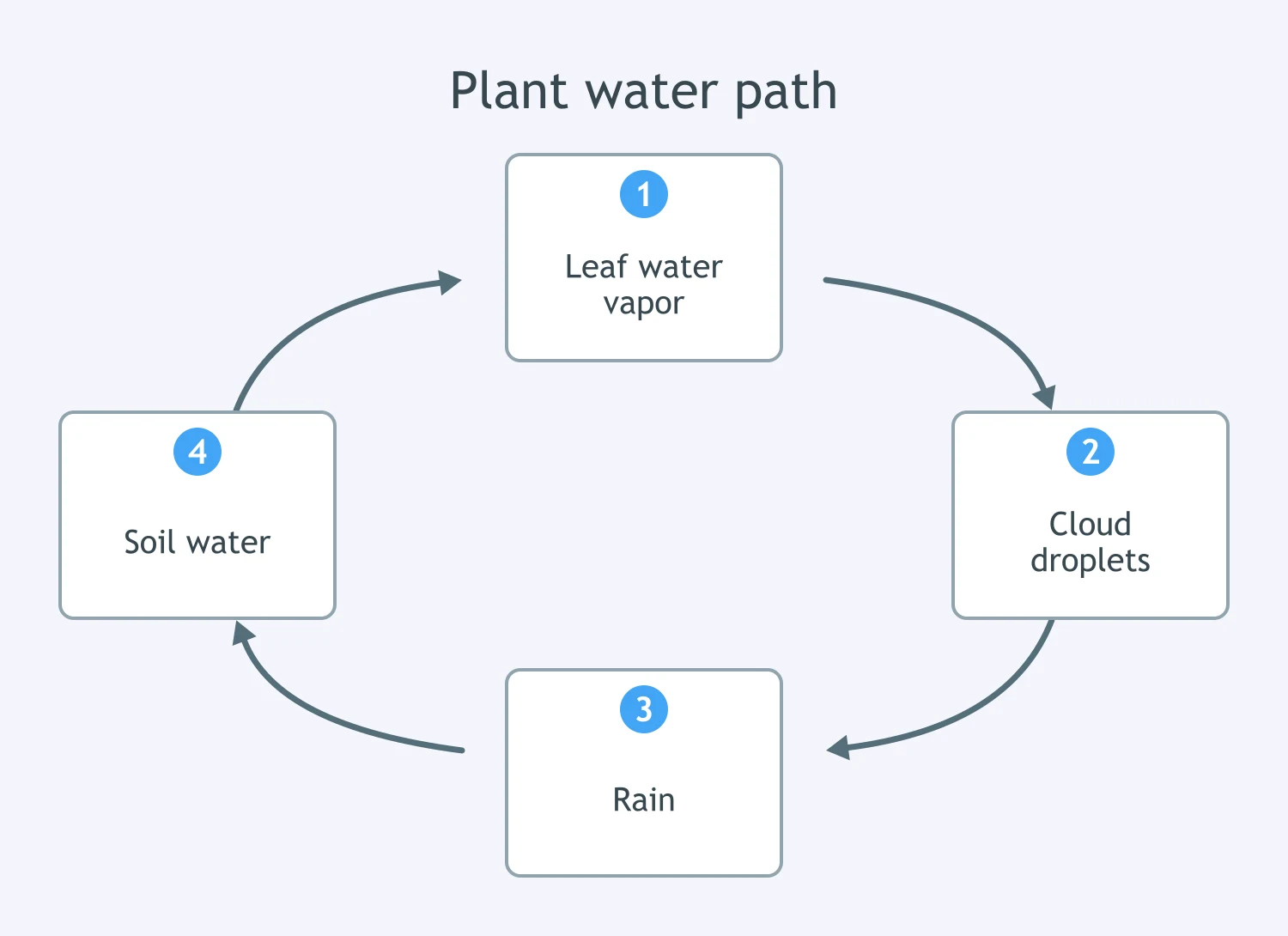
Water leaves leaf surfaces as vapor, forms cloud droplets, and later falls as rain. Which sequence describes this path?
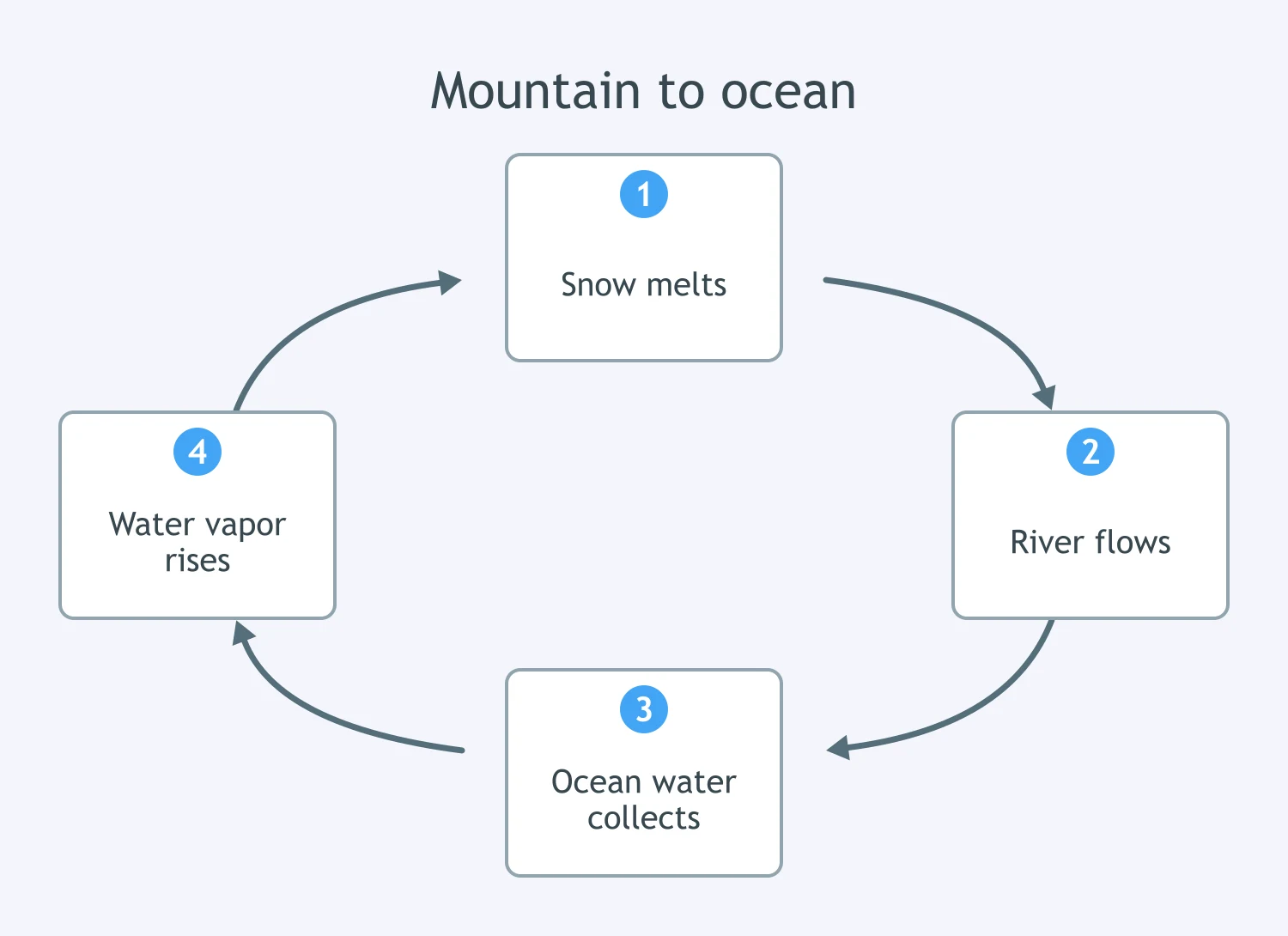
Snow melts on a slope, flows into a river, reaches the ocean, and later becomes vapor. Which sequence fits?
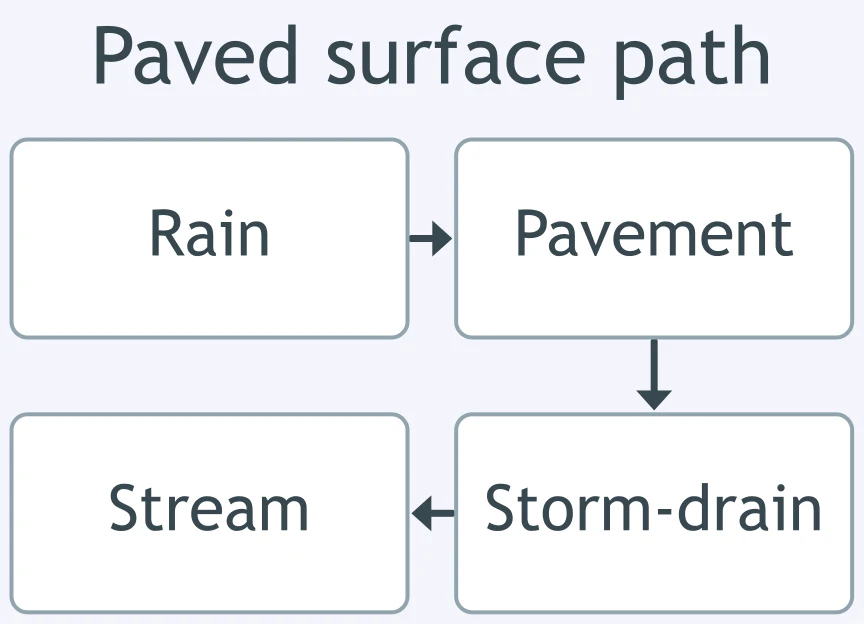
Rain falls during a storm, crosses pavement, enters a storm drain, and flows to a stream. Which sequence best models the path?
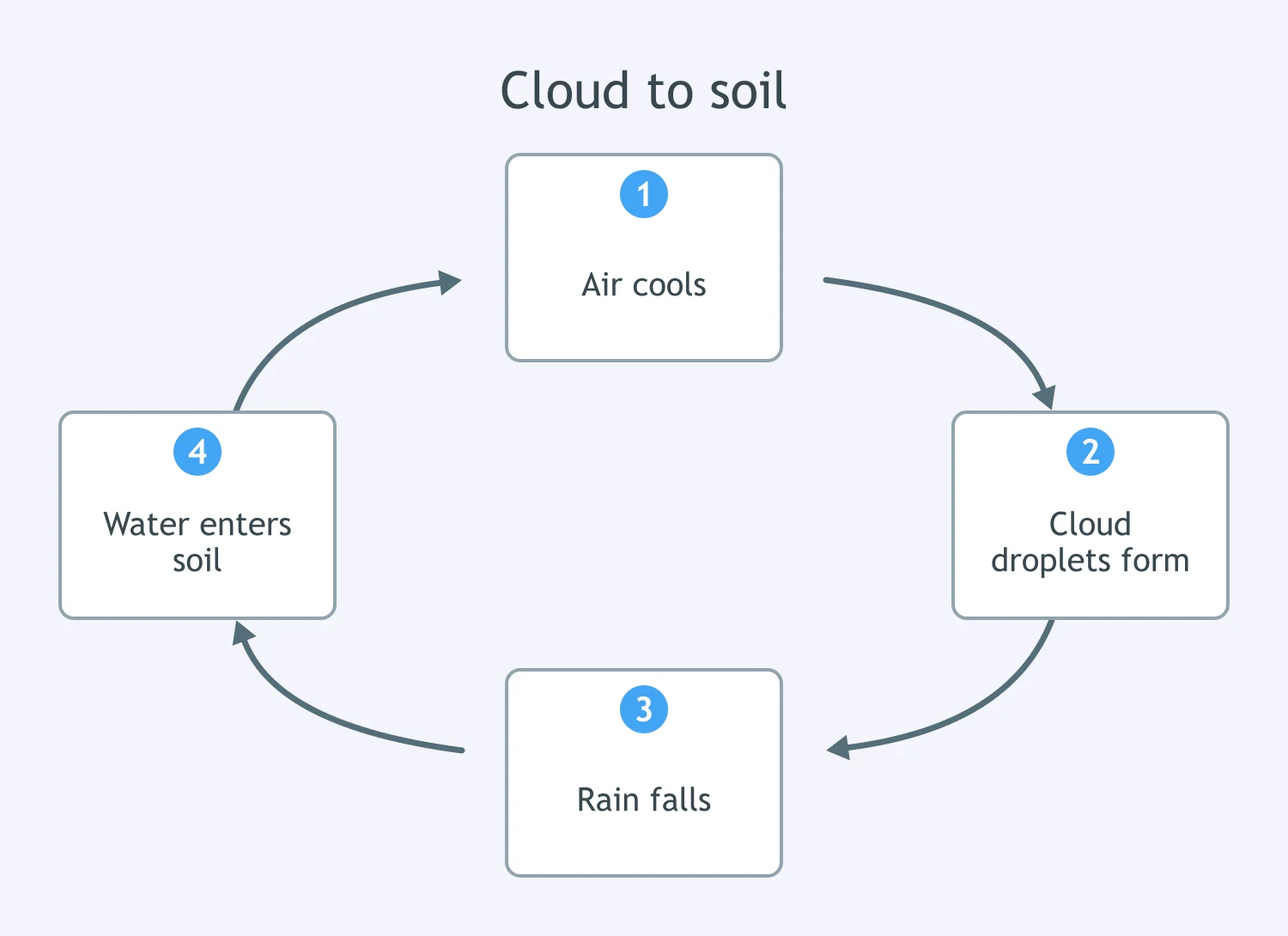
Air cools at high altitude, cloud droplets form, rain falls, and water soaks into soil. Which sequence is correct?
A grassy field is replaced by pavement. During storms, less water can soak into the ground. What change is most likely?
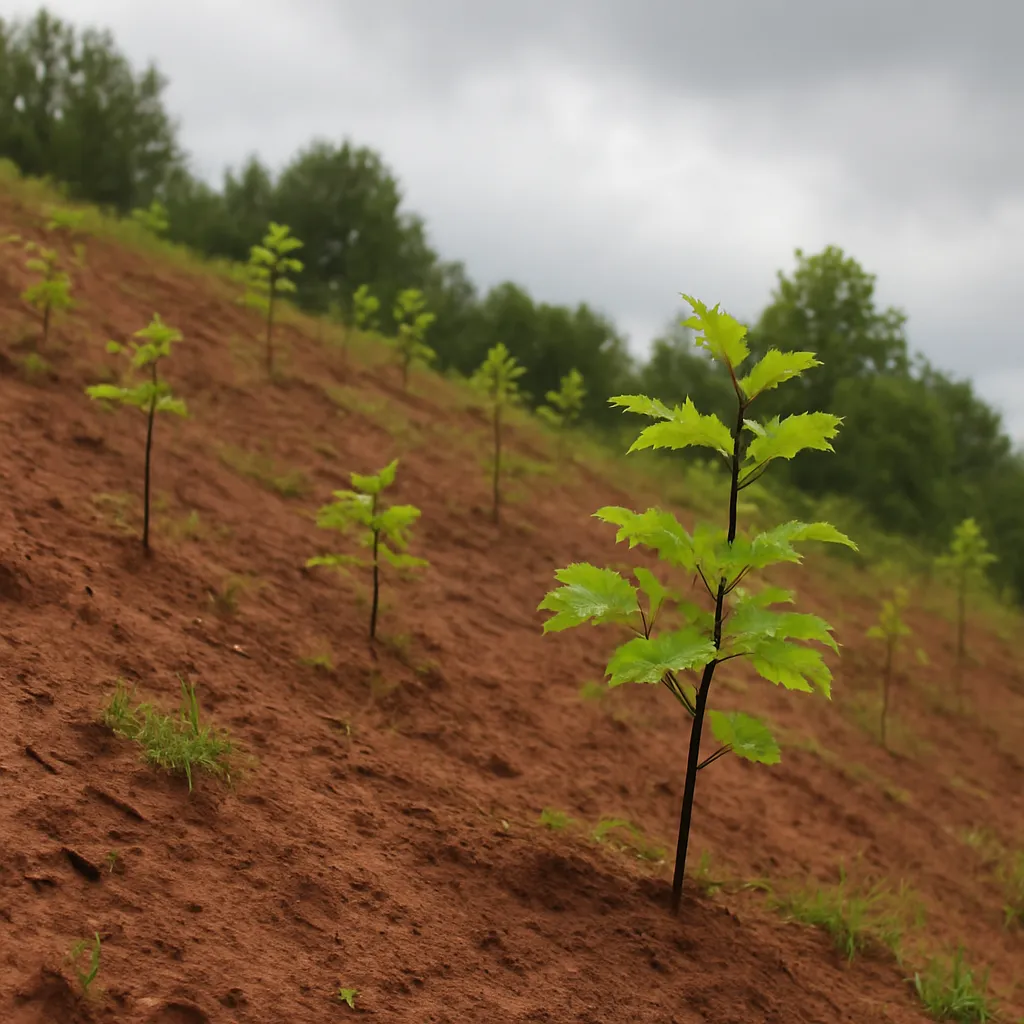
A bare hillside is replanted with trees. Roots loosen soil and leaves slow raindrops. What water movement will likely increase?
After a rainstorm, weather becomes hotter, sunnier, and windier. What will happen to puddles on the playground?
Rain falls on ground that is frozen solid. How will water movement change compared with unfrozen soil?
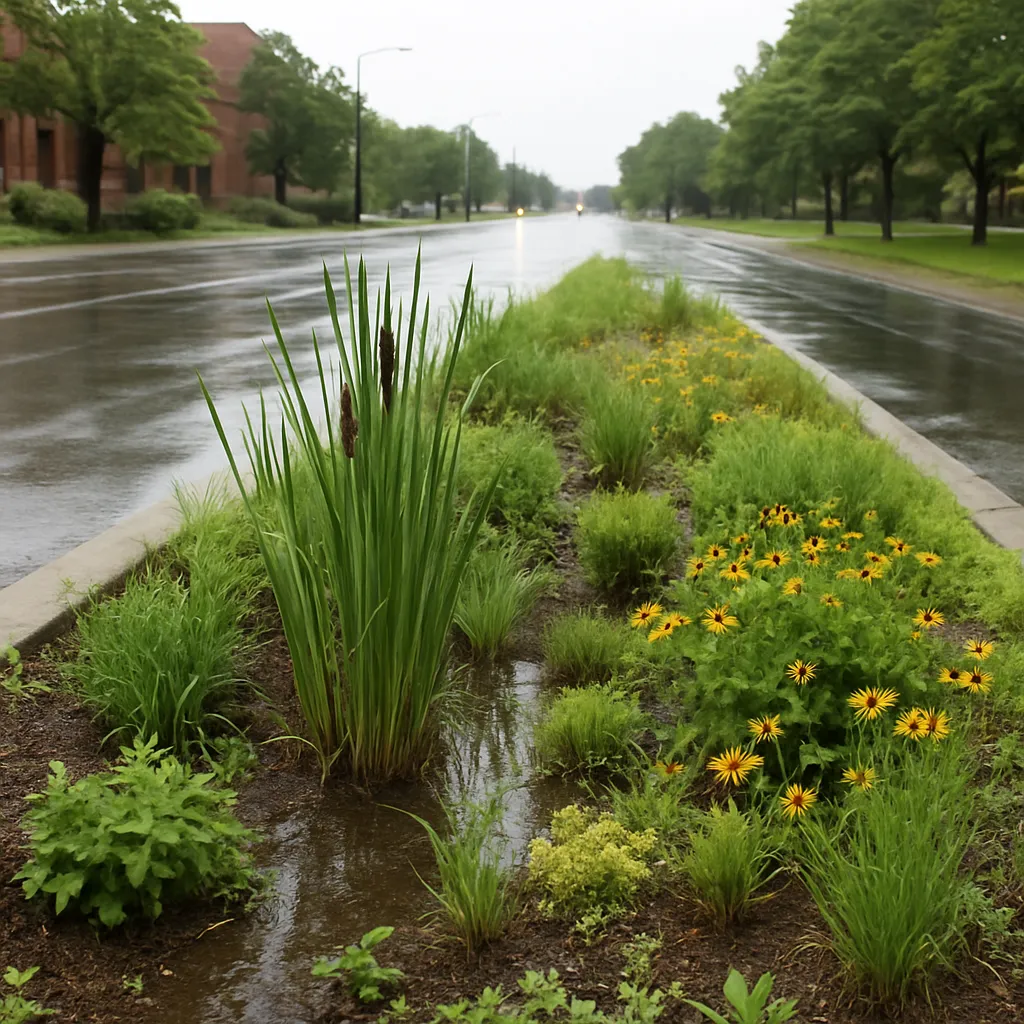
A city adds rain gardens filled with loose soil and plants along streets. During storms, what change is most likely?
Crack the passcode before the zombies get in.
Answer, then swat bugs for bonus points.
Race through questions at your own speed.
Same question on every screen. Fastest wins.

Pick a tile, answer, hit bonuses and steals.
Unequal Heating and Global Circulation
20 questions