Loading
by BlastRoom
Students infer Earth history from rock layers, fossils, and past environments.
#us_grade_7_science
20 questions
One question set, multiple game modes. Tap any game to see it in action. Not sure which to pick?
Answer to place stones and capture territory.
Outrun the snow together.
Earn blasts, then hunt the other team.
Answer to earn energy, then climb.

The class blasts through walls together.
Bid on mystery lots. Most money wins.
Sell tours. Nice, standard, or a total scam.

Answer, restock, and serve the rush.
More correct answers pulls the rope your way.
Answer, then shoot down the alien wave.
Answer, then tap to leap the frozen ridge.
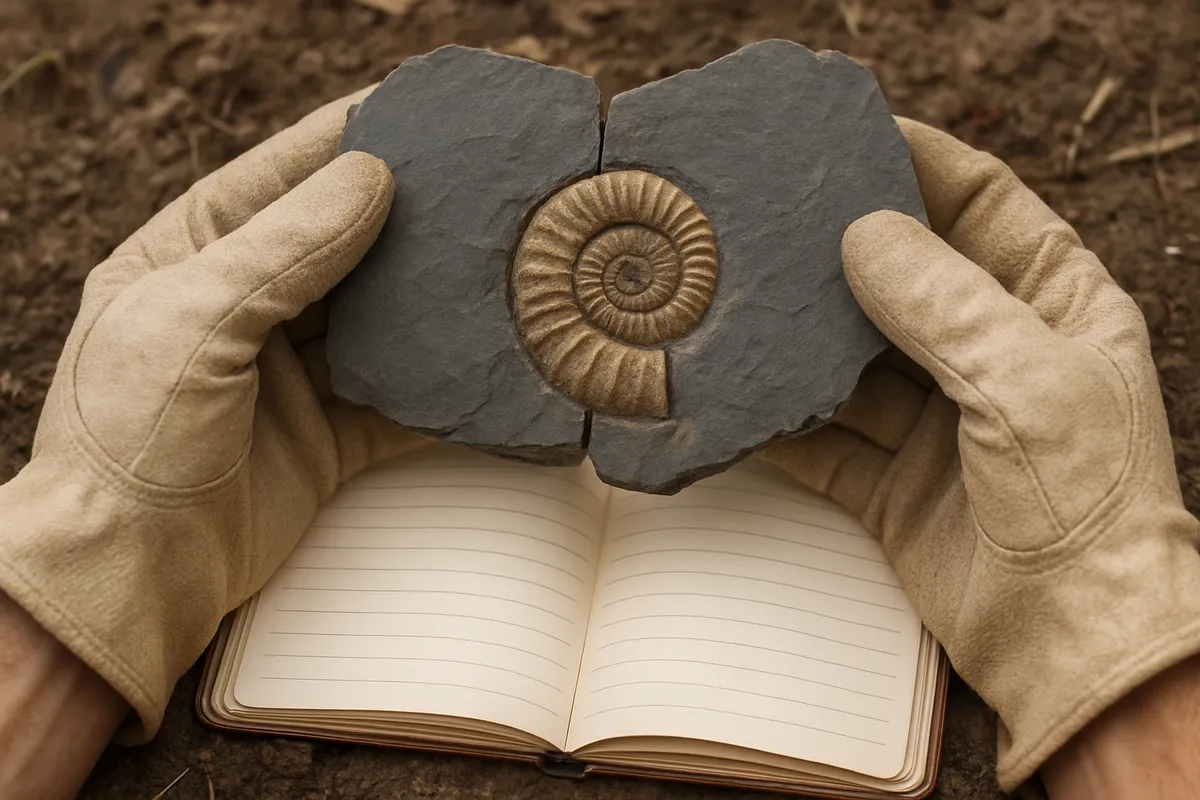
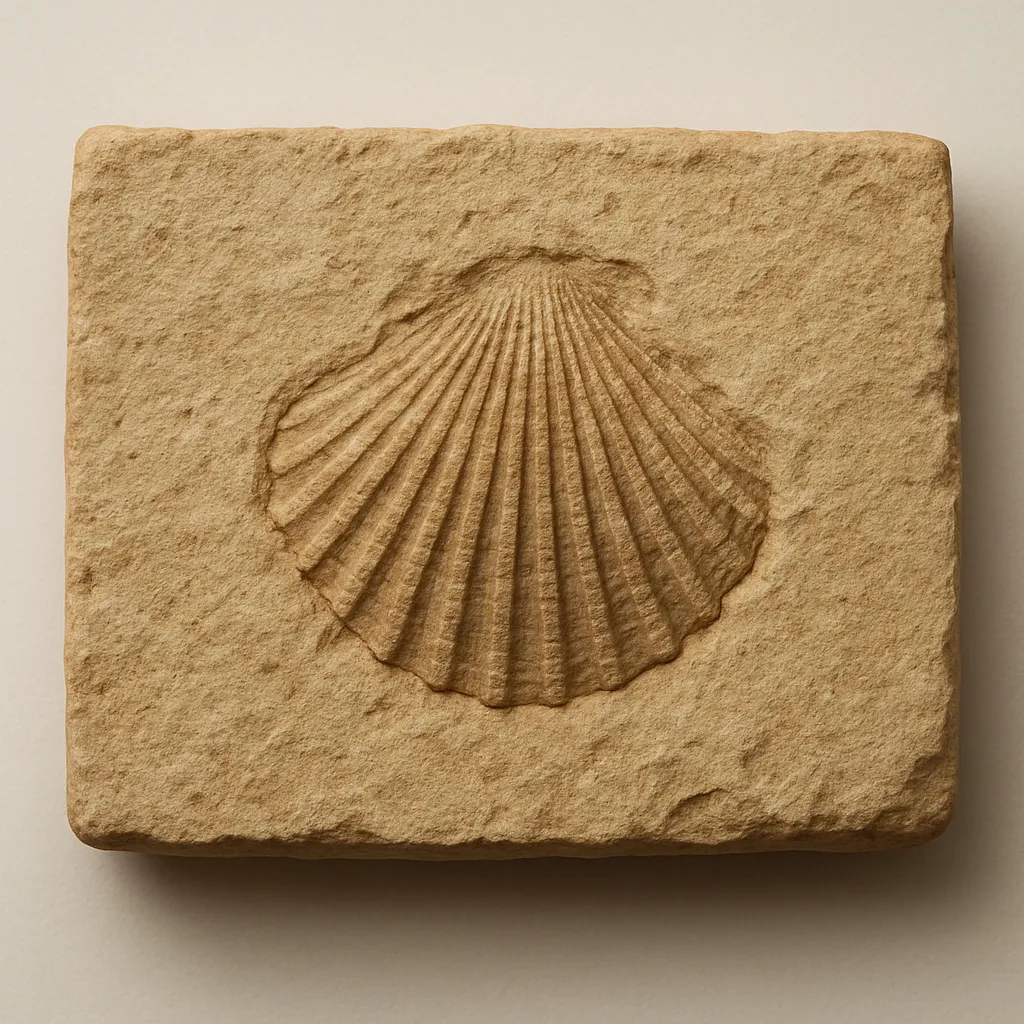
A fossil shell lies in a rock layer below dinosaur footprints. The layers are not overturned. Which fossil is older?
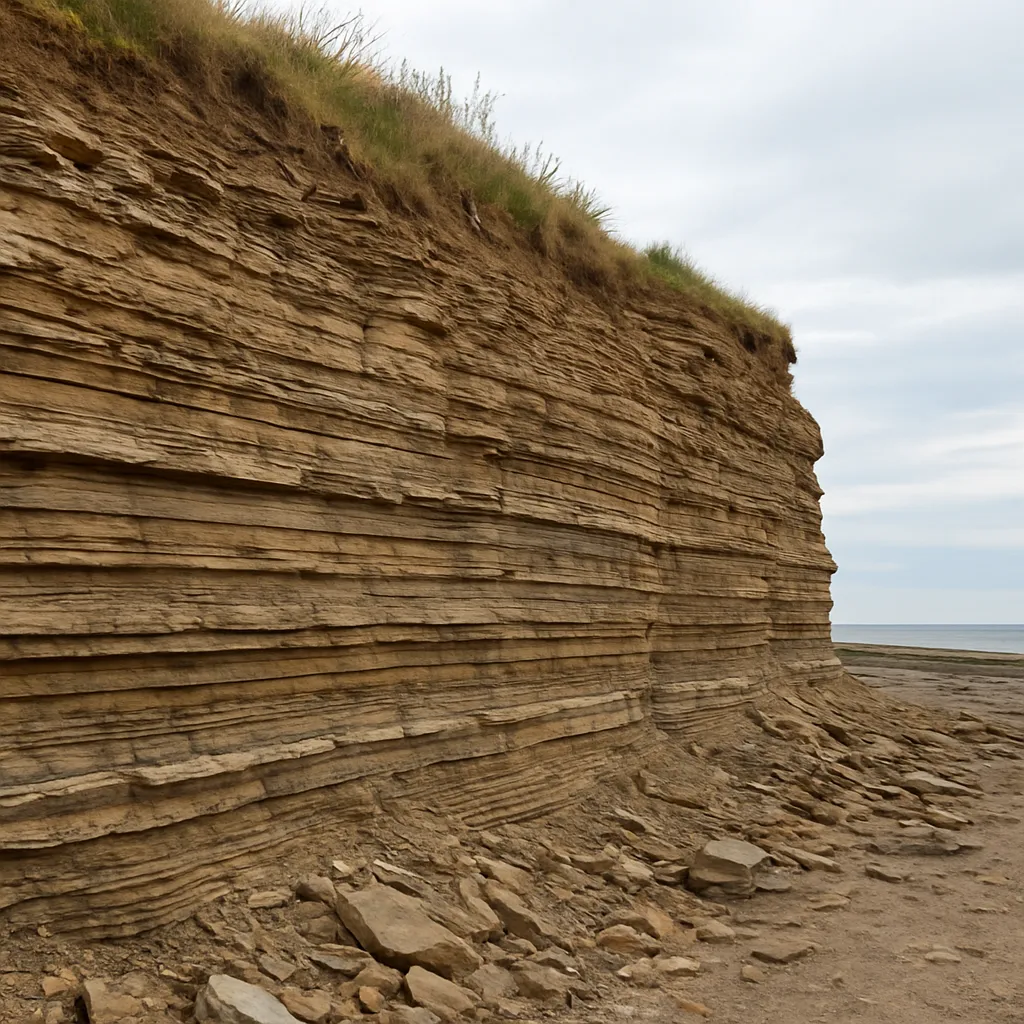
In an undisturbed cliff, trilobite fossils are in the lowest layer, fern fossils are in the middle, and mammal bones are in the top layer. Which fossils are oldest?
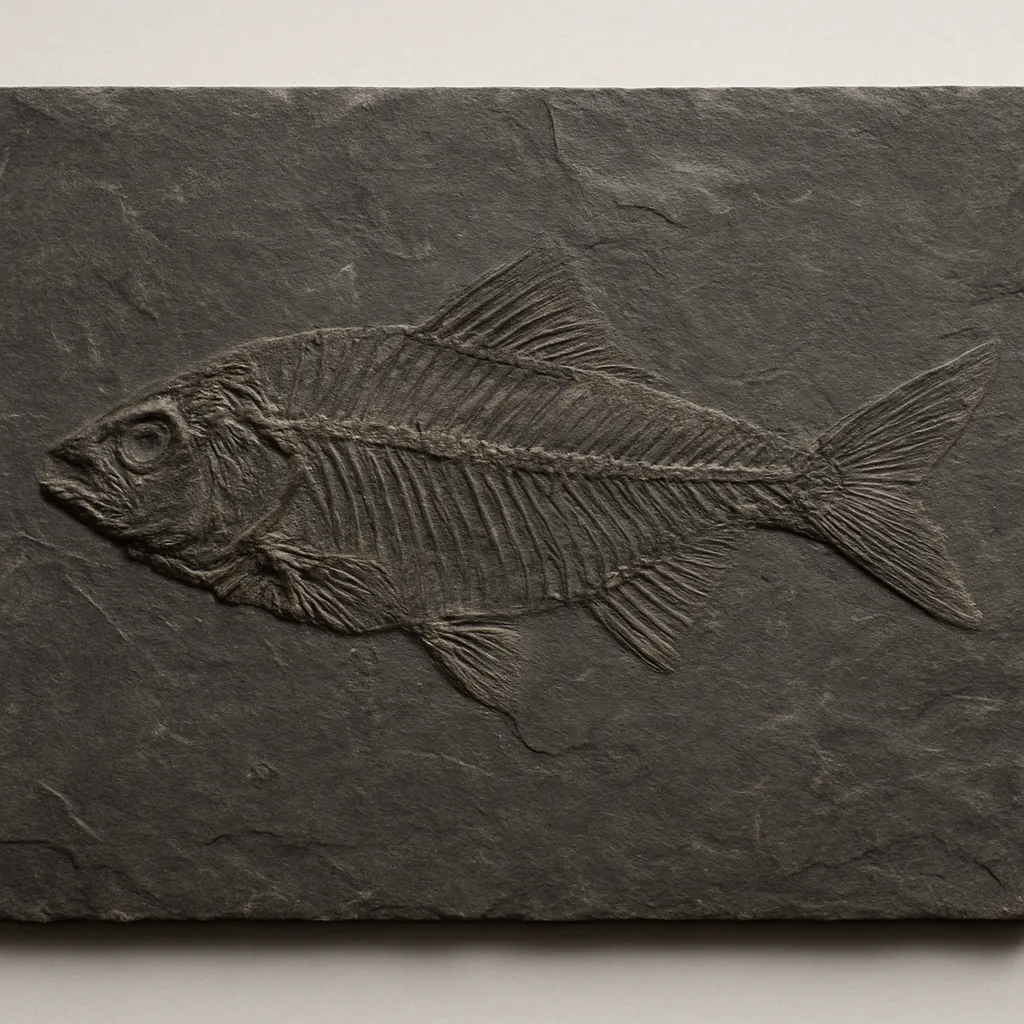
A leaf fossil is found above a fish fossil in flat sedimentary layers. No folding or faulting disturbed the rocks. Which fossil is younger?
Three rock layers are stacked with Layer A at the bottom, Layer B in the middle, and Layer C on top. Upside-down mud cracks show that folding flipped the whole stack over. Which layer formed first?
A fish fossil is found in shale, a rock made from fine mud. Why are fossils often found in rocks like this?
A sandstone layer with reptile tracks lies between a shell layer below and a leaf layer above. The layers are undisturbed. What is the relative age of the reptile tracks?
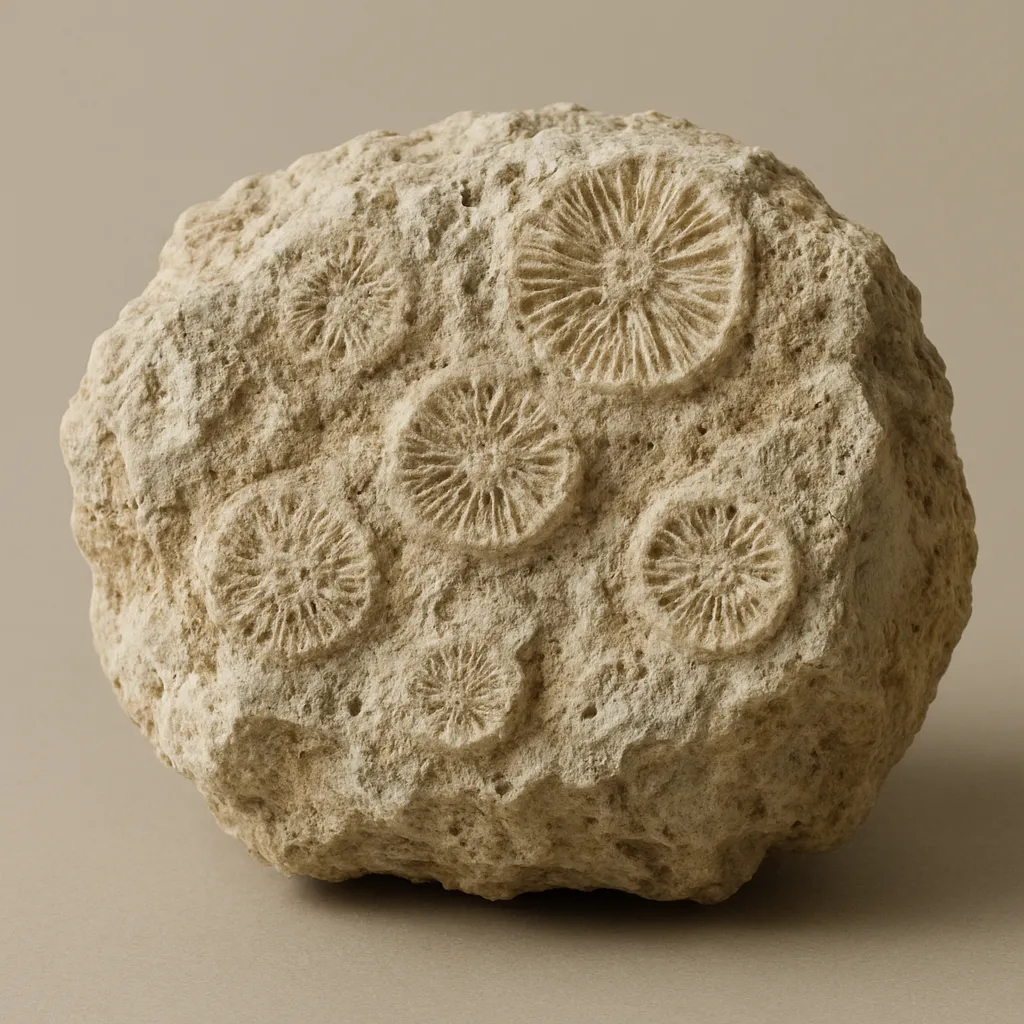
A rock layer in a dry inland desert contains many fossil corals and ocean shells. What past environment does this evidence best support?
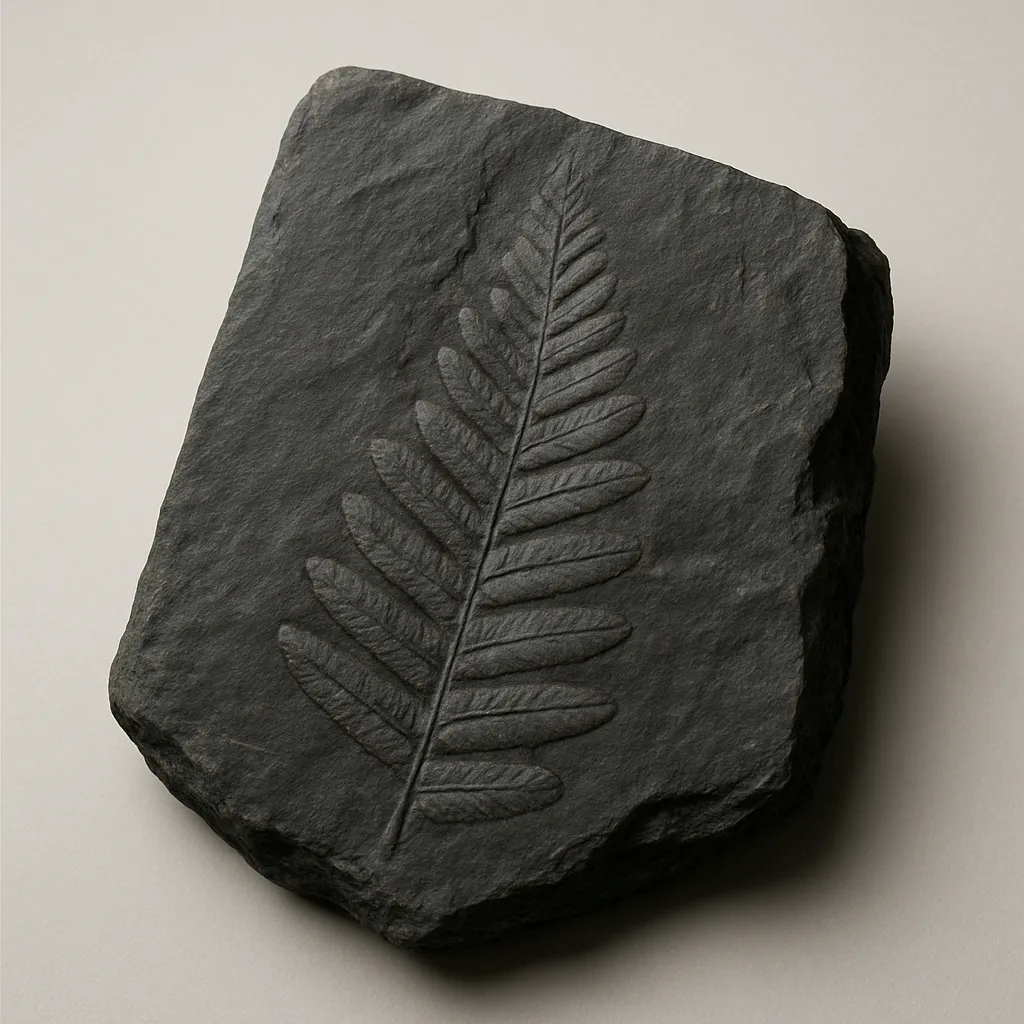
A dark rock layer holds coal, fossil fern leaves, and tree-trunk impressions. What past environment is most likely recorded by the layer?
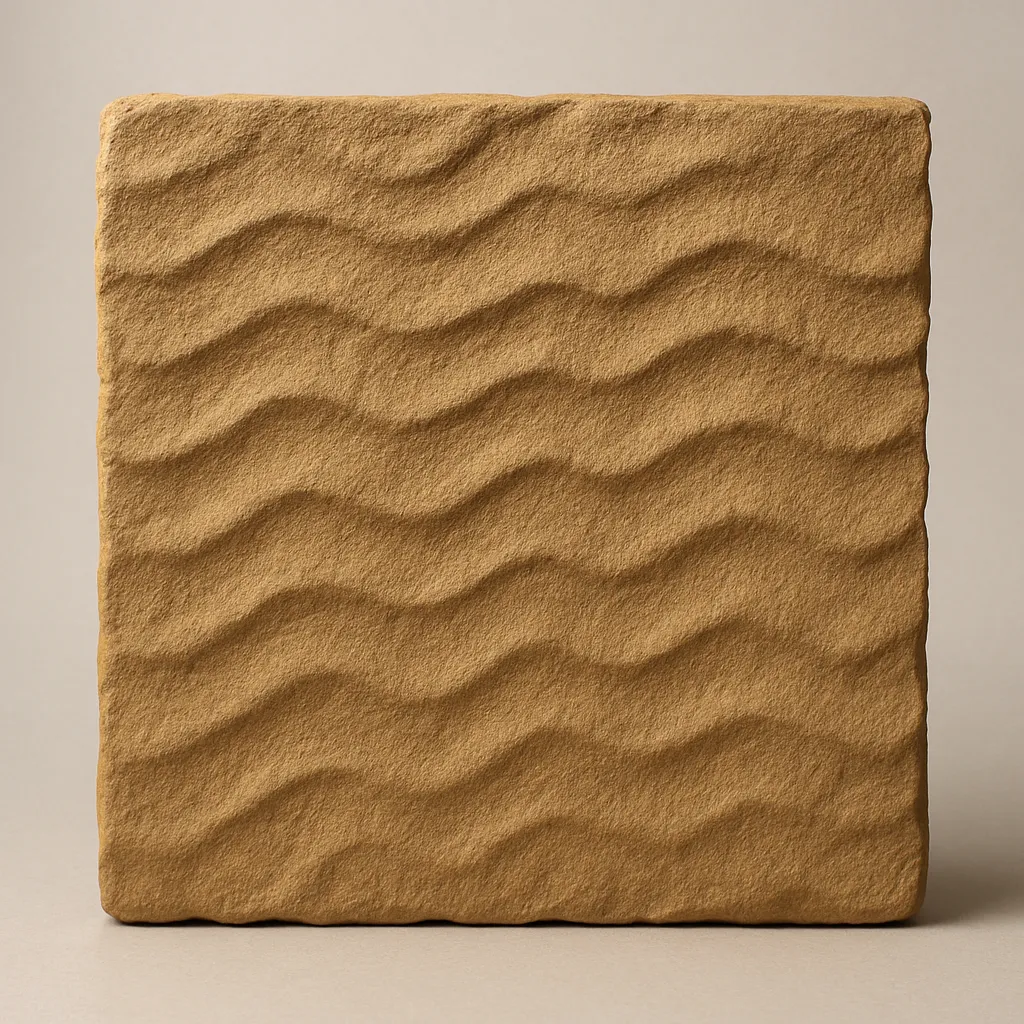
Sandstone contains ripple marks, fossil fish scales, and shells. What past setting best fits those clues?
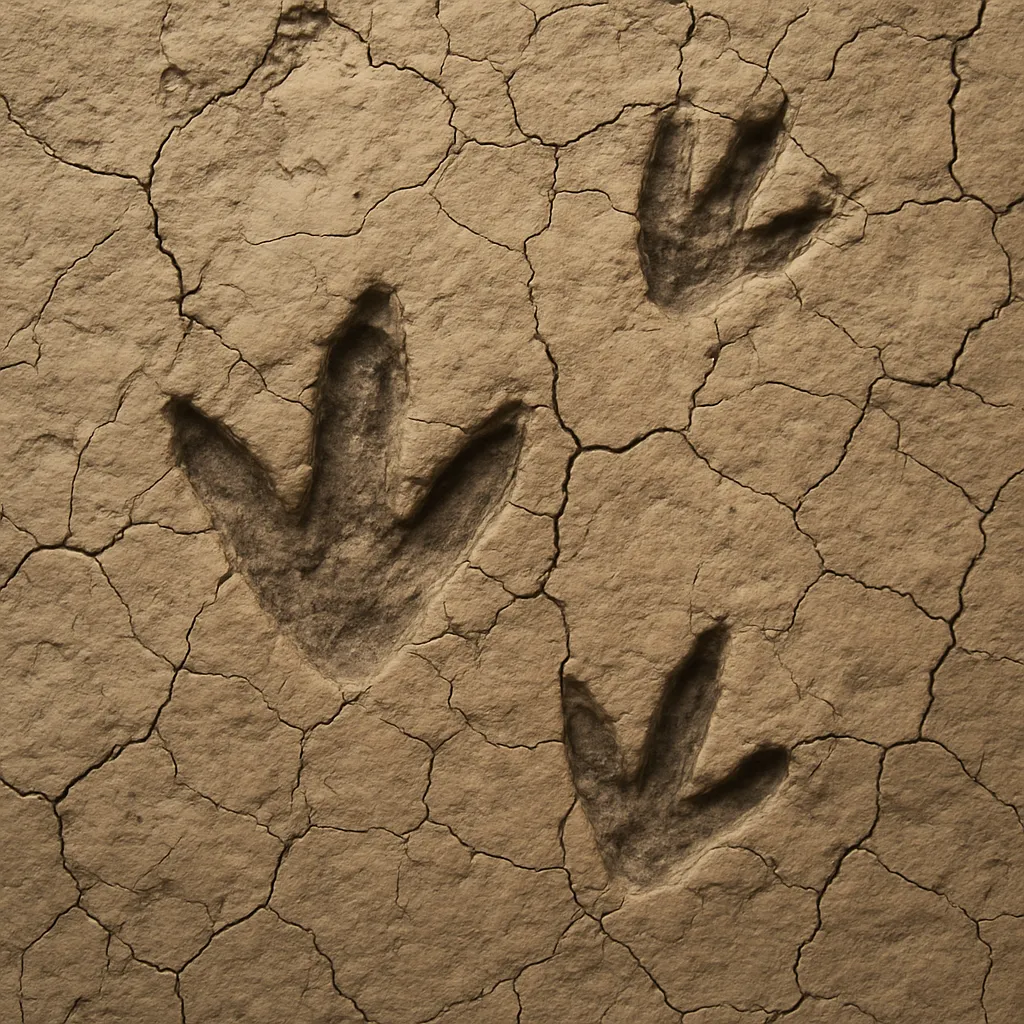
A mudstone layer has mud cracks and reptile footprints but no fish fossils. What environment was most likely there when the mud hardened?
Rounded pebbles, cross-bedded sand, and freshwater clam fossils occur together in a layer. What past environment best explains the evidence?
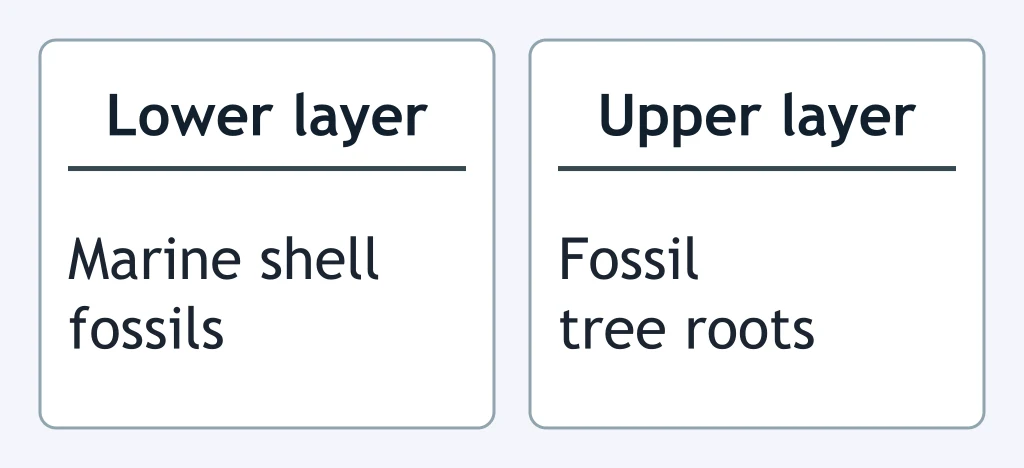
Lower layers in a hillside contain marine shells, while upper layers contain fossil tree roots. What change does this fossil record suggest for that place?
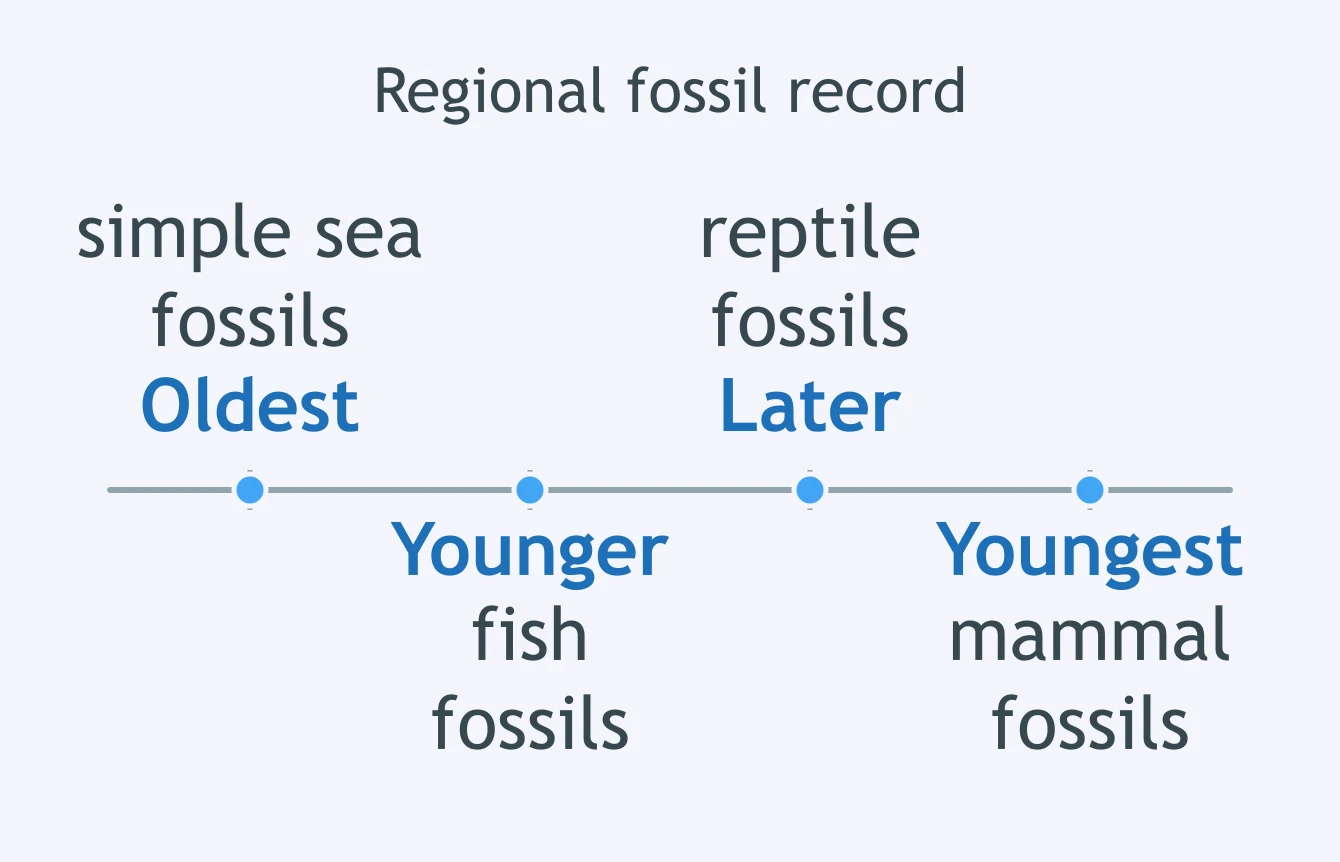
Oldest rocks in a region contain simple sea fossils; younger rocks contain fish, then reptiles, then mammals. What claim is best supported?
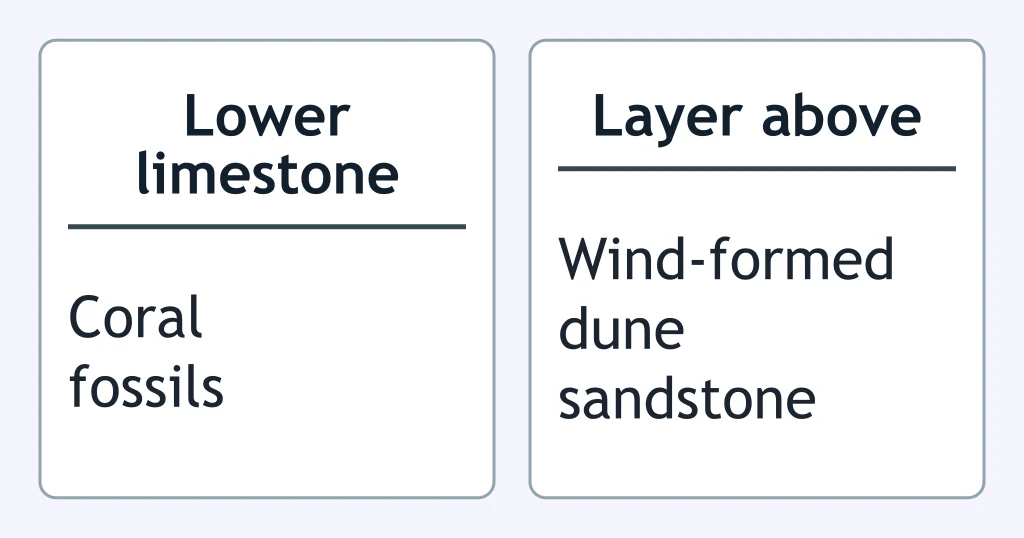
A cliff has coral fossils in lower limestone and wind-formed dune sandstone above it. What does this order show about the area's past?
Fossil pollen from cold-adapted spruce trees and mammoth bones are found where the climate is warm today. What does that evidence suggest?
Dinosaur footprints occur only in lower layers, while burrows from small mammals occur in upper layers. What does this pattern suggest?
Two cliffs kilometers apart both contain the same short-lived ammonite species in one layer. What can scientists infer about those layers?
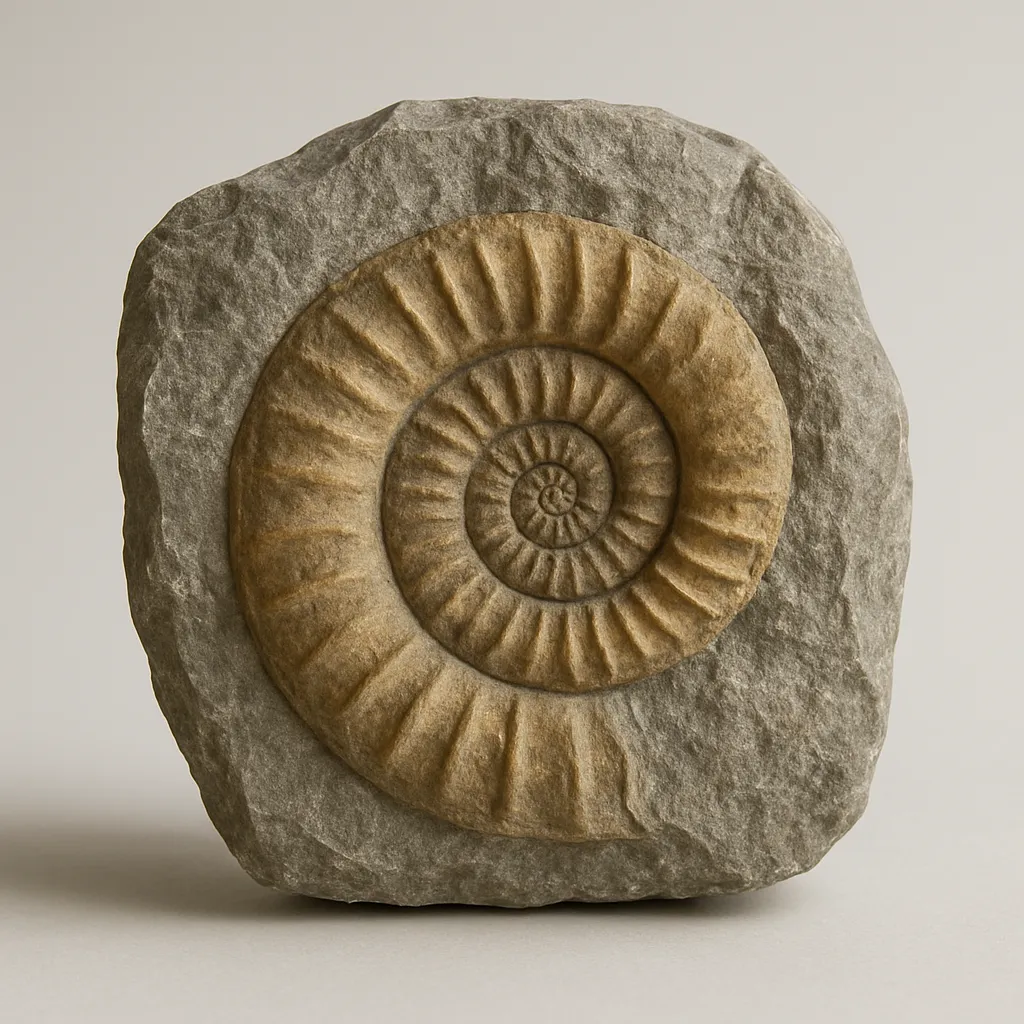
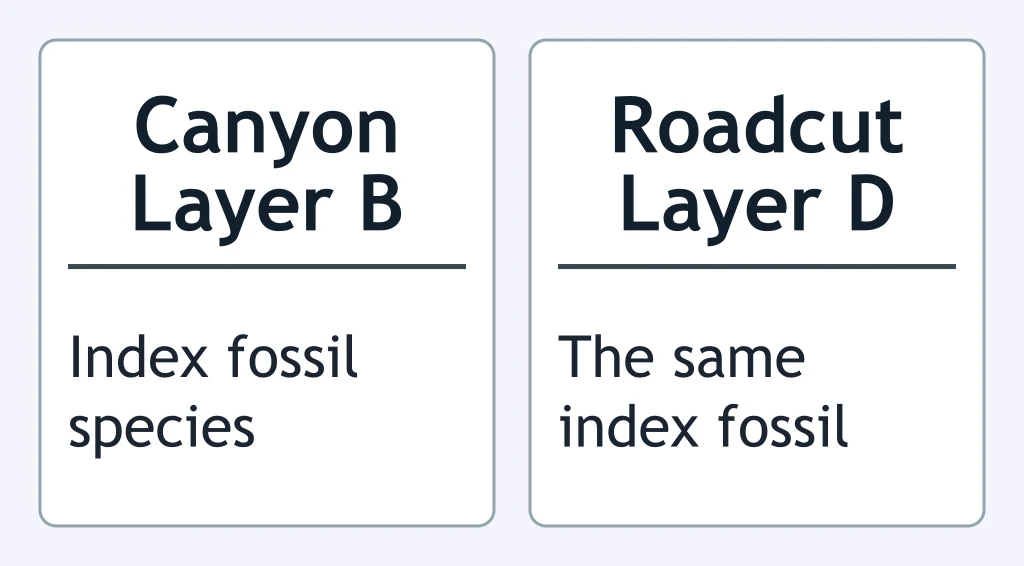
A canyon's Layer B and a roadcut's Layer D both contain the same index fossil species. What is the best correlation?
A fossil species was widespread but lived for a short geologic time. Why is it useful for matching rock layers?
Layer X has long-lived brachiopods, Layer Y has only ripple marks, and Layer Z has a short-lived widespread fossil. Which layer is best for correlation?
Crack the passcode before the zombies get in.
Answer, then swat bugs for bonus points.
Race through questions at your own speed.
Same question on every screen. Fastest wins.

Pick a tile, answer, hit bonuses and steals.
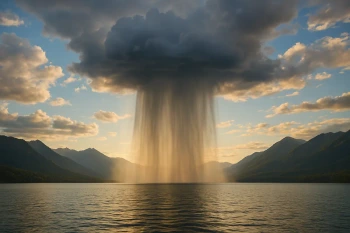
The Water Cycle
40 questions