Loading
by BlastRoom
Students infer air-mass properties, front types, and weather changes from source regions and moving air masses.
#us_grade_7_science
20 questions
One question set, multiple game modes. Tap any game to see it in action. Not sure which to pick?
Answer to place stones and capture territory.
Outrun the snow together.
Earn blasts, then hunt the other team.
Answer to earn energy, then climb.

The class blasts through walls together.
Bid on mystery lots. Most money wins.
Sell tours. Nice, standard, or a total scam.

Answer, restock, and serve the rush.
More correct answers pulls the rope your way.
Answer, then shoot down the alien wave.
Answer, then tap to leap the frozen ridge.
An air mass forms over the warm Gulf of Mexico and then moves north over land. What properties will it most likely bring?

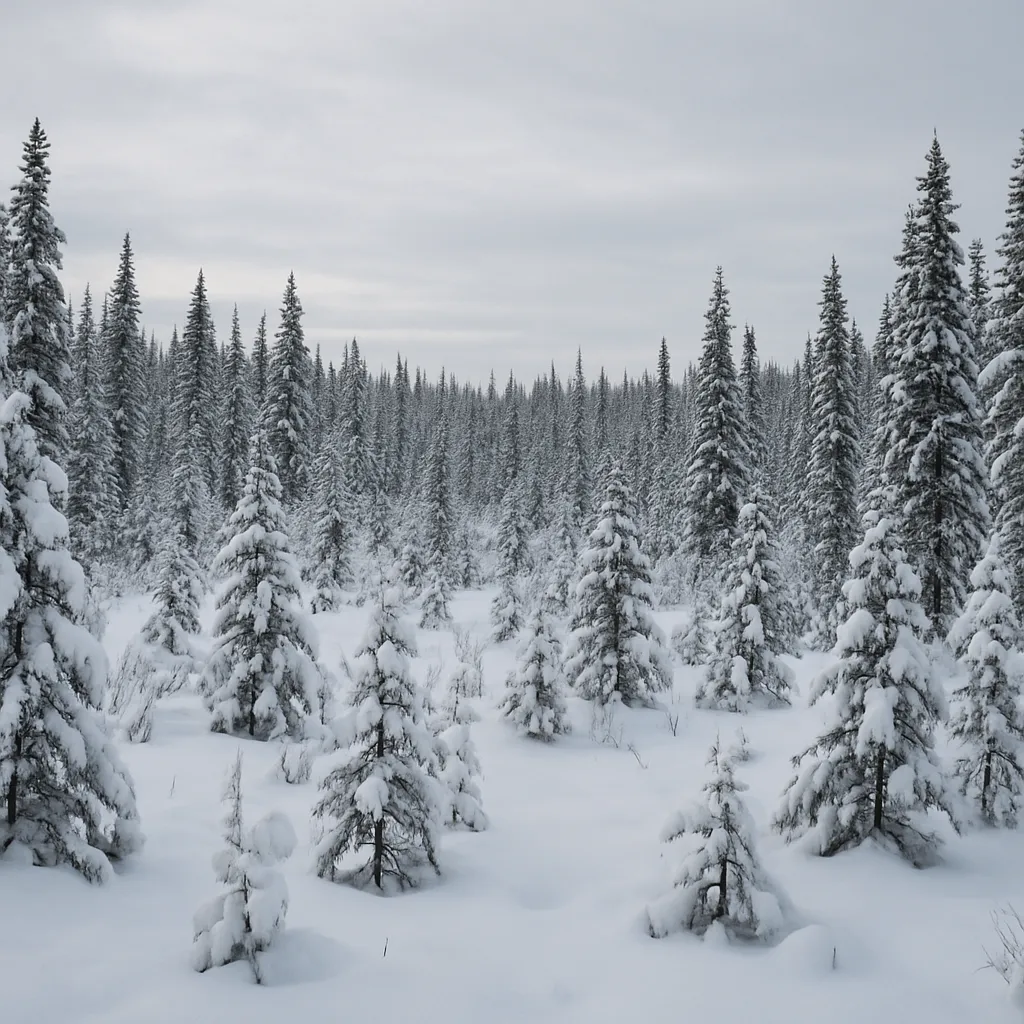
An air mass forms over snow-covered interior Canada during winter and moves south. What properties will it most likely carry?
An air mass develops over the tropical Atlantic Ocean before reaching the southeastern United States. What weather properties should forecasters expect from it?

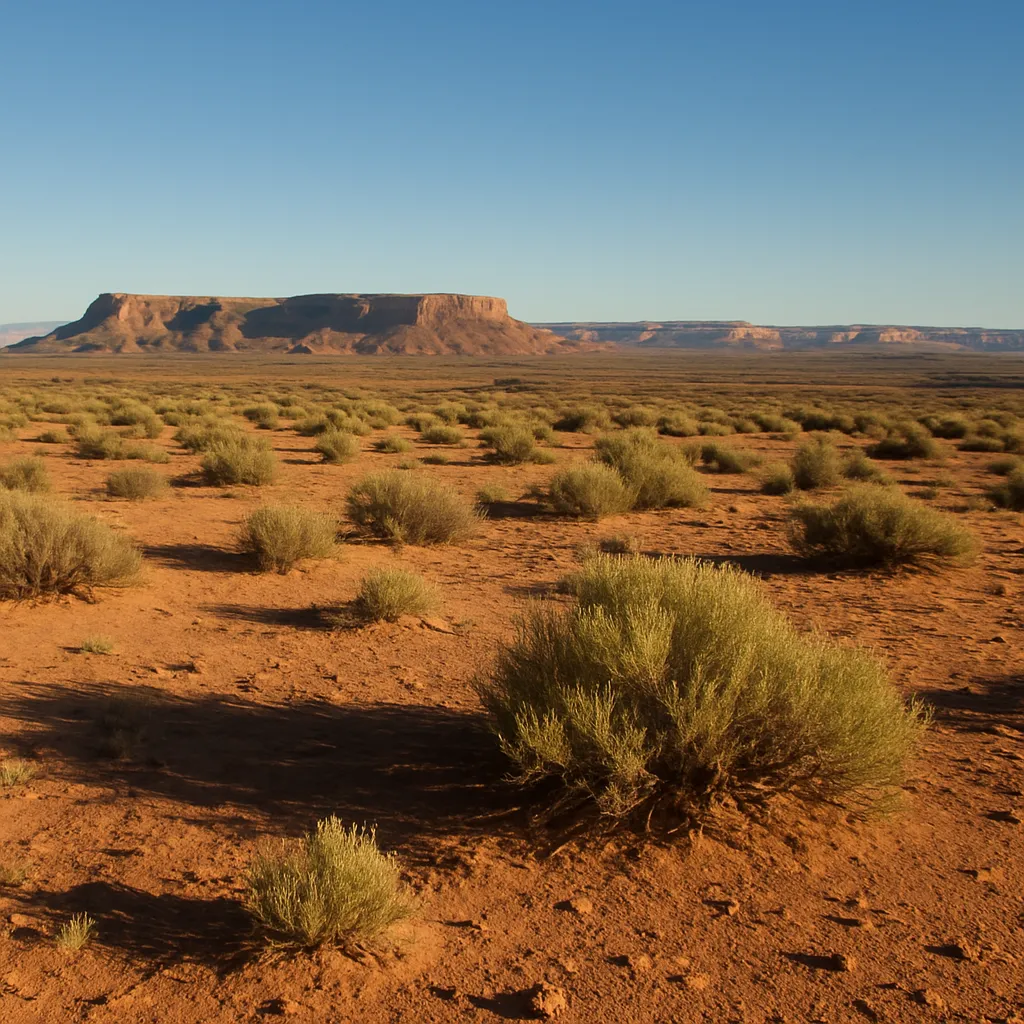
An air mass sits over a hot desert plateau in northern Mexico for several days. What properties will it likely have when it moves away?
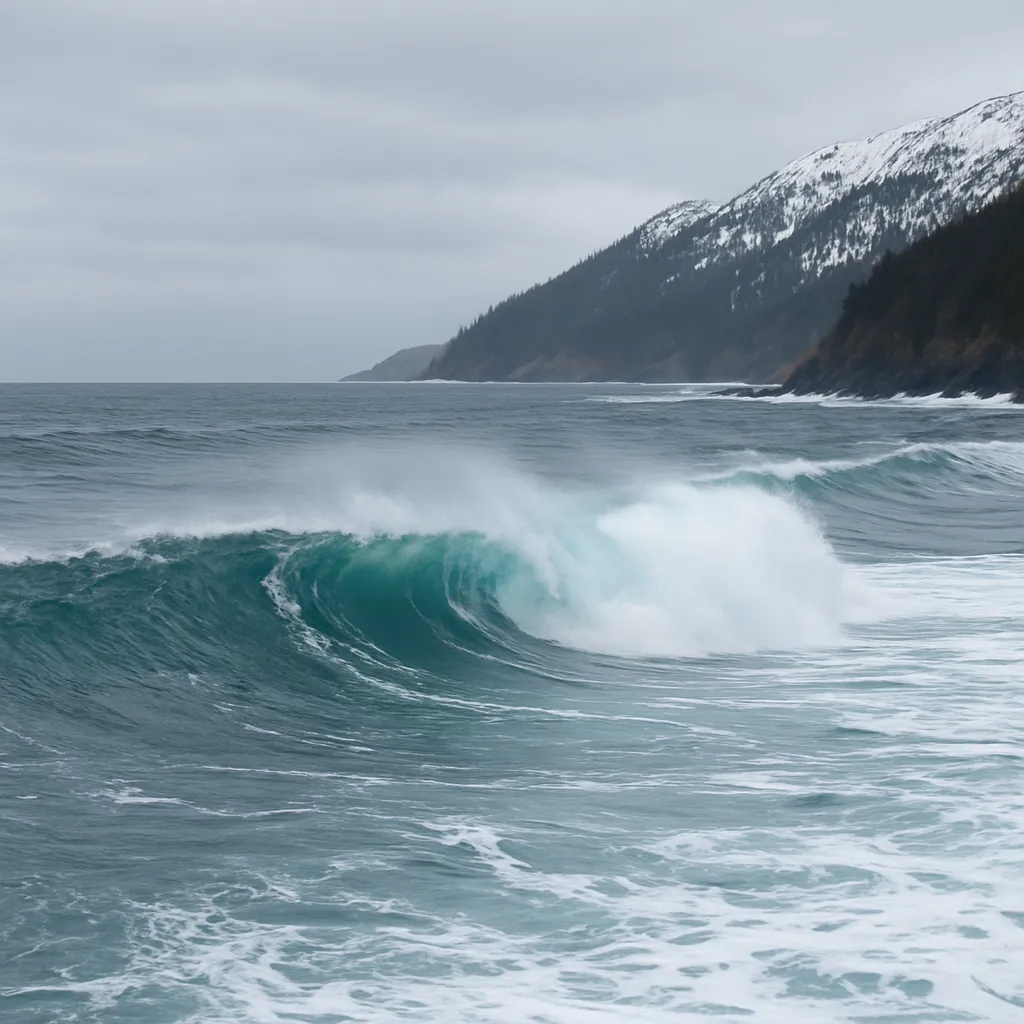
An air mass forms over the cold North Pacific Ocean near Alaska. What properties will it most likely bring to the coast?
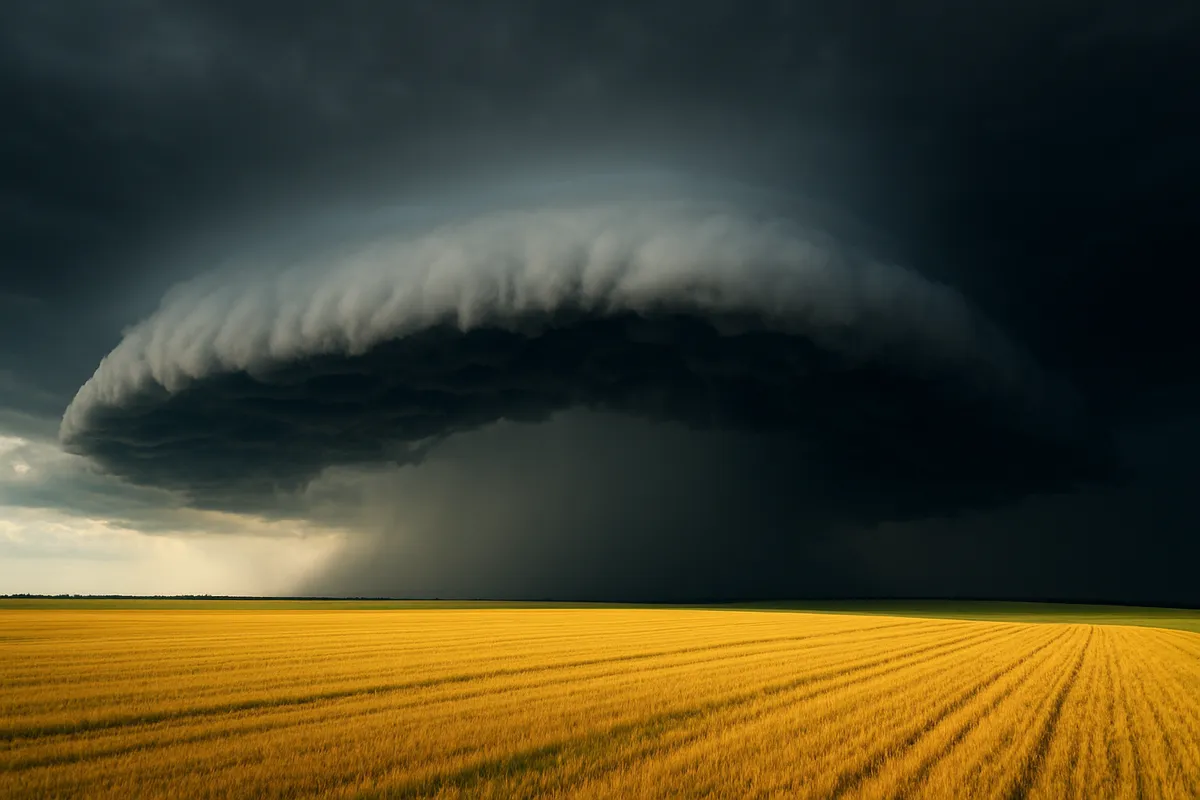
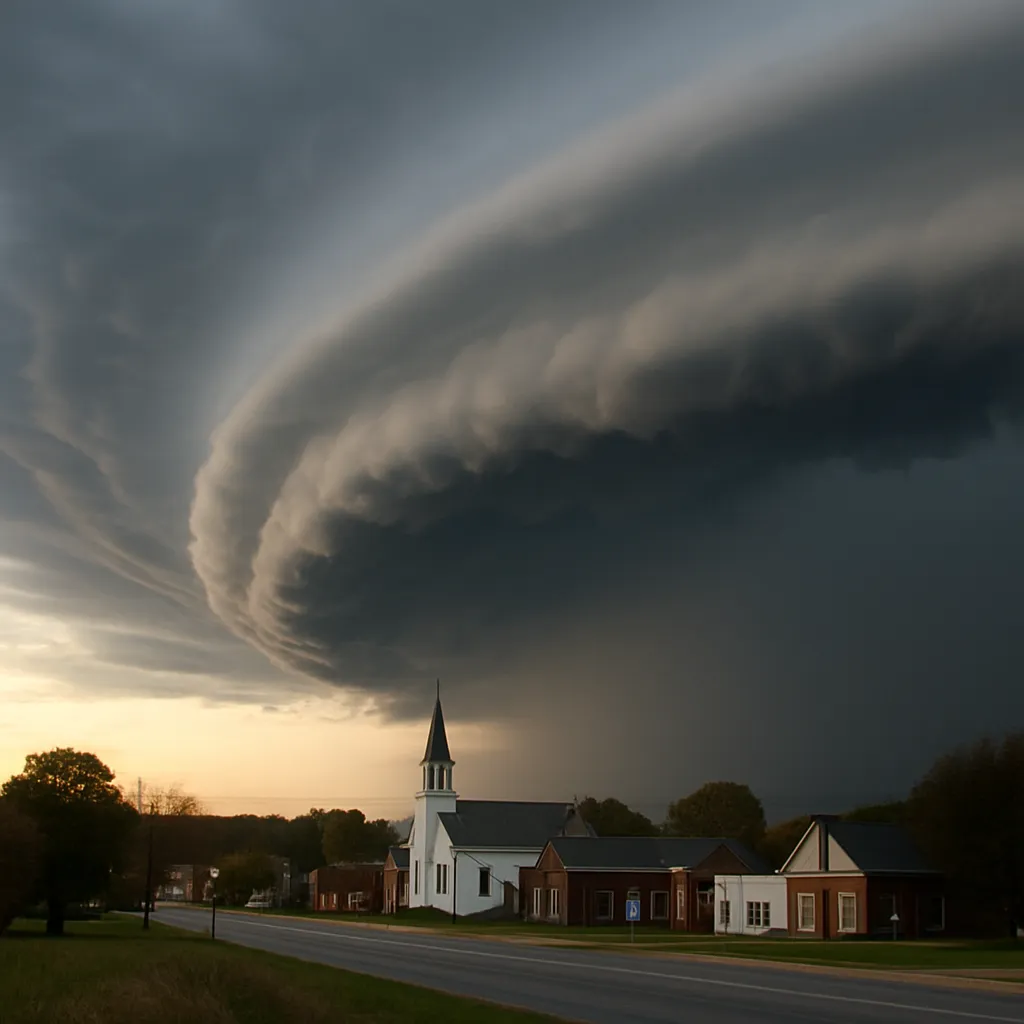
Cold, dense air pushes under warm, humid air along a fast-moving boundary, forcing the warm air upward quickly. What weather is most likely near the front?

Warm, moist air slowly slides up over a shallow layer of cold air ahead of it. What weather is most likely before this front passes?

After a warm, humid afternoon, a cold front reaches a town at 18:00. What change is most likely as the front passes?
A dry continental air mass pushes a humid Gulf air mass east of a city. What weather should the city most likely experience after the front passes?
A boundary between cool air and warm, humid air stalls over the same region for several days. What weather pattern is most likely there?

A cold front overtakes a warm front, lifting the warm air off the ground. What weather commonly develops along this occluded front?

Warm, humid air from the ocean meets a cooler air mass over land, and the warm air is forced upward. What is the likely result?
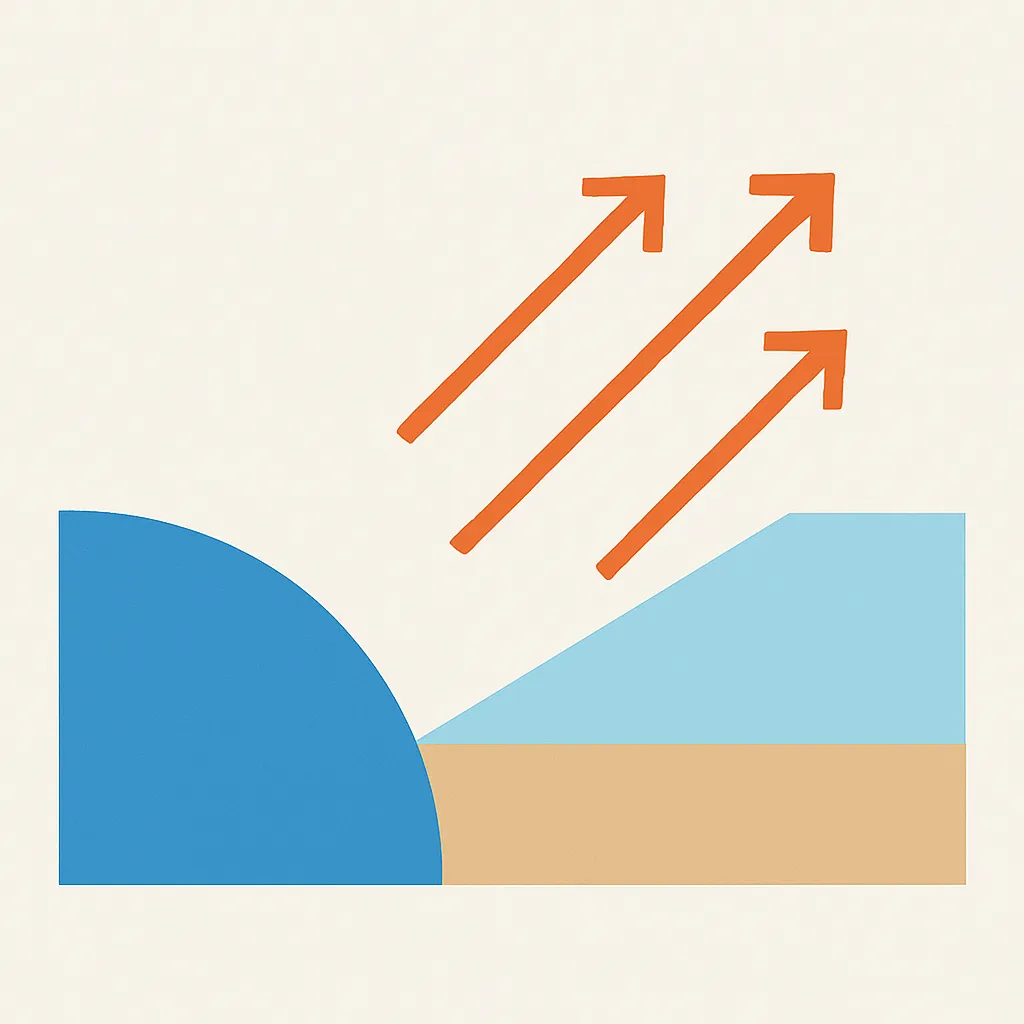
Warm air is rising gently over cooler air ahead of an approaching warm front. What clouds does a town usually see first, while the front is still far away?

At noon a station is 24 degrees Celsius and humid. By 14:00, storms pass, wind shifts, pressure rises, and temperature falls to 14 degrees Celsius. Which front likely passed?
On a weather map, a line with blue triangles points east. Cold dry air is west of the line, and warm humid air is east. What weather is likely along it?
A town has cool air and light rain Monday. On Tuesday the rain ends and temperature rises as warmer air arrives. What front most likely passed?
A map shows a front lying over the same counties Monday and Tuesday, with cool air north and warm humid air south. What kind of front is shown?
At a front, warm moist air is forced upward over colder, denser air. Why can clouds form?

Cold fronts often make taller storm clouds than warm fronts. What reasoning best explains this difference?

A front has already formed clouds from rising moist air. Why might precipitation begin to fall from those clouds?

Crack the passcode before the zombies get in.
Answer, then swat bugs for bonus points.
Race through questions at your own speed.
Same question on every screen. Fastest wins.

Pick a tile, answer, hit bonuses and steals.
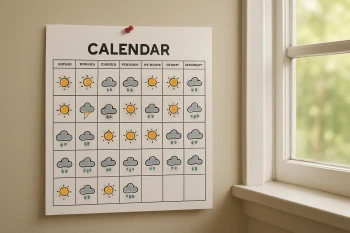
Weather and Climate Are Not the Same
20 questions